
If you’re looking at the Banff Cowboy Cookout and trying to choose between the covered wagon and horseback versions, the meal waiting at the other end is not really the deciding factor. The bigger question is what you want to be doing during the journey.
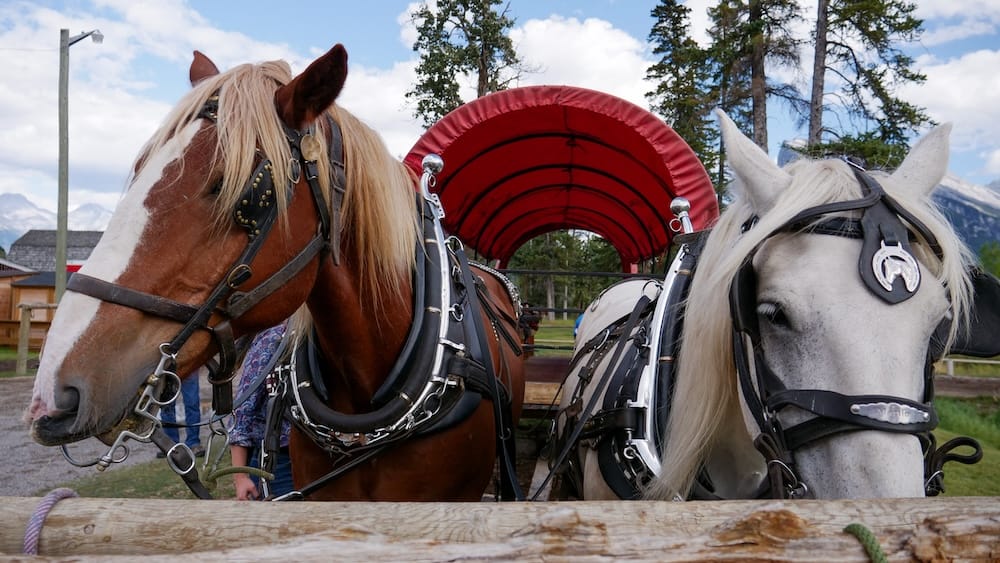
Audrey and I did the Cowboy Cookout by covered wagon, and we loved it. I’ve also spent six days travelling through the Banff backcountry on horseback with Banff Trail Riders, which gave me a very different appreciation for what changes once you are the person sitting on—and paying attention to—the horse.
My basic decision is simple: if you mainly want to relax, talk with whoever you’re travelling with and really take in the scenery, I’d choose the wagon. If riding a horse is one of the experiences you specifically want to have in Banff, choose horseback. Neither is automatically better. They just ask different things from you.
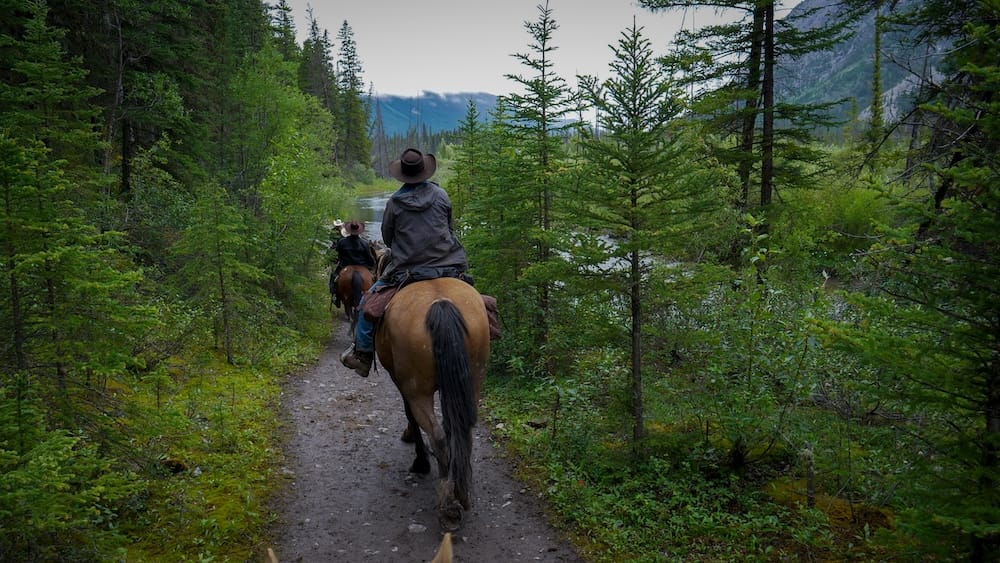
What actually changes between the wagon and horseback Cowboy Cookout?
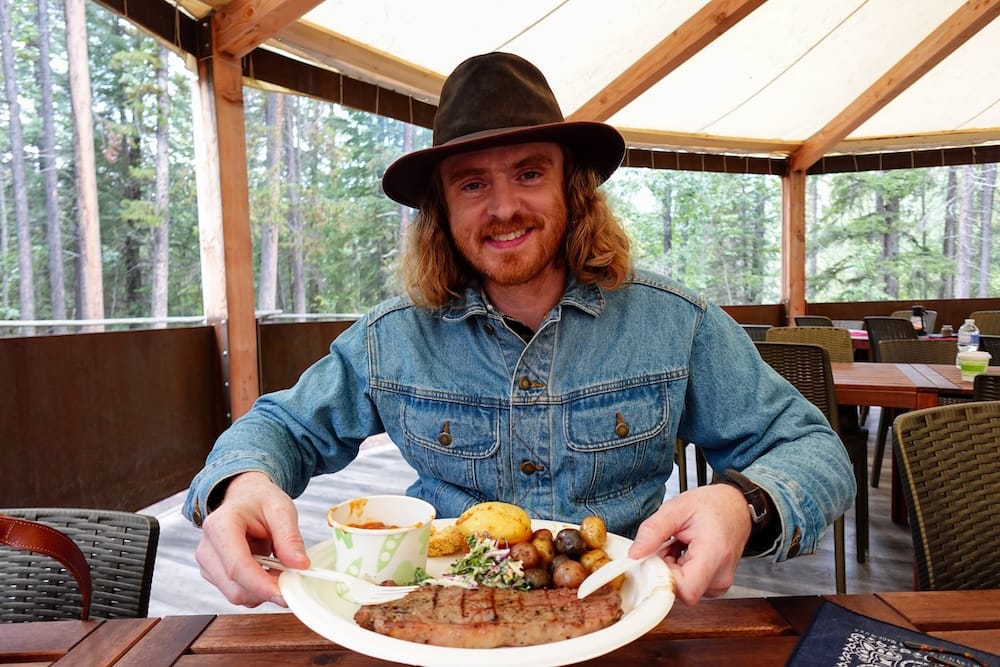
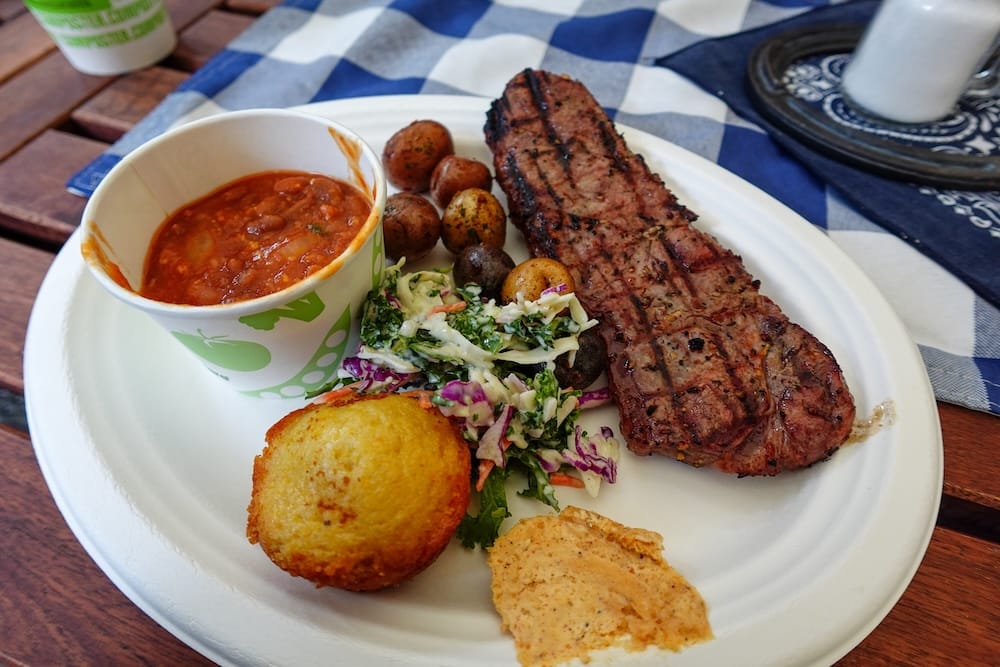
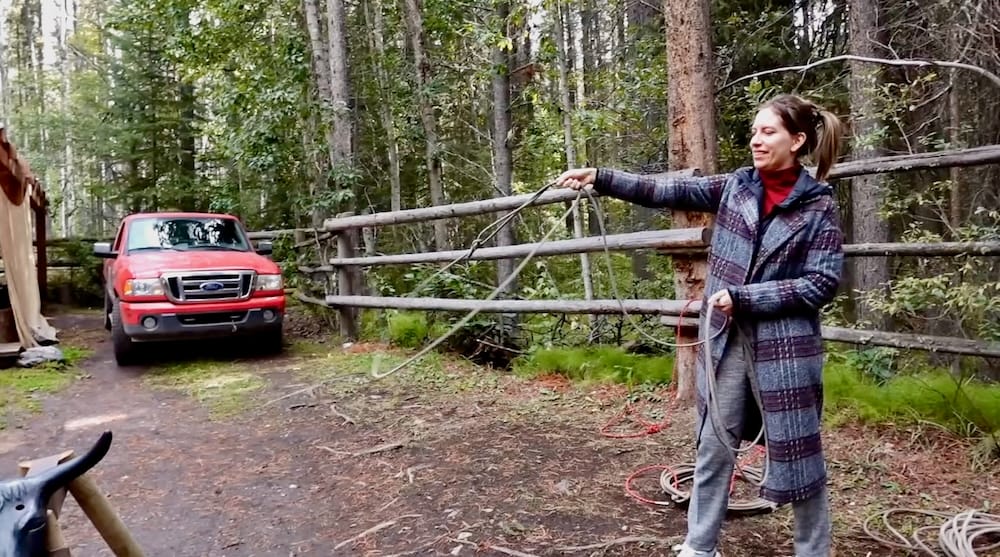
The two current Cowboy Cookout options have much more in common than the names might suggest. Both are roughly three-hour outings from the Banff Trail Riders stables to 3 Mile Cabin, and both include the Western cookout with the same general BBQ setup, activities such as lassoing and horseshoes, and then a horse-powered journey back.
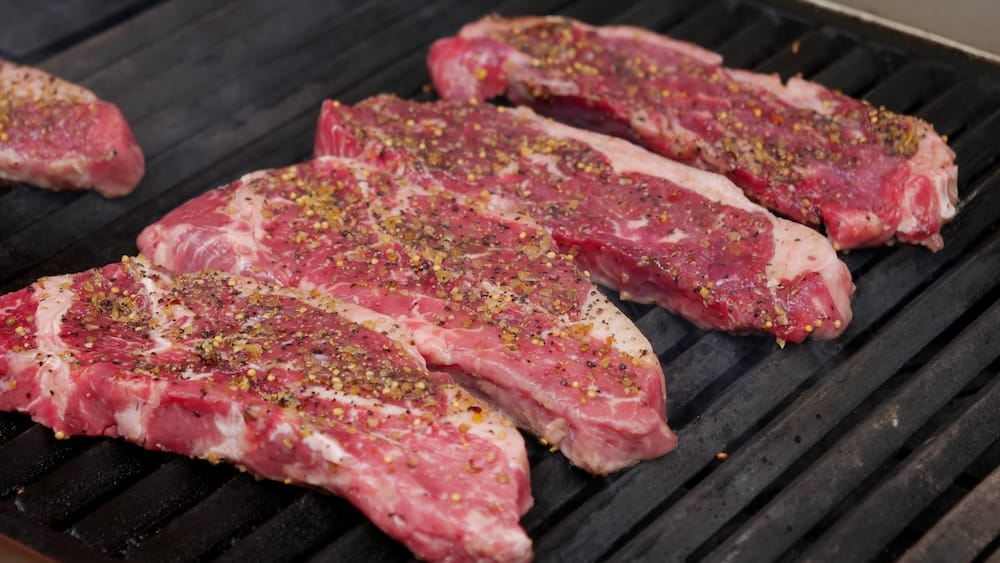
So you are not choosing between two different meals or two completely separate attractions. You are mainly choosing how you want to spend roughly two of those three hours getting there and back.
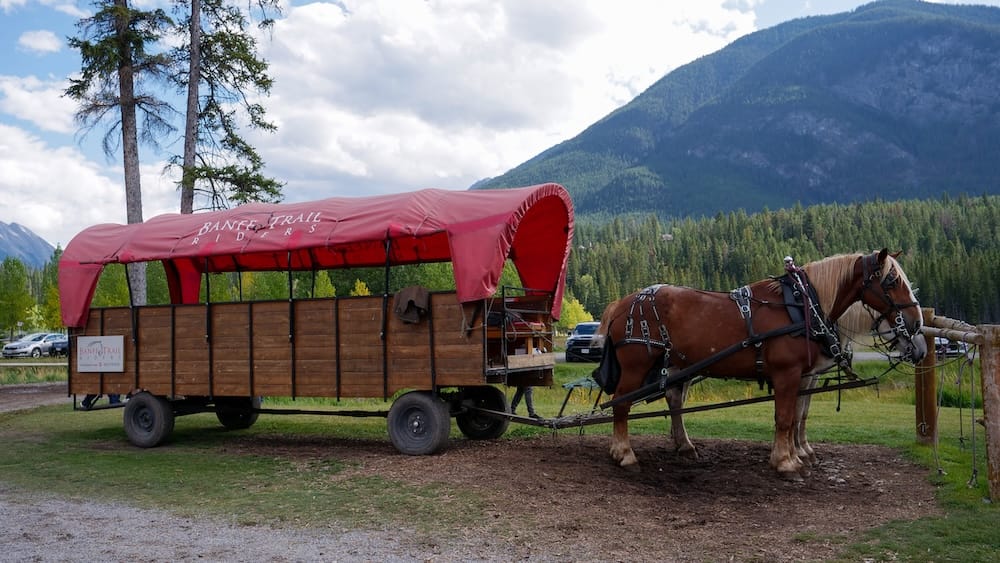
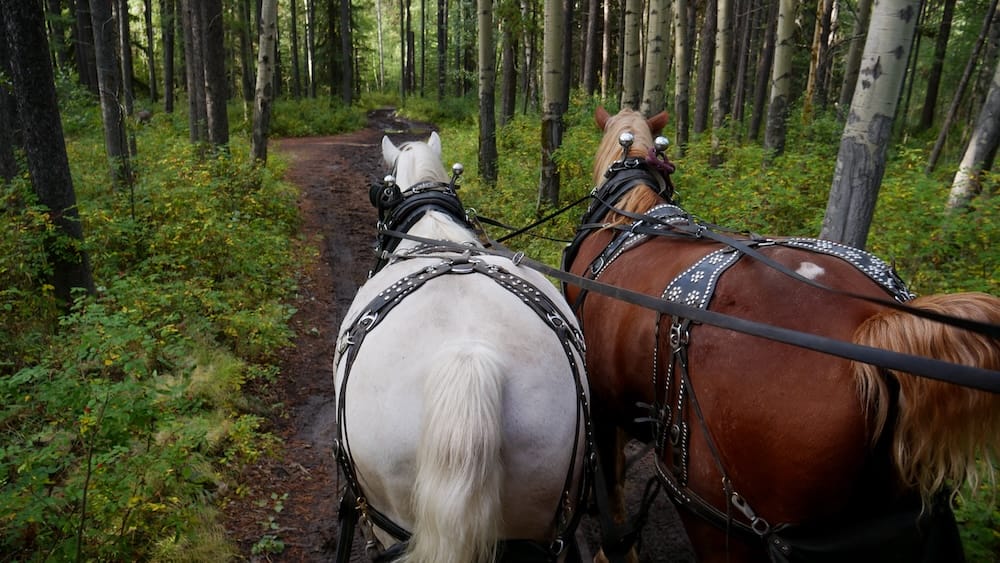
On the wagon, you sit inside a covered horse-drawn wagon while the driver and horses handle the travel. On horseback, you are assigned your own horse and ride with guides. The difference sounds obvious written down, but it changes the feel of the afternoon more than almost anything else.
There are practical differences too. The wagon currently has a broader departure schedule, including a lunchtime option as well as later departures, while the horseback Cookout is currently built around dinner departures. The wagon is also open to all ages, whereas horseback riding comes with much firmer age, weight and physical requirements.
Those rules may make the decision for some travellers. For everyone else, it comes down to what kind of experience you want on the way to the barbecue. If the wagon already sounds like your side of the comparison, you can check current wagon Cowboy Cookout availability and departure times.
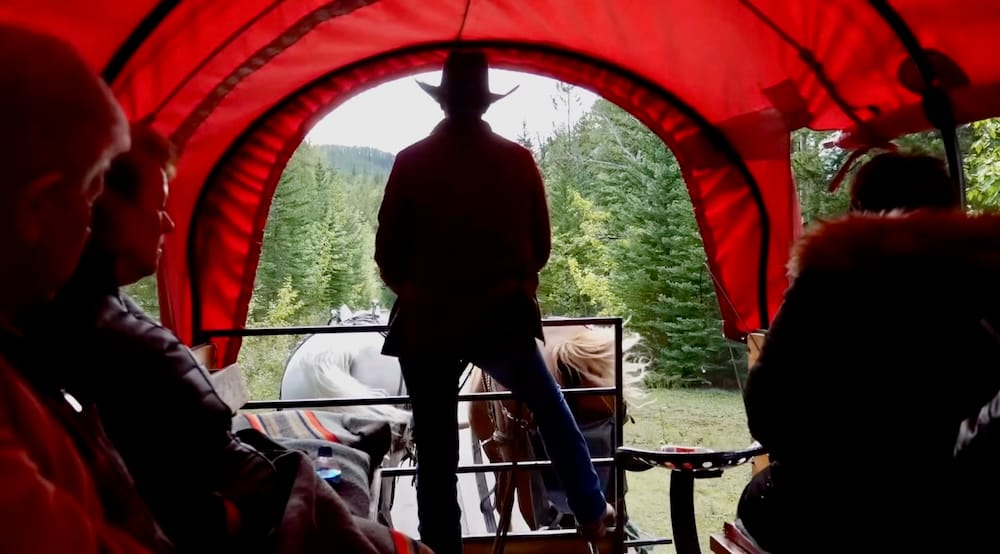
Why I’d choose the wagon when I mainly want to relax
The biggest thing I remember about our wagon ride is how little I had to think about. That may not sound like a heroic Banff travel story, but after enough days of hiking, paddling, booking things and generally trying to squeeze everything into a mountain itinerary, it was wonderful.
Audrey and I could sit together, chat with our guides and watch the Bow River and forest roll past. I wasn’t thinking about what an animal underneath me was doing, how close I was getting to the horse ahead or whether I was giving the right signal. I could look around properly.
Our ride followed the Bow River for part of the journey, and I remember being struck again by the colour of the water even though we had already spent time around the river elsewhere in Banff. Seeing it slowly from the wagon gave us another perspective, and the pace suited the whole thing.
It was not perfectly smooth. The wagon bumped along, which is more or less what I would expect from a horse-drawn wagon travelling through Banff. If it had felt like somebody had installed luxury-car suspension underneath us, I think half the charm would have disappeared.
The current wagon trip still spends about an hour travelling to the cookout and another hour coming back, so this is a meaningful amount of wagon time. If the idea of sitting there for roughly two hours sounds tedious, do not talk yourself into it because the Western theme looks cute in photos.
But if that slower pace sounds appealing, the wagon gives you something I think gets underrated: more mental space to pay attention to Banff.
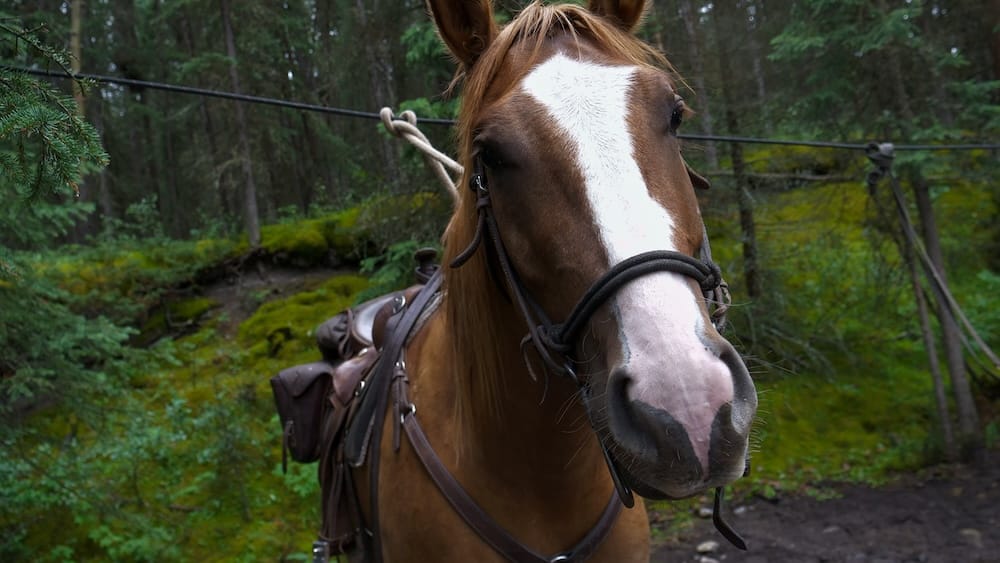
Horseback makes more sense when riding is part of the experience you want
Horseback travel changes your relationship with the journey because the horse is not simply transportation.
I learned that quickly during my six-day Banff Trail Riders trip. My horse was called Hollywood. He was experienced and reliable, but he also had a personality and occasionally preferred his own ideas about how things should be done. I had to pay attention to him, listen to instructions and react to what was happening rather than simply sit there staring at the mountains.
That was part of what made the trip so good.
The current horseback Cowboy Cookout is obviously much shorter and less demanding than six days in the Banff backcountry, so I would never pretend the experiences are equivalent. But the basic distinction still applies: once you are riding, some of your attention belongs to the horse.
For the right person, that is exactly the appeal. You are not watching horses pull you through Banff; you are actually riding one.
If you have always pictured yourself doing a horseback ride in the Canadian Rockies, I would not choose the wagon merely because it is easier. The current Cowboy Cookout ride does not require previous riding experience, guides provide basic instruction and riders are assigned horses, so first-timers are not automatically excluded.
You do not need to arrive looking like you spent your childhood roping cattle in Alberta. I certainly didn’t.
If the riding itself matters more to you than having the Cowboy Cookout attached, you can also compare current Banff horseback riding options on GetYourGuide. That page covers broader horseback rides in Banff rather than specifically the horseback Cowboy Cookout, so I’d use it when the saddle time is your real priority.
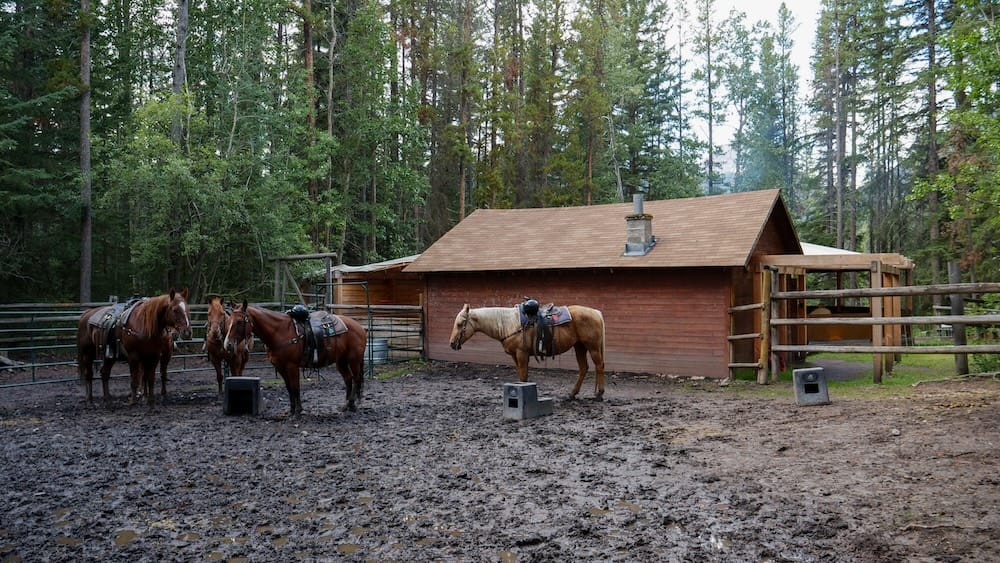
First-time riders: ask whether you’re excited or merely nervous
This is where I think a lot of people ask the wrong question.
Instead of only asking, “Have I ridden before?”, I would ask, “Do I actually want to ride?”
When I started my longer Banff horse trip, it had been quite a while since I had spent much time on horseback. I was not an experienced rider, and there were nerves involved. Over six days I became considerably more comfortable, and by the end my conclusion was that advanced skill mattered less than having the right attitude, listening to the guides and being willing to work with the horse underneath me.
That is why I would not automatically send every beginner to the wagon. If you have never ridden before but the horseback part is what excites you, the current Cowboy Cookout is designed to accommodate first-timers.
On the other hand, if you are technically eligible but already imagining every possible problem before you have even put a foot in the stirrup, the wagon may give you the afternoon you actually want. There is no prize for choosing the more adventurous-sounding option while secretly wishing you were sitting beside your partner watching the Bow River.
Being capable of riding and wanting to ride are two different questions.
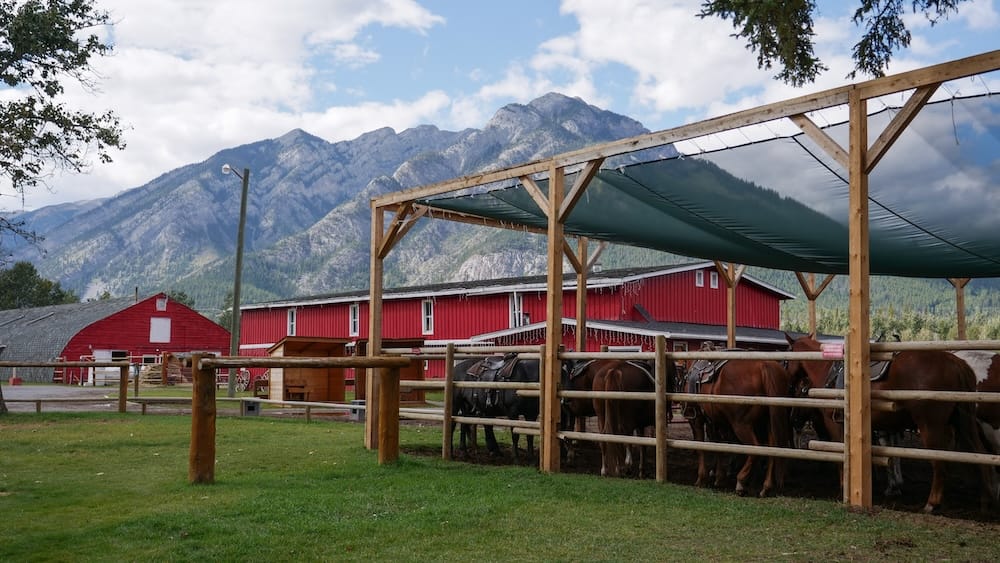
Horseback has more physical requirements
The wagon is clearly the lower-participation choice, although I would be careful about turning that into “suitable for absolutely everyone.”
The current wagon is open to all ages, but most strollers and buggies cannot be accommodated, and there is roughly a 50-metre walk between the wagon and the cookout area. Anyone travelling with meaningful mobility limitations should check the latest requirements rather than assuming that a seated ride automatically equals full accessibility.
Horseback has much firmer boundaries. Current riders need to be at least 8 years old and under 230 pounds, or 104 kilograms, fully dressed. Riders also need to be able to mount and dismount independently, follow guide instructions and meet the operator’s physical requirements.
For some travellers, that settles the comparison immediately.
There is also greater weather exposure on horseback. Both versions are outdoor experiences and currently operate rain or shine, but the wagon is covered. On horseback, you are more directly exposed to whatever Banff decides to throw at you that day.
And riding does use your body. On my multi-day trek, four or five hours in the saddle could wipe me out, and after one long stretch I got off Hollywood with legs that felt like Jell-O. A roughly two-hour Cowboy Cookout ride is a completely different commitment, so I would not use my six-day experience to make the short ride sound intimidating. It simply confirms that sitting in a wagon and riding a horse are not physically equivalent activities.
If minimizing effort matters, the wagon has the advantage.
Families and mixed groups do not all have to make the same choice
One of the smartest parts of the current Cowboy Cookout setup is that a group does not necessarily have to choose one format together.
Some people can go horseback, others can take the wagon, and everyone can meet at 3 Mile Cabin for the cookout.
I really like that.
If one partner has dreamed about riding a horse through Banff while the other has absolutely no interest in being responsible for one, there is no reason somebody should have to lose. The same setup can be useful for families or multigenerational groups where ages, confidence or physical requirements differ.
The wagon is currently open to all ages, while horseback starts at age 8 and comes with the rider restrictions mentioned above. That means the format can potentially work well for a party where only some people qualify or want to ride.
Audrey and I did not do the Cowboy Cookout with a child or grandparents, so I would not turn that into a blanket family recommendation. The useful point is simply that the product allows people to make different choices and still share the main meal together.
If you plan to split the group, make sure the departures you book are compatible.
Which option has better scenery?
I would not choose between the wagon and horseback versions because somebody claims one has the “better” views.
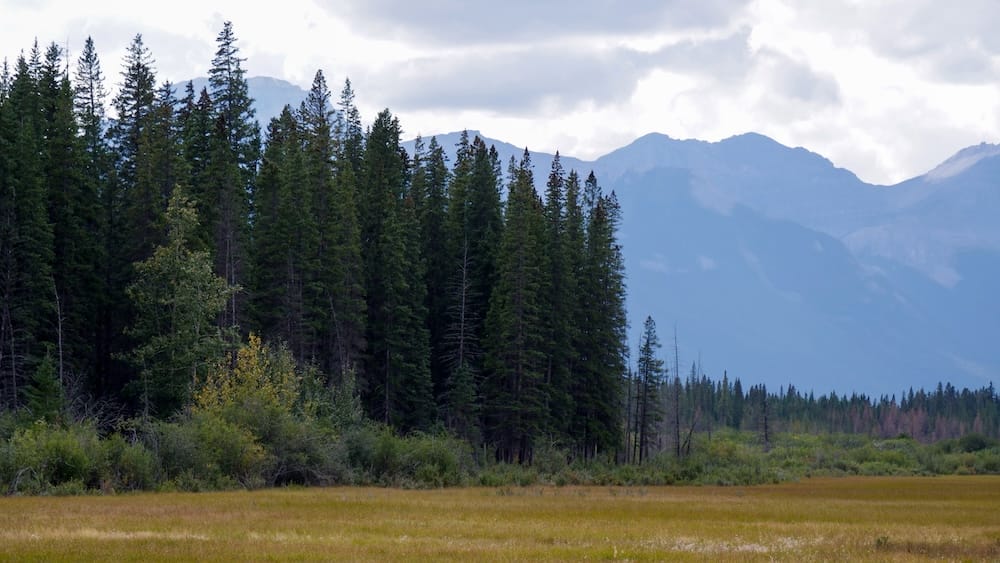
Both current experiences use the Bow River corridor on the way out toward 3 Mile Cabin, so there is substantial scenic overlap. The horseback return is currently described in more detail through Sulphur Mountain Trail and Windy Knoll, while current wagon descriptions place the return around the base of Sulphur Mountain, with slightly different route wording depending on the listing.
That is not enough for me to declare a scenic champion.
I think there is a more useful distinction anyway. On horseback, the landscape becomes part of the act of riding. You remember the trail together with the horse, the pace, the instructions and the feeling of moving through the mountains under your own participation.
From the wagon, I had much more freedom to stare at everything.
So I would give the wagon an advantage for scenic attention, not necessarily for better scenery.
Is horseback worth the extra money?
This is where preference starts turning into a real budget decision.
At the time I checked, the direct operator was listing the wagon from roughly US$110 per person and the horseback Cowboy Cookout from roughly US$192 per person. Those are current-style “from” prices rather than permanent numbers, so I would always check the actual total before booking.
The gap is substantial, especially considering both experiences last around three hours and both lead to essentially the same cookout.
What are you paying extra for on horseback?
Mostly the riding itself.
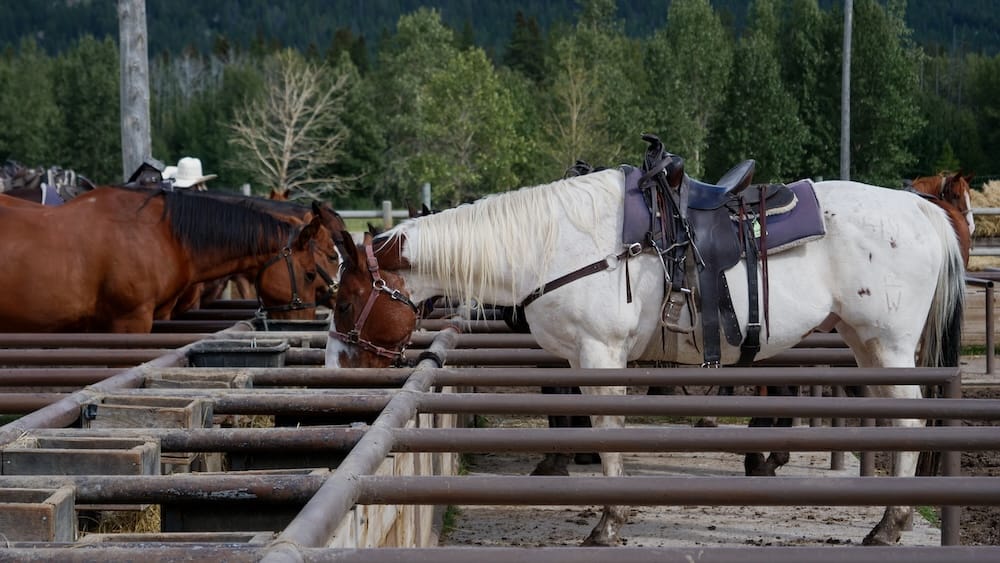
You are paying to be assigned your own horse, receive riding instruction and spend roughly two hours travelling on horseback instead of sitting in the wagon. You are not primarily paying for a longer excursion or a much grander dinner.
That makes the value decision fairly clean. If riding a horse through Banff sounds like one of the experiences you will remember most from your trip, I can absolutely understand paying the premium. If you mainly want the Western atmosphere, Bow River scenery, cookout and a relaxed afternoon, the wagon gives you much of the same broader outing for considerably less money.
Because tour pricing is exactly the kind of thing that moves around, I would compare the current total rather than anchoring too hard to one snapshot. You can see the current wagon Cowboy Cookout price and availability on GetYourGuide before deciding whether the difference works for your budget.
We genuinely loved the wagon, and I would never describe it as the inferior version simply because it costs less.
Wagon ride vs horseback ride at a glance
| Wagon Ride | Horseback Ride | |
|---|---|---|
| Best for | Relaxing and taking in the scenery | Travellers who specifically want to ride |
| Total experience | About 3 hours | About 3 hours |
| Horse-powered travel | Roughly 2 hours in the wagon | Roughly 2 hours on horseback |
| Previous riding experience | Not applicable | Not currently required |
| Current age rule | All ages | 8+ |
| Current rider weight rule | No horseback riding limit applies | Under 230 lb / 104 kg |
| Physical involvement | Lower | Higher |
| Weather exposure | Covered wagon, still outdoors | Fully outdoor riding |
| Current departure pattern | Lunch and dinner options | Dinner departures |
| Cookout | 3 Mile Cabin | 3 Mile Cabin |
| Meal and activities | Same core Cowboy Cookout | Same core Cowboy Cookout |
| Mixed groups | Can meet horseback riders at cookout | Can meet wagon riders at cookout |
| Current direct price snapshot | From about US$110 | From about US$192 |
| Biggest advantage | More freedom to focus on the scenery | Riding becomes part of the experience |
| Think twice if | Two hours sitting in a wagon sounds boring | Managing a horse sounds stressful or you do not meet the riding requirements |
So which Banff Cowboy Cookout would I choose?
It depends on what kind of afternoon I wanted.
If I had spent several days hiking, paddling and generally running around Banff and wanted something where I could switch off, sit beside Audrey and watch the landscape go by, I would take the wagon without hesitation. We had a great time doing exactly that.
If I arrived in Banff thinking, “I really want to ride a horse in the Rockies,” I would choose horseback. My longer Banff Trail Riders experience convinced me that there is something special about travelling through this landscape on a horse, and a wagon cannot reproduce that feeling.
The mistake is treating horseback as the automatic upgrade. It gives you more involvement, while the wagon gives you more freedom to relax. Both lead to the same basic Cowboy Cookout experience, and both can make sense for very different travellers.
Choose the one that matches what you actually want to be doing on the way there.
Frequently Asked Questions
Which should I choose for the Banff Cowboy Cookout: wagon or horseback?
Choose the wagon if you mainly want to relax, talk with your companions and focus on the scenery. Choose horseback if riding a horse is an important part of the experience you want in Banff.
How long are the wagon and horseback Cowboy Cookout experiences?
Both current options are about three hours in total, with roughly two hours of horse-powered travel and time at 3 Mile Cabin for the Cowboy Cookout.
Do you need previous riding experience for the horseback Cowboy Cookout?
No previous riding experience is currently required. First-time riders can participate, but you still need to meet the operator’s age, weight and physical requirements and be comfortable following riding instructions.
Can some people take the wagon while others ride horseback?
Yes. The current setup allows members of the same group to choose different formats and meet at 3 Mile Cabin for the cookout, provided you book compatible departures.
What are the current age and weight differences between the two options?
The wagon is currently open to all ages. Horseback riders currently need to be at least 8 years old and under 230 pounds, or 104 kilograms, fully dressed.
Is the horseback Cowboy Cookout worth paying more for?
I think the extra cost makes sense when riding itself is one of the main experiences you want. If you mainly want the Western atmosphere, scenery, cookout and a more relaxed afternoon, I would choose the wagon.
This article is also available in Spanish. [Leé la versión en castellano: Banff Cowboy Cookout: paseo en carreta vs paseo a caballo]
Disclosure: Our Banff Cowboy Cookout wagon ride was hosted as part of a collaboration with Viator. All experiences and opinions described here are our own.
This article contains affiliate links. If you book through one of these links, I may earn a commission at no extra cost to you.