
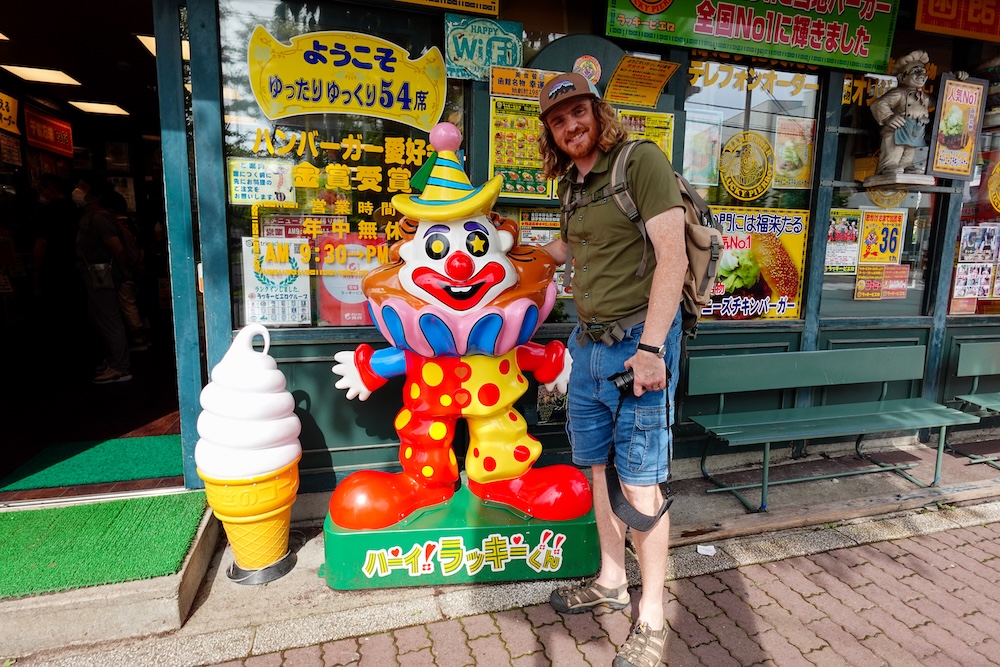
Everywhere we went in Hakodate there seemed to be a grinning clown on a sign, and Audrey and I kept wondering what exactly it was selling. It turned out to be Lucky Pierrot, a local burger chain with a clown mascot, a menu that apparently ran from burgers to curry to spaghetti, and, outside the branch near Goryokaku Tower, a sign promising something called Angels’ Chatter. Everything about it suggested a tourist gimmick, so we went in expecting very little, and we came out full, a little baffled by the décor, and happier than the clown had led us to expect. It’s worth one meal, I think, though I wouldn’t put it ahead of the sushi.
Why We Went In Expecting a Gimmick
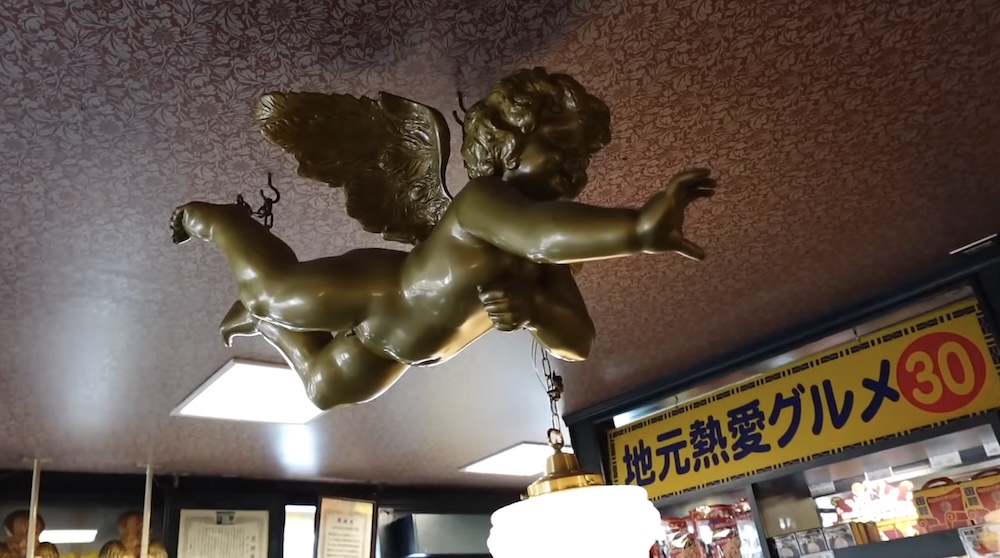
From the outside the place looked cheesy and corny, and after seeing the clown all over the city we had a fair idea of what we were in for: novelty first, food second. We weren’t hostile, just unconvinced. The signage didn’t help, because next to the soft-serve advertising one sign promised “Angels’ Chatter,” and we stood there wondering whether it was the name of a dish and deciding that, if it was, it sounded interesting.
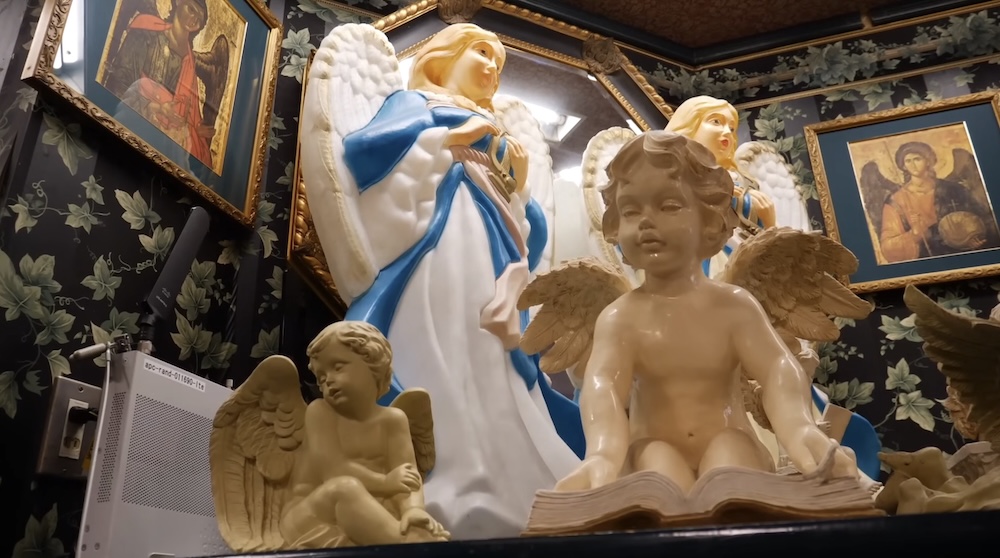
The clown, it turns out, is a fixture rather than a stunt. Lucky Pierrot began in Hakodate in 1987 and now runs 17 restaurants in and around the city, each with its own theme, which at least explains why the mascot kept turning up. A gimmick that has lasted close to four decades has probably stopped being one, or so I’d argue now, though that wasn’t a thought we had while trying to decode the angels.
The Goryokaku Branch: Angels, Counter Orders and Cash
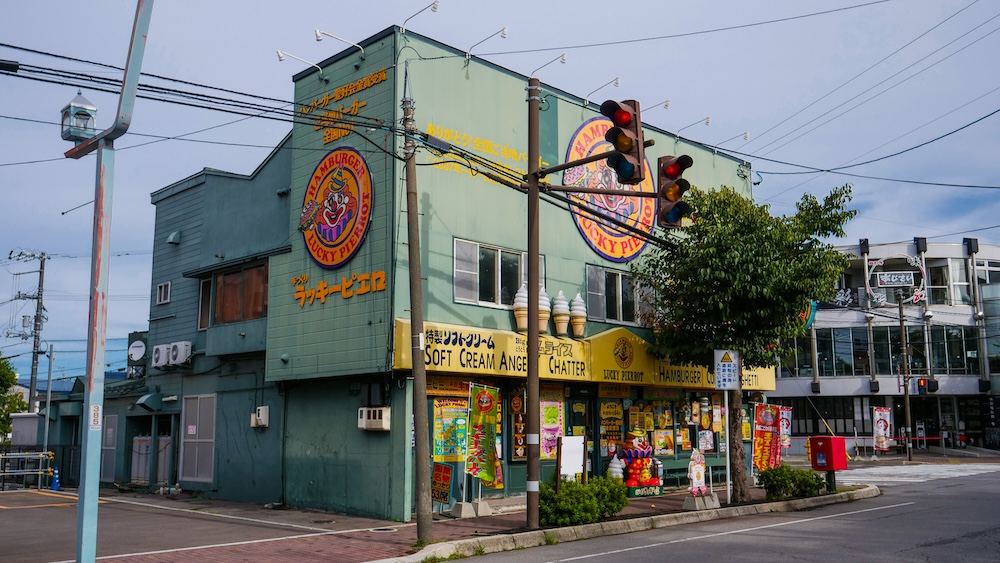
The branch we ate at sits on the corner diagonally across from Goryokaku Tower, about a minute’s walk from the tower and the park, which is handy if you’re already on that side of the city. We didn’t take a guided tour at Goryokaku, so I can’t vouch for one, but if you’d like the fort’s history explained before you eat, one current option covers the park, the magistrate’s office and the tower, and you can see current times for the Goryokaku star fort and tower guided tour.
Inside, the sign finally made sense: Angels’ Chatter is this branch’s theme, built around the founder’s collection of angel dolls and paintings, and the room is full of angel sculptures. Neither of us could explain what angels have to do with burgers, but we decided angels were the theme and solemnly declared our food blessed.
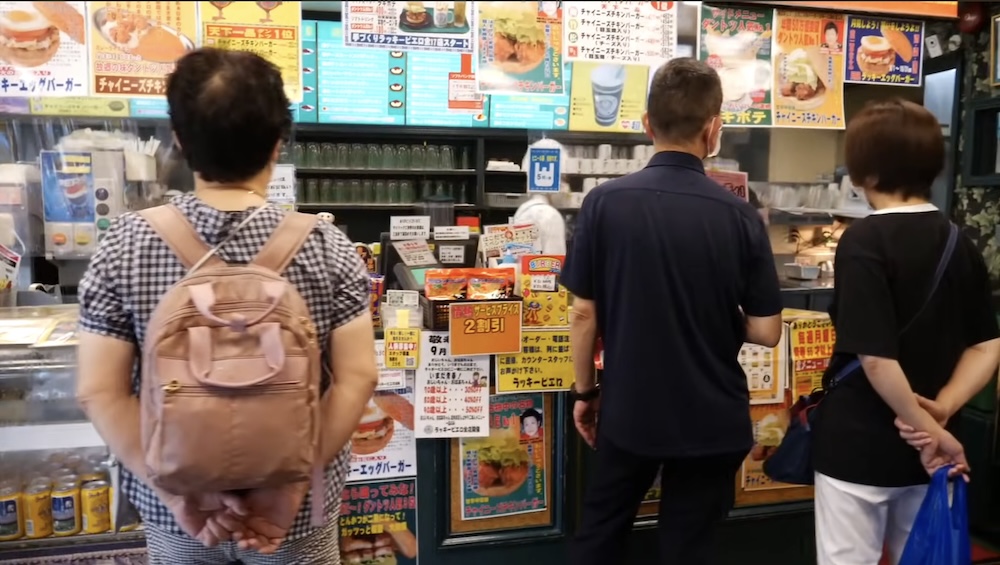
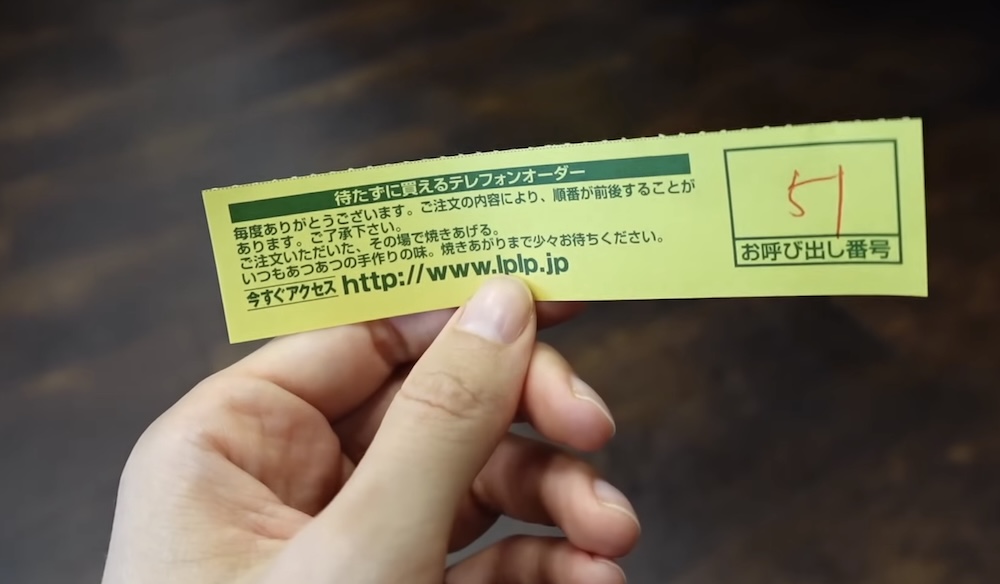
It looks like a sit-down restaurant but works like a fast-food counter. You order and pay up front, take a slip with a number on it, and wait to be called, and the room was busier than we’d expected. It was also cash only. I don’t know whether that applied across the chain, but this branch didn’t take cards when we went, so we paid in yen. The chain started adding QR payments at individual restaurants in 2019, so what we ran into may well have changed, and I can’t tell you how this branch handles payment now. I’d still carry some yen.
The branch opens at 9:30 in the morning and serves until about 10 at night, with last orders roughly half an hour earlier, so it works for an early lunch or a late dinner, though the restaurant’s own page is the place to confirm current hours. It’s also listed as having menus in English, Chinese and Korean. That late-evening option is one reason a base around Goryokaku is worth considering if you like to eat late, and while I won’t single out a property, you can browse current hotels near Goryokaku and check how far each sits from the tower.
What We Ordered, and What It Cost Us
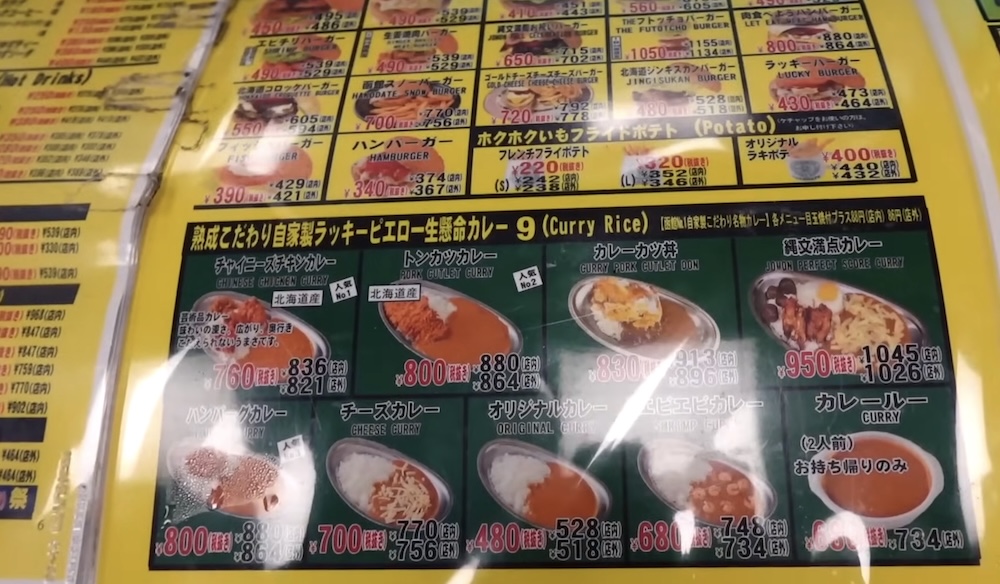
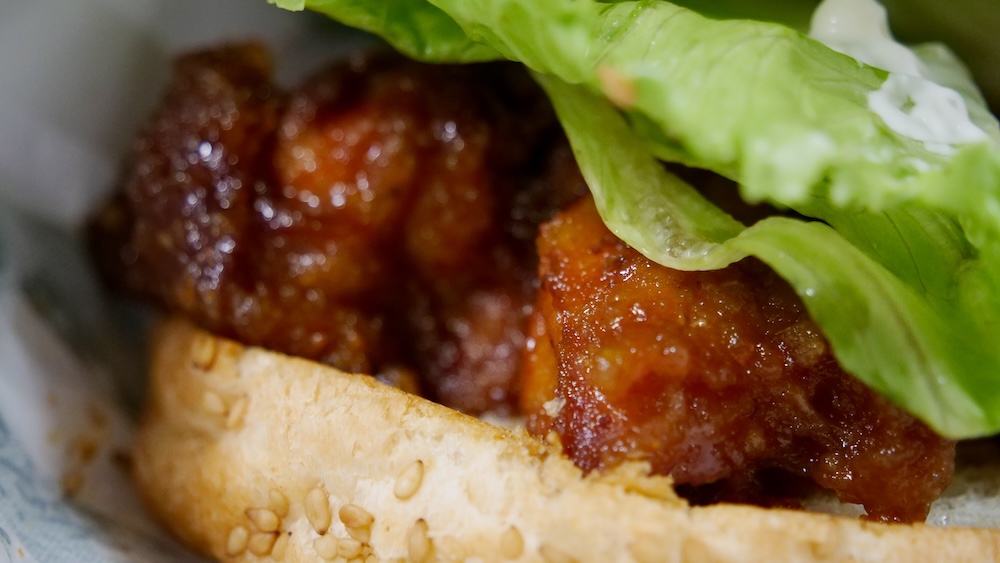
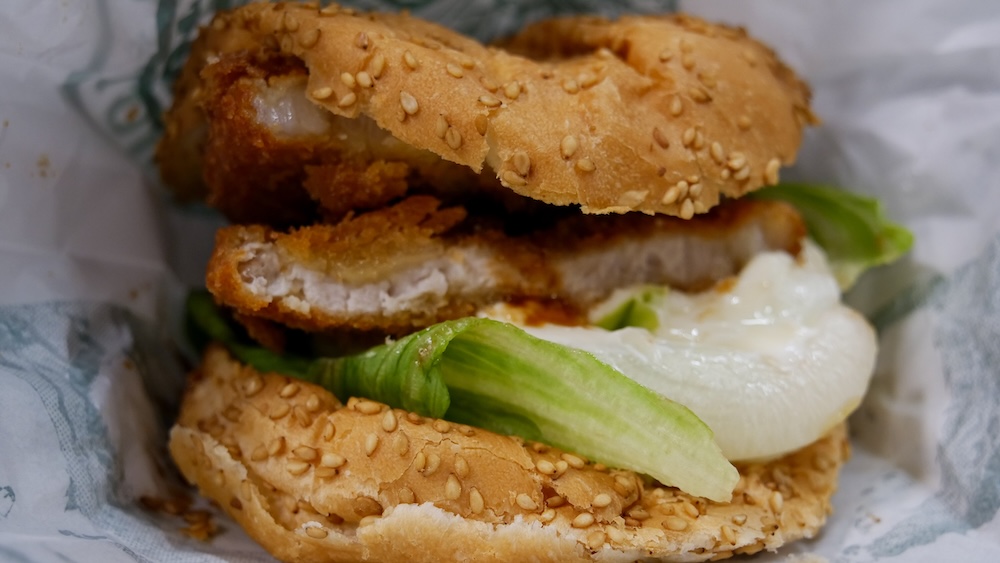
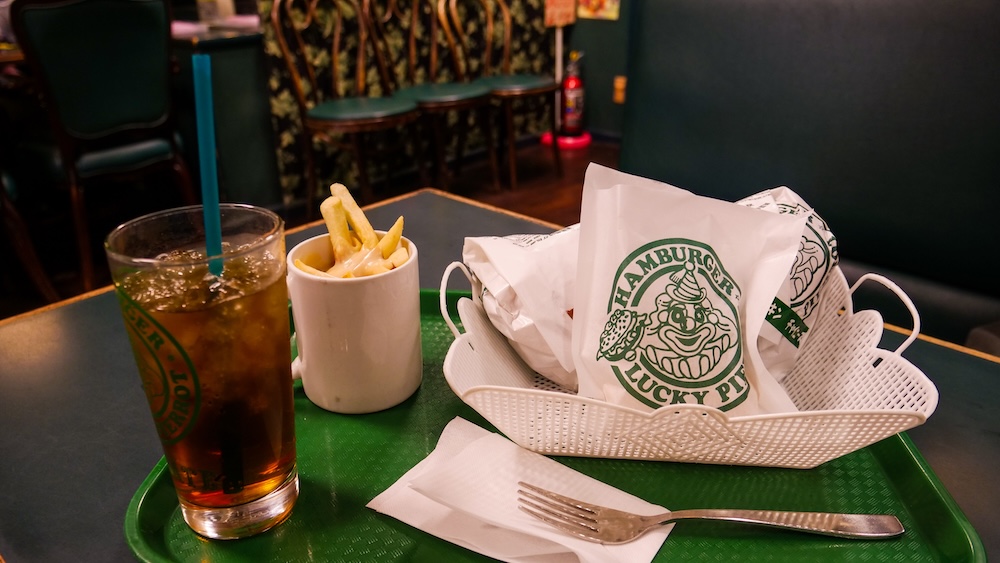
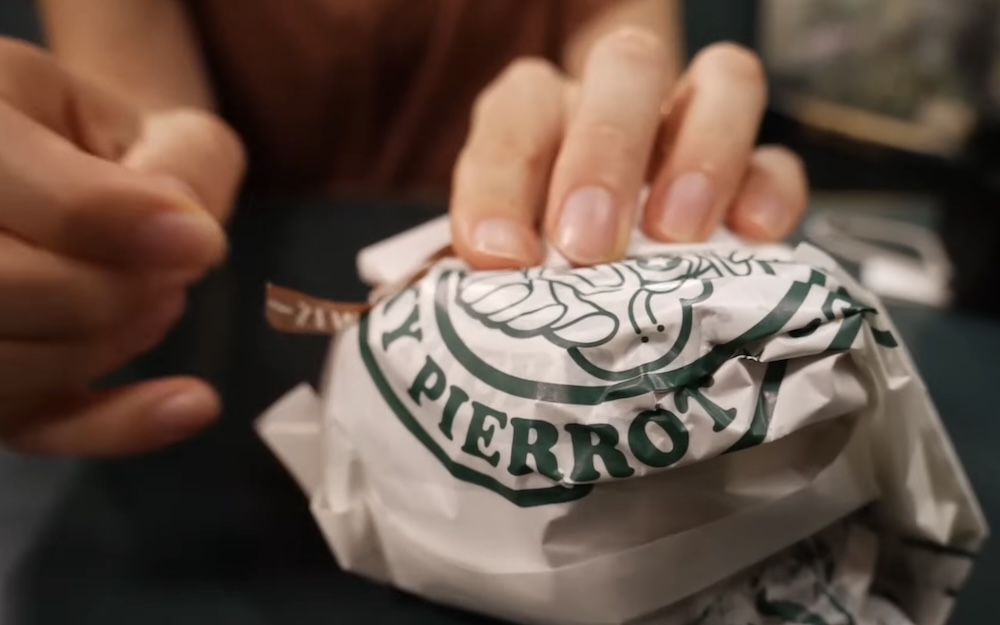
We shared two burgers. The Chinese chicken burger is the restaurant’s signature, the one it puts first on its menu: pieces of fried chicken in a sweet glaze with lettuce and mayo in the bun. The tonkatsu burger, which the English menu calls a pork cutlet burger, came with a sauce, a little lettuce and some mayo and mustard. We both liked our burgers, though not equally. The tonkatsu was a decent hamburger, very fast-food in style, and better than I’d expected, while the chicken was the tastier of the two. I won’t pick a winner, because we didn’t. Both came well wrapped in paper, which mattered with the chicken, since it looked like it could get messy at the table.
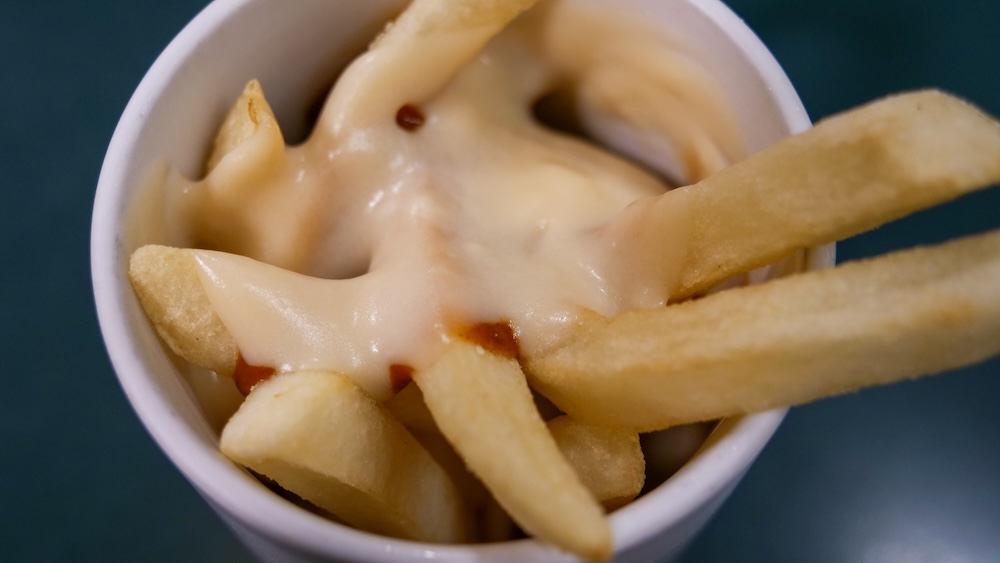
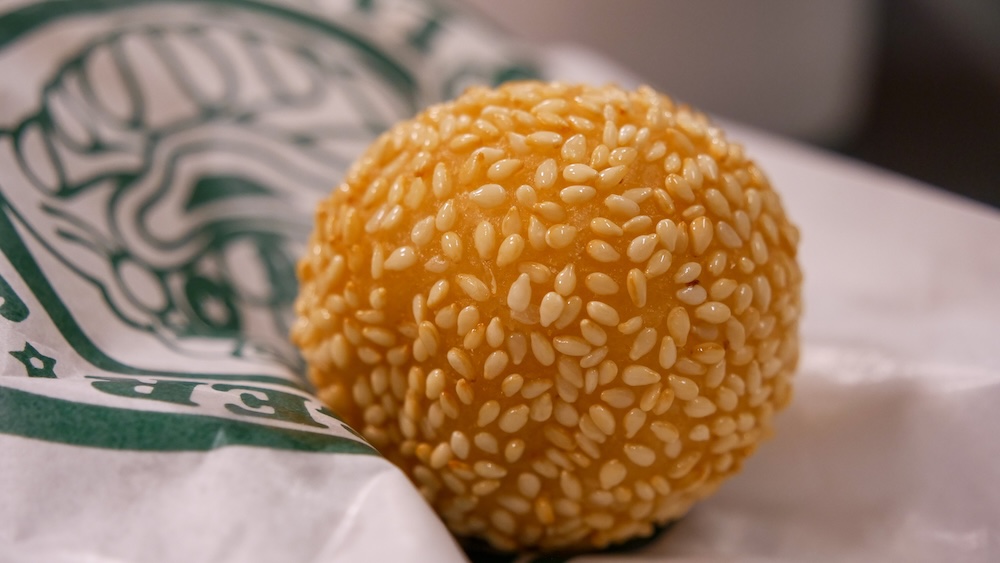
The fries arrived in a mug under gravy and cheese. They looked like what the menu calls Lucky Potato, fries with demi-glace, white and cheese sauces, and we wondered whether the dish had been inspired by Canadian poutine, which is pure speculation. The iced tea turned out to be unsweetened, which we hadn’t expected. We finished with three sesame balls, which turned out to be filled with bean paste, and one of them disappeared almost immediately. They went down very well.
Burgers are only part of what this branch serves, since there’s also curry, omelette rice, spaghetti and soft serve, and we didn’t try any of it. If you have an allergy, the restaurant warns that allergens can cross over between dishes because everything is made in the same kitchen.
– Tonkatsu pork cutlet hamburger
– Chinese chicken hamburger
The whole meal came to ¥1,738 for the two of us, covering two burgers, a drink, fries to share and the sesame balls. That works out to under ¥900 each, and we left full. We called it very affordable at the time, and it was, but that was a 2023 bill, so treat it as a memory rather than a price list. The menu page shows what’s on offer, and the numbers are worth checking at the counter.
Is Lucky Pierrot Worth Eating?
Yes, for one meal. The clown and the angels are a deliberate theme, and what sits behind the theme held up: a decent tonkatsu burger, a tastier chicken one, loaded fries and a bill that barely registered. We said at the time that it exceeded our expectations, and I haven’t found a reason to revise that. It isn’t exceptional, but it’s good, cheap and a bit ridiculous.
I only have one visit, one branch and two burgers to go on, which tells me nothing about the curry, the spaghetti or the other 16 restaurants. It was busy when we went, and I wouldn’t guess how long the queue gets at its worst.
The decision I’d actually make is about priority. Shunka, the conveyor-belt sushi restaurant right across from the tower, is a minute or so from this one, so around Goryokaku you’re really choosing between them, and with one lunch to spend I’d choose the sushi, as we did. We only ate at Lucky Pierrot once, because Shunka had the stronger claim on our remaining meals, but I’m glad we went. If you have a meal to spare, or you want something cheap and cheerful, walk in, order the Chinese chicken burger and don’t let the clown talk you out of it.
Frequently Asked Questions
What is Lucky Pierrot, and is it really a Hakodate chain?
Lucky Pierrot began in Hakodate in 1987 and now runs 17 restaurants in and around the city, each with its own theme, which is why the clown mascot seems to turn up everywhere.
Which Lucky Pierrot branch did we visit, and where is it?
We ate at the branch on the corner diagonally across from Goryokaku Tower, about a minute’s walk from the tower and the park. Its theme is Angels’ Chatter, built around the founder’s collection of angel dolls and paintings.
How does ordering work at Lucky Pierrot?
When we went, you ordered and paid at the counter, took a slip with a number on it, and waited to be called. The room was busier than we’d expected, and it’s listed as having menus in English, Chinese and Korean.
Does Lucky Pierrot take cards?
It was cash only when we went, so we paid in yen. I don’t know whether that applied across the chain, and the chain started adding QR payments at individual restaurants in 2019, so it may well have changed. I’d still carry some yen.
What are the opening hours at the Goryokaku branch?
The branch opens at 9:30 in the morning and serves until about 10 at night, with last orders roughly half an hour earlier. Hours can change, so confirm them on the restaurant’s own page before you plan around them.
What did we order, and what did it cost?
We shared a Chinese chicken burger and a tonkatsu burger, plus fries, an unsweetened iced tea and three sesame balls, for ¥1,738 between the two of us. That was a 2023 bill, so treat it as a memory rather than a price list.
Which burger should I order at Lucky Pierrot?
I’d order the Chinese chicken burger, the restaurant’s signature: fried chicken in a sweet glaze with lettuce and mayo, and the tastier of the two we shared. The tonkatsu burger was a decent, very fast-food-style hamburger, better than I’d expected.
Is Lucky Pierrot worth eating, and how does it compare with Shunka?
Yes, for one meal. It’s cheap, quirky and better than the branding suggests, but with one lunch to spend near Goryokaku Tower I’d choose the sushi at Shunka, as we did.
This guide is also available in Spanish. [Leé la versión en castellano: Reseña de Lucky Pierrot: ¿vale la pena comer en la famosa cadena de hamburguesas de Hakodate?]
This article contains affiliate links. If you book through one of these links, I may earn a commission at no extra cost to you.