
One of the few benefits of being horribly jet-lagged in Japan is that you can get up at a ridiculous hour and actually have something worthwhile to do. In Hakodate, that meant heading to the Morning Market to explore the seafood stalls and, if all went according to plan, find a proper breakfast before tackling another ambitious day of sightseeing.
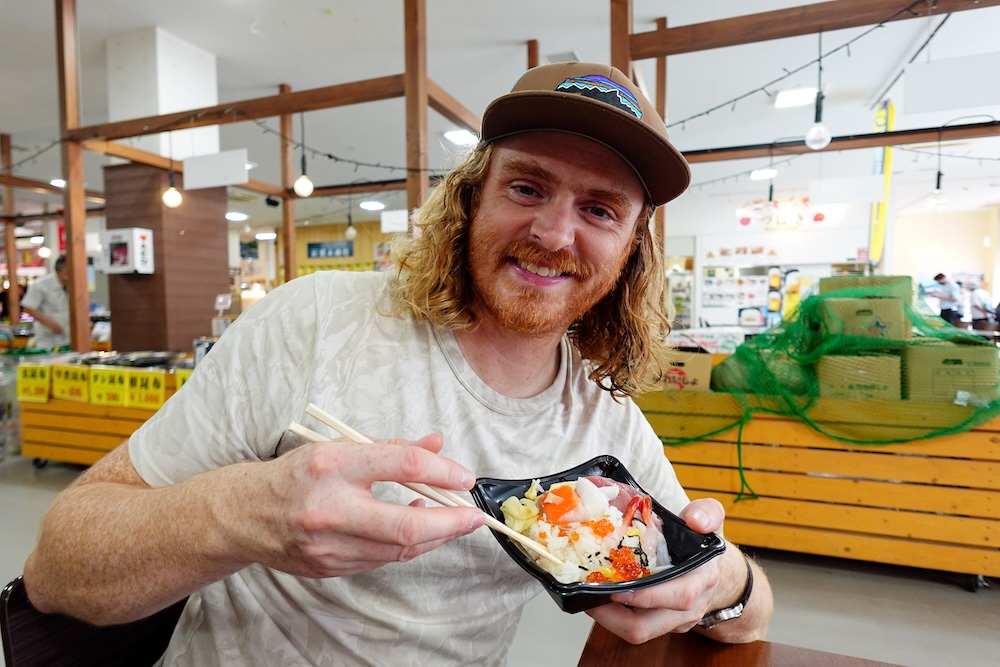
Audrey and I were still adjusting to the time difference when we visited Hakodate Morning Market, a collection of seafood vendors, produce stalls, shops and restaurants located right beside the city’s main railway station. We figured we’d look around, admire some enormous crabs and hopefully find somewhere serving a good seafood breakfast. Nothing too complicated.
What surprised me was how relaxed the experience felt. I’ve visited seafood markets in Busan, South Korea, where the activity can be considerably more intense, but Hakodate seemed much more manageable. We could browse at our own pace, take in the sights and smells, and eventually settle down for breakfast without feeling overwhelmed.

We also discovered that the market was considerably larger than we’d initially realized. Just when we thought we’d explored most of it, another section appeared with even more places to eat. Apparently, our first impression hadn’t accounted for quite a bit of the market!
So, is Hakodate Morning Market worth visiting? I certainly enjoyed it, although I recognize that my enthusiasm for seafood markets isn’t necessarily shared by everyone. Here’s what our experience was like, how the different market areas work, what you can expect from breakfast and what I’d suggest knowing before you visit.
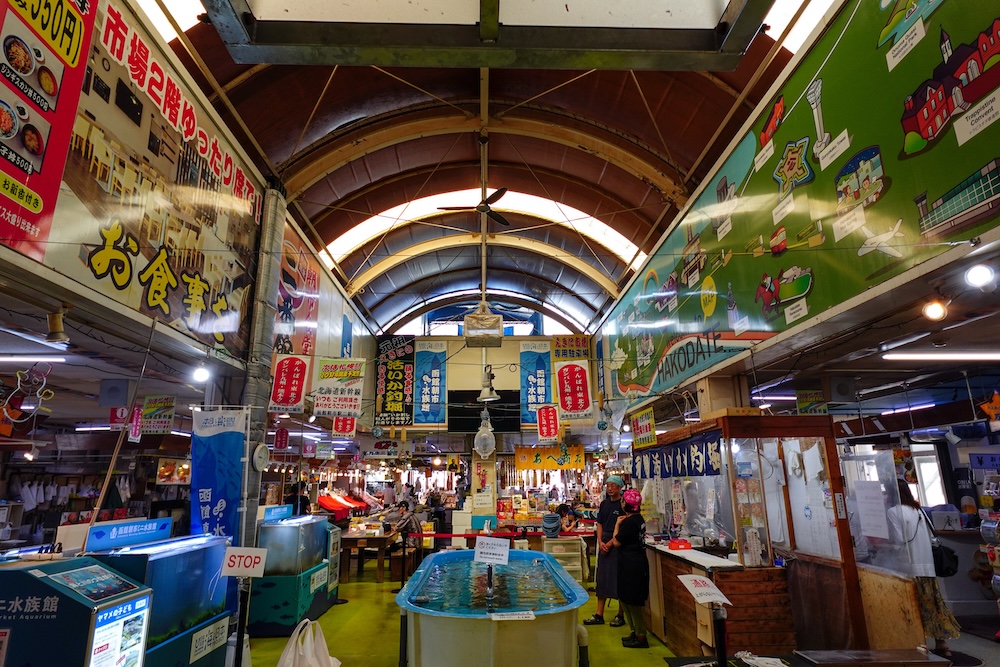
What visiting Hakodate Morning Market was actually like for us
I should probably establish something right away: I genuinely love the smell of seafood markets. The saltiness, the fish, the unmistakable smell of the sea. I know that probably sounds like a terrible sales pitch to somebody who can’t stand seafood, but it’s one of the things I enjoy most about visiting these places. Having lived in South Korea and spent years travelling around Asia, that environment feels familiar to me.
It’s also quite different from how many of us experience seafood shopping back home in Canada. We’re accustomed to seeing fish neatly displayed behind refrigerated counters, often already portioned or packaged. In a traditional wet market, you’re much closer to the commercial activity itself, with vendors handling seafood, preparing products and selling everything from enormous crabs to dried fish. I find it fascinating to wander through that environment and see what’s available.
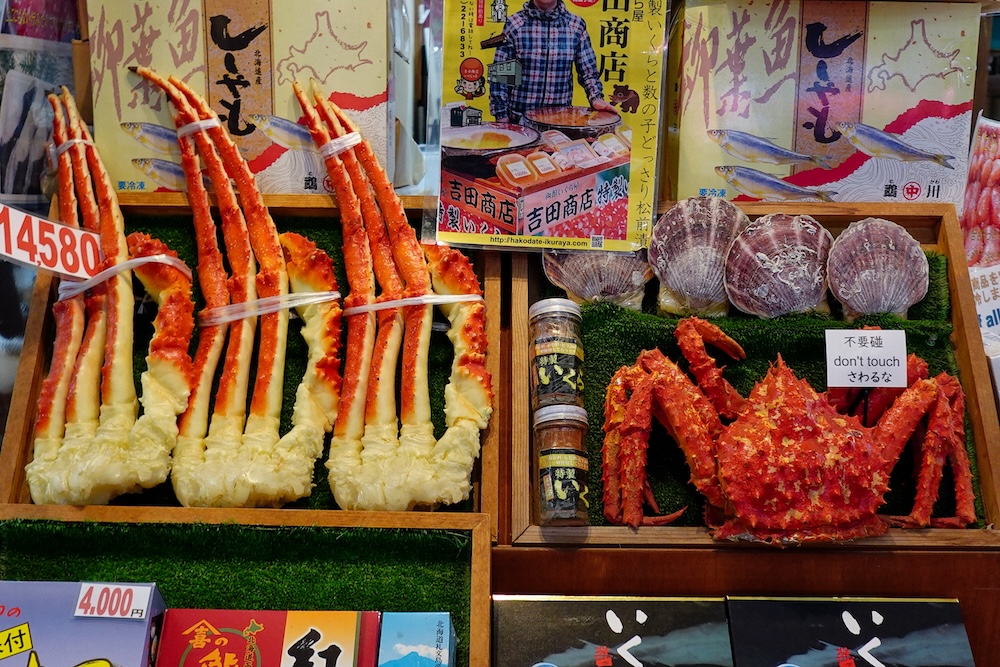
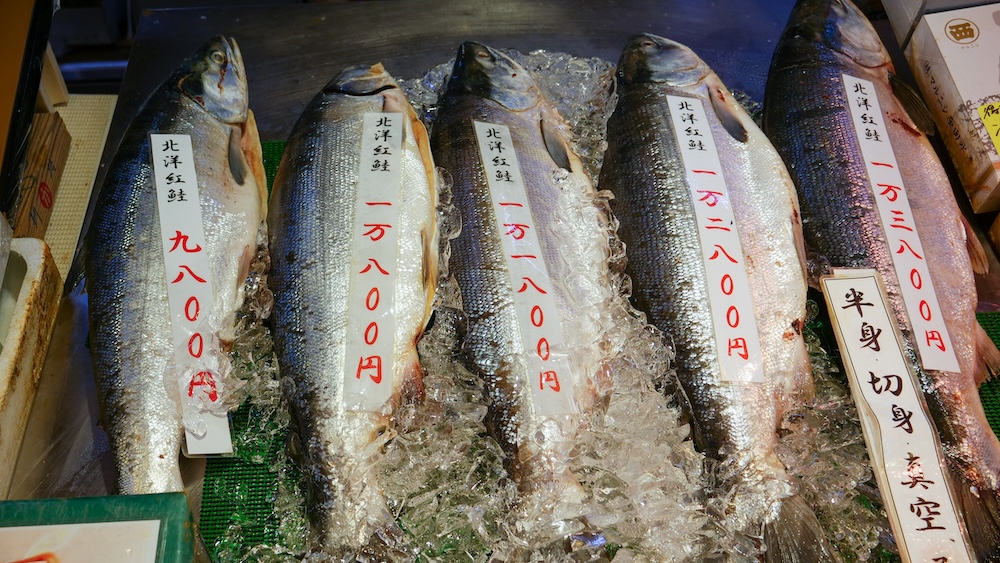
Hakodate delivered plenty of memorable sights. We encountered giant fish, seafood being prepared for sashimi and some absolutely enormous king crabs. Those crabs probably impressed us most. I’ve seen plenty of seafood markets over the years, but I still find myself stopping to admire specimens that look like they could put up a decent fight if they weren’t sitting on a market display.
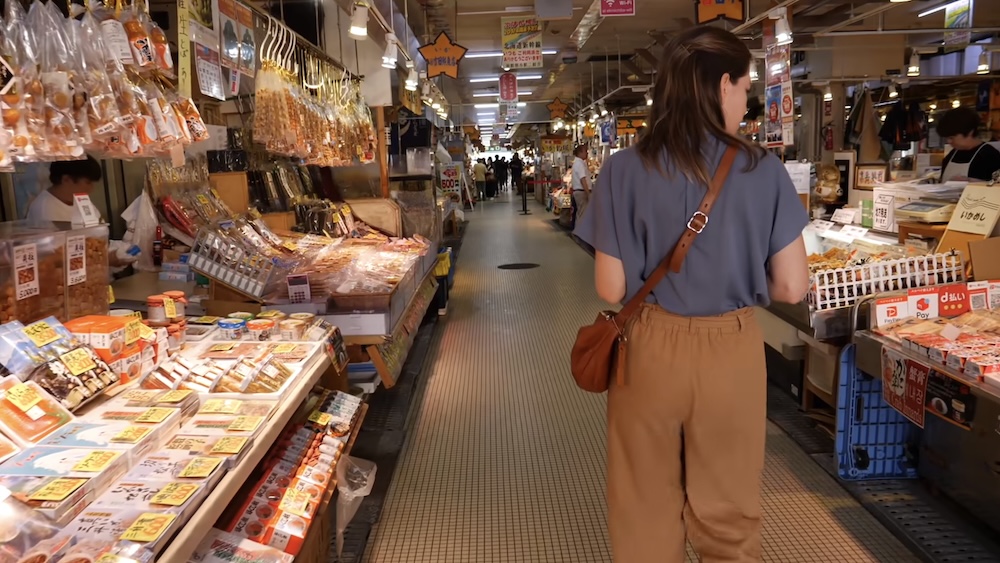
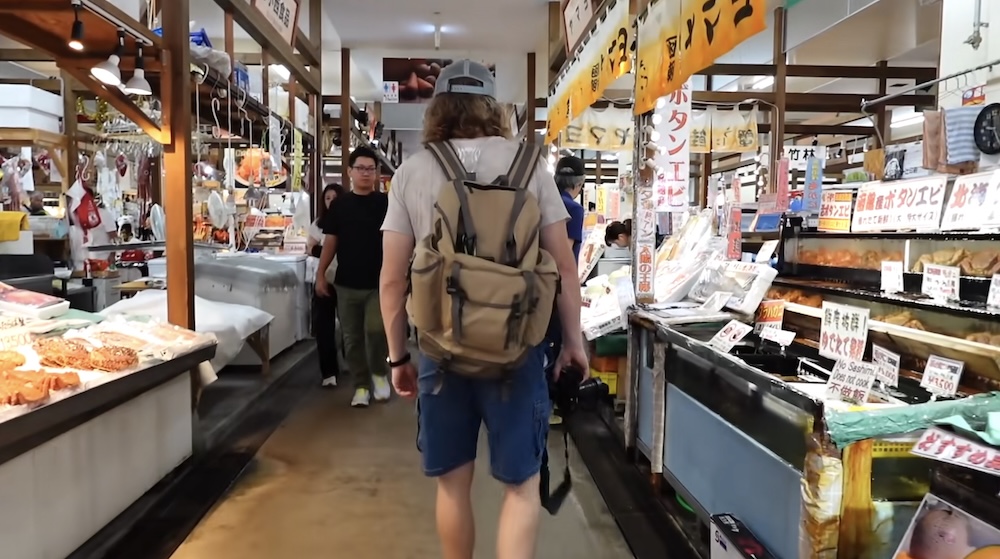
There were lots of different vendors, and people were going about their business, but I found the atmosphere surprisingly casual. We could wander between stalls, look at what interested us and keep moving without much difficulty. That stood out because some of the larger seafood markets I’d visited in Busan had felt considerably more overwhelming. Hakodate was easier to take in, at least during the morning we were there.
I wouldn’t promise you’ll encounter exactly the same crowd levels, especially on a different day or during a busier travel period. What I can say is that we enjoyed having the seafood displays and familiar wet-market atmosphere without feeling like exploring the place was an endurance event. We were also hungry, so being able to browse comfortably before finding somewhere to sit down and eat was much appreciated.
Understanding the layout: Hakodate Morning Market is bigger than you might think
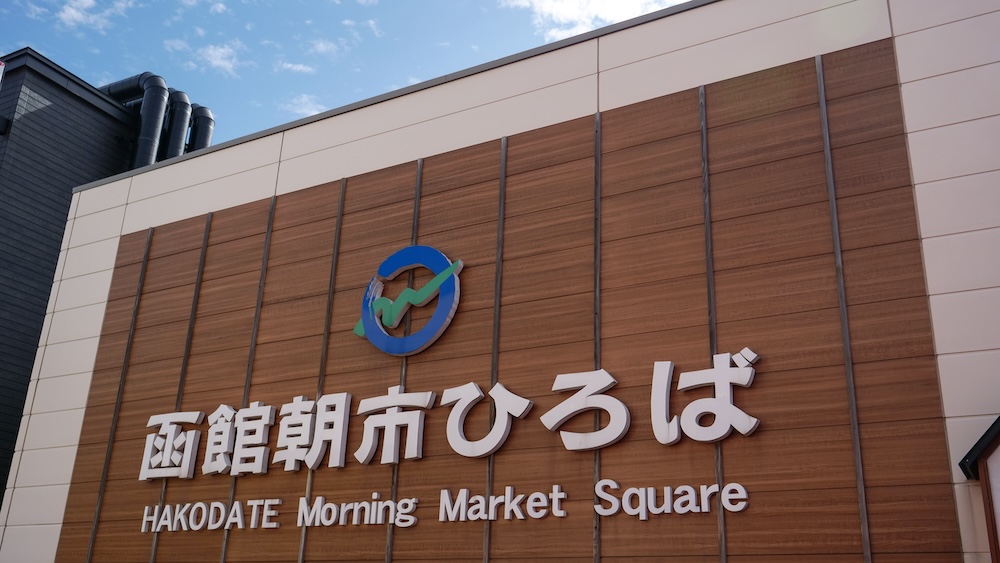
Despite its convenient location beside Hakodate Station, the Morning Market isn’t one enclosed hall that you can walk through in five minutes and declare finished. It covers approximately three hectares and includes around 250 businesses, spread across several market buildings and commercial streets. Seafood is the main draw for many visitors, but you’ll also find produce, specialty foods, restaurants and a mixture of other shops.
That scale caught us off guard. We explored one section, looked at the fish and seafood on display, and initially thought we had a pretty good understanding of the place. Then we kept walking, discovered another area and found an even larger concentration of eating establishments. Given that we were looking for breakfast, this was a welcome development.
There are four principal market facilities worth understanding. You don’t need to memorize their names before visiting, but knowing how they differ makes it easier to find what you’re looking for.
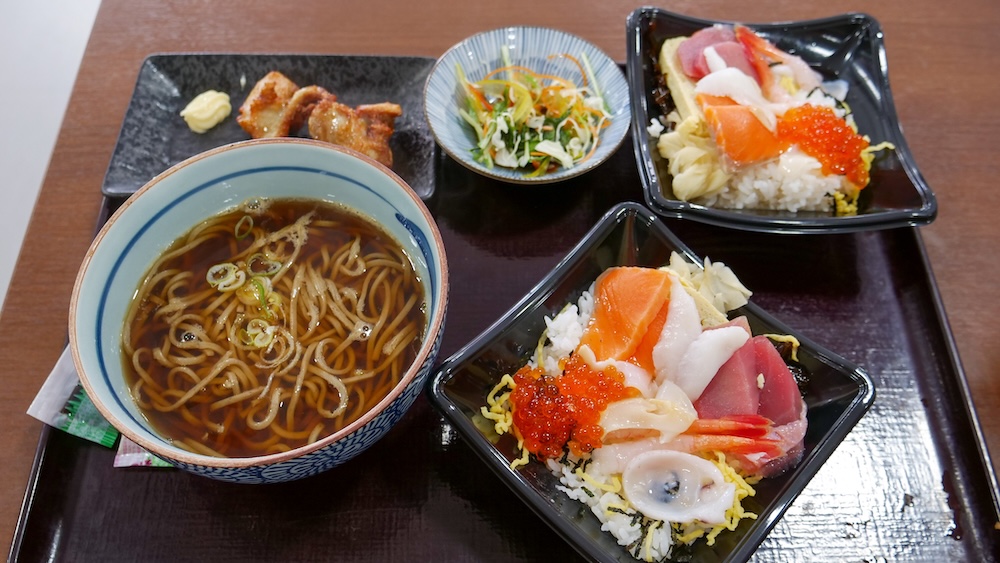
– Kaisendon, bowl of rice topped with fresh, raw seafood or sashimi
– Soba noodles
– Fried chicken
Hakodate Asaichi Hiroba and the produce market
Hakodate Asaichi Hiroba is one of the principal market areas, combining food shops, specialty vendors and places to eat. It’s part of the wider network of buildings and streets that make up the Morning Market.
There’s also Sanshoku Ichi, an agricultural direct-sales market emphasizing produce and goods from agricultural sellers. These areas are useful reminders that seafood isn’t the only thing sold here. Depending on where you wander, you’ll encounter vegetables, fruit, processed foods, local specialties and other merchandise. If you’ve arrived expecting nothing but fish and crabs, there’s more variety than you might imagine.
Ekini Market and Donburi Yokocho
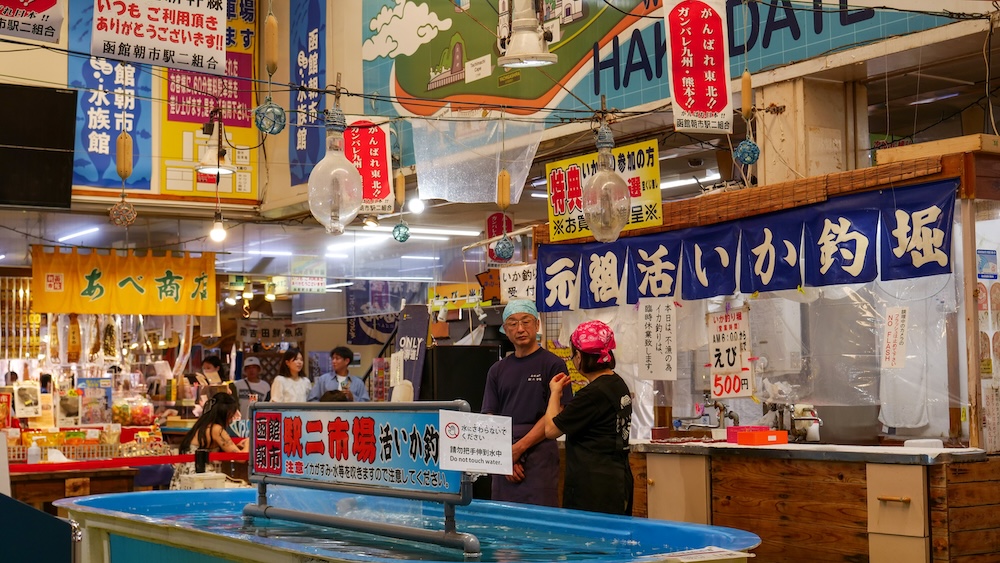
Ekini Market is particularly associated with seafood retail, with vendors selling fish and seafood alongside other specialist businesses. This is also where visitors can find the separate squid-fishing activity, which involves catching squid from a tank. We didn’t participate in that ourselves, although I did get to taste fresh squid while exploring the market.
Then there’s Donburi Yokocho Market, which is particularly useful if you’re arriving hungry. It brings together approximately 20 eating establishments, many serving seafood rice bowls and other Japanese meals. Rather than being one large dining room, it’s a collection of individual restaurants where menus, prices and opening times can differ.
We found our own breakfast spot after exploring farther into the market, although I can’t remember the exact restaurant name. What stuck with me was how many additional dining options appeared once we continued beyond the first area we’d visited. I’d suggest having a look around before committing to somewhere, especially if several menus catch your attention. You don’t need to turn breakfast into an extensive research project, but it’s worth seeing what’s available.
One geographical distinction is also worth mentioning: Hakodate Jiyu Ichiba, sometimes called Hakodate Free Market, is a separate market in Shinkawa-cho. It isn’t another section of the station-side Morning Market, despite the similar names and general focus on food.
Seafood, giant crabs and what you’ll actually see
The seafood displays are reason enough for me to enjoy wandering through Hakodate Morning Market, even when I don’t intend to buy anything. During our visit, we saw impressively large crabs, giant fish and seafood being prepared or displayed for sale. We were particularly mesmerized by the king crabs, which looked considerably more imposing than anything I normally encounter at a Canadian grocery store.
It’s also interesting watching the preparations taking place. We saw sashimi being prepared, and there was plenty to look at as we moved between vendors. You get to see seafood in a setting where it’s being handled and sold rather than simply presented as a finished restaurant dish.
Then came a nice little surprise: fresh squid. Someone offered me a piece while we were exploring, and I was more than happy to try it. During my time living in South Korea, I’d eaten plenty of dried squid, particularly at baseball games, where it’s a popular snack. The fresh version in Hakodate was much more tender and nowhere near as chewy, which made for an interesting comparison with something I already knew well.
Beyond seafood, the market sells dried products, fruit, vegetables, prepared foods, sweets and other merchandise. Some businesses cater to shoppers purchasing ingredients or products to take away, while others concentrate on food that you can eat immediately. That variety makes the market worthwhile as a sightseeing stop even if you aren’t arriving with a shopping list.
Of course, this isn’t some secret market that only locals know about. Hakodate Morning Market is a well-established visitor attraction, with plenty of businesses catering to travellers looking for seafood breakfasts and souvenirs. But I still find this kind of commercial environment fascinating, particularly when you can wander around without feeling obliged to purchase something at every stall.
Seafood breakfast at Hakodate Morning Market: is it worth eating here?
I certainly think so, especially after the breakfast we had. We hadn’t selected a restaurant in advance, and we weren’t carrying around a carefully researched shortlist of the best places to eat. After wandering through the market, we noticed one stall that seemed a little busier than the surrounding establishments. People were ordering food, it looked promising, and we decided to give it a try. Hardly the world’s most sophisticated restaurant-selection process, but it worked!
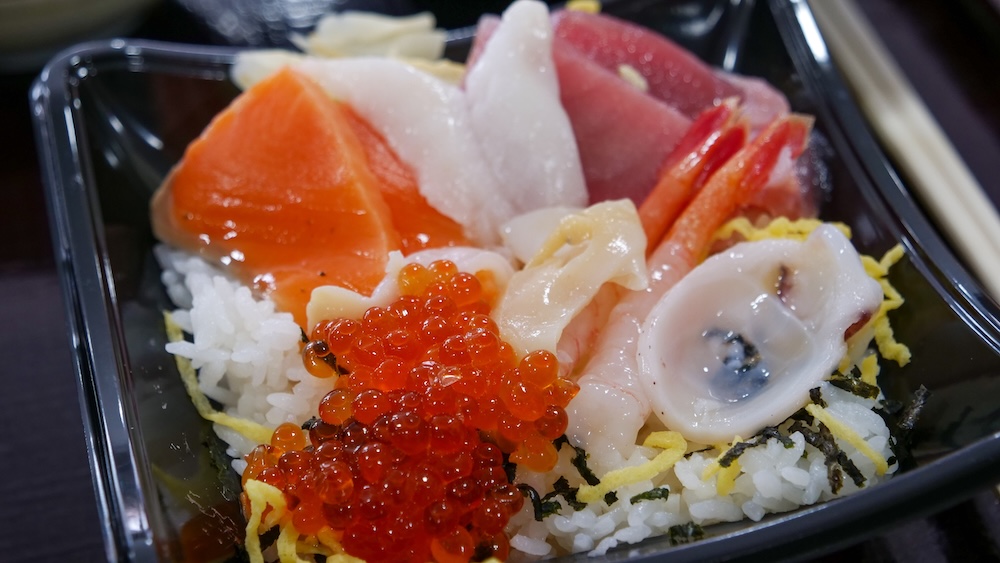
We ended up ordering a substantial breakfast featuring seafood rice bowls, hot noodles and several accompanying dishes. It was quite a bit more food than we’d normally eat for breakfast in Japan, but that suited us perfectly because we had a huge sightseeing day ahead. The seafood was delicious, and I particularly remember how fresh and tender it tasted. Having hot noodles alongside the raw seafood was a welcome combination, especially so early in the morning.
Despite the generous spread, we didn’t finish feeling like we needed to crawl back into bed for several hours. We were properly fed, happy with our selection and ready to continue exploring Hakodate. This ended up being our biggest sightseeing day in the city, so having a hearty breakfast worked out beautifully. Sometimes a delicate little breakfast is exactly what you want, but on this particular morning we needed something that would keep us going.
I also remember thinking the meal was excellent value. Seafood can become expensive rather quickly, and compared with some of the seafood-market meals I’d experienced in South Korea, our breakfast in Hakodate felt relatively affordable. That’s my personal impression from the time of our visit, rather than a claim that every seafood restaurant here is cheaper than those in Korea. Prices depend heavily on the restaurant, ingredients and portion size.
What kind of breakfast can you expect?
One of the market’s signature breakfast options is kaisendon, a bowl of rice topped with seafood, often featuring a selection of raw ingredients. Depending on the establishment and what’s available, you might encounter salmon, tuna, salmon roe, crab, sea urchin, squid or different combinations of seafood.
Some restaurants specialize in elaborate mixed bowls, while others offer simpler combinations, set meals and different portion sizes. There are also establishments serving other Japanese dishes, so breakfast doesn’t have to revolve exclusively around a towering bowl of raw fish. If you aren’t particularly interested in sashimi, take a look at the individual menus rather than assuming every restaurant serves exactly the same thing.
One practical detail matters if you’re arriving exceptionally early: the market’s opening time isn’t necessarily the same as the breakfast hours at individual restaurants. Some counters begin operating later than the surrounding stalls, so check the hours of any particular restaurant you want to try.
As for whether I’d order the same breakfast again, absolutely. It was delicious, filling without being excessive, and exactly what we needed before an enormous day of sightseeing. I’ll cover the individual dishes, our ordering surprises and more detailed seafood choices in our companion article, What to Eat at Hakodate Morning Market | Our Seafood Breakfast Experience.
Would I visit Hakodate Morning Market with a guide?
Audrey and I explored independently, and I wouldn’t suggest that you need a guide simply to wander around the stalls and find somewhere to eat. The market is close to the station, and part of our enjoyment came from discovering things at our own pace.
However, there’s a difference between wanting to browse and wanting someone to explain unfamiliar seafood, help with ordering and introduce you to local specialties. For travellers interested in the latter, there’s a 90-minute guided Hakodate Morning Market tour with seafood tasting options. It’s a private, English-guided experience with early-morning and daytime departure options. Food expenses are included up to a set allowance, while anything beyond that amount costs extra.
We didn’t take this tour, so I can’t offer a personal verdict on the guide. If you’re comfortable exploring independently, I’d save the money and do exactly that. But if unfamiliar seafood and ordering are the things making you hesitant, some local guidance could be useful. I’d compare the total tour price and included tasting allowance with what you’d otherwise spend on your own breakfast before deciding.
When to visit Hakodate Morning Market and how much time to allow
The market’s early opening is one of its biggest advantages, particularly if you’re staying near Hakodate Station or want to eat before starting your sightseeing. The general seasonal operating hours are:
- January through April: approximately 6:00 a.m. until shortly after 2:00 p.m.
- May through December: approximately 5:00 a.m. until shortly after 2:00 p.m.
Individual businesses have their own schedules and days off, so don’t assume every shop and restaurant will be operating throughout the entire market window. Ekini Market, for example, lists a 6:00 a.m. opening, while its squid-fishing activity begins at 7:00 a.m. and its Nibankan dining counter at 8:00 a.m. If you’re visiting for a particular meal or activity, those differences can make or break your morning plans.
I’d check the current hours of any establishment you have your heart set on visiting, especially if you’re arranging your morning around an early train or another scheduled attraction. The market’s general opening hours are a useful starting point, but they won’t tell you precisely when every breakfast counter starts serving.

Should you arrive as early as possible?
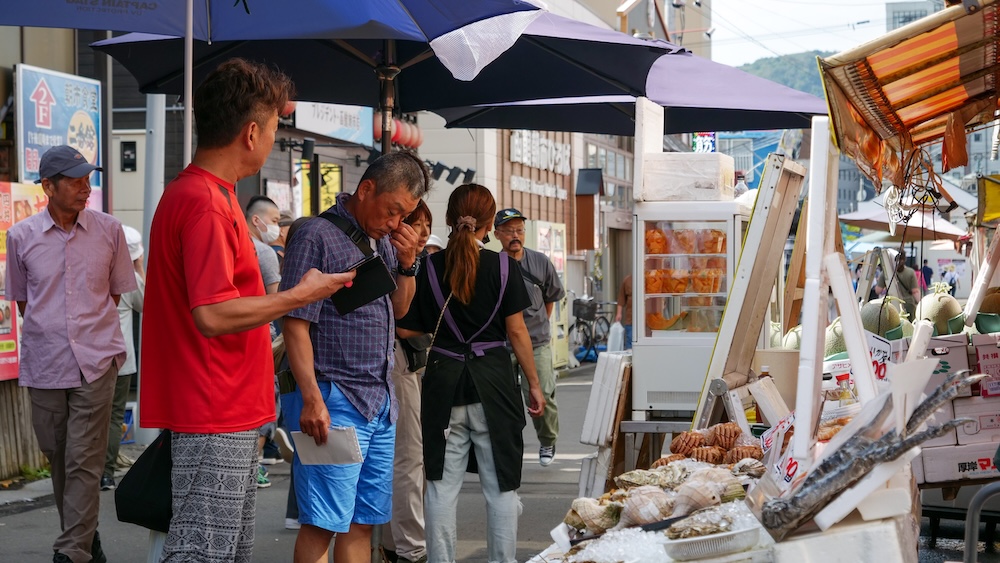
We arrived early because our internal clocks were still operating on something resembling another time zone, and that worked well for us. The market felt relaxed, and we had plenty to see without being overwhelmed by crowds. But I wouldn’t insist that everybody drag themselves out of bed at five in the morning just to reproduce our experience.
If you’re interested in seeing the market start its day, an early visit could be appealing. If your priority is sitting down for breakfast with a good choice of restaurants, pay closer attention to when those establishments actually open. I also wouldn’t promise that a particular hour will be crowd-free; market conditions can vary, and our pleasantly manageable visit was just one morning.
How long do you need at the market?
You can make this a quick stop or turn it into a more substantial morning activity, depending on your appetite and interest in browsing. Here’s how I’d roughly allocate time for different visits:
| What you want to do | Time I’d allow |
|---|---|
| Take a quick look at the seafood stalls and market atmosphere | 20–30 minutes |
| Explore several market sections at a comfortable pace | 45–60 minutes |
| Wander around and enjoy a sit-down breakfast | 60–90 minutes or longer |
These are planning estimates rather than fixed visit times. I don’t remember exactly how long we spent at the market, and there’s an obvious difference between somebody who loves examining every seafood display and somebody who takes one look at a giant crab and decides they’ve seen quite enough. Restaurant waits can also affect the total.
Personally, I wouldn’t automatically set aside half a day unless food, shopping or a particular activity was a major priority. An hour or two could fit nicely into a morning of sightseeing, leaving plenty of time for Hakodate’s other attractions.
Getting to Hakodate Morning Market and practical things to know
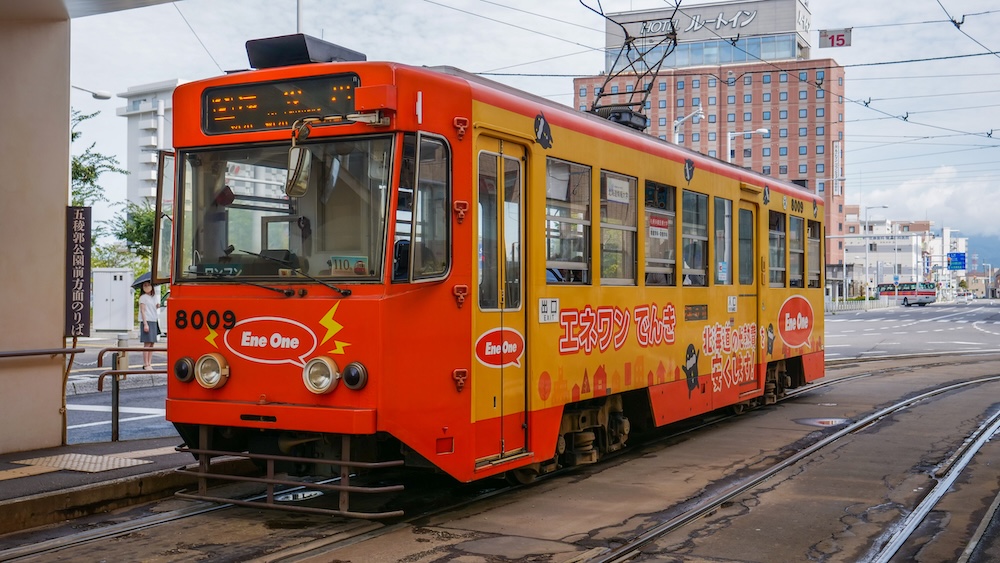
One reason I’d recommend the market to first-time visitors is that it’s exceptionally easy to reach. The main market area is located at 9-19 Wakamatsu-cho, right beside JR Hakodate Station. From the station, it’s approximately a one-minute walk, while the Hakodate-Ekimae tram stop is roughly two minutes away. You really don’t have much of a journey to organize.
Audrey and I made extensive use of Hakodate’s trams during our stay because the city turned out to be much more spread out than we’d initially imagined. It’s a pleasant place for walking, but getting between sightseeing districts can involve more distance than you expect. The Morning Market is a particularly convenient exception if you’re already near the station, making it easy to visit before exploring the waterfront or heading farther into the city.
Remember that the market combines indoor buildings with outdoor commercial streets. Some sections offer shelter, but you won’t necessarily be protected from rain throughout the entire visit.
Where to stay if an early market breakfast is a priority
If eating at the Morning Market is something you’re particularly excited about, staying within walking distance makes the whole thing easy. You can wake up, wander over for breakfast and get on with your sightseeing without having to figure out public transport before your first meal.
One property worth considering is Tokyu Stay Hakodate Asaichi Akarinoyu, located right by the market. What makes it especially relevant is its breakfast arrangement with participating Morning Market restaurants: eligible guests can use breakfast tickets at selected establishments rather than eating at an ordinary hotel buffet. The exact restaurant choices and ticket conditions depend on the current arrangements and your booking. The hotel also has natural hot-spring baths, which might sound particularly appealing after a full day of sightseeing.
Another practical choice is JR Inn Hakodate, beside JR Hakodate Station. Its main appeal for this kind of itinerary is the railway location, especially if you’re combining the market with an arrival or departure by train. It also has a large guest bath and its own hotel breakfast arrangements, although I’d still head over to the market if that was the meal I was most excited about.
We didn’t stay at either property, so these are location-based options rather than personal hotel recommendations. I wouldn’t choose my entire Hakodate accommodation strategy around one breakfast, but if you’re already considering the station area, being able to walk to the market in a few minutes is a worthwhile convenience.
Facilities, luggage and payment
The market has toilets, rest areas, information services and Wi-Fi areas distributed among its different facilities. Accessible toilets and wheelchair-related services are also listed, although that doesn’t mean every shop, entrance or outdoor route is completely step-free. If you have particular accessibility requirements, I’d confirm the relevant entrances and facilities before visiting rather than assume the entire complex will be equally easy to navigate.
Luggage storage is worth considering if you’re arriving at Hakodate Station before hotel check-in. Donburi Yokocho published locker information in April 2026 listing 11 larger lockers at ¥500 and 22 smaller lockers at ¥300. Those are the published rates and quantities at that time, so availability, sizes and charges should be checked before relying on them. A particularly large suitcase may not fit, even if you manage to find an empty locker.
Payment arrangements vary between vendors. Some businesses accept cards, but that doesn’t mean every stall does, so I’d keep some yen in cash if you plan to shop or eat. It’s a small precaution that makes wandering around a market considerably easier.
What if you’re driving?
The market association lists parking at ¥100 per 20 minutes, with a potential 60-minute parking benefit for purchases of at least ¥2,200 at one participating association-member business, subject to the relevant validation conditions. The purchase threshold applies at an eligible individual business; you can’t simply add together purchases from different shops to qualify.
I’d check the latest parking arrangements before visiting, but for most travellers staying in central Hakodate, walking or using the tram is considerably simpler. The market is practically on the station’s doorstep, so bringing a vehicle isn’t necessary for an ordinary visit.
For updated opening hours, facilities and access information, it’s worth checking the official Hakodate Morning Market visitor information before your trip.
Is Hakodate Morning Market worth visiting if you don’t love seafood?
I’d still recommend giving it a chance, although how long you stay should depend entirely on your interests. For me, Hakodate Morning Market was thoroughly enjoyable. I liked seeing the seafood displays, the activity around the stalls and the familiar atmosphere of a wet market. Sitting down for a hearty breakfast made the visit even better, and there wasn’t anything about our experience that disappointed me.
At the same time, I’m approaching this as someone who’s spent a considerable amount of time travelling and living in Asia. Markets like this are familiar to me, whereas somebody arriving from Canada or elsewhere in North America might find the environment more unusual. If you’re curious about food markets, that’s a good reason to stop by even if you aren’t planning to eat seafood. There are other food products and shops to browse, and you can appreciate the atmosphere without making a big commitment of time or money.
But what if the smell of seafood makes you feel sick, or you really don’t enjoy seeing raw fish being handled and prepared? Then leave! Seriously, I wouldn’t tell anybody to endure an experience they find unpleasant simply because it’s listed among the things to do in Hakodate. Have a quick look if you’re curious, and if it isn’t your cup of tea, move on to something else. There’s plenty more to enjoy in the city.
For seafood enthusiasts, I’d be more enthusiastic about turning the market into a proper breakfast stop. For travellers who enjoy markets but aren’t especially interested in eating raw fish, a shorter wander through the stalls might be all that’s needed.
My verdict is that Hakodate Morning Market deserves a visit, particularly if you’re interested in seafood, Japanese food markets or getting an early breakfast before exploring the city. Its location beside the station makes it easy to include in an itinerary, and you can decide for yourself whether to spend twenty minutes or make a full morning of it.
If we returned to Hakodate, I’d happily do much the same thing: arrive in the morning, wander around the stalls and find somewhere serving a substantial breakfast. Given our habit of packing entirely too much sightseeing into a single day, I’d probably order another hearty meal without a second thought. We certainly put that breakfast to good use the first time around.

Frequently Asked Questions
Is Hakodate Morning Market worth visiting?
I enjoyed the seafood displays, relaxed atmosphere and hearty breakfast. I recommend a visit if you like food markets, but you can keep it short if raw seafood and its smells are not your thing.
What time does Hakodate Morning Market open?
The general market schedule starts around 6:00 a.m. from January through April and 5:00 a.m. from May through December, with closing shortly after 2:00 p.m. Individual stalls, restaurants and activities have different hours.
How long should I spend at Hakodate Morning Market?
Allow roughly 20–30 minutes for a quick look, 45–60 minutes to explore several sections, or 60–90 minutes or longer if you want a sit-down breakfast. These are planning estimates, not fixed visit times.
How do I get to Hakodate Morning Market?
The market is about a one-minute walk from JR Hakodate Station and roughly two minutes from Hakodate-Ekimae tram stop. It is an easy stop to include before exploring other parts of the city.
Can I eat breakfast at the market as soon as it opens?
Not necessarily. The general market opening time is different from individual restaurant hours, and some dining counters open later. Check the hours of a particular restaurant if your visit depends on eating there.
Do I need a guide to explore Hakodate Morning Market?
Audrey and I explored independently and found it straightforward to browse and choose breakfast. A guided visit may be useful if you want help with unfamiliar seafood or ordering, but it is not necessary for a casual market visit.
This guide is also available in Spanish. [Leé la versión en castellano: Mercado Matutino de Hakodate: guía y reseña de mariscos, desayunos y qué esperar]
This article contains affiliate links. If you book through one of these links, I may earn a commission at no extra cost to you.