
Hakodate is Hokkaido’s salt-ramen city, and the most useful thing to know before you sit down is that “shio” describes how the bowl is seasoned, not how salty it tastes. A good bowl is clear, light and fairly quiet, which is a long way from the thick miso-and-butter ramen the island is better known for. Audrey and I ate one bowl each at one shop in Hakodate, so most of what follows is background I’ve checked, with our own bowls as the reference point.
What Hakodate Shio Ramen Actually Is
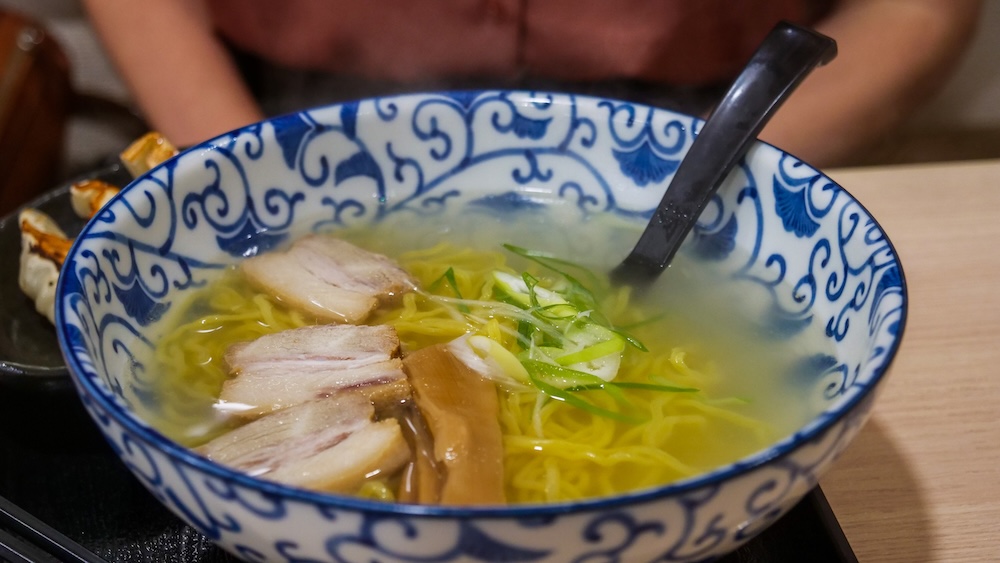
Shio is Japanese for salt, and in Hakodate it names the seasoning at the centre of the bowl: a broth simmered gently so it stays clear, then seasoned with a house salt sauce when the bowl is put together. The result is a golden soup you can see through to the bottom. What goes into the broth depends on who’s describing it, with chicken, kelp and seafood in one account, pork and chicken bones with kelp and scallop in another, and a low-fat pork-bone soup in a third, so I can’t give you the recipe any one shop uses. The accounts agree on the effect, which is clear and light.
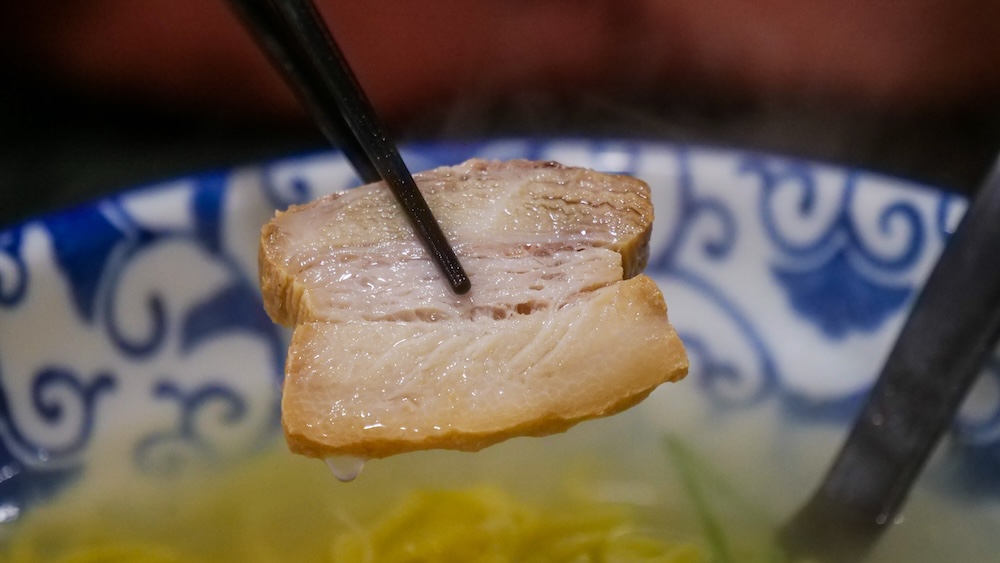
– Salt ramen with broiled pork
– Plain salt ramen
– Gyoza
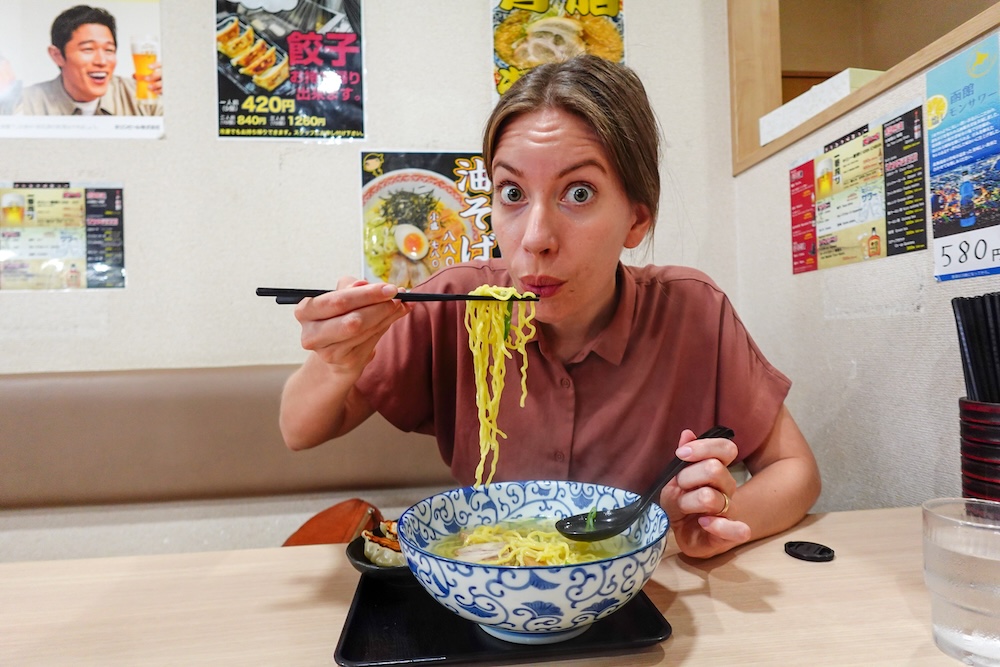
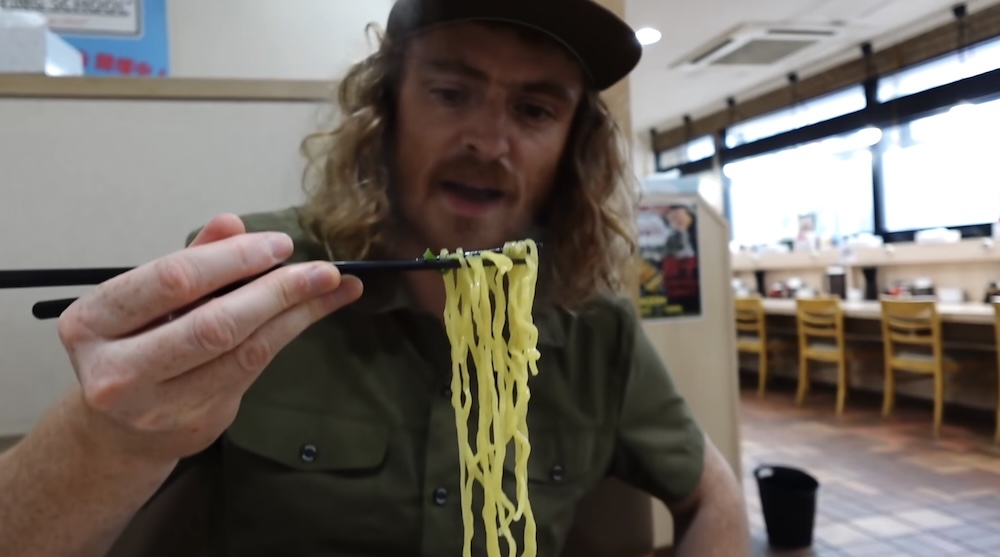
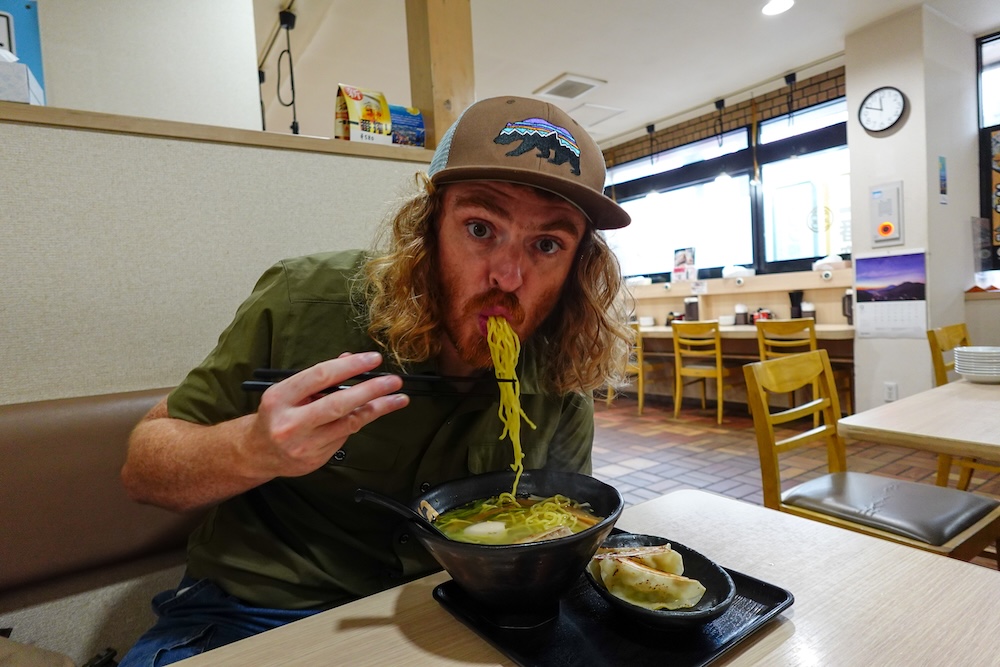
The rest of the bowl is usually plain on purpose. The typical noodles are thin and straight, and the toppings are a short list of roast pork, green onion and bamboo shoots, with dried wheat gluten in some shops that soaks up the broth. Audrey’s bowl fit that picture: a clear golden broth, yellow noodles, a few slices of pork, bamboo shoots and green onion. We both noticed how chewy the noodles were, though, and I can’t tell you they were thin and straight like the usual description.
Why Hakodate Is the Home of Salt Ramen
The claim that Hakodate invented ramen rests on an 1884 newspaper ad for “Nankin soba” at Yowaken, a Chinese-run Western-style restaurant in the city. No recipe survives, so nobody can say it was the same dish as today’s ramen, and Japan’s agriculture ministry itself calls the “first ramen” idea uncertain. The surrounding story is easier to defend than the claim. Hakodate was an old open port where Chinese merchants and cooks worked, and they’re credited with bringing the clear-broth noodle tradition that salt ramen grew out of. That link is something people say, not something anyone has documented, and the accounts disagree on details such as where those merchants came from, so I’d treat it as a plausible explanation and not a proven chain.
That’s the honest answer to why salt is Hakodate’s local specialty: a port city, cooks who brought a clear-broth tradition with them, and well over a century of local shops carrying it on. The city has around 150 ramen shops now, and salt is the style it’s known for.
What to Expect From a Bowl
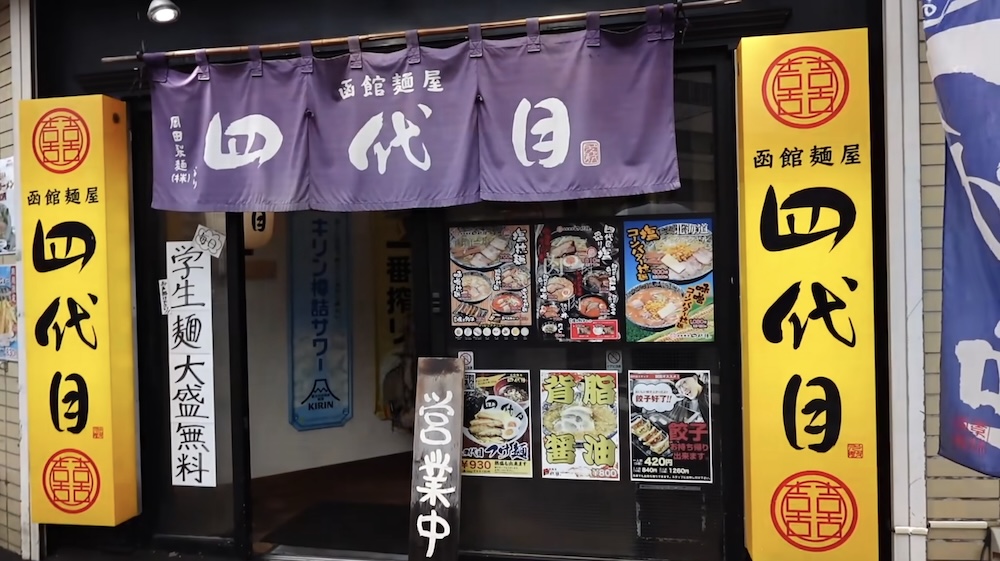
Expect delicacy. The first thing Audrey wanted to know about her bowl was whether it was overly salty, which is a fair question for anyone, and she put it plainly: “It is salty, but is it overly salty? I would say no.” She called it a light, somewhat clear broth and said she liked it. Mine was the shop’s seared version with broiled pork, and it was close to hers, close enough that the extra pork was the only real difference between our bowls. I couldn’t call my broth overpoweringly salty either. We ate at Yondaime, and I’ve covered the shop in our Yondaime Ramen review.
Bowls differ from shop to shop. Some places serve curly noodles instead of straight ones, and at least one serves a slightly cloudy broth that some people consider the truest version of the style. We only had the one kind, so if you can fit in a second bowl, you’ll learn more about the style than a description, mine included, can tell you. If you’d rather have a local guide help you eat your way around the city, you can browse current guided food tours in Hakodate. The listings I saw are built around seafood, sushi and bars, not ramen, and I haven’t taken one, so treat a tour as a way to taste more of Hakodate, not as a shortcut to a particular bowl.
Salt, Miso or Butter-Corn: Where Hakodate Fits in Hokkaido Ramen
We arrived in Hakodate assuming salt ramen and butter-and-corn ramen were a pair of northern specialities, and we meant to order both. Only half of that held up. Hokkaido’s ramen splits by city: miso for Sapporo, soy sauce for Asahikawa and salt for Hakodate, which together make up the island’s three big styles. Butter and corn are usually associated with Sapporo’s miso ramen, a style that dates to 1955, and visitors tend to go for miso-butter bowls, which is probably why that’s the version of Hokkaido ramen many people picture. Nothing stops a Hakodate shop from offering them on a salt bowl, since the machine at ours listed butter and corn as toppings, but they aren’t what the city’s style is built around. We never ate butter-corn ramen, so I can’t tell you how it compares.
Is Salt Ramen Worth Eating in Hakodate?
Yes, for the style itself. At the time I thought our bowl was very good ramen. Looking back, it was a pretty standard ramen experience, and I mean standard for Japan, which is a high bar. Audrey and I are big ramen fans, and in our experience ramen in Japan is clearly a notch above what we’re used to elsewhere, so a standard bowl there is already a good one. I haven’t had it in a while, and I’m craving it right now, which says more than the word “standard” does.
If you like clear, light soups, make a bowl of Hakodate shio ramen a priority. If you want richness, miso is the more usual place to look. We only ate one bowl each, so I can tell you what the style is and that the one we had was good, but I can’t rank it against anything else in the city.
Frequently Asked Questions
Does Hakodate shio ramen taste overly salty?
No, the word “shio” refers to the salt-based seasoning sauce rather than an overpowering level of saltiness. Audrey found her bowl at Yondaime salty without being overly so, and my seared pork version had the same light, balanced clear broth.
What usually comes in a bowl of Hakodate salt ramen?
A standard bowl pairs a clear, gently simmered golden broth with a sparse set of toppings so the soup stays at the centre. Most shops use thin, straight noodles with roast pork, bamboo shoots, and green onion, while some add dried wheat gluten to soak up the broth, though our bowls at Yondaime came with chewy, slightly wavy yellow noodles.
Why is Hakodate famous for salt ramen instead of miso?
Hakodate’s history as an old open port brought Chinese merchants and cooks who are credited with introducing a clear-broth noodle tradition over a century ago. While an 1884 newspaper ad for “Nankin soba” at Yowaken is often cited as the origin of ramen in Japan, that direct link remains uncertain, whereas the port’s clear-soup heritage carried on across roughly 150 local ramen shops.
How does Hakodate shio ramen differ from Sapporo and Asahikawa ramen?
Hokkaido’s three main ramen styles divide by city: Hakodate is known for light, clear salt (shio) broth, Sapporo is famous for rich miso ramen often topped with butter and corn, and Asahikawa specializes in soy sauce (shoyu) ramen. Although the ticket machine at our Hakodate shop offered butter and corn as add-ons, those heavy toppings belong to Sapporo’s tradition rather than Hakodate’s delicate style.
Who should prioritize eating shio ramen in Hakodate?
Travellers who enjoy delicate, see-through soups should put a bowl at the top of their list, whereas anyone craving a thick, heavy broth will generally prefer Sapporo-style miso. Even though Audrey and I only tried one bowl each at Yondaime, Japan’s baseline ramen quality is high enough that a standard local bowl makes for a very good meal.
This guide is also available in Spanish. [Leé la versión en castellano: Guía del ramen shio de Hakodate: por qué el ramen de sal es la especialidad local]
This article contains affiliate links. If you book through one of these links, I may earn a commission at no extra cost to you.