
At Hakodate Morning Market I was admiring crabs the size of dinner plates and eating raw fish for breakfast. Elsewhere in the city, Audrey and I stood outside a burger joint called Lucky Pierrot, looking at the clown and wondering what on earth we were getting ourselves into. Hakodate certainly didn’t restrict our diet to seafood.
We had roughly three days in this southern Hokkaido port city, and food became one of the best parts of the trip. Along with the seafood, we ate salt ramen, conveyor-belt sushi, two very different hamburgers and some distinctly Hokkaido-flavoured gelato. We even returned to the same sushi restaurant because our first meal there had been that good.
So what food is Hakodate actually famous for? There are dishes with strong roots in the city, including squid, shio ramen and a homegrown burger chain. Then there are the wider Japanese and Hokkaido favourites that are well worth eating here without pretending Hakodate invented them. Here’s what we tried, what we thought, and a couple of local specialties that escaped our appetites.
Seafood and kaisendon: Hakodate’s obvious starting point
You don’t have to be much of a detective to work out that Hakodate takes its seafood seriously. Walk through the Morning Market near Hakodate Station and you’ll encounter seafood tanks, fish laid out for sale and crabs that can make you stop in your tracks. I rather enjoy the smell of a fish market—the salt, the sea, the unmistakable suggestion that things with fins were here recently. I can also understand why someone else might prefer to get breakfast from a bakery.
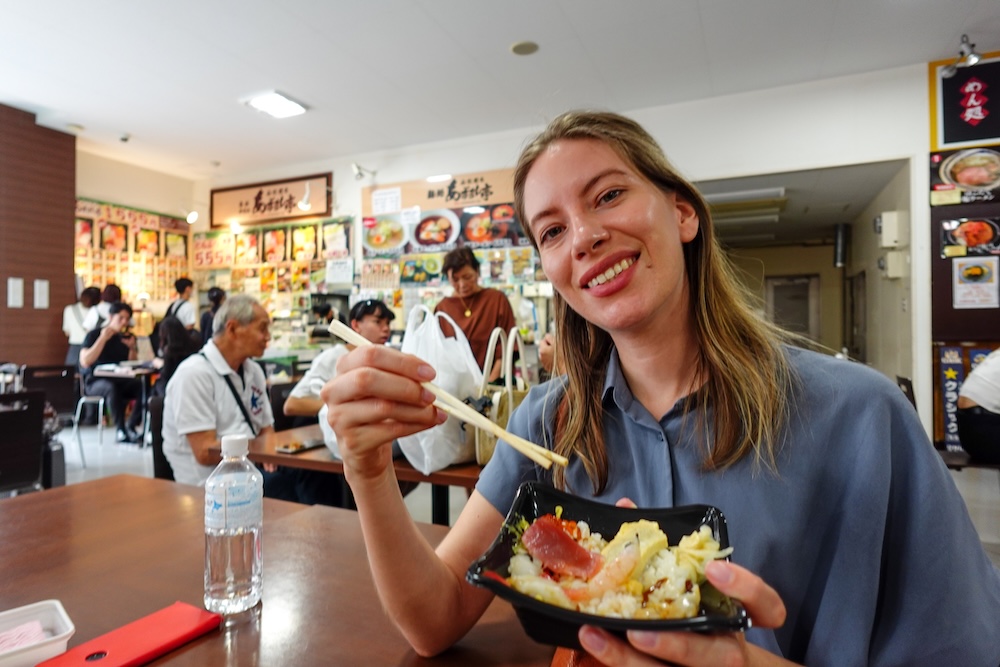
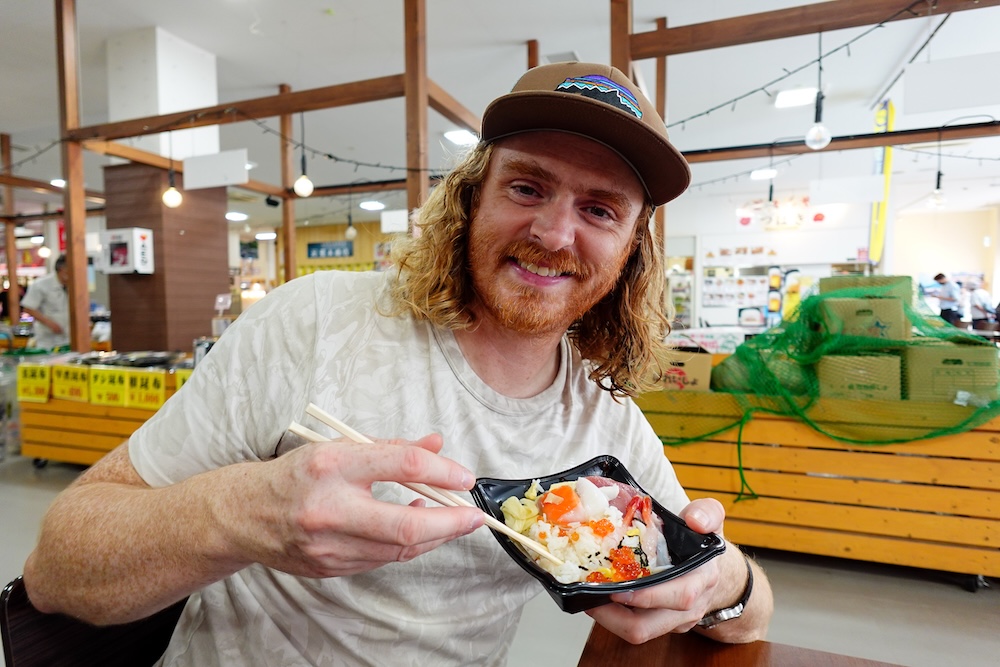
The dish that caught our attention was kaisendon, a bowl of rice topped with raw seafood. It’s straightforward in principle, but the toppings can vary considerably: salmon, tuna, shrimp, scallops, crab, sea urchin and the little orange jewels of salmon roe all appear in different combinations. You’re choosing a particular mix of seafood, not one standardized bowl that’s the same everywhere.
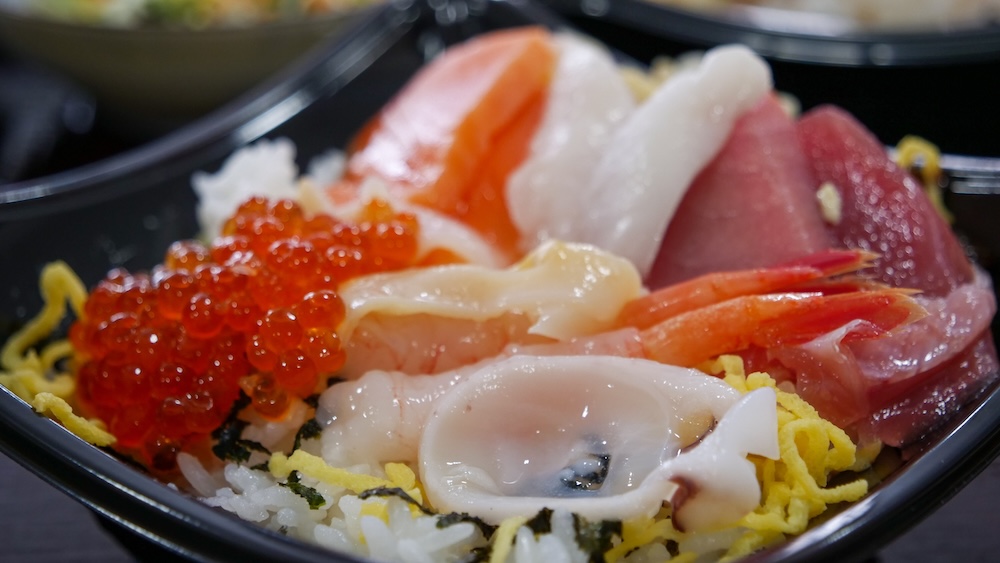
Our breakfast included salmon, salmon roe, egg and other seafood over rice, with hot noodles and fried accompaniments. We also managed to order two similar seafood bowls because we hadn’t noticed that one already came with the set. Considering how good the fish was, I didn’t consider it much of a disaster.
The salmon was tender, the roe had those wonderful little salty pops, and I kept going back and forth between cold seafood and hot noodles. We were full when we left but still had the energy to tackle a busy sightseeing day. If raw seafood appeals to you, this is one Hakodate food tradition I’d put near the top of your list.
We explored the market independently, which is perfectly manageable if you’re happy wandering between stalls and choosing your own meal. But if you’d prefer someone to explain the seafood selections and help you order, there’s a 90-minute guided Hakodate Morning Market tour with seafood tastings. It’s an English-language experience with early-morning and daytime options, and tasting expenses are included up to a set allowance. Anything beyond that allowance costs extra. We didn’t take this tour, and I wouldn’t say you need a guide simply to eat breakfast. The appeal is having somebody help you explore unfamiliar ingredients and make more informed choices, rather than facing a wall of Japanese seafood names with an increasingly empty stomach.
Fresh squid and ika somen
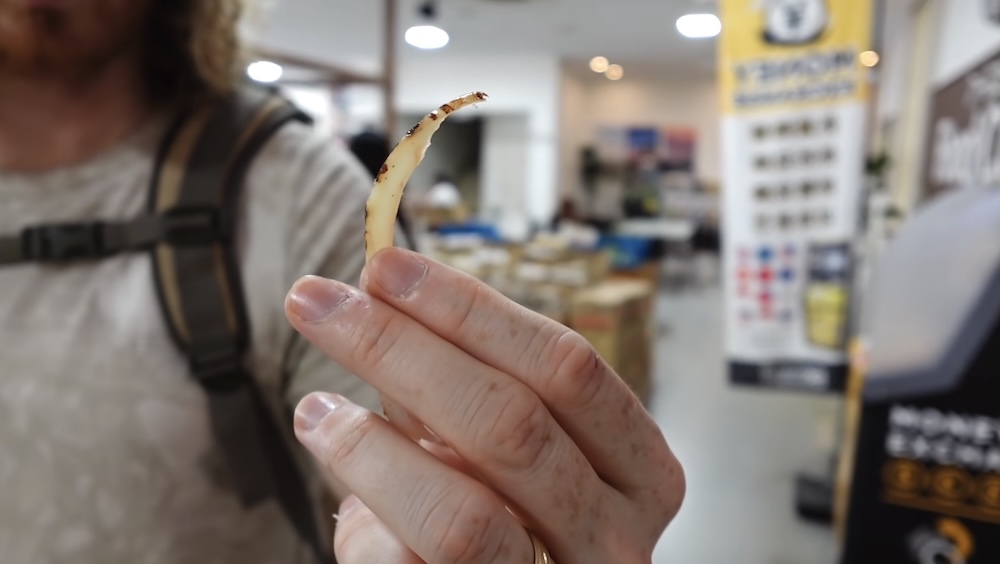
The squid made an impression even before we sat down. Somebody handed me a little sample of fresh squid at the market, and I immediately thought of the dried squid I used to eat at baseball games when I lived in South Korea. That stuff could give your jaw a workout. This was noticeably softer and more tender, and far less chewy.
Squid is closely tied to Hakodate’s food identity. One characteristic preparation is ika somen: raw squid cut into fine strips that look like somen noodles. Despite its name, you aren’t ordering wheat noodles with squid on top. It’s the squid itself that’s been sliced into strands, typically eaten with a dipping sauce. The varieties offered can change with the season and the catch.
I only tried that small fresh sample, not a complete ika somen dish. We also didn’t take part in the market’s live-squid fishing activity. Both are worth distinguishing from the simple pleasure of tasting fresh squid, which gave me quite enough to think about on its own.
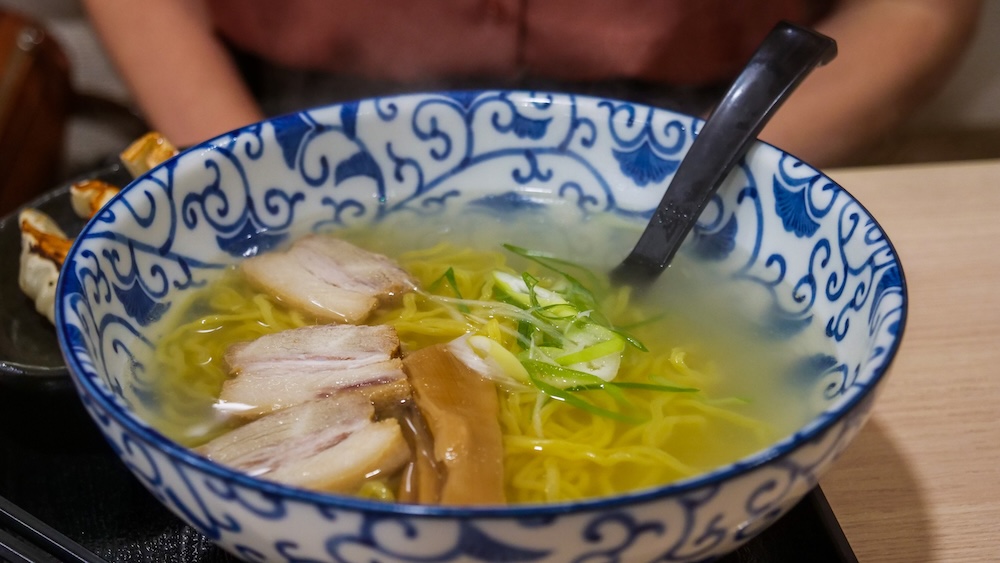
Hakodate shio ramen: the salt-broth specialty
Hokkaido has several celebrated ramen styles, and they aren’t interchangeable. Sapporo is especially associated with miso ramen, Asahikawa with shoyu or soy-sauce ramen, and Hakodate with shio ramen, seasoned primarily with salt. It’s often served with a comparatively clear broth, although what goes into that broth varies from kitchen to kitchen. Clear doesn’t mean flavourless, and it certainly doesn’t mean sodium-free.
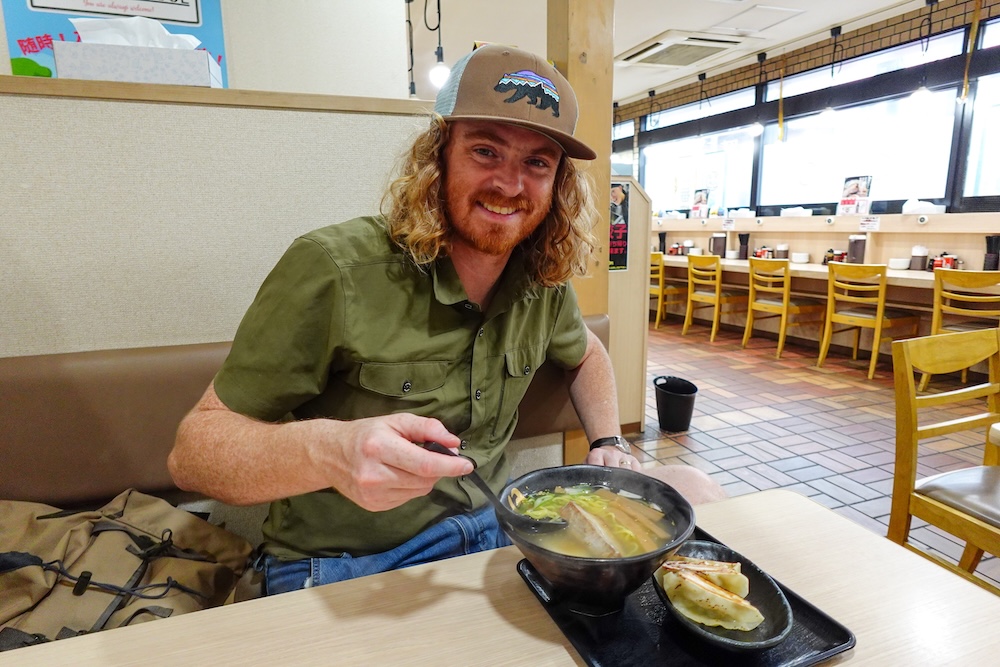
Audrey and I wanted to try Hakodate’s version, so we walked into Yondaime Ramen and faced the ticket machine. We intended to order shio ramen and a butter-corn variation. Between figuring out the choices and where the money was supposed to go, we managed to order two different shio ramens instead. A fairly typical performance from us when hungry and staring at an unfamiliar machine.
Mine arrived with broiled pork, while Audrey’s was a plainer salt ramen with a clear chicken broth. We had gyoza as well. I was perfectly happy with my accidental selection: lovely noodles, savoury broth and a salty flavour that didn’t overpower everything else. It was a satisfying meal, even though we hadn’t quite ordered the two dishes we thought we had.
Shio ramen is one of the clearest ways to eat something strongly associated with Hakodate. Just don’t mistake it for the rich butter-and-corn ramen people sometimes picture when they hear “Hokkaido ramen.” We were hoping to try that too, but it wasn’t what ended up in our bowls.
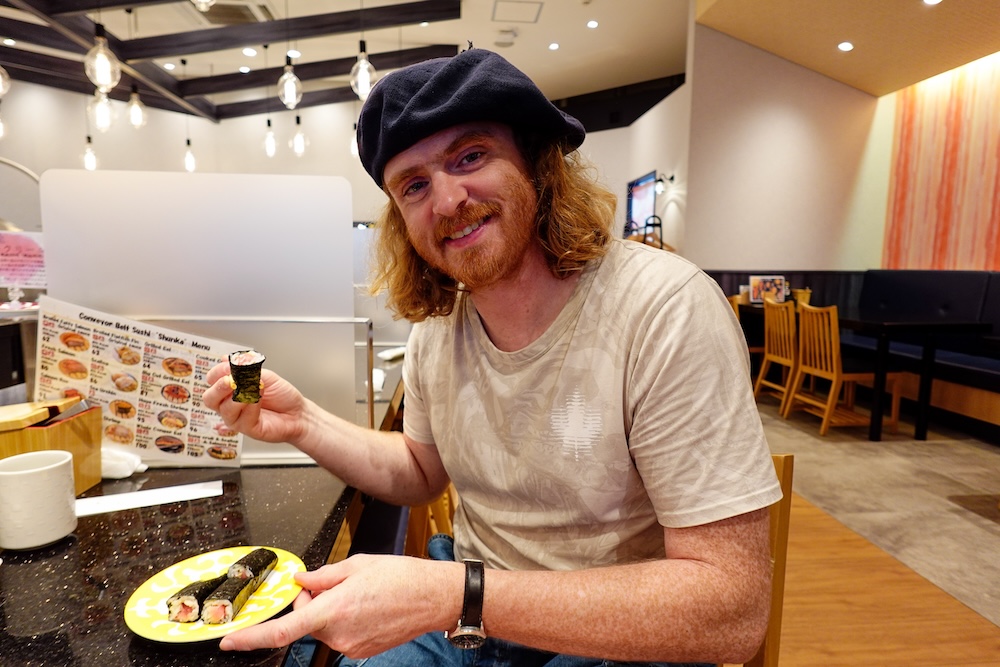
Sushi: our excuse to eat more seafood
Sushi isn’t unique to Hakodate, but I’d find it strange to spend time in a seafood-oriented Japanese city and rule it out. Kaisendon gives you fish arranged over one bowl of rice; sushi lets you order individual pieces and rolls, switch between varieties and keep eating until common sense finally intervenes.
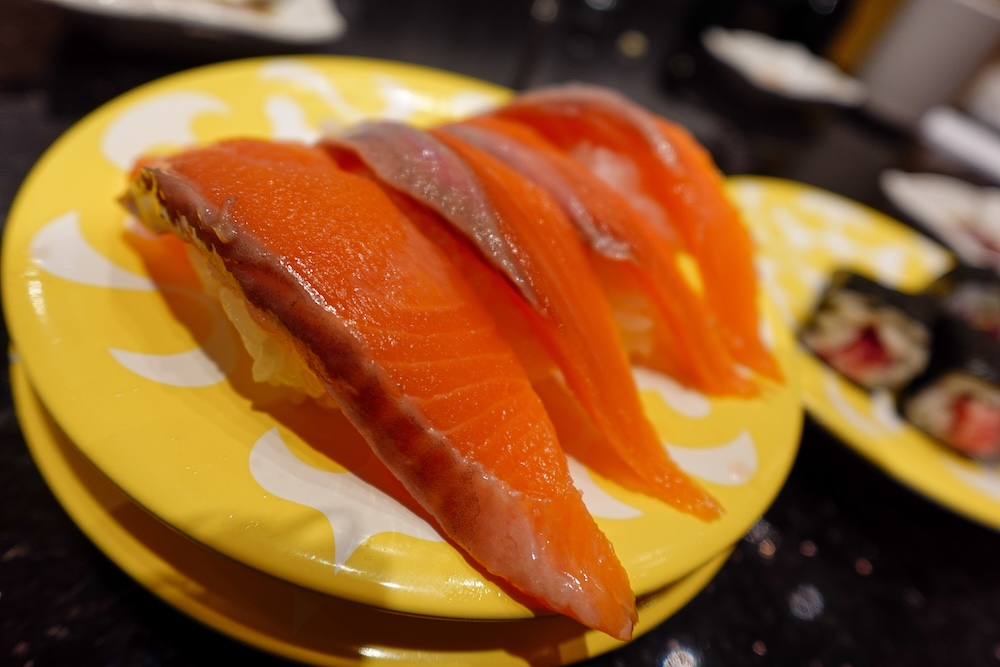
We found Kaiten Sushi Hakodate Shunka, a conveyor-belt sushi restaurant across from Goryokaku Tower, on our first night in the city. Jet lag had reduced us to a pair of zombies, so we didn’t make much of an occasion of that first visit. But the sushi was so enjoyable that we deliberately went back.
And we weren’t trying to score points for adventurous ordering. We went hard on salmon and tuna because we both love them, with other sushi and a few hot dishes mixed in. On the return visit, the conveyor wasn’t carrying a huge selection at that quiet hour, so ordering directly worked better. We ended up with udon and shrimp tempura among the extras and left feeling thoroughly satisfied.
What can I say? We liked a sushi restaurant enough to eat there twice on a short trip. That’s a genuine endorsement of our meals at Shunka, not a claim that we’ve personally sampled every sushi counter in Hakodate. If you enjoy choosing a few pieces at a time, it’s an appealing counterpart to a big seafood rice bowl.
If eating sushi isn’t quite enough and you’d rather have a go at making it, another option is a 90-minute sushi-making experience in Hakodate with a local chef. The class focuses on making nigiri with Hokkaido seafood, with instruction, ingredients and the sushi you prepare included. We haven’t tried the class ourselves, but I like that it offers something genuinely different from another restaurant meal. You get to find out how much care goes into shaping the rice and assembling each piece, something that’s easy to overlook when you’re busy polishing off plate after plate of sushi.
Lucky Pierrot burgers: the curveball I wasn’t expecting
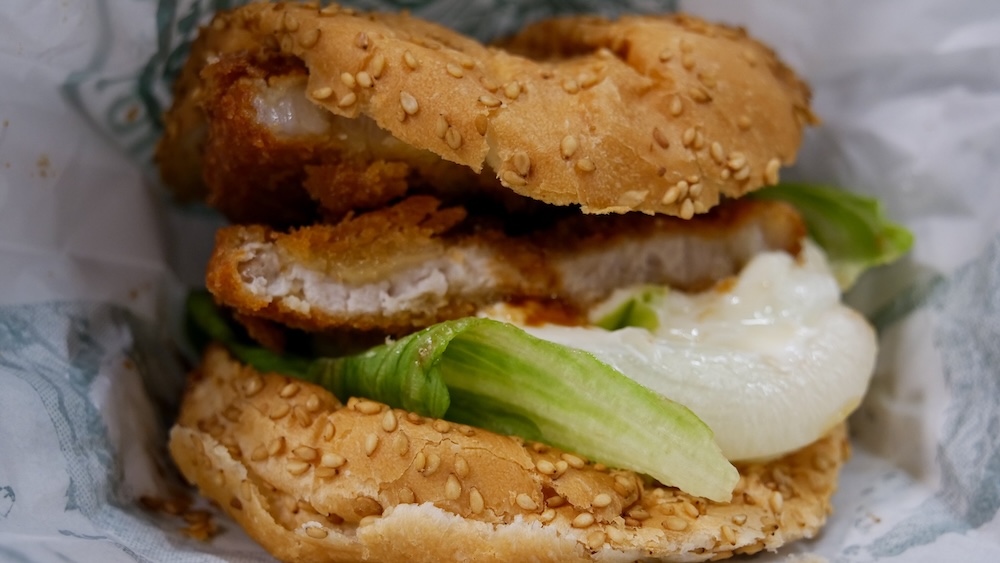
If Hakodate’s seafood and ramen make immediate sense, Lucky Pierrot takes a little more explaining. The burger chain started in Hakodate in 1987, and its Chinese Chicken Burger has become one of the foods closely associated with the city. Think fried chicken coated in a sweet savoury glaze, packed into a burger bun with lettuce and mayonnaise. It’s quite a departure from salmon roe and salt broth.
We visited a branch near Goryokaku Tower. Outside was the clown, naturally. Inside were enough angels and assorted decorations to make me wonder whether we’d come for lunch or wandered into a themed attraction. The menu wasn’t exactly restrained either, with burgers alongside other dishes. I wasn’t convinced the place would be much more than a novelty.
We ordered a Chinese Chicken Burger and a tonkatsu burger, along with cheesy fries and gravy. The tonkatsu version had a breaded pork cutlet, sauce and the usual burger accompaniments; the Chinese Chicken Burger offered battered chicken with that sweet glaze. Both were tasty. Nothing about the meal was fine dining, nor did it need to be. We were pleasantly surprised at how much we enjoyed the burgers, and the bill felt reasonable during our visit.
The clown still made very little sense to me afterward, but the food had won me over. For somebody who doesn’t fancy another seafood meal, Lucky Pierrot is an unusually Hakodate-specific alternative—and a good reminder that a city’s famous food doesn’t always look remotely traditional.
Hokkaido gelato: saving a little room for dessert
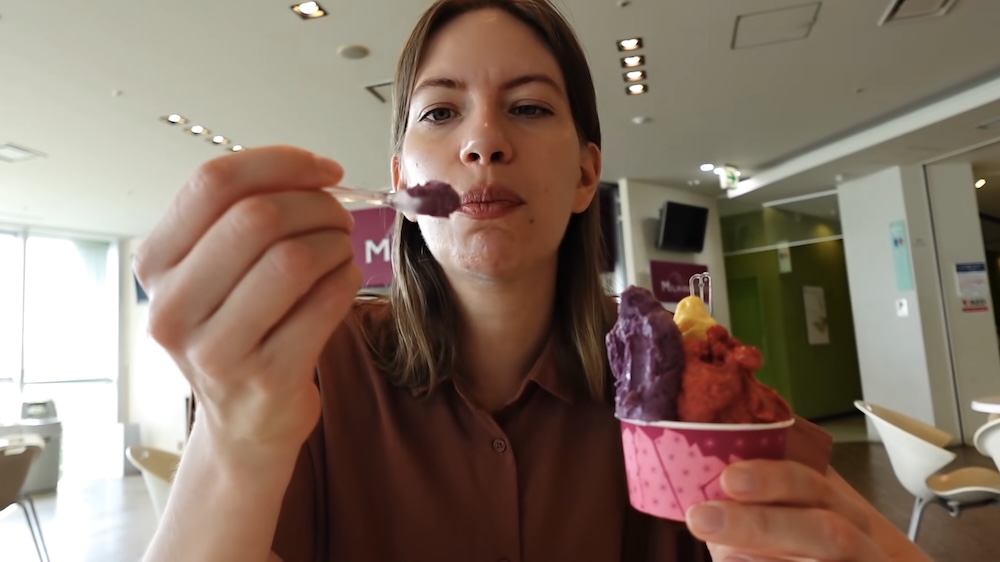
Hokkaido’s reputation for dairy reaches beyond Hakodate, but it gives dessert a legitimate place in the food conversation. At Goryokaku Tower we stopped at Milkissimo, which makes gelato using milk from around Hakodate and other regional ingredients.
We chose three flavours: berry, pumpkin and purple sweet potato. The purple sweet potato was surprisingly sweet, with a roasted-potato quality to it, while pumpkin was creamy. The berry had the tangy fruit flavour I really enjoy, and it won both our votes. After that the rankings diverged: pumpkin came second in one tasting order, purple sweet potato in the other. Apparently we could agree on the winner and still find something to debate.
The flavours can change, so I wouldn’t arrive expecting that exact trio. The bigger point is that Hokkaido’s milk and locally inspired ingredients make ice cream and gelato an enjoyable addition to the more savoury foods Hakodate is known for.
Other Hakodate specialties we missed
We ate well, but three days didn’t give us unlimited stomach space. Two additional foods deserve attention, although I can’t offer a firsthand taste verdict for either one.
Hasegawa Store’s yakitori bento
Here’s a useful southern-Hokkaido language lesson: yakitori usually brings chicken skewers to mind, but around Hakodate it can also mean pork. Hasegawa Store’s signature yakitori bento, introduced in 1978, is built around grilled pork skewers laid over rice, typically with seaweed and green onions.
It’s a local convenience-store speciality rather than a formal restaurant dish, and that makes it interesting in its own right. If you want a cooked, filling alternative to raw seafood, this is one I’d put on the list for a return trip. Just don’t be surprised when the “chicken” skewers turn out to be pork.
Gotoken curry and Hakodate’s Western-style food tradition
Hakodate’s food history also reflects its years as an international port. Gotoken, established in 1879, is part of the city’s longstanding Western-style dining culture, serving curries such as British-style beef curry and Meiji-style pork curry alongside other Western-influenced dishes.
We didn’t eat there, so I have no personal verdict on its curry. But it belongs in this discussion for a different reason: it shows that Hakodate’s habit of mixing Japanese and outside culinary influences goes back well before Lucky Pierrot began putting fried chicken into burger buns.
For travellers who want to explore Hakodate’s food scene after dark, rather than concentrate entirely on daytime restaurant visits, there’s also a three-hour guided Hakodate bar-hopping and local food experience. The listed experience visits three bars or izakayas, with drinks and accompanying dishes included. We didn’t do this tour, but I can see the attraction if you’re interested in local drinking culture and would appreciate an English-speaking guide helping you navigate unfamiliar places. It makes considerably less sense if you aren’t interested in the bar-hopping side of the evening. Check the current food and drink inclusions before booking, since additional orders cost extra.
What would I eat first in Hakodate?
If it were my first visit again and I wanted a food experience closely associated with Hakodate, I’d start with seafood—particularly a kaisendon or squid dish if raw fish appeals to you—and make sure I found time for a bowl of shio ramen. Those are the foods that most clearly express the city’s coastal setting and local noodle tradition. Lucky Pierrot is the fun, cooked-food detour that surprised us most.
After that, follow your appetite rather than a checklist. We enjoyed sushi enough to go back for seconds, and gelato was a welcome change after the savoury dishes. A pork-skewer bento or Gotoken curry would help us explore a side of Hakodate we missed this time.
I came expecting plenty of seafood. I left with memories of tender squid, a good salty broth and fried chicken in a burger bun beneath a clown sign. That’s a much more interesting food city than the one I’d pictured before arriving.
Frequently Asked Questions
What food is Hakodate most famous for?
Seafood, especially squid and kaisendon, is a major part of Hakodate’s food identity. Shio ramen and the locally founded Lucky Pierrot burger chain are other distinctive choices. Hasegawa Store’s pork-skewer yakitori bento is another local specialty.
What is kaisendon?
Kaisendon is a bowl of rice topped with raw seafood. Toppings vary, but may include salmon, tuna, shrimp, scallops, salmon roe or sea urchin. Audrey and I enjoyed ours at Hakodate Morning Market.
What makes Hakodate shio ramen different?
Shio ramen is seasoned primarily with salt and is often served in a relatively clear broth. We tried two variations at Yondaime Ramen and enjoyed both, even though we had intended to order a butter-corn ramen as well.
Is Hakodate known for sushi?
Hakodate’s seafood culture makes sushi a worthwhile choice, although sushi is not unique to the city. We enjoyed Kaiten Sushi Hakodate Shunka enough to return for a second meal, especially for salmon and tuna.
What should I order at Lucky Pierrot?
The Chinese Chicken Burger is a signature local option, with fried chicken in a sweet, savoury glaze. We tried it alongside a tonkatsu pork-cutlet burger and enjoyed both more than we expected.
Why does Hakodate yakitori bento contain pork?
Around southern Hokkaido, yakitori can also mean grilled pork skewers, rather than the chicken usually associated with the name. Hasegawa Store’s yakitori bento serves pork skewers over rice. We didn’t try it ourselves.
What if I do not eat raw seafood?
Hakodate has plenty to consider beyond raw fish, including shio ramen, Lucky Pierrot burgers and Hasegawa Store’s cooked pork-skewer bento. Gotoken’s Western-style curries offer another researched option.
This article is also available in Spanish. [Leé la versión en castellano: ¿Por qué comidas es famosa Hakodate? Mariscos, ramen shio, sushi y hamburguesas]
This article contains affiliate links. If you book through one of these links, I may earn a commission at no extra cost to you.