
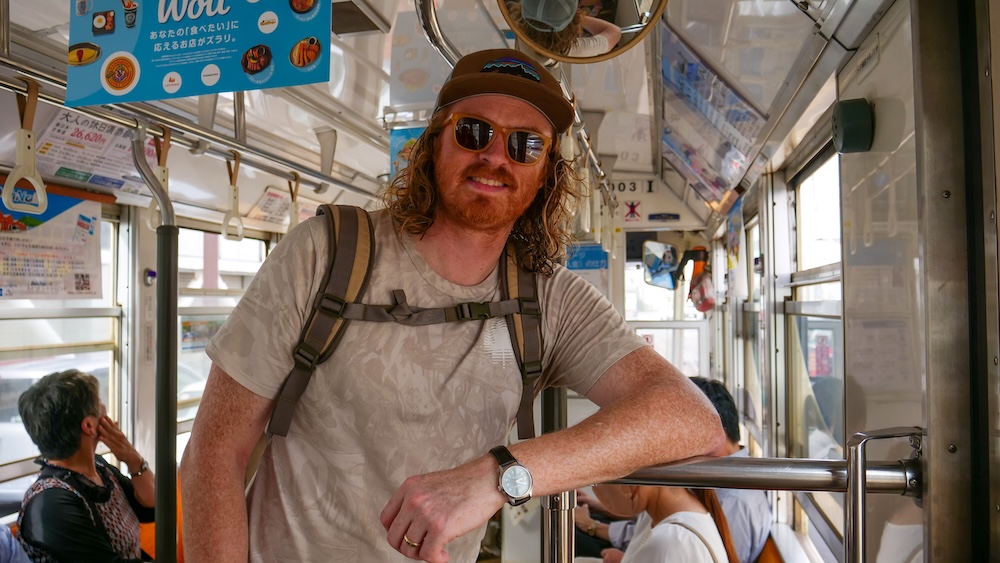
When Audrey and I visited Hakodate, we stayed at a hotel outside the main sightseeing areas. It wasn’t a terrible decision by any stretch of the imagination. Tram lines 2 and 5 passed nearby, which meant we could get into town without too much trouble, and I rather enjoyed riding around on those wonderfully old-fashioned streetcars.
But after three action-packed days exploring Hakodate, I came away with a much better appreciation of how much your hotel location matters.
Hakodate is one of those cities that feels pleasantly walkable when you’re exploring a particular neighbourhood, yet the main attractions are spread across several parts of town. You’ve got the seafood restaurants and Morning Market near Hakodate Station, the historic waterfront and red-brick warehouses, Motomachi’s churches and steep streets, and the star-shaped fortress at Goryokaku. Then there’s Yunokawa Onsen, where the appeal is less about sightseeing convenience and more about enjoying a Japanese hot-spring hotel or traditional ryokan.
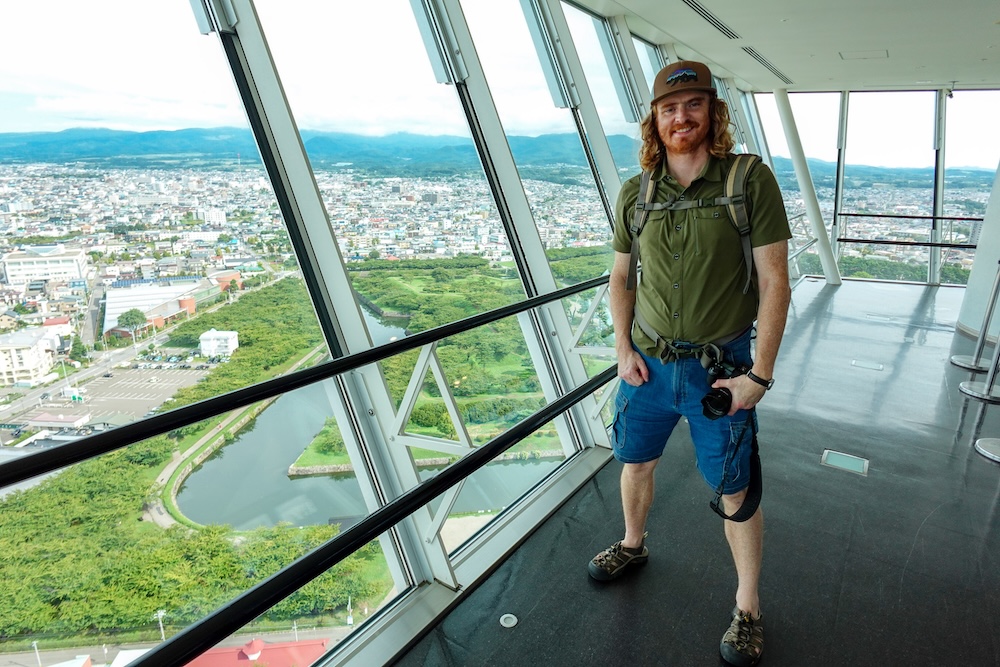
We discovered just how extensive Hakodate was when we took the Ropeway up Mt. Hakodate and looked out across the city. Until then, we’d spent most of our time exploring individual neighbourhoods without fully appreciating how everything fitted together.
That’s why I think choosing accommodation deserves more thought than simply finding the nicest-looking room within your budget.
For most first-time visitors, I’d start by looking near Hakodate Station or along the waterfront. Both make excellent sightseeing bases, although they offer different advantages. Motomachi, Goryokaku and Yunokawa can also be good choices, particularly if you’re after a specific accommodation experience.
In this guide, I’ll compare the five main areas where you can stay in Hakodate, explain the practical trade-offs and recommend hotels for different budgets and travel styles, including families, groups and longer stays. We personally explored the main sightseeing neighbourhoods, though the hotel recommendations are based on their locations and facilities rather than overnight stays at those properties.
The goal is to help you find somewhere that makes sense for the trip you’re actually planning, so you’re not spending half your visit travelling back and forth to your hotel.
Where Should You Stay in Hakodate? My Recommendations at a Glance
If you’re visiting Hakodate for the first time and planning a couple of days of sightseeing, Hakodate Station and the nearby Morning Market area are my most practical recommendation.
You’ll have railway connections, tram stops, restaurants and plenty of accommodation choices close at hand. It’s especially useful if you’re arriving by train, travelling without a car or only spending one or two nights in the city.
However, if you’re staying longer and want somewhere with more historic atmosphere, I’d seriously consider the Hakodate Bay Area, particularly around the waterfront and the streets connecting it with Motomachi.
| Area | Best for | Hotels worth considering |
|---|---|---|
| Hakodate Station & Morning Market | First-time visitors, short stays, train travel and convenience | JR Inn, Toyoko Inn Ekimae Asaichi, Tokyu Stay, OMO5 |
| Hakodate Bay Area | Waterfront atmosphere, historic warehouses and sightseeing | Century Marina, La Vista Hakodate Bay, Hakodate Kokusai |
| Motomachi | Historic streets, distinctive accommodation and western Hakodate | HakoBA Hakodate, Villa Concordia |
| Goryokaku | Restaurants, an alternative neighbourhood and specific hotel choices | HOTEL MYSTAYS Hakodate Goryokaku |
| Yunokawa Onsen | Hot springs, traditional inns and a more relaxed stay | Bourou Noguchi, Yunokawa Prince Hotel Nagisatei |
One thing worth understanding is that these accommodation areas overlap more than their names suggest. Some excellent hotels sit between Hakodate Station and the waterfront, giving you reasonably easy access to both. Others are described as being in Motomachi but occupy the lower historic streets rather than the steeper hills farther uphill.
Those differences become important when you’re carrying luggage, travelling with children or planning to visit several neighbourhoods every day.
If you already know when you’re visiting, it’s worth comparing Hakodate hotel prices and availability for your dates before settling on a particular area. I wouldn’t assume one neighbourhood is always cheaper, especially when room sizes, breakfast packages and hot-spring facilities can change the total substantially.
Understanding Hakodate’s Layout Before Choosing a Hotel
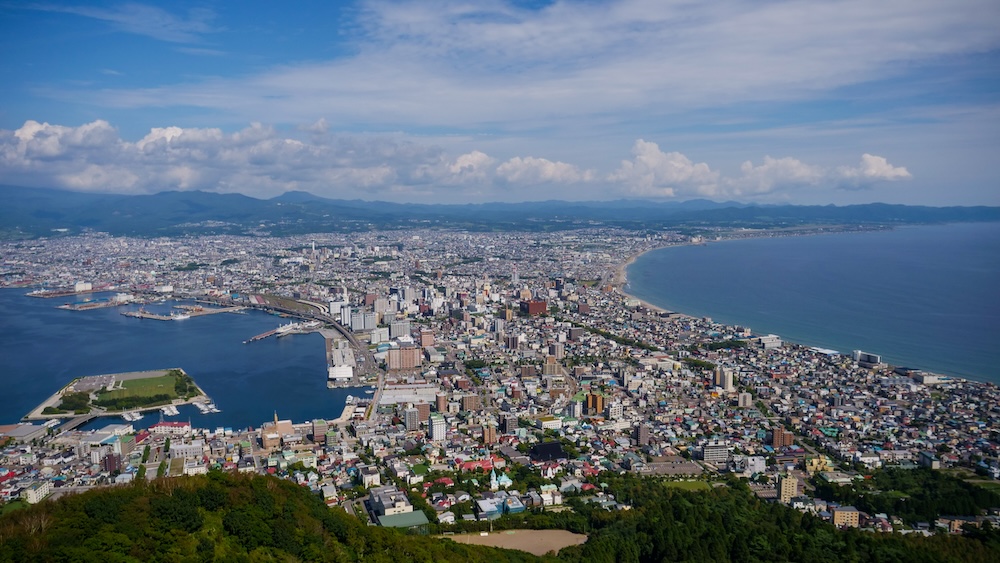
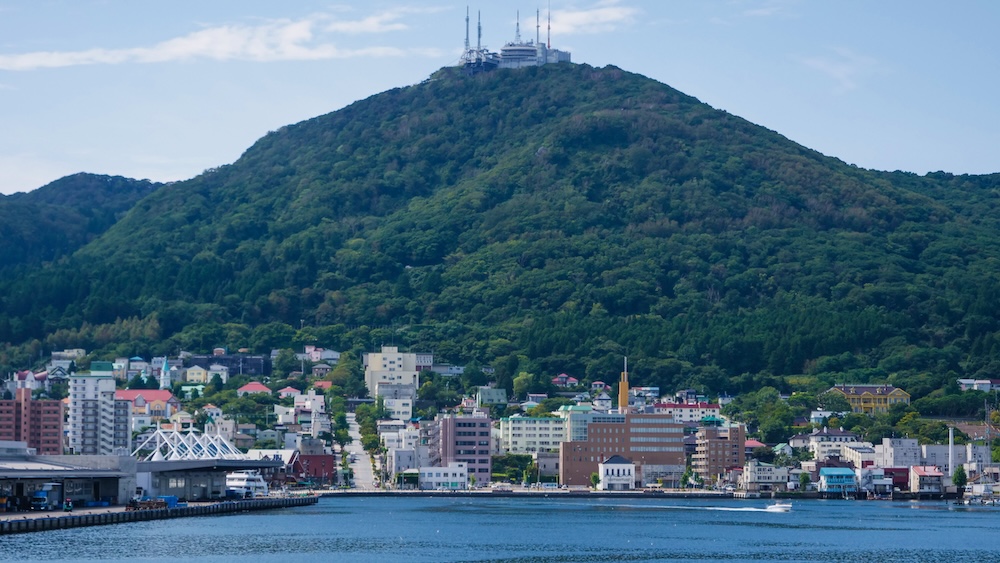
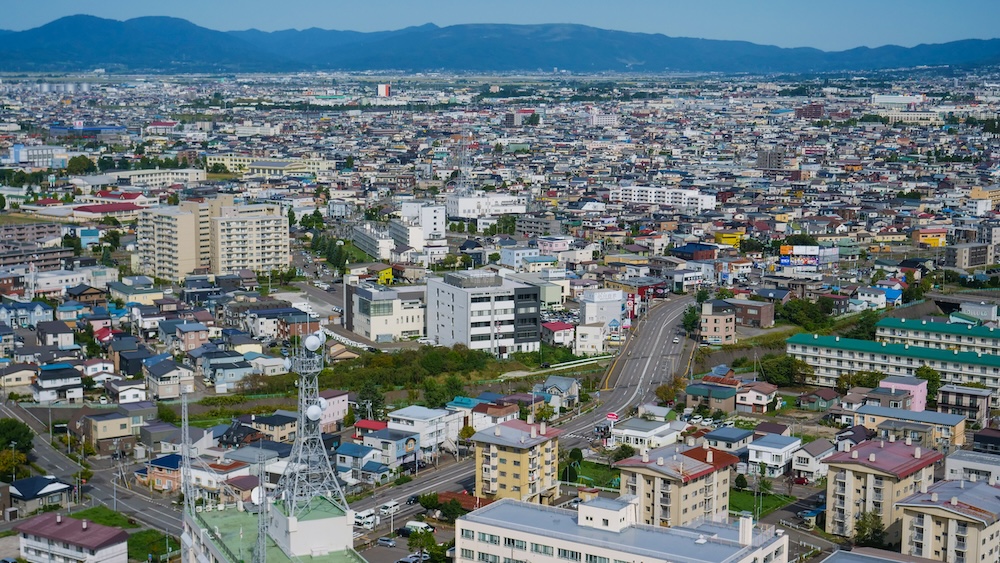
One of my favourite moments in Hakodate came when we took the Ropeway up Mt. Hakodate and finally got a proper look at the city from above.
We’d already explored the harbour and historic streets, but from the summit, we realized how much more there was beyond the areas we’d been walking around. There was the port, another stretch of coastline, residential neighbourhoods, mountains and farmland in the distance. It was considerably bigger than we’d imagined.
For accommodation purposes, it helps to think of Hakodate as having three broad sections. The first is the station and western waterfront, where you’ll find the Morning Market, harbour, Kanemori Red Brick Warehouses and many of the hotels that make sense for a first visit. The second is historic western Hakodate, including Motomachi, its churches and sloping streets, and the area around Mt. Hakodate.
The third stretches inland and eastwards towards Goryokaku and Yunokawa Onsen. Both are worth considering, but staying in either changes how much travelling you’ll do to reach the historic waterfront.
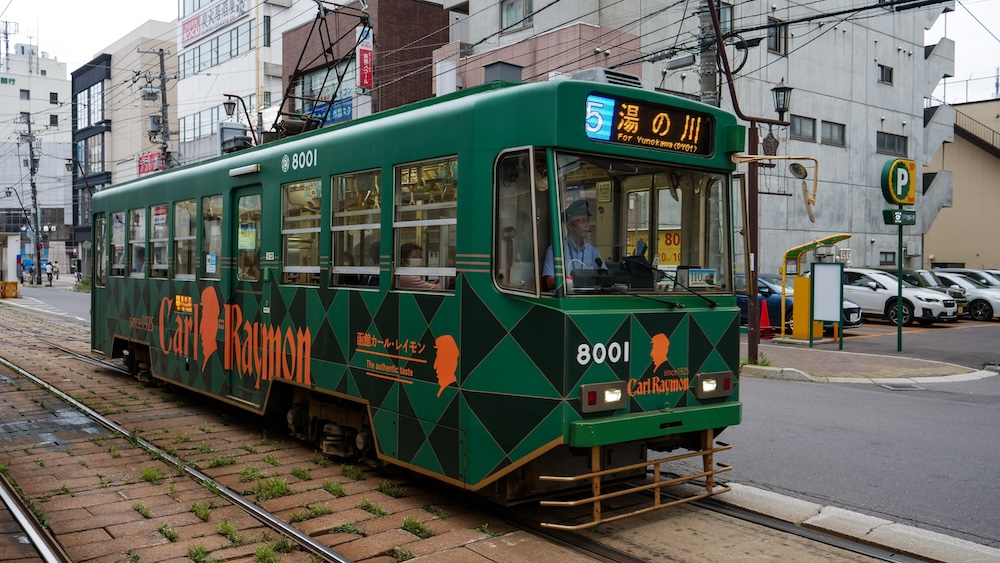
How useful are Hakodate’s trams?
We used the trams regularly because lines 2 and 5 passed near our hotel. They have a wonderfully nostalgic feel, and I found myself looking forward to the rides rather than treating them as an unfortunate necessity.
They also saved our legs. We found Hakodate pedestrian-friendly, but that doesn’t mean we wanted to walk across town every time we changed neighbourhoods. We’d generally do plenty of walking once we reached an attraction, particularly around Motomachi, so having a tram cover the longer distances was genuinely helpful.
Both routes serve Hakodate Station and Goryokaku-koen-mae. They share the route through Jujigai in western Hakodate before splitting, with Route 2 continuing towards Yachigashira and Route 5 serving Suehirocho and Hakodate Dock-mae.
Current adult fares generally range from ¥250 to ¥300 per journey, depending on distance, and a one-day tram pass costs ¥800. There’s also a separate 24-hour ticket with different validity conditions.
I wouldn’t choose a hotel simply because it’s near a tram stop, though. Check whether that particular stop is useful for the places you want to visit, and account for the walk between the stop and your accommodation.
Another thing to know if you’re arriving by train: Hakodate Station and Shin-Hakodate-Hokuto Station are different places. The Hokkaido Shinkansen arrives at Shin-Hakodate-Hokuto, where you transfer to a connecting train for the approximately 20-minute journey into central Hakodate.
With that geography in mind, here’s where I’d consider staying.
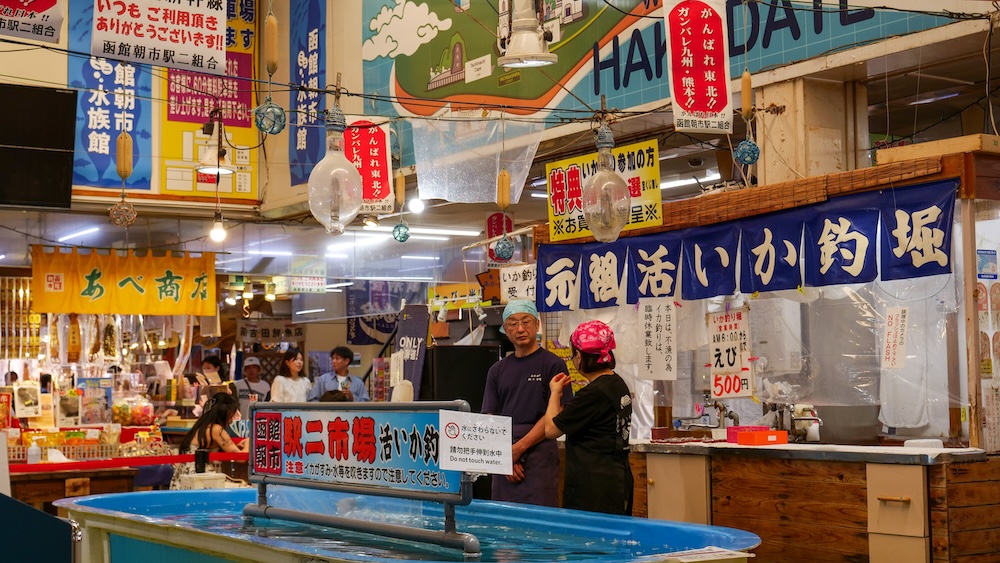
1. Hakodate Station and Morning Market: Best for First-Time Visitors
For a straightforward sightseeing trip, it’s difficult to argue against staying near Hakodate Station.
You’re in a practical position for arriving and departing by train, you have easy access to the trams, and the Morning Market is right nearby. Several waterfront attractions are also within walking distance of hotels in this area, although the exact journey depends on the property.
If I were passing through Hakodate for a single night, particularly with an early departure the following morning, this would be my first choice. The station area also has something that makes it considerably more appealing to me than a typical railway-hotel district: the food.
Waking up near Hakodate Morning Market
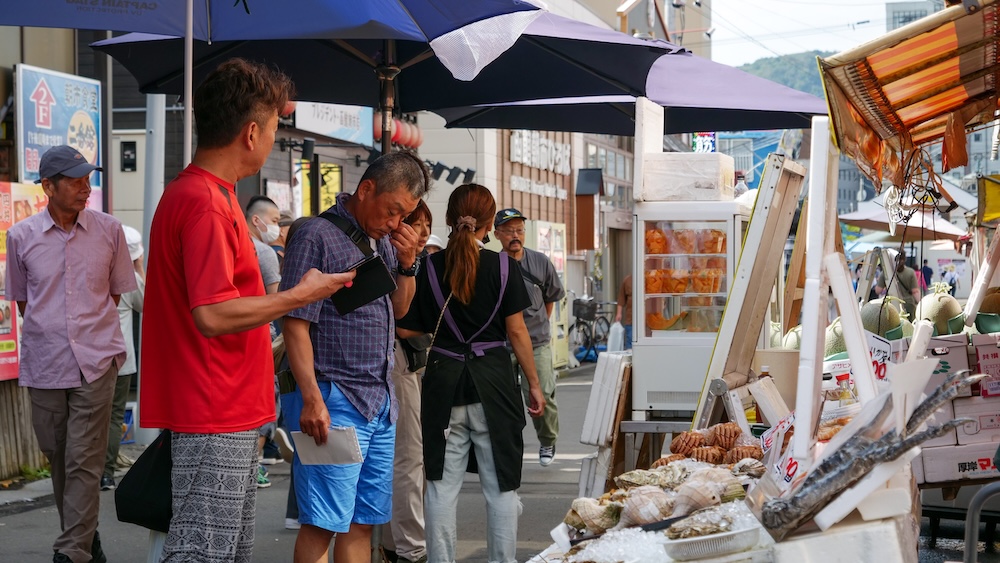
We visited the Morning Market for breakfast, and what started as a casual look around turned into a much bigger food expedition than we’d anticipated.
There were enormous crabs, all sorts of fresh seafood, people preparing sashimi and more restaurants than we initially realized. We wandered into another section of the market and discovered an even larger eating area, which made deciding where to eat quite the operation.
Eventually, we ordered seafood bowls and a set meal with several different dishes. The fish was wonderfully fresh, and we finished breakfast feeling rather pleased with ourselves.
I enjoyed the market as an experience in its own right. Even before sitting down to eat, there was plenty to see, and the smell of the sea and seafood was everywhere. That might not be everybody’s ideal wake-up call, but I was in my element.
Being able to wander over for breakfast without catching a tram is a legitimate reason to stay nearby. Several station-area hotels also have their own substantial breakfasts, though, so it’s worth deciding whether you’d rather eat at the market, enjoy a hotel buffet or alternate between the two.
Best hotels near Hakodate Station
The interesting thing about this area is the variety of accommodation in a relatively compact space. You can book a straightforward room for a quick overnight stop, choose a hotel with substantial bathing facilities or find something better suited to a longer stay with laundry and cooking amenities.
Those differences matter more than simply counting how many minutes each hotel is from the station.
JR Inn Hakodate: Best for railway convenience
If catching trains is your top priority, JR Inn Hakodate is one of the most straightforward options. The hotel connects to the west side of JR Hakodate Station, which is particularly appealing if you’re arriving with luggage or catching an early departure.
It also has a top-floor communal bath and lounge, giving it a little more character than a basic place to sleep between train journeys. The bath is not established as a natural hot spring, however, so I’d look elsewhere if natural onsen water is one of your accommodation priorities.
JR Inn accepts luggage storage around check-in and checkout under its stated conditions, another useful feature for a short visit. I’d put it high on the shortlist for an overnight stopover or an itinerary where convenience outweighs everything else.
You can check JR Inn Hakodate room rates and availability, paying particular attention to whether breakfast is included.
Toyoko Inn Hakodate Ekimae Asaichi: Best for straightforward value
Toyoko Inn is another practical choice, approximately two minutes on foot from the station’s west exit. Its appeal is simplicity: conventional hotel accommodation in a convenient location, with a complimentary breakfast buffet currently served from 6:30 to 9:00 a.m.
That could suit travellers who don’t need luxury facilities and would rather spend their money exploring Hakodate. However, I wouldn’t assume Toyoko Inn is automatically cheaper than JR Inn or other nearby hotels on every date. Compare the actual total, particularly when breakfast is included at one property but costs extra at another.
The breakfast timing matters too. If your train leaves before breakfast begins, that inclusion isn’t going to do you much good.
For a simple station-area stay, compare current rooms at Toyoko Inn Hakodate Ekimae Asaichi with the more facility-heavy alternatives.
Tokyu Stay Hakodate Asaichi Akari no Yu: Best for laundry and practical amenities
Tokyu Stay is roughly four minutes from Hakodate Station, but its appeal goes well beyond the location. All its listed room categories have washer-dryers and microwaves, while selected rooms also come with kitchenettes.
That’s a real advantage if you’re spending several weeks travelling around Japan and have reached the stage where a washing machine is starting to sound more exciting than another sightseeing attraction. I’ve certainly travelled long enough to appreciate clean clothes without hunting down a laundromat.
The hotel’s breakfast arrangement involves participating Morning Market restaurants rather than a conventional hotel buffet. It also offers natural hot-spring bathing, with an especially interesting premium option: the Luxury Twin includes a private semi-open-air natural hot-spring bath.
That’s significant if you’re considering Yunokawa primarily because you want private bathing. You may be able to enjoy it while staying near the station, although you’ll need the correct room category.
I’d compare Tokyu Stay’s available rooms and facilities carefully, since not every room includes a kitchenette or private bath.
OMO5 Hakodate by Hoshino Resorts: Best for sightseeing support
OMO5 is approximately five minutes on foot from Hakodate Station and offers natural hot-spring bathing along with a guest-only sightseeing loop bus connecting important parts of Hakodate, including the Bay Area, Motomachi and Goryokaku.
For somebody planning to cover several neighbourhoods, that could be a meaningful advantage. There are conditions, though: the loop operates on a timetable, departures from the hotel require reservations, and the separate Mt. Hakodate night-view bus is a paid seasonal service rather than an unrestricted complimentary shuttle.
I’d consider OMO5 if you want station convenience with some additional sightseeing support. Check which services will operate during your visit, particularly around seasonal changes or maintenance periods.
If those facilities appeal to you, see current OMO5 Hakodate rooms and booking options and compare the total against simpler station hotels.
The main drawback of staying near the station
Some streets immediately around Hakodate Station are more functional than atmospheric. If your ideal evening involves wandering along the historic harbour or stepping into Motomachi’s old streets, accommodation farther west may be more appealing.
Fortunately, this isn’t an either-or decision. Hotels around Otemachi can offer short walks to the station, Morning Market and waterfront. Century Marina Hakodate, for example, advertises approximately five minutes to the station, two minutes to the market and ten minutes to the Kanemori Red Brick Warehouses.
That’s a particularly attractive combination for a first visit, and it’s why I’d investigate this corridor before deciding I needed to stay directly beside the railway station.
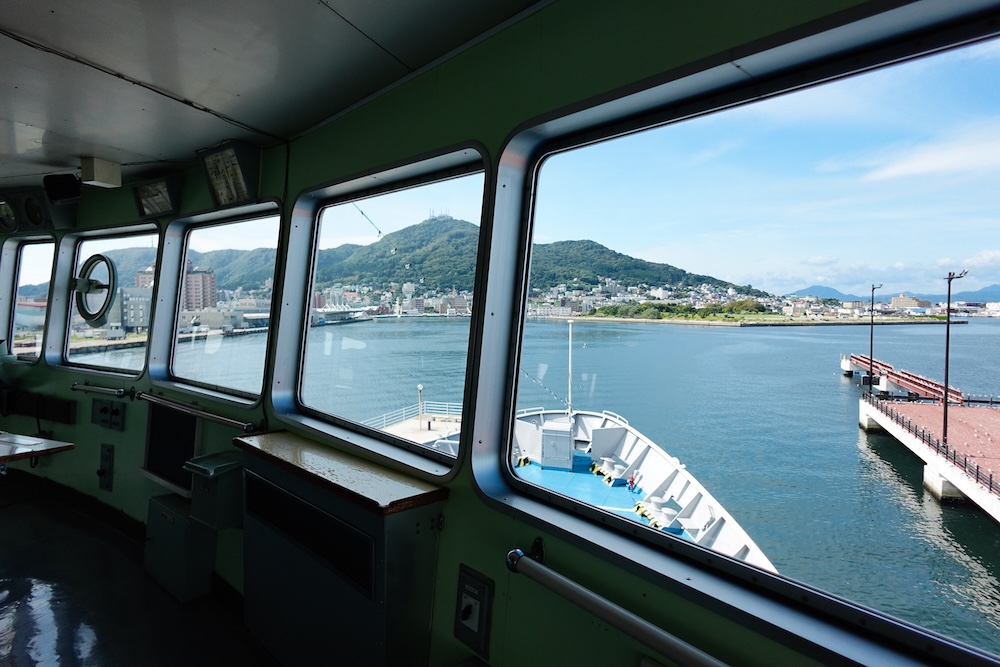
2. Hakodate Bay Area: Best for Waterfront Atmosphere
If I were choosing a hotel partly based on how much I enjoyed exploring the surrounding neighbourhood, the Bay Area would be a serious contender.
Audrey and I had a fantastic time wandering around Hakodate’s historic port. At one point, we spotted an enormous ship moored in the harbour and decided to investigate, which led us to the Mashu-maru, a former railway ferry converted into a museum.
We hadn’t planned that stop at all. We were simply exploring the waterfront, and there it was. Naturally, we went inside.
It turned out to be one of those unexpected travel experiences I enjoy most. We explored the old ship, saw its equipment and learned about the former ferry connections between Hokkaido and Honshu. There were also excellent views from the vessel itself.
From the harbour, we continued towards the Kanemori Red Brick Warehouses. These historic buildings now contain shops, restaurants and places selling snacks and souvenirs, but the port setting gives the area a character you don’t find around every railway station.
That’s what appeals to me about staying here. You’re close to places where I’d genuinely enjoy spending time, even without an elaborate sightseeing plan.
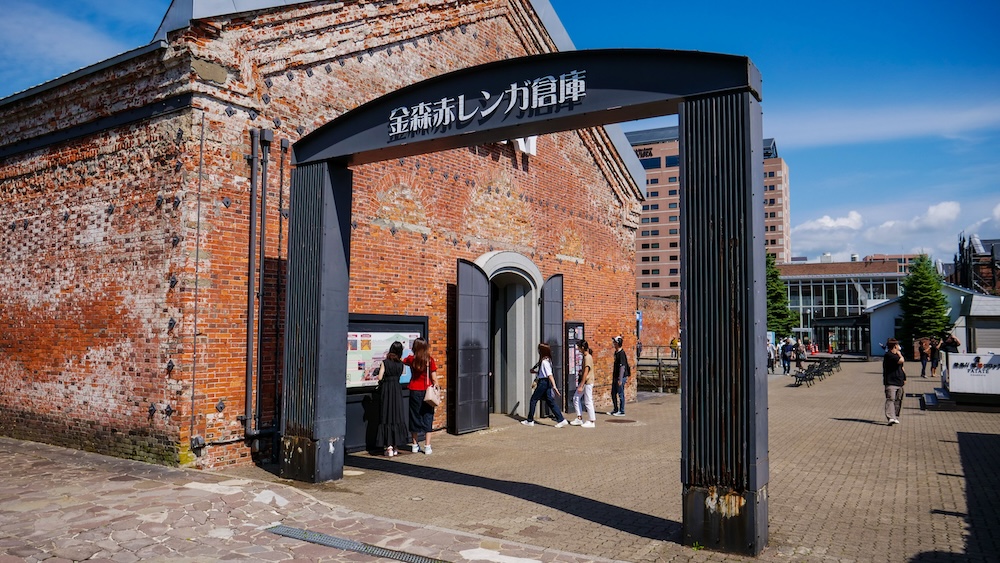
Why choose the Bay Area over Hakodate Station?
For a one-night stopover with an early train, I’d still favour the station. But if you’re spending two or three nights exploring the harbour, Motomachi and Mt. Hakodate, the waterfront becomes very attractive.
You can wander around the warehouses, visit nearby attractions and reach the lower historic streets without making a cross-city tram journey each time. The important question is exactly where your hotel sits, because properties beside the warehouses offer a different experience from those closer to Hakodate Station.
Century Marina Hakodate: Best station-to-waterfront compromise
Century Marina occupies one of Hakodate’s most interesting hotel positions, sitting between the station and waterfront rather than committing entirely to either.
Its published walking distances are particularly useful: approximately five minutes to Hakodate Station, two minutes to the Morning Market and ten minutes to the Kanemori warehouses. The hotel also has substantial natural hot-spring facilities, including upper-floor bathing areas, along with an extensive breakfast offering.
Some premium Royal Floor suites have private in-room natural hot-spring baths, although those facilities are limited to specific categories. The Royal Floor Family Suite is approximately 58 m² and accommodates up to four guests.
For travellers wanting a convenient sightseeing base with facilities that are enjoyable in their own right, Century Marina is a strong candidate. Its advantage over JR Inn is the combination of natural hot springs and access to both the station and waterfront, while JR Inn offers more immediate railway convenience.
I’d compare Century Marina Hakodate’s available rooms and packages, particularly standard rooms versus premium suites and breakfast-inclusive options.
La Vista Hakodate Bay: Best for the historic waterfront
La Vista Hakodate Bay is one of the most obvious properties to investigate if the historic harbour is where you want to stay. It’s close to the Kanemori Red Brick Warehouses and offers natural hot-spring bathing alongside a seafood-focused breakfast buffet.
Its position puts you nearer the warehouses than Century Marina, although the published walk to Hakodate Station is approximately fifteen minutes rather than five. That’s an easy trade-off to accept if you plan to spend several days exploring western Hakodate, but less appealing if you’re arriving late with heavy luggage or departing early.
I’d also check the room view carefully. A hotel with “Bay” in its name doesn’t guarantee every room overlooks the harbour.
If being beside the historic waterfront is your priority, check La Vista Hakodate Bay’s available rooms and rates, including the view and breakfast arrangement.
Hakodate Kokusai Hotel and La Vista ANNEX
Two other properties deserve consideration without needing their own lengthy reviews.
Hakodate Kokusai Hotel sits in Otemachi, approximately eight minutes on foot from Hakodate Station and ten minutes from the warehouses. It offers natural hot-spring bathing and multiple dining facilities, making it another useful station-to-waterfront compromise. If Century Marina or La Vista doesn’t offer the room or rate you want, compare Hakodate Kokusai Hotel’s available accommodation.
La Vista Hakodate Bay ANNEX is a separate property in Otemachi with different accommodation and bathing arrangements, including private bathing facilities. If that interests you, review La Vista ANNEX rooms and prices separately rather than assuming it’s identical to the original waterfront hotel.
Century Marina or La Vista Hakodate Bay?
This is one of the more useful accommodation comparisons in Hakodate.
If you want a base that makes railway travel, Morning Market breakfasts and waterfront sightseeing relatively easy, Century Marina has the stronger practical-location argument. If you’re specifically interested in staying beside the red-brick warehouses and historic harbour, La Vista has the stronger immediate waterfront position.
Both offer natural hot-spring facilities and substantial hotel breakfasts, so I wouldn’t declare one universally better based on geography alone. Room rates, categories and the facilities you value should decide the rest.
For the kind of sightseeing trip Audrey and I enjoy, I’d be tempted by Century Marina’s position between the station and waterfront. But I can absolutely understand the appeal of being right beside the historic harbour.
3. Motomachi: Best for Historic Streets and Character
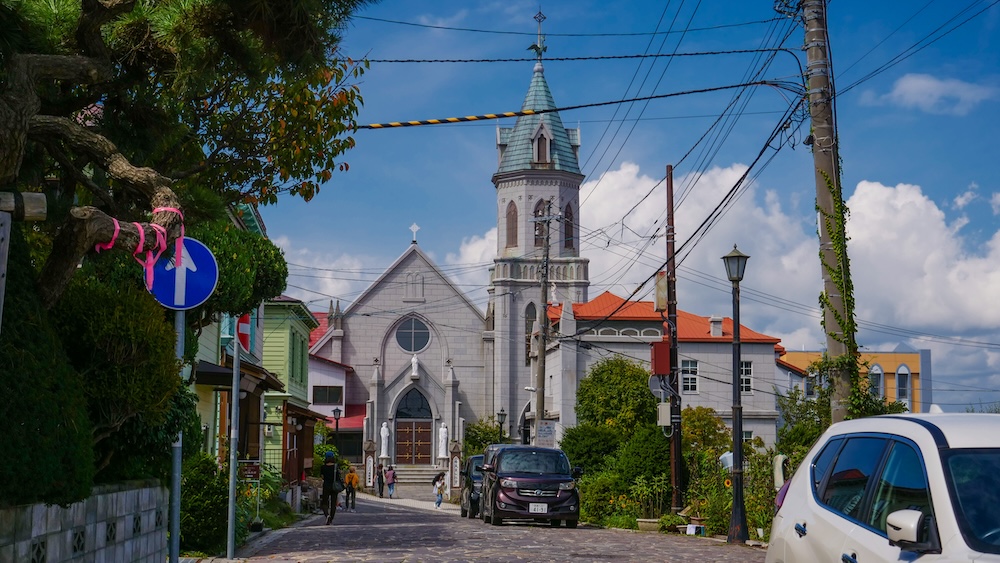
Motomachi is one of the most distinctive neighbourhoods we explored in Hakodate, with its historic buildings, churches, sloping streets and views towards the harbour.
We spent a good amount of time wandering through this part of the city, visiting the Hakodate Orthodox Church, the Roman Catholic Church and St. John’s Church before continuing towards the Mt. Hakodate Ropeway. We also explored the Old Public Hall and walked through Motomachi Park, which offers another pleasant perspective over the waterfront.
There’s plenty to enjoy here, particularly if you’re interested in architecture and Hakodate’s history as an international port. However, I need to mention the hills.
We climbed Hachimanzaka on a particularly hot and humid day, and I remember being quite pleased whenever we found somewhere to stop and admire the view. Looking down the slope towards the harbour is one of Hakodate’s memorable sights, but we were certainly feeling the heat.
Coming from the Canadian Rockies, you’d think we’d be better prepared for a hill or two. Apparently, add enough humidity and even an urban climb starts to feel like a proper workout.
That’s worth considering when choosing accommodation. It’s one thing to enjoy Motomachi’s steep streets while sightseeing and another to haul your luggage uphill after arriving in the city.
Should you actually stay in Motomachi?
I think Motomachi can suit travellers who love historic surroundings and would rather stay somewhere distinctive than in a conventional railway-hotel district. You’d also be well positioned for exploring western Hakodate, including the churches, old public buildings and Ropeway approach.
However, I wouldn’t choose accommodation here without checking the exact address. Some properties associated with Motomachi sit lower down, close to Jujigai or Suehirocho tram stops, while others involve more walking on slopes.
Those differences matter when you’re travelling with luggage, have mobility limitations or expect to return to your room several times during the day. The lower historic area can be particularly attractive because it provides access to Motomachi’s character without necessarily positioning you high on the hillside.
HakoBA Hakodate: Best for historic accommodation with character
HakoBA occupies a historic former bank building around Suehirocho, making it an interesting alternative to larger station-area hotels. It offers different room formats and shared facilities, which may appeal if you enjoy accommodation with a bit of personality.
There’s an important distinction between the room categories: some have private bathrooms and toilets, while other accommodation uses shared facilities. Neither arrangement is inherently wrong, but you’ll certainly want to know which one you’re booking before comparing rates.
The lower-western-Hakodate location also makes HakoBA appealing for exploring the waterfront and historic streets without necessarily staying high on Motomachi’s slopes. You can compare HakoBA Hakodate’s room types and prices, particularly the private versus shared-facility options.
Villa Concordia Resort & Spa: Best for spacious suites
Villa Concordia is a small, suite-oriented property with just ten rooms, located on Nambu-zaka. The hotel advertises a three-minute walk from Jujigai tram stop, giving it a useful position for exploring both Motomachi and the waterfront.
Its suites offer a different experience from a typical compact business-hotel room, so I’d consider it if space, privacy and historic surroundings mattered to the trip. Naturally, you’ll want to compare the price with other western-Hakodate options, since additional space only represents value if you’re going to use it.
For a stay centred on historic western Hakodate, see Villa Concordia’s available suites and rates.
I’d be cautious about an uphill Motomachi property if I were arriving late with heavy luggage or travelling with somebody who finds hills difficult. You can still spend hours exploring the historic streets while staying somewhere flatter and more convenient.
For us, those climbs were part of the sightseeing experience. We enjoyed the views, even if we were rather sweaty by the time we reached the top. I’d just prefer to choose when to tackle the hills rather than make them compulsory every time I returned to my hotel.
4. Goryokaku: Best for an Alternative Base Away From the Waterfront
Goryokaku feels like a different side of Hakodate, and we enjoyed getting to know it.
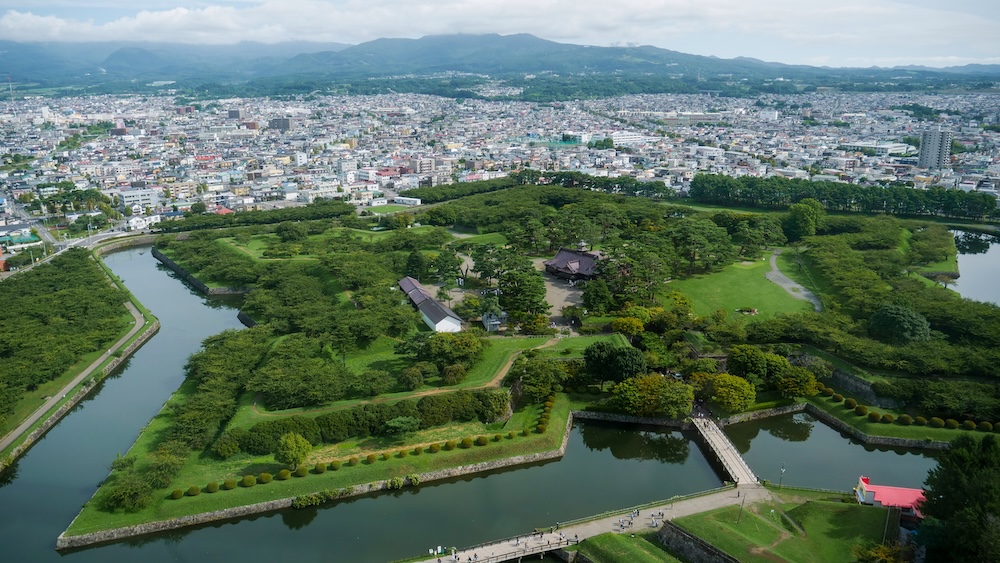
We visited the famous star-shaped fortress early in the morning, before Goryokaku Tower had opened, giving us time to explore the park at a leisurely pace. There were people walking and jogging, schoolchildren cycling and plenty of everyday activity around the historic fortifications.
What struck me was how much the park functioned as a recreational space for local residents. You could visit for its history and views, but I could also imagine people simply enjoying a regular morning walk around the moat.
We later went up Goryokaku Tower for a completely different perspective over the city and spent time eating around the district, including a conveyor-belt sushi restaurant we liked enough to revisit.
So Goryokaku has more going for it than one famous fortress. But would I stay here?
I’d consider it if I found a hotel offering particularly good value, suitable rooms or facilities that mattered more than being close to the historic waterfront. The neighbourhood also makes sense if you expect to spend more time around Goryokaku’s restaurants and commercial streets.
Goryokaku-koen-mae is served by both tram routes, providing connections towards Hakodate Station and western Hakodate. The compromise is that reaching the Morning Market, waterfront and Motomachi involves more travelling than from a central hotel.
There’s also a geographical detail worth knowing: Goryokaku-koen-mae tram stop is not directly beside Goryokaku Park or Tower. From Hakodate Station, the standard journey to the Tower involves approximately 17 minutes by tram followed by another 13 minutes on foot.
That means a hotel one minute from Goryokaku-koen-mae might have excellent tram access without being one minute from the fortress.
HOTEL MYSTAYS Hakodate Goryokaku
HOTEL MYSTAYS is approximately one minute on foot from Goryokaku-koen-mae tram stop, offering a practical transport position. It’s a conventional hotel with private guest rooms, dining facilities and access to the surrounding commercial district.
If I were choosing Goryokaku as a base, tram proximity would be high on my list of priorities, and this property has that advantage. I’d still compare its actual rate and facilities against central hotels, rather than assume that being away from the waterfront automatically makes it cheaper.
You can check HOTEL MYSTAYS Hakodate Goryokaku prices and room availability and decide whether the accommodation advantages justify the extra journeys.
5. Yunokawa Onsen: Best for Hot Springs and a Traditional Ryokan Stay
Yunokawa is the accommodation area I’d approach differently from the others.
With Hakodate Station, the Bay Area and Motomachi, you’re largely choosing where to position yourself for sightseeing. In Yunokawa, the hotel or traditional inn may be a major reason for the visit.
Yunokawa is Hakodate’s hot-spring district, situated towards the airport rather than around the historic waterfront. It has hotels and ryokan offering different combinations of communal bathing, private hot-spring facilities and meal arrangements.
Audrey and I didn’t stay in Yunokawa or experience its baths during our trip, so I can’t give you a personal review of the ryokan experience. But I can see the attraction of including a proper hot-spring stay in a longer visit, particularly if you’ve been moving around Japan and want a day when you’re not racing between attractions.
The accommodation becomes part of the holiday rather than simply somewhere to collapse after sightseeing.
Is Yunokawa too far from central Hakodate?
That depends on your plans. The tram journey between Hakodate Station and Yunokawa Onsen takes approximately 30 minutes, and you’ll need additional time to reach your particular hotel. Travelling onwards to Motomachi or the Bay Area takes longer still.
That’s manageable for occasional sightseeing, but it could become tiresome if you’re crossing the city every day. On the positive side, Yunokawa is close to Hakodate Airport, with short bus connections available to the district.
For me, the strongest reason to choose Yunokawa is that you genuinely want the accommodation experience: perhaps a traditional inn with dinner included, a private hot-spring bath or simply a more relaxed stay.
Do you need Yunokawa to enjoy a private onsen?
Not necessarily. Several central Hakodate hotels offer natural hot-spring facilities, including Century Marina, La Vista Hakodate Bay, OMO5 and Tokyu Stay.
Some even have private hot-spring baths in particular room categories. Tokyu Stay’s Luxury Twin offers a private semi-open-air natural hot-spring bath, while certain premium Century Marina suites have private in-room hot-spring bathing.
That means someone who mainly wants a hot spring after sightseeing may not need to stay in Yunokawa. A traditional ryokan with its own dining experience, dedicated bathing facilities and time to enjoy the property is another matter entirely.
Bourou Noguchi Hakodate: Luxury private-onsen accommodation
Bourou Noguchi is a luxury onsen property with different accommodation categories, including rooms with private in-room hot-spring baths.
Its SUITE and WAMODERN categories include that private bathing experience, while the OHITORISAMA category is a different accommodation format and shouldn’t be assumed to have identical facilities.
If you’re paying extra for a private hot-spring bath, make sure the selected room actually includes one. I’d also compare the meal plans, since dining can be an important part of a ryokan-style stay.
For a luxury onsen visit, compare Bourou Noguchi Hakodate’s room categories and meal packages rather than assuming every booking provides the same experience.
Yunokawa Prince Hotel Nagisatei: Coastal hot-spring accommodation
Nagisatei offers a coastal hot-spring setting, with communal bathing and selected room categories featuring private open-air baths.
It could be particularly appealing if you want a hot-spring stay with coastal surroundings, although private baths and views vary by room. Those are precisely the details I’d verify before spending extra on a premium category.
You can compare Nagisatei’s available rooms, private-bath options and meal plans for your dates.
Would I split my stay between Hakodate and Yunokawa?
I’d consider it on a longer visit if I wanted two different experiences: a central hotel for exploring the city, followed by a final night in Yunokawa focused on hot springs and relaxation.
However, I wouldn’t bother changing hotels during a short visit unless the ryokan experience was particularly important. Packing, checking out, moving luggage and checking in again can eat into more of the day than you’d anticipated.
For one or two nights, I’d generally choose the accommodation experience that matters most and stay put.
Best Hakodate Hotels for Families, Groups and Longer Stays
One of the pleasant surprises when looking at Hakodate accommodation is that you don’t necessarily have to squeeze into a conventional business-hotel room.
Several properties around Hakodate Station offer larger rooms, bunk-bed arrangements, kitchens and other facilities that can make a real difference when travelling with children or as a group. That’s particularly useful if you’re planning to spend more than a couple of nights in the city.
The key is to compare actual room configurations rather than assume that every hotel described as family-friendly offers the same accommodation.
FAV Hakodate: Best for larger groups wanting kitchen facilities
FAV Hakodate is located in Otemachi, near the station and Morning Market, with room layouts accommodating four, five and six guests. Its larger categories include bunk-bed arrangements, while the six-person suite measures approximately 59 m².
That gives families and groups an alternative to booking multiple conventional hotel rooms. Kitchen facilities and practical appliances add to its appeal, particularly if you’re travelling with young children or don’t want to eat out for every meal.
The hotel also lists equipment such as bed guards, potty seats and diaper bins among its available loan items, although quantities are limited and advance requests are advisable.
There’s one drawback I’d pay particular attention to: FAV Hakodate does not hold luggage before check-in or after checkout.
That could be a nuisance if you’re arriving early with several suitcases and hoping to leave everything at the hotel while you explore. It doesn’t make FAV a poor choice—the larger rooms and cooking facilities could be exactly what you need—but I’d have a luggage plan before booking.
Once that’s settled, compare FAV Hakodate’s four-, five- and six-person rooms, paying attention to the actual beds rather than just the advertised occupancy.
La’gent Stay Hakodate Ekimae: Best for families prioritizing station access
La’gent Stay is another strong family option, situated approximately one minute on foot from Hakodate Station.
It offers several larger room categories, including four-person arrangements and a Premium Family Room accommodating up to six. That premium category measures approximately 50 m² and includes a washer-dryer and large refrigerator, although the hotel lists only three rooms of this type.
La’gent also provides natural hot-spring communal bathing, with shared laundry facilities for guests in other room categories.
One meaningful advantage over FAV is luggage handling. La’gent accepts baggage on arrival and departure days under its stated conditions, which could be useful if you’re planning to explore before check-in or after checkout.
If I were comparing the two for a family trip, I’d weigh FAV’s apartment-style rooms and kitchen facilities against La’gent’s station access, bathing facilities and luggage convenience.
You can check La’gent Stay’s available family room categories, especially if you need one of the limited larger configurations.
Hakodate Danshaku Club: Best for longer stays and self-catering
Hakodate Danshaku Club Hotel & Resorts is particularly interesting if you’re staying several nights or want something more residential than a conventional hotel room.
It’s approximately three minutes from Hakodate Station and offers accommodation with full kitchens, living areas and balconies. Room categories include approximately 41 m² twin rooms accommodating up to three people and 70 m² two-bedroom rooms for up to five.
That could make a real difference for families or groups who’d prefer a separate living area instead of spending the evening sitting on the end of a bed. The kitchens are also more substantial than a microwave-and-refrigerator setup, while paid shared laundry facilities are available.
I’d compare Danshaku Club particularly closely with Tokyu Stay. Tokyu Stay is attractive if you want an in-room washer-dryer, with kitchenettes in selected categories. Danshaku Club makes a stronger case if you want a full kitchen and residential-style living space.
If preparing your own meals appeals to you, see Hakodate Danshaku Club’s room layouts and apartment-style options.
Which family or apartment-style hotel should you choose?
| Hotel | Best reason to choose it | Important detail | Booking options |
|---|---|---|---|
| FAV Hakodate | Groups of 4–6, larger rooms and cooking facilities | No luggage storage before or after the stay | Compare group rooms |
| La’gent Stay | Station convenience, family rooms and natural onsen | Six-person Premium Family inventory is limited | Check family availability |
| Danshaku Club | Longer stays, full kitchens and separate living space | Check room occupancy and kitchen arrangements | See apartment-style rooms |
| Tokyu Stay | In-room laundry and selected kitchenettes | Private onsen and kitchenettes are room-dependent | Compare room facilities |
With any of these properties, don’t assume a room advertised for six guests contains six separate beds. It may use a combination of doubles, bunks or shared sleeping arrangements, which works perfectly well for some families and not at all for others.
Check the actual configuration and occupancy rules for your group. One large room isn’t necessarily cheaper than two standard rooms, either. The advantage may be space, privacy, cooking facilities or simply staying together rather than guaranteed savings.
What to Check Before Booking Your Hakodate Hotel
Once you’ve chosen an area and narrowed down your hotels, a few practical details are worth checking before making a reservation. Some can materially change what you’re getting for your money.
Check the actual hotel address
Some properties marketed as waterfront hotels are closer to the station than you might expect, while accommodation associated with Motomachi may occupy lower historic streets rather than the hillside.
Neither situation is necessarily bad; those in-between locations can be excellent. But look at the entrance, nearest useful tram stop and walking route to the attractions you plan to visit.
For Motomachi, I’d pay particular attention to slopes. There’s a difference between enjoying a scenic climb during sightseeing and tackling it repeatedly with luggage.
Decide whether hotel breakfast is worth paying for
Hakodate has several hotels with substantial seafood-focused breakfasts, but you’ve also got the Morning Market. We thoroughly enjoyed eating there, and I’d happily build another morning around wandering through the stalls and choosing something fresh.
Compare room-only and breakfast-inclusive rates rather than automatically choosing the more expensive package. JR Inn Hakodate, for example, increased its separately purchased adult breakfast price to ¥3,500 in September 2026. That’s ¥7,000 for two adults if breakfast isn’t already included.
That might be money well spent if the buffet is something you’re looking forward to. Equally, I’d hesitate to pay for it every morning if I wanted to explore the market. Toyoko Inn’s included breakfast creates a different calculation, although its serving hours still need to fit your schedule.
Know what kind of bath you’re booking
Japanese hotel descriptions can include terms such as communal bath, natural onsen, private bath and open-air bath. They aren’t interchangeable.
A communal bathing area doesn’t necessarily use natural hot-spring water, while a property advertising private onsen baths may offer them only in selected room categories.
This distinction matters in Hakodate because you have central hotels with natural hot springs, premium rooms with private bathing and traditional hot-spring accommodation in Yunokawa. If you’re paying extra for a particular experience, confirm exactly what’s included in your chosen room.
Factor in accommodation and bathing taxes
Hakodate introduced an accommodation tax in April 2026, alongside Hokkaido’s prefectural tax. The combined charge is calculated per guest, per night, using the applicable accommodation-price band.
| Accommodation charge per person, per night | Combined accommodation tax |
|---|---|
| Under ¥20,000 | ¥200 |
| ¥20,000 to under ¥50,000 | ¥400 |
| ¥50,000 to under ¥100,000 | ¥1,000 |
| ¥100,000 or more | ¥2,500 |
The accommodation-price basis excludes meals and consumption tax. There’s also a separate bathing tax that may apply at qualifying hot-spring properties. Hakodate’s general bathing-tax rate is ¥100, with exemptions including children under 15 and other qualifying categories.
These amounts aren’t likely to dictate where most people stay, but they’re worth accounting for when comparing expensive rooms and ryokan. Check whether applicable charges are included in your booking total or collected separately at the property.
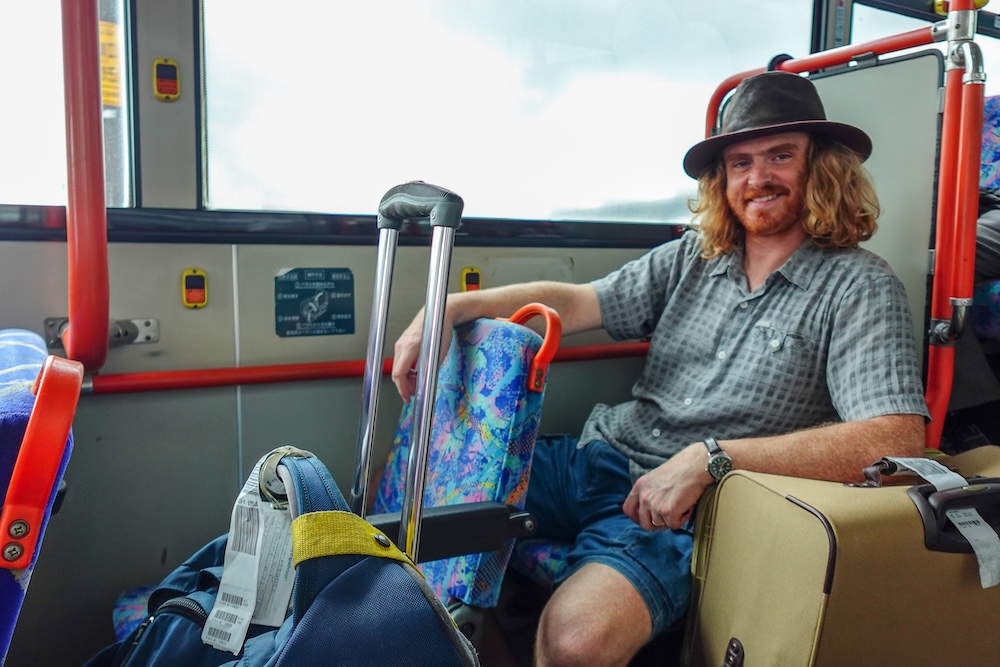
Have a luggage plan
If you’re arriving before check-in or leaving several hours after checkout, think about where your bags will spend the day.
Hakodate Station has luggage lockers, including facilities on the second floor with published operating hours of 6 a.m. to 10 p.m. Some hotels also provide storage: JR Inn, La’gent Stay and Tokyu Stay have relevant arrangements, while OMO5 offers self-service lockers subject to operating conditions.
Other properties have different policies. FAV Hakodate, for instance, doesn’t hold luggage before check-in or after checkout. That’s a consequential detail if you’re travelling with children and several suitcases.
Hakodate previously advertised a Hands-Free Travel luggage-delivery service, but its official information currently marks that service as suspended. I wouldn’t plan around having bags automatically transferred between the airport and hotel without confirming that it has resumed.
You can check the current Hakodate luggage information before arrival.
Check Mt. Hakodate Ropeway operations
Staying near Motomachi can be convenient if you want to visit Mt. Hakodate, but proximity doesn’t guarantee that the Ropeway will operate on your dates.
Weather, scheduled maintenance and seasonal restrictions can affect access. If the Ropeway is a major reason you’re choosing a particular hotel, check the current Mt. Hakodate access information before booking.
Where Would I Stay in Hakodate Next Time?
Having explored Hakodate and experienced what it was like to stay outside the main sightseeing centre, I’d approach accommodation a little differently on a return trip.
For the sort of sightseeing-focused visit Audrey and I enjoy, I’d concentrate on hotels between Hakodate Station and the Bay Area. I like the idea of wandering over to the Morning Market for breakfast, exploring the waterfront without another tram journey and still having easy access to the railway station when it’s time to move on.
That makes properties around Otemachi particularly interesting, especially hotels such as Century Marina that occupy a convenient position between the station and historic harbour.
If we were staying longer and wanted something more atmospheric, I could see us choosing a waterfront hotel or a well-positioned property around lower Motomachi. If we were travelling as a larger family group, I’d pay closer attention to room layouts, cooking facilities and luggage arrangements at properties such as FAV, La’gent Stay and Danshaku Club.
Yunokawa would be a different decision altogether. I’d save that for a trip when a hot-spring hotel or traditional ryokan was something we specifically wanted to experience, rather than using it as our default sightseeing base.
Our original accommodation worked perfectly well with the trams nearby, and I certainly enjoyed riding them. Hakodate turned out to be one of those cities where I could happily have spent considerably more time. Still, knowing how the neighbourhoods fit together, I can appreciate the advantage of staying closer to the places we’d visit most often.
For most first-time visitors, my advice is to start with Hakodate Station, compare the waterfront and lower Motomachi, and only look farther afield when a particular hotel or accommodation experience gives you a compelling reason to do so.
If you’ve narrowed things down to a few properties, compare Hakodate hotels for your exact dates and travelling party. Room occupancy, breakfast inclusions, cancellation conditions and the total price can settle a decision that looks much closer on paper.
Choose the location that makes your trip easier, the room that genuinely suits your needs and the facilities you’ll actually use. Then you can get on with the important business of eating seafood, wandering around the historic harbour and discovering just how much Hakodate has to offer.
Frequently Asked Questions
What is the best area to stay in Hakodate for first-time visitors?
For most first-time visitors, I would start near Hakodate Station and the Morning Market. It makes rail arrivals, tram journeys and seafood breakfasts straightforward. The Bay Area is a strong alternative if you prefer historic waterfront surroundings.
Should I stay near Hakodate Station or the Bay Area?
Choose Hakodate Station for convenient train connections and short stays. The Bay Area suits visitors who want to explore the warehouses and historic waterfront on foot. Hotels around Otemachi can offer a useful compromise between the two.
Can you explore Hakodate without a car?
Yes. Audrey and I used tram routes 2 and 5 to reach the main sightseeing neighbourhoods, then explored on foot. I would still check the nearest useful tram stop and the walking distance to each hotel before booking.
Is Motomachi a good place to stay in Hakodate?
Motomachi is appealing for historic streets, churches and access to western Hakodate. Some streets are steep, though, so a property in lower Motomachi near Jujigai or Suehirocho may be more convenient with luggage.
Is Yunokawa Onsen worth staying in?
Yunokawa makes sense when a traditional inn, hot-spring bathing or a relaxed hotel stay is a major part of the trip. For sightseeing-heavy visits, I would generally stay more centrally; several central hotels also have natural hot-spring facilities.
Which Hakodate hotels work for families or groups?
FAV Hakodate, La’gent Stay Hakodate Ekimae and Hakodate Danshaku Club offer larger room configurations. Compare actual bed layouts, kitchens, laundry and luggage policies. In particular, FAV does not hold luggage before check-in or after checkout.
Is Hakodate Station the same as the Shinkansen station?
No. The Shinkansen serves Shin-Hakodate-Hokuto, where you transfer to a connecting train for the approximately 20-minute journey to central Hakodate Station. This makes a station-area hotel convenient, but not directly beside the Shinkansen platform.
This guide is also available in Spanish. [Leé la versión en castellano: Dónde alojarse en Hakodate: mejores zonas y hoteles para tu viaje]
This article contains affiliate links. If you book through one of these links, I may earn a commission at no extra cost to you.