
Hakodate caught me off guard. Audrey and I arrived without particularly high or low expectations; before the trip, I mostly thought of it as a port city in southern Hokkaido that we’d explore before continuing north toward Sapporo. Instead, we had one of those rare reactions that happens almost immediately when you reach a place: this is our kind of city.
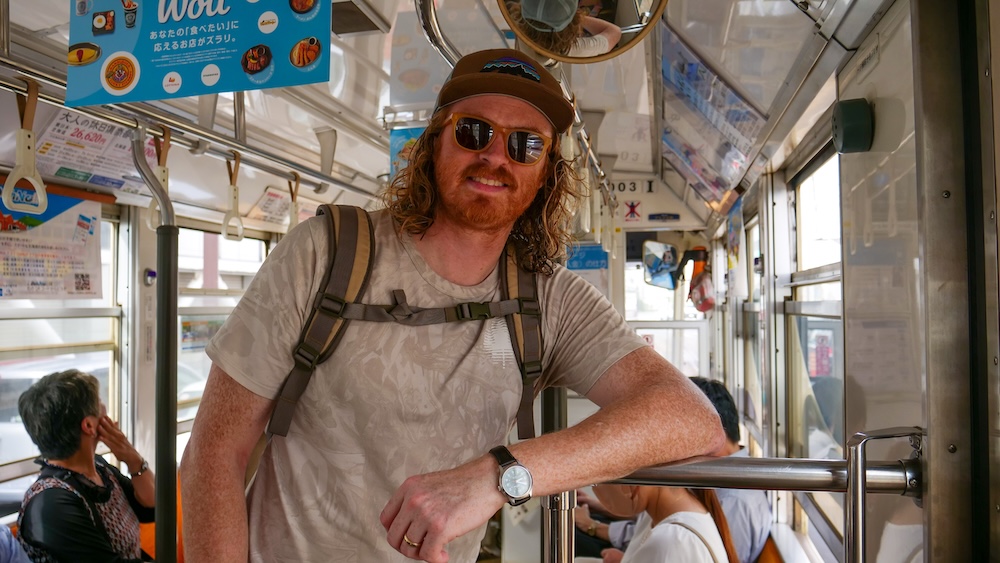
And the funny thing is, the more we explored, the more we loved it. Hakodate kept giving us reasons to be excited, whether we were riding its old trams, wandering around the harbour, stuffing ourselves with seafood or discovering another corner of the city we hadn’t expected to enjoy quite so much. I was having an absolute blast, but something else was happening too. I was starting to imagine what it might be like to actually live here.
By the end of our stay, I remember saying that Hakodate felt like one of the most livable cities I’d encountered in Japan. I wasn’t thinking about rent, taxes, healthcare, paperwork or any of the things you’d sensibly investigate before actually moving somewhere. We’d only spent a few action-packed days there, yet I was already picturing ordinary life. If I ever went back to teaching, I thought, this was the kind of place where I could see myself settling for a while.
That feeling came from a combination of things rather than one spectacular attraction: the sea, mountains, manageable scale, parks, local food, walking and trams, plus the fact that Hakodate never felt overwhelmingly touristy to me. None of those ingredients is unique on its own. Together, they made the city feel unusually easy to picture as home.
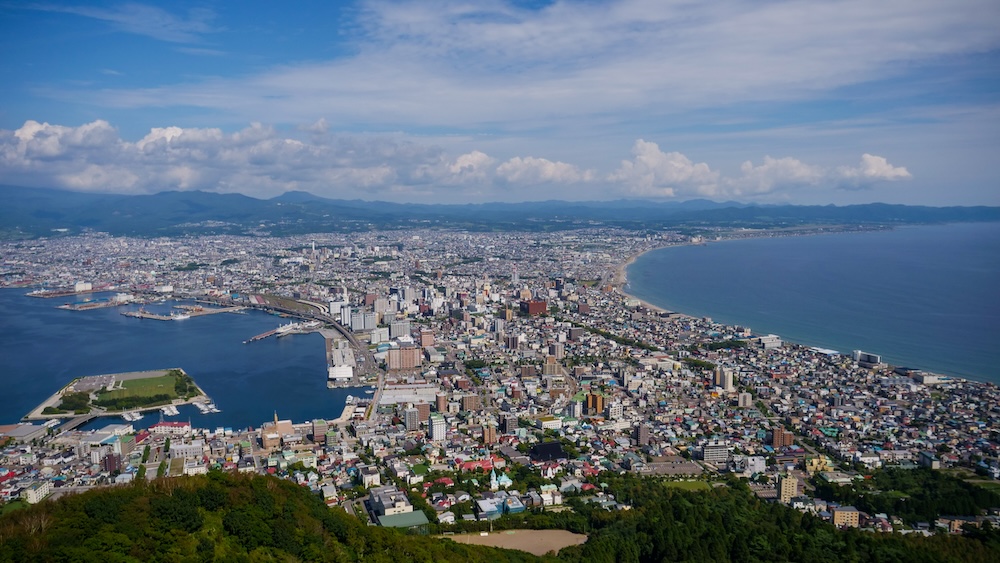
The combination of sea, mountains and city life suited me
Geography had a lot to do with it. Hakodate is surrounded by sea on three sides, while the central urban area stretches across the narrow land connecting Mt. Hakodate with the larger peninsula. We understood that layout much better after riding the Ropeway during the day.
From street level, we’d mostly been experiencing the harbour and waterfront, but from above the city suddenly made more sense. There was water in multiple directions, another coastline on the far side, mountains beyond the urban area and farmland farther out. I remember being genuinely surprised by how much bigger Hakodate was than we’d imagined. We hadn’t fully appreciated the geography until we were looking down on it, and what a setting it was!
That balance appeals to me more and more as I get older. I like cities, but I don’t necessarily want endless city. I like being able to walk somewhere useful, eat well, have public transportation and still see water, mountains or open space without making a whole expedition out of it. Hakodate seemed to offer a particularly appealing combination of urban convenience and access to the natural world.
When I picture living in Hakodate, I don’t imagine checking attractions off a list. I imagine coastal walks, heading uphill when I felt like giving my legs a workout, and having the sea or mountains somewhere in the background of normal life. For me, that’s a much stronger sign of livability than simply having a long list of things to do.
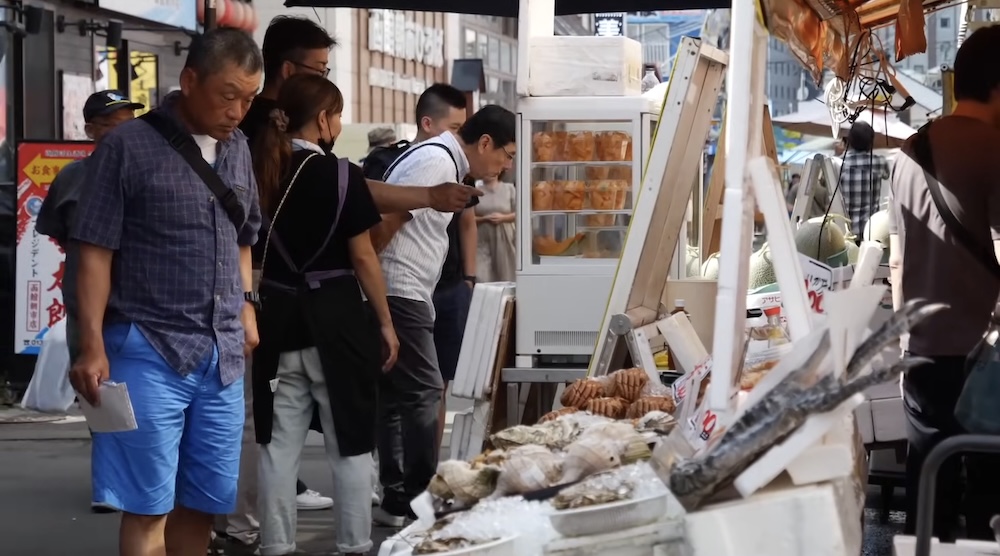
It felt big enough to be interesting without overwhelming us
Hakodate isn’t a tiny seaside town. The city has roughly 230,000 residents, which is enough scale for distinct neighbourhoods, museums, restaurants, shopping, transit and the kind of ordinary infrastructure you’d expect from a substantial regional city. At the same time, it never felt overwhelming to us.
I tend to enjoy the less-touristed side of Japan, and Hakodate felt like a breath of fresh air in that regard. Of course tourists come here—we were tourists ourselves, and Hakodate has plenty of major attractions—but I never had the feeling that the city existed mainly for visitors. There’s something refreshing about exploring somewhere popular that still feels like people are going about their everyday business all around you.
We moved between the Morning Market, the harbour, Motomachi, residential-looking streets, Goryokaku and more ordinary commercial areas, and those places felt like pieces of a functioning city rather than one continuous tourism zone. Compared with some of the much larger Japanese cities we’d experienced, I also didn’t feel that constant pressure of enormous population density.
Hakodate had enough going on that I couldn’t imagine getting bored quickly, but it still gave me room to breathe. We could spend our days exploring museums, historical neighbourhoods and viewpoints, then jump on a tram and find ourselves surrounded by completely ordinary city life. That middle ground is probably one of the biggest reasons the city clicked with me so fast.
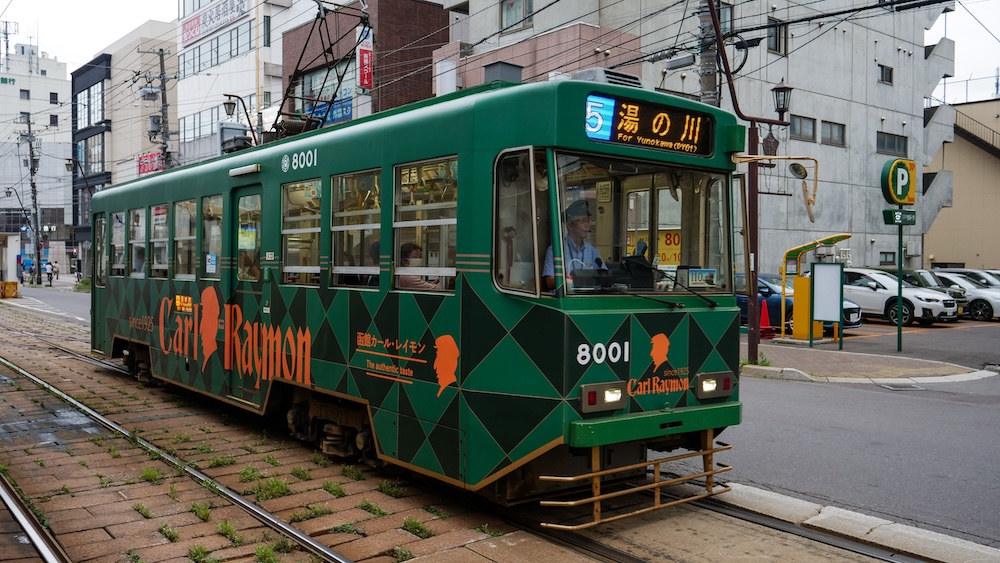
Walking and the tram felt like a pretty good lifestyle combination
One thing I said during our trip was that Hakodate was one of the most pedestrian-friendly Japanese cities we’d visited. I then immediately pointed out that it was surprisingly spread out, which sounds contradictory until you actually move around the city.
We walked a lot, wandering around the harbour, exploring Motomachi, climbing hills and spending plenty of time simply getting from one neighbourhood to another on foot. When the distances started adding up, we could jump on one of Hakodate’s old trams. Routes 2 and 5 passed near where we were staying, and we used them regularly.
I loved that combination because it encouraged us to be active without turning every day into an endurance test. Walking gave us the city at street level, while the tram saved our legs for the hills that were perfectly capable of destroying them on their own. And I have to admit, those old-fashioned trams had a certain charm. They reminded me a little of riding the trams in Hong Kong, even if Hakodate wasn’t offering the double-decker experience.
The current tram network still links many of the central areas we used, including Hakodate Station, the western side of the city and Goryokaku. I wouldn’t take our tourist experience and claim you could comfortably live anywhere in the wider municipality without a car, because we never tested that. For the parts of Hakodate we actually experienced, though, walking and trams fitted together naturally enough that I could picture building daily routines around them.
That experience would also influence where I’d stay on another visit. Being near a useful tram stop made exploring Hakodate considerably easier for us, so I’d pay attention to transport connections when comparing hotels and accommodation in Hakodate, particularly if choosing somewhere outside the station or waterfront area. A nice neighbourhood is even more appealing when getting across town doesn’t become a daily logistical headache.
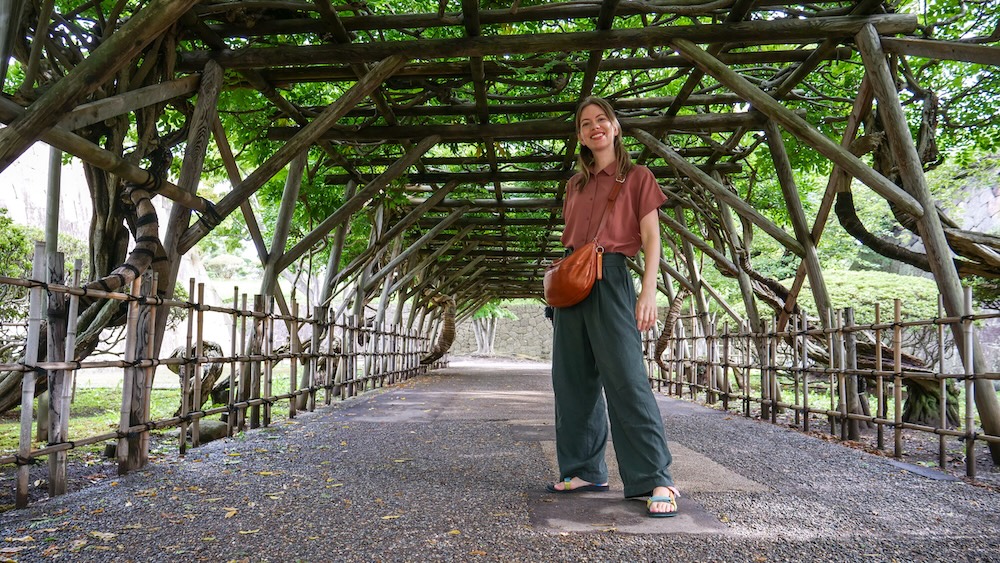
Goryokaku made me think about ordinary life
Goryokaku was probably the clearest example of the difference between enjoying Hakodate as a visitor and imagining how it might feel to live there.
We arrived in the morning before the Tower opened, so we wandered through the park first, crossing bridges, following the moat and climbing onto parts of the fortified walls. The star-shaped fort was impressive, but what really stuck with me was everyone else using the space. People were walking and jogging, we saw schoolchildren riding bicycles on their way to school, and others were simply enjoying the park before the tourist day had fully kicked into gear.
I remember thinking how nice it would be to have somewhere like that available for an ordinary morning walk. We were getting excited about exploring a famous historical attraction, while the people around us were just getting on with their day. For them, Goryokaku wasn’t necessarily a special outing. It was somewhere they could go for exercise, fresh air or a bit of peace and quiet.
That thought has stayed with me. If I lived in Hakodate, I’d like to think I would use Goryokaku as part of normal life rather than visit once, take the Tower photo and move on. I could easily imagine walking around the moat regularly, enjoying the scenery and occasionally reminding myself that my neighbourhood park happened to contain an enormous star-shaped fortress.
The park remains one of the city’s major attractions, yet it also functions as a place where locals relax and exercise, and we got to see that side of it firsthand. I loved that overlap. It was one of those small observations that made Hakodate feel like somewhere people enjoyed living, rather than merely somewhere tourists enjoyed visiting.
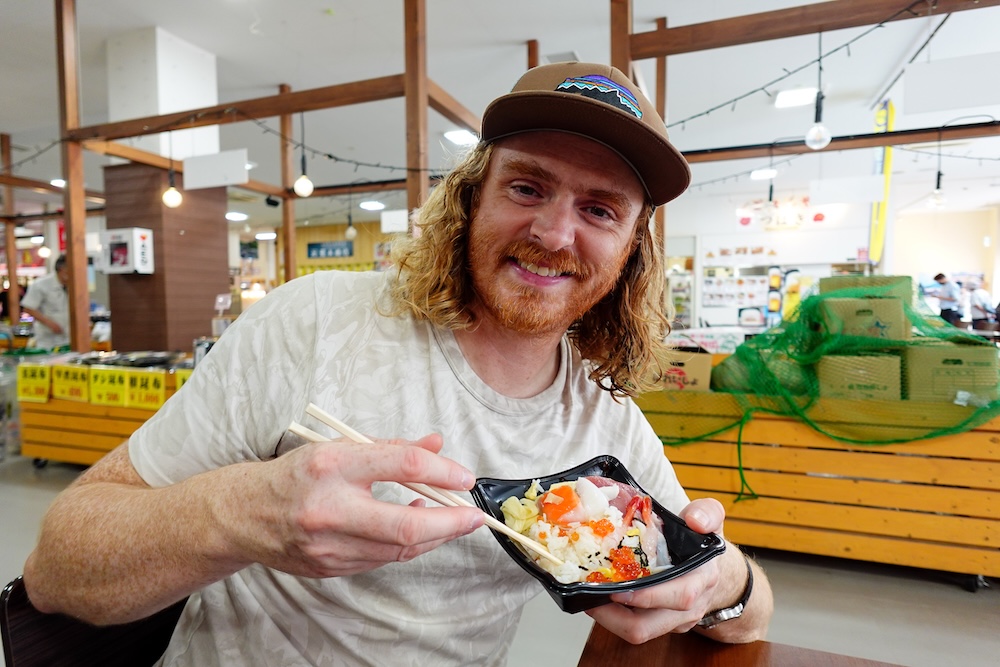
I could imagine eating very well here without making every meal an event
Food was another big part of Hakodate’s appeal, although not because we were chasing fine dining or impossible reservations. What I liked was how easy it felt to eat things I genuinely enjoy.
One morning we went to Hakodate Morning Market and had a fresh seafood breakfast. I love that kind of meal. Give me fish, rice and something from the sea and I’m pretty happy, especially when I’ve spent the morning walking. I remember wandering through the market, looking at enormous crabs, seeing fish and seafood everywhere, and enjoying that unmistakable salty smell of the sea. Some people probably wouldn’t appreciate the aroma of a busy fish market first thing in the morning. Personally, I was in heaven.
The market is still an early-morning institution with hundreds of businesses in the wider complex, and I could absolutely imagine making a seafood breakfast there a weekly ritual if I lived nearby. Whether I would maintain this noble routine for years or eventually sit around eating convenience-store snacks in my apartment is another matter.
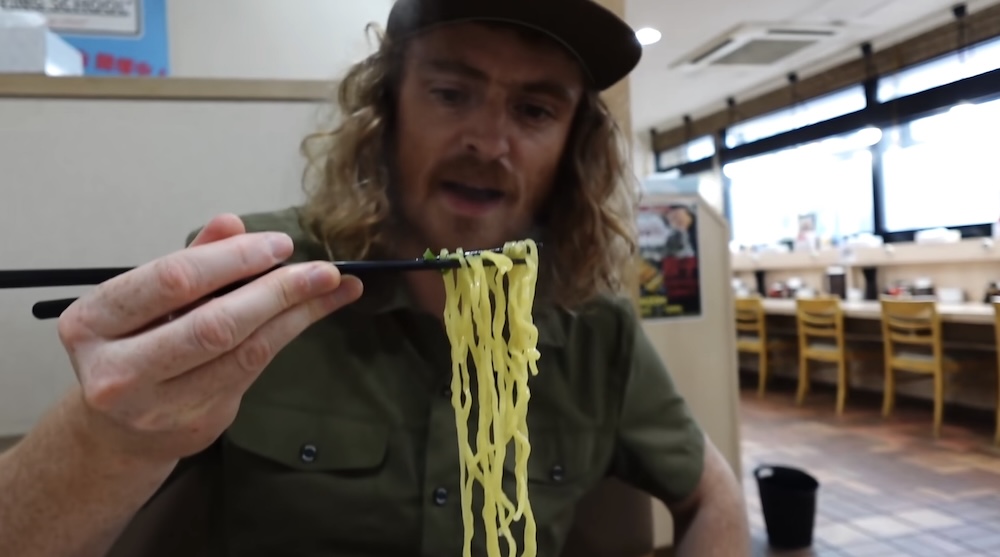
We also ate shio ramen, found a conveyor-belt sushi restaurant near Goryokaku that we liked enough to visit twice, tried Lucky Pierrot and finished one Goryokaku outing with gelato. There were a few memorable little surprises along the way, including managing to order the wrong ramen from a ticket machine and discovering that the wonderfully ridiculous-looking Lucky Pierrot actually served burgers we enjoyed.
None of those meals felt like an elaborate production, and that was part of the appeal. We were just wandering around, finding somewhere interesting to eat, occasionally making a mess of the ordering process and generally having a fantastic time. Somewhere starts to feel livable when you can picture eating well on an ordinary Wednesday, not only during a carefully planned vacation day.
At the time, prices also felt reasonable to us. I wouldn’t use a handful of restaurant bills from one trip to declare Hakodate a cheap city today, but we repeatedly came away satisfied without feeling like eating local food required a major splurge. Add fresh seafood, lots of walking, parks and an easy tram system, and I could see a daily rhythm there that suited me very well.
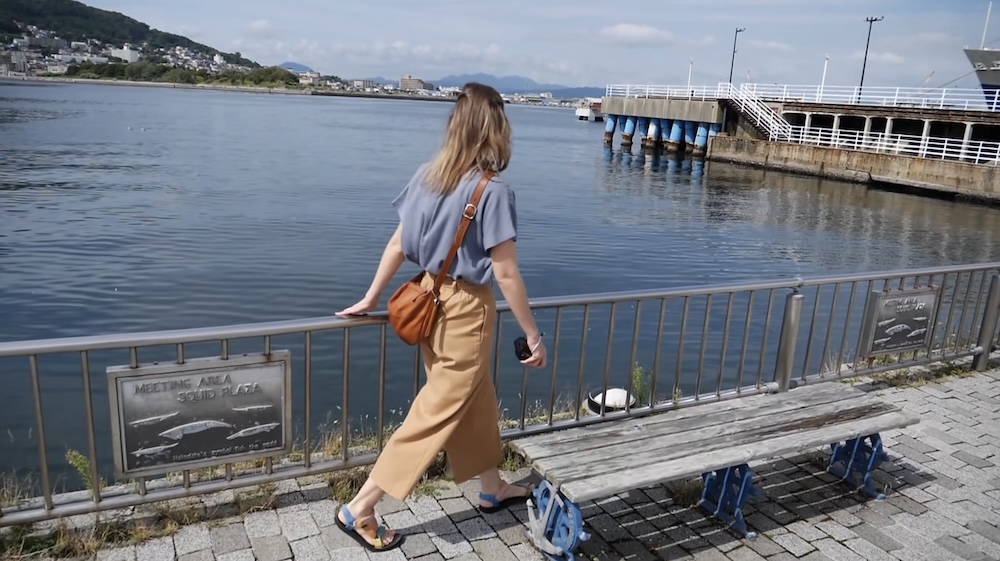
Three great days are not the same as living somewhere
There is one very obvious problem with all of this: we didn’t actually live in Hakodate. We didn’t rent an apartment, commute to work, deal with household bills, navigate bureaucracy or discover the thousand small irritations that eventually reveal themselves once a place stops being new. We experienced one short slice of Hakodate and happened to love that slice.
We also didn’t experience winter, which might be a fairly important omission. Hakodate’s long-term January mean temperature is around -2.4°C, and a normal year brings more than three metres of cumulative snowfall. That doesn’t mean three metres is sitting on the ground at once, but it does mean winter is hardly a tiny footnote to everyday life.
Maybe a harsh winter or two would have me reconsidering this entire love letter while hacking ice off something at seven in the morning.
I genuinely don’t know. We visited at a particular time of year, enjoyed favourable moments between the heat and rain, and never had to worry about anything beyond our next meal, tram ride or sightseeing stop. That’s a very different proposition from signing a lease and committing to life through every season.
But I don’t think that makes the initial impression meaningless. When you’ve travelled to a lot of different places, you start to recognize certain environments that suit your personality and interests. Hakodate happened to bring together an awful lot of the things I value, and it did so without us arriving with any grand expectations.
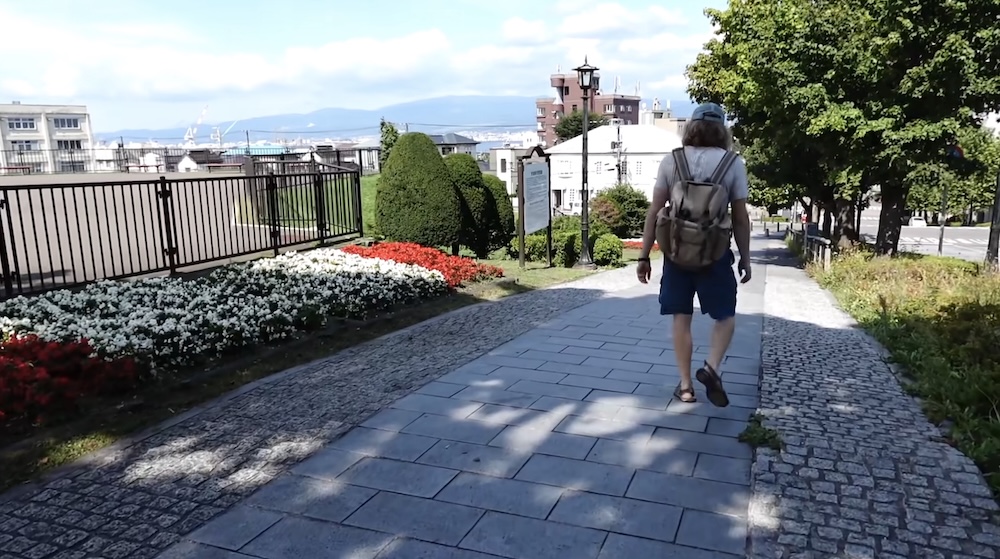
Why Hakodate still stands out to me
I’ve visited plenty of places that impressed me with their scenery, food, architecture or attractions. Some have been fantastic destinations that I’d happily return to, but I never gave much thought to what living there might actually be like.
Hakodate was different. I could picture regular walks around Goryokaku, seafood breakfasts at the Morning Market, wandering along the coast, tackling the hills when I wanted exercise and jumping on the tram when I didn’t. I could imagine having favourite restaurants, getting familiar with different neighbourhoods and eventually knowing which tram to catch without having to think about it.
Audrey and I arrived without much of a preconceived idea of what Hakodate would be like, and almost immediately we were thinking, this is our kind of place. By the time we left, I wasn’t only wondering what else we could have seen with another few days. I was wondering what an ordinary week might feel like.
No sightseeing checklist to finish, no famous attraction to rush toward, and no particular plans beyond enjoying the city. Just a regular Tuesday in Hakodate, with a walk around Goryokaku and maybe some fresh seafood for breakfast.
That sounds like a pretty damn good day to me.
Frequently Asked Questions
Why did Hakodate feel so livable to me?
It was the combination of sea, mountains, manageable city scale, walking, trams, parks and local food. More than any single attraction, those pieces made it easy for me to imagine an ordinary routine in Hakodate.
Is Hakodate easy to explore without a car?
For the parts of Hakodate we experienced, walking and trams worked very well together. We walked extensively and used Routes 2 and 5 when distances added up, but I would not assume every part of the wider municipality is equally convenient without a car.
What made Goryokaku feel like part of everyday life?
We visited early enough to see people walking and jogging, schoolchildren cycling and locals simply using the park. That overlap between a major attraction and an ordinary recreational space made it easier for me to imagine living nearby.
Did Hakodate feel overly touristy?
It did not feel overly touristy to me, even though Hakodate has major attractions and receives plenty of visitors. We kept moving between sightseeing areas, residential-looking streets and ordinary commercial districts, which helped the city feel balanced.
What food made Hakodate feel especially livable?
Fresh seafood was a big part of it. I could imagine making a seafood breakfast at Hakodate Morning Market part of a regular routine, while shio ramen, sushi, burgers and other casual meals made eating well feel pleasantly uncomplicated.
Would I actually move to Hakodate based on this trip?
I would not make that claim after only a few days. We never lived there, dealt with everyday residency issues or experienced winter, so this article is about why Hakodate felt livable to me rather than a recommendation to relocate.
This article is also available in Spanish. [Leé la versión en castellano: Por qué Hakodate me pareció una de las ciudades más vivibles de Japón]
This article contains affiliate links. If you book through one of these links, I may earn a commission at no extra cost to you.