
The Mt. Hakodate Ropeway is a three-minute ride that costs ¥1,800, and it’s fair to be suspicious of that. The bigger price is the hour or so around it, so the real question is whether that slice of a packed Hakodate day earns its place. Audrey and I rode it on a hot afternoon, after climbing Hachimanzaka and wandering the Motomachi churches, at the end of a day that had turned into a kind of fun challenge. My answer is yes, for sure. It’s the iconic view of the city, hands down. We went in daylight, though, so I can’t speak for sunset or night. What follows is the daytime case: what the fare buys, whether to ride both ways, and how much time to set aside.
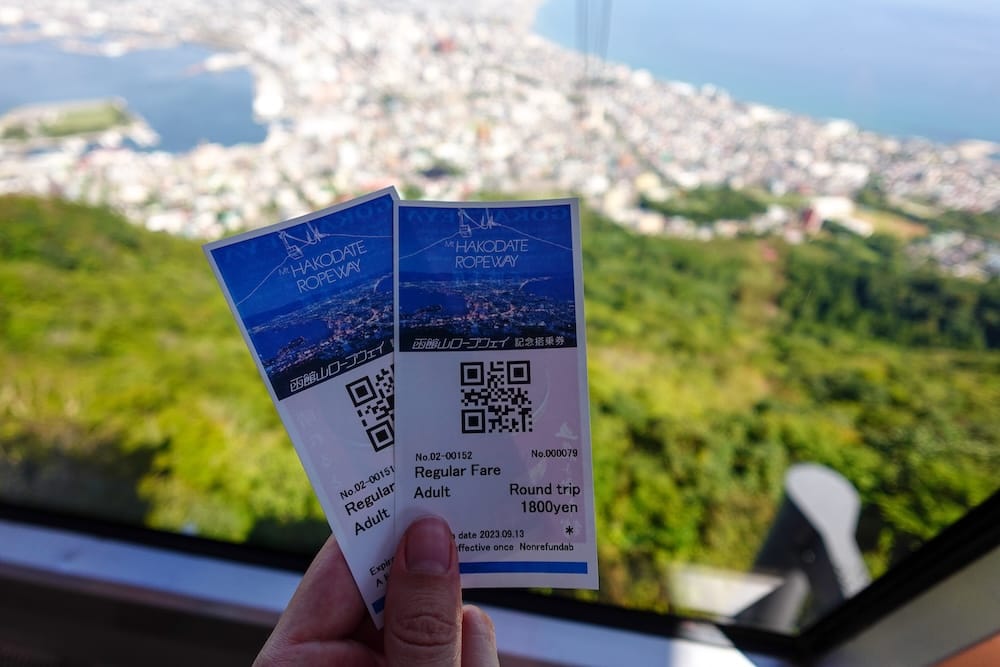
What ¥1,800 Actually Buys
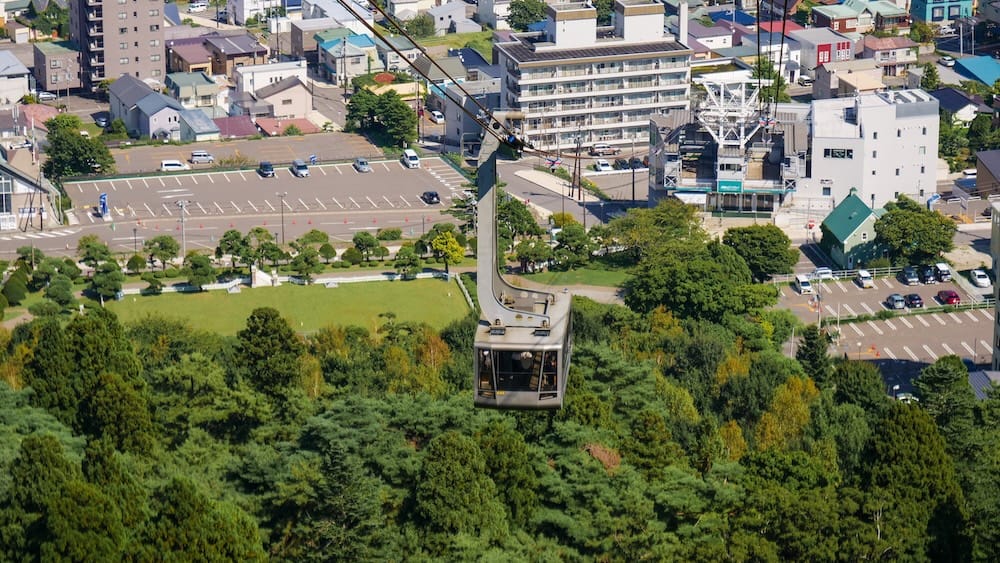
An adult round trip is ¥1,800 and a one-way is ¥1,200, with children at ¥900 and ¥600. That’s the same as when we went, since the fare has been ¥1,800 since April 2023. The gondola holds up to 125 people and the ride takes about three minutes. What you’re paying for is that ride and the view at the top, because the rooftop deck on the summit building doesn’t charge anything extra.
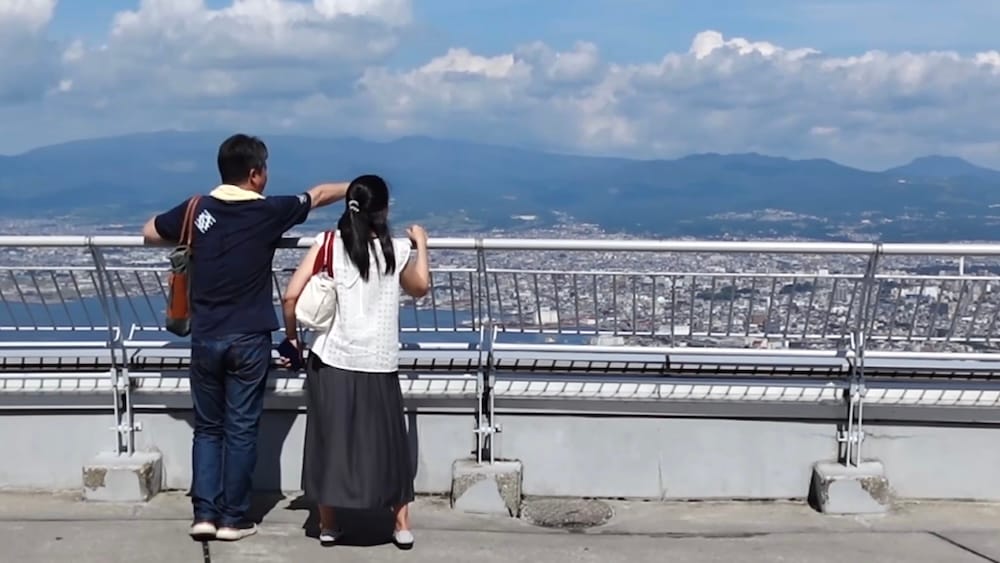
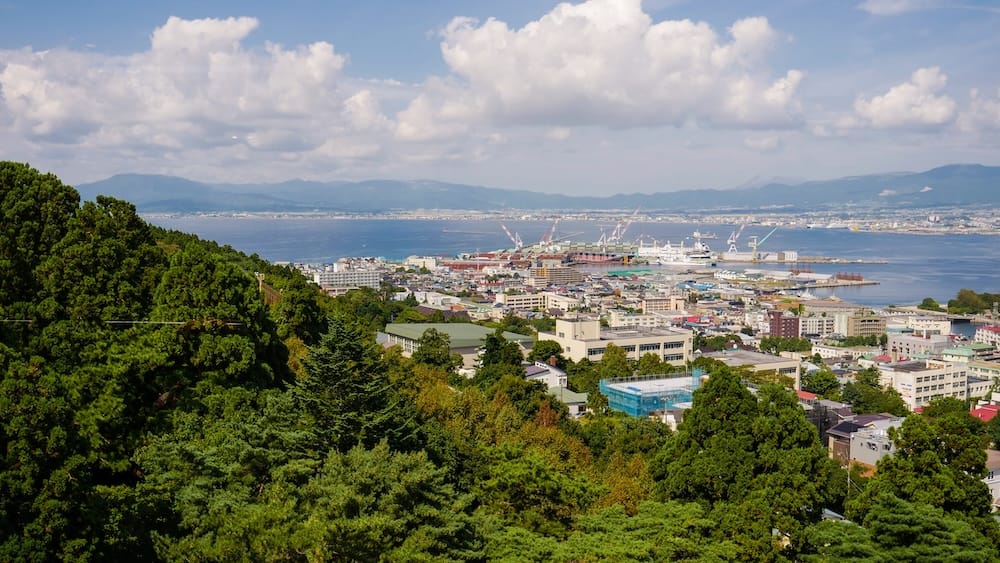
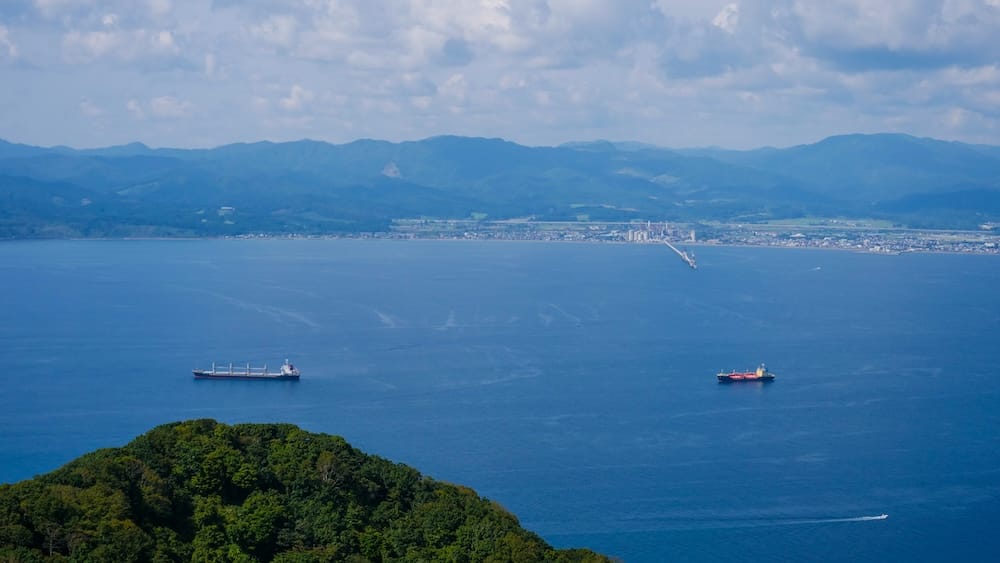
For us the ride and the summit were mostly about relief and surprise. After a day of hills in the heat, we got to escape it a little, and there was a nice breeze at the top that felt like a rescue. The other thing was the layout. We’d only seen the harbour side of Hakodate, and from up there we could see a beach side on the right, mountains in the distance, farmland beyond them and ships out on the water. We’d had no idea the city was that much bigger than we’d thought. I compared this view with the one from Goryokaku in Mt. Hakodate vs Goryokaku Tower, but the short version is that the Ropeway is the one that shows you where the city actually sits.
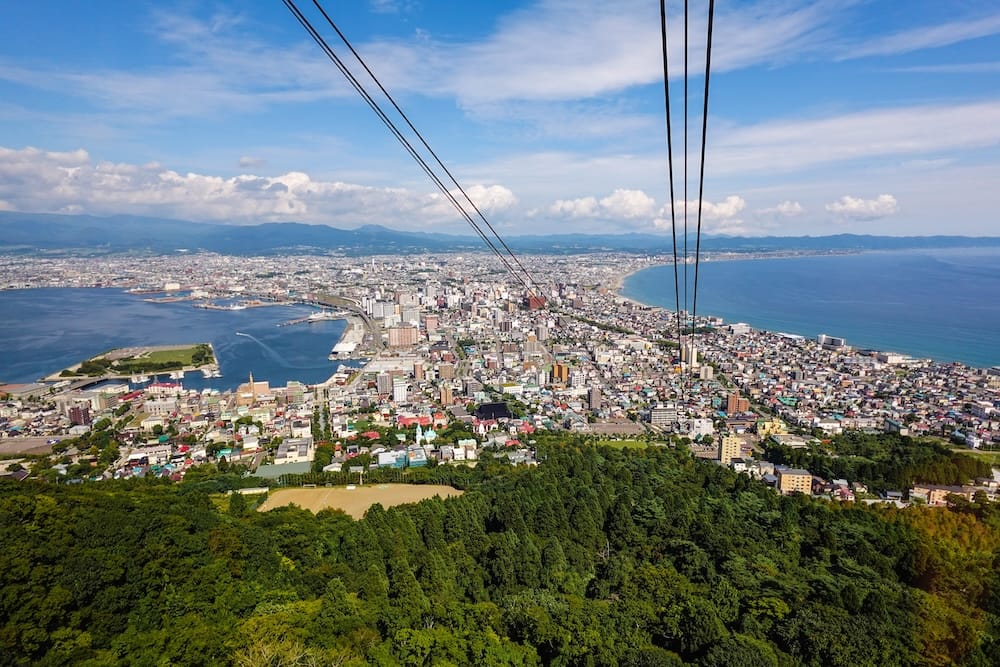
Both Ways, or One Way and a Walk Down?
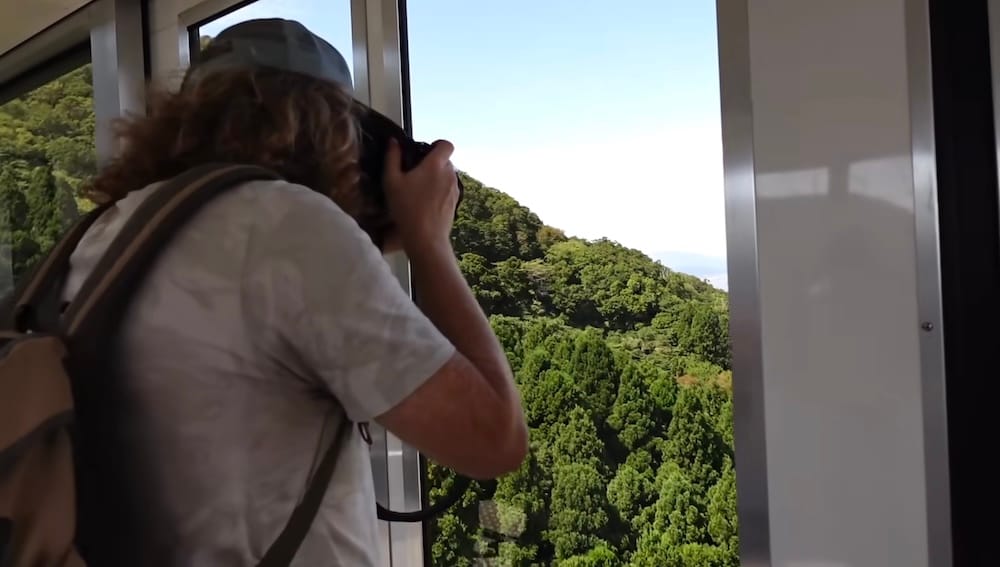
We rode both ways, and I’d ride both ways. The trip down turned out to be a pleasure of its own, because by then you’ve taken most of your photos and can simply take it all in. We appreciated both perspectives, going up and coming down.
The ticket logic is worth knowing before you reach the window. A round trip is ¥1,800, and one-way tickets can be bought at either station, so two one-ways, up at the base and down at the summit, would cost ¥2,400. If there’s any chance you’ll want the ride down, the round trip at the base saves you ¥600. The one-way option is there for people who’d rather walk back down, and it comes down to how active you want to be. The walking course up from the base takes about an hour. I haven’t tried it in either direction, so I can’t tell you what the descent is like.
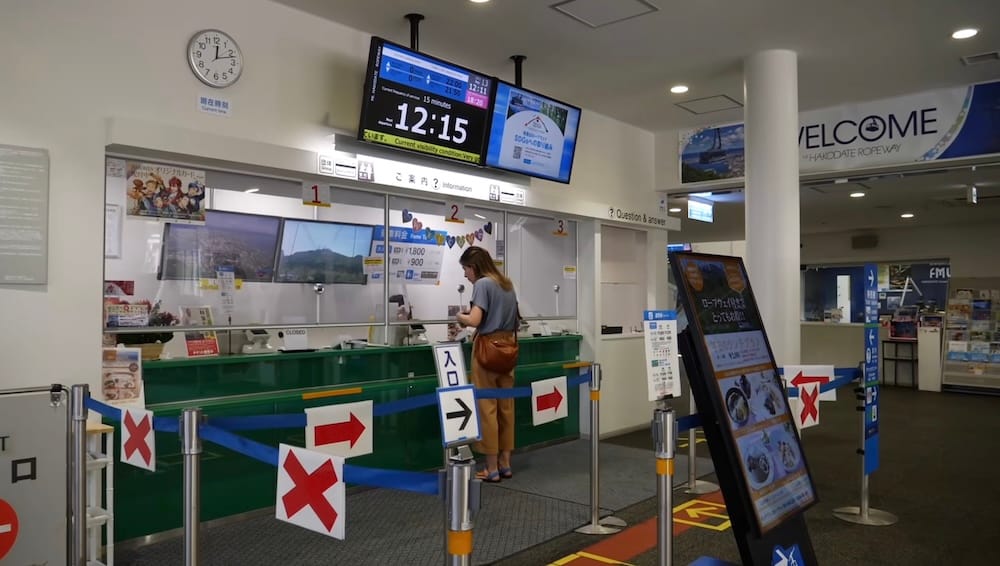
How Much Time the Whole Outing Takes
The ride is three minutes, and nearly all of the time is everything else: getting to the base, waiting for a gondola, the summit and the way back. Gondolas leave every 15 minutes, on the hour and at :15, :30 and :45, and every 5 to 10 minutes when it’s busy. The ticket gate closes a minute before each departure. From Hakodate Station it’s about five minutes on the tram to Jujigai and then a walk of eight to ten minutes uphill to the base, which I went through leg by leg in Hakodate Walking vs Tram.
We went in the afternoon, and the queue was very reasonable, with one group ahead of us if I remember correctly. We kept the summit stop short, given how much we’d already done and how much was still to come, and it was enough to appreciate the view. That’s one afternoon, so I’ve built the table below from the frequency and the walking times, assuming a wait of up to one gondola gap at each end and a few minutes for the tram. Read the figures as estimates.
| VersionFrom the Jujigai stopFrom Hakodate Station | ||
|---|---|---|
| Quick visit (about 15–20 minutes at the top) | About 40–75 minutes | About 1–1½ hours |
| Relaxed visit (about 40–60 minutes at the top) | About 1–2 hours | About 1½–2 hours |
The spread comes almost entirely from the waits. If you arrive just as a gondola is leaving, the 15-minute gap can swallow a quarter of an hour at each end, which is why a quick visit can take nearly twice as long as the best case.
Fitting It Into a Full Day
We did the Ropeway after Hachimanzaka and the Motomachi churches, in a day I’d call full in a good way. It’s kind of amazing how much we covered. The hot walking was behind us by the time we reached the base, which is part of why the breeze at the top landed the way it did.
If you’d rather not work that sequence out yourself, there’s a guided walk that covers the same ground: Hakodate’s historic waterfront, the Motomachi district, and a visit to the summit that ends the tour, with the Ropeway ride included in the listing. It runs about two to three and a half hours, with an English-speaking guide, for a private group, and you can choose a daytime or an evening start. We haven’t taken it, so I can’t tell you how it paces the climb. Because it finishes on the Ropeway, check its dates against the autumn inspection closure I mention below, and you can see how the guided Historic Port Walk and Ropeway tour is laid out.
The hours depend on the season and can shift on maintenance days. From April 20 to September 30 it runs from 10:00 to 22:00, with the last ascent at 21:30, and from October 1 it runs from 10:00 to 21:00, with the last ascent at 20:30. Because we rode in the afternoon, I can’t speak to the evening. The operator warns that the summit deck is expected to be very crowded for an hour or two from sunset, so if that’s your plan, you’re planning a different outing from the one I’m describing.
There’s one rule to know if you’re thinking of buying ahead. The Ropeway sells an advance QR ticket for the round trip, valid for 90 days, but it gives you no priority boarding, no separate queue and no discount on the regular fare. At most it saves you the ticket window, and in an afternoon like ours there wasn’t much of a wait to skip. Before you set out, check the operator’s live status page, which shows whether it’s running and the estimated waits at the base and the summit.
When It Isn’t Worth It, or Isn’t Running
We went on a clear day, and that’s the only weather I can vouch for. Cloud or fog takes away most of what the fare buys, so that’s the day the ticket becomes optional.
More important is that the Ropeway doesn’t always run. Strong wind or storms can suspend it, sometimes for a whole day, and it changes its hours on maintenance days. It also closes for its statutory inspection each autumn, and in 2026 that runs from October 20 to November 8. During that window the Mt. Hakodate bus runs extra trips, but that’s a different ride to the summit from the one I’m describing.
So here’s my rule. Ride it, ride both ways, and set aside about an hour and a half from Hakodate Station for a quick visit, longer if you want to linger at the top. Pick a clear day, check the live page that morning, and don’t count on an advance ticket to skip a line. That’s what a slice of a packed Hakodate day costs, and for the view that finally showed us how big the city is, it was worth it for sure.
Frequently Asked Questions
How much does the Mt. Hakodate Ropeway cost?
An adult round trip is ¥1,800, which buys the ride up and the ride down, while a one-way ticket is ¥1,200. Children’s fares are ¥900 for a round trip and ¥600 for a one-way ride. The rooftop observation deck at the summit does not charge an extra admission fee.
How long is the gondola ride to the top?
The ride itself takes about three minutes in a gondola that holds up to 125 people. Most of the time spent on the outing goes toward getting to the base station and waiting in the queue for the next departure.
Do I need to buy Ropeway tickets in advance?
While the operator sells an advance QR ticket valid for 90 days, it offers no discount on the regular fare, no priority boarding, and no separate queue. It only saves you a stop at the ticket window, which usually isn’t a long wait during daytime hours.
How often do the gondolas run?
Gondolas typically leave every 15 minutes, departing on the hour, :15, :30, and :45. When the ropeway is busy, departures increase to every 5 to 10 minutes. The ticket gate closes one minute before each departure.
Does the ropeway operate year-round?
The ropeway can be suspended for a whole day due to strong winds or storms, and hours shift on maintenance days. It also closes for a statutory inspection every autumn, which in 2026 runs from October 20 to November 8. During that window, extra buses run to the summit instead.
How much time should I set aside for a visit?
If you are starting from Hakodate Station and planning a quick 15-to-20-minute stop at the summit, you should budget about an hour to an hour and a half. A more relaxed visit of up to an hour at the top will take about one and a half to two hours in total.
This article is also available in Spanish. [Leé la versión en castellano: ¿Vale la pena el teleférico del monte Hakodate? ¿Cuánto tiempo necesitás?]
This article contains affiliate links. If you book through one of these links, I may earn a commission at no extra cost to you.