
Most advice on Hakodate treats it as somewhere you break a journey: two days, three if you’re feeling generous, then off to Sapporo. Audrey and I gave it three days, filled every one, and left agreeing we could have stayed longer. That was one trip, with one run of weather and a hotel well away from the centre, so I won’t hand you a number as if it were a law. What I can do is lay out what sets the count, which is the geography, a handful of opening hours, and one evening that fog can cancel. Then you can adjust it for your own trip.
Two Nights, and What Moves the Number
Plan on two nights. On paper that’s three calendar days, with the first and last only partial. It’s the shortest stay that lets you see Hakodate’s separate districts without racing or staking the trip on a single clear evening.
One night is a real option if Hakodate is one stop on a longer route, and the city’s tourism association publishes it as a “two days, one night” official plan. You arrive in the afternoon and ride the ropeway up Mt. Hakodate after dark. Then, in the August version of the schedule, you spend the next day from about 9:00 to 5:30 on Goryokaku Tower, the Yunokawa hot-spring district, the harbour-front warehouses and Motomachi’s old streets. It fits, which is worth knowing. What it leaves out is the morning market, the museums and the old Seikan ferry moored at the harbour, and we’d have been sorry to miss all three. It also has no slack. It’s a tidy plan, and tidy plans are the first casualty of weather. There’s no room in it for a rainy day, a foggy evening, or the kind of jet-lagged first night we had.
That’s where the usual “two days is plenty” goes wrong for me. Two days will touch every district if everything goes right, but it gives you nothing to fall back on when something doesn’t. If you already know you’re going, compare Hakodate hotels for your dates, because where you sleep changes how much of a short stay you actually get, which I come back to below.
Why Hakodate Is Bigger Than the Map Looks
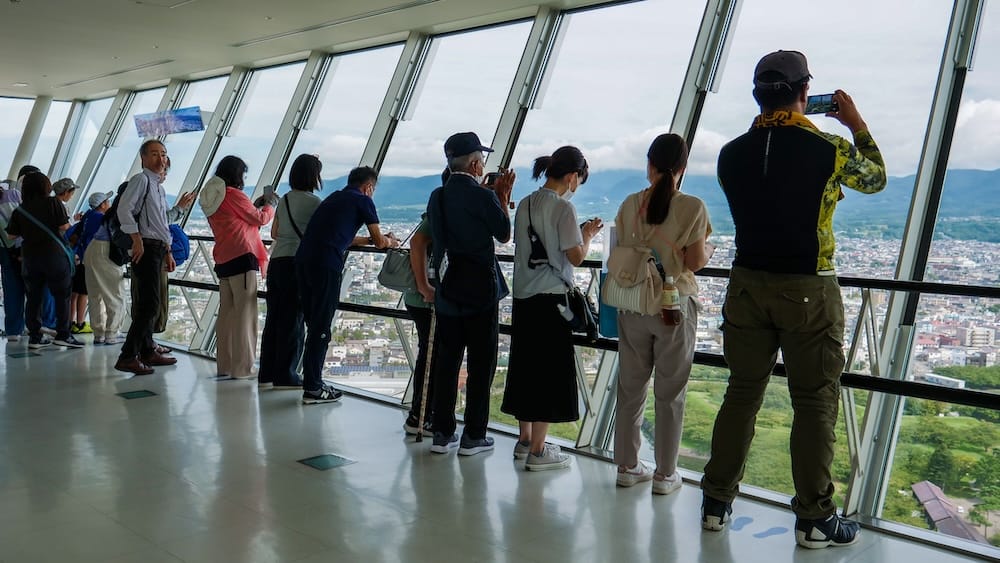
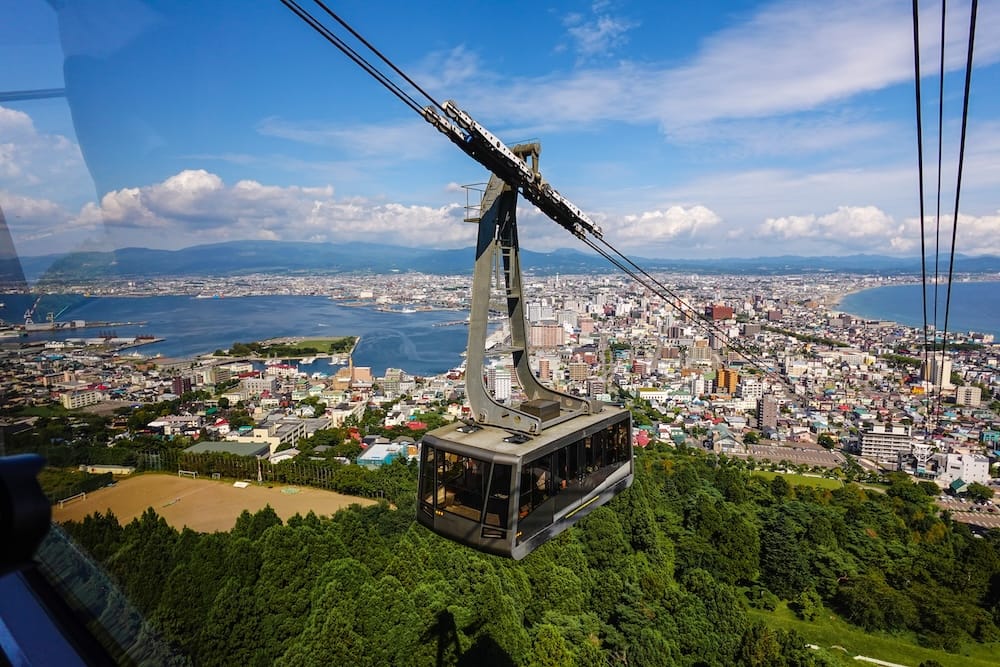
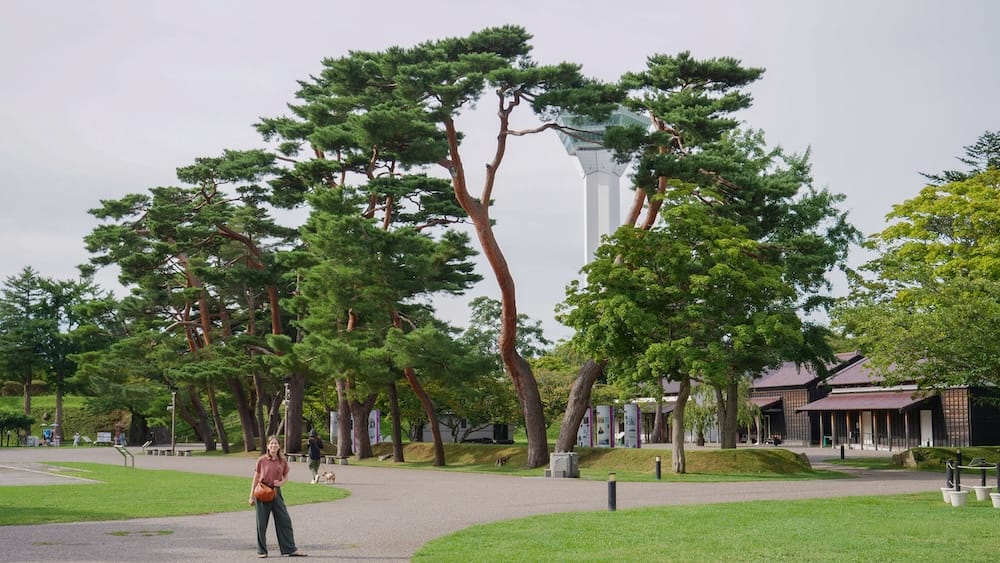
The size of the place caught me from the top of the ropeway. We’d only seen the port side until then. From the summit there was a beach on the far flank, mountains beyond it and farmland behind those, none of which you’d guess from the harbour. Goryokaku Tower made the same point from the other direction on a bright morning. The fort’s star lay below us, the whole port sat beyond it, and there was a lot of city in between. The two viewpoints gave us very different pictures, and both were bigger than the one we’d started with.
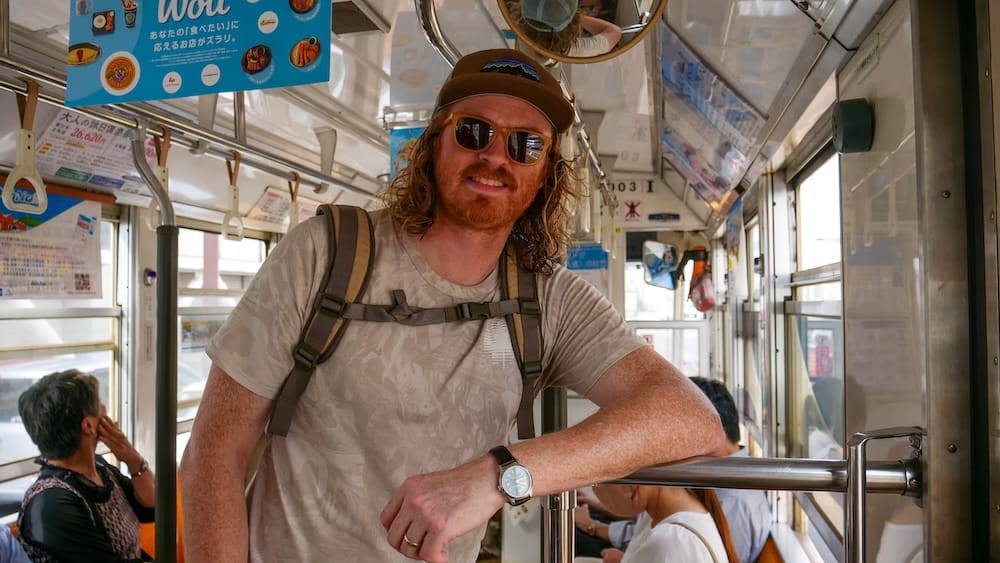
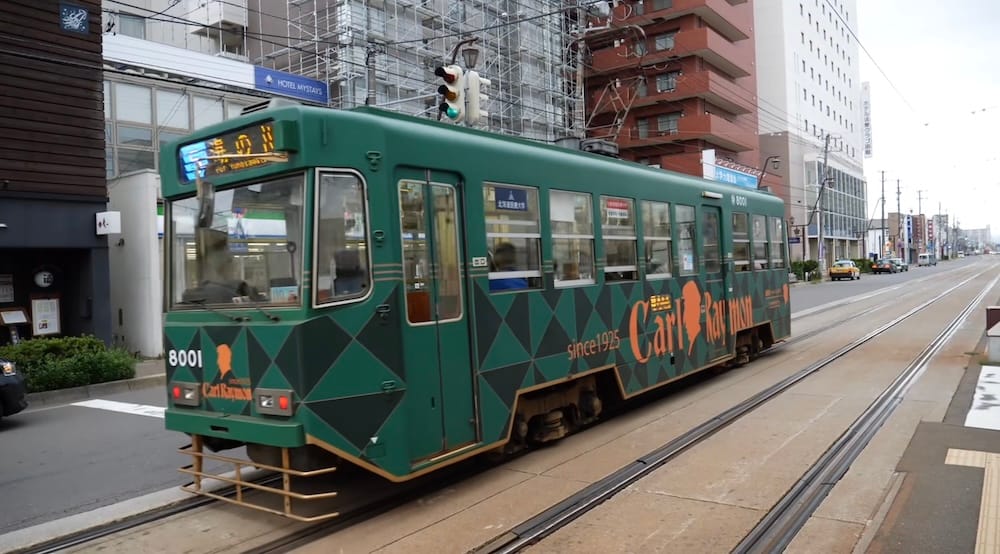
The trams explain how we managed it. Lines 2 and 5 share a trunk from Yunokawa through Goryokaku and Hakodate Station as far as Jujigai, then split, line 2 for Yachigashira and line 5 for the dock. Both ran past our hotel, so we were somewhere on that shared stretch, and getting into town never felt like a chore. When we were riding them, the trams came roughly every fifteen to thirty minutes and let us save our legs for the hills. I’d check the current timetable before planning around that.
Measured from Hakodate Station, each outing costs about half an hour door to door. The ropeway is a five- or six-minute tram ride to Jujigai, a walk of around ten minutes uphill, then three minutes in the gondola. Goryokaku Tower is about sixteen minutes on the tram plus another ten on foot. The Museum of Northern Peoples is roughly ten minutes by tram and a short walk. Yunokawa is nearer thirty minutes on the tram, and the airport is about twenty minutes from the station by bus. None of that is far, give or take a few minutes. But it’s enough that each district becomes its own outing instead of something you drift into. You’ll see the layout called compact, and it is, in the sense that a tram reaches everything. It’s also spread out enough that nothing is a five-minute detour. It helps me to think of Hakodate as four outings: the station and its market, the waterfront and Motomachi slopes, Goryokaku, and Yunokawa. Count those rather than attractions and the numbers get honest.
What One Day Can Actually Hold
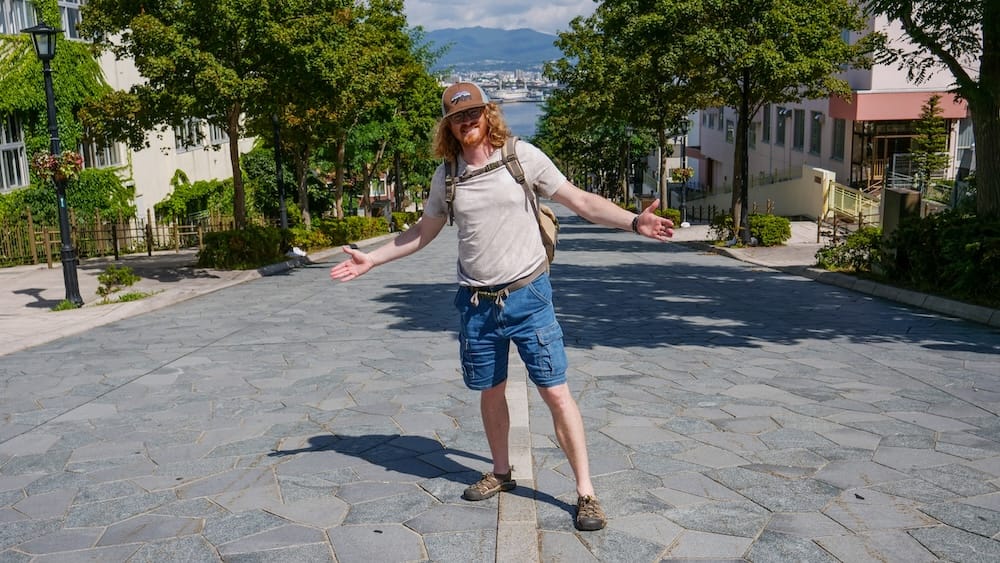
My rule is two outings and your meals to a day. Three is a sprint, and the hills and heat make it a sweatier one than the map suggests. We climbed Hachimanzaka on a hot, humid day and found out halfway up that we were Rocky Mountain people who hadn’t yet acclimatised. The breeze at the top of the ropeway, in the same heat, felt like a rescue.
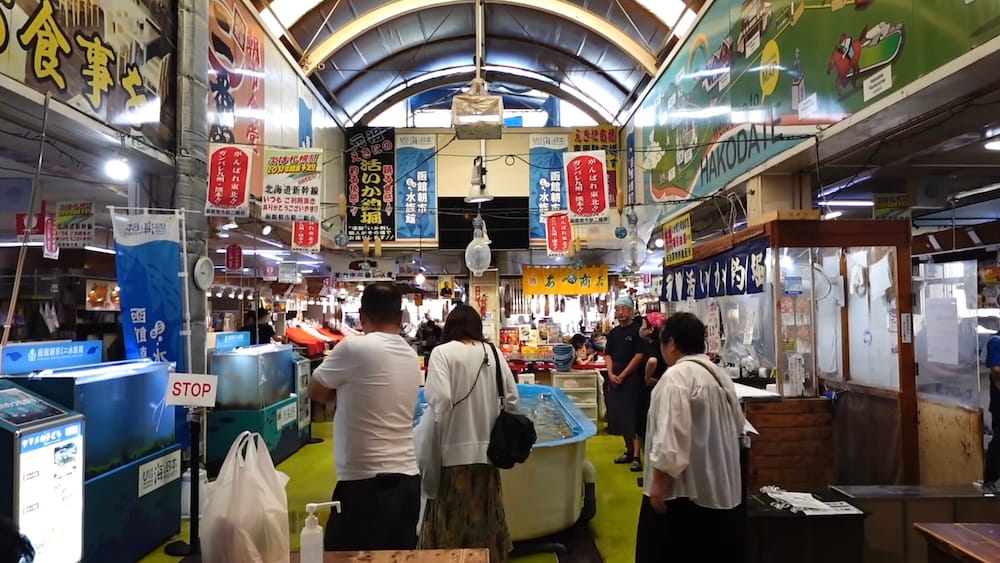
The market alone can eat a morning. It gets going around 5:00 from May to December and 6:00 from January to April, and most stalls wrap up by early afternoon. We’d assumed a quick breakfast, then discovered the place was far bigger than we’d expected. We walked through a second section, then an even bigger food court, before we sat down to order. For anyone who’d rather have a guide steer them through it, one currently listed option is a guided tasting tour of the market, about an hour and a half with the tastings included. Still, some of our best time in Hakodate wasn’t scheduled at all. We wandered the harbour without much of a plan, found the old ferry Mashu-maru, paid the entrance fee, and ended up pressing every button on the bridge and enjoying the views from the deck as much as the exhibits. A day with three fixed stops has no room for that kind of accident.
Opening hours set the rest of the clock. Goryokaku Tower opens at 9:00 and closes at 6:00 p.m., with last admission at 5:50, and it opens earlier and closes later over Golden Week. We walked the park first, along a raised path on the fort’s walls with no guard rails between us and the moat, watching locals jog and kids cycle to school. Then we reached the tower with about ten minutes to spare. The Museum of Northern Peoples stays open until 7:00 p.m. from April to October and closes at 5:00 from November to March. Mashu-maru runs 8:30 to 6:00 from April to October and 9:00 to 5:00 the rest of the year, with last entry an hour before closing. The Old Public Hall closes at 6:00 p.m. Tuesday to Friday and 7:00 p.m. Saturday to Monday from April to October, and at 5:00 in winter, with last entry thirty minutes before.
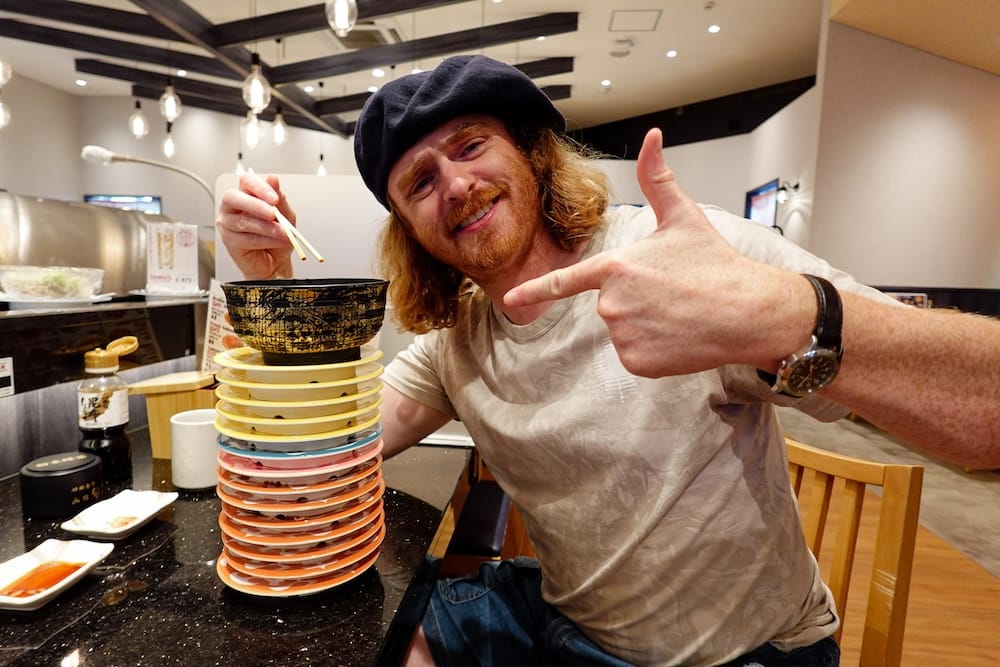
Add it up and a winter sightseeing day runs roughly nine to five, with the market finished by lunch. I wouldn’t try to fit the market, a museum, Goryokaku and the slopes into one day in any season. One of our days had us on our feet until late afternoon, fully intending to go back for a rest, and we discovered we were more hungry than tired. So we ended up at a conveyor-belt sushi counter instead of in bed.
The Evening You Can’t Guarantee
The one item on Hakodate’s list that can vanish outright is the night view from Mt. Hakodate. We rode the ropeway in daylight, on a clear day, so I can’t tell you what the city looks like from the top after dark. I can tell you what stands between you and it.
Start with the schedule. The gondola holds 125 people, takes three minutes, and leaves on the quarter hour, more often when it’s busy. In 2026 the first ride is at 10:00, and the last one up leaves at 9:30 p.m. through September and 8:30 from October 1. An adult return ticket is ¥1,800, the same as when we rode it, though fares change. Then there’s the calendar. Every year the ropeway shuts for maintenance from late October into early November. In 2026 that’s October 20 to November 8. The road stays open during that closure, so you can still reach the summit by the Route 1 climbing bus from Hakodate Station, which takes about half an hour, or by taxi. You can’t hail a taxi at the top, though, so plan the return before you go up. The tourist bus wants a reservation at least three days ahead. From the morning of November 9 the picture flips. The ropeway is back, but the mountain road closes to buses, taxis and rental cars until mid-April, leaving the ropeway and your own feet. Even outside the closures, private and rental cars are kept off the road in the evening hours, so a car is no shortcut. The ropeway operator’s live status page is worth a look before you commit to a date.
Then there’s the crowd. The lights look best about half an hour after sunset, which is also when everyone else arrives, and the city’s own two-day plan warns that waits at peak sunset can run past an hour. Isaribi Park, near the summit, is a quieter bet than the main deck when it’s packed. The city’s Mt. Hakodate page carries a congestion forecast that climbs a level on weekends and eases as the evening goes on. Fog or low cloud can wipe out the whole thing, and nobody can promise you a clear evening.
We had three days of very different weather, with heat, rain and a bright, clear morning. The rain barely mattered because there was somewhere to be. It sent us to two museums, and I’m not much of a museum person, but both beat my expectations. One had a fishing-boat simulator that left Audrey a bit dizzy after three minutes. That’s my case for a second night: the evening view needs a spare evening behind it, and a wet day needs somewhere to put itself.
What Each Extra Night Buys
With one night, you get the association’s plan. It sells the plan as a ¥3,700 ticket bundle for the 2026–27 season, exchanged at the station or airport for a tram day pass plus points toward the ropeway, Goryokaku Tower and the Old Public Hall. Check the current terms before counting on it. If you’d rather buy time than save money, guided options compress the sightseeing. One is a four-hour private walk that ends at the summit after dark, with the ropeway fare extra. Another is a full-day private driver-guide who strings Goryokaku, the slopes, the warehouses and the ropeway together in about eight hours, with attraction and ropeway fares extra; confirm the guide’s language when you book. For a single outing there’s also a guided walk through the fort and up the tower, which starts from either Goryokaku or the station. We did everything on our own, so I can’t tell you how any of them feels. But the trade is money for time, and you still get no more slack than before.
A second night is where Hakodate stops being a checklist. It’s what let us have a market breakfast, a wander round Goryokaku Park before the tower opened, the ferry museum we found by accident, and a wet day in two museums, without any of it feeling like a forced march. It also gives you two evenings to try for the view. I haven’t done Hakodate in two nights, so that’s arithmetic, not experience.
A third night makes sense if you want to leave the city. Onuma is the easy one: lakes, islets and small bridges in the neighbouring town of Nanae, about half an hour from Hakodate Station by limited express or thirty-five minutes by car, with loop walks from fifteen minutes to an hour. If you’d rather leave the timetable to someone else, browse the current guided Onuma trips. Yunokawa’s hot-spring district is about thirty minutes out by tram and only a few minutes from the airport, which makes it more useful as a base before an early flight than as an outing. The Jomon prehistoric sites are the hard one. They’re about an hour by car and ninety minutes by bus, and the culture centre is closed on Mondays and the last Friday of each month. You’ll sometimes read that day trips from Hakodate are difficult. Onuma isn’t, and the Jomon sites are. That’s where a rental car or a driver earns its keep, whether you compare Hakodate car rentals or see which guided Jomon trips are currently listed. We did none of these, so I’m passing on travel times, not reviews. We could have stayed a week and been perfectly happy, but that’s preference, not a requirement.
What Arrival and Departure Do to the Count
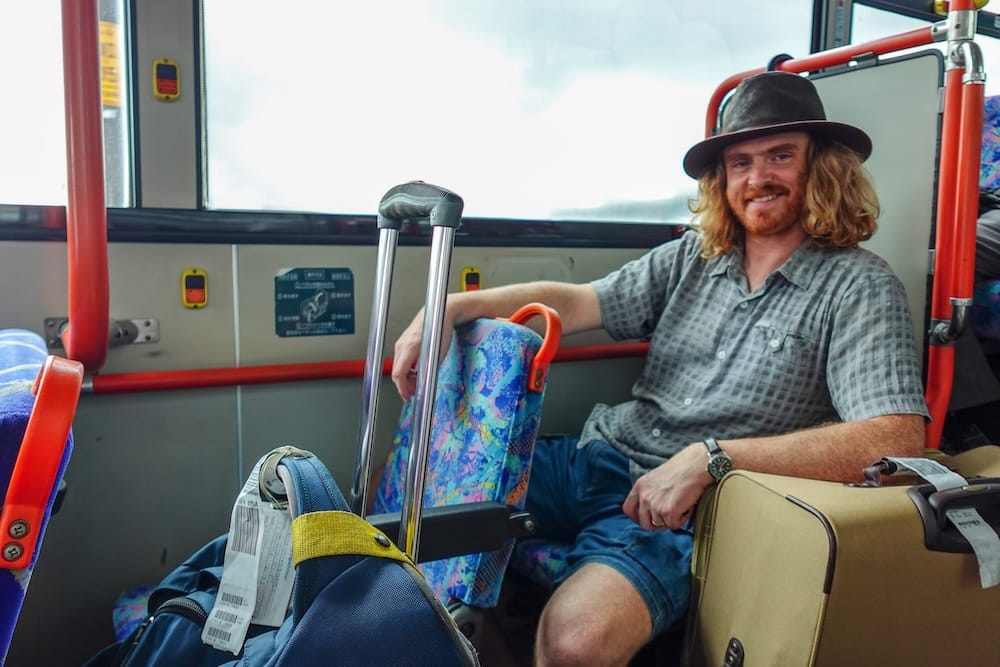
Getting to Hakodate eats more of a short stay than it looks like. From Tokyo it’s about four and a half hours by rail, including the shuttle train from the Shinkansen station, which takes around twenty minutes and costs ¥440. By air it’s about an hour and twenty minutes from Haneda, plus roughly twenty minutes on the airport bus. From Sapporo it’s about forty minutes by air, or three and a half to four hours by train, which is a timetable to check rather than take from me. Come from Tokyo by rail and a big chunk of your arrival day is gone; leave for Sapporo by rail and a similar chunk of your last day goes with it. That’s why I count nights: a “two-day” trip can mean almost anything depending on when you land and when you leave.
Our own arrival was a jet-lagged blur. We ate at a conveyor-belt sushi place on the first night in full zombie mode, and it was good enough that we went back later in the trip. A first evening after a long-haul flight may give you a meal and not much else.
The tram passes reward a bit of arithmetic. An adult day pass is currently ¥800. There’s also a 24-hour pass at ¥1,130, sold online only, that runs for 24 hours from first use. Start it on your arrival afternoon and it covers your evening plans and the following day up to the same hour. Whether that beats the day pass depends on when you start, so run the numbers against your own plan.
Where you sleep changes the count, too. Near the station, the shuttle train, the airport bus and the market are all close, which helps when an early departure sets your schedule. The waterfront and Motomachi have more atmosphere and more hills. Goryokaku puts you beside the fort, and Yunokawa near the airport and the hot springs. Our hotel was well away from the centre and worked fine thanks to the trams. On a short stay, sleeping near the station saves the most time. If that’s the way you’re leaning, compare hotels near Hakodate Station; if a hot-spring soak matters more to you than the market at breakfast, browse the hotels in Yunokawa Onsen instead.
Which Number Fits Your Trip
| Your trip | Nights | What to expect |
|---|---|---|
| Hakodate is one stop on the way to Sapporo, and you’d rather see some of it than none | 1 | The official plan’s afternoon, evening and full day. The night view rides on a single evening and the weather. |
| First visit, no tight schedule | 2 | Market, museums, Goryokaku and the slopes with a wet-day fallback, plus two evenings to try for the view. |
| You want Onuma or the hot-spring district too | 3 | Two nights’ worth plus one outing beyond the centre. Onuma is the easy one. |
| You’re driving, or the Jomon sites are the draw | 4–5 | Add about a day for the Jomon sites, roughly an hour each way by car. Mind the Monday and last-Friday closures. |
The Rule I’d Use
Book two nights and put the view on the first evening, so the second is your insurance. Keep one half day loose for weather, and check the ropeway’s calendar against your dates. A stay that lands in late October or early November changes how you get up the mountain, not whether you can. Add a third night only if there’s somewhere outside the city you want to see, and treat anything beyond that as a car trip or an indulgence.
One night is a fair choice if Hakodate is a stop on a longer route, as long as you go in knowing what it costs: no market, no museums, no room for weather. We spent three days here, filled all of them, and left wanting more, which is the only part of this I can vouch for from the inside.
Frequently Asked Questions
How many days do you need in Hakodate?
I’d plan on two nights, which is three calendar days with the first and last only partial. Audrey and I spent three days here, filled all of them and left wanting more, but that was one trip. Two nights covers the market, the museums, Goryokaku and the slopes with room for a wet day and a second evening to try for the night view. Add a third night only if you want to leave the city.
Is one night in Hakodate enough?
It works if Hakodate is one stop on a longer route. The city’s tourism association publishes a two-day, one-night plan with an afternoon arrival, a night ropeway ride and one packed day from about 9:00 to 5:30. That plan leaves out the morning market, the museums and the old ferry museum, and it has no slack for rain, fog or a jet-lagged first night.
How far apart are Hakodate’s main areas?
Measured from Hakodate Station, each outing costs about half an hour door to door. The ropeway base is a five- or six-minute tram ride to Jujigai plus a walk of around ten minutes uphill, Goryokaku Tower is about sixteen minutes by tram plus another ten on foot, and Yunokawa is closer to thirty minutes by tram. That’s why I think of Hakodate as four outings: the station and its market, the waterfront and Motomachi slopes, Goryokaku, and Yunokawa.
Can you ride the Mt. Hakodate ropeway in late October or early November?
The ropeway shuts for maintenance every year from late October into early November, and in 2026 that runs from October 20 to November 8. The road stays open during that closure, so the Route 1 climbing bus and taxis still reach the summit. From November 9 the ropeway is back but the mountain road closes to buses, taxis and rental cars until mid-April. I rode the ropeway in daylight only, so it’s worth checking the operator’s live status before you commit to a date.
What time do Hakodate’s main sights open and close?
Goryokaku Tower opens at 9:00 and closes at 6:00 p.m., with last admission at 5:50, and it opens earlier and closes later over Golden Week. The Museum of Northern Peoples stays open until 7:00 p.m. from April to October and closes at 5:00 from November to March, while Mashu-maru runs 8:30 to 6:00 in summer and 9:00 to 5:00 the rest of the year. The morning market gets going around 5:00 from May to December and 6:00 from January to April, most stalls wrap up by early afternoon, and the ropeway’s first departure is 10:00.
Are day trips from Hakodate difficult?
It depends where you’re going. Onuma is easy, about half an hour from Hakodate Station by limited express or thirty-five minutes by car, in the neighbouring town of Nanae. The Jomon prehistoric sites are about an hour by car and ninety minutes by bus, and the culture centre is closed on Mondays and the last Friday of each month. We did neither, so those are travel times, not reviews.
Where should you stay for a short visit to Hakodate?
On a short stay, sleeping near Hakodate Station saves the most time, because the shuttle train, the airport bus and the market are all close. The waterfront and Motomachi have more atmosphere and more hills, and Yunokawa suits a hot-spring stay near the airport. Our hotel was well away from the centre and worked fine thanks to the trams.
How much of a short stay does getting to Hakodate use up?
Quite a lot. From Tokyo it’s about four and a half hours by rail, including the shuttle train from the Shinkansen station, or about an hour and twenty minutes by air from Haneda plus roughly twenty minutes on the airport bus. Arrive by rail and a big chunk of your arrival day goes, and leaving for Sapporo by rail takes a similar chunk of your last day. That’s why I count nights instead of days.
This guide is also available in Spanish. [Leé la versión en castellano: ¿Cuántos días necesitás en Hakodate?]
This article contains affiliate links. If you book through one of these links, I may earn a commission at no extra cost to you.