
On paper, the Sapporo TV Tower is a hard sell. It opened in 1957, and a newer crop of office buildings around Odori Park has crowded its skyline. The observation deck sits at 90 metres, which is modest by modern standards. A standard adult ticket costs ¥1,200, more than you’ll pay to stand nearly twice as high above Sapporo Station.
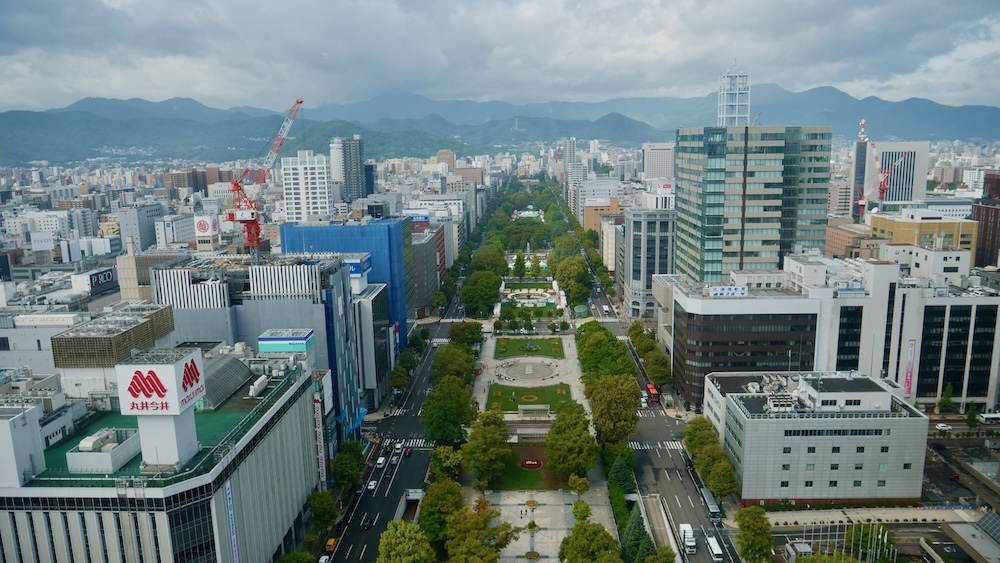
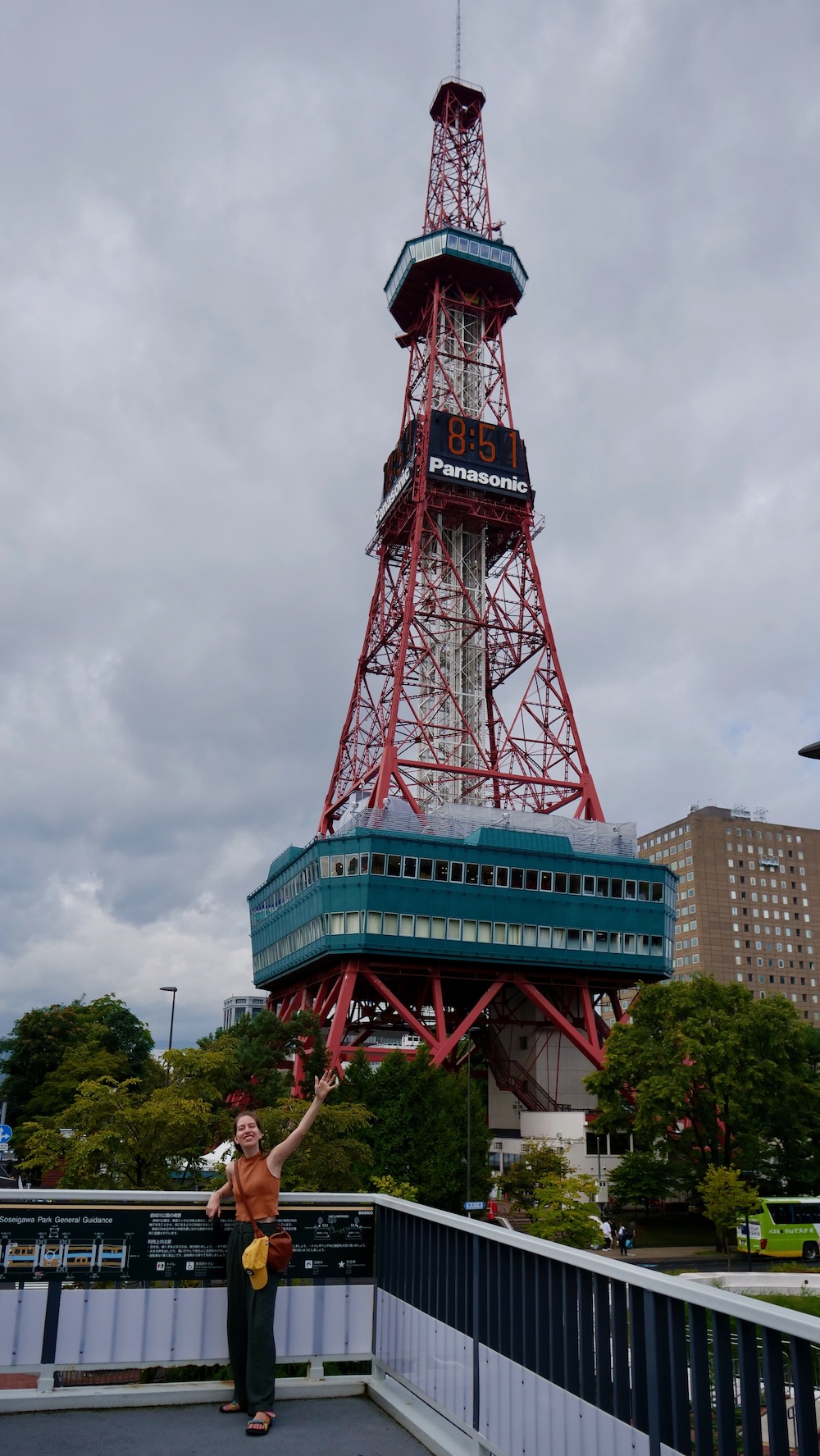
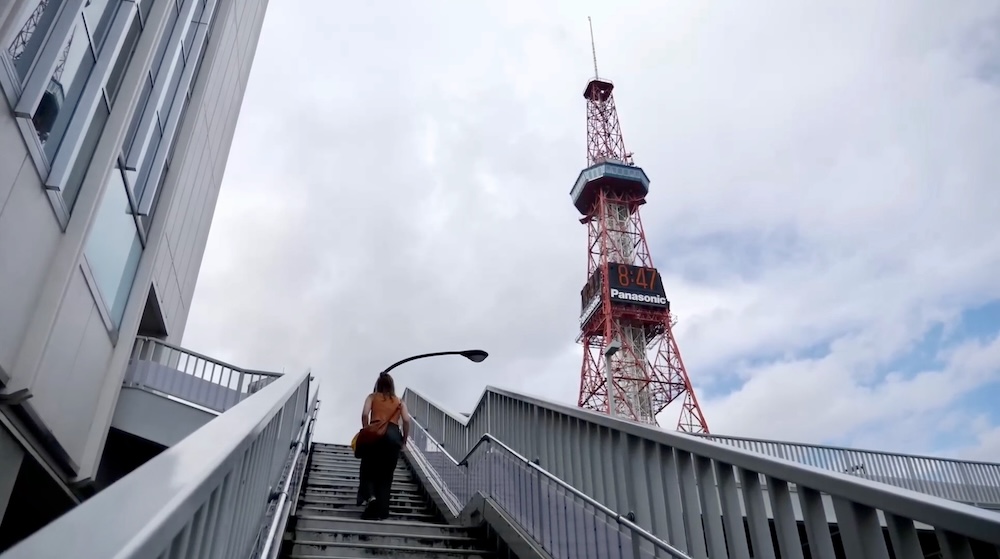
Audrey and I went up anyway, and it was the first thing we did in the city. It was a September morning that felt more like midsummer, and we climbed out of Odori Station to find the red-and-white lattice tower standing right in front of us at the head of the park. I knew going in that it wasn’t the best vantage point in town. What I didn’t expect was a ride up that left my palms soaking, or a view that explained Sapporo to me faster than any map had.
So this is a review from someone who paid, rode, and sweated. It covers whether the tower deserves your ¥1,200, what you’ll see from the top, which of the three ticket options suits your trip, and when to go. That last part is where I’d change our plan if I could do it over.
Is the Sapporo TV Tower Worth It?
For a first-time visitor, yes. I’d tell anyone to do it early in their trip. What you’re paying for is clarity. From the deck you can see how deliberately Sapporo was laid out, its streets running in a clean grid on either side of Odori Park. You can see the mountains standing off to the west, and you can see how far the city keeps going once the tall buildings of the downtown core run out. Everything you do on the ground afterwards makes more sense.
What you’re not paying for is height or value per metre, and I’d rather say that upfront. If altitude for the lowest price is the goal, the JR Tower observatory above Sapporo Station is higher and cheaper. If you want the biggest panorama, Mt. Moiwa is the bigger outing, at a bigger price and a longer trip. The TV Tower earns its ticket on other things: its position directly above the city’s most famous sightline, a lot of 1950s character, and an elevator ride that hides absolutely nothing from you. If those appeal to you, go up. If they don’t, the comparison further down will point you somewhere better suited.
If you’ve already decided it’s going on the list, you can browse current TV Tower tickets and tours now and sort the rest of this guide out as you read.
Why We Picked a Tower That Isn’t the Tallest
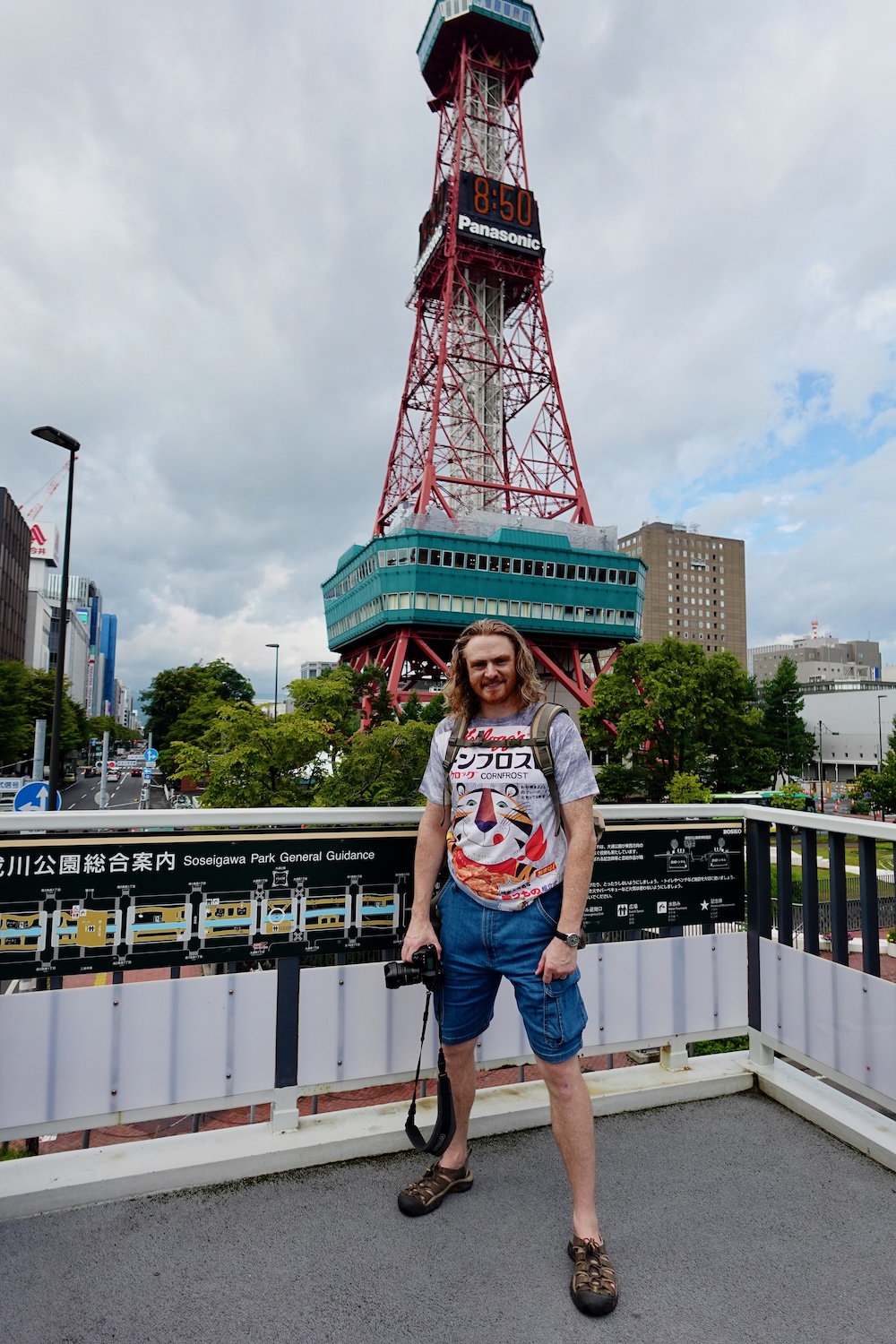
Standing at the base that first morning, I told our camera roughly what I’d been thinking all along: it’s not the highest vantage point in the city, but I liked the idea of going up a tower that dates back to the 1950s. It looks retro and it looks iconic. I’d also seen photos of the mountains around Sapporo, and I was hoping to spot them from up there.
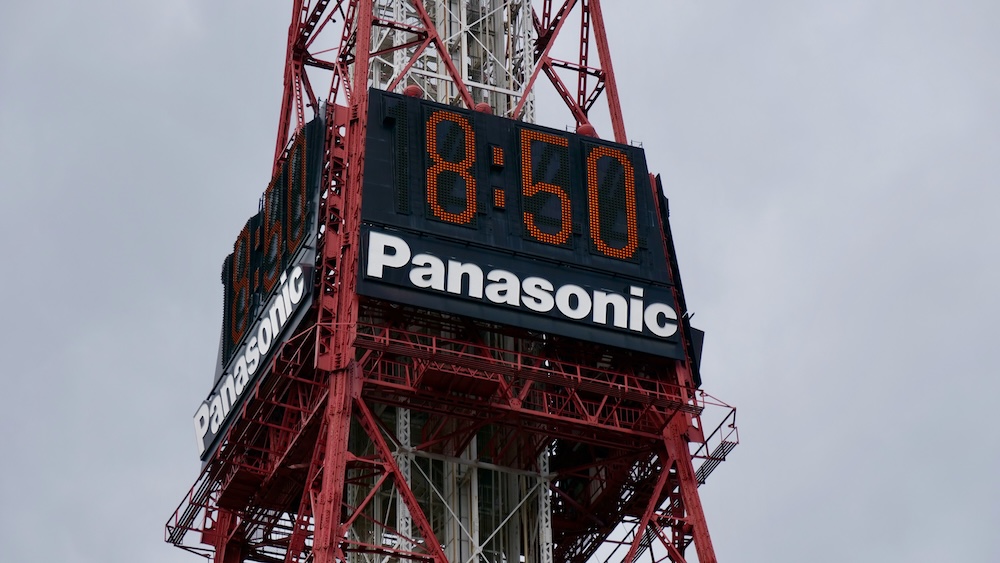
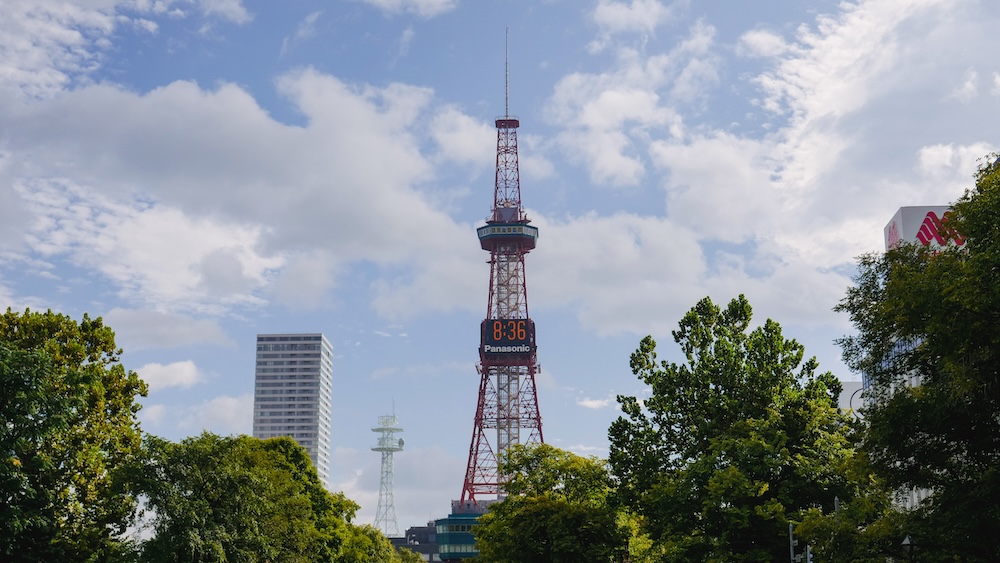
The history makes the age more interesting than it first sounds. Construction began in June 1956, the tower body was finished by that December, and it opened to the public in August 1957. The big digital clock on its face came later, in 1961, because residents wanted one, which is about the most practical reason any landmark has ever been altered. In March 2025, two years after our visit, the tower was registered as a national tangible cultural property. That gives the “retro” label some official standing beyond its looks.
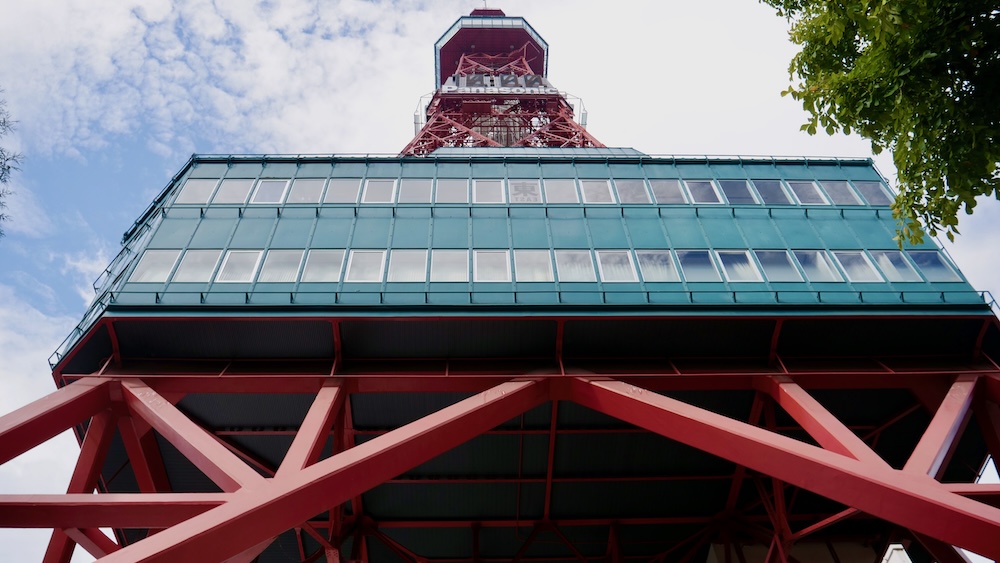
The tower itself is 144 metres tall, and the deck sits at 90.38 metres. Neither number will impress anyone who has been up a modern skyscraper, and that was never the appeal. You go up for the building and for where it stands.
The Elevator Ride That Doesn’t Hide the Height
Most observation towers are designed to make you forget you’re climbing. You step into a sealed box, the doors close, your ears pop, and the doors open on a view. The Sapporo TV Tower skips that politeness.
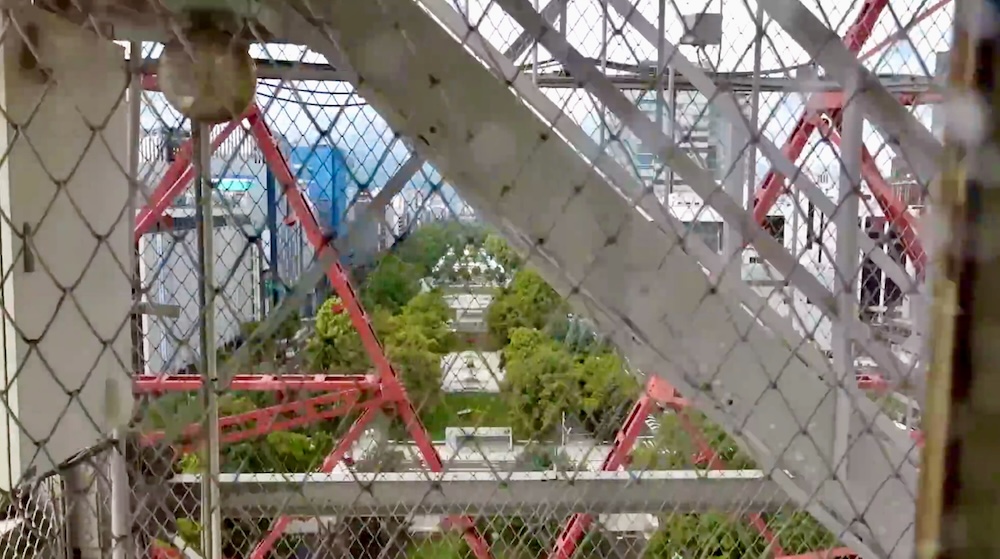
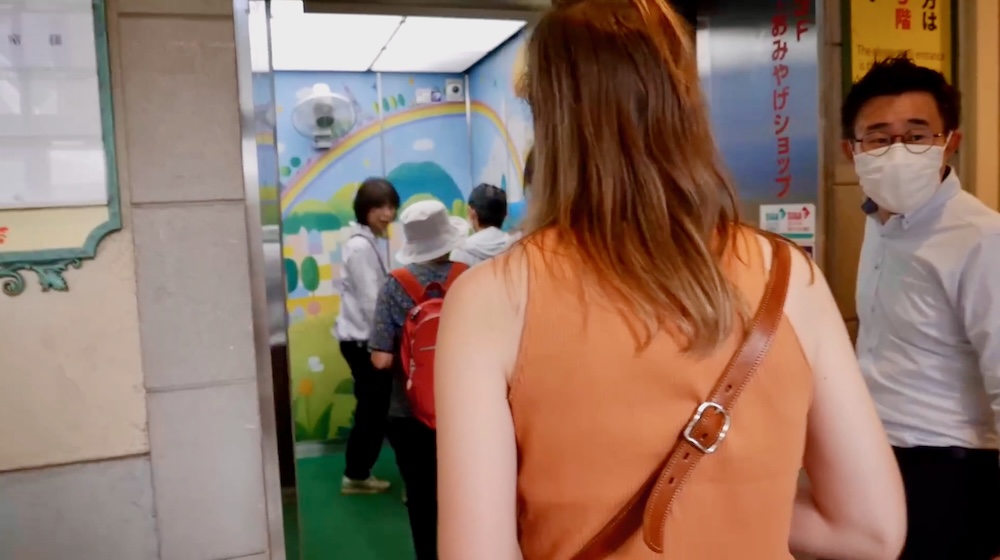
The deck elevator runs up a shaft on the outside of the tower, which is rare in Japan, and it has been doing that job since the tower opened. While it climbs, you can see out in every direction through the steel lattice, and for about 60 seconds you watch the ground fall away and feel every metre of it. When the doors opened at the top, the first thing out of my mouth was: “My hands are so clammy and I’m so sweaty right now.”
In fairness to my nerves, it was around 30°C that morning, and Audrey was already struggling with the heat, so some of that sweat was weather. But not all of it. Audrey felt the height too. Nothing about that ride feels modern, and that’s exactly why you’re so aware of how high you’re going. Plenty of towers wrap the climb in four walls. This one makes you watch it, and as far as old-school viewpoint rides go, it’s about as hardcore as they come.
If heights make you queasy, you should know two things. The ride is uncomfortable, but it’s over in a minute, and the deck itself is enclosed behind glass, with room to stand back from the windows. If you’re the opposite type, the deck has a spot nicknamed the Kowaso, the “scary window”: floor-to-ceiling glass that tilts outward and that you’re allowed to lean against. My palms suggest I’m not that person.
Two caveats. Strong winds can temporarily shut the elevator down, so a blustery day can delay your trip up. The tower has also been doing renovation work on the elevator, so I can’t promise it feels exactly the way it did for us. The open shaft is the tower’s signature, though, and it’s what you should expect.
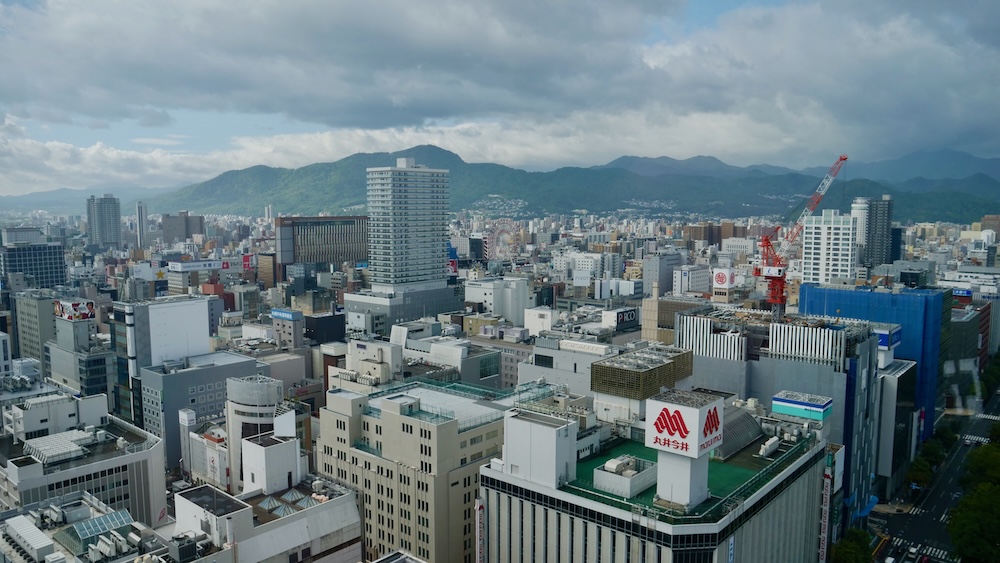
What You Actually See From the Deck
My first reaction at the top wasn’t poetic: what a very spread-out city. It took a minute of walking around the deck to understand why that mattered.
Odori Park and the City Grid
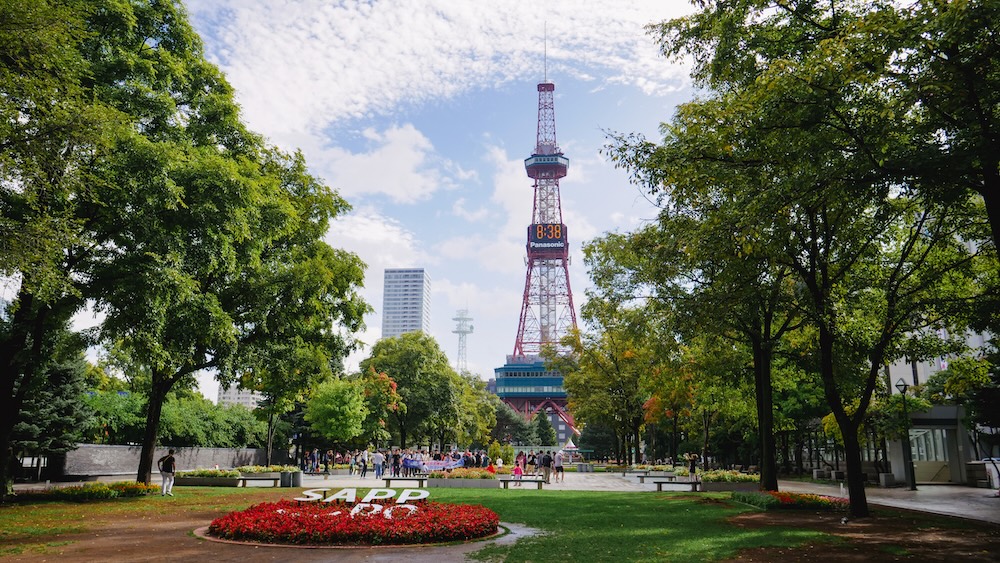
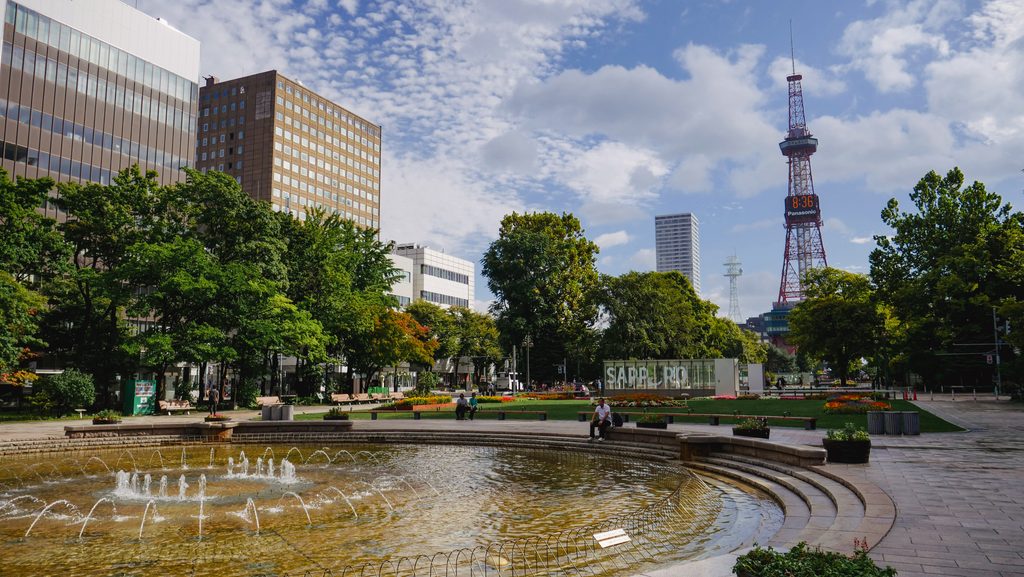
Look west and Odori Park runs straight away from you, about a kilometre and a half of green cutting through the middle of the city. This is the postcard view of Sapporo, and seeing it from directly above shows how the whole place is laid out. The blocks on either side line up in a tidy grid, which, once you’re on the ground, is what makes Sapporo so easy to find your way around. From up here you take in the whole system at once. The story of how the grid came about is a long one, but you don’t need the history to appreciate its order from 90 metres up.
After seeing the park from above, we spent the rest of the morning on foot in it, and the view had given us a mental map before we’d taken a step.
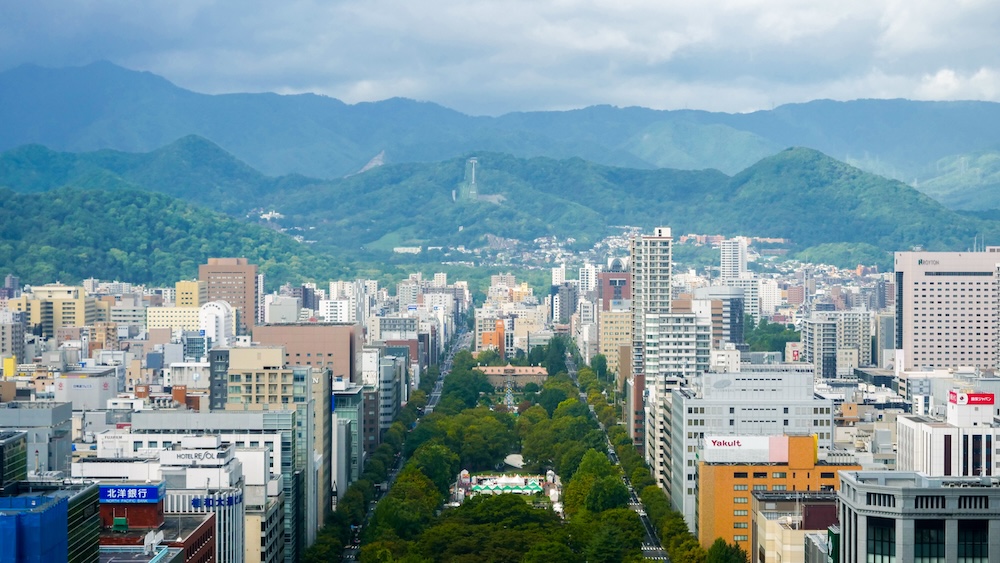
West Toward the Mountains
Our favourite view was looking west, past the far end of the park, toward the mountains. Spotting them was the reason I wanted to go up, and they came through. Odori’s green line runs out toward ridges stacked behind the city, with the Okurayama ski jump and the line of Mt. Teine among them.
We’re not the only ones who rate this direction. Sapporo has drafted landscape plans that single out this westward view from the TV Tower deck as one worth protecting, asking new tall buildings along Odori Park to fit in with the mountain backdrop rather than block it. If the city is trying to keep that sightline clear, you can safely point your camera at it first.
How Far Sapporo Sprawls
The other three sides explain my “spread-out” first impression. Beyond the high-rise core, the city flattens out and keeps going across the Ishikari Plain. On clear days you can see north to the coast toward Otaru, with wind turbines along the shore, and in the best conditions as far as the Sea of Japan. Telescopes around the deck help with the details. How far you can see depends on the sky that day, not on what you paid.
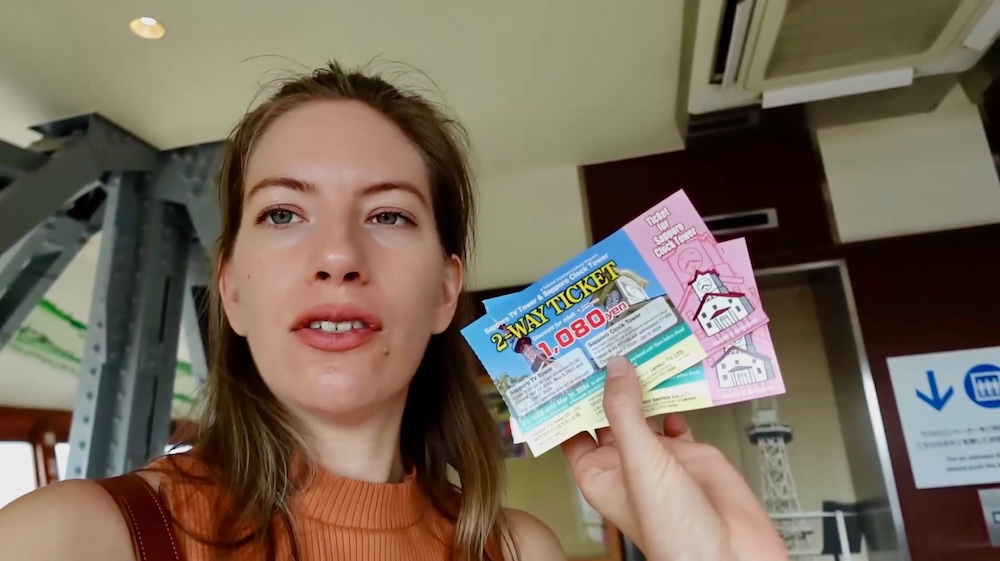
Tickets, Hours and the Clock Tower Combo
A standard adult ticket costs ¥1,200. Elementary and junior high students pay ¥600, and kids younger than elementary-school age go free. Tickets are sold on the 3rd floor, where the deck elevator starts. The deck is normally open from 9:00 to 22:00, with last entry at 21:50. Hours run longer during the Snow Festival and can shift around other events, and the whole building closes on occasional maintenance days, including 11 November 2026 and New Year’s Day. Because those hours move around events, it’s worth checking the tower’s current hours and closure days before you go. Payment is easy: cash, credit cards, transit IC cards, e-money and barcode apps all work.
Three tickets are worth knowing about, and the right one depends on how you plan to use the tower.
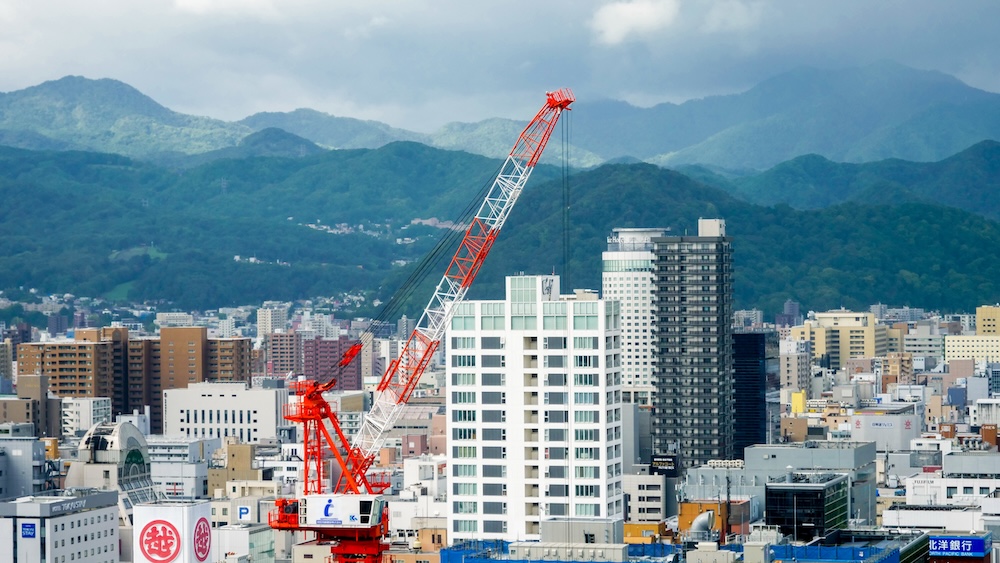
The standard ticket makes sense if this is a one-off stop and one look is enough. You can buy it at the counter, or, if you like having your day sorted before you leave the hotel, you can book a dated TV Tower admission ticket in advance. That one is non-refundable, valid on the date you choose, and gets exchanged at the 3rd-floor ticket office, so save it for a day when the forecast looks clear.
The Clock Tower combo is what we bought, and I’d buy it again. It covers the TV Tower and the Sapporo Clock Tower for ¥1,300 per adult instead of ¥1,550 separately. It’s sold at both attractions, and the current version is valid through 31 March 2027, so you don’t have to do both on the same day. They’re only five to seven minutes apart on foot anyway. The saving is small. What I liked was the shape it gave our first morning: the TV Tower for the views and that nostalgic ride, the Clock Tower for one of the oldest pieces of Sapporo’s history and architecture unlike anything else downtown. Holding one ticket for both gave us a clear mission, which is exactly what a jet-lagged first day needs.
If you’d rather someone else explained that history as you walk, several guided walks string the same landmarks together, usually starting at the TV Tower and moving on to the Clock Tower and the old red-brick government office. You can compare guided walks that pair the TV Tower with the Clock Tower and see which format and start time suit you. Check what each includes before booking, since some cover admission and some don’t.
The Day/Night Ticket is the one I’d pick if I did it all over. For ¥1,700 per adult (¥800 for kids) you get two trips up within three days, against ¥2,400 for two standard tickets. That’s ¥500 more than a single visit for a second look at what is essentially a different city. The next section explains why.
One small perk worth checking: if your birthday falls within three days either side of your visit, entry is free with ID.
Morning, Sunset or After Dark?
For a first morning, our timing worked. The view oriented us, and we walked straight into Odori Park afterward. It was busy enough but not crazy crowded. We could get the views we wanted, though sometimes we had to wait a moment for a clear spot at the glass.
Still, if I had a second chance, I’d go at sunset or after dark. At night, Sapporo glows orange under the sodium street lights that are typical of Hokkaido, with Susukino’s neon cutting through to the south. The deck has a solid reputation as a night-view spot, and we never saw it.
Planning that is easier than at many viewpoints. Because the deck stays open until 22:00 all year, sunset is always within reach. In midwinter the sun drops around 4 pm; around the June solstice it’s after 7 pm. The catch is that re-entry generally isn’t allowed, so you can’t look around at noon, wander off for lunch and come back for the lights on the same ticket. Either time one visit to straddle sunset, arriving in daylight and waiting for the city to light up, or buy the Day/Night Ticket and do a full morning visit and a full night visit within three days.
There’s also a third route if you’d like the night version with some context. A private, roughly 90-minute guided evening walk takes in the illuminated Odori Park, the outside of the Clock Tower and the old red-brick government office, and finishes with entry to the TV Tower deck after dark. Neither historic building is open inside at night, so think of it as a lit-up city walk with the deck as the finale. Anyone short on time or nervous about navigating at night can check dates for the guided TV Tower night-view walk. We didn’t do it, but it’s essentially the night visit I wish we’d made, with a guide attached.
What’s happening in the park below also changes the view. Autumn Fest fills Odori with food stalls in mid-to-late September, White Illumination lights it up from late November, and the Snow Festival in early February brings the deck’s busiest days and the likeliest waits. Build in extra time if you’re going up during the festival.
One note on our weather: it was unusually hot. Sapporo’s average September high is closer to 23 or 24°C, so don’t plan around our sweaty version of the month.
If you’re trying to slot the tower into a tight schedule, our separate guide to how much time to allow at the Sapporo TV Tower breaks it down by type of visit.
Staying Close Enough to Go Up Twice
The Day/Night Ticket only pays off if the tower is easy to get back to, and that comes down to where you sleep. Anything within walking distance of Odori Park turns a second visit into a stroll rather than a subway transfer. You can drop in for sunset after dinner, or come back when the forecast finally clears, without planning an outing around it. Odori Station also sits on all three subway lines, which helps for the rest of the city too. Staying around Odori is the simplest way to keep both visits easy, and you can compare hotels within walking distance of Odori Park to find one that fits your budget. The choice runs from big business hotels facing the park to smaller places on the side streets, so it’s mostly a question of price and room size rather than location.
Sapporo TV Tower vs JR Tower T38 vs Mt. Moiwa
If you’re only paying for one viewpoint, this is how the three main options line up. The TV Tower is the only one Audrey and I went up; the other two columns summarize their current details, not a visit.
| Sapporo TV Tower | JR Tower T38 | Mt. Moiwa | |
|---|---|---|---|
| Viewing height | Deck at 90.38 m | 160 m (38th floor) | 531 m mountain summit |
| Adult price | ¥1,200 | About ¥740 | About ¥2,000 return (ropeway + mini cable car) |
| Typical hours | 9:00–22:00 | 10:00–22:00 | Until 22:00, last ride up 21:30 |
| Location | Head of Odori Park | Above Sapporo Station | Southwest of the centre; streetcar, then a short walk or shuttle |
| Character | 1950s lattice tower, outdoor-shaft elevator | Modern enclosed observatory with café and bar | Mountain-top panorama |
T38 is the practical choice if you’re already at Sapporo Station and want height for less money; readers going that way can check JR Tower T38 ticket availability ahead of time. Moiwa is the most dramatic view of the three, and it costs more time and more yen to reach. If you don’t want to work out the streetcar and the transfer yourself, there’s a guided Mt. Moiwa ropeway tour with day or night options, which is worth comparing against doing it independently. The TV Tower sits right in the middle of everything, above the sightline Sapporo is trying to protect, and it has a ride neither of the others can match. If you plan to stack several viewpoints, the Sapporo Select multi-attraction ticket sold at the TV Tower bundles it with other sights, and one version adds the Mt. Moiwa ropeway.
Toilets, Luggage, Access and Other Things to Sort Out First
Getting there is simple. The tower is right by exit 27 of Odori subway station, and underground walkways connect it to Sapporo Station, so in snow or rain you can arrive without going outside. There’s no parking at the tower.
A few practical details catch people out:
- No toilets on the deck. Use the 3rd-floor toilets before you ride up.
- No food or café on the deck. The basement food court is the place to eat.
- Free Wi-Fi only on the deck itself.
- No luggage storage at the tower. Coin lockers are at exit 27 of Odori Station.
- No tripods. Personal video is fine; commercial filming needs permission in advance.
- Accessibility: wheelchairs can be borrowed, but there’s no wheelchair-accessible toilet anywhere in the building. There’s no stroller rental, and a baby-changing table is in the 3rd-floor women’s toilet.
The building also sells plenty of merchandise featuring Terebi-Tōsan, the tower’s moustachioed unofficial mascot, who even has a little shrine on the deck. Whether that’s a highlight or a curiosity depends on how you feel about cartoon dads made of steel lattice.
So, Should You Go Up?
Put it on day one or day two, while Sapporo is still an abstract grid in your head, and go to the west windows first. That’s where the city’s layout and its mountains come together, and it’s the view that will stay with you on every walk afterwards.
Then match the ticket to your plans rather than defaulting to the cheapest one. If the Clock Tower is on your list, the combo pays for itself in convenience alone. If there’s any chance you’ll want to see the city lit up, buy the Day/Night Ticket, and if you’re still deciding where to base yourself, look at places to stay in the Odori district so the second visit is an easy walk. I’m saying that from the wrong side of the decision. Only skip it if height per yen is your main measure.
After you come back down that outdoor shaft, the Clock Tower is a short walk away and Odori Park is right below you. That was our first morning in Sapporo, palms soaked and all, and I’d happily do it again, just with a second trip up after dark.
Frequently Asked Questions
Is the Sapporo TV Tower worth it?
For a first-time visitor, yes, especially early in your trip. From the 90-metre deck you can see Sapporo’s grid, the mountains to the west and how far the city spreads. It isn’t the tallest or cheapest viewpoint, so pick JR Tower T38 if height per yen is all you care about.
How much are Sapporo TV Tower tickets?
A standard adult ticket costs ¥1,200, elementary and junior high students pay ¥600, and younger children go free. The Clock Tower combo is ¥1,300 per adult, and the Day/Night Ticket gives two visits within three days for ¥1,700.
What are the Sapporo TV Tower opening hours?
The deck is normally open from 9:00 to 22:00, with last entry at 21:50. Hours run longer during the Snow Festival and can shift around other events, and the building closes on occasional maintenance days, so check before you go.
Is the Sapporo TV Tower elevator scary?
It can be. The deck elevator climbs an outdoor shaft, so for about 60 seconds you watch the ground fall away through the steel lattice. My palms were soaked at the top and Audrey felt the height too, but the ride is short and the deck itself is enclosed behind glass.
Should I visit the Sapporo TV Tower during the day or at night?
We went in the morning and it oriented us well, but if I did it again I’d go at sunset or after dark. Re-entry generally isn’t allowed, so either time one visit to straddle sunset or buy the Day/Night Ticket for a separate daytime and night visit.
How does the Sapporo TV Tower compare with JR Tower T38 and Mt. Moiwa?
T38 is higher at 160 m and cheaper at about ¥740, right above Sapporo Station. Mt. Moiwa has the biggest panorama but costs about ¥2,000 return and takes longer to reach. The TV Tower wins on its position above Odori Park, its 1950s character and its open elevator ride.
Are there toilets on the Sapporo TV Tower observation deck?
No. Use the 3rd-floor toilets before you ride up. There’s also no café or food on the deck and no luggage storage at the tower, though coin lockers sit at exit 27 of Odori Station.
This guide is also available in Spanish. [Leé la versión en castellano: Guía y reseña de la Torre de TV de Sapporo: vistas, entradas y si vale la pena]
This article contains affiliate links. If you book through one of these links, I may earn a commission at no extra cost to you.