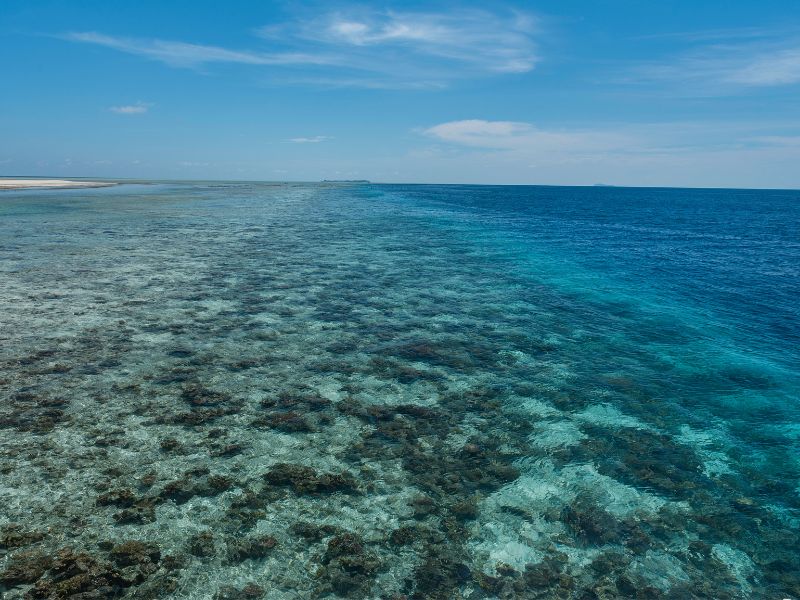
Alright, let’s talk Semporna. Sitting on the southeastern coast of Sabah, Malaysia, this working port town is basically your mandatory jumping-off point to some of the planet’s best diving, including the legendary Sipadan Island. Honestly, if you’re hunting for a pristine resort town with white-sand mainland beaches, you should skip staying in Semporna entirely. It’s a busy, sometimes gritty transit hub, not a polished getaway. But if you look past the rough edges, you’ll find a fascinating local culture and immediate access to the extreme marine biodiversity of the Celebes Sea. Let’s break down exactly how to navigate this diver’s paradise without losing your mind.
Dive Into The Deep End
World-Class Diving Sites: Semporna means scuba diving. The area sits right on the edge of the Coral Triangle, which is home to an absurd concentration of marine life. Sites like Sipadan, Mabul, and Kapalai are just a fast boat ride away. In our experience, the sheer volume of turtles, schooling barracudas, and macro life here easily rivals anything you’ll see in the Maldives or the Red Sea.
Explore Local Life
Culture and Festivals: The ocean pulls the crowds, but Semporna’s on-land daily life is definitely worth your time. The town is an intersection of groups like the Bajau Laut (Sea Nomads) and Suluk. If your dates happen to align, the annual Regatta Lepa festival is a chaotic, colorful celebration of the Bajau seafaring lifestyle with traditional boat parades. It gets loud, it gets crowded, and it’s brilliant.
Food On The Coast
Dive into the local seafood: Semporna’s seaside location dictates the menu. The seafood here is pulled straight from the boat to the grill. Grab a plastic chair and dig into massive prawns or freshly caught fish. Just make sure you ask for Sambal Belacan on the side—it’s a fiery Malaysian shrimp paste condiment that elevates a simple fish dish into something you’ll actually remember.
Above and Below Water
Kayaking and Island Hopping: Not certified to dive? No problem at all. Kayaking through the coastal mangroves or booking a day-boat to hop around the archipelago is a completely solid alternative. Every island has a different hook. Bohey Dulang gives you a massive volcanic hike, while Mataking offers a laid-back strip of sand and shallow reefs.
Grab your dry bag, sort your gear, and let’s get into the details.
Semporna City Guide: A Brief History
Semporna isn’t just a dock for dive boats. Its history is a complex mix of indigenous sea-dwelling cultures, colonial trading posts, and modern tourism booms.
The Bajau Laut – The Sea Nomads
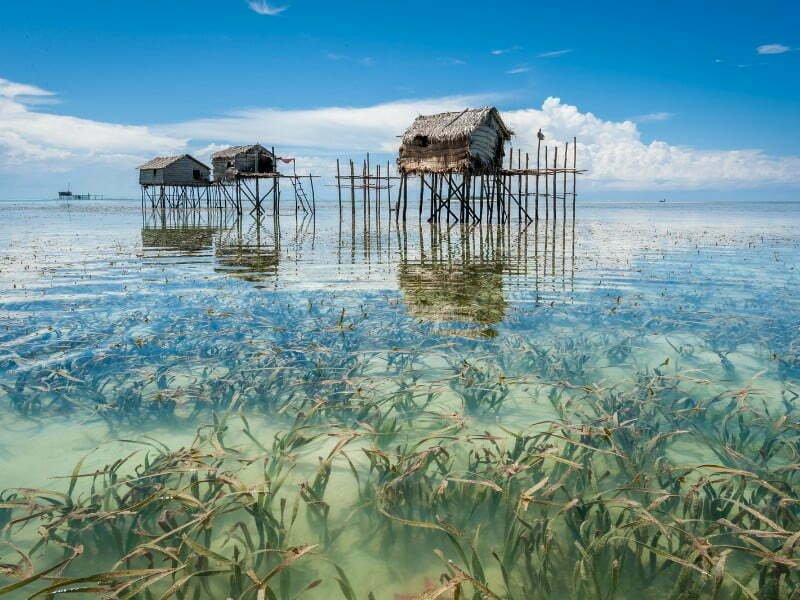
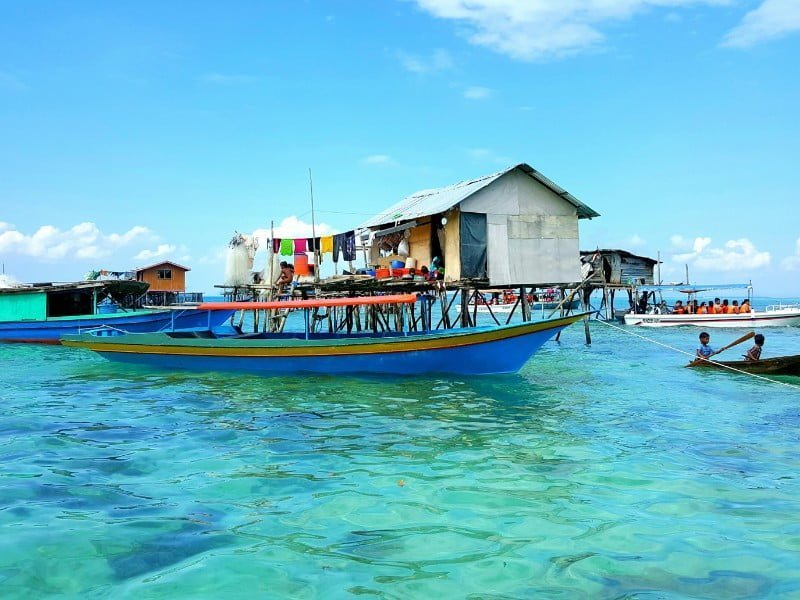
Living on the Water: Long before the dive shops moved in, Semporna was territory for the Bajau Laut. These Sea Nomads historically lived almost entirely on wooden houseboats or stilt structures, only touching land to trade for fresh water or cassava. Their multi-generational knowledge of the tides and reefs remains the core identity of Semporna’s maritime heritage.
Colonial Footprints
A Strategic Stopover: During the British colonial period, Semporna grew into a functioning trading post because its location made it a natural maritime shelter. You can still spot a few faded architectural nods to this era if you walk off the main drag, though most of the town has been built over with modern concrete shoplots.
Road to Independence
Transition and Transformation: After World War II, as Malaysia pushed toward independence, Semporna shifted gears from a quiet fishing enclave to a regional hub. When Malaysia was established in 1963, the infrastructure slowly improved, laying the groundwork for the dive tourism that dominates today.
Modern-Day Hub
The Global Dive Shift: Over the last few decades, Semporna’s reputation exploded. Once Jacques Cousteau hyped Sipadan, the secret was out. That international fame triggered a massive influx of dive resorts, backpacker hostels, and booking agencies. Today, the town is a loud, busy intersection of locals, expats, and travelers hunting for world-class marine environments.
Semporna Top Attractions and Best Places to Visit
Let’s get straight to it. Sipadan National Park is the heavy hitter here. Many seasoned divers rank it in their global top five. You drop below the surface and the biodiversity hits you immediately.
You’ll see massive bumphead parrotfish, circling reef sharks, and water temperatures that rarely require more than a 3mm shorty wetsuit. It has become incredibly heavily regulated. They cap the daily permits to protect the reef, and current permit fees sit at a steep 350 MYR per day—and that’s strictly on top of your standard dive package costs. Don’t even try walking in expecting a boat for the next morning; book your dive package months in advance. Also, a massive heads-up: we constantly see divers making the mistake of booking their flight out of Tawau way too early. Give yourself a strict 18 to 24-hour no-fly window after those deep Sipadan days so you don’t get grounded.
Missed out on a Sipadan permit? Mabul Island is an excellent backup plan. It trades the massive pelagic action of Sipadan for world-class macro diving. You’ll spend your air hunting for frogfish, nudibranchs, and cuttlefish in the shallower sandy reefs.
Mabul also hosts a local fishing community. They are used to foreigners, but be cool. Don’t go pointing massive camera rigs into their living rooms without a nod of permission.
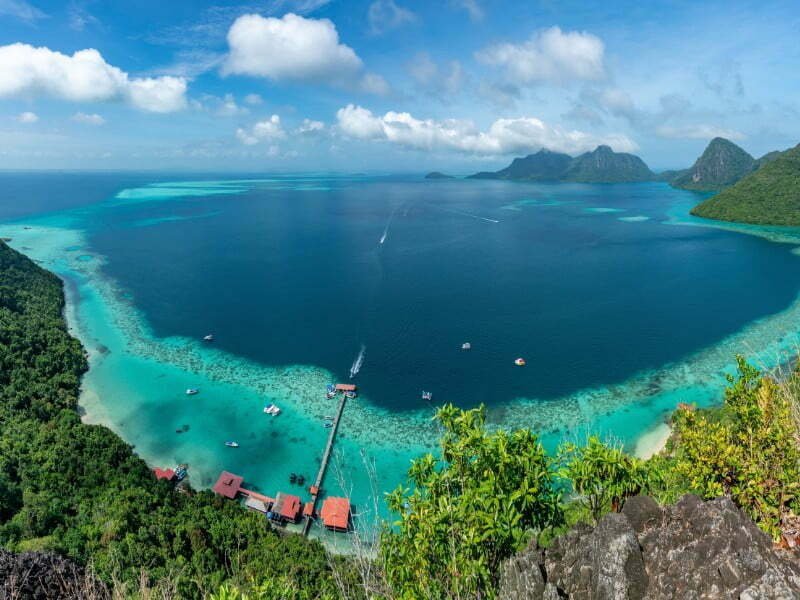
If you need a break from compressed air, Bohey Dulang Island is the spot to test your legs. It’s the rim of an extinct volcano. The hike up is short but brutally steep and humid.
More Attractions
The payoff at the top of Bohey Dulang is the classic postcard shot of the Semporna archipelago. Bring proper shoes with grip; the trail gets incredibly slick after a rainstorm and the park rangers won’t let you hike in flip-flops.
Also, pack at least two liters of water. The equatorial heat on that incline is no joke. I’ve seen plenty of travelers tap out halfway up.
Got a few days? Look into a full-day boat charter around Tun Sakaran Marine Park. It covers eight main islands. The snorkeling is superb, but the real value is seeing the scattered Bajau stilt villages as your captain navigates the shallow sandbars.
Make sure your boat captain drops anchor at Sibuan Island. It’s a tiny teardrop of sand that will permanently raise your standards for a good beach.
Other Cultural Attractions Around Semporna
It’s not all perfect reefs. Historically, some zones suffered from bomb fishing. The Tropical Research and Conservation Centre (TRACC) operates in the area to rebuild these fractured ecosystems using artificial reef structures.
If you want to do more than just observe, they run volunteer programs where you can scrub tanks, plant coral fragments, and actually learn the mechanics of marine conservation.
Need a dry day? Book the Semporna Proboscis River Cruise. You head into the mangrove river systems to track down Borneo’s strangest-looking primate. It’s a solid change of pace from the saltwater routine.
You usually spot macaques and hornbills during the afternoon heat. Stay until dusk, and the fireflies light up the riverbanks.
Local Routines
If you’re up early waiting for your dive boat, walk through the morning market near the jetty. It’s chaotic. Fishermen hauling in massive tuna, stalls piled with cheap electronics, and the smell of strong coffee and fish guts. It’s the unfiltered reality of Semporna.
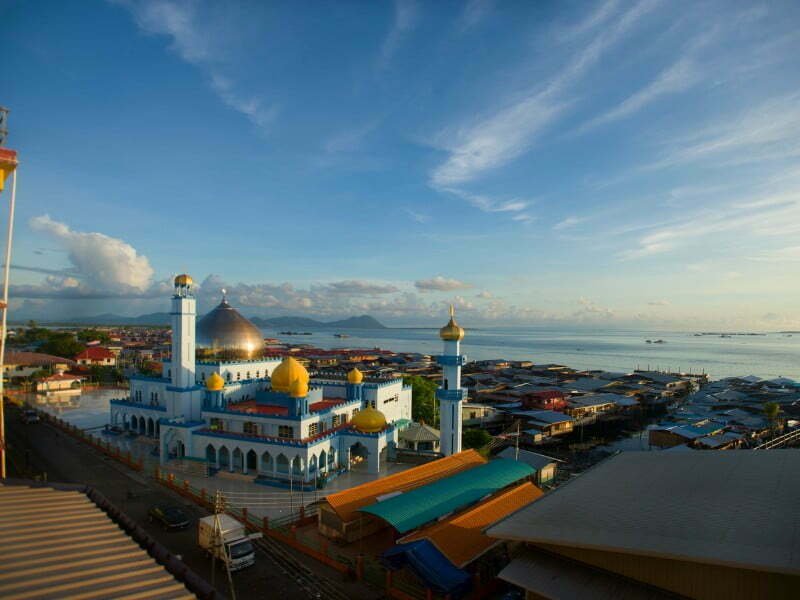
The town’s primary mosque is right on the waterfront near the market. It’s a striking building, especially when the morning light hits the gold dome.
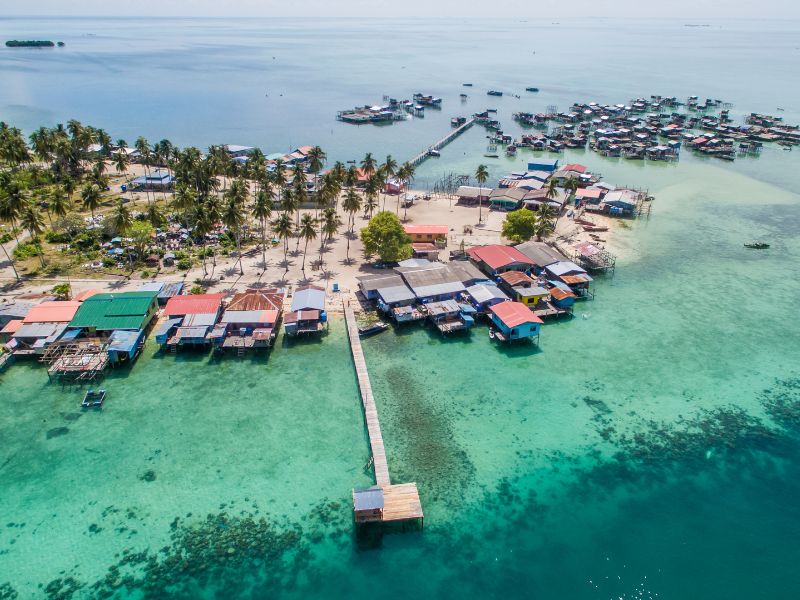
As your speedboat throttles out of the harbor, you’ll pass the water villages on the outskirts. These sprawling networks of wooden walkways and corrugated iron roofs house migrant workers and settled Sea Nomads.
They are feats of informal engineering. Enjoy the view from the boat, but don’t wander in on foot unless you have a local guide or an explicit invitation. It’s a residential neighborhood, not a tourist attraction.
Top 20 Things To Do in Semporna, Malaysia
Here are the top 20 things to do to maximize your time on the coast:
1. Scuba Diving at Sipadan Island
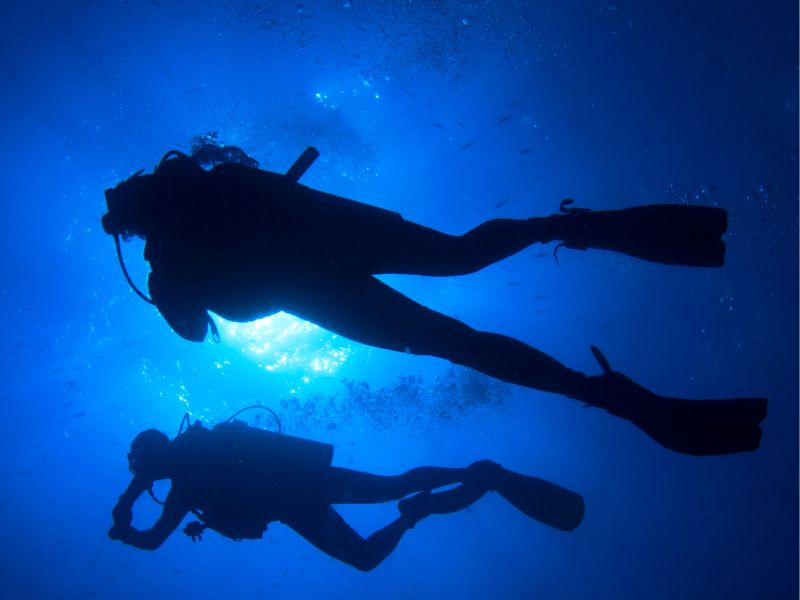
Sipadan Island is the heavyweight champion of Malaysian diving. It’s an oceanic pinnacle that drops straight into the abyss. Dive sites like Barracuda Point deliver swirling tornados of silver fish and aggressive reef currents. You absolutely must secure a permit well in advance.
- World-renowned drop-offs: Experience steep walls patrolled by reef sharks.
- Heavy marine traffic: You will lose count of the sea turtles.
- Strict permit system: Plan months ahead to secure your spot.
2. Muck Diving around Mabul Island
Mabul Island isn’t just Sipadan’s waiting room. It is a world-class muck diving destination in its own right. The sandy bottom under the oil rig platforms and resorts hides bizarre macro life. Expect to see ghost pipefish, mandarin fish, and massive frogfish.
- Macro photography goldmine: Bring a good strobe for the small stuff.
- Easy logistics: Snorkel or dive right off the resort jetties.
- Wide budget range: Backpacker dorms sit right next to luxury chalets.
3. Visit the Communities on Bum Bum Island
Just a short boat hop from the mainland, Bum Bum Island gives you a look at daily coastal life. The communities here are heavily reliant on seaweed farming and fishing. Walk the wooden boardwalks and grab a coffee at a local stall. It’s a grounded, unpolished look at the local economy.
- See the seaweed farms: Watch the locals harvest and dry the crop.
- Zero tourist crowds: It’s highly authentic and very quiet.
- Quick transit: Just minutes across the channel from Semporna town.
4. Book a Multi-Island Hopping Tour
If you aren’t diving, an island hopping tour is your best move. Speedboats blast out from Semporna daily, hitting a rotation of islands like Mataking, Pom Pom, and Kapalai. You’ll get roughly an hour at each stop to snorkel the warm shallows and eat a packed lunch on the sand.
- High-speed transit: Hit three to four islands in a single eight-hour shift.
- Snorkeling focus: Operators usually throw in masks and fins.
- Sun protection mandatory: The boat rides are highly exposed.
5. Hike the Bohey Dulang Trail
This is the classic Semporna viewpoint. Bohey Dulang Island requires a steep, sweaty 600-meter climb up a wooden and dirt staircase. The humidity is punishing, but the payoff at the summit is a massive view of the flooded volcanic caldera.
- The famous viewpoint: Get the wide-angle shot of the blue lagoon.
- Strict footwear rules: Wear sneakers or trail runners, absolutely no flip-flops.
- Bring hydration: You will sweat out a liter of water easily.
6. Kayak the Shallows
Several resorts and tour operators rent out clear-bottom kayaks. Paddling around the calm inner lagoons, especially near Bohey Dulang or Mataking, gives you a different angle on the coral systems without dealing with a snorkel tube.
- Pace yourself: Take a break from the fast dive boats.
- Clear-bottom boats: Spot stingrays moving over the sand.
- Watch the tide: Don’t get stranded on a sandbar when the water drops.
7. Explore Tun Sakaran Marine Park
Gazetted to protect the local reefs, Tun Sakaran Marine Park covers over 340 square kilometers of water and eight islands. It’s a massive area dedicated to preserving the giant clam populations and regulating fishing. Hiring a local guide adds a lot of context to a standard boat trip.
- Protected zones: See healthier, recovering coral systems.
- Giant Clam hatchery: Learn how researchers are breeding these massive bivalves.
- Educational focus: Understand the tension between tourism and ecology.
8. Track the Proboscis Monkey
Take an afternoon boat ride into the coastal mangroves to find the Proboscis Monkeys. These odd-looking, large-nosed primates are endemic to Borneo. They tend to gather near the riverbanks late in the afternoon to feed and sleep.
- Endemic species: You won’t find them in the wild outside Borneo.
- River cruising: A cool, shaded break from the open ocean.
- Dusk activity: Late afternoon is the optimal time for sightings.
9. Eat at the Seafood Night Market
When the sun goes down, the waterfront in Semporna fires up the grills. The night market is lined with tanks of live crabs, lobsters, and reef fish. You point to what you want, negotiate a price per 100 grams, and they cook it right in front of you.
- Pick your catch: Inspect the seafood before it hits the wok.
- Haggle a bit: Prices are usually open to friendly negotiation.
- Go for the garlic butter: A classic local preparation for prawns.
10. Find a Local Cooking Class
If you want to understand how Sabahans use spices, book a short cooking class. You’ll usually start with a walk through the morning wet market to buy lemongrass, ginger, and fresh chilies. Then, you’ll learn how to pound a proper curry paste from scratch.
- Market tours: Learn to identify local produce.
- Hands-on prep: Master the mortar and pestle.
- Eat your homework: The best part is the lunch at the end.
11. Try a Night Dive
Jumping into the black ocean with only a flashlight isn’t for everyone, but a night dive under the Seaventures Oil Rig or off Mabul is fantastic. The daytime fish wedge themselves into the coral to sleep, and the moray eels, crabs, and octopus come out to hunt. Stick close to your guide and watch your buoyancy.
- Different cast of characters: See the predators wake up.
- Bioluminescence: Wave your hand in the dark to see the water spark.
- Requires good buoyancy: Don’t kick the reef in the dark.
12. Walk the Morning Wet Market
Get up at 6:00 AM and head to the Semporna Wet Market. It’s slippery, chaotic, and smells strongly of the sea. Fishermen unload their overnight catch directly onto the concrete slabs. Watch your step, keep out of the way of the guys pushing heavy carts, and grab a cheap iced coffee.
- Early action: The best fish are sold by 7:30 AM.
- Raw local life: It is entirely built for locals, not tourists.
- Watch your step: The floors are constantly hosed down and slippery.
13. Kill Time on Sibuan Island
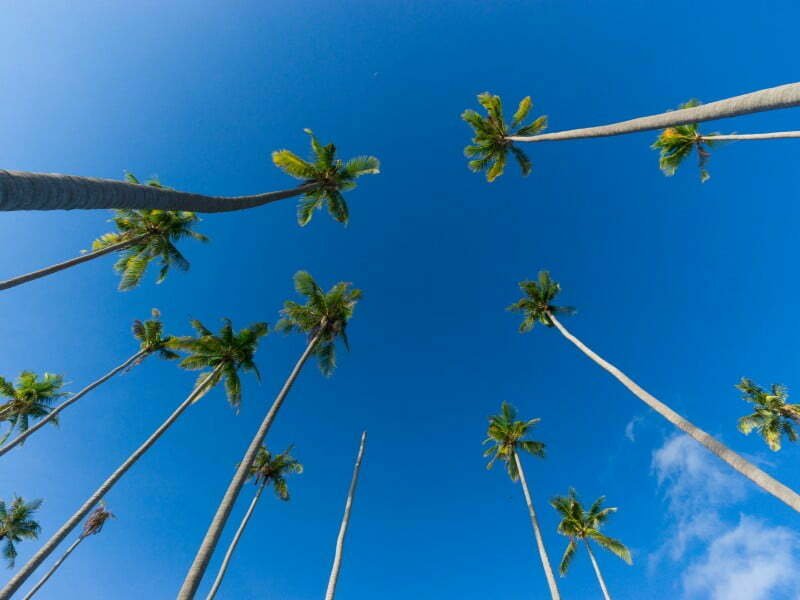
Sibuan Island is shaped like a teardrop and offers zero infrastructure. There are no resorts, just coconut trees and a strip of brilliant white sand. It’s a popular lunch stop for dive boats. Eat your chicken and rice, then snorkel the steep drop-off just twenty meters from the beach.
- Classic beach aesthetic: It looks exactly like the brochures.
- Steep drop-offs: The reef wall plunges down sharply near the shore.
- No facilities: Bring your own water and take your trash with you.
14. Pitch in on a Beach Cleanup
Ocean trash is a serious issue in the Celebes Sea. Currents push a lot of plastic onto the local islands. Several dive centers organize weekend beach and reef cleanups. Spending an hour pulling plastic off a beach is a solid way to pay your rent as a traveler.
- Practical help: Actually improve the spots you visit.
- Meet the local crew: Chat with the divemasters off the clock.
- Earn that post-dive beer: It feels good to do the work.
15. Dive Mantabuan Island
Mantabuan Island often gets overshadowed by Sipadan, but the coral health here is phenomenal. The currents can be tricky, making it a great spot for drift dives. You drop in, get neutral, and let the water carry you past massive black coral bushes and schools of batfish.
- Drift diving: Let the current do the heavy lifting.
- Pristine hard corals: Some of the healthiest staghorn patches in the park.
- Manta sightings: They occasionally cruise through the deeper channels.
16. Hunt for Macro on the House Reefs
You don’t always need a boat. Many of the island resorts have excellent “house reefs” right under their jetties. Grab a tank, step off the ladder, and spend an hour staring at a single coral block looking for nudibranchs and boxer crabs. It’s relaxed, shallow, and usually free if you’re staying there.
- Dive at your own pace: No boat schedules to worry about.
- Perfect for photographers: Take your time framing the shot.
- Cheap air: House reef dives are often included in your package.
17. Time Your Trip for Regatta Lepa
Usually held in April, the Regatta Lepa Festival is when Semporna gets completely overrun. The Bajau families dress up their traditional single-masted sailing boats (lepas) with bright flags and parade them through the harbor. It’s loud, celebratory, and chaotic. Book your hotel way ahead if you want to be in town for this.
- Boat parades: Hundreds of traditional wooden vessels on display.
- Local music: Heavy percussion and traditional dancing on the decks.
- Peak crowds: The town reaches max capacity during the weekend.
18. Spend a Night on Kapalai
Kapalai isn’t an island anymore; it’s a sandbar with a massive wooden resort built entirely on stilts. It feels like you are sleeping on a luxury oil rig. The diving right underneath the walkways is superb, especially for odd bottom-dwellers like the crocodile fish. It is a premium experience and priced accordingly.
- Overwater architecture: You are surrounded by the sea 24/7.
- High-end comfort: Large rooms, good food, and solid Wi-Fi.
- Easy diving: Just walk down the stairs into the water.
19. Climb Bukit Tengkorak
About 10 kilometers outside Semporna, Bukit Tengkorak (Skull Hill) is a prominent volcanic outcrop. It takes about 20 minutes to hike the wooden stairs to the top. Today, it’s just a solid, quick hike that gives you sweeping views over the palm plantations out to the ocean.
- Archaeological history: Read the plaques about ancient trade routes.
- Quick workout: A fast, steep climb to break a sweat.
- Grab a taxi: You’ll need to negotiate a driver to take you and wait.
20. Rent a Motorbike
If you have an international permit, rent a scooter for a day. Drive out of the main town, past the palm oil estates, and explore the coastal roads. Semporna town is dense, but the surrounding district is surprisingly rural. Just watch out for massive potholes, stray dogs, and trucks carrying palm fruit.
- Escape the dive bubble: See how the agricultural side of Sabah operates.
- Cheap transport: Scooters cost around $10-15 USD a day.
- Drive defensively: Local traffic laws are treated as loose suggestions.
What To Eat and Drink At Restaurants in Semporna
Semporna’s food scene is a high-turnover mix of Malay, Bajau, and Chinese cooking. Here’s what you should track down to eat and drink while you are in town:
The Seafood
1. Ikan Bakar (Grilled Fish): Walk the waterfront at night, point to a fish on ice, and tell them to grill it. They score the sides, rub it with turmeric and spices, and char it over hot coals. Simple. Perfect.
2. Butter Prawns: Heavy, rich, and essential. Massive tiger prawns wok-fried with butter, curry leaves, and crispy egg floss. It will clog your arteries, and it is entirely worth it.
3. Siput Gonggong (Conch Shells): You extract these boiled sea snails with a toothpick. Dip them in a sharp mix of soy sauce and crushed chili. They have the chewy texture of squid.
Local Staples
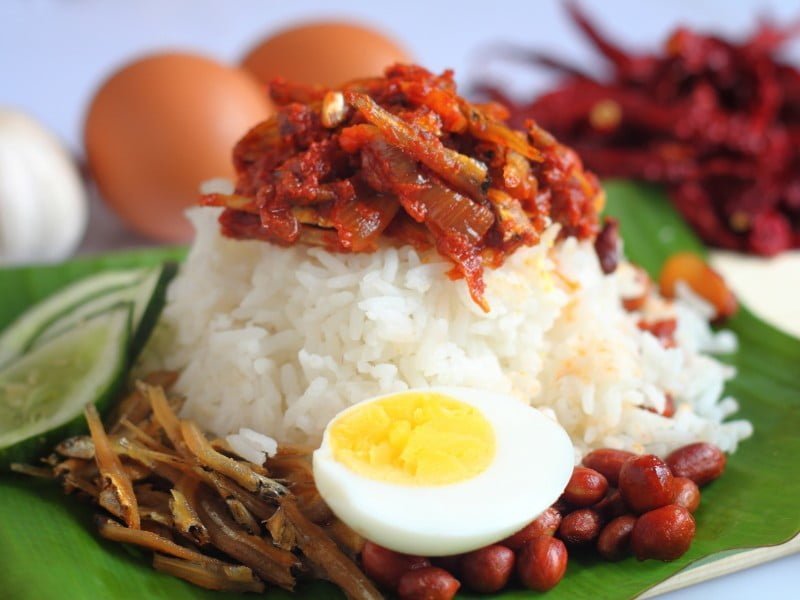
4. Nasi Kuning: A Sabah breakfast classic. Turmeric rice served with a piece of fried chicken or fish in a spicy sambal sauce, wrapped in a banana leaf. Buy it from a roadside table on your way to the dive boat.
5. Roti Canai: A flaky, pan-fried flatbread served with a side of lentil dhal or chicken curry. It costs pennies and is the best carbohydrate loading you can do before a long swim.
Street Snacks
6. Pisang Goreng: Deep-fried banana fritters. When they come straight out of the hot oil, the batter is crispy and the banana inside turns to molten sugar.
7. Keropok Lekor: Gray, slightly ominous-looking fish sausages that are deep-fried and served with sweet chili sauce. A great, salty snack that tastes much better than it looks.
Drinks
8. 100 Plus: Not a local craft drink, but this lightly carbonated isotonic sports drink is a lifesaver in the Malaysian heat. Keep a cold can in your day bag.
9. Teh Tarik: Hot, strong black tea mixed with condensed milk, poured aggressively between two pitchers to create a frothy top. Sweet, caffeinated fuel.
10. Fresh Coconut Water: Buy a whole green coconut, have the vendor hack the top off with a machete, and drink. The ultimate rehydration.

The Tour Circuit in Semporna
Navigating the tour operators in Semporna can be overwhelming. Here’s a practical breakdown to help you choose the right boat.
Diving and Snorkeling
1. The Sipadan Run: You need a permit. You do three dives. You see sharks and turtles. It is highly organized and heavily monitored by marine police. You leave early and get back by mid-afternoon.
2. Mabul and Kapalai Macro Days: These trips focus on the small stuff. You’ll dive under the rigs and along the sandy slopes. It’s slower-paced diving focused on spotting tiny, rare marine life. Great for photographers.
3. Sibuan Snorkel Day: A fast boat takes you to the best shallow reefs. You jump in, float over the cabbage corals, and eat lunch on the beach. Low stress, high reward.
Nature and Scenery
4. Bohey Dulang Hike & Snorkel: This is the standard combo ticket. You hike the volcano in the morning, sweat heavily, take your photos, and then spend the afternoon cooling off over the nearby reefs of Mantabuan.
5. Proboscis River Run: A late afternoon cruise up the mainland rivers to spot monkeys and crocodiles. A good option for your “off-gassing” day before you fly out of Tawau.
Semporna Accommodations Guide: Where to Sleep
Here’s your no-nonsense guide to beds in Semporna. Book ahead in peak season.
Solid Comfort: Mid-Range Hotels
1. Seafest Hotel
- Location: Jalan Kastam (Right by the water)
- The Reality: It’s a large, slightly dated but reliable business-style hotel. It has a pool, decent AC, and you can walk to the dive jetties in two minutes.
- Ideal for: Travelers who want predictable hotel standards and zero hassle.
2. Sipadan Inn (1, 2, or 3)
- Location: Clustered in Semporna Town center
- The Reality: A reliable chain of boutique dive hotels. The rooms are compact, the AC works, and the showers have hot water. It’s exactly what you need after three saltwater dives.
- Ideal for: Divers who just need a clean place to crash.
On the Water: Unique Stays
1. Dragon Inn Floating Resort
- Location: Built on stilts over the Semporna town jetty.
- The Reality: The wooden architecture looks incredible. The rooms are a bit weathered, and it can be noisy since boats idle right outside, but the atmosphere is unbeatable.
- Ideal for: Travelers wanting a classic overwater aesthetic without paying luxury island resort prices.
2. Scuba Tiger Semporna Holiday Resort
- Location: About 10 minutes drive out of the main town center.
- The Reality: A self-contained dive resort with a great waterfront bar area. You escape the grit of the town, but you are reliant on their shuttles to get anywhere else.
- Ideal for: Divers who prefer a quiet beer on the deck away from the town traffic.
Budget-Friendly: Hostels and Lodges
1. Uncle Chang’s Sipadan Mabul Dive Lodge
- Location: Out on Mabul Island.
- The Reality: Legendary among backpackers. The rooms are basic plywood affairs over the water, the food is buffet-style, and there is usually a very loud guitar session in the dining hall every night.
- Ideal for: Social divers on a strict budget who want to be on the island.
2. Atine Backpackers Hostel
- Location: Downtown Semporna.
- The Reality: Clean bunks, communal bathrooms, and a decent common area to swap dive tips. It is utilitarian but well-run.
- Ideal for: Solo travelers and backpackers focused on cheap diving.

Extending Your Route: Borneo Day Trips
If you have time in Sabah before or after your Semporna dive window, these are the heavy hitters you should look at.
1. Tabin Wildlife Reserve
- The Reality: A massive tract of dipterocarp forest. It’s a bumpy ride to get there, but it is prime territory for spotting Borneo pygmy elephants and gibbons.
- Logistics: Take a guided jungle trek. Do not try to walk these logging roads alone; it’s easy to get lost.
- Best Move: The night safaris in the back of an open pickup truck are usually the most productive for sightings.
2. Danum Valley Conservation Area
- The Reality: Primary rainforest. The trees are colossal, the humidity is oppressive, and the leeches are everywhere. It is one of the most spectacular jungles on earth.
- Logistics: Access is controlled and expensive. You usually stay at the Borneo Rainforest Lodge or the cheaper Danum Valley Field Centre.
- Best Move: Walk the suspended canopy bridges at dawn to hear the jungle wake up.
3. Sepilok Orangutan Rehabilitation Centre
- The Reality: It’s a structured tourist facility near Sandakan, but it does vital work rehabilitating orphaned orangutans. It gets crowded at feeding times.
- Logistics: Time your visit for the 10:00 AM or 3:00 PM feedings.
- Best Move: Buy the combined ticket and walk next door to see the Bornean Sun Bear Conservation Centre.
4. Kinabatangan River
- The Reality: A wide, muddy river carving through the jungle. Because the forest has been logged right up to the riverbanks, the wildlife is concentrated on the edges, making boat safaris incredibly rewarding.
- Logistics: Base yourself in the village of Sukau and take small motorized skiffs out at dawn and dusk.
- Best Move: Keep an eye on the muddy banks for saltwater crocodiles.

Semporna Transportation Guide
Here is your travel guide for getting in, out, and around the Semporna district.
Getting to Semporna
1. The Airport Run:
- The Route: Semporna does not have an airport. You fly into Tawau Airport (TWU). AirAsia and Malaysia Airlines run multiple daily flights from Kuala Lumpur and Kota Kinabalu.
- The Transfer: Once you land, it is a 90-kilometer drive to Semporna. Minivans queue outside arrivals. Buy a ticket at the desk, wait for the van to fill up, and settle in for a 90-minute ride. It currently costs around 35 MYR. If you value your time over cash, we found that booking a Grab or private taxi for roughly 90 to 120 MYR is the smarter play; it’s a bit more expensive, but it saves you the frustrating 45-minute wait for a shared van to actually fill up and leave.
2. Long-Haul Buses:
- The Route: If you are traveling overland from Kota Kinabalu or Sandakan, large express buses run daily. The roads wind through the mountains and the trip from KK takes a solid 9 to 10 hours.
- The Reality: The buses are heavily air-conditioned. Bring a hoodie.
Getting Around Semporna
1. Grab and Taxis:
- Ride-Hailing: Grab (the Southeast Asian equivalent of Uber) works in Semporna. It is cheap, the price is fixed, and it saves you the hassle of haggling with taxi drivers in the heat.
- Street Taxis: You’ll see them around the bus station. They rarely use meters. Agree on the fare before you put your bag in the trunk.
2. Walking:
- The Layout: If your hotel is in the town center, you can walk to the dive jetties, the market, and the restaurants in under 15 minutes. The sidewalks are uneven and occasionally blocked by parked cars, so keep your head up.
Where To Next?
Finished with your dive logs? Here is where you should route yourself next.
1. Kota Kinabalu, Sabah
- The Draw: The capital city of Sabah is your main exit hub. It has large night markets and a massive mountain.
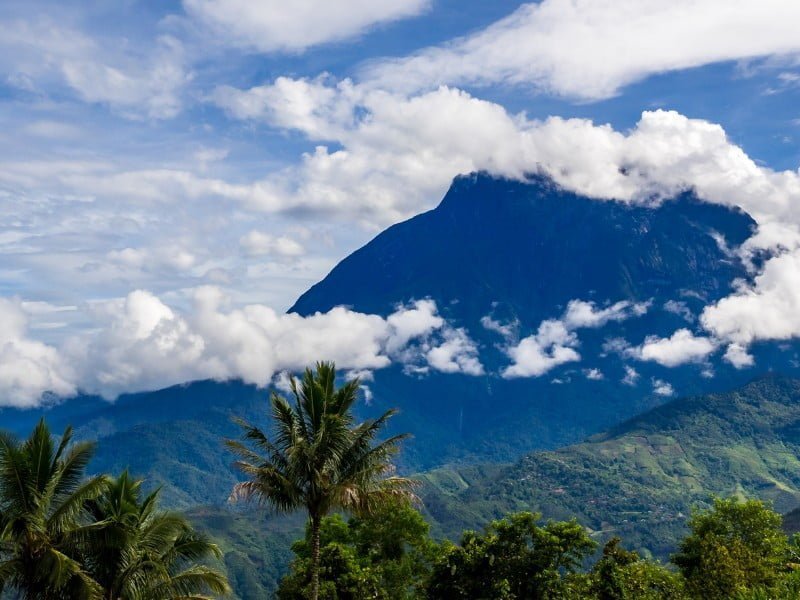
- The Move: Book a two-day climb up Mount Kinabalu. It requires a permit and a guide, and the altitude hits hard, but the sunrise from the granite summit is excellent.
2. Kuching, Sarawak
- The Draw: A short flight to the neighboring state of Sarawak. Kuching has great old-world architecture and an incredibly relaxed riverfront vibe.
- The Move: Take the bus out to Bako National Park to hike the coastal trails and spot wild bearded pigs on the beach.
3. Kuala Lumpur, Malaysia
- The Draw: The primary transit hub. Massive concrete skyscrapers, aggressive traffic, and brilliant food.
- The Move: Take the commuter train to the Batu Caves, climb the 272 steps, and avoid making eye contact with the territorial macaques.
4. Penang, Malaysia
- The Draw: George Town is a UNESCO site that operates as a massive open-air food court.
- The Move: Eat five meals a day. Start with Char Kway Teow from a street cart and finish with a bowl of sour, spicy Asam Laksa.
5. Brunei Darussalam
- The Draw: This small, wealthy country on the island of Borneo is known for its beautiful mosques and pristine rainforest.
- The Move: It’s an easy overland or flight connection from Sabah if you want to check another country off your list and see Ulu Temburong National Park.
The Decision Matrix: Fast Facts & Reality Checks
| Activity / Route | Current Cost / Time | The Reality Check | Pro-Tip |
|---|---|---|---|
| Sipadan Diving | ~350 MYR permit + dive package costs | Totally worth the hype, but it requires massive advanced planning. Don’t show up relying on walk-ins. | Enforce a strict 18-24 hour no-fly window before your flight out of Tawau so you don’t get grounded. |
| Tawau Airport to Semporna | 35 MYR (Van) / 90-120 MYR (Grab) | ~90 mins | Shared vans are cheap but you’ll wait around until they fill up. Grab is pricier but saves your sanity. | Find another diver at the baggage claim and split the Grab fare to save time and money. |
| Bohey Dulang Hike | Included in most island-hopping tours | A brutally hot and steep climb, but it gets you that iconic panoramic photo of the archipelago. | Park rangers will turn you away if you wear flip-flops. Bring real shoes with grip. |
| Staying in Semporna Town | Highly variable, but very budget-friendly | Gritty, noisy, and busy. Skip it entirely if you want a quiet, pristine beach retreat. | Book a spot within a 10-minute walk to the jetty so you aren’t rushing for your 7 AM dive boat. |
Final Thoughts
Look, Semporna is not a manicured resort town. It is loud, the streets are uneven, and the harbor constantly smells like diesel and drying fish. But if you actually care about what happens below the waterline, it is one of the most critical destinations on the global map.
You come here to put on a mask and drop into heavy currents with apex predators. You come to sweat up volcanic trails and eat wok-fired crab on a plastic table. Accept the town for the functional transit hub it is, prioritize the ocean, and it will absolutely deliver a massive return on your investment.
Check your gear, watch your dive computer, and enjoy the Celebes Sea.
This guide is also available in Spanish. [Lea la versión en castellano: Guía de viaje de Semporna: qué hacer, ver y comer en Semporna]