
Medellin, the second-largest city in Colombia, is rapidly gaining popularity as a destination for expats looking to live abroad. Known for its mild climate, friendly locals, and modern infrastructure, Medellin offers a high quality of life at a lower cost than many other international cities. In this article, we will provide an introduction to living in Medellin as an expat.

Life In Medellin As An Expat
One of the biggest advantages of living in Medellin is its affordable cost of living. Housing, transportation, and entertainment are all relatively inexpensive, making it an attractive destination for those looking to stretch their budget. Additionally, the city has a well-developed public transportation system, including a metro system and numerous bus routes, making it easy and convenient to get around.
Medellin also has a vibrant expat community, with many groups and organizations catering to the needs and interests of expats. These groups provide opportunities for socializing, networking, and engaging in community events and activities. The locals in Medellin are also known for their warm and friendly nature, making it easy for expats to feel welcome and integrated into the community.
Medellin As A Popular Backpacker Destination
Q1) As a backpacker with extensive round the world experience what made you settle on Medellin specifically as your base when you’re semi-nomadic?
Medellin, and Colombia as a whole, fill so many of my interests, including ones I never knew I had. In terms of making it a base, the low cost of living was a big incentive for me to stay.
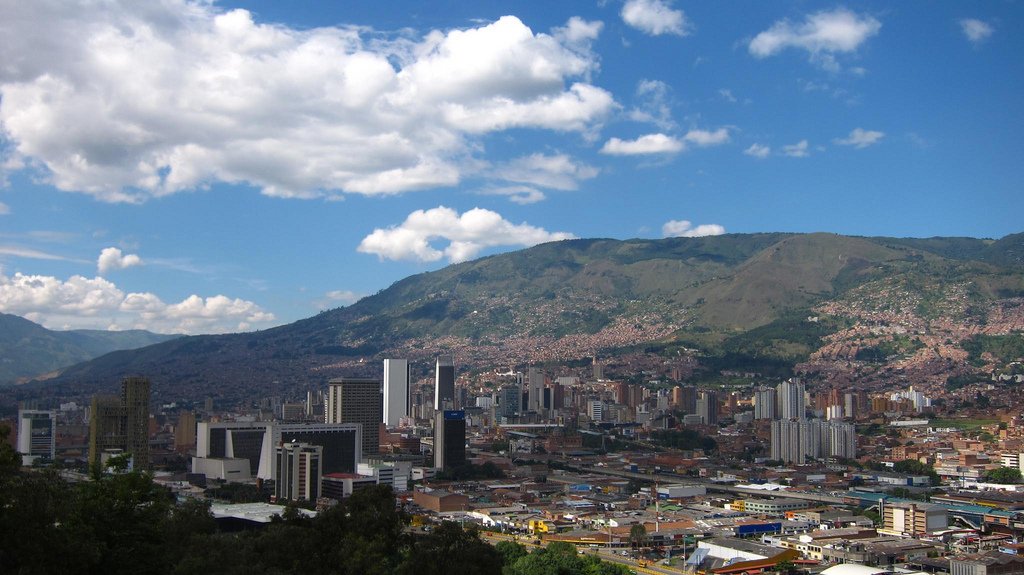
At first glance, I loved the city’s setting in a valley surrounded by tall green mountains. The 1,500-meter altitude helps ensure a Spring-like climate year round. Being able to wear a t-shirt and jeans, day or night, reflected the perfect climate for me.
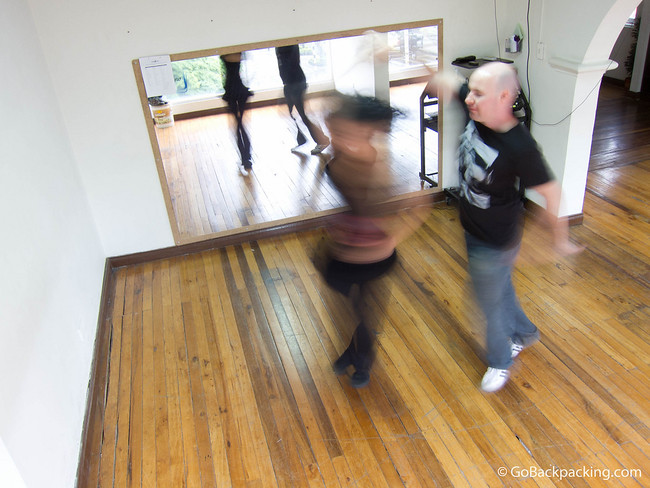
I started meeting Colombians right away through Couchsurfing, and quickly built up a social circle as I explored the city (and blogged about it). I was inspired to learn salsa dancing, and had a great time practicing in the bars and clubs.
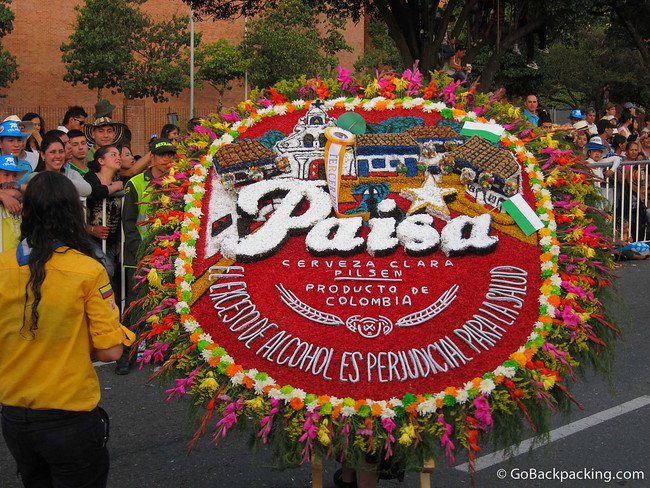
Another thing I really like about Medellin is that the paisas are incredibly proud of their city, much like New Yorkers.
This interview is with Top Travel Blogger David Lee who recently published a wonderful guide to Medellin.
Is Columbia Dangerous For Travelers?
Q2) Colombia has an often unfair reputation of being a dangerous country for travellers. When you hear such a declaration what are your initial thoughts?
I think it was a fair reputation in the 1980’s and 90’s, however the last President did a lot during his two terms to marginalize the FARC, and improve the security situation throughout the country.
Today, I truly believe Colombia is no more dangerous to visit than other South American countries such as Ecuador and Brazil.
The good news is that as more and more travelers visit Colombia, the word is getting out that it’s not as dangerous as it use to be.
Medellin As A Hotspot For Digital Nomads
Q3) As I’ve become more familiar with the travel blogging community in recent months, I can’t help but notice that Medellin is a hotspot for digital nomads. What in your opinion are some of the main reasons for this?
The low cost of living is a big part of it. Or to put it another way, you can have a very comfortable standard of living for a lot less than it would cost in Western countries like the US or Australia.
For example, in 2011 I was paying $275 per month (with utilities) for a room in a brand new, 3-bedroom apartment on the 20th floor of a building within walking distance of the metro. I’ve had friends who’ve rented 4-bedroom penthouses for $1,000 to $1,300 per month. The typical broadband (Wi-Fi) connection you get in a rented room or apartment is also good, which is important when you make your living online.
Digital nomads are often single, without families, which bodes well in Medellin because the nightlife is a lot of fun. For the guys, the paisa women have a reputation of being the most beautiful in Colombia, if not all of South America. Even Tim Ferriss was impressed when he spent a few weeks in Medellin on vacation earlier this year.
Medellin Living: Resource For Expats
Q4) What can those considering living (or those already based) in Medellin find on your website (Medellin Living) as useful resources?
We cover a wide range of topics useful for both travelers and expats, however the main focus is the fun stuff: Medellin nightlife, the best restaurants, where to take salsa lessons, and the annual holidays and city festivals like La Feria de las Flores.
Monthly Budget To Base Yourself In Medellin
Q5) Without going into too much minute details, what would be a basic monthly budget for somebody looking to base themselves in Medellin with the idea that they would be frugal but not cheap?
I think a frugal expat could get by nicely on $1,000 per month. Bump that up to $1,500 if you want to go out partying a few nights every week, eat out often, and take taxis instead of buses.
Why Medellin Is Becoming So Popular With Expats?
Recreational Activities In Medellin
Q6) What are some recreational activities or hobbies one could consider pursuing in Medellin during their spare time?
Cycling is popular, and every Sunday certain streets in the city are closed to motor vehicles so people can get some exercise without the threat of getting run over – either biking or jogging. Alternatively, there’s also an active skateboarding community, with several public skate parks throughout the city.
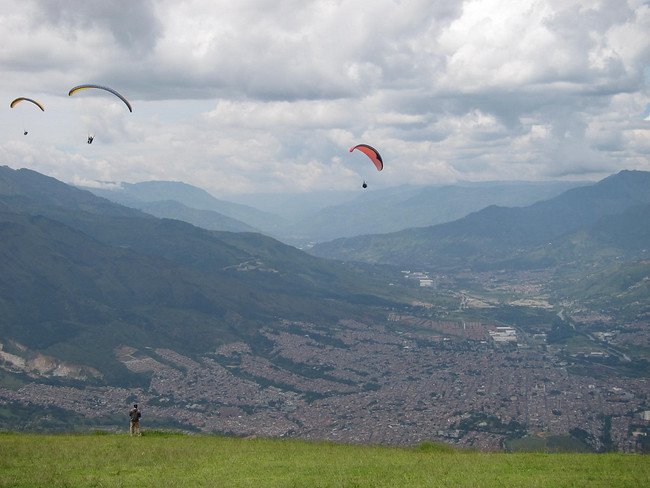
Medellin is a hot spot for paragliding, and a 25-minute tandem flight costs about $45. It’s also possible to take lessons to learn to fly on your own. I know one expat who has gone a step further and learned to skydive while living in the city.

Good Looking Locals In Columbia
Q7) I’ve heard from others and I’ve seen a few photo essays of beautiful Colombian women. There does seem to be a reputation for some drop dead gorgeous locals. Any thoughts on that?
It’s true. Well, for me at least. But if you’re a guy who likes bleach blonde girls with blue eyes, then Medellin’s won’t be the place for you.
When I initially arrived in Medellin, I was struck by how friendly the girls were, despite my limited ability to speak Spanish. I found them very approachable, and their often amazing dancers too!
Working Opportunities For Expats In Medellin
Q8) Are there opportunities for employment (aside from being a digital nomad) in Medellin, such as in the ESL industry?
Yes, there are teaching opportunities that are available at the local schools and universities, however it’s more difficult to get a stable, well-paying job in Medellin then Bogota. Private tutoring is also an option.
More than anything else, I’m asked about tips for finding jobs teaching English. The best advice I can give is to start your search once you’re in the city, and even then, focus on networking. Don’t rely on sending emails.
Nightlife In Medellin
Q9) How about the nightlife in Medellin? What can one expect?
The Zona Rosa, or main nightlife district, in Medellin is called Parque Lleras. There you’ll find tons of bars, restaurants, clubs, and hostels hosting the visiting backpackers.
The music in any given club is usually crossover, which entails a mix of salsa, merengue, vallenato, bachata, and reggaeton music. There are a few rock bars and electronic music clubs if you’re not a fan of Latin music.
Beyond the Zona Rosa, there are lots of other places to party in the city, so I encourage visitors to see more than just what’s on offer in the Poblado neighborhood.
Medellin Visa Strategy
Q10) Finally, what is the basic general Visa strategy for those looking to stay long-term in Medellin?
As with any country, there are multiple options. Tourists usually get 60 days on arrival, and can extend their Tourist Visas for up to 6 months per calendar year. Student Visas are an option if you’re willing to pay for classes, and can allow travelers to stay up to a year at a time.
If you have a Colombian boyfriend or girlfriend, and you’re living together, then you can apply for a Resident Visa based on a civil partnership. This is good for a year, and can be renewed annually. After three years, you can apply for permanent residency.
Lastly, you can apply for a Work Visa, which requires you leave the country and fill out a bunch of paperwork. If approved, it can be good for two years at a time.
Why Is Medellin A Popular Base For Expats?
Perfect Climate
Medellín is known as the “City of Eternal Spring” due to its mild, year-round climate. With temperatures typically ranging between 60°F and 85°F, it’s an ideal place for those who enjoy outdoor activities without the extremes of hot or cold weather.
- Comfortable Living: The consistent weather makes daily life pleasant, encouraging outdoor exploration and a relaxed lifestyle.
Affordable Cost of Living
One of the biggest draws for expats is Medellín’s affordability. Compared to North American or European cities, the cost of living is significantly lower. Rent, food, transportation, and healthcare are all relatively inexpensive, allowing expats to enjoy a higher quality of life for less money.
- Value for Money: Expats can afford comfortable housing, dine out frequently, and enjoy various activities without breaking the bank.
Vibrant Culture and Lifestyle
Medellín offers a rich cultural scene with museums, theaters, and festivals. The city is known for its innovation, especially in urban development and public transportation. The people, known as “Paisas,” are warm and welcoming, adding to the city’s charm.
- Cultural Immersion: The friendly locals and vibrant social scene make it easy for expats to integrate and enjoy an authentic Colombian experience.
Growing Expat Community
Medellín has a well-established and growing expat community. This network provides support, social opportunities, and a sense of belonging, making the transition to life in a new country easier. There are numerous meetups, language exchange groups, and events tailored to expats.
- Supportive Network: The expat community helps newcomers settle in, offering advice and companionship in a foreign land.
Modern Amenities and Infrastructure
Medellín has undergone significant modernization, offering reliable public transportation, high-quality healthcare, and modern amenities. The city’s metro system is clean and efficient, making it easy to navigate. Additionally, high-speed internet and coworking spaces make it a great base for digital nomads.
- Convenience and Connectivity: The city’s infrastructure supports a modern, connected lifestyle, crucial for remote workers and expats.
Safety and Security Improvements
While Medellín has a turbulent past, the city has made significant strides in improving safety and security. Certain neighborhoods, like El Poblado and Laureles, are now considered safe for expats, with low crime rates and a strong police presence.
- Peace of Mind: The improved safety measures and secure neighborhoods make Medellín a more appealing place to live for expats.
Proximity to Nature and Travel
Surrounded by the Andes Mountains, Medellín offers quick access to nature. There are plenty of opportunities for hiking, biking, and exploring nearby towns. Additionally, Medellín’s central location makes it a convenient base for traveling to other parts of Colombia and South America.
- Outdoor Adventures: Nature lovers and travelers will appreciate the easy access to outdoor activities and other destinations.

Delicious Cuisine and Thriving Food Scene
Medellín’s food scene is diverse and vibrant, catering to both local and international tastes. Traditional Colombian dishes like arepas, bandeja paisa, and empanadas are widely available, but the city also boasts a growing number of international restaurants. From trendy cafes in El Poblado to authentic street food in Laureles, there’s something for every palate.
- Culinary Exploration: Expats can indulge in a rich culinary experience, exploring both local flavors and international cuisine.
Language Learning Opportunities
For those looking to learn or improve their Spanish, Medellín is an ideal environment. The city offers numerous language schools and private tutors who cater to expats. Additionally, the local Paisas are generally patient and supportive of foreigners learning the language, providing ample opportunities to practice in real-life situations.
- Language Immersion: Living in Medellín offers a chance to immerse yourself in the Spanish language, making it easier to learn and practice daily.
Vibrant Nightlife and Social Scene
Medellín’s nightlife is another big draw for expats. The city comes alive at night with an array of bars, clubs, and live music venues, especially in areas like Parque Lleras and Provenza. Whether you’re into salsa dancing, live bands, or simply enjoying a drink with friends, Medellín offers a vibrant and diverse social scene.
- Energetic Nights: The city’s lively nightlife ensures that there’s always something to do after dark, making it easy for expats to socialize and make new connections.
Warm and Welcoming Locals
The friendliness of the local Paisas is often cited as one of the reasons expats feel so comfortable in Medellín. The local community is known for its hospitality, making it easier for newcomers to integrate and feel at home. This warm reception extends to all aspects of life, from everyday interactions to making long-term friendships.
- Welcoming Atmosphere: The warmth and hospitality of Medellín’s residents create a welcoming environment for expats, fostering a sense of community and belonging.
Entrepreneurial Spirit and Opportunities
Medellín has earned a reputation as a hub for innovation and entrepreneurship. The city’s government actively supports start-ups and tech companies, leading to a thriving entrepreneurial community. For expats with a business mindset, Medellín offers numerous opportunities to start or grow a business, with access to co-working spaces, networking events, and a supportive ecosystem.
- Innovation Hub: The city’s vibrant start-up scene and supportive infrastructure make it an attractive destination for entrepreneurs and freelancers.
Choosing Your Medellín Neighbourhood
If Medellín is the valley, choosing your neighbourhood is choosing your slice of the valley.
You’ll hear the same names over and over – El Poblado, Laureles, Envigado – and they all work, but they feel very different on the ground. Before you sign a lease or book a long-stay Airbnb, it’s worth matching the area to your personality.
Here’s a quick “feel” guide to get your bearings:
| Neighbourhood | Vibe | Best For | Things to Keep in Mind |
|---|---|---|---|
| El Poblado | Hilly, polished, nightlife-heavy | First-timers, short stays, party people, remote workers | Most expensive, traffic, can feel like a bubble |
| Laureles | Flat, leafy, local | Long stays, walkers, runners, café people | Quieter nightlife, fewer big malls |
| Envigado | Residential, family, very paisa | Couples, families, Spanish learners | More Spanish needed, slightly further from main tourist sights |
| Sabaneta | Small-town vibe in the metro area | Budget expats, long-term digital nomads | Commute times, still developing in parts |
| El Centro & beyond | Raw, urban, hectic | Spanish students, city lovers, short stints | Not ideal first base, more street smarts needed |
El Poblado: Easy Mode Medellín
If it’s your first time in Colombia and your Spanish is rusty at best, El Poblado is the obvious soft landing.
You get:
- Lots of furnished apartments and Airbnbs
- Coworking spaces on almost every block
- Trendy cafés, brunch spots, and cocktail bars
- Parque Lleras and Provenza for nightlife within stumbling distance
The trade-off is price and authenticity.
You’ll hear more English here, see more tourists, and pay more for everything from cappuccinos to rent. The hills are no joke either – walking home after a couple of beers can feel like a workout.
El Poblado works especially well if:
- You’re staying 1–3 months and want frictionless living
- You’re working online and need fast, reliable internet + coworking
- You like the idea of Colombian flavour with a safety net of western comforts
If you fall in love with the city and decide to stay, many people eventually “graduate” to Laureles, Envigado, or Sabaneta for a more local, less bubble-like experience.
Laureles: Flat Streets and Local Rhythm
Laureles feels like someone flattened out Medellín and turned the volume down a notch.
Tree-lined residential streets, low-rise buildings, old-school bakeries, students biking past in flip-flops – it feels more like a liveable city and less like a resort.
What people love about Laureles:
- It’s flat, so you can actually walk or run everywhere
- Two main restaurant/nightlife spines (La 70 and La 33) without the chaos of Parque Lleras
- Plenty of gyms, language schools, and cafés for laptop sessions
- Strong local feel, but still relatively welcoming to foreigners
If you’re thinking of staying 3–12+ months, Laureles is a sweet spot. You’ll pay less than in El Poblado, you’ll use the metro and buses more, and you’ll hear more Spanish in your daily life.
Envigado & Sabaneta: Semi-Local, Semi-Suburban
Head further down the valley and Medellín starts to blend into neighbouring towns that still sit on the metro line.
Envigado and Sabaneta both have a slightly slower pace:
- Central plazas where abuelos drink coffee and watch the world go by
- Proper local markets and hole-in-the-wall restaurants
- A strong sense you’re living in Colombia, not a backpacker bubble
Envigado is the more established option – very popular with long-term expats and families who want good schools, parks, and a calmer atmosphere while still being metro-accessible.
Sabaneta is a bit more “up and coming”: cheaper rents, more construction, smaller-town feel. If you’re on a tighter budget and don’t mind a longer ride into Poblado/Laureles, it’s worth a look.
Other Areas: Great to Visit, Not Always Great to Base
El Centro is fascinating – markets, churches, Botero statues, office workers, street vendors. It’s pure energy. But most expats don’t base themselves here long term. It’s loud, hectic, and you need your big-city awareness turned up to 10.
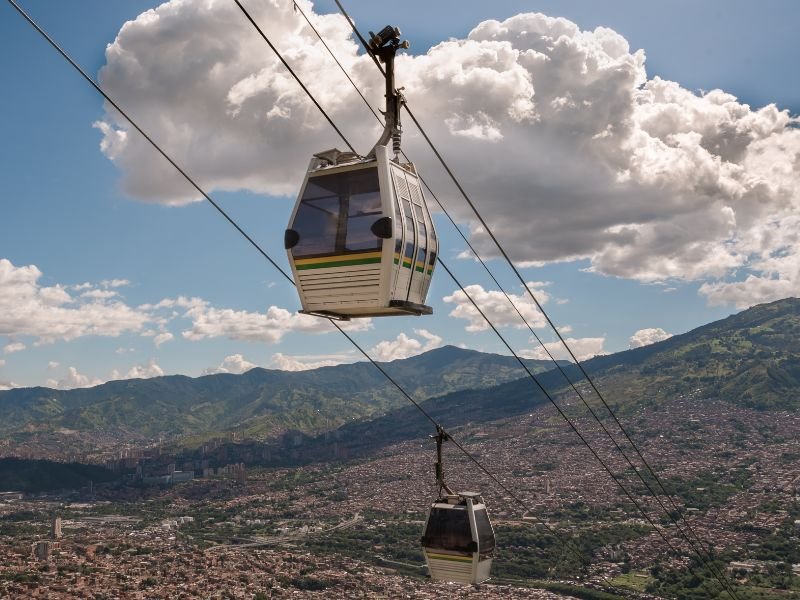
Up the cable cars in the comunas, the views are sensational and the urban projects are inspiring. Great for day visits and walking tours, not ideal for your first year in the city.
Finding a Place to Live: From Airbnb to Local Lease
You don’t have to figure your housing out from home. In fact, Medellín rewards patience.
A simple approach that works well:
Phase 1: Short-Term Landing (First 2–4 Weeks)
Start with:
- A private room in a shared coliving space
- A studio or 1-bedroom Airbnb in the neighbourhood you think you’ll like
Use this time to:
- Walk different streets at day and night
- Check noise levels (buses, bars, dogs, roosters)
- Visit supermarkets, gyms, cafés, and the nearest metro station
- Ask other expats and locals what they pay and where they live
This is your scouting phase. Treat it like a neighbourhood tasting menu.
Phase 2: Medium-Term Rental (3–12 Months)
Once you know where you want to be, look beyond Airbnb.
You’ve got three main options:
- Furnished room in a shared apartment
- Cheapest and easiest entry
- Good if you’re solo and want instant company
- Furnished apartment (amoblado)
- More privacy, higher price
- Great if you’re a couple or you work from home a lot
- Unfurnished local lease
- Best value per square metre
- Requires buying basic furniture and committing longer-term
A rough, ballpark idea (these fluctuate, so treat them as direction, not gospel):
| Setup | Area | Typical Monthly Range (USD) |
|---|---|---|
| Room in shared apartment | Laureles/Sabaneta | 250–450 |
| Simple furnished studio | Poblado/Laureles | 500–800 |
| 1–2 bed furnished apartment | Poblado | 800–1,300+ |
| 2–3 bed unfurnished local lease | Laureles/Envigado | 500–900 |
Landlords will often ask about:
- Your length of stay
- Proof of income or guarantor (more common with local leases)
- Whether you’re okay with building rules (no pets, no short-term rentals, etc.)
Don’t be afraid to view multiple places. You’ll quickly see the difference between a noisy building on a main road and a quiet spot on a side street.
Cost of Living in Medellín: Building a Realistic Budget
You’ve probably seen people on YouTube talking about living “like a king” on $800 a month. Take that with a pinch of salt.
You can live cheaply if you share a place, cook a lot, and keep nightlife to a minimum. But most expats end up sliding into the “frugal but comfortable” or “comfort first” categories.
Here’s a rough monthly breakdown for a single person:
| Expense Category | Frugal (USD) | Comfortable (USD) | Higher-End (USD) |
|---|---|---|---|
| Rent & utilities | 300–450 | 600–900 | 1,000–1,400+ |
| Groceries | 150–220 | 250–350 | 350–500 |
| Eating out & cafés | 120–180 | 250–400 | 400–700 |
| Transport | 30–70 | 60–100 | 100–180 |
| Gym / hobbies | 25–60 | 50–120 | 120–200 |
| Entertainment & travel | 80–150 | 150–300 | 300–600 |
| Misc / phone / extras | 70–120 | 120–200 | 200–350 |
- A lean, but decent life is possible around $1,000–1,200 if you’re conscious.
- A comfortable, social, “I go out, I travel a bit” life tends to drift into $1,500–2,000.
- Couples often do better, since rent and utilities are shared.
The big variable is how often you:
- Go out drinking in Poblado
- Take weekend trips
- Choose restaurants over menu del día lunches
Medellín is forgiving. It lets you live cheaply if you want, but it also gives you plenty of ways to overshoot your budget if you’re not paying attention.
Getting Around Medellín Without Losing Your Mind
Medellín is long and skinny. The metro line runs along the valley with cable cars climbing the hills, and that one decision alone changed the way the city feels.
Metro, Metrocable, and Buses
The metro is clean, efficient, and busy.
You’ll mainly use:
- Lines A and B – backbone lines along the valley
- Metrocable lines – to reach hillside districts and viewpoints
A typical transport day for many expats:
- Walk or quick bus/taxi to the closest metro
- Metro into town, Poblado, or Laureles
- Walk the last few blocks
Buses fill in the gaps:
- They’re cheap and go almost everywhere
- They don’t always follow logic you’ll understand on day one
- Ask locals or watch the front destination sign – you pick it up quickly
If you’re going to use the system often, loading credit on a transit card is the way to go. You’ll save time in queues and a bit of mental energy.
Taxis and Ride Apps
Official taxis are plentiful and relatively inexpensive. They run on the meter and are easy to flag down.
Ride apps are useful when:
- It’s late and you don’t want to stand on a corner waving
- You’re going somewhere a bit harder to explain in Spanish
- You want a set price before you get in
As always in any big city: check the license plate, make sure you’re in the right car, and don’t flash your phone around on a dark street if you don’t have to.
Walking and Hills
Parts of Medellín are wonderfully walkable (Laureles, central Envigado). Parts will test your calves (many corners of Poblado).
A few very practical tips:
- Footpaths can be… creative. Watch for broken surfaces and motorbikes using sidewalks.
- Crossings are suggestions, not guarantees. Make eye contact with drivers.
- Rain shows up fast. A small foldable umbrella in your daypack is not overkill.
You’ll quickly learn which routes feel comfortable at night and which you prefer to skip. Trust that instinct.
Daily Life Rhythms: What Your Week Might Actually Look Like
It’s one thing to fantasize about “living in Medellín”. It’s another to picture Tuesday at 3 p.m. when the novelty wears off and life becomes… life.
Here are a few very real weekly rhythms I’ve seen (and lived) in the city.
The Digital Nomad Routine
- Mornings in a café or coworking space, hammering away at the laptop
- Lunch at a menú del día spot – soup, main, juice, sometimes dessert
- Afternoon calls back to North America or Europe
- Evening Spanish class or dance lesson
- Occasional mid-week beers in Laureles or Poblado
Weekends turn into:
- Cable car rides and viewpoints
- Football games at the stadium
- Guatapé or Jardín escapes when the laptops get closed for longer than 24 hours
The Spanish Student / Culture Sponge
- Morning classes at a language school
- Homework in a park with a tinto (small black coffee)
- Lunch with Colombian classmates
- Late afternoon wandering different barrios or checking out museums
- Nights spent butchering salsa steps in a local bar, in the best possible way
This version of Medellín gets you plugged into local life faster than almost anything else.
The Semi-Retired / Slow Life
- Morning walks in a nearby park
- Groceries at the local market or chain supermarket
- Long lunches at the same few favourite spots where they start to know your order
- Afternoons reading on the balcony or meeting other expats for coffee
- Evenings at home, with the occasional night out to a concert, jazz bar, or restaurant
Medellín works well for all three, which is a big part of why so many people show up “for six months” and quietly renew their stay for years.
Learning Spanish and Actually Talking to Paisas
You can get by in Medellín with basic Spanish and apps on your phone. But life gets a hundred times better when you can follow jokes, flirt clumsily, and argue about football.
Language Schools, Tutors, and Intercambios
You’ve got options:
- Spanish schools with group classes and cultural activities
- Private tutors who’ll meet you at home, in cafés, or online
- Language exchanges (intercambios) in bars and cafés where locals practise English and you practise Spanish
A simple game plan that works:
- First month: group classes to get your brain in Spanish mode
- Second month: add a weekly tutor to target your weak spots
- Ongoing: 1–2 intercambios per week to actually use what you’re learning
The paisa accent has its quirks and slang, but locals are generally patient and supportive when you’re clearly making an effort.
Everyday Places to Practise
You don’t need formal settings to work on your Spanish. Some of the best conversations happen in:
- Corner tiendas when you’re buying water or beer
- Barber shops and hair salons
- Gyms and yoga studios
- Local football games and fan groups
You’ll butcher verbs and mix up genders. That’s fine. Showing up and trying counts more than getting everything “correct” on the first go.
Safety, Common Sense, and the “No Dar Papaya” Rule
Medellín today is not the Medellín your parents saw on the news. But it’s still a big Latin American city with big city problems.
The phrase you’ll hear over and over is “no dar papaya” – literally “don’t give papaya”, meaning “don’t make yourself an easy target.”
Very practical, on-the-ground guidelines:
- Don’t walk around quiet streets at night with your phone in your hand
- In busy areas, keep your backpack in front of you and pockets zipped
- Use ATMs inside malls or supermarkets rather than on the street
- If you go out drinking, keep an eye on your drink and don’t leave it unattended
- Be careful accepting invitations back to someone’s place if you just met via apps, especially if things feel too good to be true
Stick to known areas at night when you’re new: Poblado, Laureles, central parts of Envigado. As you learn the city, you’ll know where you feel comfortable branching out.
During the day, the metro is busy but generally fine; just stay alert like you would in any big city in the world.
Weekend Escapes and Day Trips From Medellín
One of the best parts of basing yourself in Medellín is how quickly you can swap urban life for small towns, lakes, and coffee farms.
A few easy, realistic getaways:
Guatapé and El Peñol
Classic combo trip:
- Climb the huge rock (El Peñol) for that hilarious, panoramic view of the lake system
- Wander Guatapé’s colourful streets, snack on arepas and trout, and hang by the waterfront
You can do it as a day trip, but staying a night or two lets you kayak, take boat trips, and enjoy the town once the day-trippers leave.
Jardín
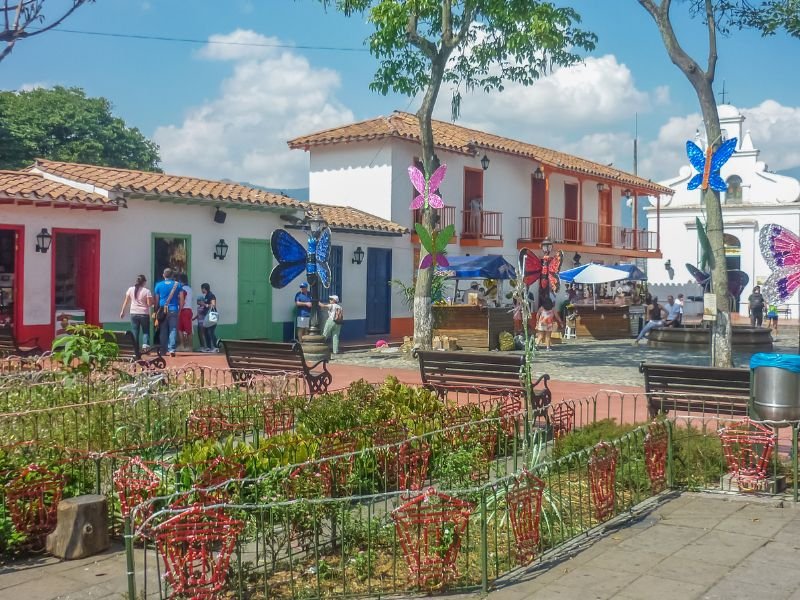
Jardín feels like someone arranged a colour palette around a central plaza and then turned on the coffee machine.
Here you get:
- Coffee fincas on the hillsides
- Horseback rides in the countryside
- A ridiculously pretty main square lined with cafés
Great if you want to see a slower, greener, more traditional slice of Antioquia.
Santa Fe de Antioquia
Hotter temperatures, colonial architecture, and cobbled streets.
Perfect for:
- Wandering the old town
- Crossing the suspension bridge
- Hiding from the midday heat with a cold drink in a shady courtyard
All three of these are bus-accessible and doable over a weekend. If you base yourself in Medellín for a few months, you can easily rotate through them without needing to get on a plane.
Living in Medellín as an Expat: Key Questions, Honest Answers & Practical Tips
How long should I “test drive” Medellín before deciding if it’s my long-term base?
It depends. I’d give Medellín at least 6–8 weeks if you’re seriously thinking about using it as a base. A quick two-week trip is great for a vibe check, but you won’t really see how daily life feels once the “wow, I’m in Colombia!” honeymoon phase wears off.
In those first couple of months, try different neighbourhoods (Poblado vs Laureles vs Envigado), ride the metro at rush hour, experience both rainy and sunnier weeks, and notice how your budget actually behaves. If after that you still enjoy waking up here, you’ve got a strong candidate for a base.
Is Medellín really safe enough to live in as an expat these days?
Mostly, yes – with common sense. Medellín today is worlds away from the headlines of the 80s and 90s, but it’s still a big Latin American city. You’ll have to accept some background risk, just like you would in parts of Mexico, Brazil, or even certain neighbourhoods in North America and Europe.
The reality on the ground is that most expats go about their lives just fine: they ride the metro, go out at night, date locals, and explore different barrios. The problems usually happen when people flash phones and jewellery, wander drunk down quiet streets at 3 a.m., or ignore local advice. If you follow the “no dar papaya” rule (don’t make yourself an easy target), stick to known areas at night, and stay switched on, Medellín can feel surprisingly liveable.
Which Medellín neighbourhood is best for a first-time expat?
For a first base, El Poblado or Laureles usually makes the most sense. Poblado is “easy mode”: lots of English, tonnes of cafés, coworking spaces, and nightlife, plus a big concentration of furnished apartments. It’s pricier and hillier, but very plug-and-play if you’re new to Colombia.
Laureles is flatter, more local, and a bit calmer, with a strong café culture and enough nightlife to keep things interesting. If you’ve travelled a lot in Latin America already or you’re staying 3–12 months, Laureles often feels more “real” without being overwhelming.
Envigado and Sabaneta come into their own for longer stays, families, and those who want more of a small-town feel while still being on the metro line. El Centro and the comunas are fantastic to visit, but most people don’t pick them as their first base.
What kind of monthly budget do I realistically need to live in Medellín?
Realistically, most single expats land somewhere between US$1,200 and US$2,000 per month, depending on neighbourhood, lifestyle, and how often they’re out eating, drinking, and travelling. A lean, shared-apartment life with lots of home cooking might come in around US$1,000–1,200, while a “comfort first” life in Poblado with frequent eating out and trips can easily climb past US$2,000.
Think of it in broad tiers:
- Around US$1,000–1,300: room in a shared flat or simple studio, menus del día, limited nightlife.
- Around US$1,500–2,000: decent one-bedroom in a good area, cafés and restaurants a few times a week, occasional trips.
- US$2,000+: high-end Poblado apartment, frequent dining out, regular weekend escapes and domestic flights.
Couples usually get a better deal because rent and utilities are shared.
Can I live in Medellín on just a tourist status if I work online for foreign clients?
Technically, as long as you’re not working for a Colombian employer or invoicing Colombian clients, many people do live in Medellín while working online for foreign companies on a tourist entry. But that doesn’t mean you should treat Colombia like a visa-free playground.
Many nationalities get around 90 days on arrival, and you can typically extend in-country once for up to a total of 180 days per calendar year. After that, you’re expected to leave and you can’t just live on back-to-back tourist entries forever.
If you know you want to stay longer or come back regularly, it’s worth looking at one of the long-term visas rather than just stretching tourist rules and hoping for the best. Immigration officers have plenty of discretion, and you don’t want problems at the border to be part of your Medellín story.
What are the main long-term visa options for expats and digital nomads in Medellín?
Colombia has been rolling out more options in recent years, including a specific digital nomad visa. Broadly, people look at:
- Tourist stay + extension – good for a first 3–6 month test period.
- Digital nomad (Visitor) visa – aimed at remote workers and freelancers with foreign income; it usually requires proving a monthly income around three times the Colombian minimum wage (roughly US$900–1,000+ depending on the year and exchange rate).
- Student visa – for those enrolling in Spanish courses or other studies.
- Work visa – if you get a contract with a Colombian employer.
- Partnership or family routes – if you have a Colombian spouse or permanent partner.
Rules change, categories merge, and requirements get tweaked, so always check the latest from Migración Colombia or your nearest Colombian consulate before making plans.
Do I need to speak fluent Spanish to live in Medellín comfortably?
Nope. You don’t need fluency to start, but life gets dramatically better once you move beyond phrasebook basics. In Poblado especially, you can get by in English in many cafés, restaurants, and coworking spaces, but as soon as you deal with landlords, doctors, local markets, or government offices, Spanish suddenly matters.
A good sweet spot for long-term life is reaching a solid “B1” level: you can handle everyday tasks, chat with neighbours, and sort out basic problems without freezing. The good news is Medellín is packed with language schools, tutors, and intercambio events, and Paisas tend to be fairly patient with people who are clearly trying to learn.
Is Medellín really a good base for digital nomads and remote workers?
Absolutely. Medellín ticks a lot of the nomad boxes: comfortable climate, reasonable cost of living, solid internet, strong café and coworking culture, and a steady stream of other remote workers passing through. It’s become one of the better-known digital-nomad cities in Latin America, which means built-in community and lots of services aimed at people who work online.
The trade-off is that certain pockets (especially in Poblado) can feel a bit “bubble-ish”: lots of foreigners, higher prices, and a slightly transient vibe. If you balance that with time in more local neighbourhoods and trips around Antioquia, Medellín can be a really healthy base for deep work and a good social life.
What’s the healthcare situation like in Medellín for foreigners?
Surprisingly good. Medellín has several excellent private clinics and hospitals that regularly rank among the better ones in Latin America, and medical tourism is a growing industry here. Many expats either:
- Take out international health insurance that covers care in Colombia, or
- Sign up for a local EPS (public system) and/or private prepaid plans once they have a suitable visa and documentation.
For common issues – check-ups, basic emergencies, dental work – care is often high quality and much cheaper than in North America or Western Europe. The catch is that navigating the system (especially the public side) can involve lines, bureaucracy, and a decent amount of Spanish, so having a local friend or fixer to help early on can save a few headaches.
Is Medellín suitable for families and kids, or is it mostly for single backpackers and nomads?
Medellín can work very well for families, especially in areas like Envigado, parts of Laureles, and certain corners of Poblado. You’ll find international schools, parks, language options for kids, and plenty of family-friendly weekend escapes.
The questions to ask yourself are more about lifestyle: Can you handle bigger-city traffic and occasional safety concerns with kids in the mix? Are you okay with navigating a new school system and doing more admin in Spanish? If the answer is yes, the mix of climate, outdoor life, and lower cost of living can be a massive plus for families compared to staying “back home.”
How easy is it to make friends and build a social circle in Medellín?
Pretty easy, if you’re willing to show up regularly. There are three circles most people tap into: other expats (meetups, coworking spaces, nomad events), locals (language exchanges, hobbies, romance), and hybrid spaces (dance schools, gyms, volunteering).
If you join a coworking space, sign up for a weekly class (Spanish, salsa, jiu-jitsu, yoga – pick your flavour), and say yes to the first few invites you get, it’s very hard to stay lonely here. The expat community turns over, but there’s a steady core of long-term folks, and Paisas are generally warm once you move past the small-talk stage.
What’s the weather really like in Medellín and when’s the best time to move?
Medellín’s “eternal spring” tag is mostly accurate: daytime temperatures usually hover somewhere in the low- to mid-20s Celsius (70s Fahrenheit), and you can comfortably live in t-shirts most of the year.
What surprises people more are the rains. Being in the Andes, Medellín has two main rainy seasons, roughly around April–May and September–November. Showers can be intense but often short, with sunny breaks in between. If you want an easier landing, many people like arriving in the drier stretches (roughly December–March and July–August), but honestly, the city is liveable year-round if you pack a light jacket and a small umbrella.
How bad is air pollution in Medellín and does it affect daily life?
It depends. Most days are fine, especially if you’re coming from other big cities and your bar is “better than Mexico City or Delhi.” But Medellín does get occasional pollution spikes, especially during certain times of year when weather conditions trap smog in the valley. On those days you’ll see hazier skies, and locals with respiratory issues may feel it.
If you’re sensitive to air quality, consider:
- Living slightly away from the busiest roads.
- Using an air purifier in your bedroom.
- Checking local air quality apps so you can time outdoor exercise for better hours.
For most expats it’s a background annoyance a few weeks a year rather than a deal-breaker, but it’s good to know about it before you commit.
How easy is it to get around Medellín without a car?
Very. The backbone is the metro, which runs along the valley and connects to the Metrocable (cable cars) that reach the hillsides and several viewpoints. Add in plentiful buses, taxis, and ride apps, and you can comfortably live car-free.
In daily life, most expats settle into a simple pattern: walk or bus to the nearest metro station, ride a few stops, then walk the last few blocks or grab a short taxi/app ride. Over time, you’ll learn a few bus routes that serve your usual haunts. The trickiest part at the beginning is understanding bus signage and where they actually go – but a couple of exploratory rides and a bit of help from locals goes a long way.
What are the biggest safety mistakes new expats make in Medellín?
The classic errors are very avoidable. Things like:
- Walking home drunk along quiet backstreets with your phone in your hand.
- Accepting sketchy offers from people you just met in bars or via apps.
- Using street ATMs at night instead of those inside malls or supermarkets.
- Ignoring local advice about which blocks to avoid after dark.
If you treat Medellín with the same respect you’d give any big city, keep your valuables low-key, move with purpose, and choose transport wisely at night, you’ll dramatically reduce your chances of running into trouble. “No dar papaya” sounds funny, but it’s genuinely the best safety rule in town.
Is Medellín LGBTQ+ friendly for expats?
Broadly, yes. Colombia has made big legal strides in LGBTQ+ rights over the past decade, and Medellín has an active queer community, with dedicated bars, clubs, and community groups. Poblado and Laureles in particular tend to feel more relaxed and accepting.
That said, this is still a fairly traditional, Catholic-leaning society in many ways. PDA that might go unnoticed in Berlin or Toronto can draw more attention here, especially outside central, modern areas. Most LGBTQ+ expats I’ve met navigate this the same way they do in many parts of Latin America: choosing their neighbourhood carefully, plugging into local LGBTQ+ networks, and reading the room in more traditional spaces.
What are some realistic day trips and weekend escapes from Medellín for people who live there?
This is where Medellín really shines. Within a few hours you’ve got:
- Guatapé & El Peñol – colourful town plus that iconic rock and lake views.
- Jardín – coffee farms, horses, and a ridiculously pretty main square.
- Santa Fe de Antioquia – colonial architecture, hotter weather, suspension bridges.
All three work as either day trips or easy weekend getaways by bus or tour. Over longer stays, you can add coffee-region loops, beach trips via cheap flights, and more remote pueblos into the mix. It’s very easy to live in Medellín and still feel like you’re exploring Colombia regularly.
Is Medellín the Right Base for You?
Medellín isn’t perfect. The traffic can test your patience, the rain can appear out of nowhere, and there will be days when your Spanish evaporates right when you need it most.
But if you’re looking for:
- A climate that lets you live outside instead of hiding from extremes
- A cost of living that gives you room to breathe
- A city that’s big enough to stay interesting but small enough to learn
- A chance to plug into a genuinely local culture instead of living in a resort bubble
…then Medellín is very hard to beat.
Come for a month with an open mind, a flexible plan, and a bit of curiosity. Walk the neighbourhoods, ride the metro, eat your way through menu del día lunches, and see how it feels.
If you’re anything like a lot of the expats I’ve met there over the years, you might find yourself quietly extending that “one month” ticket into something that looks suspiciously like a new home base.
Bio –
Dave Lee is the Founder of Medellin Living, and Editor in Chief of Go Backpacking. He blogged his way around the world from 2007-2009, and then started Travel Blog Success to teach others how to do the same. He’s also the author of a great travel resource for Medellin. When not writing, he can be found salsa dancing in Medellin. Follow him on Twitter @rtwdave
Sounds like an excellent place. Definitely on my places to go 2013.
What is the correct procedure for an American citizen to open up a bank account in Colombia ?
All the banks in Colombia I have looked at have required a cedula de extranjeria (foreigner identification card) for US citizen that you can’t get unless you have a visa (resident, work, business) so it looks like a tourist can’t open a bank account in Colombia. Banks will want to see your passport with visa and address details in addition to the cedula. Some banks will accept contraseñas (temp cedulas) due to delays in receiving cedula de extranjerias from the Ministry of Migración.
Some banks may require you to have a personal reference from a Colombian resident and may also require a tenancy agreement for your home (rental contract). Banks will also want to know about the funds that will be going in and out of the account, so a copy of your contract of employment or paperwork on income that you receive from outside the country may be required. You will also need to have some money to deposit in the account in order for it to be opened (the minimum varies by bank) and there will typically also be a requirement to maintain a minimum balance. I also seem to recall that banks don’t like foreigners opening accounts with less than 6 months in Colombia.
The largest banks in Colombia include Bancolombia, Banco de Bogota, Banco Davivienda, Citibank and Banco Popular.
Colombia is still predominately a cash-based country with many Colombian citizens without a bank account or credit card. So pretty much everything you can pay for with cash including utility bills, airline tickets and hotels. You can rent an apartment without a cedula and utility bills (electric, gas, water) are tied to the address so you don’t need a cedula for that either. But my experience is that you can’t set up Internet/TV services in an apartment (i.e. Comcel, UNE) without a cedula. And you need to build a credit history and banking history in Colombia if you want to apply for a mortgage.
I’m from Colorado. I was recently in Medellin for 3 weeks and will retire in Medellin next year! With this in mind I made and effort to learn allot about some inportant basics like banking, and renting. Also the ‘does and do nots’ for safety; for someone to live there. I can share this info if anyone asks me. Question: Any info on watching/getting American TV programing in Medellin? Gary
Hi Gary, I have triple play service from Comcel and get over 20 channels in English in Medellin with shows from the US. You can can get a channel lineup on their website. I would recommed Comcel over UNE for triple play as my experience is better Internet (10 MB) and more reliable. Comcel is not available everywhere in Medellin so if you want it you’ll need to find a place that has availability.
Heya i?m for the first time here. I found this board and I in finding It really useful & it helped me out much. I hope to give one thing back and aid others such as you helped me.
Hi Dave,
I’m arriving in Medellin on 14th Jan. to spend a week there before flying to Cali for the second week of my vacation. I have very limited Spanish skills. I would like to know if taking a taxi from the Intl. Airport to Estadio late at night is safe, or should I hang out in the Airport till morning and then take one? Other than that, is walking around Parque Lleras at night by yourself reasonably safe? I’ve read that muggers with knives hang out in the park. I’d also love to visit El Elsabon Prendido salsa bar, probably on Gringo Tuesdays. Thanks for any Info.
Terry Poole
I hear alot about Medellin. It is meant to be a great place despite its dangerous reputation.
I think that’s definitely the truth! I’m looking forward to going myself someday.
Great to hear more about Dave’s life in Columbia. He offers so much help to everyone in the travel community.
I am always intrigued to hear more of Columbia and keen to go there after my brother who has been a long term traveller for 17 years, says it is his favourite country. Sounds like one of those special places
Caz, I’m really keen on visiting Colombia as well. I can’t believe I didn’t make it part of my itinerary two years ago when I was backpacking in South America. I totally agree with you about Dave! He’s a very supportive member of the community and somebody I look up to and admire.
Great interview. I had an opportunity to go to Medellin once to visit a friend (see Noel above) and really liked the city. It has lots of pluses and the crime has definitely dropped in the past decade. I could definitely see it being a base for a digital Nomad.
Hey Stephen, I’ve heard enough great things about Medellin now that I’m very curious to check it out. Unfortunately, I only got as far as Quito when I was last in South America.
Sadly, we skipped Columbia during our time in South America. At the time, we were nervous about it’s reputation, but since following several expat bloggers that live in Columbia, we’re now disappointed we didn’t make the trip. It sounds like a fun place!
Hey Cam, yea I think every traveler has skipped a destination at one time or another due to fears about safety and security. When I was visiting SE Asia, Burma had just been hit with a cyclone, and I was also concerned about going due to the political issues. I spent the extra time in Thailand instead, and then heard from every traveler who went to Burma that it was incredibly beautiful. Of course now I’d wish I’d gone!
Great interview. It is awesome that Medellin is making a comeback from the Pablo Escobar days.
Kurt, I agree – it seems to have so much to offer under the right circumstances.
Thanks Samuel for this article, brought back lots of memory of my 1-plus-year living in Medellin. The Colombians are one of the friendliest people I’ve met in my travels and they made me feel right at home when I was living there. Medellin had bad reputations in the past, but now it’s much safer but there are still areas such as the comunas that you should avoid. I lived on USD300 or less a month, renting away from the expat area, right in the centre of Medellin. Once again thanks for this great post!
Wow Noel, $300 per month? The Colombian Peso has gained about 30% against the US Dollar since I first arrived in early 2009, but I still can’t imagine having lived on so little back then.
Hi Dave, I was living in the centre, at Boston. I rented a room in a family house for quite cheap and when I wanted to go out it’s only with my Colombian friends to las cantinas where drinks were cheap 🙂
Very interesting! I’ve only spent one day in Colombia (in Cartagena, so beautiful!), and was very much inspired to take a closer look at the whole country. And really, Colombia hasn’t been dangerous in a very long time.
Sophie, I’ve yet to visit Colombia but it’s a high priority. I’m really glad to hear you enjoyed Cartagena.
Would love to live here. And since it seems to be so affordable then maybe one day I will get the chance.
Cole, I feel the same way. I’d love to check it out because there seems to be 3-4 travel bloggers there at any given time.
This is such an eye opener post for me. I also thought Colombia’s a dangerous country, but after reading this… I might start bugging the hubby to include it in our RTW trip!
Colombia’s public image is still suffering from its recent past, but the country is a lot more secure than it use to be. Just a few days ago, the leader of FARC (which has been waging a civil war since the 1960’s) was killed.
Typical street crime is still a reality, but my message is that Colombia is no more dangerous than other South American countries (except perhaps Venezuela, which is very dangerous right now).
Hey Samuel, hey Dave. I don’t mean to be ‘that’ guy but my wife and I lived in Medellín on a budget of 800,000 pesos (roughly $424 U.S. dollars) a month for the two of us. However, we lived in a tiny apartment in a not so good part of town, only shopped at La Minorista, cooked every night and almost never stepped foot into Parque Lleras. I had to return to the states because our marriage papers set us back about 500,000 pesos and left me with no money.
But as David said, $1000 is enough to have a really good time in Medellín.
If you are in a serious relationship with a Colombian (especially a Colombian from a small town like my wife) expect the prices to drop my friends 😉
Kevin, it’s great to hear somebody enjoying living in a budget destination even lower than estimated costs. When I was in Thailand I often asked local Thai friends to do shopping or buy food for me. It’s ‘amazing’ how the prices dropped in these situations 😛 I also find it very difficult to give estimates to others how much it should cost to live somewhere. Two years ago when I was finishing a contract in Korea I saved my entire teaching salary by being extremely frugal. I would have never recommended my methods to anybody else but it allowed me to save hard and hit the road for two years afterwards, so it was well worth it in the end.
What I enjoyed most about my experience on such a tight budget was how creative my wife and I were. Instead of joining a gym for exercise we went to free yoga classes every Sunday and went running up the hills. I walked everywhere instead of taking public transportation which changed the way I saw my surroundings positively. Instead of going out to expensive restaurants my wife prepared me fresh organic catfish soup, guarapo or other traditional dishes from her hometown. I learned to be a significantly better cook. For fun I’d bring my guitar to a park and jam with some locals or rock-climb at the Universidad de Antioquia’s free climbing wall. I didn’t need to go to the flashiest clubs in town to have a fantastic time and create relationships. HOWEVER, if I were single I probably would have gotten tired of not having the money to impress the Paísa women with a nice night on the town 😛
But let’s be honest that when first arriving in a foreign destination one almost always spends a lot more money in the first few months. After getting settled in, knowing the language and making local friends this begins to change and the prices seem to plummet.
Kevin, that’s certainly the truth. One can be creative with their budget and still have a great time.
Great interview with one of my favs! And one who was so helpful to me when I was starting out. (Although, I’m still a beginner.)
Gracias Abby. I think you still owe Colombia a visit! 🙂
Abby, I agree with you that Dave is one of the most helpful members in the travel blogging community. I’ve learned a lot from him as well & believe me when I say if you’re still a beginner I’m definitely in my infancy stages 😛