
Our hotel overlooked Nakajima Park, yet Audrey and I kept finding somewhere else to film. We’d wandered around the grounds a little, but a proper sunny day finally convinced us to explore it properly.
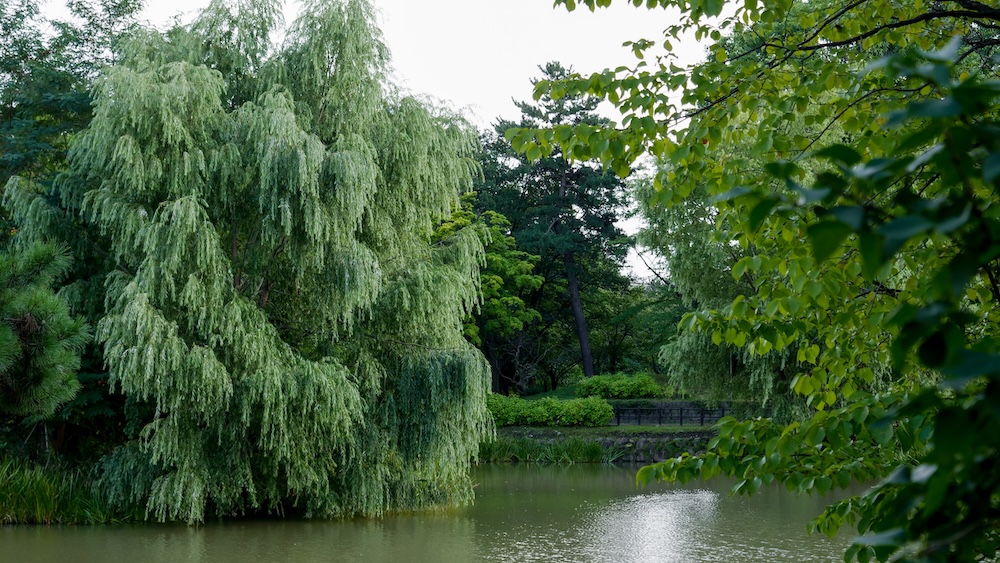
I’m glad we did. There’s a pond framed by willow trees, a blue-and-white historic building that looks wonderfully out of place, and a Japanese Garden I found genuinely lovely. Nakajima makes most sense when you slow down and enjoy it as a city park rather than a checklist of famous landmarks.
The catch is that its main sights don’t all keep the same hours.
Shobu Pond: Ducks, Willows and a Bit of Breathing Room
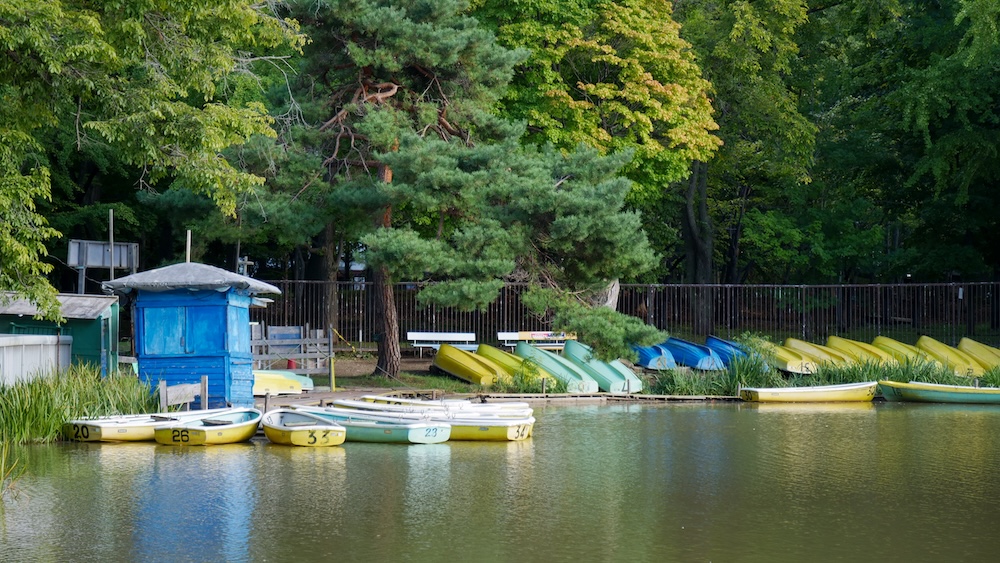
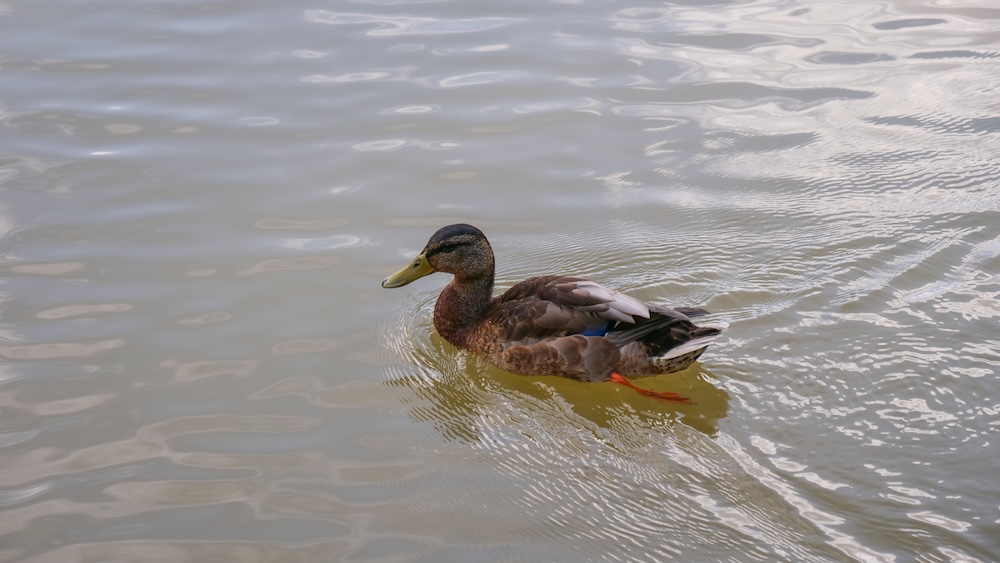
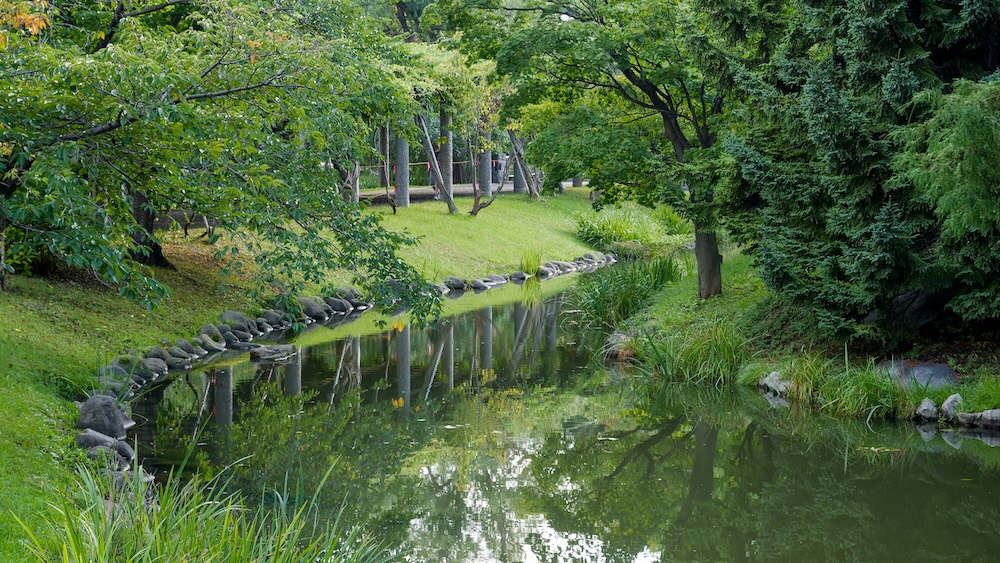
Shobu Pond has these long willow branches hanging over its edges, with trees reflected in the surface and plenty of greenery around the banks. We spotted a duck paddling across, and there were boats down by the shore. It was worth stopping to take in without a camera, too.
What I like about Nakajima is its ordinary, lived-in quality. Staying nearby made the park feel like part of the neighbourhood rather than another attraction we’d have to cross Sapporo to see. If that appeals, you can compare hotels around Nakajima Park; I wouldn’t pick one solely for this walk, but having the paths nearby is lovely. Sunshine did wonders for the pond and greenery on the day we finally explored it properly.
Even the pond has an unexpected bit of backstory. The water grew out of an area along the Kamokamo River that was used for storing timber in the 1870s. It’s hard to picture that earlier working landscape while looking at the willows today, but Sapporo hides history in unlikely places.
And yes, you may be able to rent a rowboat. We saw the boats; I can’t offer a personal review of rowing around Shobu Pond. Rentals operate seasonally, with published local information recently giving ¥800 per boat for 40 minutes. That’s a useful budgeting reference rather than a guaranteed current tariff, and published sources differ on exactly when the season ends. If going out on the water is a priority, check the arrangements for your dates. Otherwise, take the shore path and enjoy the pond without spending anything.
Hoheikan: The Outside Won Me Over More Than the Inside
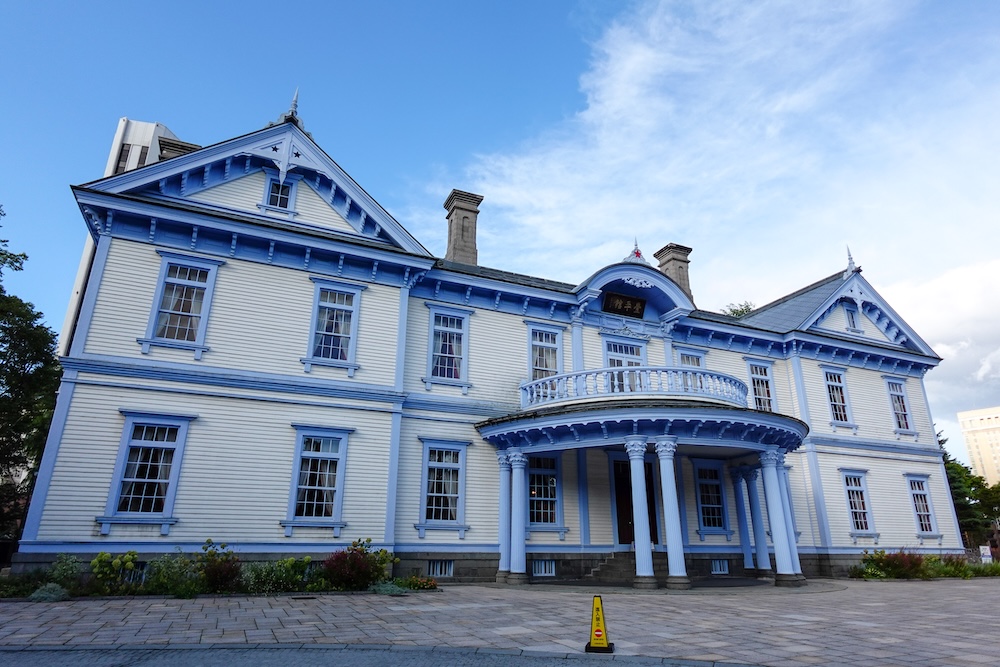
There’s no mistaking Hoheikan. One minute you’re walking through a green park, and the next you’re looking at an imposing Western-style building with white walls, bright blue detailing, tall columns and a balcony. It almost feels like it ought to have a grand driveway and a carriage pulling up in front. Audrey and I were intrigued enough to go inside.
Hoheikan was built in 1880 as a Western-style hotel for the Hokkaido Development Commission, and Emperor Meiji stayed there in 1881. It actually began life elsewhere in Sapporo and was moved into Nakajima Park in 1958. By 1964, it had been designated an Important Cultural Property. So although it looks quite settled among the trees now, this building has had an interesting journey to get there.
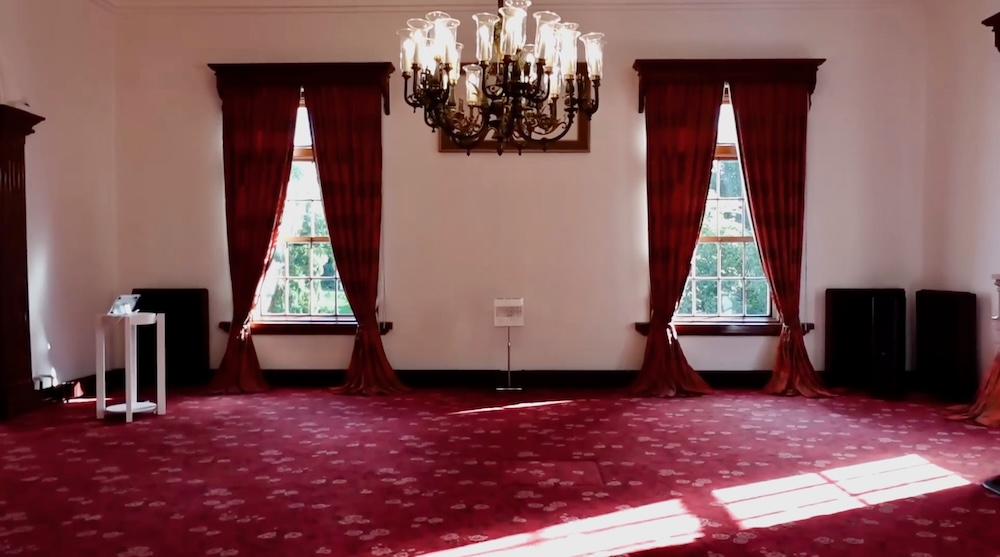
Here’s where I’d temper expectations a little. I really enjoyed looking at the architecture, but when we went inside, Audrey and I were surprised by how few displays there seemed to be. We had a quick look around and didn’t stay long. I wouldn’t call it a bad visit, and I certainly wouldn’t skip the building itself. I just found the exterior more immediately rewarding.
That doesn’t mean there’s nothing to see indoors. The visitor rooms include historical furnishings, chandeliers, fireplaces, decorative plasterwork and exhibits, and you can sometimes join a volunteer-led explanation if you’d like more context. Some rooms may be unavailable when they’re booked for functions. Someone particularly interested in Meiji-era architecture could quite reasonably spend longer in there than we did.
Standard admission is ¥350 for adults, with regular hours of 9 AM–5 PM and last entry at 4:30 PM. Hoheikan normally closes on the second Tuesday of the month, subject to holiday adjustments, and from December 29 to January 3. There are occasional evening openings, too. Check the Hoheikan visitor information if you’re planning to go inside rather than just admire it from the park.
My verdict? See Hoheikan’s exterior. Pay to enter if the historic rooms or a more detailed explanation interest you; otherwise, there’s no shame in a short visit.
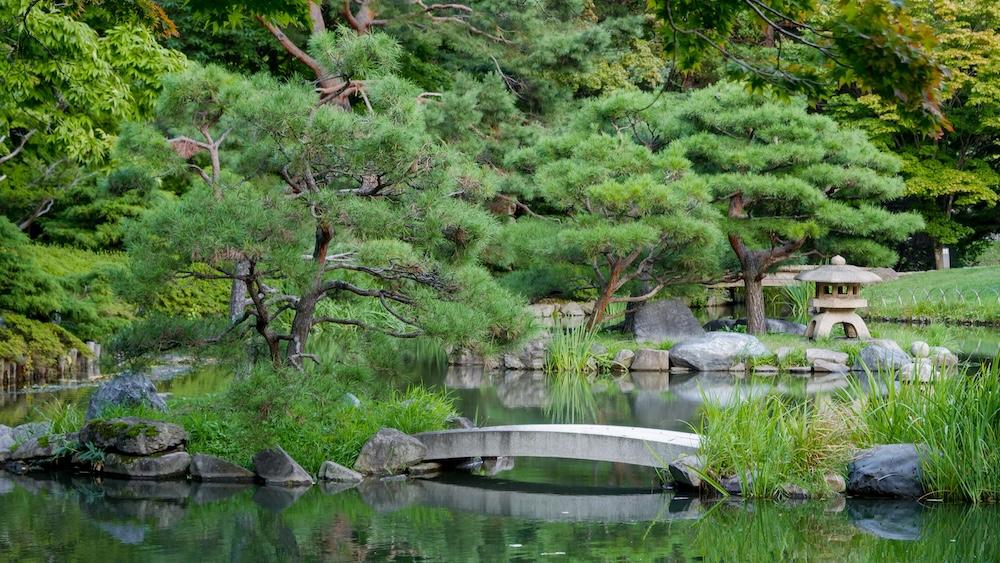
The Japanese Garden: Where I’d Happily Spend More Time
If I had to pick the most satisfying part of our walk, it would be the Japanese Garden. The larger park has that open, everyday feeling around the pond; inside the garden, everything becomes more intimate and carefully arranged. I remember the shaped pines, stone lanterns, rocks, little bridges and water features, with one attractive detail appearing as you moved toward the next. The whole place was beautifully maintained.
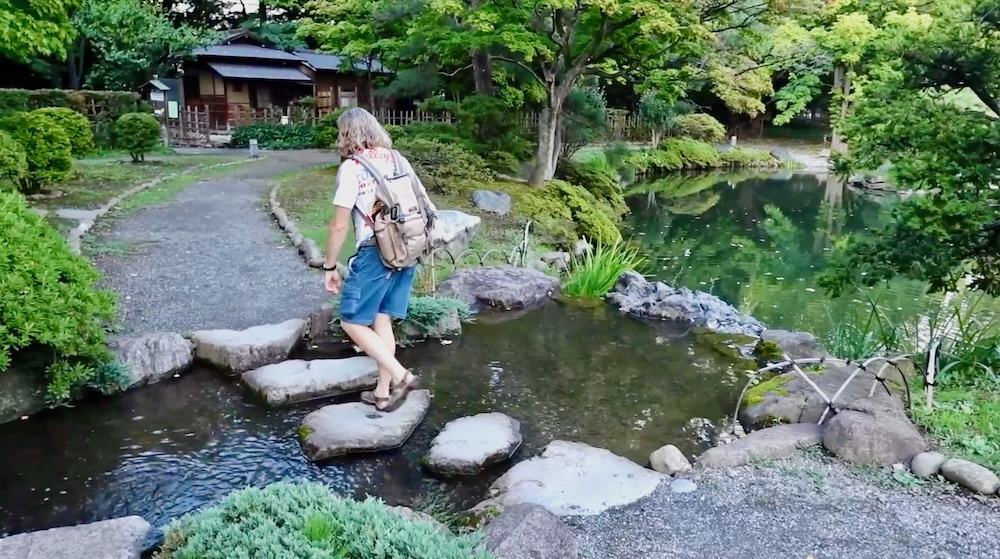
I crossed the stepping stones over the water, while Audrey went through the substantial wooden gate. Those are the moments I remember most. It was tranquil, and I was perfectly content paying attention to the placement of a tree or the shape of a bridge. Low-adrenaline sightseeing, perhaps, but that’s the appeal.
The garden opened in 1963 and contains a dozen stone lanterns among its landscaped features. It also includes Hasso-an, a historic teahouse traditionally attributed to the tea master Kobori Enshu. It’s a place to appreciate as part of the garden rather than somewhere you can assume you’ll be served a cup of tea; ordinary visitors generally admire the structure from outside.
Check the season before you go. The Japanese Garden is free, typically opens 9 AM–5 PM from around late April to early November, and closes for winter even while the surrounding park remains accessible. Its 2026 season ended after November 3, but future dates need checking. The Nakajima Park notices are more useful than arriving and hoping the gate will be open. If your visit falls within the garden’s season, I’d absolutely make time for it.
Walking Routes: An Hour or a More Leisurely Visit
Shobu Pond, Hoheikan and the Japanese Garden sit close enough together that you can enjoy them in one continuous walk. The pond occupies the northern-central part of the park, Hoheikan is off to the west, and the garden is nearby. Continue farther south and you’ll pass toward Sapporo Concert Hall Kitara and eventually the Horohirabashi end of the park.
I couldn’t retrace every turn Audrey and I took that day, so these aren’t our personal GPS tracks. They’re two ways I’d plan the visit using the layout of the park, with time for looking around rather than just getting from one spot to the next.
17:33 – Hohei Kan
18:06 – Japanese Garden
| Time available | My suggested walk | What to allow for |
|---|---|---|
| 45–60 minutes | Start near Nakajima-koen Station, follow the pond, see Hoheikan’s exterior and visit the Japanese Garden if it’s open. | An easy-going introduction without paying to enter Hoheikan. |
| 90–120 minutes | Spend longer by Shobu Pond, go inside Hoheikan if it appeals, explore the Japanese Garden and continue south toward Kitara. | More time for the historic rooms and garden; boating adds time on top. |
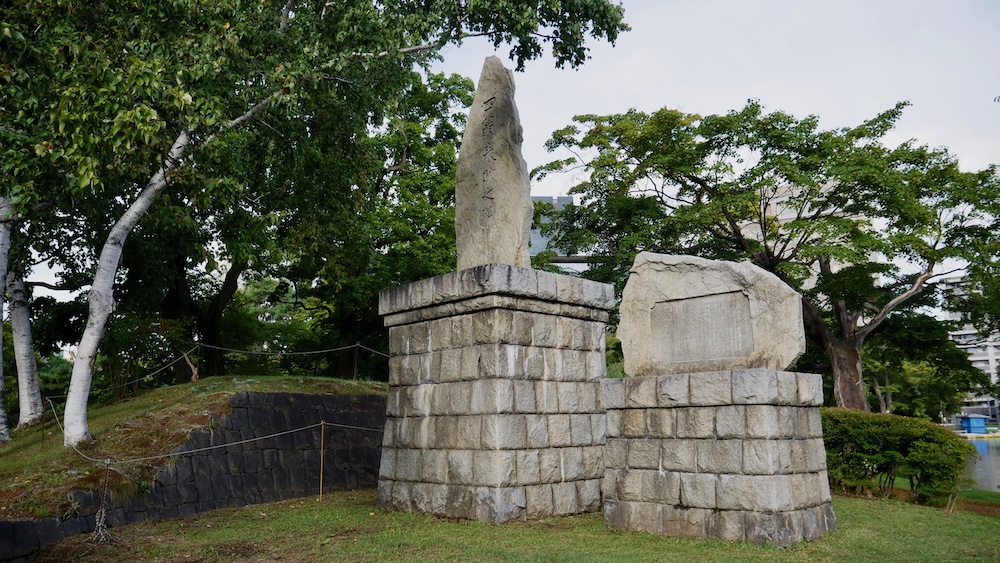
These are planning ranges, not measured circuits. A Hoheikan explanation, photo stops or a boat ride will take longer. The city’s Nakajima Park walking map helps with the layout.
If you’d rather join a guide for a wider Sapporo walk, there’s a private, customizable Sapporo walking tour. It isn’t a dedicated Nakajima Park outing, so ask the host whether the park can be included before booking. Transport and any attraction admission cost extra; we didn’t take this tour.
In winter, when the Japanese Garden is shut, I would still enjoy the pond, Hoheikan’s exterior and a walk farther through the park. The nice thing about this place is that the experience doesn’t collapse if one gate is locked. Just don’t plan a paid interior visit or a boat rental without checking that it’s actually available.
Getting There, Access and the Best Time to Go
Nakajima Park is straightforward to reach on Sapporo’s Namboku subway line. Nakajima-koen Station serves the northern end, with Exits 1 and 3 useful for access; Horohirabashi Station serves the south. That makes a pleasant one-way walk possible without retracing your steps. Streetcars are another option. For a base closer to central shopping and several subway connections, you can compare hotels in Odori instead, then ride the Namboku Line to the park.
Entrance to the park itself is free, and you can walk through it year-round. Hoheikan’s paid interior, the Japanese Garden’s seasonal gate and the optional boats are separate matters. Toilets and some accessible facilities are available in the park, while Hoheikan has an elevator. But I wouldn’t assume that every path, bridge or garden stepping stone works for someone using a wheelchair. Ask about the specific route if mobility access matters to you.
The season will change what you get out of the visit. We were there in lush, green conditions, with sunshine on our main outing. Spring brings blossom, autumn colours the trees beside the pond, and winter gives you a snowier walk with fewer of the seasonal attractions operating. You can still enjoy the park, but it pays to distinguish the open public space from the places with their own calendars.
Would I put Nakajima Park on a Sapporo itinerary? Yes, especially if you’re staying nearby or enjoy places where the city feels less hurried. My priorities would be Shobu Pond, Hoheikan’s striking exterior and, when it’s open, the Japanese Garden. That last one was my favourite. The park doesn’t need to pretend to be Sapporo’s biggest attraction; it’s a very good place to spend a bit of your day without trying so hard to have an experience.
Frequently Asked Questions
Is Nakajima Park worth visiting in Sapporo?
Yes, especially if you enjoy relaxed walks, gardens and historic architecture. Audrey and I particularly enjoyed the peaceful Japanese Garden, the greenery around Shobu Pond and Hoheikan’s striking exterior. I wouldn’t treat the park as an all-day attraction, but it’s a lovely place to experience a quieter side of Sapporo.
How long should you spend at Nakajima Park?
I’d allow approximately 45–60 minutes for a shorter walk around Shobu Pond, Hoheikan’s exterior and the Japanese Garden when it’s open. For a more leisurely visit with time to explore Hoheikan’s interior, allow around 90–120 minutes. Boating, guided explanations and longer stops will add time.
Is Nakajima Park free to visit?
Entry to Nakajima Park is free, including walks around Shobu Pond. The Japanese Garden also offers free admission during its opening season. Hoheikan charges for interior visits, with standard adult admission listed at ¥350. Seasonal boat rentals are a separate paid activity.
Can you rent a boat on Shobu Pond?
Rowboats are available seasonally, although their operating dates, prices and availability can change. Recent local information listed ¥800 per boat for 40 minutes, but I’d check the current arrangements before planning around a rental. Audrey and I saw the boats during our visit but didn’t go out on the water ourselves.
Is Hoheikan worth going inside?
I found Hoheikan’s blue-and-white exterior more immediately impressive than its interior. Audrey and I went inside but were surprised by how few displays there seemed to be. That said, visitors interested in historic furnishings, decorative architecture and Meiji-era history may enjoy the restored rooms or an available volunteer-led explanation.
Is the Japanese Garden at Nakajima Park open year-round?
No. The Japanese Garden normally opens from around late April to early November, generally between 9 AM and 5 PM, before closing for winter. Its exact seasonal dates can vary. The wider Nakajima Park remains accessible during winter, so you can still enjoy the pond and walking paths even when the garden gates are closed.
How do you get to Nakajima Park by subway?
Take Sapporo’s Namboku subway line to Nakajima-koen Station for the northern end of the park. Exits 1 and 3 provide access. Horohirabashi Station serves the southern side, making it possible to walk through the park in one direction and catch the subway from the other end.
This guide is also available in Spanish. [Leé la versión en castellano: Guía y reseña del Parque Nakajima en Sapporo: estanque Shobu, Hoheikan, jardín japonés y rutas a pie]
This article contains affiliate links. If you book through one of these links, I may earn a commission at no extra cost to you.