
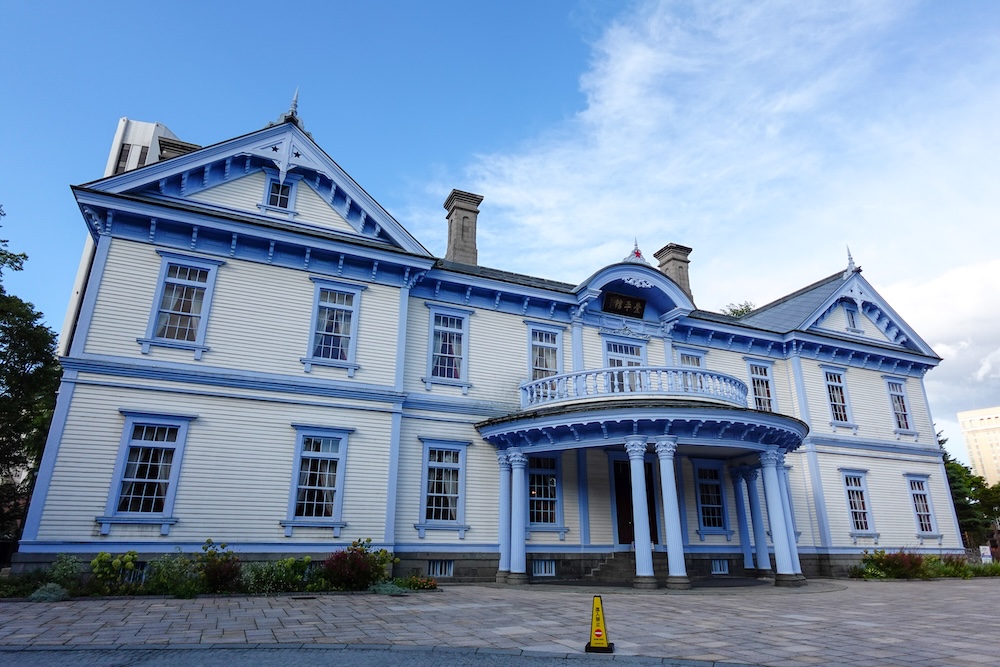
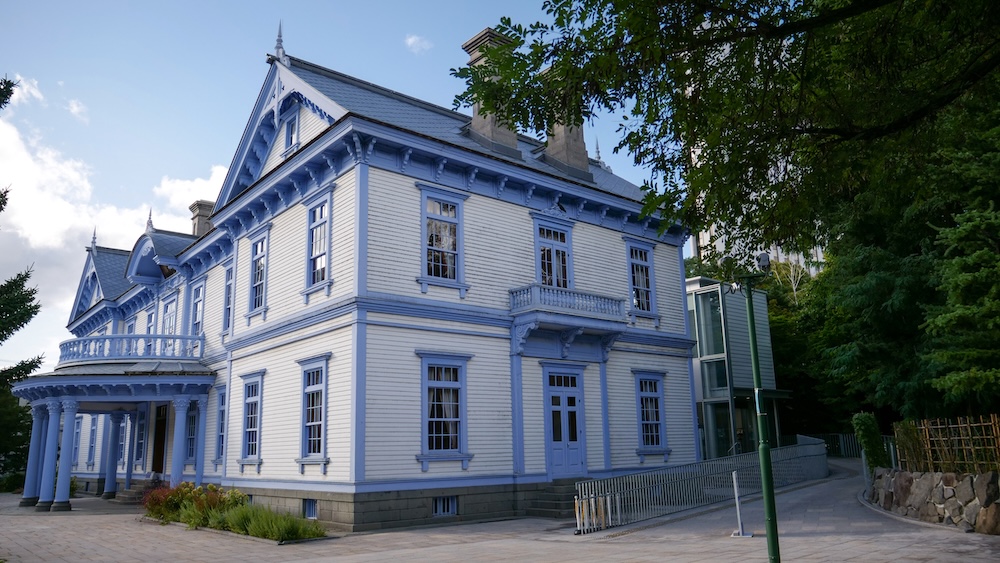
Hoheikan is a curious sight in the middle of Nakajima Park. You’re walking through one of Sapporo’s green spaces when suddenly there’s this grand white-and-blue building, complete with enormous columns, a curved balcony and enough decorative flourishes to make you wonder what on earth it’s doing there. Audrey and I had already decided to go inside, but that facade certainly made us more curious about the rooms beyond it.
Our visit turned out to be a bit of a mixed bag. The chandeliers, fireplaces, paintings and furnishings were lovely, yet the rooms felt surprisingly sparse in terms of exhibits, and we were finished in roughly 20 minutes, possibly less. Audrey shared my slightly underwhelmed impression. Even so, I’d happily pay to enter again, which probably tells you more about my verdict than the short visit does.
Hoheikan’s Remarkable Exterior and the History Behind It
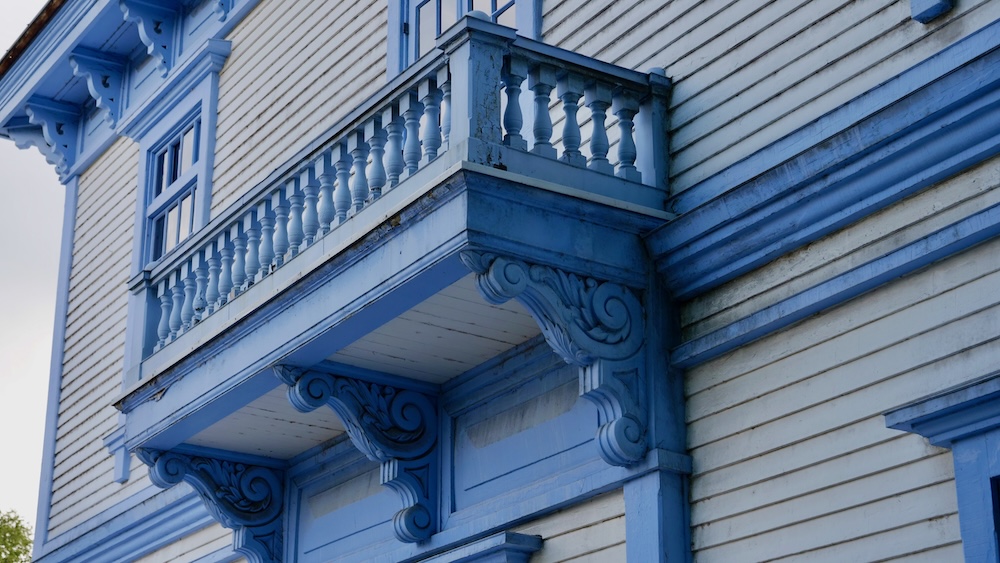
The first thing that struck me was the colour scheme. The white wooden siding and vivid blue trim make quite a statement against the trees, but it’s worth slowing down to notice the smaller features as well: the tall entrance columns, curved balcony, decorative brackets and ornate roof details. This is one of those buildings where you want to look up rather than march straight through the front door.
Hoheikan was completed in 1880 as a Western-style hotel for the Hokkaido Development Commission, during a period when the Japanese government was transforming Sapporo into a major administrative centre. Western architectural influences were becoming increasingly prominent in Japan, and Hoheikan reflected that changing world. It wasn’t simply somewhere for travellers to spend the night; the building was designed to accommodate important visitors, including Emperor Meiji, who stayed here in 1881.
Interestingly, Hoheikan wasn’t originally built in Nakajima Park. It stood closer to central Sapporo before being relocated here in 1958, and later served as a wedding venue. In 1964, it was designated a National Important Cultural Property. The relocation and subsequent restoration help explain why the building survives today, while its unusual combination of Western architecture and Japanese decorative craftsmanship makes it particularly interesting to explore. Outside, you have those grand columns and the curved balcony; inside, you’ll find intricate Japanese floral motifs worked into the plasterwork surrounding the chandeliers.
Personally, I enjoyed Hoheikan’s facade so much that I think it’s worth seeing even if you have no intention of buying a ticket. You can admire the architecture from Nakajima Park for free, and the exterior alone makes this historic building worth a stop.
Inside Hoheikan: What We Actually Saw
Chandeliers, Red Carpets and Historic Furnishings
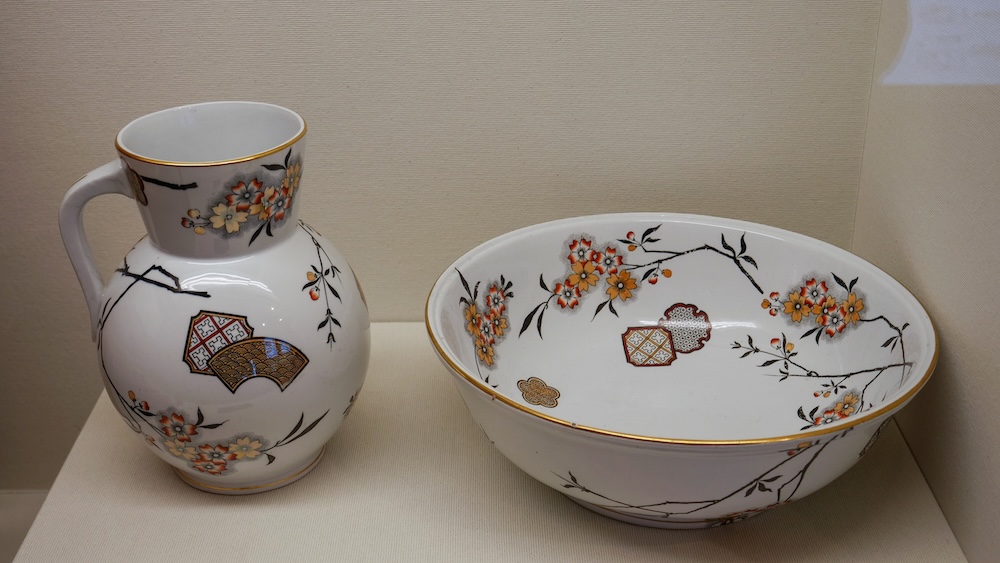
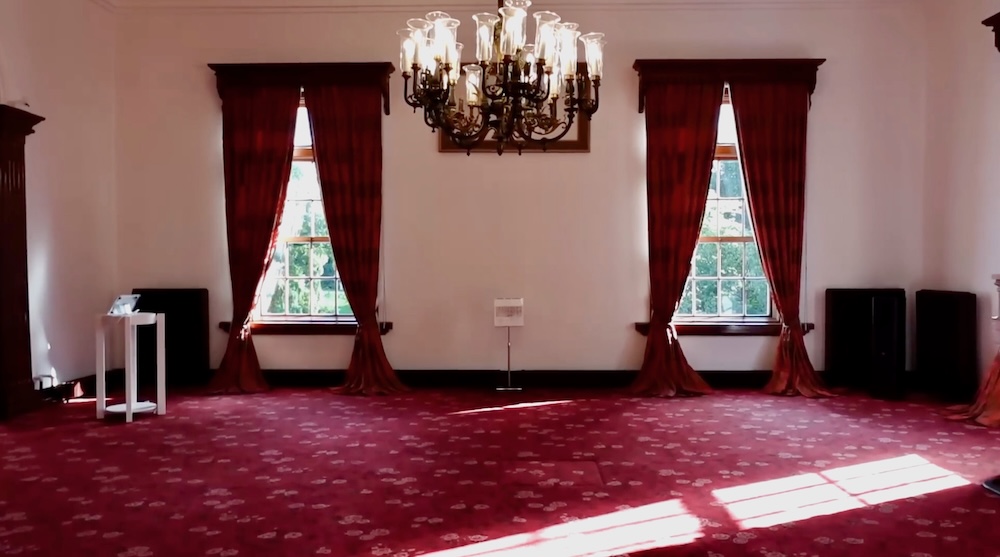
Inside, Audrey and I wandered through rooms with deep-red curtains framing tall windows, patterned carpets, upholstered armchairs, wooden tables and fireplaces. We found paintings and decorative ceramics to examine, although some of the rooms had only a handful of furnishings spread across a fairly large space. You could appreciate the architecture without having to elbow your way around display cases.
The chandeliers were particularly attractive. Hoheikan has eight, including four that have hung there since construction, and the ceilings around them feature ornamental plaster reliefs with Japanese flowers and nature motifs. It’s easy to focus on the furniture at eye level and miss some of the better craftsmanship overhead.

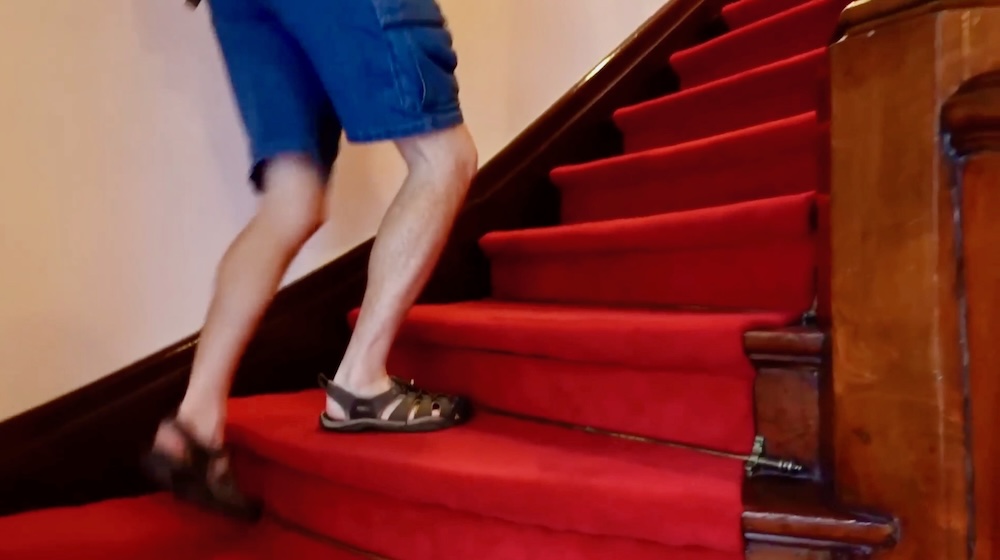
I also liked the red-carpeted staircase, with its polished woodwork and old-fashioned atmosphere. The carpets and curtains have been reproduced to evoke earlier designs, while the six fireplaces have been restored; some of their detailing combines marble with plasterwork made to resemble it. Hoheikan has been moved, preserved and renovated over the years, so it isn’t a frozen nineteenth-century time capsule, and there’s nothing wrong with that.
Upstairs, you’ll also find rooms recreated to represent accommodation prepared for imperial visitors, alongside exhibits about the building’s past. I couldn’t tell you the name of every room we walked through, but the architectural details are worth taking the time to notice even when the furnishings themselves are relatively sparse.

Why We Didn’t Spend Very Long Inside
For such an imposing building, I’d expected a little more exhibition material. We saw paintings, furnishings and various decorative objects, but several rooms felt rather bare, and I don’t remember coming away with much explanation of what each space had once been used for. It wasn’t busy enough to rush us along, either: there were other visitors, but we never felt crowded.

We probably spent 20 minutes or less inside before continuing our walk through Nakajima Park. I wouldn’t call that a disappointment exactly; we liked what we saw, and Audrey felt much the same way. I simply found the exterior more memorable than our brief wander through the rooms.
It’s worth knowing that Hoheikan offers more interpretation than we took advantage of. There are historical displays, reconstructed rooms and explanatory videos, plus free volunteer-led explanations that can last up to around 40 minutes. These are generally offered between 10 AM and 4 PM, subject to availability. If the building’s history really interests you, I’d ask about one rather than relying solely on a quick look around, but check the language options before assuming an English-speaking volunteer will be available.

Hoheikan Admission, Opening Hours and Visitor Information
One reason I’m comfortable recommending the interior is the price. Audrey and I paid ¥300 each, as our old admission tickets show; the current published adult rate is ¥350. It’s still a modest expense for the chance to look around a preserved historic building, even if you don’t end up staying very long.
Here’s the practical information to check before heading over:
- Adults: ¥350 admission.
- High school and university students: ¥150.
- Junior high school students and younger: Free.
- Regular hours: 9 AM–5 PM, with last admission at 4:30 PM.
- Regular closures: Second Tuesday of the month, adjusted for holidays, plus December 29–January 3.
Some discounts and exemptions apply, and there are occasional extended evening openings, so use the official Hoheikan visitor information to confirm the details for your dates. Parts of the building can also be booked for private functions, which means not every room is necessarily available to ordinary visitors.
I’d allow about 30–45 minutes for a casual interior visit, or longer if you plan to follow the displays carefully or join an explanation. That’s a suggested allowance, not a claim that our own visit took that long. The practical thing is to arrive early enough to enjoy it instead of showing up just before last admission.

How to Get to Hoheikan in Nakajima Park
Hoheikan is at 1-20 Nakajima Park, Chuo-ku, Sapporo. The easiest approach is the Namboku subway line to Nakajima-koen Station; Exit 3 is roughly a five-minute walk away. You can also come from Horohirabashi Station, Exit 1, in around ten minutes, or walk about five minutes from the Nakajima-koen-dori streetcar stop.
There’s no general visitor parking, so public transport makes sense. An elevator provides access to the upper floor for people who have difficulty using stairs or are travelling with a stroller, although I’d check specific accessibility needs with the venue rather than assuming every historic room is equally easy to reach.
I’d combine Hoheikan with a wander through Nakajima Park rather than travel across town solely for a short indoor visit. Audrey and I were staying near the park and particularly enjoyed Shobu Pond and the Japanese Garden, which I’ve covered alongside suggested routes in my Nakajima Park Sapporo guide and review. If you’d like to make this part of your daily routine in Sapporo, you can compare hotels around Nakajima Park; I wouldn’t choose an entire trip’s accommodation just for Hoheikan, but the nearby paths and subway are useful.
For a wider day exploring Sapporo’s history and neighbourhoods, there’s also a customizable private walking tour of Sapporo. It’s not a dedicated Hoheikan tour, so confirm with the host whether the building can fit your itinerary before booking; attraction admission and transport are extra. We didn’t take this tour ourselves, and for Hoheikan alone I’d first enquire about the building’s free volunteer explanations.
Is Hoheikan Worth Visiting Inside? My Verdict
Yes, I think so, but the answer depends on what you want from the visit. If you’re content to admire an eye-catching historic facade, you can stop at Hoheikan during a park walk and enjoy the columns, balcony and blue-and-white trim without paying anything. That’s a perfectly reasonable choice when time is tight.
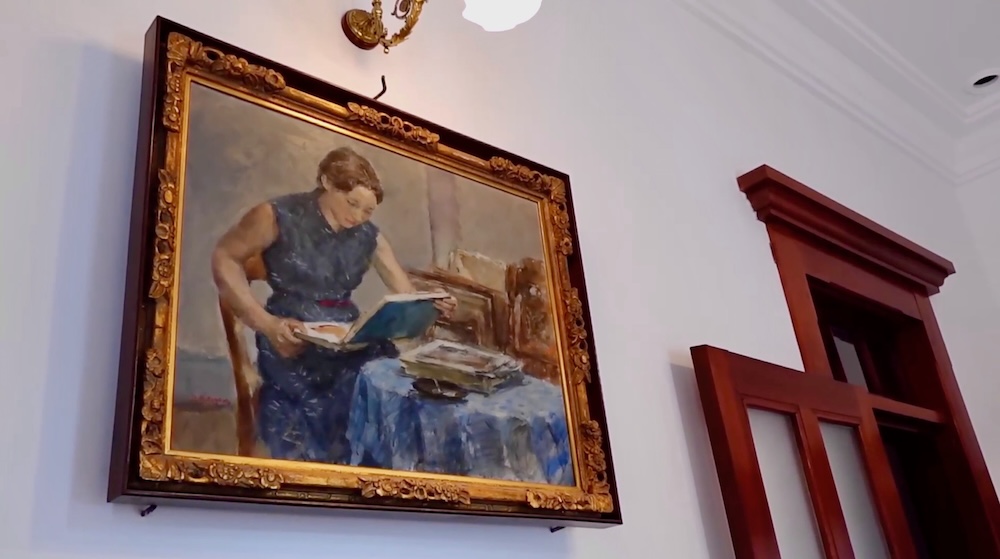
If you enjoy historic interiors, though, I think the ¥350 admission is worth it. The chandeliers, decorative ceilings, fireplaces and restored rooms give you a closer look at Sapporo’s early history, and you can spend longer with the displays or seek out an explanation if you want more context. Just don’t arrive expecting an enormous museum packed with artifacts: the rooms felt relatively sparse to Audrey and me, and we were happy to keep our visit brief.
I’d still pay to go inside again. This time I might spend a little longer looking up at those ceilings rather than wondering where the rest of the exhibits had gone. The exterior remains my favourite part of Hoheikan, but I’m glad we didn’t stop at the front door.

Frequently Asked Questions
Is Hoheikan worth visiting in Sapporo?
Yes. I found Hoheikan’s blue-and-white exterior more impressive than its interiors, but I’d happily pay to go inside again. The historic chandeliers, decorative ceilings, fireplaces and restored rooms make the modest admission worthwhile, particularly if you enjoy architecture and Sapporo’s early history.
How much does it cost to enter Hoheikan?
The published admission price is ¥350 for adults and ¥150 for high school and university students. Junior high school students and younger can enter free. Audrey and I paid ¥300 each during our visit, as our original tickets show, but that was the earlier admission rate.
How long should you spend inside Hoheikan?
Audrey and I spent approximately 20 minutes or less exploring the interior. I’d recommend allowing around 30–45 minutes for a casual visit, or longer if you want to study the displays or join a volunteer explanation. The rooms are relatively easy to explore without turning your visit into a lengthy museum outing.
What can you see inside Hoheikan?
Expect historic rooms with ornate chandeliers, red carpets, decorative plaster ceilings, fireplaces, paintings and furnished sitting areas. There are also reconstructed imperial accommodation rooms and historical displays. Some rooms felt rather sparse to us, but the architectural craftsmanship was still lovely to examine.
Can you visit Hoheikan without paying admission?
You can admire Hoheikan’s striking white-and-blue exterior from Nakajima Park without purchasing a ticket. Admission is required to explore the historic rooms. If you’re short on time, the exterior alone is worth a stop, although I think paying to enter adds enough architectural interest to justify the modest fee.
What are Hoheikan’s opening hours and closing days?
Regular opening hours are 9 AM–5 PM, with last admission at 4:30 PM. Hoheikan normally closes on the second Tuesday of each month, with holiday adjustments, and from December 29 to January 3. Special openings and room availability can vary, so check the current arrangements before visiting.
How do you get to Hoheikan by subway?
Take Sapporo’s Namboku subway line to Nakajima-koen Station and use Exit 3. Hoheikan is approximately five minutes away on foot. Horohirabashi Station is another option, roughly ten minutes away. I’d combine your visit with a walk around Nakajima Park rather than making a separate journey solely for the building.
This guide is also available in Spanish. [Leé la versión en castellano: Hoheikan en Sapporo: guía y reseña de sus interiores históricos, entrada y si vale la pena visitarlo]
This article contains affiliate links. If you book through one of these links, I may earn a commission at no extra cost to you.