
Cranbrook has a sneaky superpower: it looks ordinary for about five minutes… and then you’re under tall ponderosa pines wondering why you ever spend time indoors.
That’s the Cranbrook Community Forest experience in a nutshell. It’s close to town, big enough to feel like a real escape, and flexible enough to handle the most unpredictable trail partner of all: a baby who may (or may not) accept today’s “family hike” concept.
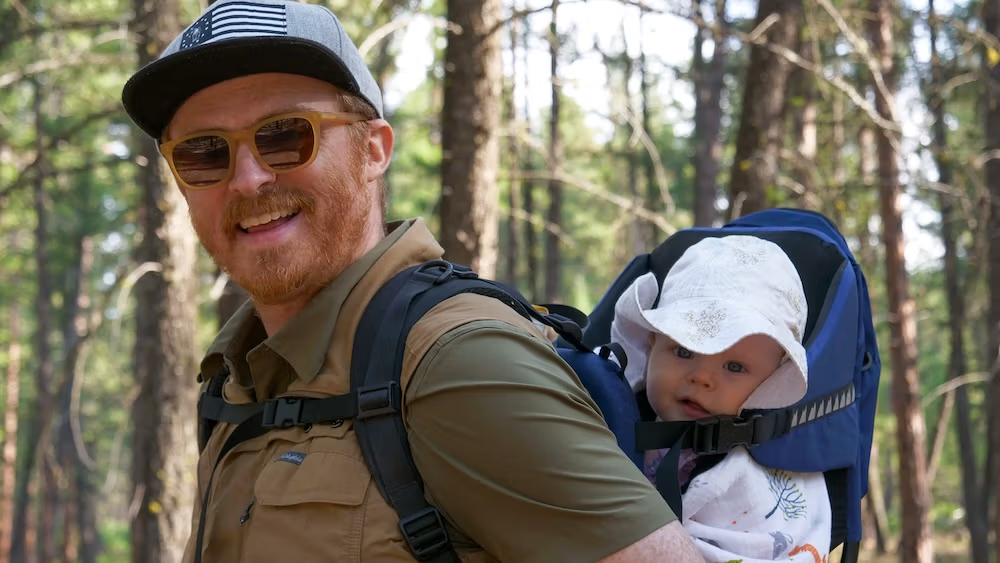
We love it because it delivers the sweet spot: actual nature without an all-day logistical production. You can do a short “we did it!” loop, a lakes wander, a viewpoint mission, or a longer signed loop that makes you feel like you have your life together (even if you’re powered entirely by coffee and crushed snacks).
This guide is a practical, pick-your-own-adventure breakdown: trails, trailheads, distances, family strategy, what to expect season by season, and the honest truth about Sylvan “Lake.”
Quick take: who this place is perfect for
- Families who want an easy-to-moderate hike near Cranbrook (and want to keep the car ride short).
- First-time visitors who want a simple “start here” trail system that doesn’t require backcountry skills.
- Walkers, trail runners, birders, and casual hikers who like variety (forest + grassland + small lakes).
- Mixed groups (fast people + slow people + “I’m just here for the picnic table” people).
Trip planning snapshot
| Planning question | Best answer |
|---|---|
| How much time do we need? | 60–90 minutes for an easy win, 2–4 hours for the best “trail buffet,” or longer if you link loops. |
| Best beginner start? | College of the Rockies trailhead. Big parking, easy orientation. |
| What’s the “signature” easy hike? | Gateway Trail to Sylvan Lake (wide, gradual, family-friendly). |
| Where are the views? | Upper Coaster / Yer Cheatin’ Heart, Windy Bluff, and some Eager Hills routes. |
| Stroller or carrier? | Carrier gives you way more options; stroller works on some wide sections only. |
| What should we check before we go? | TrailForks + Community Forest updates for conditions and access. |
Our family hike to Sylvan Lake: the honest version
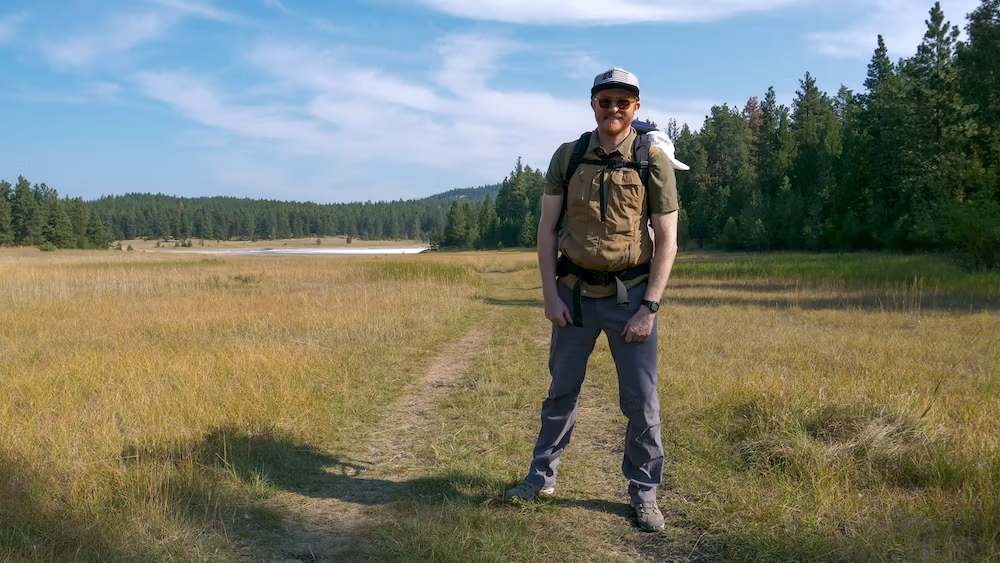
On our visit, we’d already been bouncing between Cranbrook parks, so we were in that “outdoorsy, but not trying to ruin the baby’s nap schedule” zone. We drove to the Community Forest and parked at Lower Baker Mountain Road trailhead (not a main entrance but nearby Idlewild Park), though we noticed you can connect it into a bigger walking day if you’re already near town trails and parks (such as Idlewild Park).
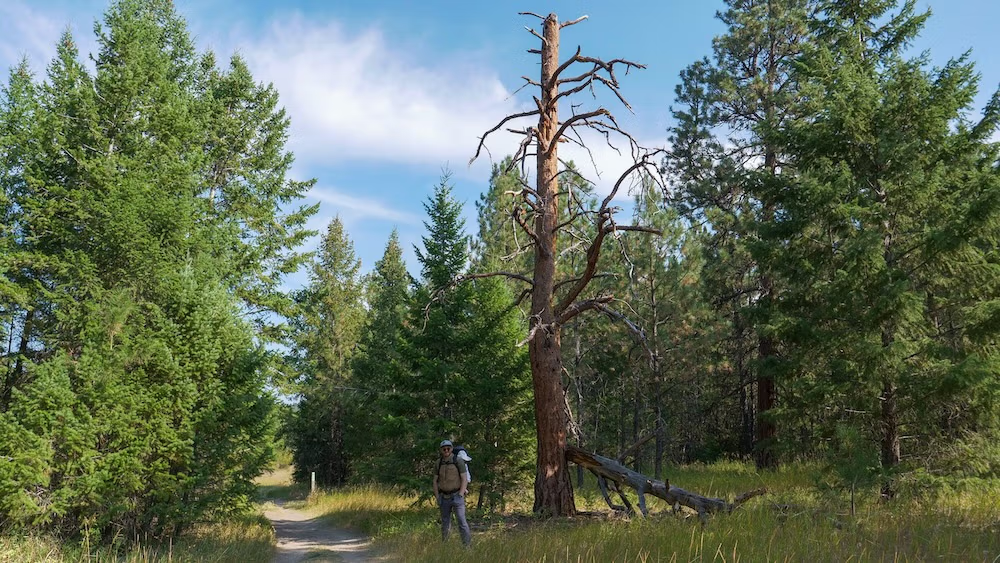
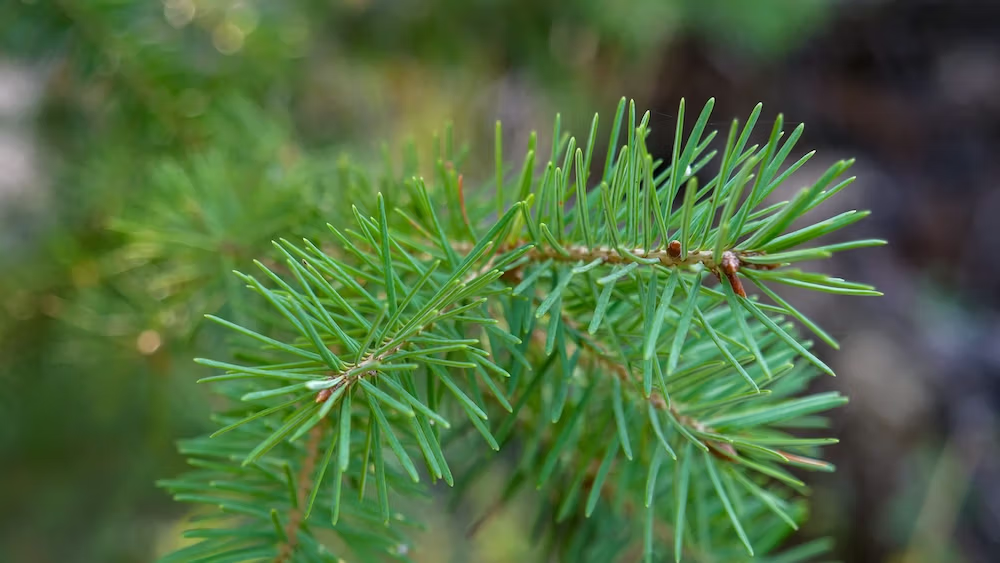
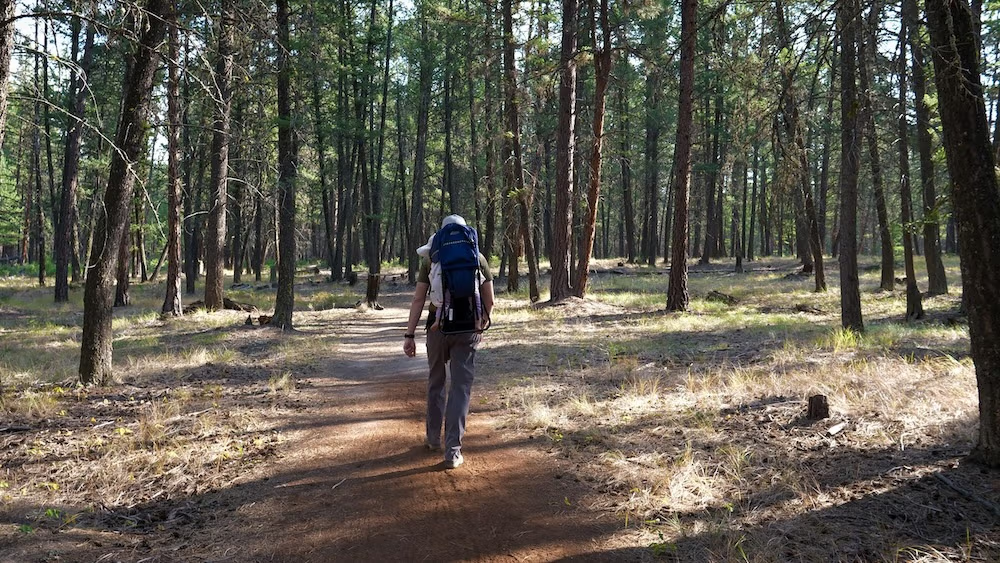
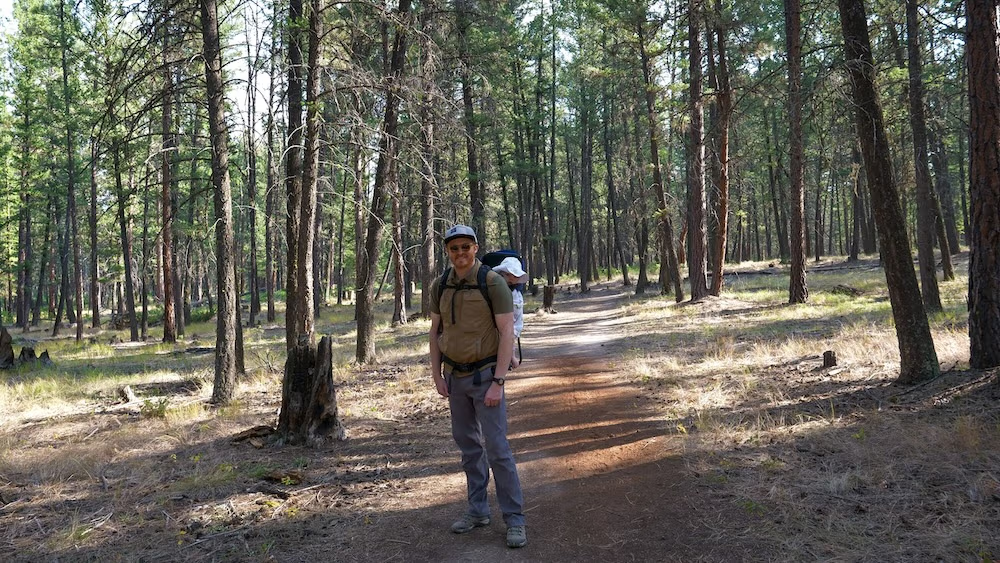
We put Aurelia in the carrier got on Juniper Lane trailhead and headed through tall pines. The forest felt immediately “healthy”—you know that vibe where you start pointing out seedlings like you’re a wannabe botanist.
Then the baby started saying: “Oh wow.”
We briefly convinced ourselves she was emotionally moved by the landscape. A tiny wilderness poet. Then we remembered: babies also say things because the sound is fun. Either way, we accepted the praise.
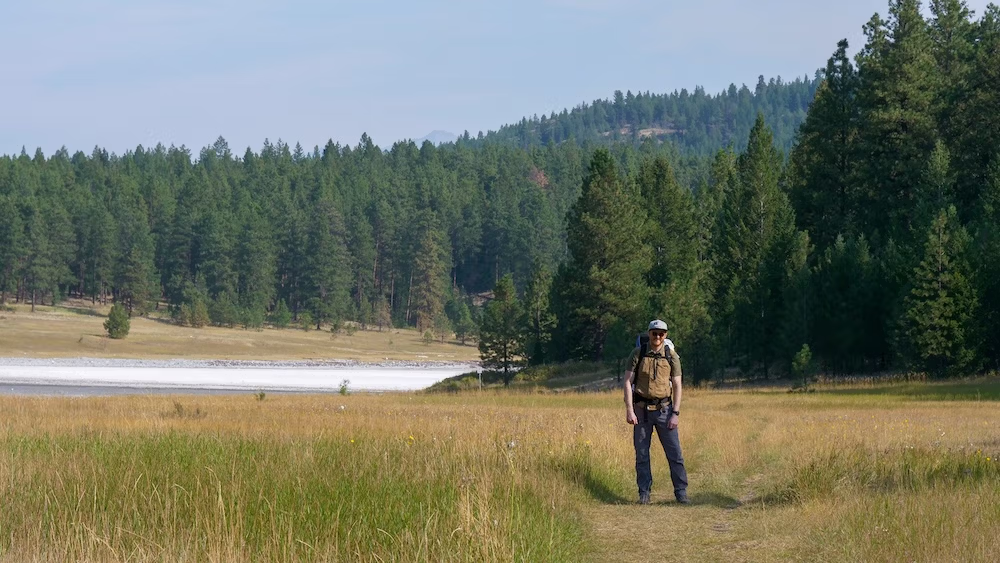
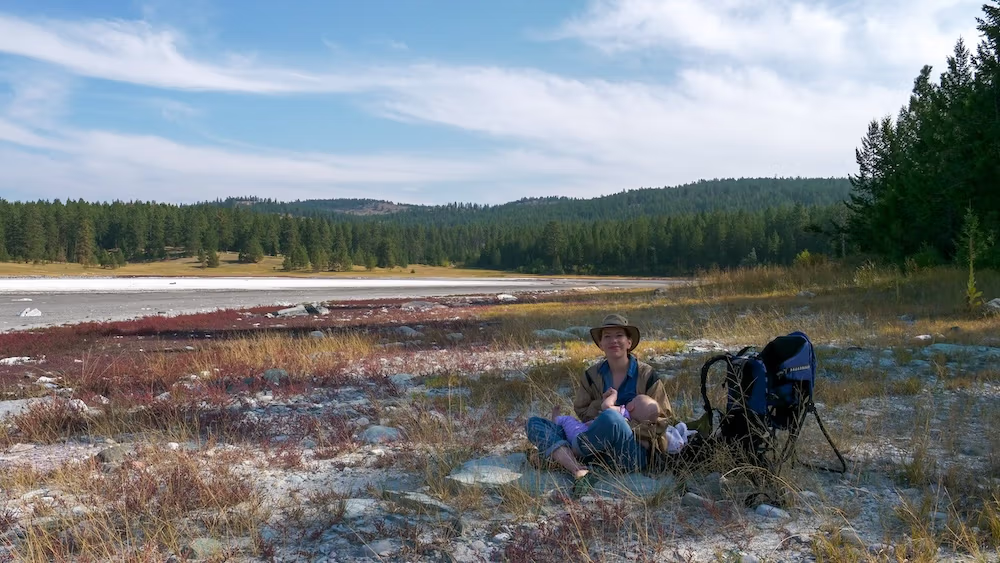
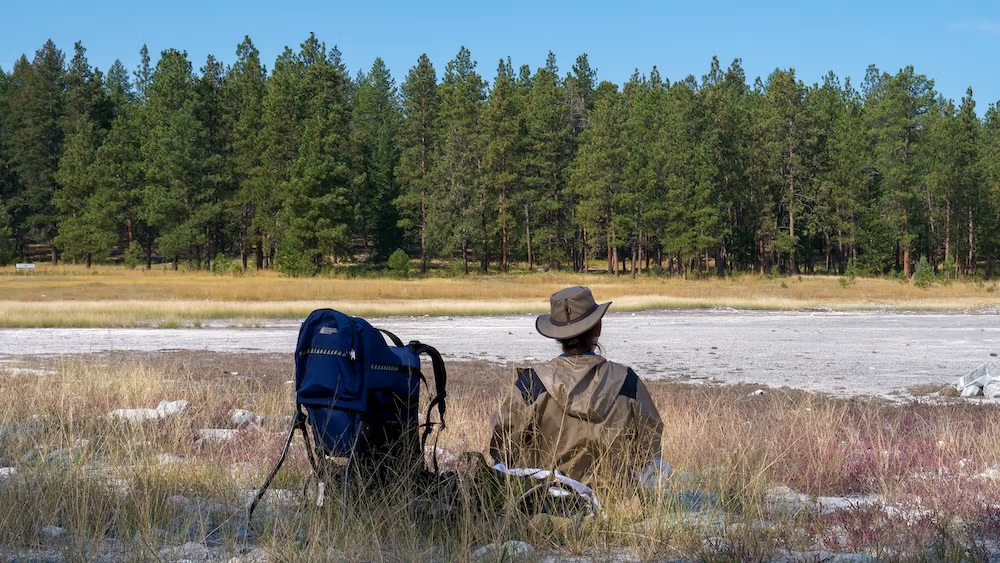
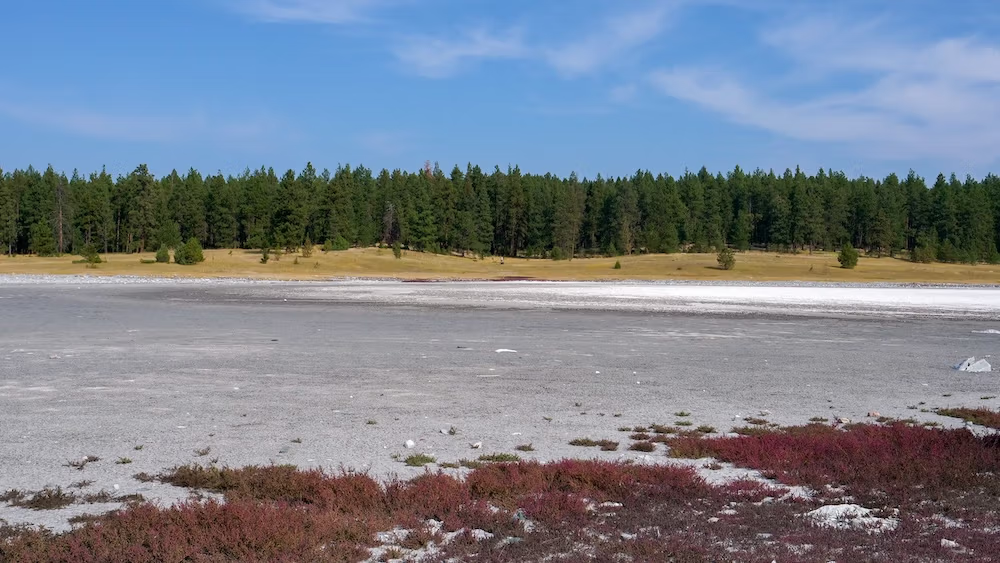
We reached Sylvan Lake… which is where expectation management matters. The name suggests a proper lake. In late summer, it can be a shallow pond or even completely dry. When we visited, it was definitely in its “minimalist era.”
And still: it worked. The hike was easy, the trail was pleasant, the break was restorative, and nobody had to summit anything or sign up for Type 2 Fun. That’s why this place is so good for families—you can have a great day even when the “destination” is quietly doing its own thing.
How the Community Forest works
Beyond the trail fun, it’s also a neat local success story: the Community Forest covers roughly 2,000 hectares of Crown land on Cranbrook’s east and north edges, has had provincial protection since 1987, and today offers 100+ km of trails across forest, grassland, and lake ecosystems.
Think of the Cranbrook Community Forest as a trail network rather than one “main hike.” That’s the magic:
- You can scale up or down depending on weather, energy, naps, and snacks.
- You can choose signed loops if you want simple navigation.
- You can stitch together routes that feel like a bigger adventure without being remote.
There are two broad areas to know:
- South / main access area: easiest family starts, lots of classic routes, and the most intuitive trailheads.
- North (Eager Hills area): nested loops, good spring conditions on sunny slopes, and a more “mix and match” feel.
If it’s your first time, start on the south side. If you’re returning and want different scenery or spring wildflowers, add Eager Hills.
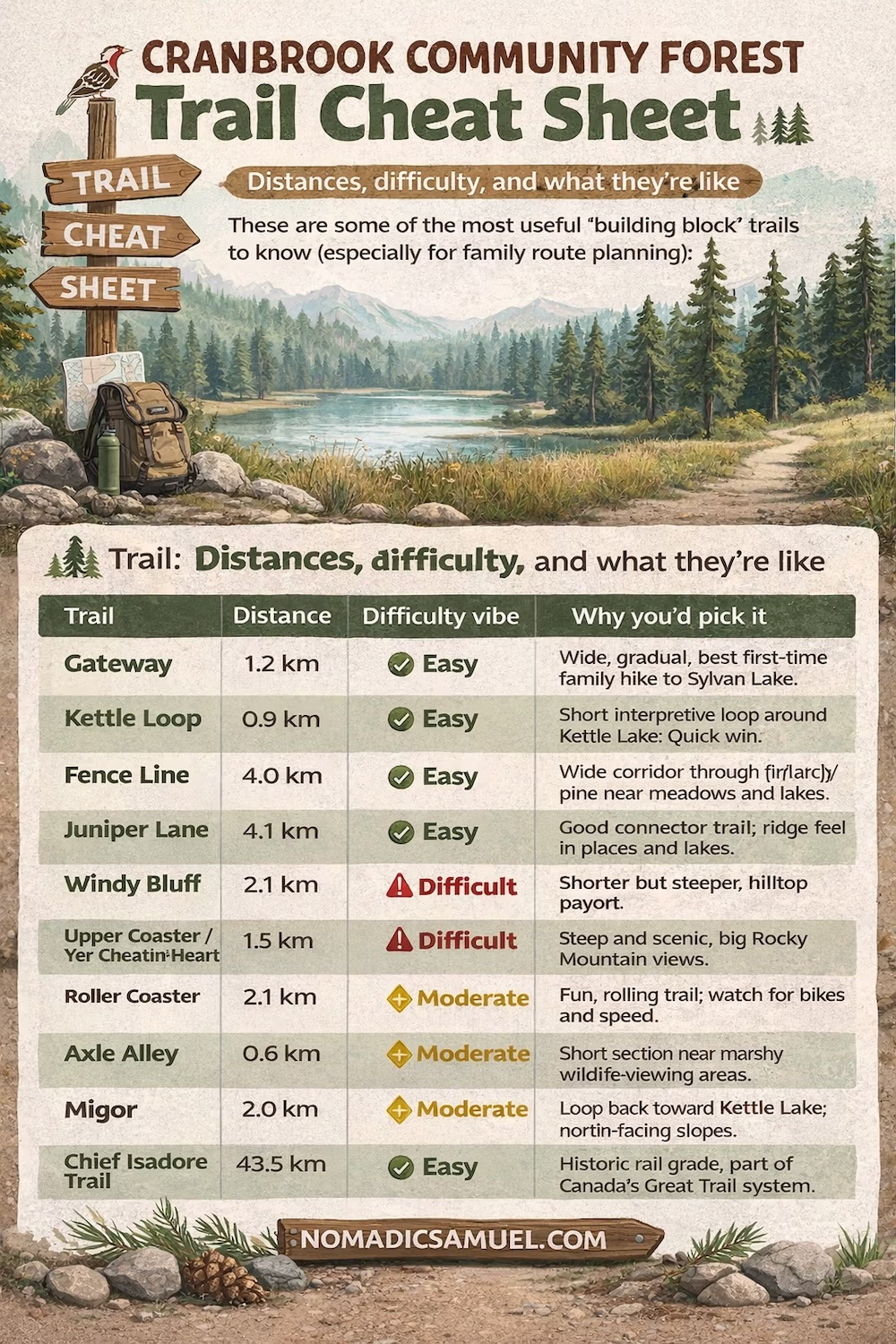
Trail cheat sheet: distances, difficulty, and what they’re like
These are some of the most useful “building block” trails to know (especially for family route planning):
| Trail | Distance | Difficulty vibe | Why you’d pick it |
|---|---|---|---|
| Gateway | 1.2 km | Easy | Wide, gradual, best first-time family hike to Sylvan Lake. |
| Kettle Loop | 0.9 km | Easy | Short interpretive loop around Kettle Lake. Quick win. |
| Fence Line | 4.0 km | Easy | Wide corridor through fir/larch/pine near meadows and lakes. |
| Juniper Lane | 4.1 km | Easy | Good connector trail; ridge feel in places. |
| Windy Bluff | 2.1 km | Difficult | Shorter but steeper, hilltop payoff. |
| Upper Coaster / Yer Cheatin’ Heart | 1.5 km | Difficult | Steep and scenic, big Rocky Mountain views. |
| Roller Coaster | 2.1 km | Moderate | Fun, rolling trail; watch for bikes and speed. |
| Axle Alley | 0.6 km | Moderate | Short section near marshy wildlife-viewing areas. |
| Migor | 2.0 km | Moderate | Loops back toward Kettle Lake; north-facing slopes. |
| Chief Isadore Trail | 43.5 km | Easy | Historic rail grade, part of Canada’s Great Trail system. |
Signed loops: the easiest way to hike without thinking too hard
If you want the simplest “follow signs, have a lovely day” approach, use the signed loops. These are great for visitors and families because they reduce the chance of accidental epic-ness.
The three main signed options are:
- Lakes Loop (the most family-friendly for variety)
- Forest Loop (a bigger loop day inside the forest)
- Great Trail Connector (connects to the larger Great Trail network)
Lakes Loop: choose your distance
The Lakes Loop is built around a chain of small lakes (great birding vibes, especially in spring). You can break it into pieces:
| Lakes Loop option | Distance | Best for |
|---|---|---|
| South Loop | 6.6 km | Gentler route for families/steady walkers |
| North Loop | 7.4 km | Slightly more technical with short steep ups/downs |
| Outer Loop | 10.8 km | A proper half-day outing with the most variety |
If you’re hiking with kids, the trick is simple: pick the loop that matches your snack inventory.
Best easy family-friendly hikes (our top picks)
Gateway Trail to Sylvan Lake
This is the “everyone can do it” trail. Wide, gradual, and perfect for families and beginners. It’s also the easiest way to experience the Community Forest without overthinking your route.
Sylvan Lake is seasonal, so treat it like a nice rest stop rather than a guaranteed postcard lake.
Kettle Lake Interpretive Loop
Short, easy, and perfect for a quick family outing. It’s ideal when you want:
- a morning stretch,
- a post-lunch wander,
- or a “we need to burn toddler energy” solution.
Fence Line (and whatever you feel like adding)
Fence Line is great when you want to walk without constantly checking a map. It’s a wide corridor and feels relaxed, especially for mixed groups. You can turn around whenever you want, which is honestly the most family-friendly feature of all.
Juniper Lane: an easy connector with variety
Juniper Lane works well when you want to connect areas and keep the walk interesting without making it difficult. It’s also a good way to create a loop day that doesn’t feel repetitive.
Eager Hills “nested loop” day (for families with older kids)
If your crew can handle a bit more mileage and sun exposure, Eager Hills gives you multiple loop options so you can adjust on the fly. Great for spring when sunny slopes dry out sooner.
Views and “worth the effort” trails
Sometimes you want easy. Sometimes you want a view and a small dose of suffering (as a treat).
Viewpoint decision matrix
| If you want… | Do this | Effort | Why it’s worth it |
|---|---|---|---|
| A short, punchy climb with payoff | Windy Bluff | Medium–High | Rocky hilltop feel and a “view achieved” moment |
| Big Rocky Mountain views | Upper Coaster / Yer Cheatin’ Heart | High | Steep, scenic, memorable |
| A view day without going full beast mode | Mix an easy loop + one viewpoint spur | Medium | Balance: families stay happy and you still get photos |
If you’re hiking with a baby, pick viewpoint days strategically. Steep trails can be doable, but they turn into a “how much do we love this idea” conversation pretty quickly.
Nature highlights: what to look for
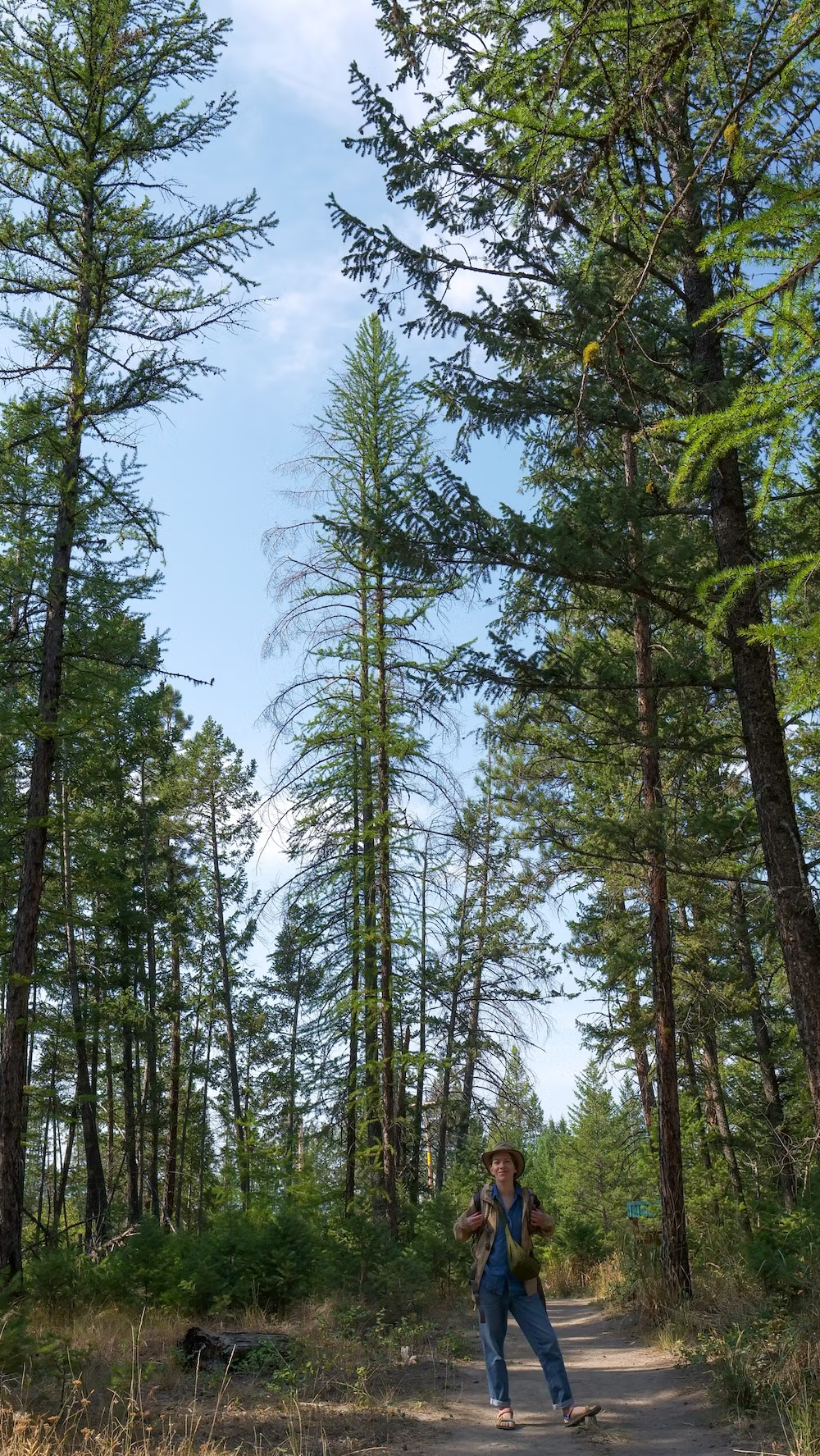
The Community Forest is interesting because it’s not one uniform ecosystem. You get forest, grassland, and lakes in the same network, which means variety in wildlife and plants.
A few highlights to watch for:
- Birdlife around lakes and marshy areas (spring can be especially active).
- Early spring crocuses in grassland areas above Sylvan Lake.
- Shooting star orchids later in summer.
- That dry-Kootenay feel—brighter pine stands and more open stretches than coastal forests.
Stroller vs carrier: the family reality check
| Situation | Stroller | Carrier | Our pick |
|---|---|---|---|
| Wide, gradual trails | Possible | Great | Depends |
| Mixed/uneven trails | Painful | Easy | Carrier |
| Longer day | Fatigue risk | More control | Carrier |
| Nap-friendly | Unreliable | Reliable | Carrier |
If you only bring one kid-transport option, bring the carrier. It unlocks the whole network.
When to go: seasonal guide
| Season | Why it’s great | What to plan for |
|---|---|---|
| Spring | Wildflowers + birding + fresh trails | Mud patches, changing conditions |
| Summer | Best family logistics, easiest access | Heat, sun exposure, carry more water |
| Fall | Best hiking temps, crisp air | Shorter daylight, chilly mornings |
| Winter | Quiet walks/snowshoe vibes (snow-dependent) | Variable snow, check conditions first |
Trailheads, parking, and access (the stuff that prevents grumpy starts)
The Community Forest is close to town, but trailhead parking ranges from “great” to “good luck.”
Trailhead decision matrix
| Trailhead | Best for | Parking | Notes |
|---|---|---|---|
| College of the Rockies | First-timers, families | Best | Biggest lot, easiest orientation |
| Chief Isadore | Great Trail routes | Limited | Good for the rail grade trail |
| 2nd Street South | Foot/bike access | None | No parking; plan accordingly |
| Lower/Upper Baker Mountain Rd | DIY loops | Limited | Useful for linking routes |
| Fraggle Rock / Eager Lookout | Eager Hills | Limited | Gravel access; arrive early |
A key access note: the forest is primarily non-motorized, with vehicle access to the Sylvan Lake road limited to summer only. The south gate has daily open hours and a seasonal closure period, so check current rules and updates before you go.
Safety and etiquette (short, simple, important)
- Wildlife happens. Make noise, be aware, and consider carrying bear spray if that’s part of your comfort level.
- Keep dogs under control. Better for wildlife and for everyone else.
- Stay on established trails, especially in areas that border private land (the “Big Tree” area is one place to be extra respectful).
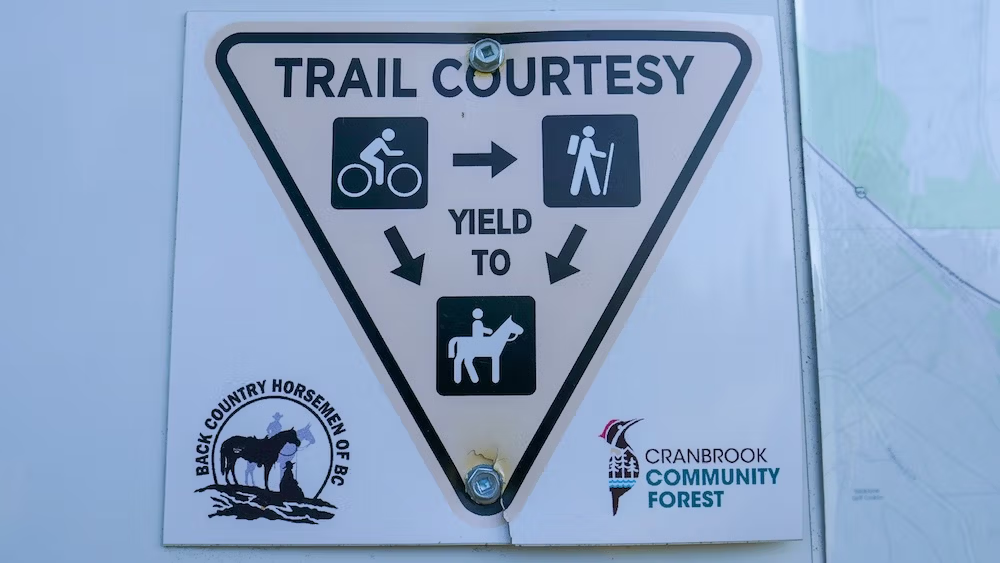
- Share the trails. Bikes and hikers mix on many routes—be predictable and attentive.
- Pack out everything. Even the tiny stuff.
Our favourite game plans (pick your time budget)
60–90 minutes
| Plan | Route idea |
|---|---|
| Easy win | Gateway or Juniper Lane out-and-back to Sylvan Lake (what we did as a family of three with baby Aurelia) |
| Quick loop | Kettle Lake Interpretive Loop |
| Flexible stroll | Short Fence Line out-and-back |
2–3 hours
| Plan | Route idea |
|---|---|
| Lakes variety | Lakes Loop South (or partial) |
| Mix-and-match | Gateway + add a connector trail |
| Spring option | One Eager Hills loop |
Half day (3–5 hours)
| Plan | Route idea |
|---|---|
| Big loop day | Lakes Loop Outer |
| Add a payoff | Easy loop + Windy Bluff (if the crew is up for it) |
| “We hiked today” | Forest Loop day |
Picnic sites, washrooms, and “where do we eat snacks?” spots
One underrated reason the Community Forest works so well for families: it has proper day-use style picnic areas. The forest’s lake areas include picnic sites with tables and washroom facilities, which makes it easier to plan a longer walk without the “where do we change the baby and regroup?” panic.
| Spot | What it’s good for | Family note |
|---|---|---|
| Kettle Lake picnic site | Quick loop + interpretive stations | Great “first hike” with frequent distractions |
| Sylvan Lake picnic area | Rest stop for Gateway Trail days | Lake level varies seasonally—still a good break spot |
| Alkali Lake area | Another lake-zone option to explore | Nice add-on if you’re loop-hopping |
Access rules that matter (gates, seasonal closures, and the north key situation)
A few details can save you a wasted drive:
- The Community Forest is primarily non-motorized, and vehicle access is generally limited (summer-only access to the Sylvan Lake road).
- The south gate is typically open 6:00 am to 10:00 pm daily, and is seasonally closed (generally Nov 1 to Jun 1) for environmental protection and public safety—so if you’re visiting outside summer, double-check before you go.
- If you want to access Kettle Lake from the north end via the Forest Service Road, the Community Forest Society has a key-access process: you request access by email, pick up the key with ID, and you’re expected to close and lock the gate when entering and exiting.
In other words: it’s easy to visit, but it rewards the tiny bit of pre-checking that prevents a “why are we still in the car?” family moment.
What to pack for a Community Forest family hike
| Item | Why it matters here | “We learned the hard way” note |
|---|---|---|
| Water (more than you think) | Summer can be warm and sunny on open stretches | Babies don’t care about your hydration plan |
| Snacks (yes, plural) | Trails are flexible, which means “just a bit longer” happens | The snack buffer prevents “carry me” negotiations |
| Bug spray (seasonal) | Lakes + meadows can mean bugs | Apply before the whining starts |
| Sun protection | Eager Hills and open areas can feel exposed | Hat + sunscreen = less cranky |
| Offline map/app | Helpful if you link trails | It prevents mid-trail debates about “left or right” |
| Basic first aid | Always a good idea | Scraped knees are undefeated |
Trail mix reality: hikers, bikes, and how to keep it pleasant
This is a multi-use trail network. Most of the time that’s great—lots of community energy—but it means a tiny bit of awareness keeps everyone happy:
- Stay to the side on wider trails and keep your group from drifting across the whole path.
- If you’re hiking with kids, teach a simple “bike coming—step to the side” habit early.
- On trails that are known for downhill bike flow, keep your ears open and avoid blocking narrow sections during breaks.
Two ready-made family routes (so you can just go)
Route A: The “we have a baby and we still want nature” loop
- Start at the College of the Rockies trailhead.
- Walk the Gateway Trail toward Sylvan Lake.
- Take a long break, do snacks, and turn back whenever your crew hits the “done” point.
- Optional: add a short connector section if everyone’s still happy (and you still have snacks).
Route B: The “quick win + educational enrichment” loop
- Start at Kettle Lake.
- Do the Kettle Loop (interpretive stations make it feel like an activity, not just a walk).
- If energy is high, add a short out-and-back on a nearby connector trail.
- End with a picnic-table reset and the smug feeling of having “done something healthy today.”
The honest truth about Cranbrook Community Forest
This place isn’t trying to be the most dramatic hike in British Columbia.
It’s trying to be the kind of trail network you’ll actually use.
It’s accessible, close to town, and built for real-life hiking—the kind where plans change, kids get tired, and your definition of “success” is a happy walk plus a peaceful snack break. Even if the “lake” is currently… more of a concept than a body of water.
If you’re building a Cranbrook itinerary, put this near the top. Start easy, follow a signed loop, and let the Community Forest do what it does best: give you a genuinely good day outside.
Further Reading, Sources & Resources
The Cranbrook Community Forest is one of those places where the core facts stay the same (trail system, lakes, general access) but the day-to-day reality can shift (seasonal closures, gate access, trail maintenance, conditions). The links below are the best “source of truth” references we used while building this guide, and they’re also the quickest way for you to double-check details before you head out.
Official Community Forest information + maps
https://www.cranbrookcommunityforest.com/
The official Community Forest Society site with the big-picture overview (what the CCF is, why it exists, and how it’s managed).
https://www.cranbrookcommunityforest.com/maps
The most practical planning page: trailheads, access notes, and the details you’ll actually want right before a hike.
https://www.cranbrookcommunityforest.com/signed-loops-trails
Official signed loop information (a great starting point for families and first-timers who want a simple “follow the signs” hike).
Loop distances and route descriptions
https://www.trailforks.com/route/lakes-loops-20351/
A useful interactive reference for visualizing the Lakes Loop options and seeing current community updates and trail status.
Visitor info and safety reminders
https://cranbrooktourism.com/things-to-do/trails/cranbrook-community-forest
A clear, visitor-friendly overview of what to expect, plus helpful reminders about being wildlife-aware and trail-prepared.
Gate/key access update (verify before you go)
https://www.cranbrookcommunityforest.com/post/north-gate-kettle-lake-key-access
The official post explaining the north gate key request process (this can affect vehicle access plans, so it’s worth checking close to your visit).
Notes on accuracy
We’ve aimed to keep every trail distance, access note, and “how to plan” detail as accurate as possible based on official sources. That said, conditions and access rules can change seasonally (including closures, maintenance work, and gate/key procedures). Before your hike, it’s smart to check TrailForks plus the Community Forest Society updates for the latest info.
Frequently asked questions about hiking Cranbrook Community Forest with families
Is Cranbrook Community Forest good for beginners?
Yes. Start with Gateway or Kettle Loop and you’ll get a genuine forest experience without technical terrain. If you’re new, treat it as a nature walk with options—because that’s exactly what makes it so enjoyable.
Can we hike here with a baby?
Yep. A carrier makes it easy, especially on routes with uneven patches or longer distances. We used a carrier, took breaks when needed, and it felt like one of the simplest ways to get real outdoors time in Cranbrook.
Are the trails stroller-friendly?
Some wide sections can work, but most of the network is happier with a carrier. If you bring a stroller, keep the route simple and expect a “walk” rather than a rugged hike.
What’s the best short hike if we only have an hour?
Gateway Trail is the easiest win. Kettle Loop is the other great option if you want something very short with interpretive stations and lake/pond scenery.
Is Sylvan Lake actually a lake?
Sometimes. Late summer can be shallow or even dry. The destination still works as a rest stop, but it’s best to treat it as a pleasant stopping point, not a guaranteed postcard lake.
Are there bears or wildlife?
Occasionally, yes. Make noise, stay alert, keep dogs under control, and carry bear spray if it’s part of your routine. Most hikes are calm, but it’s smart to respect that you’re in wildlife habitat.
Are dogs allowed?
Yes—just keep them under control. It makes the trails better for wildlife, other hikers, and your own stress levels when something exciting (like a squirrel) appears.
What’s the best time of year to go?
Spring for wildflowers and birding, summer for easiest family logistics, fall for perfect hiking temperatures, and winter for quiet snowy vibes if conditions cooperate.
Where should we park for the easiest start?
College of the Rockies is the simplest. It’s the most intuitive starting point, with the best parking and easy access to beginner-friendly routes.
Do we need a map or app?
If you stick to short routes and signed loops, you can keep it simple. If you’re mixing trails, TrailForks is worth it—especially offline maps, so you’re not negotiating direction choices mid-hike.