
I wouldn’t have expected an old railway ferry to become one of my favourite attractions in Hakodate. Nor did I imagine I’d be quite so enthusiastic about a historic public hall where we had to remove our shoes and wander around in slippers. Yet those were two of the places Audrey and I enjoyed most during our visit to this southern Hokkaido port city.
We spent approximately three action-packed days in Hakodate, and by the time we left, I was wishing we could stay longer. The views from Mt. Hakodate and Goryokaku Tower were excellent, but it was the smaller discoveries that made me appreciate the city as much as I did.
Hakodate is more spread out than it initially appears. The Morning Market and harbour are near the railway station, Motomachi climbs into the historic hillsides, and Goryokaku sits farther inland. You can connect these areas using the trams, but trying to visit everything in one or two days means spending a fair amount of time moving between attractions.
With three full days, I’d separate the waterfront from Motomachi and give Goryokaku its own day. That leaves enough time to enjoy the main sights while properly exploring places like Mashu-maru and the Old Public Hall, rather than sticking your head through the doorway, declaring them interesting and hurrying off somewhere else.
Our original visit didn’t follow this exact schedule. This is how I’d organize three days now, knowing what we enjoyed, where we got tired and which attractions surprised us. And I wouldn’t automatically use the third day for an excursion outside Hakodate. There was more than enough in the city itself to keep us entertained.
How I’d Divide Three Full Days in Hakodate
I’d organize the itinerary around three different parts of the city, allowing time for the main attractions without turning every hour into an appointment.
| Day | Main area | What I’d prioritize | Optional additions |
|---|---|---|---|
| Day 1 | Hakodate Station and waterfront | Morning Market, Mashu-maru, Kanemori Red Brick Warehouses | Museum of Northern Peoples, harbour wandering |
| Day 2 | Motomachi and Mt. Hakodate | Hachimanzaka, historic churches, Old Public Hall, Ropeway | Motomachi Park, additional historic interiors |
| Day 3 | Goryokaku | Goryokaku Park, Goryokaku Tower, local food | Hokuyo Museum, Magistrate’s Office |
The waterfront is relatively straightforward to explore on foot, while Motomachi involves considerably more uphill walking. Giving them separate days makes a difference, especially in the hot, humid weather we encountered. Goryokaku is far enough inland that I’d rather dedicate a day to the area instead of travelling back and forth.
We relied heavily on Hakodate’s trams, so I wouldn’t rent a car specifically for this itinerary. If you’re still choosing accommodation, I’d begin by comparing hotels near Hakodate Station. That puts the Morning Market and waterfront within easy reach, with tram connections to the other sightseeing areas.
One thing I’d keep flexible is Mt. Hakodate. Its value depends heavily on visibility and whether the Ropeway is operating. If the weather looks miserable, I’d move that visit rather than follow the itinerary perfectly while standing inside a cloud.
Day 1: Hakodate Morning Market, Mashu-maru and the Waterfront
For the first day, I’d concentrate on Hakodate’s maritime side. The railway station, seafood market, historic ferry and red brick warehouses are all relatively close together, so you can spend most of the day exploring rather than dealing with transportation.
Start With a Seafood Breakfast at Hakodate Morning Market
The Morning Market is a short walk from Hakodate Station, making it an obvious place to begin. General market hours start around 5:00 a.m. from May through December and 6:00 a.m. from January through April, with activity continuing into the early afternoon. Individual businesses follow their own schedules, so there’s no need to drag yourself out of bed at some ridiculous hour unless you’re particularly keen.
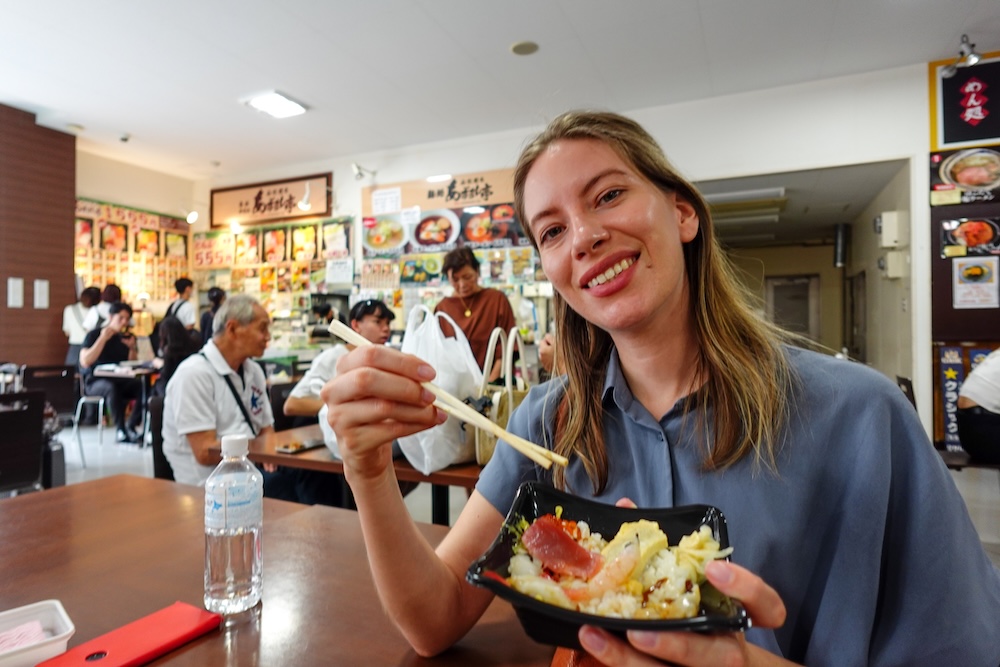
When we arrived, I hadn’t realized just how extensive the market was. We walked through one section filled with seafood stalls, thought we’d seen a good portion of it and then stumbled into another area with even more restaurants and counters. There were enormous crabs, fresh sashimi and the unmistakable salty smell of a working seafood market.
For me, that smell was part of the attraction. I appreciate that not everyone wants a strong dose of fish aroma first thing in the morning, but I was having a fantastic time.
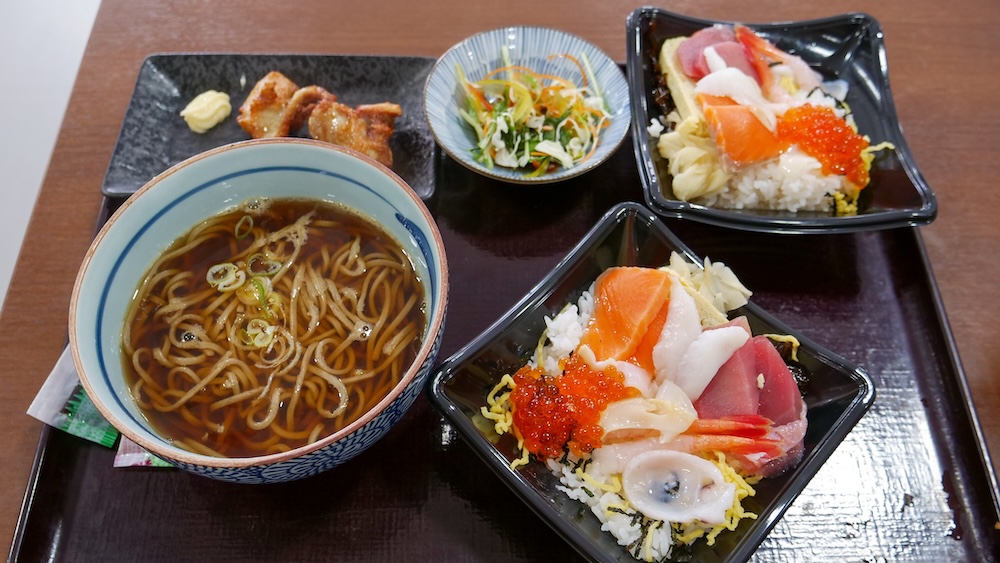
We sat down for breakfast and ordered several seafood dishes, including a rice bowl topped with fresh seafood. I also sampled fresh squid, which was considerably more tender than the dried squid I used to eat while living in South Korea. There was a bit of guesswork involved in ordering, but the meal was a great introduction to Hakodate’s seafood culture.
If you’d rather have help identifying dishes and navigating the market, there’s a guided Hakodate Morning Market tour with seafood tasting options. It’s a roughly 90-minute English-language experience, with tasting expenses included up to a specified amount. Check the selected option’s food allowance rather than assuming it covers a particular breakfast. We explored independently, but I can see the appeal of having someone explain what you’re looking at before ordering.
For an independent visit, I’d allow around 60–90 minutes for breakfast and browsing. You could spend longer if seafood is a major interest, although I’d save some appetite and energy for the rest of the waterfront.
Explore Mashu-maru, the Old Railway Ferry
This is where I’d protect a substantial amount of time. Mashu-maru was one of our favourite Hakodate discoveries, and the funny thing is that we hadn’t planned to visit it at all.
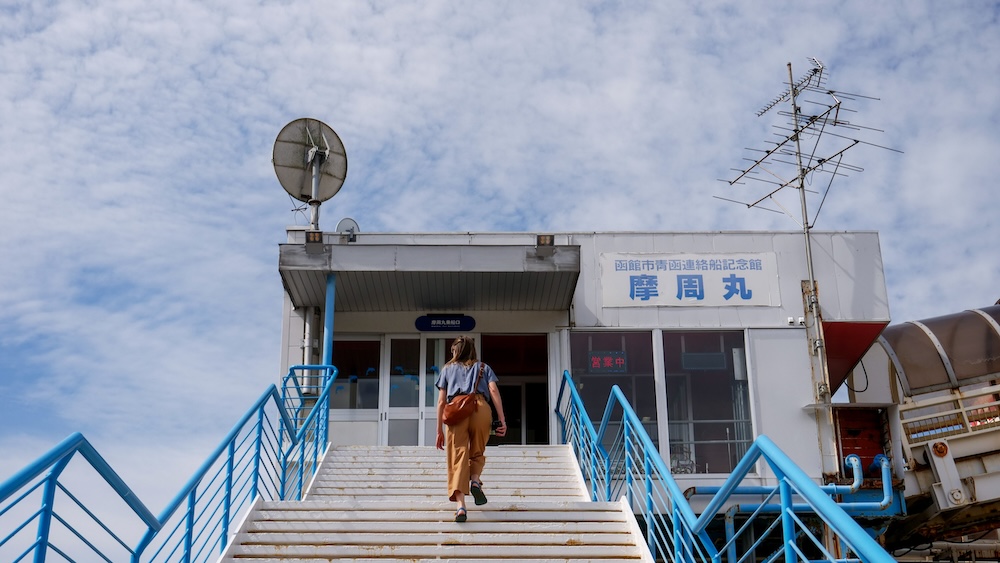
We were wandering around the harbour without much of a plan when we noticed an enormous ship. Rather than simply admiring it from the dock, we went over to investigate and discovered that visitors could actually go aboard.
Mashu-maru is a preserved former railway ferry that operated between Hokkaido and Honshu. Before the Seikan Tunnel transformed transportation between the islands, vessels like this carried passengers and railway traffic across the Tsugaru Strait.
That history is interesting, but what I loved was exploring an actual vessel rather than learning about it exclusively through photographs and display cases. We wandered through preserved ship spaces, examined historic equipment and enjoyed exhibits connected with the ferry’s working life. There was more to see than I’d anticipated, and some of the displays were interactive enough to make the experience genuinely entertaining.
I particularly liked getting close to the old technology. There’s something satisfying about seeing equipment people once relied upon, especially aboard a ship that served a practical purpose rather than being constructed as a tourist attraction. We also enjoyed the views over Hakodate Harbour from aboard the vessel.
The whole experience was wonderfully spontaneous. We’d spotted a ship, paid the admission and ended up finding an attraction we might otherwise have missed entirely. Those are often the travel discoveries I remember longest.
Mashu-maru is approximately five minutes on foot from Hakodate Station, so it fits naturally after the Morning Market. Adult admission is currently listed at ¥500, with opening hours of 8:30 a.m. to 6:00 p.m. from April through October and 9:00 a.m. to 5:00 p.m. from November through March. Last admission is one hour before closing, and temporary repair closures can occur.
I’d allow 60–90 minutes, potentially longer if you enjoy maritime history. Check the current Mashu-maru visitor information before going.
Not everyone is going to be fascinated by an old railway ferry. But Audrey and I enjoyed Mashu-maru enormously, and it’s exactly the sort of attraction I’d make room for with three full days in Hakodate.
Continue to the Kanemori Red Brick Warehouses
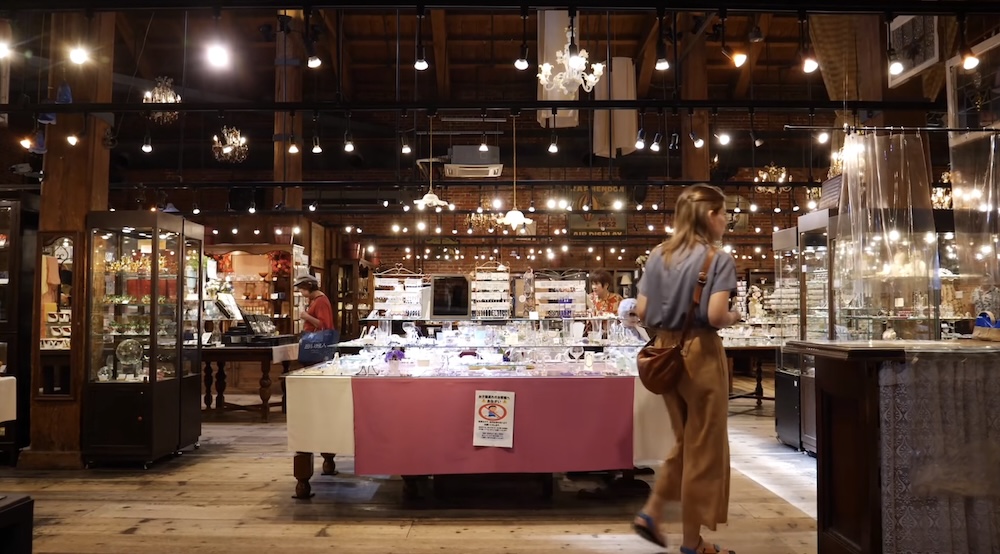
After Mashu-maru, I’d continue along the waterfront toward the Kanemori Red Brick Warehouses. These historic commercial buildings have been converted into shops and places to eat, with their distinctive architecture providing much of the attraction.
We wandered through the complex looking at souvenirs, sweets and the various stores. I enjoyed the historic brick architecture, particularly with the harbour nearby, although how long you’ll want to stay depends largely on your enthusiasm for shopping.
If you’ve reached the stage of travelling where buying another small object for your luggage fills you with dread, you can appreciate the buildings and carry on. The warehouses are free to enter, with general shopping hours currently around 9:30 a.m. to 7:00 p.m. Individual businesses may vary.
I’d allow 45–90 minutes, then enjoy a little more time around the harbour if the weather is pleasant.
An Optional Afternoon at the Museum of Northern Peoples
If you enjoy museums or the weather turns rainy, I’d consider adding the Hakodate City Museum of Northern Peoples. We visited during wet weather, and I was surprised by how much I enjoyed it. I’m not generally the person racing to put several museums into a travel itinerary, yet Hakodate managed to make me enthusiastic about quite a few.
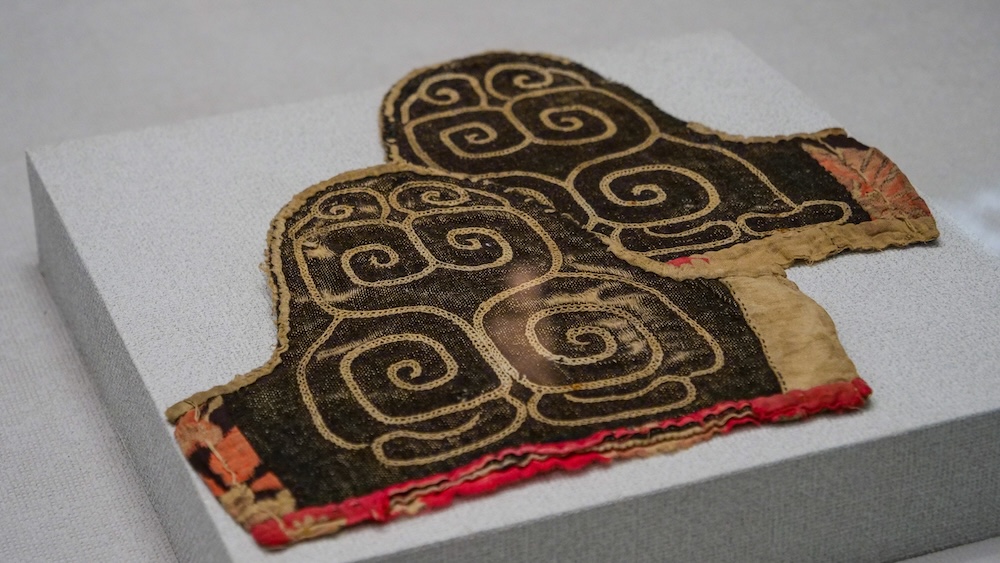
The exhibitions introduced us to northern Indigenous peoples and their distinct histories and cultures, with displays relating to traditional clothing, food, fishing and adaptation to harsh climates. I was particularly interested in the ingenuity involved in living in such demanding environments. Having spent time in cold parts of Canada, I know what it’s like to complain about winter, although modern heating has rather spoiled my ability to claim expertise in surviving the elements.
The museum is at 21-7 Suehiro-cho, close to the Suehirocho tram stop. Adult admission is currently ¥300, with general hours of 9:00 a.m. to 7:00 p.m. from April through October and 9:00 a.m. to 5:00 p.m. from November through March. Exceptional closures can apply.
I’d keep this optional. If Mashu-maru and the waterfront have occupied most of your day, there’s no need to squeeze in another museum.
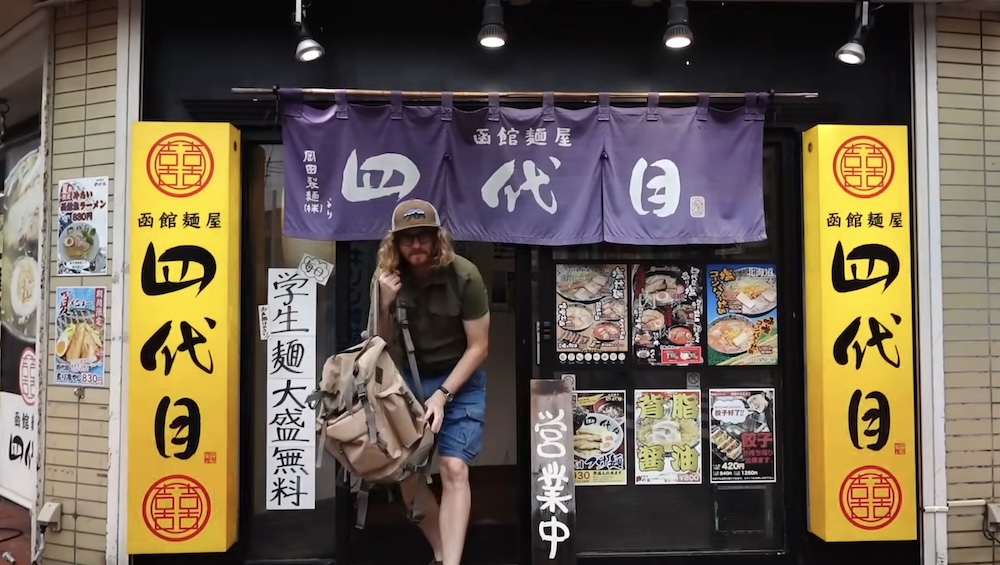
For dinner, I’d leave things open. We enjoyed Hakodate’s famous shio ramen at Yondaime Ramen, despite getting confused with the ticket-ordering machine and ending up with two salt-ramen variations instead of the butter-corn ramen we’d intended to order. The mistake didn’t prevent us from enjoying the meal.
Day 2: Motomachi, the Old Public Hall and Mt. Hakodate
Day 2 is when I’d tackle Hakodate’s historic hillside district. Motomachi deserves more than a quick walk up Hachimanzaka followed by a few photographs of the churches. The streets have character, the harbour views are excellent and there’s enough architecture to keep you exploring for hours.
Climb Hachimanzaka and Explore Motomachi
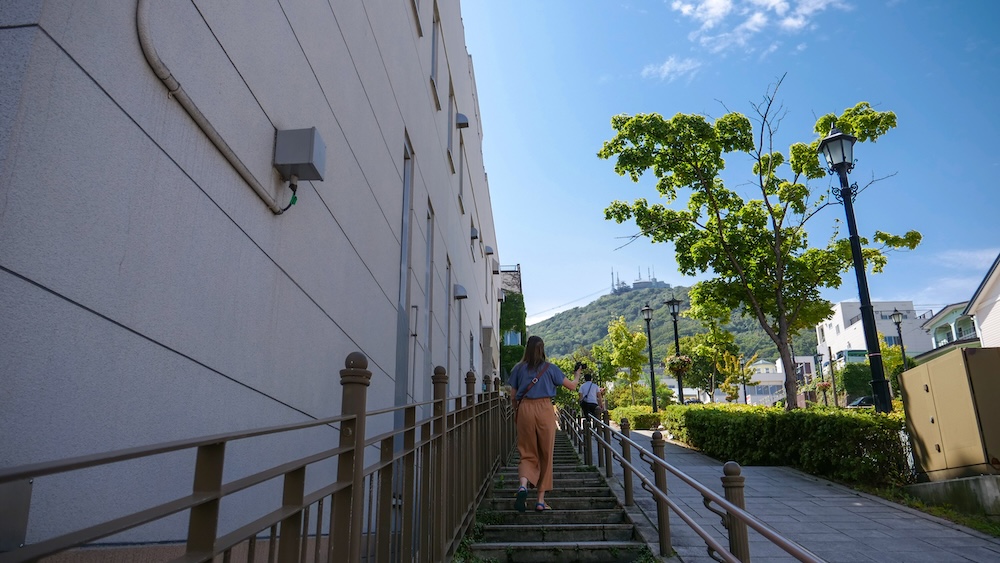
Hachimanzaka is one of Motomachi’s best-known streets, climbing steeply from the waterfront and offering a beautiful view toward the harbour. During our visit, the weather was hot and humid, and I remember looking up the slope as my enthusiasm for a leisurely historic walk began to evaporate.
Audrey and I had been spending plenty of time around the Canadian Rockies, so we’d apparently convinced ourselves that hills were nothing to worry about. Unfortunately, mountain confidence doesn’t offer much protection against Japanese summer humidity. By the time we reached the upper streets, I was feeling considerably less athletic than I’d imagined.
The views made up for the effort, though. From Hachimanzaka, you can look down toward the harbour with trees and surrounding buildings framing the scene. Remember that it’s still a working road. Hakodate has specifically warned visitors against standing in the roadway for photographs or entering neighbouring private properties and school grounds.
Once you’re in Motomachi, I’d wander between the historic churches rather than follow an overly precise route. We explored the area around Hakodate Orthodox Church, Motomachi Roman Catholic Church and Hakodate St. John’s Church. Their different architectural styles reflect the city’s international port history and give the district a distinctive character.
You don’t need to enter every church. Visitor access varies, religious services take priority and some interiors have seasonal restrictions. I’d enjoy the exteriors first, then visit whichever buildings are open and interest you.
If you’d prefer historical explanations along the way, there’s a three-hour guided Motomachi and Red Brick Warehouses walk. It covers Hachimanzaka, the historic churches and the Old Public Hall area, with uphill walking involved. I’d treat it as an alternative to independent exploration, not an extra activity to stack onto an already full day. The Old Public Hall interior deserves its own time regardless.
Give the Old Public Hall of Hakodate Ward a Proper Visit
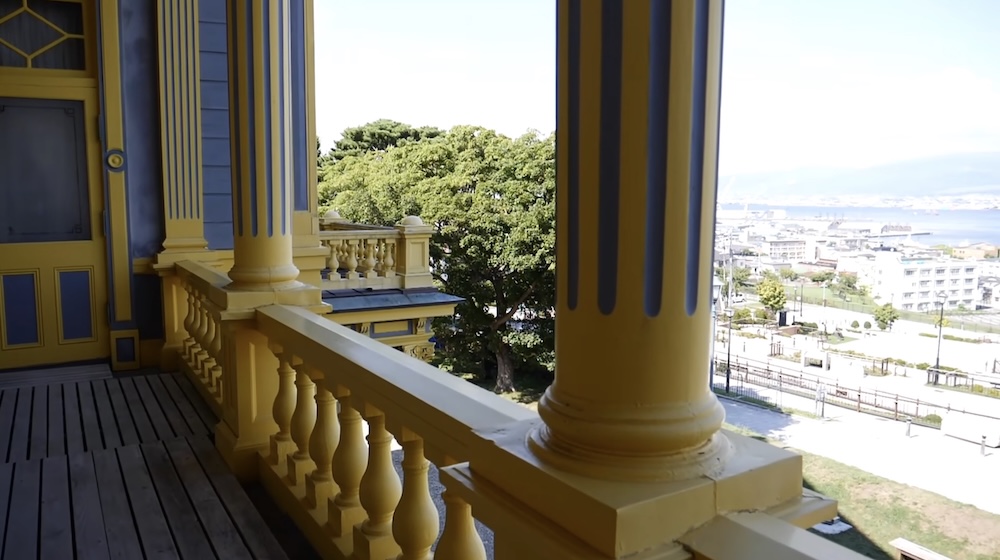
One building I wouldn’t skip is the Old Public Hall of Hakodate Ward. Its blue exterior with yellow-gold detailing is striking enough from the street, particularly against the greenery and harbour below, but the part Audrey and I enjoyed most was going inside.
After buying admission tickets, we removed our shoes and put on slippers before exploring the historic rooms. There was a little fussing around with footwear, as tends to happen when you’re navigating unfamiliar visitor arrangements, but soon enough we were wandering through the building.
The Old Public Hall was completed in 1910, following the destruction of earlier civic facilities in the great Hakodate fire of 1907. Today it’s a nationally designated Important Cultural Property. Visitors can explore spaces including the grand hall, former reception and dining rooms, historic furnishings and a balcony overlooking Hakodate Harbour.
What I appreciated was how much of the interior we could explore. Sometimes an attractive historic building turns out to be more impressive from outside. You pay admission, peer into a couple of rooms and start wondering whether the money might have been better spent on lunch.
That wasn’t how I felt here. We enjoyed exploring the rooms, admiring the architecture and getting a sense of how the building would have been used. The interiors gave the place a character we would have missed if we’d simply taken photographs outside. It became one of our favourite historic attractions in Hakodate.
Adult admission is currently ¥300. From April through October, the usual hours are 9:00 a.m. to 6:00 p.m. Tuesday through Friday and 9:00 a.m. to 7:00 p.m. Saturday through Monday. From November through March, closing is generally at 5:00 p.m. Last admission is 30 minutes before closing, and maintenance closures can occur.
Visitors still remove their shoes, with slippers provided. There are stairs and changes in floor level, however, and strollers cannot be taken through the rooms. There’s also a separate historical costume experience, which we didn’t try.
I’d allow around 45–75 minutes for the interior, potentially longer if you particularly enjoy historic architecture. You can check the Old Public Hall’s current opening and admission information before visiting.
If I had to choose between squeezing in every Motomachi church interior and spending proper time at the Old Public Hall, I’d choose the latter.
Take a Breather Around Motomachi Park
The Old Public Hall is close to Motomachi Park, so I’d spend a little time wandering through the grounds. We enjoyed the views toward the harbour, and the former Hokkaido Government Hakodate Branch Office adds another historic building to the setting.
I wouldn’t allocate a strict amount of time here. Sit for a while, enjoy the surroundings or continue walking. Particularly after climbing Hachimanzaka, a few minutes without another staircase can be appealing.
Finish With the View From Mt. Hakodate
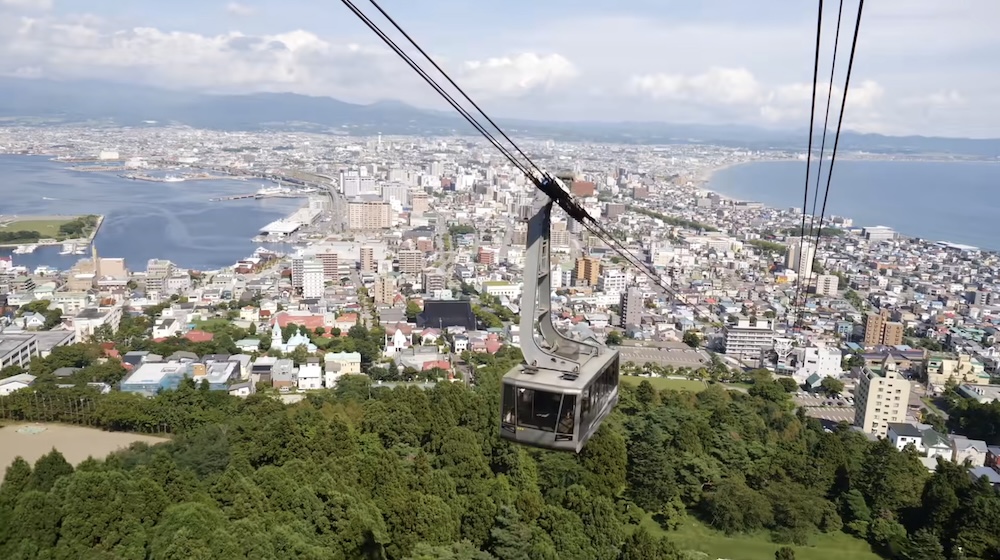
I’d aim to finish Day 2 at Mt. Hakodate, provided visibility is good. The Ropeway was one of the highlights of our visit, and I particularly enjoyed seeing the city from above during daylight.
We had excellent weather when we went up. From the summit, Hakodate seemed to stretch much farther than I’d appreciated while walking around the city. I could see another coastline, urban neighbourhoods, mountains in the distance and land beyond the built-up areas. Until then, we’d primarily explored the harbour side, so the view helped me understand how everything fit together.
There was also a wonderful breeze at the summit after all that humid sightseeing.
We didn’t experience Hakodate’s famous nighttime panorama, so I can’t tell you whether I’d have preferred it. Our daytime visit was excellent, and I wouldn’t dismiss it simply because the city is so strongly associated with its illuminated night view.
The Ropeway takes approximately three minutes each way, with current adult fares of ¥1,800 return or ¥1,200 one-way. That short ride doesn’t mean the entire visit is quick. You’ll still need time to reach the lower station, board, explore the observation areas and return. I’d allow an hour or two, with extra time around sunset.
If the night view is your priority, expect more competition for space. The operator identifies roughly 30 minutes after sunset as a good viewing period, although the rooftop area can be especially crowded for an hour or two afterward. Advance QR tickets can simplify admission, but they don’t provide priority boarding. You’ll still join the regular queue.
For travellers wanting more historical context, there’s a guided historic port and Mt. Hakodate Ropeway tour, with daytime and evening options. It overlaps with the independent Motomachi walk and the other guided option, so I’d choose one approach rather than repeat the route. Check admission and transport inclusions for the option you’re considering.
Weather and maintenance can suspend Ropeway service. In particular, October 20–November 8, 2026 is an announced inspection shutdown. Summit facilities are scheduled to remain open, but don’t assume alternative transport will be available without checking the restrictions for your date. Consult the Mt. Hakodate Ropeway’s operating information before visiting.
If the mountain is covered in cloud, I’d switch the Ropeway to another day rather than force the issue. After all that historic architecture and hill climbing, dinner would be my only remaining ambition.
Day 3: Goryokaku, Local Food and an Optional Museum
For the final day, I’d head toward Goryokaku and explore the park, go up the Tower and enjoy a proper meal nearby. It’s a different side of Hakodate from the waterfront and Motomachi, and I particularly liked how the historic grounds formed part of everyday city life.
Walk Through Goryokaku Park Before Going Up the Tower
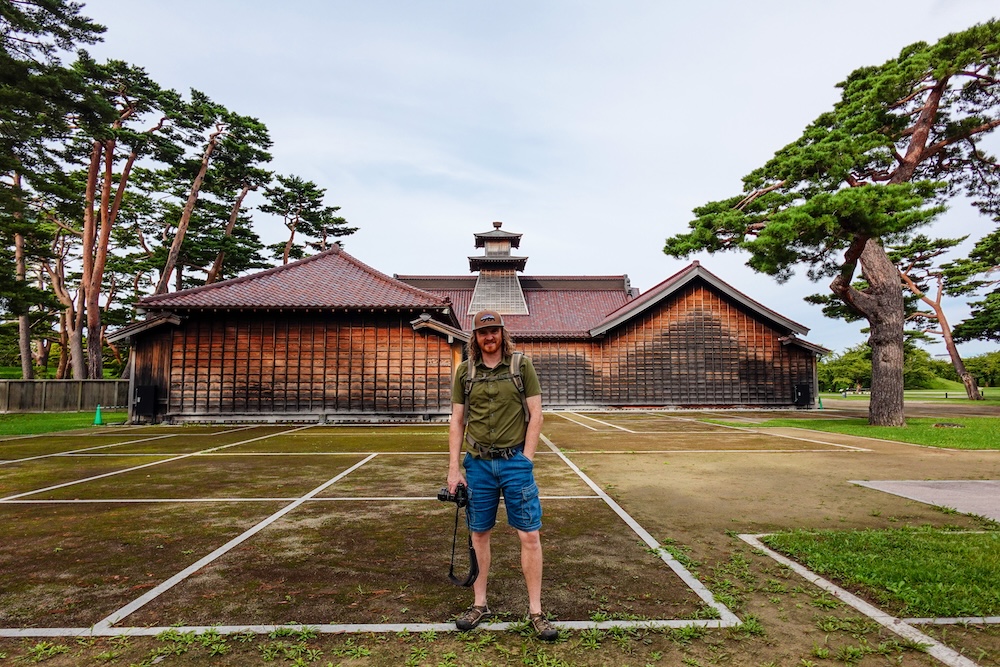
We arrived at Goryokaku before the Tower opened, so we began exploring the park. That turned out to be an excellent way to appreciate the site.
The grounds surround the remains of the famous star-shaped fort, with moats, bridges and earthworks that are interesting to explore from ground level. We wandered through the park, climbed sections of the fortifications and enjoyed views across the water.
I particularly liked watching how residents used the park. We saw people out walking, students riding bicycles and others exercising. It clearly wasn’t a historic attraction maintained exclusively for visitors. It was part of ordinary life in Hakodate.
Goryokaku Park is free to enter, and the published access period begins at 5:00 a.m., with seasonal closing times around 7:00 p.m. from April through October and 6:00 p.m. from November through March. You don’t need to arrive at five, but the park opens well before the Tower, making a morning walk sensible.
I’d allow roughly 45–90 minutes. The reconstructed Hakodate Magistrate’s Office is also within the grounds. We saw it while exploring the park but didn’t make a detailed interior visit, so I’d consider that optional for visitors especially interested in Japanese history.
If you’d prefer a guided introduction, there’s a Goryokaku Star Fort and Tower history tour. The approximately 2.5–3.5-hour experience covers the park, reconstructed Magistrate’s Office and Tower observation deck, with different starting-point options. We explored independently, but it’s a worthwhile alternative for travellers who want to understand the fort’s history in greater depth.
Head Up Goryokaku Tower
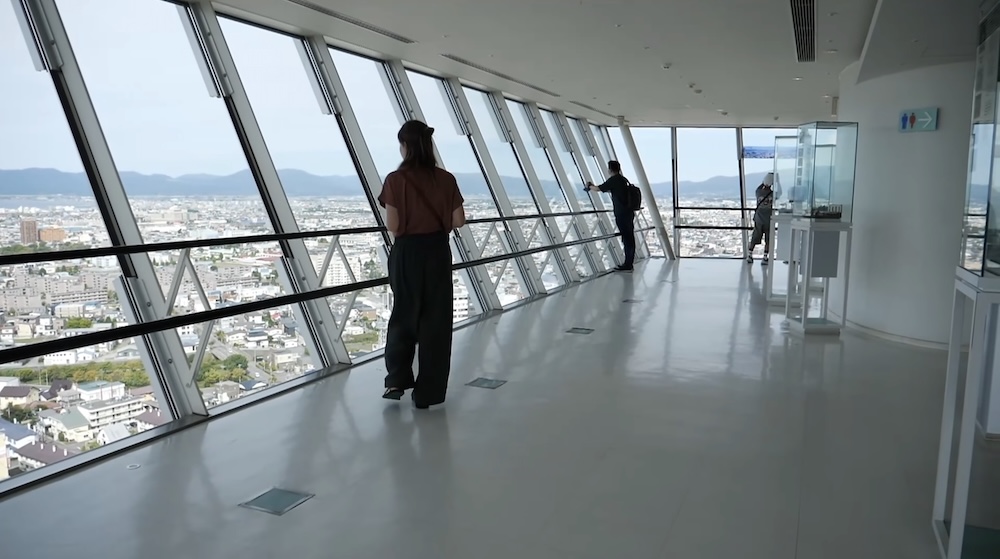
After exploring the park, I’d head up Goryokaku Tower. I wasn’t sure another elevated viewpoint would be worthwhile after Mt. Hakodate, but the experience felt quite different.
From the observation deck, you can appreciate the fort’s star-shaped layout while looking across the surrounding city. We had clear blue skies, and I enjoyed seeing Hakodate from a perspective much closer to its urban neighbourhoods.
Mt. Hakodate gave us the wider coastal panorama. Goryokaku Tower revealed the fort’s geometry and surrounding cityscape. I think the two viewpoints complement each other well enough to justify including both.
The Tower’s current published adult admission is ¥1,200, with ordinary hours of 9:00 a.m. to 6:00 p.m. and final ticket sales at 5:50 p.m. Discounted advance tickets are available through specified convenience stores for ¥1,080. They allow you to proceed to the elevator queue without exchanging another ticket, but don’t guarantee immediate boarding.
Exterior repainting and repairs are scheduled through November 15, 2026, but the Tower is remaining open during the work. I’d allow approximately 45–75 minutes for the observation deck.
Enjoy a Proper Meal Around Goryokaku
One of the pleasures of giving Goryokaku its own day is having time for lunch without rushing across the city. We enjoyed several food stops nearby, but Shunka Sushi would be my first choice.
It’s a conveyor-belt sushi restaurant in a separate building near Goryokaku Tower, at 29-18 Goryokaku-cho. Don’t confuse it with the similarly named seafood restaurant inside the Tower.
Audrey and I liked Shunka enough to eat there twice. Our first meal was on the night we arrived in Hakodate, when we were severely jet-lagged and operating at approximately the mental capacity of two exhausted houseplants. Fortunately, eating sushi didn’t require much concentration.
We enjoyed it so much that we returned later in the trip, considerably more awake. We ordered plenty of salmon and tuna sushi, along with other dishes including udon. During our visit, an English picture menu helped us navigate the ordering system once we’d figured out how everything worked.
Current published hours are 11:00 a.m. to 9:00 p.m., with last orders at 8:30 p.m. It’s convenient for lunch or dinner around Goryokaku, although I’d check the schedule before planning a particular meal.
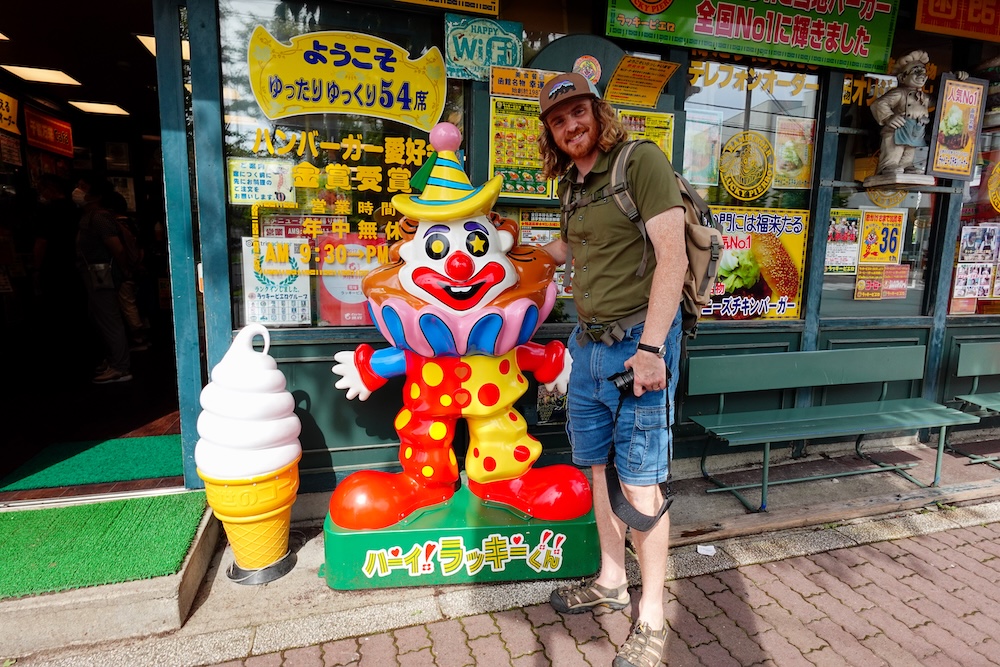
If you’d rather have burgers, Lucky Pierrot Goryokaku Park Front is another place we enjoyed. The chain has wonderfully strange clown branding and eccentric restaurant interiors, which initially made me skeptical. But we tried the Chinese Chicken Burger and a tonkatsu burger, along with fries, and I was pleasantly surprised.
The Goryokaku Park Front branch is at 30-14 Goryokaku-cho, with current hours of 9:30 a.m. to 10:00 p.m. and last food orders at 9:30 p.m. It’s a completely different meal from sushi, so I’d choose whichever appeals rather than attempting both back-to-back.
For dessert, Milkissimo is on the second floor of Goryokaku Tower. We tried berry, pumpkin and purple sweet potato gelato. Audrey and I agreed that berry was the winner but disagreed about the other two. Apparently, after years of travelling together, we can still find new things to debate.
Milkissimo generally closes earlier than the Tower’s observation facilities, at 5:00 p.m. on weekdays and 5:30 p.m. on weekends and holidays. Flavours also vary, so don’t expect the exact combination we tasted.
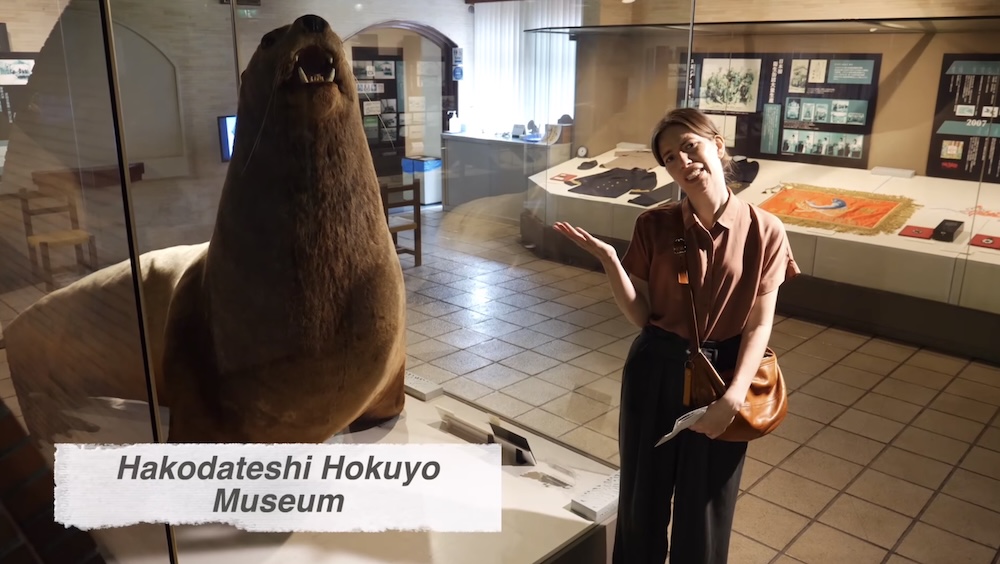
Visit the Hokuyo Museum if You Have Time
If you’re still keen to explore after Goryokaku and lunch, I’d consider the Hakodate City Hokuyo Museum. It’s close to the park and Tower, making it an easy optional addition.
We visited during rainy weather and enjoyed ourselves more than anticipated. The museum explores northern fishing history and Hakodate’s relationship with the sea, including exhibits about marine life and fishing technology.
The most memorable part was a simulator recreating the rocking movement of a fishing vessel in rough conditions. We climbed aboard, and Audrey started feeling dizzy as the whole experience moved around us. She was rather relieved when the approximately three-minute session ended. I found it entertaining, although I wouldn’t describe it as a relaxing cruise.
The museum currently charges ¥100 for adult admission, with general hours of 9:00 a.m. to 7:00 p.m. from April through October and 9:00 a.m. to 5:00 p.m. from November through March. The simulator is still listed among its exhibits, although availability can change.
I’d allow 45–60 minutes if you visit. Otherwise, Goryokaku Park, the Tower and a proper meal already make for a satisfying day.
Where I’d Stay and How I’d Get Around Hakodate
For this itinerary, I’d look for accommodation near Hakodate Station or somewhere with easy tram access. The station area simplifies arrivals and departures, while the Morning Market and waterfront attractions are close enough to explore on foot.
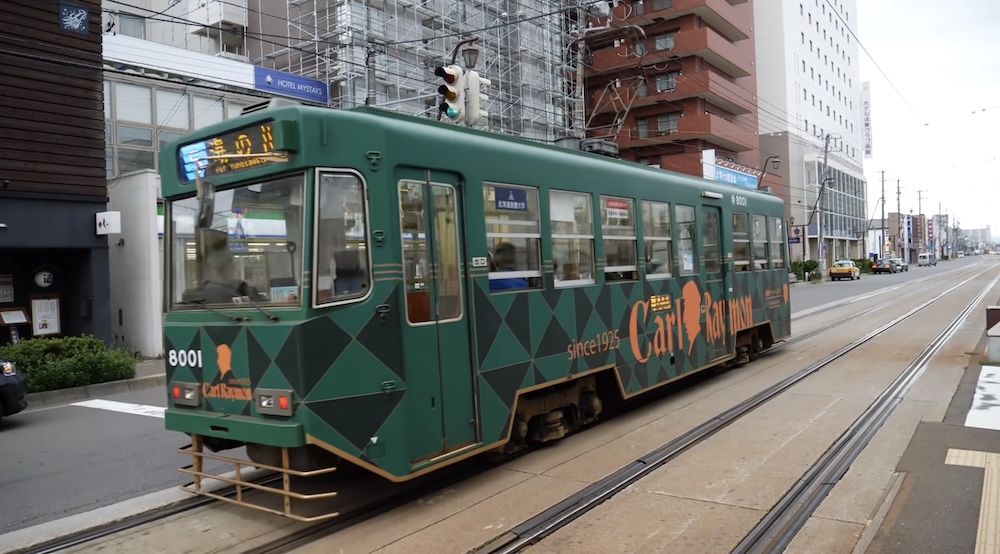
We stayed outside the main centre, but tram lines 2 and 5 passed near our hotel. That proved useful because Hakodate was more spread out than I expected. There were plenty of times when I appreciated hopping aboard a streetcar instead of adding another long walk to our day.
I’d weigh two broad accommodation choices. Staying near the station makes transportation straightforward. Staying farther west around the Bay Area or Motomachi can be appealing for historic surroundings and waterfront atmosphere, although you’ll want to pay closer attention to tram access and the hills. You can compare accommodation across Hakodate before deciding which location and price range suit your trip.
I haven’t personally compared the city’s current hotels, so I wouldn’t single out a property as somewhere we’ve stayed. For three days of sightseeing, I’d prioritize convenient transportation.
Adult tram fares currently range from ¥250 to ¥300 depending on distance. There’s also an ¥800 one-day pass and a separate ¥1,130 pass valid for 24 hours from activation. The one-day option follows the selected calendar day, while the 24-hour pass runs from activation. For just two rides, individual fares may be cheaper; with several journeys, a pass becomes more appealing. Common Japanese IC cards, including Suica and PASMO, are accepted.
I wouldn’t rent a car for these three city days. Trams and walking cover the main areas, although Motomachi’s slopes and the walk from the tram stop toward Goryokaku add physical effort. If you have limited mobility or don’t fancy more uphill walking, taxis can help with selected connections.

How I’d Adjust the Three Days for Weather and Tired Legs
Our visit included sticky heat around Motomachi, rain that encouraged museum visits and clear skies during our major viewpoints. That combination makes me reluctant to lock every attraction into one exact hour.
Mt. Hakodate would be the first thing I’d move if the weather looked poor. If the summit is covered in clouds or the Ropeway isn’t operating, I’d continue exploring Motomachi and look for another opportunity. With three days available, you have more room to adjust without sacrificing the rest of the trip.
I’d choose rainy-day museums according to geography. The Museum of Northern Peoples belongs to western Hakodate, while the Hokuyo Museum is near Goryokaku. There’s little point crossing the city for an indoor attraction when you have one nearby.
I wouldn’t swap entire days because of a few hours of rain. The Morning Market is best visited early, the Old Public Hall has admission deadlines, and church interiors can have restricted hours. Moving one or two attractions is usually easier than rearranging every meal and tram journey.
As for tired legs, Day 2 involves the most climbing. I’d shorten optional church visits or extra wandering before sacrificing the Old Public Hall. And if the Ropeway is operating in clear conditions, I’d try to keep that experience as well.
What I Wouldn’t Squeeze Into Three Days
The most obvious exclusion is Onuma Park. It’s an appealing regional excursion, but it’s located in Nanae, outside Hakodate city. Visiting would take meaningful time away from the waterfront, Motomachi or Goryokaku.
With four days, I’d be more tempted to consider that city-versus-nature trade-off. With three, I’d keep exploring Hakodate. I’d make the same decision about Yunokawa Onsen and its surrounding attractions. We didn’t explore that area during our visit, and I wouldn’t add it just to fill another space on the schedule.
Nor would I try to visit every museum, church interior or restaurant mentioned here. The Museum of Northern Peoples and Hokuyo Museum are optional, the Red Brick Warehouses can be a quick browse, and Motomachi Park doesn’t require an appointment. Goryokaku is worth exploring slowly rather than turning the final day into an endurance test.
My Verdict on Spending Three Full Days in Hakodate
If I had three full days in Hakodate again, I’d stay within the city. I’d begin with the Morning Market and waterfront, making time for Mashu-maru rather than relying on another accidental discovery. I’d spend a separate day in Motomachi, explore the Old Public Hall properly and head up Mt. Hakodate when visibility was good.
Then I’d give Goryokaku a day of its own, combining the park and Tower with a leisurely meal at Shunka Sushi and another museum if the mood struck.
What I remember most about Hakodate is how often my expectations were exceeded. I’d arrived thinking it might be a straightforward stop on our journey through Hokkaido, but we ended up enjoying its museums, historic buildings, food, trams and everyday atmosphere far more than anticipated.
Three full days give you enough time to see the famous sights and appreciate the smaller places that make Hakodate interesting. For me, that’s a better outcome than leaving with a longer list of attractions I’d hurried through.
Frequently Asked Questions
Is three full days enough for Hakodate?
Yes. Three full days let you explore the waterfront and Morning Market, spend a separate day in Motomachi and on Mt. Hakodate, and devote the third day to Goryokaku. I found plenty to enjoy without leaving the city.
How would you split three days in Hakodate?
I’d spend Day 1 around Hakodate Station, the Morning Market, Mashu-maru and the waterfront. Day 2 would cover Motomachi, the Old Public Hall and Mt. Hakodate. Day 3 would be for Goryokaku Park, the Tower and a leisurely meal nearby.
Do you need a rental car for this Hakodate itinerary?
I wouldn’t rent one for these three city days. We relied heavily on the trams and walking. The station and waterfront sights are close together, while trams help connect Motomachi and Goryokaku. Taxis can reduce walking where needed.
Which day involves the most uphill walking?
Day 2 is the most physically demanding. Hachimanzaka and the streets of Motomachi involve climbing, which we found tiring in hot, humid weather. I’d trim optional church interiors or extra wandering before skipping the Old Public Hall.
Should you visit Mt. Hakodate by day or at night?
We went up during daylight and loved the broad coastal panorama, but we didn’t experience the famous night view. I’d choose a time with good visibility rather than force an evening visit through cloud or when the Ropeway isn’t operating.
Is Goryokaku Tower worth visiting after Mt. Hakodate?
I think so. Mt. Hakodate gives you the wider view of the city between its coastlines, while Goryokaku Tower lets you appreciate the fort’s star-shaped design and nearby neighbourhoods. The two views felt different enough to justify both.
Would you take a day trip to Onuma Park during a three-day stay?
Not with only three full days. Onuma Park is outside Hakodate, and I’d rather leave time for the waterfront, Motomachi and Goryokaku. With a fourth day, I’d be more tempted to consider the excursion.
This guide is also available in Spanish. [Leé la versión en castellano: Hakodate en 3 días: cómo organizaríamos tres días completos]
This article contains affiliate links. If you book through one of these links, I may earn a commission at no extra cost to you.