
There’s something slightly ridiculous about visiting one of Hakodate’s most popular shopping attractions and getting more excited about the buildings than the shops. But that’s pretty much what happened when Audrey and I explored the Kanemori Red Brick Warehouses.
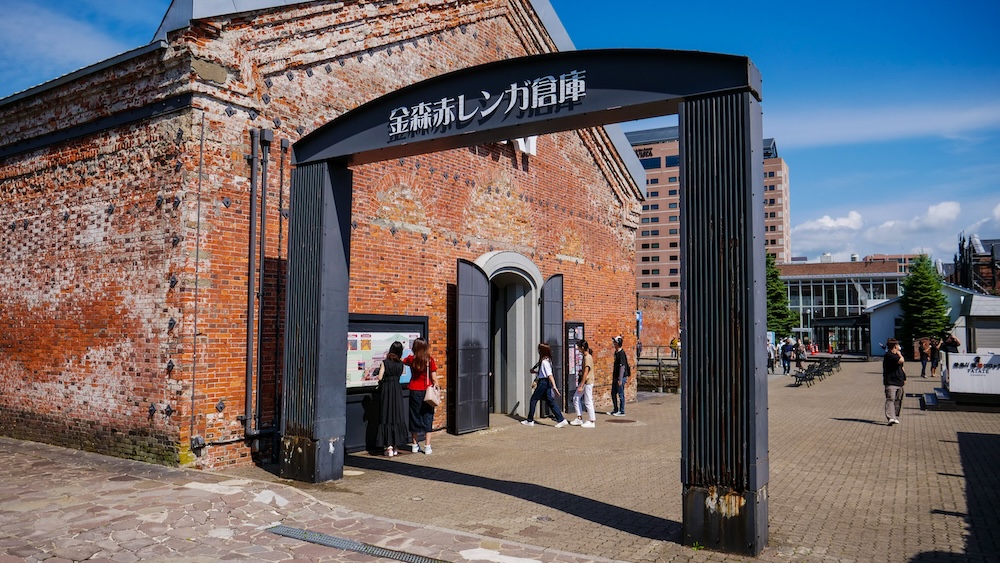
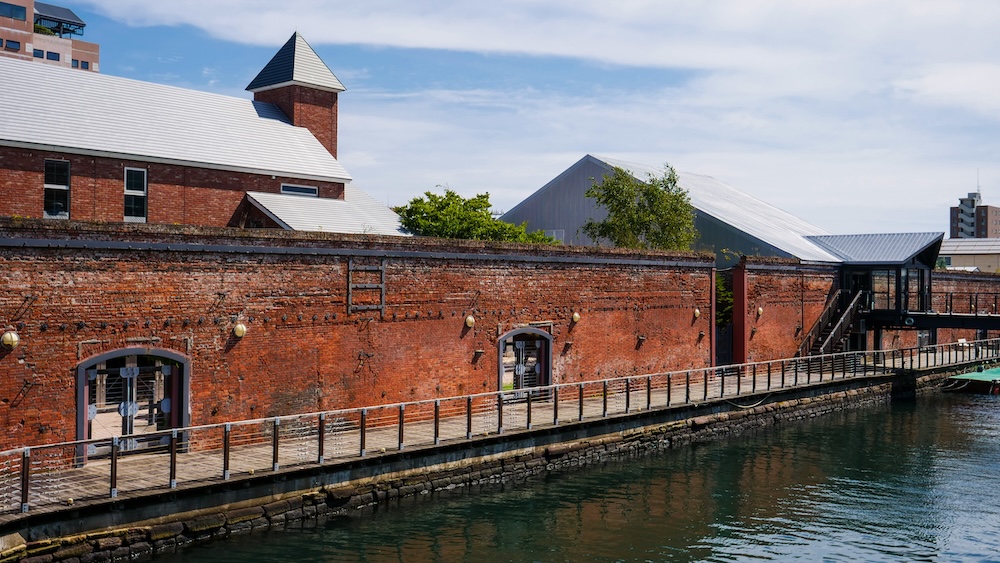
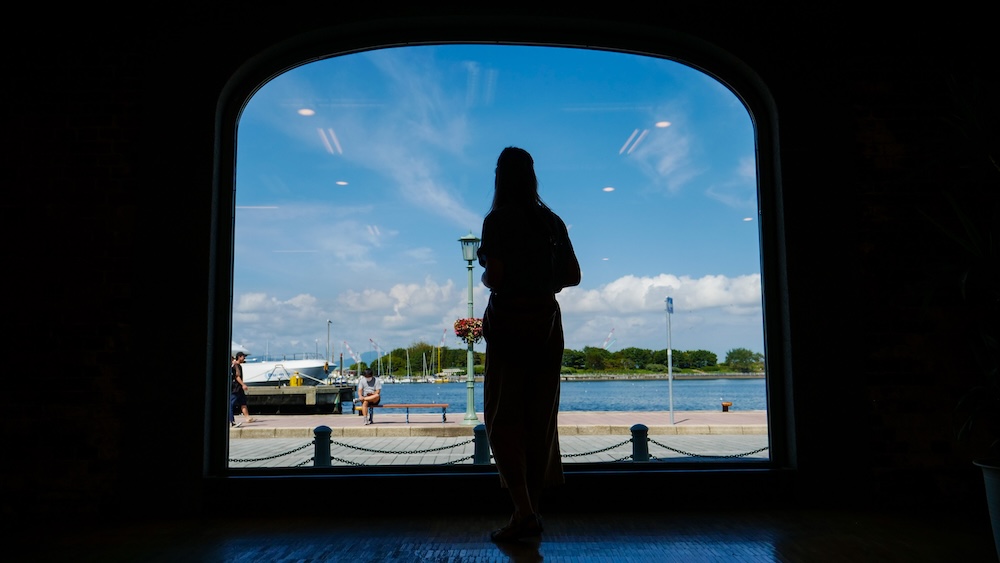
We were wandering around Hakodate’s historic waterfront, where these enormous red-brick buildings have been converted into a collection of shops, restaurants and other attractions. It’s a lovely setting, with the harbour nearby, a canal running alongside some of the buildings and architecture that feels quite different from what you might expect in Japan.
I enjoyed it immensely. The old warehouse exteriors caught my attention, and I was equally interested in seeing how the interiors had been transformed. As for the shopping? Well, let’s just say we weren’t exactly arriving with a lengthy souvenir list.
That’s partly because we’re not big shoppers, and partly because our Hakodate itinerary was ambitious enough without adding an afternoon of retail therapy. Other visitors seemed perfectly happy exploring the stores, so I certainly wouldn’t criticize the shopping experience based on our priorities.
But it does raise an interesting question: are the Kanemori Red Brick Warehouses worth visiting if shopping isn’t your thing?
After exploring the complex ourselves, I’d say yes. In fact, I think the historical setting is reason enough to stop by, particularly if you’re already exploring the waterfront. How long you should stay, however, is another matter.
What I enjoyed most about visiting Kanemori
We reached the warehouses while exploring the Hakodate port area. We’d already visited the historic Mashu-maru railway ferry, which turned out to be a fantastic spontaneous discovery, and the waterfront kept delivering one interesting place after another.
Kanemori was quite different from the ferry. Instead of exploring an old vessel and its maritime exhibits, we found ourselves surrounded by former commercial warehouses that had been given a completely new purpose.
The brick facades were what initially appealed to me. These were substantial old port buildings, with a distinctly industrial appearance that contrasted with the wooden architecture, temples and churches we’d encountered elsewhere in Hakodate.
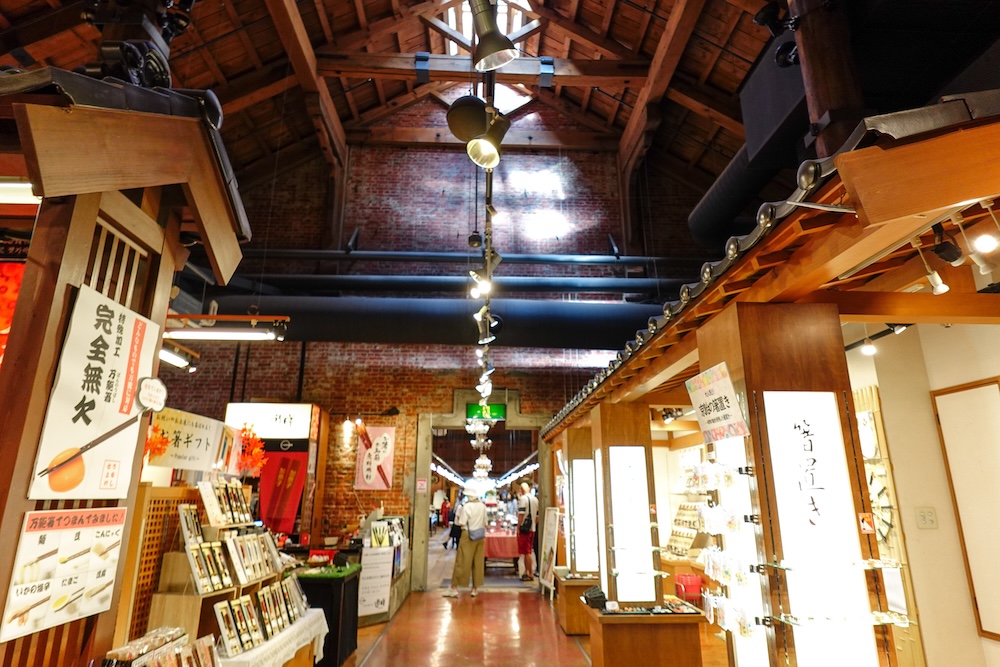
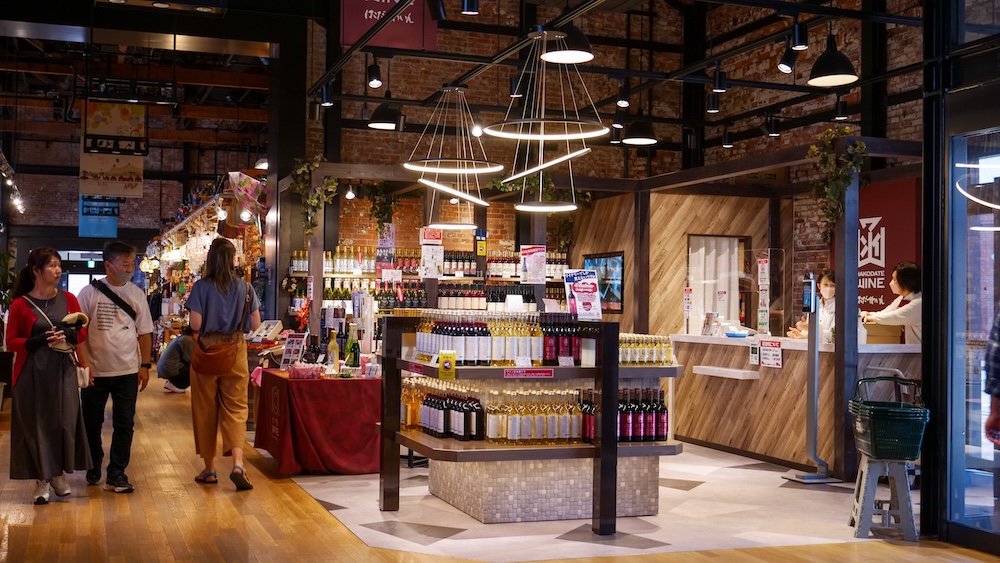
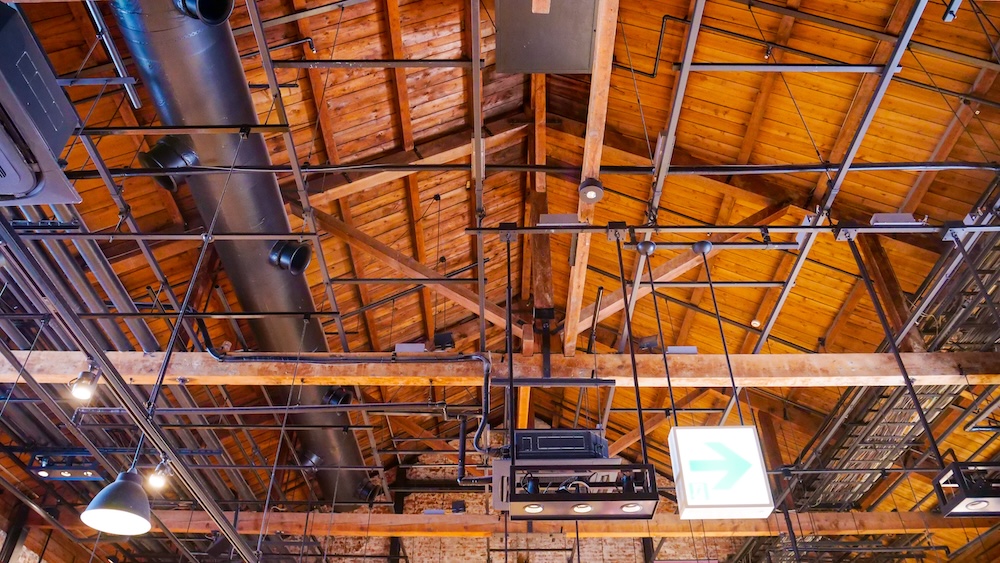
I also enjoyed going inside. The buildings retained enough of their historic character that exploring their interiors was interesting in its own right, even though they were now filled with modern commercial businesses.
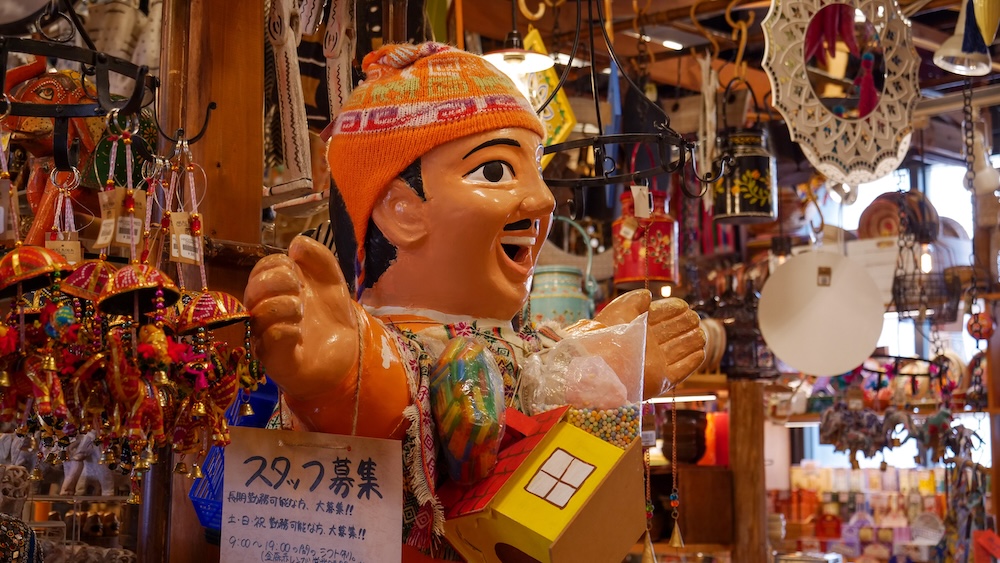
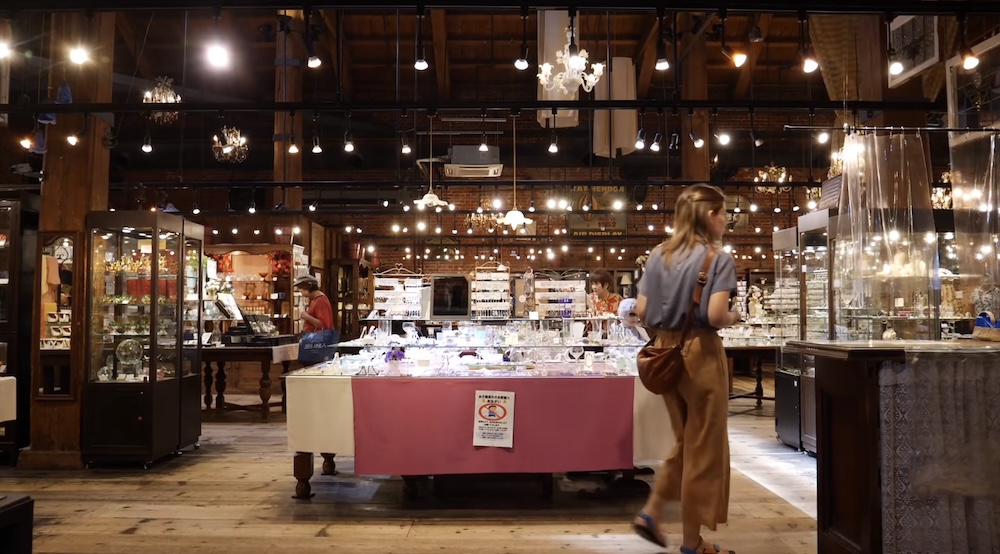
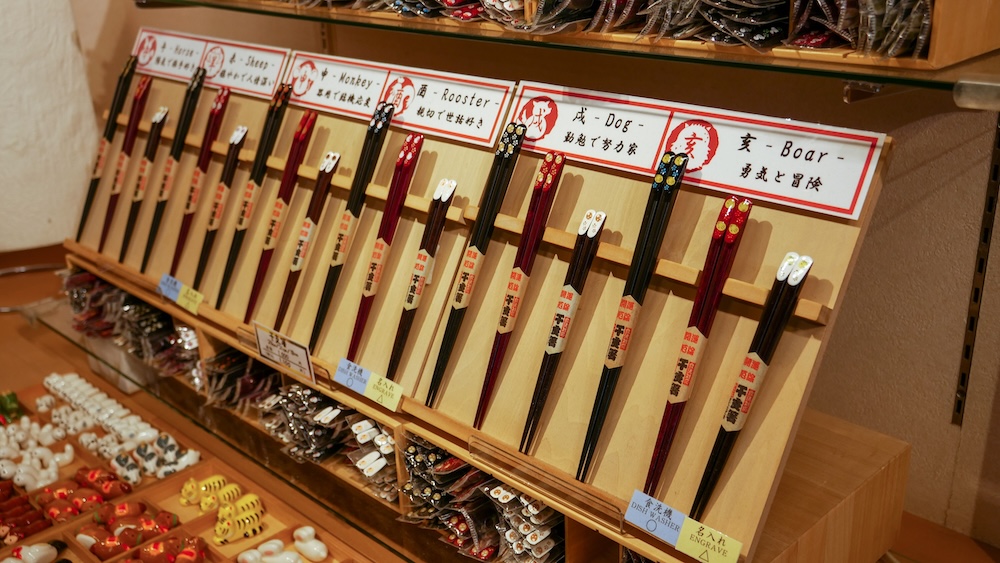
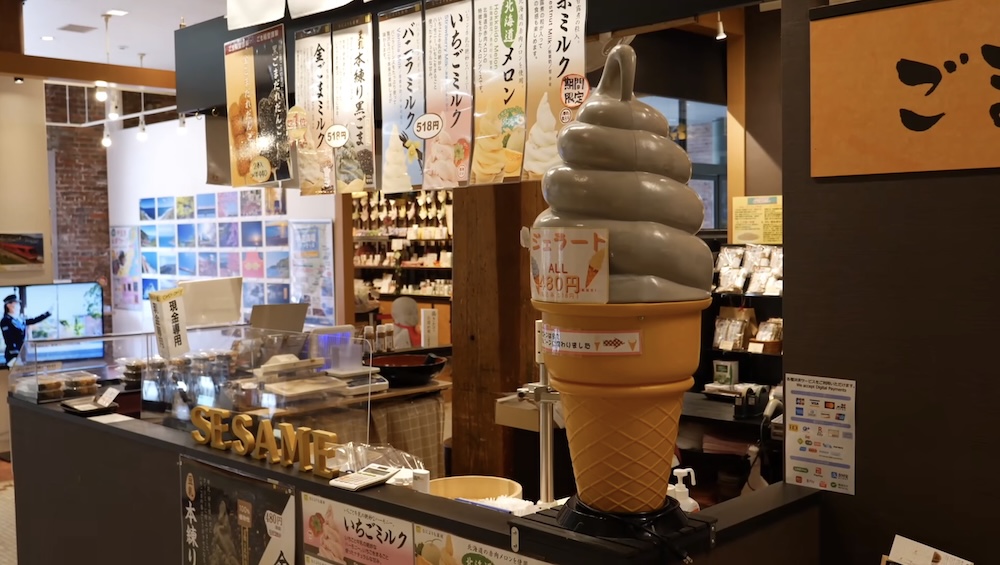
There were shops selling souvenirs and regional products, restaurants, cafés and stalls offering everything from crepes to ice cream. Plenty to keep people occupied, particularly anyone keen on picking up gifts or trying local specialties.
I could tell other visitors were enjoying themselves, too.
Meanwhile, we had a rather ambitious list of attractions still waiting for us. Shopping was hardly our top priority, especially when we were trying to make the most of our time in Hakodate.
And I think that’s an important distinction when reviewing somewhere like Kanemori. I wasn’t disappointed by the shopping. I simply wasn’t particularly interested in doing much of it.
What I wanted was to appreciate the buildings, wander around the waterfront and see what this historic commercial area had become. On those counts, Kanemori delivered.
What’s actually inside the Kanemori Red Brick Warehouses?
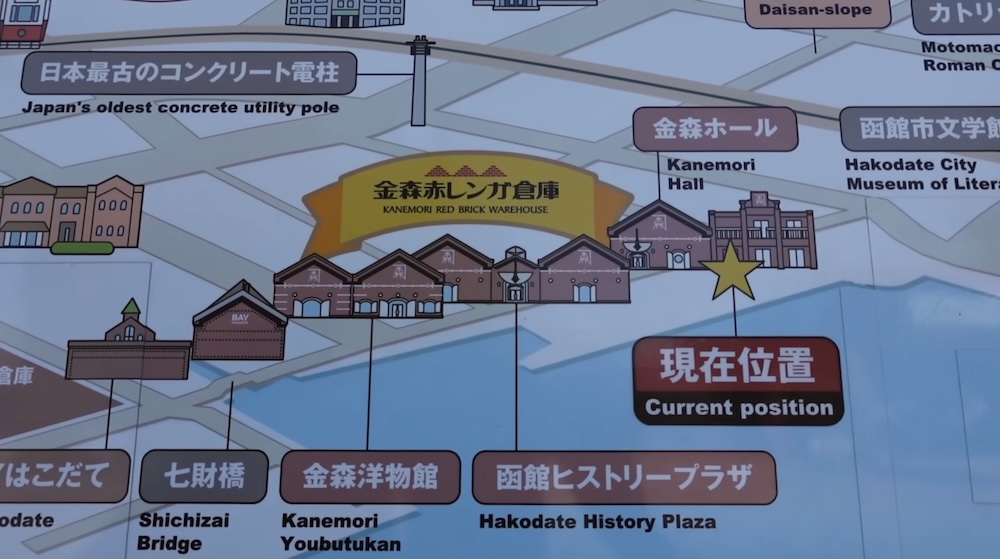
The name makes it sound like one large building, but Kanemori is a collection of historic structures organized into four main visitor facilities.
You’ll sometimes see the complex described as having seven warehouse buildings. That’s referring to the physical structures rather than the four commercial areas, which is useful to understand when you’re looking at the layout.
The main sections are:
BAY Hakodate and Kanemori Yobutsukan
BAY Hakodate is the canal-side area, with shops, places to eat and attractive views around the water. This is particularly pleasant if you’re interested in the setting and want to combine some browsing with a leisurely waterfront walk.
There’s also a seasonal Kanemori Bay Cruise, offering a boat trip of approximately 15 minutes around Hakodate Harbour. It’s a separate paid activity and operates subject to seasonal schedules and weather. We didn’t take the cruise ourselves.
Kanemori Yobutsukan is a major shopping section where you’ll find everything from confectionery and specialty food products to clothing, accessories, crafts and souvenirs.
Shops such as Snaffle’s and Petite Merveille are among the businesses associated with the wider complex, so anyone interested in Hokkaido sweets will have some options worth investigating.
There’s also an indoor building-block play area called Kanemori Brick Labo, which offers a free activity for young children during its scheduled operating hours. It’s another example of how the complex has developed beyond conventional souvenir shopping.
Hakodate History Plaza and Kanemori Hall
Hakodate History Plaza combines shopping and dining, including Hakodate Beer Hall and vendors selling sweets, crepes and other refreshments.
If you’re looking to stop for lunch, a snack or a drink, it’s worth exploring the dining options across the complex. Individual establishments may keep different hours from the main shopping facilities.
Kanemori Hall is different again. Rather than functioning as an everyday retail space, it’s a multipurpose venue used for exhibitions, concerts and other events.
Whether there’s something to see inside depends on what’s scheduled during your visit. I wouldn’t arrive expecting a permanent museum or exhibition without checking first.
Taken together, these four facilities offer considerably more than a handful of souvenir shops. You could spend quite a while exploring the commercial areas, particularly if you enjoy shopping, photography, browsing specialty products or stopping for something to eat.
Personally, I found the buildings themselves more than capable of keeping me entertained.
The history behind Hakodate’s famous red-brick warehouses
One thing I really appreciate about Kanemori is that these weren’t buildings constructed to give tourists something attractive to photograph. They were actual working warehouses, built when Hakodate was an important commercial port.
The Kanemori warehouse business was established in 1887 by Kumashiro Watanabe, a Japanese entrepreneur whose operations handled goods passing through the harbour.
We’re talking about practical merchandise such as dried squid, kelp, rice and other food products. Not exactly glamorous cargo, but essential to the commercial life of a busy port city.
The original warehouses were destroyed in the great Hakodate fire of 1907. The principal Kanemori warehouses were rebuilt in 1909, using brick construction that offered improved fire resistance and helped maintain more stable interior temperatures.
There’s a surprisingly interesting distinction in the architecture, too.
The principal Kanemori warehouses feature a style of brickwork known as English bond, while BAY Hakodate mainly uses French-bond brickwork. The difference comes down to how the bricks are arranged, although it’s not something most visitors will necessarily notice while walking around.
More importantly, not all the buildings share the same history.
BAY Hakodate originally dates to 1882, when it was constructed as a Mitsubishi commercial warehouse. It existed before Watanabe established his Kanemori warehouse enterprise and only became part of the wider Kanemori complex much later, in 2003.
The transformation of the old warehouses into a shopping and leisure destination began in 1988.
By then, the commercial world that had supported their original purpose had changed substantially. Instead of allowing these historic structures to disappear or fall into disuse, the buildings were adapted for public enjoyment.
The conversion was intended partly to open the warehouse interiors to visitors, encourage people to spend time along the waterfront and create a gathering place for local residents.
I rather like that.
I’ve visited plenty of historic attractions where you’re essentially looking at a preserved building from behind a barrier. Kanemori takes a different approach. The warehouses are still being used, just for purposes that their original merchants probably never imagined.
And while I wasn’t especially interested in buying anything, I appreciated being able to walk inside these buildings and enjoy their historic character.
Is Kanemori worth visiting if you don’t enjoy shopping?
For someone with similar interests to mine, absolutely.
The beauty of Kanemori is that you don’t have to treat it as a shopping expedition. The buildings themselves are interesting, the canal-side setting is attractive, and there’s something enjoyable about wandering through a part of Hakodate where so much commercial history has been preserved.
General admission to the complex is free, meaning you can explore the public-facing shopping areas without purchasing an entrance ticket. Naturally, food, merchandise and optional activities cost extra.
That’s a pretty good arrangement if you’re unsure whether the attraction will appeal to you.
You can visit, appreciate the architecture, take some photographs, browse a little if something catches your attention and carry on with the rest of your sightseeing.
There’s no need to manufacture a reason to spend money simply because you’ve entered a shopping complex.
Of course, if historic buildings and waterfront scenery don’t interest you either, then Kanemori might not be a particularly high priority. The principal activities are still shopping, eating and enjoying the surroundings.
And for travellers who genuinely love souvenir hunting, our approach probably undersells what the place offers. With numerous specialty stores spread across several buildings, there’s plenty of opportunity to browse.
That was simply never going to be the main attraction for Audrey and me, especially with so much of Hakodate still waiting to be explored.
How much time do you need at Kanemori Red Brick Warehouses?
This really depends on whether you’re coming for the architecture, the shops or a combination of both.
We weren’t planning an extended shopping excursion, so our approach was to take in the historic surroundings, explore the buildings and continue with our sightseeing.
For trip planning, these are the approximate time allowances I’d suggest:
| Your reason for visiting | Time to allow |
|---|---|
| Admire the exterior buildings, canal and waterfront | 20–40 minutes |
| Walk around outside and explore several indoor areas | 45–90 minutes |
| Browse shops properly or stop for refreshments | 1–2 hours |
| Add a full meal, event or optional activity | Allow additional time |
These are planning estimates, not fixed requirements. Someone who enjoys photographing old architecture might spend longer outside than a visitor who quickly browses three shops and leaves.
The complex has enough going on that a couple of hours isn’t unreasonable for someone interested in shopping and dining. But I certainly wouldn’t tell every first-time visitor to reserve half a day.
One of the advantages of Kanemori is its flexibility. You can enjoy a relatively short visit without feeling that you’ve missed the essential experience, while enthusiastic shoppers can slow down and explore much more thoroughly.
If your itinerary is anything like ours was, that flexibility comes in handy.
Practical information for visiting Kanemori
Getting to the warehouses
Kanemori is located in Hakodate’s waterfront Bay Area, with the main complex address at 14-12 Suehiro-cho, Hakodate, Hokkaido.
From JR Hakodate Station, it’s approximately a 15-minute walk.
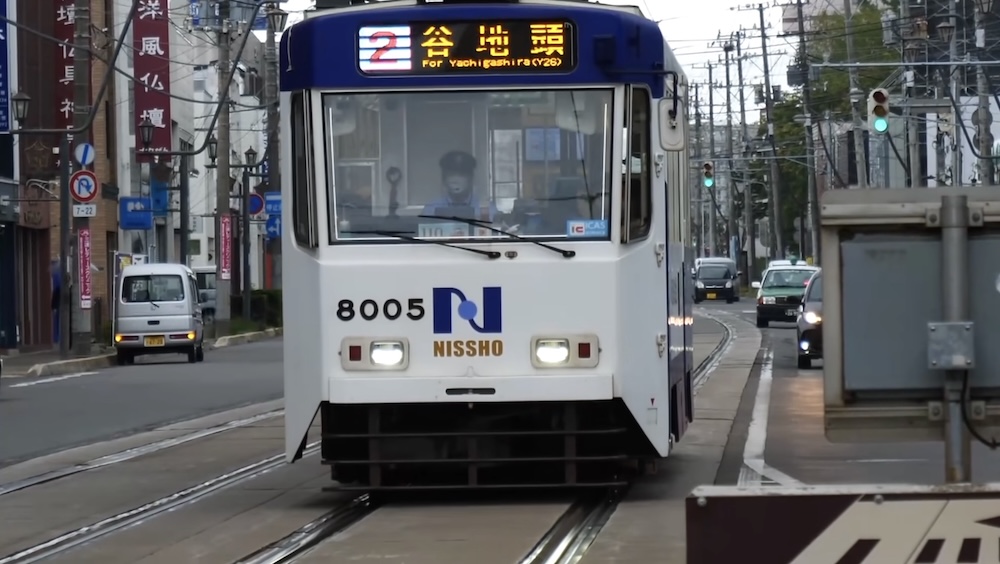
Alternatively, you can take the Hakodate tram to Jujigai, which takes approximately five minutes from the station, followed by another five minutes on foot.
We made good use of Hakodate’s trams during our trip. The city is quite pedestrian-friendly, but it’s also more spread out than we initially realized, so having the option to hop aboard a tram is useful when you’re covering several different neighbourhoods.
If you’re visiting Kanemori alongside Motomachi, you’ll also need to account for the uphill streets that lead away from the waterfront. After climbing around that part of Hakodate ourselves in hot, humid weather, I can assure you that those hills deserve a little respect!

Admission and opening hours
Entry to the main Kanemori shopping complex is free.
The usual retail hours are 9:30 a.m. to 7:00 p.m., although individual restaurants, shops and activities may operate on different schedules.
Hakodate Beer Hall, for example, has later operating hours than the general retail areas.
Keep in mind that individual facilities can also close temporarily for maintenance, and holiday schedules may differ from ordinary operating hours. A closure affecting one building doesn’t necessarily mean the whole complex is closed.
If you’re planning your day around visiting particular shops or going inside the buildings, check the official Kanemori Red Brick Warehouse website for the latest operating information.
Parking and visitor facilities
For those travelling by car, the associated parking facility currently lists charges of ¥600 for the first hour and ¥300 for every additional 30 minutes.
Qualifying purchases of at least ¥1,000 at participating businesses can provide up to two hours of validated free parking, subject to the applicable conditions. Don’t assume the parking is free without making a qualifying purchase and getting the ticket validated.
The complex also has information desks, toilets, lockers, free Wi-Fi and other useful services.
Wheelchairs and strollers are available to borrow subject to availability and rental conditions. However, the presence of these services doesn’t automatically mean that every part of every historic building is fully accessible.
If you have particular mobility requirements, I’d check the available routes and entrances directly with the complex before visiting.
Would I include Kanemori in a busy Hakodate itinerary?
Yes, particularly if you’re already spending time around the waterfront or planning to explore nearby Motomachi.
That’s one of Kanemori’s biggest practical advantages. You can combine the warehouses with other sights in western Hakodate rather than treating the shopping complex as a completely separate outing.
The historic Mashu-maru railway ferry is another attraction in the broader waterfront area, while the streets leading toward Motomachi introduce an entirely different side of the city’s architecture.
There’s plenty to explore in this part of Hakodate, and I wouldn’t rush past Kanemori simply because shopping isn’t your thing.
If you’d rather explore the historical waterfront with someone explaining the buildings and neighbourhood as you go, there’s also a three-hour guided walking tour of Kanemori and Motomachi. It starts near Hakodate Station and includes the warehouses, Hachimanzaka, historic churches and the Old Public Hall. We explored independently, so I can’t review the guiding itself, and I’d keep in mind that the tour involves uphill walking and stairs. It’s an option for visitors who want more historical context rather than simply browsing the buildings.
On the other hand, if you have just a few hours in the city and aren’t particularly interested in architecture or souvenirs, there may be other attractions that deserve more of your limited time.
I wouldn’t put Kanemori in quite the same category as a major viewpoint or a museum you specifically travel across the city to visit. For me, much of its appeal comes from its setting and how naturally it fits into exploring the historic waterfront.
That said, I enjoyed the visit more than I would have expected from somewhere primarily promoted as a shopping destination.
My verdict: the Kanemori Red Brick Warehouses are worth visiting, including for non-shoppers. The buildings have genuine historic character, the waterfront surroundings are lovely, and you can appreciate much of the experience without spending money.
If you love shopping, give yourself enough time to browse properly. If you’re more interested in the architecture, there’s no reason to force an extended visit.
And if we return to Hakodate, I’d happily wander around those old warehouses again. Perhaps with a less ambitious itinerary, we might even spend a little more time looking at what’s actually on the shelves.
Although knowing us, we’d probably find another historic building around the corner and get distracted all over again.
Frequently Asked Questions
Are the Kanemori Red Brick Warehouses worth visiting?
Yes. I enjoyed the historic buildings, their interiors and the waterfront setting more than the shops themselves. If you appreciate architecture or you’re already exploring western Hakodate, I’d recommend stopping by. Shopping enthusiasts may have even more reason to stay longer.
Is there an admission fee for Kanemori Red Brick Warehouses?
General admission to the main shopping complex is free. You can explore the public-facing retail areas without buying an entrance ticket, although souvenirs, food, events and optional activities may involve additional charges.
How much time should you spend at Kanemori?
Allow approximately 20–40 minutes to appreciate the exterior buildings, canal and waterfront, or 45–90 minutes if you’d also like to explore several indoor areas. Shopping or stopping for refreshments could easily extend your visit to one or two hours.
What can you do at Kanemori besides shopping?
The historic brick architecture, canal-side scenery and converted warehouse interiors are worth exploring. The complex also has restaurants, cafés and event facilities, while seasonal activities such as the Kanemori Bay Cruise may be available separately. We enjoyed the buildings without making shopping our priority.
How do you get to Kanemori Red Brick Warehouses from Hakodate Station?
It’s approximately a 15-minute walk from JR Hakodate Station. Alternatively, take a tram to Jujigai, roughly five minutes from the station, and walk another five minutes to the waterfront complex.
What are the opening hours of Kanemori Red Brick Warehouses?
The usual retail hours are 9:30 a.m. to 7:00 p.m. Individual restaurants, shops and activities can have different hours, and temporary maintenance closures or holiday arrangements may affect particular facilities. Check the official website before visiting.
This guide is also available in Spanish. [Leé la versión en castellano: Almacenes de Ladrillo Rojo de Kanemori: guía y reseña, ¿valen la pena?]
This article contains affiliate links. If you book through one of these links, I may earn a commission at no extra cost to you.