
I knew we were going to see a shrine. I just hadn’t appreciated quite how much shrine there was to see. When Audrey and I visited Hokkaido Jingu in Sapporo, we found a sprawling complex of wooden buildings, torii gates, gravel courtyards and enormous trees. People were worshipping while others explored, and I kept finding more architectural details to examine.
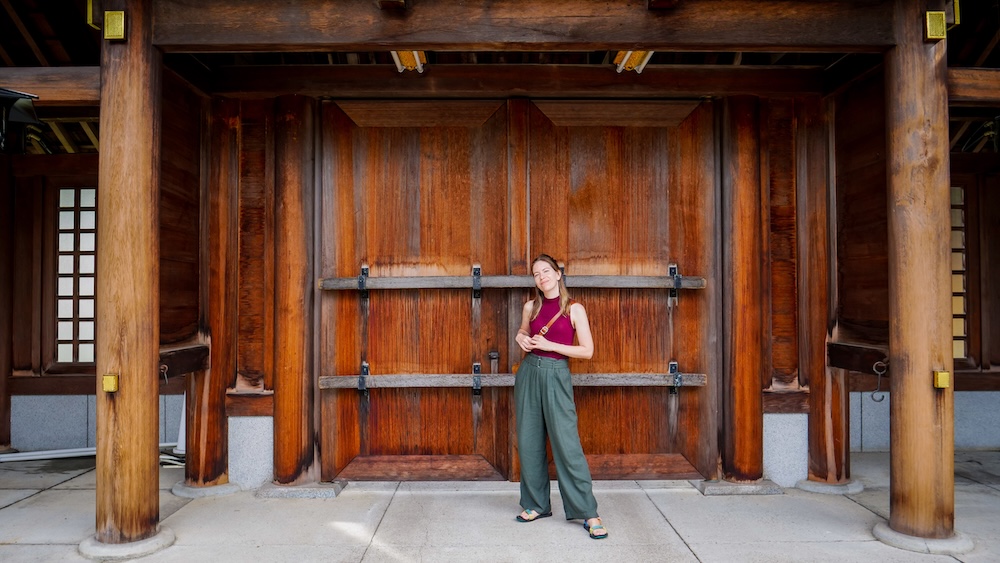
The scale genuinely surprised me. In the busier areas we watched people making offerings, while elsewhere we could find quieter corners and take our time. I particularly remember Audrey standing beside a set of massive wooden doors; having a person in the picture really brings home their size. If you’re visiting Hokkaido Jingu for the first time, don’t allocate all your attention to the main worship hall. The surrounding grounds were a big part of what made the place memorable for me.
Why Hokkaido Jingu Deserves More Than a Quick Look
Hokkaido Jingu sits beside Maruyama Park in western Sapporo, with around 18 hectares of shrine grounds. The adjoining park and mountain forest are separate.
The shrine was founded in 1869, during Japan’s early Meiji period, and established at Maruyama in 1871. Its original three enshrined kami—Ōkunitama, Ōnamuchi and Sukunahikona—are associated with the development of Hokkaido. Emperor Meiji was added as a fourth enshrined figure in 1964. That period of government-led settlement also brought displacement and damaging assimilation policies affecting Hokkaido’s Indigenous Ainu people, whose history on the island long predates the shrine.
It’s worth separating the age of the institution from the age of the buildings. An earlier main shrine building was destroyed by fire in 1974, and the replacement dates to 1978. The present main complex hasn’t survived untouched from the nineteenth century.
The history is worth knowing, but what I remember most vividly is standing among the timber buildings and watching people worship. Even beyond the busy areas, we found quieter corners.
What to See Around Hokkaido Jingu
The Torii Gates and the Approach
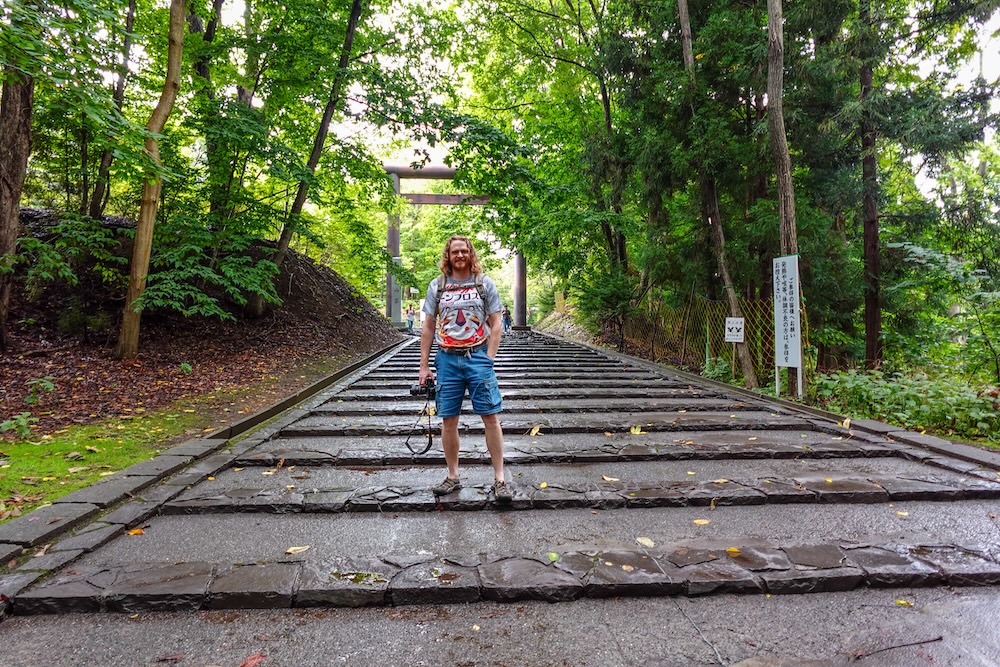
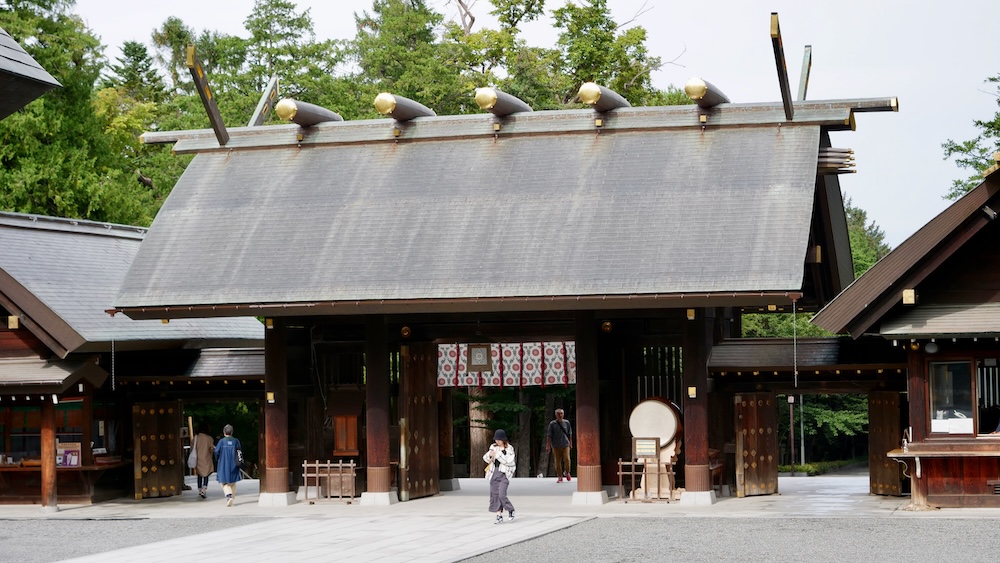
The torii gates sit among the trees, with wooded approaches opening onto the larger grounds. After plenty of time among Sapporo’s shops and streets, I enjoyed that change of scenery.
In Shinto tradition, a torii marks the transition into sacred space. A small bow when passing through is customary, and visitors often keep to the side of the central approach when practical. Choose a permitted gate that suits your route and give worshippers room to pass.

The Main Worship Hall, Wooden Doors and Covered Walkways
The main worship hall, known as the haiden, is the obvious focal point. Broad stone steps lead up toward a dark wooden building with a large sloping roof and decorative details above the worship area. We watched visitors approaching the hall to pay their respects.
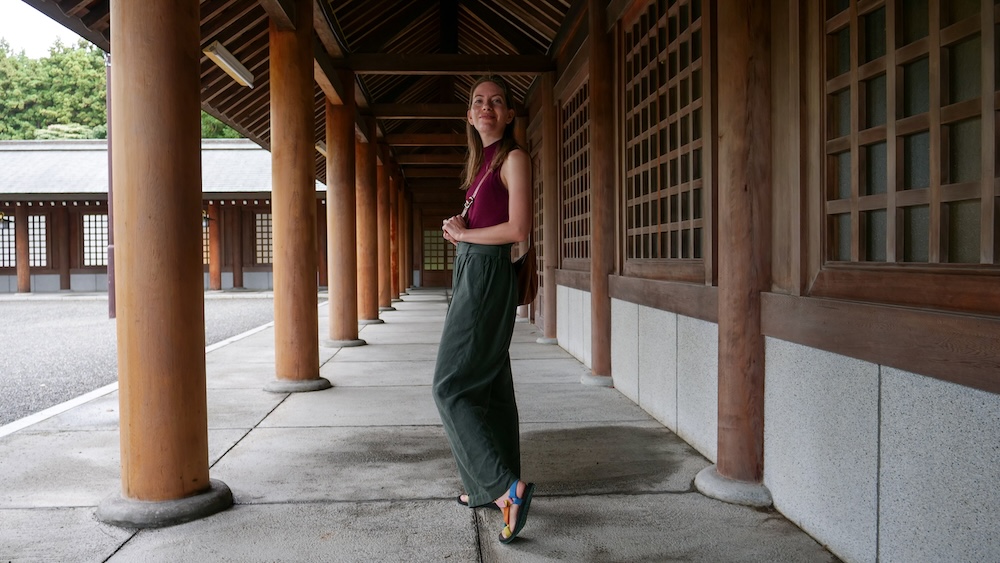
But keep looking around after you’ve seen the front of it. There were substantial covered wooden walkways, thick columns and some extraordinary doors. Audrey stood in front of one set of timber doors that absolutely dwarfed her. The sheer size of the architecture caught me off guard.
Some of the trees were enormous, rising beside the shrine buildings and making the grounds feel remarkably green even where plenty of people were gathered.
The haiden is where ordinary visitors approach to worship; the more sacred inner sanctuary is a separate part of the shrine. Don’t assume the impressive doors and corridors are invitations to enter. Enjoy the architecture from areas open to visitors, and respect any barriers or signs.
Ema Plaques, Paper Fortunes and Smaller Details
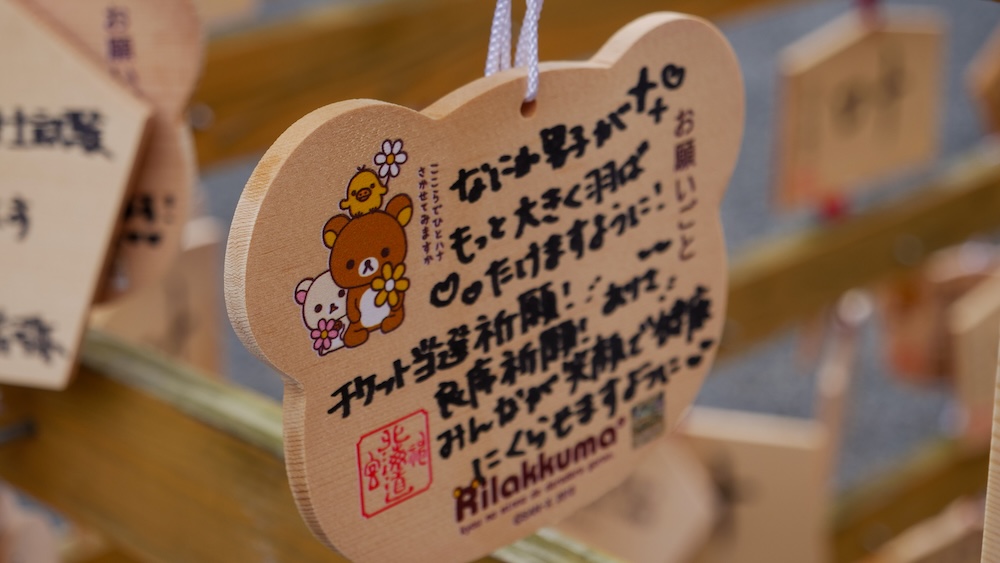
One of the most interesting things to examine was the collection of ema: little wooden plaques covered in written wishes and prayers. There were racks full of them, some with illustrations and character designs that stood out among all the Japanese handwriting. We photographed the displays, though I don’t recall buying or writing an ema ourselves.
If you’d like to take part, you can obtain a plaque, write your wish or prayer and hang it in the designated area. They have a religious purpose, even though the illustrations and designs can be fun to look at.

We also saw clusters of folded white papers tied to cords and racks. These are omikuji, fortunes that visitors draw at shrines. Some people keep theirs; others tie them in the designated place. It’s a curious sight, even if you don’t draw one yourself.
You’ll also encounter omamori, protective charms for different purposes, and goshuin, calligraphic shrine seals usually collected in a dedicated book. If you’re hoping to obtain one, make sure the relevant counter is open and have cash available.
If you’d like an explanation of the customs while you’re there, a currently listed one-hour Hokkaido Jingu guided tour with an omikuji experience and local sweets meets at Maruyama Park Center. It’s led in English and includes the shrine visit and a sweet at Jingu Chaya, rather than a long walk through the forest. We explored on our own, so I can’t speak to the guide personally. You certainly don’t need to pay for a guide to enter the shrine, but it might appeal if the rituals are what interest you most.
Hokkaido Jingu Etiquette Without the Guesswork
Don’t get so worried about perfect gestures that you forget to look around. Audrey and I felt perfectly comfortable walking around in clothes suited to Sapporo’s hot, humid weather. We observed what was happening, gave worshippers space and enjoyed the grounds. You can show respect without having to participate in every religious custom.
Washing Your Hands at the Purification Fountain
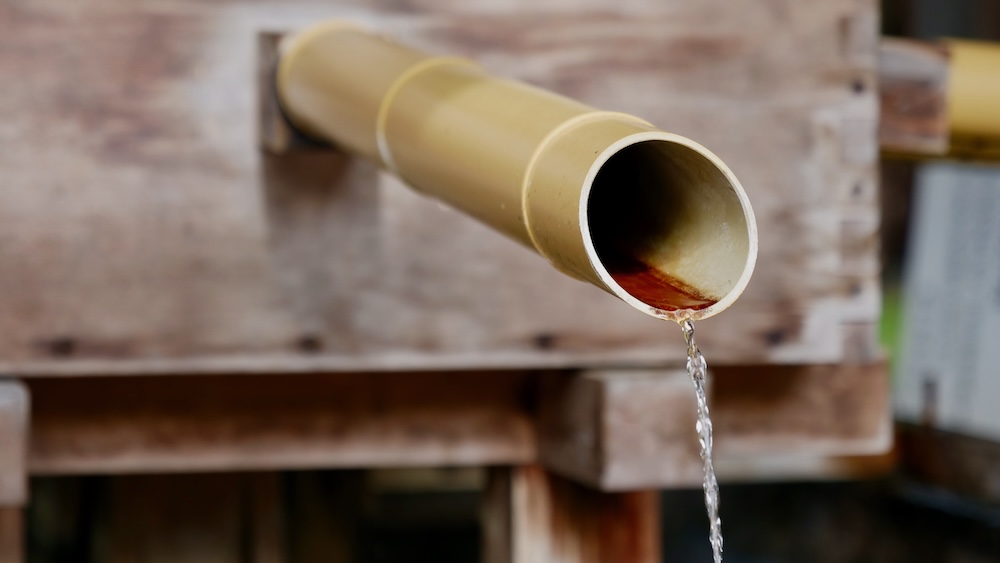
One practice I did take part in was washing my hands at the purification basin, or temizuya. At Hokkaido Jingu, we encountered water running from bamboo spouts into a large basin. Its purpose is symbolic cleansing before worship.
The traditional sequence is to cleanse the left hand, then the right, rinse the mouth using water transferred to your hand, and finish by cleansing again. You may have seen instructions showing a wooden ladle; the fountain we encountered had flowing bamboo spouts instead. Follow whatever instructions are posted at the basin, and never drink directly from a spout or put your mouth against it.
Bowing, Clapping and Making an Offering
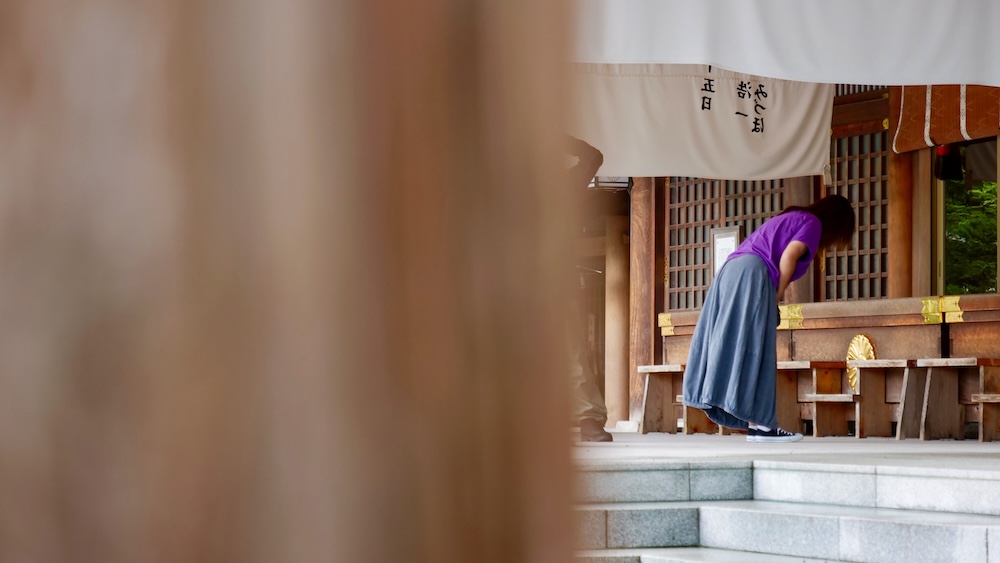
At the worship hall, we watched people making offerings and paying their respects. A common Shinto sequence is to place an offering in the box, bow twice, clap twice, pray or reflect quietly, and bow once more. No particular coin denomination is compulsory.
If you choose to participate, take your cue from the shrine’s instructions and leave space for the people around you. If you’re there primarily to see the shrine, observing quietly is perfectly reasonable. Worshippers aren’t putting on a show for tourists.
Photography and What to Wear
You can enjoy the architecture without treating worshippers as part of your photo shoot. Keep your camera out of their faces, don’t block the approach to the hall, and respect signs or staff instructions about taking pictures. I was happy enough photographing the buildings, trees and small details without getting in anyone’s way. And when I did grab some candid shots they were at a distance.
As for clothing, dress neatly and sensibly for the conditions. We visited during humid weather and wore practical summer clothes. Sightseeing doesn’t demand ceremonial clothing; your behaviour matters more.

Hokkaido Jingu Opening Hours and Admission
The main shrine grounds are free to enter, but the gates don’t stay open around the clock. The ordinary published schedule changes with the season:
| Time of year | Usual gate hours |
|---|---|
| January 8–end of February | 7 AM–4 PM |
| March | 7 AM–5 PM |
| April–October | 6 AM–5 PM |
| November–December 30 | 7 AM–4 PM |
| December 31–January 7 | Special New Year hours; check for your dates |
The distinction between the grounds and the service counters is easy to miss. Charms and goshuin generally become available from 9 AM until gate closing, while applications for formal prayers usually finish about 30 minutes before closing. So if you’re arriving at 6 AM in September, you can visit the grounds, but that doesn’t mean someone will be there to prepare your goshuin.
Bring cash for charms, talismans and goshuin; fees can change. Check the Hokkaido Jingu website before your visit if you’re coming for a particular service or need an exact timetable. New Year, ceremonies and occasional restrictions can change the ordinary arrangements.
Festivals and the Busiest Times to Visit
Our September visit had a mixture of busy and peaceful areas. That’s not necessarily what you’ll encounter during the shrine’s biggest events. The annual Hokkaido Jingu celebration, also known as the Sapporo Festival, takes place around June 14–16, with the principal festival day on June 15 and a traditional procession on June 16. Check the current festival arrangements before planning around it.
There’s also hatsumode, when people make their first shrine visit of the New Year. Expect a very different atmosphere and special schedules then. Spring brings cherry and plum blossoms, autumn changes the surrounding foliage, and winter snow alters the feel of the grounds. We were there in September, with lush greenery and humidity rather than peak autumn colour.
Getting to Hokkaido Jingu From Central Sapporo
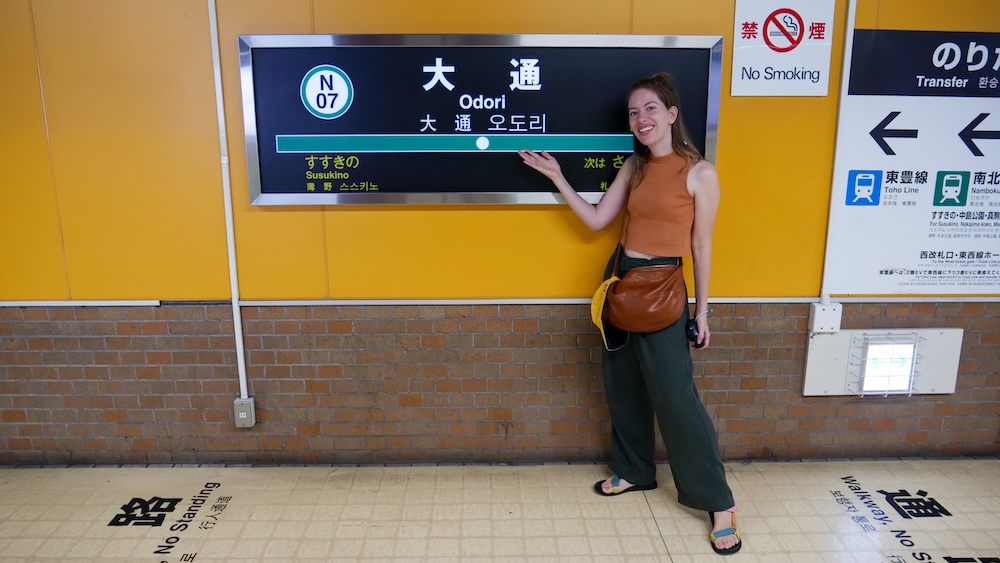
For most visitors staying centrally, I’d use the subway. From Odori Station, take the Tozai Line toward Miyanosawa and get off at Maruyama-koen, three stops away. The ride takes about five minutes, and the published single adult fare from Odori is ¥210. From Sapporo Station, travel on the Namboku Line to Odori and change there. We used Sapporo’s subway frequently, although I couldn’t tell you with certainty where we started this particular trip.
If you’re still choosing where to stay, I’d look around Odori rather than choose accommodation just to be near this one shrine. It has a direct subway connection to Maruyama and keeps you central for other Sapporo sights. You can compare hotels in the Odori area by your dates and budget.
The bit to budget properly is the walk afterward. Maruyama Park is about five minutes from the station, but Hokkaido Jingu is roughly 15 minutes away on foot. Allow roughly half an hour for the return walk, especially in summer humidity or winter snow. Make sure your map is taking you to the main Hokkaido Jingu near Maruyama Park, rather than Hokkaido Jingu Tongu, which is a separate shrine nearer central Sapporo.
There’s also a different option if you want to combine the shrine with several far-flung sights rather than spend most of the day here: a full-day guided Sapporo tour including Hokkaido Jingu and the Hill of the Buddha. The current itinerary gives the shrine about 30 minutes and includes other stops such as Shiroi Koibito Park and Jozankei. That’s a very different proposition from the one-hour shrine-focused tour; I’d choose it for the wider itinerary, not for a leisurely exploration of Hokkaido Jingu.
If stairs are an issue, the main stone staircase isn’t the only access arrangement. The shrine has ramps near the worship area, an elevator near the office, accessible toilets and limited wheelchair-loan provision. Gravel and snow can still complicate access, so confirm the suitable route and assistance in advance. Parking is available too, but charges and special-event conditions depend on the lot; I wouldn’t assume it’s all free.
How Much Time Should You Allow?
I reckon we spent about 20–30 minutes exploring Hokkaido Jingu itself, although I wasn’t watching the clock. I’d devote that time to the wider grounds, wooden architecture and activity near the worship hall.
For a first-timer who doesn’t want to rush, 40–60 minutes at the shrine is a more comfortable plan. That allows for the ema and omikuji displays, buildings and quieter corners. Allow longer if you’re attending a formal prayer or hoping to obtain a service that involves waiting. The walk to and from Maruyama-koen Station is additional.
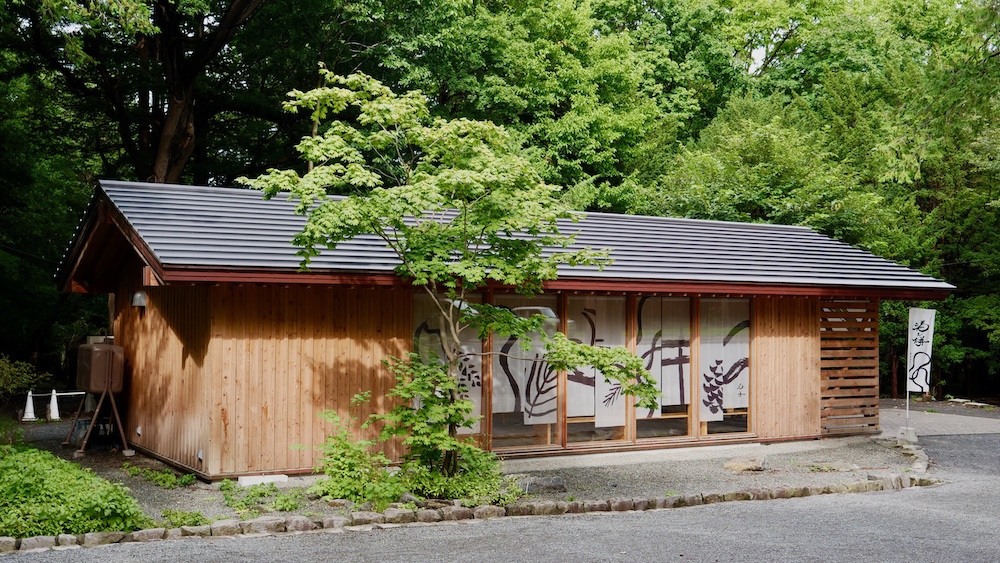
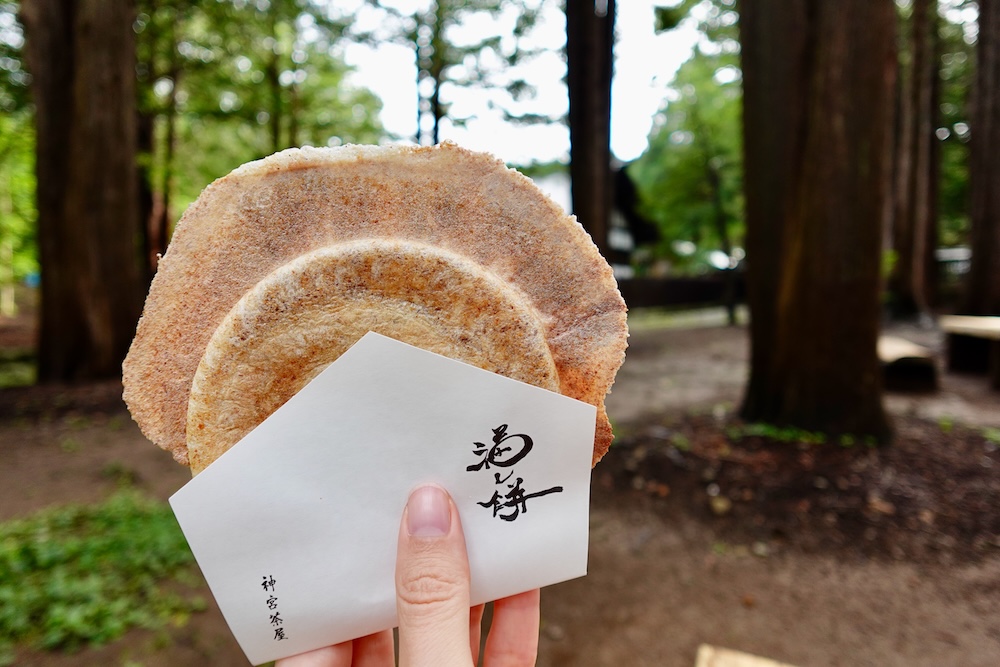
We also stopped at Jingu Chaya for iced green tea and Japanese sweets during the outing. That was a lovely break from the humidity. The shop opens separately, generally at 9 AM, and closes earlier in winter. I’d treat it as an optional extra rather than assume the tea room is open whenever the shrine gates are.
Is Hokkaido Jingu Worth Visiting?
Absolutely. The scale caught me off guard, and I enjoyed the experience of wandering among the wooden buildings, seeing the huge doors and watching people worship. There were plenty of visitors in some areas, yet we still found space to appreciate the surroundings without feeling swallowed by the crowds.
If you’ve only got a brief window, resist the temptation to march straight to the main hall, grab your photo and leave. Explore the grounds. That’s what made Hokkaido Jingu stand out for me, and I’d happily take the subway out to Maruyama again to experience it.
Frequently Asked Questions
Is Hokkaido Jingu Shrine free to visit?
Yes. You can explore the general shrine grounds without paying admission. Charms, ema plaques, goshuin and formal religious services are separate offerings that may involve a fee.
What time does Hokkaido Jingu open and close?
The usual gate hours are 6 AM–5 PM from April through October, 7 AM–5 PM in March, and 7 AM–4 PM from November through February outside the New Year period. December 31 through January 7 follows special arrangements. Counters for charms and goshuin generally start serving at 9 AM.
How do I get to Hokkaido Jingu from central Sapporo?
Take the Tozai subway line from Odori Station toward Miyanosawa and get off at Maruyama-koen, three stops away. The train takes about five minutes, followed by roughly 15 minutes on foot to the shrine. From Sapporo Station, change from the Namboku Line to the Tozai Line at Odori.
How much time should I spend at Hokkaido Jingu?
I remember spending approximately 20–30 minutes at the shrine, although I wasn’t timing our visit. I’d recommend 40–60 minutes for a first visit if you want to explore the buildings, prayer-plaque displays and quieter corners. Allow extra time for the walk from the subway station.
What etiquette should I follow at Hokkaido Jingu?
Respect worshippers, stay in visitor-accessible areas and follow any posted instructions. Washing your hands at the purification basin is a traditional practice. If you choose to worship, a customary sequence is two bows, two claps, a quiet prayer or moment of respect, and one final bow. Visitors can also observe respectfully without participating.
What is there to see besides the main worship hall?
I was particularly impressed by the enormous wooden doors, covered timber walkways, torii gates and mature trees throughout the grounds. We also saw ema prayer plaques and tied omikuji fortunes. Exploring those smaller details was part of what made the shrine feel much bigger and more interesting than we’d expected.
Is Hokkaido Jingu the same as Hokkaido Jingu Tongu?
No. Hokkaido Jingu is the main shrine complex beside Maruyama Park, reached from Maruyama-koen Station. Hokkaido Jingu Tongu is a separate shrine closer to central Sapporo. Make sure your map points to the correct location before travelling.
This guide is also available in Spanish. [Leé la versión en castellano: Guía del santuario Hokkaido Jingu en Sapporo: qué ver, normas de respeto y horarios]
This article contains affiliate links. If you book through one of these links, I may earn a commission at no extra cost to you.