
Listen, if you’re heading to Berchtesgaden, let’s get the most critical piece of intel out of the way first: arriving at Königssee after 9:00 AM in the summer means you’ll be fighting for parking and elbow-to-elbow on the docks. Local sources confirm the Seelände parking area turns into a chaotic, aggressive free-for-all by mid-morning, so arriving early is non-negotiable. We’ve created this travel guide to cut through the noise and help you navigate one of Germany’s most functional alpine hubs. Tucked into Bavaria’s southeastern corner, this rugged terrain demands physical output, but the payoff is massive. You can literally smell the damp pine needles and cold stone the second you step off the train. Visitors come here to burn their calves on steep inclines, navigate deep glacial waters, and refuel in loud, wood-paneled taverns. There’s a distinct drop in temperature as you move up the valleys, and a very real sense of scale in every winding trail.
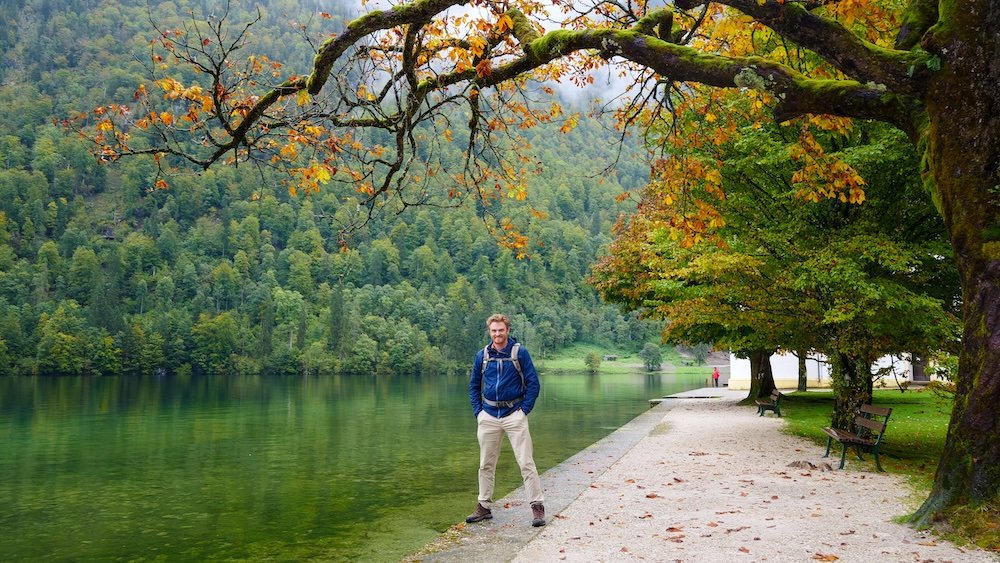
Trying to map out an alpine itinerary can fry your brain if you aren’t familiar with the local transit grid or mountain weather windows. You don’t want to get stuck on an exposed ridge when the afternoon thunderstorms roll in. Perhaps you’re unsure how the regional RVO bus schedules align with the trailheads, or you don’t want to blow your budget on subpar tourist-trap schnitzel. We found that locking down your base camp and understanding the regional logistics solves 90% of the friction. You want to get your boots on the ground without wasting time, especially when current prices for parking and cable cars can chew up a travel budget fast if you aren’t strategic.
Why Berchtesgaden?
This travel guide is built for the pragmatic traveler who wants maximum return on their time in the mountains. Whether you’re hauling a toddler up a paved path, seeking a solid basecamp for day hikes, or you’re a seasoned trekker aiming to test your knee cartilage on a 1,500-meter ascent—the infrastructure here works. Honestly, the air up here is so crisp it almost stings your lungs in the early morning. It’s a highly functional outdoor hub that delivers massive scale without requiring a specialized expedition.
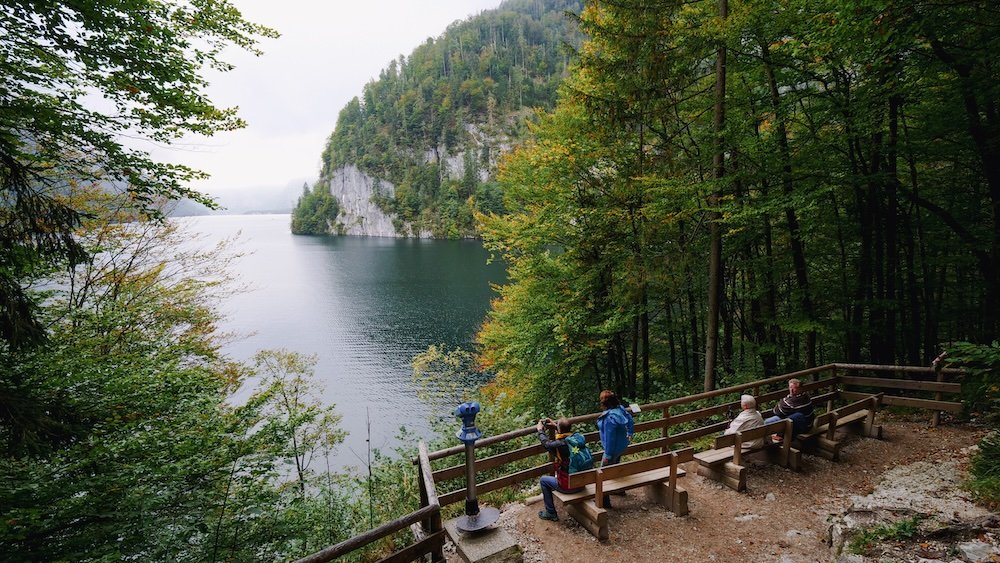
Berchtesgaden isn’t just a backdrop; it’s an active, working alpine environment where weather systems roll off the Watzmann massif and dictate the daily rhythm. Below, you’ll encounter Top 10 Things To Do in Berchtesgaden, broken down with actual logistical weight. We’re talking about the sweat-equity required to hit the viewpoints and how to navigate the damp, salty air of the underground mines. We’ll cover your transit options, the reality of finding lodging, and the heavy Bavarian plates you’ll need to refuel. By the end, you’ll know exactly how to pull off this trip without breaking a sweat.
Top 10 Things To Do in Berchtesgaden, Germany For Visitors
Berchtesgaden requires proper pacing. Below are 10 hard-signal recommendations, detailing exactly what it takes to access the region’s best terrain.
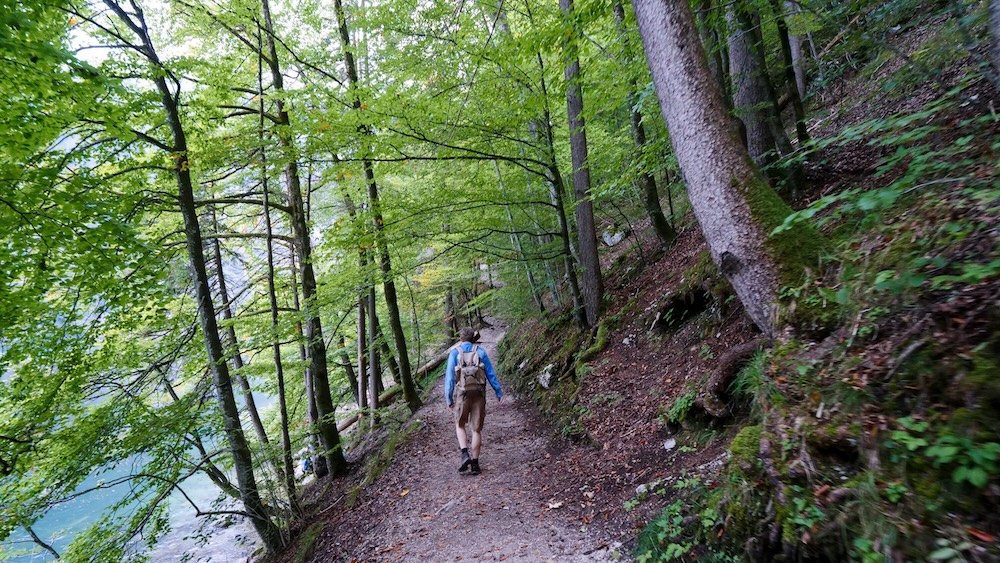
1) Hikes Around Berchtesgaden National Park (Including Malerwinkl)
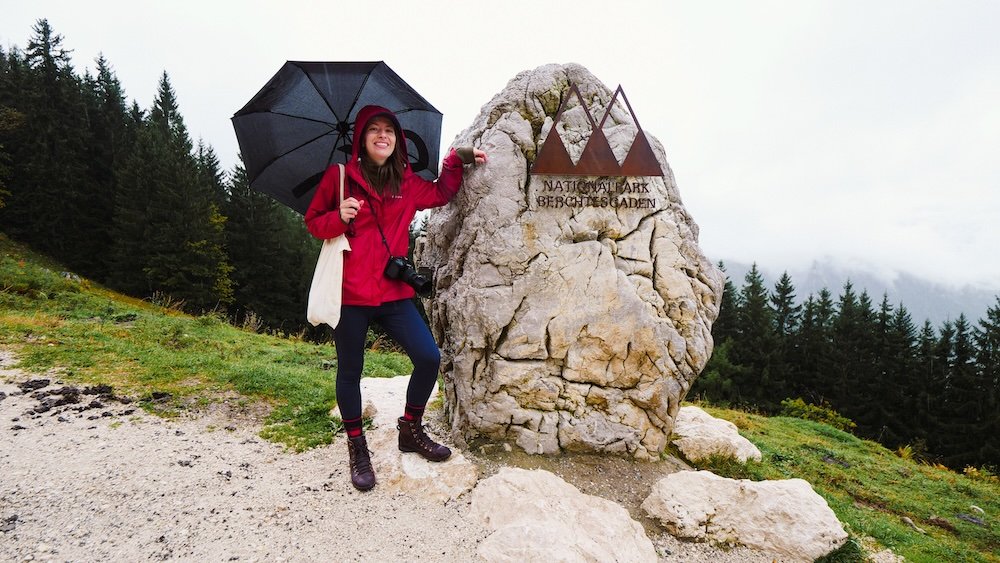
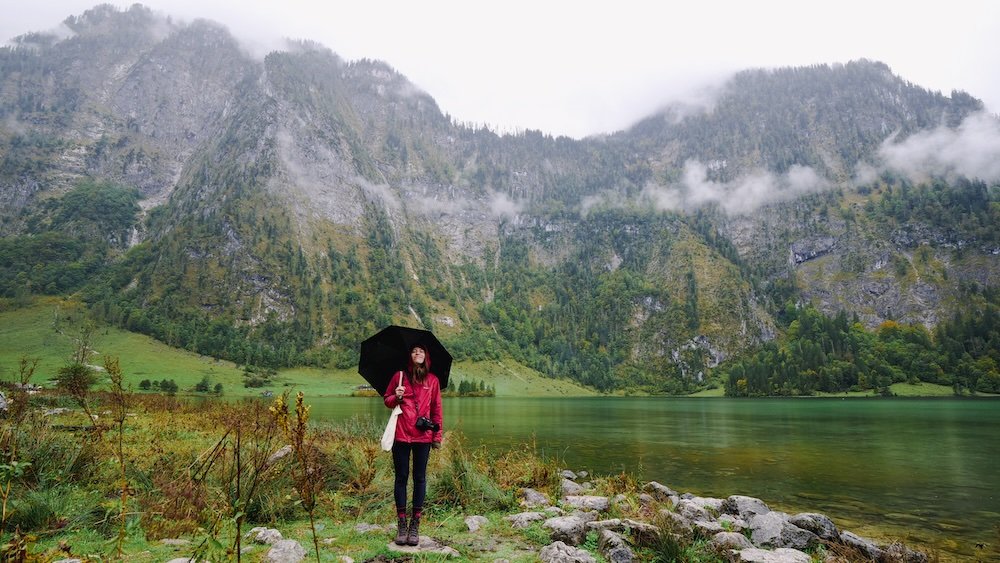
Berchtesgaden National Park isn’t a casual municipal park; it’s a sprawling, vertical environment. The dirt trails here are packed hard, and you can hear the distinct crunch of limestone gravel under your boots with every step. Malerwinkl is the classic entry-level viewpoint, giving you a sweeping look at the lake without busting your lungs. Hikes range from gentle walks to full-day treks scaling rugged peaks. We’ve found that pushing past the first kilometer usually drops the crowd size by 80%. You’ll hit a rhythm, sweating through your base layer until you reach one of the high-altitude Alm huts. Wrapping your freezing hands around a steaming bowl of goulash up there is the ultimate reward. The biggest mistake novice hikers make here is relying on Google Maps to find trailheads; the pins are often wildly inaccurate in the deep valleys. Stick to the physical yellow trail markers.
- Terrain Reality: From well-marked fire roads to steep rock scrambles requiring three points of contact.
- Weather Window: Late spring to early fall is ideal, but watch the afternoon cloud build-up.
- Wildlife Sightings: Keep an eye out for chamois kicking down loose rock.
Tip: Check the National Park’s information center for the hard data on trail closures and guided nature walks.
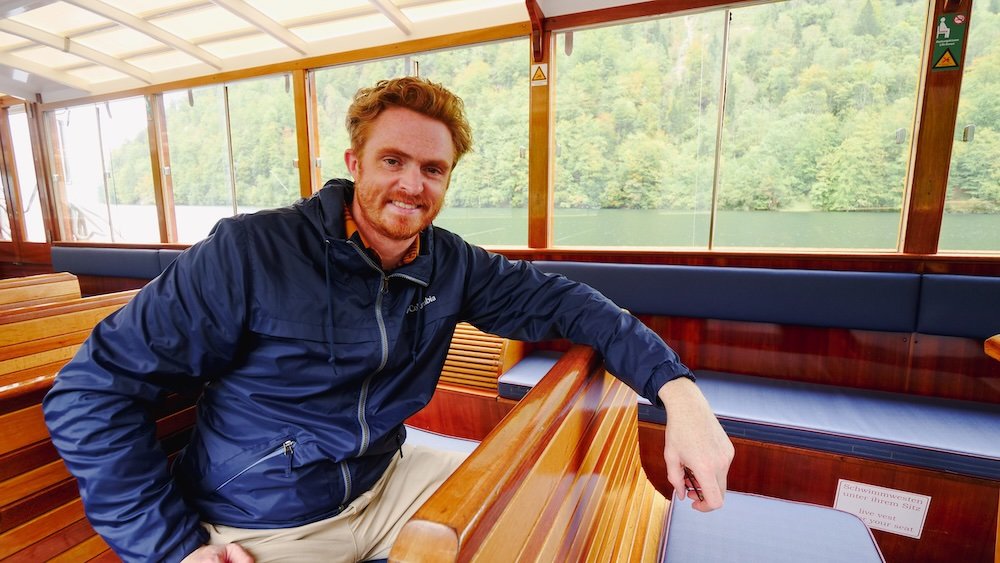
2) A Boat Tour on the Emerald Waters of Königssee (Stops in St Bartholomä, Salet, and a Hike to Obersee)
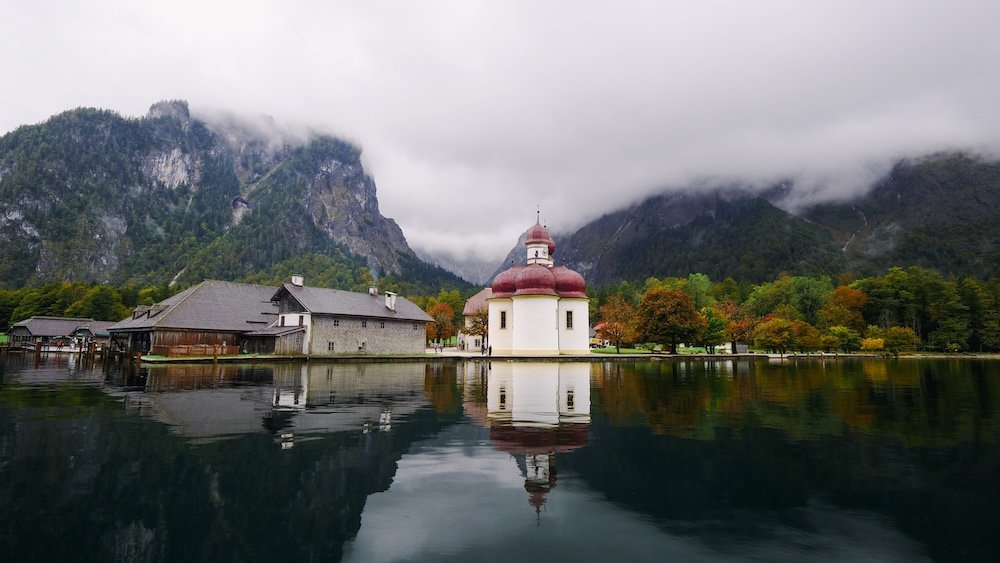
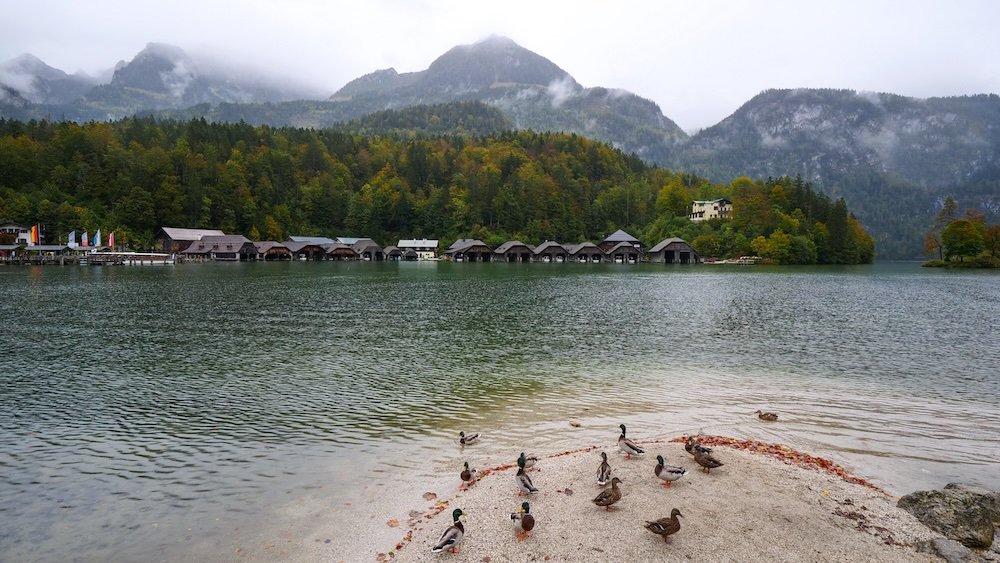
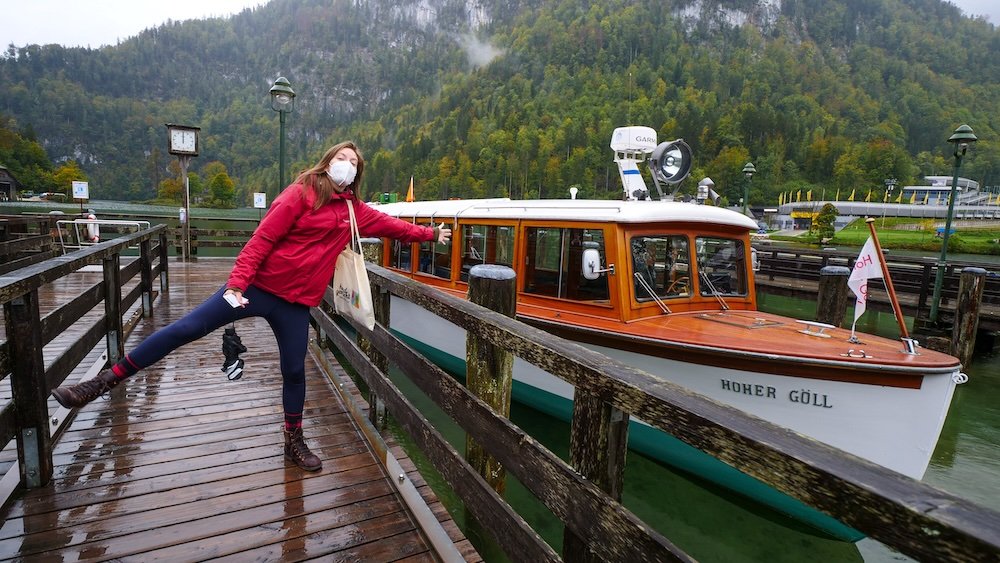
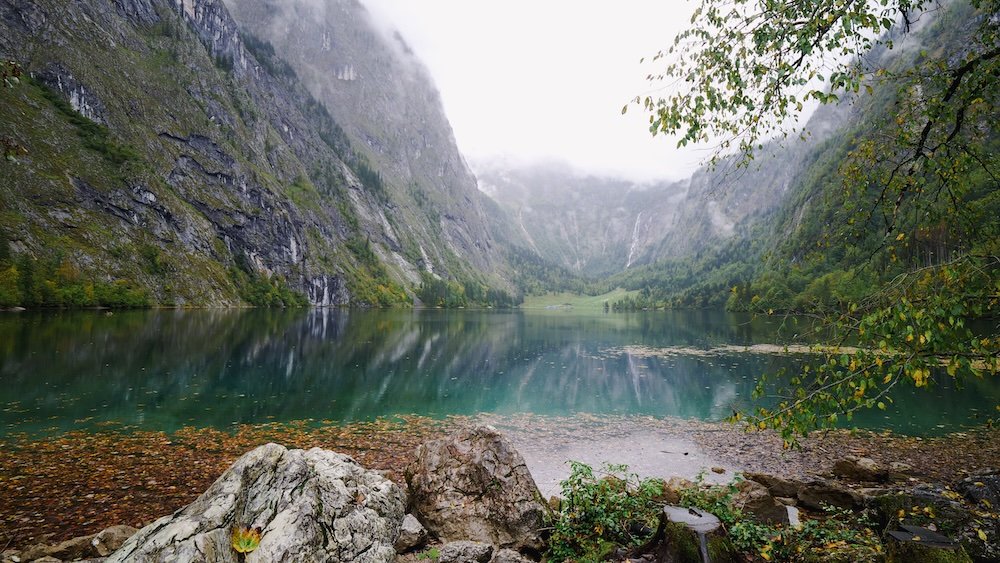
Königssee is a deep glacial trench, and the water is notoriously freezing, even in August. The electric boats glide in near-total silence, save for the low hum of the motor and the cold wind biting at your face if you sit near the open windows. Halfway across, the captain cuts the engine to blow a brass flugelhorn, proving the massive acoustic bounce against the sheer rock walls. You disembark at St Bartholomä, stepping onto damp stone docks, then proceed to Salet. Current return tickets to Salet usually sit around the €22 to €25 mark, and honestly, the biggest mistake you can make is just getting off at St Bartholomä. Push all the way to Salet. From Salet, travelers hike over slick roots and mud to Obersee. That final stretch requires proper footwear, not flimsy sneakers, to navigate the wet patches safely. It’s worth the bruised toes to see the reflection of the Watzmann in the still water.
- Ticket Logistics: Buy at the Schönau pier; the queue backs up 100 meters by 10:00 AM.
- Photography: Shoot fast; the boat windows slide open but space is tight.
- On-Site Rations: St Bartholomä serves heavy smoked fish and cold lager.
Tip: Arrive early in the morning—we mean first boat of the day—to skip the hour-long lines. The Seelände parking lot is notoriously awful by mid-morning, so beat the rush.
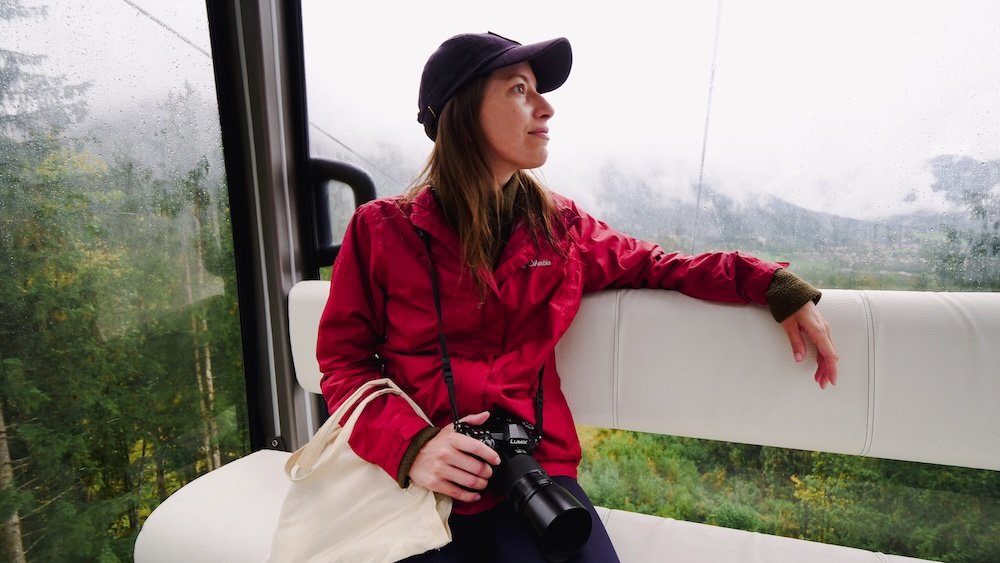
3) A Cable Car Ride Up Jenner Mountain
Jenner Mountain looms right over the lake. If you don’t have the six hours or the knee cartilage to hike the 1,200 vertical meters, the modern cable car does the heavy lifting. The cabin sways slightly over the pylons, and as you ascend, you can feel the temperature noticeably drop against the glass—bring a windbreaker. The top station spits you out into a network of high-alpine ridges. Here’s a contrarian take for you: at roughly €40 for a round-trip ticket, Jennerbahn is vastly overpriced if the weather is even slightly cloudy. If you can’t see the Watzmann peak from the valley, do not pay for the cable car. Save your cash and hike the steep gravel tracks to the mid-station instead. If it is clear, however, we’d recommend having lunch at the summit restaurant; the heavy wooden chairs and the smell of roasted pork provide a solid contrast to the thin mountain air.
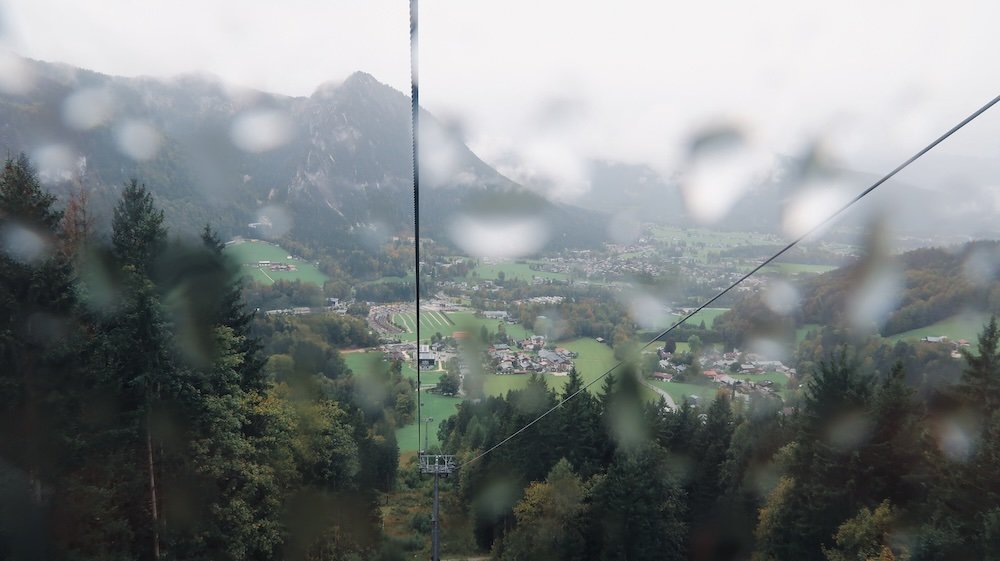
- Lift Operations: Runs year-round, but shuts down for shoulder-season maintenance.
- Microclimate: You are at 1,874 meters; the wind cuts right through cotton shirts.
- Descent Routes: Brutally steep on the knees if you walk the whole way down.
Tip: Book tickets online to bypass the massive bottleneck at the base station.
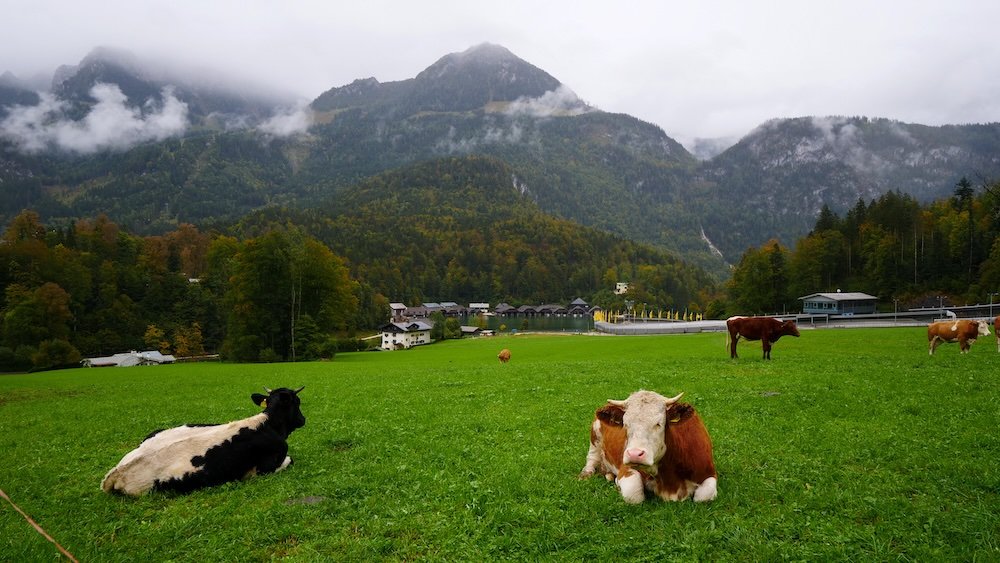
4) Befriending the Local Farm Animals
You can’t walk a kilometer in the lower pastures without hearing the heavy, metallic clank of cowbells. It’s part of the regional soundtrack. The pastures smell strongly of damp earth and manure—the authentic scent of a working Bavarian farm. You’ll routinely find yourself yielding the right-of-way to a massive herd of Brown Swiss cows crossing the asphalt. Some of these working farms will let you buy raw milk or hard cheese straight from a cooler on the porch. Honestly, taking a minute to sit on a wooden fence and watch the livestock chew through the grass is a great way to drop your heart rate after a steep descent. Just remember, these are working agricultural zones, not petting zoos; the farmers appreciate a respectful distance.
- Where to Spot: The valleys around Schönau are packed with working dairies.
- Local Etiquette: Do not cross electric fences to pet the animals.
- Farm Stands: Look for hand-painted signs pointing to “Käse” (cheese).
Tip: Pick up some fresh dairy—carry small euro coins for the unstaffed, honor-system fridges by the roadside.
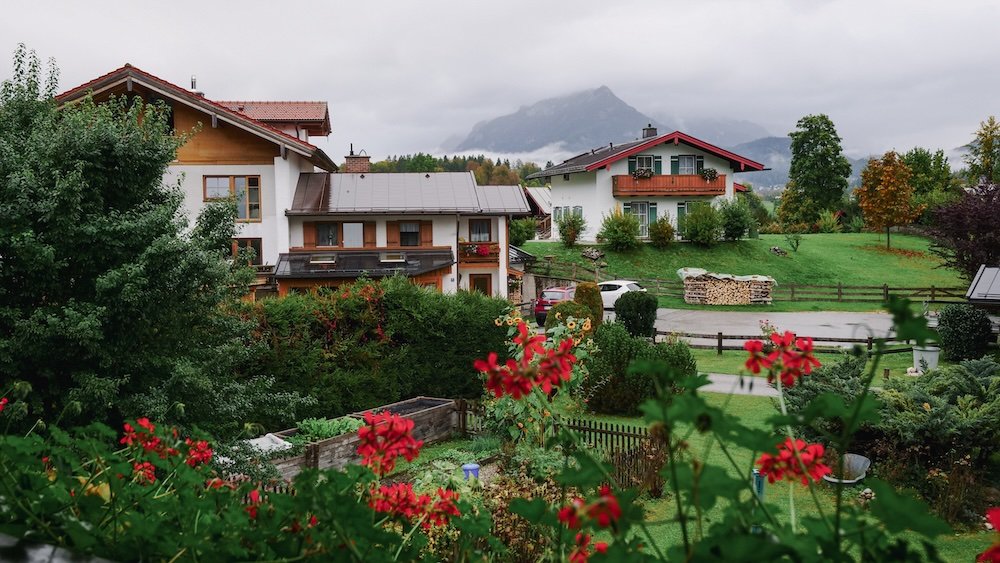
5) Base Yourself in the Town of Schönau am Königssee
Schönau am Königssee is the logistical staging ground for the lake, but it holds its own as a highly efficient basecamp. We enjoyed staying here because you can literally smell the woodsmoke from the chimneys in the crisp evening air. Most guesthouses offer mountain views straight from your balcony, which is exactly what you want when drinking your morning coffee. The local taverns cater to hungry hikers, serving massive plates of pork and pouring dark lagers. It completely removes the daily friction of driving in from the highway and hunting for a parking spot near the docks. The trade-off? The dining options shut down remarkably early; if you wait until 8 PM to look for dinner, you might go hungry.
- Lodging Reality: High density of traditional wooden Gasthöfe.
- Transit Access: Walking distance to the boats and the Jennerbahn base station.
- Evening Vibe: Quiet. The town shuts down early once the day-trippers leave.
Tip: Book well in advance—Schönau’s inventory vanishes fast in July and August.
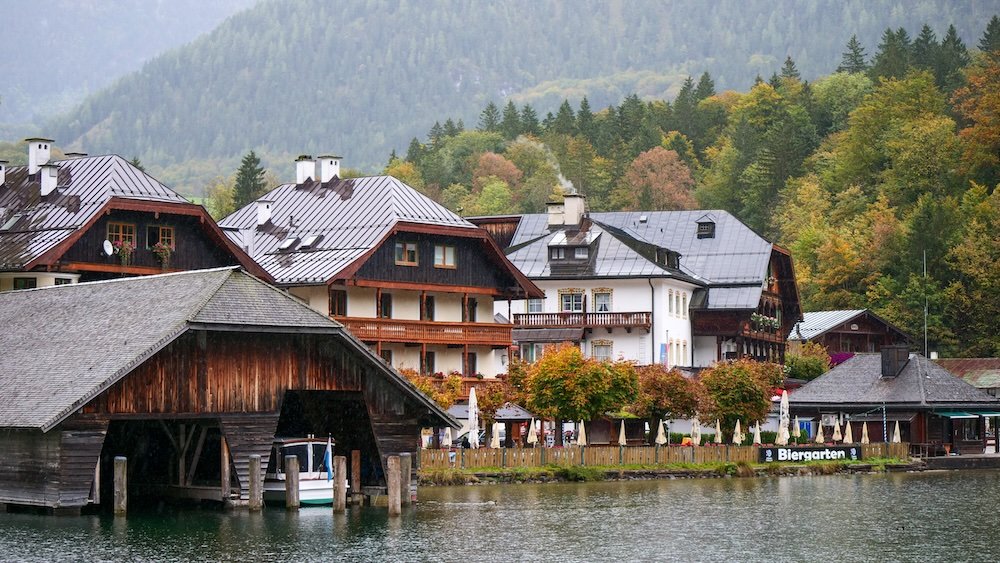
6) Exploring Historic Berchtesgaden Town Center
Berchtesgaden town is built on an incline, meaning your calves get a workout just walking from the pharmacy to the market square. The cobblestones are uneven, and you can smell the rich, buttery scent of homemade pastries venting from the local bakeries. The architecture features massive overhanging eaves and painted frescoes that have survived brutal alpine winters. The Royal Castle anchors the center, an imposing reminder of the region’s historical wealth. It’s a highly functional hub with actual grocery stores and gear shops, making it the perfect place to resupply your daypack before hitting the trails. However, parking directly in the center is a notorious trap; use the massive underground lot at the edge of town to save your sanity.
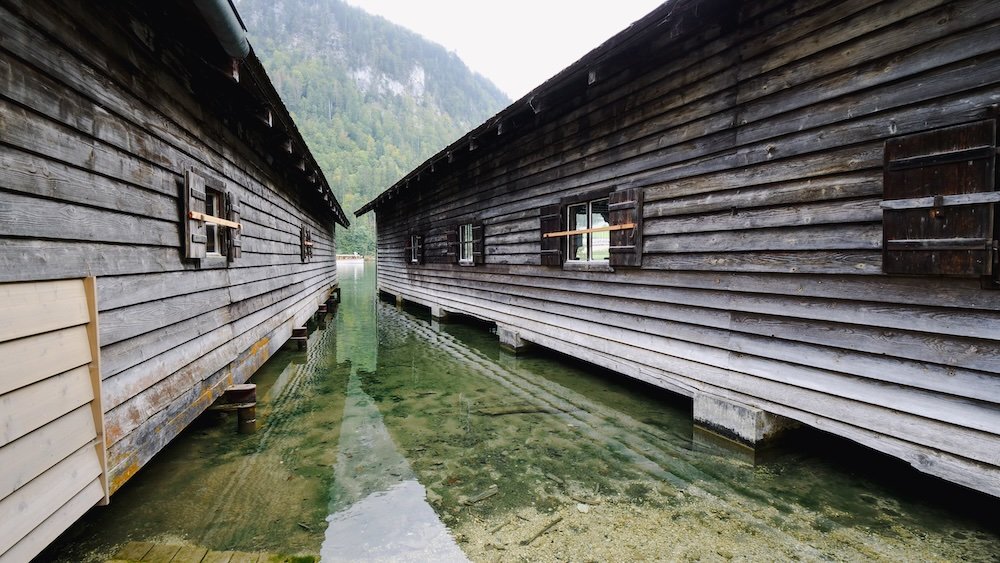
- Market Square: Marktplatz is steep, watch your footing on wet days.
- Supply Runs: Excellent spot to stock up on blister pads and trail snacks.
- Castle Architecture: Worth a quick lap around the courtyard.
Tip: Visit in the late afternoon when the tourist buses have left and you can actually find a table for a beer.
7) Exploring the Salt Mines (Salzbergwerk Berchtesgaden)
The Salzbergwerk Berchtesgaden isn’t just a museum; it’s an active underground environment. You slide into oversized, heavy cotton miner’s overalls—they feel stiff and smell faintly of damp laundry—and straddle a wooden train that plunges into the dark. The air down there is a constant, drafty 12°C, and you can taste the salt on your lips as you breathe. Tickets generally sit around the €22 to €25 mark. It’s a fascinating look at how industrial engineering evolved over time. Straddling the old wooden mining slides and dropping into the lower caverns is genuinely fun, breaking up the heavy hiking days with a solid subterranean shift. The absolute worst friction point here is the ticketing system. If you just walk up without pre-booking online, you will likely be handed a timeslot for three hours later, leaving you stranded in the gift shop waiting for your number to be called.
- Arrival Logistics: Massive parking lot, but it fills up fast.
- Time Commitment: You are locked into a 90-minute guided block.
- Climate Reality: Bring a fleece. 12°C feels freezing after an hour.
Tip: Pre-booking is mandatory—especially on rainy days when every hiker in a 50-kilometer radius pivots indoors.
8) Rodelbahn or Sledding (Seasonal)
When the heavy snowpack hits, the local paths turn into ice-slicked toboggan runs. Riding a wooden rodel is basically organized chaos. The icy wind stings your eyes, and the snow sprays directly into your face as you drag your thick boots to brake around the tight corners. A lot of traditional guesthouses just leave old, battered sleds by the front door for guests to drag up the hill. It requires zero technical skill, just a willingness to take a hard tumble into a snowbank. It’s an aggressive, fast-paced way to get off the mountain, and frankly, it beats walking. One warning: local kids are terrifyingly fast on these runs, so stick to the edge if you lose control.
- Gear Rentals: Snag a heavy wooden sled at any local ski shop.
- Braking Mechanics: You steer with your heels; wear boots with heavy tread.
- Post-Run Recovery: Hit a warm tavern immediately.
Tip: Wear waterproof pants—jeans will soak through on your first run, leaving you freezing and miserable.
9) Eagle’s Nest (Kehlsteinhaus)
Getting to the Eagle’s Nest requires riding a specially modified bus up a fiercely steep, single-lane road. You are then funneled into a long, damp tunnel that smells of wet granite before packing into a cold, polished brass elevator. The structure itself is a massive block of stone sitting on a dizzying ridge. The wind up here is relentless, ripping across the terrace. The combined bus and elevator ticket currently costs around €32. While the historical weight of the site is heavy and well-documented inside, the physical reality is that you are staring down at a sheer 1,000-meter drop. Here is a brutal contrarian truth: if the weather is overcast or raining, skip the Eagle’s Nest entirely. Everyone says it’s a “must-see,” but without visibility, you are just looking at grey fog and eating an overpriced pretzel. Wait for a clear day. Also, the most frustrating tourist trap is the descent mechanism. You must stamp your return bus time the second you reach the top. If you forget to lock in your spot, you’ll be standing in the freezing wind for two hours waiting for an empty seat on the way down.
- Bus Operations: Tightly controlled intervals. Do not miss your assigned descent time.
- Exposure: There is zero shelter on the outer trails; bring layers.
- Crowd Management: Arrive before 9:00 AM or expect a chaotic queue.
Tip: Combine with a visit to the Documentation Center at the bottom for the brutal historical context.
10) Adventure Activities (Paragliding, Canyoning, or Mountain Biking)
If you want to feel the raw physical force of the Alps, the local adventure outfits deliver. Canyoning here means strapping into a tight, restrictive neoprene wetsuit and jumping into glacial meltwater that shocks your system the second you hit the pool. The heavy metal carabiners clank against the rock as you rappel down limestone waterfalls. If you opt for paragliding, you get that stomach-dropping sensation of running off a steep grassy slope before the canopy violently catches the thermal updraft. These aren’t passive rush to your itinerary moments; they require physical output, stable footing, and grit. Just know that the cancellation policy on these excursions is ruthless due to mountain weather. If a storm cell rolls in, you’re grounded.
- Physical Demands: You need solid cardio for the bike trails and good balance for the wet rocks.
- Required Gear: Outfits provide the hardwear; you provide the base layers.
- Camera Mounts: Tether your GoPro tightly or lose it to the river.
Tip: Book with certified guides and honestly, do not show up hungover. You need sharp focus.
Berchtesgaden Decision Matrix & Reality Check
| Activity / Route | Current Cost / Time | The Reality Check | Pro-Tip |
|---|---|---|---|
| Königssee to Salet (Boat) | Around €22-€25 / 2 hours on water | Worth it. But only if you take the very first boat. Skip midday unless you love massive crowds. | The Seelände parking lot is a nightmare after 9:30 AM. Park early or take the local RVO bus. |
| Jennerbahn Cable Car | Roughly €40 Round Trip | Skip if cloudy. It’s too expensive if you can’t see the Watzmann. | Hike to the mid-station instead to save cash and burn off the schnitzel. |
| Eagle’s Nest (Kehlsteinhaus) | Approx €32 (Bus + Elevator) | Best for history buffs. Highly weather-dependent. Do not go in the rain. | You MUST stamp your return bus ticket the moment you arrive at the summit, or you won’t get down. |
| Salzbergwerk (Salt Mine) | Around €22-€25 / 90 mins | Worth it on a rain day. Great indoor pivot when the trails wash out. | Book your timeslot online days in advance. Walk-ins face multi-hour waits. |
| RVO Regional Buses | Free with local Gästekarte | Essential. The mountain roads are too narrow to deal with rental car stress. | Always photograph the return timetable at the trailhead. Service drops off a cliff after 6 PM. |
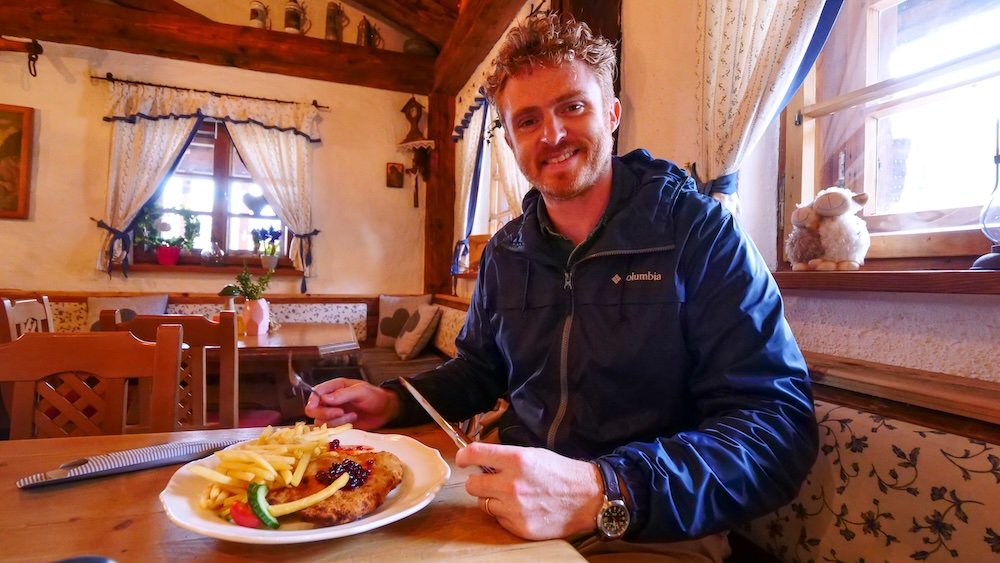
What To Eat and Drink in Berchtesgaden, Germany
Bavarian food is heavy, highly caloric, and engineered to refuel bodies that have been burning energy in the cold. It’s not delicate. As you knock out your things to do, you’ll feel the deficit. The dining rooms here are loud, overly warm, and smell permanently of roasted meats and stale beer. Below is the hard data on what to order, because making the wrong menu choice here usually means leaving half a brick of heavy dough on your plate.
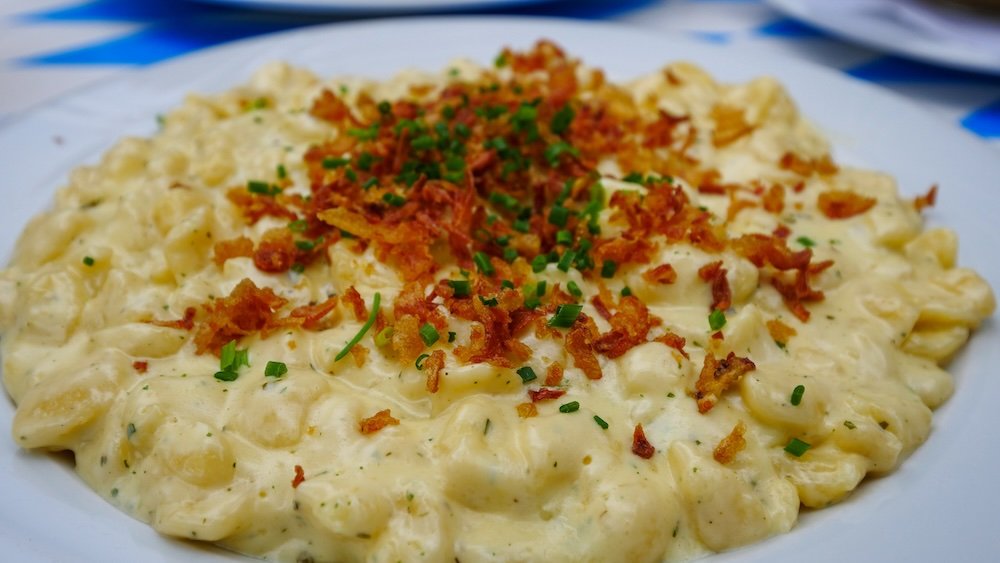
Traditional Bavarian Fare
- Schnitzel: You want to hear the heavy crunch of the pan-fried breading when you cut into it.
- Schweinshaxe: A roasted pork knuckle. You’re tearing thick, salty crackling off the bone.
- Kässpatzen: Thick, chewy dumpling noodles bound together by stringy, melted mountain cheese.
These plates hit the table with serious weight. Bavarians don’t do light lunches. Expect dense potato sides and sharp, acidic sauerkraut to cut through the massive amounts of animal fat. If you aren’t starving, share a plate.
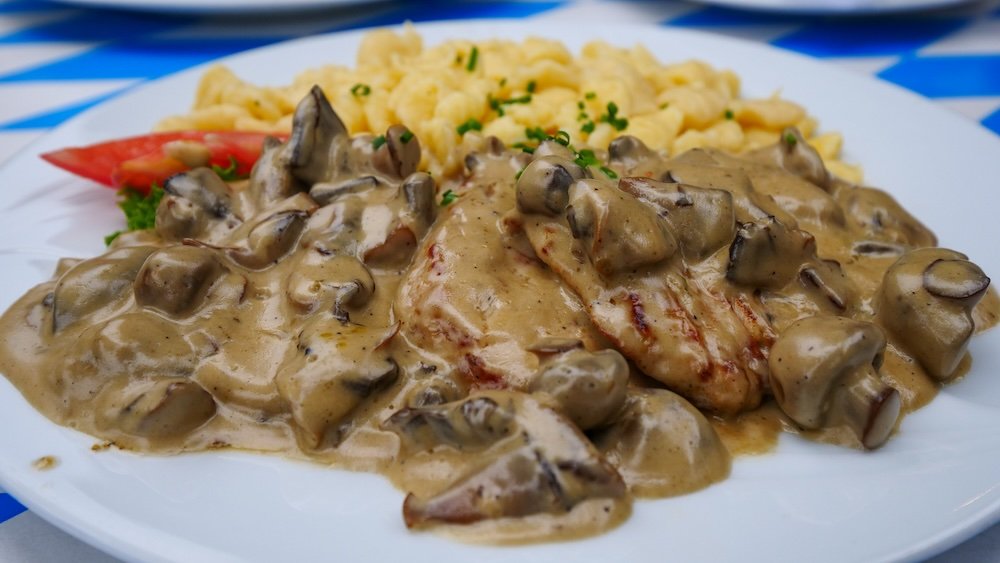
Local Alpine Specialties
- Kaspressknödel: Dense, pan-fried cheese dumplings sitting in a salty beef broth. Perfect after a 10km hike.
- Fresh Trout: Pulled straight from the freezing lake water. The flesh is flakey and incredibly clean-tasting.
- Speck: Sharp, heavily smoked fat and pork that leaves a lingering campfire taste in your mouth.
The supply chain here is short. The butter is dense and yellow, and the fish was likely swimming a few hours before it hit your plate. It’s highly functional, calorie-dense nutrition that actually tastes like the environment it comes from.
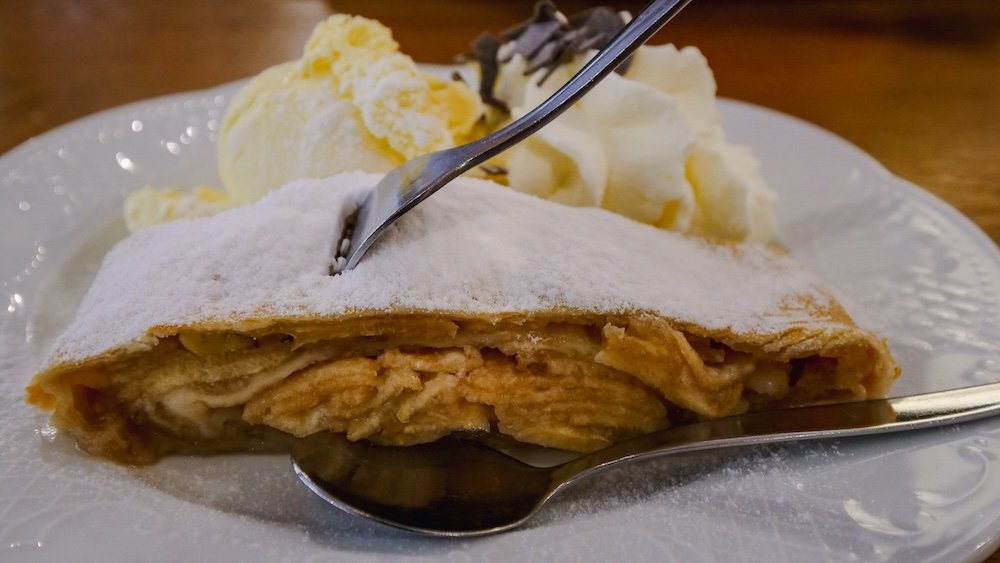
Sweet Indulgences
- Apfelstrudel: Emits a heavy steam of cinnamon and baked apples when sliced open.
- Kaiserschmarrn: A chopped-up pancake where the powdered sugar ends up coating your lips and jacket.
- Bavarian Cream: Thick, cold custard that coats the spoon.
Desserts are essentially a second meal. Pair them with a shot of strong, bitter espresso to fight off the inevitable food coma, because walking downhill on a full stomach of Kaiserschmarrn is a rookie mistake.
Beer and More
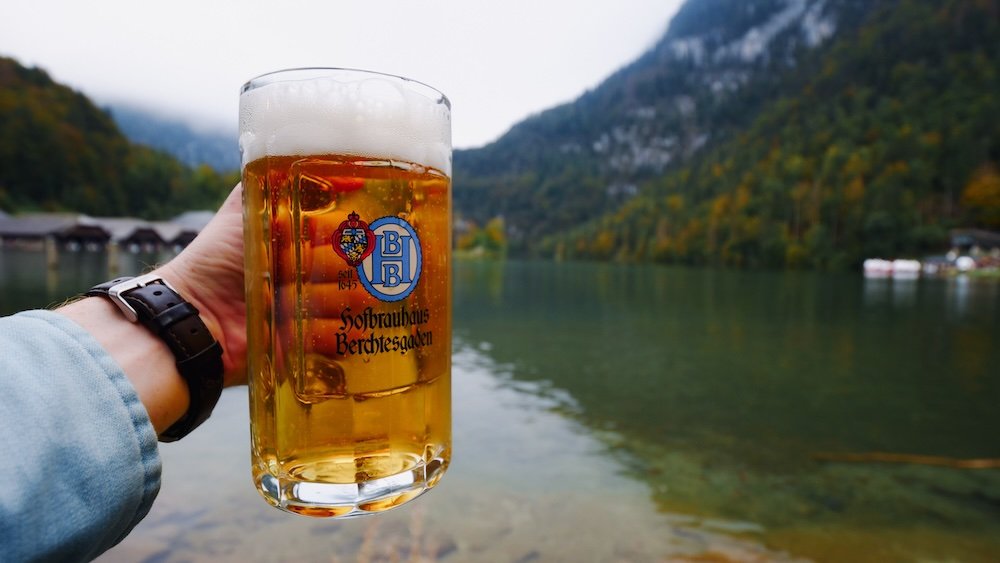
Bavaria runs on beer. At Hofbräu Berchtesgaden, you’ll feel the heavy, one-liter glass Maß clink against thick oak tables. They pull Helles (light and sharp) and Dunkel (heavy, malty, and dark). If you need to cut the alcohol content to keep your legs moving, pivot to these:
- Radler: Half beer, half lemon soda. Fast sugar and carb recovery after a climb.
- Schnapps: Straight distilled fruit fuel that violently burns the back of your throat.
- Apfelschorle: Fizzy apple juice that won’t dehydrate you.
Farm-to-Table Experience
You can literally smell the dairies when you drive into town. Buy the milk products. The cheese has a sharp, grassy bite to it. Look for “Eigenbau” (home-grown) signs. Handing a local farmer a few euros for a jar of thick honey feels a lot more authentic than scanning a barcode at the supermarket, and the flavor profile is exponentially better.
Dining Tips & Etiquette
- Cash Payment: Card machines “mysteriously” break often up in the mountains. Carry paper euros.
- Reservations: If you don’t book a table by 6 PM in summer, you’re eating dinner at 9 PM.
- Menu Language: Point at the German word if your pronunciation fails. They respect the attempt.
Tip: We’d recommend splitting a massive cheese board in a loud Wirtshaus. It’s heavy, salty, and gets the job done without over-committing.
Tours For Visitors To Berchtesgaden, Germany
Outsourcing your navigation to a local guide is sometimes the smartest play. It removes the friction of map-reading and gets you straight to the signal. We found that local intel pays off the fastest when the weather turns unpredictable.
1) Guided Hiking Tours
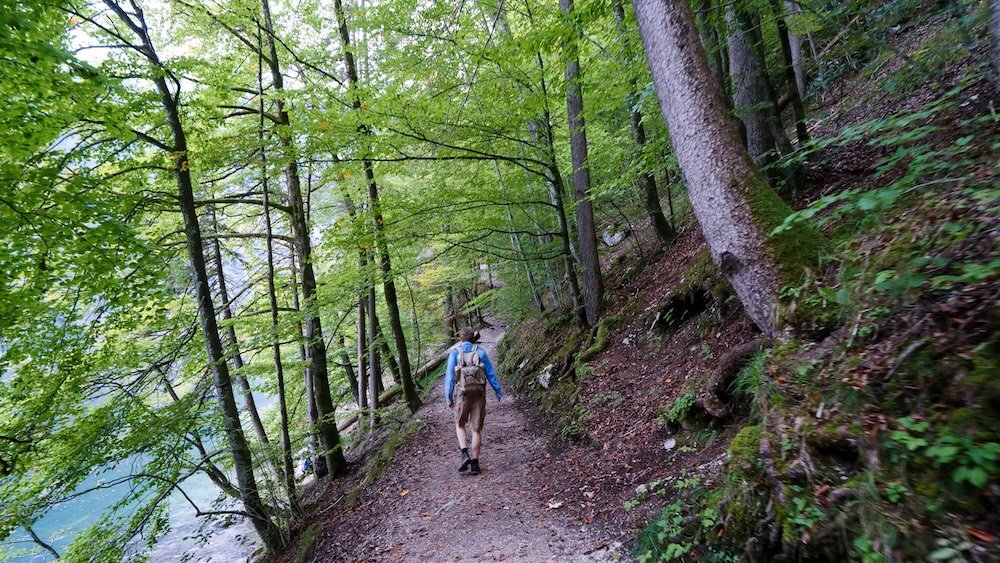
Berchtesgaden National Park is rugged, and a local guide keeps you off the sketchy, unmaintained scree slopes. They know exactly how long a ridgeline takes and factor in the dropping afternoon temperatures. You’ll hear the metallic click of their trekking poles setting the pace. They also spot the high-altitude wildlife you’d walk right past. Tours range from flat valley marches to brutal, lactic-acid-inducing ascents. You’ll walk away exhausted but educated.
- Booking: Lock it in at the visitor center.
- Group Size: Keep it small. Large groups slow down to the pace of the weakest knees.
- What’s Provided: Bring your own broken-in boots. Blisters ruin tours.
Tip: Ask for the steepest sunrise route if you want to test your cardio before breakfast.
2) Boat Excursions on Königssee
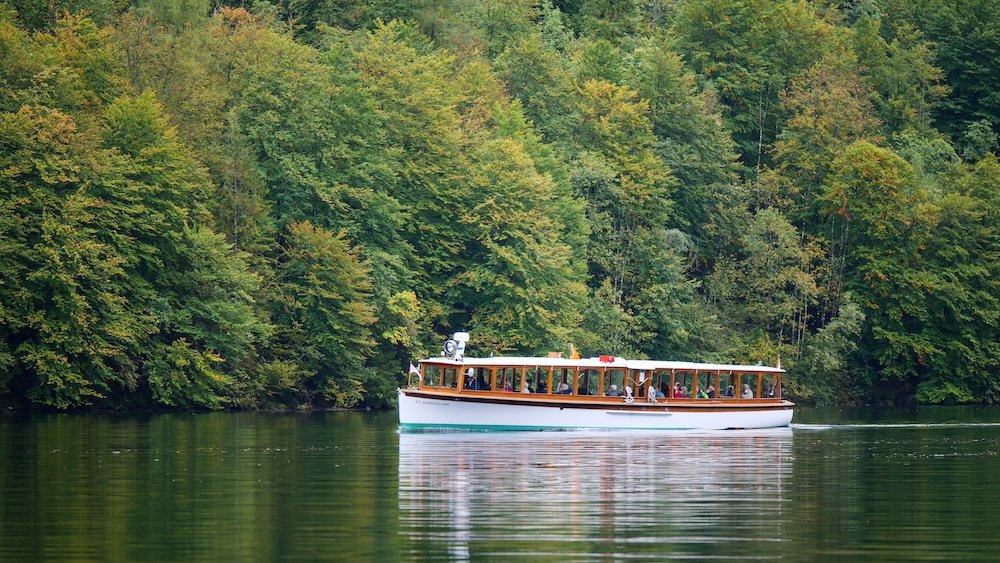
You can ride the Königssee boats solo, but a guided excursion pulls you out of the generic tourist herd. The guides explain the brutal geology of the Watzmann east face above you, and you can feel the heavy drop in air temperature as the boat slides into the mountain’s shadow. If you prefer a tighter logistical loop, look for small-group charters. You’ll get the same glassy water and the sharp echo of the flugelhorn, but with hard facts instead of rehearsed jokes.
- Itinerary: St Bartholomä is mandatory; push for the Obersee extension.
- Season: The water freezes near the edges in deep winter.
- Insider Detail: The echo bounces off a sheer vertical drop of solid limestone.
Tip: Snag the 8:00 AM departure. It’s cold, but the lighting is flawless.
3) Cultural & Town Walks
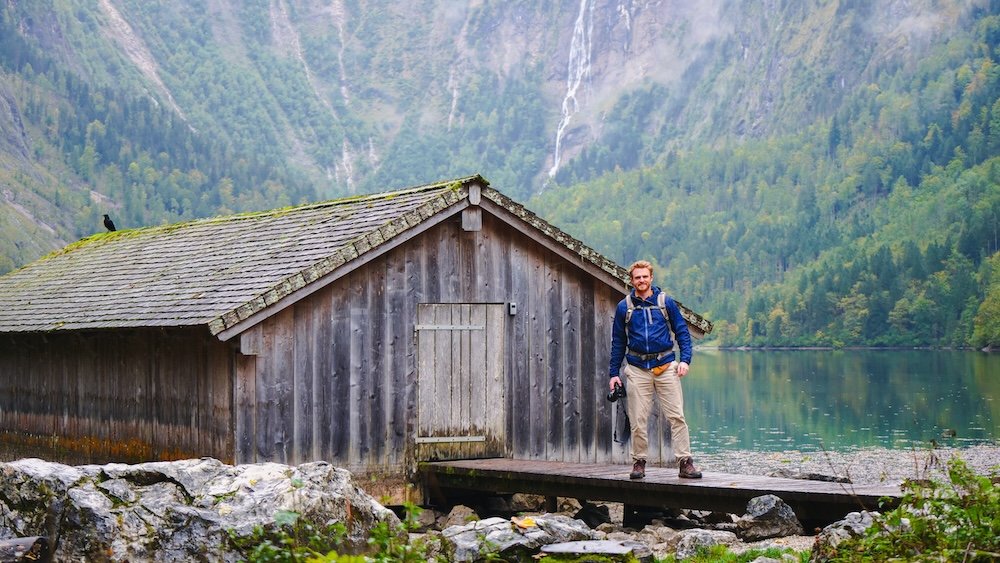
Pounding the pavement on a guided town walk saves you hours of reading plaques. You’ll feel the steep pitch of the cobblestone alleys as the guides can discuss local traditions and the heavy WWII history that shadows the region. They walk you right up to the painted facades and point out the architectural defenses built against heavy snow loads. It’s a fast, dense download of data that connects the current café culture to the centuries of salt-mining wealth.
- Languages: English runs daily, but verify the exact start time.
- Length: Two hours of solid walking. Wear decent shoes.
- Booking: Tourist office on the main drag.
Tip: End the walk at a brewery. You’ll need a cold Helles after tackling those hills.
4) Salt Mine Tours
Bundling the Salzbergwerk with an Obersalzberg transit run is purely about logistical efficiency. It bypasses the ticket lines and consolidates your things to do into a tight time-block. You’ll still pull on the rough canvas mining suits and feel the drafty 12°C air hit your face as the train descends, but you won’t waste an hour figuring out parking. It’s high-yield sightseeing for tight schedules.
- Transportation: Usually a tightly packed minivan smelling faintly of diesel.
- Group Atmosphere: You move as a unit. Don’t lag behind.
- All-Inclusive: Gear is handed to you instantly. No fumbling with lockers.
Tip: Run the numbers on combo tickets. Sometimes the convenience fee eats the discount.
5) High-Adrenaline Adventure Tours
Adventure tours here mean physical consequence. Canyoning puts you in a chokehold of cold neoprene, jumping into fast-moving, icy gorge water. Via ferrata (Klettersteig) requires clipping cold steel carabiners onto iron rungs hammered into vertical rock faces. You will scrape your knuckles and sweat heavily under your helmet. The guides handle the safety rigging, but the physical output is entirely on you. It’s an aggressive, tactile way to interact with the mountain.
- Fitness Level: If you can’t do a pull-up or handle steep stairs, skip the advanced routes.
- Gear Provided: Harnesses are tight. Shoes must have deep, aggressive tread.
- Weather Dependent: Wet rock equals canceled tours. No exceptions.
Tip: Bring a drybag for your change of clothes. You will be soaked to the bone.
Berchtesgaden Accommodations Guide: Hotels, Guesthouses and Hostels
Your basecamp dictates your deployment speed in the morning. If you sleep 10 kilometers out of town, you burn time in transit. Below is the hard data on various things to do regarding lodging—a functional travel guide to ensure you recover properly after hitting the peaks.
Hotels: Comfort with a View
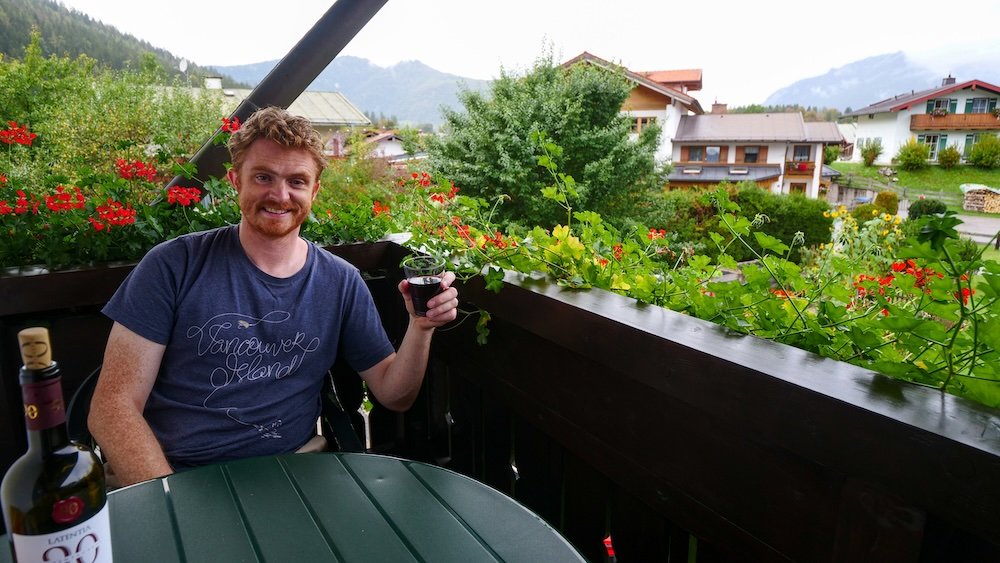
Berchtesgaden hotels trade heavily on their balconies. You want to slide open the heavy glass door and feel the cold morning air hit your face. They offer thick down duvets and high-pressure showers—crucial for stripping off trail mud. The on-site saunas radiate a dry, intense heat that saves your hamstrings. If convenience is key, look for central hotels near the bus terminal, giving you instant access to top things to do without waiting on a taxi. Yes, you pay a premium, but the frictionless logistics are often worth the euro count.
- Booking Tip: Secure the breakfast buffet. Shoving down meats and heavy bread saves you a lunch stop.
- Local Flair: Expect a lot of carved pine and heavy wool blankets.
- Seasonal Demand: Rooms vanish by April for the summer rush.
Tip: Pay the extra 20 euros for the valley view. Staring at a brick wall in the Alps is a rookie mistake.
Guesthouses (Gasthöfe) and B&Bs
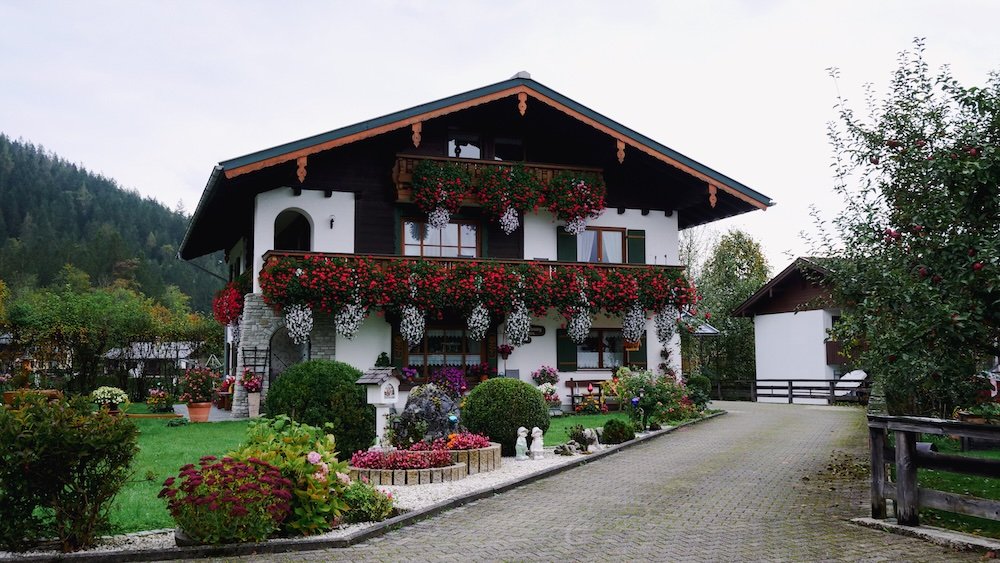
Guesthouses are the backbone of Bavarian lodging. You will hear the squeak of thick wooden floorboards in the hallways. The dining rooms smell permanently of strong coffee and cured meats. You’re trading luxury for density—the rooms are tighter, but the radiators pump out serious heat. Breakfast is usually a plate of cold cuts, sliced cheese, and dense rolls that require strong jaws. It’s highly authentic, middle-tier pricing that puts you right in the mix with German domestic travelers.
- Location: Scattered everywhere from the steep town streets to the remote valley roads.
- Atmosphere: Expect the owner to hand you an actual metal key, not a plastic card.
- Extra Perks: The attached Wirtshaus (tavern) downstairs means you don’t have to walk outside for a beer.
Tip: Bring earplugs. Old wooden alpine architecture transmits every footstep from the floor above.
Farm Stays (Urlaub auf dem Bauernhof)
A farm stay puts you in the agricultural dirt. You will wake up to roosters, the smell of damp hay, and the clatter of tractors. It’s a brilliant, tactile way to sleep cheap, but you are physically isolated from town. Accommodations are often converted lofts above the working barn. It’s dead quiet at night, save for the occasional cowbell. You trade walkability for complete rural silence and eggs that were pulled from the coop 20 minutes before breakfast.
- Activities: You can literally watch them shovel feed.
- Seasonality: Strictly dependent on the harvest and planting windows.
- Bookings: Cash is king here. Very few have slick booking engines.
Tip: You need a rental car for this. Relying on rural bus routes to reach a farm will wreck your schedule.
Hostels: Budget-Friendly & Social
If you just need a mattress to crash on after 20 kilometers on the trail, hostels do the job. The boot rooms smell like damp wool and drying nylon. You’ll be sharing cramped bathrooms and waiting for stove space in the communal kitchen. The upside is immediate intel—you can swap hard data on hiking routes with climbers who just came off the mountain. Conserving cash here allows you to cover more things to do like guide fees or cable car tickets.
- Amenities: Thin mattresses, metal lockers. Bring your own padlock.
- Location: Usually pushed slightly out of the main tourist grid.
- Vibe: Highly functional, transient, and loud before 10 PM.
Tip: Do not leave your hiking boots outside the door. They belong in the drying room.
Day Trips From Berchtesgaden, Germany
If you’ve burned through the local trails, the border logistics here are seamless. You can cross into Austrian culture in under 30 minutes. Here’s the reality of executing these day loops.
1) Salzburg, Austria
Salzburg is a dense, high-traffic urban center just over the border. You take Bus 840, cross the invisible border line, and suddenly you’re smelling roasted almonds and exhaust fumes in the city core. The Fortress Hohensalzburg requires a steep climb on slick cobblestones (or a quick funicular ride). The streets are narrow, loud, and packed. It’s highly walkable, allowing you to see highlights in one day without losing time on public transit. Just prepare for a massive shift in pace from the quiet alpine valleys.
- Transport: Bus 840 drops you right at the central station. Keep your passport on you.
- Must-Try: A heavy slice of Sachertorte that coats the roof of your mouth.
- Cultural Quirk: You will absolutely have to dodge large groups of Sound of Music enthusiasts on guided tours blocking the sidewalks.
Tip: Buy a Salzburg Card at the bus terminal to instantly bypass the fortress ticket queues.
2) Lake Chiemsee
Lake Chiemsee is a massive, flat expanse of water that smells faintly of ferry exhaust and algae. The logistics require driving an hour north, parking in a massive tarmac lot, and boarding a large passenger ferry. Herrenchiemsee palace is an exercise in excessive wealth—the gold leaf and massive chandeliers are blinding. Walking the manicured gravel paths provides a sharp contrast to the wild dirt trails of Berchtesgaden. It’s a slow-paced, visually overwhelming excursion.
- Access: The autobahn drive is fast, but the ferry schedule dictates your return.
- Time Allocation: You burn half the day just in transit and walking from the dock to the palace.
- Food Scene: Grab smoked whitefish wrapped in paper near the docks.
Tip: Skip the horse carriages on the island and just walk the 20 minutes to the palace to stretch your legs.
3) Bad Reichenhall
Bad Reichenhall is a quiet, orderly spa town. You go here for physical recovery. The air around the Gradierhaus (a massive wall of blackthorn brush) is thick with cold, salty mist that coats your skin and lungs. It genuinely clears your sinuses after days of dusty hiking. The thermal baths at RupertusTherme involve submerging yourself in heavy, mineral-dense saltwater that stings any cuts on your hands. It’s an efficient reset for battered leg muscles.
- Transport: A quick 20-minute local train ride. Zero stress.
- Local Specialty: Buy the coarse local salt—it crunches aggressively on food.
- Atmosphere: Older demographic. Very strict noise discipline in the spas.
Tip: Bring your own heavy towel to the baths to avoid the high rental fees.
4) Grossglockner High Alpine Road (Austria)
Driving the Grossglockner High Alpine Road is a white-knuckle test of your rental car’s brakes. You cross into Austria and immediately start grinding up brutal, tight hairpin turns. The air gets incredibly thin, and you can smell burning clutch plates from the campervans struggling ahead of you. The viewpoint at Kaiser Franz Josef Höhe exposes you to a massive, cracking glacier and bone-chilling winds off the ice. It’s a highly aggressive driving day, but the sheer scale of the Austrian peaks dwarfs anything in Bavaria.
- Distance: Two hours of driving just to reach the toll booth.
- Toll Fee: It’s an expensive strip of asphalt. Have your card ready.
- Weather Warnings: They will shut the gates without warning if snow rolls in, even in June.
Tip: Downshift on the descent. Riding your brakes will warp the rotors before you hit the valley floor.
5) Zell am See–Kaprun (Austria)
Pushing further south hits Zell am See–Kaprun. You go from the flat, freezing water of the lake in Zell directly to the Kitzsteinhorn glacier in Kaprun. Taking the succession of massive steel cable cars up to 3,000 meters causes your ears to pop violently. The air up there is so thin it catches in your throat, and the UV reflection off the summer snowpack will fry your retinas without sunglasses. It requires a solid two hours of driving each way, making it a heavy logistical commitment.
- Family Appeal: Highly commercialized infrastructure. Very easy to move groups around.
- Food Stops: Heavy Austrian dumplings that sit like lead in your stomach.
- Activities: The wooden walkways bolted into the Sigmund-Thun Gorge are slick and loud from the rushing water.
Tip: Leave Berchtesgaden by 7:30 AM if you want to hit the glacier before the afternoon clouds obscure the peak.
Berchtesgaden Transportation Guide
Moving through this terrain requires understanding the grid. You are dealing with steep grades and weather delays. Use this travel guide intel for maximizing your things to do without standing at empty bus stops.
Trains
The Berchtesgaden Hauptbahnhof is a small, functional brick building. You will hear the heavy rumble and hiss of the regional trains pulling in from Freilassing. It’s a slow, winding track that cuts through deep pine forests. While train frequencies aren’t rapid, they are brutally punctual, making them reliable for day trips into Austria. Just be prepared to haul your luggage up the stairs; the platforms are basic.
- Tickets: Punch the red DB machines. They operate in English.
- Regional Passes: The Bayern Ticket is a massive cost-saver for groups.
- Timing: Miss your connection in Freilassing, and you are sitting on a cold bench for an hour.
Tip: Validate your paper ticket in the small stamping machines before boarding, or risk a heavy fine.
Buses
The red RVO bus network grinds up the steep valley roads, shifting gears loudly on the inclines. If you don’t have a car, this is your lifeline. Local sources emphasize that using your Gästekarte to ride these buses for free is the single best hack for moving around the region. The drivers are strictly business; hand over your coins, state your destination, and grab a handrail. The buses pack tight with hikers, and you’ll smell damp wool and sweat on the afternoon return routes. They sync up fairly well with the train arrivals, but service drops off a cliff after 6:00 PM.
- Fares: Free with a tourist card, or drivers carry coin dispensers. Don’t hand them a 50-euro note.
- Popular Lines: Line 841 to Königssee is basically a conveyor belt of tourists.
- Seasonal Variation: The winter schedule is stripped down to the bare minimum.
Tip: Photograph the timetable at your trailhead stop. Do not guess when the last bus leaves.
Car Rentals
A rental car gives you total tactical control. You grip the steering wheel tight as you navigate narrow, shoulderless roads with logging trucks coming the other way. The parking lots are gravel, heavily rutted, and strictly enforced by meter attendants. It requires aggressive parallel parking skills, unlike the wide lanes in major German cities. It’s the only way to beat the bus crowds to the trailheads at 6:00 AM.
- Pick-Up Options: Grab it in Salzburg; the local inventory in Berchtesgaden is tiny.
- Driving Conditions: You are legally required to have winter tires in snow. Do not push your luck.
- Environmental Zones: Non-existent up here, but Austrian highways require a physical toll sticker (Vignette).
Tip: Download offline maps. The cell signal dies instantly once you drive into the national park ravines.
Taxis & Ride Services
You cannot rely on Uber up here. You have to locate a physical taxi rank, usually near the Hauptbahnhof. The meters run fast, and climbing the valley roads burns fuel and cash. The cabs are immaculate, usually heavy Mercedes sedans, and the leather seats squeak as you slide in. They are an emergency extraction method if you miss the last bus down from a high-altitude hike.
- Payment: Hard currency. Card readers are frequently “broken.”
- Availability: Do not expect to flag one down on a dark country road.
- Tipping: Just round up to the nearest euro; keep it transactional.
Tip: Get the dispatcher’s direct line from your hotel reception before you head out.
Cycling & Walking
Berchtesgaden’s terrain is punishing on standard bicycles. Your quads will burn out on the 15% gradients. Renting a heavy, battery-powered e-bike is the standard protocol now; you can hear the high-pitched whine of the electric motors everywhere. The paved footpaths are slick with wet leaves in the autumn, and the gravel fire roads require constant attention to avoid washing out your front tire. It’s an active, high-friction way to move between villages.
- Bike Paths: Well-marked with green signs, but they often merge with logging roads.
- Helmets: The gravel descents are loose. Wear the plastic lid.
- Weather: The windchill moving downhill at 30km/h will freeze your fingers.
Tip: Test the e-bike brakes in the parking lot before committing to a 500-meter descent.
Berchtesgaden Travel Questions Answered: Practical Tips, Local Insights & On-the-Ground Advice
How many days do you really need in Berchtesgaden?
We found that anything less than three full days leaves you rushing the logistics. One day means you are staring at your watch at Königssee and sprinting back to the train. Two to three days allows you to handle the boat, haul yourself up Jenner, and actually sit down to feel the heavy wooden bench of a tavern without panicking about the bus schedule. Four or five days lets you deploy out to Salzburg and wait out the inevitable rainstorms without ruining your core itinerary.
When is the best time of year to visit Berchtesgaden and Königssee?
Late May to mid-October is the functional window. The high-altitude mud dries out, the lifts spin, and you aren’t fighting sheer ice on the trails. July and August bring brutal tourist density—you’ll smell the sunscreen and hear a dozen languages at every ticket booth. June and September provide the cleanest operational balance: everything is open, the air is sharp, and the crowds thin out. Winter is entirely different; it’s a cold, harsh environment where snowpack dictates your movements and shuts down key assets like the Eagle’s Nest.
Is Berchtesgaden doable as a day trip from Salzburg or Munich, or should I stay overnight?
You can execute it from Salzburg via the 840 bus, but from Munich, it’s a grueling transit slog that eats four hours of daylight. Honestly, establish a basecamp here. Waking up in the valley means you smell the morning dew and hit the docks before the first tour bus unloads. Day-trippers get caught in the midday bottleneck; staying overnight gives you command of the early morning and late evening windows.
Do I need a rental car in Berchtesgaden, or are buses and trains enough?
If you stick to the primary grid (Königssee, town center, Salt Mines), the loud, red RVO buses will transport you efficiently. A car becomes a mandatory tool if you refuse to wait 45 minutes at a cold bus stop or want to push deep into the Rossfeld Panoramic Road. In our experience, public transit works for a standard loop, but a car gives you the tactical freedom to pivot instantly when the weather breaks.
Is Berchtesgaden a good destination for families with kids?
Yes, because the infrastructure is heavy. The boats glide on flat water, the salt mines offer smooth wooden slides, and the cable cars eliminate the steep, whining-inducing ascents. You can feel the safety of the paved lakeside paths. Just be pragmatic: do not drag an 8-year-old onto an exposed scree slope. Keep the distances short, utilize the lifts, and bribe them with Apfelschorle.
Is Berchtesgaden safe, and are there any common scams or things to watch out for?
The human element here is highly secure; no one is picking your pocket in the woods. The threat vector is the environment. You will slip on slick limestone roots. You will freeze if you sweat through your cotton shirt and the wind picks up on the Watzmann. The only “scam” is paying 7 euros for a mediocre pretzel right outside the cable car station instead of walking 200 meters to a local bakery.
Can I visit the Eagle’s Nest in winter, and how far in advance should I plan it?
Negative. The road is buried under meters of snow and ice, and the operational window slams shut in late October. During the summer, you must plan ahead. The ticket queue is a chaotic mass of bodies by 10 AM. Book online weeks out, or accept that you will be standing on cold concrete for an hour waiting for a bus slot.
What kind of budget should I plan per day in Berchtesgaden?
You can run lean at €80–€120 per day if you sleep on a thin hostel mattress, eat dense bakery sandwiches, and hike for free. Mid-tier operations—a solid guesthouse with squeaky floors, heavy Wirtshaus dinners, and lift tickets—will burn €130–€200. If you demand high-end spa recovery and guided mountain extraction, your burn rate easily exceeds €250 daily.
How accessible is Berchtesgaden for travelers with limited mobility?
The main arteries are flat and paved. The Königssee docks are level, and the Jennerbahn cabins swallow wheelchairs effortlessly. However, the secondary grid is hostile. The cobblestones in town are pitched aggressively, and the salt mine requires navigating tight, damp stairs. Stick to the mechanized transport and flat valley floors, and the region is entirely workable.
Do I need to book the Königssee boats and Jennerbahn cable car in advance?
In July, August, or on a clear German holiday, yes. If you walk up at noon on a sunny Saturday, you will stare at the back of a line that stretches past the souvenir stands. In early May or late October, you can walk straight to the heavy glass ticket window and hand over your cash with zero friction. Read the calendar.
Where’s the best area to stay: Berchtesgaden town, Schönau am Königssee, or a farm stay?
Town provides dense logistics: fast access to pharmacies, ATMs, and the central train hub. Schönau drops you right on the water line, letting you smell the lake mist at dawn without driving. The farm stays isolate you in the dirt and mud of the working agricultural ring. Choose based on whether you want operational speed (Town), immediate lake access (Schönau), or total silence (Farm).
Can I still enjoy Berchtesgaden if I don’t hike or do intense outdoor sports?
Absolutely. You can leverage the heavy machinery. Let the electric boat motor cut through the water, let the steel cable drag you up 1,200 meters, and let the funicular drop you into the salt mine. You can sit on a heavy wooden bench holding a one-liter glass of beer and look at the sheer rock walls without ever raising your heart rate. It accommodates both grunts and spectators.
What should I pack for Berchtesgaden in different seasons?
Gore-Tex and traction. The rock here is slick. You need boots with aggressive rubber lugs. A hard-shell jacket is mandatory, as the freezing rain hits hard and fast off the Watzmann. Layering is your only defense against the massive temperature swings from the valley floor to the windy ridges. Do not wear cotton; it traps the sweat against your skin and freezes you when you stop moving.
Are local transport passes like the Gästekarte, Bayern Ticket, or Deutschlandticket worth it?
Yes. The math is simple. The Gästekarte (handed to you at check-in) zeroes out the cost of most local buses, saving you from digging for coins. If you are extracting to Munich or pushing across Bavaria, the paper Bayern Ticket slashes the regional rail costs. If you are moving constantly, the digital Deutschlandticket is an absolute blunt-force tool for wiping out transit friction across the board.
Berchtesgaden Travel Guide: Final Thoughts
Berchtesgaden is an active, heavy environment. It’s a realm where the steep terrain demands respect, and nature’s raw beauty dictates your daily movements. If you’ve read through this travel guide, you know the reality: this isn’t a passive vacation. You have to earn the viewpoints, layer up against the cold, and navigate the transit grid with purpose. The damp chill of the pine forests and the burn in your calves are the entry fees.
You’ll find that the things to do here transcend simple checklists. You aren’t just punching a ticket; you are feeling the drop in temperature as the boat cuts across Königssee, tasting the dense salt air underground, and gripping the heavy wood of a tavern table after a 15-kilometer push. It’s highly tactile. The sheer mass of the Watzmann rock face forces a very real perspective shift.
Ultimately, Berchtesgaden works because it doesn’t coddle you. It offers heavy, caloric food, cold, clean water, and steep dirt paths. Whether you choose to blast up the mountain on an e-bike or slowly march up the ridgeline, the environment demands your physical presence. Lock in your logistics, pack the right boots, and execute the trip.
This guide is also available in Spanish. [Lea la versión en castellano: Guía de viaje de Berchtesgaden: 10 cosas que hacer en Berchtesgaden]