
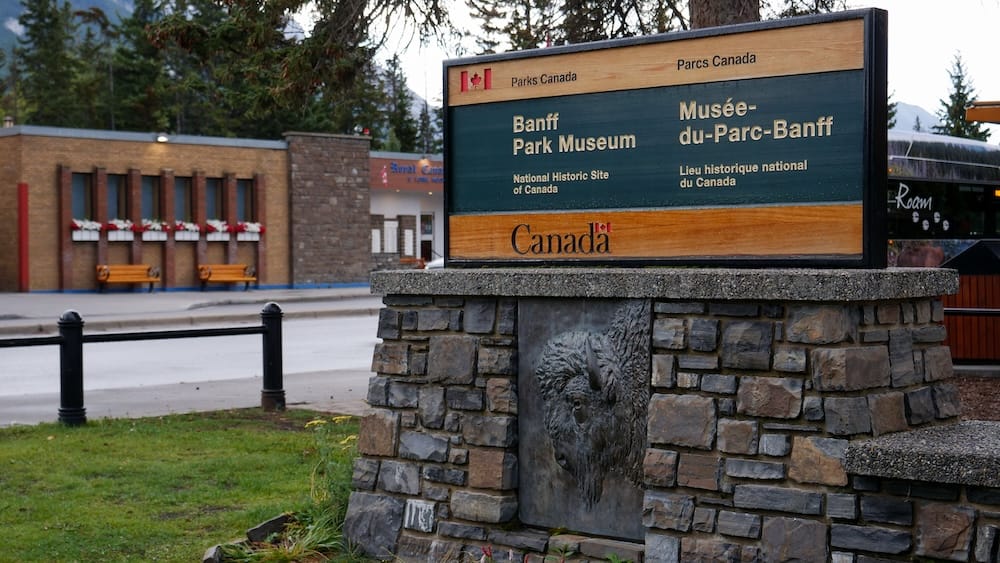
The outside of Banff Park Museum looks better maintained than a building from 1903 has any right to — fresh shingles, tight log joints, the kind of upkeep you’d expect from something built last decade. Walk inside, though, and almost nothing has changed in well over a hundred years. We didn’t understand why until we’d been standing in front of a mounted bison for a few minutes: the museum is old on purpose, kept that way deliberately, and that turns out to be the whole reason it’s worth visiting. We stopped in on our Banff town day expecting a quick, minor detour between bigger plans. Here’s what actually stood out, and what’s worth knowing before you decide whether it earns a place on your own itinerary.
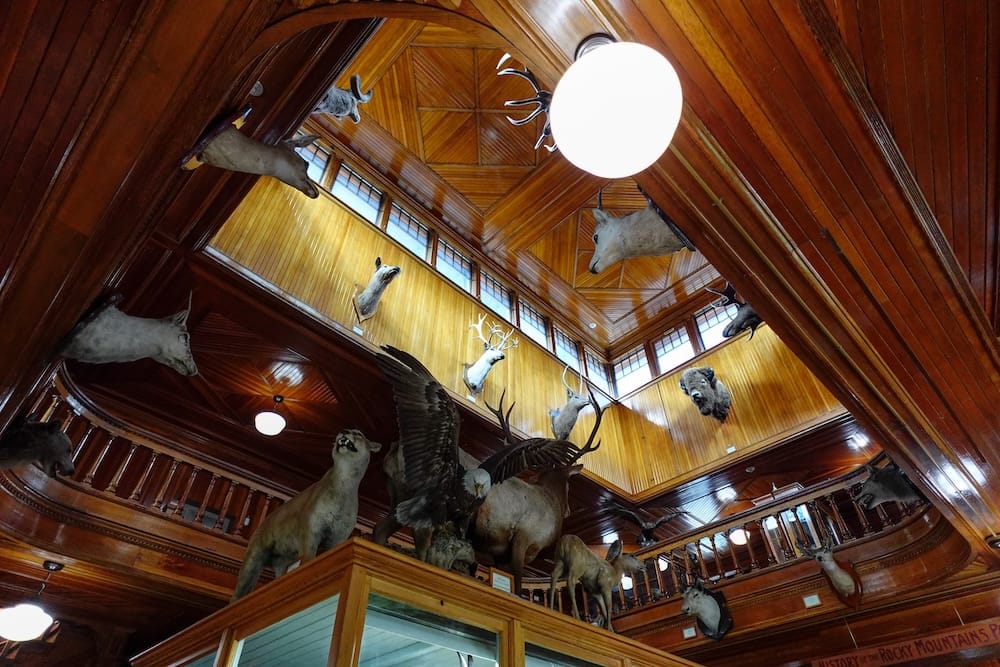
What Banff Park Museum Actually Is
The museum’s story starts a few years before the building does. It opened in 1895 around a collection the Geological Survey of Canada had put together, then moved into the log building it still occupies in 1903, designed by territorial government engineer John Stocks in a rustic style just starting to catch on across North American parks. Two claims about the place hold up under scrutiny: it’s the oldest natural history museum in western Canada, and the building itself is the oldest surviving federal structure in any Canadian national park. In 1985, it was formally declared a National Historic Site of Canada — the same year its exterior went through a restoration, which is part of why it looks so well kept from the street.
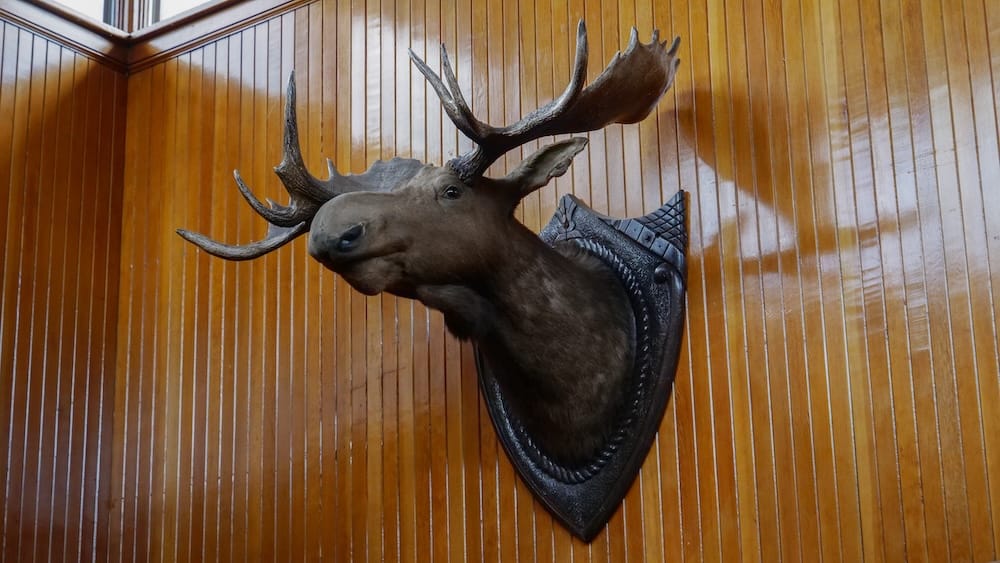
Almost everything inside it, though, traces back to one man. Norman Bethune Sanson took over as curator in 1896 and stayed for thirty-six years, growing what had started as roughly eight mounted mammals, 259 birds, a turtle, and a handful of minerals into the more than five thousand specimens on display today. That number is the payoff of one person’s fieldwork across most of his adult life, and it matters for what comes next.
Stepping Into 1914: Why the Exhibit Doesn’t Look Modern
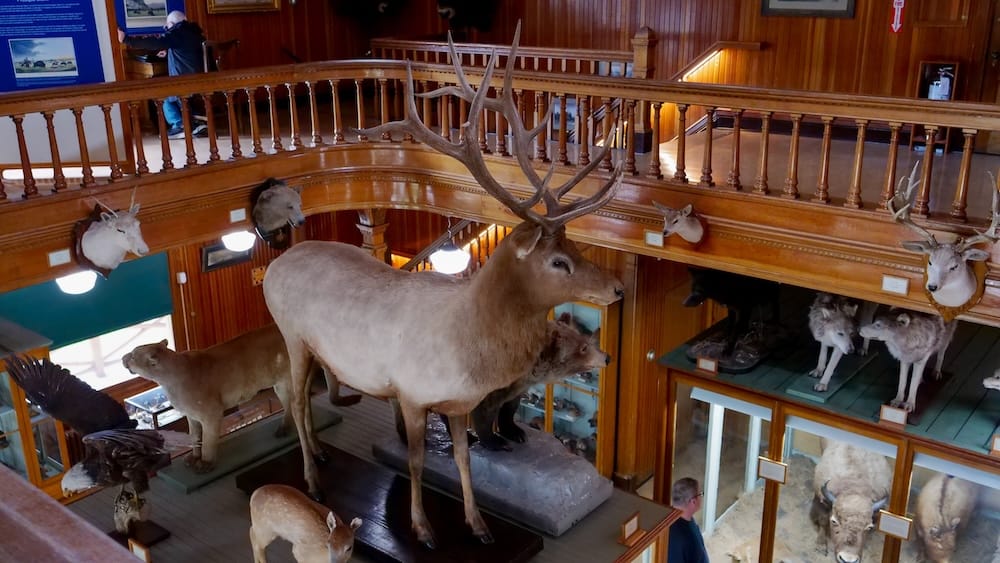
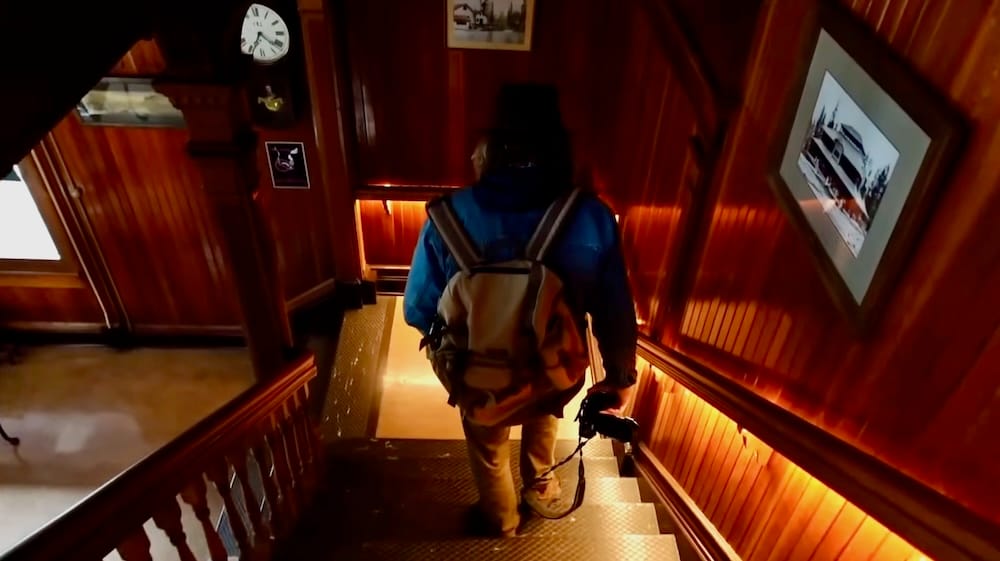
When Sanson retired in 1932, nobody replaced him, and nobody updated the cases either — less a deliberate decision at the time than a job nobody ever filled again. But the effect, whether intended from day one or not, is exactly the one the museum leans into now. Parks Canada’s own account of the site says so plainly: while the building itself was physically refurbished in 1985, the exhibit still reflects how a museum presented natural history around 1914. That detail reframes the entire visit. This is a museum that has been deliberately held at a specific historical moment for close to a century — cases, layout, and specimens included. Walking through it doesn’t feel like touring a modern interpretive centre with a historical theme layered over it. It feels closer to stepping into someone else’s understanding of the natural world, preserved rather than updated, and that impression only builds the longer you stay. What starts out reading as “quaint old museum” settles, within twenty minutes or so, into something closer to an actual time capsule — a genuinely different feeling from anywhere else we stopped in Banff.
What’s Inside: The Wildlife on Display
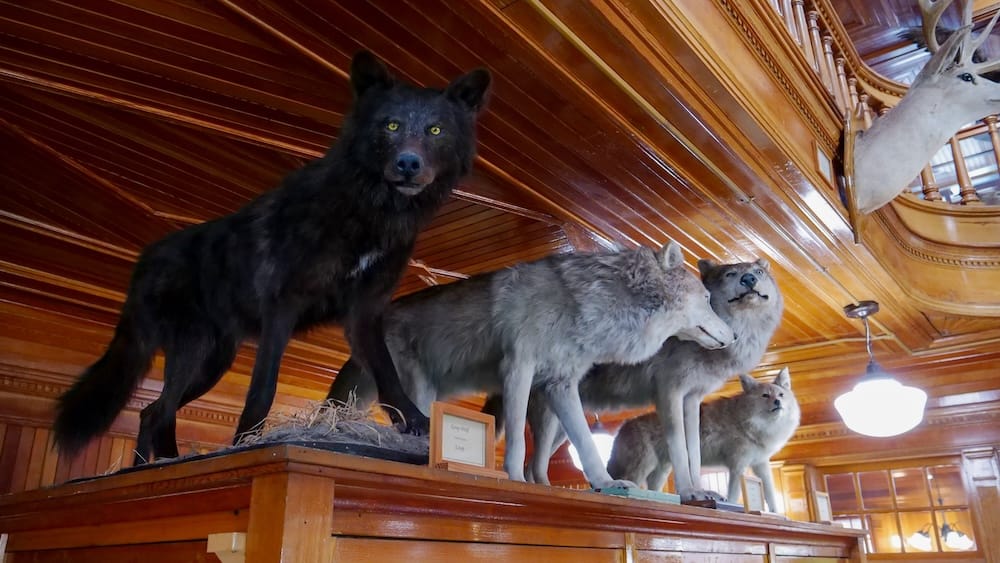
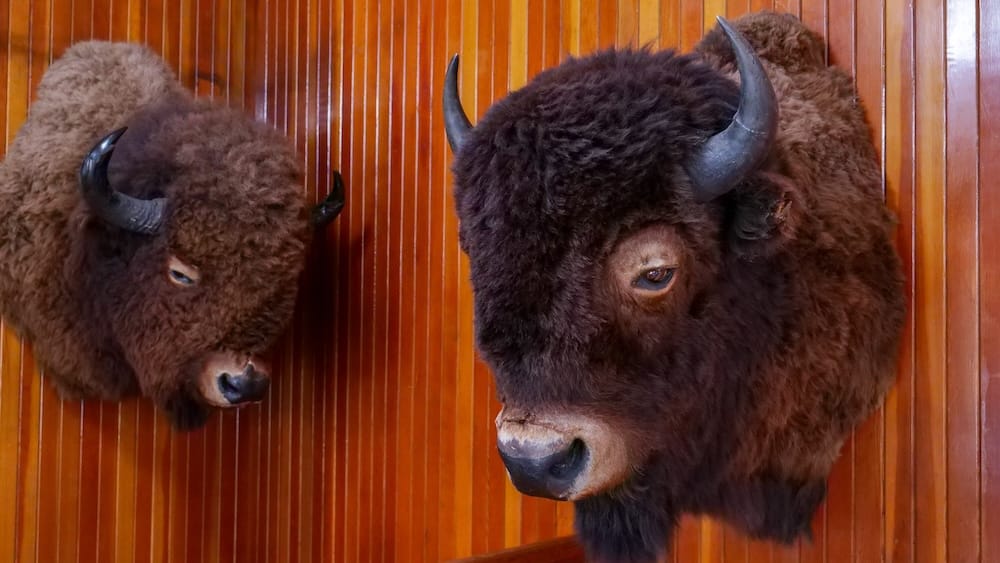
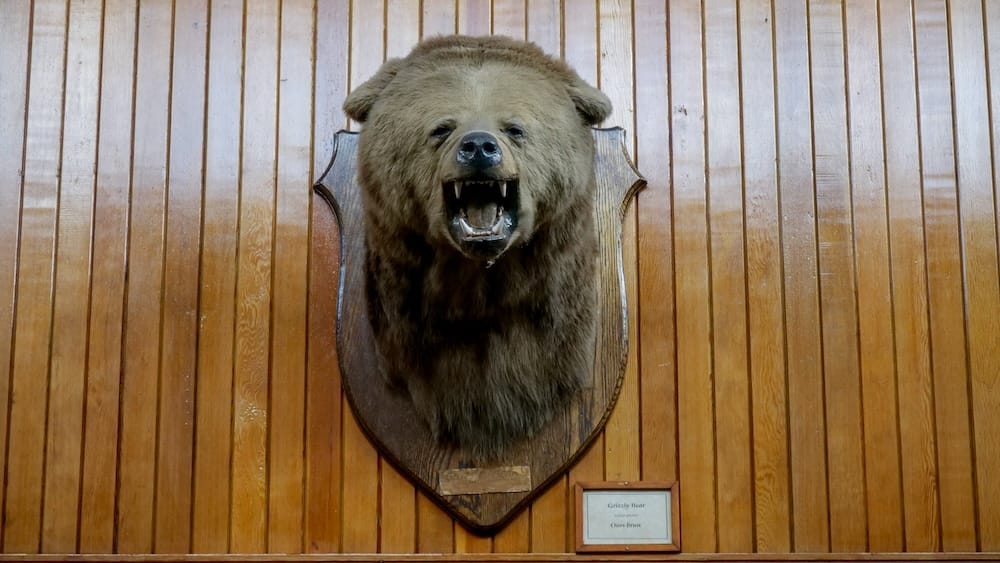
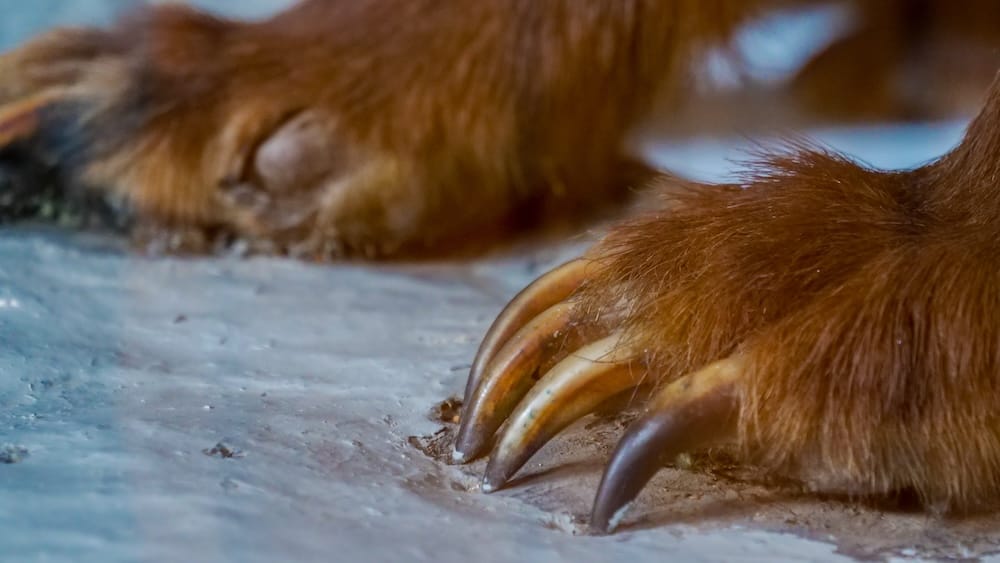
The specimens are the actual reason to come, and a handful of them earned a longer look than we planned to give. The bison was the first thing that really stopped us — mounted at full size, it’s bigger than photos or documentaries prepare you for. Standing close to the bears did something similar; an animal registers differently a few feet away behind glass than it does from across a valley or through a car window. The lynx was a favourite, and the beaver genuinely surprised us both — neither of us had any idea they got that large, and the mounted specimen made the case better than a fact sheet ever could. Cougars and elk round out the main floor, part of a collection that spans mammals, birds, insects, fish, minerals, and plants; one of the oldest specimens is reportedly a merganser collected in 1860, sitting near the entrance.
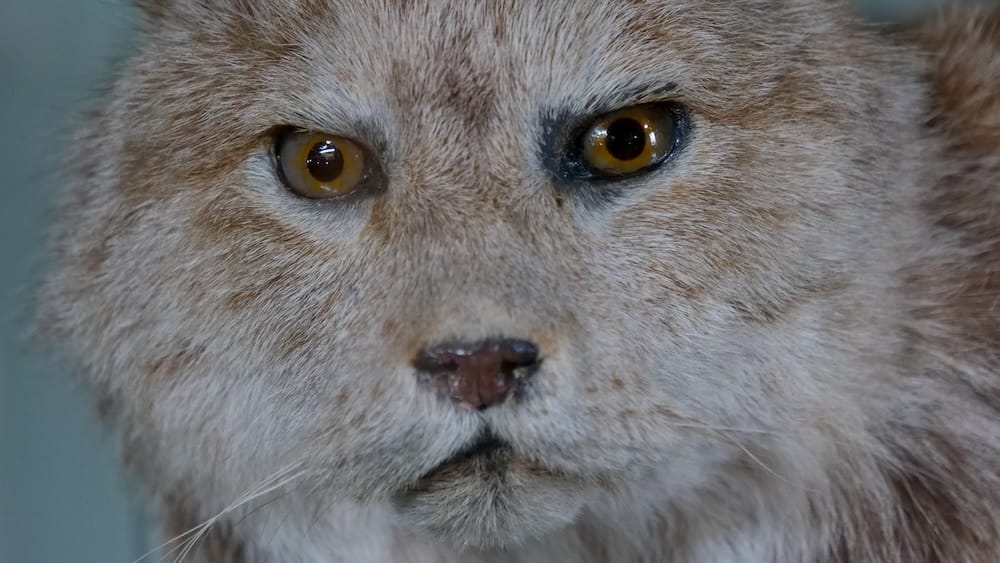
If we had to pick one animal to remember the visit by, it’d be the wolf — labelled a “black wolf” on its display card, though it’s plainly a gray wolf if you actually look. It’s the kind of small inconsistency you only catch because you’re paying attention rather than skimming past, and it reminded us, oddly, of our own dog Togo— a German Shepherd who’d joined us on an earlier road trip through this same park. A number of the museum’s other animals started out closer to home than the surrounding wilderness suggests, too: Banff kept a small zoo behind the building in the early 1900s, and specimens from it were donated here once they died, which explains why a few of the mounts feel less like wilderness photography and more like local history.
The Sanson Connection
Sanson’s name comes up again if you do anything else in Banff involving elevation. The same man who spent thirty-six years building this collection was also the park’s official weather observer, and for more than three decades he hiked to a station near the top of Sulphur Mountain to take readings — over a thousand times, continuing until 1945, when he was eighty-four years old. His thousandth ascent, on July 1, 1931, was marked with an actual ceremony: a sunrise breakfast, roughly sixty friends who’d climbed up to join him, and a bronze medal inscribed with the “Freedom of Sulphur Mountain.” The peak is named after him today. Ride the gondola up Sulphur Mountain and walk out to the old Cosmic Ray Station, and you’re standing where Sanson made that same trek on foot, in winter, on snowshoes, for most of his adult life — the same person whose museum you may have just walked through downtown. If you want to make that connection yourself, you can check current Banff Gondola ticket availability online — the round-trip ride includes the boardwalk out to Sanson’s Peak, and it’s worth booking ahead since it’s one of the most popular things to do in town. Neither attraction advertises its connection to the other, but once you know it, the two visits sit differently in memory than they would on their own.
Practical Info: Hours, Admission, and How Much Time to Budget
Banff Park Museum sits right on Banff Avenue, which makes it an easy add-on to a town day rather than something that needs its own trip. It’s seasonal, though, and closed more of the year than it’s open, so it’s worth checking before you build a day around it.
| Category | Details |
|---|---|
| Location | 91 Banff Avenue, downtown Banff |
| Hours | Thursday–Monday, 9:30 a.m.–5 p.m., May 15–October 15 (closed October 16–May 14) |
| Admission | Adult $5 · Senior $4.50 · Youth 17 and under free · Included with the annual Discovery Pass |
| Time needed | 30 minutes to a couple of hours |
| Good for | History and nature-minded visitors; families with kids 6–11 (Xplorers activity program); a quiet stop between bigger plans |
| Less ideal for | Anyone wanting interactive or modern exhibits, or visiting outside the May–October window |
Hours and admission are current as of this writing but can shift — worth a quick check on Parks Canada’s site before you go.
If you’re already planning to hit several fee-charging sites in the park, the annual Discovery Pass runs $83.50 for an adult (or $167.50 for a family) and only makes sense if you’re stacking multiple stops into the same trip. For a single visit like this one, the five-dollar admission is cheap enough that it barely factors into the decision. There’s also a small hands-on room where kids can handle furs and fossils, which is more than most 1903 buildings offer.
Is Banff Park Museum Worth Your Time?
It depends on what you’re hoping to get out of it. If you want a museum that explains itself through touchscreens and immersive lighting, this isn’t it, and I’d manage expectations accordingly — the taxidermy-heavy presentation is a real style choice, and it won’t land the same way for everyone. But if you’re at all curious how the Rockies looked to the people who first tried to make sense of them, or you just want a quiet stretch indoors between bigger activities, it earns its place. We walked in expecting a five-minute detour and walked out having stayed well past that, mostly because the “1914, on purpose” idea kept proving itself true the longer we stood there. That’s the actual case for going: not that the museum is large or flashy, but that it’s honest about exactly what it is — and in a town full of attractions built or renovated for this decade, that kind of honesty is rare enough to be worth experiencing for yourself.
Frequently Asked Questions
What is Banff Park Museum known for?
It’s the oldest natural history museum in western Canada, housed in a log building from 1903 that’s also the oldest surviving federal structure in any Canadian national park. Its collection of more than 5,000 specimens was built almost entirely by one curator, Norman Bethune Sanson, over 36 years.
Why does the exhibit still look so old-fashioned?
That’s deliberate. While the building itself was refurbished in 1985, the exhibit inside was kept in the style it had around 1914, and nobody updated the layout after Sanson retired in 1932. It’s meant to feel like a preserved historical moment rather than a modern interpretive centre.
How much time should I budget for a visit?
Anywhere from thirty minutes to a couple of hours, depending on how closely you read each display card. It’s compact enough to fit into a loose afternoon but detailed enough to reward slowing down.
What are the hours and admission fees?
The museum is open Thursday through Monday, 9:30 a.m. to 5 p.m., from May 15 to October 15, and closed the rest of the year. Admission is a few dollars for adults, less for seniors, free for anyone 17 and under, and included if you already have an annual Discovery Pass.
Is Banff Park Museum a good stop for kids?
Yes — there’s a hands-on room where kids can handle furs and fossils, plus an activity program aimed at ages six to eleven. The taxidermy-heavy presentation itself won’t appeal to every child, but the interactive elements help balance that out.
How is Banff Park Museum connected to the Banff Gondola?
Norman Sanson, the museum’s longtime curator, was also the park’s official weather observer and hiked to a station near the top of Sulphur Mountain more than a thousand times. That same route is now reachable by the Banff Gondola, with a boardwalk leading out to Sanson’s Peak, named after him.
Is Banff Park Museum worth visiting?
It depends on what you’re looking for. I wouldn’t call it an interactive, modern museum experience, and the taxidermy displays won’t suit everyone. But if you’re curious how the Rockies looked to early visitors, or want a short, honest stop between bigger plans, I think it earns its place.
This article is also available in Spanish. [Leé la versión en castellano: Reseña del Banff Park Museum: Entrando a la vida silvestre de las Montañas Rocosas de 1914]
This article contains affiliate links. If you book through one of these links, I may earn a commission at no extra cost to you.