
Banff is one of those places where going to a museum can feel vaguely irresponsible. You’ve come all the way to the Canadian Rockies, the mountains are sitting right outside, and every decent patch of weather seems to come with an obligation to use it. Lake Louise, viewpoints, river walks and trails all compete for the same limited hours.
And yet Audrey and I ended up genuinely enjoying Banff’s museums.
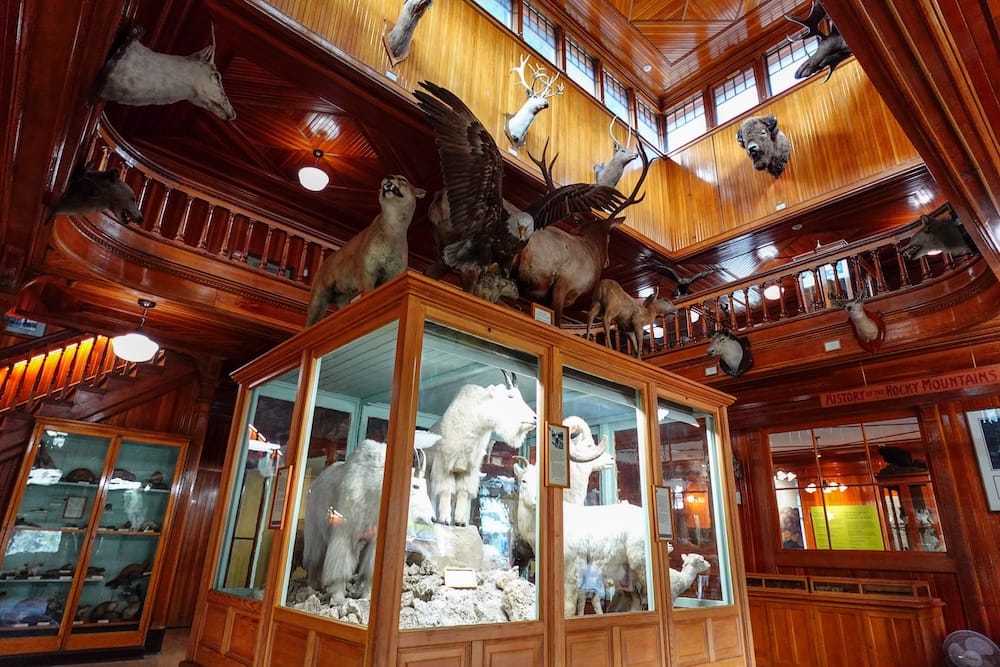
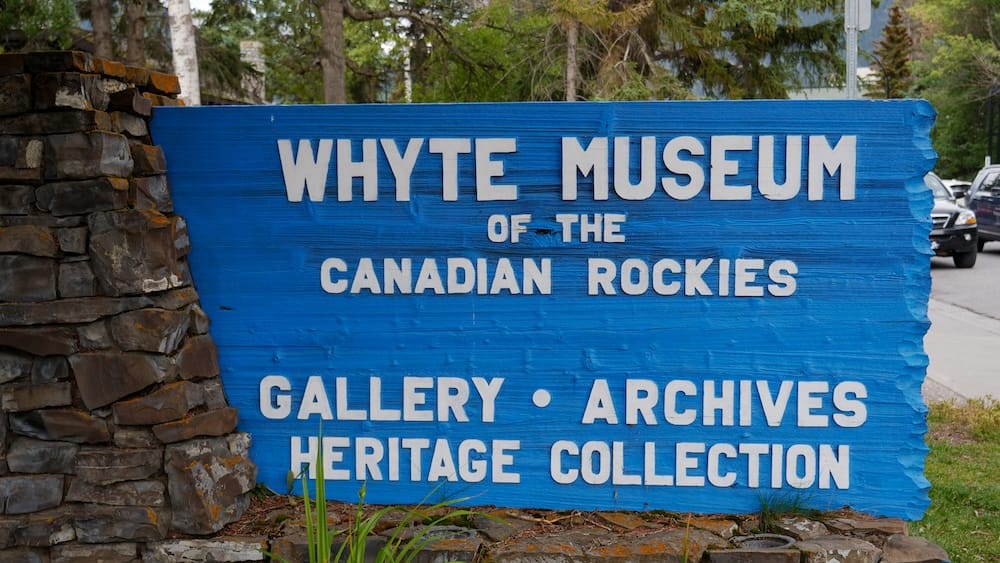
We visited three of the main ones: Banff Park Museum, Buffalo Nations Museum and The Whyte Museum of the Canadian Rockies. What surprised me most was how little they duplicated one another. Banff Park Museum is full of preserved Rocky Mountain wildlife inside a building that almost feels preserved along with it. Buffalo Nations Museum focuses on the Indigenous Nations and cultures connected to this region. The Whyte brings art and Rocky Mountain history together in a much broader cultural museum.
There are two other places I think deserve inclusion in a useful Banff museum guide even though we haven’t personally visited them: Cave and Basin National Historic Site, which is really a larger historic and interpretive experience rather than a conventional museum, and Historic Luxton Home Museum, a small seasonal house museum.
So I don’t think the useful question is simply, “What’s the best museum in Banff?” The better question is what you’re interested in and how much of your Banff day you’re willing to spend indoors. In a destination where an hour can mean the difference between squeezing in another lake, walk or viewpoint, time matters just as much as admission price.
Which Banff Museum Should You Choose?
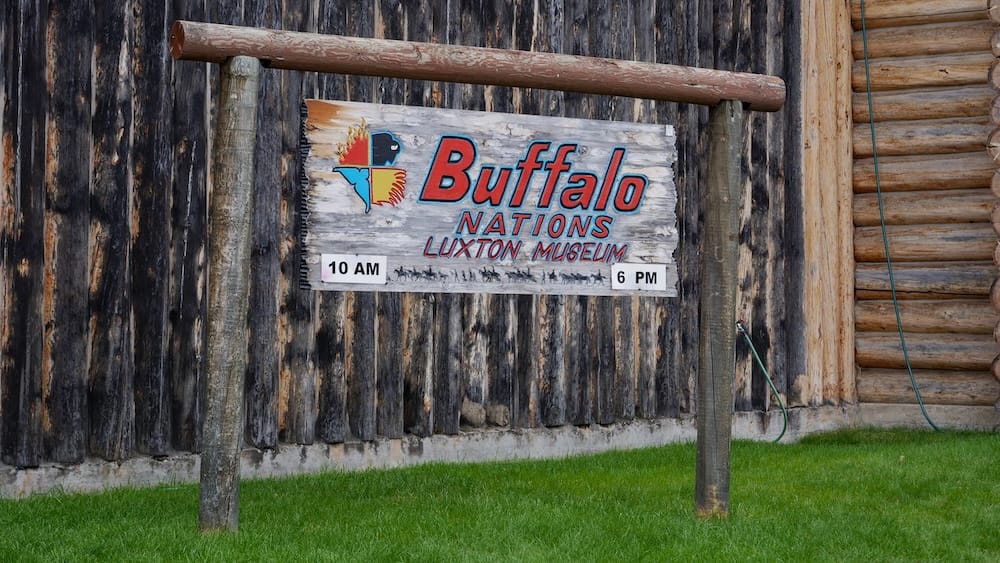
18:56 – Buffalo Nations Luxton Museum
32:27 – Whyte Museum of the Canadian Rockies
If you only want the quick decision, Banff Park Museum is the easiest museum to add to an already busy day. It is small enough that you can see it in roughly 30 minutes, inexpensive enough that you don’t need to build your day around the cost, and strange enough—in a good way—to leave an impression.
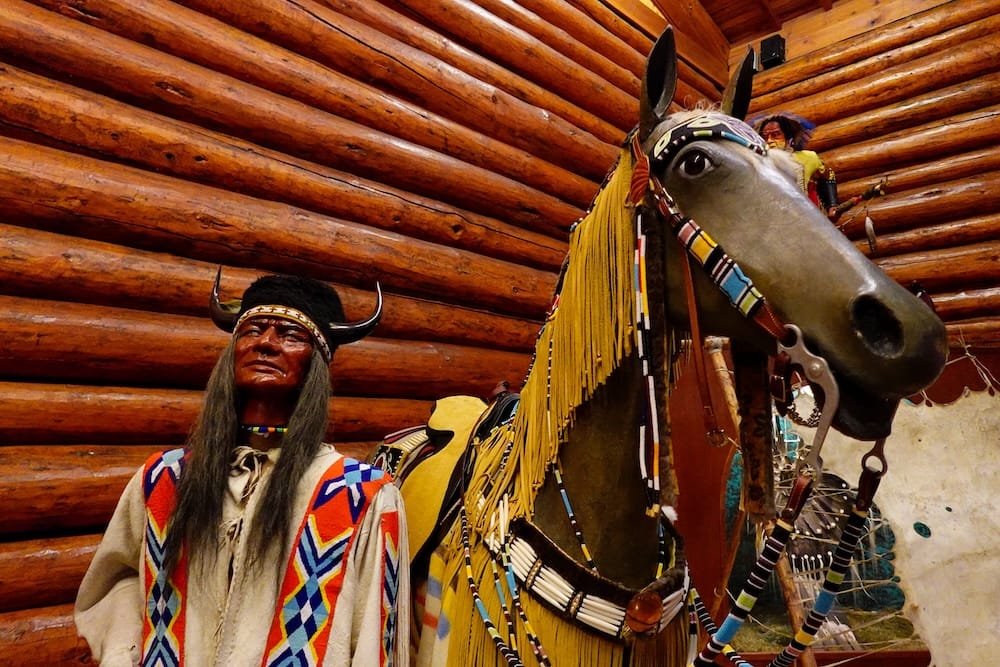
Buffalo Nations Museum deserves considerably more attention. I’d prioritize it if learning about the Indigenous Nations and cultures of this region is one of your main interests, and I wouldn’t rush through it simply because another attraction is waiting.
The Whyte is probably the strongest all-round conventional museum for somebody interested in both art and the history of the Canadian Rockies. It covers wider cultural ground than Banff Park Museum and is less narrowly focused than Buffalo Nations Museum.
Cave and Basin National Historic Site is a different proposition entirely. Think in terms of two or three hours rather than a quick indoor stop. You’re visiting a historic place with exhibits and interpretation rather than simply walking through galleries.
Finally, Historic Luxton Home Museum is the specialist choice for people who already know they enjoy historic homes, domestic collections and small-scale local history. I wouldn’t put these places on a neat podium from first to fifth because they are too different for that to be useful.
Banff Park Museum: The Best Quick Museum Stop
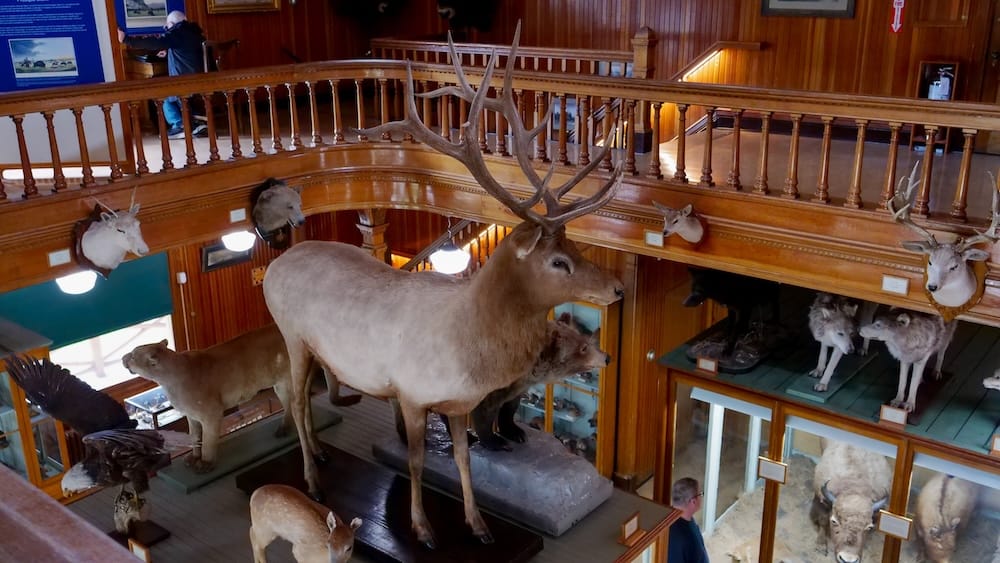
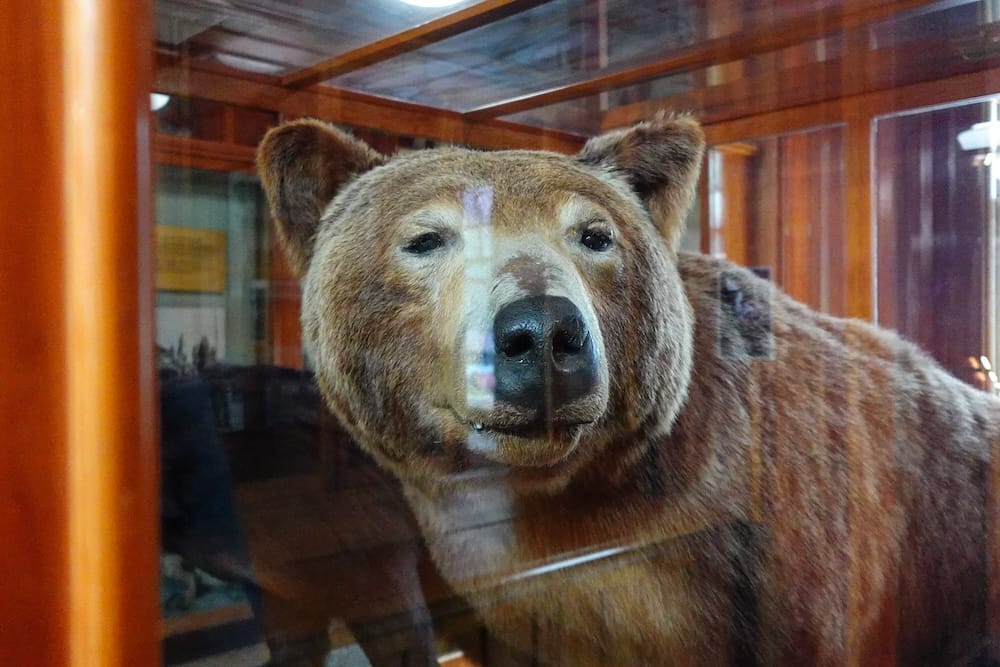
Banff Park Museum produced some of our most immediate reactions because you barely have time to adjust to the building before you’re staring at an entire room full of preserved animals.
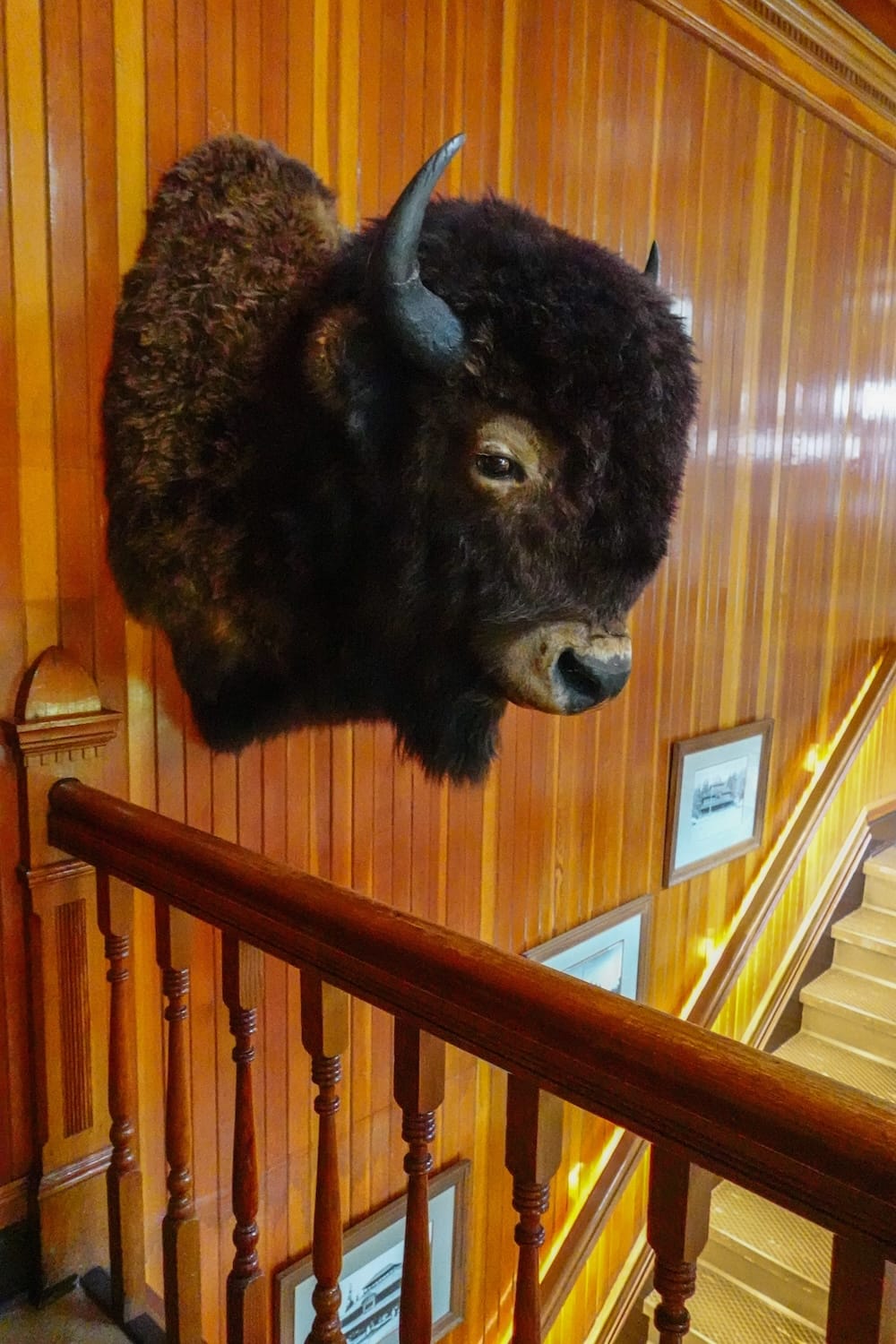
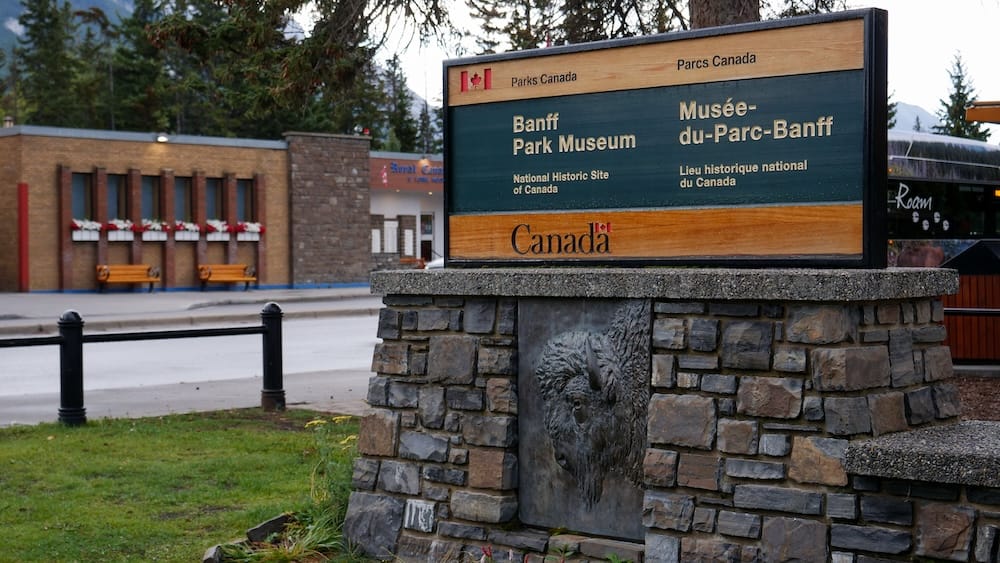
My first impression was that the museum felt frozen in time, and that sensation is not accidental. The wooden building dates to 1903, while the museum holds more than 5,000 vintage botanical and zoological specimens. The historic style of presentation remains a major part of the experience, which is why walking around it feels very different from entering a modern natural-history museum full of screens and interactive technology.
For us, much of the entertainment came from seeing familiar Canadian animals at a scale we had never properly appreciated. The beaver was the clear winner. Audrey and I were both genuinely surprised by how enormous it looked, which probably says something about how little thought we had previously given to the physical dimensions of a beaver.
There were bison, bears, a lynx and plenty of other animals, while a dark-coloured wolf stood out partly because it reminded us of Togo, our German Shepherd. Those little connections are what made the museum stick in my head. We weren’t dutifully reading every label because this was an Important Cultural Attraction; we were looking at animals, pointing things out to each other and realizing how different they appear when they are suddenly right in front of you.
The other big advantage is that Banff Park Museum doesn’t demand much of your day. You can see it in about 30 minutes if you’re moving fairly quickly, although natural-history enthusiasts could obviously linger much longer. Regular adult admission is C$5, with youth 17 and under admitted free, so both the time and financial commitment are modest.
The catch is the operating season. Banff Park Museum currently opens from May 15 to October 15 and operates Thursday through Monday, which means it isn’t a winter fallback and can also catch summer visitors out if they assume every Banff museum opens seven days a week.
The collection is historic, but the museum itself hasn’t simply been sealed in amber. Contemporary interpretation has been added alongside the old displays, including material dealing with environmental change in the Rockies.
Who should prioritize Banff Park Museum?
I’d put it near the top of the list for wildlife lovers, natural-history fans and anyone who likes slightly peculiar old museums where the building is almost part of the exhibit. It also makes the most sense if you only have 30–60 minutes and don’t want to sacrifice a large chunk of a good-weather Banff day.
For somebody who tells me, “I’m not really a museum person,” this is probably the easiest one to suggest. You don’t need to surrender an afternoon to it, and its personality is strong enough that a short visit still feels worthwhile.
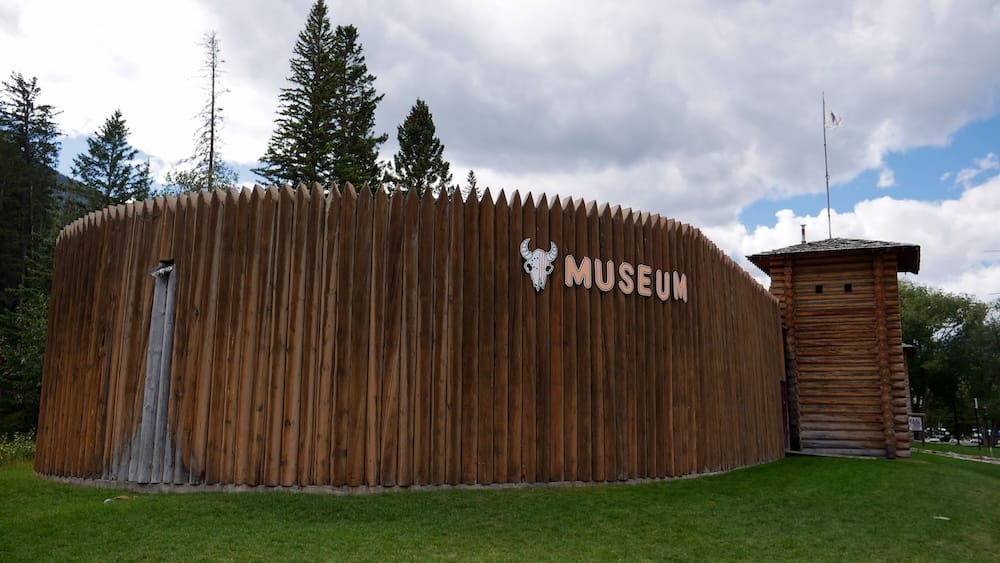
Buffalo Nations Museum: Give This One Proper Time
From Banff Park Museum, Audrey and I crossed the Bow River and continued to Buffalo Nations Museum. You may still see the older Buffalo Nations Luxton Museum name in some places, but the institution now uses Buffalo Nations Museum and is operated by the Buffalo Nations Cultural Society.
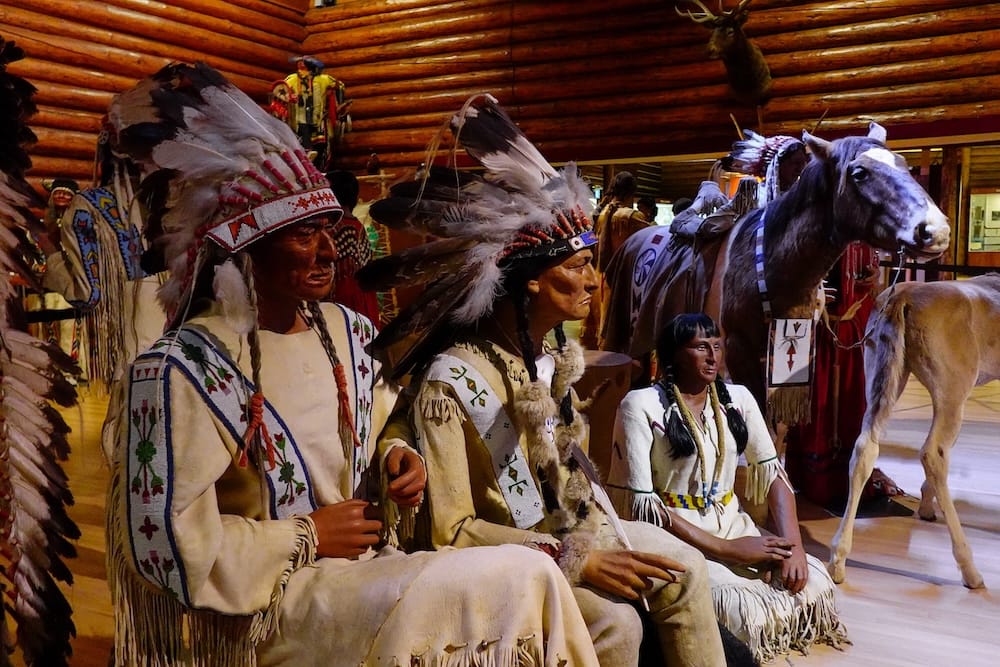
Its focus is fundamentally different from Banff Park Museum. The museum interprets cultures connected to the Blackfoot Confederacy—including Siksika, Piikani and Kainai—as well as Tsuut’ina, Stoney/Nakoda and Cree peoples.
During our visit we saw clothing, beadwork, headdresses, dioramas and an interactive language display where you could select a First Nations language and hear a greeting. What changed our visit from a relatively quick museum stop into something more substantial was deciding to stay and watch a documentary that was playing. By the time we left, we had spent more than an hour inside.
That experience lines up fairly well with the current suggested visit of roughly one to two hours. Buffalo Nations Museum simply makes more sense when you give yourself enough time to engage with the interpretation rather than speed-walking past objects because lunch is calling.
The current museum also emphasizes cultural continuity rather than presenting Indigenous peoples as inhabitants of a finished historical chapter. Depending on timing, programming can extend beyond the permanent displays into workshops, storytelling, dance, language and other cultural activities.
Adult admission is currently C$15, and the museum operates daily throughout the year. That makes it particularly useful during seasons when Banff Park Museum is closed.
Who should prioritize Buffalo Nations Museum?
If the Indigenous cultures and history of the region are one of the things you most want to understand while visiting Banff, I would put Buffalo Nations Museum first.
I’d also resist treating it as something to duck into because it started raining. Museums in mountain towns often get relegated to Plan B status, but our visit became more rewarding precisely because we stopped rushing and stayed for the documentary. You don’t need an entire afternoon, but I would give it a proper hour rather than trying to squeeze it into whatever time remains before your next booking.
The Whyte: The Best All-Round Choice for Art and Mountain History
The Whyte Museum of the Canadian Rockies completed the trio we visited, and once again it felt very different from the previous two.
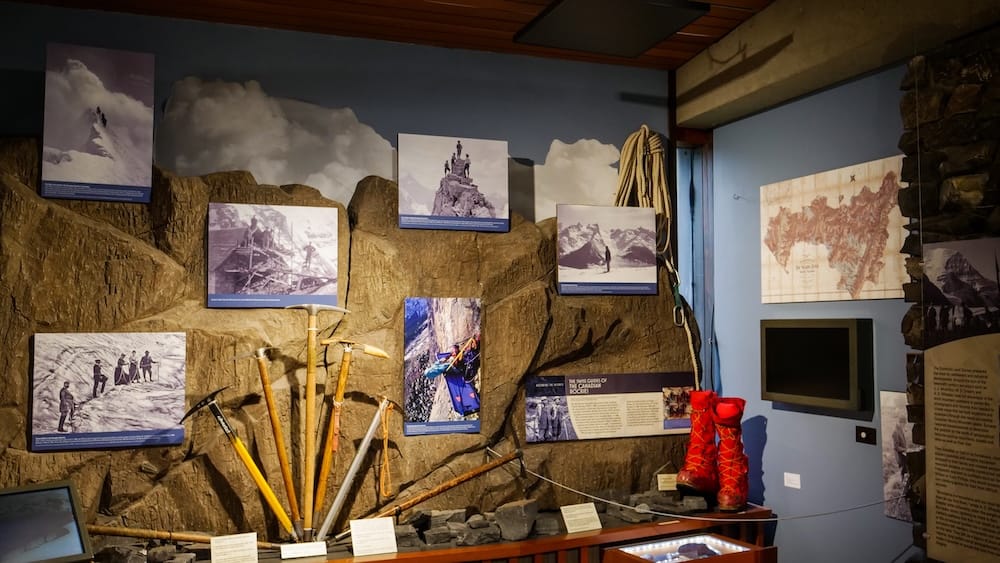
Where Banff Park Museum revolves around natural history and Buffalo Nations has a concentrated cultural focus, The Whyte spreads itself across art, regional history, heritage and mountain culture. That breadth is probably its biggest advantage for a visitor who wants to choose one traditional museum without having a very specific interest.
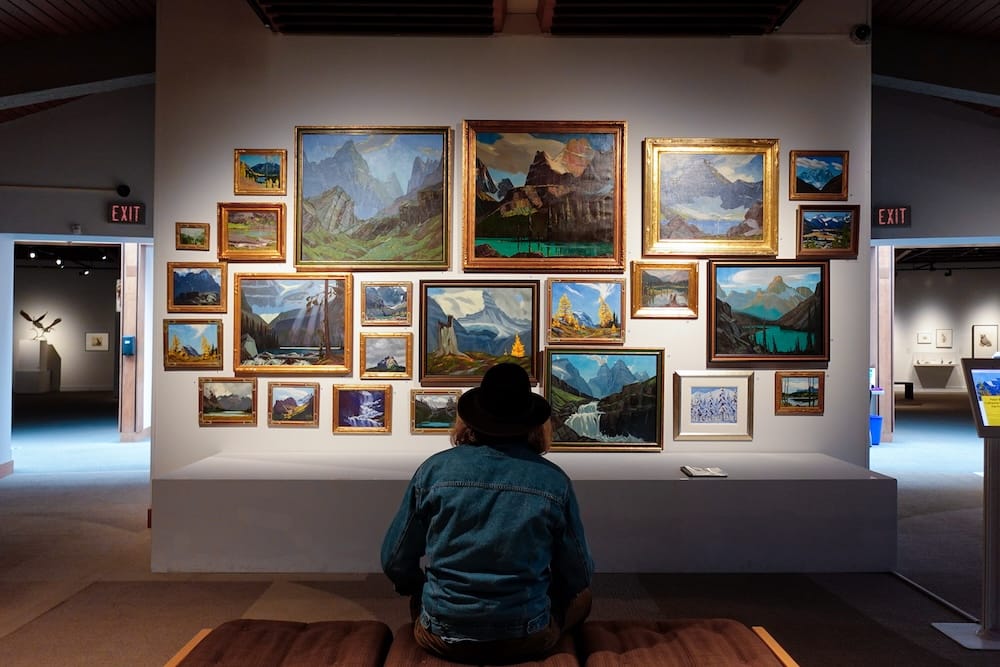
The art was what stayed with me most from our own visit. Rocky Mountain landscapes are an obvious subject for a museum in Banff, but the good ones can make you look at the landscape differently rather than simply recreating scenery you have already photographed.
Two paintings of Lake O’Hara particularly stood out during our visit. They immediately gave us another place in the Rockies to be curious about, and I like that kind of museum experience. The building is indoors, but your mind is already wandering back outside.
The Whyte has an ongoing Heritage Gallery alongside changing exhibitions, so it is worth remembering that the exact art we saw is not necessarily what you will encounter. That rotating element gives repeat visits more potential but also makes the experience less predictable than Banff Park Museum’s historic collection.
For planning purposes, roughly one to two hours is sensible for the main museum, depending on how slowly you move through the exhibitions. Adult admission is currently C$15, and The Whyte operates throughout the year.
There are also historic homes associated with the museum. Current tours are relatively short, at about 25 minutes, but this is one place where the heritage buildings themselves impose practical restrictions: their narrow spaces and stairs mean wheelchairs, walkers and strollers are not permitted inside those homes. That limitation shouldn’t be confused with access to the main museum.
Who should prioritize The Whyte?
If you enjoy art, it’s the obvious choice. If you simply want one conventional museum that gives you a reasonably broad introduction to people, history and culture in the Canadian Rockies, I also think The Whyte is the strongest all-round option.
That doesn’t mean Audrey and I walked out of our three museum visits and formally crowned a winner. We didn’t. It’s the conclusion that makes the most sense when I compare what the museums actually offer. Banff Park Museum has more immediate eccentric charm, while Buffalo Nations Museum has a much more specific cultural purpose; The Whyte occupies the widest middle ground.
Cave and Basin: Allow Several Hours, Not Several Minutes
Cave and Basin National Historic Site is the awkward one to include in a museum guide because it isn’t technically just another museum. It is a National Historic Site where the historic place itself, interpretive exhibits, films and surrounding boardwalks form one larger experience.
We haven’t personally visited Cave and Basin, so I can’t tell you what walking through it felt like or pretend we had some revelation beside the thermal waters. What matters for this comparison is that excluding it would leave out one of Banff’s major historical and interpretive attractions.
The biggest practical difference is time. A visit is generally planned at around two to three hours, which puts Cave and Basin in another category from Banff Park Museum. If you have four usable hours left in a beautiful Banff afternoon, this is not something you casually add before dinner.
Its history is also more layered than the simplified story that railway workers “discovered” hot springs in 1883 and Canada’s national park system followed. Indigenous Peoples had relationships with these thermal waters for thousands of years before that railway-era encounter. Current interpretation incorporates that deeper history alongside the later development of the national park system.
Regular adult admission is C$10. Opening days and hours change between summer and winter, so I would verify the current schedule before making it a fixed part of your day.
Accessibility is more clearly documented here than at some of Banff’s smaller historic properties, with accessible parking, ramps and elevator access. Short introductory guided programs may also be available depending on the operating schedule.
Who should prioritize Cave and Basin?
This makes the most sense if you want to understand Banff itself—the thermal springs, the deeper human relationship with the site and the development of Canada’s national park system—and you’re willing to dedicate a substantial block of time to it.
I wouldn’t compare it directly with popping into Banff Park Museum for half an hour. Cave and Basin may ultimately be more important to your understanding of Banff, but it asks considerably more from the day.
Historic Luxton Home Museum: A Small, Seasonal Slice of Banff History
The Historic Luxton Home Museum is considerably more specialized. Audrey and I haven’t visited this one either, but it belongs in a broader Banff museum guide because it remains a genuine historic house museum rather than simply another gallery or heritage-themed attraction.
The preserved home tells the story of Norman, Georgina and Eleanor Luxton and contains family possessions including photographs, artwork, furniture, china, silver and other objects. The garden is part of the property as well, giving the experience a much more domestic scale than any of the larger institutions.
That’s really the key to deciding whether it belongs in your itinerary. If old houses, personal possessions and everyday local history fascinate you, Historic Luxton Home could be exactly the kind of quieter attraction that gets overlooked beside Banff’s bigger names. If house museums normally leave you wondering how many bedrooms you are expected to admire before being released back into daylight, I wouldn’t force this one into your plans simply for completeness.
It is mainly a warm-season attraction with a limited weekly schedule, so availability is more restrictive than Buffalo Nations Museum or The Whyte. Current visitor information has listed admission by donation, although the published seasonal details have not always been perfectly synchronized, so this is one I would check directly before relying on a particular opening day or admission arrangement.
There also isn’t a strong enough current basis to declare that everyone needs exactly 30 minutes, 45 minutes or an hour. That would be a suspiciously convenient number rather than useful advice.
Banff Museums Compared: What You Get for Your Time
Admission prices differ, but I think time is the more important currency in Banff. Ten extra dollars hurts less than discovering you committed three hours to something when you thought you were filling a short gap before dinner.
| Museum or site | Best for | Time to allow | Regular adult admission | Seasonal constraint | Main trade-off |
|---|---|---|---|---|---|
| Banff Park Museum | Wildlife, natural history, historic atmosphere | From about 30 minutes | C$5 | May 15–Oct 15; closed Tues–Wed | Small compared with larger museums |
| Buffalo Nations Museum | Indigenous cultures and interpretation | About 1–2 hours | C$15 | Year-round | Needs more than a rushed walk-through |
| The Whyte | Rocky Mountain art and regional history | About 1–2 hours | C$15 | Year-round | Changing exhibitions mean each visit differs |
| Cave and Basin National Historic Site | Banff and national-park history | About 2–3 hours | C$10 | Hours and open days change seasonally | Biggest time commitment |
| Historic Luxton Home Museum | Historic homes and local Banff history | Flexible | Check current admission | Mainly warmer months | Narrowest appeal |
That range is enormous. Banff Park Museum can occupy roughly the time you might otherwise spend drinking coffee, while Cave and Basin can consume most of a half-day sightseeing block. Once you look at the museums that way, “Which is best?” becomes much easier to answer.
If You Only Have Time for One Banff Museum
With 30–60 minutes, I’d pick Banff Park Museum when it is open. The visit is compact enough to work properly in a short window, and the historic atmosphere gives it more character than you might expect from a small natural-history museum.
For Indigenous cultures and interpretation, choose Buffalo Nations Museum and give yourself enough time to engage with it rather than treating it as a quick collection of artifacts.
For art and a broader sweep of Canadian Rockies history, choose The Whyte. It is the option I’d recommend most readily to someone who likes museums but doesn’t arrive with one specialist interest.
For Banff’s own history, the thermal springs and the national park story, Cave and Basin becomes the stronger choice, provided you have two or three hours to spare. And if the phrase historic house museum already sounds exciting to you, check whether Historic Luxton Home is open.
Winter simplifies things because Banff Park Museum is closed outside its May-to-October season and Historic Luxton Home is principally a warmer-weather attraction. Buffalo Nations Museum, The Whyte and Cave and Basin then become the more relevant choices.
Is It Worth Visiting More Than One?
Absolutely, because the museums overlap much less than their addresses might suggest.
Audrey and I visited Banff Park Museum, Buffalo Nations Museum and The Whyte on the same Banff trip, and I never felt as though we were being told the same story three times. The wildlife and old-school natural-history atmosphere of Banff Park Museum have very little in common with the experience at Buffalo Nations Museum, while The Whyte heads off again into art and broader mountain history.
If I were deliberately pairing museums, Banff Park Museum and Buffalo Nations Museum make a particularly strong contrast between the natural world and Indigenous cultural interpretation. Banff Park Museum and The Whyte give you wildlife followed by art and history, while Buffalo Nations Museum and The Whyte make more sense for somebody who has little interest in taxidermy and wants a more culturally focused combination.
If museums and Banff history are going to be a deliberate part of your day rather than something you piece together stop by stop, there is also a current three-hour small-group history and heritage walking tour that includes museum admissions and guided museum visits. I haven’t taken this tour, so I’m not presenting it as a personal recommendation, but it is a practical option for travellers who want somebody else to connect the historical stops and handle the museum entries. Be aware that the listing involves approximately six miles of walking and specifically rules out several mobility and low-fitness situations, so this is not the easier option for everyone. You can check current availability for the Banff history and museum walking tour.
Cave and Basin changes the scale of the day. Once a two-to-three-hour historic site enters the equation, you’re no longer casually adding another museum between activities; you’re intentionally building a substantial cultural block into your Banff itinerary. Historic Luxton Home is different again, and I see it as a niche seasonal addition rather than an obligatory fifth stop.
There is no prize for collecting the whole set.
Which Banff Museums Are Actually Worth Your Time?
For most first-time visitors, I’d start by asking how much time you genuinely want to give museums in a destination where the outdoors is probably the main reason you came.
If the answer is not much, Banff Park Museum is the easiest recommendation. Thirty minutes can still give you a surprisingly memorable experience, especially if you discover, as we did, that you have badly underestimated the size of a beaver.
If you want to spend one or two meaningful hours, choose between Buffalo Nations Museum and The Whyte based on your interests. Buffalo Nations is the stronger fit for Indigenous cultural interpretation, while The Whyte makes more sense for art and broader Rocky Mountain history.
If you want to make history itself one of the major activities of your Banff day, then Cave and Basin deserves serious consideration despite the larger time commitment. Historic Luxton Home is worth knowing about too, especially for dedicated historic-house fans, but I wouldn’t make it compulsory for a first visit.
What I wouldn’t do is visit museums simply because a Banff checklist tells you they are there. Pick the one or two that genuinely match your curiosity, spend enough time to get something from them, and then go back outside. The best Banff museums don’t compete with the Rockies; they give you a little more context for what you’re looking at once you step back into them.
Frequently Asked Questions
Which Banff museum is best if I only have 30–60 minutes?
I’d choose Banff Park Museum when it is open. It can work well in a short sightseeing window, and its historic natural-history displays give the small museum plenty of personality.
Which Banff museum is best for Indigenous cultures and interpretation?
Buffalo Nations Museum is the strongest fit if that is your main interest. I’d allow roughly one to two hours rather than treating it as a quick stop.
How long should I allow for The Whyte Museum?
Roughly one to two hours is sensible for the main museum, depending on how slowly you move through the art, heritage and changing exhibitions.
Is Cave and Basin National Historic Site a museum?
Not exactly. It is a National Historic Site where the historic place, interpretive exhibits, films and surrounding boardwalks form one larger experience, and a visit generally takes around two to three hours.
Which Banff museums are useful during winter?
Buffalo Nations Museum and The Whyte remain relevant year-round choices, while Cave and Basin operates on a season-dependent schedule. Banff Park Museum closes outside its May-to-October season, and Historic Luxton Home is mainly a warmer-weather attraction.
Is it worth visiting more than one museum in Banff?
Yes. I found Banff Park Museum, Buffalo Nations Museum and The Whyte different enough that visiting more than one did not feel repetitive. The best pairing depends on whether you want wildlife, Indigenous cultural interpretation, art or broader mountain history.
This guide is also available in Spanish. [Leé la versión en castellano: Guía de museos de Banff: ¿cuáles valen tu tiempo?]
This article contains affiliate links. If you book through one of these links, I may earn a commission at no extra cost to you.