
I get why people ask this before they book anything. Banff shows up on every overcrowded-destinations list now, right alongside Venice and Barcelona, and nobody wants to spend their vacation shuffling through a crowd for a photo they’ve already seen a hundred times online. So here’s my honest answer, built on enough separate trips here that I trust it: yes, Banff is touristy, and it’s getting more so. And yes, it’s still worth your time in town — for a reason I can actually show you, not just tell you.
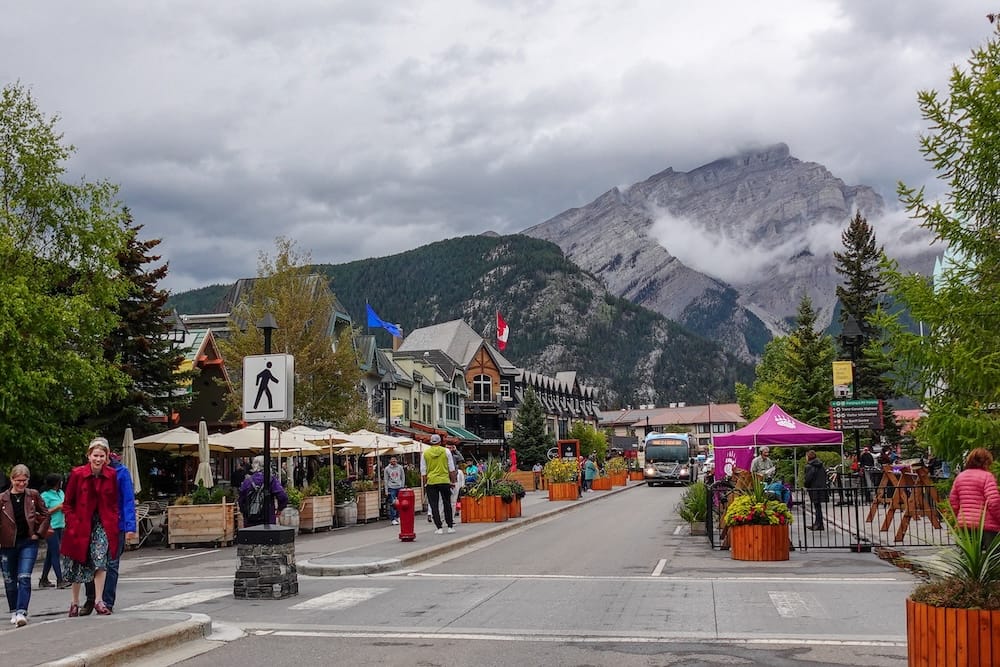
The Reputation Comes From the Lakes, Not the Town Itself
Here’s the part worth clearing up first, because it changes the whole question. When people say Banff is too touristy, they’re usually picturing Lake Louise or Moraine Lake, not the town. And they’re not wrong to. Banff National Park pulled in 4.5 million visitors in the 2025–26 fiscal year, breaking its own previous record of 4.28 million from just two years before — not a one-off spike, but a continuation of almost annual increases over the past decade. Lake Louise and Moraine Lake carry a wildly disproportionate share of that pressure: something like 2.6 million visits a year between the two of them, roughly 70% more than back in 2010. Parks Canada is actively building visitor-management plans specifically for Lake Louise, Moraine Lake, and Lake Minnewanka, because the crush at those three spots has become impossible to manage the old way.
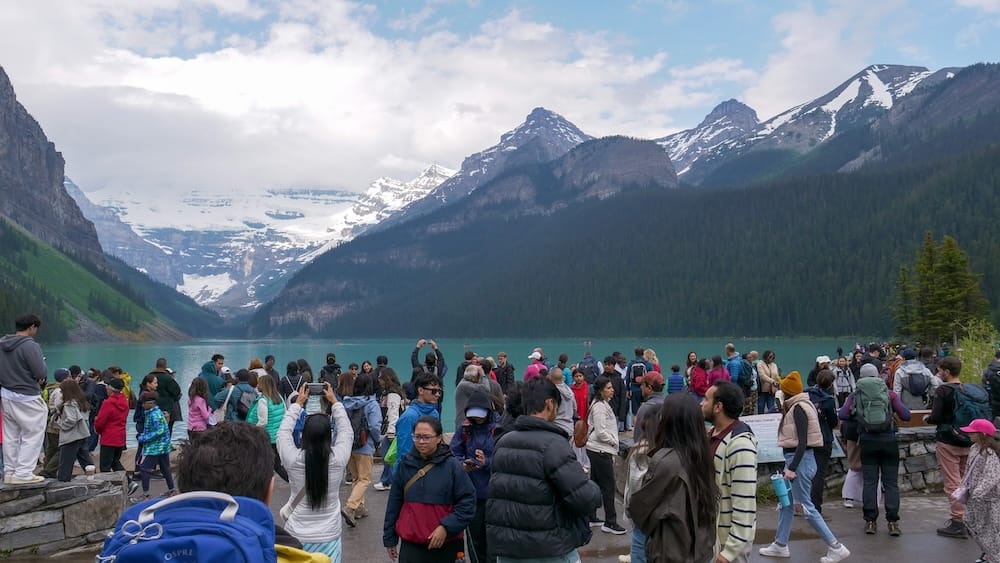
I’ve felt this shift happen, not just read about it. I’ve been coming back to this area for years, and I remember Lake Louise being crowded a decade ago already — and back then you could still drive up and park your own car there. That’s no longer the case. It’s shuttles or guided access for most of the year now. Watching a place tighten its own rules over ten years tells you something a single bad-luck day at the parking lot never could: this is a real, ongoing trend, not a fluke.
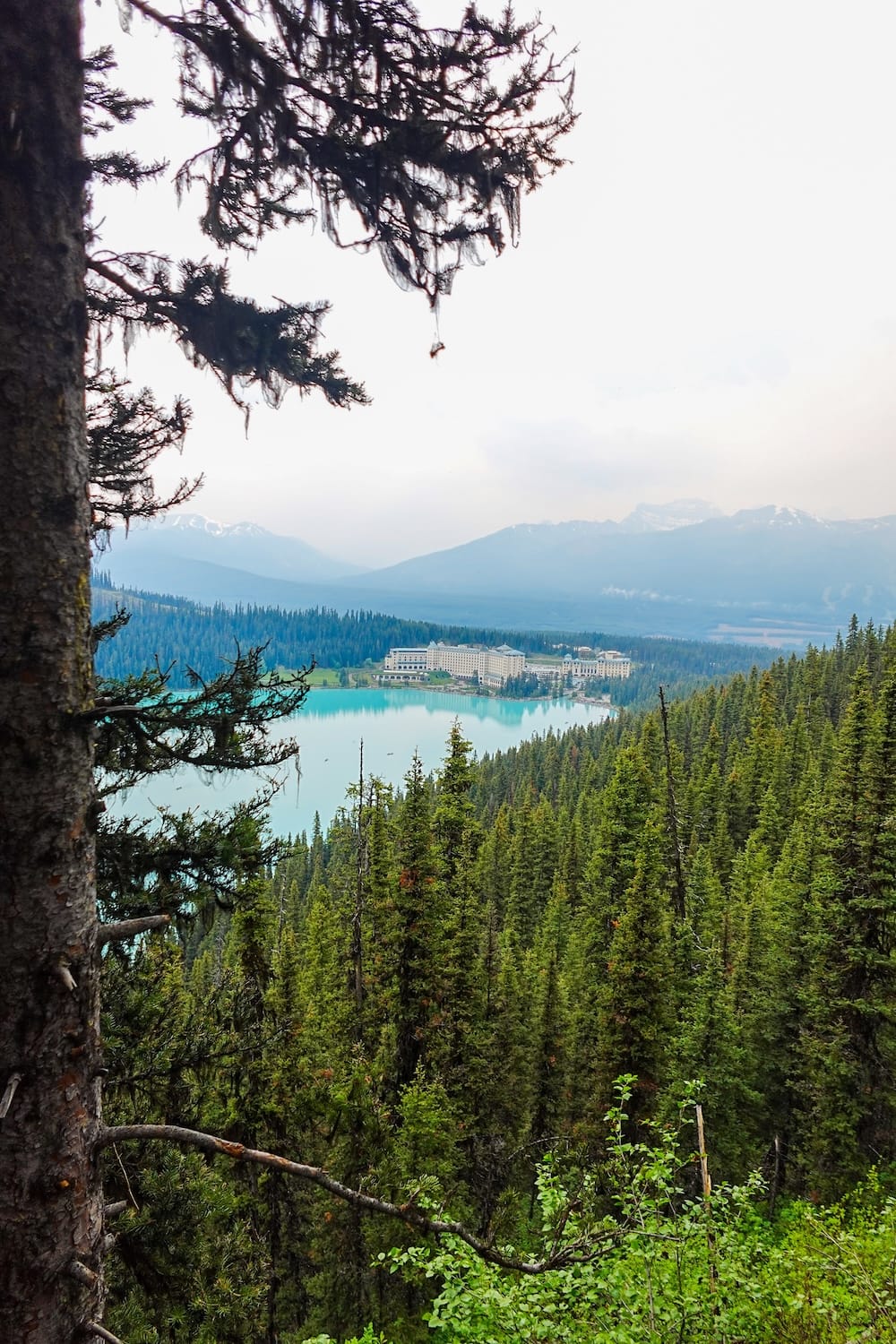
So when someone asks if Banff town itself is too touristy, the honest first answer is that the worst of it isn’t really happening downtown. It’s happening forty-five minutes up the road, at the two lakes doing most of the heavy lifting for Banff’s crowded reputation.
Why We Still Call the Town Worth the Time
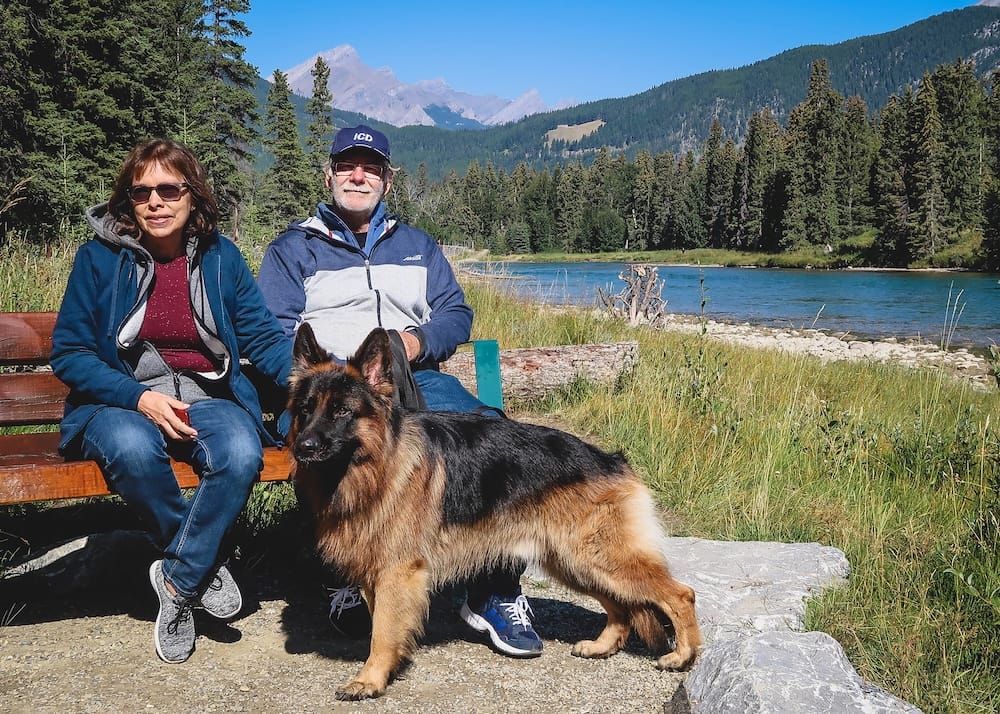
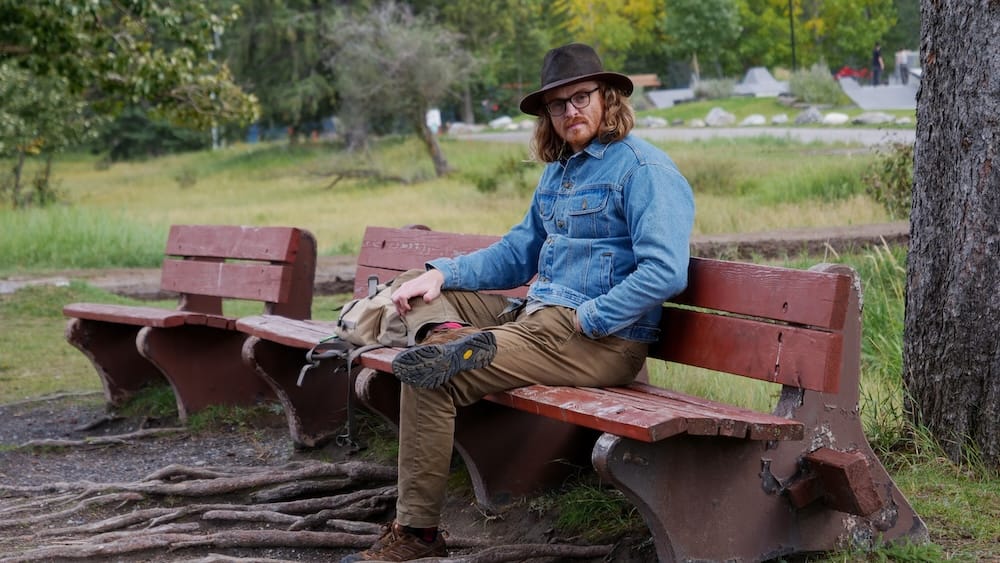
And yet, in the town itself, where most people actually stay and spend the bulk of their trip — worth comparing current hotel options in central Banff if you’re still deciding on a base — after four action-packed days here, I sat on a bench by the Bow River and said out loud that this place is anything but overrated — the most popular adventure playground in Canada, and we hadn’t even scratched the surface. Audrey felt exactly the same way, and neither of us was performing enthusiasm for a camera. We’d genuinely have stayed longer if we could have. Four days wasn’t enough. I don’t think a week would have been either.
That’s not a contradiction of everything above. It’s the actual answer this article promised: the reputation belongs largely to the lakes, and the town, where most people actually stay and spend the bulk of their time, has its own separate, better answer to the crowd problem.
How Fast the Crowds Actually Thin Out
I’ve written the fuller version of this elsewhere, so I’ll keep it tight here. On our first morning in Banff, we crossed the pedestrian bridge over the Bow River, and a local stopped us to say we should turn left afterward for a quieter stretch he liked better than the obvious path. We took the tip. Twenty minutes later we were sitting on a bench in actual forest, river running past, nobody else in sight. Same town, same morning, ten minutes’ walk from where everyone else was standing.
That’s the whole mechanism, and it’s not a secret. Most visitors stop at the first obvious spot. Almost nobody keeps walking past it.
Does the Same Trick Work at the Lakes That Started the Reputation?
Turns out, yes — and I don’t have to take anyone else’s word for it, because we’ve tested it at both lakes ourselves, on two separate trips.
At Lake Louise, it was a private guided tour with Audrey’s dad and our daughter Aurelia, who slept through most of it in the carrier. We hiked up to the Fairview Lookout above the shore, 1.1 kilometres each way, steep enough that it felt longer than the distance suggests. At the top, there were maybe four or five other people. I said at the time that less than 1% of visitors make it up there, and that if you want to escape the crowds down at the shore, that short uphill climb is genuinely worth it.
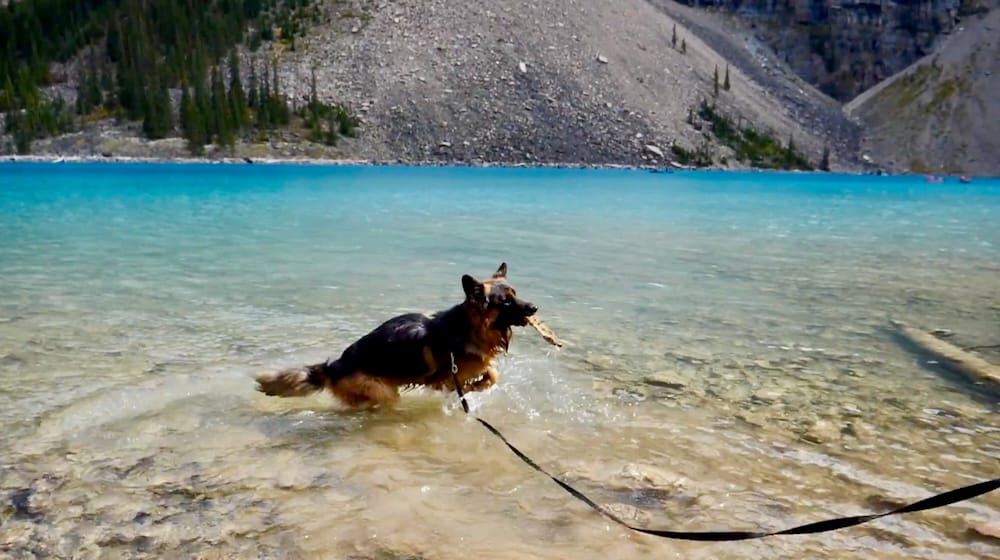
At Moraine Lake, on our very first family trip here, we took Togo for a long walk along the shoreline instead of just snapping the obligatory photo from the rock pile. The crowds thinned out fast. Within a few minutes it felt like a real forest walk rather than a tourist stop, and at one point we realized there were more people out canoeing on the lake than hikers we actually had to pass on the trail.
Same mechanism both times, at the two lakes actually responsible for most of Banff’s crowding reputation. Walk a little further, or climb a little higher, and the crowd mostly disappears.
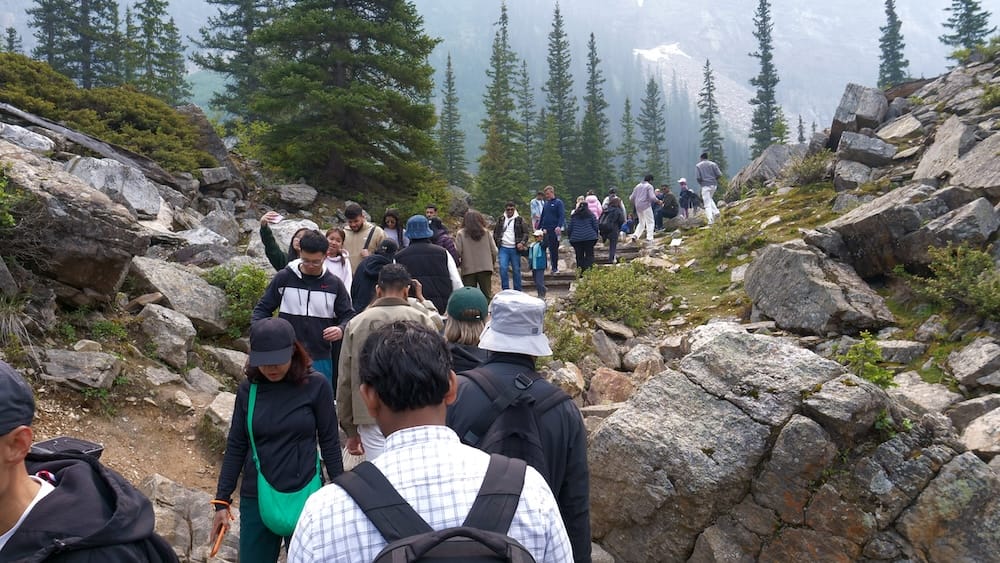
One honest caveat specific to these two lakes: getting there in the first place has gotten harder. Private-vehicle parking is largely gone now, which is exactly the shift I noticed over the past decade — we reached Lake Louise on that private tour partly because driving in and hoping for a spot isn’t the reliable plan it used to be. If you’d rather not build your own trip around shuttle schedules and parking-lot luck, a guided option that already has that access sorted out can guarantee entry to both lakes without the driving stress — not the exact tour we took, but the same basic solution to the same real problem.
So, Is It Worth It?
Start with the honest part again: Banff is more crowded than it used to be, and that trend isn’t reversing — the numbers make that clear, and so do two separate trips proving the same trick works at both of the lakes actually causing the problem. But “crowded” here means crowded at the first fifty metres of anywhere famous, town included, not crowded everywhere. Walk past the obvious viewpoint. Take the fork the local mentions instead of the main path. Climb the extra kilometre. Give it fifteen or twenty minutes. That’s usually all it takes to go from standing in a tourist crowd to actually feeling like you’re exploring something.
If crowds are still a dealbreaker no matter how you slice it, there’s a whole other side of this trip — quieter lakes and valleys most people skip entirely — and that’s really its own story for another time. But for Banff town itself, and honestly for its two most crowded neighbours too: it’s worth the time. You just have to be willing to keep walking, or climbing, a little past where everyone else stopped.
Frequently Asked Questions
Is Banff too crowded to be worth visiting?
Not in my experience. Banff National Park set a new visitation record in the 2025–26 fiscal year, and the crowding is real, but it’s concentrated at a handful of famous spots rather than spread evenly across the whole area.
Is Banff town itself touristy?
The town has real foot traffic, but the worst of Banff’s crowding reputation actually belongs to Lake Louise and Moraine Lake, not downtown. Those two lakes alone account for roughly 2.6 million visits a year.
How do you avoid the crowds at Lake Louise?
Walk past the main shoreline viewpoint. I hiked up to the Fairview Lookout, 1.1 kilometres each way, and found only four or five other people at the top, compared to the packed shore below.
How do you avoid the crowds at Moraine Lake?
Skip the Rockpile viewpoint and walk the shoreline instead. When I did this with our dog, the crowd thinned out almost immediately, and it felt like a real forest walk rather than a tourist stop.
Can you still drive yourself to Lake Louise or Moraine Lake?
Private-vehicle parking is largely gone at both lakes for most of the year now. Shuttles or guided access have become the more reliable way in.
How long does the Fairview Lookout hike take?
It’s 1.1 kilometres each way from the Lake Louise shore, steep enough to feel longer than the distance suggests, but short enough to do without any special preparation.
Is Banff getting more crowded over time?
Yes. Banff National Park has seen almost annual visitation increases over the past decade, and Lake Louise and Moraine Lake specifically now see about 70% more visits than they did in 2010.
This article is also available in Spanish. [Leé la versión en castellano: ¿El pueblo de Banff es demasiado turístico o todavía vale la pena?]
This article contains affiliate links. If you book through one of these links, I may earn a commission at no extra cost to you.