
Lake Minnewanka and Cascade Ponds are close enough to Banff that, on a map, they can look slightly redundant. Water, mountains, nice views, repeat. When we actually visited them one after the other on our family road trip through the Canadian Rockies, though, they felt surprisingly different.
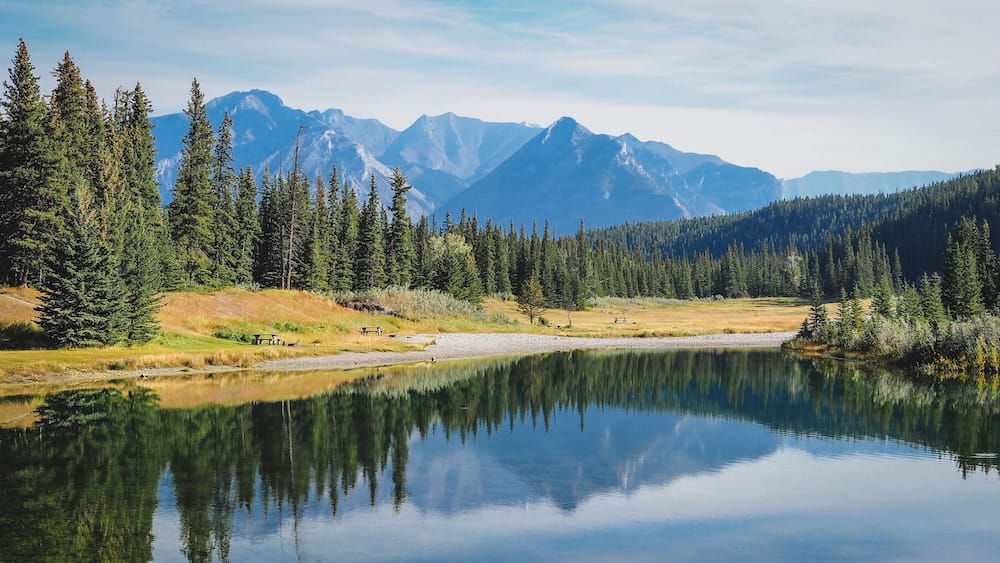
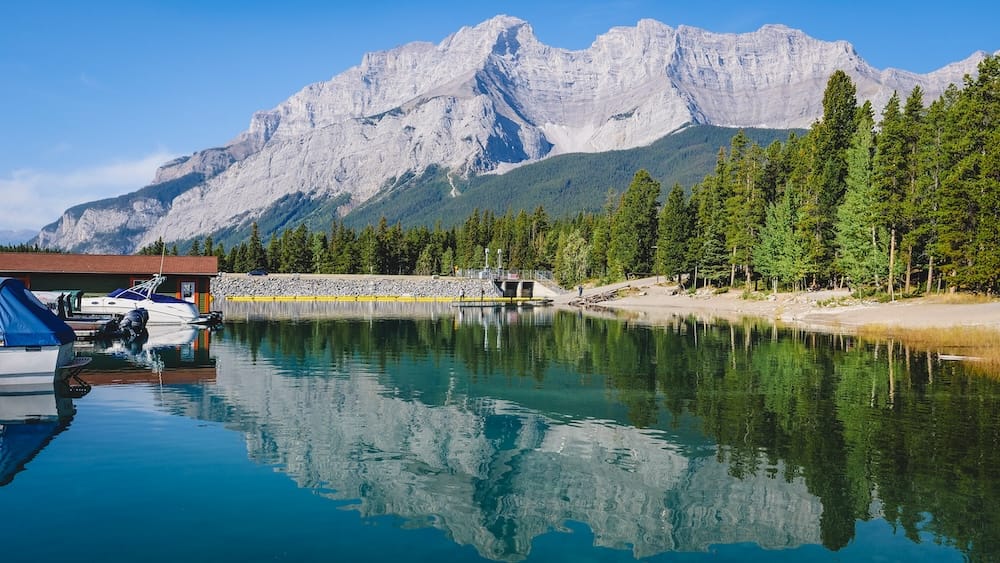
Cascade Ponds was the smaller and more intimate stop. During our visit the water looked almost glassy, the mountain backdrop reflected beautifully, and we had the place practically to ourselves. Lake Minnewanka immediately changed the scale of things: the water looked noticeably bluer, the lake opened up in front of us, and there were more ways to turn a quick stop into a longer outing.
That is the key to combining them. Cascade Ponds works particularly well as the slower picnic, stroll or scenery stop, while Lake Minnewanka is where you can decide whether you want a simple lakeside visit or something more substantial.
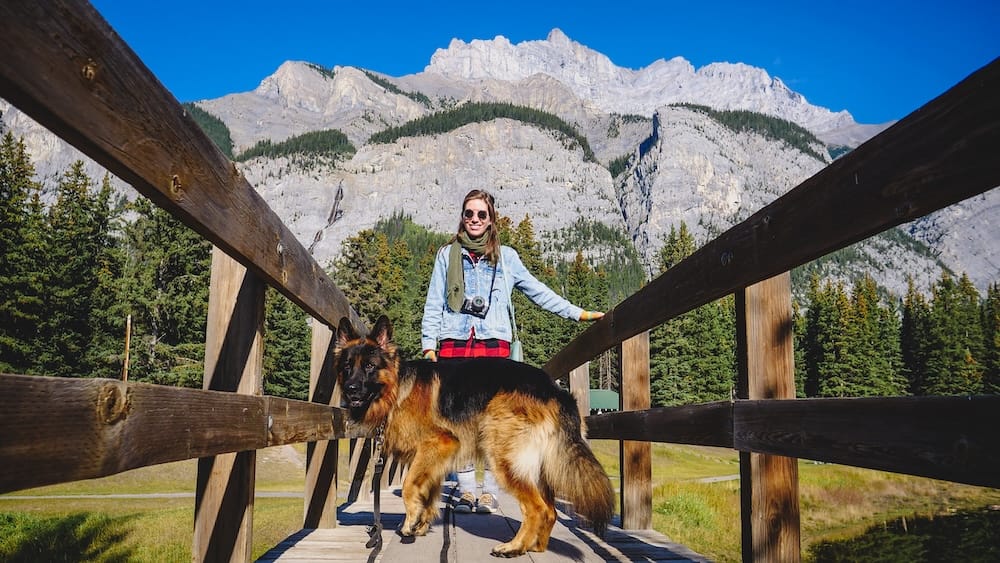
Lake Minnewanka and Cascade Ponds Aren’t the Same Kind of Stop
Cascade Ponds is about 5 kilometres from Banff, while Lake Minnewanka is roughly 10 kilometres away. They sit within the same general road system northeast of town, which is why combining them felt so natural when we did it.
What differs is the amount of commitment each place invites. Cascade Ponds has picnic tables, shelters, firepits, washrooms, water access and paths around the developed area. Lake Minnewanka is the bigger destination, with lakeside walking, the route toward Stewart Canyon, seasonal boat cruises and current on-site watercraft rentals.
| Cascade Ponds | Lake Minnewanka | |
|---|---|---|
| Best role | Picnic, easy stroll, relaxed scenic stop | Bigger lake visit with optional activities |
| Distance from Banff | About 5 km | About 10 km |
| Works as a quick stop | Yes | Yes |
| Longer walking | More limited | Stewart Canyon and additional trails |
| Water activities | Paddling possible under current park rules | Personal paddling restricted; permitted on-site rentals available |
| Public transit | Seasonal Route 6 | Seasonal Route 6 |
| Where I’d spend more time | If picnicking or slowing down | If adding walking, a cruise or another activity |
For us, the difference became obvious because we visited them back-to-back. That same-day sequence is probably why I still think of them as a pair rather than as two unrelated attractions: Cascade Ponds gave us a quiet pause, while Lake Minnewanka immediately felt like somewhere we could have built a much larger chunk of the day around.
Cascade Ponds Was the Smaller Stop That Really Stuck With Us
I remember describing Cascade Ponds at the time as one of the hidden treasures of the Canadian Rockies. I would be careful using that phrase as practical advice today because “hidden gem” has a funny habit of becoming code for “place everybody read about on the internet,” but our visit genuinely did feel that way.
The water looked glassy and emerald, with rocky mountains behind it, and there was almost nobody around. We were pretty delighted with ourselves for finding such a peaceful place until somebody pointed out the ducks on the water and joked that even they were ruining our solitude. Those ducks really had some nerve.
There was also a personal reason we were there: Audrey’s sister had gotten married at Cascade Ponds, in a little forested area, and she was showing us around while retracing some of those memories. That gave the stop an extra layer for our family beyond simply arriving because a map had a blue patch on it.
Even without that connection, Cascade Ponds works well as a low-effort Banff stop. The developed area has picnic infrastructure, washrooms and paved access around parts of the site, so you can make it a proper break rather than another attraction that needs to be conquered. That is part of the appeal for me: you do not need a major hike, reservation or paid activity to justify being there.
What I would not do is promise the same quiet conditions we had. Summer around Banff can be busy, and parking at Cascade Ponds is limited. Our near-empty visit is a memory, not a guarantee.
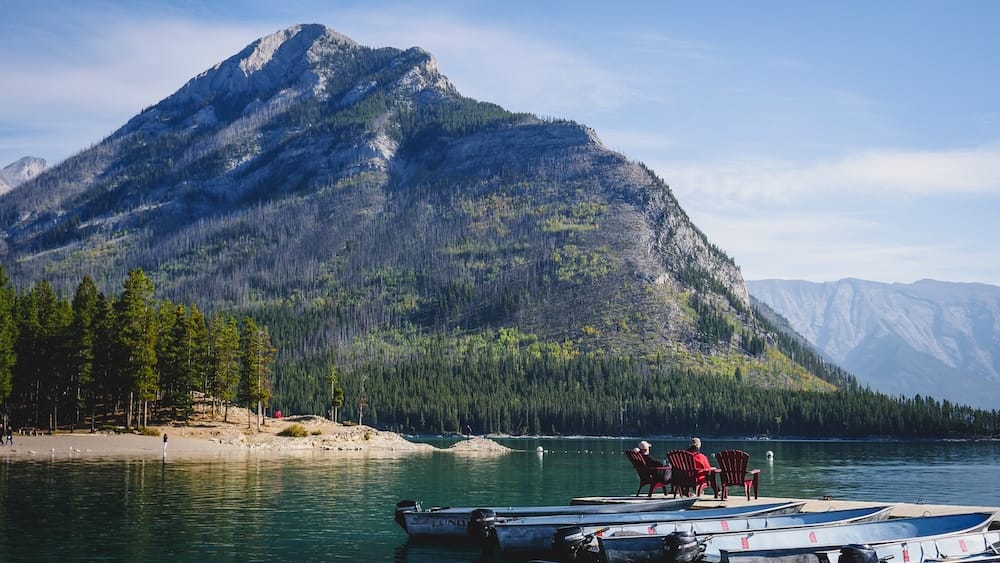
Lake Minnewanka Is Where the Outing Can Get Bigger
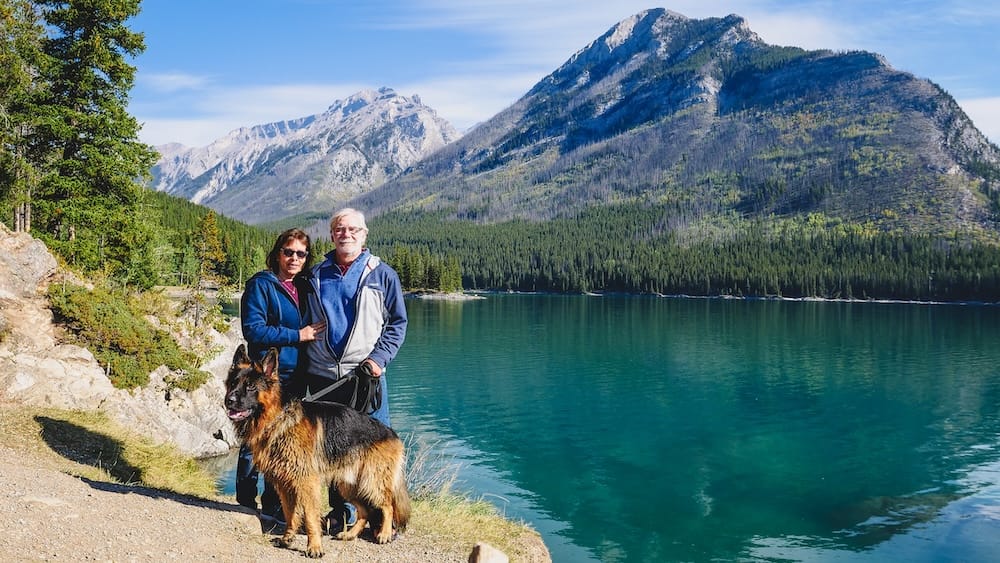
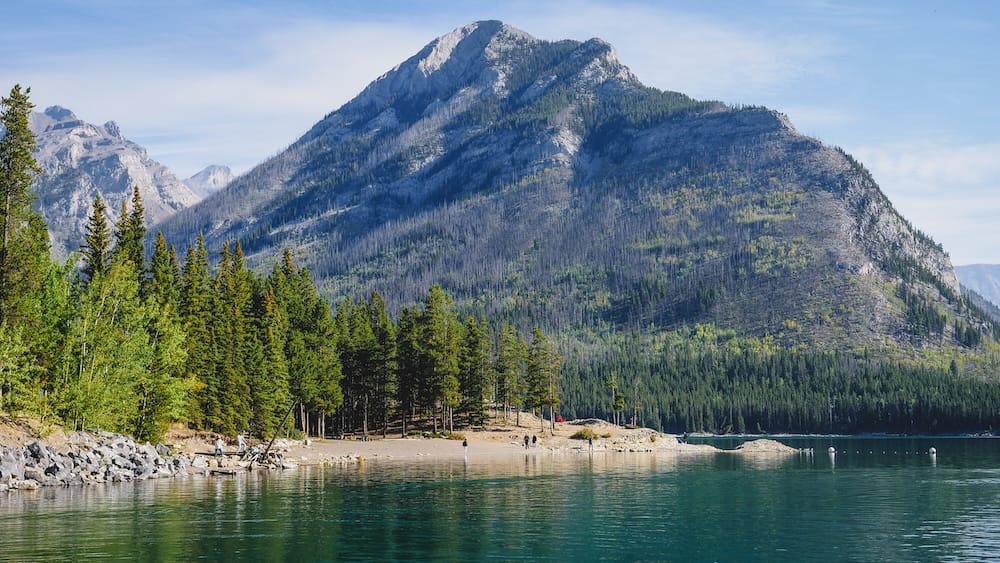
From Cascade Ponds we drove directly over to Lake Minnewanka. The first thing I noticed was the colour: after so many turquoise and emerald tones around the Rockies, Minnewanka struck me as distinctly bluer. The second difference was scale. Cascade Ponds had felt intimate and contained; Lake Minnewanka opened up much more dramatically.
You can still keep Minnewanka simple—walk around the main lakeside area, take in the mountain views and move on—but it gives you more ways to extend the visit. One of the easiest is the walk toward Stewart Canyon. The current route is about 1.6 kilometres each way with roughly 30 metres of elevation gain, and the park estimates around an hour for the return trip.
We didn’t do Stewart Canyon on this visit, so I can’t give you a personal verdict on the trail. The same applies to the seasonal boat cruise, which we also didn’t take, but both are useful examples of what extra time at Lake Minnewanka can buy you. If the cruise interests you, you can check current Lake Minnewanka Cruise times and availability on GetYourGuide before deciding how much of the day to set aside.
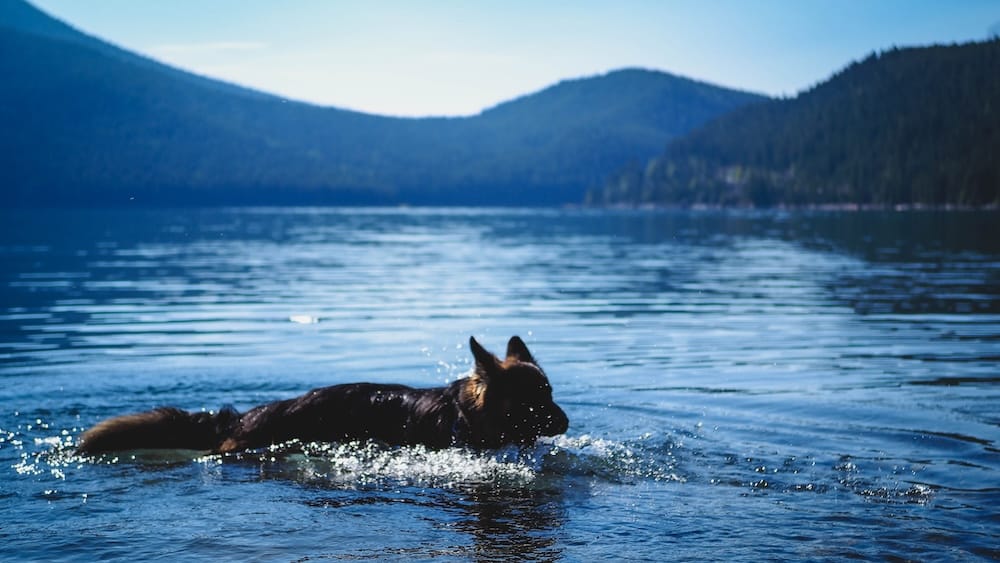
Our own visit was simpler. We spent time by the lake, enjoyed the views and watched Togo splash around near the water. That was enough for us that day, and I think that is worth emphasizing because Minnewanka does not need an activity attached to it to earn a stop. The extra options are useful because they let you deepen the visit, not because the basic lakeshore experience is somehow incomplete without them.
The current Lake Minnewanka water rules matter
Under the current Parks Canada rules, personal canoes, kayaks, paddleboards and large inflatables are prohibited on Lake Minnewanka. There is an important exception for watercraft rented from the lakeshore operation and kept on the lake, so seeing people kayaking there does not mean you can automatically bring your own.
Cascade Ponds is treated differently. Paddling is currently allowed there subject to Banff National Park’s invasive-species requirements, including Clean, Drain, Dry and self-certification procedures. If getting onto the water matters to you, check the current Parks Canada water-activity rules shortly before your visit.
How to Visit Both From Banff
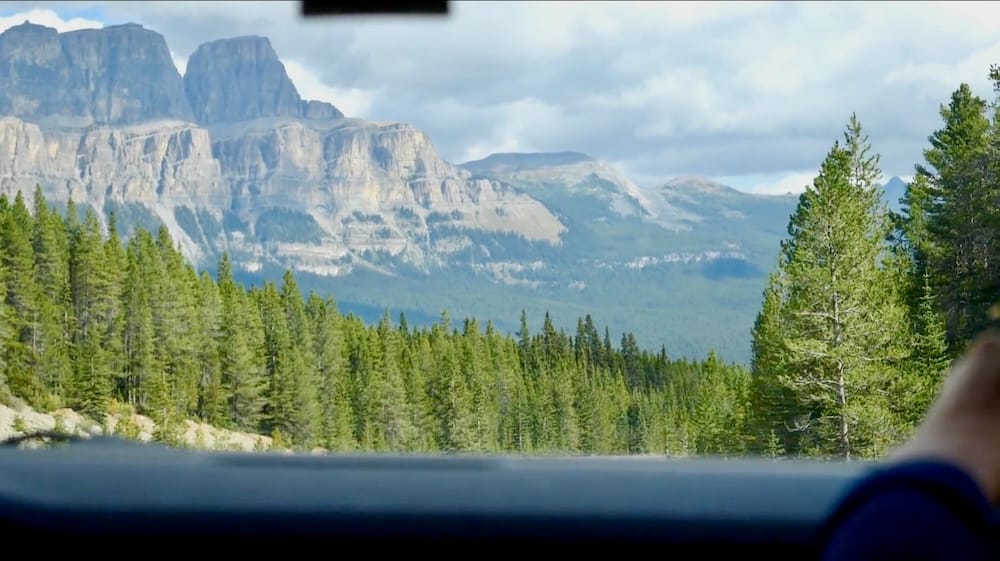
If you have a car, I would treat Cascade Ponds and Lake Minnewanka as one outing. We visited Cascade Ponds first and then continued directly to Lake Minnewanka, and that sequence worked perfectly well for us. I don’t think the order needs to become a science project; parking conditions and what you want to do at each stop matter more.
Driving is easy; parking is the wildcard
The distances are short, but popular Banff day-use lots can fill during busy periods, and roadside or improvised parking is not an acceptable backup plan. This is the main reason I would avoid planning the outing down to the minute. Checking the park’s live BanffNow parking information can save you from turning a relaxed lake outing into a tour of full parking lots.
There is also a seasonal closure on the western section of Minnewanka Loop Road, generally from November into May for wildlife protection. Cascade Ponds and Lake Minnewanka normally remain accessible from the open side, but winter and shoulder-season visitors should verify current road conditions before setting out.
You can also visit both without a car
During its operating season, Roam Transit Route 6 connects downtown Banff with the Lake Minnewanka area and stops at Cascade Ponds. The full trip from downtown Banff to Lake Minnewanka takes roughly 25 minutes, which makes the pairing realistic without a rental car.
The trade-off is flexibility: spontaneous mountain contemplation has to negotiate with a timetable. If you are using the bus, I would decide in advance which stop matters more to you so an unexpectedly long picnic at Cascade Ponds does not eat into the Lake Minnewanka portion of the day. Route 6 is seasonal and schedules change, so check the current Route 6 timetable before building your day around it.
How Much Time Do You Need for Both?
For a scenery-focused visit to both, roughly two to three hours is a sensible planning block. That gives you time to look around Cascade Ponds, continue to Lake Minnewanka and spend some time beside the water without treating each stop like a drive-by photo shoot.
For a more relaxed half day, make Cascade Ponds a picnic or longer break and give Lake Minnewanka extra walking time. Adding Stewart Canyon introduces roughly another hour of walking. A cruise, longer hike or additional Minnewanka-area stops can push the outing beyond half a day quite easily.
If the cruise is what turns your quick stop into a longer lake visit, it is worth checking the available Lake Minnewanka Cruise departures before locking in the rest of your timing. Lake Minnewanka has a way of quietly taking over the schedule.
I would also leave a little slack in that estimate rather than treating it like a reservation slot. The actual driving is short, but finding parking, lingering over a view or waiting for Route 6 can change the rhythm quickly. This is an outing where a flexible two-to-three-hour window makes more sense than trying to assign each stop an exact number of minutes.
Which one deserves more time?
If you’re adding an activity, I would normally give Lake Minnewanka the larger share. If your idea of a good mountain afternoon is spreading out a picnic and doing absolutely nothing productive for a while, Cascade Ponds could easily become the longer stop instead.
If I only had time for one, I would choose Cascade Ponds for a simple scenic or picnic stop close to Banff, and Lake Minnewanka for the bigger lake environment with more ways to extend the visit. I wouldn’t choose based on which is supposedly prettier. Banff has enough beautiful lakes without us forcing them into a playoff bracket.
A Few Practical Details Worth Knowing
Both places are inside Banff National Park, so current park-entry requirements apply. Dogs also need to follow current park rules. Togo joined us on our old family road trip and splashed around at Lake Minnewanka, but that memory shouldn’t be mistaken for current pet guidance; dogs in the park currently need to remain leashed and under physical control unless a specific exception applies. If you plan to continue beyond the main lakeshore area onto trails, check any seasonal restrictions that apply to the route you want to use.
Accessibility depends on what you plan to do. Cascade Ponds has paved access around parts of the developed area. Lake Minnewanka has accessible parking and accessible washrooms, but continuing toward Stewart Canyon eventually puts you onto natural terrain with roots, rocks and steeper grades.
I’d Visit Both Rather Than Treat Them as Duplicates
What I remember most clearly from doing Cascade Ponds and Lake Minnewanka back-to-back is that the second stop did not make the first feel unnecessary. Cascade Ponds gave us a wonderfully calm scene of glassy, emerald-looking water, mountains and almost nobody else around, and knowing Audrey’s sister had gotten married right there gave it extra meaning for our family.
Then we reached Lake Minnewanka and the mood changed. The water looked bluer, the scale increased and there were more ways to let the visit grow. That is why I would still visit both if your Banff schedule allows it: keep Cascade Ponds simple unless you want a picnic or deliberately slow break, then let Lake Minnewanka absorb whatever extra time matches your interests.
If all you want is scenery, two to three hours can work for the pair. Add a picnic and Stewart Canyon and you are closer to half a day. The trick isn’t choosing the “better” lake; it’s giving each one the job it does best.
Frequently Asked Questions
Can you visit Lake Minnewanka and Cascade Ponds in the same outing?
Yes. We visited Cascade Ponds first and then drove directly to Lake Minnewanka, and the pairing worked naturally for us. For a scenery-focused visit, roughly two to three hours is a sensible planning block.
How much time should I spend at Lake Minnewanka and Cascade Ponds?
For a quick scenic visit to both, I would allow roughly two to three hours. If you add a picnic, Stewart Canyon or another activity at Lake Minnewanka, the outing can easily grow into a half day or longer.
Which deserves more time, Lake Minnewanka or Cascade Ponds?
I would normally give Lake Minnewanka more time if you are adding a walk, cruise or another activity. Cascade Ponds can deserve the longer stop instead if your priority is a picnic or a deliberately slow break by the water.
Can you visit Lake Minnewanka and Cascade Ponds without a car?
During its operating season, Roam Transit Route 6 connects downtown Banff with the Lake Minnewanka area and stops at Cascade Ponds. The full trip from downtown Banff to Lake Minnewanka takes roughly 25 minutes.
Can you bring your own kayak or canoe to Lake Minnewanka?
No under the current rules. Personal canoes, kayaks, paddleboards and large inflatables are prohibited on Lake Minnewanka, while watercraft rented from the lakeshore operation are treated as an exception.
What should I choose if I only have time for one?
I would choose Cascade Ponds for a simple scenic or picnic stop close to Banff, and Lake Minnewanka for a larger lake setting with more ways to extend the visit through walking or other activities.
This guide is also available in Spanish. [Leé la versión en castellano: Lake Minnewanka y Cascade Ponds: cómo visitar ambos cerca de Banff]
This article contains affiliate links. If you book through one of these links, I may earn a commission at no extra cost to you.