
Chinatown in Calgary doesn’t take long to walk through, and that’s exactly the problem. Dim sum is calling from two directions, there’s a park worth five quiet minutes, murals wherever you turn a corner, and somewhere in the middle of it all sits a building with a dome so distinctive that most people photograph it from the sidewalk and keep moving. That was almost us, too.
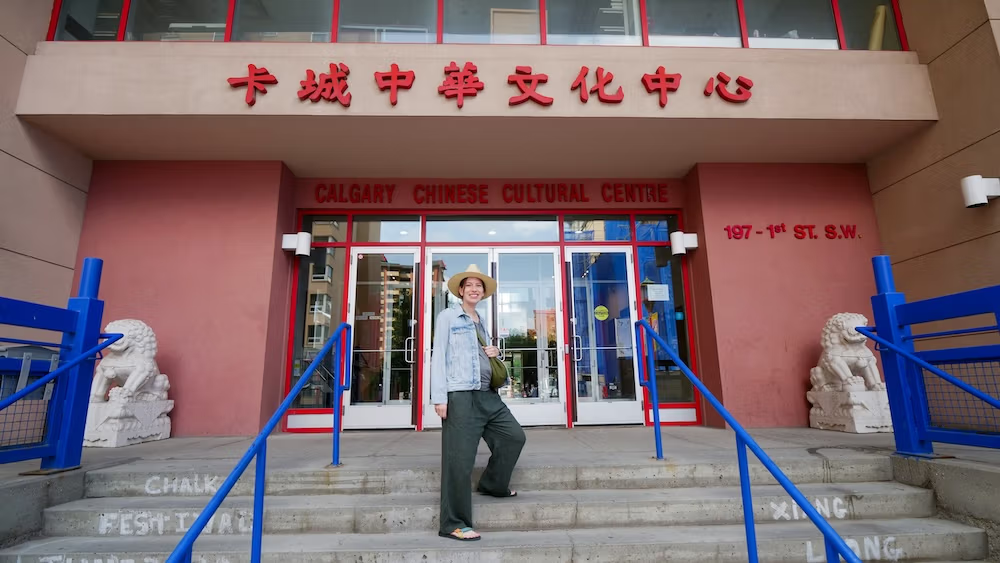
We were in Calgary for the first time properly — not just passing through an airport gateway on the way somewhere else — and we’d walked over from our lodging a couple of blocks away with no real plan beyond seeing what was inside. What follows isn’t an exhaustive, all-day deep dive into everything the Chinese Cultural Centre offers. It’s an honest account of a shorter stop: what we actually saw, what it costs, how long it realistically takes, and whether it earns a place on your Chinatown walk or just your camera roll.
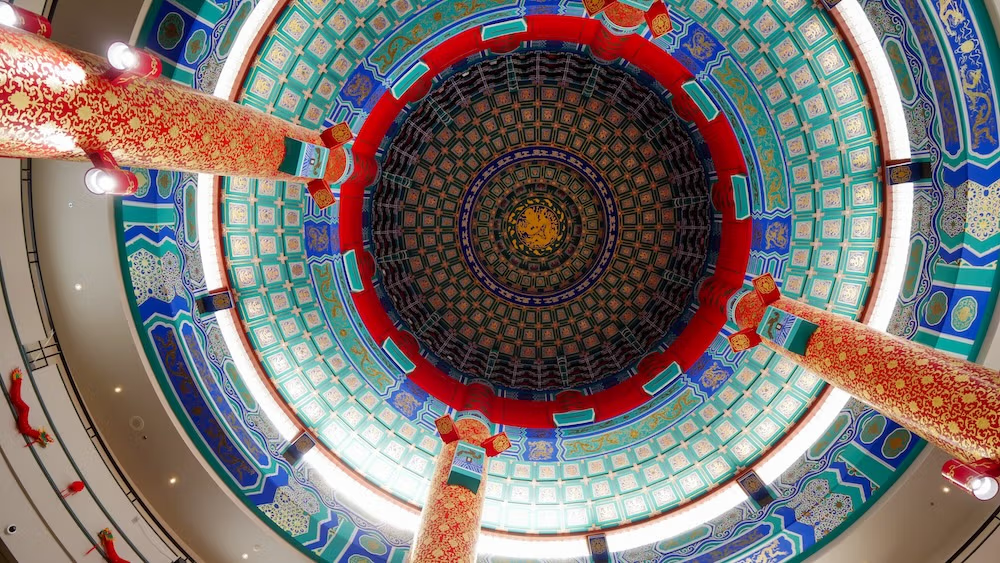
Under the Dome: The Main Hall
The first thing to do inside the Dr. Henry Fok Cultural Hall is look up. The ceiling rises 21 metres overhead, modeled on the Hall of Prayers at Beijing’s Temple of Heaven, with 561 dragons and 40 phoenixes worked into the decoration and four gold-trimmed columns representing the four seasons holding the whole thing up. We stood in the middle of the floor with the camera pointed straight at the dome for a lot longer than felt strictly necessary, and it was worth every second of looking a little silly doing it.
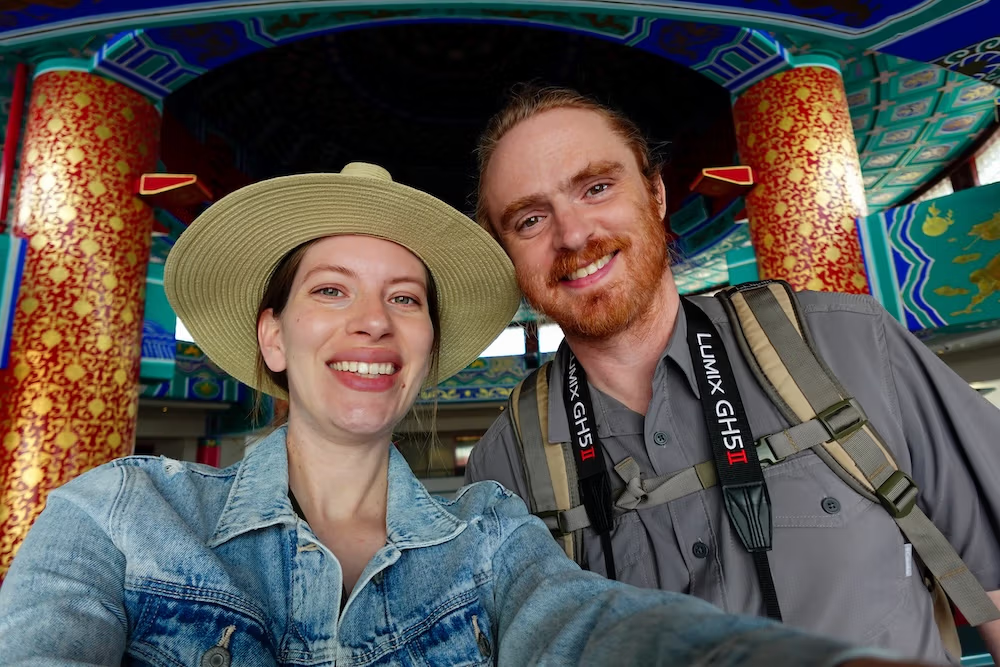
None of it is an approximation, either. The dome was built and painted in Beijing, then shipped over and reassembled here in Chinatown, which is part of why it doesn’t read like a North American gesture toward Chinese architecture — it reads like the genuine article, dropped into the middle of downtown Calgary. The hall dates to 1992, and more than three decades on, that level of craftsmanship hasn’t needed to age well. It just hasn’t needed updating.
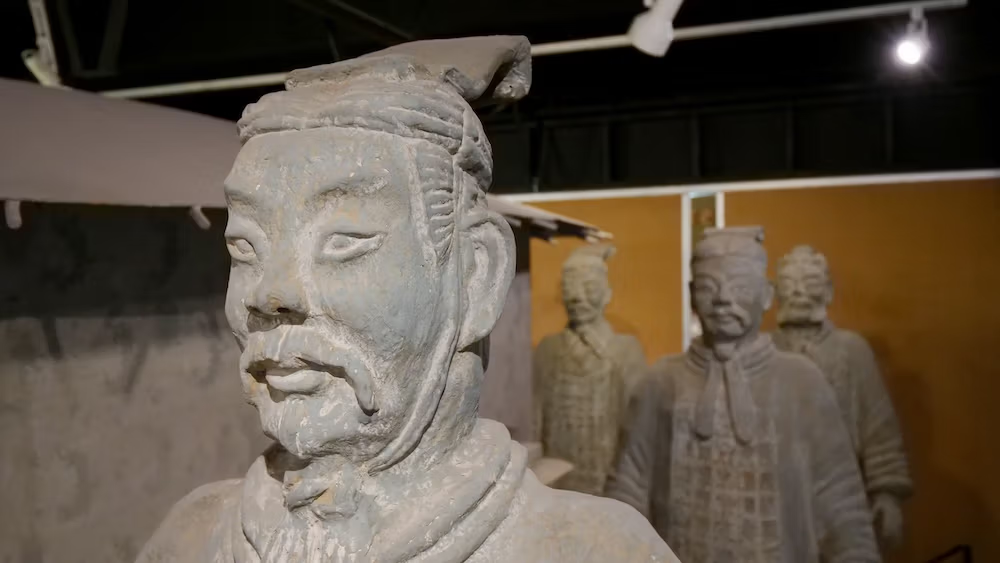
The Museum in the Basement
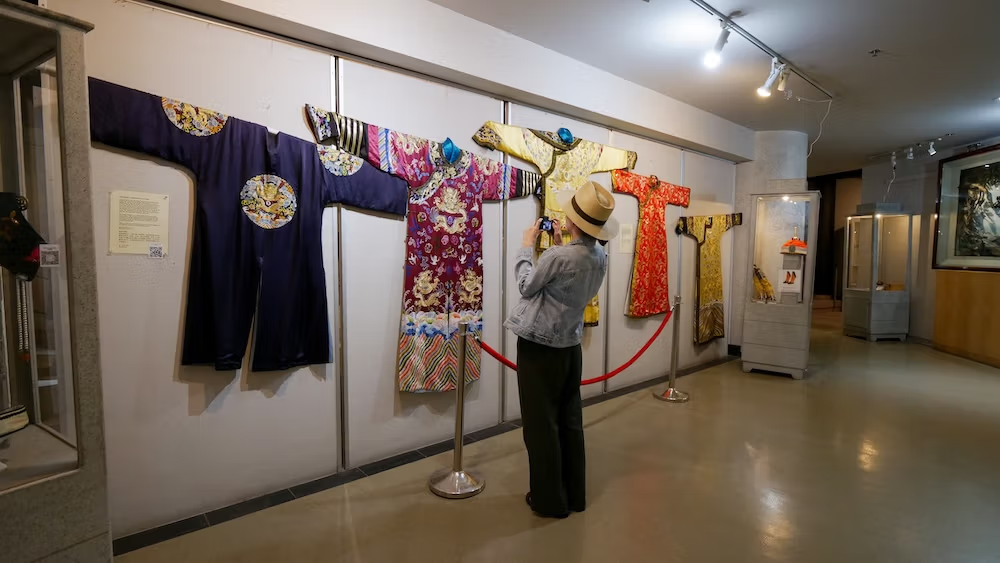
A staircase off the main hall leads down to where we lost the most time. The Chinese Artifacts Museum is a modest space — nobody’s pretending it’s the Louvre — but it’s dense with things worth an actual, unhurried look rather than a walk-past. There are life-sized terracotta warriors, horses, and a chariot replica — all considerably bigger up close than any photo suggests — plus a full eight-piece mahogany dining set modeled on Qing Dynasty imperial furniture, and cases of silk clothing and ceramics that reward slowing down.
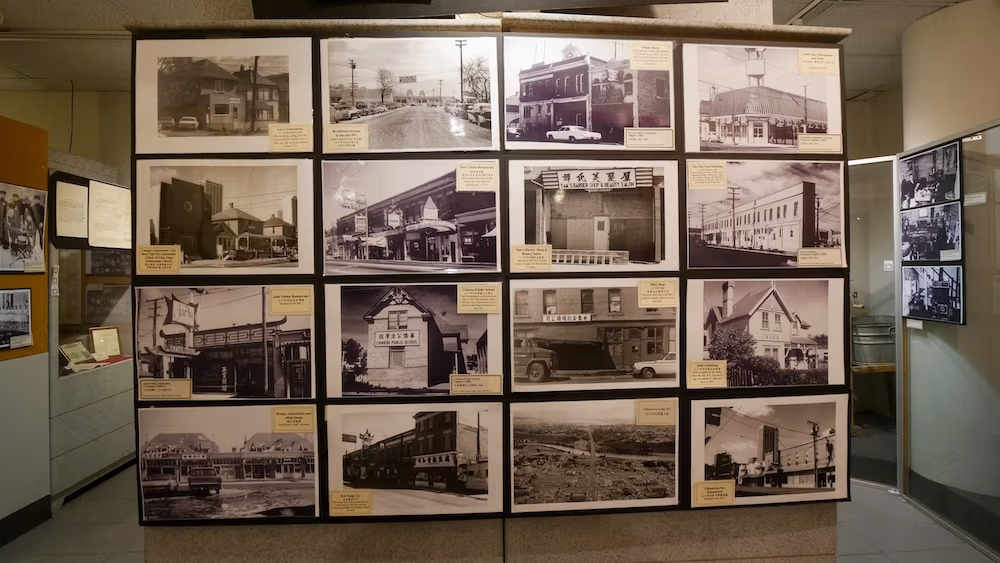
One section is given over entirely to Our Chosen Land, an exhibit tracing Chinese immigration to Canada alongside the specific, local history of Calgary’s own Chinese community. It’s been running since 1994, picked up a City of Calgary Heritage Award along the way, and it’s the reason the museum feels less like a curiosity cabinet and more like an actual record of who helped build this part of the city. We’d planned on a quick look. We got a lot more than that.
Live Culture, If Your Timing’s Right
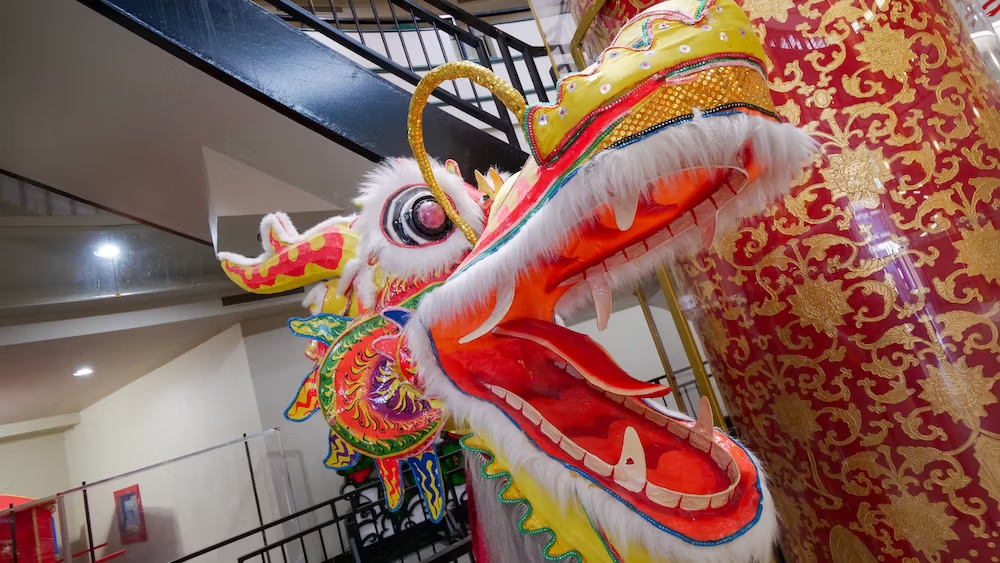
While we were there, we walked past what looked like a rehearsal in progress on the third floor — some kind of dance or musical practice, happening in real time, the sort of thing you stumble into rather than plan for. That’s genuinely possible here, because the centre runs an ongoing slate of community classes: Chinese calligraphy, sketching and watercolour, tai chi, kung fu, Mandarin lessons, even a children’s dragon dance team. Wander through on the right afternoon and there’s a decent chance you’ll pass an open door with something happening behind it.
I wouldn’t build a visit around it, though. There’s no public performance calendar for casual visitors, so what you catch depends entirely on when you happen to show up. The one cultural event actually worth timing a trip around is the Chinese New Year Festival — two weekends of multicultural performances, a vendor market, and dragon and lion dances, all with free admission, publicized well ahead of time and requiring no luck whatsoever.
What It Actually Costs, and How Long to Budget
Here’s the part that should be simple and somehow gets muddled the moment you search for it online: general admission to both the main hall and the museum is free. You can walk straight in, tip your head back at the dome, wander down to the museum, and leave without spending a dollar. A guided tour instead of exploring on your own runs $5 per person, arranged ahead of time through the centre — worth it if you like your history narrated rather than self-guided, unnecessary if you’re happy reading the panels yourself. If you come across a different number somewhere else online, go with the free-general-admission figure and double-check on the spot if anyone tries to charge you just to walk in.
The museum keeps roughly daily hours somewhere between 10am and 4:30 or 5pm, though it’s worth confirming the exact hours for the day you’re going, since the museum’s schedule doesn’t always match the wider centre’s much longer hours as a working community facility. Realistically, budget anywhere from thirty minutes to two hours depending on how thoroughly you work through the exhibits — we lingered in the museum longer than expected, which meant the classrooms, the library, and whatever else might have been happening upstairs stayed unexplored. There’s also a restaurant on site if you want to turn the stop into a meal, though that’s a story for its own write-up.
If you’re not staying in Chinatown the way we were, it’s an easy add from almost anywhere downtown: the westbound 1st Street SW CTrain station is the closest stop, and there’s a paid parking lot directly behind the building if you’d rather drive — though I’d check current rates before you go, since those tend to shift. If you’d rather be within walking distance the way we were, the Sheraton Suites Calgary Eau Claire sits close enough to Chinatown that you could realistically do this same easy morning detour on foot.
So, Is It Worth Visiting?
Yes, and it doesn’t take much convincing. What sells it isn’t the promise of a full day — it’s that you can spend as little as half an hour and still walk away having seen something worth the detour, for free. The dome is reason enough to step inside; the museum is why you end up staying longer than you planned.
We only gave it a brief overview, not the whole day the building could probably reward with its classes, its library, and whatever happens to be running on a given afternoon. If your Chinatown time is tight, treat this as an easy twenty-minute detour between food stops — the hall and a quick pass through the museum cover the essentials. If you’ve got more room in your schedule, let yourself linger downstairs, and keep an ear out for whatever might be happening upstairs. Either way, it earns the stop.
Frequently Asked Questions
Is the Calgary Chinese Cultural Centre free to visit?
Yes. General admission to both the main hall and the basement museum is free. A guided tour instead of exploring on your own runs $5 per person, arranged ahead of time through the centre.
How long should I budget for a visit?
Realistically anywhere from thirty minutes to two hours, depending on how thoroughly you work through the museum exhibits. We lingered longer than expected once we got downstairs.
What are the Chinese Cultural Centre’s hours?
The museum keeps roughly daily hours somewhere between 10am and 4:30 or 5pm, though it’s worth confirming the exact hours for the day you’re going, since the schedule doesn’t always match the wider centre’s longer hours as a working community facility.
What’s inside the Chinese Artifacts Museum?
Life-sized terracotta warrior replicas, a mahogany dining set modeled on Qing Dynasty furniture, silk clothing and ceramics, and the Our Chosen Land exhibit tracing Chinese immigration to Canada and the local history of Calgary’s Chinese community.
Will I see a cultural performance during my visit?
Maybe, but it’s not guaranteed. The centre runs an ongoing slate of community classes, so you might pass a rehearsal in session, but there’s no public performance calendar for casual visitors. The one event actually worth timing a trip around is the annual Chinese New Year Festival.
How do I get to the Chinese Cultural Centre without a car?
The westbound 1st Street SW CTrain station is the closest stop, and it’s an easy walk from most of downtown Calgary. There’s also a paid parking lot directly behind the building if you’d rather drive.
Is there somewhere to eat at the Chinese Cultural Centre?
Yes, there’s a restaurant on site, though we cover that meal separately rather than folding it into this guide.
Is the Chinese Cultural Centre worth visiting on a short Calgary trip?
Yes. It doesn’t require a full day — even a brief twenty-minute detour between food stops in Chinatown covers the essentials, and the dome alone justifies stepping inside.
This guide is also available in Spanish. [Leé la versión en castellano: Guía del Centro Cultural Chino de Calgary: ¿vale la pena visitarlo?]
This article contains affiliate links. If you book through one of these links, I may earn a commission at no extra cost to you.