
Patagonia in summer sounds wonderfully straightforward until you actually travel through it.
You picture long days, open hiking trails, glacier excursions, penguins, blue lakes and the sort of crisp weather that justifies owning an expensive fleece. Then you reach Puerto Pirámides and it is 38.5°C. A few weeks later, you are standing near Perito Moreno Glacier wishing you had brought warmer gloves. Farther south, wind, rain or snow starts chewing through the Ushuaia hiking plans you assumed summer had protected.
That was our experience travelling through Argentine Patagonia.
Summer gave us some of the best wildlife encounters, road trips and hikes of our travels in Argentina. It also gave us sunburn risk, crowded restaurants, limited accommodation choices, marathon bus rides and one recovery day in El Chaltén when Audrey and I were barely functioning as members of society.
So, is Patagonia worth visiting in summer?
For most first-time visitors, I think it is. Especially when the trip is built around hiking, glaciers, wildlife, boating and long days outdoors.
But summer is not the easy season. It is the season when the greatest number of experiences are possible, which is a slightly different thing. You gain daylight and access while surrendering some spontaneity, comfort and control.
You can plan Patagonia. You cannot fully boss it around.
My honest verdict on visiting Patagonia in summer
I would choose summer again for a broad first trip through Argentine Patagonia.
The days are long. More seasonal trails and excursions are operating. It is easier to combine places with completely different travel styles: wildlife around Península Valdés, lakes in northern Patagonia, glaciers around El Calafate, hiking in El Chaltén and outdoor activities near Ushuaia.
That combination is the big advantage.
The mistake is believing summer will make Patagonia reliably warm, calm or predictable. It will not. Coastal Chubut can become brutally hot while Tierra del Fuego remains cold enough to demand proper layers. Strong wind can cancel a boat trip or make a viewpoint miserable. Cloud can hide the mountain you just spent several hours walking towards.
High season also means making decisions earlier. Smaller places can run short of well-located accommodation. Signature activities have limited capacity. A traveller who insists on choosing everything at the last minute may still have a good trip, but probably not the exact trip they imagined.
My verdict is therefore a qualified yes.
Summer is worth it when you value access more than solitude, daylight more than low-season prices and a wide menu of possible activities more than complete flexibility.
It becomes less convincing when crowds spoil a destination for you, you refuse to book ahead, you have no room for a lost weather day or your main wildlife interest falls outside the month you selected.
Once your dates are firm, I would protect the smaller and less forgiving accommodation bases first. Start by checking current El Chaltén accommodation on Booking.com, then compare places to stay in El Calafate and available hotels and apartments in Ushuaia. These are not the parts of a January itinerary where I would test how far procrastination can take me.
The greatest summer advantage is daylight
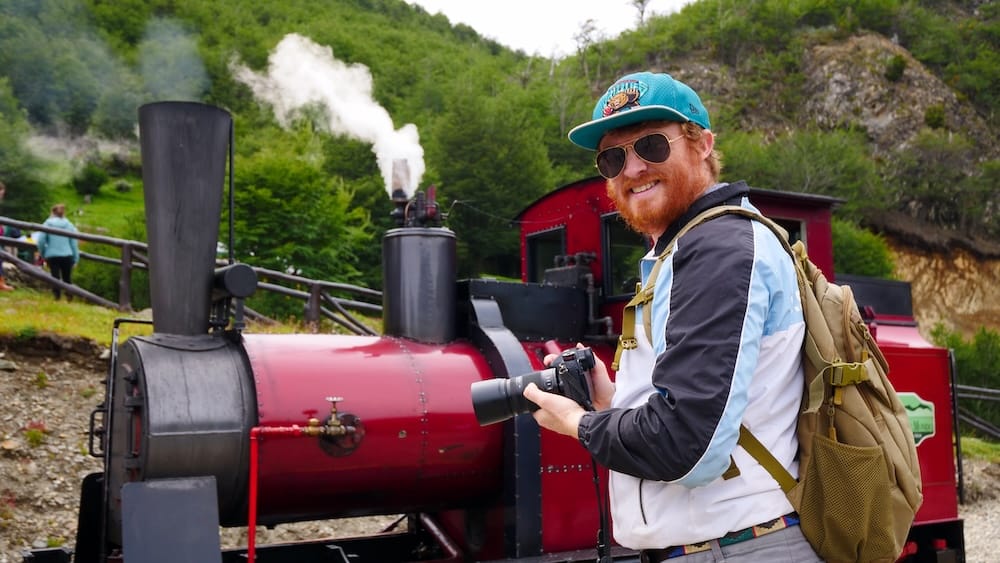
The extended daylight in Patagonia is not a minor seasonal bonus. It changes how a trip works.
When we arrived in El Chaltén, we still had to check into our accommodation, eat and buy groceries. Normally, that would have finished the useful portion of a travel day.
Instead, we still had enough light for an evening hike.
Around the longest days of December, sunset near El Chaltén can fall close to 10:00 p.m. Ushuaia stretches even further, with daylight reaching well beyond what most travellers are used to at home.
That does not mean you should wander onto a serious mountain trail late in the afternoon because the sky looks cheerful. Patagonia has other ways to punish optimism. Some routes have entry cutoffs, weather can turn, and tired legs do not become stronger just because sunset is late.
Still, the extra daylight is enormously useful.
It gives road-trippers more time between stops. It gives photographers long mornings and evenings. A short walk can fit after arrival. A sightseeing day does not have to end at dinner simply because the transport portion took longer than expected.
We used that flexibility repeatedly.
The problem, as I discovered, is that long days also encourage greedy itineraries. When the sun stays up forever, you start behaving as if your own energy supply will do the same.
It will not.
More of Patagonia is operating during summer
The other major advantage is the broader activity window.
Several hiking routes in Tierra del Fuego National Park operate mainly between November and April. Around Los Glaciares National Park, summer supports the widest mixture of hiking, lake excursions, glacier trips and other outdoor activities.
That matters when you are travelling a long distance and want more than one kind of Patagonia experience.
We went from seeing penguins and sea lions on the Atlantic coast to hiking in the northern Lake District, visiting Perito Moreno Glacier and tackling full-day trails around El Chaltén. Summer did not guarantee perfect conditions for all of it, but it made the overall journey possible with fewer seasonal obstacles.
“Open” does require some translation.
A trail can be open without having food, water, toilets or reliable mobile service. A road can normally operate during summer and still close because of fire, weather or maintenance. A boat company may be running for the season but cancel a particular departure because the wind has decided otherwise.
Summer improves the odds. It does not issue guarantees.
Travellers who prefer to organize glacier transport, boat trips and guided activities before arriving can compare current El Calafate tours and glacier excursions on GetYourGuide. Farther south, it is also useful to compare Ushuaia boat trips, national park tours and outdoor activities, especially when a particular excursion is one of the main reasons for travelling that far.
You are paying—financially and logistically—for a larger collection of possibilities. Some of those possibilities will still slip through your fingers.
There is no single Patagonian summer climate
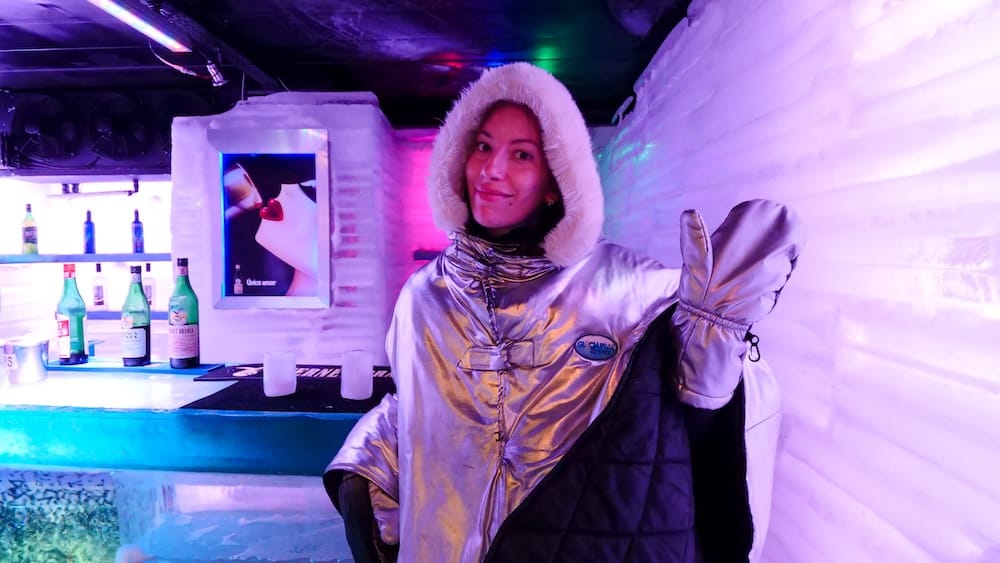
One of the most useless things you can say about Patagonia is that summer is “mild.”
Mild where?
Puerto Madryn does not have the same summer as Bariloche. Bariloche does not have the same summer as El Calafate. El Calafate certainly does not have the same summer as Ushuaia.
Squashing all of Patagonia into one average temperature range produces advice that sounds tidy and helps nobody pack.
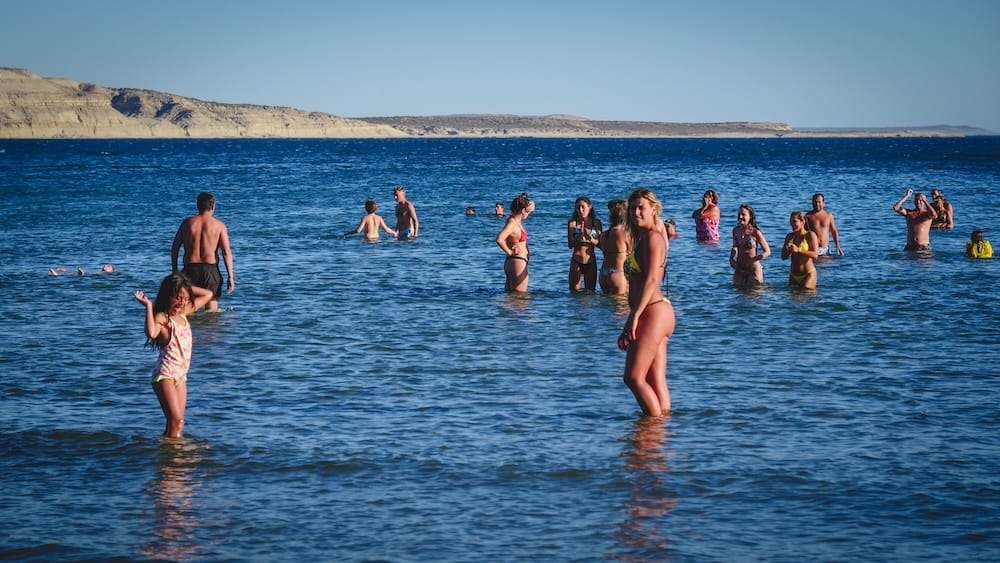
Coastal Chubut can be scorching
During one of our Península Valdés excursions, the temperature reached 36°C. When we arrived in Puerto Pirámides, it was 38.5°C.
The next morning, we set off around 9:00 to walk towards a sea-lion viewing area. It already felt like midday.
We had sunscreen, water, hats and extra fabric for coverage, but the route was exposed and the distance appeared to change depending on who was explaining it. At one point, we became embarrassingly emotional about discovering a small patch of shade.
“Oh shade, here’s the lovely shade. We love you shade.”
This was the level of poetry the heat extracted from us.
A stranger eventually gave us a ride for part of the journey. On the way back, we missed the proper trail and ended up walking beside the highway beneath the scorching sun.
Summer in coastal Patagonia can require real heat management: early starts, more water than you think you need and fewer heroic mid-afternoon walking plans.
Northern Patagonia can swing from cold to hot in a few hours
Around Lake Puelo, the morning began cold. As the day progressed, we removed layers and started looking for shade.
Northern Patagonia can produce hot summer afternoons, but mornings, evenings and higher elevations may still feel cool. Bariloche can reach roughly 30°C and occasionally climb higher, yet the temperature may drop sharply once the sun disappears.
This is where a lightweight layering system earns its suitcase space.
The old advice about dressing for several seasons in one day sounds like a travel cliché until you are carrying a jacket in one hand while applying sunscreen with the other.
Audrey once narrated my summer sun routine rather bluntly: if the redhead does not stop and apply sunscreen, “he burns, he peels, he screams.”
Fair.
Travellers building a self-drive trip around Bariloche, the lakes and surrounding trailheads can compare current car rentals in Bariloche on Booking.com. A vehicle gives you more control over departure times and quieter stops, but it does not make summer road conditions, fire restrictions or long Patagonian distances disappear.
Southern Patagonia is still a cold-weather trip
By the time we reached Esquel, Audrey was borrowing my jacket.
She had not packed one because, in her words, “I was thinking summer in Argentina.”
That assumption becomes increasingly dangerous as you travel south.
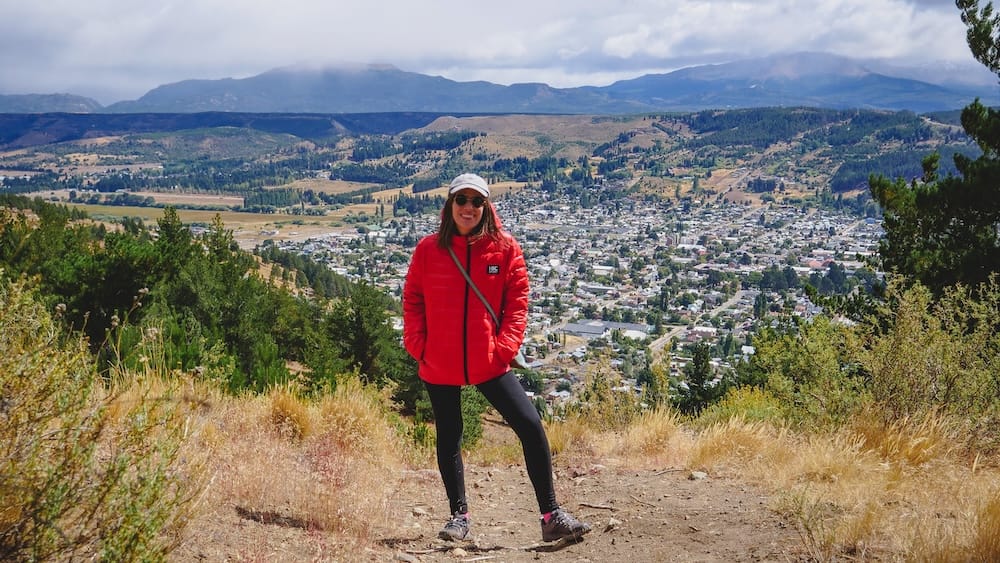
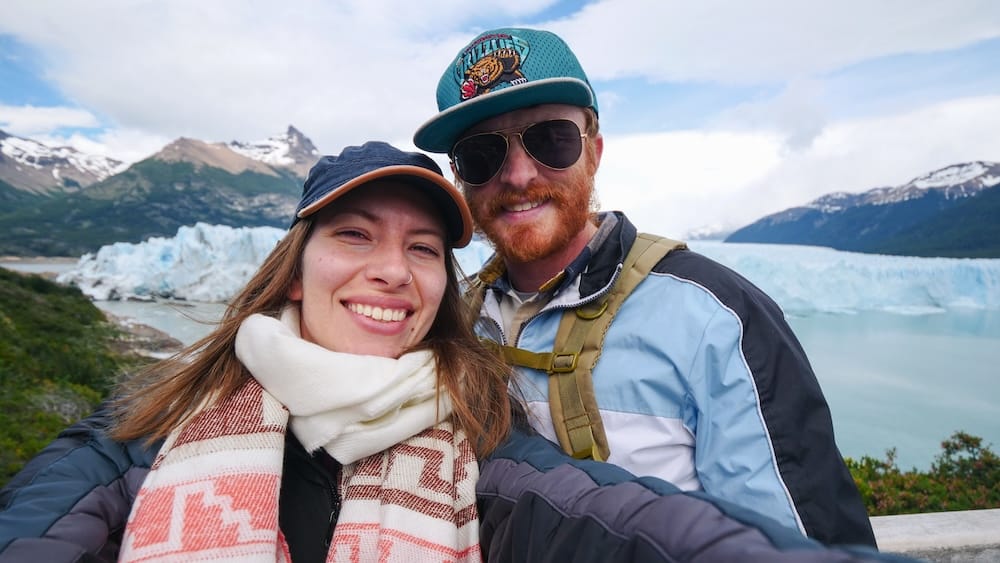
At Perito Moreno Glacier, it felt substantially colder and windier than it had in El Calafate town. We were telling people to bring gloves. Around El Chaltén, strong wind remained a constant factor, especially on exposed sections of the major hikes.
Ushuaia has a January mean temperature below 10°C. There can be pleasant, clear summer days, but nobody should pack for Tierra del Fuego as though they are heading to a conventional warm-weather destination.
A realistic summer packing system needs to handle:
- Hot, exposed walks.
- Cold mornings.
- Chilly evenings.
- Strong wind.
- Rain.
- Near-glacier cold.
- Aggressive sunshine and UV exposure.
You do not need your entire winter wardrobe. You do need enough flexibility to avoid spending half the trip wearing your spouse’s jacket.
Fire conditions can disrupt northern Patagonia
Summer’s dry conditions bring another risk in the forested areas of Río Negro, Neuquén and Chubut.
Fire danger can become very high or extreme. Open flames may be prohibited across forests, trails, beaches and other natural areas. Smoke, emergency restrictions or temporary closures can affect access even when the day looks warm and inviting.
This does not mean every northern Patagonia summer trip will involve wildfire disruption. It means you should check live information rather than trusting that a normally open trail will remain available.
For Río Negro, the provincial SPLIF fire-information service is worth checking during the trip. Chubut also maintains official forest and fire updates.
Summer creates access. Fire conditions can remove some of it again.
December, January and February offer different versions of summer
The three main summer months are similar enough that I would not build completely different itineraries for each one.
They are different enough to influence the choice.
December: maximum daylight and the final whale overlap
December brings the longest days.
This is a major advantage for hiking, photography and long road-trip stages. It is also the only conventional summer month that overlaps meaningfully with the southern right whale season around Península Valdés.
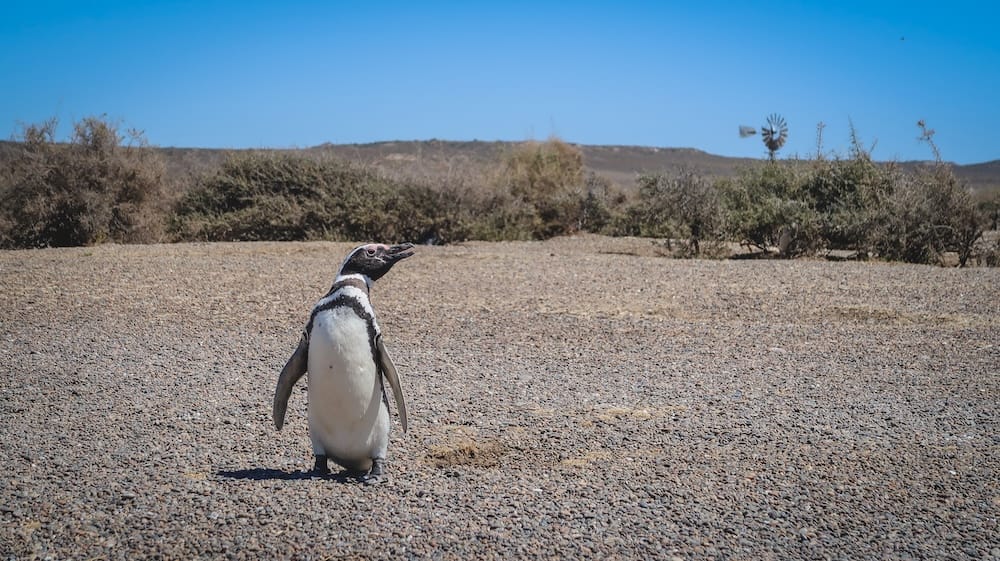
Penguins are already present. Sea lions can be seen. Other wildlife is active. That gives December one of the broadest possible species combinations during summer.
The later part of the month also begins moving into the Christmas and New Year travel rush, so the daylight advantage does not come with unlimited room availability.
January: the heart of high season
January delivers long days and the widest range of functioning outdoor activities, but it also brings serious demand.
El Chaltén experiences some of its highest accommodation pressure during January and February. Popular rooms, convenient locations and capacity-limited excursions can disappear well in advance.
January is particularly appealing for penguin colonies. By late in the month, major colonies can contain a busy mixture of adults, chicks and juveniles.
It is a fantastic time for an activity-heavy trip. It is less impressive for a traveller who wants to decide each morning where they will sleep that night.
February: broad access with slightly less daylight
February still gives you long days and a broad summer operating window, but daylight is already declining noticeably in the far south.
Penguins and sea lions remain major draws. Orcas may be present around Península Valdés from February, though that should not be confused with a guarantee of seeing the famous intentional-stranding hunting behaviour. Those highly sought-after encounters follow narrower windows and depend heavily on conditions and luck.
February can remain busy, particularly in El Chaltén. It is not automatically a quiet or inexpensive shoulder-season month.
The best choice depends on what you most want from the trip:
- December for the longest days and the final whale overlap.
- January for the heart of the activity season and vibrant penguin colonies.
- February for continued access with slightly shorter days and different wildlife possibilities.
I would not choose between them based on a promise of better weather. Patagonia is not willing to make that promise.
Peak season makes indecision expensive
Patagonia looks remote enough that it is tempting to assume there will always be another room, bus seat or activity departure.
There may not be.
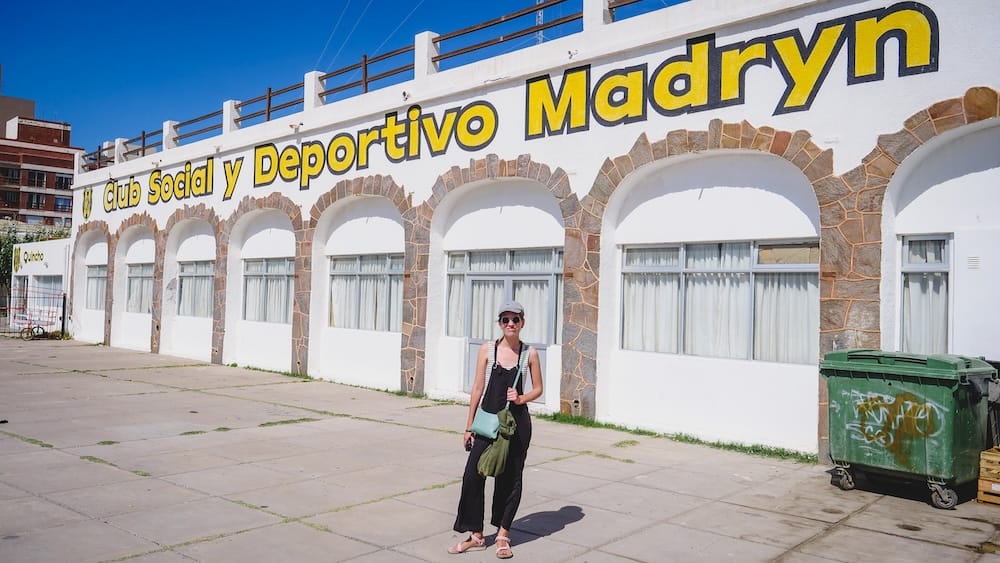
On our overnight bus to Puerto Madryn, we ended up travelling semi-cama after failing to secure the more comfortable option we would have preferred. The journey was supposed to take around 16 or 17 hours.
We arrived approximately two hours late.
After 18 or 19 hours onboard, we were disoriented, exhausted and in immediate need of showers, food and a small restructuring of our personalities. We eventually revived ourselves with pizza and wine, which is not an official transport-recovery strategy but worked reasonably well.
For a shorter trip linking distant parts of Argentine Patagonia, it is worth checking the flight network before fixing every hotel night. Travellers can compare current flights to Patagonia on Booking.com and decide whether saving a full overland day justifies the fare.
In Ushuaia, our accommodation was a 30- to 40-minute walk from the central area because high-season choices were limited. We also encountered restaurants with every table full and queues long enough to become the evening’s main event.
These were our experiences, not permanent rules. The current pattern remains familiar: small destinations with finite inventory become harder to book during January and February.
The practical solution is not reserving every meal and bathroom break six months ahead. It is protecting the pieces that can damage the whole trip if they disappear.
I would book in roughly this order:
- Fixed-date transport between major regions.
- Accommodation in small or heavily demanded bases.
- One or two must-do, capacity-limited excursions.
- A rental vehicle when a specific type is essential.
- Everything more flexible.
There is no reliable Patagonia-wide number for how much more summer costs. Accommodation rates, transport fares and activity prices depend on the destination, booking date and remaining inventory.
What high season clearly reduces is choice.
Sometimes you pay more. Sometimes you stay farther away. Sometimes you accept the wrong room, seat or departure because the better option has already vanished.
That loss of choice is the real cost of waiting.
A current Los Glaciares detail worth knowing
Los Glaciares National Park currently charges entrance fees in both its El Calafate and El Chaltén sectors.
At the El Chaltén access points, entry must be purchased online and paid by card. Cash is not accepted there.
That can become a surprisingly annoying detail if mobile connectivity is weak and you assumed the hard part of the morning would begin on the trail.
Prices and procedures change, so check the official National Parks tariff page shortly before travelling rather than relying on an old fee copied into a blog post.
Summer itineraries need empty space
Patagonia requires a category of itinerary day that most people do not initially plan for.
A day that disappears.
It may disappear because the wind stops a boat. Cloud hides a summit. Heat forces you to delay an outing until the operators begin shutting down. A bus arrives late. Your body refuses to cooperate after the hike you triumphantly completed the day before.
Spare days are not wasted days in Patagonia. They protect the expensive, weather-dependent experiences that brought you there.
Outdoor plans can still fail in summer
In Ushuaia, wind, rain or snow prevented us from completing some of the hikes we had planned.
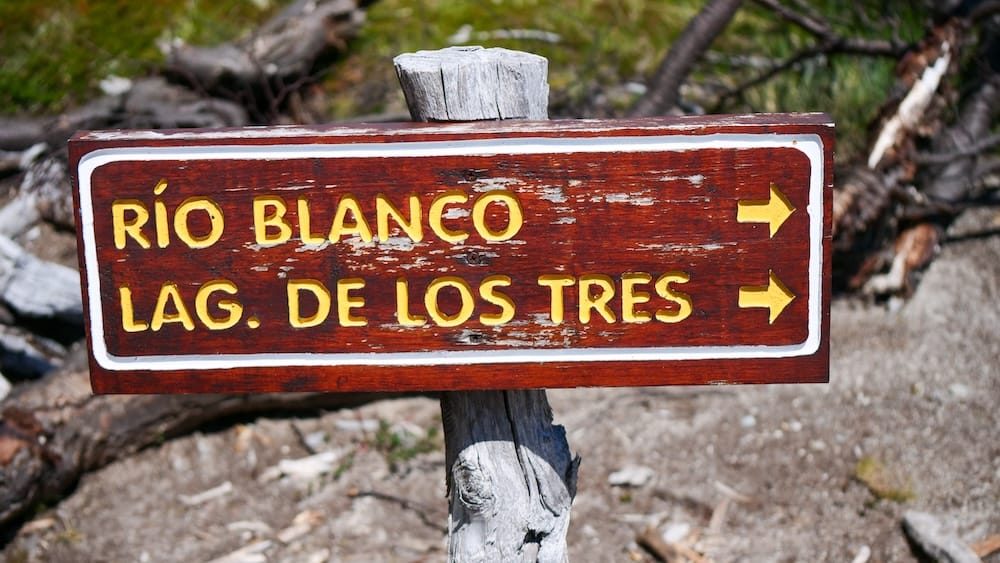
In El Chaltén, poor weather delayed our Laguna Torre outing. When we finally completed the trail, the walk itself was enjoyable, but cloud hid Cerro Torre.
That did not ruin the day. I actually preferred the Laguna Torre hiking experience to Laguna de los Tres because the route felt more varied and relaxed.
But it proves that a hike can be open while the famous view remains unavailable.
In Puerto Pirámides, we delayed kayaking until the strongest heat had passed. By the time we returned to the beach, rental stands were already closing or packing away the kayaks.
You win some. You lose some. Occasionally you lose while attempting to be sensible.
The problem comes when every hour of the itinerary is already occupied and the missed activity has nowhere else to go.
Recovery can erase the following day
Laguna de los Tres was one of the most spectacular hikes we completed in Patagonia.
It was also beyond our fitness level at the time.
The full route runs roughly 25 kilometres and takes around eight or nine hours. The final kilometre is disproportionately difficult. Near the viewpoint, the wind was “windy beyond belief,” and we hid behind a rock while eating the final food we had left: one granola bar and candy.
A nutritionist would have wept.
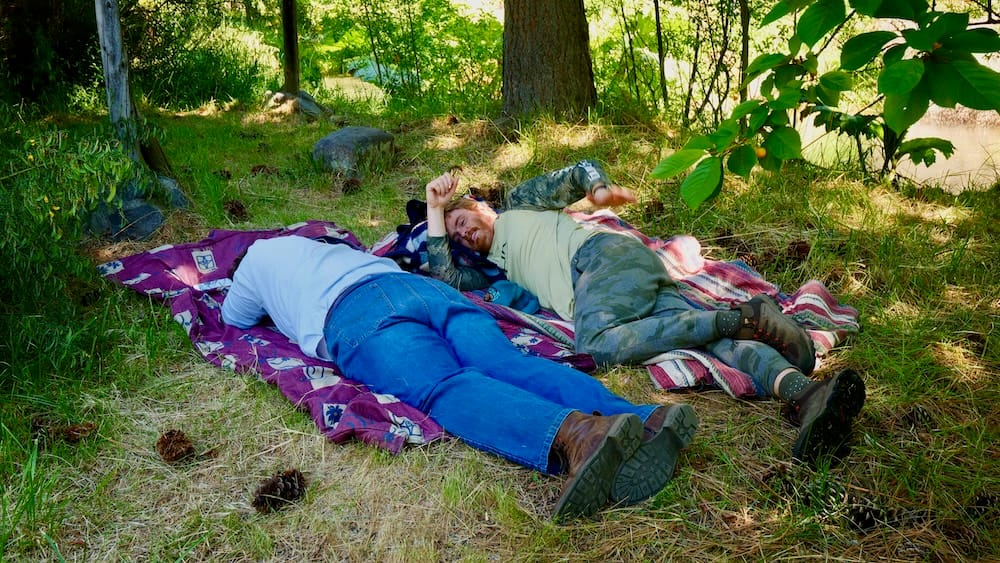
Three days later, we recorded our reflection on the hike. The day immediately after had been an absolute write-off. We were stiff, barely left our accommodation and slept somewhere in the range of 10 to 12 hours.
“We ended up needing a break from hiking, from filming, from life, from everything.”
I would do the hike again. I would train first and carry more food.
This does not mean every hiker needs a recovery day. Somebody fitter, faster or better prepared may be ready for another major outing the following morning.
It does mean the day after Patagonia’s hardest hike should not automatically include another hard hike, a long-distance bus and an elaborate evening plan just because the spreadsheet allowed it.
Your knees do not read spreadsheets.
Travellers who want a guide, a day trip from El Calafate or an organized alternative to piecing everything together independently can compare guided hikes and day trips around El Chaltén. A guided excursion does not remove the weather or physical effort, but it can simplify transport, timing and route planning.
Summer wildlife is superb, but choose the month carefully
Wildlife was one of the highlights of our time in Chubut.
At Estancia San Lorenzo, we walked among Magellanic penguins by the thousands. Around Península Valdés, we also saw sea lions, elephant seals, guanacos and huge numbers of seabirds.
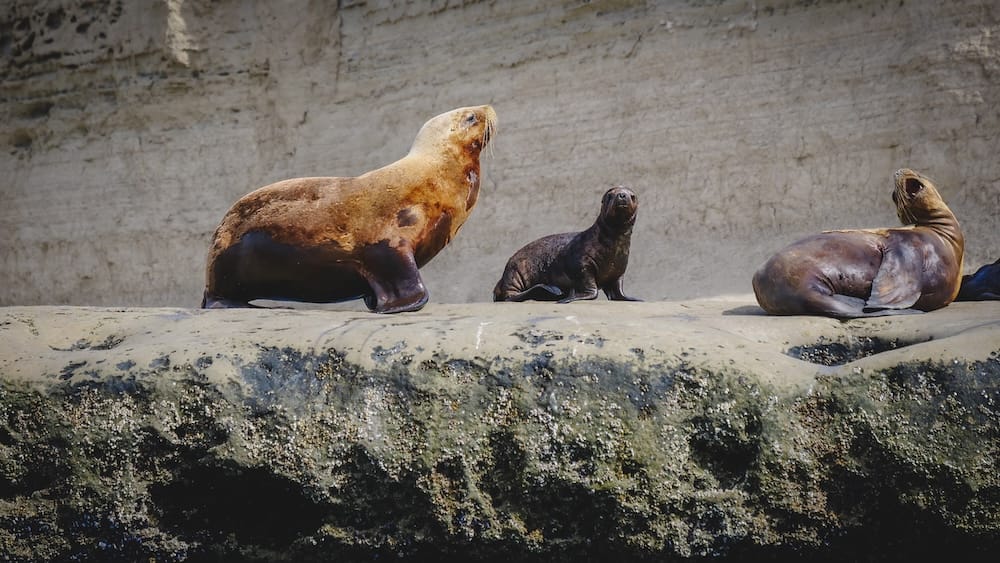
One boat trip brought us much closer to a sea-lion colony than the land viewpoint had. At another location, we saw relatively few elephant seals because we had arrived near the end of that particular seasonal phase.
That is the problem with saying summer is “good for wildlife.”
Good for which animal?
The main calendars do not align perfectly:
- Southern right whales are generally present through December, not throughout January and February.
- Magellanic penguins remain throughout summer, with late January offering a particularly active mixture of adults, juveniles and chicks.
- Sea lions can be seen throughout the year, though breeding and pup season changes what visitors may observe.
- Elephant seals are present during portions of summer, but their numbers and behaviour shift.
- Orcas may be present from February, while the famous intentional-stranding hunts follow narrower periods and remain highly unpredictable.
The official Península Valdés fauna calendar is genuinely useful because it allows you to choose a month around a target species.
No wildlife calendar guarantees a sighting. Weather, tides, animal movement and plain luck still have a vote.
For wildlife-focused travellers, however, the month may matter more than the average temperature.
Travellers who would rather join an organized excursion than coordinate the peninsula’s long distances independently can compare wildlife tours and day trips from Puerto Madryn. Check the exact route and seasonal focus before booking; a tour centred on penguins is not interchangeable with one designed around whales or marine mammals.
Puerto Madryn or Puerto Pirámides?
We stayed in both, and they serve different kinds of trips.
Puerto Madryn is the larger and more practical base. It has more accommodation, restaurants and services, and it works well when you want to combine Península Valdés excursions with time in the city. Travellers prioritizing choice can compare current accommodation in Puerto Madryn.
Puerto Pirámides is much smaller and places you directly on the peninsula. We loved waking up beside the beach and being close to the surrounding landscape, but summer inventory is naturally tighter. For a quieter wildlife-focused base, check available places to stay in Puerto Pirámides before assuming you can sort it out on arrival.
Puerto Madryn gives you choice. Puerto Pirámides gives you immersion. In high season, neither rewards endless indecision.
You do not need to be a serious hiker to benefit from summer
Patagonia’s summer advantages are often explained through long treks.
That can make the season sound pointless for anyone who does not want to walk 25 kilometres towards a lake while eating emergency candy behind a rock.
There are plenty of lower-effort ways to experience the region.
We explored Perito Moreno Glacier through its boardwalk system, joined wildlife trips by vehicle and boat, used coastal viewpoints and completed short walks alongside the longer hikes.
At Perito Moreno, the more stair-heavy and distant boardwalk sections often felt less crowded than the easiest viewpoints. Even within one attraction, a little extra effort spread people out.
There are also specific adapted options. Tierra del Fuego National Park has short, low-difficulty trails, including part of the Castorera route adapted for visitors with reduced mobility. Punta Tombo has coastal paths intended to improve access.
Those examples do not make Patagonia universally accessible.
Transport distances remain substantial. Wind, gravel, stairs, toilets, vehicle access and the condition of individual paths all matter. A route labelled “easy” is not automatically wheelchair-friendly or suitable for every stroller.
Still, summer can work well without becoming an endurance contest.
Long daylight, operating boat trips, wildlife reserves, scenic roads, boardwalks and short trails all have value. Patagonia does not stop counting because you did not stagger into town with destroyed legs.
Patagonia in summer: the actual pros and cons
The biggest advantages
You have the widest menu of activities. Seasonal trails, boats, glacier excursions and visitor services are more likely to be operating.
The daylight changes the trip. Arrival days, road journeys, photography and hiking schedules become more flexible.
It is the strongest default for a first visit. Travellers combining several regions face fewer seasonal limitations.
Wildlife can be exceptional. Penguins, sea lions and elephant seals are major draws, while December adds the final southern right whale overlap.
The season works for more than hikers. Scenic drives, boardwalks, boat trips, reserves and shorter trails also benefit from long days and fuller services.
The most important disadvantages
Summer does not guarantee warmth. Northern areas can be hot while the far south remains cold, wet and windy.
High demand limits spontaneity. Waiting too long may cost you a preferred room, departure or activity.
Popular sites become busy. Crowds gather around famous viewpoints, tour-bus arrival times and the easiest sections of attractions.
Weather can still remove expensive plans. Summer improves access without guaranteeing visibility or safe operating conditions.
Hard outings affect more than one day. The recovery cost of a hike belongs in the itinerary.
Fire danger can alter northern trips. Dry conditions may produce restrictions, smoke or temporary closures.
It is difficult to generalize summer value. High demand reduces choice, but there is no honest region-wide percentage for how much extra every traveller will pay.
Is Patagonia in summer right for you?
| Your priority or constraint | Summer is a strong fit | Summer works with conditions | Another season may suit you better |
|---|---|---|---|
| Hiking and activity access | You want the broadest possible menu | You accept occasional closures | Outdoor access is not important |
| Daylight | You value long hiking and driving days | February still provides enough usable light | Long days add little to your plans |
| Booking style | You can reserve essential dates early | You protect only the must-do pieces | You want complete last-minute freedom |
| Crowds | You accept pressure at famous sites | You adjust timing and walk farther | Crowds seriously damage the experience |
| Weather | You pack for heat, cold, wind and rain | You can absorb a failed day | You need dependable warm weather |
| Physical ambition | You schedule recovery around hard hikes | You mix hard and easy activities | Suitable lower-effort options are too limited |
| Wildlife | Your month matches the target species | Wildlife is a welcome bonus | Your main target falls outside summer |
| Budget | Access matters more than finding the lowest rate | You are flexible about location or room type | Lowest seasonal pricing is essential |
| Trip length | You have buffer days | You can replace one missed activity | Every day is fixed and irreplaceable |
So, is Patagonia worth visiting in summer?
Yes, especially for a first trip.
Summer gives you the best chance of combining long hikes, glacier excursions, boat trips, wildlife and several different Patagonian regions in one journey. The daylight is a genuine advantage. The broader activity window justifies the extra planning.
I would go again in summer.
I would reserve the important accommodation and transport earlier. I would pack for coastal heat and southern cold instead of pretending one outfit could handle the whole region. I would carry more food on the major hikes. Most importantly, I would leave more empty space in the itinerary.
That empty space is not a failure to plan.
It is where Patagonia puts the day lost to wind, the trail delayed by cloud, the boat that cannot leave and the morning after a 25-kilometre hike when both of you sleep until your bodies forgive you.
Summer is worth visiting because of everything it makes possible.
The trip gets much better once you stop expecting to control exactly when those possibilities cooperate.
Frequently Asked Questions
Is Patagonia worth visiting in summer?
For most first-time visitors, yes. Summer offers the broadest mix of hiking, glacier excursions, wildlife, boating and long daylight, but it also brings higher demand, changing weather and less spontaneity.
What is the weather like in Patagonia during summer?
It depends heavily on the region. Coastal Chubut and northern Patagonia can become hot, while El Calafate, El Chaltén and Ushuaia can still feel cold, wet and windy. Pack for heat, rain, wind and near-glacier cold.
Which summer month is best for Patagonia?
December is strongest for maximum daylight and the final whale overlap, January sits at the heart of high season and active penguin colonies, and February keeps broad access with slightly shorter days and different wildlife possibilities.
How far ahead should I book a Patagonia summer trip?
Reserve the least flexible pieces as soon as your dates are firm, especially fixed transport, accommodation in smaller bases and any must-do capacity-limited excursions. January and February leave less room for improvisation.
Do I need buffer days in Patagonia during summer?
Yes, whenever the itinerary depends on hiking, boat trips or other outdoor activities. Wind, cloud, heat, delays and physical recovery can erase a planned day even when the wider summer operating season is in full swing.
Is Patagonia in summer only suitable for serious hikers?
No. Boardwalks, scenic drives, wildlife reserves, boat trips and shorter trails also benefit from long daylight and fuller summer services, although accessibility still needs to be checked for each specific site.
Affiliate disclosure: This article contains affiliate links. If you book through one of these links, I may earn a commission at no additional cost to you.
Project 23 Argentina: This article is also available in Spanish. [Leé la versión en castellano: Patagonia en verano: ventajas y desventajas (¿vale la pena?)]