
Hakodate has a retired railway ferry a few minutes’ walk from the station, and we only found it because we weren’t looking. After the Morning Market, Audrey and I were wandering the port without much of a plan or much sense of direction, and a huge ship turned out to be a museum. I wanted to go in, Audrey needed some convincing, and we both came out glad we had.
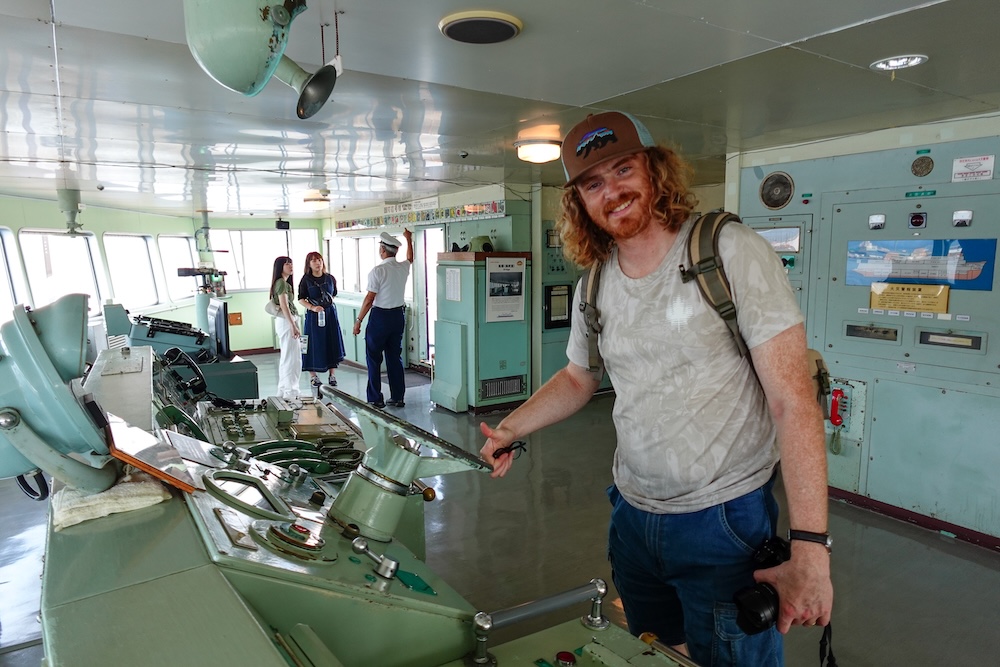
So is the Seikan Ferry Memorial Ship Mashu-maru worth visiting? Yes, for most people with an hour to spare near the station. It’s a very large ship you can walk through, with a bridge and a radio room kept as they were and equipment you’re allowed to press and handle, and the views over the city are some of the best you’ll get from a museum. The limits are real, though: you board by stairs, the open decks close in bad weather, and a few dates are worth knowing before you go.
Stumbling onto a railway ferry
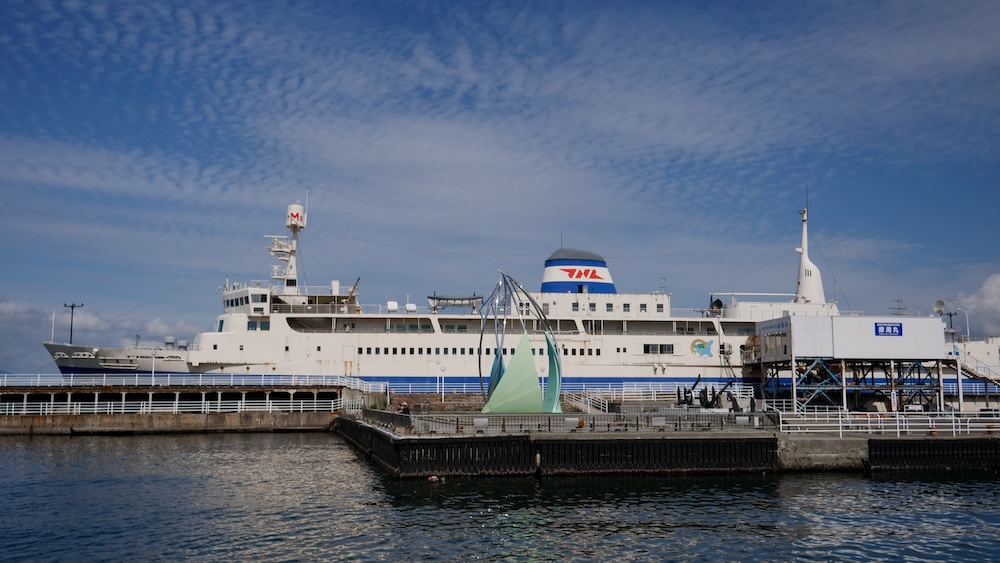
I’d call it a classic piece of wandering luck. After the fish market we came across this huge ship moored in the harbour, I wondered what it was, and it turned out to be a museum, so we decided on the spot to go in. I had to convince Audrey, I managed it, and we paid the ¥500 admission and went aboard. Spontaneous, unplanned and enjoyable is how we like to travel when we can get it, and this is exactly where it paid off.
If you’re starting at the Morning Market as we did, the ship is an easy walk on from breakfast. And if you’d like the market explained before you wander off, there’s a roughly 90-minute guided tour in English with tasting expenses included up to a set amount, and you can see current availability for the guided Morning Market tour. We explored the market on our own, so I can’t vouch for the tour itself.
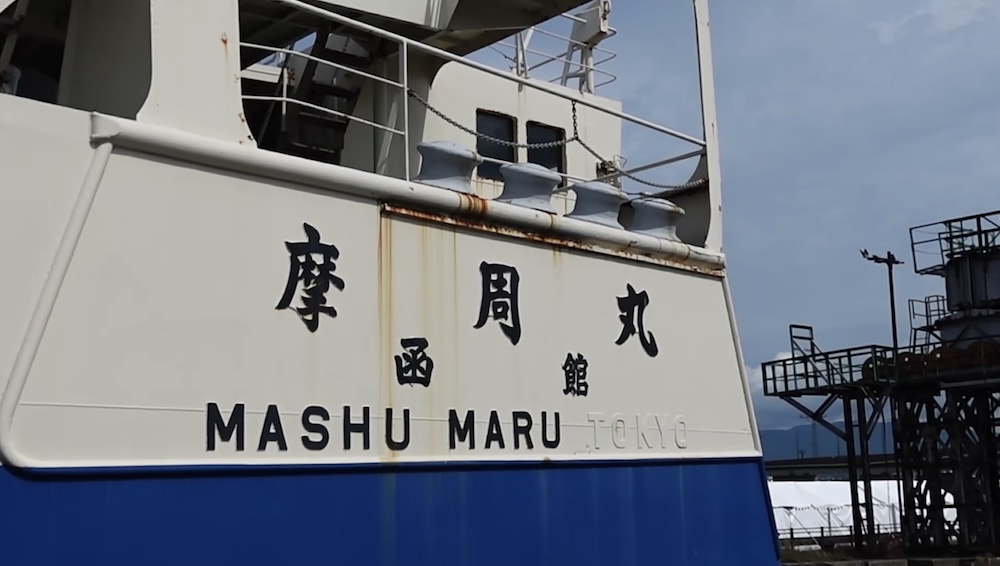
The ship is a former railway ferry on the Aomori–Hakodate route. Back when you arrived in either city by train and needed to get across the Tsugaru Strait, this is the kind of vessel you’d have taken, and Mashu-maru could carry up to 1,200 passengers along with 48 freight cars and 12 cars. Mitsubishi finished it in Kobe in June 1965, and at 132 metres long it’s every bit as big as it looks from the quay.
Its working life ended on March 13, 1988, the same day the 53.85-kilometre Seikan Tunnel opened beneath the strait and made the ferry unnecessary. It opened to visitors in 1991, moored at the old Number Two quay where it used to dock, and it has been a city museum since 2003. A non-profit that exists to keep the ferry’s story alive runs it.
What’s actually aboard
You step aboard on the second level, the old green-class cabin is on the third, and the bridge and radio room sit up on the fourth, with open decks outside at several heights. That’s worth knowing before you go, because the best parts are higher up.
Hands-on: the bridge, the radio room and the old technology
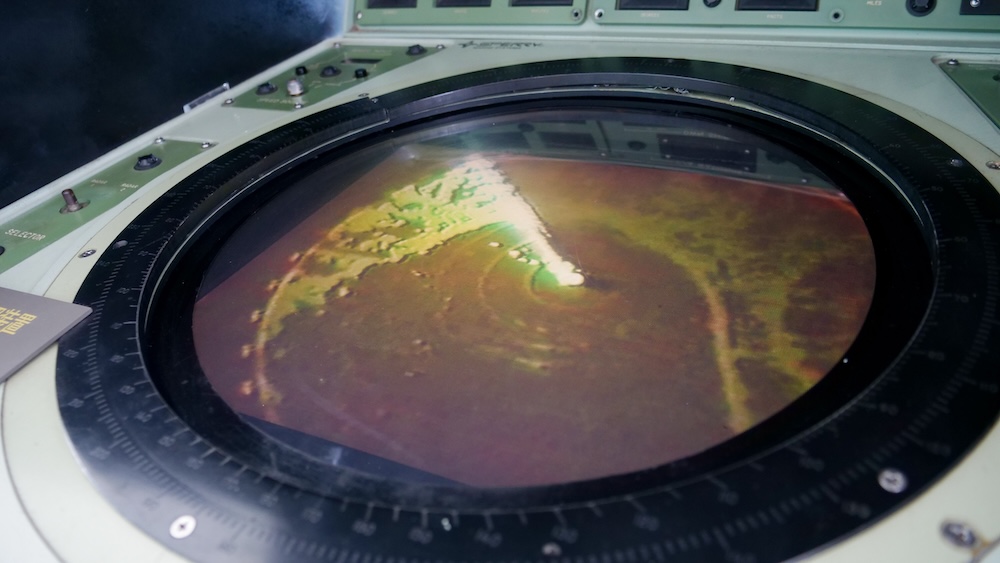
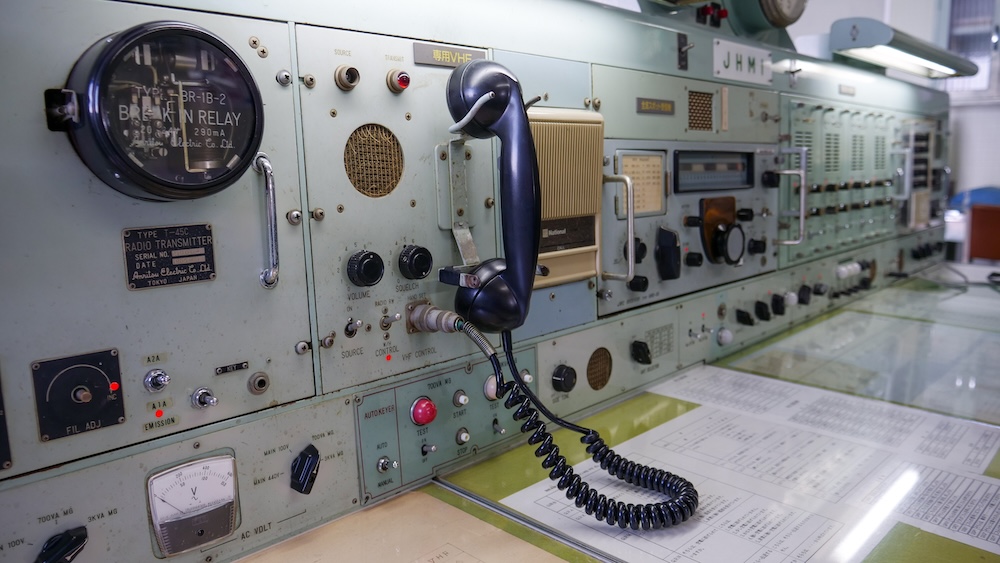
What won us over was that nobody tells you not to touch things. A lot of museums are all “don’t touch this” and “don’t go in there,” and here we were pressing buttons and getting up close to the old communications equipment, the radar and the command centre. The bridge and the radio communications room are kept as they were when the ship was in service, so you’re standing where the work actually happened, not in a recreation.
The radio room has a detail worth looking for: two stretches of every hour on its clock are painted red, because those minutes were kept clear for distress signals. It also has Morse keys, and I’d ask about trying them, since that part may need booking. Free tours led by former crew have also been offered with admission, in small groups booked a few days ahead through the museum, and I can’t tell you whether English is available, so ask when you go.
Seats, relics, camera views and the deck
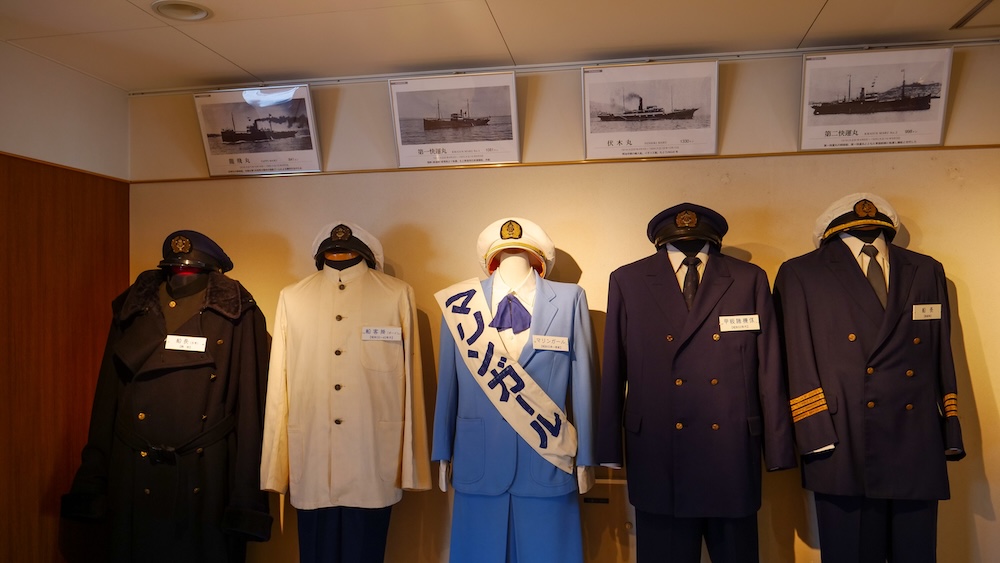
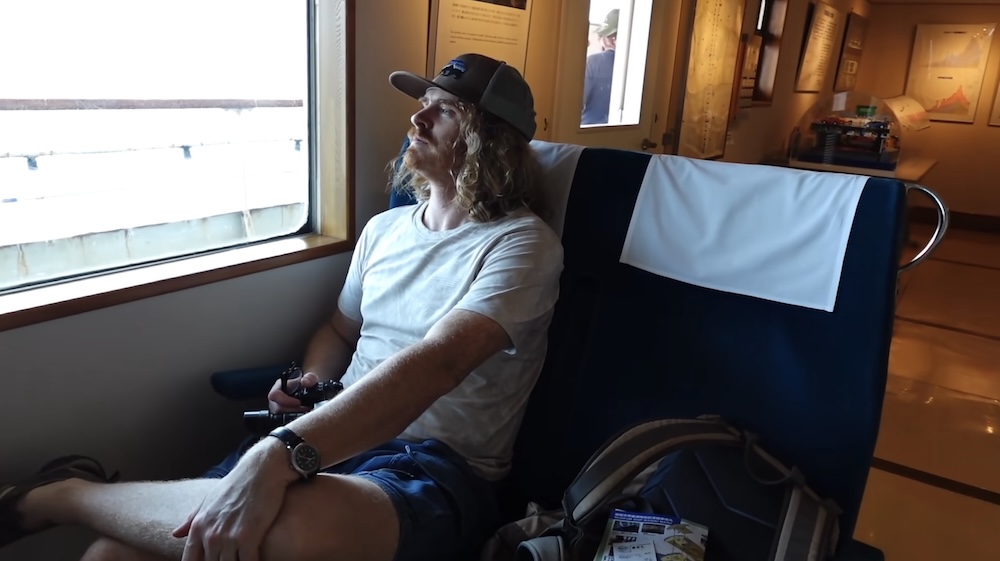
The rest of the ship fills in the picture. We walked through the passenger seating and the displays of relics, and the front of the old green-class cabin has been turned into an exhibition room with real ship parts, models, panels and video explaining how the ferries worked. There’s also a free rest lounge in the former captain’s quarters, so you can sit down between decks.
Some areas stay off limits. The vehicle deck, the main control room and the engine room can’t be entered, but the museum lets you look at them by operating cameras from the exhibition room. I can’t say we used the cameras, but it’s the answer to whether you get to see the engine room.
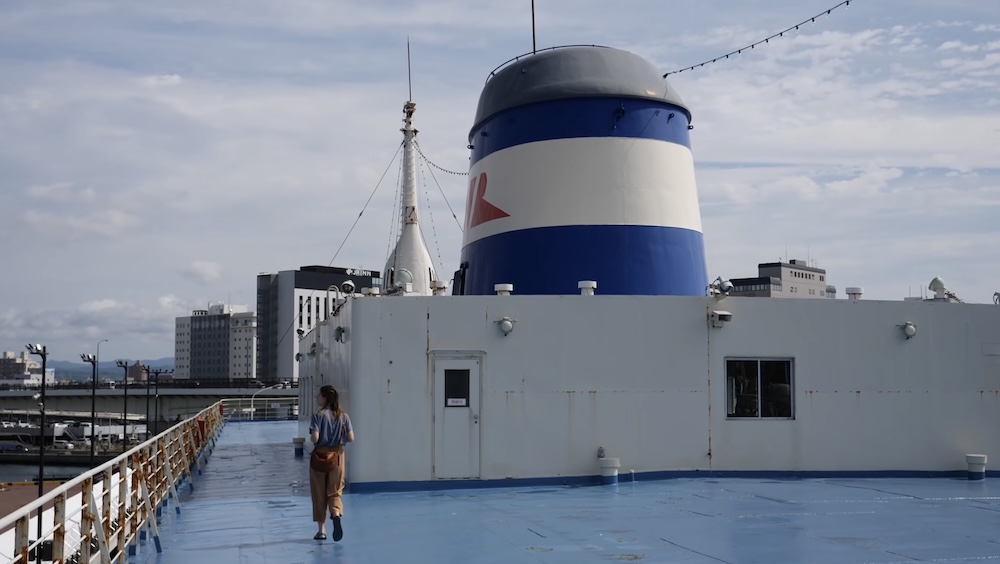
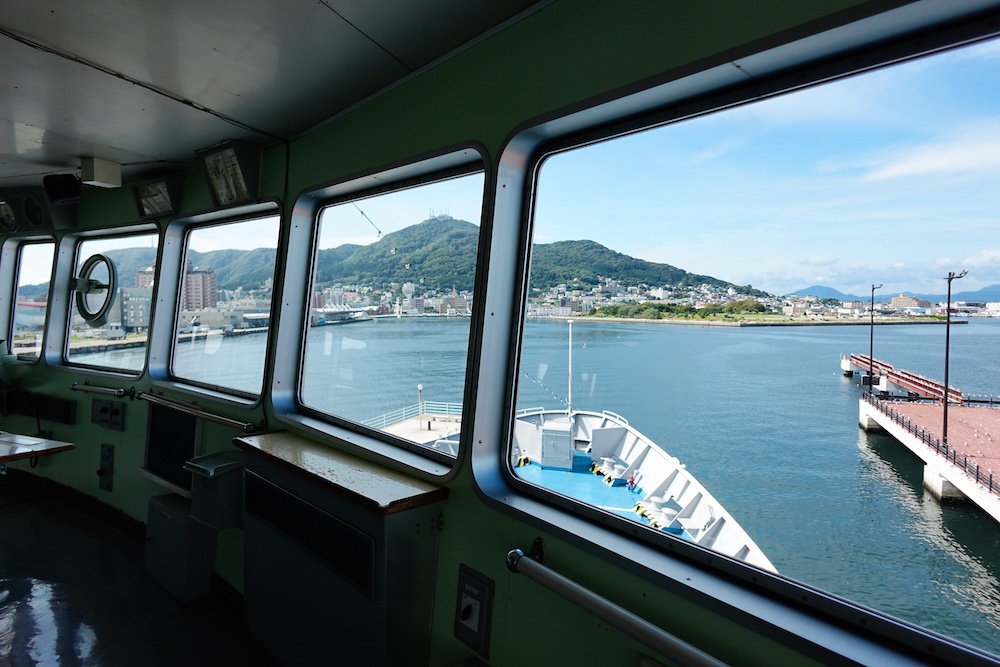
The views are the other reason to go. They’re some of the nicest of the city, and I’d say come for them even if the ship itself doesn’t interest you. The open decks are weather-dependent, though: parts or all of them close in strong wind, snow and ice, so the views depend on the day.
Cost, hours, stairs and how long to allow
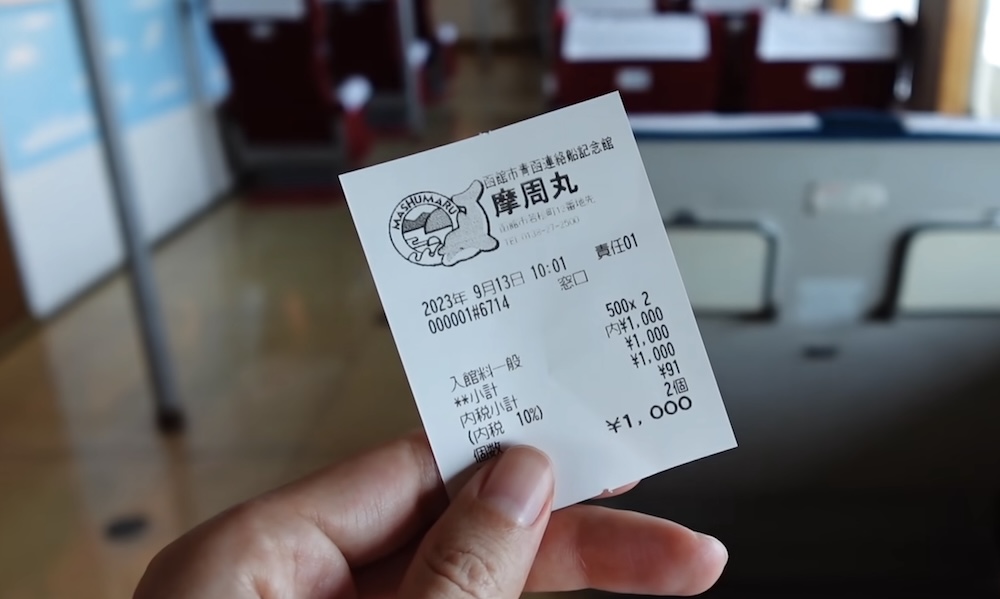
The ¥500 Audrey and I paid is still the adult price, which I’d call cheap for a ship this size. The catch is the calendar and the weather. The museum shuts for ship inspection and repairs, usually from the second Monday to the Friday of April, and it can close temporarily in storms, heavy snow or a tsunami advisory. The museum’s own website (in Japanese) is where live closures show up, so check it if the date matters.
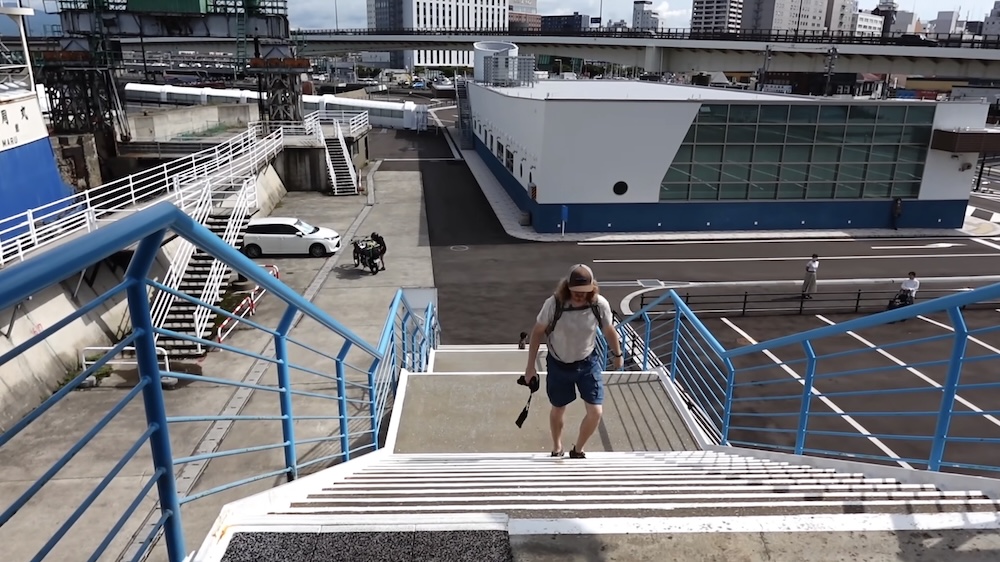
Getting aboard means climbing stairs, and the museum isn’t listed as barrier-free, so I’d assume stairs most of the way up if mobility is a concern. Taxis can pull up to the foot of the entrance stairs, which helps a little, and I can’t promise English on every display either. If you haven’t booked a bed yet, a base near Hakodate Station puts the ship about four minutes away on foot, so it’s worth a look at hotels near Hakodate Station before you settle.
Plan on 45 to 90 minutes. I didn’t time our visit, so that’s an estimate, and it stretches if you try the radio room or join a tour. If you’re short on time, I’d head for the bridge and radio room first, since the hands-on parts are what made it for us.
Before you go (October 2026)
- Hours: 8:30–18:00 from April to October (last entry 17:00); 9:00–17:00 from November to March (last entry 16:00).
- Closed: usually the second Monday to Friday of April for ship inspection and repairs, plus temporary closures in storms, heavy snow or tsunami advisories. December 31 to January 3 is nominally closed, though the museum usually opens temporarily.
- Admission: ¥500 adults, ¥250 for students through high school, preschoolers free.
- Getting there: about a four-minute walk from JR Hakodate Station, or about five minutes from the Hakodate Ekimae tram stop.
- Parking: no dedicated lot. The Hakodate Ekimae Plaza and Wakamatsu-cho car parks give two free hours with validation at the reception.
- Accessibility: boarded by stairs, and not listed as barrier-free.
Who should go, and who can skip it
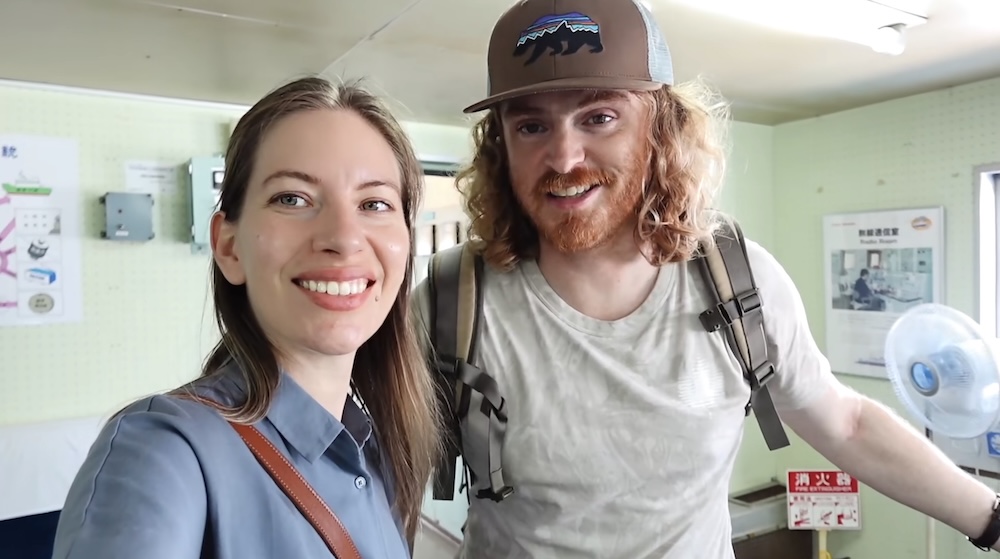
Go if you’re near the station with an hour, if you like hands-on exhibits, or if you want a good view of the harbour and the city. Audrey really enjoyed it too, and I’d say the same to anyone who isn’t sure a ferry museum is for them. It’s a massive ship you get to explore for ¥500, and I’d spend the hour.
Skip it or shorten it if stairs are a problem, if the weather is stormy and the deck is likely to be closed, or if you need English throughout.
Frequently Asked Questions
How much does admission to the Seikan Ferry Memorial Ship Mashu-maru cost?
Adult tickets cost ¥500, students through high school pay ¥250, and preschoolers enter for free. We paid ¥500 each at the counter, which is cheap for a four-level railway ferry you can walk through.
How long does a visit to Mashu-maru take?
Allow between 45 and 90 minutes for a typical visit. I didn’t time our stop, so that is an estimate that can stretch if you try the Morse keys in the radio room or book a tour led by former crew. If you are short on time, head straight up to the fourth-level bridge and radio communications room first.
Can you enter the engine room or vehicle deck on the ship?
Physical entry to the engine room, the main control room, and the vehicle deck is closed to visitors. Instead, you can look into those off-limits areas by operating remote cameras from the third-level exhibition room inside the former green-class cabin.
Is the Mashu-maru museum ship wheelchair accessible or barrier-free?
Boarding requires climbing exterior stairs to the second level, and the museum is not listed as barrier-free. Moving between the passenger cabin on the third level and the bridge and radio room on the fourth level also relies on stairs, though taxis can pull right up to the foot of the entrance steps.
Does bad weather affect visiting the Seikan Ferry Memorial Ship Mashu-maru?
Strong wind, heavy snow, or ice can close parts or all of the outdoor decks, and storms or tsunami advisories can shut the ship temporarily. The museum also closes for annual inspection and repairs, usually from the second Monday to the Friday of April, though you can still get harbour views through the indoor bridge windows on days when the ship is open but the outer decks are closed.
How far is Mashu-maru from JR Hakodate Station and the Morning Market?
Walking from JR Hakodate Station takes about four minutes, and the Hakodate Ekimae tram stop is about five minutes away on foot. Audrey and I wandered over directly after finishing at the Morning Market, making it an easy stop between breakfast and the rest of the waterfront.
This guide is also available in Spanish. [Leé la versión en castellano: Guía y reseña del Seikan Ferry Memorial Ship Mashu-maru: ¿vale la pena visitarlo?]
This article contains affiliate links. If you book through one of these links, I may earn a commission at no extra cost to you.