
The version of Patagonia most people picture is a slideshow: a turquoise lake here, a jagged granite spire there, a penguin colony, a glacier calving into the sea. What that slideshow leaves out is the twelve hours on a bus in between each slide, the 6 a.m. wake-up calls, and the fact that by the third or fourth “quick stop,” you’re not admiring the landscape anymore. You’re just trying to remember which bag has your charger in it.
I’ve built and rebuilt this itinerary more times than I can count, across four separate trips through Argentine Patagonia and its Chilean border towns, and I’ve made pretty much every pacing mistake there is to make. I’ve also, eventually, corrected most of them. This isn’t a list of towns to visit or a day-by-day script to copy. It’s the actual decision-making that separates a Patagonia trip that wears you down from one that restores you, and almost all of it comes down to two things: how many nights you give each stop, and how you handle the long transit days you can’t avoid.
Why Patagonia Punishes the Wrong Itinerary
Patagonia is not a region you can treat like a normal country trip, where an extra travel day here or there barely registers. It’s enormous, stretching roughly 2,500 kilometers north to south across two countries, and ten to fourteen days is generally the realistic floor if you want to see both the Argentine and Chilean highlights without rushing. Anything shorter and you’re not really visiting places. You’re visiting bus terminals with scenery on either side of them.
That scale is fixed. You can’t negotiate your way around the fact that the drive from the Lake District down to El Calafate is long, full stop. What you can control is how much of that built-in difficulty you let compound into misery. Most advice treats Patagonia planning as a question of how many total days you need. That’s the wrong question, or at least an incomplete one. The real question is how those days get distributed, because a fourteen-day trip spent hopping to a new bed every night or two is a completely different experience from the same fourteen days spent in fewer, longer stops. Audrey put it better than I could, somewhere around our third or fourth trip down there: she’d become the kind of traveler who genuinely doesn’t need a big city to be happy, who’d rather sit still in a small mountain town for a few extra days than tick off one more destination. I’ve come around to agreeing with her, and this whole framework is really an attempt to build a trip around that instinct instead of against it.
The Nights-Per-Stop Rule That Actually Matters
The clearest lesson from my own trips is a matched pair of mistakes, made in opposite directions, about two weeks apart.
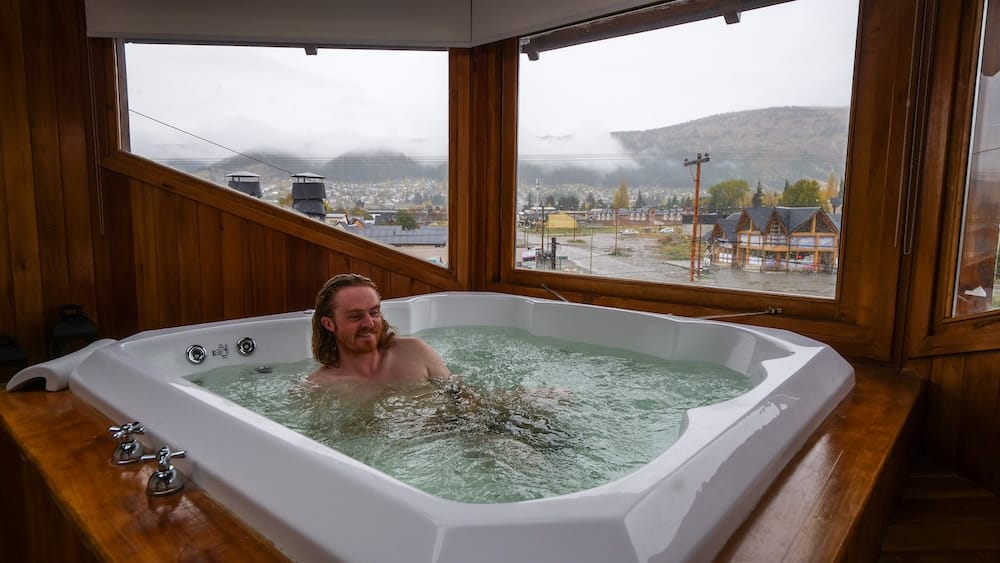
I once spent eight nights in Esquel, a mountain town in Chubut that’s a launchpad for a handful of great day trips. It was a wonderful stay, but looking back, eight nights was too long for an average traveler doing what we were doing. Four nights would have been close to perfect. If you can pack two activities into a single day, three to four nights covers a town like Esquel comfortably; beyond that you start hitting diminishing returns, unless you’re working remotely or slowing down on purpose, which is its own valid choice, just not the default one. Whatever number you land on, it’s worth checking what’s currently available to book in Esquel before you commit to it, since price and availability both shift depending on how far ahead you’re planning.
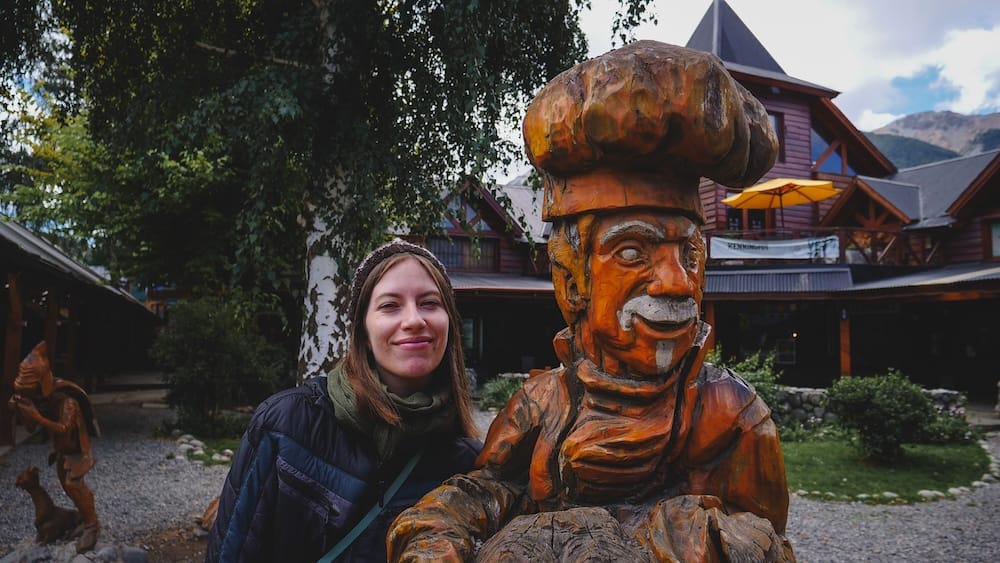
Then, a couple of stops later, I did the opposite. We arrived in Villa La Angostura and, within the first hour, I heard myself say we were going to have to pick up the pace, because our habit up to that point had been staying somewhere for about a week, and we simply didn’t have the calendar room left to do that again. We compressed a stop that deserved more room into a rushed handful of nights, purely because of scheduling math done too late in the trip to fix.
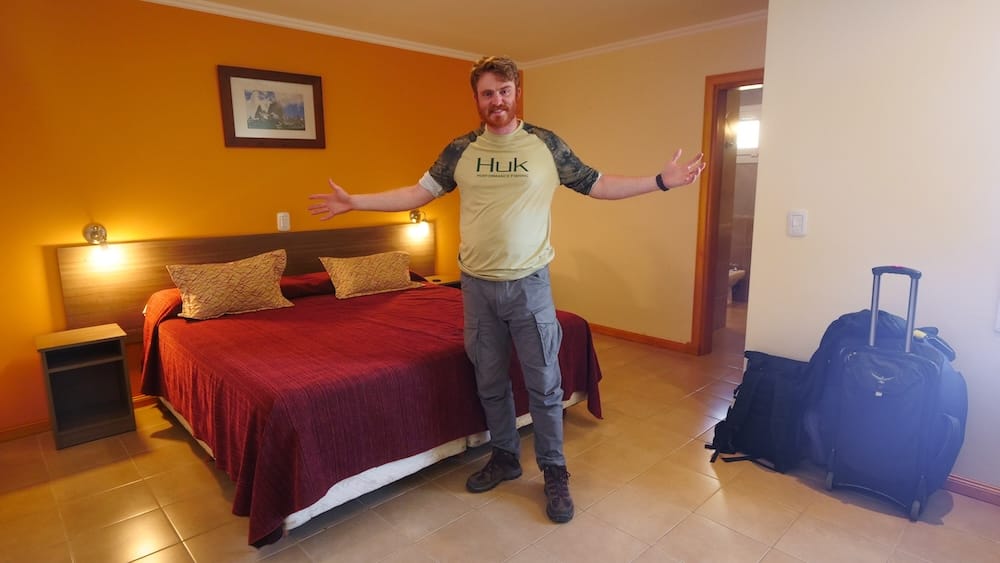
Both of those are packing problems in disguise. Every time you change beds, you unpack and repack: chargers, toiletries, the pile of things that somehow migrated onto a nightstand. Do that every night or two for two weeks and the trip stops feeling like travel and starts feeling like logistics. The fix is a simple floor. Budget at least three nights per stop, four where you can. The first day of any stop is basically consumed by arrival, checking in, finding dinner, getting oriented, so three nights really only buys you two full days of actually being there. Fewer than that and you’re paying the full cost of moving for almost none of the benefit of staying.
Choosing the Transit Mode That Costs You the Least
Patagonia hands you a mix of options on any given leg, bus, occasionally a train, sometimes a flight, and my early mistake was assuming distance was the only variable that mattered. It isn’t. How you cover that distance changes how the following day feels, sometimes dramatically.
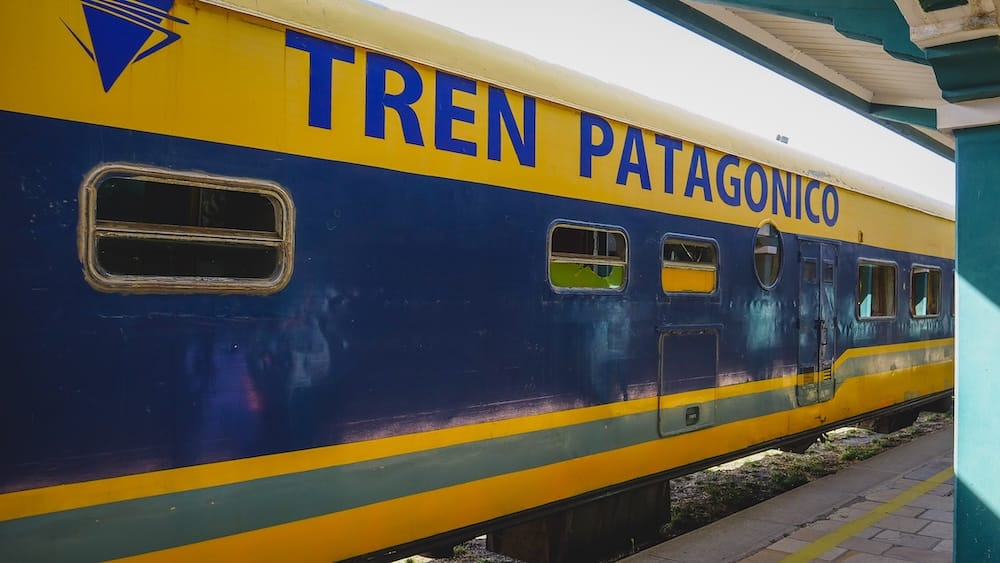
An overnight bus or train, done properly, is close to free time. You’re asleep for most of it and wake up somewhere new without having burned a waking day on the road. I’ve taken a nine-hour overnight bus and arrived groggy but functional; I’ve taken an overnight train and arrived only mildly worse for wear. Compare that to the single hardest travel day of any of my trips: eleven and a half hours of bus, ferry, and border crossing, all in daylight, no sleep involved. I got off that bus with swollen feet and a fog behind my eyes that took the rest of the day to clear. The pattern has held every time since: a long bus ride that isn’t overnight is harder on you than one that is, because you don’t get the sleep that would otherwise absorb the hours.
Short hops are the easy case. Anything under about four hours by bus barely registers, and I’ve felt the difference immediately, more than once, stepping off a two-and-a-half-hour ride noticeably fresher than I have after anything that ran all day. Flights are the other lever, and I’d learned to take them more seriously than I initially did. On the corridor between Bariloche and El Calafate, for instance, the bus can run well over a full day, and that’s if it’s running at all, since the main operator scales back or shuts the route down entirely for a stretch of the off-season. A flight covers the same ground in a few hours. It usually costs more, though not always by as much as you’d expect once you weigh it against losing a day and a half of your trip to a bus seat, so it’s worth comparing current flight times and fares between Bariloche and El Calafate rather than assuming the bus is automatically the budget choice.
Here’s roughly how I sort the decision now:
| Mode | Typical duration | Fatigue cost | When it’s worth it |
|---|---|---|---|
| Overnight bus or train | 9–19 hours, overnight | Low to moderate | Long unavoidable legs where sleep offsets the distance |
| Long single-day bus | 8+ hours, daytime | High | Avoid if an overnight or flight option exists |
| Short day bus | Under ~4 hours | Low | The default between nearby stops |
| Flight | 1.5–5 hours including connections | Low | Marathon legs, or to skip a stretch entirely |
None of this means avoiding buses. Some of the best scenery I’ve seen in Argentina has come through a bus window. It’s about not defaulting to the long daytime option out of habit when an overnight leg or a short flight would leave you in noticeably better shape for the next day.

Sequencing the Long Days Instead of Scattering Them
Even with good nights-per-stop decisions and smart transit choices, a full Patagonia trip is going to include at least one hard stretch. Where you put it in the trip matters more than almost anything else.
My own route through the south is a decent case study, for better and worse: Bariloche, down to El Bolsón, Esquel, Comodoro Rivadavia, a long haul to Río Gallegos, on to El Calafate, El Chaltén, across into Chile through Puerto Natales and Punta Arenas, and finally down to Ushuaia. That’s a lot of hard travel packed into the second half of a trip, and Audrey wasn’t wrong to push back, days earlier, when I’d suggested we squeeze in the Seven Lakes drive between two of those stops, since we’d already covered most of that exact route on the bus a few days before. She had a point. Repeating ground you’ve already earned isn’t rest, it’s just more moving.
By the time we reached Punta Arenas, we were both running on fumes, which is exactly why, when we finally arrived in Ushuaia, we booked twelve nights there. Not the three or four we’d normally give a stop by that point in a well-paced trip, but twelve, on purpose, as a direct response to how depleted the run of transit days had left us. It worked. Ushuaia became the recovery the rest of the trip needed, rather than just another stop on the list. If you’re building in a similar recovery stretch, it’s worth checking availability for an extended Ushuaia stay early, since the places worth staying that long in tend to fill up fastest exactly when you’d want to book them.
If I were building that same southern stretch today, I’d also flag a shortcut that didn’t factor into our original planning: a direct flight between El Calafate and Ushuaia now takes barely more than an hour. That doesn’t replace the value of the Chilean border towns if you actually want to see them, Puerto Natales and Punta Arenas are worth visiting in their own right, not just a means of getting south, but if your priority is minimizing hard travel days rather than covering ground, it’s worth checking current El Calafate–Ushuaia flight schedules before you commit to the longer land route, especially if energy matters more to you than ground covered. Either way, the principle holds regardless of route: put your hardest stretch in the middle of the trip, not the end when you have nothing left in reserve, and follow it with your longest, lowest-effort stay rather than another moving day.
Booking Rhythm: What to Lock Down Early, What to Leave Loose
We are, by our own admission, pretty bad planners sometimes. I’ve had a morning in Río Gallegos where we genuinely believed our bus left four hours later than it actually did, and only caught it because we happened to double-check the ticket. So take the following less as a lesson from people who have it all figured out and more as a list of things we’ve learned the hard way, occasionally more than once.
Lock down early: accommodation during December through February, when Argentina’s own summer travelers are competing for the same rooms, and ice-trekking on the Perito Moreno Glacier, which only one company is licensed to run and which routinely sells out one to several weeks ahead in peak season. I once tried to book it on arrival and was told there was nothing available for three more days, which doesn’t work if you’re not staying that long. If it’s on your list, it’s worth comparing currently available Perito Moreno ice-trekking dates as soon as your travel dates are fixed, not once you’re already standing in El Calafate.
If a rental car crossing between Argentina and Chile is part of your plan, the cross-border permit itself needs the same early treatment. The rental company has to arrange it in advance, and it comes with its own separate fee. Automatic transmissions in particular are in short supply down there, so if you can’t drive a manual, that’s one more reason not to wait: it’s worth checking current rental car availability in El Calafate well before you land rather than assuming you’ll sort it out at the counter.
Leave loose: anything genuinely weather-dependent, like glacier boat cruises or full-day hikes with a view as the whole point. Patagonia’s weather swings hard enough, day to day, that booking those more than a day or two ahead just increases your odds of paying for a washed-out view. Local operators will usually tell you the same thing if you ask, and outside the very peak weeks you can typically check current glacier boat tour departure times just a day or two out and still get a spot.
A few smaller habits round this out. On one stretch, booking directly with a smaller guesthouse or cabaña rather than through a big platform got us a noticeably better rate than what the platform was showing. It’s not guaranteed everywhere, but it’s always worth a quick check for anything that isn’t a hotel chain. I’ve also had a pre-booked taxi simply not show up, which cost us a walk into town and a scramble for another ride, so I don’t fully trust any single transport arrangement without a backup anymore. And on long bus days, especially ones that cross a border, don’t assume there will be a food stop. On one particularly long crossing there wasn’t one at all, and I was glad we’d packed our own snacks rather than betting on a gas station appearing.
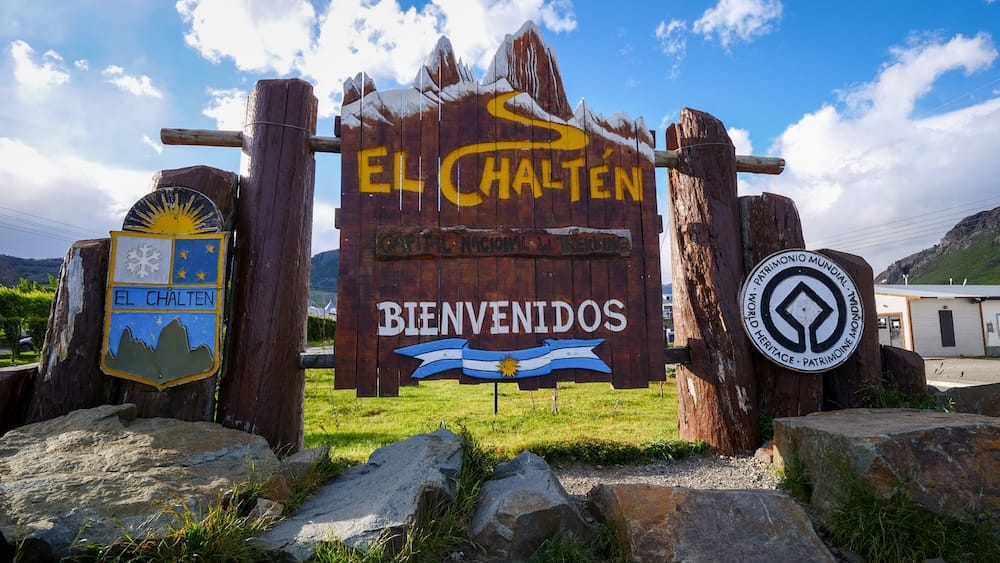
One more thing worth flagging honestly, because it changes the shape of a day: park entrance fees around Los Glaciares National Park have shifted in recent years, including on the trekking side near El Chaltén, which wasn’t always the case. Check current fees before you go rather than assuming what worked on a previous trip still applies.
A Realistic Low-Stress Framework
If I had to boil four trips down to one rule, it’s this: give every stop at least three nights, four when you can, and treat your longest transit days as something to schedule on purpose rather than something to survive. Put the hardest stretch of travel in the middle of the trip, not the end, and follow it with your longest, easiest stay, not another moving day. Choose overnight transit or a flight over a long daytime slog whenever the option exists, and reserve the things that actually sell out, accommodation in high season, glacier trekking, a cross-border rental permit, while leaving anything weather-dependent for the last possible moment.
None of that eliminates the packing. You’re still living out of a bag for a couple of weeks. But it eliminates the constant packing, the version of the trip where you’re never quite unpacked, never quite rested, and still somehow catching up on sleep from three transit days ago. Get the pacing right and Patagonia stops feeling like an itinerary you’re surviving and starts feeling like the trip you actually came for.
Frequently Asked Questions
How many nights should I spend in each Patagonia stop?
Budget at least three nights per stop, four when you can manage it. The first day of any stop is mostly consumed by arrival and getting oriented, so three nights really only buys two full days of actually being there.
Is an overnight bus better than a daytime bus in Patagonia?
Yes, in my experience. An overnight bus or train lets you sleep through most of the distance, so you arrive without having burned a waking day. A long bus ride that isn’t overnight is harder on you, because you don’t get that sleep to absorb the hours.
Should I fly or take the bus between Bariloche and El Calafate?
Both are worth considering. The bus on this corridor can run well over a full day and doesn’t operate year-round, while a flight covers the same distance in a few hours. It usually costs more, but not always by as much as losing a day and a half would suggest.
How far ahead should I book Perito Moreno ice-trekking?
As soon as your travel dates are fixed. It’s run by a single licensed operator and routinely sells out one to several weeks ahead in peak season; I once found no availability for three more days after trying to book on arrival.
Do I need to book glacier boat tours or hikes far in advance?
Not necessarily. Weather-dependent activities like glacier boat cruises are usually better left until a day or two out, since Patagonia’s weather shifts enough that booking too early raises the odds of paying for a washed-out view.
What should I know about crossing a rental car between Argentina and Chile?
The rental company needs to arrange a cross-border permit in advance, and it comes with its own separate fee. Automatic transmissions are also in short supply, so it’s worth sorting this out well before you land rather than at the counter.
Are Los Glaciares National Park entrance fees still free on the El Chaltén side?
That’s changed in recent years, so I’d check current fees before you go rather than assuming what applied on an earlier trip still holds.
What’s the biggest mistake to avoid when planning a Patagonia itinerary?
Treating it as a simple question of how many total days you need. The bigger factor is how those days get distributed — giving each stop too few nights, or scattering your hardest transit days evenly through the trip instead of grouping them together with real recovery time afterward.
This article contains affiliate links. If you book through one of these links, I may earn a commission at no extra cost to you.
Project 23 Argentina: This guide is also available in Spanish. [Leé la versión en castellano: Cómo armar un viaje a la Patagonia sin tanto traslado y estrés]