
Before I signed up for six straight days on horseback through the Banff backcountry with Banff Trail Riders, I pictured something closer to a hiking trip — sore feet, tired lungs, the kind of fatigue that comes from covering ground under your own power. That’s not what happened. I got off my horse at the end of the first day and discovered my legs had turned to jello. Not sore in the ordinary sense. Wobbling, unsteady, genuinely unsure whether they’d hold me upright between the stirrup and the ground.
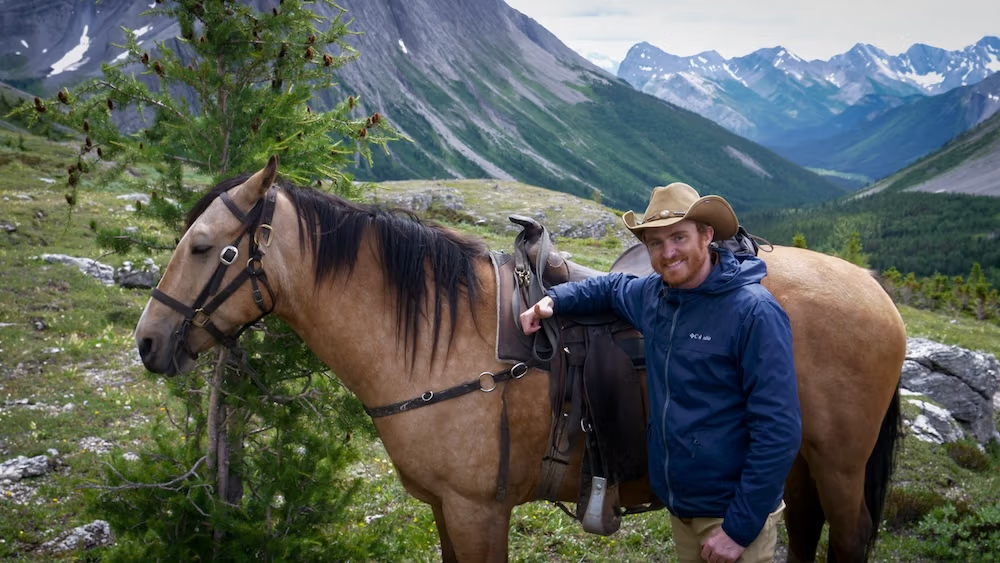
That gap between what I expected and what actually hit me is worth explaining properly, because if you’re wondering whether you’re fit enough for this trip, you’re probably asking the wrong version of the question. The right one is what kind of fitness it actually demands — and it isn’t the kind most of us train for.
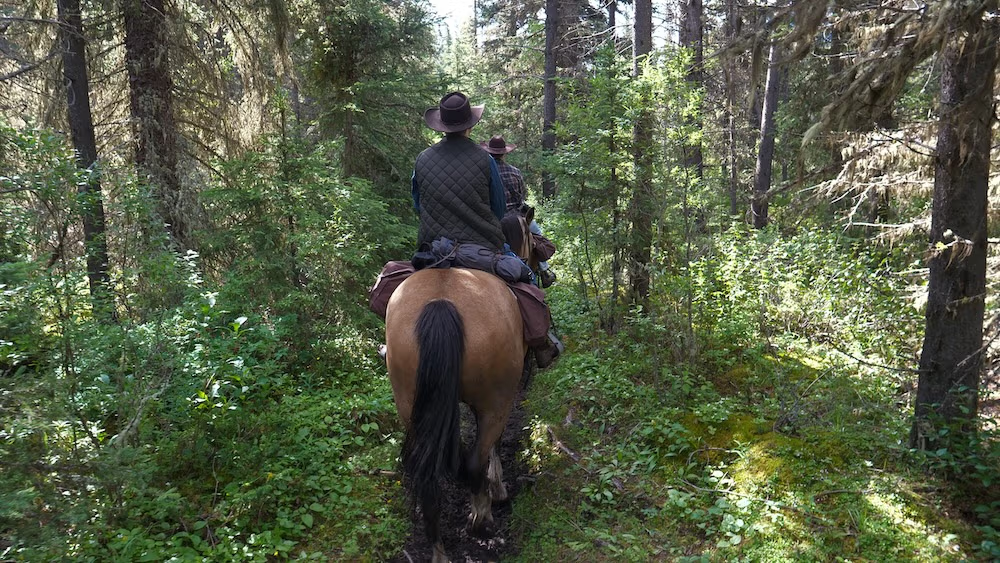
What “Fit” Actually Means for This Trip
Most of what you’ll find about horseback riding in Banff hedges on this exact point. You’ll see phrases like “suitable for fit riders” or “requires reasonable riding fitness” attached to the multi-day trips, which sounds informative until you notice it tells you nothing at all. Fit for what, exactly? I went in without a clear answer either, and I think that vagueness is part of why day one caught me so off guard.
General fitness helps, but it isn’t the same currency as horseback fitness, and no amount of running or lifting fully prepares your body for six consecutive days of sitting a particular way on a moving animal. Time in the saddle is its own kind of conditioning, and most of us arrive with none of it. My own riding history amounted to a three-day trek years earlier — enough to remember which end of the horse to approach from, not enough to have kept any actual saddle fitness in the meantime.
The Physical Arc, Day by Day
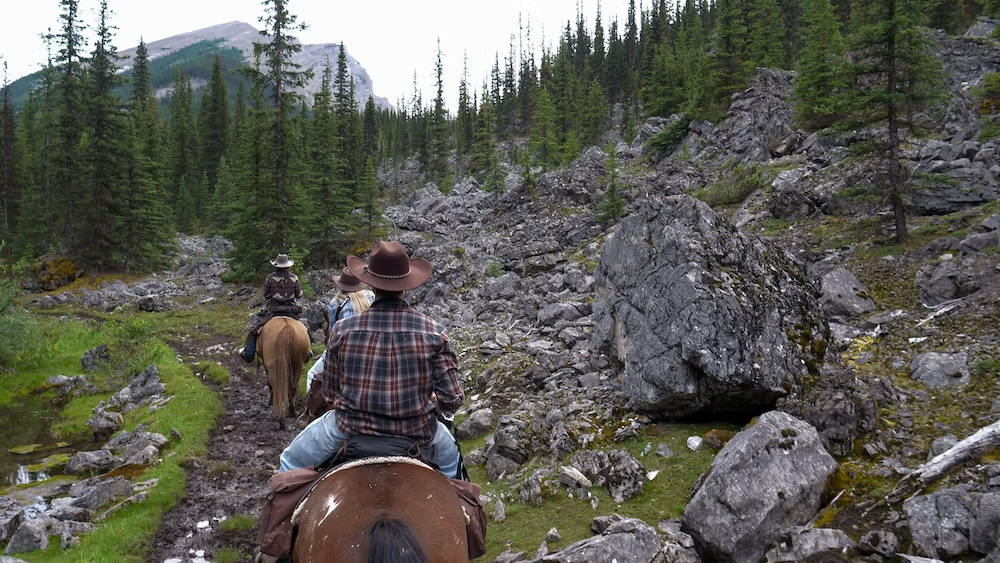
The trip runs five full days of riding, roughly five to six hours a day including breaks, with one rest day in the middle. That structure matters, because the physical experience isn’t flat. It moves through a real arc, and knowing the shape of it in advance would have changed how I felt in the moment.
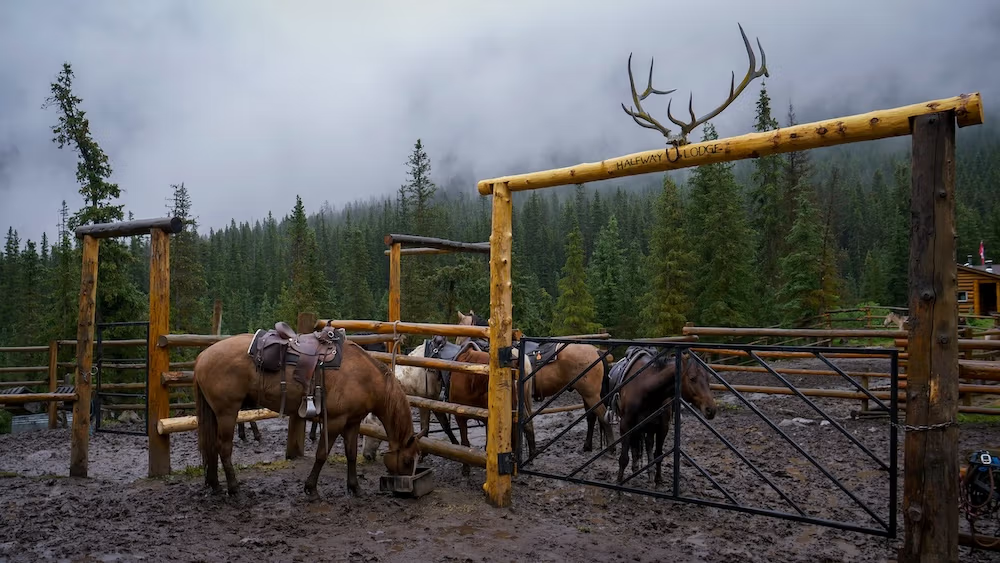
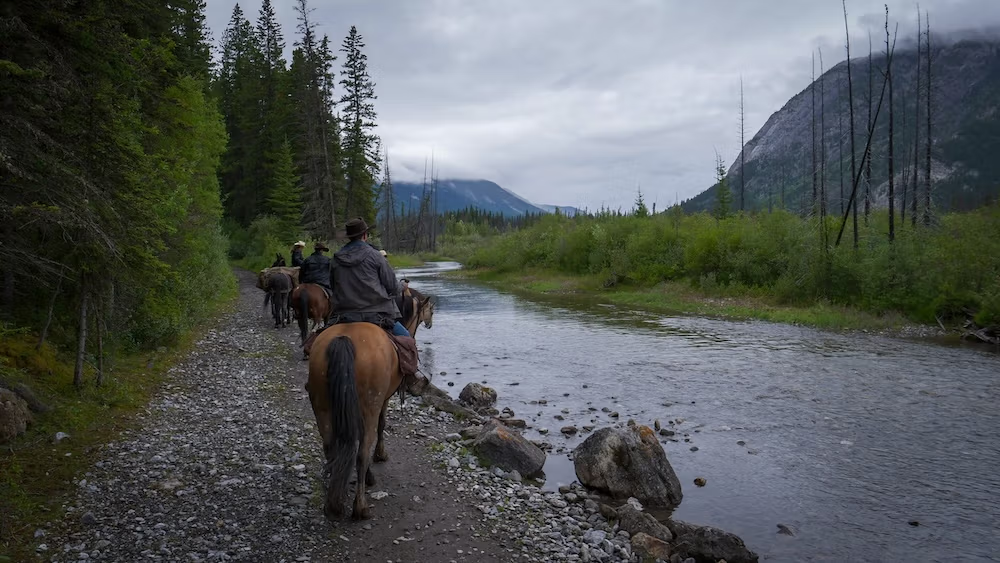
Day one is the shock. We’d traded the gentler introductory trail for genuine backcountry terrain that afternoon, through creek crossings and dense forest, and by the time I reached the lodge my legs simply weren’t reliable anymore. I remember wobbling toward the fireplace like I’d forgotten how legs work, needing a solid ten minutes of sitting still before anything felt normal again. What surprised me wasn’t a dull ache building overnight — it was that sharp, almost comic instability in the first few minutes after dismounting, and it faded faster than I expected once I gave it a little time.
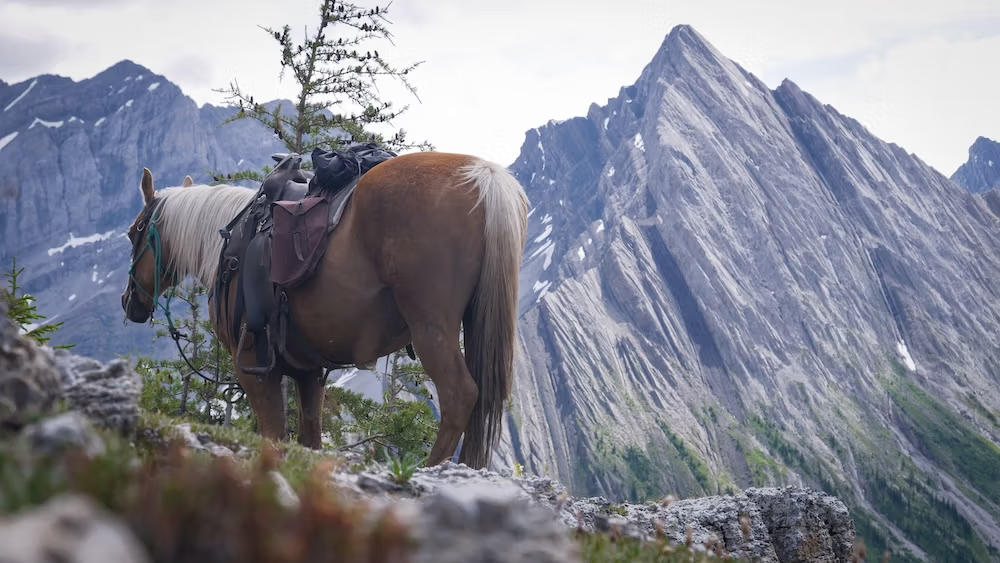
By day three, I was still sore, not incapacitated, just carrying it — three consecutive days in the saddle without regular riding fitness will do that. That same day also happened to include the ride up Allenby Pass, the steepest and longest climbing stretch of the whole trip, and a demanding climb on top of already-tired legs is a genuinely different experience than the same climb on fresh ones.
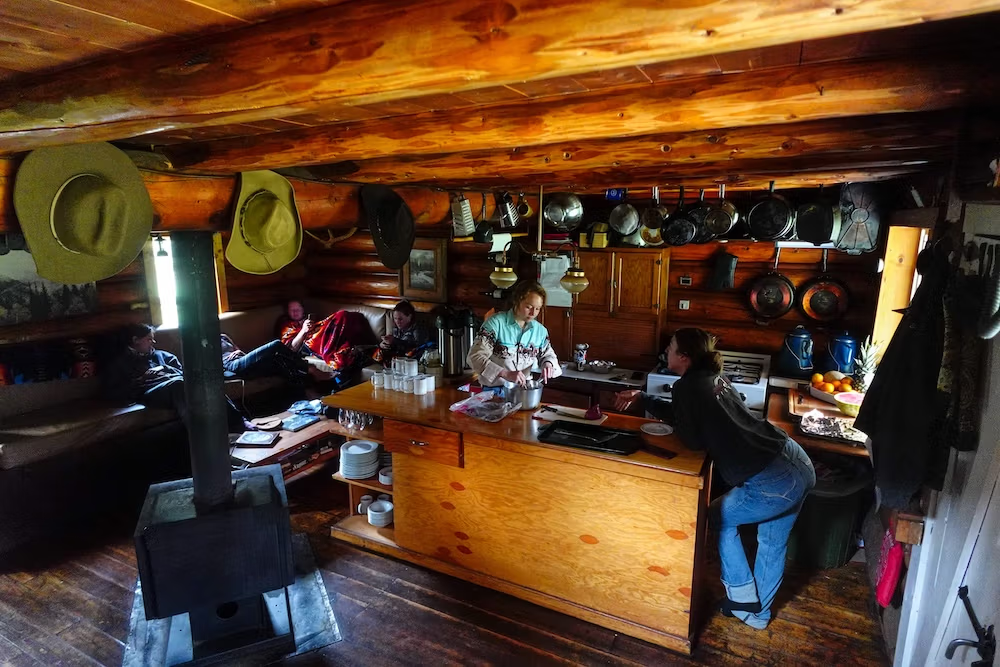
Then came the rest day, which is where I need to correct something I said at the time. Standing at breakfast that morning, I called it a chance to rest my legs. It wasn’t, not really. We swapped the saddle for a hike to a nearby lake, flat for the first two-thirds and steep for the last third, and by the end of it my legs had done a full day of different work rather than no work at all. It was still worthwhile — genuinely nice to feel my own legs doing the lifting instead of gripping a saddle — but if you’re hoping for a true recovery day, understand that “rest day” here means a break from riding, not a break from exertion.
From there, things kept improving. Mounting and dismounting, which had felt genuinely awkward through the first couple of days, was close to automatic by the trip’s back half — just part of the routine. The soreness never fully disappeared. It just stopped being the main character.
Cardio Fitness or Something Else Entirely?
If you’re someone who trains for endurance, I have surprising news: I was never once out of breath. Not climbing toward the highest point of the trip, not on the longest day in the saddle. Whatever the horses were doing — and they were doing plenty, hauling us up some serious elevation — my cardiovascular system barely noticed. The strain lived entirely somewhere else.
It’s your legs, mostly, and specifically the inner thigh and hip muscles doing the quiet, constant work of gripping and balancing for hours at a stretch, along with your hips and core absorbing the horse’s movement so you don’t bounce around like a sack of flour. None of that shows up on a treadmill test. You could be in excellent cardiovascular shape and still wobble off a horse on day one, because the muscles doing the real work here aren’t the ones a typical fitness routine trains. Which is really the answer to the title’s question: this trip barely tests your cardio at all, and it tests something else — the specific, unglamorous endurance of legs that can grip a saddle for five hours without complaint — more than you’d guess.
The One Thing I’d Actually Do Differently
I don’t think any training program fully substitutes for time in the saddle, and I doubt most people are going to spend weeks riding horses before a Banff trip just to prepare for one. What I do think would have helped, and what I genuinely wish I’d done, is something almost embarrassingly simple: stretching. Not a new gym routine, not a cardio block — just loosening up the hips and legs beforehand. It’s the one specific thing I’d change if I did this again, and it’s also the one piece of advice you won’t find in the operator’s own materials, which describe the trip in plenty of romantic detail and say almost nothing about what your body should do to get ready for it.
Beyond that, general conditioning helps a little, and actual riding time helps more, but neither is required to finish the trip. What’s required is a willingness to be uncomfortable for the first day or two while your body figures out what’s being asked of it.
Who Might Find This Genuinely Hard
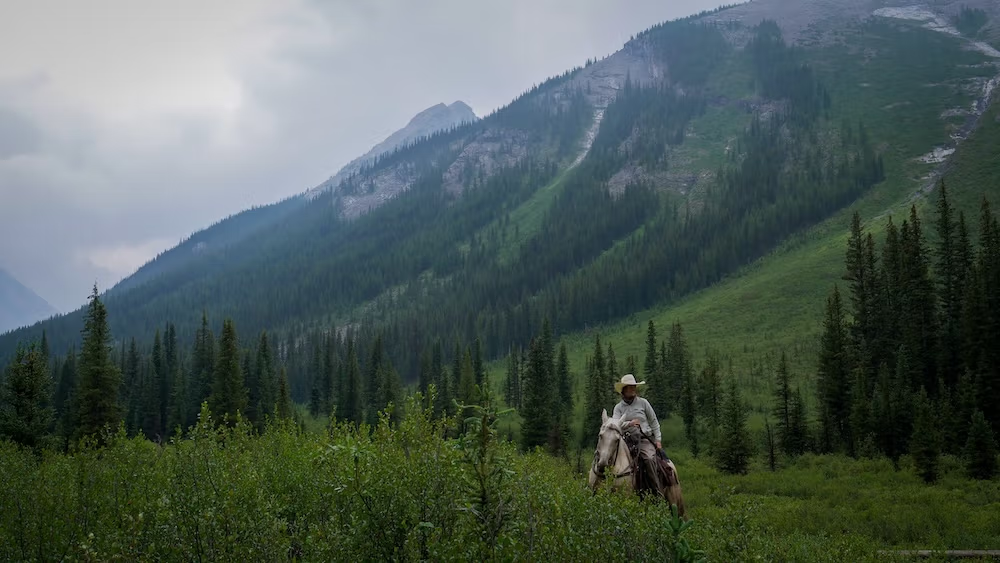
Everyone in my group felt some version of what I felt — the soreness, the wobble, the slow adjustment. The exceptions were the handful of genuinely experienced riders among us, who had an obviously easier time of it from the start, and watching them dismount looking perfectly composed while I did my wobbly-legs routine again was a fairly clear signal that the discomfort is about unfamiliarity, not some universal toll the trip extracts from everyone equally.
There’s also a firmer line worth knowing about before you book, and it isn’t mine to soften. Banff Trail Riders‘ current terms for this trip state that riders need to be physically capable of controlling the horse without assistance, and that they aren’t able to accommodate riders with disabilities or special needs on this particular product. That’s a different question than how sore you’ll be — it’s a hard eligibility boundary set by the operator, so if there’s any doubt in your case, it’s worth checking the current booking terms for the 6-Day Halfway Lodge trip directly before you commit, since it decides whether you can book at all.
So, How Fit Do You Actually Need to Be?
You don’t need to be an athlete. You need legs willing to tolerate an unfamiliar, sustained demand for a few days while they adjust, and a realistic expectation that day one will be the worst of it rather than a preview of the whole week. If I could hand my past self one piece of advice, it wouldn’t be to hit the gym harder — it would be to stretch, expect to wobble getting off that first horse, and trust that by the back half of the trip it’ll feel like something I’ve always known how to do.
If the physical side doesn’t scare you off, the trek itself is worth a closer look on its own terms. You can see current dates and details for the 6-Day Halfway Lodge Backcountry Trip and go from there.
Frequently Asked Questions
How physically demanding is the 6-day Banff horse trek?
It’s demanding in a specific way — mostly muscular and postural rather than cardiovascular. I never got out of breath, even on the steepest climbing day, but my legs and hips carried real, cumulative fatigue that built up over the trip.
Will I be sore after riding for multiple days?
Yes, especially at first. My legs felt like jello after dismounting on day one, and I was still sore by day three. The soreness eased as the days went on, but it never fully disappeared.
Do I need to be in great cardiovascular shape for this trip?
No. I was never once out of breath during the entire six days, including the steep climb up Allenby Pass. The physical demand comes from your legs and core holding a riding position for hours, not from your heart rate.
Is the rest day actually a day of rest?
Not in the way I expected. My rest day was a hike to a nearby lake instead of riding, which used my legs differently rather than letting them fully recover.
How can I prepare my body before the trip?
The one thing I’d genuinely do differently is stretch beforehand. General fitness and any riding experience both help a little, but neither is required to complete the trip.
Does mounting and dismounting the horse get easier?
Yes. It felt awkward for the first couple of days, but by the back half of the trip it was close to automatic.
Is this trip open to riders with disabilities or special needs?
Based on Banff Trail Riders‘ current terms, riders need to be physically capable of controlling the horse without assistance, and the operator states it can’t accommodate disabilities or special needs on this specific trip. Anyone with concerns should check the current booking terms directly before committing.
Do experienced riders find the trip easier physically?
In my group, yes. The riders with real experience clearly had an easier time than those of us without it, which suggests the physical difficulty is tied to unfamiliarity rather than being unavoidable for everyone.
This article is also available in Spanish. [Leé la versión en castellano: ¿Qué tan en forma tenés que estar para una cabalgata de 6 días en Banff?]
This article contains affiliate links. If you book through one of these links, I may earn a commission at no extra cost to you.