
If you are seriously considering a six-day horseback trip into the Banff backcountry, you have already self-selected more than the average visitor. Nobody accidentally ends up comparing nearly a week on horseback with an afternoon at the Banff Gondola.
This is a big commitment. The current Halfway Lodge trip runs for six days and five nights, with five riding days, one rest day and stays at Sundance Lodge and Halfway Lodge. On riding days, you can spend roughly five to six hours in the saddle including breaks. You are giving up a substantial chunk of a Banff vacation, spending several thousand dollars and heading somewhere without cell service or Wi-Fi.
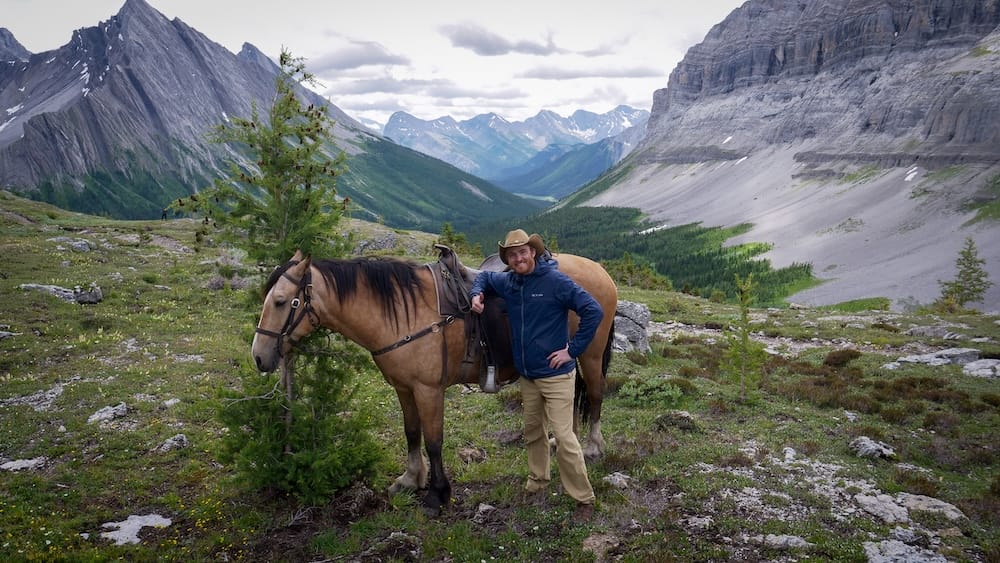
So, is it worth it? For the right traveller, absolutely. I would do this trip again in a heartbeat. Tomorrow, if somebody gave me enough time to find my riding boots.
That does not mean I would recommend it to everybody. If you are indifferent toward horses, dislike being off-grid, want private hotel-style comforts every night or are mostly interested in ticking Banff’s famous attractions off a list, six days is probably massive overkill. A shorter horseback ride would make far more sense.
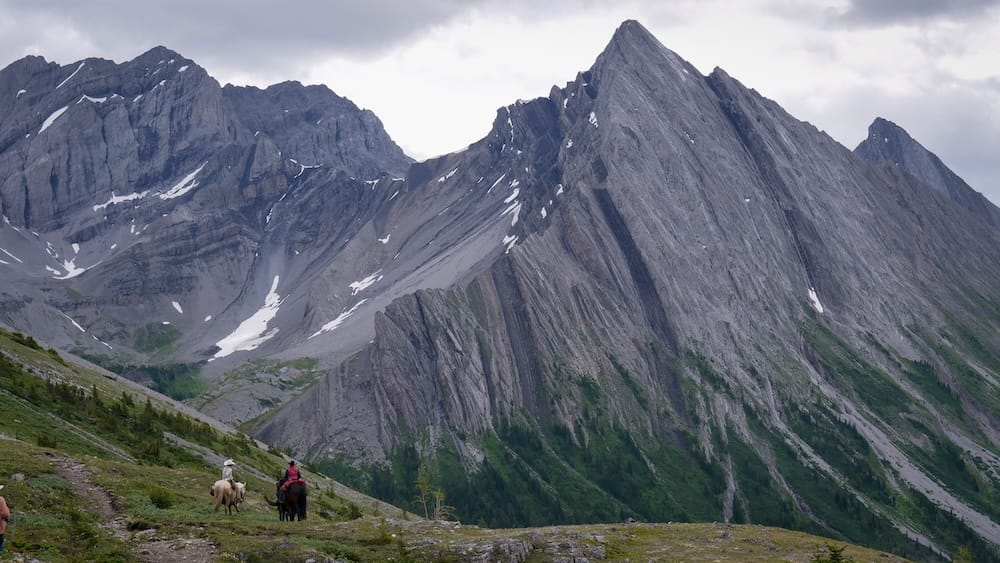
But if the idea of travelling deeper into the mountains on horseback, sleeping in remote lodges, eating well, getting dirty, sharing the experience with a small group and gradually forgetting about normal life sounds appealing, this is one of the most memorable travel experiences I have had. What made it so good was not one spectacular viewpoint or one perfect riding day; it was how the entire thing worked together.
If you already know this is the level of adventure you want, you can check current availability for the 6-Day Halfway Lodge Backcountry Trip by Horseback. If you are still wondering whether six days is too much, keep reading because that is really the question this review is designed to answer.
What are you actually signing up for over six days?
This is much closer to a journey than a scenic horseback ride that happens to last longer than usual.
The current Halfway Lodge itinerary still gives you five riding days and a rest day, moving between Sundance Lodge and the much more remote Halfway Lodge. You ride through forests, valleys, creeks and mountain terrain, eventually reaching higher country around Allenby Pass. More importantly, you spend enough time with the same horse that the animal starts feeling like a travel companion rather than something you rented for the afternoon.
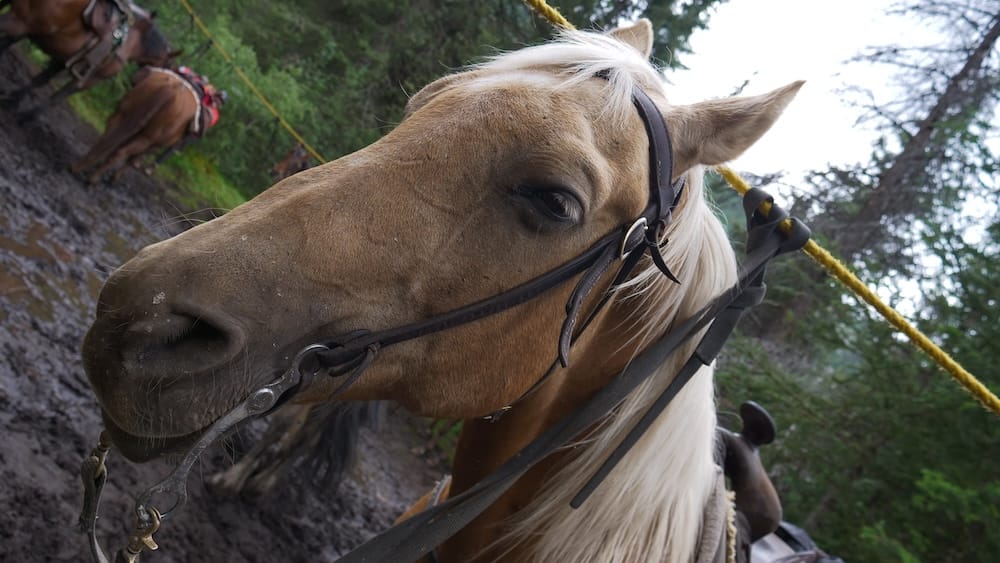
My horse was Hollywood, and he had enough personality to make sure I never confused him with transportation equipment. He could be quirky and liked doing his own thing, but he was dependable, and over several days I started understanding his habits. By the later part of the trip, getting back on Hollywood felt completely different from climbing onto an unfamiliar horse at the beginning.
The distance from Banff also gives the trip a steadily changing character. Sundance Lodge sits roughly 16 kilometres from town, while Halfway Lodge is around 32 kilometres out in the backcountry. By the time you reach Halfway, the road-based version of Banff feels very far away.
Allenby Pass eventually takes you to roughly 8,100 feet, or 2,468 metres, while the rest day breaks up the riding and gives both horses and riders time off the saddle. I have a separate day-by-day account of how the six days unfolded, so there is no reason to recreate the itinerary here. The more important point for this review is cumulative: each day pushes the experience a little farther away from an ordinary Banff activity.
You do not simply visit the backcountry and return to town for dinner. For a while, you live out there.
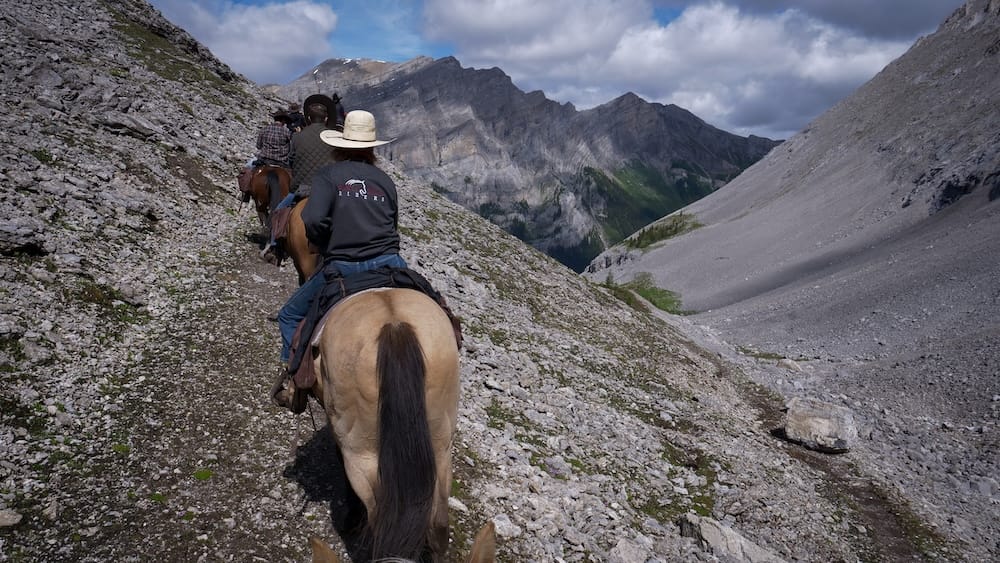
The horseback part was more demanding than a scenic ride
Banff Trail Riders currently says previous riding experience is not required for this trip. That mattered to me because I was hardly arriving as some grizzled cowboy who had spent the previous decade driving cattle across Wyoming.
I had been on horses before, but six days represented a completely different level of commitment. There is a huge difference between being capable of sitting on a horse for an hour and repeatedly spending much of the day in the saddle. The trails do not have to be technically extreme for the accumulated physical effort to become very real.
I had days when I got off Hollywood completely wiped. My legs knew what I had been doing, my backside definitely knew, and after four or five hours in the saddle a hearty dinner followed by an early night suddenly sounded far more attractive than staying up until 1 a.m. debating philosophy around the fireplace.
The current requirements capture that distinction quite well. You may not need previous riding experience, but you still need to be in good physical condition, mount and dismount independently and respond promptly to instructions from the guides. That is a much more useful way to think about suitability than asking whether the trip is simply “for beginners.”
You do not need to be an expert rider, but you do need to participate physically and pay attention.
Horses also remain horses. On one riding day, several were stung by hornets, including Hollywood. He started swinging his head around and became considerably harder to keep focused and moving forward. Nothing catastrophic happened, but it was a useful reminder that horseback travel contains variables that do not exist when you are sitting in the back of a tour van.
The same applies to weather. I had cold, rain and changing mountain conditions during the trip, alongside beautiful stretches of riding. It was not six consecutive days of blue skies carefully arranged by the Alberta tourism gods. For me, those rougher moments made the whole thing feel more like an adventure, and they also made dry clothes, hot food and a warm lodge considerably more satisfying at the end of the day.
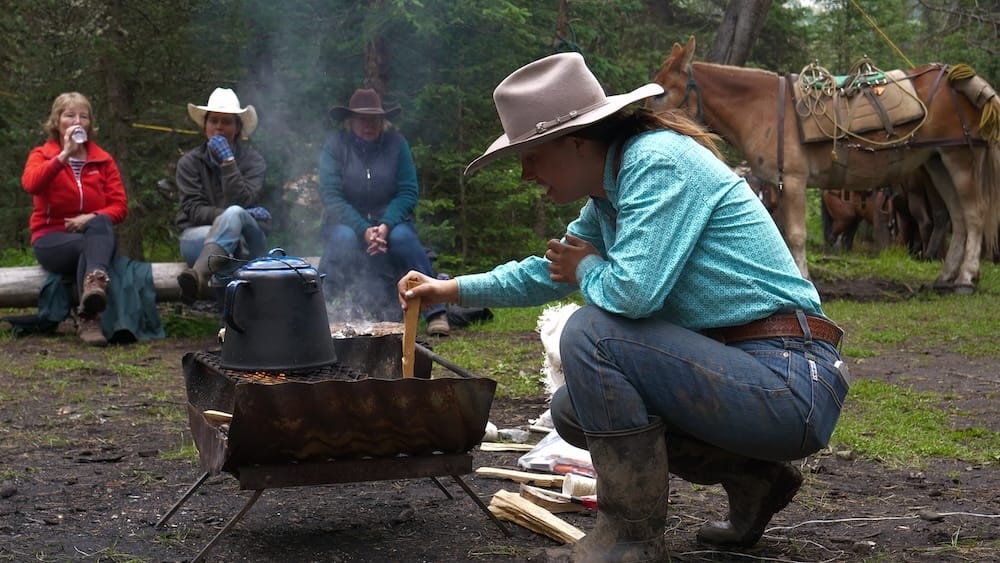
Banff Trail Riders was one of the strongest parts of the experience
Beautiful scenery can carry a mediocre tour for an afternoon. It cannot carry six days.
Once you are travelling with the same operation day after day, the guides and wider staff become a huge part of whether the trip works, and this was one of the areas where Banff Trail Riders impressed me most. I have done enough tourism experiences over the years to recognize the difference between somebody who genuinely loves what they are doing and somebody who is simply surviving another shift.
This felt like the former. That enthusiasm seemed to run through the guides, packers, cooks and people keeping everything moving behind the scenes. I felt very well taken care of without the experience ever becoming overly polished or corporate, which was exactly the balance I wanted in the backcountry.
Over six days, you also start seeing how much work exists behind what appears effortless from the guest side. Horses need to be managed, meals need to appear, luggage has to move between lodges and supplies have to reach places where there is no delivery truck pulling up outside the kitchen.
Backcountry mule packers move groceries, guest duffle, bedding, propane, garbage and other supplies between town and the lodges. Watching that system in action changed how I thought about the trip’s price because so much of what you are paying for happens quietly in the background.
Your dinner did not arrive at Halfway Lodge because a Sysco truck took a wrong turn off Banff Avenue. There is a lot going on behind that plate.
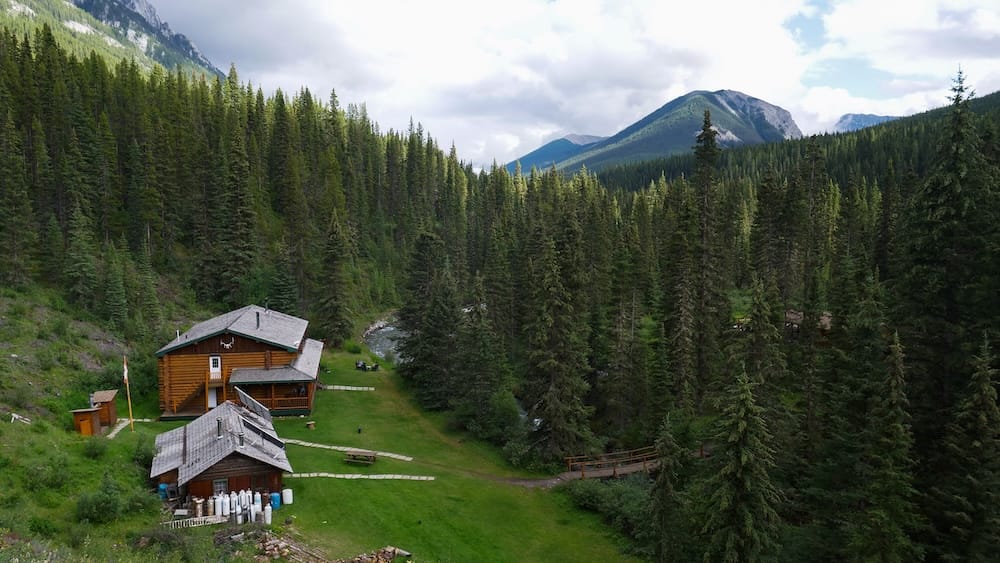
The lodges, food and group life mattered more than I expected
Before the trip, horseback riding was obviously the headline attraction. By the end, I knew the experience would have felt completely different without the lodges.
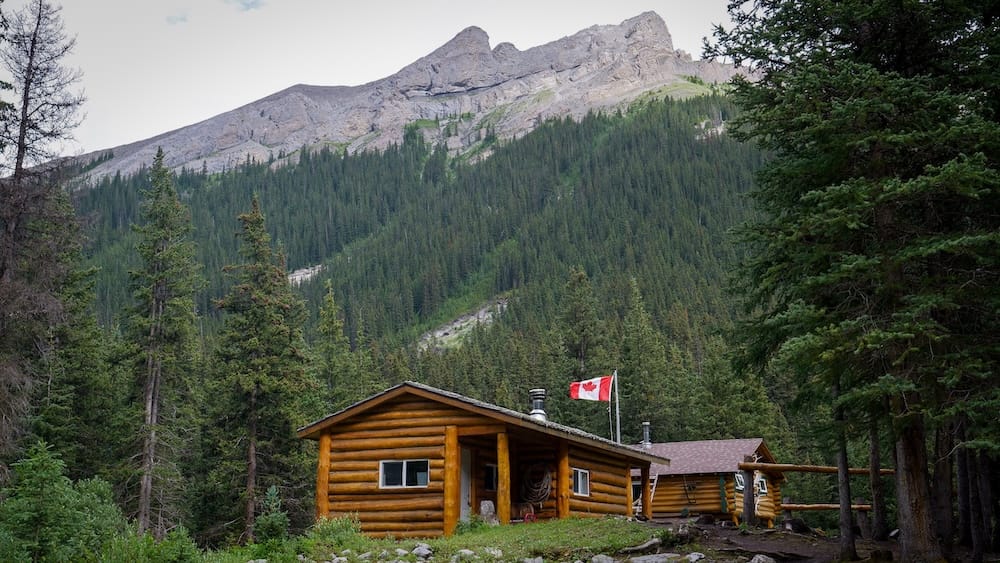
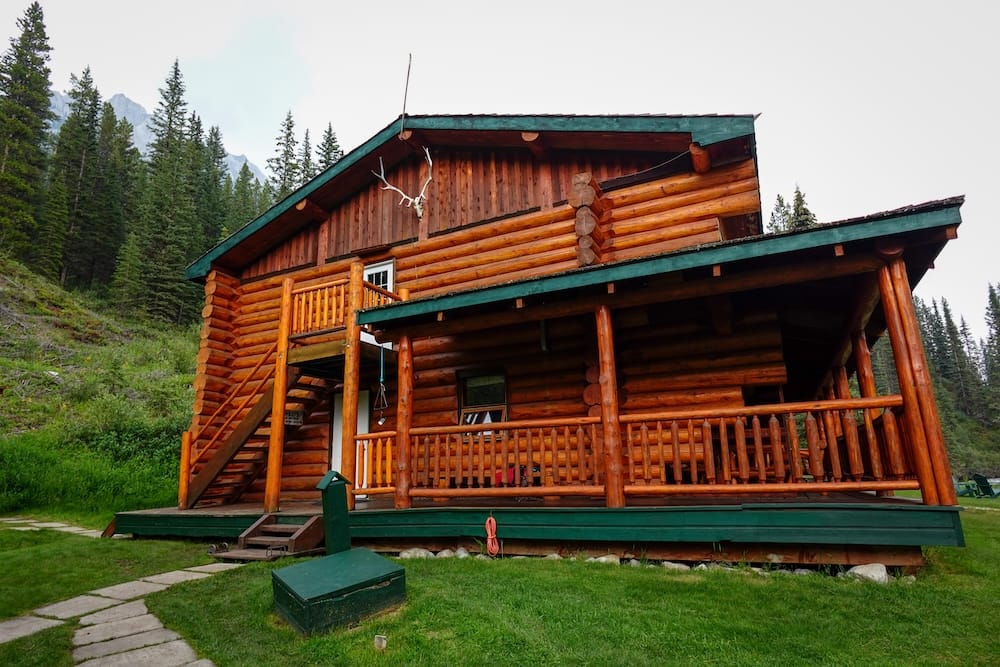
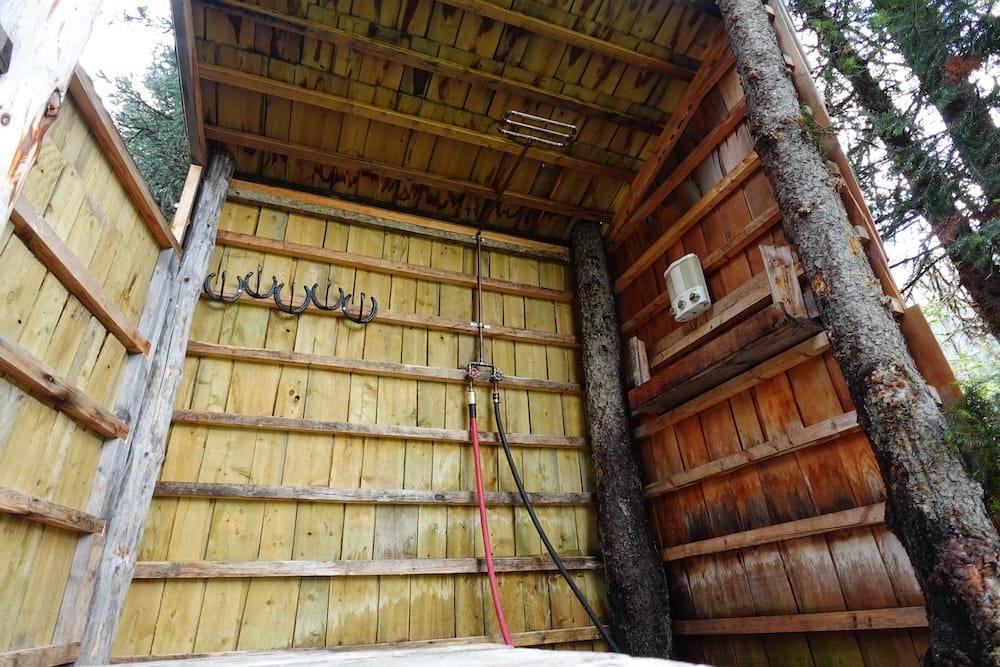
Sundance and Halfway serve different purposes. Sundance is closer to Banff and currently offers more creature comforts, including indoor washrooms and heated showers. Halfway is more remote and rustic, with shared outhouses, an outdoor shower, propane lighting and a communal living space centred around the dining area and wood stove.
I preferred Halfway, and not because it was somehow secretly luxurious. Quite the opposite. It felt closer to the adventure I had pictured before arriving.
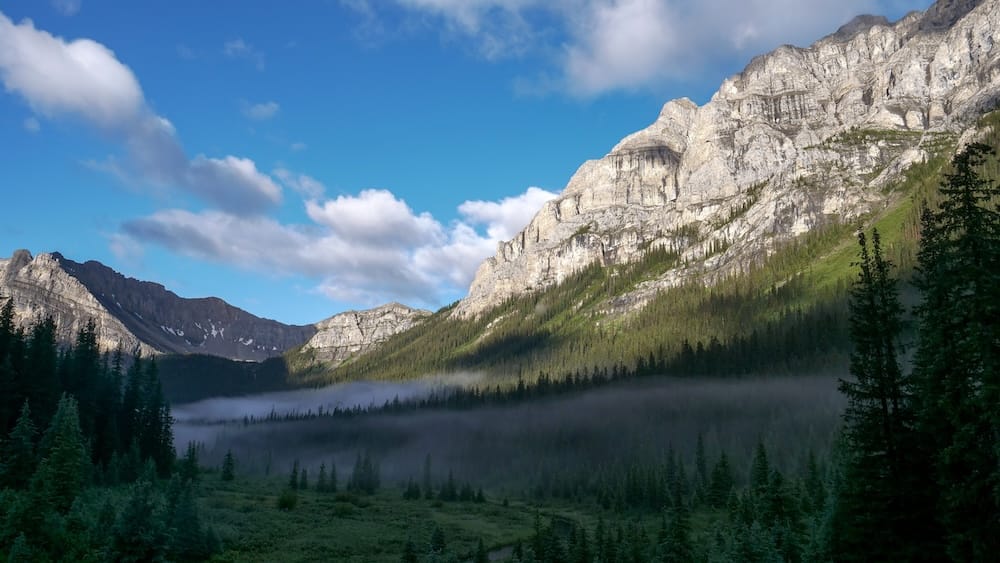
When I reached Halfway, with mountains surrounding the lodge and the sense that we really were in the middle of nowhere, the whole trip clicked into another gear. The rustic setup suited the location. I did not want a mini resort dropped into that landscape.
The food surprised me just as much. I have a separate review devoted entirely to what I ate, because otherwise this article would disappear down a delicious rabbit hole of grilled steaks, lodge dinners and desserts. The short version is that I ate substantially better than I expected.
The trip remains fully catered today, with several set-menu options for different dietary needs. During my own stay, big breakfasts, excellent dinners, desserts and outdoor lunches became part of the daily rhythm, and after several hours on horseback I was never sitting around wondering whether I could discreetly eat part of the table.
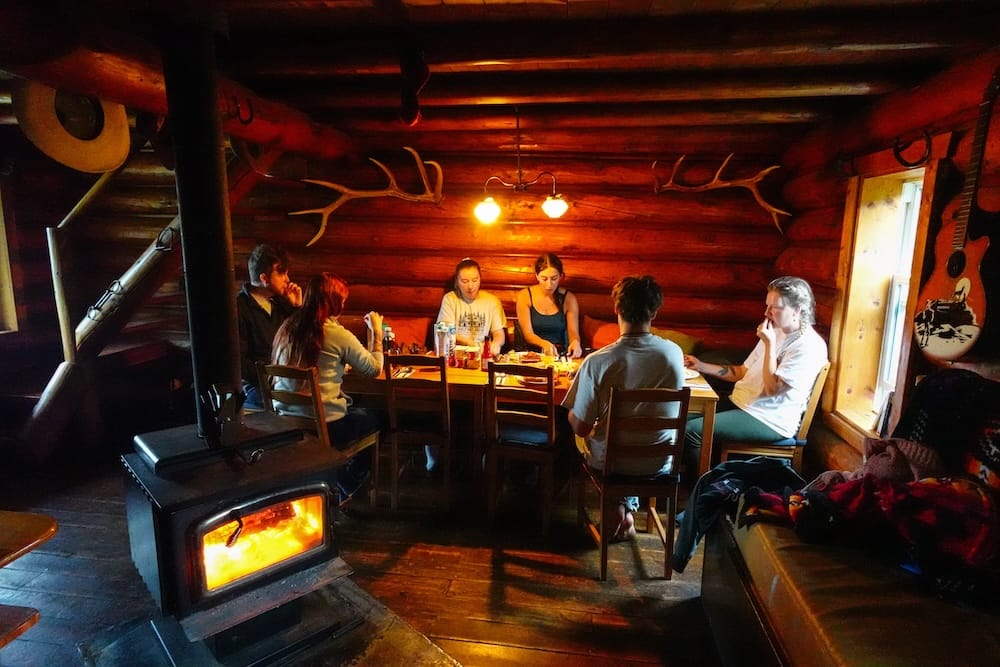
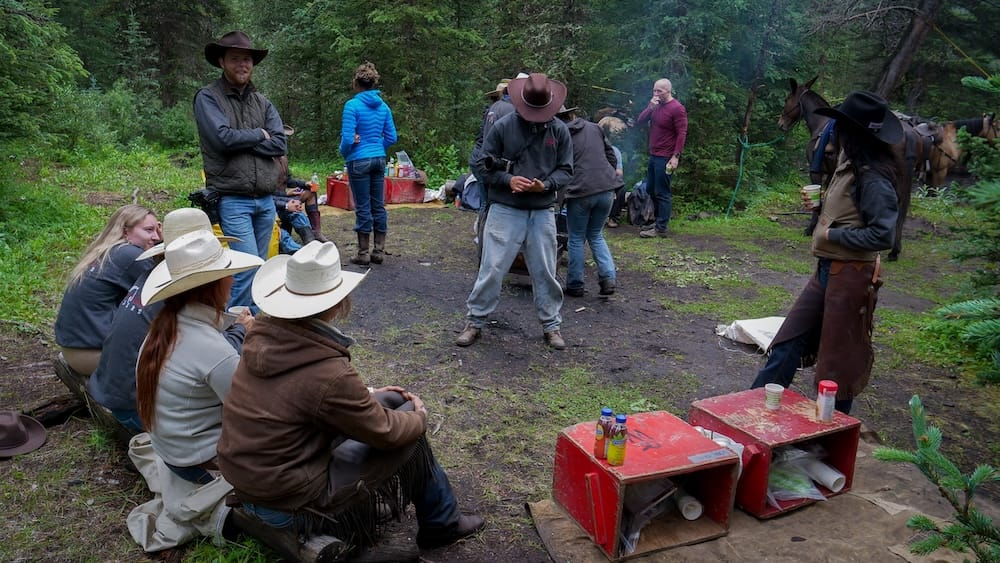
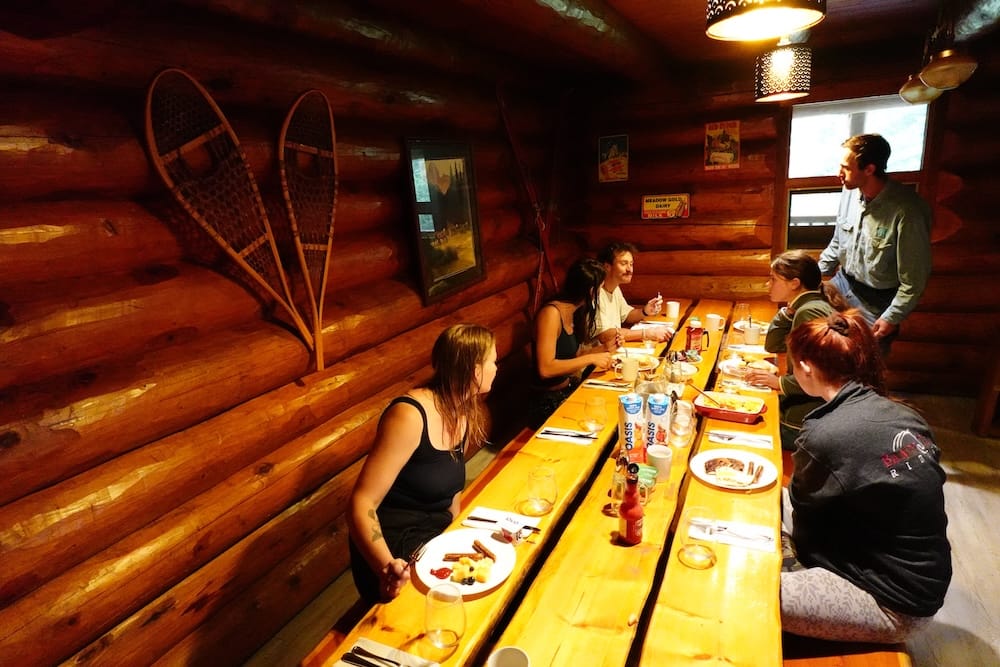
Meals also became social. Nobody was inhaling dinner and rushing off to the next attraction because there was nowhere else to rush. We sat around, had drinks, talked about the riding, told stories and gradually got to know one another.
At Halfway in particular, the kitchen, dining table, wood stove and common space blended together in a way that made the evenings feel communal without requiring some organized “group bonding activity.” You simply spent enough time together that the conversations happened naturally.
That was a major plus for me. If you intensely dislike sharing rooms, eating communally or being around the same small group for several days, however, I would take that seriously before booking. Those are not little details tucked away in the accommodation fine print; they are part of how the trip functions.
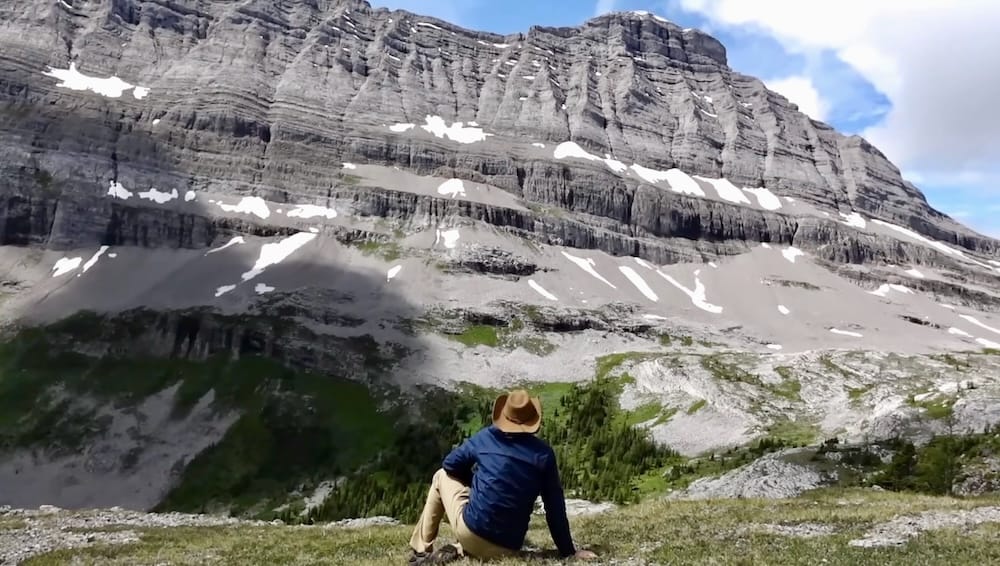
Six days gives the experience time to sink in
This was probably the part I underestimated most.
I did not ride into the Banff backcountry on Day 1 and instantly transform into an enlightened mountain hermit who had forgotten email existed. My body had arrived, but my brain was still carrying bits of normal life around with it, and it took a few days before that changed.
That is one reason I now see the six-day length as part of the product rather than simply a scheduling inconvenience. The repetition starts changing your rhythm: wake up, eat, deal with the weather, get back on your horse, ride for hours, arrive somewhere remote, eat again, sit around with the group and go to bed tired. There is very little normal life left in that equation.
By the later days, I described the experience as feeling like I had pressed a hard reset button. I have written separately about that psychological side of the trip because it deserves more space than it needs here, but it matters to the worth-it question because I do not think that feeling would have appeared after a two-hour ride.
A short horseback trip can give you great scenery and a fun story. Six days has enough time to temporarily become your world.
The current backcountry experience still has no cell service or Wi-Fi, which helped me enormously. I also recognize that the exact same fact could make someone else miserable. If being unreachable makes you anxious rather than relieved, it is worth thinking about before you disappear into the mountains for most of a week. For me, unplugging became one of the best parts of the trip.
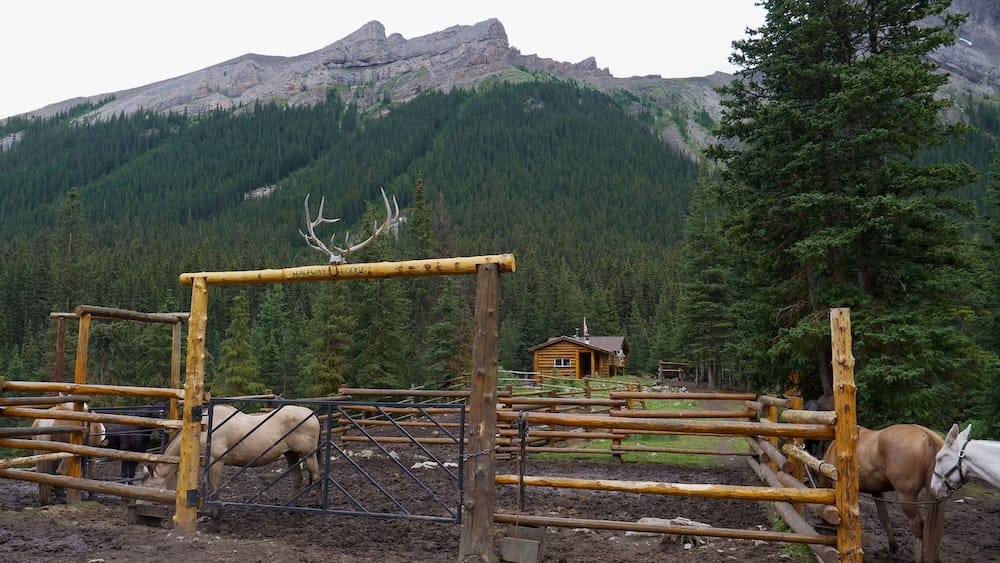
Where does the money actually go?
This is where the “worth it” question becomes less romantic because the six-day trip is undeniably expensive.
When I checked current pricing, Banff Trail Riders was displaying the Halfway Lodge trip from US$3,390 per person, while another active booking channel was displaying it from CA$6,099. Those are different currencies and different sales channels, so I would not treat either as some eternal fixed retail price. Check the live total for your dates before making a decision.
Either way, this is a high-ticket travel experience. I still think the value is exceptional.
Part of that is obvious from what you receive: five nights of backcountry lodging, your horse, instruction, guiding, bedding, trail access and a fully catered trip. But I understood the value much better once I saw the infrastructure required to make all of that happen away from normal roads and hotel logistics.
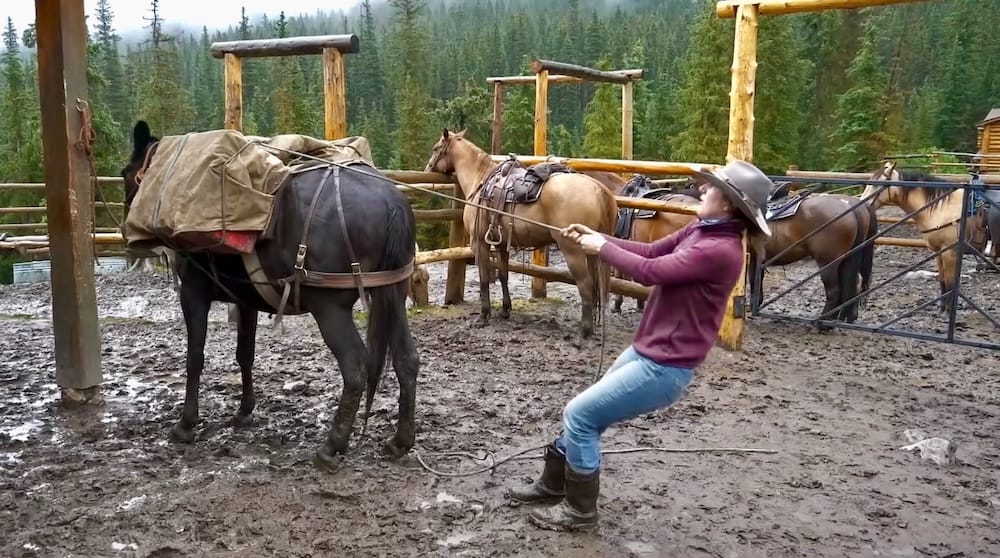
There are horses and mules to manage, guides travelling with the group, cooks working at remote lodges, packers moving supplies by mule, luggage being transported and two lodges that need food, bedding, propane and everything else required to function. Even something as boring as clean sheets becomes more impressive once you realize somebody cannot simply throw them into the back of a delivery van and drive up the service road.
That is why I would not evaluate this trip by dividing the price by the number of hours spent riding. You are buying an entire six-day backcountry system, with horseback travel at the centre of it.
For somebody who simply wants to experience horseback riding while visiting Banff, that system is unnecessary. Book a shorter ride and use the remaining money and vacation days elsewhere. For somebody who specifically wants an immersive backcountry adventure, the complicated machinery behind the experience is exactly what allows it to exist.
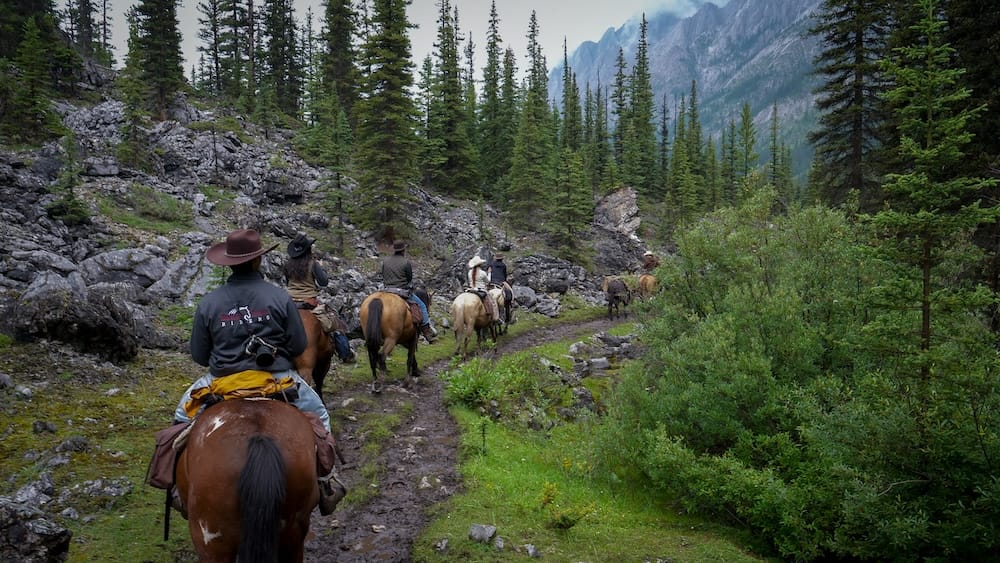
Check the booking channel, not just the headline price
This is considerably less exciting than Allenby Pass, but when several thousand dollars are involved, cancellation terms deserve a little attention.
The current direct Banff Trail Riders policy allows backcountry cancellations or changes up to 60 days before departure, subject to its published conditions. The current Viator listing for the six-day product is stricter and describes the booking as non-refundable and non-changeable.
That is a meaningful difference, particularly for something requiring six days of vacation time. Prices can also appear differently from one sales channel to another, as the current US-dollar operator rate and Canadian-dollar reseller rate demonstrate. I would therefore compare the final live total and cancellation terms before choosing where to book rather than assuming every listing is interchangeable.
If Viator is the booking route you prefer, you can check the current six-day Halfway Lodge listing, dates and terms here. Read the cancellation conditions before paying rather than assuming they match a direct booking.
This is not an activity you casually move from Tuesday afternoon to Thursday morning because a restaurant reservation opened up. Once you commit, you are building a large portion of your trip around it.
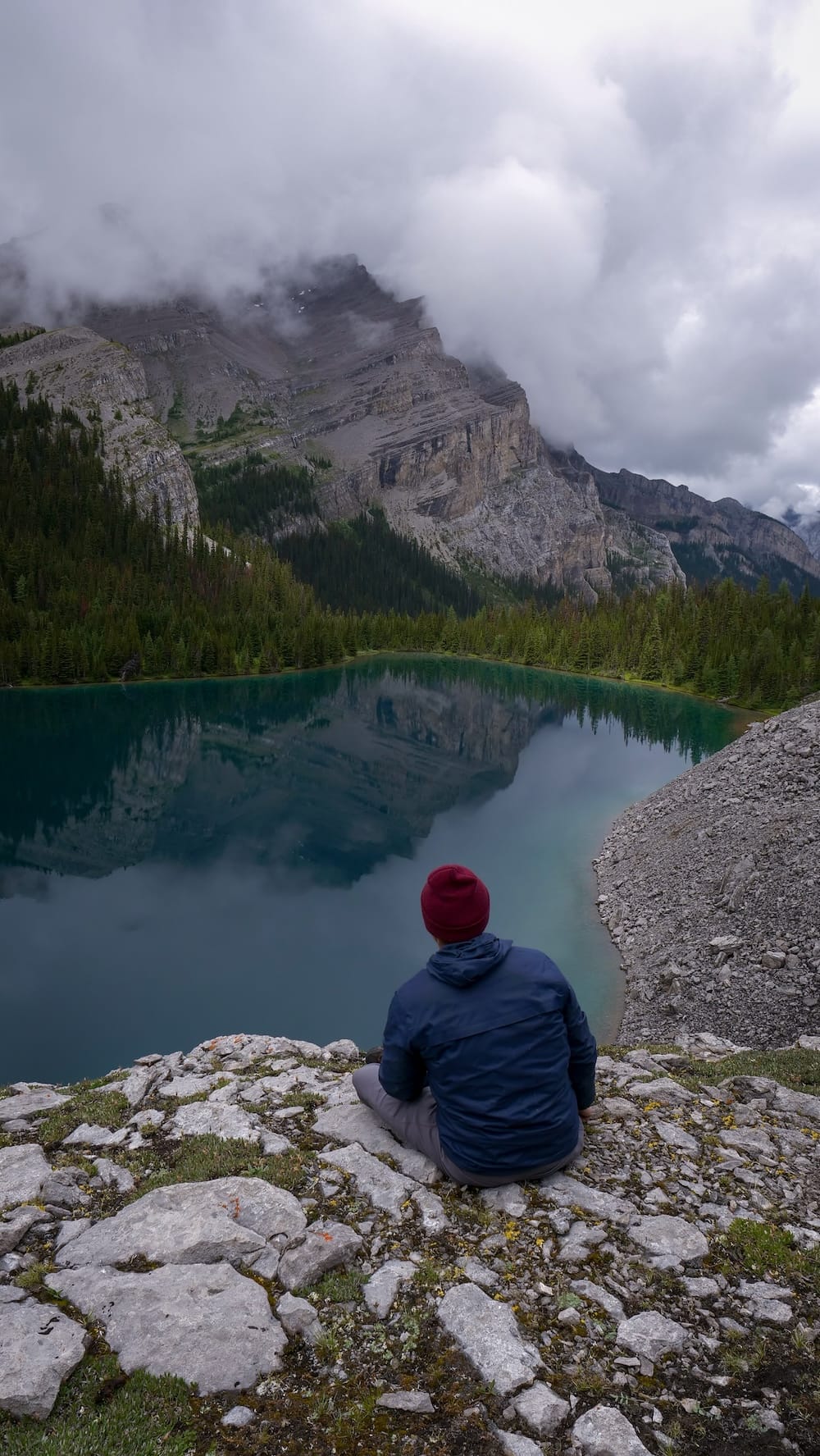
The trade-offs are also part of the appeal
I could produce a tidy pros-and-cons list here, but it would flatten the experience because most of the supposed drawbacks are tangled up with the reasons I liked the trip.
Long riding days are tiring, yet they are also what makes the journey feel substantial. Halfway Lodge is rustic, but that remoteness is exactly why I preferred it. There is no Wi-Fi or cell service, which helped me become immersed rather than distracting me. Shared spaces and meals reduce privacy, but they also created some of my favourite social moments.
Weather is another example. Conditions can change in the mountains, and my trip included cold and rain. I would not call that a selling point, but I also would not expect six days of horseback travel in Banff to behave like an indoor attraction with climate control.
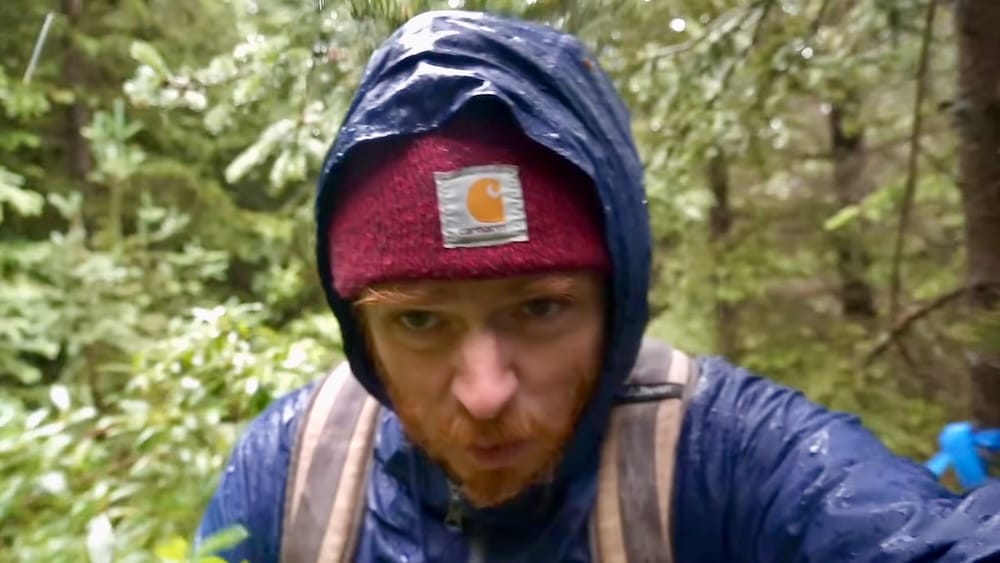
There are practical compromises as well. Current packing guidance limits your main luggage to a 30-pound soft-sided bag, with luggage and supplies moved using pack animals. You are not rolling an enormous hard-shell suitcase through the lobby of Halfway Lodge.
None of that made me think the trip was badly designed. It told me what kind of trip I was on.
The one qualification I would emphasize from my own experience is that immersion takes time. The beginning is partly adjustment: you are learning your horse, figuring out the group rhythm, getting used to the lodges and discovering what several hours in the saddle does to parts of your anatomy you do not normally discuss over breakfast.
Once that adjustment period passed, the whole experience became far more absorbing. I stopped measuring every small inconvenience against normal life and started living according to the rhythm of the trip. That was when it became incredible.
Who should book the six-day Halfway Lodge trip?
The useful question is not whether this is objectively a good trip. I think it is excellent. The better question is whether it matches how you actually like to travel.
| Book | Think carefully | Skip | |
|---|---|---|---|
| Horses | You actively want several days around horses | Horses interest you, but repeated saddle time gives you pause | You do not particularly like horses |
| Adventure | You want to get well beyond conventional Banff sightseeing | You like nature but strongly value comfort | You mainly want an easy highlights vacation |
| Time | Six days sounds like part of the appeal | It would consume most of your Banff trip | You cannot comfortably give it nearly a week |
| Riding commitment | Multi-hour riding days sound rewarding | You are unsure how your body will handle them | You cannot meet the operator’s physical requirements |
| Accommodation | Rustic lodges and communal spaces sound fun | Shared rooms and outhouses make you hesitate | You require private hotel-style facilities |
| Connectivity | You actively want to unplug | You can tolerate being offline | Being unreachable would make you miserable |
| Weather | Changing mountain conditions are part of the adventure | You strongly prefer predictable comfort | You are unwilling or unable to handle prolonged outdoor exposure |
| Budget | A major immersive experience is a priority | The cost substantially affects the rest of your trip | You mainly want to sample horseback riding |
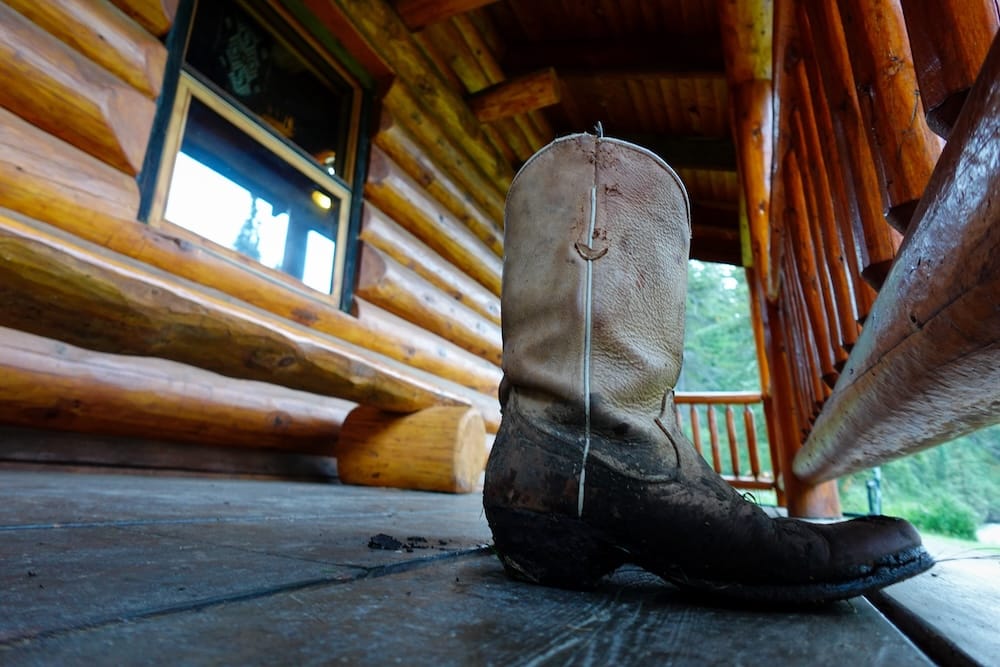
There are current hard requirements too. The six-day product has a minimum age of nine and a maximum rider weight of 230 pounds, or 104 kilograms, fully dressed. Riders also need enclosed footwear, sufficient physical ability to mount and dismount independently and enough English comprehension to respond to guide instructions.
Those rules tell you whether you qualify. They do not tell you whether spending six days out there is a good idea for you.
For me, the strongest candidate is somebody who feels a little spark when reading phrases such as six days on horseback, remote lodge and no Wi-Fi. Add a desire for adventure, nature and getting somewhere well beyond the usual Banff sightseeing circuit, and the trip starts making a great deal of sense.
If those same phrases fill you with dread, listen to that too. There is no prize for forcing yourself through six days of somebody else’s dream vacation.
If six days is too much, shorter Banff horseback rides make more sense
The six-day trip is not the logical choice for somebody who mainly wants to find out what horseback riding in Banff feels like. GetYourGuide currently lists several much shorter Banff horseback experiences, ranging from one hour to four hours. I did not personally ride these specific short products, so I would treat them as current alternatives rather than extensions of my six-day review.
| Current shorter option | Time | Why consider it |
|---|---|---|
| Bow River Horseback Ride | 1 hour | The smallest time commitment, with riding along the Bow River and past the Cave and Basin area. |
| Spray River Horseback Ride | 1 hour | Another short option, distinguished by the Spray River crossing and Bow Falls area. |
| Sundance Loop Horseback Ride | 2 hours | More saddle time without sacrificing most of a day, including Bow River terrain and the Windy Knoll viewpoint. |
| Bow Valley Loop Horseback Ride | 3 hours | A more substantial half-day-style ride through Bow Valley terrain, forest and the Sundance Canyon area. |
| Sulphur Mountain Intermediate Horseback Ride | 4 hours | The deepest short-form option here, with river crossings and a longer commitment; it is currently intended for riders with previous experience. |
These solve a completely different problem from the Halfway Lodge trip. They let you experience horseback riding in Banff without building nearly a week of your vacation around it. If your main reaction to this review is, “I like the horse part but six days sounds insane,” one of these is probably the more sensible branch.
Would I do the 6-Day Halfway Lodge trip again?
Yes. And I do not mean yes with a page of qualifications attached.
I would do the full six days again in a heartbeat.
The riding was demanding enough to feel meaningful without turning the week into some grim endurance exercise. Hollywood became part of the trip rather than merely my assigned horse. The staff were passionate, the food far exceeded my expectations, and Halfway Lodge delivered exactly the remote, rustic atmosphere I had hoped to find. Sundance provided a different kind of comfort, the group dynamic became better as the days passed, and normal life eventually felt very far away.
Most importantly, the trip gave me something that can be increasingly difficult to find in a destination as famous and heavily visited as Banff: the feeling that I had genuinely gone somewhere rather than simply driven to another attraction, parked, looked around and moved on.
Six days is a lot. The price is a lot. The saddle time is a lot.
For the traveller who wants exactly this kind of adventure, that is also why the experience worked so well for me.
Frequently Asked Questions
Is the Banff Trail Riders 6-Day Halfway Lodge trip worth it?
For the right traveller, absolutely. I would do the full six days again in a heartbeat. The value comes from the riding, remote lodges, food, staff, backcountry logistics and enough time away from normal life for the experience to become genuinely immersive.
Do you need previous horseback riding experience for the six-day trip?
Previous riding experience is not currently required, but this is still a physically involved trip. Riders need to be in good physical condition, mount and dismount independently and respond promptly to guide instructions.
How much time do you spend horseback riding each day?
The current Halfway Lodge itinerary includes five riding days, with roughly five to six hours in the saddle on riding days including breaks. That repeated saddle time was much more demanding for me than a short scenic horseback ride.
What are Sundance Lodge and Halfway Lodge like?
Sundance Lodge is the more comfortable of the two, with indoor washrooms and heated showers, while Halfway Lodge is more remote and rustic with shared outhouses, an outdoor shower and communal lodge space. I preferred Halfway because that rustic setting suited the adventure.
Is there cell service or Wi-Fi on the Banff Trail Riders backcountry trip?
No. The current backcountry experience has no cell service or Wi-Fi. Being disconnected became one of my favourite parts of the trip, but travellers who need to stay reachable should take that seriously before booking.
Who should skip the six-day Halfway Lodge horseback trip?
I would skip it if you do not particularly like horses, dislike being off-grid, require private hotel-style facilities or mainly want an easy Banff highlights vacation. A shorter horseback ride makes much more sense if you only want to sample riding.
This article is also available in Spanish. [Leé la versión en castellano: Reseña de la travesía a caballo de 6 días a Halfway Lodge con Banff Trail Riders: ¿vale la pena?]
Disclosure: My six-day trip was hosted as part of a partnership with Banff Trail Riders. The departure also included other content creators. All experiences and opinions described here are my own.
This article contains affiliate links. If you book through one of these links, I may earn a commission at no extra cost to you.