
Getting from Sapporo to Noboribetsu Onsen looks straightforward until you realize the train leaves you eight kilometres downhill from the hot-spring town. There’s a cheaper direct bus that goes right into Noboribetsu Onsen, but its timetable is a nuisance if you’re planning a day trip.
Audrey and I travelled the other way, from Noboribetsu to Sapporo, after two nights at Park Hotel Miyabitei. We took Donan Bus to the railway station and continued by train. Nothing dramatic happened—my idea of a successful travel day with luggage and a connection. We’re huge train fans, and already had a JR Hokkaido pass. But coming from Sapporo, I’d choose based on the visit you want.
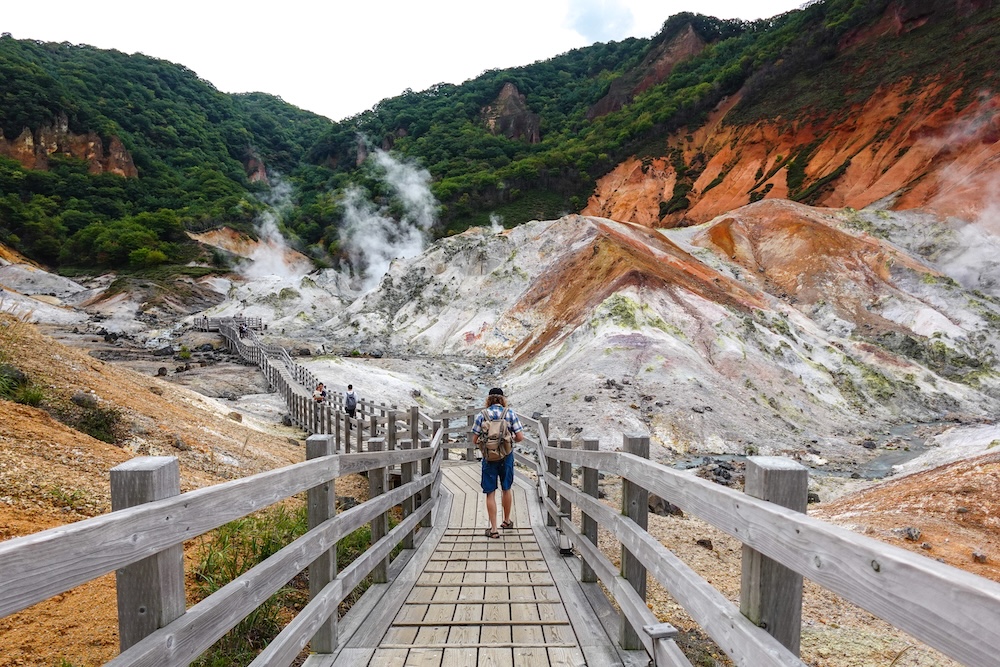
Train, Bus or Tour From Sapporo: How the Options Compare
The simplest-looking option isn’t automatically the most useful. Compare the complete journey into the onsen town, including that last transfer, rather than only the ticket from Sapporo.
| Option | Published adult cost | Time involved | Transfers | Best for |
|---|---|---|---|---|
| Limited express train + Donan Bus | ¥5,340 one way at standard fares | Roughly 70–80 minutes by train, 14–21 minutes by bus, plus connection time | One | Independent day trips and flexible plans |
| Direct Express Onsen-go bus | ¥2,800–3,800 one way | 1 hour 40 minutes to the main onsen stop | None | Overnight guests whose plans fit the timetable |
| Guided day tour | Varies by product and date | Typically a full-day return excursion, often around 10 hours | Organized for you | Travellers who want sightseeing without arranging transport |
The tour is a return sightseeing excursion, so its price and duration cannot be compared directly with one-way tickets. And the direct bus looks particularly attractive until you examine its departure times.
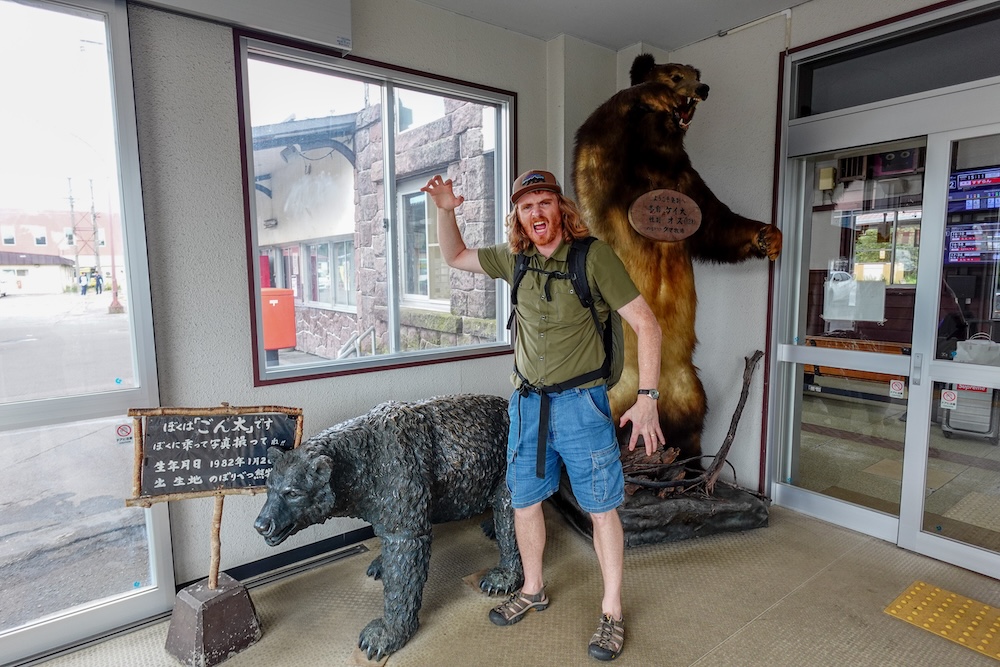
Taking the Train From Sapporo to Noboribetsu Onsen
From Sapporo Station, take a Limited Express Hokuto or Suzuran service that stops at JR Noboribetsu. The rail leg takes roughly 70–80 minutes. These trains have reserved seats, so arrange your ticket and reservation before boarding.
The standard adult fare is ¥4,890 one way. From Noboribetsu Station, you’ll need the local Donan Bus up to Noboribetsu Onsen, which currently costs ¥450. That makes ¥5,340 per adult one way, or ¥10,680 return using the same standard fares. Discounted rail tickets may cost less, subject to availability.
The bus takes around 14–21 minutes to the main onsen stop; certain services continue farther into the hotel district, which matters if you have a suitcase and a hotel up the hill. But you may wait longer for the bus than you spend riding it.
For example, one published pairing has a train leaving Sapporo at 08:43, arriving JR Noboribetsu at 09:53, then a bus departing 10:25 and reaching the onsen stop at 10:39. That’s 1 hour 56 minutes, including a 32-minute wait. Treat it as an example, not a guaranteed connection on your date. Nor does that time include getting to Sapporo Station or walking from your stop once you reach Noboribetsu Onsen.
Check JR Hokkaido departures and the Donan Bus timetable for both directions. Suica and Kitaca aren’t accepted on this bus route; carry suitable cash.
When Audrey and I left Noboribetsu, we’d already used that local bus on arrival. We knew what to expect, allowed plenty of time and had a comfortable transfer. It’s an easy journey when planned properly; a missed connection becomes considerably less charming when you’re watching your sightseeing time disappear.
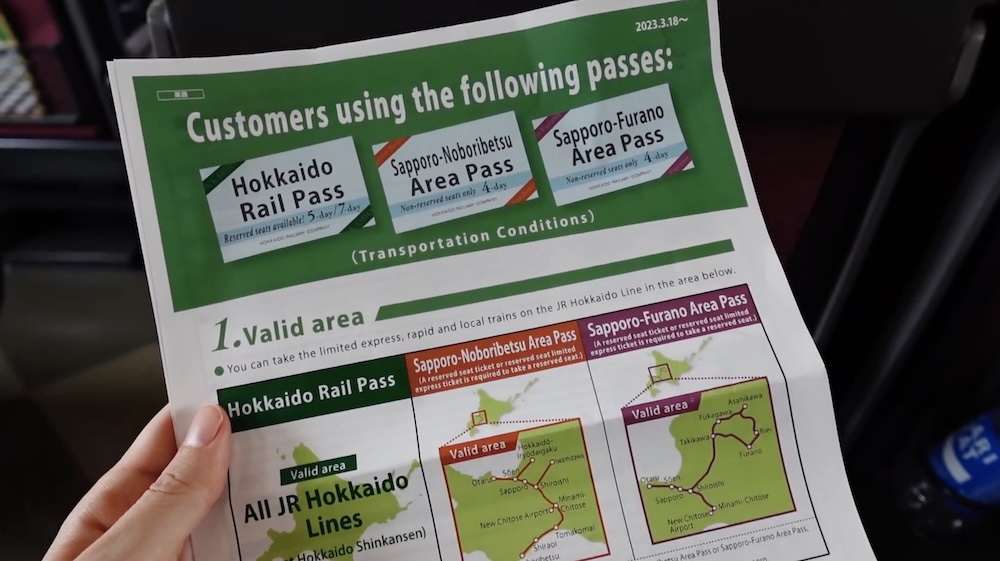
Is a JR Hokkaido pass worth it for this journey?
Our existing JR Hokkaido pass made rail an easy choice. Buying one just for this route is another matter. The four-day Sapporo–Noboribetsu Area Pass is listed at ¥10,000 through the eligible advance-purchase channel, or ¥11,000 when purchased at the station, subject to the pass’s eligibility rules, including the applicable non-Japanese passport requirement.
A standard rail return totals ¥9,780, so the ¥10,000 pass costs ¥220 more if you make no other covered train trips. Additional eligible journeys during its four consecutive days can change that. The local Donan Bus isn’t included.
Check the JR Hokkaido rail-pass conditions rather than assuming that having a pass automatically saves money.
Going by Bus From Sapporo: Direct Services, Stops and Limitations
The direct Donan Bus Express Onsen-go leaves from Sapporo Station’s No. 7 boarding point, reaches Noboribetsu Onsen and continues past several hotel stops. No rail connection to manage, and the published adult fare is ¥2,800–3,800 one way. Advance reservations are required.
The current departure is 13:40 from Sapporo, arriving at the main Noboribetsu Onsen stop at 15:20 and Park Hotel Mae at 15:24. For a ryokan check-in, that could work nicely. And unlike the railway, there is no separate station-to-onsen bus to deal with when you arrive. If the stop is near your hotel, all the better.
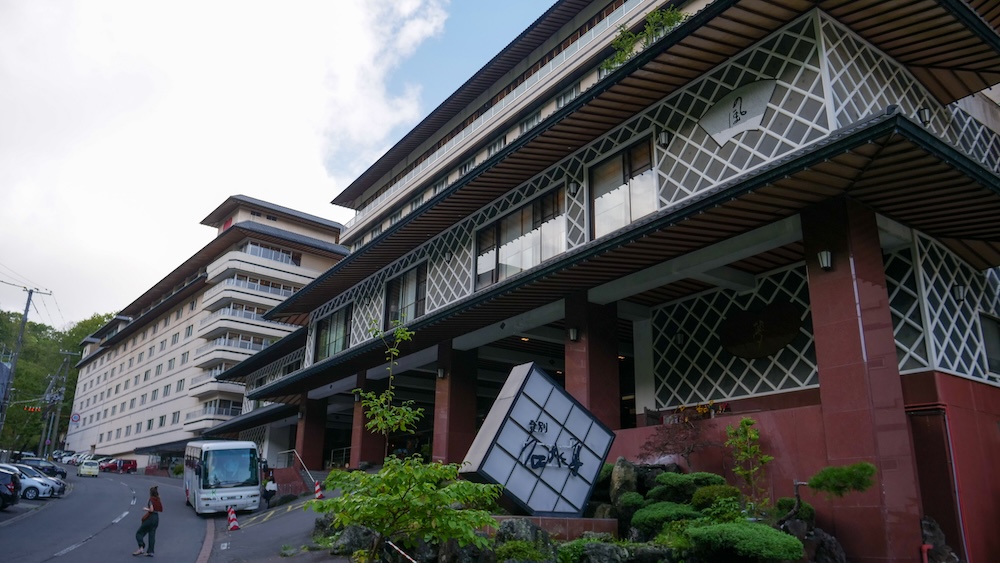
Audrey and I spent two nights at Park Hotel Miyabitei, one of the hotels served by the nearby Park Hotel Mae stop. We reached it by local bus from JR Noboribetsu Station instead, followed by an uphill walk with our luggage. Looking at that direct express-bus route, I can certainly appreciate the appeal of arriving closer to the hotel without changing vehicles.
For a day trip, though, the timetable is pretty hopeless. The return service departs the main onsen stop at 09:30, reaching Sapporo at 11:15—hours before your outbound bus even arrives. You cannot make a same-day Sapporo return using these two direct services. You’d need different transport for one leg.
Check the Sapporo-to-onsen schedule and onsen-to-Sapporo return schedule before making plans; these are current published times, not permanent guarantees.
Some hotels also run guest-only shuttles. Noboribetsu Manseikaku, for example, lists a ¥1,000 one-way shuttle leaving Sapporo at 13:30 for reserved overnight guests. That’s not public transport. Other highway buses serve the wider Noboribetsu area without necessarily entering the hot-spring town, so check the final stop.
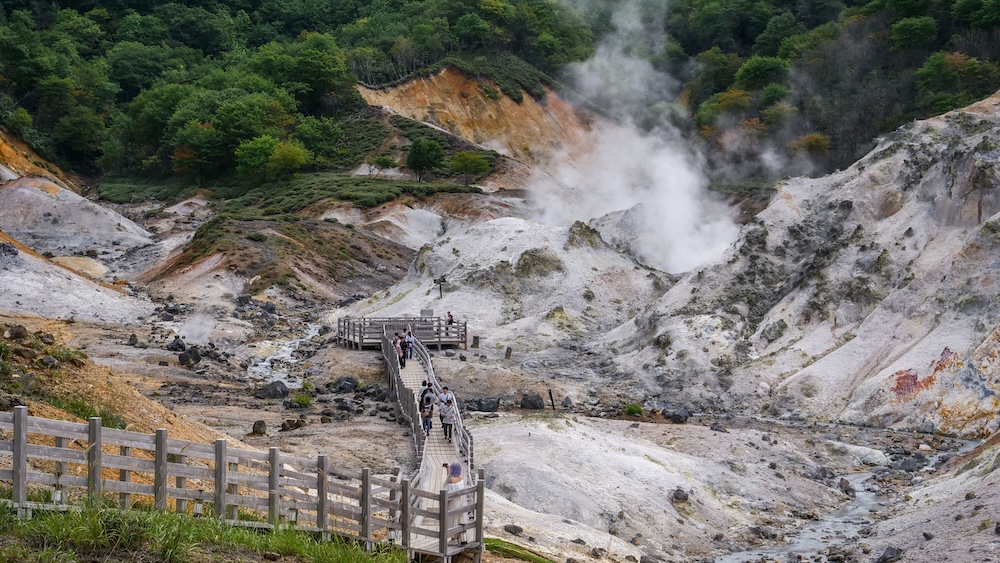
Taking a Guided Day Tour From Sapporo
If you’re on a short holiday and mainly want volcanic scenery without organizing connections, I can understand handing the arrangements to a guided tour.
But read the itinerary. Many Sapporo-origin tours combine Noboribetsu with Lake Toya and other stops. One published Noboribetsu and Lake Toya day tour runs about ten hours yet gives you only 40 minutes at Jigokudani Hell Valley. Forty minutes! Enough for a look at the steaming landscape, hardly an afternoon of walking and bathing.
That’s not necessarily a bad deal if you want to see several places across Hokkaido in one day. Another Lake Toya and Noboribetsu sightseeing tour from Sapporo follows a seasonal itinerary, combining the geothermal scenery with other landscapes. I’d compare the stops and how much time you actually get at each one rather than choosing solely by the number of attractions listed.
There’s also a different approach for travellers who want more control. A published private day tour from Sapporo to Noboribetsu and Lake Toya offers hotel pickup and a suggested itinerary with a longer visit to Hell Valley and the possibility of including the natural footbath, depending on conditions. It’s still a full-day regional excursion, but the private format gives you a different planning proposition from following a fixed group schedule. Check the driver language, inclusions and itinerary flexibility before reserving.
Tour prices vary by date and option. Some excursions include stops elsewhere before or after Noboribetsu. Check the meeting point, language, meals, admissions and time actually spent in Noboribetsu. A visit to Hell Valley doesn’t automatically include a proper onsen bath.
We didn’t take a Sapporo tour, but the natural footbath and geothermal scenery were highlights of our own two-night stay. I’d much rather somebody see Noboribetsu on an organized outing than skip it because the independent journey sounds inconvenient.
Which Would I Choose for a Day Trip or an Overnight Stay?
For an independent day trip from Sapporo, I’d choose the train and local bus. You control how long you stay, provided you arrange a suitable evening return. I’d work backwards from that departure and allow a comfortable buffer at JR Noboribetsu Station, as we did in the other direction.
For an overnight stay, the direct express bus costs less than the standard train-and-bus combination and drops you in the resort district. Its afternoon outbound and morning return won’t suit everyone. If you want more flexibility, paying extra for rail may be worthwhile.
And if you’re still deciding whether to stay, it’s worth comparing accommodation in Noboribetsu Onsen before ruling out an overnight visit. A room in the actual hot-spring district can change the whole experience, especially if you’re hoping to enjoy the baths instead of squeezing everything between two transport departures.
For a sightseeing day without transport planning, I’d consider a guided tour, especially if the goal were Hell Valley rather than onsen culture. Just don’t confuse a ten-hour multi-stop excursion with ten hours in Noboribetsu.
Whatever the transport, I’d come to Noboribetsu. If your choice is a day trip or skipping it, go for the day. If you love hot baths, walks in nature and escaping the city, spend a night or two. Audrey and I did, and having time to linger made all the difference. Decide what kind of visit you want before deciding which ticket to buy.
Frequently Asked Questions
How do you get from Sapporo to Noboribetsu Onsen by train?
Take a Limited Express Hokuto or Suzuran train from Sapporo to JR Noboribetsu Station, then connect to the local Donan Bus for Noboribetsu Onsen. The train takes roughly 70–80 minutes, followed by around 14–21 minutes on the bus to the main onsen stop, plus any waiting time between services.
How much does the train from Sapporo to Noboribetsu Onsen cost?
The standard adult limited express fare is ¥4,890 one way, with another ¥450 for the local bus into Noboribetsu Onsen. That makes ¥5,340 per adult one way, or ¥10,680 return at the same standard fares. Discounted rail tickets may cost less when available.
Is there a direct bus from Sapporo to Noboribetsu Onsen?
Yes. Donan Bus operates the direct Express Onsen-go service from Sapporo Station to Noboribetsu Onsen, with published adult one-way fares of ¥2,800–3,800. The listed Sapporo departure is 13:40, reaching the main onsen stop at 15:20. Advance reservations are required, and travellers should check the current timetable.
Can you visit Noboribetsu Onsen as a day trip from Sapporo?
Absolutely. For an independent day trip, I’d favour the train and local bus because they offer more flexibility. The published direct Express Onsen-go schedule doesn’t work for a same-day round trip from Sapporo, since its return service leaves Noboribetsu in the morning. Guided sightseeing tours are another option.
Is the Sapporo–Noboribetsu Area Pass worth buying?
It depends on your other rail journeys. The four-day pass costs ¥10,000 through the eligible advance-purchase channel, while a standard Sapporo–Noboribetsu rail return totals ¥9,780. Buying the pass only for those two train journeys doesn’t save money, but additional covered trips could make it worthwhile. The local Donan Bus isn’t included.
Should I take a guided tour or stay overnight in Noboribetsu?
I’d consider a guided tour if you’re short on time and mainly want to see Hell Valley and other Hokkaido scenery. Some multi-stop excursions allow only 40 minutes at Jigokudani. If you enjoy hot springs, nature walks and a slower pace, I’d choose an overnight stay. Audrey and I spent two nights in Noboribetsu, and having that extra time was a big part of the experience.
This guide is also available in Spanish. [Leé la versión en castellano: De Sapporo a Noboribetsu Onsen en tren, micro o excursión: tarifas, tiempos de viaje y combinaciones]
This article contains affiliate links. If you book through one of these links, I may earn a commission at no extra cost to you.