
In a big city, skipping the hotel dinner costs you nothing. There’s always another restaurant around the corner. Noboribetsu Onsen is different. It’s a small hot-spring town where hotel meals run on set seatings and most restaurants close early, so whether to book dinner and breakfast becomes a real decision. Audrey and I spent two nights at Park Hotel Miyabitei on a plan that included both. We ate lunch out in town and never once had dinner outside the hotel, and we’d book exactly the same way again. Here’s why, what the buffet was actually like, what eating out really involves, and which plan suits which kind of traveller.
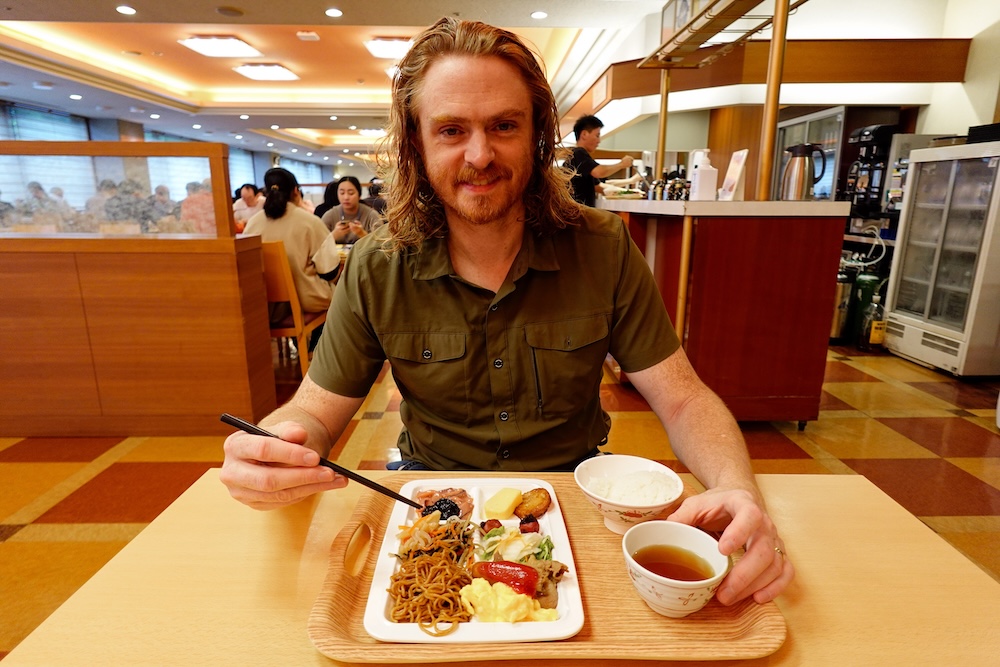
Why We Booked Dinner and Breakfast
Audrey did the hunting for this stay. She was specifically looking for a package that included breakfast and dinner at an onsen hotel with traditional rooms and proper baths, and Miyabitei’s buffet plan ticked every box. If you want the same setup, you can check meal-plan rates at Park Hotel Miyabitei. That’s the classic ryokan model: a night in a Japanese inn traditionally comes with a multi-course kaiseki dinner and breakfast. Big resort-style hotels like Miyabitei swap the kaiseki for a buffet, but the principle of dinner and breakfast included is the same.
Half-board isn’t the only way to book, though, and that’s worth knowing before you click. Miyabitei also sells a breakfast-only plan with no dinner and an 11 a.m. checkout, and some other hotels in town offer true room-only plans aimed at guests who want to eat out. So the real choice is three-way: dinner and breakfast, breakfast only, or nothing at all.
What the Hotel Buffet Was Really Like
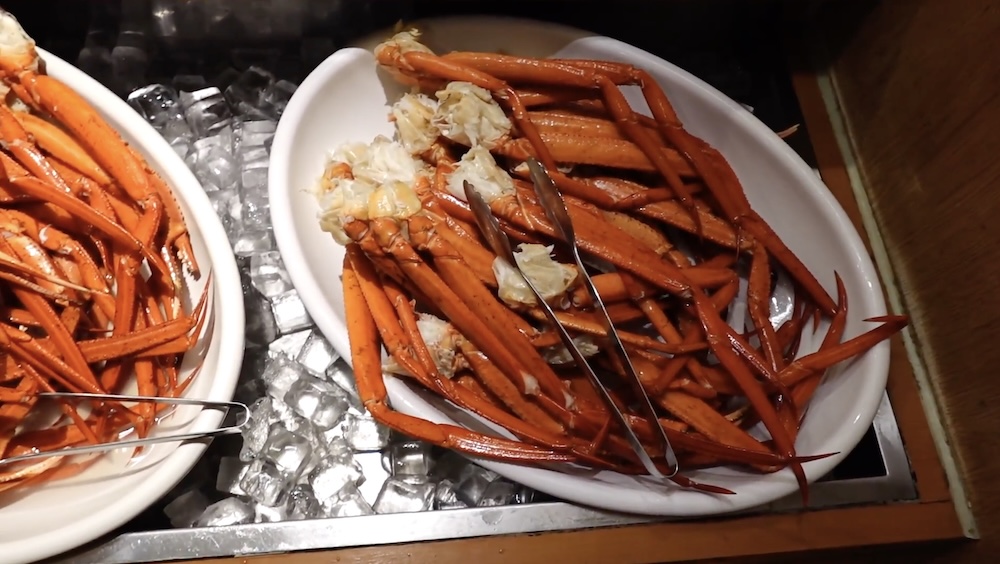
There was no kaiseki here, and no parade of little plates delivered to our room. Dinner was in a dining hall, buffet-style, in a ten-storey resort with a lot of people and a lot of movement. That makes for a slightly less personal experience than a small ryokan. In exchange you get choice: around 40 Japanese, Western and Chinese dishes, plus an open kitchen cooking some of it fresh.
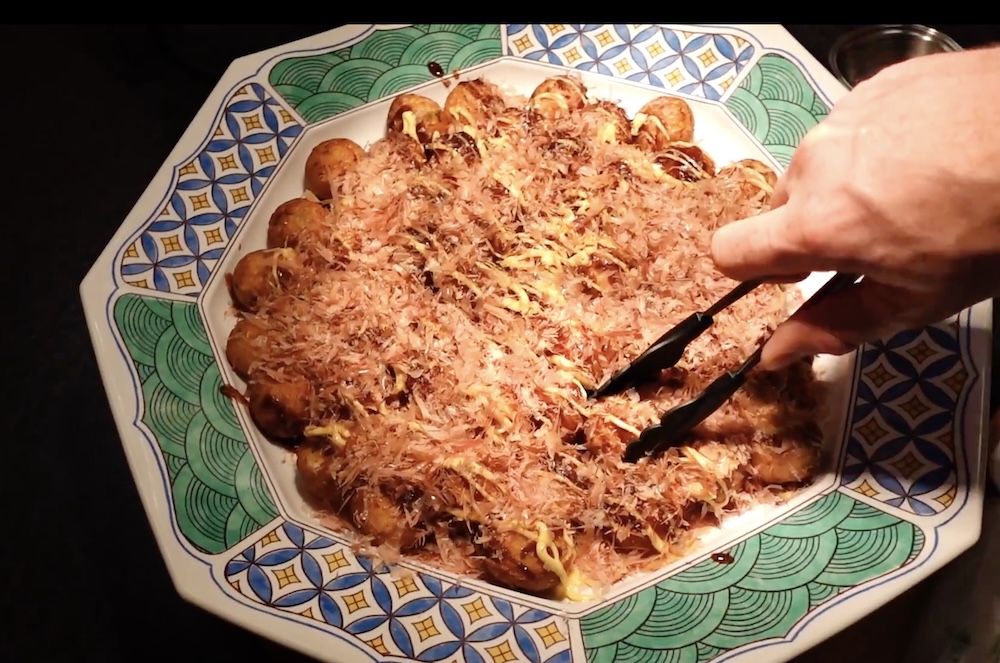
On our first night the line for the main seafood and meat section was so long that we skipped it to begin with. We started at the salad bar and the hot appetizers instead: pumpkin salad, shrimp salad, chicken balls, spare ribs, kimchi and takoyaki. Later rounds brought ginger hot pot with cabbage, salmon, tuna, crab, shumai, a tempura prawn, scallops, shrimp, sashimi and a little beef. Dessert was a round of its own, with cream puffs, fruit and pastries. Across the stay, the highlights were the red snow crab and the tuna sashimi, and overall the variety and quality were outstanding. Alcohol costs extra. We stuck to green tea and water.
The catch is that the menu doesn’t change from night to night. The hotel says it changes with the seasons, but within a short stay you’ll see the same spread every evening. On the second night it felt like déjà vu, but tasty déjà vu, and with that much choice you can build a genuinely different dinner just by picking different dishes. Over two nights it never got boring for us. A week would probably be a different story. My guess is that most guests stay a night or two, which might explain why the hotel doesn’t bother rotating it.
Don’t Go When the Doors Open
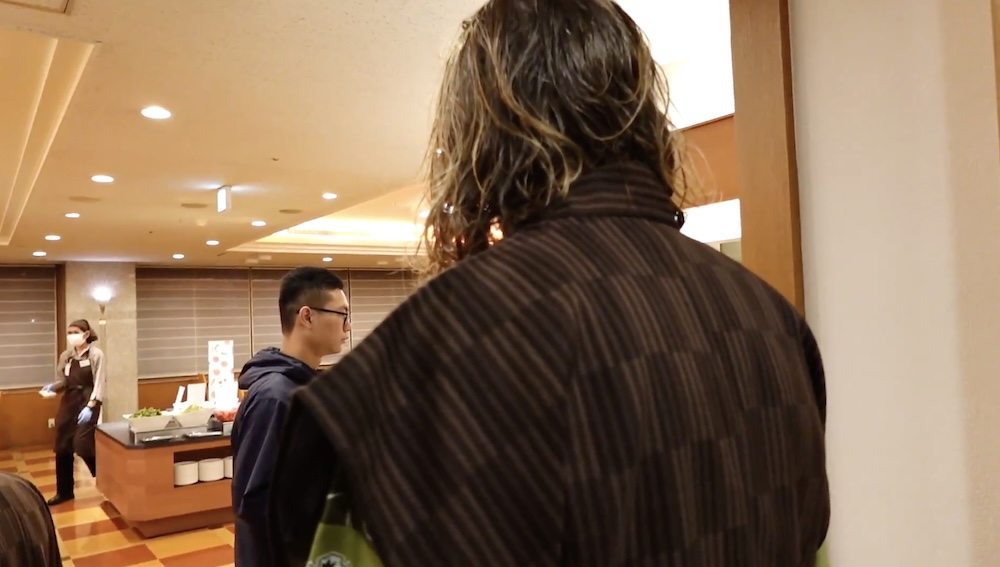
We assumed the smart move was to arrive the moment the restaurant opened and beat the crowds. It turned out to be exactly the opposite. With large tour groups staying in the hotel, opening time was the most chaotic part of both dinner and breakfast. About half an hour later, things had calmed down considerably.
Dinner runs in one or two seatings starting around 5:30 p.m. On two-seating nights, that’s roughly 5:30 to 7 and 7:30 to 9. Breakfast runs from about 7 to 9 a.m. So the practical version of our advice is to arrive partway into your seating rather than at the very start. And if the seafood section has a queue, start somewhere else and come back to it.
Eating in Town: Easy at Lunch, Tricky at Night
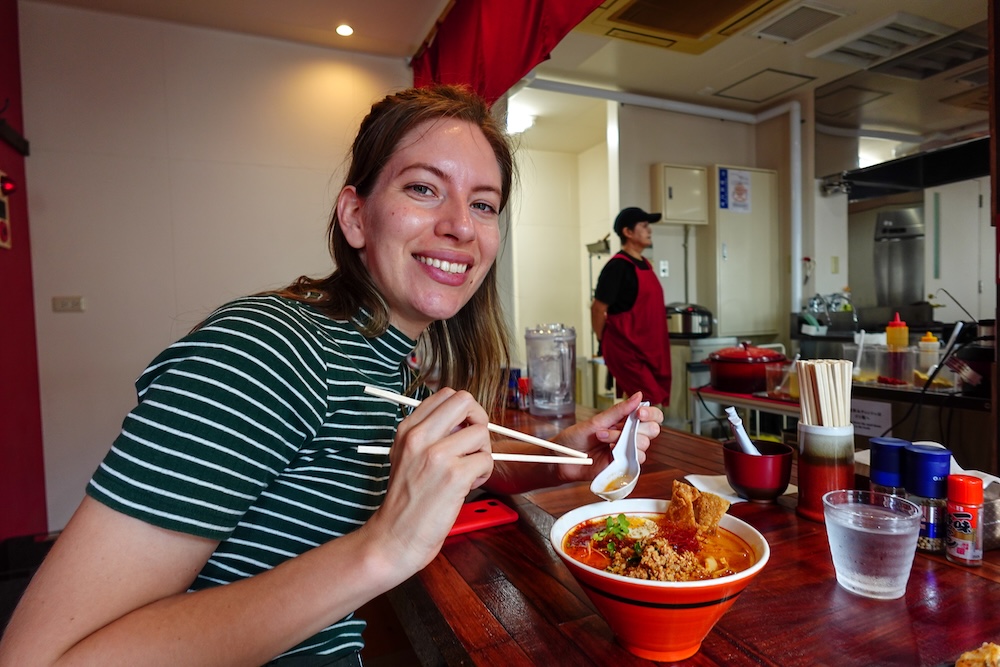
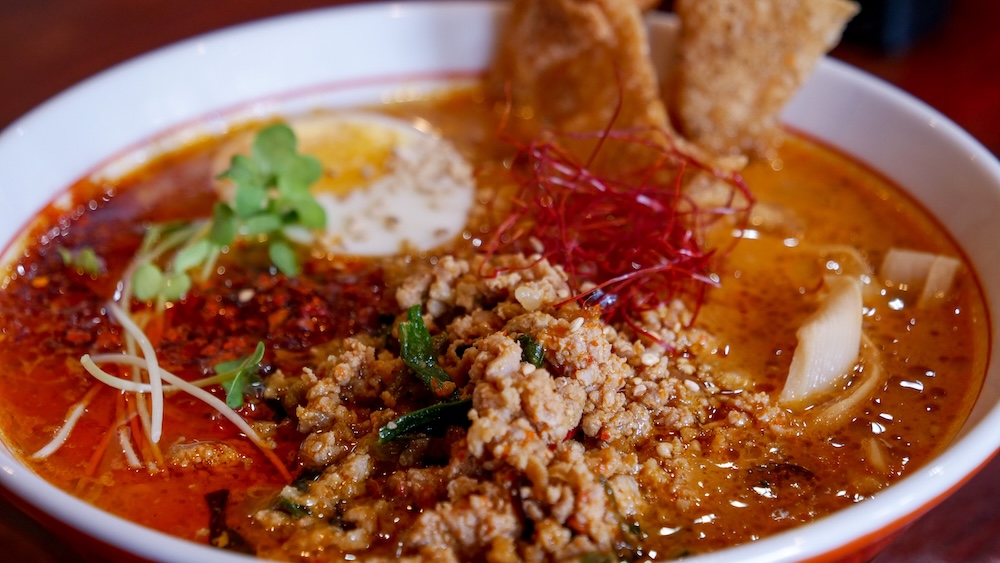
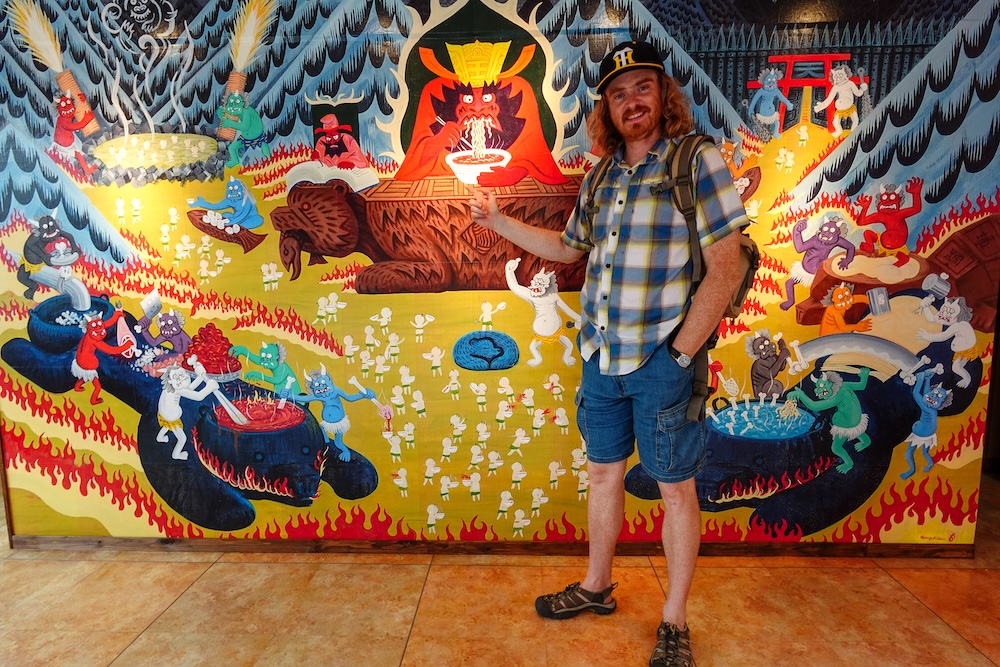
Lunch in town was one of the best parts of our stay. Enmaken opened at 11 a.m., when it was the only place we could find open, and served us a bowl of Enma ramen so good that we went back for more on the day we left. We followed it up with honeycomb soft serve from the main street. Lunch is easy here. Most places open between 11 and 11:30 and serve until mid-afternoon.
Dinner is where the town gets thin, and since we never ate dinner out, this part comes from research rather than experience. The most obvious option is Onsen Ichiba, which serves seafood bowls, Enma yakisoba and local beer from 11:30. Its last orders are around 7:30 p.m., and it closes at 8. The main late option is Isekura, an izakaya and ramen shop partway up the hill that opens roughly from 6 p.m. until 1 a.m. It’s closed on Tuesdays, so check before you count on it. In practice, a room-only guest has two dinner strategies: eat early, or end up at Isekura. I wouldn’t count on a convenience-store dinner as a backup without checking first.
Making Half-Board and Lunch in Town Work Together
Booking half-board and eating lunch in town turned out to be the best of both, but it needs one bit of self-control. If you’re planning to eat lunch out, treat breakfast as breakfast, not brunch. If you load up at the buffet to last you until dinner, you’ll probably still want a small snack in the afternoon. That’s how a cup of honeycomb soft serve ended up in our day.
The other thing to plan around is getting back in time. A half-board day has a shape to it: breakfast between 7 and 9, out exploring through lunch, then back to the hotel for a bath before your dinner seating. Arriving late can cost you more than you’d think. Miyabitei’s listing states that guests who check in after 7 p.m. may not be served dinner, with no refund. If your train or bus might run late, check your own hotel’s cutoff before paying for a dinner you could miss.
Half-Board, Breakfast Only or Room Only? Who Should Book Which
| Dinner and breakfast | Breakfast only | Room only | |
|---|---|---|---|
| Dinner | Hotel buffet, no planning needed | You find it | You find it |
| Dinner timing | Your hotel seating | Eat by about 7:30, or Isekura | The same, every night |
| Flexibility | Low | Medium | High |
| Repetition risk | Grows on longer stays | Low | None |
| Best for | First-timers, one- or two-night stays, anyone who wants zero logistics | Two-night stays with one dinner out | Budget travellers, longer stays, late eaters |
| The catch | Crowds at opening, set seatings, no kaiseki, late-arrival cutoff | Early dinner windows in town | Limited options and early closures |
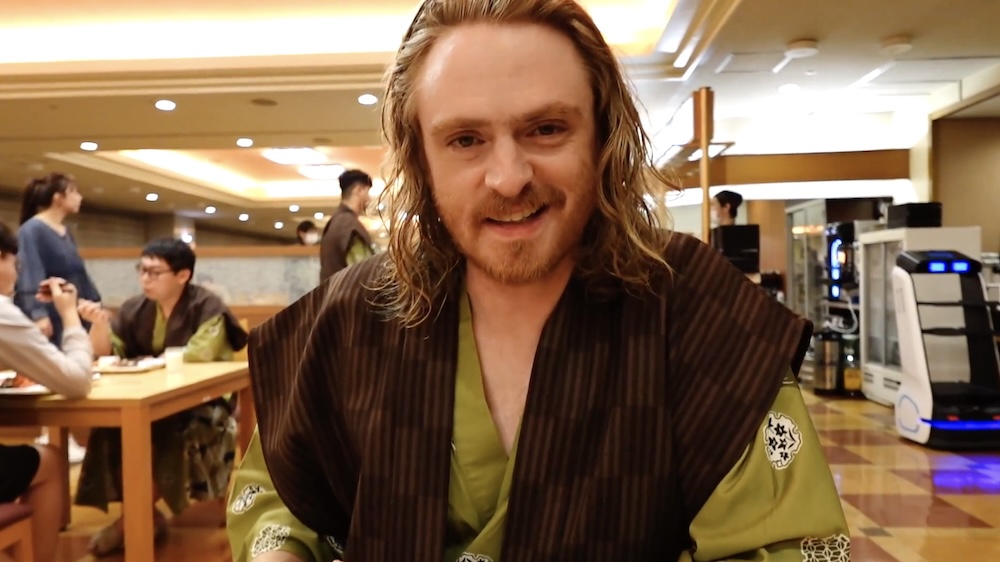
For a one- or two-night stay, I’d book dinner and breakfast, just as we did, and make lunch your meal out. The buffet covers the evenings without any planning, the crab and sashimi alone justify it, and the town’s lunch spots are where its food really shines. A breakfast-only plan makes sense if you want to try one dinner out and don’t mind eating early. Room-only is for budget travellers and longer stays, and only if you’re happy to plan every dinner around a town that mostly goes quiet after dark.
Whichever plan you choose, stay in the onsen town itself rather than down by the train station, so lunch spots and Isekura are a walk away rather than a bus ride. You can compare onsen hotels in Noboribetsu and filter by meal plan to see which hotels offer breakfast-only or room-only rates for your dates.
Frequently Asked Questions
Should I book half-board, breakfast only, or room only in Noboribetsu Onsen?
For a one- or two-night stay, I recommend booking a half-board plan with dinner and breakfast included, then eating lunch out in town. The hotel buffet handles your evening meals with zero logistics, while a breakfast-only plan suits travellers who want to try one early dinner in town, and room-only works best for longer stays or budget travellers willing to plan around early restaurant closures.
Does the dinner buffet menu at Park Hotel Miyabitei change every night?
No, the buffet spread does not change from night to night during a short stay, though the hotel notes that the menu shifts seasonally. Because there are around 40 Japanese, Western, and Chinese dishes—including red snow crab and tuna sashimi—you can easily build a different meal on your second evening by choosing different items.
What is the best time to go to the Park Hotel Miyabitei buffet to avoid crowds?
Arriving about half an hour into your scheduled seating is much calmer than showing up right when the doors open. Large tour groups tend to line up at the very start of both the 5:30 p.m. dinner seatings and the 7 to 9 a.m. breakfast window, making opening time the most chaotic part of the meal.
Is it easy to find dinner in Noboribetsu Onsen without a hotel meal plan?
Finding dinner in town requires careful timing because most restaurants close early. Onsen Ichiba takes last orders around 7:30 p.m. and closes at 8 p.m., leaving Isekura—an izakaya and ramen shop open from roughly 6 p.m. to 1 a.m., except on Tuesdays—as the main late-night option.
What happens if I check in late on a half-board plan at Park Hotel Miyabitei?
Guests who check in after 7 p.m. at Park Hotel Miyabitei may not be served dinner, and no refund is provided for the missed meal. If your train or bus might arrive late, verify your hotel’s dinner cutoff time before paying for a half-board package.
Where is a good place to eat lunch in Noboribetsu Onsen?
Lunch is the easiest meal to eat out in town, with most restaurants opening between 11 and 11:30 a.m. We ate at Enmaken right when it opened at 11 a.m. and loved the spicy Enma ramen so much that we returned for another bowl on the day we left, followed by honeycomb soft serve on the main street.
This article is also available in Spanish. [Leé la versión en castellano: ¿Media pensión o solo habitación en Noboribetsu Onsen? Buffet de ryokan vs comer en el pueblo]
This article contains affiliate links. If you book through one of these links, I may earn a commission at no extra cost to you.