
Audrey put considerably more thought into choosing our hotel in Noboribetsu Onsen than I probably would have. She wanted a comfortable Japanese-style room, plenty of hot-spring baths and, perhaps most importantly for two people who take their food rather seriously, breakfast and dinner included. After comparing the options, she booked us into Park Hotel Miyabitei for two nights.
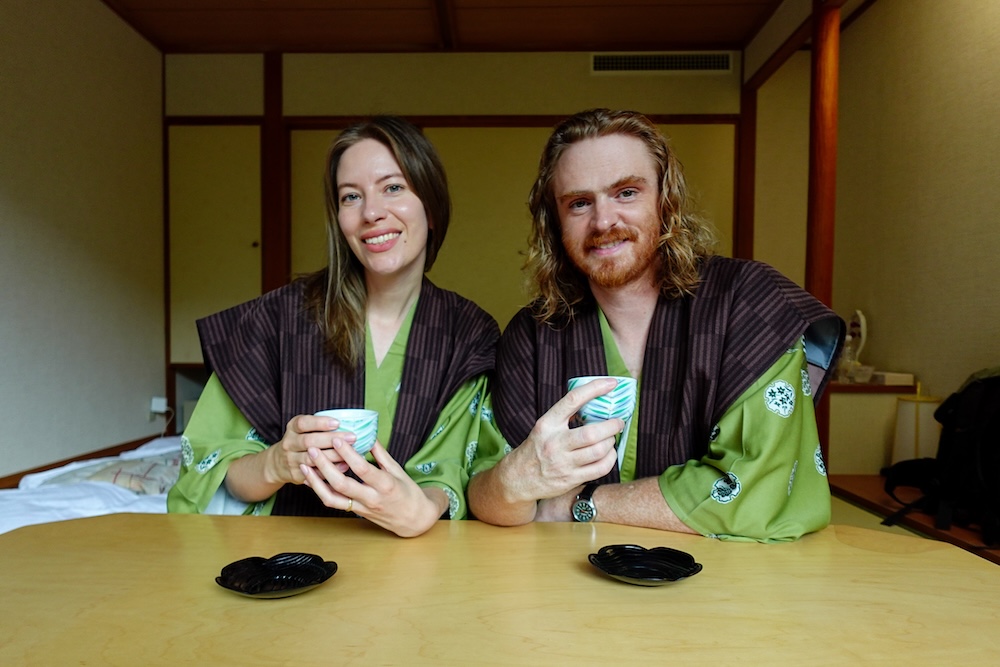
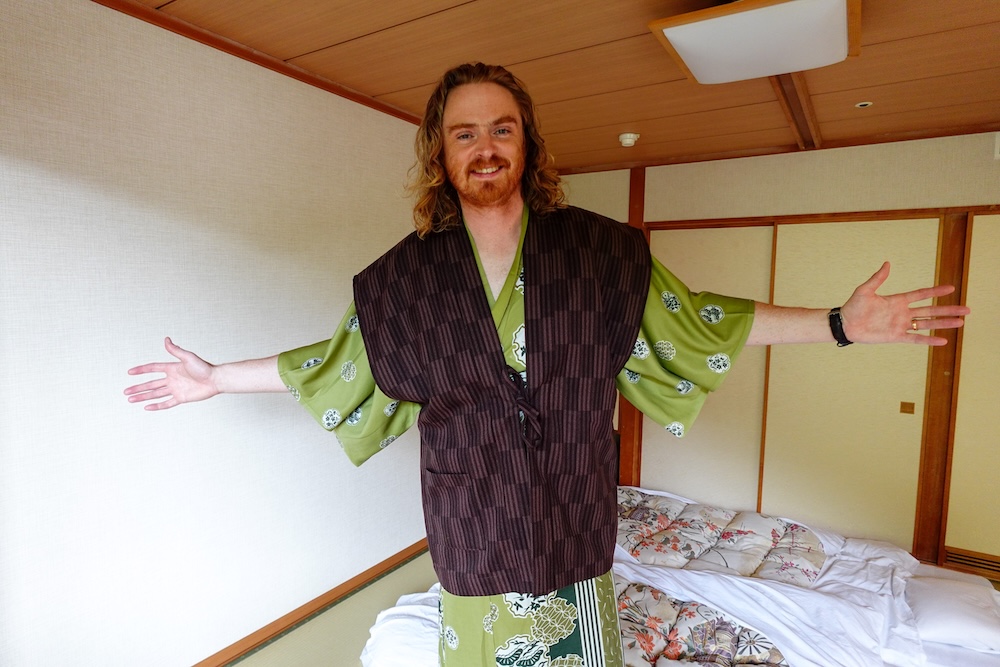
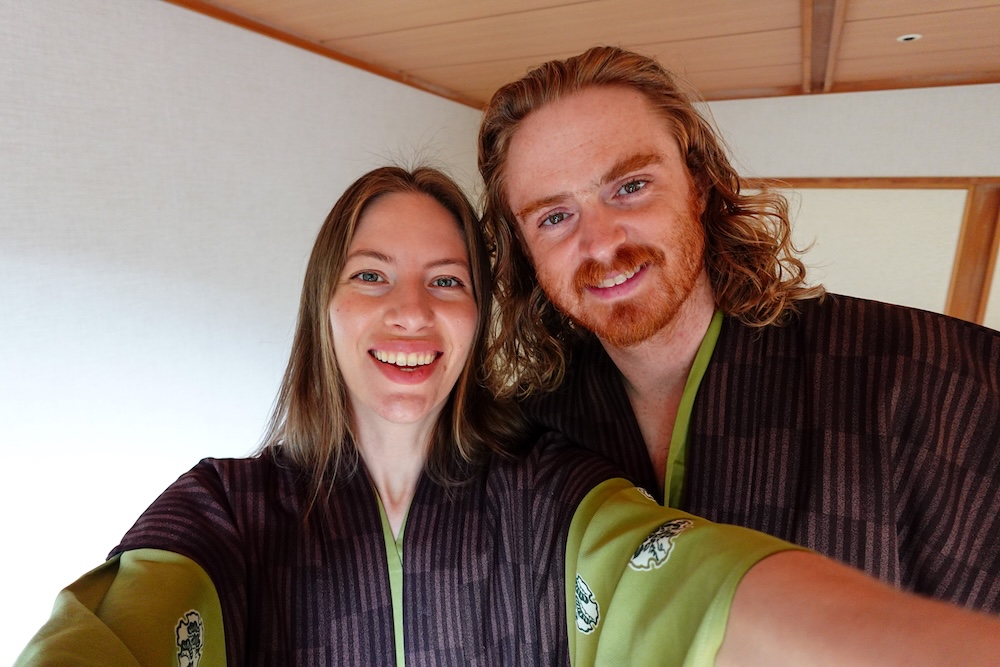
It turned out to be an excellent decision. We slept on futons, wandered around in yukata, soaked in the communal onsen and attacked the seafood buffets with an enthusiasm that probably justified all the walking we were doing around Noboribetsu. After the smaller, more functional accommodation we’d used in Tokyo and Hakodate, it felt like we’d upgraded our circumstances considerably.
But here’s the thing: Miyabitei wasn’t a small, intimate ryokan. It was a substantial resort hotel with 156 rooms, busy dining areas and enough guests to make dinner feel like a competitive sport when everyone arrived at once. We loved it anyway.
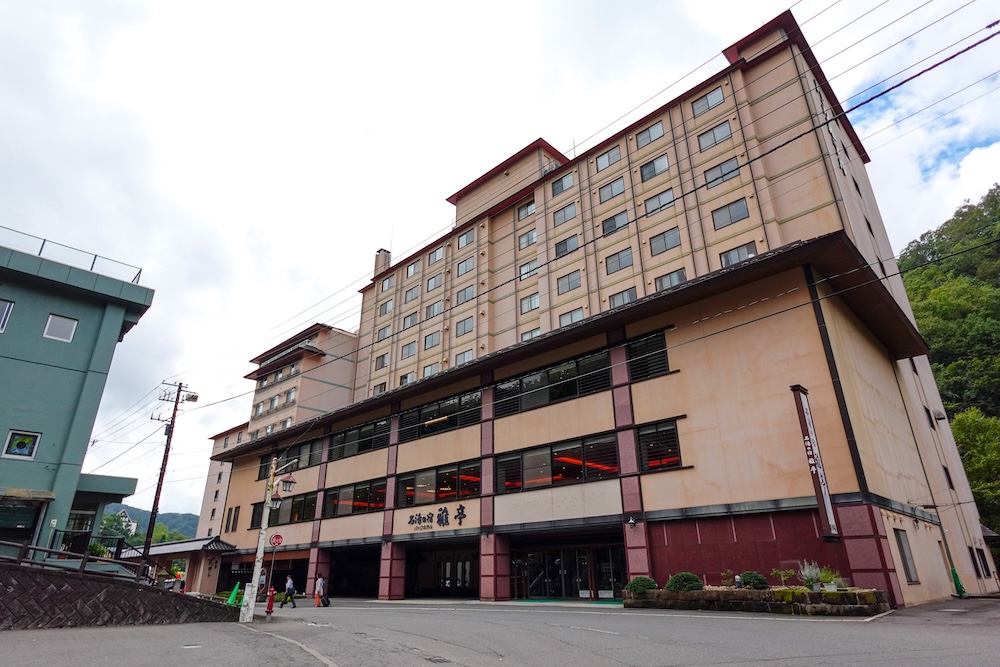
Would I stay there again? Absolutely. Would I consider a completely different property next time, perhaps a smaller ryokan with dinner served in our room? Also yes.
That’s what makes choosing accommodation in Noboribetsu interesting. You’re deciding how you want to experience the hot springs, the meals and the Japanese hospitality as much as where you’ll sleep. We only stayed at Miyabitei, so the other hotels in this guide are options I’ve evaluated through their facilities, locations and booking arrangements rather than places we’ve personally tested.
What should you look for in a Noboribetsu Onsen hotel?
Before comparing hotel prices, I’d decide which parts of the stay matter most to you.
For Audrey, extensive public baths and included buffet meals were priorities, and we got exactly what we wanted. Somebody else might prefer a smaller ryokan with traditional multi-course dining, while a couple celebrating a special occasion could decide that having their own spring-fed bath is worth spending considerably more.
The complication is that these experiences don’t always correspond neatly to the hotel’s size or name. Some large resorts offer kaiseki dining alongside buffets, and certain traditional ryokans serve meals in a restaurant rather than the guest room. Private bathing might mean reserving a communal facility for a particular time, choosing an upgraded room with its own onsen or booking a suite where a spring-fed bath is standard.

Room arrangements deserve the same scrutiny. A Japanese-style room with futons on tatami flooring is quite different from a western room with conventional beds, even when both are available at the same hotel.
I’d compare the complete stay: room, bathing access, meals, location and total price. A cheaper room-only rate isn’t automatically better value than a package with two substantial meals, particularly if you’re looking forward to spending most of your evening relaxing at the hotel. You can compare available hotels and ryokans in Noboribetsu Onsen to see how room types and meal packages differ for your actual dates.
Where in Noboribetsu should you stay?
Central Noboribetsu Onsen: my first choice for sightseeing and bathing
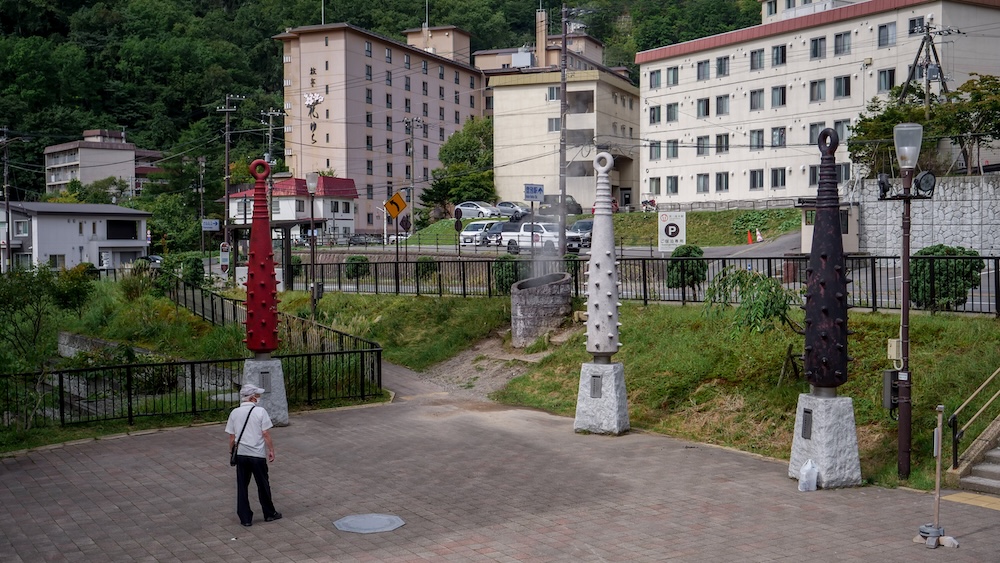
For most first-time visitors, I’d concentrate on Noboribetsu Onsen itself, the mountain resort district where you’ll find the main collection of hot-spring hotels, restaurants, shops and access to Jigokudani, better known as Hell Valley.
This is where we stayed, and being able to combine sightseeing with repeated visits to the hotel baths was one of the best parts of the trip. We’d head out for a walk, have ramen for lunch, explore the steaming volcanic landscape and return to Miyabitei without having to organize another journey across town.
Noboribetsu Onsen is reasonably compact, although I wouldn’t describe it as completely flat or effortless to walk around. There are hills, winding roads and some stretches without sidewalks. We found most of the attractions easy to reach on foot, but somebody travelling with heavy luggage or limited mobility should look more carefully at the exact hotel approach.
There’s also a difference between staying near the main bus terminal and choosing a property toward Hell Valley or farther uphill. Hotels around the lower central streets may make arrival easier, while accommodation closer to Jigokudani can be particularly convenient if you plan to explore the geothermal area more than once.
I wouldn’t sacrifice the room or bathing experience I wanted over a small difference in walking distance, but I would check the location before paying.
Karurusu Onsen: a separate hot-spring setting
Karurusu Onsen is another hot-spring area in the wider Noboribetsu region, with properties including Mori no yu Sanseikan, Suzuki Ryokan and Yumoto Orofure-Soh.
It may appeal to travellers looking for a stay centred on a particular inn rather than the restaurants and sightseeing streets of the main resort town. However, Karurusu isn’t simply another neighbourhood within walking distance of central Noboribetsu Onsen.
We didn’t stay there, and I’d investigate the transport arrangements carefully before choosing it as a base for Hell Valley and the town’s attractions.
Near JR Noboribetsu Station: don’t confuse the station with the resort
One geographical mistake worth avoiding is booking near JR Noboribetsu Station and assuming you’re staying in the hot-spring town.
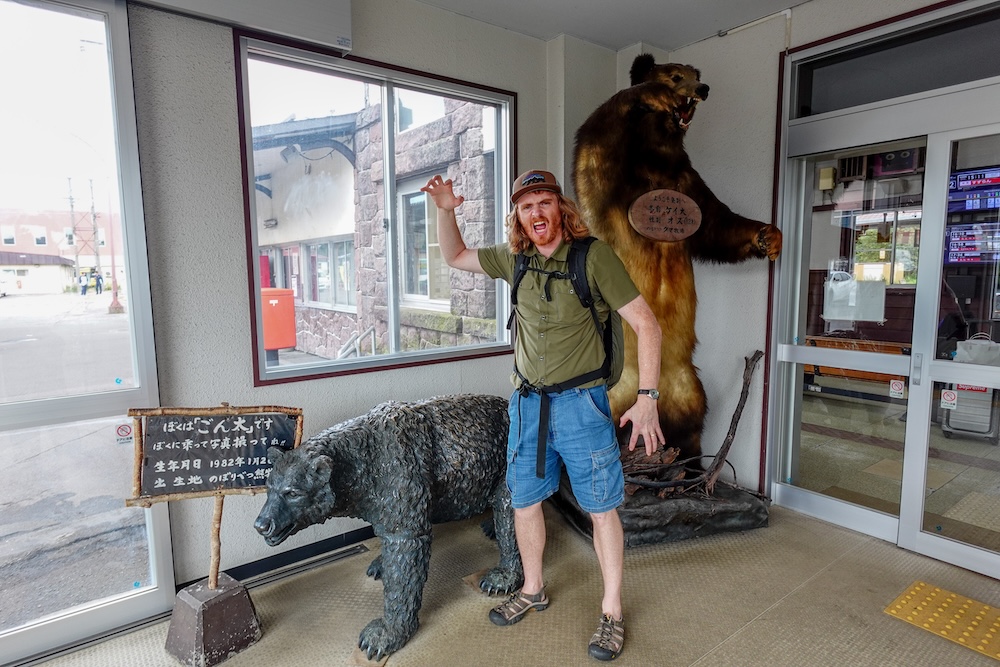
The railway station is separate from the mountain resort district. We arrived by train from Hakodate and transferred to a local bus for the final journey up to Noboribetsu Onsen.
Station-area accommodation could be useful for a particular railway itinerary, but it wouldn’t provide the same experience we enjoyed: walking between the town’s attractions and returning to our hotel for baths and dinner. If that’s the holiday you’re picturing, make sure your booking is actually in Noboribetsu Onsen.
Best ryokan and hotels in Noboribetsu Onsen
Rather than ranking hotels from first to last, I think it’s more useful to separate them by what they offer. There’s little point declaring a winner between a massive communal bathing resort and a quiet luxury ryokan when they’re designed to deliver different experiences.
Here’s how I’d narrow the choices before looking at individual properties.
| What matters most to you | Hotels worth comparing |
|---|---|
| Personally tested resort with baths and buffet meals | Park Hotel Miyabitei |
| Extensive communal hot-spring bathing | Dai-ichi Takimotokan, Hotel Mahoroba |
| Simpler accommodation with access to major baths | adex inn |
| Classic hotel with different dining arrangements | Noboribetsu Grand Hotel |
| Convenient bus access and additional family facilities | Noboribetsu Manseikaku |
| Smaller ryokan and traditional Japanese meals | Kashoutei Hanaya, Takinoya Bekkan Tamanoyu |
| Traditional accommodation with selected private-bath rooms | Hotel Yumoto Noboribetsu, Ryotei Hanayura |
| Luxury accommodation emphasizing private bathing | Bourou NOGUCHI Noboribetsu, Noboribetsu Onsenkyo Takinoya |
These are accommodation matches based on facilities and booking arrangements, not claims that we’ve stayed at every property or tested their hospitality.
Park Hotel Miyabitei: our choice for a comfortable onsen resort stay
I’ll start with the one hotel in Noboribetsu where Audrey and I actually spent the night.
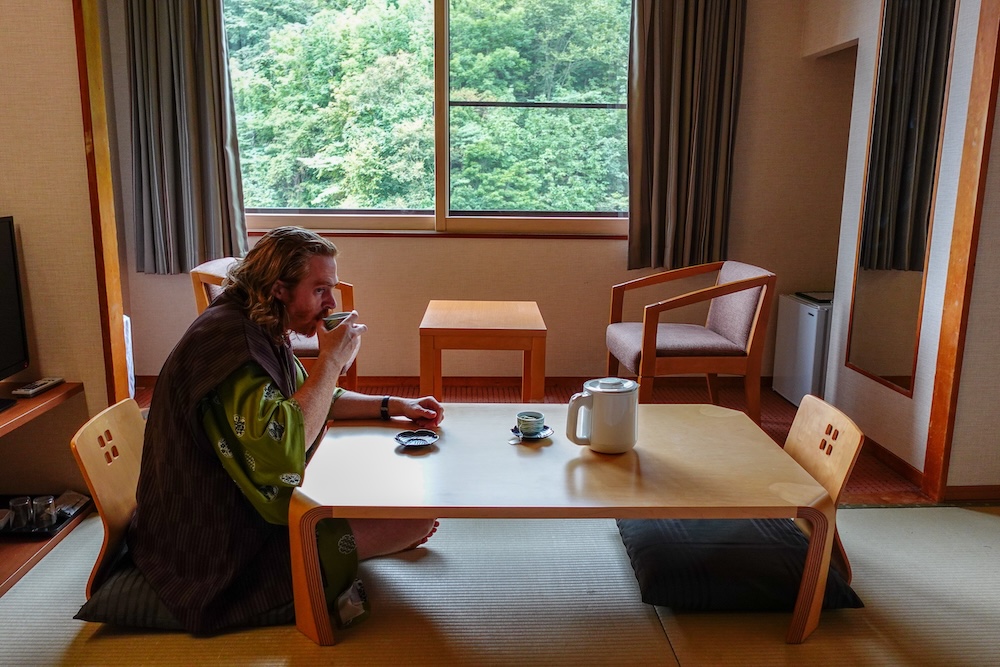
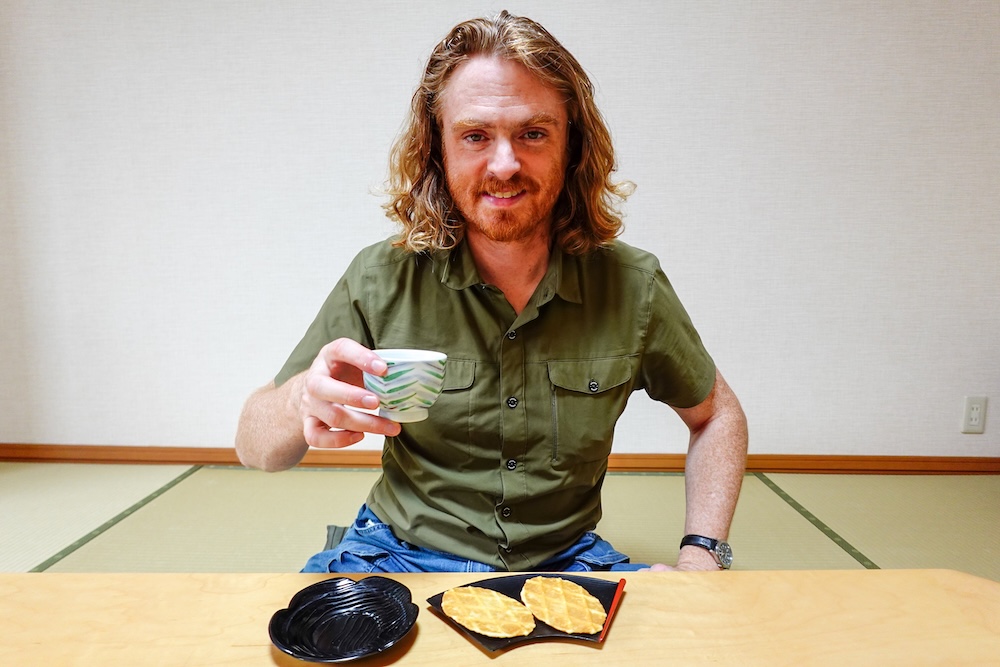
Miyabitei gave us the combination she had been looking for: a Japanese-style room, extensive shared baths and generous buffet meals. Our tatami room had a low table and a sitting area where we could relax with tea. Each evening, staff prepared the futons, turning the daytime living space into our bedroom.
I found the bedding comfortable, and wandering around in the hotel’s green yukata became part of our routine. We made good use of the baths, too. The hotel has five types of spring water, with indoor and outdoor bathing facilities. Audrey remembers approximately seven or eight pools in the women’s section, including an outdoor one she particularly enjoyed. She even managed to find the baths virtually empty on a couple of occasions.
Dinner was another highlight, although our clever plan to arrive as soon as the buffet opened didn’t work out particularly well. Apparently, everybody else had the same idea. Once we’d navigated the initial rush, we thoroughly enjoyed the seafood, Japanese dishes and desserts.
The hotel feels like a large resort rather than a small traditional inn, and that comes with less personalized service and occasional dining-room crowds. There’s also an important physical-access consideration: approximately 20 stairs separate the changing area from the main bathing facilities.
For us, the positives easily outweighed those limitations. I’d happily book Miyabitei again with a Japanese-style room and both meals included, although I’d check the exact package because not every reservation offers the same inclusions. You can compare the current room types and breakfast-and-dinner packages at Park Hotel Miyabitei to find a stay similar to ours.
I’ve covered the experience in considerably more detail in my separate Park Hotel Miyabitei review.
Dai-ichi Takimotokan: for serious communal onsen enthusiasts
If I were choosing a hotel primarily for the baths, Dai-ichi Takimotokan would be one of the first alternatives I’d investigate.
Its Grand Bath complex covers approximately 4,950 square metres, with 35 bathing pools across the men’s and women’s facilities and five types of spring water. That’s a substantial bathing operation, and the hotel is conveniently located for visiting Hell Valley.
What interests me almost as much as the bathing facilities is the layout of the accommodation itself. Depending on which guest wing you choose, the published internal distance to the Grand Bath ranges from approximately 40 metres in the West Building to 210 metres in the South Building. The Main and East buildings are both around 150 metres away.
That might seem like a minor detail until you imagine making several trips to the baths in your yukata. For somebody who finds longer indoor walks tiring, or simply wants the shortest possible journey between room and onsen, the building matters.
Takimotokan also offers more dining variety than the big-resort label might suggest. There are buffet arrangements, restaurant-based kaiseki meals and selected packages with dinner served in the room, along with Japanese, western and hybrid accommodation.
I haven’t stayed here, so I can’t compare its food or room comfort with Miyabitei from experience. Its bathing scale, location and range of packages are enough to make it a serious contender. When you compare Dai-ichi Takimotokan rooms and meal plans, pay attention to the building named in the room category as well as the dinner inclusion.
adex inn: a different way to enjoy Takimotokan’s baths
adex inn is one of the more intriguing accommodation options because you don’t actually need to sleep at Dai-ichi Takimotokan to use its main bathing complex.
This smaller hotel has approximately 47 rooms, with a more conventional western-style accommodation setup. Overnight guests receive complimentary access to the Grand Bath at its sister property, Dai-ichi Takimotokan, while adex also has its own natural sulfur-water bath.
For someone who wants a straightforward room and excellent communal bathing but isn’t particularly interested in elaborate hotel meals, that arrangement makes a lot of sense.
There’s a potential financial advantage, too, although I wouldn’t promise that adex will always be cheaper. You still have to compare the actual room rate, dining arrangements and anything you’d spend eating elsewhere. Access to the sister hotel’s baths is also subject to current operating conditions.
It’s the kind of alternative I’d investigate before automatically paying for a large resort package when bathing is the main attraction. I’d check adex inn’s available rooms and total price alongside the equivalent dates at Takimotokan, then work out whether the difference in accommodation and meals makes sense.
Hotel Mahoroba: extensive baths with buffet dining
Hotel Mahoroba is another substantial resort built around the combination of hot springs and meals.
It advertises 31 baths across its facilities and four types of spring water, putting it among the properties with particularly extensive communal bathing options. There are buffet dining arrangements and a range of Japanese, western and hybrid rooms, with additional features available in certain upgraded categories.
For travellers who like the idea of a large onsen hotel but want to compare alternatives to Miyabitei, Mahoroba belongs on the shortlist.
I wouldn’t decide between them simply by counting pools. Once a hotel offers this much bathing variety, the actual room, meals, total price and location may make a bigger difference to your enjoyment than a few additional baths. You can compare Hotel Mahoroba’s Japanese-style rooms, suites and meal-inclusive options, keeping in mind that particular seafood offerings and seasonal buffet dishes aren’t guaranteed with every package.
Noboribetsu Grand Hotel: classic surroundings and flexible dining
Noboribetsu Grand Hotel offers a different atmosphere, including a distinctive Roman-style domed bathing area and outdoor baths in a garden setting. Its facilities use sulfur, iron and salt spring waters.
It also provides more than one style of dining, with buffet options alongside selected formal meal arrangements. Japanese, western and mixed accommodation categories are available, while certain special rooms offer private outdoor bathing.
The hotel’s position near the main arrival area could be useful if you’re travelling by bus and don’t fancy hauling your luggage farther than necessary.
I’d compare Grand Hotel with the larger buffet resorts if I wanted traditional full-service hotel facilities without automatically committing to buffet dining. Its current room and meal packages at Noboribetsu Grand Hotel are worth examining individually, because a photograph of a beautiful private bath or elaborate meal doesn’t mean it’s included in the standard reservation.
Noboribetsu Manseikaku: practical location and family facilities
Noboribetsu Manseikaku is particularly well positioned near the main bus-arrival area, which is worth considering if you’re visiting without a car.
Alongside its shared hot-spring facilities and buffet meals, the hotel has an indoor swimming pool approximately 20 metres long, a separate children’s pool area and a play space. It also offers Japanese-style and western rooms.
Those additional facilities make it an interesting property for families, although our own Noboribetsu visit was as a couple, so I can’t offer a firsthand family-stay assessment.
Two details deserve particular attention. The hotel identifies 11 steps within its large bathing area, with handrails, and its published rules restrict tattoos, temporary tattoos and body painting in the baths.
Those aren’t minor booking conditions if they affect you personally. I’d confirm access and bathing suitability before paying, even if the hotel’s location and family amenities otherwise look ideal. You can compare the Japanese and western room options at Noboribetsu Manseikaku, making sure the occupancy and meal plan suit everyone travelling.
Kashoutei Hanaya: a smaller ryokan with in-room dinner options
Of all the alternatives to our big resort experience, Kashoutei Hanaya is one I’d be particularly curious to try.
With approximately 21 rooms, it’s considerably smaller than Miyabitei and offers seasonal multi-course Japanese dinners. That sounds appealing for a return visit when I’d like to experience a more intimate style of ryokan hospitality.
There’s an important distinction in the booking arrangements, though. Guests in the Twin Room have dinner served in the restaurant, while other qualifying room categories provide dinner in the guest room. If in-room dining is the entire reason you’re choosing Hanaya, you need to book the appropriate category.
The property has communal sulfur-water baths, but it isn’t competing with Takimotokan or Mahoroba on the sheer number of pools. The appeal is the different kind of stay.
Hanaya also offers pickup from JR Noboribetsu Station by advance arrangement, and dinner reservations have arrival deadlines. Current booking conditions identify 7 p.m. as an important check-in cutoff for receiving dinner, with missed meals potentially non-refundable.
If you’re travelling during late 2026, another detail requires attention: exterior repair and waterproofing work has been scheduled, with different completion windows appearing across booking channels. I’d confirm whether the work is finished and whether it could affect the stay.
I can imagine enjoying Hanaya, but that’s a possibility for a future visit rather than a verdict from an actual one. If its dining style interests you, compare Kashoutei Hanaya’s room categories and dinner arrangements carefully before choosing a package.
Takinoya Bekkan Tamanoyu: a smaller inn with reservable private bathing
Takinoya Bekkan Tamanoyu is another option for visitors interested in a traditional Japanese inn without the scale of a major resort.
It has approximately 24 Japanese-style rooms, traditional meal arrangements and a reservable private or family bath.
That bathing option is worth understanding properly. A bath you reserve for private use is different from having a spring-fed bathtub attached to your room and available whenever you feel like using it.
If you want some bathing privacy but don’t necessarily need an expensive luxury suite, Tamanoyu is an interesting middle ground. You can check the traditional rooms and meal plans at Takinoya Bekkan Tamanoyu, but I’d confirm the private-bath reservation process and any additional cost separately rather than assuming it’s automatically included.
Hotel Yumoto Noboribetsu: traditional meals and room upgrades
Hotel Yumoto Noboribetsu combines shared hot-spring facilities with Japanese-style accommodation and traditional meal arrangements, including plans with dinner served in the room.
Certain upgraded categories also provide private spring-fed bathing facilities and a sauna, which makes the specific room choice particularly important.
I’d compare Yumoto if traditional dining is a bigger priority than spending hours moving between dozens of communal pools. The combination of room service and upgraded bathing facilities could be attractive, but a standard reservation shouldn’t be assumed to include either feature.
The hotel’s different descriptions of its spring waters also aren’t entirely consistent across language versions, so I’d focus on the confirmed facilities rather than choose it for a particular advertised water-type count. The useful next step is to compare Yumoto Noboribetsu’s available room categories and dining inclusions, especially if a private bath is the reason you’re considering an upgrade.
Ryotei Hanayura: upscale Japanese accommodation with private-bath rooms
Ryotei Hanayura offers a more upscale traditional Japanese lodging experience, including multi-course meals and selected guest rooms with private outdoor hot-spring baths.
Some of these bathing arrangements use traditional cypress tubs, which may appeal to travellers looking for a quieter and more private stay than a busy communal resort.
The important qualification is that not every room has its own outdoor bath. The booking category and dining arrangement both matter, particularly when comparing Hanayura with a property where private bathing is standard throughout the accommodation.
For a trip where the room itself is meant to be one of the highlights, I’d give it serious consideration alongside the other traditional luxury ryokans. Before paying for an upgraded category, compare Ryotei Hanayura’s current rooms with private open-air bathing against the less expensive room options.
Bourou NOGUCHI Noboribetsu: private hot springs in luxury suites
Bourou NOGUCHI offers a more contemporary kind of luxury, with suite categories measuring approximately 50 to 100 square metres and private spring-fed bathing facilities included in the suites.
That creates a meaningful difference from hotels where you need to book an upgraded category or reserve a private bath for a limited period.
The dining experience includes Japanese and French-influenced multi-course meals served in private dining spaces. It’s worth distinguishing that arrangement from having dinner delivered directly to your suite.
I see this as a strong option for adults who prioritize privacy, spacious accommodation and having a hot spring of their own. The property is listed as adults-only, so don’t assume children or teenagers can stay; verify the age conditions against your actual booking.
The likely higher cost would need to make sense for the particular trip. I love a good onsen, but I’d want to use that private bathing facility frequently enough to justify paying for it. You can compare the different suites and total stay costs at Bourou NOGUCHI to see whether the additional privacy is worth it for your dates.
Noboribetsu Onsenkyo Takinoya: traditional luxury ryokan
Noboribetsu Onsenkyo Takinoya is a smaller luxury property of approximately 30 rooms, with traditional Japanese multi-course dining, communal hot-spring facilities and selected accommodations offering private outdoor baths.
It offers a different proposition from the contemporary suite atmosphere at Bourou NOGUCHI. If the traditional ryokan experience is what you’re hoping to emphasize, Takinoya deserves consideration.
The exact room and meal package still need careful checking, and I wouldn’t claim its food or hospitality is superior without having stayed there.
Also, don’t confuse Noboribetsu Onsenkyo Takinoya with Takinoya Bekkan Tamanoyu. Despite the similar names, they are distinct accommodation products with different room, dining and bathing arrangements. If you’re still comparing upscale traditional options, you can browse alternative ryokan in central Noboribetsu Onsen alongside Takinoya rather than assuming a similarly named listing is the property you intended to book.
Two more to compare: Sekisuitei and Oyado Kiyomizuya
Noboribetsu Sekisuitei is a larger hillside resort offering upper-floor bathing facilities, panoramic views and different dining arrangements. It also advertises reservable private bathing options. Its more elevated location makes the hotel’s transport arrangements and the walk from the lower town particularly relevant. If the bathing setting appeals to you, compare Sekisuitei’s rooms and meal-inclusive packages, then check how you’d reach the hotel with luggage.
Oyado Kiyomizuya offers traditional Japanese accommodation with futons, shared onsen facilities and meal plans centred on Japanese dining. It’s worth considering for a more traditional stay without making an enormous bathing complex the principal attraction. Breakfast and dinner can be served in the guest room or a private dining room, but meals must be reserved with the accommodation package rather than added casually after arrival. You can check Oyado Kiyomizuya’s Japanese-style rooms and available meal plans if that kind of arrangement is what you’re after.
Communal baths, private onsen and rooms with their own hot springs
The biggest accommodation decision after location is probably the bathing format.
I enjoyed having a substantial communal onsen at Miyabitei. There was something satisfying about heading downstairs for another soak without needing to make an appointment or leave the hotel. Dai-ichi Takimotokan and Mahoroba take that large-scale bathing proposition even further, while adex inn provides access to Takimotokan’s facilities through a separate accommodation arrangement.
But a hotel advertising five types of spring water isn’t necessarily advertising five pools, and a count of 35 baths across men’s and women’s facilities doesn’t mean one guest can visit every pool. Those distinctions are easy to miss when comparing accommodation descriptions.
If privacy matters more, there are three arrangements worth separating. Tamanoyu offers a reservable bath; properties such as Hanayura and Yumoto have private spring-fed baths in selected room categories; and Bourou NOGUCHI includes private hot-spring bathing within its suites.
For someone uncomfortable with communal bathing, that difference could determine the entire booking.
Accessibility and bathing rules need the same attention. A hotel lift doesn’t prove you can reach its onsen without stairs, as the documented steps at Miyabitei and Manseikaku demonstrate. Tattoo policies and restrictions on particular bathing facilities also vary, so I’d get a definite answer from the property rather than assuming Noboribetsu has one universal rule.
Buffet dinner or a traditional ryokan meal?
This is where I’d let personal preference take the lead.
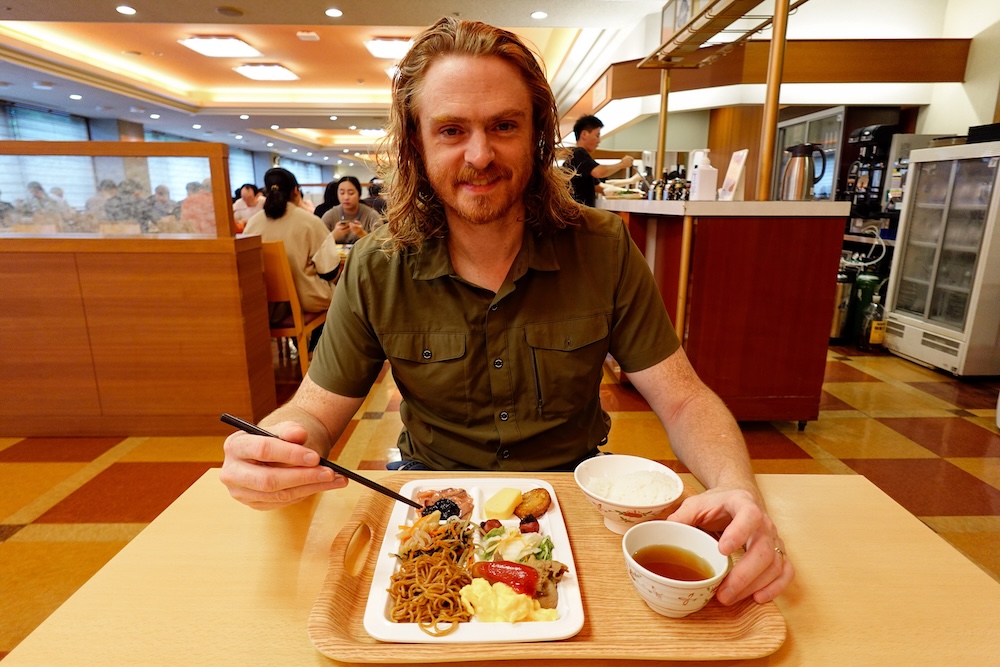
Our Miyabitei package included both breakfast and dinner buffets, which suited us beautifully. We enjoyed choosing from seafood, Japanese dishes and desserts, although the dining room could get crowded and some menu items repeated. By the second evening we recognized plenty of the food, but we weren’t exactly suffering.
A smaller ryokan with seasonal multi-course dining offers something different. Instead of getting up to refill your plate, you may have a sequence of prepared dishes served at your table, in a private dining space or in your room.
If I returned to Noboribetsu, I’d be curious to try that more intimate arrangement. It would be a change from our experience, rather than an attempt to correct something we disliked.
Don’t assume every large hotel serves buffets exclusively. Takimotokan and Noboribetsu Grand Hotel have multiple dining formats, while Hanaya’s dinner location depends on the room category. Bourou NOGUCHI’s private dining spaces aren’t necessarily the same as in-suite meal service.
I’d compare the actual meal inclusion and dinner arrival deadline before committing. A package that sounds wonderful can become much less appealing if your train arrives too late to receive the meal you’ve already paid for.
Japanese-style rooms, futons and western beds
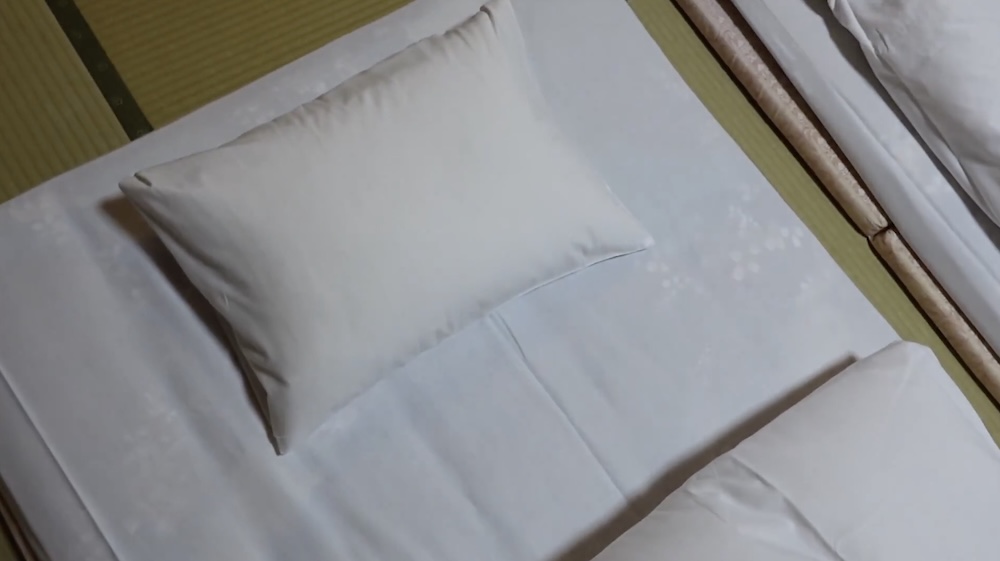
I loved our tatami room at Miyabitei, partly because it didn’t spend the entire day functioning as a bedroom. We had space to sit, drink tea and relax before staff prepared the futons in the evening.
For us, sleeping close to the floor was comfortable and familiar. We’ve spent considerable time travelling in Asia and weren’t experiencing Japanese bedding for the first time.
Someone who struggles to get down onto the floor, or simply prefers a thick western mattress, might feel differently. Fortunately, several of Noboribetsu’s larger hotels offer Japanese, western and hybrid rooms, so you don’t necessarily have to abandon the hot-spring resort experience to get a conventional bed.
I’d check the exact sleeping arrangement and room capacity, particularly when travelling with more than two people. The same applies to advertised private bathing: a luxury photograph may show an upgraded room quite different from the one attached to the lowest available rate.
Arriving without a car, meal deadlines and hidden costs
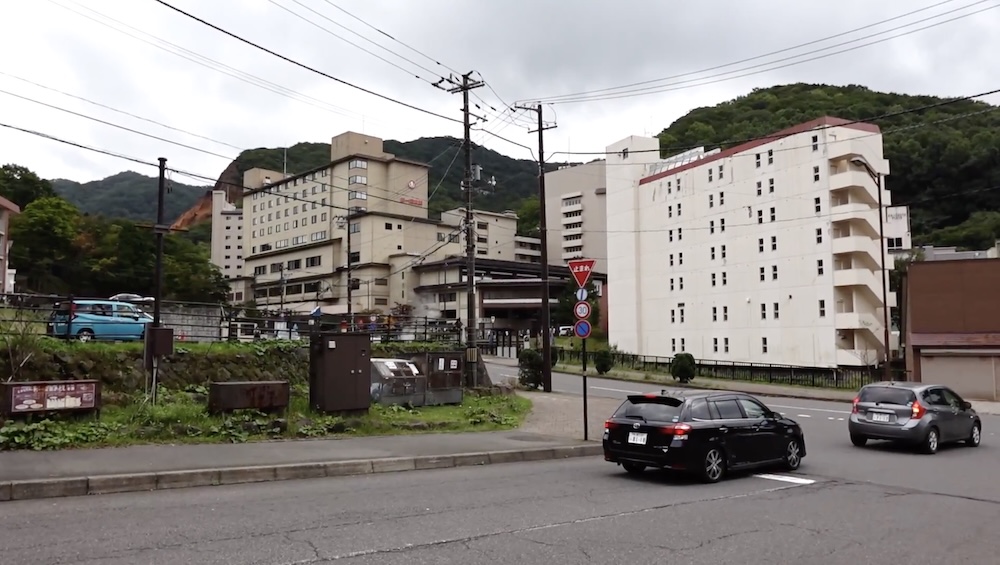
We reached Noboribetsu by train from Hakodate and used the public bus for the final trip to the onsen district. Once there, we enjoyed the town on foot and never felt we needed a rental car.
The current adult Donan Bus fare between JR Noboribetsu Station and Noboribetsu Onsen is ¥450 one way, replacing the cheaper fare we paid during our visit. Some services terminate at the main onsen stop, while others continue toward Daiichi Takimoto and Park Hotel-mae. If you’re carrying heavy luggage, that difference could save an awkward uphill walk.
Ordinary transport IC cards such as Suica and Kitaca aren’t accepted on these routes. Certain services accept Visa contactless payment, but I’d check the departure and have an appropriate payment method available. The Donan Bus timetable and stop information is the useful place to confirm your actual arrival route.
A few hotels offer transfers, sometimes requiring advance reservations. Don’t assume a pickup will be waiting simply because a hotel advertises one.
When comparing prices, remember that Hokkaido introduced an accommodation tax in April 2026. The provincial rates are ¥100, ¥200 or ¥500 per person per night, depending on the taxable accommodation charge, and eligible overnight guests in Noboribetsu may also owe a separate ¥300 bathing tax. Check how these appear in the final reservation total, especially with meal-inclusive packages.
I’d also pay attention to cancellation conditions, any dinner cutoff and temporary hotel closures or construction. Hanaya has had exterior works scheduled during late 2026, while Dai-ichi Takimotokan has announced a closure from April 5–15, 2027. Those are date-specific matters to verify, not permanent reasons to rule either property out.
The point is to compare the complete booking. A room with breakfast only, a two-meal package and a luxury suite with private hot-spring bathing are three very different purchases, even when they’re all displayed in the same accommodation search.
Which Noboribetsu Onsen hotel would I choose?
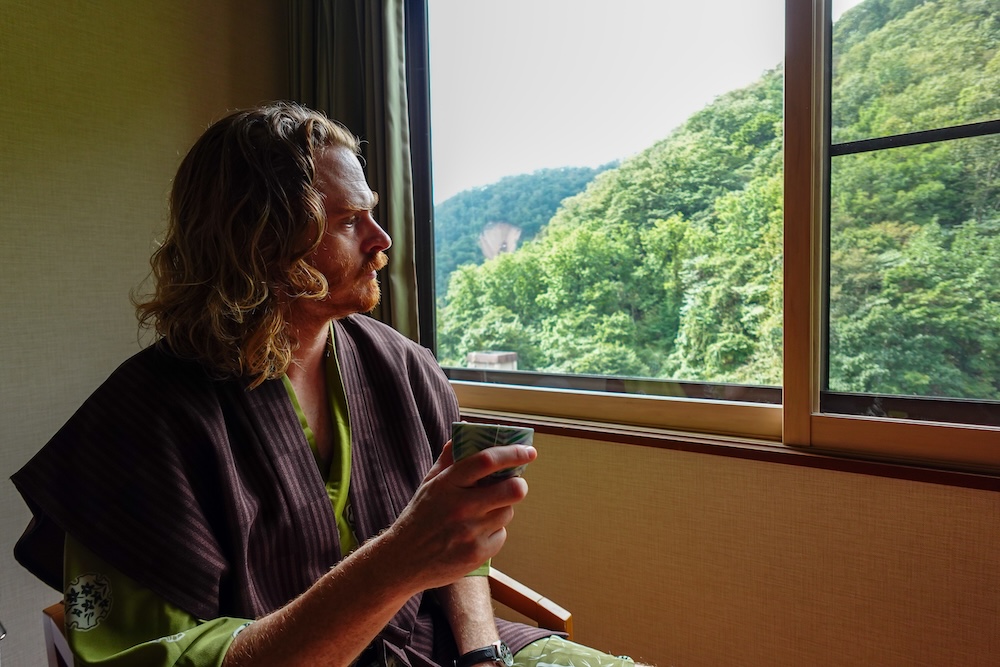
If I were returning for another trip similar to ours, Park Hotel Miyabitei would be an easy choice. Audrey booked exactly the sort of experience we wanted, and the combination of comfortable futons, generous meals, extensive bathing facilities and a convenient location worked extremely well.
If I wanted to make communal bathing the main event, I’d compare Dai-ichi Takimotokan with Hotel Mahoroba, paying attention to the room wing, meals and total rate. adex inn would also be worth checking if I wanted access to Takimotokan’s baths with simpler accommodation.
For a different kind of trip, I’d be tempted by a smaller ryokan such as Kashoutei Hanaya or Takinoya Bekkan Tamanoyu, especially if I could arrange traditional dining and a more intimate atmosphere. At the luxury end, I’d distinguish the private-suite experience of Bourou NOGUCHI from the more traditional ryokan proposition at Noboribetsu Onsenkyo Takinoya.
Those are choices I’d consider based on what the properties offer, not personal verdicts on hotels I haven’t visited.
What I wouldn’t do is book the cheapest room in Noboribetsu and assume the rest will somehow work itself out. The baths, food and room are too important to the experience for that.
Audrey got it right with Miyabitei because she knew what we wanted from our stay and booked the package that delivered it. I’d follow the same approach again, even if we ended up sleeping somewhere completely different.
Frequently Asked Questions
Where should I stay in Noboribetsu Onsen without a car?
I would start with central Noboribetsu Onsen, where we walked between our hotel, restaurants and the main attractions. Check the exact hotel approach, though: the roads can be hilly, and not every bus continues past the main onsen terminal.
What is the difference between a ryokan and a large onsen hotel in Noboribetsu?
A large resort may have numerous communal baths and buffet dining, while a smaller ryokan may focus on multi-course meals and a more intimate atmosphere. The lines overlap: some large hotels offer kaiseki or in-room dining, so check the actual package.
Which Noboribetsu hotel did you stay at?
Audrey booked Park Hotel Miyabitei for our two-night stay. We enjoyed our tatami room, futon bedding, public hot springs and included buffet breakfasts and dinners. It is the only Noboribetsu hotel in this guide where we personally stayed.
Can I book a private hot-spring bath in Noboribetsu Onsen?
Yes, but private bathing means different things at different properties. Tamanoyu offers a reservable private bath; selected rooms at hotels such as Hanayura and Yumoto include private spring-fed baths; and Bourou NOGUCHI has private hot-spring bathing in its suites.
Is dinner included at Noboribetsu ryokan and hotels?
Not necessarily. Some reservations include breakfast and dinner, while others have fewer meals or a different dining format. I would check the exact package, where dinner is served and the arrival deadline before booking.
How do I get from JR Noboribetsu Station to the onsen hotels?
We took a local bus after arriving from Hakodate by train. The article lists an adult Donan Bus fare of ¥450 one way; some departures stop at the main onsen terminal while others continue farther. Check the live timetable and accepted payment options for your service.
This guide is also available in Spanish. [Leé la versión en castellano: Dónde alojarse en Noboribetsu Onsen: mejores ryokans y hoteles según baños termales, comidas y ubicación]
This article contains affiliate links. If you book through one of these links, I may earn a commission at no extra cost to you.