
I managed to spend a fair bit of money eating my way around Sapporo. Butter-corn miso ramen, seafood, beer tastings and Autumn Fest: Audrey and I weren’t exactly on a starvation budget. Yet some of my favourite memories from Hokkaido’s capital came from places where nobody asked us to buy a ticket. A forest full of enormous trees, shrine grounds that invited us to slow down, and parks we could wander without keeping one eye on the admission price.
There’s an important catch to free sightseeing in Sapporo, though. The city is spread out, and a free attraction on the southern outskirts can require a more serious journey than a paid museum downtown. Other places advertise free grounds while charging for the specific exhibition or viewpoint you probably want to visit. We explored independently by subway, bus and on foot, sometimes in September heat that had Audrey looking for air conditioning.
For me, Sapporo’s green spaces are its greatest free attractions, especially once you leave the busy centre. I’ll start with the places we actually explored, including a few that wouldn’t make my personal must-do list, then cover a shorter selection of free attractions we didn’t get to. I can tell you what delighted me at Maruyama; I can’t pretend I’ve visited every park on the other side of town.
Where I’d put my time and energy first
If you only have time for one dedicated free outing outside central Sapporo, my vote goes to Maruyama Park and Hokkaido Jingu. You can pair the shrine with genuinely impressive woodland, and the experience feels nothing like visiting another city-centre landmark. Nakajima Park would be my next choice, particularly if you’re staying in or near that part of town. Odori is lovely in its own way, although a flowerbed beside traffic doesn’t give me quite the same thrill as towering trees.
Someone who loves browsing Japanese stores could happily spend far longer in Tanukikoji than I did. It’s more useful to know what you’re getting: forest, shrine, landscaped park, shopping arcade or landmark exterior. All can cost nothing in admission, but they’re not interchangeable.
The free Sapporo attractions we actually explored
Maruyama Park and the forest: the one I’d go back for
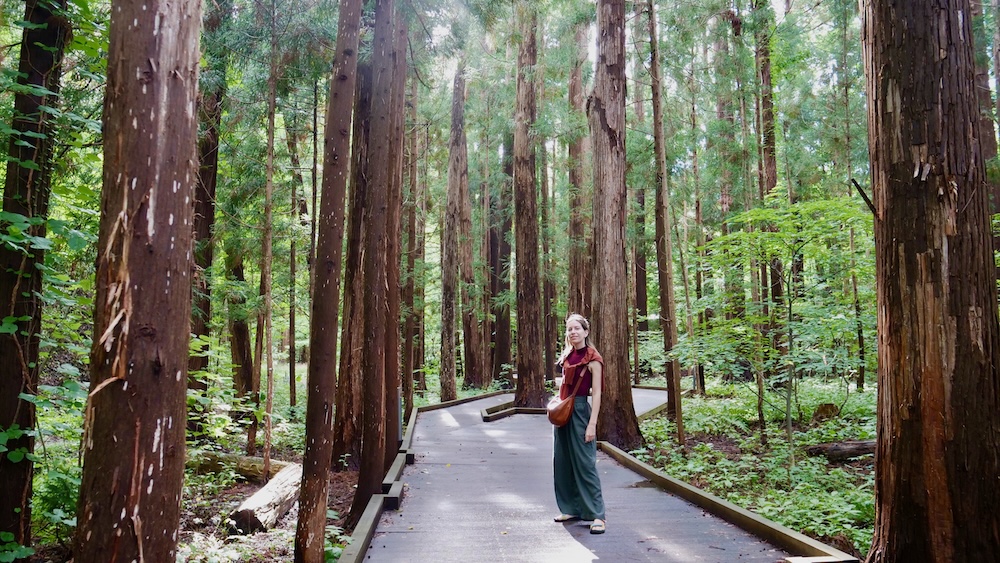
We’d spent a fair amount of time in the commercial heart of Sapporo when we headed west to Maruyama. After rain, the vegetation looked almost impossibly green, and there were stretches where we hardly encountered another person. Instead of traffic and shops, we had paths disappearing between huge trunks and unexpected quiet.
The trees were what got me. I remember being genuinely astonished by their variety and scale, especially because I’d assumed our best nature experiences in Hokkaido would involve travelling much farther from a major urban centre. Camera in hand, I kept looking up rather than ahead. It wasn’t an epic mountain expedition. We were simply walking, and I couldn’t have been happier with what we’d found.
General access to Maruyama Park and its public walking areas is free. You can reach the area from Maruyama Koen Station on the Tozai subway line, then continue on foot, which makes it a reasonable independent excursion without a rental car. Just be clear about how much walking you intend to do. The woodland approaches we enjoyed aren’t the same undertaking as hiking to the 225-metre summit of Mt. Maruyama, and we didn’t complete that summit route.
We also encountered bear-warning signs near the forest. Seeing them was a reminder that this was proper woodland rather than a decorative city garden, but our old signs and guesses about sightings shouldn’t be anybody’s safety plan. Check Sapporo City’s current bear and wildlife notices and obey any trail restrictions before heading into forested areas. I’d still make the trip without hesitation when conditions permit; I’d just choose a walk appropriate to the day rather than treating every path as an ordinary urban stroll.
Hokkaido Jingu: a free cultural stop worth combining with Maruyama
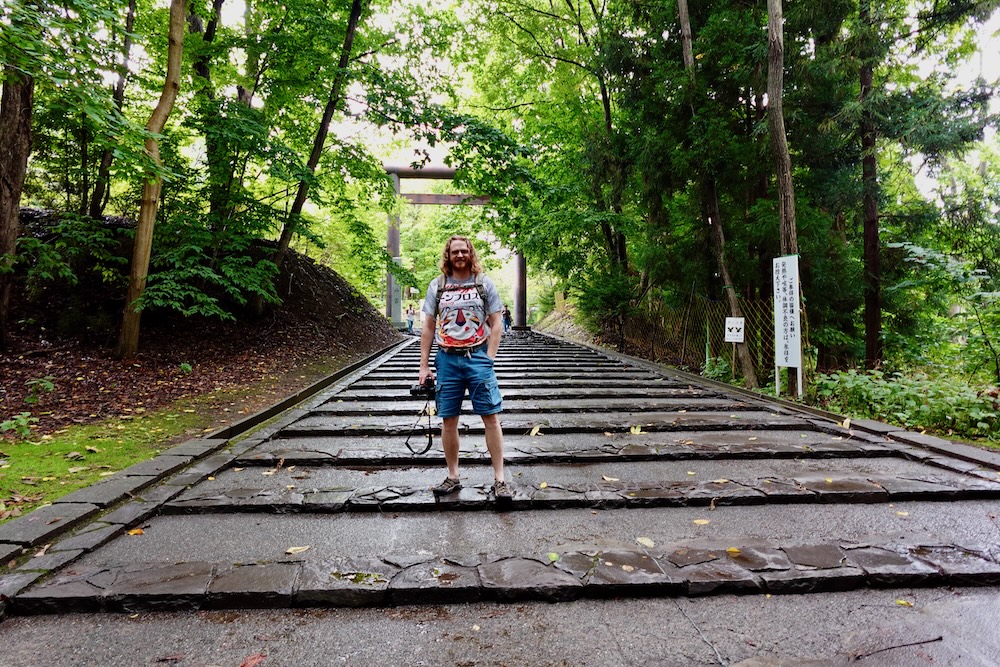
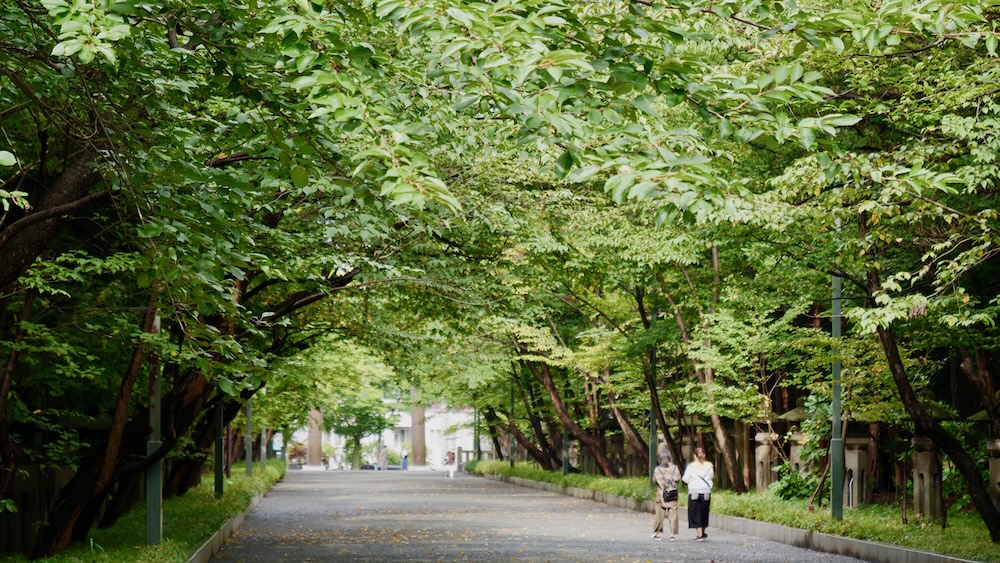
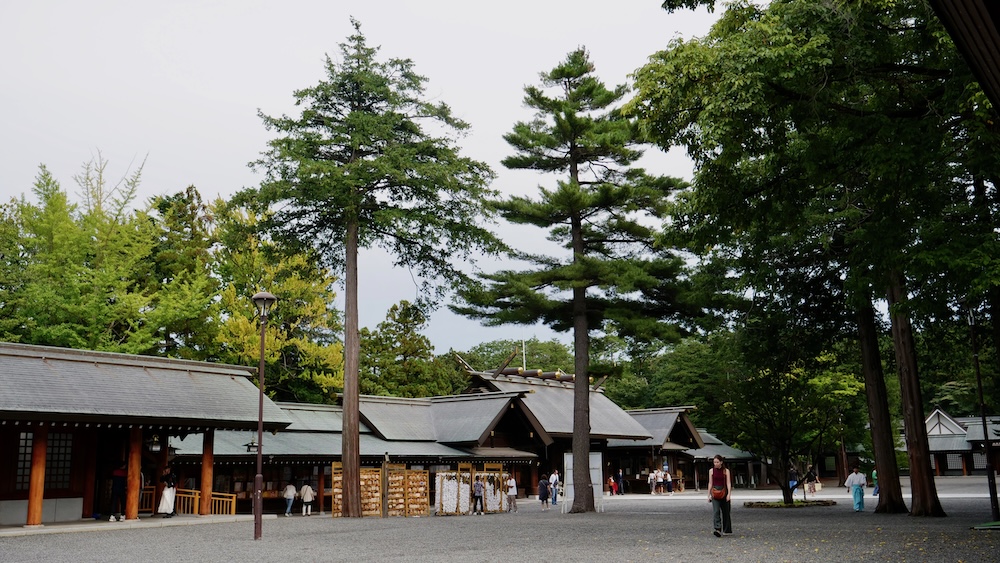
Hokkaido Jingu was part of that same outing, and visiting the shrine grounds made the whole excursion feel richer. We approached through a landscape of enormous trees and found a peaceful setting where we were happy to linger. There was no frantic race between attractions, which was a welcome change after our first rounds of central-city sightseeing.
You can visit the general shrine grounds without paying admission, although there are opening hours, worshippers to respect and places that aren’t open to casual visitors. I’d take a little time here rather than simply photographing the gate and carrying on. With Maruyama Park next door, it makes sense to experience both together.
We eventually stopped for tea and Japanese sweets nearby. That little session among the trees became one of my favourite food memories from the trip, partly because the desserts were delicately sweet rather than piled high with sugar. Buying refreshments was entirely optional, of course. The shrine and its wooded surroundings were the main event for this free-sightseeing outing; the sweets were our reward for having such a satisfying afternoon.
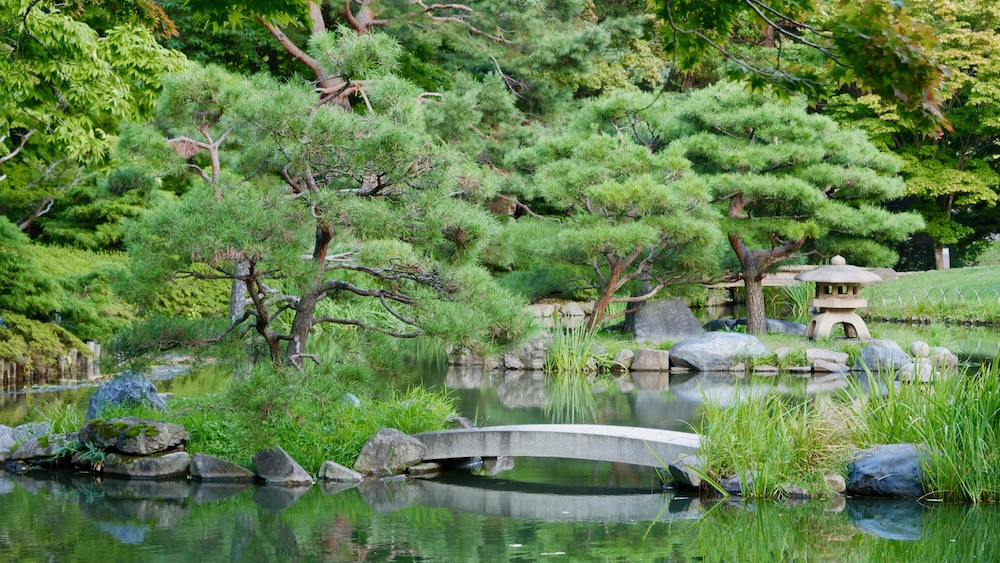
Nakajima Park: a green space I’d happily have outside my hotel again
Our hotel overlooked Nakajima Park, so we didn’t need an elaborate plan to get there. We simply wandered over when the weather gave us a chance, explored the paths around the pond and poked into the park’s historical corners. It’s the sort of place that makes a neighbourhood more pleasant to stay in, even when you’re not consciously setting out to do tourist activities. If you’d like that same access to the park, you can compare accommodation around Nakajima Park, but check each property’s actual distance to the park and subway.
Nakajima is a landscaped urban park of roughly 24 hectares, very different from the forest atmosphere around Maruyama. There are open spaces, water, established trees and enough variety to make a wander interesting, but you don’t have to embark on a demanding hike to enjoy them. The free public park is served by Nakajima Koen Station.
We had mixed reactions to the individual attractions. Hoheikan, the historic Western-style building, was interesting to look at, but we found its interior rather bare and moved on fairly quickly. I liked the Japanese Garden much more. Its paths and carefully arranged greenery were exactly what I wanted from a quieter part of the day, without needing some spectacular monument to justify the visit.
There’s a genuinely useful free-admission distinction here: the Japanese Garden normally opens without a charge from around late April to early November, generally 9 a.m. to 5 p.m., while Hoheikan’s interior currently costs ¥350 for ordinary adults. The garden closes in winter and special evening events can be ticketed, so don’t assume access on every date. But during the normal open season, a wander through the park and garden is a substantial free experience in a convenient part of town.
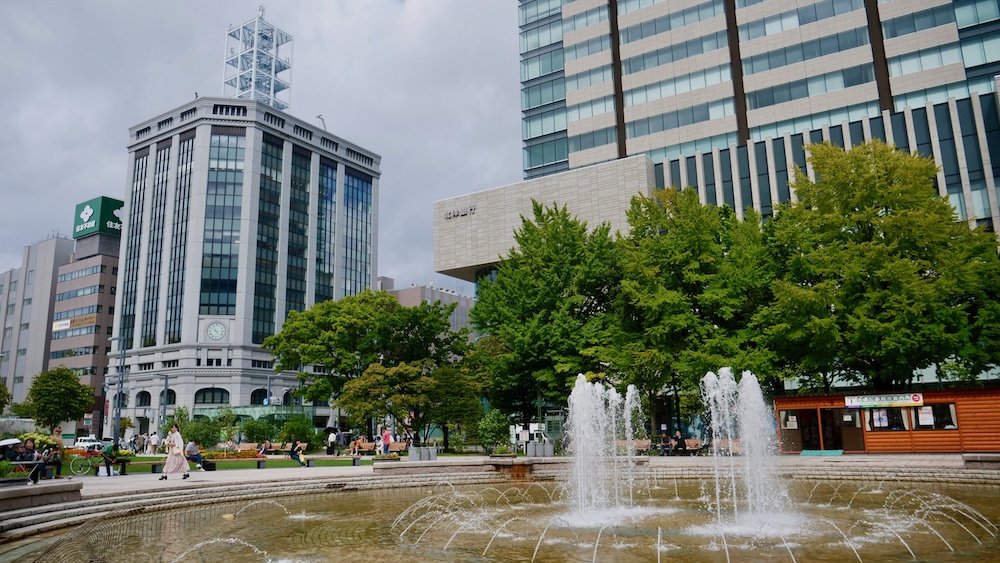
Odori Park: good for downtown, not quite an escape from it
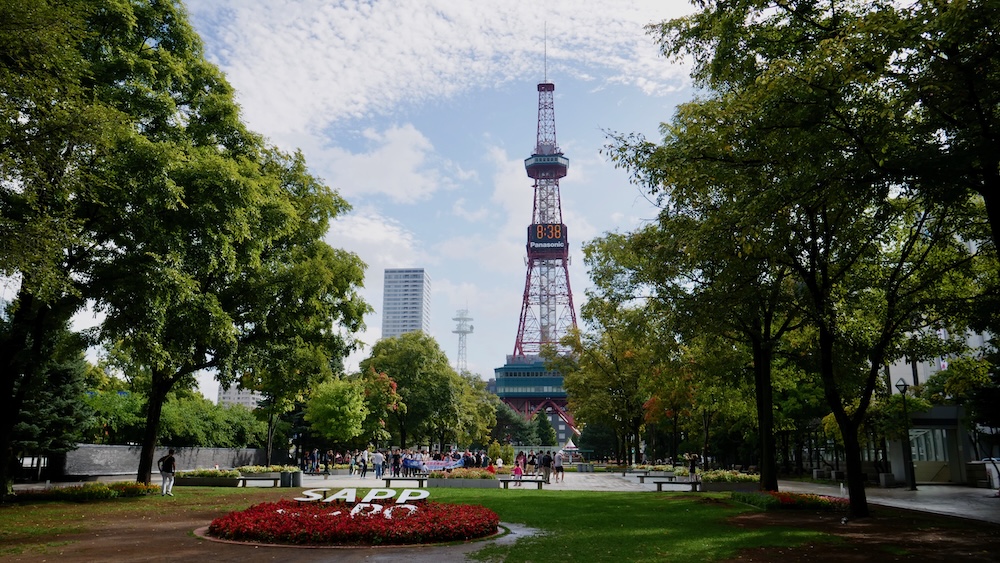
I enjoyed Odori Park, although I’d be doing you a disservice if I described it as a wilderness getaway. It runs for about 1.5 kilometres through central Sapporo, with lawns, flowerbeds, public art and plenty of space to sit. The TV Tower anchors one end, and the park naturally falls into a central sightseeing walk. It’s worth walking through if you’re sightseeing downtown.
Our first proper wander was less romantic than that description makes it sound. It was September, the temperature had climbed to around 30°C, and Audrey was struggling with the humidity. We’d been on our feet for hours, so we bought soft-serve ice cream and settled down to cool off. A shady seat and something cold felt more exciting at that moment than another landmark. We kept drinking water, hoping for a break in the weather.
As luck would have it, we also stumbled upon Sapporo Autumn Fest in Odori and promptly became enthusiastic customers of the food stalls. Enjoying the park itself costs nothing, but a festival can make it remarkably easy to spend money, and events sometimes change how particular areas are used. I’d include Odori on a free central-city walk, especially for its flowers and everyday public life, while saving a separate block of time for the greener places that impressed me more.
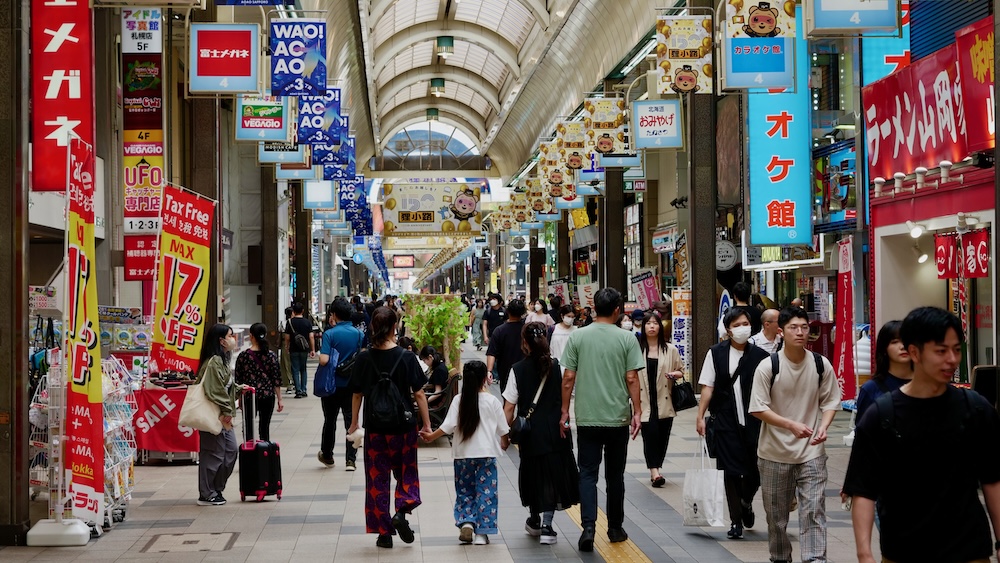
Tanukikoji: browsing is free, shopping is optional
Tanukikoji stretches roughly 900 metres through central Sapporo, covering seven main blocks with around 200 shops. Walking through the covered arcade costs nothing, and you can get a good sense of Japanese shopping culture without buying a souvenir. Whether you’ll want to resist the shops is entirely your business.
We went partly because we were roasting outside. The covered street offered shelter, and stepping into air-conditioned shops was a blessing after so much walking. Audrey and I browsed all kinds of merchandise, from little novelty items to camera-related things, and the sheer volume of shops was impressive. Some portions cross streets, shop hours vary, and the public arcade isn’t one giant climate-controlled mall.
I’m not a big shopper. I can appreciate the experience without wanting to dedicate half my day to it, which is precisely how I’d approach Tanukikoji on a return visit. If browsing stores is one of the things you love about Japan, move it much higher on your own list. For me, it was a useful change of pace and an even more useful escape from the heat.
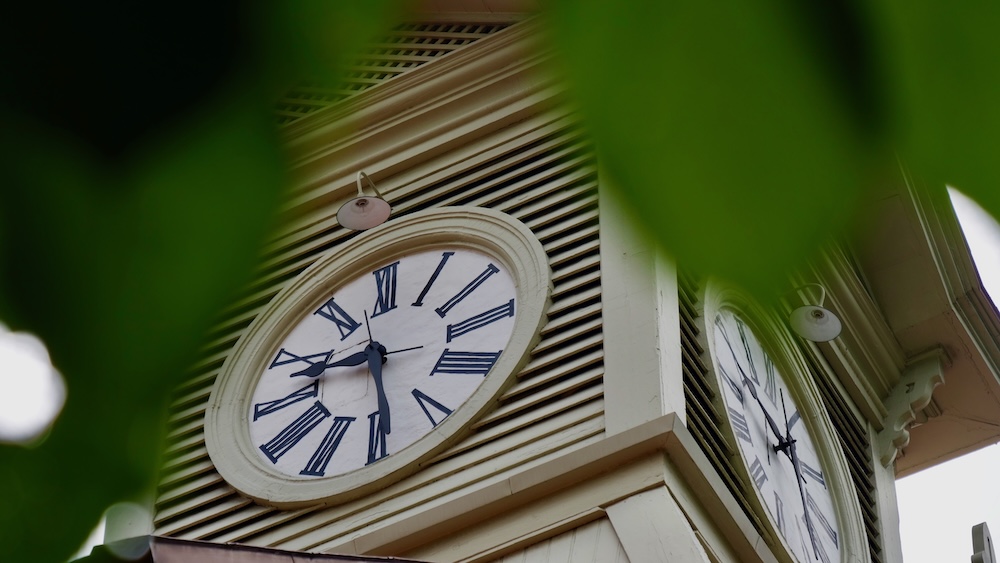
Sapporo TV Tower and Clock Tower: two free exterior stops
Both of Sapporo’s central landmarks are easy to appreciate without entering them. We saw the distinctive red TV Tower above Odori Park and visited the nearby Clock Tower, taking in the architecture as part of our downtown exploring. A photo of either building from the public street doesn’t require you to purchase a ticket, which makes them sensible additions to a free walk.
We did pay to go up the TV Tower, and I enjoyed looking over the sprawling city toward the mountains, despite getting rather clammy in the exposed lift. Those elevated views aren’t available from the ground, so I wouldn’t pretend you’ve had the same experience just by photographing the outside. The observation deck currently charges ¥1,200 for ordinary adults, while the Clock Tower’s interior costs ¥350. You can admire both exteriors for free and decide whether the paid experiences are worth adding on another day.
I’d keep these stops relatively brief on a strict free itinerary. They’re recognizable landmarks, but they wouldn’t dominate my sightseeing time.
Makomanai Takino Cemetery: free Moai with a long journey attached
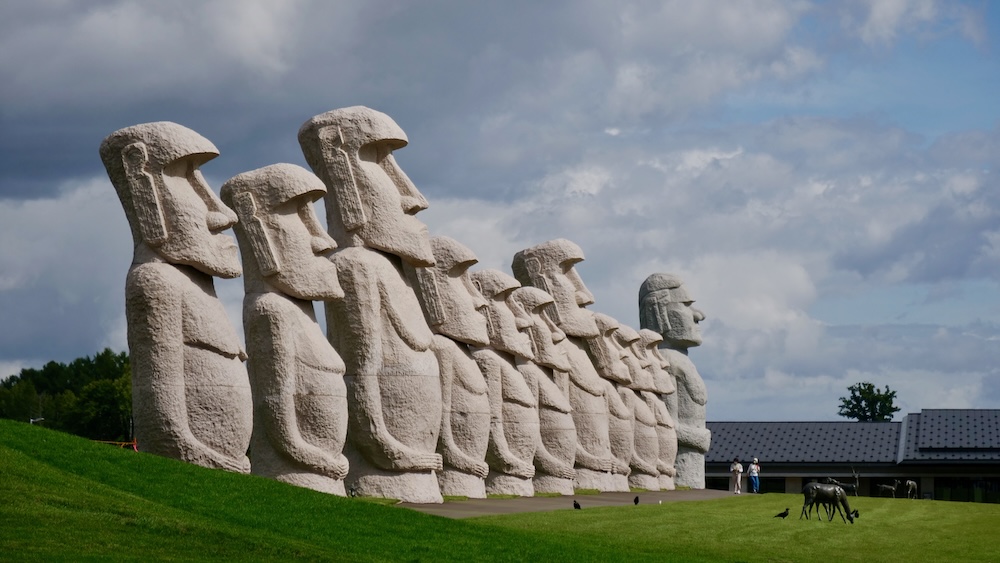
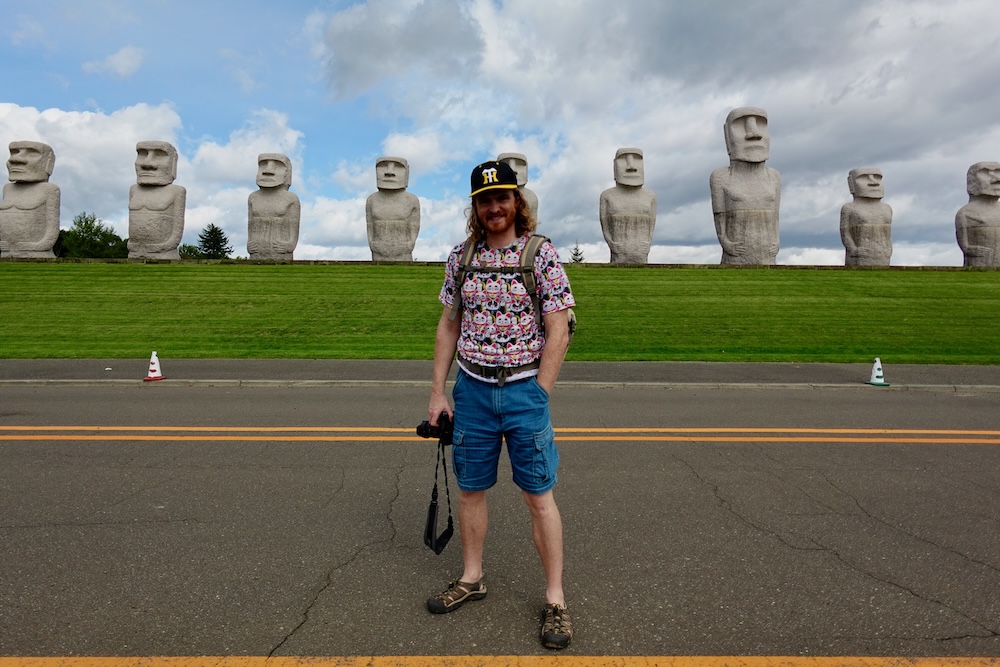
Audrey had a surprise planned when we set off toward Sapporo’s southern outskirts. We rode the subway to Makomanai and continued by bus into an increasingly rural-looking landscape, with forests and hills replacing busy streets. Then came a line of Moai statues. I’d visited Easter Island before, so finding myself looking at those familiar stone faces in Japan made for an exceptionally odd reunion.
The cemetery also contains a Stonehenge replica, and general admission to the grounds is free. That makes the outdoor installations a genuinely unusual option if you’re willing to travel this far and behave respectfully in what is, after all, an active cemetery. The Moai are memorable, although I wouldn’t suggest this is a quick detour from Odori Park. The journey was a substantial part of our day.
There’s an important financial distinction: we also visited Hill of the Buddha, but that particular attraction now charges ¥1,000 per adult following an increase in April 2026. It’s separate from the cemetery’s free general access. The operator’s current guidance lists bus route 108 from Makomanai Station, with seasonal timetable differences, so check the cemetery’s access information before making the journey rather than relying on a bus number from somebody’s older trip.
I loved the strangeness of the overall visit, especially because Audrey had kept our destination a surprise. Still, if you’re mainly interested in free green spaces, I’d give Maruyama priority and save the cemetery for when you have the time and appetite for something more unusual.
Sapporo Art Park: don’t confuse free grounds with free sculptures
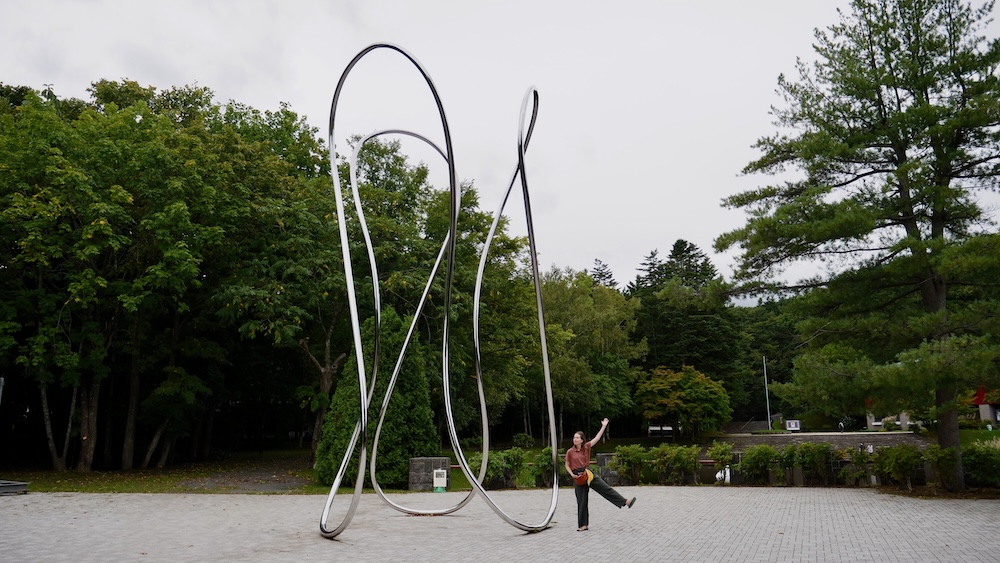
We continued our southern Sapporo exploration at Sapporo Art Park, where we followed forest paths past sculptures and streams. I enjoyed the combination of artwork and greenery, and the setting made the walking feel like part of the attraction rather than merely a way of getting between displays.
Here’s the distinction that matters for this article: general entry to the Art Park grounds is free, but the outdoor Sculpture Garden we visited isn’t. Its current ordinary adult admission is ¥800, with other exhibitions and facilities charging separately. I wouldn’t send somebody across the city promising that the same sculpture experience we enjoyed costs nothing. The grounds are an option if you’re already nearby; the ticketed art is a separate choice.
Four more free places we didn’t visit
There were other free options we didn’t fit into our Sapporo trip, and a few deserve a place here because they offer something meaningfully different. I haven’t walked their paths or tested their viewpoints myself.
Moerenuma Park
Designed around sculptor Isamu Noguchi’s vision of a whole park as a work of art, Moerenuma covers approximately 190 hectares in eastern Sapporo. General admission is free, with large sculptural landscapes, artificial hills and the Glass Pyramid among its features. Fountain operations and other facilities vary by season, while bicycle rentals and certain activities cost extra. It’s roughly 12 kilometres from central Sapporo, so allow for a dedicated outing rather than assuming it’s another stop on a downtown walk.
Hokkaido University and its museum
The public areas of Hokkaido University’s Sapporo campus offer a different sort of green walk, and its university museum has free admission. The museum is roughly ten minutes on foot from the north side of Sapporo Station, making it one of the easier researched additions to fit into a central visit. Regular museum opening hours are 10 a.m. to 5 p.m., generally closing Mondays and from December 28 to January 4, with exceptions around holidays. It’s a working university, so stick to visitor-accessible grounds and buildings.
Sapporo City Hall’s free observation corridor
For a city view without paying for the TV Tower, Sapporo City Hall has an observation corridor on its 19th floor. I wouldn’t assume it gives you the exact same panorama as the TV Tower, but it offers a different free option when it’s open. The catch is a limited schedule: ordinarily weekdays from late April through October 31, between 9:30 a.m. and 4:30 p.m., with possible weather or maintenance closures. Check the current City Hall visitor information rather than counting on access during a weekend or winter trip.
Asahiyama Memorial Park
Asahiyama Memorial Park offers a hillside outlook over Sapporo, with a viewpoint approximately 137.5 metres above sea level. It has free general access, but reaching it involves travelling from the Maruyama area by bus and then walking; the listed bus journey is approximately 15 minutes before the final approach. Its hillside setting and seasonal facilities make weather and mobility relevant considerations. For somebody who wants greenery with a city panorama, it looks like a worthwhile possibility, although I can’t rank it against Maruyama from personal experience.
Free admission isn’t the same as an easy day
Seeing free beside every attraction doesn’t mean you should visit them all in one day. Sapporo spreads out in several directions, and the time spent changing trains, waiting for buses and walking between stops can become the day’s main activity. We felt those distances heading south.
I’d think in areas rather than a giant checklist. Odori Park, the landmark exteriors and Tanukikoji belong together in the central district; Maruyama Park and Hokkaido Jingu make a separate western outing. Nakajima fits naturally around the southern-central area, especially if you’re staying nearby. The cemetery, Moerenuma and hillside viewpoints require more deliberate travel, and I’d be cautious about adding one just to claim another free attraction.
| Area | What you can enjoy without admission | The commitment |
|---|---|---|
| Central Sapporo | Odori Park, landmark exteriors, Tanukikoji | Convenient together; urban and weather-exposed in places |
| Maruyama | Park paths, public forest approaches, Hokkaido Jingu grounds | Subway plus walking; check woodland conditions |
| Nakajima | Park and seasonal Japanese Garden | Convenient central location; garden has seasonal hours |
| Southern outskirts | Cemetery grounds, Moai and Stonehenge replica | Longer subway-and-bus outing; Buddha admission extra |
| Other areas | Moerenuma or Asahiyama Memorial Park | Separate journeys, seasonal conditions and varying walking effort |
The weather deserves equal consideration. On our visit, a hot and humid September day turned a simple walk into a sequence of water breaks, ice cream and ducking into shops. Winter brings different concerns: gardens and facilities close, paths change with snow, and some viewpoints have restricted operating seasons. If you intend to enter forested trails, check the latest wildlife and access notices as well. A cheap itinerary isn’t much fun when you’re exhausted halfway through.
Where the free label gets misleading
Some places are free to approach but charge for their headline attraction. The TV Tower observation deck and Clock Tower interior are paid even though their exteriors are publicly visible. Hoheikan charges for its interior while the surrounding Nakajima Park and normally the Japanese Garden are free. Down south, the cemetery’s outdoor installations cost nothing in admission, but Hill of the Buddha charges ¥1,000 per adult; at Sapporo Art Park, the free grounds don’t include the ¥800 Sculpture Garden.
One particularly important update concerns the Sapporo Beer Museum. We visited and enjoyed a beer tasting, but the museum’s current self-guided visit now costs ¥1,000 for ordinary adults, with paid tastings and tours separate. If an older list tells you that entering the museum is free, don’t rely on that for today’s planning. Ask what you can actually enjoy without paying, then judge whether the journey is worthwhile.
Where I’d spend my time if I returned with no admission budget
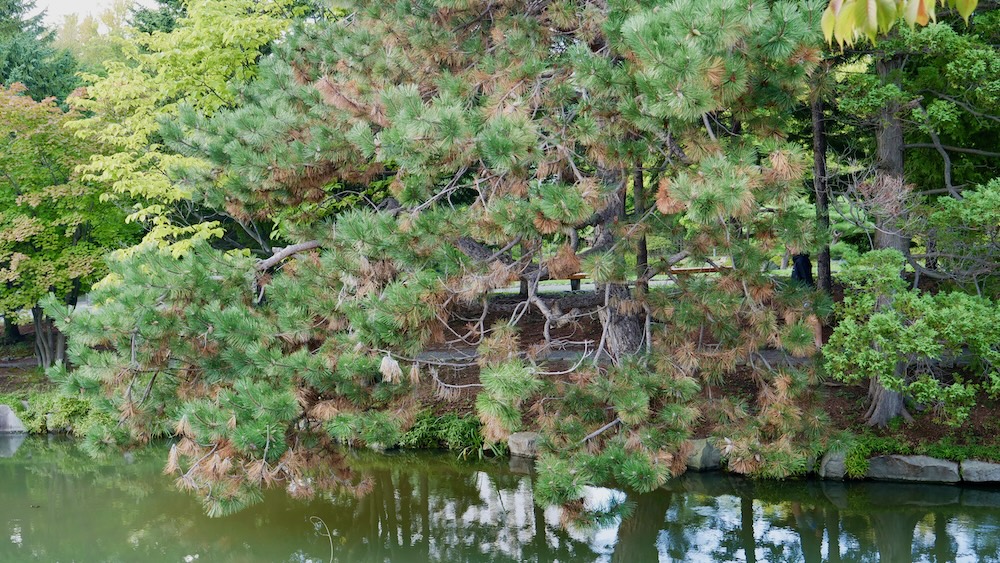
I’d happily go back to Sapporo and spend most of my sightseeing time in its green spaces. Maruyama Park and Hokkaido Jingu would be the priority, followed closely by a leisurely wander through Nakajima Park and its Japanese Garden when open. I’d see Odori and the central landmarks, too, but I wouldn’t rush from photograph to photograph with the idea that a longer checklist somehow makes a better trip.
If shopping is your thing, Tanukikoji can fill more of your day than it would of mine. If unusual outdoor installations are more tempting than trees, you might make the long journey to the cemetery. That’s the appeal of having different genuinely free options, provided you’re clear about which parts are actually free and how much travelling they involve.
My one strong objection is to the idea of arriving, ticking off downtown in 24 hours and declaring Sapporo finished. We enjoyed the centre, but the most rewarding free experiences came when we allowed ourselves to get away from it. Give the green parts of the city some time. You won’t need an admission ticket to understand why I’d return.
Frequently Asked Questions
What are the best free things to do in Sapporo?
My favourites were walking around Maruyama Park and the forest, visiting Hokkaido Jingu’s grounds, and exploring Nakajima Park. Odori Park, Tanukikoji and the exteriors of central landmarks are also free to enjoy.
Is Maruyama Park and Hokkaido Jingu free to visit?
Yes. General access to Maruyama Park’s public paths and Hokkaido Jingu’s shrine grounds is free. Reaching them by subway costs extra, and forest trails have different demands from a straightforward park walk.
Is the Japanese Garden in Nakajima Park free?
The Japanese Garden normally has free daytime admission during its open season, roughly late April to early November. Hoheikan’s interior is a separate paid attraction, and the garden is closed in winter.
Can I see the Sapporo TV Tower and Clock Tower for free?
You can view and photograph both buildings from public spaces without paying admission. The TV Tower observation deck and Clock Tower interior charge separate entry fees.
Are the Moai statues at Makomanai Takino Cemetery free?
General access to the cemetery grounds and its outdoor Moai and Stonehenge installations is free. Hill of the Buddha charges admission, and reaching the cemetery involves a longer subway-and-bus journey from central Sapporo.
Can I do Sapporo sightseeing for free without a car?
Audrey and I explored Sapporo by subway, bus and walking, including the central sights and the Maruyama area. Admission may be free, but transport still costs money and distant attractions take time.
Is Sapporo Art Park free?
The general grounds are free to enter, but the outdoor Sculpture Garden we visited charges admission. Don’t assume the paid sculptures are included in a free walk around the wider park.
What free places in Sapporo did you not visit?
We didn’t personally visit Moerenuma Park, Hokkaido University’s museum, Sapporo City Hall’s observation corridor or Asahiyama Memorial Park. They offer additional free options, subject to opening hours, seasonal restrictions and travel time.
This guide is also available in Spanish. [Leé la versión en castellano: Las mejores cosas gratis para hacer en Sapporo]
This article contains affiliate links. If you book through one of these links, I may earn a commission at no extra cost to you.