
By the time Audrey and I reached Sapporo, we’d already spent time in Tokyo, Osaka and Kyoto. I thought I had a decent feel for what visiting another major Japanese city would involve. Then we arrived in Hokkaido’s capital, found ourselves sweating through some sweltering September weather, and discovered a city that seemed far more concerned with getting on with everyday life than putting on a show for tourists.
That last part was a pleasant surprise. There was plenty to do, but Sapporo didn’t feel like Kyoto with its sightseeing crowds, or Tokyo with people pouring in every direction. We found tree-lined streets, neighbourhood parks, a proper big-city food scene and enough interesting places on the outskirts to keep us busy. Some days we could walk between attractions. Other days involved the subway, a bus and a fair amount of patience. Sapporo turned out to be considerably more spread out than I’d imagined.
So before you arrive with a list of places to visit and the optimistic belief that they’re all vaguely near each other, it’s worth understanding how Sapporo works. The centre is manageable, the public transport is good, and it’s an enjoyable city to explore independently. But your hotel location, the areas you group together and even the weather can make a considerable difference. My biggest advice, having made that first trip, is simple: don’t rush it.
Sapporo Feels Different From Japan’s Other Big Tourist Cities
Tokyo was enormous and crowded when we visited. Osaka felt big too, but somehow friendlier. Kyoto, for all its beauty, was intensely touristy. Sapporo was the first major city we’d visited in northern Japan, and it felt like we were seeing a different side of the country: a working city where people had their own routines and visitors were just another part of the mix.
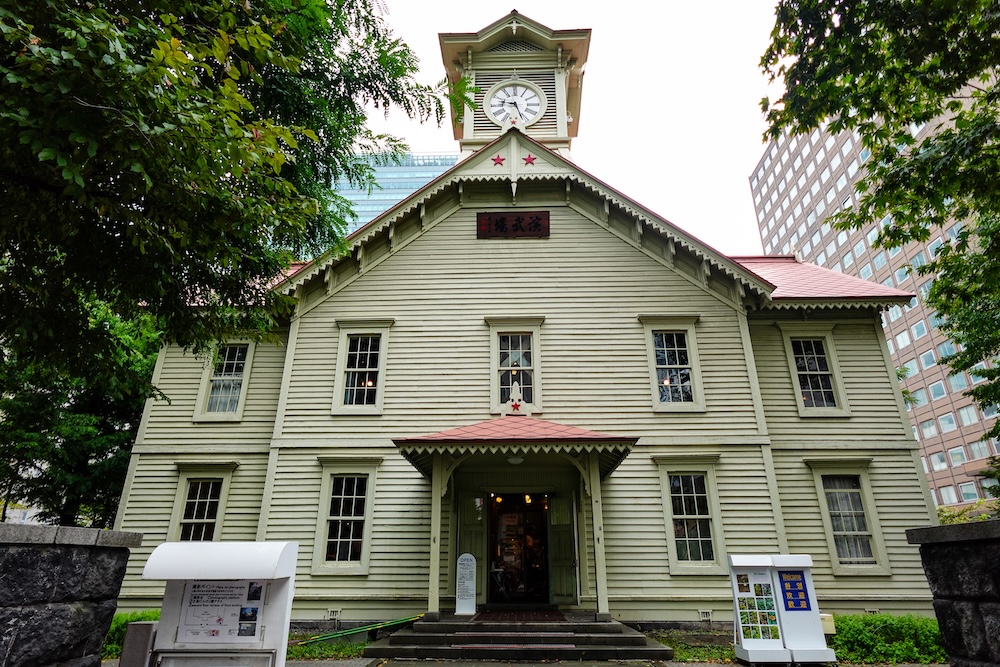
I don’t mean the attractions were empty. We saw plenty of people around the Clock Tower, Odori Park and the shopping streets. What struck me was that sightseeing didn’t seem to define the whole place. We could leave the commercial streets for somewhere leafy and quiet without feeling we’d left the city. There was a nice sense of breathing room that I hadn’t expected from a Japanese city this size.
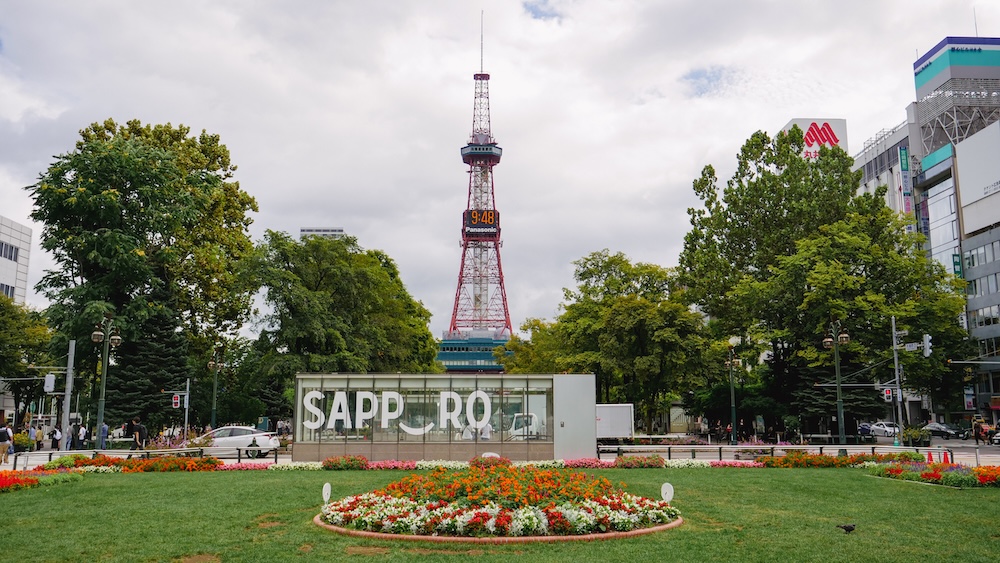
Audrey noticed the greenery almost immediately. She loved the avenues lined with trees and the sheer number of parks, especially compared with Tokyo. Later, when we explored Maruyama and Nakajima Park, I understood exactly what she meant. The greenery was part of how the city felt, not a handful of gardens on a tourist map.
By the end of our visit, I was even thinking Sapporo might be the most livable big Japanese city I’d experienced. That’s a personal verdict, obviously, and it came with a qualification: I wouldn’t claim its individual landmarks rival the most spectacular sights in Tokyo or Kyoto. But between the transport, parks, food and room to wander, I liked the prospect of actually spending time here. For a first visit, I’d arrive ready to appreciate those everyday pleasures alongside the headline attractions.
Understand Sapporo’s Geography Before Making Your Plans
On a map, central Sapporo looks reassuringly straightforward. You’ve got the railway station, Odori Park, the Clock Tower, Susukino and a collection of places that are easy enough to connect on foot. Our problem wasn’t figuring out that part. It was appreciating how far the city extended beyond it, and how much time a more unusual excursion could consume.
Here’s the basic geography I’d keep in mind:
| Area | What you’ll find | How to approach it |
|---|---|---|
| Central Sapporo and Odori | TV Tower, Clock Tower, park, Tanukikoji and central streets | Walk between nearby sights; use the subway as needed |
| Maruyama | Hokkaido Jingu, Maruyama Park and forest scenery | Subway west, followed by walking |
| Nakajima Park | Pond, Japanese Garden, Hoheikan and park paths | Easy local walking with a nearby subway station |
| Beer Museum and Curb Market areas | Brewery history and seafood restaurants | Separate locations requiring deliberate travel |
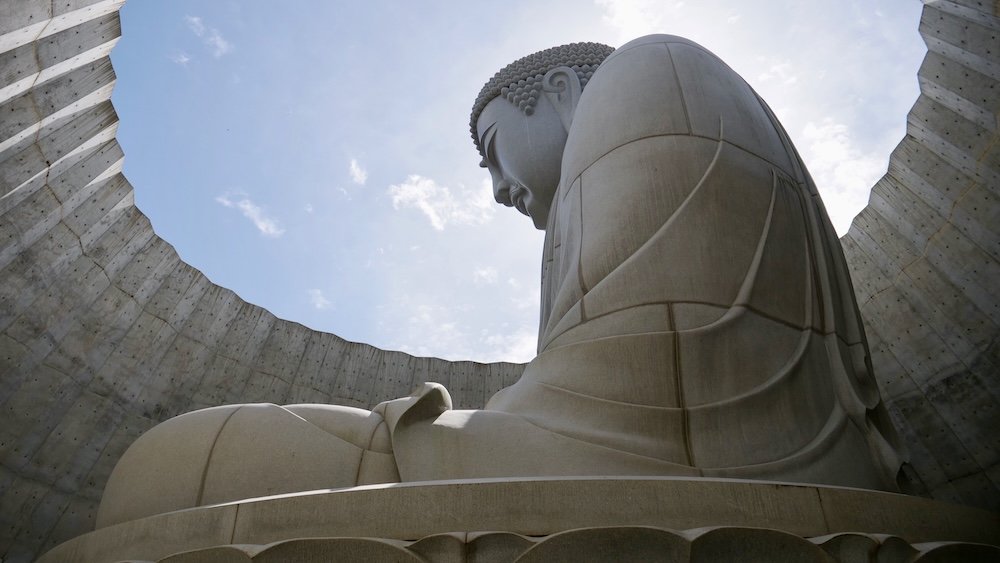
| Southern Sapporo | Hill of the Buddha, Moai statues and Sapporo Art Park | Subway and bus connections; allow a proper outing |
The centre is easy to explore on foot
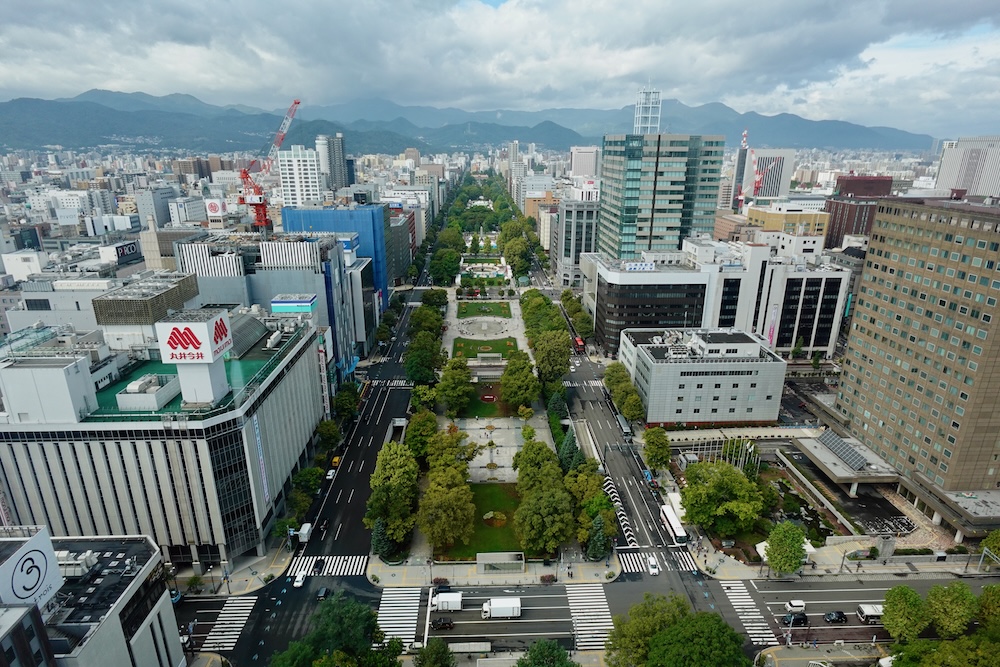
We started one sightseeing outing at Sapporo TV Tower. I liked the old-fashioned look of it, and the view from the top gave us a proper sense of just how far the city stretched toward the surrounding mountains. The elevator ride was a little less relaxing than I’d hoped; I remember arriving at the top with clammy hands, quite aware of the height. The view made up for it.
From there, we walked a few blocks to the Clock Tower and continued around Odori Park. That’s a sensible central combination because these sights really are close together. Even Sapporo Station and Susukino are only about 1.5 kilometres apart, roughly a 20-minute walk if you’re moving at a steady pace.
Don’t confuse a walkable centre with a tiny centre, though. Odori Park alone stretches about 1.5 kilometres from east to west. Add stops for photographs, food, shops and a bit of wandering, and you’ve used a meaningful part of your day without going very far on the subway. That’s perfectly fine, provided you haven’t also planned three attractions on the other side of town before dinner.
Maruyama and Nakajima offer very different green escapes
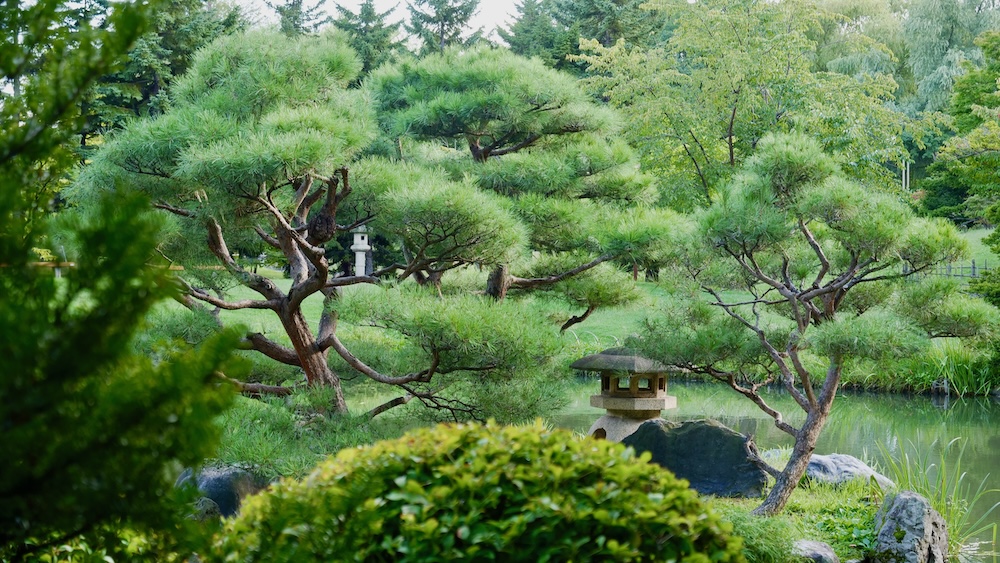
Maruyama sits west of the centre. We went there to visit Hokkaido Jingu and explore the nearby woodland, and I loved the contrast with the commercial streets we’d been walking earlier. The cedar trees around the shrine were enormous. Farther along, the forest felt surprisingly secluded for somewhere within a major city. After rain, everything looked especially green, and we encountered remarkably few people on part of our walk.
Nakajima Park was almost the opposite kind of outing: an urban park close to where we were staying, with a pond, pleasant walking paths, a Japanese Garden and the historic Hoheikan building. We had a look inside Hoheikan but found the interior rather bare, so that part didn’t take long. I enjoyed the garden more. There was no need to treat the park as a major expedition; it was part of the neighbourhood around our accommodation.
The distinction matters when choosing where to spend your time. Maruyama is a good example of travelling out to a shrine-and-forest area on the western side of the city, while Nakajima can slot more naturally into a stay in southern-central Sapporo. They’re both green, but they don’t give you the same experience.
The southern attractions need more commitment
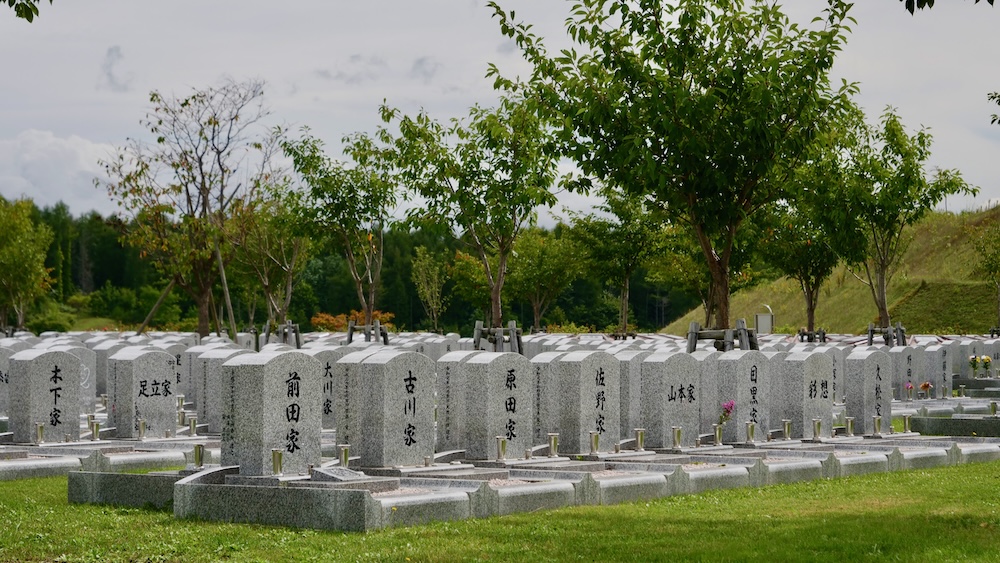
The biggest change of scenery came when Audrey surprised me with an outing to Makomanai Takino Cemetery. After the subway, we caught a bus and travelled into an area of forests and mountains where downtown Sapporo felt a long way off. Then I spotted a row of Moai statues. Having visited Easter Island before, I genuinely wasn’t expecting that little reunion in Hokkaido.
We also visited Hill of the Buddha and saw the cemetery’s Stonehenge replica, before exploring the outdoor sculpture area at Sapporo Art Park. These were among the more unusual places we saw, and I was glad we’d made the effort. They also illustrate why Sapporo isn’t a city I’d try to blitz in a hurry.
For Art Park, the published route from Sapporo Station involves about 17 minutes on the subway to Makomanai and another 15 minutes by bus. That’s before the transfer, waiting, walking or time spent looking at the art. Hill of the Buddha has its own bus arrangements, which can be limited and seasonal. A few central landmarks can fill a morning quite casually; an outing down here deserves its own breathing room.
For anyone who would rather leave the driving to somebody else, a private customizable Sapporo tour with a driver is one current option. It’s a ten-hour booking, not something we took, and you’d need to confirm that your preferred stops fit the route.
Your Accommodation Base Will Shape the Trip
We stayed in a hotel overlooking Nakajima Park. I wish I could tell you the exact property, but the name has escaped me. What I do remember is that the location worked well: we were near the metro, had the park on our doorstep and could head into other areas without too much fuss. I wouldn’t change that decision simply because Sapporo has hotels closer to its main railway station.
Accommodation isn’t a one-size-fits-all decision. Sapporo Station is handy if you want easy access to JR services, including the airport train and trips elsewhere in Hokkaido. You can compare hotels near Sapporo Station if rail access is your priority. You’ll still need to travel to southern neighbourhoods and attractions.
Odori is a particularly useful middle ground. The three subway lines meet there, and several central sights are close by. If you’re expecting to move between different parts of Sapporo rather than linger in one neighbourhood, that connection is worth more than a hotel being a few steps closer to one attraction. Browse places to stay around Odori if you want a central subway base.
Susukino is a logical choice if food and evening activity are priorities. Ramen Alley is there, along with a concentrated dining and entertainment scene. If you prefer quieter evenings, pay attention to the specific hotel location rather than assuming the entire district has the same atmosphere. Check Susukino accommodation options against the exact streets you plan to use.
Nakajima Park, from our own experience, makes sense if you’d like nearby greenery while retaining subway access. It’s not as convenient as sleeping beside JR Sapporo Station for frequent regional rail departures, but it suited the way we explored the city. If that sounds appealing, see current stays near Nakajima Park; I’m not endorsing a particular hotel there. I’d look at the journeys you expect to make most often and choose accordingly. There’s no prize for booking the most centrally advertised hotel if it leaves you travelling the wrong direction every morning.
Walking Helps, but You’ll Need Public Transport
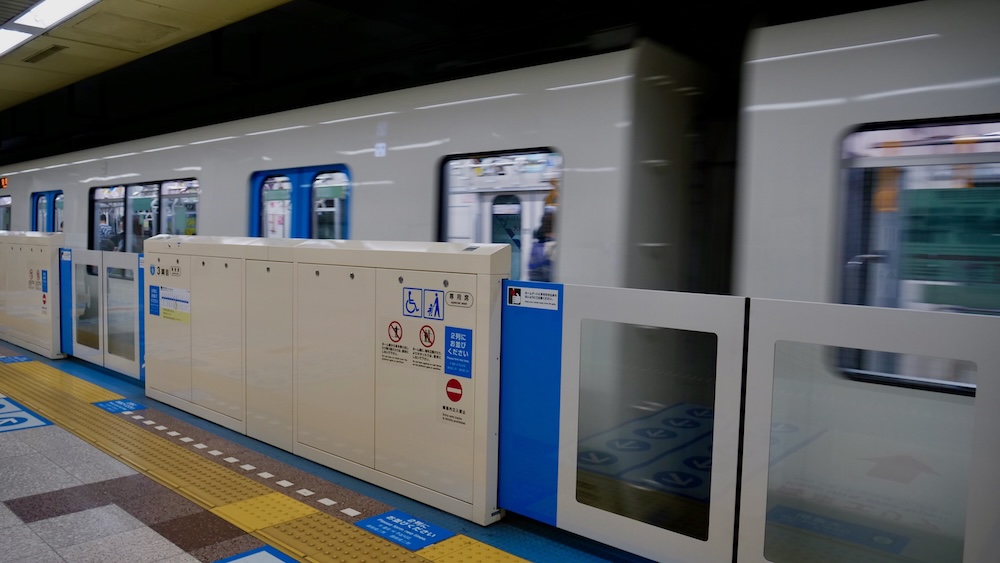
One of the things I appreciated most about Sapporo was that we could explore independently without feeling that every outing required complicated arrangements. We walked plenty, bought transport cards and used the subway to reach different parts of the city. Once we ventured farther out, buses became important too.
The subway has three lines. The Namboku Line links places such as Sapporo Station, Odori, Susukino, Nakajima Park and Makomanai. The Tozai Line heads west toward Maruyama, while the Toho Line serves another part of the city. All three meet at Odori. You don’t need to memorize the entire network; just knowing which line serves your next area makes planning considerably easier.
We used Kitaca cards, and I remember standing at a machine to reload ours, selecting English and working our way through the instructions. It wasn’t particularly dramatic, which is exactly what you want from public transport. Compatible IC cards such as Kitaca and Suica are accepted on the municipal subway, though bus and airport-transfer payment rules can vary by operator. If you’re taking several subway rides in a day, it’s worth checking the current day-ticket options against individual fares rather than assuming one is automatically better.
For central sightseeing, the best transport choice may be your own feet. An underground pedestrian network also connects parts of the centre, which becomes useful when the weather isn’t cooperating. But that convenience has its limits. The city can feel wonderfully walkable around Odori while still requiring a very deliberate plan to visit somewhere like Hill of the Buddha.
Here’s where I’d be more careful than we needed to be with the simpler journeys: check the final bus connection and the return journey before leaving. The cemetery currently directs visitors to bus 108 from Makomanai Station’s bus terminal 2, with seasonal timetable differences. Our own journey involved the same basic subway-and-bus approach, but the number we took at the time isn’t one I’d rely on today. You can check the current cemetery access instructions before going.
Independent travel worked for us, and I’d have no hesitation approaching central Sapporo that way again. Just don’t mistake an efficient subway network for a guarantee that every attraction is immediately beside a station.
Eating in Sapporo Deserves Some Attention
If you enjoy food, Sapporo makes it very easy to get distracted from whatever sightseeing schedule you’ve prepared. Some meals were memorable enough that I’d gladly return for another crack at the menu.
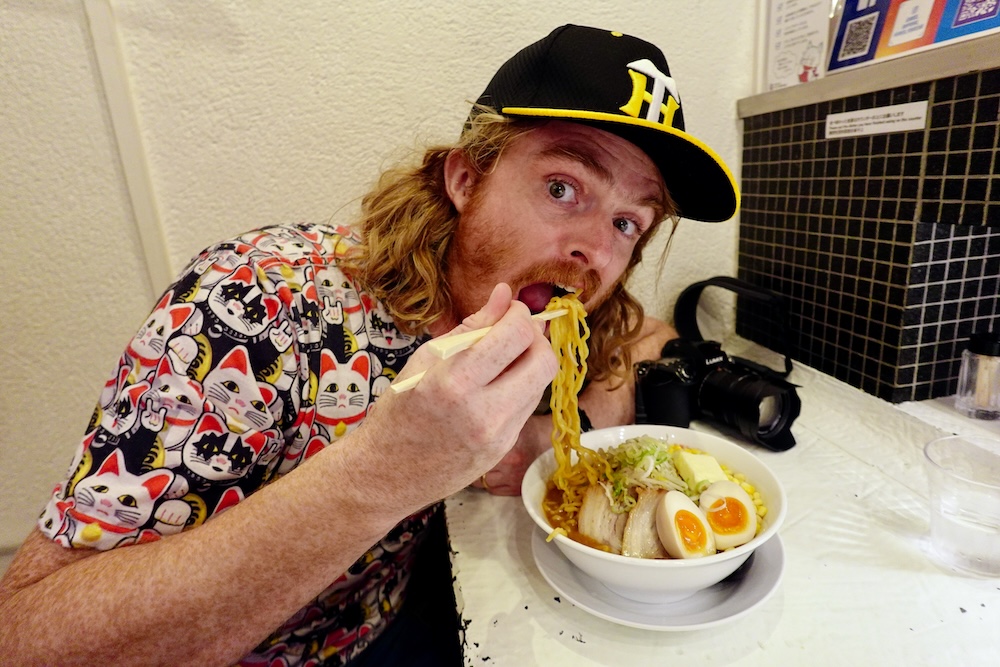
In Susukino, we headed into Ganso Ramen Yokocho, the little alley lined with ramen shops. We chose a tiny restaurant with photographs of butter-and-corn ramen outside, ordered from a ticket machine and somehow ended up with extra toppings. In my case that meant a rather enthusiastic quantity of eggs and butter. The bowl that arrived was rich, with tender pork and a broth I couldn’t get enough of. I called it the best ramen I’d had so far in Sapporo, and I wasn’t about to apologize for the accidental excess.
For seafood, we travelled to the Sapporo Central Wholesale Market Curb Market. It’s the public-facing market area beside the wholesale facilities—not Nijo Market, which is a different destination. We picked a restaurant for a late breakfast and ended up with a proper feast. Audrey ordered a rice bowl featuring four kinds of crab; I went for crab soup and sashimi. We were not exactly following our usual modest breakfast routine, but nobody complained once the food arrived.
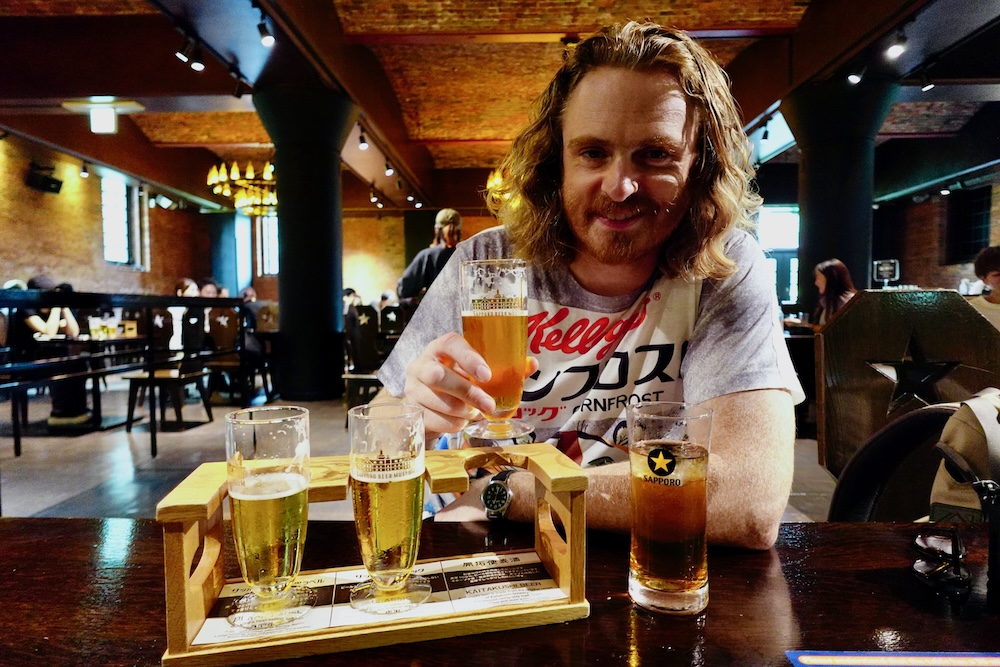
At the Sapporo Beer Museum, we wandered through the exhibits before settling in for a tasting. I preferred Black Label. Audrey tried the beers as well, but was considerably less impressed with the corn tea she’d ordered. Elsewhere, we stopped for sweets and iced tea near Hokkaido Jingu. These experiences weren’t all in the same part of the city, which is another reason to think geographically when deciding what and where you’ll eat.
There are famous Sapporo foods we didn’t get around to trying, including soup curry and jingisukan, a Hokkaido lamb dish. Those are worth knowing about as you put together your own food plans. We certainly didn’t cover the entire local menu.
If you’d rather try several dishes with a guide, you can check this Sapporo food tour with more than ten dishes and drinks. We ate independently, so I can’t personally review the tour; it simply offers a more structured introduction.
Our most enjoyable food detour was completely unplanned. We arrived in Odori Park during Sapporo Autumn Fest and found ourselves surrounded by stalls. We tried tempura, Indian food and sweets, and a lunch we’d intended to have elsewhere promptly ceased to matter. If a festival is important to your plans, check its current dates. Otherwise, I’d leave some room for this kind of discovery. Food is one part of Sapporo where a little spontaneity worked wonderfully for us.
Don’t Underestimate Sapporo’s Weather
Of all the things I wish we’d understood better before arriving, the weather wins by a comfortable margin. We’d come from Canada, it was September, and we were in northern Japan. I had pictured something approaching pleasant early autumn. Instead, we hit temperatures around 30°C with humidity that had us sweating like it was the middle of summer back home.
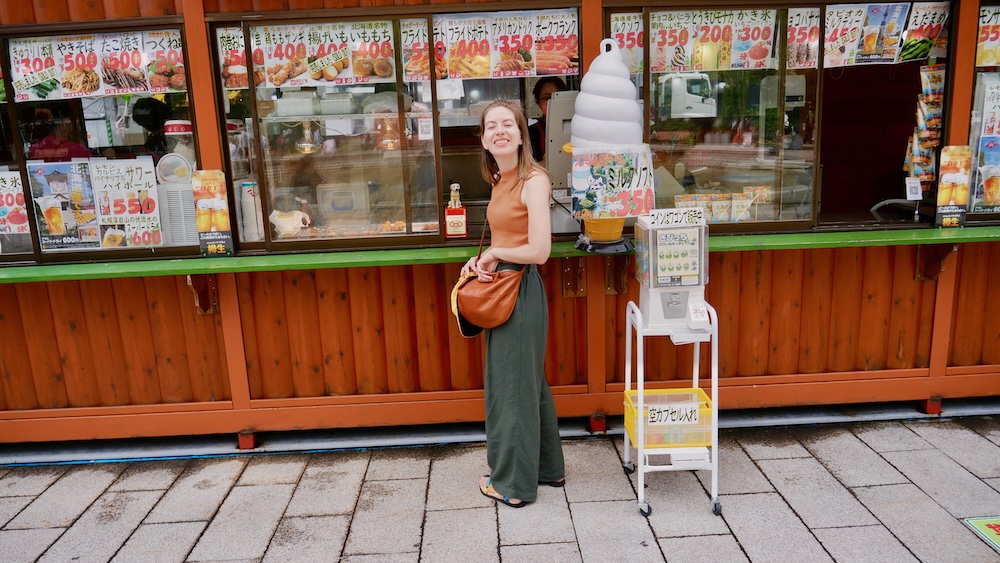
Audrey was especially miserable in the heat. We’d been walking around Odori Park when an ice cream break became less of a treat and more of a necessity. Water, Pocari Sweat, sitting down for a while—anything that would make the afternoon feel manageable again. Tanukikoji was appealing partly because we wanted to see the shops, and partly because the air conditioning was a beautiful thing. Travel plans look very different when you’re hot, tired and wondering why you didn’t pack for an entirely different season.
Now, that’s what happened on our September visit. Sapporo’s long-term average temperature for September is around 18.6°C, compared with 22.3°C in August and 12.1°C in October. Those are monthly averages rather than typical afternoon highs, and they don’t rule out individual hot days. We eventually encountered cooler, more autumn-like conditions too. I wouldn’t tell you to expect the same hot spell we encountered, but I definitely wouldn’t assume northern Japan guarantees jacket weather in September either.
Other seasons change the practicalities even more. We haven’t visited Sapporo in winter, so I can’t pretend to know firsthand what snowy sightseeing or the Snow Festival feels like. What matters for planning is that certain outdoor attractions operate differently by season. Hill of the Buddha currently lists shorter winter visiting hours, while the outdoor sculpture area at Sapporo Art Park has seasonal access arrangements. Check the forecast and the actual attraction calendar for the dates you’re going, especially if your plans involve plenty of walking or outlying buses.
What I’d Check Before Arriving—and What I’d Leave Flexible
There are a few decisions I’d sort out before a first Sapporo trip, particularly because some of the inconvenient ones don’t reveal themselves until you’re already trying to cross the city.
Work out the airport journey to your actual hotel. New Chitose Airport is outside Sapporo. The fastest JR airport trains reach Sapporo Station in about 33 minutes, while airport buses also serve areas including Odori, Susukino and Nakajima Park. A bus may take considerably longer but could save an extra transfer if your hotel isn’t near the railway station. Compare the full journey with luggage, not just the headline train time. The current JR airport information is useful, and remember that bus payment methods can differ between operators.
Check access arrangements for the places outside the centre. Hill of the Buddha currently lists ¥1,000 adult admission and different opening hours between April–October and November–March. Bus departure times are at least as important as the admission charge. At Sapporo Art Park, general entry and admission to the sculpture area are separate, and the operator has listed its internal shuttle as suspended. Check the Art Park access information rather than assuming you’ll be able to jump between everything whenever you arrive.
Verify anything you specifically want to book or tour. The Sapporo Beer Museum has paid self-guided and separately booked guided options, with language and participation conditions worth reading beforehand. If you have your heart set on a particular format, open the museum’s current visitor page rather than showing up with an old description in mind.
Take forest warnings seriously. We saw bear-warning signs while exploring the Maruyama woodland. Our old observations aren’t a substitute for present-day conditions, so anyone planning forest trails should check Sapporo City’s current bear-sighting and safety information and follow posted local instructions. I enjoyed that walk immensely, but a green escape within a city is still a real forest environment.
As for guides, we explored Sapporo independently and had a good experience doing so. A guided excursion might appeal if you’d rather avoid a complicated transfer or a timetable-dependent outing, but I wouldn’t suggest paying for one merely because you’re visiting for the first time. The central city is approachable on your own, and the more distant places require planning rather than automatically requiring a guide.
I’d leave the less consequential parts of the day open: a long wander in a park, a ramen stop that takes longer than expected, a food festival you didn’t know was happening, or an extra rest when the weather decides to roast you. I wouldn’t change much about our first trip, but I certainly wouldn’t cram it into less time.
Sapporo isn’t a city I’d approach as a race between famous landmarks. Understand the main areas, stay somewhere that works for your transport needs, and give the farther-flung outings room in the schedule. That leaves you with time for the very thing I liked most about it: being in a big Japanese city that felt like it was getting on with life whether we were there or not.
Frequently Asked Questions
Is Sapporo worth visiting for the first time?
I really enjoyed our first visit. Sapporo felt more like an everyday Japanese city than Tokyo or Kyoto, with excellent food, green spaces, interesting neighbourhoods and unusual attractions outside the centre. I wouldn’t expect the same concentration of famous landmarks as Kyoto, but the overall experience impressed me.
Can you explore Sapporo without renting a car?
Yes. Audrey and I explored independently using the subway, buses and plenty of walking. Central attractions were straightforward to reach, while places such as Makomanai Takino Cemetery required more planning and a bus connection. A rental car isn’t necessary for the kind of sightseeing we did.
Is central Sapporo walkable?
The central area is quite manageable on foot. Sapporo Station and Susukino are approximately 1.5 kilometres apart, or around a 20-minute walk. We also walked between Sapporo TV Tower, the Clock Tower and Odori Park. More distant areas require public transport.
Where should first-time visitors stay in Sapporo?
It depends on your priorities. Sapporo Station is convenient for JR trains and airport connections, Odori provides access to all three subway lines, and Susukino suits travellers interested in dining and nightlife. We stayed near Nakajima Park and liked having greenery and metro access close to our hotel.
Does Sapporo get hot in September?
It certainly did during our visit! We encountered temperatures around 30°C and enough humidity that Audrey needed regular breaks from walking. However, Sapporo’s long-term September average temperature is approximately 18.6°C. I’d prepare for variable conditions rather than assuming early autumn will automatically be cool.
Is Hill of the Buddha easy to reach from central Sapporo?
Hill of the Buddha takes more planning than the downtown sights. We travelled to the Makomanai area by subway and continued by bus. The cemetery currently identifies bus 108 from Makomanai Station, with seasonal timetable changes. Check the return journey before leaving because services can be limited.
What foods should you try on a first visit to Sapporo?
Our favourites included butter-corn miso ramen at Ramen Alley, seafood at the Sapporo Central Wholesale Market Curb Market and beer tasting at the Sapporo Beer Museum. Soup curry and jingisukan are other local specialties worth considering, although we didn’t personally try them during this trip.
What is the biggest mistake to avoid when planning a first Sapporo trip?
Underestimating how spread out the city is. Central sightseeing is relatively convenient, but Maruyama, the Beer Museum, the market and southern attractions occupy different areas. I’d group nearby stops together, check bus connections for outlying sights and resist the temptation to rush through everything.
This guide is also available in Spanish. [Leé la versión en castellano: Sapporo por primera vez: qué saber antes de viajar]
This article contains affiliate links. If you book through one of these links, I may earn a commission at no extra cost to you.