
Sapporo is a big city, and I mean the kind of big where a quick look at the map can ruin an otherwise excellent sightseeing plan. There’s a clock tower and a television tower downtown, a historic beer museum off to the northeast, a seafood market out west, and then these enormous parks and forests that deserve more than whatever energy you’ve got left at five in the afternoon. Try doing all that in one day and you’ll spend much of it negotiating with the subway system and your own feet.
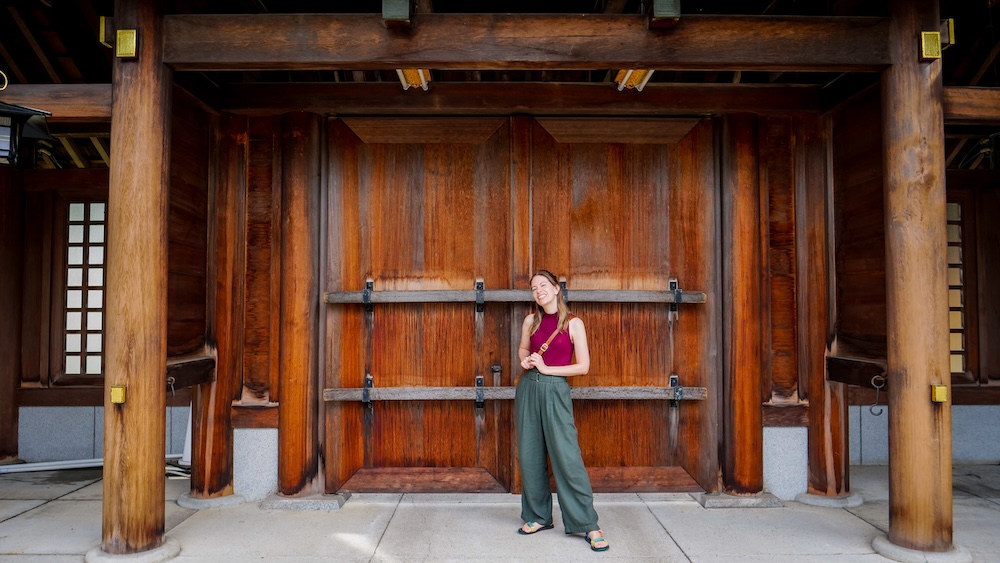
Audrey and I explored those places over the course of our stay, rather than following a tidy two-day schedule. We ate a ridiculous amount of seafood, tried beer at the museum, wandered through parks and shrines, and came away especially impressed by how much greenery Sapporo has tucked into and around a major Japanese city. I remember the trees around Maruyama almost as fondly as some of the food. Almost.
With two full days, I’d be fairly ambitious. I want both the Beer Museum and those green spaces in the plan, plus a proper seafood breakfast and ramen dinner. This is how I’d organize the places we enjoyed into two days that make geographical sense, with one additional shrine that I haven’t personally visited. You’ll cover ground, but for Sapporo I think that’s part of the deal.
How I’d Organize Two Ambitious Days in Sapporo
I’d use the first day for the central landmarks, Beer Museum, Nakajima Park and an evening in Susukino. On day two, an early seafood breakfast at the Central Wholesale Market’s Curb Market puts you conveniently on the way to Maruyama Park and Hokkaido Jingu.
This assumes you have two usable sightseeing days, not an arrival afternoon and a departure morning dressed up as 48 hours. Staying around Odori or Susukino would make the logistics easier. We stayed overlooking Nakajima Park, which also worked well for us, particularly when we wanted to spend time in the park itself. For this particular itinerary, I’d prioritize easy subway access and a convenient evening food district over trying to stay close to one individual attraction. You can compare hotels in central Sapporo and look at their locations relative to Odori, Susukino and Nakajima-koen stations before deciding.
| Day | Approximate window | Plan | What to allow for |
|---|---|---|---|
| 1 | 8:45–11 AM | Clock Tower, TV Tower and Odori Park | Both interiors, photographs and a park break |
| 1 | Late morning–early afternoon | Sapporo Beer Museum | Transfer, museum experience and possible tasting |
| 1 | Mid-afternoon | Nakajima Park and Sapporo Gokoku Shrine | Shrine’s usual 4 PM closing; optional Hoheikan and Japanese Garden |
| 1 | Evening | Susukino | Ramen, with Tanukikoji if you still have energy |
| 2 | Early morning | Curb Market | A seafood breakfast, not merely a market photograph |
| 2 | Late morning–afternoon | Maruyama Park and Hokkaido Jingu | Shrine, forest, walking and a sweets break |
Sapporo’s three subway lines intersect at Odori, so most of the longer journeys don’t require a car. We used public transport throughout our trip. Eligible contactless bank cards now work on the municipal subway, with automatic daily caps of ¥830 on weekdays and ¥520 on qualifying weekends and holidays. Those caps apply to eligible contactless payments, not every transit card or bus journey. Don’t buy a pass just because you’re doing a lot of sightseeing; compare it with the actual rides you’ll take.
If navigating an unfamiliar subway system while keeping track of attraction hours sounds less appealing than having someone organize part of the day, there’s a customizable private Sapporo sightseeing tour with a licensed guide. It offers four- or six-hour walking itineraries, with places such as the Clock Tower, TV Tower, Beer Museum and Maruyama Park among the possible choices. You select your priorities rather than expecting to visit everything. Transport, meals and attraction admissions cost extra, and a four- or six-hour tour would replace a substantial portion of my independent route, not magically create extra hours in the day.
The big scheduling warning is Day 1. The Beer Museum doesn’t open until 11 AM, while Sapporo Gokoku Shrine normally closes at 4 PM. If you turn the museum into a leisurely afternoon, something at Nakajima has to give. I’ll explain where I’d make the cuts instead of pretending we’re capable of teleportation.
Day 1: Downtown Sapporo, Beer History and the Parks Around Susukino
The Clock Tower, TV Tower and Odori Park
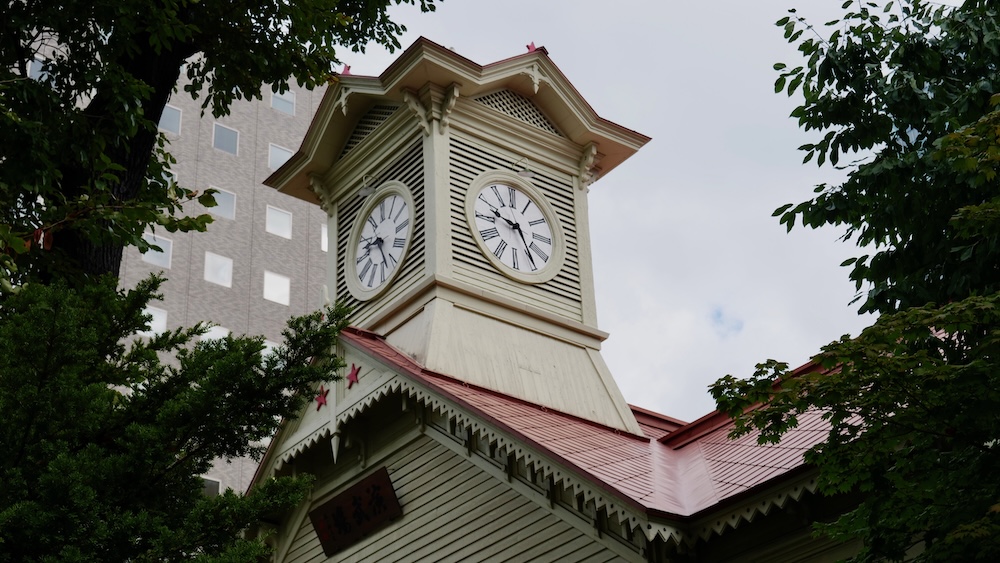
Start with the Sapporo Clock Tower. It’s a small Western-style historic building from the city’s agricultural-college days, and its size is almost funny when you see it squeezed among larger modern neighbours. But Audrey and I enjoyed going inside. The clock machinery gives you something that a photo outside cannot.
The Clock Tower normally opens at 8:45 AM, with adult admission currently ¥350 and last entry at 5 PM. I’d go fairly close to opening, then walk the five to seven minutes to Sapporo TV Tower. From its observation deck, roughly 90 metres up, I loved looking west along Odori Park toward the mountains. You get a much better sense of the city’s size from up there. The lift wasn’t my favourite part—I emerged with sweaty hands—but the view was worth the indignity.
The TV Tower normally opens 9 AM–10 PM and adult admission is ¥1,200. A combined adult ticket for both towers is currently advertised at ¥1,300 through March 31, 2027, rather than ¥1,550 bought separately. It’s a useful saving if you’re visiting both interiors, as I’d recommend. Check the TV Tower’s current ticket information because promotional tickets and closure dates can change.
Afterwards, walk through part of Odori Park instead of treating it like a corridor between buildings. The park stretches about 1.5 kilometres, but you don’t need to complete it like a fitness challenge. We visited during an unusually hot September spell and Audrey was struggling after a morning outside. Stopping for soft-serve ice cream and something cold to drink did more for our day than rushing toward the next attraction would have. When you’re planning a busy two days, leave yourself that kind of breathing room.
We also happened to catch Sapporo Autumn Fest, when food stalls brought another reason to hang around Odori. That was a happy coincidence, not something I’d build a year-round itinerary around. Unless an event is happening, I’d protect most of the remaining day for the museum and Nakajima.
Give the Sapporo Beer Museum a Real Visit
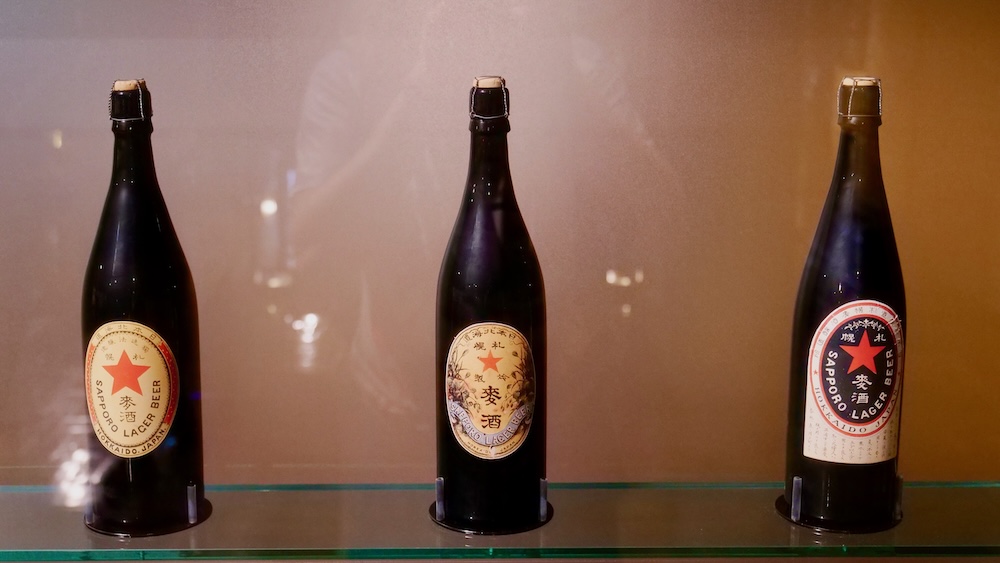
The Sapporo Beer Museum is one of the places I’d insist on including, even if your idea of a good afternoon doesn’t involve drinking beer. Audrey and I took public transport and walked over to the old brick building, then spent time with the exhibits before trying the beers. What interested me was the history running through it: Sapporo’s brewing story reaches back to the Kaitakushi enterprise in 1876, tying the museum to the development of the city and Hokkaido. The evolution of the labels and the old industrial surroundings are part of the fun.
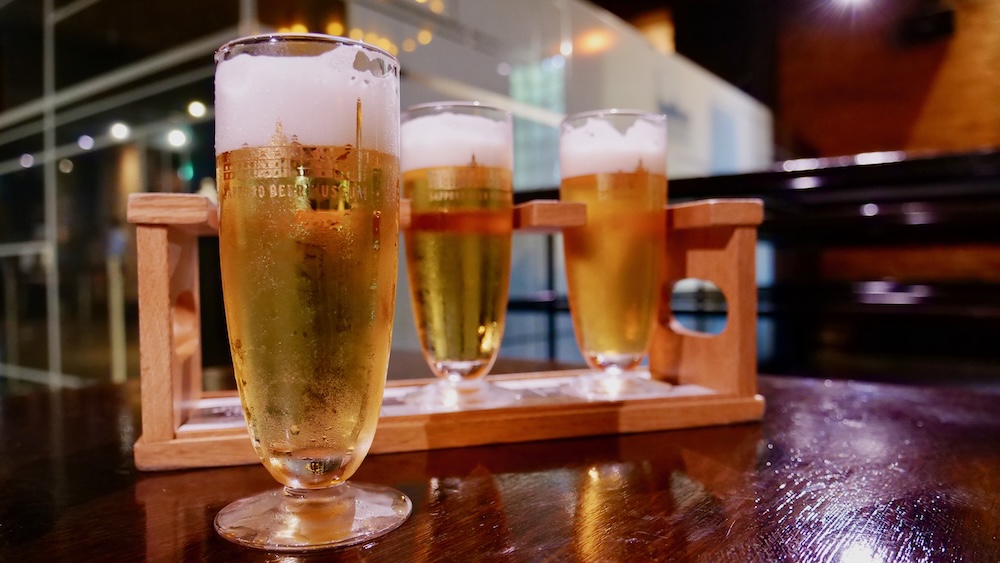
Yes, I was more than happy to reach the tasting room, especially in the heat. I chose Black Label as my favourite of the three beers we sampled. Audrey had a different perspective, freely admitting that she was much more qualified to talk about wine than beer. She enjoyed trying them but wasn’t about to deliver some solemn tasting lecture. The corn tea we also sampled was less of a triumph. Sometimes travel introduces you to a new favourite; sometimes it reminds you that plain water has plenty going for it.
The important practical point is that the museum now has different visit formats. A self-guided experience with multilingual smartphone audio is listed at ¥1,000 for adults and normally doesn’t require advance booking. A guided visit costs ¥2,000, lasts about 55 minutes including tasting and is conducted in Japanese. English and Korean audio-guide devices are available for an additional fee. If you want a particular guided slot, reserve ahead; don’t assume English-language guiding simply because there’s an audio option.
There is also a separate four-hour private Beer Museum tour with an English-speaking guide that combines the museum’s history with a guided tasting experience. This is a third-party activity, not the museum’s own shorter guided admission, and we didn’t take it. I’d consider it if having somebody explain the brewery’s history in English is a high priority. Four hours is a serious commitment, though, and choosing it would mean significantly reducing or replacing the Nakajima Park afternoon in this itinerary.
Museum hours are normally 11 AM–6 PM, with last admission at 5:30 PM. The tasting hall has separate ordering and seating conditions, and buying one kind of museum ticket doesn’t necessarily include the tasting experience you have in mind. Non-alcoholic alternatives are available under the museum’s guided tour arrangements. I’d check the Beer Museum’s visitor options before leaving the hotel rather than sorting all of this out at the entrance.
It’s northeast of central Sapporo, around three kilometres from Odori. You can approach from JR Naebo Station, roughly eight minutes away on foot, or Higashi-Kuyakusho-Mae subway station, around ten minutes away, as well as by bus. For the museum’s own visit formats, I’d give the whole stop approximately 90 minutes to two hours, depending on the experience and tasting. That’s enough to enjoy it without allowing a beer museum to somehow consume the entire day. A long lunch or a longer tour will affect what you can do at Nakajima later.
Nakajima Park, Hoheikan and a Second Shrine
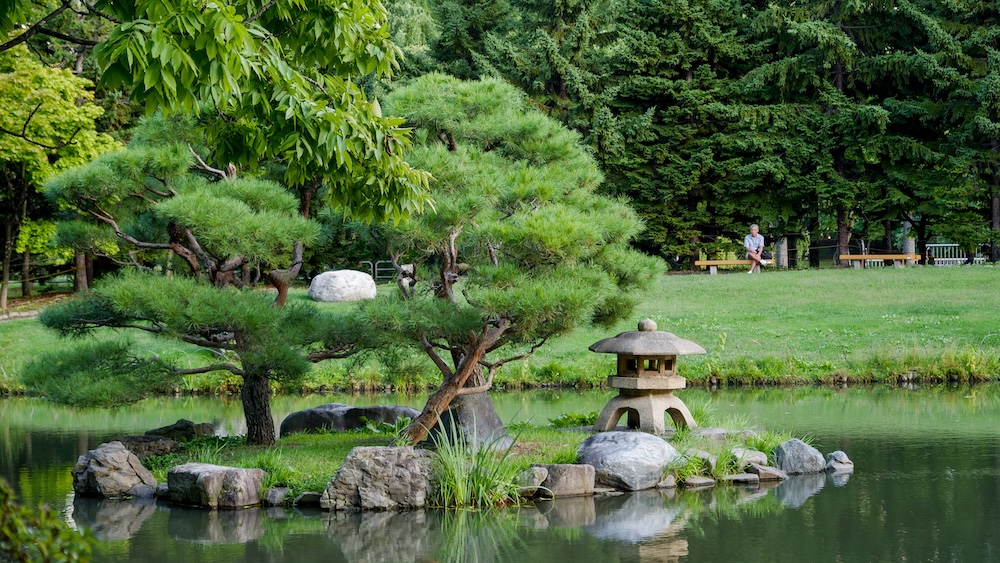
I have a real soft spot for Nakajima Park. Our hotel overlooked it, so we got to wander around the pond, paths and garden area without treating the park as some special expedition. It has that local neighbourhood feel, with people simply using the green space, but there are some worthwhile cultural stops tucked into it too. Compared with Maruyama, which we’ll visit tomorrow, Nakajima feels much more like a park woven into the everyday city.
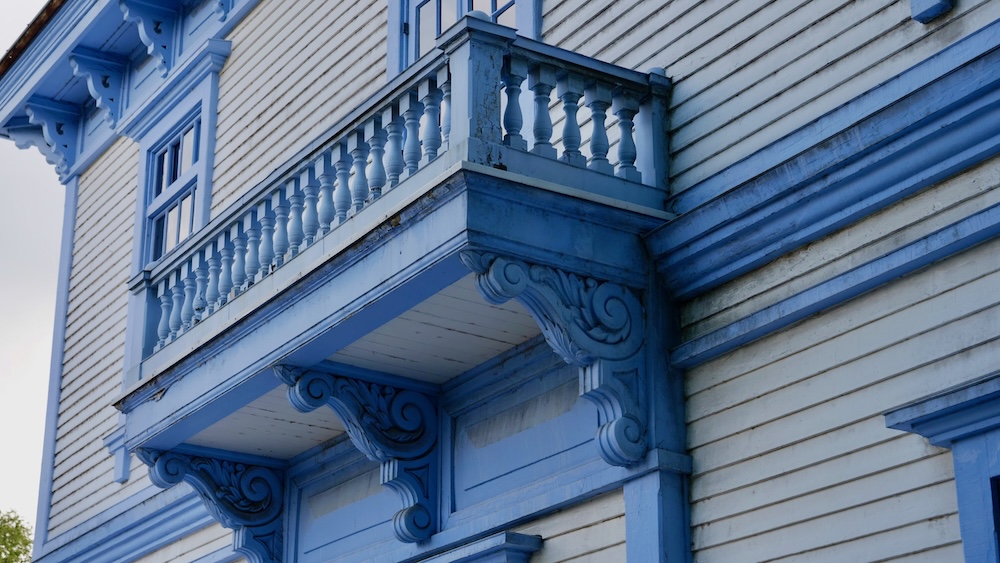
Hoheikan is one of its recognisable landmarks: a historic former government hotel with striking white walls and blue detailing. We explored the interior, which I found a bit sparse compared with the outside and its surroundings. I still liked seeing the building, and the nearby Japanese Garden made a stronger impression on me. Hoheikan currently costs ¥350 for adults, usually opens 9 AM–5 PM and has last admission at 4:30 PM, with some monthly and holiday closures. The Japanese Garden is normally free, open 9 AM–5 PM during its season and closed from roughly early November until late April.
There’s another shrine at the southern edge of this park area that I’d consider including: Sapporo Gokoku Shrine. We didn’t visit it ourselves, so I can’t give you a personal verdict on the experience. It is a memorial shrine with a different history from Hokkaido Jingu, associated with people who died in military service, including early settler-soldiers. Its position near Horohira-bashi Station makes it a sensible cultural addition, rather than an excuse for another journey across Sapporo.
The catch is that Gokoku Shrine normally closes at 4 PM. If you’re arriving after a substantial Beer Museum visit, I’d give the shrine priority and fit the pond, Japanese Garden and Hoheikan around whatever time remains. You may need to skip an interior entirely. A realistic park visit with a few selected stops could take 75–120 minutes, and there is no prize for walking into a locked gate at 4:10 PM. Check the shrine’s current visitor information for any changes.
I’d retain a walk in Nakajima even if the museum runs late. Its local atmosphere deserves more than a hurried dash between the buildings.
A Bowl of Ramen in Susukino
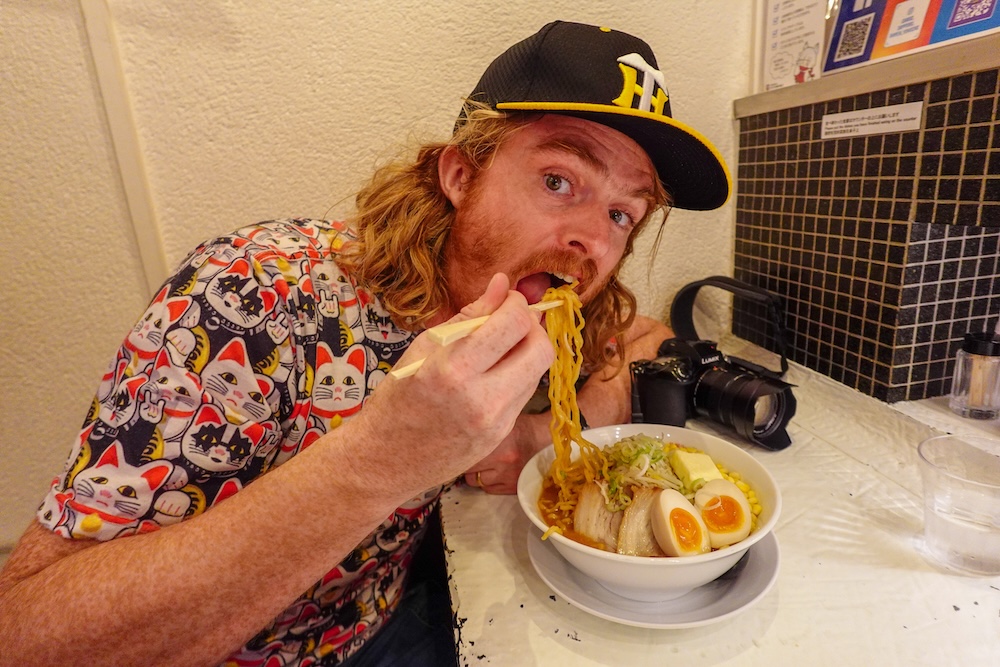
You should be ready for dinner by this point. Susukino is conveniently placed for finishing after Nakajima, and I’d head to Ganso Sapporo Ramen Yokocho, better known as Ramen Alley. We ate butter-corn-miso ramen there, and mine was a magnificent bowl. I may have been a little too enthusiastic with the extras from the ticket machine, particularly the additional butter. Apparently the butter already in butter-corn ramen wasn’t quite enough for me that evening.
The narrow alley packs about 17 restaurants into roughly 42 metres, although hours differ from shop to shop. I’d allow around 45–75 minutes for dinner and more if you encounter a queue. I’m not claiming to have eaten my way through every restaurant, but that particular bowl was my favourite ramen in Sapporo up to that point.
If food is the reason you’re coming to Sapporo, there’s another way to organize part of the day. A private three-hour Sapporo food tour with a local host offers a customizable route with six to eight tastings and a drink. Ramen Alley and Nijo Market are among the possible food stops, although the final itinerary depends on your preferences. We didn’t take this tour, and it shouldn’t be confused with our seafood breakfast at the separate Curb Market. Three hours of guided eating would replace a significant part of your sightseeing or evening plans, which might be exactly the trade you’d prefer if food outranks museums and parks.
Tanukikoji, the covered shopping arcade, is nearby if you’ve got some energy left. Audrey and I explored it partly because we desperately needed air conditioning. There’s plenty to browse, but shopping can devour an evening remarkably quickly. After this first day, I’d have no objection to eating my ramen and calling it a night.
Day 2: A Seafood Breakfast, Hokkaido Jingu and Maruyama’s Enormous Trees
Start Early at the Curb Market
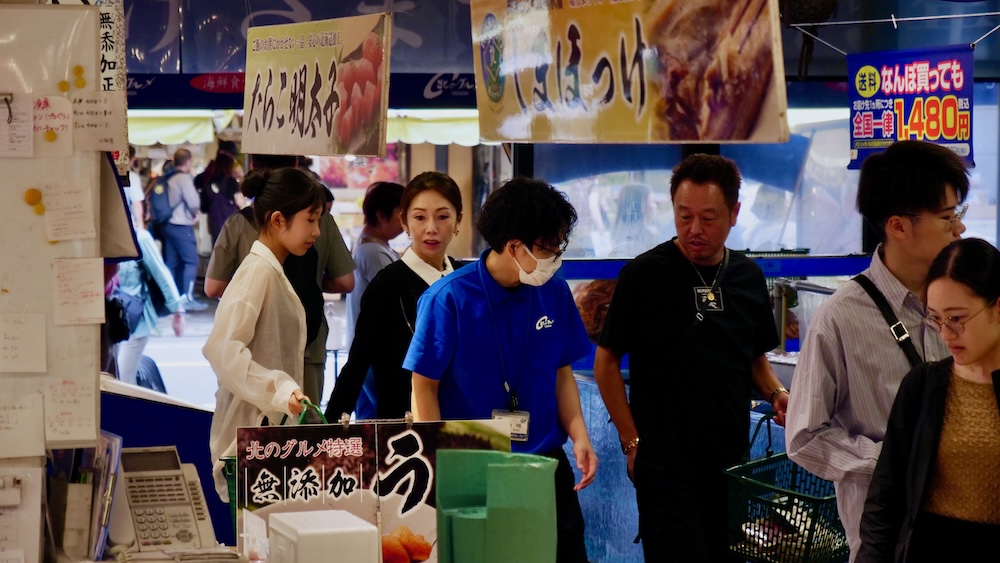
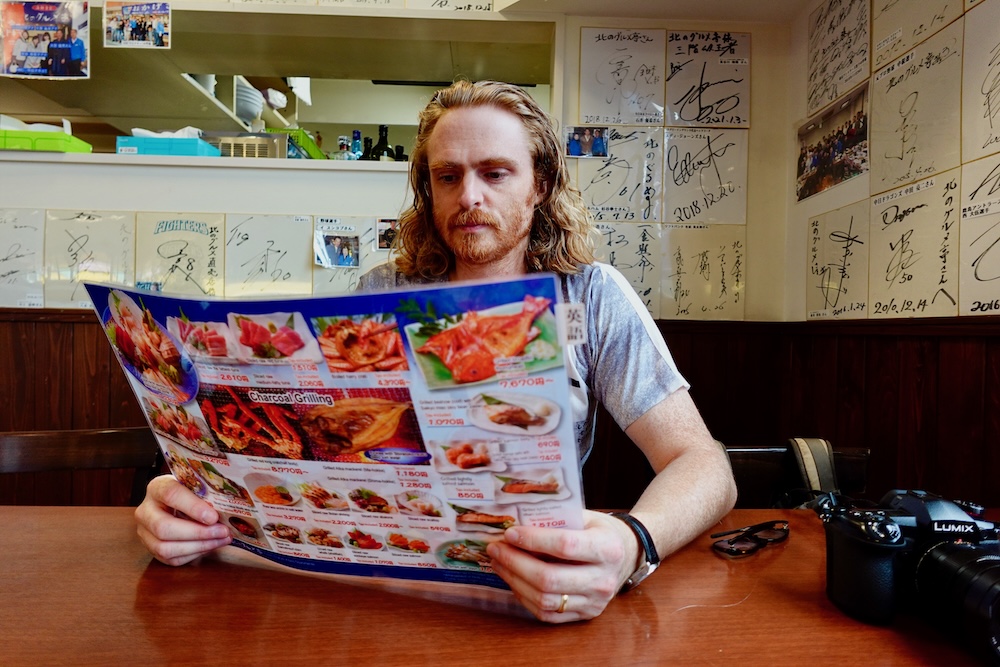
I’d begin the second day with seafood. That might sound excessive for breakfast, but after our meal at the public-facing Curb Market next to Sapporo Central Wholesale Market, I became a pretty easy person to convince on the subject. Audrey ordered a rice bowl with four different types of crab, while we also tucked into sashimi, crab soup and assorted dishes. It was the kind of breakfast that makes the usual toast-and-coffee routine seem a little underambitious.
Audrey compared the four crab portions, noticing differences in their flavour and texture, although she wasn’t pretending to be a crab expert. I remember the spread as much as the individual ingredients. We had deliberately come out to the market to eat, and the meal was an experience in its own right. You don’t need to track down the exact restaurant we chose to make this work.
One point that can save you a substantial mistake: this is the Curb Market near Nijuyonken Station, not Nijo Market downtown. General market activity starts around 6 AM, with some restaurants serving breakfast from roughly 7 AM, but individual hours vary. Allow about an hour to an hour and a half to choose somewhere and eat. I’d rather sit down and enjoy the seafood than rush through a dozen stalls trying to squeeze every conceivable item into breakfast.
From Odori, Nijuyonken is roughly ten minutes on the Tozai subway line, followed by around seven minutes on foot. Better still, when you’re finished, Maruyama-koen is only two stops away via Nishi-nijuhatchome. You don’t have to ride back downtown and then set off again. That small geographical detail is a big reason this breakfast belongs on the Maruyama day.
If seafood isn’t your thing, skip the market altogether and start with a comfortable breakfast near your accommodation. Don’t replace it with another faraway attraction merely because the itinerary has an empty morning slot. You’ll have plenty to occupy you at Maruyama.
Hokkaido Jingu and the Green Side of Sapporo
From Maruyama-koen Station it’s about five minutes on foot to the park, while the approach to Hokkaido Jingu takes closer to fifteen, depending on the route. Keep those walks in mind after the market; the subway portion is short, but your feet still have work to do.
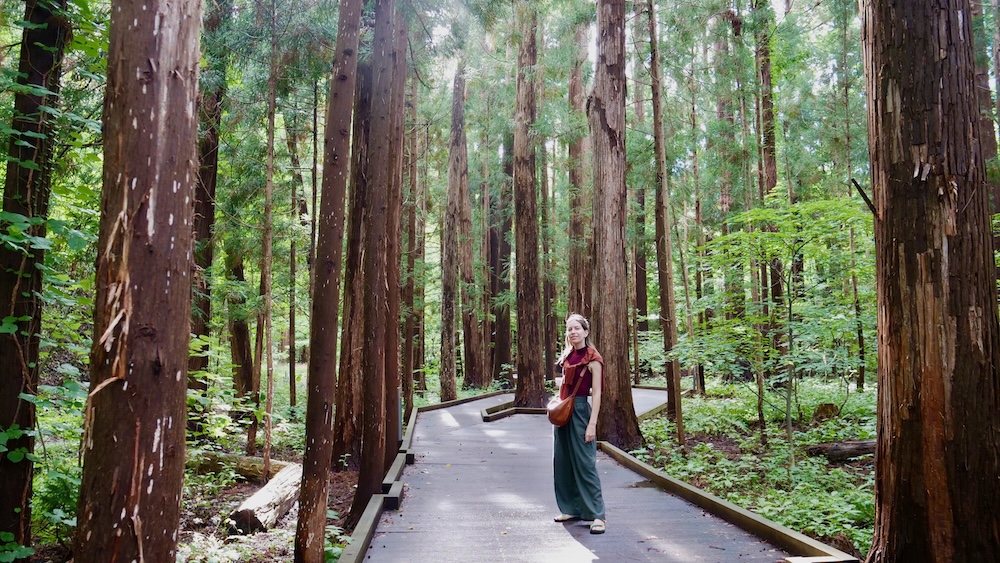
This was one of my favourite changes of scene in Sapporo. Audrey and I enjoyed the shrine grounds and the enormous trees surrounding them, especially after being in the much busier city centre. We’d had some rain, and everything looked particularly green. There’s a quality to those towering trunks and quieter paths that makes you forget you’re still in one of Japan’s major cities. I remember thinking how much I appreciated a city that made room for nature on this scale.
Hokkaido Jingu is an active shrine, and I’d visit with the same respect you would any place of worship. The ordinary grounds are free. Its usual closing time is 5 PM through much of the warmer year, but 4 PM in November and December and again during much of January and February, with special New Year arrangements. March normally returns to a 5 PM closing. Since this is meant to be an unhurried part of an otherwise ambitious day, I’d reach the shrine comfortably before closing instead of leaving it until the last possible hour.
If I had to choose between adding another downtown building and spending longer around the shrine, I’d take the trees.
How Much of the Primeval Forest Should You Walk?
We also wandered into the primeval-forest area around Maruyama, and the trees were mighty impressive. The walk was one of those experiences that sounds fairly ordinary when you try to describe it—yes, we went into a forest and looked at trees—but it was genuinely memorable. Tall trunks, thick greenery and a change in atmosphere that seemed out of proportion to how close we were to downtown Sapporo. The green spaces aren’t something I’d tack on if time allows. They’re one of the main reasons I’d spend two days exploring the city.
You do need to decide what kind of walk you’re signing up for. Maruyama itself rises about 225 metres above sea level, and the city’s natural-trail system lists a 2.7-kilometre route. Reaching the summit is a proper outing; around an hour each way is a reasonable planning reference, depending on trail, pace and conditions. That isn’t the same thing as strolling through Maruyama Park and the lower wooded approaches near the shrine.
For this itinerary, I’d stick with the park, shrine and a manageable extension into the forest. If you’re keen to climb the mountain, make the summit a deliberate choice and cut back elsewhere. We did explore the forest, although I can’t honestly give you an exact route or distance for our own walk. I can tell you I loved the trees, and I wouldn’t need a summit photo to recommend spending time there.
The forest also requires more care than a city-park stroll. We saw bear-warning signs during our visit. Sapporo City publishes current wildlife and access notices, which are worth checking before you take to the trails. A sign we saw on our trip isn’t a substitute for current conditions, and snow or poor weather can change what is sensible. Enjoy the forest, but treat it like a real natural environment rather than a manicured downtown lawn.
Sweets, Iced Tea and a Park Bench
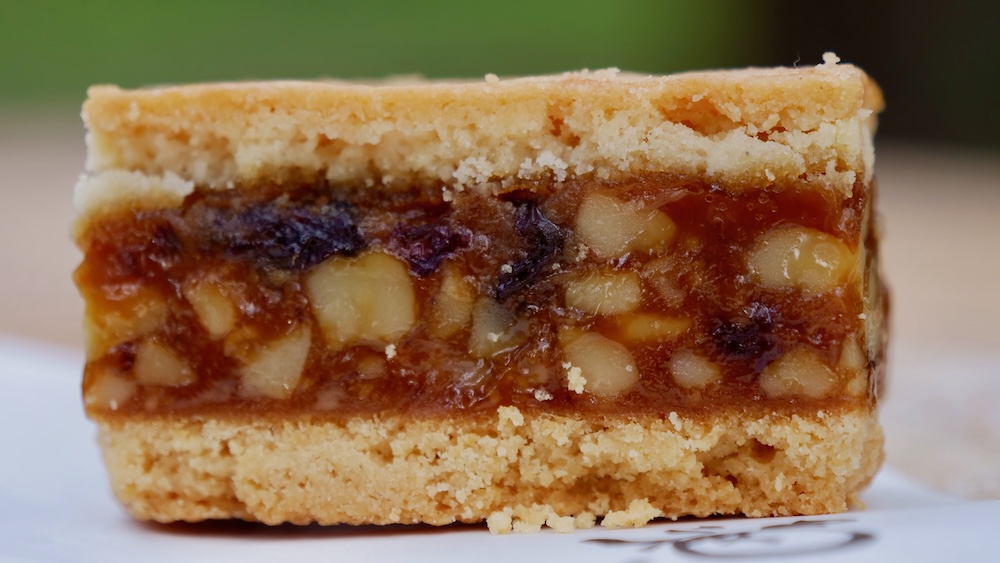
One of the simplest parts of our day around Hokkaido Jingu is also one of the bits I remember with particular affection. Audrey and I found a place selling Japanese sweets, picked out an assortment of things that looked interesting and took them into the park to try together on a bench. We had iced green tea too. No sophisticated tasting method, no grand culinary mission, and definitely no idea what every filling was going to taste like.
Some sweets were soft and chewy, others had nutty flavours, and the sweetness was more restrained than we expected. We had a grand time comparing them. One reminded me a little of a butter tart, which probably tells you something about how my Canadian brain processes unfamiliar desserts. It’s a good example of why I’d leave breathing room in this day, even though I’m advocating a fairly demanding itinerary.
There are established sweets shops around Hokkaido Jingu, including Jingu Chaya and a Rokkatei location, but I can’t confidently tell you which one we used. Their current hours and products can change, and the tea shops close in the afternoon, with some earlier winter closing times. Pick up something that appeals to you while you’re in the area, find a suitable place to sit and enjoy it. I’d take that over rushing to yet another attraction.
If the Two Days Start Slipping Away
An ambitious itinerary needs a few exits when the clock starts running behind.
On Day 1, the Beer Museum and Nakajima’s closing times create the main conflict. If you want the longer guided museum experience, or take your time over lunch, consider skipping Hoheikan’s interior or shortening the park wander. Reach Gokoku Shrine before its normal 4 PM closing if it matters to you; otherwise accept that it’s one of the places you may have to leave out. A private walking tour is another perfectly reasonable choice, but its hours have to come from somewhere. I’d rather replace a few independent stops than pay for guiding and still expect to complete the entire schedule unchanged.
Day 2 has a different trade-off. I’d protect Maruyama Park and Hokkaido Jingu, but the Curb Market breakfast can be skipped if seafood isn’t a priority, and the full mountain hike is a substantial extra commitment. If you have only a partial second day, keep the shrine and some of the forest atmosphere rather than cramming in a summit attempt. If you arrive in Sapporo at lunchtime on Day 1, don’t pretend these two calendar days amount to the same thing as two full sightseeing days.
What Changes in Winter, Rain or Hot Weather?
Our unexpectedly hot September visit taught us the value of cold drinks and a proper rest, especially for Audrey. Two ambitious days are more enjoyable when you occasionally sit down.
In winter, the Japanese Garden at Nakajima Park is normally closed, the shrines have earlier hours and the forest needs a separate conditions check. Snow changes walking time, footing and the wisdom of attempting a mountain trail. I’d keep the downtown landmarks and Beer Museum, enjoy whatever park paths are accessible and be ready to shorten the forest component. I haven’t done this two-day route in winter, so I wouldn’t sell it as a firsthand snow itinerary.
Poor visibility is another reason to stay flexible. If clouds wipe out the TV Tower’s panorama, consider shifting the observation deck to a better window instead of paying for a view of grey. Tanukikoji and Sapporo’s central underground passages can help with rain or cold, but they’re useful shelter rather than a substitute for the entire outdoor portion of the trip. If the weather is truly miserable, something has to change; no amount of itinerary enthusiasm fixes that.
The Two-Day Sapporo Plan I’d Actually Choose
If I had two complete days to show a friend Sapporo, I’d make them busy—and I’d make sure we saved time for those enormous trees and some unfamiliar Japanese sweets, even after the museums, seafood and ramen.
What makes the extra day worthwhile for me is that I wouldn’t have to sacrifice Sapporo’s green spaces to see its museums and food neighbourhoods. You’ll cover a lot of ground, and there’s a fair chance you’ll be ready for a quiet evening afterward. But this is a city I think rewards that effort. Give it two ambitious days, make sensible choices when the timing gets tight, and you’ll see a much more interesting version of Sapporo than you would from the downtown landmarks alone.
Frequently Asked Questions
Are two days enough to visit Sapporo?
Two full sightseeing days are enough to experience the main central landmarks, Beer Museum, seafood market, Nakajima Park, Maruyama Park and Hokkaido Jingu. I’d recommend an ambitious pace, using the subway to connect attractions rather than trying to walk across the entire city.
Can you visit Sapporo Beer Museum and both major parks in two days?
Yes, provided you organize the days geographically. I’d visit the Beer Museum and Nakajima Park on the first day, then save Maruyama Park and Hokkaido Jingu for the second. Allow enough time for transport, and remember that some Nakajima attractions close by late afternoon.
Do you need a car for this two-day Sapporo itinerary?
No. The central attractions are walkable, while Sapporo’s subway connects the main sightseeing areas. The Tozai line is particularly useful on the second day because Nijuyonken Station, near the Curb Market, is just two stops from Maruyama-koen Station.
Should I visit Maruyama Park or Nakajima Park in Sapporo?
I’d include both if you have two full days. Maruyama offers the larger forest-and-shrine experience, with enormous trees and walking trails. Nakajima feels more like a neighbourhood park, with a pond, historic Hoheikan building and a Japanese Garden that’s normally closed during winter.
Is Sapporo Beer Museum worth visiting if you don’t drink beer?
I think so. Audrey and I enjoyed the historical exhibits and the old brewery setting, and I’d recommend the museum for its connection to Sapporo’s development even without a tasting. Check the current visit formats because guided and self-guided experiences have different arrangements.
Is the Curb Market the same as Nijo Market in Sapporo?
No. The Curb Market beside Sapporo Central Wholesale Market is near Nijuyonken Station, whereas Nijo Market is downtown. We enjoyed a substantial seafood breakfast at the Curb Market, and its location works particularly well before visiting Maruyama Park.
Can you hike Mount Maruyama during this two-day itinerary?
You can, but I’d treat the full summit hike as an alternative to spending longer elsewhere. The mountain reaches approximately 225 metres above sea level, and the complete trail outing requires more time and effort than walking through Maruyama Park and the wooded shrine approaches. Check current trail and wildlife conditions before setting off.
This guide is also available in Spanish. [Leé la versión en castellano: Itinerario de dos días en Sapporo: monumentos, comida local, parques y santuarios]
This article contains affiliate links. If you book through one of these links, I may earn a commission at no extra cost to you.