
After Audrey and I arrived in Sapporo by train from Noboribetsu, we picked up a pair of Kitaca cards. I’m fairly sure we bought them at JR Sapporo Station, although I couldn’t tell you which machine or counter. What I do remember is that getting them was easy, and before long we were tapping our way around the city instead of buying individual subway tickets.

The slightly ridiculous part? We already had Suica cards from an earlier Japan trip. I think we’d left them at home. In fairness, more than five years had passed between visits, and apparently our Japanese transport cards weren’t high on the packing checklist.
Kitaca worked very well for us. But if you’re heading to Sapporo now, buying one might be completely unnecessary. It depends on what you’ve already got in your wallet and where you plan to travel.
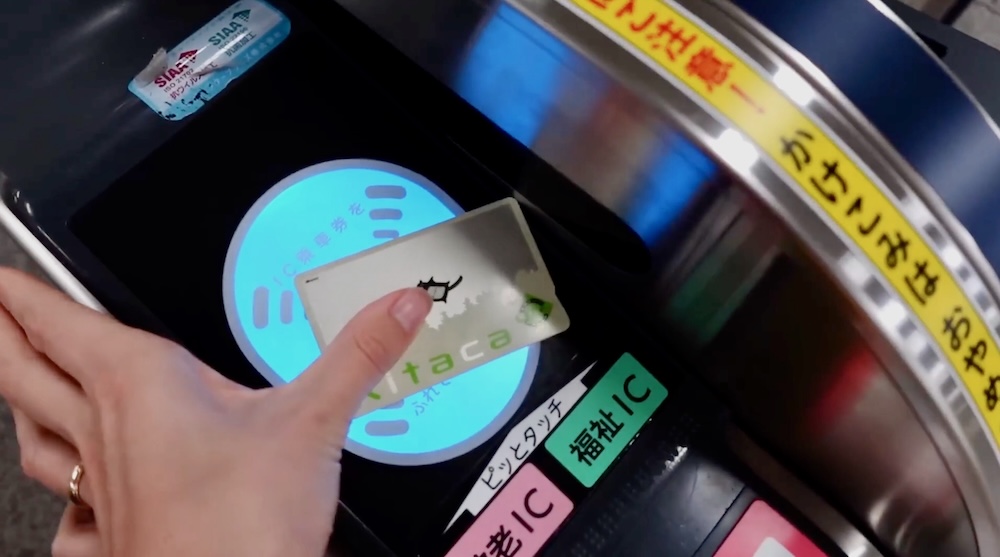
Do You Actually Need a Kitaca Card in Sapporo?
Kitaca is JR Hokkaido’s rechargeable IC card. Load money onto it, tap at compatible ticket gates or payment readers, and the fare comes out of your balance. It also works for purchases at participating shops. That was the appeal for us: one card for the subway and the occasional convenience-store stop.
If you already have an ordinary Suica, PASMO or ICOCA, you generally don’t need another card for Sapporo. Major Japanese IC cards are interoperable on the city’s subway and other participating networks. Check that yours is still valid and that your intended services accept it before spending money on Kitaca.
There’s also a newer option we didn’t have on our visit. Eligible contactless bank cards can now be tapped directly on all three Sapporo subway lines. For qualifying adult journeys using the same card or device, the automatic daily cap is ¥830 on ordinary weekdays and ¥520 on eligible weekends and holidays. Streetcars offer their own contactless payment arrangement, with a separate ¥460 adult cap on qualifying weekends and holidays. Those caps don’t combine into one citywide limit, and a bank card isn’t a substitute for an IC card on every JR journey or local bus.
One other wrinkle: accepted transport IC cards can qualify for reduced fares on certain subway-to-bus and subway-to-streetcar transfers. Direct bank-card payment doesn’t receive the same transfer treatment. That’s why I’d choose based on the whole day’s journeys, rather than just the first subway ride.
Where to Buy Kitaca in Sapporo
JR Sapporo Station is a sensible place to buy a Kitaca if you’re arriving by train. Participating JR Hokkaido ticket counters sell the cards, and compatible ticket machines sell ordinary unregistered adult cards. The station has Kitaca sales facilities around its West and East exits. If you want the exact current locations, JR Hokkaido maintains a list of Kitaca sales counters and machines.
If you’re still deciding where to stay, the station area is worth considering too. It’s particularly convenient if you’re arriving by rail or planning further train journeys around Hokkaido. You can compare hotels near JR Sapporo Station against options elsewhere in the city. Sometimes being able to drop your luggage before tackling the subway is worth more than saving a little on a room.
The distinction between JR and the city subway is worth remembering. Kitaca is issued by JR Hokkaido, even though you can use it on Sapporo’s municipal subway. Don’t assume that a subway machine which accepts Kitaca also sells it; those facilities may instead sell the local SAPICA card.
A standard Kitaca costs ¥2,000, split into ¥1,500 of usable balance and a ¥500 refundable deposit. You need cash to buy an ordinary card. It’s an easy detail to overlook if you’ve been paying for everything else with a credit card and haven’t bothered carrying much yen.
Our arrival from Noboribetsu raises another limitation. Noboribetsu is outside JR Hokkaido’s Kitaca rail area, so don’t assume you can use a Kitaca for the train journey between Noboribetsu and Sapporo. We bought our cards for travelling around Sapporo after arriving, not as a replacement for that earlier rail ticket.

How to Recharge Your Kitaca Card
This is the part I can speak to with confidence. Audrey and I recharged our Kitaca cards at stations and found it extremely straightforward. On one occasion we put the card into a machine, switched the screen to English, found the recharge option and added ¥1,000. That was it. A minute later we were ready to keep exploring.
Admittedly, we weren’t starting from zero. We’d already used Suica in Japan, T-Money in South Korea and Octopus in Hong Kong. Topping up a transport card at a station was practically second nature to us. If you’ve never done it before, give yourself a moment to read the instructions rather than feeling rushed by the queue behind you.
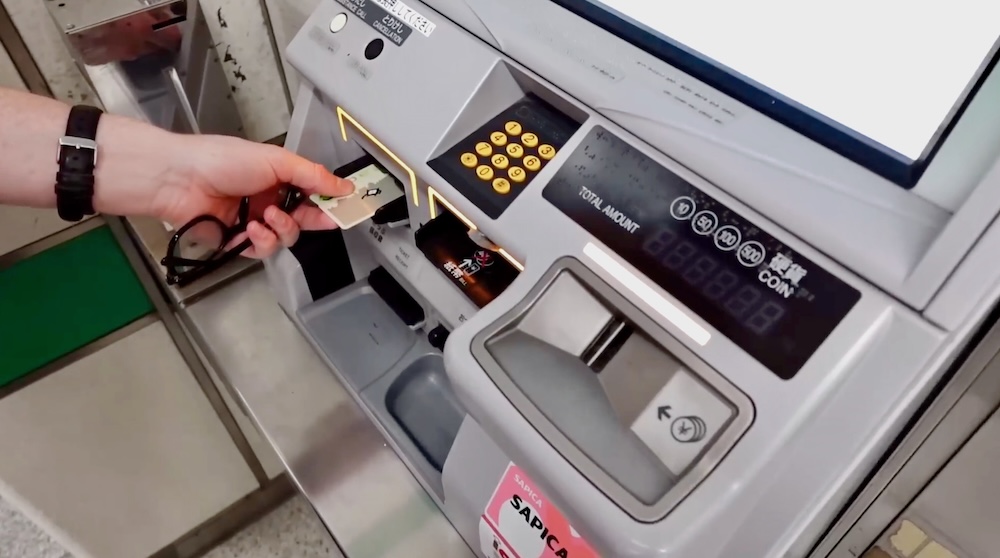
At a compatible machine, follow the prompts to insert or position your card, select the recharge function, choose an available amount and insert cash. Collect the card when the transaction is finished. Some machines have English menus, as ours did, but not every screen or machine will look the same.
You can recharge at participating JR Hokkaido facilities, compatible machines in Sapporo’s local transport network and certain participating shops or ATMs. For an ordinary physical Kitaca, cash is the standard recharge method, and the stored balance cannot exceed ¥20,000. You can check your remaining balance at compatible machines and some payment readers.
Our ¥1,000 top-up was simply the amount we chose, not a required minimum. I prefer keeping a sensible balance rather than dumping a huge amount onto a card near the end of a visit. Otherwise, you risk spending your last evening in Japan wondering what to do with money still sitting on it.

Where Can You Use Kitaca in Sapporo?
We used Kitaca on the Sapporo subway, which was how we covered longer distances before exploring neighbourhoods on foot. It made the routine pleasantly uneventful: tap, ride, get off and carry on with the day. We also tried using it to buy things at convenience stores. I found that surprisingly satisfying, even if buying something at a shop with a transport card isn’t exactly an earth-shattering achievement.
Of course, sorting out your transport is only half the job. You still need to figure out what to see! If you’d rather get your bearings with a local guide before exploring independently, there’s a guided Sapporo walking tour that meets at JR Sapporo Station and visits landmarks including the Red Brick Office, Clock Tower, Odori Park and TV Tower. It’s a separate, bookable walking experience rather than a transport pass, with TV Tower observatory admission included.
Beyond the subway, Kitaca works on Sapporo’s streetcars, participating local buses and JR Hokkaido trains within designated IC-card areas. It’s also accepted as electronic money wherever compatible payment logos are displayed. Because it belongs to Japan’s interoperable IC-card system, you can use it on many supported networks outside Hokkaido as well.
But “interoperable” doesn’t mean “works on absolutely everything.” Some Hokkaido bus routes don’t accept it, certain train journeys require separate tickets, and you generally can’t travel straight across separate JR IC fare areas by tapping at each end. If you’re heading outside central Sapporo, check the particular train or bus service instead of assuming the card will sort everything out.

Should You Keep Kitaca or Get a Refund?
We kept our cards. If you’re likely to return to Japan, that’s a perfectly reasonable option: Kitaca’s published validity rule is ten years without qualifying use, rather than ten years from the day you bought it. There’s no need to rush into returning the card simply because your trip is over.
If you’d rather cash out, take the card to an eligible JR Hokkaido Kitaca counter. For a standard card, the refund normally returns your unused balance minus a fee of up to ¥220, plus the ¥500 deposit. If the balance is ¥220 or less, you get the deposit back but none of that remaining balance. Registered cards also have identification requirements, and you surrender the card when it’s refunded.
For example, returning a card with ¥1,000 left would normally get you ¥1,280: ¥780 after the handling fee, plus the ¥500 deposit. You could also spend down some of the balance at participating shops before deciding. Don’t count on a railway counter in Tokyo refunding a Kitaca just because the card works there; refunds are handled by the issuing operator.

So, Is Kitaca Worth Buying?
For the trip Audrey and I took, absolutely useful. We travelled around Sapporo with it, recharged without any fuss and even used it in convenience stores. There’s a reason we were happy to keep the cards when we left.
But I wouldn’t buy one automatically on a future visit. Already have a compatible Suica or ICOCA? Use that. Planning to mix JR travel with subway rides, participating buses and shop payments, but don’t own an IC card? Kitaca is a solid choice. Mostly sticking to the subway with an eligible contactless bank card? You may be able to skip buying a card altogether, as long as its coverage and transfer limitations suit your plans.
For me, that’s the whole decision. Buy Kitaca because it solves a payment problem, not because it’s another little piece of Japanese plastic you feel obliged to collect. Although, judging by the cards we brought home, I’m probably not in the strongest position to lecture anyone about that.

Frequently Asked Questions
Can I use Suica or ICOCA instead of Kitaca in Sapporo?
Yes. Ordinary Suica, ICOCA and other compatible Japanese IC cards generally work on Sapporo’s subway and participating transport networks. If you already have a usable card, you probably don’t need to buy Kitaca.
Where can I buy a Kitaca card in Sapporo?
JR Sapporo Station is a convenient starting point. Participating JR Hokkaido counters sell Kitaca, and compatible ticket machines sell ordinary unregistered adult cards. Don’t assume that subway machines sell Kitaca just because they accept it for travel.
How much does a new Kitaca card cost?
An ordinary Kitaca costs ¥2,000 upfront: ¥1,500 in stored value and a ¥500 refundable deposit. Bring cash for the purchase.
How do I recharge Kitaca in Sapporo?
Use a compatible recharge machine, choose the charge option and add cash. Audrey and I used an English-language station machine to add ¥1,000, although menus and available amounts can vary. The maximum stored balance is ¥20,000.
Can I use Kitaca on all trains and buses in Hokkaido?
No. Kitaca works within designated JR Hokkaido IC-card areas and on participating local services, including Sapporo’s subway and streetcars. Noboribetsu lies outside the JR Kitaca rail area, and some buses or longer rail journeys require other payment arrangements.
Can I get my Kitaca deposit back before leaving Japan?
Yes, at an eligible JR Hokkaido Kitaca counter. For a standard card, you receive the ¥500 deposit plus remaining stored value after a handling fee of up to ¥220. You must surrender the card; don’t count on another railway operator refunding it.
This guide is also available in Spanish. [Leé la versión en castellano: Tarjeta Kitaca en Sapporo: dónde comprarla, cómo recargarla y si realmente la necesitás]
This article contains affiliate links. If you book through one of these links, I may earn a commission at no extra cost to you.