
When I first stepped off the train in Jaipur I felt a jolt a adrenaline rush through my veins. I had taken the train from Delhi with much anticipation. As I gathered my backpack and jumped on rickshaw, little did I know at the time what kind of adventures would be in store for me as I first broke ground exploring the province of Rajasthan.
I had for years been anticipating a chance to tour around Rajasthan and I was finally manifesting my dream into reality. Jaipur also known as the ‘The Pink City’ certainly didn’t disappoint and it even exceeded my initial high expectations. Being the largest city & capital of Rajasthan it has a lot to offer those who are lucky enough to visit. Because of its impressive Forts, monuments and floating Palace it’s often been referred to as the Paris of India.
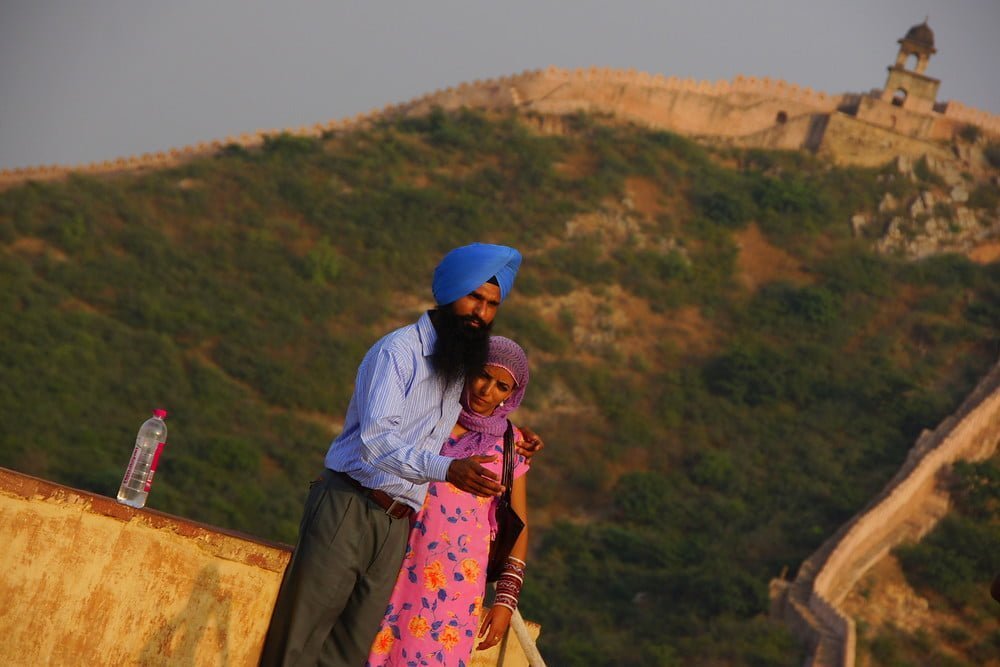
One of the most fascinating aspects of Jaipur is that it was India’s first planned city when it was formed by Sawai Jai Singh. Jaipur, known by many as the Pink City, has distinctly coloured buildings that were designed to resemble the red sandstone architecture of Mughal cities. When the Prince of Wales visited back in 1876 a fresh coating was plastered over the buildings to mark the occasion.
For those backpacking in India, Jaipur is a destination I recommend highly. It’s a fascinating city, but even more importantly, it serves as ideal launching pad to explore the rest of Rajasthan. The following photo essay offer a small sample from my journey back in 2010:
Visiting Jaipur: The Pink City In Rajasthan, India
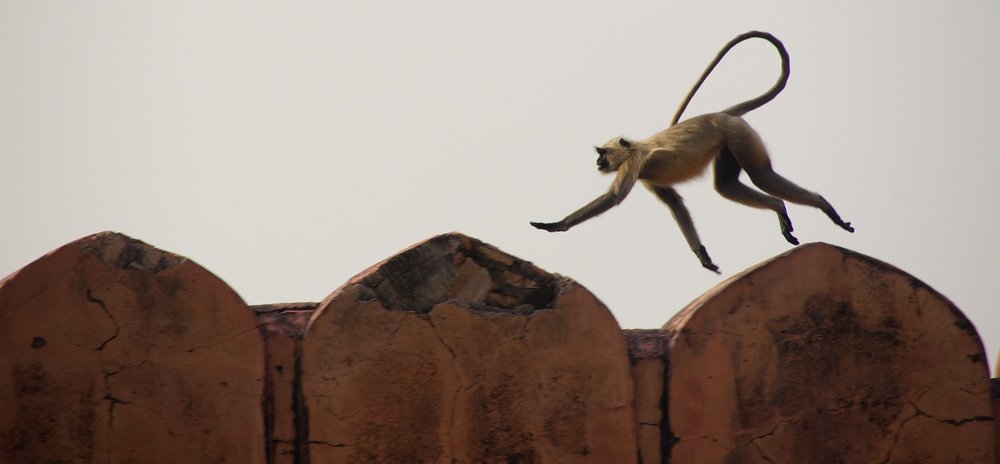
A monkey leaps along the outside of this fort wall. I was sure glad I brought my telephoto lens along with me.
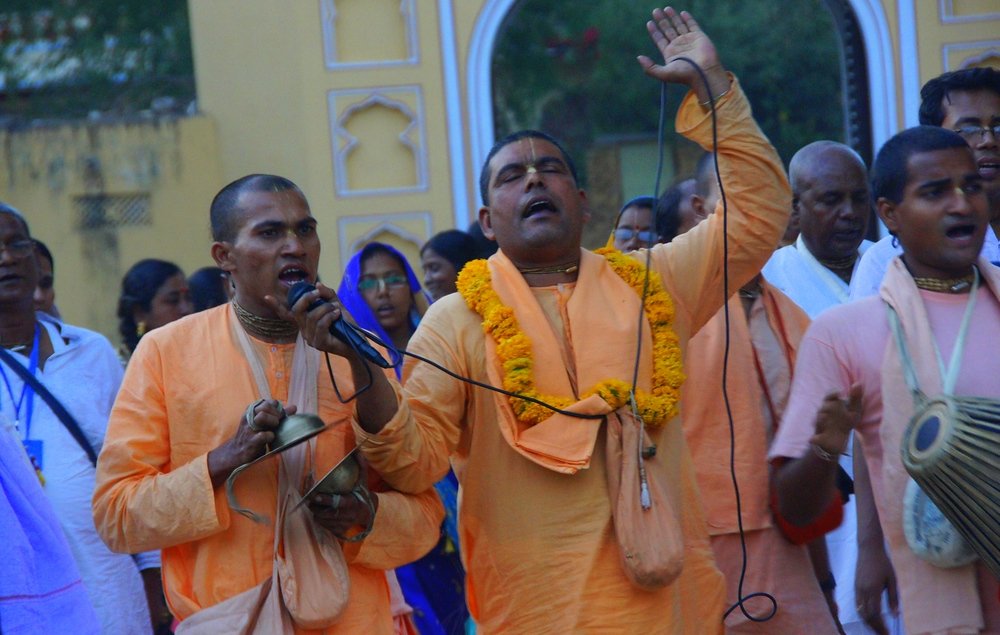
Some Indian men perform an animated song to the delight of those watching.
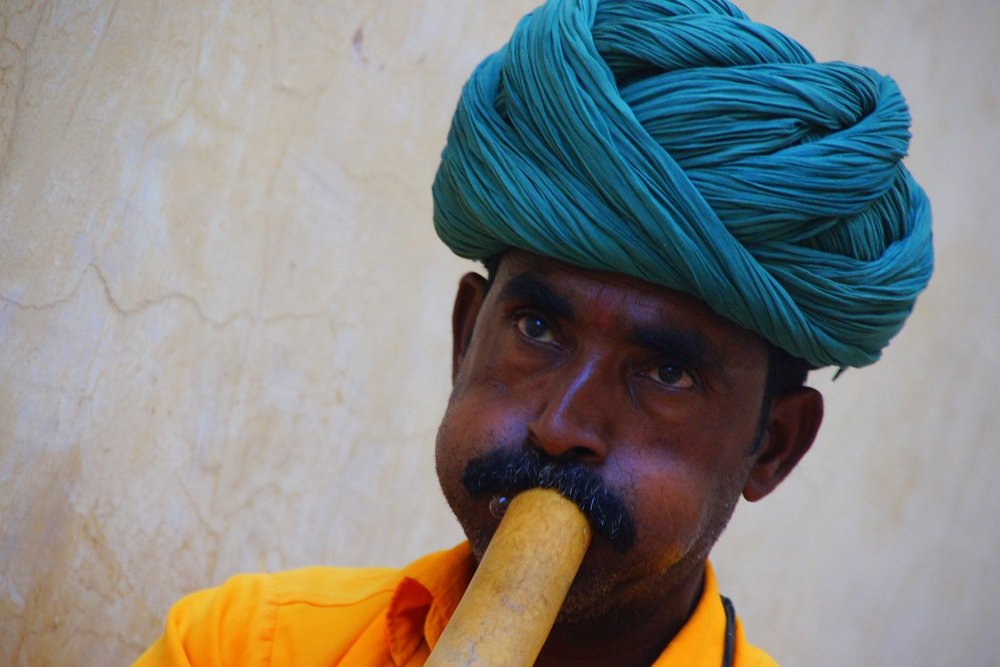
A snake charmer performs a mesmerizing song just outside of the Fort.
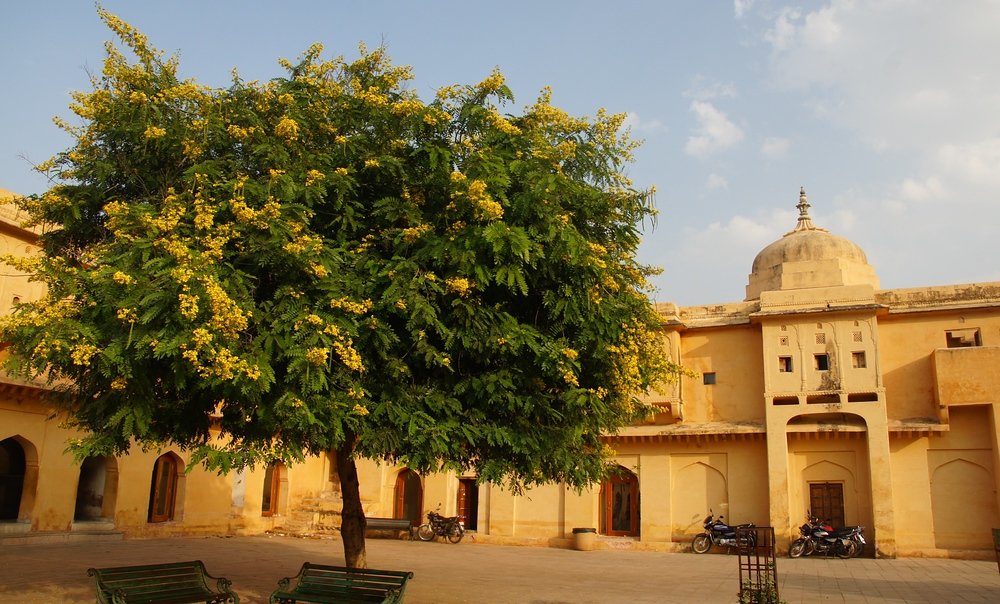
This imposing tree stood tall in this Fort that I visited during my stay in the Pink City.
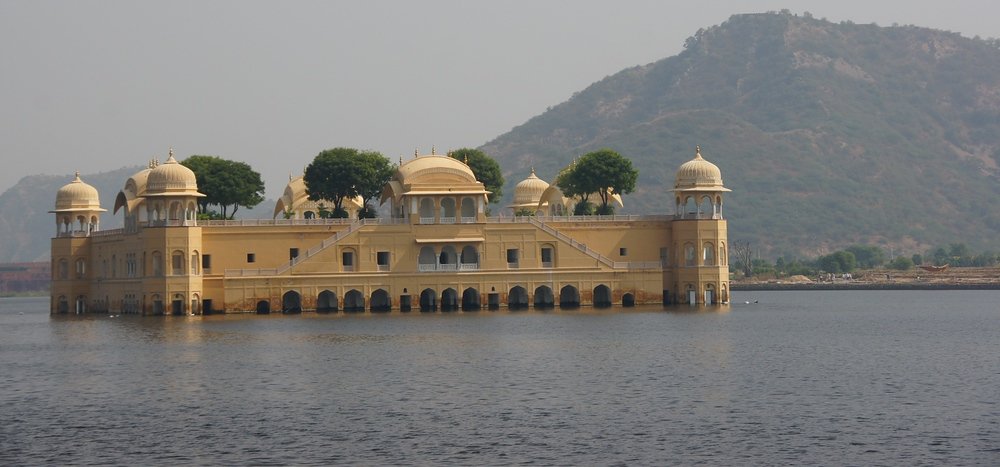
This is a shot of the Floating Palace (aka Jal Mahal or Water Palace) – Jaipur, India
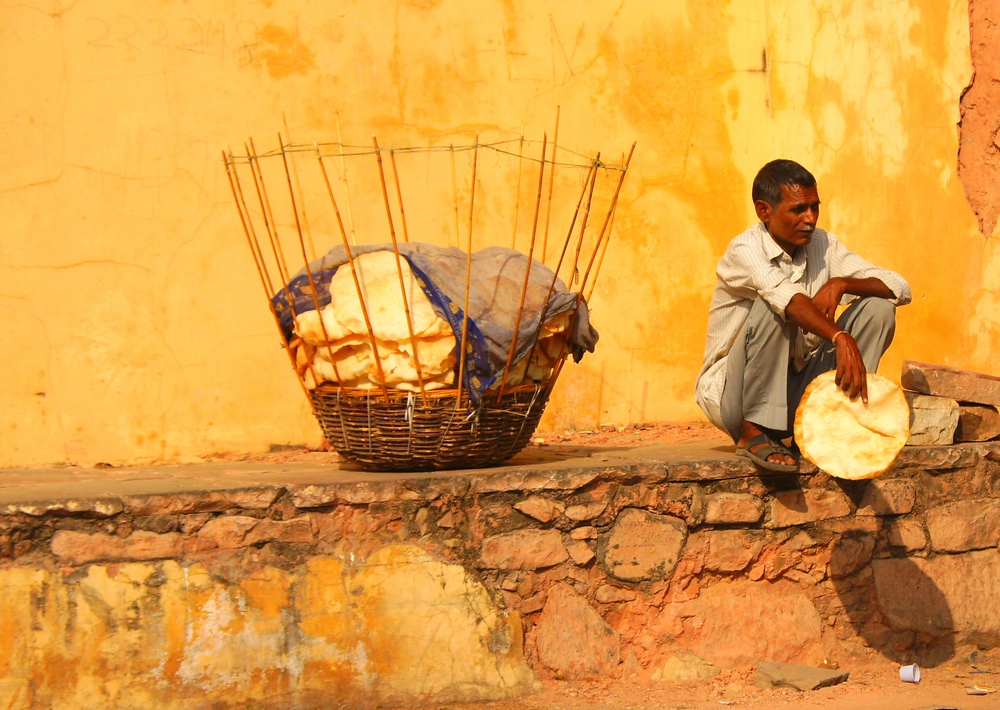
A man sits outside on the ledge with has basket of crispy flat-bread – Jaipur, India
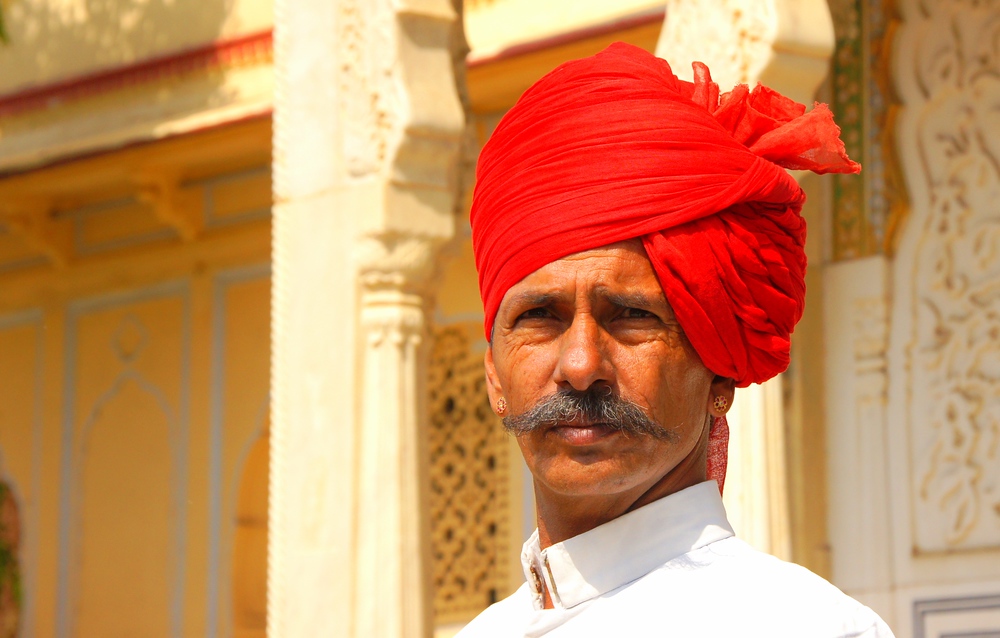
An Indian man with a distinct face and headdress posers at the Fort – Jaipur, India.
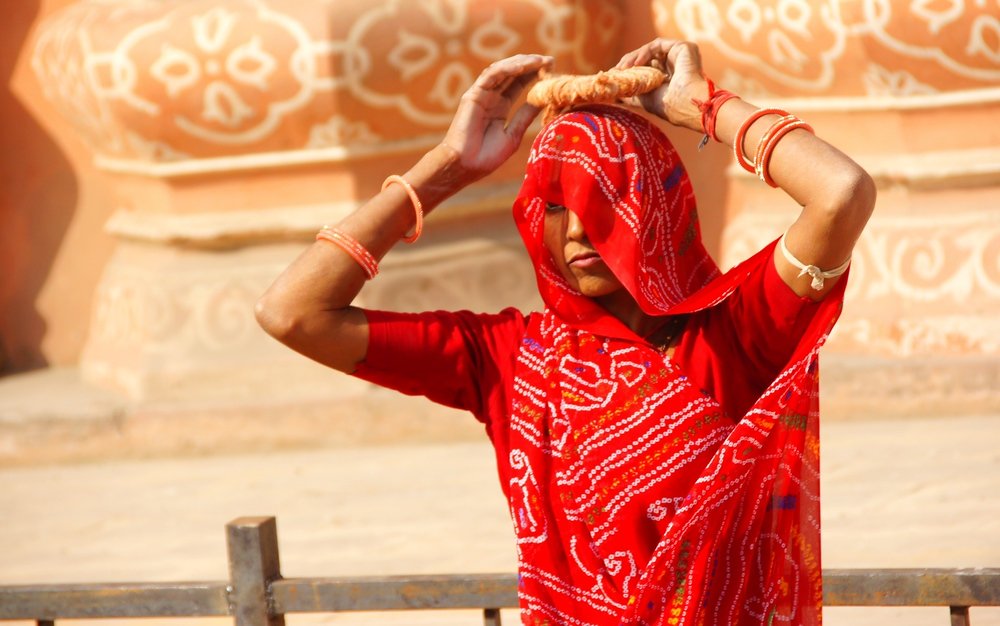
An India lady strolls down the street in her colourful and distinct red sari.
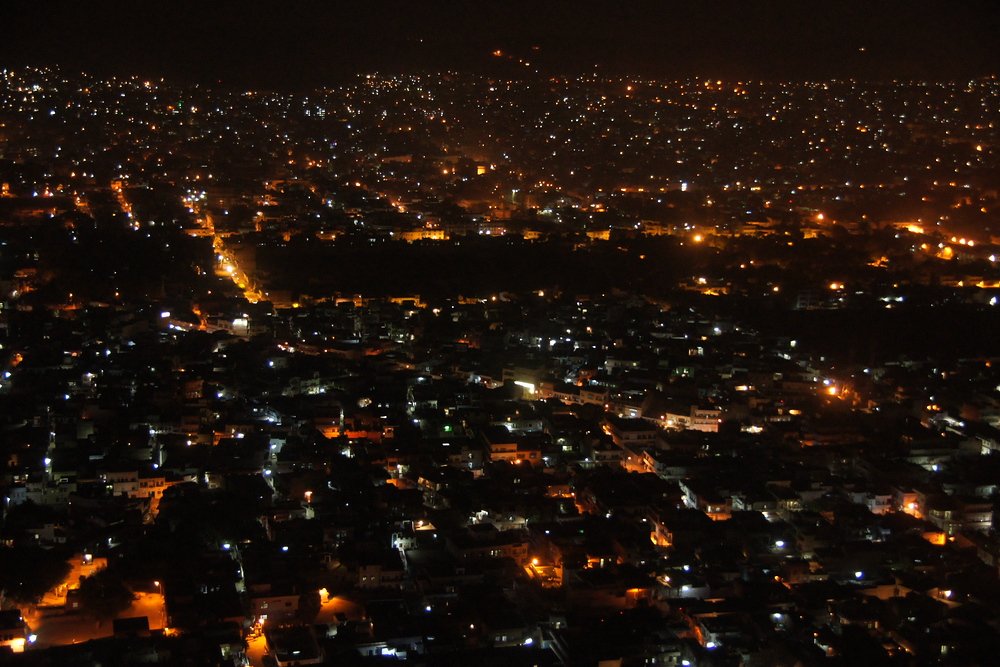
An overhead perspective shot at night of Jaipur as it shines brightly.
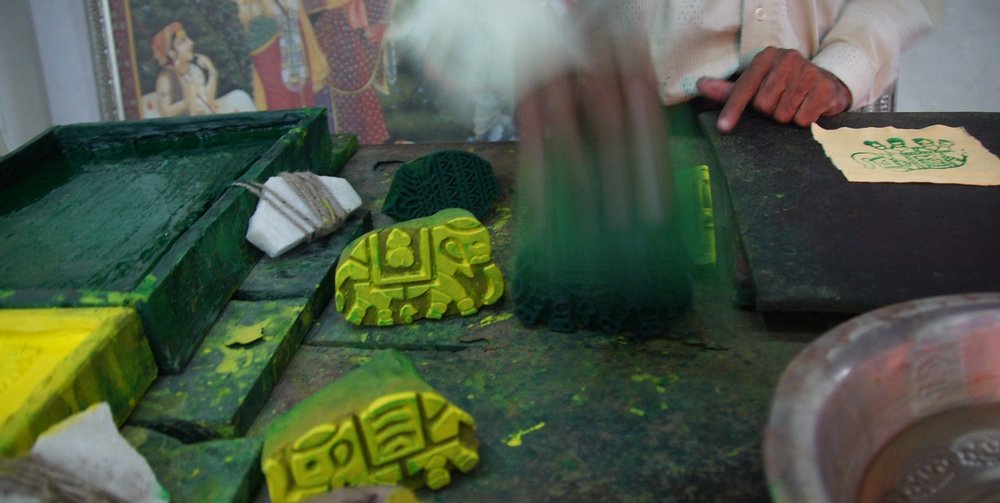
An Indian man demonstrates how he makes elephant dye imprints – Jaipur, India.
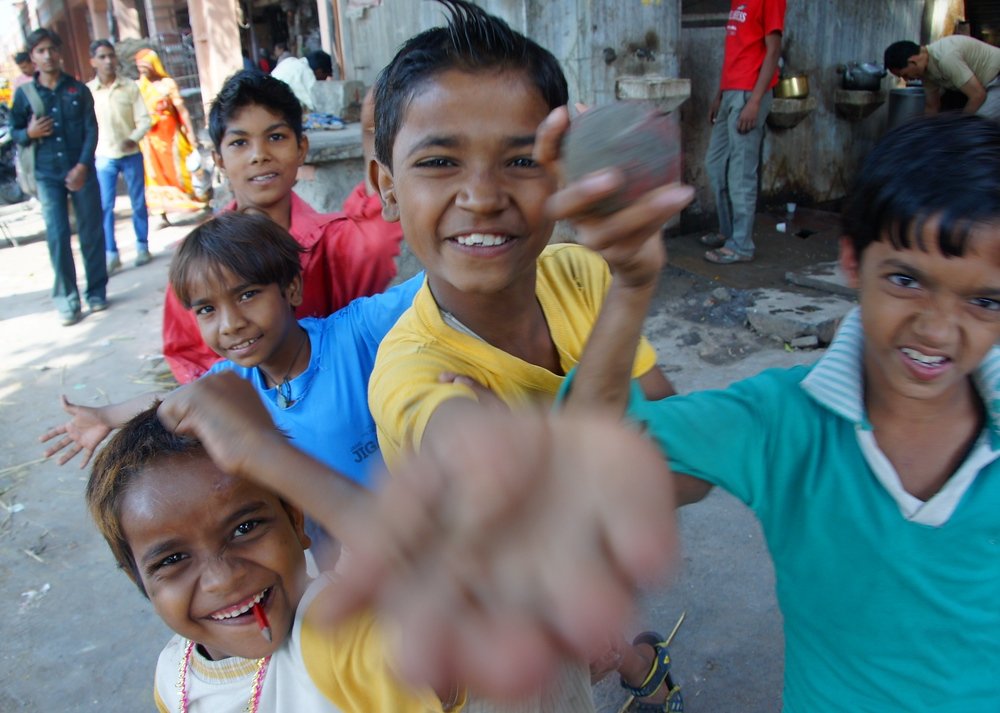
A group of Indian boys are delighted to see me and pose for a group shot.
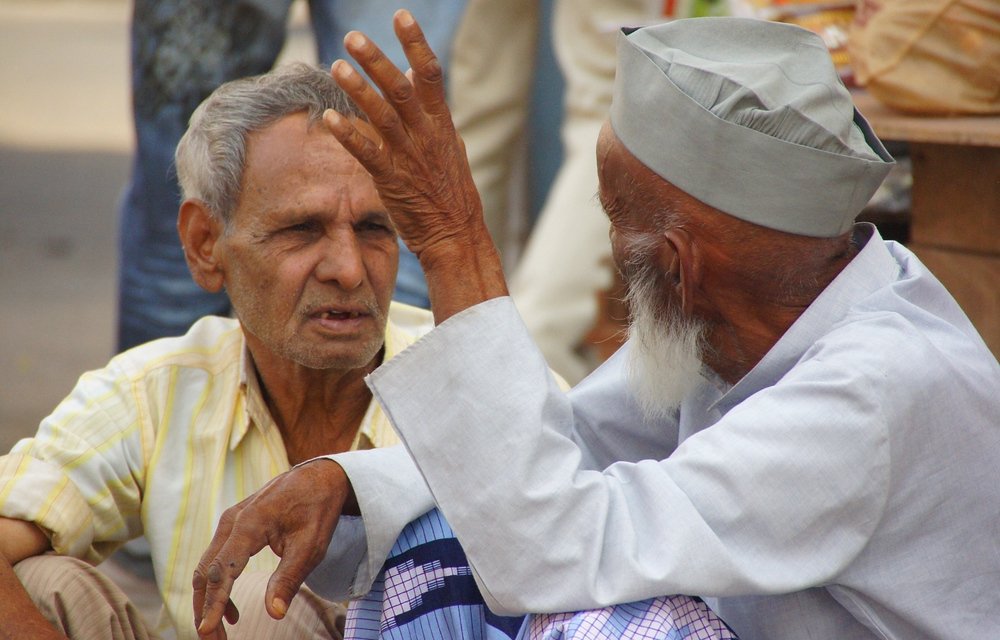
A candid discussion between these two Indian men on the streets of Jaipur, India.
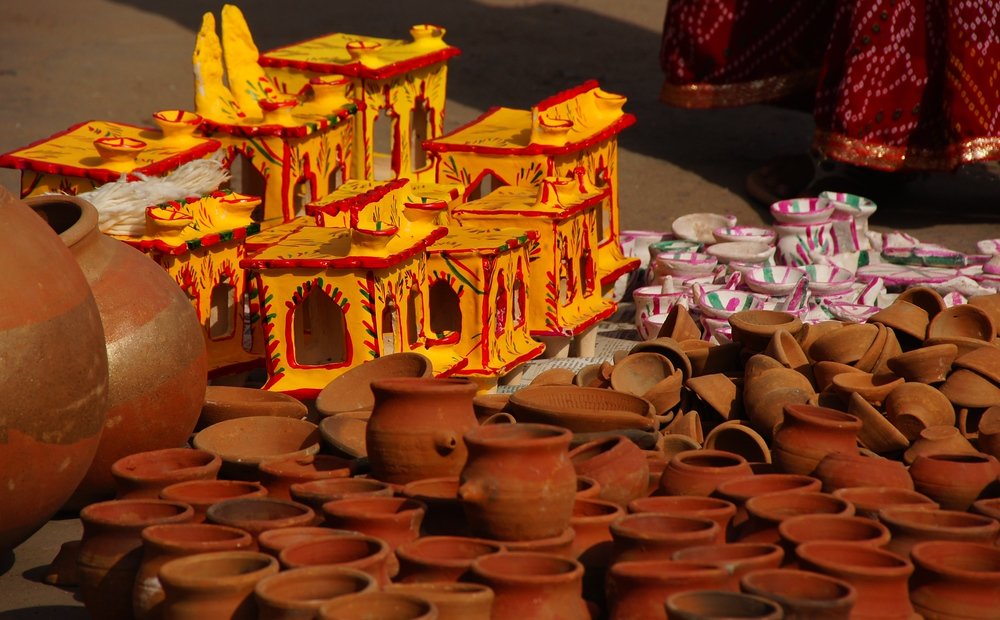
Some various forms of pottery and trinkets on display at the market.
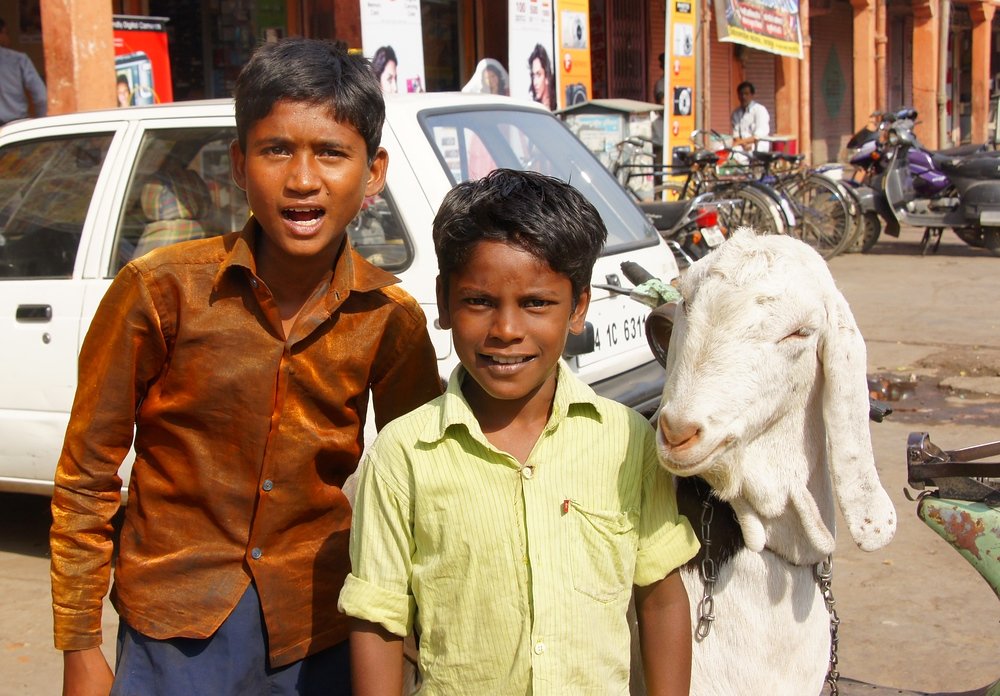
Two Indian boys pose with their goat on the bustling streets of Jaipur, India.
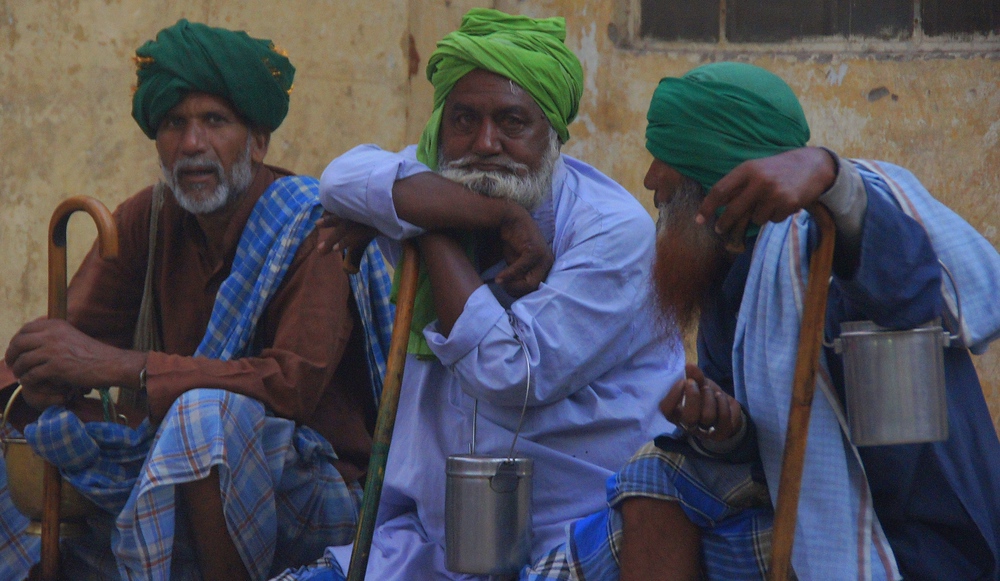
Three wise men sit down to share a conversation.

A man hauls and enormous load of tires on the back of his rickshaw.
Top Attractions In Jaipur, Rajasthan
1. Amber Fort
Amber Fort, also known as Amer Fort, is a stunning example of Rajasthani architecture. Built with pale yellow and pink sandstone, the fort is divided into four sections, each with its own courtyard. Visitors are mesmerized by the Sheesh Mahal, a hall adorned with intricate mirror work, and the Maota Lake below the fort.
- Why It’s Unique: Beyond its beauty, Amber Fort offers elephant rides to the entrance and captivating sound and light shows that recount its royal history.
2. Hawa Mahal (Palace of Winds)
The Hawa Mahal stands out with its remarkable honeycomb structure, featuring 953 small windows (called jharokhas) adorned with intricate latticework. Built by Maharaja Sawai Pratap Singh, it allowed royal women to observe the street below without being seen.
- Why It’s Unique: The breeze (hawa) flowing through the lattice windows gives the palace its name. Its pink sandstone facade creates a picturesque backdrop for any traveler in the bustling old city of Jaipur.
3. City Palace
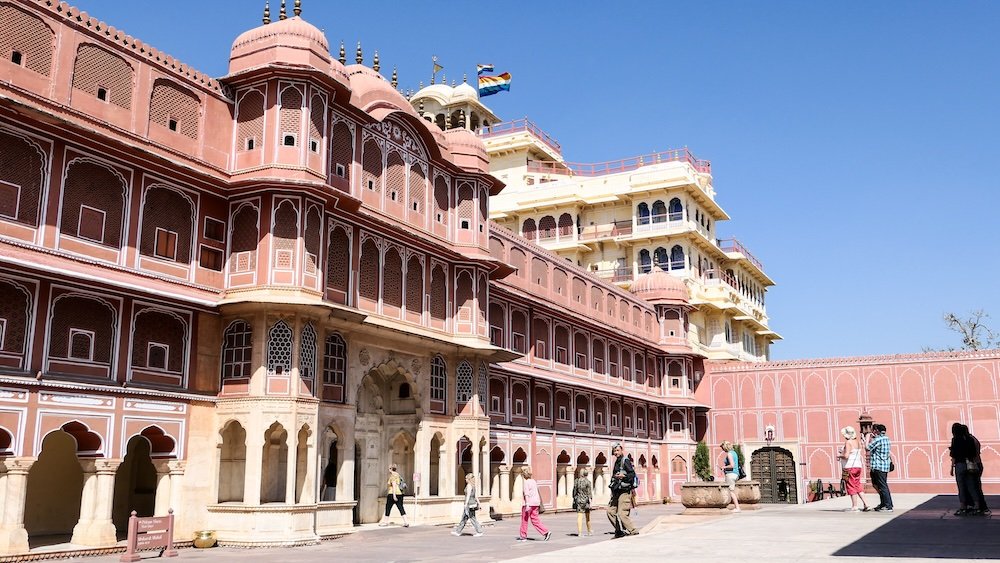
Located in the heart of Jaipur, City Palace is a sprawling complex that includes museums, courtyards, and royal residences. The Chandra Mahal and Mubarak Mahal are the two main palaces, with Chandra Mahal still serving as the royal family’s residence.
- Why It’s Unique: Visitors can tour the royal chambers and view collections of Rajasthani costumes, weaponry, and artifacts, showcasing the city’s regal heritage.
4. Jantar Mantar
A UNESCO World Heritage site, Jantar Mantar is an astronomical observatory built by Maharaja Sawai Jai Singh II in 1734. It features 19 large-scale astronomical instruments, including the world’s largest stone sundial.
- Why It’s Unique: Jantar Mantar demonstrates ancient India’s advanced understanding of celestial movements. The instruments still function accurately, making it a marvel of ancient scientific achievement.
5. Jal Mahal (Water Palace)
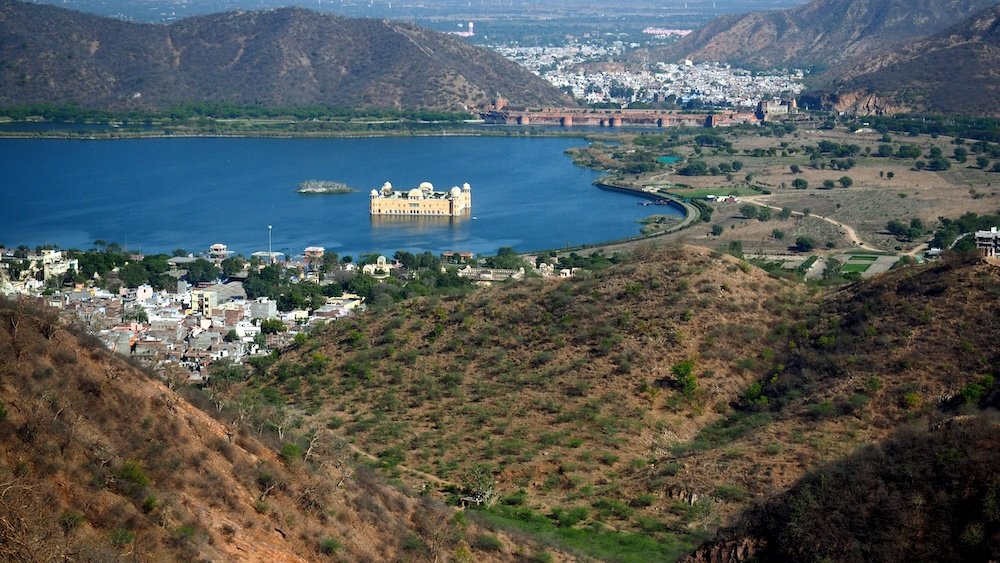
Jal Mahal is a beautiful palace situated in the middle of Man Sagar Lake. Constructed from red sandstone, it appears to float on water. While the interior isn’t open to the public, boat rides offer visitors a closer look at this architectural wonder.
- Why It’s Unique: The four submerged levels of the palace make it appear as though it’s floating. Its reflection in the calm lake waters, especially during sunset, makes for a spectacular sight.
6. Nahargarh Fort
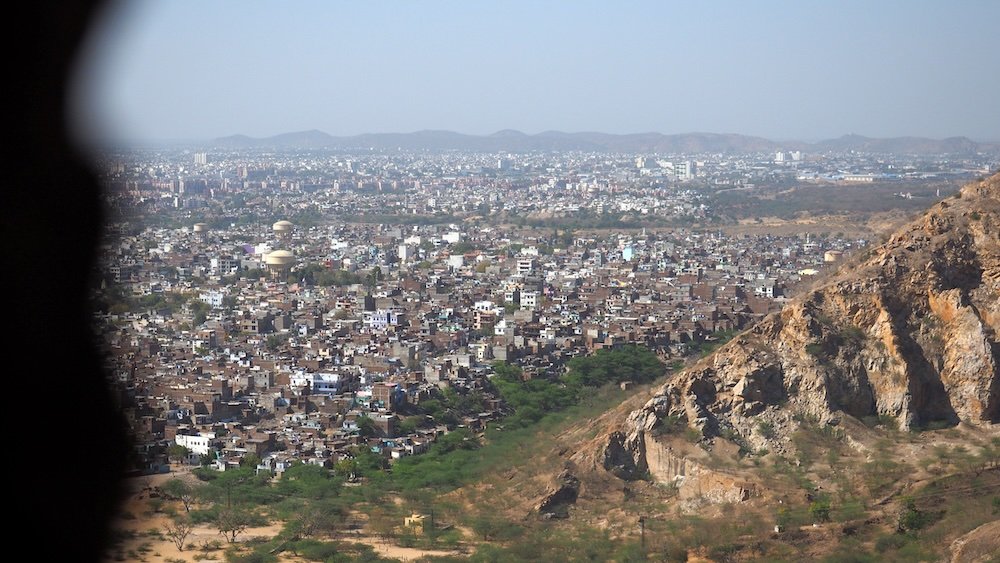
Built by Maharaja Sawai Jai Singh II, Nahargarh Fort offers panoramic views of Jaipur. Once a retreat for the royal family, the fort’s secluded location and serene atmosphere make it a peaceful escape from the city’s bustle.
- Why It’s Unique: Nahargarh’s charm lies in its quiet beauty, with its walls glowing during sunset. The fort’s architecture is simpler than Amber and Jaigarh but exudes elegance and history.
7. Jaigarh Fort
Located atop the same hill range as Amber Fort, Jaigarh Fort is known for housing the Jaivana Cannon, the world’s largest wheeled cannon. Built primarily as a military fort, it offers a glimpse into Jaipur’s defense strategies.
- Why It’s Unique: The fort’s underground water storage system and secret passages that connect it to Amber Fort add an air of mystery. The fort’s rugged beauty and military significance make it a fascinating stop.
8. Albert Hall Museum
Albert Hall Museum, the oldest museum in Rajasthan, houses an impressive collection of artifacts, from ancient sculptures and paintings to carpets and Egyptian mummies. The museum’s Indo-Saracenic architecture is as striking as the collection inside.
- Why It’s Unique: The museum’s exterior is beautifully lit at night, making it a must-see after sundown. Inside, you can explore relics from Rajasthan’s past and marvel at the 19th-century design.
9. Galtaji Temple (Monkey Temple)
Located in a tranquil valley, Galtaji is a temple complex known for its natural springs and sacred water tanks, where pilgrims bathe. The temple is also home to hundreds of playful monkeys, making it a unique spiritual site.
- Why It’s Unique: The combination of its religious significance and the playful monkeys makes it an unusual but memorable visit. Its location in the Aravalli Hills adds to its peaceful ambiance.
10. Birla Mandir (Laxmi Narayan Temple)
Birla Mandir, dedicated to Lord Vishnu and Goddess Laxmi, is a striking modern temple made of white marble. The temple’s intricate carvings of Hindu deities and historical figures are stunning.
- Why It’s Unique: Unlike the ancient forts and palaces of Jaipur, Birla Mandir is relatively new, yet its architecture and serene setting make it one of the city’s highlights, especially during evening prayers.
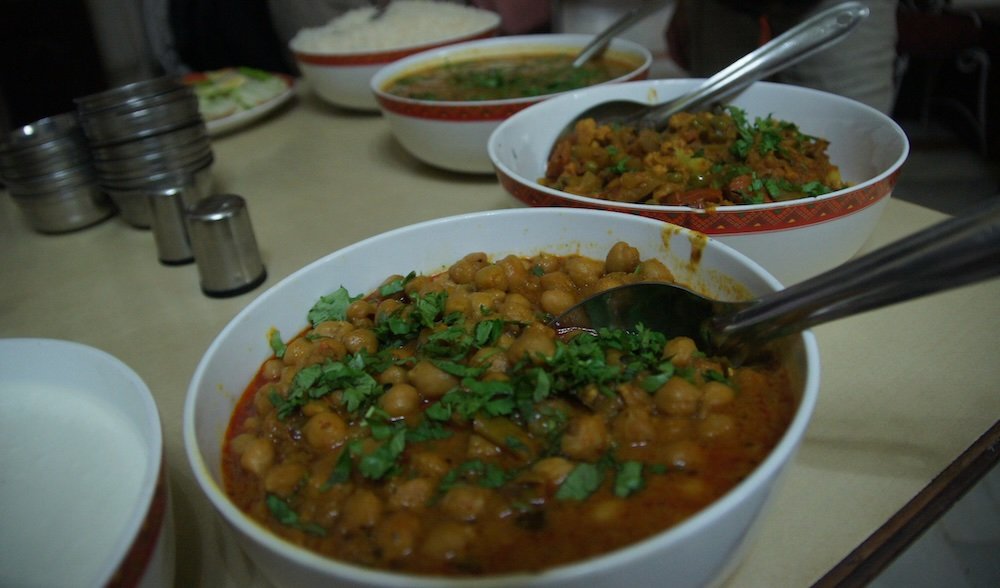
What To Eat In Jaipur
1. Dal Baati Churma
This iconic dish is a staple of Rajasthani cuisine. It consists of dal (lentils) served with baati (hard, round bread), and churma, a sweet crumbled bread dessert. The combination of savory lentils, buttery baati, and sweet churma makes for a delightful contrast of flavors.
- Why It’s Unique: The mix of textures and flavors in this dish showcases the true essence of Rajasthani food. It’s both satisfying and nourishing, making it a must-try.
2. Laal Maas
For meat lovers, Laal Maas is a fiery Rajasthani mutton curry cooked with red chili paste, garlic, and other spices. The bold, spicy flavors of this dish are tempered with a smoky richness, making it a favorite for those who enjoy strong, robust tastes.
- Why It’s Unique: This dish has a deep historical connection to Rajasthan’s hunting culture. The use of local Mathania chilies gives it its distinct fiery taste.
3. Gatte Ki Sabzi
A popular vegetarian dish, Gatte Ki Sabzi features gram flour dumplings cooked in a spicy yogurt-based gravy. The unique preparation of gatte (dumplings) makes this dish both flavorful and satisfying.
- Why It’s Unique: The gram flour-based gatte are full of flavor and texture, making this curry a distinct Rajasthani delight.
4. Pyaaz Kachori
Jaipur’s street food is incomplete without mentioning Pyaaz Kachori, a deep-fried pastry stuffed with spiced onions and served with tangy chutneys. Crispy on the outside and bursting with flavor on the inside, this is a beloved snack for both locals and tourists.
- Why It’s Unique: Available in nearly every market in Jaipur, it’s the perfect on-the-go snack to fuel your sightseeing adventures.
5. Ghewar
A quintessential Rajasthani dessert, Ghewar is a disc-shaped sweet made from flour, soaked in sugar syrup, and often topped with cream or nuts. It’s typically enjoyed during festivals like Teej and Raksha Bandhan but can be found year-round.
- Why It’s Unique: This intricate dessert requires skilled preparation, and its crispy, honeycomb texture makes it a standout treat in Jaipur.
6. Ker Sangri
Ker Sangri is a traditional dish made from dried berries (ker) and beans (sangri), cooked with an assortment of spices. Known for its tangy, slightly bitter flavor, this dish is often served with bajra roti (millet flatbread).
- Why It’s Unique: This dish is a testament to Rajasthan’s arid landscape, where these desert-grown ingredients were staples for survival.
7. Mirchi Bada
Another street food favorite, Mirchi Bada consists of large green chilies stuffed with spicy potato filling, coated in gram flour batter, and deep-fried. It’s crunchy, spicy, and extremely addictive.
- Why It’s Unique: The use of large green chilies as the main ingredient makes this snack stand out, especially for spice lovers.
8. Mawa Kachori
This sweet variation of the kachori is stuffed with a mixture of mawa (sweetened condensed milk solids) and dried fruits. It’s deep-fried and then soaked in sugar syrup for a delightful, indulgent treat.
- Why It’s Unique: The combination of crispy pastry and sweet, creamy filling makes this dessert a special part of Rajasthani cuisine.
9. Bajre Ki Roti and Lashun Ki Chutney
Bajre Ki Roti is a flatbread made from millet flour, often served with a spicy garlic chutney known as Lashun Ki Chutney. This combination is simple yet packed with flavor, reflecting the heartiness of Rajasthani food.
- Why It’s Unique: This traditional meal is packed with rustic flavors and highlights the use of local grains in the region’s cuisine.
10. Chokhi Dhani Experience
For a true taste of Rajasthan, visiting Chokhi Dhani, a traditional Rajasthani village resort, is a must. Here, you can enjoy an authentic Rajasthani thali, featuring a variety of local dishes like dal baati, ker sangri, and gatte ki sabzi, all served on a platter.
- Why It’s Unique: The immersive experience includes cultural performances, folk music, and camel rides, making it much more than just a meal—it’s a cultural journey through Rajasthan’s heritage.
How Many Days Do You Need in Jaipur?
Jaipur is one of those cities that rewards you for slowing down a bit. You can dash through the highlights in a day. Linger if you can.
Here’s a simple way to think about it:
- 1 day – Quick Golden Triangle stop: you’ll see the greatest hits, but it’s rushed.
- 2 days – Solid first visit: forts, palaces, a bazaar or two, and a proper thali.
- 3 days – Ideal: time for sunrise/sunset views, a day trip, and a few slow moments with chai.
If you’re backpacking across Rajasthan, I’d personally aim for 2–3 nights in Jaipur. That gives you enough time to see the big hitters and still wander side streets, get lost in a market, and hang out at a rooftop as the Pink City glows at dusk.
Understanding Jaipur’s Layout and Neighbourhoods
Jaipur looks chaotic at first glance, but it actually makes a lot of sense once you break it down. Choosing the right area to stay will shape your entire experience of the city.
Pink City (Old Walled City)
This is the Jaipur you’ve seen in photos: terracotta facades, narrow streets, honking traffic, cows in the road, and bazaars that feel like they’ll swallow you whole.
- Vibe: Loud, colourful, historic, a bit overwhelming in the best way.
- Pros: Hawa Mahal, City Palace, Jantar Mantar, and the main bazaars are right on your doorstep. Amazing for street photography and night scenes.
- Cons: Traffic noise, crowds, and very little personal space. Not ideal if you’re a light sleeper.
If you like being in the thick of things and don’t mind a bit of chaos, this is your playground.
Bani Park
Bani Park sits a little away from the madness, not far from the railway station, and has become a favourite base for many travellers. Think leafy streets, family-run guesthouses, and midrange hotels that give you space to breathe while still being close to the action.
- Vibe: Quiet(ish), residential, relaxed.
- Pros: Easy access to the train station and Old City, lots of reasonably priced accommodation, calmer at night.
- Cons: You’ll be tuk-tuking into the Pink City rather than stepping out the door into it.
If you’re on a longer trip or you’re working on the road, Bani Park is a great “base camp” Jaipur.
MI Road & C-Scheme
MI Road (Mirza Ismail Road) is one of Jaipur’s main arteries and slices right through the modern city. The surrounding area, including C-Scheme, is full of shops, restaurants, cafés, and more polished hotels.
- Vibe: Modern Indian city, big roads, chain stores, ice-cream parlours, and coffee shops.
- Pros: Great food options, easy to grab taxis or tuk-tuks, good middle-of-the-road location for families.
- Cons: Less “old-world charm” and more “busy city street”.
If you want comfort, easy dining options, and less intensity than the Old City, MI Road is a solid bet.
Raja Park & Vaishali Nagar
If you’re staying longer or you like to see where locals hang out, these areas come into their own.
- Raja Park: Lively, younger vibe, with street food, local restaurants, and some nightlife. It’s a fun option if you want evenings to feel more local than touristy.
- Vaishali Nagar: More upmarket and residential, with cafés, boutiques, and a slightly slower pace. Better if you’re looking at a longer stay or want a more “neighbourhood” feel away from the main tourist belt.
Jaipur Neighbourhood Cheat Sheet
| Neighbourhood | Vibe | Best For | Big Pros | Main Trade-Offs |
|---|---|---|---|---|
| Pink City | Historic, hectic, photogenic | Short stays, hardcore sightseers | Walk to major sights, wild street life | Noise, crowds, constant stimulation |
| Bani Park | Quiet, residential | First-timers, longer stays | Calmer at night, good value guesthouses | Tuk-tuk rides into the Old City |
| MI Road / C-Scheme | Modern, convenient | Families, food lovers | Restaurants, shops, central location | Less “old Jaipur” charm |
| Raja Park | Local, lively | Nightlife, food missions | Great local eats, more authentic evenings | Further from main historic sights |
| Vaishali Nagar | Upmarket, suburban | Longer visits, repeat visitors | Cafés, boutiques, more space | Longish rides to Pink City and forts |
Getting To Jaipur
Jaipur is part of the classic Delhi–Agra–Jaipur Golden Triangle, so it’s unusually easy to reach.
By Train
Trains are the classic way to roll into Jaipur, and they fit the city’s slightly romantic, old-school vibe.
Typical routes:
- Delhi to Jaipur: Roughly 4–6 hours depending on the train.
- Agra to Jaipur: Around 4–5 hours.
- Jodhpur/Udaipur to Jaipur: Usually overnight or long day journeys.
Tips:
- Book AC Chair Car (CC) or 3AC if you want comfort and a bit of space.
- Morning trains let you arrive fresh enough to sightsee in the afternoon.
- The station is close to Bani Park, and a short tuk-tuk ride from most central areas.
By Air
Jaipur International Airport connects with major Indian cities and some regional hubs.
- The airport is about 25–35 minutes by car from central Jaipur, depending on traffic.
- Prepaid taxis and app cabs (Ola/Uber) make arrivals fairly painless.
- If you’re short on time, flying into Jaipur and training or flying onward is a smooth way to link Rajasthan with the rest of India.
By Bus or Car
If you’re overland-happy:
- Buses run frequently between Delhi, Agra, and Jaipur, including government and private “Volvo” AC buses.
- Private cars with drivers are common on Golden Triangle routes, giving you flexibility for tea stops, photo breaks, and random roadside snacks.
Driving at night isn’t usually recommended due to visibility and traffic conditions, so if you’re hiring a car/driver, aim for daytime journeys.
Getting Around Jaipur
Once you’re in Jaipur, expect to spend a fair bit of time zipping between forts, markets, and viewpoints. Distances are bigger than they look on the map.
Tuk-Tuks (Auto-Rickshaws)
This will probably be your main mode of transport.
- Great for short hops within the city.
- Fares are negotiable. Expect to haggle, smile, and walk away if the price is silly.
- Have a rough idea in your head: short rides within the centre might be in the ₹50–150 range once you’ve bargained, with longer cross-town trips costing more depending on distance and traffic.
Tip: Always agree on the fare before you get in. If the driver insists on “no meter, you pay what you like”, that usually means “you’ll overpay”.
App Cabs (Ola & Uber)
If you’re tired of bargaining, app cabs are your friend:
- Set prices, AC, and door-to-door convenience.
- Especially handy for longer rides: airport transfers, late-night returns from Chokhi Dhani, or getting to Amber early in the morning.
Metro & Buses
Jaipur has a growing metro system, but for most visitors it’s still tuk-tuks and cabs doing the heavy lifting. Local buses exist and are cheap, but they can be confusing if you’re not used to Indian city buses and don’t speak much Hindi.
Use them if you’re feeling adventurous and patient; otherwise, stick to autos and cabs.
Markets, Bazaars & Street Life You Shouldn’t Miss
Jaipur’s markets are where the city really comes alive. You could spend an entire day just wandering from bazaar to bazaar.
Johari Bazaar
This is jewellery country.
- Famous for gold, silver, gemstones, and traditional Rajasthani jewellery.
- Also full of saris, fabrics, and sparkling wedding outfits.
- Great for people-watching: you’ll see families doing serious shopping, tailors, and chai wallahs keeping everyone fuelled.
If you’re actually buying jewellery, take your time, compare prices, and don’t rush a big purchase.
Bapu Bazaar & Nehru Bazaar
These two often blur into each other in travellers’ memories.
- Bapu Bazaar: Textiles, bedsheets, quilts, bags, and classic “Jaipur print” clothing at all price points.
- Nehru Bazaar: Handicrafts, shoes (look for colourful jootis), lamps, and everyday household stuff.
Both spots are good for picking up practical souvenirs that you’ll actually use later—bedcovers, cushion covers, tablecloths, simple salwar suits.
Tripolia Bazaar & Chaura Rasta
These feel a bit more “locals-first”.
- Tripolia Bazaar: Lac bangles, brassware, and traditional metal items.
- Chaura Rasta: Bookshops, stationery, and more of a “daily life” vibe than a pure tourist market.
If you enjoy street photography or you like to see a city going about its business, these stretches are worth a wander.
How to Haggle Without Burning Out
Bargaining in Jaipur can be fun… until it isn’t. A few sanity-saving ideas:
- Have a maximum price in mind before you start.
- If it’s your first day, watch what locals pay for small items to get a feel for real prices.
- Start around 50–60% of the first price for non-fixed-rate tourist shops and work up from there.
- If it stops being fun, say thank you and walk away. There’s always another shop.
Extra Experiences In and Around Jaipur
Beyond the big-name forts and palaces, Jaipur has a lot of little experiences that stick with you.
Panna Meena Ka Kund & Amber Village
Just below Amber Fort, Panna Meena ka Kund is an old stepwell with hypnotic zig-zag staircases and still water at the base. It’s an easy add-on if you’re already up at Amber.
- Go early or late to avoid harsh light and crowds.
- Wander the nearby lanes and grab a chai at a local stall—Amber village still has a more traditional, less polished feel than central Jaipur.
Block-Printing & Handicraft Workshops
Jaipur is a hub for block printing, pottery, and textiles. If you’re into hands-on experiences:
- Join a half-day workshop where you carve or use wooden blocks to print your own scarf or cushion cover.
- Head out towards Sanganer or Bagru, known for their printing traditions, if you want to see the process from start to finish.
You walk away with something you actually made, which beats another souvenir magnet any day.
Food Walks & Heritage Walks
Short on time but want depth?
- Evening food walks introduce you to local snacks like pyaaz kachori, lassi, kulfi, and all the little things you’d probably miss alone.
- Heritage walks through the Old City help decode the chaos—why certain streets specialise in particular products, the stories behind old havelis, and the logic of the city plan.
These can be especially good on your first day to get your bearings.
Classic Day Trips from Jaipur
If you’ve got that extra day to play with:
- Chand Baori (Abhaneri): One of India’s deepest and most intricate stepwells, a few hours from Jaipur. Combine with a rural village stop for a full-day outing.
- Samode: A picturesque village with a historic palace, popular for day trips and long lunches.
- Sanganer/Bagru: For textile nerds and photographers, spending a day around dye pits, print workshops, and village lanes is a dream.
Where to Stay in Jaipur: Picking Your Base
Jaipur lets you choose your own adventure: are you in a crumbling haveli, a basic backpacker dorm, or a full-on palace?
Heritage Havelis
These are old merchant mansions and family homes that have been converted into guesthouses or boutique hotels.
- Expect courtyards, carved balconies, painted ceilings, and lots of character.
- Rooms can range from simple to very polished, depending on the property.
- Great if you want to feel you’re in Rajasthan, not just any big city.
Guesthouses & Midrange Hotels
The middle ground most travellers end up in.
- Family-run guesthouses with rooftop restaurants and basic but comfortable rooms.
- Midrange hotels with AC, hot water, on-site dining, and sometimes a small pool.
- Often clustered around Bani Park and the wider city centre.
Hostels & Budget Stays
If you’re backpacking, Jaipur delivers.
- Dorm beds, common rooms, and rooftops full of travellers swapping Rajasthan stories.
- Many hostels organise walking tours, food crawls, and day trips, which can make logistics simple and social.
Splurge: Palaces & Boutique Hotels
If you’re going to splurge anywhere in Rajasthan, Jaipur is a pretty tempting place to do it.
- Restored palaces and high-end boutique hotels with courtyards, pools, and spa treatments.
- Ideal for a short stay where you’re actually going to enjoy the hotel instead of running around sightseeing from dawn to dusk.
Stay Type Comparison
| Stay Type | Vibe | Approx. Nightly Budget (₹) | Best For |
|---|---|---|---|
| Hostel / Basic GH | Simple, social | ~700–1,800 | Backpackers, solo travellers |
| Midrange Hotel | Comfortable, practical | ~2,000–4,500 | Couples, friends, families |
| Heritage Haveli | Atmospheric, historic | ~3,000–7,000+ | Culture lovers, photographers |
| Palace / Boutique | Luxurious, curated | ~7,000–15,000+ | Special occasions, short high-end stays |
(Prices swing a lot by season and festival periods, but this gives you a ballpark.)
Budgeting Your Jaipur Trip
You can “do” Jaipur on almost any budget. The big variables are your bed, how you move around, and how much fort-hopping you plan to do.
Jaipur on a Backpacker Budget
A lean but still enjoyable daily budget might include:
- Dorm bed or basic room: ₹700–1,500
- Street food and simple meals: ₹400–800
- Entry fees for 1–2 sights: ₹500–1,000
- Local transport: ₹200–400
Rough total: ₹1,800–3,500 per day, depending on how many paid sights you enter and how much you move around.
Saving tips:
- Group sights in the same area on one day to cut down on transport costs.
- Eat where locals are packing in, not at the empty tourist restaurants by major attractions.
- Share tuk-tuks with other travellers when you can.
Comfortable Midrange Jaipur
If you like a good sleep, sit-down meals, and AC cars now and then:
- Decent hotel or haveli: ₹3,000–6,000
- Meals at nicer restaurants plus snacks: ₹800–1,800
- Entry fees for 2–3 sights: ₹800–1,500
- Mix of tuk-tuks and app cabs: ₹300–700
Rough total: ₹4,900–10,000 per day.
This level feels very comfortable without being over the top.
Short-But-Sweet Splurge
If Jaipur is your big Rajasthan treat:
- Heritage or palace hotel: ₹7,000–15,000+
- Slow, multi-course meals and coffees: ₹1,500–3,000+
- Private car with driver for key days: ₹1,500–3,000+
- Sights, shopping, extras: ₹1,000–3,000+
You can easily blow past ₹15,000–20,000 per day, but you’ll feel like royalty while you do it.
Mini Itineraries for Jaipur
If you’re staring at a map wondering how to fit everything in, here are some simple templates you can tweak.
One Day in Jaipur: Greatest Hits
Perfect if you’re on a tight Golden Triangle schedule.
Morning
- Head straight to Amber Fort for opening time before the tour buses arrive.
- Swing by Panna Meena ka Kund for a quick stepwell stop and photos.
- Grab a late breakfast or early lunch nearby.
Afternoon
- Return to the city and hit City Palace and Jantar Mantar.
- Grab a lassi or chai break to recharge.
Evening
- Check out Hawa Mahal from the outside (and from nearby cafés for that classic view).
- Wander through Johari Bazaar or Bapu Bazaar as the lights come on.
- Finish with a hearty Rajasthani meal—dal baati, laal maas, or a full thali.
You’ll be tired, but it’s a satisfying first taste of Jaipur.
Two Full Days in Jaipur: Classic First Visit
Day 1: Old City & Forts
- Amber Fort + Panna Meena ka Kund in the morning.
- Jal Mahal views on the way back.
- City Palace and Jantar Mantar in the afternoon.
- Hawa Mahal and bazaars in the evening.
Day 2: Museums, Monkeys & Sunsets
- Start at Albert Hall Museum to soak up some history and cool off in the galleries.
- Head out to Galtaji (Monkey Temple) for the afternoon—explore the temples and tanks, soak up the views.
- On the way back, stop at Birla Mandir for evening aarti if timing works.
- End the day with sunset views from Nahargarh Fort or a relaxed dinner back in town.
This pace gives you time to linger instead of sprinting.
Three Days in Jaipur: With a Day Trip
Use the two-day plan above, then add:
Day 3: Out-of-Town Adventure
Pick one:
- Chand Baori (Abhaneri): Combine the epic stepwell with a low-key village wander and countryside views.
- Samode: Palace visit and long lunch, plus stroll around the village lanes.
- Textile day: Head to Sanganer or Bagru for block-printing, dye workshops, and fabric shopping.
Keep your final evening gentle: one last slow walk through a market, one last chai, one last look at that pink glow.
Practical Tips, Safety & Common Mistakes
Jaipur is intense. Yet it’s friendly. A few tweaks can make your days much smoother.
Heat, Seasons & When to Go
- Best time: Roughly October to March – cooler mornings and evenings, comfortable for fort climbing and market wandering.
- April–June: Hot. Properly, relentlessly hot. Plan early starts, midday breaks, and gallons of water.
- Monsoon (July–September): Lush countryside and fewer tourists, but expect showers, humidity, and the occasional soaked sandal.
No matter the season, sunscreen, a hat, and a reusable water bottle will earn their place in your daypack.
Dress, Etiquette & Photography
- Dress modestly: shoulders and knees covered is a good baseline, especially for temples.
- Take off shoes where required, and watch where you step—temple floors can be hot.
- For portraits, a smile and a simple “photo okay?” gesture go a long way. Most people will respond with an enthusiastic yes, some will say no, and both are fine.
If someone asks to take a photo with you, decide how you feel about it; it’s common, but you’re allowed to say no.
Common Mistakes to Avoid
- Overloading one day: Amber, City Palace, Jantar Mantar, two markets, and a museum in one shot sounds efficient, but it usually ends in heat-fried brains.
- Ignoring distance: On the map, Amber and the Old City don’t look far, but traffic will slow you down. Build in buffer time.
- Not agreeing on tuk-tuk prices: Always sort the fare before you roll.
- Getting pulled into “special gem shops”: A classic. If a driver insists on a “very good factory price” detour, you can politely decline.
- Riding elephants up to Amber Fort: It’s heavily marketed, but the welfare issues are well documented. Walking or taking a jeep up is far kinder and honestly more enjoyable.
Jaipur Travel Questions Answered: Practical Tips, Local-Style Advice & Realistic Expectations
How many days do you really need in Jaipur on your first trip?
Honestly, I’d aim for two to three full days in Jaipur if you can swing it. One day lets you blast through Amber Fort, City Palace, Jantar Mantar and a bazaar, but it’s a blur and you’ll miss a lot of the street life and small moments that make the city fun. Two days gives you time to pair Amber and Jal Mahal with the Old City sights, then add in a museum or Galtaji. Three days lets you slow down, squeeze in a day trip like Chand Baori or a textile village, and still have lazy chai breaks and rooftop sunsets instead of sprinting everywhere.
When is the best time of year to visit Jaipur?
Generally, the sweet spot is from October to March when the weather is cooler, drier, and much more sightseeing-friendly. Days are warm but not brutal, nights can be pleasantly chilly in December and January, and climbing around forts or wandering markets feels doable rather than punishing. April to June is when the heat cranks up and sightseeing turns into a bit of an endurance sport, while the monsoon months from July to September bring humidity, showers, and greener countryside but also heavier air and occasional disruption. If you like festivals and energy, winter is great because you can line up your trip with events like the Jaipur Literature Festival and still enjoy comfortable temperatures.
Is Jaipur safe for solo travellers, including solo female travellers?
Mostly, yes. Jaipur is a major tourist city and overall it feels manageable if you use the usual big-city common sense. You’ll deal with some hassle around busy sights and markets, especially tuk-tuk drivers and shopkeepers pushing hard for business, but violent crime against tourists is rare. For solo female travellers, modest clothing, avoiding very empty streets late at night, using app cabs after dark, and being firm but polite with unwanted attention go a long way. I like to keep accommodation in well-reviewed, central areas, share my rough plans with someone, and trust my gut—if a situation or person feels off, I simply walk away or change transport.
Where should I stay in Jaipur for my first visit?
It depends. If you want to step straight into the chaos and colour, staying inside or right next to the Pink City puts you a short walk or quick tuk-tuk ride from Hawa Mahal, City Palace, and the main bazaars, but you’ll trade peace and quiet for noise and traffic. Bani Park is a great all-rounder: it’s calmer, has lots of guesthouses and midrange hotels, and still puts you close to the train station and the Old City with short tuk-tuk rides. MI Road and C-Scheme feel more modern and are packed with restaurants, cafés, and shops, which works nicely for families or anyone who wants easy dining options and a bit more comfort. If you’re staying longer, areas like Raja Park or Vaishali Nagar offer a more local, residential feel with plenty of food options, but you’ll spend more time in traffic to reach the main sights.
Can I visit Jaipur as a day trip from Delhi or Agra?
Technically, yes. Realistically, it’s a long, tiring day that doesn’t do Jaipur justice. Delhi to Jaipur is roughly five to six hours each way by road or four to six by train depending on the service, so a same-day return means you spend as much time in transit as you do in the city. Agra to Jaipur is a bit shorter but still a stretch for a relaxed visit. If your schedule allows it, I’d much rather do one night (or better yet two), arrive the evening before, get an early start at Amber Fort, and actually feel the city a little instead of just ticking off a checklist.
What’s the best way to get around Jaipur without getting ripped off?
Absolutely, you’ll end up living in tuk-tuks. Auto-rickshaws are perfect for short hops and zipping between markets, but always agree a fare before you get in and don’t be afraid to walk away if the price sounds ridiculous. For longer rides—like airport transfers, Chokhi Dhani, or early-morning runs to Amber—app cabs such as Ola and Uber are brilliant because the price is set and you get AC plus a clear route on the map. The metro is developing but still limited for most visitors, and local buses are cheap but confusing if you don’t speak much Hindi. I like to mix it: tuk-tuks for short inner-city jumps, app cabs for longer missions, and the occasional pre-arranged car and driver if I’m stringing together a day of forts or day trips.
Are tickets for Jaipur’s forts and palaces expensive, and is there a combined ticket?
Not really, but the costs do add up if you hit everything in a couple of days. Big-name sights like Amber Fort, City Palace, Jantar Mantar and Hawa Mahal all have separate entry tickets, with foreigner prices sitting notably higher than Indian citizen prices and sometimes extra fees for museum sections or camera use. The Rajasthan authorities have offered a composite ticket that bundles several major monuments for one price, which can be good value if you’re planning to visit a bunch of them within a short time window; recent examples put it at roughly around the 1,000-rupee mark for foreigners, but the exact price and included sights can change. I always recommend checking current info on an official tourism site or at the first ticket counter you visit, and planning your sightseeing days around whatever pass you buy so you actually use it fully.
How much should I budget per day in Jaipur?
Roughly, I’d think in three tiers. On a backpacker budget, you can scrape by on about ₹1,800–3,500 per day with a hostel or basic guesthouse, street food and simple restaurants, a tuk-tuk or two, and one or two paid sights. A comfortable midrange day might sit between ₹4,900 and ₹10,000, with a nicer haveli or hotel, sit-down meals, a mix of tuk-tuks and app cabs, and a couple of entry fees plus the odd workshop or guided walk. If you’re doing a short splurge with a palace hotel, AC car and driver, big restaurant meals, and serious souvenir shopping, it’s easy to sail past ₹15,000–20,000 in a day. The good news is that Jaipur works at almost any budget; the main trick is being honest about your priorities—bed, food, or experiences—and spending accordingly.
Is Jaipur manageable with kids or older travellers?
Yes, with a bit of planning. Jaipur is busy and can be overwhelming, but there’s nothing about the city that makes it inherently unfriendly to kids or older travellers as long as you factor in heat, steps, and crowd levels. For families, I’d prioritise a comfortable, central base with AC, easy access to food, and maybe a small pool, then build days around one big sight in the cool morning and something gentler in the afternoon like a museum, bazaar wander, or village visit. For older travellers or anyone with mobility issues, forts like Amber and Nahargarh involve uneven steps and slopes, so consider jeeps or cars where possible and take things slowly. Wherever you’re staying, it’s worth asking your hotel which entrances are easiest and whether they can help with a reliable driver rather than improvising everything kerbside.
What should I wear in Jaipur and at its temples?
Comfortable, modest and breathable is the magic combo. Loose trousers or long skirts, light cotton or linen tops that cover your shoulders, and closed or sturdy sandals you can slip on and off easily will make your life much easier. In temples and more conservative parts of town, having shoulders and knees covered feels respectful and saves you from unwanted attention, and a light scarf is handy for both sun and the occasional extra layer of modesty. In winter, mornings and evenings can be cooler than you expect, so a light jacket or fleece is worth packing. Jaipur isn’t a place where you need to dress ultra formally, but if you lean slightly more covered than you would at home, you’ll blend in better and feel more relaxed.
How early do I need to start to avoid crowds and heat at the main sights?
Earlier than you think. Amber Fort is best tackled right around opening time, when the sun is still low, the stones are cooler underfoot, and the tour buses haven’t fully descended yet. If you’re visiting in the hotter months, starting your day by 7–8 a.m. for outdoor sites and moving indoor or shaded attractions into the late morning and afternoon can make a huge difference in how you feel. Hawa Mahal and the Old City bazaars come into their own in the late afternoon and early evening, so I like to build in a midday break back at the hotel to rest, cool down, and then head out again when the light softens. Think in terms of two pushes—an early one and a late one—rather than trying to grind straight through from 10 to 4 in the toughest heat.
Are there any common scams or hassles in Jaipur I should watch out for?
Absolutely. The big one is tuk-tuk or taxi drivers insisting they know a “government emporium” or “best gem factory” and trying to detour you into shops where they earn commission; you’re fully allowed to say no, ask to go straight to your stated destination, or get out and pick another driver. Around major attractions and markets, you may also get guides without official badges pushing hard for business or quoting inflated prices—if you want a guide, it’s safer to agree a price clearly beforehand or book through your accommodation. Overcharging on tuk-tuks is pretty standard first-offer behaviour, so treat negotiations like a game and don’t get flustered. As in many cities, I avoid showing big wads of cash, keep valuables zipped up, and ignore anyone who claims there’s some vague “problem” with my hotel or tickets and insists I must go somewhere else instead.
What are the best day trips from Jaipur if I have an extra day?
Personally, I love using Jaipur as a base for one or two side adventures. Chand Baori at Abhaneri is a classic option: it’s one of the most dramatic stepwells in India and pairs well with a village wander or countryside stops on the way. Samode gives you a taste of palace life and a quieter village atmosphere, ideal if you want something a bit romantic and relaxed. Textile fans can head to Sanganer or Bagru to see block-printing and dyeing in action, which is brilliant for both photography and meaningful souvenirs. If you’re short on time or energy, you can also treat places like Galtaji, Nahargarh Fort, and the area around Amber village as mini “day trips” from the city centre without going far at all.
Is Jaipur a good base for exploring the rest of Rajasthan?
Yes. Jaipur slots nicely into bigger Rajasthan routes and the classic Golden Triangle, and it’s well connected by train, bus, and flights. You can easily pair it with Agra and Delhi on one side and cities like Jodhpur, Udaipur, and Pushkar on the other, choosing whether to move in a loop or fan out in one direction. I like using Jaipur to break up long journeys: arrive from Delhi, spend a couple of nights here, then continue to somewhere slightly more chilled like Udaipur or Pushkar to recover from the city buzz. If you don’t want to pack and unpack constantly, doing a longer stay in Jaipur plus a couple of well-chosen day trips can give you a surprisingly rich snapshot of Rajasthan without living out of a bus seat.
What should I absolutely not miss if I only have one full day in Jaipur?
If you’ve just got one day, I’d treat it like a “greatest hits” playlist. Start early at Amber Fort and swing by Panna Meena ka Kund while you’re up there, then catch Jal Mahal views on the way back into town. In the afternoon, hit City Palace and Jantar Mantar for your dose of royal history and old-school astronomy, followed by a chai or lassi stop to recharge. As the light softens, make time to admire Hawa Mahal from the street and, if you can, from one of the nearby cafés with those classic postcard views. Finish with a wander through Johari Bazaar or Bapu Bazaar and a proper Rajasthani dinner—dal baati, laal maas, or a full thali—so you leave Jaipur with both your camera and your stomach happy.
Final Thoughts
The Pink City effortlessly combines grandeur and cultural richness. From the majestic Amber Fort to the tranquil Jal Mahal, each site trumpets Rajasthan’s royal past. Whether you’re exploring the forts, gazing at the stars in Jantar Mantar, or feeding monkeys at Galtaji, Jaipur is truly a unique destination.
Great pics! Really Awesome. The Most Attractive snake charmer performs i also visit the floating palace.
Thanks! It sure is cool watching the snake charmer do his thing!
Hello Samuel Jeffery why not. thanks for reply.
I thought the guy with the elephant imprints was smashing shoes… LoL… nice photos 🙂
I must say this is an impressive photo essay. I only discovered it today, but I am glad I did. It is a part of the world I didn’t see (yet) live, only through others eyes and photos.
While I was in Jaipur, I was surprised that there are a lot of Langur roaming around the city. Pink City of Japiur along with Blue City of Jodhpur are definitely must visit when in Rajhastan. Nice set of photos you have here Sam. 🙂
Thanks Bino, I agree with you about Jodhpur as well. Those were my two favourite cities in Rajhasthan for roaming around.
I found your post through another blog. Great photos! I am taking a tour of Rajastan in March but unfortunately, it does not visit Jaipur. 🙁 Would you suggest going there on our own? How long did the train from Delhi take?
I really love that photo of the monkey. Did you get a chance to visit the floating palace or is it closed to tourists?
I cannot wait for my trip to Jaipur in March!
That’s fantastic! I should be a wonderful adventure 🙂
Great pics! I went there years and years ago and agree, it really is beautiful. Would be curious to go back and see if/how the city’s changed.
That would be fascinating for you to find out!
Wow really cool place and Jaipur is indeed a charming city, palaces and forts are absolutely gorgeous. and you have taken wonderful photography 🙂
Thanks Amresh, it most certainly is a charming city. I can’t wait to go back soon! 🙂
India always seems to be totally overwhelming. Even your pictures do not change that impression, but they are neat. I definitely like the Water Palace and the picture of the pots. The beauty of ordinary things is cool.
I feel like I’m repeating myself every time I comment on your blog Sam, but every time I visit the effect is the same, you always manage to grace your posts with amazing photos and well written informative text, to be honest I want to visit every place you write about.
Thanks so much for saying that 🙂 Probably the ultimate compliment a blogger could receive.
Oh my god what is that song on the promo video??? I know it from somewhere!
LOL, that song is definitely familiar but I can’t remember the name either! Some 80’s song.
Just saw your reply and I went back and shazammed the song on my phone. It’s Walk of Life – Sultan of Strings. lol
Nice photos, I enjoyed Jaipur, but my favourite city in Rajasthan is Jodhpur, have you been? The fort there is amazing.
I sure have been there! I loved climbing up to the Fort and looking down upon the blue buildings.
Beautiful shots! I love the one with the goat photobombing the two boys!! 🙂
Thanks, definitely one of my favs as well 🙂
Really enjoyed these photos! Stu and I are in Jaipur now and are looking forward to exploring tomorrow. Anywhere we shouldn’t miss? Thanks!
Wowzers. Some brillz pics. I especially love the pic of the boys and the goat, and of the man with the flatbreads.
I’ve only been to Kerala, but there were goats everywhere there too!
Thanks David, I’ve never been to Kerala. Hoping to head there next year 🙂
That monkey shot is golden! So you’ll go back to India again one day? Me too… 🙂
Absolutely, hopefully as soon as next year!
Hey Samuel! Nice photo essay! I’ve never been to Rajasthan (okay once when I was 3) but its mystical image has always attracted me. I love the gypsy music and desert stories in particular. 🙂
Thanks Priyank, I was fortunate enough to experience both the gypsy music and desert stories. I hope you’ll get a chance to visit soon.
Great photos! Love the photo with the goat 🙂
Thanks Jarmo, it’s pretty hilarious 🙂
Incredible photos again Sam! Though I’m gutted to have missed Jaipur on my last visit.
Thanks Amer! Hope you’ll get a chance to go on the next trip 🙂
Really lovely photography here, Samuel. Well done telling a story with your camera.
Thanks Michael! One of my favorite spots in India. I’m hoping to return there next year.
Great photos! They really tell a story!
Thanks Mary!
Damn Sam – these are some gorgeous shots!
Thanks Josh! Such a gorgeous place to visit. Would love to see you film there.
Wow Samuel your photos are getting better!!
Thank you Katie,
I totally appreciate the compliment 🙂
That monkey photo is awesome!
Thanks Stephanie, I got luck on that one 🙂
Love the photo of the three wise men – Jaipur is such an amazing city. Have you been to see a Bollywood movie at Raj Mandir cinema – bizarrely, it was one of the best movie experieneces I had when travelling in India.
I didn’t get a chance to do that unfortunately. I will definitely be doing that on my next journey there.
Great photos Sam! Really interested in the floating palace now and my fav has to be the goat photobomb!
hahaha…thanks, animal photo bombs are the best 🙂
Great photos of Jaipur. Loose monkeys are common there. The man selling crispy flat bread is good one. Makes me laugh because he’s selling papadums.
Thanks Shalu! The papadums really blends in well with the colors of the scene 🙂
Some of those portraits are worth blowing up into posters! And sell them 😉 Gorgeous, my faves are the man with the red turban and the couple — almost looks like you sneaked into a Bollywood set 😉
– Maria Alexandra
Thanks Maria! I was lucky to get some of those shots. I wish people dressed more colourful like that in most parts of the world.
Beautiful photos as usual!
Thanks Jade 🙂
I adored Jaipur too, even though it’s where I got my very first food poisoning 🙂
Oooh no Angela! I got sick shortly after leaving Jaipur 🙁
The Water Palace is like small Venice:-)
It’s almost surreal!
You seem to have covered the Pink City well in photos. Love the Floating Palace photo. Beautiful place.
Thank you! The floating palace is incredible. I love the one in Udaipur as well.
Such beautiful shots of one of my favorite cities!!!!
Thanks Andi! It’s definitely one of my favorites as well 🙂
Love the pictures that you’ve posted. You’ve really captured the essence of Jaipur. What kind of camera do you use? Is it a digital SLR? I have a small (and cheap!) point and shoot that served me well in Jaipur (http://www.sidewalksafari.com/search/label/Jaipur) but judging from your snaps, you really can do so much more with a nicer camera.
At the time I used a Sony Alpha A500 and an 18-250 & 50 mm lens. I’ve since updated a bit 🙂 A dSLR is certainly nice to have but it is bulky.
Ahhhh!!! I’m headed there in December and am now doubly excited!!!
That’s cool Lillie! Looking forward to your posts 🙂 I’m planning to be back in India next fall.
They say an image worth thousands words, but …WOW! Your photos left me speechless. I’m feeling like packing and going there right now. Great job!
Wow! Thank you 🙂 That’s the ultimate compliment to any photographer. I hope you do go soon and have a great adventure.
Wow. You really transported me there with these photos. They’re gorgeous! They almost don’t seem real. I especially like the one of the monkey racing across the building and the snake charmer working his magic. Truly beautiful pictures.
Thank you Juliann,
I was really lucky with the time with regards to the shot of the monkey. I couldn’t believe the way they were scaling those walls with such a steep vertical drop below.
I’ve been fascinated with Jaipur since I first heard about it (only a year ago!). Beautiful photos. The one with the two kids and goat is so cute 😉
Thanks Michael, it’s not a city I knew about either until I did more research before coming to Rajasthan.
A monkey shot is so classic for Jaipur. Great set of pics!
Rajasthan is one of the most colorful states of India. I am in love with Jodhpur (Blue City).
Thank you!
I also love Jodhpur as well. Jaipur and Jodhpur share a lot similarities in my opinion. Some of the most fun cities I’ve ever tried to negotiate on foot.
Incredible photos, really gives the place a personality. I love all of them but the photo of two boys with their goat raised an extra wide grin! 🙂
Thanks Kerri,
That’s one of my favorites photos from my Jaipur collection. The goat sure knows how to pose 😛
The text is great, that alone paints such a great picture of your experience and what it’s like there but the photos you chose for this one, icing on the cake. Kudos!
Thanks Maria 🙂 It’s a place I recommend to others and somewhere I’m dying to revisit.
I go to Jaipur at least once a year as Rajasthan is my hometown 🙂
Its beautiful as you rightly said 🙂
Wow! You’re lucky to be from such a fascinating part of the world. I can’t wait to go back myself!
Spectacular shots – love the colours, and the yellow in particular!
Thanks mate! I’d love to see how you’d capture the city 🙂
We are definitely going there!
That’s awesome! Let me know when you do 🙂
Can not help wonder about the fate of the goat. Maybe it is just my warped mind. Did you also see the snake being charmed?
That’s a good question Natalie. I honestly don’t know. I did get to see the snake being charmed. It was my first time to ever witness that.
The man with the red turban looks so regal! I love the mustache and ruby earrings. Think you could work that look in India? 😉
For sure! We’ll get me looking all regal & classy for my next time in India 😛
Ah yes! Jaipur is indeed a charming city. And the palaces and forts are absolutely gorgeous. I had been there a couple of years back and may ride back again early next year.
Great photos there Samuel!
Cheers
Venky
Thanks Venkat! I hope you get a chance to go back again soon. It’s probably my favorite area I’ve had a chance to visit in India.
I just love gawking at these photos Samuel 🙂 India literally inspires me and I wanna go there, in the nearest future 🙂
Thank you! I sure hope you can go soon. Rajasthan is one of the jewels of India in my mind.