
Whenever people ask me where I’ve travelled to this year, I begin by mentioning Egypt. Now, entering Egypt isn’t as easy as packing your bags and hopping on a plane.
To enter the country, you must satisfy their entry policy. And most importantly, knowing the Egypt visa photo requirements is a necessary first step in getting the visa online. While you could go to a consulate or embassy, this online method is a far easier way to secure an Egyptian entry visa.
I won’t lie – it was quite the process. But all my efforts were rewarded in the end. Egypt is a cradle of human civilization – with 5,000 years of history, cultural travellers are spoiled for choice.
Transportation In Egypt
But when I tell people about my Egyptian travels, instead of excitement and wonder, I am often greeted with shocked and confused expressions.
Perhaps this is because of the violent protests that took place earlier this year throughout Cairo and other major Egyptian cities. As it turns out, I had returned to the United States mere days before the riots began. However, when I explain to people that I traveled through Egypt in early January 2011, they tend to assume that I was caught in the middle of the fights and immediately ask me if I feared for my life.
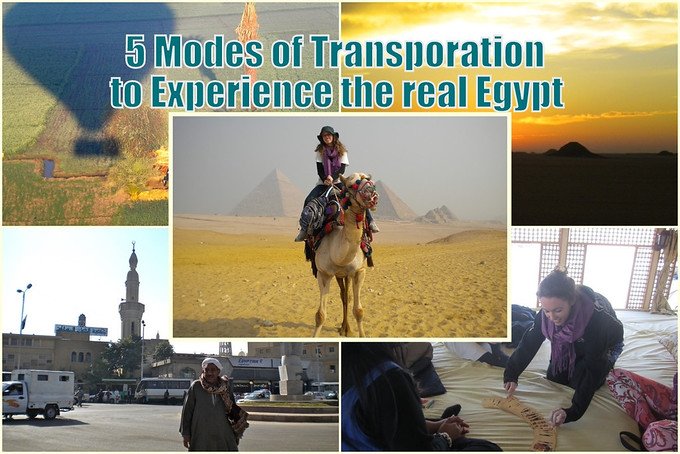
While I could definitely sense some misdirected tension in the days leading up to the riots, I left Egypt with a new outlook on the world. By learning about the Muslim faith and seeing so many ancient ruins, I somehow developed a firmer understanding of my own faith, culture and moral code. I believe a main reason for this was due to the many modes of transportation I took during my trip. While many vacationers travel through Egypt the luxurious way, I chose the broke traveler method, which ultimately made all the difference.
Here are Five Modes of Transportation in Egypt:
Sleeper Trains in Egypt:
Just as their name suggests, sleeper trains are intended for the budget traveler who wants to save both time and money. Although this way sounds luxurious to some, it is pretty bare bones when it comes to comfort. Yet, I managed to make the most of the experience and I would recommend it to other travelers as well. For one thing, don’t expect to actually see much of Egypt during your train ride. Since you are traveling at night, there is little to see along the train tracks. You also won’t get a wink of sleep but how can anyone when they have the excitement of reaching Valley of the Kings in the morning?
Bus in Egypt:
If you are a budget traveler trying to see as much as you can within your travel dates, it’s almost a given that you will take a bus throughout your journey. I had some of my most reflective moments during our bus rides in Egypt. As we headed from Aswan to historic temples at Abu Simbel, I witnessed the most beautiful sunrise I have even seen. As I looked at my fellow travelers and realized they were all asleep, I couldn’t help but feel like this was a special moment I was sharing with the nation. Bus rides are also the perfect situation to learn more from other travelers and your tour guide. On our ride back to Aswan from Abu Simbel, I spent nearly three hours speaking about politics, religion and racism with my tour guide.
Felucca Boat in Egypt:
Forget the touristy and over-priced Nile cruises. They real way to experience Egypt is by sailing along The Nile River on a local Felucca boat. Our group got up close and personal with nature as we roughed the hot Aswan air and set out on a twenty-four hour felucca ride. We sailed all day, talking and eating with our crew as they told us stories about their lives. At night, we built a campfire, stargazed and even had a run-in with a very intimidating camel. The highlight of our Felucca ride was having the chance to eat with a local Nubian family just before we set sail. Although the villagers could not communicate with us, their genuine hospitality spoke volumes.
Hot Air Balloon in Egypt:
It’s not every day that one has the opportunity to take a hot air balloon ride over Valley of the Kings but in Luxor, this is completely normal and highly recommended. As a traveler on a budget I was surprised how affordable this ride was and looking back on the experience now, the view is completely priceless. Making our ride even more entertaining was our unplanned landing in a local field where small children, animals and the not-so-enthused looking village leader greeted us. In many ways, this crash landing was the best part of the entire morning simply because we were able to see a local community living their daily lives.
Camel, Donkey and the like:
A visit to Egypt is not complete for any traveler without a stop at the Great Pyramids of Giza, located just outside Egypt’s capital city, Cairo. Also slightly touristy, taking a ride on a camel is an ideal way to really take in your surroundings while providing you with many photo opts and a great view of the Pyramids themselves. As a local guide led my camel, I was somehow able to forget I was on an organized tour and actually pretend I was living in Cairo thousands of years ago. Similarly, when you reach Valley of the Kings and Valley of the Queens in Luxor, a donkey ride is one mode of transportation that gives you an equally worthwhile experience.
This guest post is from Megan Eileen McDonough Bohemian Trails.
Bio: Megan Eileen McDonough is the Founder and Editor of Bohemian Trails, an online travel magazine covering global art and culture for the avant-garde traveler.
__________________________________________________________________________________________________________
Transportation Options In Egypt: Traditional To Modern
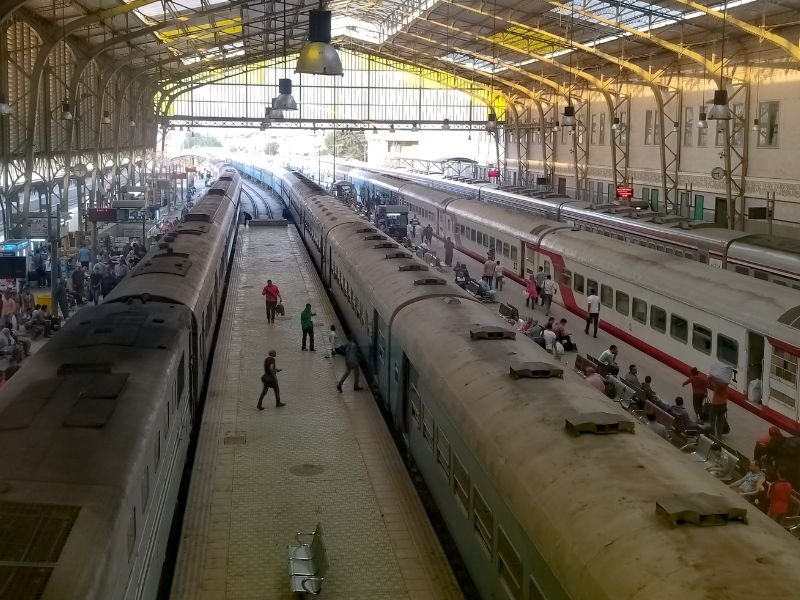
Exploring Egypt by Train
Egypt’s railway system is one of the oldest in the world, and it remains a popular way to travel between major cities like Cairo, Alexandria, Luxor, and Aswan. Trains offer a scenic journey through the Egyptian countryside, with both day and overnight options available. The sleeper trains, especially between Cairo and Luxor/Aswan, provide a comfortable way to cover long distances while experiencing the changing landscapes of the Nile Valley.
- Experience the Classics: Traveling by train allows you to experience Egypt’s history and scenery in a relaxed, traditional way. The trains are comfortable and a great way to see more of the country.
Buses: A Budget-Friendly Option
Buses are another common mode of transportation in Egypt, offering both budget and luxury options. Companies like Go Bus and SuperJet operate extensive networks connecting Cairo with other major cities and tourist destinations. While bus journeys can be long, especially for destinations like Sharm El Sheikh or Hurghada, they are economical and provide an opportunity to see Egypt’s diverse landscapes.
- Affordable and Accessible: Buses are an affordable way to travel long distances, and with modern amenities in some services, they offer a surprisingly comfortable ride.
Taxis and Ride-Sharing
In cities like Cairo and Alexandria, taxis are a convenient way to get around. However, it’s important to agree on a fare before starting your journey or ensure the meter is running. Ride-sharing apps like Uber and Careem are widely used and offer a more reliable alternative, with transparent pricing and GPS navigation.
- Modern Convenience: Ride-sharing apps bring modern convenience to Egyptian cities, providing a safe and reliable way to navigate urban areas.
The Nile River: A Journey Through Time
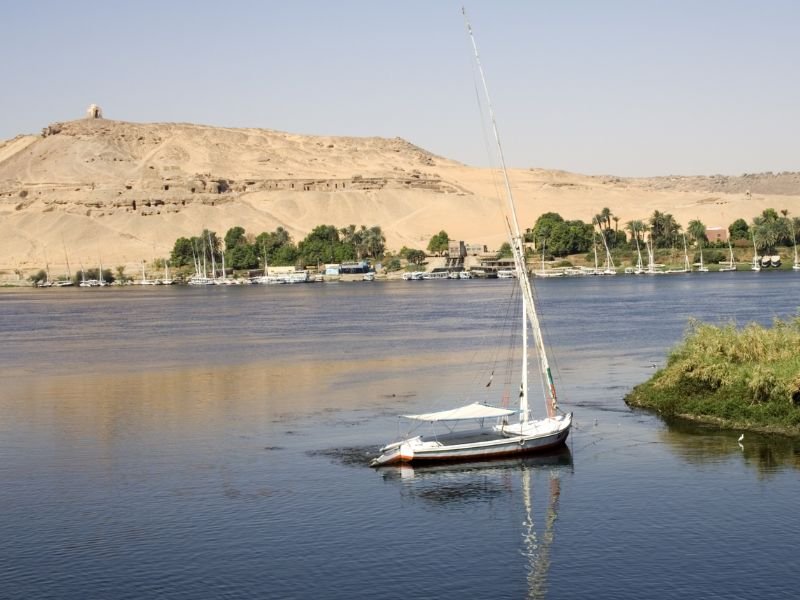
Traveling by felucca, a traditional wooden sailboat, along the Nile River is one of the most serene and unique ways to experience Egypt. Feluccas are commonly used for short trips around cities like Aswan and Luxor, offering a peaceful alternative to more conventional modes of transport. For longer journeys, luxury river cruises between Luxor and Aswan provide an elegant way to explore ancient temples and tombs, with the comfort of modern amenities.
- Timeless Travel: Sailing the Nile on a felucca or a luxury cruise offers a tranquil experience steeped in history, allowing you to connect with the landscape in a way that’s both traditional and timeless.
Cairo Metro: Navigating the Capital
The Cairo Metro is an efficient and cost-effective way to travel around the city, particularly for avoiding the infamous Cairo traffic. The metro system is clean, safe, and serves key areas of the city, including downtown Cairo and Giza. It’s an especially useful option for getting to popular tourist sites like the Egyptian Museum and the Pyramids of Giza.
- Modern Efficiency: The metro provides a quick and affordable way to navigate Cairo, offering relief from the city’s often congested streets.
Domestic Flights: Fast Travel Across the Country
For those looking to cover large distances quickly, Egypt’s domestic flights are the best option. Airlines like EgyptAir operate regular flights between Cairo and other major destinations such as Luxor, Aswan, Hurghada, and Sharm El Sheikh. This option is particularly useful for travelers with limited time who want to see as much of the country as possible.
- Speed and Convenience: Domestic flights are the fastest way to travel between Egypt’s major cities, making it easy to explore the country’s diverse regions in a short amount of time.
Unique Travel Experiences in Egypt
Desert Safaris: A Journey into the Wild
Embarking on a desert safari in Egypt offers an exhilarating adventure through some of the world’s most iconic landscapes. Off-road vehicles, often 4x4s, are the preferred mode of transportation for exploring the vast expanses of the Sahara and Western Desert. These rugged vehicles can tackle the challenging terrain, allowing you to experience the shifting sands, towering dunes, and the stark beauty of the desert up close. Along the way, you might discover ancient oases, hidden valleys, and even remnants of prehistoric civilizations.
- Thrill of the Desert: The adrenaline rush of driving through the endless desert, combined with the serene beauty of the surroundings, makes this an unforgettable experience.
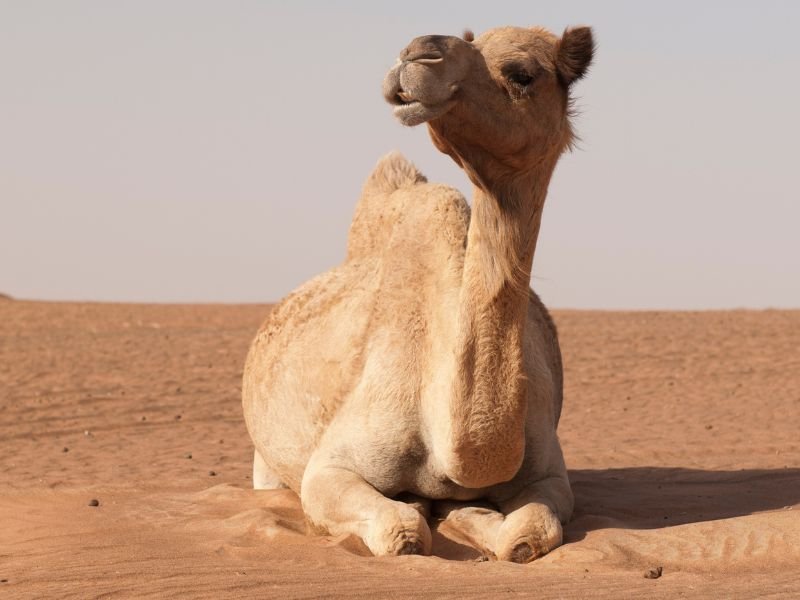
Camel Treks: Traditional Journeys in Desert Landscapes
For a more traditional approach, camel treks offer a slower, more meditative journey through the desert. Riding a camel across the golden sands provides a deep connection to the ancient ways of life that have persisted in these regions for millennia. Whether it’s a short trek around the pyramids or a longer journey through the desert, camels offer a unique perspective, allowing you to appreciate the vastness and tranquility of the landscape.
- Timeless Adventure: Camel treks bring you closer to the desert’s rhythm, offering a peaceful, almost spiritual, experience as you traverse the sands at a leisurely pace.
Horse-Drawn Carriages (Hantours): A Blend of Tradition and Modernity
Use in Cities like Luxor and Aswan
In cities like Luxor and Aswan, horse-drawn carriages, known as hantours, offer a charming way to explore the historical streets and vibrant marketplaces. These carriages are a throwback to a bygone era, allowing you to soak in the sights at a relaxed pace. As you clip-clop through ancient streets lined with temples and traditional houses, you’ll feel as though you’ve stepped back in time.
- Charming Exploration: The gentle pace of a hantour ride lets you take in the details of your surroundings, offering a leisurely way to experience the historical richness of cities like Luxor.
Designing an Egypt Trip Around Its Transport
If you love the idea of how you move being part of the story, Egypt is a dream playground. The country is basically a living museum stitched together by trains, buses, feluccas, taxis, metros, camels, and battered old minibuses that should’ve retired sometime in the 90s.
Most people plan Egypt around sights: pyramids, temples, tombs. You can flip that around and design it around journeys instead. Let the modes of transport become the spine of your itinerary, with stops layered in along the way.
Here’s a simple way to think about the main travel corridors and how you might tackle them:
| Route | Classic Mode | Slower, Local Feel | Fast-Track Option |
|---|---|---|---|
| Cairo ↔ Giza / Saqqara | Taxi / Uber | Metro + taxi, microbus | Private driver |
| Cairo ↔ Alexandria | Train | 2nd class seats | Private car / transfer |
| Cairo ↔ Luxor / Aswan | Sleeper train | Bus | Domestic flight |
| Luxor ↔ Aswan | Train | Felucca / cruise | Private car |
| Aswan ↔ Abu Simbel | Tour bus / minibus | 4×4 convoy | Flight (limited) |
| Oases / Western Desert | 4×4 jeep | Camel on short sections | — |
Cairo: Surviving (and Enjoying) the Transport Chaos
Cairo is where most people land, and it’s also where new arrivals usually have their first “What on earth is happening on this road?” moment. The traffic looks like pure anarchy, but there is a rhythm to it.
Getting Around with the Cairo Metro
If you want to experience the city the way locals do, the metro is the easiest entry point.
- It’s cheap, frequent, and relatively straightforward once you’ve stared at the map for a few minutes.
- Women-only carriages are usually found near the middle of the train and can feel more comfortable during rush hour.
- The metro works well for reaching central districts and connecting to taxis for the last few kilometres.
It’s an excellent way to escape standstill traffic and get a feel for everyday Cairo without being stuck in the back of a taxi, inhaling exhaust fumes.
Taxis and Ride-Share: When You Need Door-to-Door
At some point, you’ll need to surrender to the roads.
Taxis and ride-share apps are your best bet for:
- Early-morning pyramid runs
- Late-night returns from downtown
- Hopping between scattered sights like the Citadel, Coptic Cairo, and Islamic Cairo
A few ground rules keep the stress levels in check:
- For old-school taxis, agree a fare before you get in. If the driver insists on the meter, make sure it’s actually running.
- Ride-share apps are great when you’re tired of negotiating and just want a set price.
- Have your destination written in both English and Arabic, or pinned on your map offline.
In the middle of Cairo chaos, that moment when your driver threads your car between two buses without even slowing down will either make your heart stop or make you grin. Sometimes both.
Walking Where It Makes Sense
Cairo isn’t a city you stroll across from end to end, but there are pockets where walking is perfect:
- The alleyways of Islamic Cairo around Khan el-Khalili
- The riverfront promenades in the evening
- Historic quarters in the old downtown with their fading Art Deco and colonial facades
Use transport to jump between neighbourhoods, then slow down to human pace once you’re there. That combination lets you survive the madness and still actually see things.
Cairo to Upper Egypt: Sleeper Trains, Buses, or Flights?
Sooner or later the big question hits: how do you get from Cairo to Luxor and Aswan?
This is the stretch where your choice of transport really shapes the feel of your trip.
Sleeper Trains: The Classic Overland Journey
Sleeper trains between Cairo–Luxor–Aswan are the stuff of overland travel legend. They’re also more functional than glamorous.
Expect:
- Compact bunk beds, a small washbasin, and a tiny corridor where everyone shuffles past each other sideways.
- Nighttime departure, early-morning arrival, with the countryside only visible in snatches at dusk and dawn.
- A mix of locals and tourists, ranging from wide-eyed first-timers to people who clearly do this every week.
You’re not taking this train for a five-star experience. You’re taking it because:
- You combine transport and accommodation into one night.
- You share a moving metal tube with strangers, which is where half the travel stories come from.
- You wake up in Upper Egypt instead of an airport terminal.
Bring earplugs, a light sweater, and your own snacks, and treat the whole thing as a rolling sleepover.
Day Trains and Buses: When Nights Are for Sleeping in Beds
If the idea of trying to sleep on a moving train sounds like torture, day trains and long-distance buses give you other options.
- Day trains let you watch the Nile-side villages, farms, and desert outskirts slide by in real time.
- Buses can be surprisingly comfortable if you go with a decent company; just expect air-con that alternates between “arctic” and “off”.
These work well if:
- You’ve already had one long night-bus or night-flight and your body is quietly plotting revenge.
- You’re on a slower schedule and don’t mind burning daylight on the road.
A bonus: day travel gives you a better sense of just how much of Egypt exists beyond the famous temples and pyramids.
When Flights Are Worth the Splurge
Some days, the best travel decision is admitting you’re human.
A domestic flight makes sense if:
- You’re on a short itinerary (under 7–8 days) and you’d rather use your energy on temples and tombs than on the logistics of moving between them.
- You’re arriving on a red-eye into Cairo and don’t trust yourself with another overnight mode of transport straight away.
- You’re finishing in the Red Sea and want to jump straight from ancient statues to a beach lounger.
Think of flights as your “pressure release valve”: something you can plug into your itinerary when overland travel starts to feel more exhausting than fun.
How to Choose: A Simple Decision Matrix
If you’re stuck between options, this quick grid helps clarify things:
| Priority | Best Choice |
|---|---|
| Tight budget | Sleeper train or bus |
| Tight schedule | Flight one way, train the other |
| Max local flavour | Sleeper train + felucca segment |
| Motion sickness | Flight or shorter daytime segments |
| Photography | Day train or bus, not overnight |
You can also mix: take the sleeper train down, fly back, or vice versa. The point isn’t to be “pure”. It’s to keep yourself sane.
The Nile as a Highway: Feluccas, Cruises, and Everything Between
The Nile isn’t just a river; it’s the original motorway of Egypt. How you move along it changes how you experience the country.
Short Felucca Rides: Easiest Taste of the River
In Aswan and Luxor, you’ll see feluccas skimming past all day long.
A short ride is perfect when:
- You want sunset colours and city views without committing to an overnight.
- You’re travelling with kids or people who just want a gentle sail and some photos.
- You’re already booked on a longer cruise but still want the traditional sailboat experience.
Keep small bills handy for tips, ask the price up front, and don’t be afraid to say no politely if someone’s being pushy.
Overnight Feluccas: Slow and Simple
If you’re craving something more stripped-back:
- Expect mattresses on the deck, blankets, a low canopy, and basic meals cooked on board.
- There’s no ensuite bathroom, no power points, and no fancy buffet.
- Nights are for campfires on the riverbank, wild stories, and absurdly bright stars.
This isn’t for everyone. But if you’re happy to trade comfort for unforgettable atmosphere, a 24-hour felucca float between river villages can easily become the highlight of the trip.
River Cruises: A Moving Hotel Between Temples
At the other end of the spectrum are the Nile cruises between Luxor and Aswan:
- Comfortable cabins, predictable meals, a bar on deck, and a pool you’ll actually use.
- Schedules built around temple stops: Karnak, Edfu, Kom Ombo, Philae.
- Sunsets from a lounger instead of a deck mattress.
You’re less exposed to the elements and the chaos, but you also see more in less time. For some travellers, especially on their first big trip, that trade-off is worth it.
A nice compromise is doing a cruise and a short felucca ride. One for comfort, one for romance.
Desert and Village Transport: 4x4s, Camels, Donkeys, and Hantours
Once you step away from the Nile corridor, transport gets more interesting and more specialised.
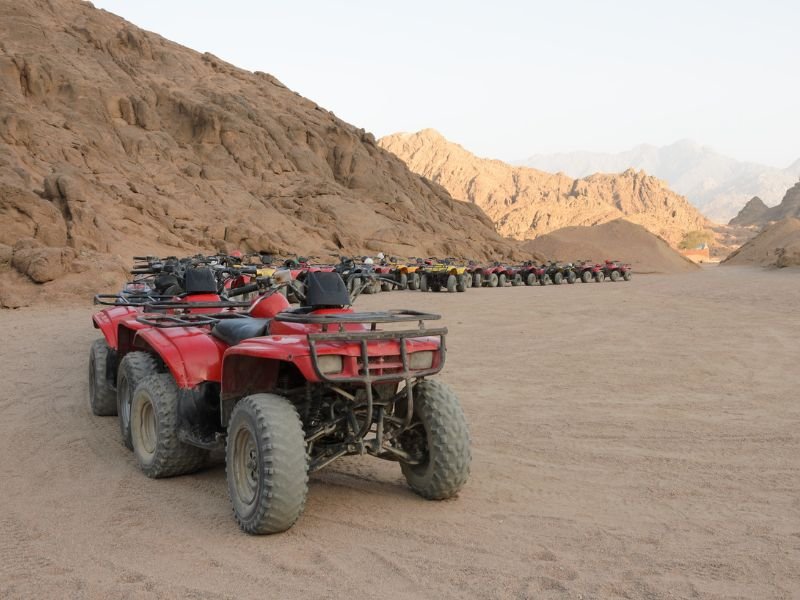
4x4s and ATVs: Western Desert and Sinai
For the White Desert, Siwa, or parts of Sinai:
- 4×4 vehicles are your lifeline in landscapes where regular cars would just sink into the sand.
- Trips often run in convoys, which sounds dramatic but is mostly about safety and backup in case one vehicle has issues.
- Seats are usually bench-style in the back; you’ll be gripping metal bars and grinning as you bump over dunes.
Combine them with:
- Nights in simple desert camps
- Sunrise over chalk formations or dunes
- Silence so intense you can hear your own heartbeat
It’s one of those experiences that sticks in your chest long after the dust washes off.
Camels and Donkeys: Using Them Well
Camels around the pyramids and donkeys in the countryside can be incredible, or they can feel exploitative and miserable. A few things shift the balance:
- Look at the condition of the animal: body, hooves, harness. If something feels off, choose another operator.
- Agree the exact route, price, and duration before mounting. “Around the pyramids” can mean very different things to different people.
- Keep rides short in extreme heat, especially in the middle of the day.
- Tip the handler fairly if they’ve treated both you and the animal with respect.
Used thoughtfully, animal-based transport connects you with older rhythms of Egyptian life rather than just offering a photo prop.
Hantours in Luxor and Aswan
Horse-drawn carriages still roll through parts of Luxor and Aswan.
They’re best at:
- Evening loops along the corniche when the air cools and families come out to stroll.
- Short hops between central sights when your legs are done but you don’t want to disappear back into a vehicle with air-con and tinted windows.
Again, check on the condition of the horse and negotiate clearly. If something doesn’t feel right, you’re never obligated to say yes.
Essential Questions About Getting Around Egypt: Honest Answers, Local-Style Transport Tips & Planning Advice
How many days do I need in Egypt if I want to experience trains, feluccas and the desert without rushing?
It depends. If you only have a week, you can still squeeze in Cairo, a sleeper train south, a short felucca sail and maybe one desert outing, but it will feel full-on. With 10–12 days you can do it properly: Cairo and Giza, a train or flight to Luxor and Aswan, a Nile segment by felucca or cruise, plus at least one night in the desert. If you’re dreaming of slow travel, two full weeks gives you time to build in rest days, wander markets, linger in cafés and actually enjoy the journeys instead of watching the clock the whole time.
Is it safe to use trains, buses and the Cairo metro as a visitor in Egypt?
Mostly, yes. The big intercity trains, long-distance buses and the Cairo metro are what ordinary Egyptians use every day, and as a visitor you’re just slotting into that existing system. You still need basic street smarts: keep valuables zipped away, avoid flashing expensive gear unnecessarily and be extra aware in crowded stations at rush hour. I also like to check recent travel advisories before a trip to understand any regional issues, then pair that with on-the-ground common sense. For most travellers, the biggest “risk” is tiredness, not danger.
Should I book Egypt sleeper trains in advance or can I just show up?
If you care about a specific date, absolutely book in advance. Sleeper trains on the Cairo–Luxor–Aswan route are popular with both tour groups and independent travellers, and they do sell out, especially around peak seasons and holidays. Booking a few weeks ahead through a reputable agency or at a station ticket office saves a lot of last-minute stress. If your schedule is flexible and you’re travelling outside busy periods, you can sometimes grab tickets closer to departure, but I wouldn’t build a tight itinerary around the idea of just rocking up and hoping for the best.
What is the best way to travel between Cairo, Luxor and Aswan: train, bus or flight?
There isn’t a single “best” way; it’s about your priorities. Sleeper trains are great if you want that classic overland experience and don’t mind a slightly rough night in exchange for saving on a hotel. Day trains and decent long-distance buses work well if you prefer to actually see the Nile Valley landscapes and arrive in time for a proper sleep in a bed. Flights win on speed and energy: they cost more, but if you’re on a short trip or coming off a red-eye into Cairo, flying can be the difference between enjoying the temples and sleepwalking through them.
Are felucca trips on the Nile safe and comfortable, and should I do an overnight or just a sunset sail?
Short answer: both can be great if you pick the right operator. A one- or two-hour sunset ride is the easiest option: you get the breeze, the skyline and the golden light without committing to basic facilities. Overnight feluccas are more rustic and feel like camping on the river; mattresses on deck, simple meals, campfires on the bank and starry skies instead of hotel lights. Safety-wise, I always check that the boat isn’t overloaded, the crew feels professional and life jackets are available. If you’re nervous, start with a sunset sail and treat an overnight as a bonus rather than a must-do.
Are Nile river cruises worth the cost compared with more local transport?
Usually, yes, as long as you’re honest about what you want. Cruises between Luxor and Aswan are less “local bus” and more “moving hotel”, which means comfortable cabins, scheduled temple stops and no need to juggle taxis, bags and timetables. You lose a bit of spontaneity and raw atmosphere compared with an overnight felucca or hopping on local trains, but you gain energy, predictability and a soft landing at the end of hot sightseeing days. My favourite combo is a cruise for the heavy lifting and a short felucca ride for the traditional feel.
What is it really like to ride a camel or donkey in Egypt, and how do I do it ethically?
Honestly, it can be magical or awful, depending on how it’s done. A short, slow camel loop near the pyramids or a gentle donkey ride in the countryside can feel like stepping into an older version of Egypt, especially if the handler treats both you and the animal with respect. The flip side is overworked animals, hard whips and confusing pricing. I always look at the animal’s condition, ask clear questions about the route and price before I get on, keep rides short in extreme heat and walk away if something feels off. Paying fairly for good treatment is the best way to support the operators trying to do it right.
How do taxis, Uber and Careem work in Egypt and which is better for travellers?
In big cities you’ll usually have all three in play: classic taxis, ride-share apps like Uber and Careem, and sometimes private-hire cars arranged through hotels. Old-school taxis are easy to flag but can involve haggling and guessing; you want to agree on a price or insist on the meter before the car moves. Ride-share apps take away most of that anxiety with fixed pricing and GPS, which is a blessing in Cairo traffic when you’re tired or new in town. I tend to use the metro for obvious jumps, ride-share for door-to-door and only grab street taxis when I know roughly what the fare should be.
Can I design an Egypt itinerary around local transport if I’m travelling with kids or older parents?
Absolutely. You just need to be realistic about pace and comfort. Trains, metro and ride-share are perfectly doable with families, and kids often love the novelty of things like feluccas and sleeper cabins. Where I slow things down is in the heat and in long travel days: I’d swap some overnight segments for day trains or flights, build in rest afternoons by the pool and choose shorter felucca sails instead of the most stripped-back options. For older travellers, having a couple of private transfers or a small-group tour sprinkled into a largely independent trip can be the sweet spot.
What is a realistic daily budget for getting around Egypt using these different transport options?
The good news is that transport in Egypt is usually kinder to your wallet than flights and hotels. If you lean into local options like metro, regular trains and buses, you can often cover your daily getting-around costs on a relatively small amount compared to your accommodation and food. Toss in the occasional splurge—a hot air balloon ride, a Nile cruise segment, a desert safari—and your average daily transport spend rises, but the experiences you get back are huge. I like to budget conservatively for everyday rides, then deliberately set aside extra for two or three big “journey moments” that I know I’ll remember.
When is the best season to ride feluccas, take desert safaris and travel by train or bus in Egypt?
For anything outdoors or exposed, shoulder seasons are your friend. From roughly late autumn into early spring you tend to get cooler temperatures, clearer air and more comfortable conditions for feluccas, temple days and overnight trains without the cabins turning into saunas. Desert safaris are far more enjoyable when the sun isn’t at its most brutal and nights are crisp rather than freezing. Summer brings long, bright days but also intense heat, especially in Upper Egypt and the Western Desert, so I treat that period as better for shorter outdoor bursts mixed with more time in air-conditioned spaces.
Will I struggle with motion sickness on buses, trains or boats in Egypt?
Maybe, but you can stack the odds in your favour. Trains are usually smoother than buses, especially on the main Cairo–Luxor–Aswan line, and you can often pick seats in the middle of the carriage where sway feels less dramatic. On buses I avoid reading, sit where I can see out the front or side and keep a bottle of water and light snacks handy. Feluccas and larger Nile boats move gently compared with ocean ferries, so many people who usually get seasick are surprised by how fine they feel. If you know motion sickness is your nemesis, chat with a doctor before your trip and pack whatever remedies normally work for you.
Is self-driving in Egypt a good idea for tourists, or should I avoid renting a car?
For most people, I’d say skip it. Traffic in and around Cairo in particular can feel like organised chaos even if you’re used to big-city driving elsewhere, and the mix of older vehicles, varied driving styles, occasional livestock and creative interpretations of lane markings all add layers of stress. On top of that you’ve got local road rules and signage to get used to. Unless you have a very specific reason and are extremely confident driving abroad, it’s usually easier and safer to lean on trains, buses, ride-share, private drivers and tours. You’ll see plenty without having to white-knuckle the steering wheel.
What should I pack specifically to be comfortable on sleeper trains, feluccas and desert trips in Egypt?
Layers. Cabins, river evenings and desert nights can all feel cooler than you expect, while midday sun on a bus or within a carriage can be intense. I always bring a light scarf or buff, a soft eye mask, earplugs, a warm but packable layer, a small power bank, wet wipes and a fabric tote or dry bag to keep essentials together. For feluccas and desert trips, add a sun hat that actually stays on, sunglasses you don’t mind getting dusty, a headlamp or small torch and sandals or shoes you can slip on and off quickly. None of this takes much space, but it makes the “roughing it” parts feel far more enjoyable.
Are there any common transport scams or rookie mistakes in Egypt I should watch out for?
Yes. The most common annoyances are overcharging and creative “extras” rather than anything truly sinister. Taxis quoting sky-high rates, camel or carriage rides that suddenly cost more because the route was “longer”, or someone insisting they have to stop at a specific shop on the way are all classics. The easiest defences are agreeing prices clearly before you start, carrying small bills so you can pay the exact agreed amount and being willing to politely walk away if something doesn’t feel right. The other big rookie mistake is over-packing your days with too many long journeys in a row; building in recovery time keeps small hassles from feeling like big dramas.
Why Transportation in Egypt is Unique
Traveling in Egypt offers a blend of ancient and modern experiences. Whether you’re gliding along the Nile on a traditional felucca, navigating the bustling streets of Cairo by metro, or exploring the country’s historic cities by train, each mode of transportation provides its own unique perspective on this captivating country. The diversity of transport options allows you to tailor your journey, ensuring that your experience of Egypt is as rich and varied as the country itself.
Egypt’s transportation options reflect the country’s unique blend of the old and the new. Whether you prefer the timelessness of a felucca ride on the Nile, the modern convenience of the metro, or the expansive reach of domestic flights, getting around Egypt is part of the adventure. Each mode of travel offers its own insights into the country’s history, culture, and landscape, making the journey as memorable as the destination.
The camel and donkey rides are definitely the ones I am most looking forward to if I ever get to see the amazing Egypt. However a view from the air wouldn’t be so bad as well. Thanks for giving me the heads up! Beautiful post.
I found my 3-hour camel ride in the Moroccan Sahara last year a truly painful experience. But this post actually makes me want to brave the hump again. And definitely the Felucca. Can’t wait to experience Egypt.
LOL, I hear you Jeff! I felt the same way after doing a 5 day safari in northern India.
The Felucca boat sounds awesome but I’d skip the camel. I’ve played that game before and once is all I need. LOL
LOL, they aren’t the most comfortable creatures to ride, are they? I’ve never been around animals that fart so much!
Haha I don’ t think I remember any farting but I do remember a certain nonchalance about defecation and me feeling like I was sliding to the left the entire time. Falling off of one of those has got to suck. I mean just the part where they stand up is enough to make a less brave person pee a little.
I’d love to do a cruise down the Nile in a Felucca … and a camel ride would certainly be fun as well! 🙂
I’d love to try all 5! I’d love to go to Egypt soon 🙂
I don’t know if I would do a Hot Air Ballon ride, but I would definitely travel by camel! Funny thing is, a camel is what got me my first sponsored trip, but I don’t know if it counts as riding one =P
Congrats on scoring your sponsored trip! When I was in India my camel gave me sore legs for several days 😛
Ryan you must do the hot air balloon ride – not sure if you are great with heights but I’m definitely not and I really enjoyed it!
Thanks for the tip about the hot air balloon ride…when we get to Egypt someday I will keep that in mind!
That would be a ‘very’ unique way of experiencing Egypt!
Horses, donkeys, camels, feluccas, trains – all such interesting expeiences in Egypt. Even the busses, driving in convoys, and without lights on during the night) are interesting, if slightly scary. Bikes are great for getting around locally as well, e.g. in Luxor.
Sophie, certainly an abundance of options! I can’t wait to experience Egypt myself 🙂
Great tip about taking a Felucca boat ride instead of a Nile river cruise. I’ve always wanted to cruise down the Nile, but it would be great to do so in a unique way. 🙂
I’d love to try doing it on the Felucca boat as well!
Glad you liked the article! I definitely recommend the local felucca boat – you can do a cruise anywhere but feluccas are only in Egypt!
I love sleeper trains for getting places. Although camels also look like a fun option 🙂
I’m a huge sucker for both as well! I’d take the train over a bus any day.
I never thought about hot air ballooning in Egypt before. That sounds like an amazing idea!
Hot air ballooning is definitely on my bucket list. Doing it in Egypt sounds ideal!
It is an amazing view! You must go 🙂
I want to do the boat ride! How cool!
It was so much fun!
I’ve never even heard of a Felucca boat before – I love learning about new modes of transportation. The hot air balloon ride sounds incredible…how do prices compare to other countries in the region (such as say Jordan, another popular place for hot air balloon rides)?
Hey John! Felucca boats are amazing – they are traditional boats of the Nubian region but you can find them anywhere along the Nile, including Cairo. They are low to the water so you feel more connected with nature (or at least I did). Not sure how the balloon rides compare to other countries but I think mine was around 90US which I didn’t think was bad at all – especially once I saw the view
I would not have thought about taking a boat down the Nile, but that sounds really cool.
It was so much fun! Definitely my favorite part of my trip
Great to know about these! I love camels; had so much fun riding one in Jordan.
Hey Andrea! Glad you liked the article 🙂 Jordan sounds like a beautiful country. Would love to go there one day.
I’d love to go to both Jordan & Egypt. Extensive travel in the Middle East is ‘definitely’ my highest backpacking priority 🙂