
Towering castles, medieval cities, friendly people, and cosy pubs are all medals on the shelf for Ireland, and they continue to draw people to this incredibly diverse island year after year. But perhaps Ireland’s best feature is the vast number of outdoor activities a traveller can enjoy here.
The country is blessed with rolling emerald hills, glistening creeks, roaring waterfalls, mountain lakes, and a dramatic coastline shaped by the thrashing waves of the Atlantic Ocean.
If you’re looking for a place to get out and explore nature and the outdoors, then look no further than Ireland.
In this post, I’m going to share five of the best things to do in Ireland for those who love the outdoors. Let’s get started.
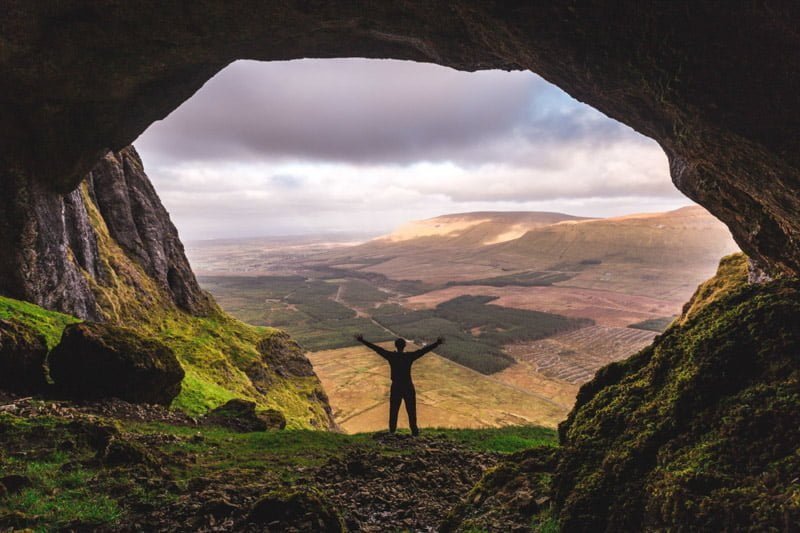
1. Hiking
There’s no question that the hiking in Ireland is some of the best in the world. The landscape is littered with formidable mountains that taunt climbers, while stunning shoreline paths drain camera batteries at an alarming rate.
You don’t have to go far to find amazing hiking and trekking opportunities in Ireland either.
A couple of hours outside Dublin, you’ll find the popular Coumshingaun Lake in County Waterford. The complete ridge circuit is a challenging four-to-five-hour mountain route for experienced hikers, with steep and exposed sections. Less experienced walkers can approach the lake without attempting the entire elevated loop.
If you’re looking to summit something while you’re in the country, then Croagh Patrick in County Mayo might be the climb for you.
Thousands of pilgrims trek towards the summit during Reek Sunday, held on the final Sunday of July. The trail is popular and well travelled, but the upper mountain remains steep, rocky, and vulnerable to rapidly changing visibility.
Once at the top, and assuming the clouds cooperate, you can enjoy breathtaking views over Clew Bay and the surrounding countryside.
And these are just two of the many hikes you can find in Ireland.

2. Fly Fishing
If you’re into fly fishing, then Ireland should certainly be on your fly-angling bucket list. Large salmon run through its rivers, while unusually large and long-lived ferox trout lurk in the depths of several western lakes.
Bring along your best 3-weight fly rods for the smaller creeks and rivers where brown trout may be the target.
You’ll want to bring a heavier setup and seek local advice for the Great Western Lakes and established salmon fisheries such as the River Moy and River Boyne, where much larger fish are possible.
For saltwater fly fishing, head to the Dingle Peninsula, where selected beaches and rocky shoreline areas may offer opportunities to catch pollock, sea bass, and wrasse.
Fishing licences and permits in Ireland depend on the species and the individual body of water. Salmon and sea-trout fishing in the Republic requires a State licence, and a separate local permit or fishery permission may also be required. Brown-trout, coarse, pike, and most sea fishing do not require the same State licence, but access rules and local permits may still apply.
Always check the current rules for the exact river, lake, or coastal area you intend to fish. Salmon waters may be open for harvest, restricted to catch and release, or closed.
Luckily, while Ireland isn’t necessarily one of the cheapest countries in the world to travel, an outdoor-focused trip can still be kept under control by choosing free activities, camping selectively, and avoiding an itinerary that requires a new hotel every night. Which brings me to my next point…
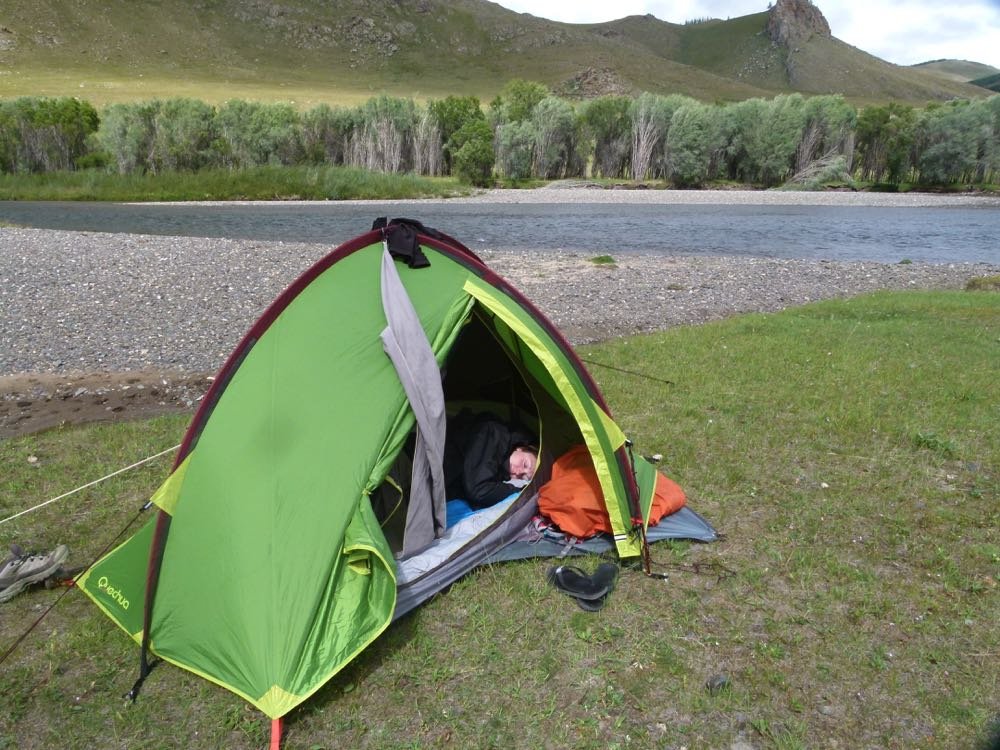
3. Camping
Every outdoor lover enjoys a good campsite, and Ireland has plenty to suit different styles of camping. From campervan and caravan parks to tent pitches, glamping sites, and eco-lodges with campgrounds, you can find a beautiful place to sleep throughout the country.
There are plenty of books and guides to the best campsites around Ireland, so you shouldn’t have a problem finding possible stops. Verify current prices, seasonal opening dates, facilities, and reservation requirements directly with each campground.
The best way to visit Ireland on a camping trip is often to rent your own vehicle and drive around the country with a tent and sleeping gear in the trunk.
Compare the complete cost of renting a vehicle rather than relying on an eye-catching headline price. Insurance, fuel, automatic transmission, airport fees, and peak-season demand can all increase the final bill.
There is no blanket legal right to wild camp wherever the ground appears empty. All land is owned or managed by someone, and you should obtain permission from the landowner or confirm the rules of the relevant park, forest, or public authority before pitching your tent.
Use established campsites whenever possible. Carry out all rubbish, avoid fires unless they are explicitly permitted, keep away from livestock and homes, and leave the ground as you found it.
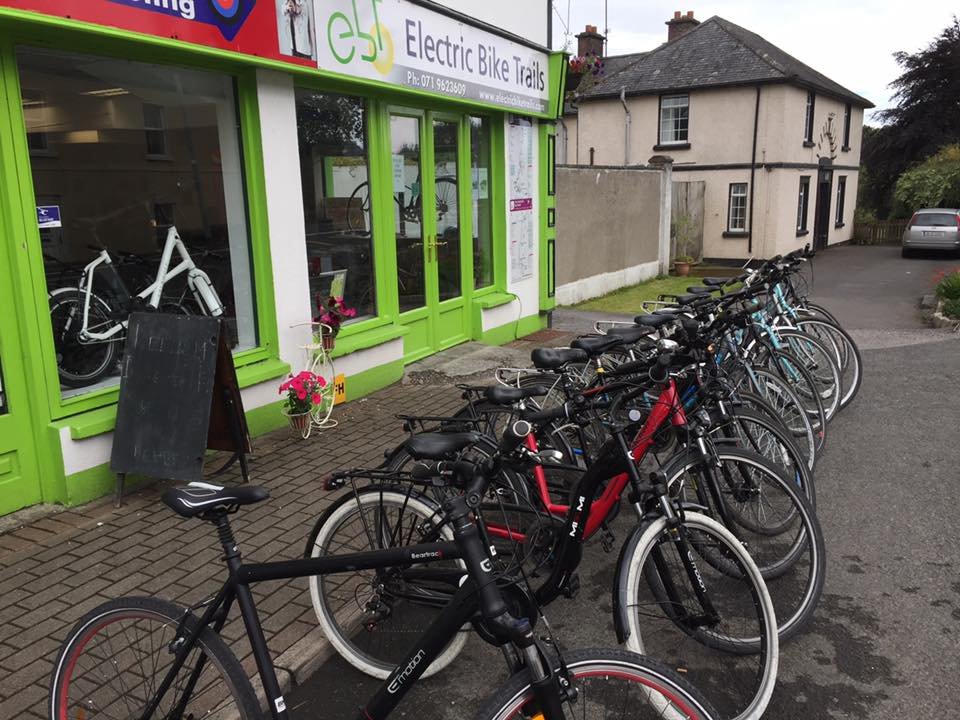
4. Biking
Just as there are plenty of hiking trails around Ireland, so too are there amazing cycling paths. Whether you want to go on a quick day ride or a multi-day cycling adventure, you can do it all in Ireland.
One of the best areas in the country for cycling is around Killarney National Park. There are plenty of tour operators there that can take you out for a day, and you can also head out on the well-marked trails yourself.
See beautiful Lough Leane, elegant Muckross House and Gardens, atmospheric Muckross Abbey, and the multi-tiered Torc Waterfall. You’ll get plenty of opportunities to take photos of the scenery.
Pedal along paved and dirt paths past Muckross Abbey, Lough Leane, and Torc Waterfall, to name a few.
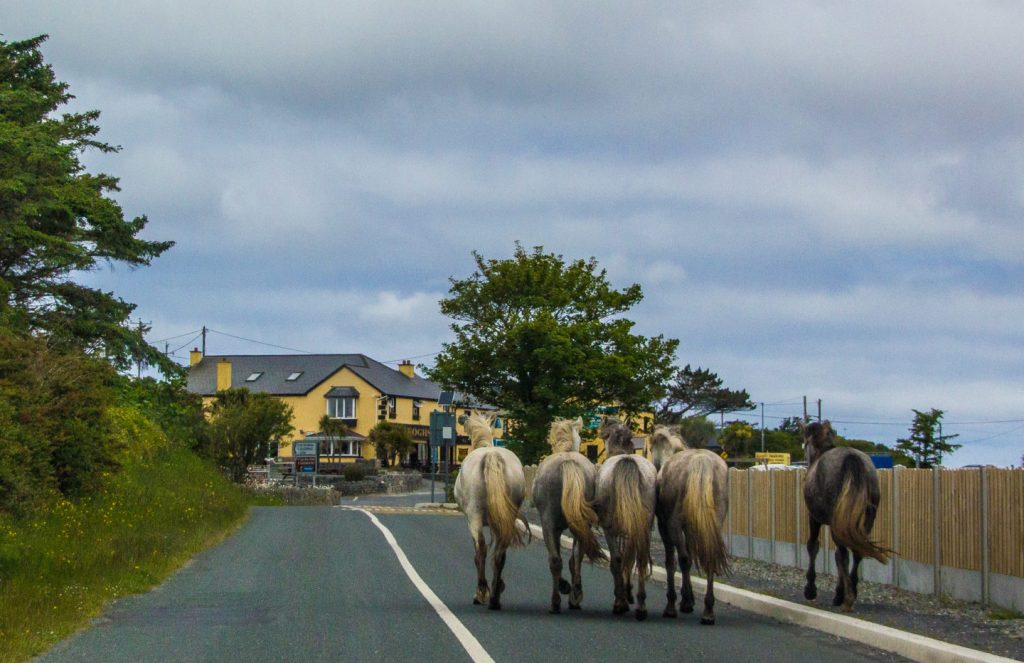
5. Horseback Riding
Ireland has a deep history with horses, but that doesn’t mean you have to be a jockey to have a great time on horseback in the country.
There are many beautiful horse-trekking paths and day rides around the country, particularly near Dingle and Sligo. Ride along beaches, through forests, and past grazing sheep in the farmlands.
You won’t have a hard time finding a horseback tour operator in established riding regions. Advance booking is recommended because availability and routes can depend on rider experience, weather, tides, daylight, and ground conditions.
When to Visit Ireland for the Outdoors
Ireland is a place with unpredictable weather, so if your trip is based on being outside, you should consider the time of year carefully.
For hiking, horseback riding, camping, and cycling, June through early September generally offers the longest daylight and mildest conditions. Rain can still arrive at any time, and fishing seasons depend on the species and specific waterway.
The main drawback is that well-known outdoor regions can become busy during peak summer months.
If you want to avoid the heaviest crowds, consider the shoulder season from late April through May or during the second half of September.
During these times, you are more likely to encounter cooler temperatures and wet conditions, but a dry and sunny day can reward you with quieter trails and cleaner photographs.
In Closing
If you’re looking for an exhilarating outdoor adventure, then Ireland is likely one of the best places to visit.
Spend your days exploring waterfalls, fishing in rivers, and riding horseback, and then wind down in the evening over a delicious pint and a hot Irish stew or a boxty in some of the oldest local pubs.
This is what Ireland is all about. As unforgiving as the weather can be, it can also be brilliant, and the hospitality of the local people far outweighs the hostility of the climate and landscape. If you’re going to Ireland, get ready for an adventure.
Nomadic Samuel’s Outdoor Ireland Planning Guide
The original guest contribution ends above. The planning sections below were added by the Nomadic Samuel editorial team to help turn five appealing ideas into a trip that actually works.
Ireland is easy to underestimate. On a map, it looks compact. On the ground, the roads narrow, the rain begins negotiating directly with your waterproof jacket, and a drive that appeared harmless on Google Maps suddenly includes sheep, tractors, stone walls, and several moments of quiet personal reflection.
My blunt recommendation is to choose one or two outdoor bases and explore them properly. Trying to stitch Killarney, Dingle, Connemara, Sligo, Waterford, and Croagh Patrick into one frantic week produces an impressive route line and a fairly miserable holiday.
Some of the booking links below are affiliate links. If you book through them, we may earn a commission at no additional cost to you.
Where to Base Yourself for an Outdoor Trip
| Base | Best For | Why It Works | Ideal Stay |
|---|---|---|---|
| Killarney | Hiking, cycling, horse riding | National park, lakes, bike rentals, Gap of Dunloe, and plenty of bookable activities | 3–4 nights |
| Dingle | Coastal hiking, cycling, riding | A compact town surrounded by mountain roads, beaches, and headlands | 3–4 nights |
| Westport | Hiking, cycling, fishing, riding | Croagh Patrick, Clew Bay, the Great Western Greenway, and access towards Mayo’s fisheries | 3–4 nights |
| Galway | Connemara tours, hiking, fishing | The strongest western base for travellers using public transport and organised day trips | 3–4 nights |
| Waterford or Dungarvan | Mountain hiking and greenway cycling | Access to Coumshingaun, the Comeraghs, and Waterford Greenway | 2–3 nights |
| Sligo or Strandhill | Hiking, riding, camping | Dramatic mountains and beaches with fewer tour buses breathing down your neck | 3–4 nights |
Killarney: The Easiest All-Round Base
Killarney is not exactly an undiscovered Irish secret. You will not arrive to find the national park waiting exclusively for you while a lone deer poses beside the lake. It is popular because it works.
You can rent a bicycle, walk into Killarney National Park, visit Muckross Abbey, reach Torc Waterfall, arrange a horse ride, and explore the Gap of Dunloe without moving hotels every evening. For a first outdoor trip, that convenience matters.
Compare places to stay in Killarney on Booking.com.
Travellers who prefer to have transport and logistics arranged can also compare outdoor tours and activities in Killarney with GetYourGuide.
Dingle: Coastal Scenery with a Proper Town Attached
Dingle is a strong choice when you want the landscape but are not interested in spending every evening stranded beside a rural road eating crackers from the glovebox.
The peninsula offers coastal walking, narrow cycling roads, beaches, horse riding, and mountain scenery. Then you return to a compact town with restaurants, pubs, and music. Civilisation has its uses.
Find accommodation in Dingle on Booking.com.
Westport: The Multi-Activity Dark Horse
Westport may be the most useful base in this article for travellers who cannot commit to one outdoor obsession.
Croagh Patrick is nearby. The Great Western Greenway begins in town. Clew Bay provides coastal scenery, and established fishing and riding areas are within reach. You can hike one day, cycle the next, and spend the third recovering while pretending the pub was part of your cultural research.
Compare accommodation in Westport on Booking.com.
Galway: Best for Non-Drivers Heading West
Galway is the practical option for travellers who want Connemara without renting a car and immediately testing their nerves on a road the approximate width of a kitchen counter.
Trains and buses connect Galway with other major cities, while organised excursions reach Connemara National Park, Kylemore Abbey, the Burren, and the Cliffs of Moher.
Browse places to stay in Galway on Booking.com.
For a day outside the city without wrestling with rural transport, compare Connemara National Park tours and outdoor experiences with GetYourGuide.
Easy Walk or Serious Mountain Day?
One of the easiest mistakes in Ireland is assuming that a route described as a “walk” must be gentle. Sometimes it is. Sometimes that walk climbs through bog, crosses an exposed ridge, disappears into cloud, and leaves you wondering when exactly the pleasant stroll became a survival-themed hobby.
Before choosing a route, look beyond distance. Check:
- total elevation gain;
- exposure and steep sections;
- whether the trail is marked;
- bog, loose stone, or slippery grass;
- navigation requirements;
- wind and summit visibility;
- and the amount of daylight remaining.
A popular mountain is still a mountain. Croagh Patrick can disappear into cloud. The full Coumshingaun ridge circuit is not the same undertaking as walking towards the lake. Ireland is beautiful, but it has no obligation to behave politely because you booked accommodation months ago.
Ireland’s Greenways: Cycling Without Constant Traffic
I enjoy scenic rural roads in theory. In practice, a blind bend, a stone wall, and an approaching delivery van can quickly make the romance feel administrative.
That is why Ireland’s greenways are such a useful addition. These routes typically follow former railway lines, canal paths, or separated corridors, making them more approachable for families, beginners, and anyone who does not want every bend to become a negotiation.
- Waterford Greenway: countryside, viaducts, tunnels, and coastal scenery between Waterford and Dungarvan.
- Great Western Greenway: a scenic route from Westport towards Achill through the Clew Bay region.
- Royal Canal Greenway: a long-distance route through Ireland’s interior.
- Old Rail Trail: a comparatively level Midlands route suited to relaxed cycling.
Killarney is still the most convenient place to combine sightseeing with a casual day on two wheels. Browse Killarney cycling rentals and outdoor activities with GetYourGuide.
Families looking for gentler outdoor options may also enjoy our guide to easy family hikes and nature walks.
Bringing your own bicycle on the train is possible, but spaces for full-sized bikes are limited on many services. Reserve a bicycle space while booking the rail journey. Turning up with a touring bike and a confident smile is not a transport strategy.
Fishing Licences Without the Headache
Irish fishing rules are not especially complicated once you stop searching for one magical permit that covers the entire country. Unfortunately, that magical permit does not exist.
| Fishing Type in the Republic | State Licence? | What Else May Be Needed? |
|---|---|---|
| Salmon | Yes | Local permit or fishery permission |
| Sea trout | Yes | Local permit or fishery permission |
| Brown trout | No State licence | A local permit may still apply |
| Pike and coarse fish | No State licence | A local permit may still apply |
| Most sea fishing | Usually no | Local access and conservation rules |
The important part is checking the exact water you intend to fish. A river may be open, catch-and-release only, or closed. A State licence may allow you to target a species without granting access to somebody’s private fishery.
For a visitor with limited time, hiring a local guide is not surrender. It is often the difference between fishing legally in productive water and spending six hours enthusiastically casting into the wrong section of river.
Wild Camping: Empty Does Not Mean Public
Ireland has remote valleys, empty-looking fields, and stretches of coast that appear to have been designed specifically for your tent. The awkward detail is that the land still belongs to somebody.
There is no automatic right to wild camp wherever you find an attractive patch of grass. Ask permission or confirm the rules with the park, forest, or public body managing the land.
Established campsites are usually the least romantic option at sunset and the most intelligent option when everything you own is wet the following morning. A sheltered cooking space, hot shower, laundry room, and somewhere to dry clothing can feel more luxurious than a five-star hotel after two days of Atlantic rain.
Booking Horse Riding in Ireland
Ireland offers everything from gentle one-hour treks to serious multi-day riding holidays. Those are not the same product, and optimism is not a recognised riding qualification.
When booking, be honest about your experience. Ask whether the outing includes faster riding, whether helmets and boots are supplied, and whether age, height, or weight limits apply. Beach rides may depend on tides, while mountain routes can change with ground conditions and weather.
Killarney is the easiest place to combine riding with other outdoor activities. Compare guided horse-riding experiences around Killarney with GetYourGuide.
A horse-drawn jaunting car through the Gap of Dunloe is a different experience from riding a horse yourself, but it can be a good alternative for travellers who want the scenery without spending the following morning discovering several muscles they did not know existed.
Compare Gap of Dunloe walking, boat, and traditional transport experiences with GetYourGuide.
Do You Need a Rental Car?
For an outdoor-focused trip, a rental car is close to a superpower. It unlocks trailheads, rural campsites, fishing waters, beaches, and riding centres that public transport may approach only in a philosophical sense.
The downside is real. You will drive on the left, meet roads narrower than expected, and learn that a tractor is capable of setting the pace for an entire afternoon.
Without a car, base yourself in Killarney, Galway, Westport, or Dingle and combine trains or buses with local tours, bicycle rentals, shuttles, and guided activities. You will see fewer remote places. You may also return home with lower blood pressure.
What to Pack for Ireland’s Weather
Forget trying to dress for the season. Dress for the next twenty minutes.
- Breathable base layer: something that dries faster than cotton.
- Warm mid-layer: fleece or light insulation.
- Waterproof shell: a real one, not a fashionable jacket that becomes decorative the moment rain arrives sideways.
- Quick-drying trousers: bog and wet grass are not impressed by denim.
- Footwear with grip: wet rock and mud expose weak shoes immediately.
- Dry storage: protect your phone, camera, maps, and spare layers.
Carry a charged phone, but do not assume every valley has reliable reception. For mountain routes, bring proper navigation and leave your plans with somebody who will notice if you fail to return.
Outdoor Ireland Questions Answered
How many days do you need for an outdoor trip to Ireland?
Seven days is enough for one main region and perhaps a second nearby base. Ten to fourteen days gives you room for bad-weather days, slower drives, and activities that require advance booking. The secret is not seeing everything. It is seeing enough without turning the trip into a damp endurance test.
Is Ireland suitable for beginner hikers and cyclists?
Yes. National-park paths, forest loops, lake walks, and greenways provide accessible options. Just do not assume that every route labelled a walk is gentle. Check elevation, exposure, terrain, and navigation before committing.
Can you enjoy Ireland’s outdoors without renting a car?
Yes, but you need to choose your base carefully. Killarney and Galway are the easiest options because they combine public transport with guided excursions and equipment rental. Westport and Dingle can also work, although reaching more isolated locations becomes harder.
Can you wild camp anywhere in Ireland?
No. Open-looking land is still owned or managed. Use a recognised campsite or obtain permission before pitching your tent. Follow local restrictions and Leave No Trace principles.
Should outdoor activities be booked in advance?
Book ahead for horse riding, guided fishing, equipment rental, bicycle transfers, and popular guided excursions—especially during summer. Independent hikes generally require no reservation, but parking and local access restrictions can still affect your plans.
Final Thoughts on Planning an Outdoor Trip to Ireland
Ireland rewards flexibility more than ambition.
Choose one or two regions. Leave space for bad weather. Understand the difference between an easy walk and a mountain route. Book the activities that genuinely require booking, and resist the urge to engineer every hour of the trip.
Some days the clouds will lift and everything will look absurdly beautiful. Other days you will drink tea in wet trousers and reconsider several recent decisions. Both experiences are authentically Irish in their own way.
The important thing is to get outside without treating the landscape casually. Ireland may be green, friendly, and compact. It is not a theme park. Respect the weather, the access rules, the people who own the land, and your own limitations.
Do that, and the island delivers.
Editor’s note: This article was originally published as a guest contribution. We have preserved the author’s five original activity choices while correcting outdated practical details. A new Nomadic Samuel planning section follows the original article.
Really enjoyed this article. Most Ireland travel blogs focus only on cities and famous landmarks, but I liked that this blog has the best side of the country. The hiking recommendations especially made me want to plan a longer trip instead of rushing between places. Ireland’s landscapes really seem like the kind of place where the journey becomes part of the experience. Thanks for sharing these ideas!
Absolutely loved this post! Perfect picks for nature and adventure lovers – Ireland’s beauty is captured so well. Makes me want to pack my bags right away!
Thank you for sharing this wonderful and well-guided blog! Ireland truly looks like a paradise for outdoor lovers. The breathtaking Cliffs of Moher and the peaceful vibes of Killarney National Park make it even more special. Exploring scenic hiking trails and soaking in nature sounds like a dream. This destination is now at the top of my travel bucket list!
These places are stunning! Thank you for sharing!
Thanks for sharing about things To Do In Ireland For Outdoor Lovers, I am actually planning to explore and visit Ireland, thanks again !!!
This beautifully written piece captures the essence of Ireland’s enchanting landscapes and rich cultural heritage. Your vivid descriptions of the towering castles, medieval cities, and the warm ambiance of cozy pubs instantly transport the reader to the heart of Ireland. What truly stands out is the emphasis on the diverse outdoor activities, from exploring the rolling emerald hills to experiencing the dramatic coastlines. Ireland’s natural beauty, as you’ve described, is indeed its most splendid feature, offering a perfect blend of adventure and tranquility. This post is a wonderful tribute to the alluring charm of Ireland and a great inspiration for travelers!
Thanks for enlighten me with spectacular article. I wish to read more from you.
I love to travel very useful blog thanks for sharing……
The world is full of new things, we have a lot of things to explore, interesting story.
The world is full of adventure, there are many beautiful places to visit.
Very comprehensive and informative! Thanks for sharing this helpful content! Regards
All your blogs are very informative, so I read all your blogs. Thank you for providing such good content
Your knowledge is amazing in your niche. The great information is very useful which you have shared. A very practical guide .
So is the view from Croagh Patrick, what you see from the cave at the beginning of the article?
Ireland is a very beautiful place to visit..I can see through your pictures the place is worth visiting. Being an admirer of great scenery I would love to visit Ireland as soon as the pandemic gets over. Keep Travelling and be safe.
Hi,
I think we all agree that Ireland is one of the best travel destinations in the world, this is my dream to visit Ireland once in my lifetime. Thank You for sharing this information with us!
Sand blasting machine manufacturer’s in India – Portable sand blasting machines manufacturers, sand blasting cabinet for sale, sand blasting hopper price in India. Sandblasting equipment is used to smooth rough surfaces, remove rust or corrosion.
Sand blasting machine manufacturer’s in India, sand blaster price in India – We also offer a grit blasting machine, Sand Blasting Machine, Shot blasting machine, and abrasive media, Sand Blasting Room, Pressure Blasting Cabinet at a low price for Sale.
Would definitely love to do some camping!! Seems a lovely place to do so!!
Thanks for sharing this article with us, it is such beautiful scenery to see in nature, and you look handsome in those pictures.
Awesome blog post to read today.
Hi,
Nice to see the best tours place in Ireland and would like to visit soon.
Thanks for sharing….
Good day! This is my first visit to your blog! Since then I have always loved reading new posts on your site.
Loved reading the way you presented your thoughts in this article.
The Wild Atlantic Way Cycle Route is a must for cyclists. You can do small sections, or the entire route over several months if you’re hardcore enough!
Wow, this is brilliant! Thanks for this amazing compilation.
Thank you for sharing adventures blog.l love to do hiking.
Ireland’s environment looks astonishing and beautiful, It has similar activities that can be done to my hometown except for fishing, I pretty much love hiking and camping, I wish this pandemic will soon pass so I can travel already 🙂 Thank you for sharing such beautiful article about Ireland Samuel Jeffrey. 🙂
what a great post. i love it for sure 🙂 . thanks Sam
Awesome and truly amazing blog. This is very useful and important. Thanks for sharing the blog.
Sam it seems that you had the great experience in Ireland. I would like to appreciate the way you are guiding those who might wish to visit Ireland in the near future. through this article of yours. But surely you might throw some light on the total expenses to be incurred over boarding and lodging and other things that follow.
Thanks Reema! That is some great constructive feedback. Hopefully I’ll write a post soon with an itinerary and expenses in more detail.
I’ve never been much of a camper because the camping locations in my country aren’t exactly something worth boasting of. And if there are some good ones, I prefer the comfort and services of hotels. Does seem like fun when I see you discussing it though. It’s funny I actually had a trip to Ireland planned with family and would have probably tried camping too (which would be a first for the entire family) but then Coronavirus happened.
Thanks Vaibhav! I hope you’ll get a chance to try camping in Ireland once it is safe to do so again.
Great post. I like yours pics, I would like to go there 🙂
Thanks! That is great to hear.
I would love to visit Ireland, and have never thought that Ireland was great for outdoor people. I love hiking and visiting off the beaten path destinations so this blog is right up my ally.
That is great to hear James! There are some beautiful places to hike in Ireland – especially along the coast.
Thanks Nick! This was a great guest post. It sure makes me want to revisit Ireland again soon.
Thanks for having me Sam! You’re a legend. Don’t forget it.
Yesz buddy really after reading this blog…. i tempted to visit this place
Thank you for this lovely post 🙂