
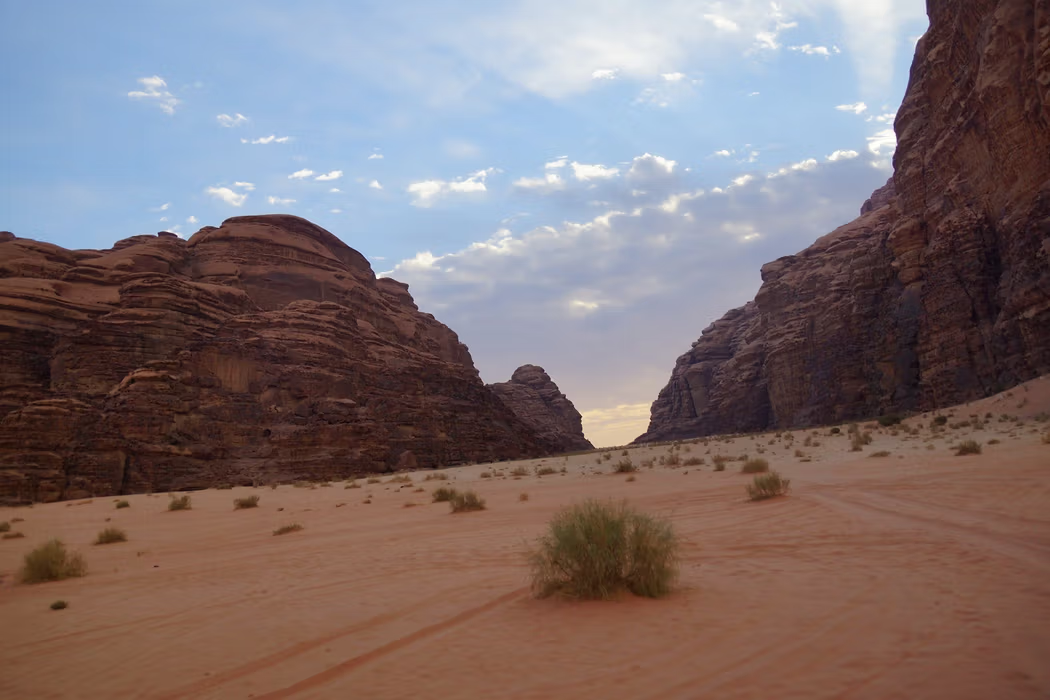
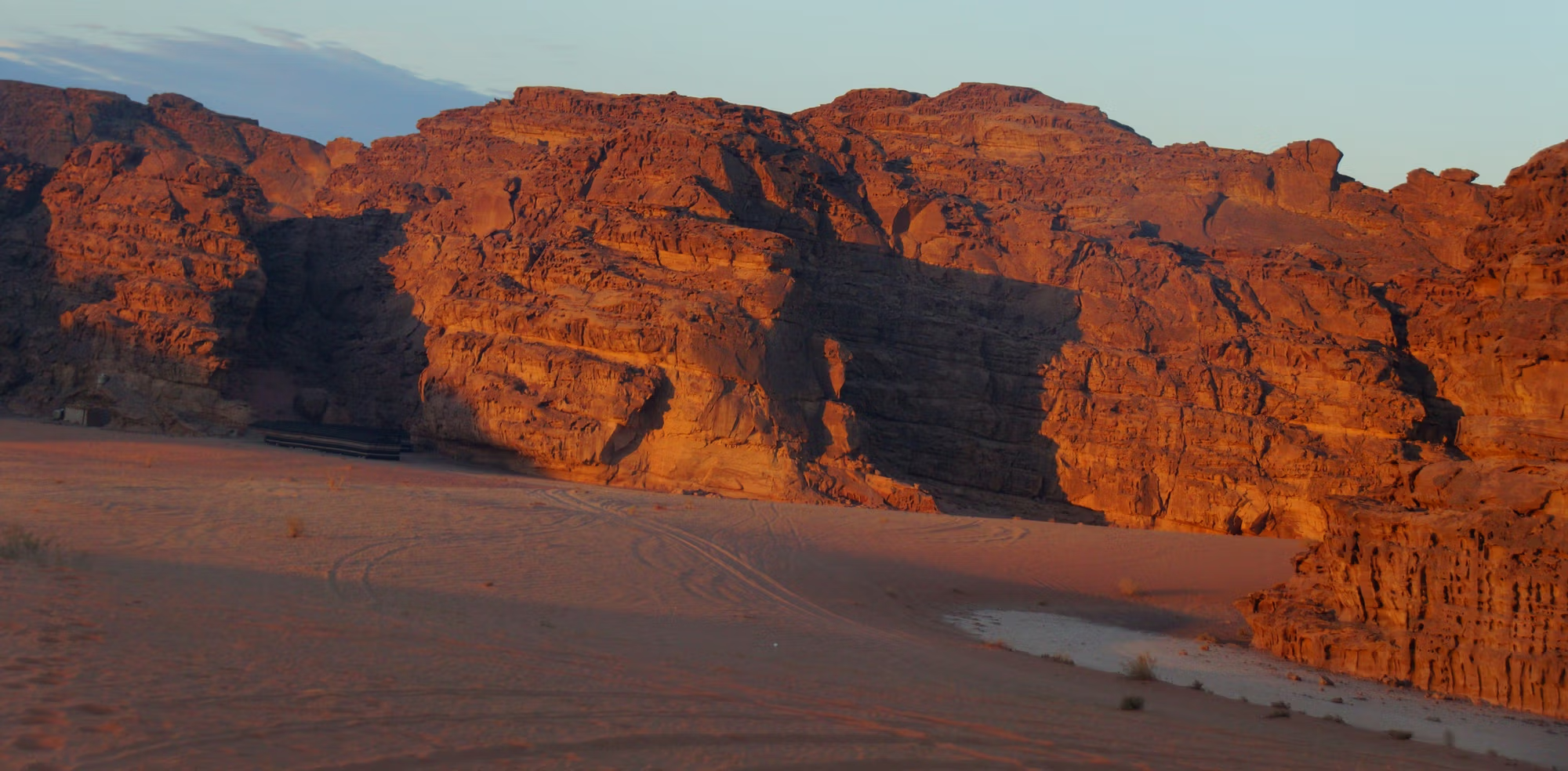
As I walked up a steep hill I took the time to feel the warm sand beneath my toes as I took each step. When I reached the summit, I pivoted and marvelled at the scenery before my very eyes. Panoramic views of jagged rock formations on a bed of sand left a lasting impression. Each rock formation was so distinct it appeared it had been individually hand carved by an artist. I snapped a few photos and then I put my camera down and sat down in awe – some places are just worth the extra attention.
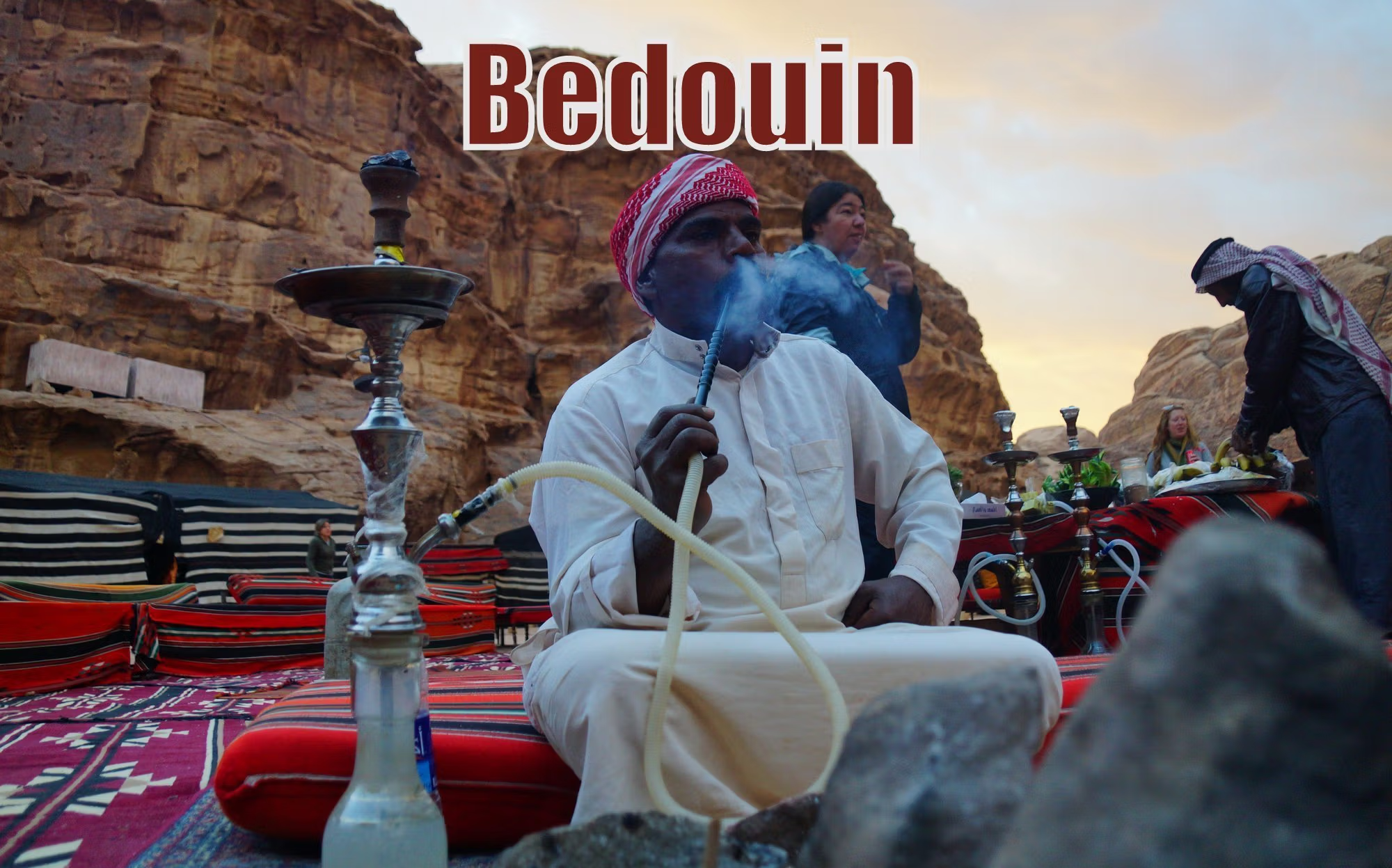
Visiting Wadi Rum was one of the true highlights of our journey to Jordan. Known also as The Valley of the Moon, its name derived from the Aramaic root of ‘elevated’ and has been inhabited by many human civilizations over the years – most notably the Nabateans. Home to the Zalabria Bedouin, the region is one of the most popular eco-adventure tourism spots in all of Jordan. From treks to camel safaris to cultural experiences there is something for everyone to enjoy.
Our most memorable experiences included:
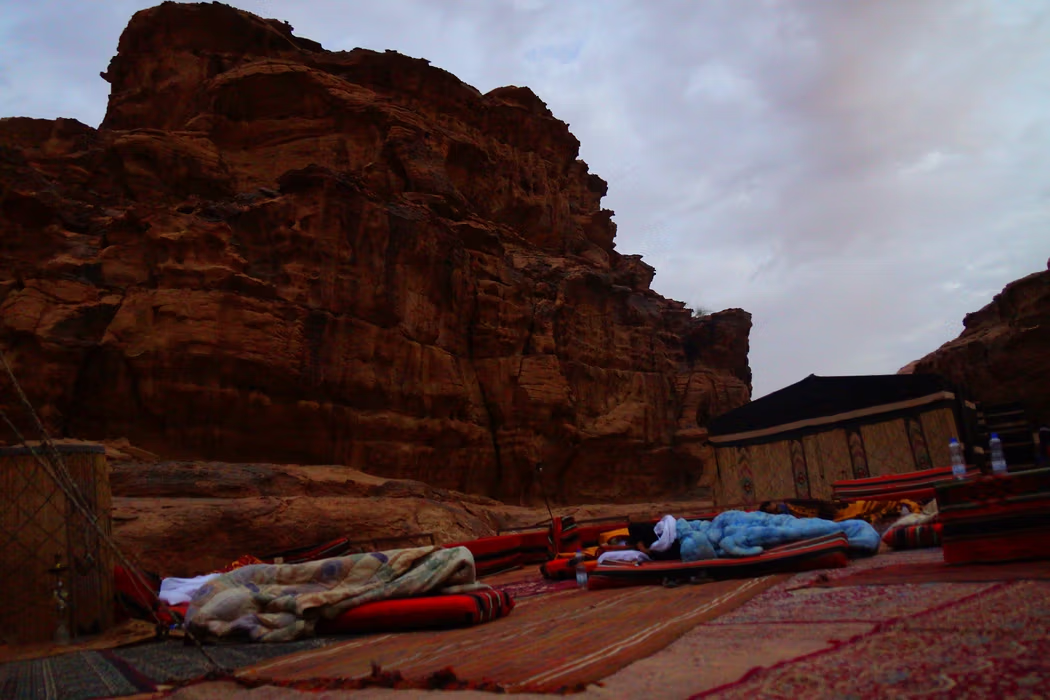
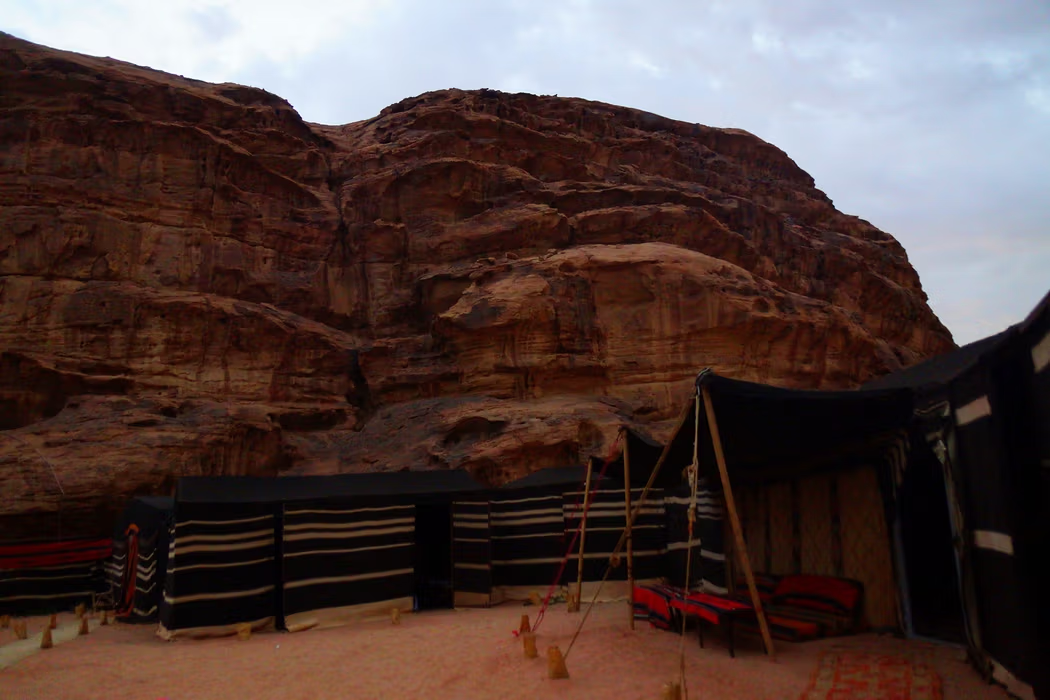
Sleeping in a Bedouin tent at night
Sharing a meal which was cooked under sand
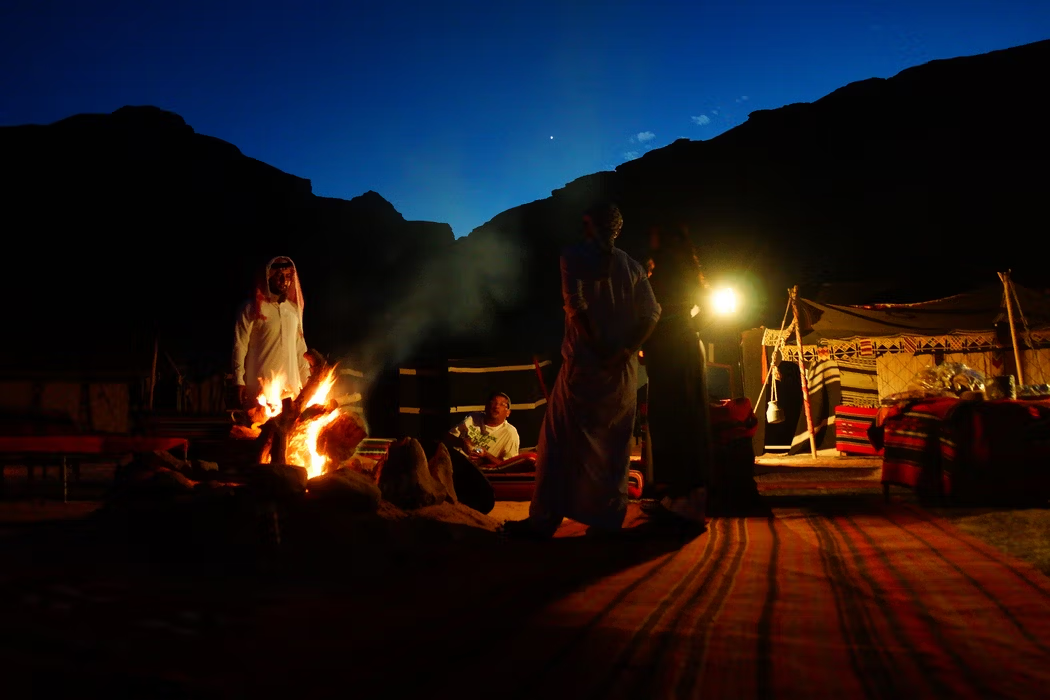
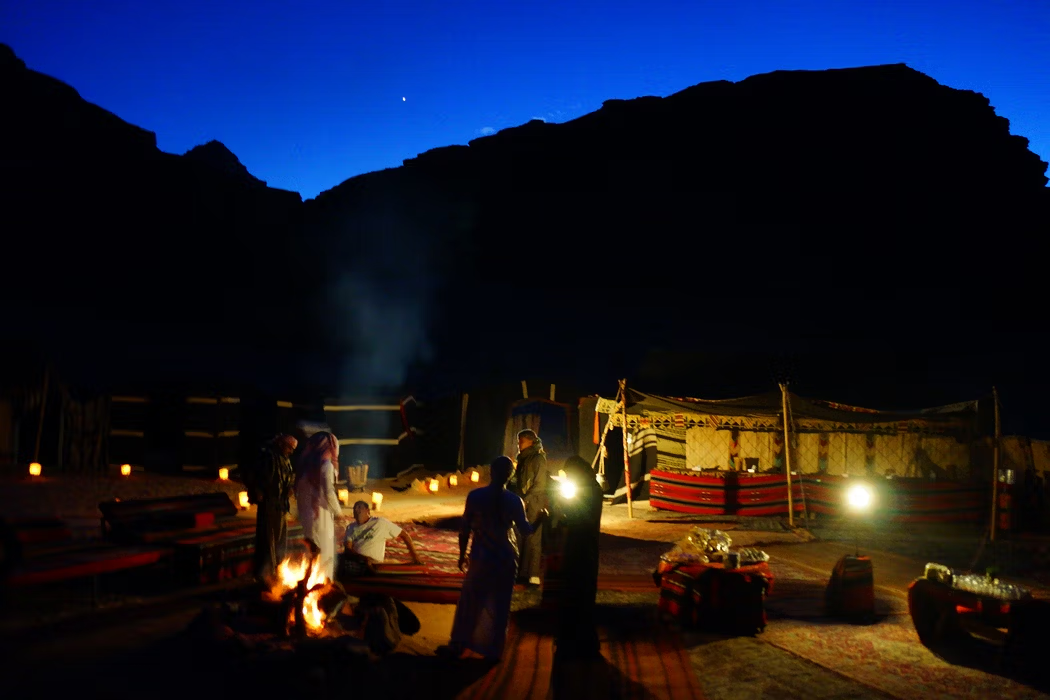
Dancing, singing and lounging by the campfire
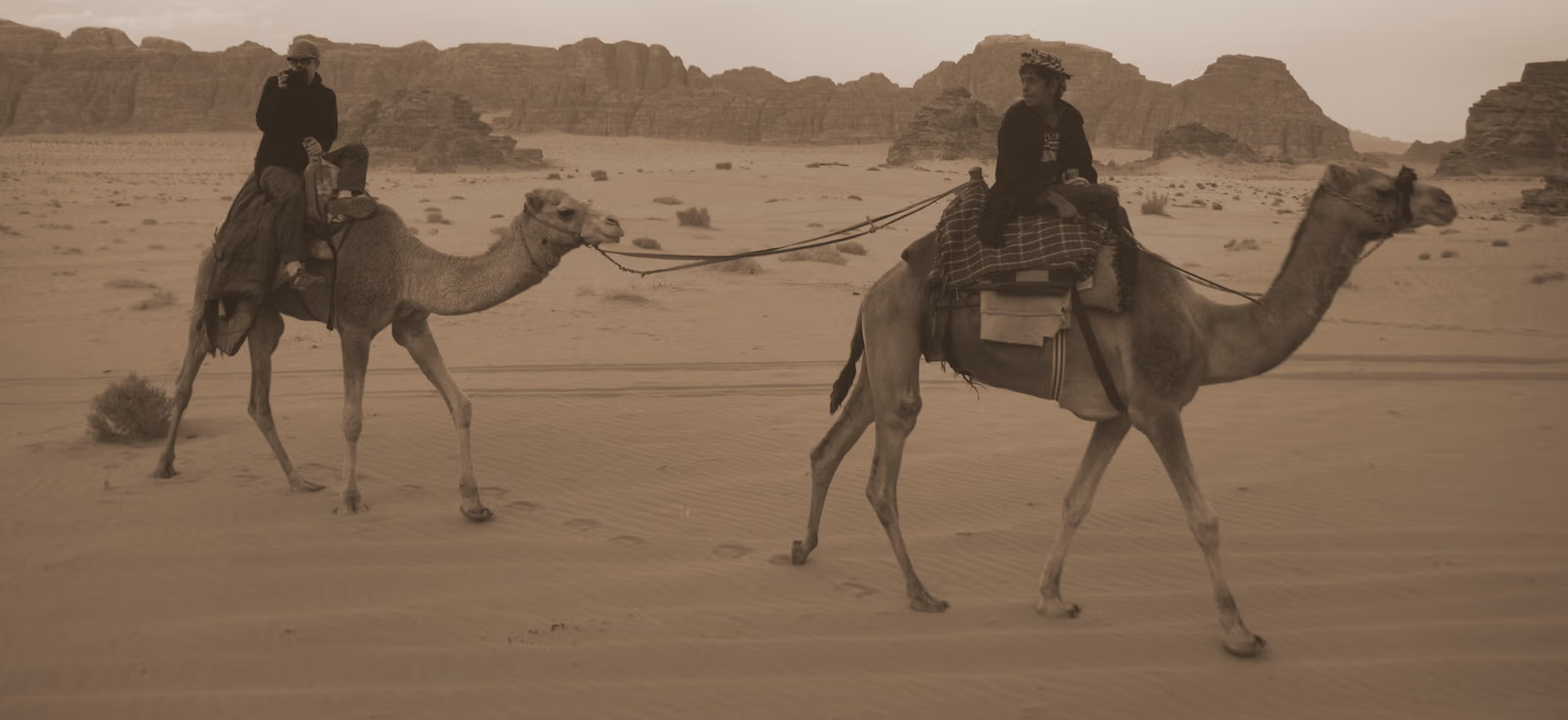
Riding camels
Introduction to Wadi Rum
Among Jordan’s many treasures, Wadi Rum emerges as a crown jewel—a vast, echoing landscape that feels almost otherworldly. Also known as the “Valley of the Moon,” Wadi Rum is a protected desert wilderness in southern Jordan. It’s characterized by towering sandstone mountains, sweeping sand dunes, and ancient rock carvings dating back thousands of years.
The desert’s striking beauty hasn’t gone unnoticed by storytellers and filmmakers. Wadi Rum’s dramatic landscapes have served as the backdrop for numerous films, most notably “Lawrence of Arabia,” which immortalized the desert’s allure on the silver screen. This film chronicles the life of T.E. Lawrence, a British officer instrumental during the Arab Revolt, and his experiences in this very desert.
More recently, Wadi Rum has doubled as the surface of Mars in films like “The Martian” and “Rogue One: A Star Wars Story,” highlighting its alien and timeless qualities. These features captivate both directors and audiences alike.
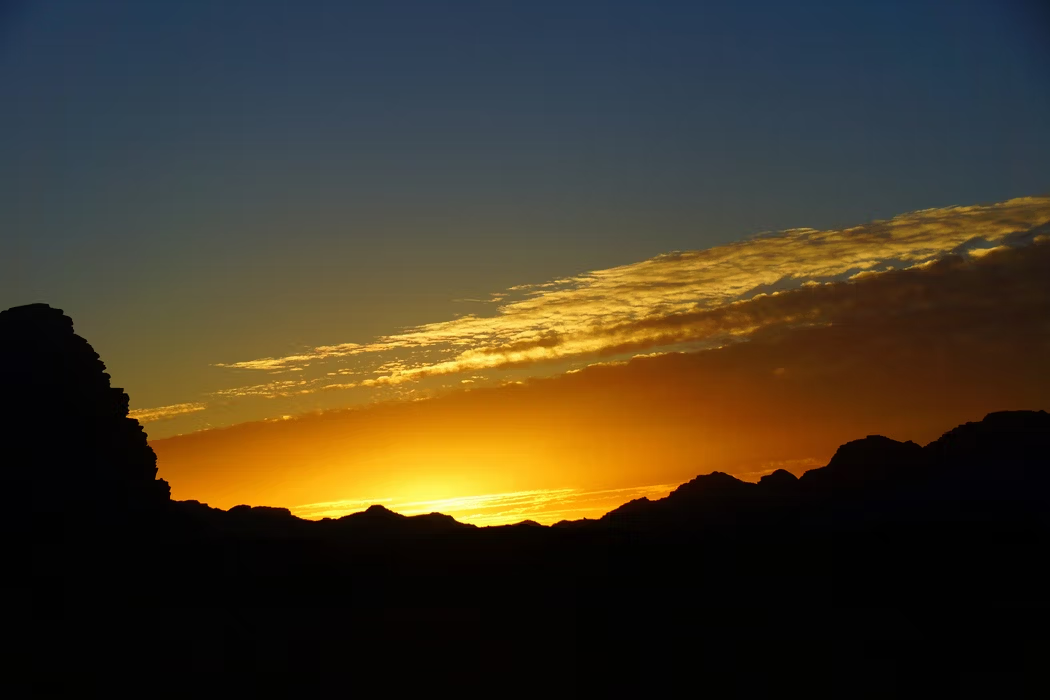
Visitors to Wadi Rum are often struck by the serenity and grandeur of the environment. The shifting colors of the sands and rocks—ranging from deep reds to soft oranges—create a canvas that changes with the movement of the sun. Majestic natural arches, towering cliffs, and narrow canyons invite exploration and adventure.
At night, the sky becomes a tapestry of stars, unblemished by city lights. It offers a celestial spectacle that few places on Earth can match. Stargazing in Wadi Rum is an unforgettable experience, allowing visitors to reconnect with the natural world in a profound way.
The Bedouin Culture
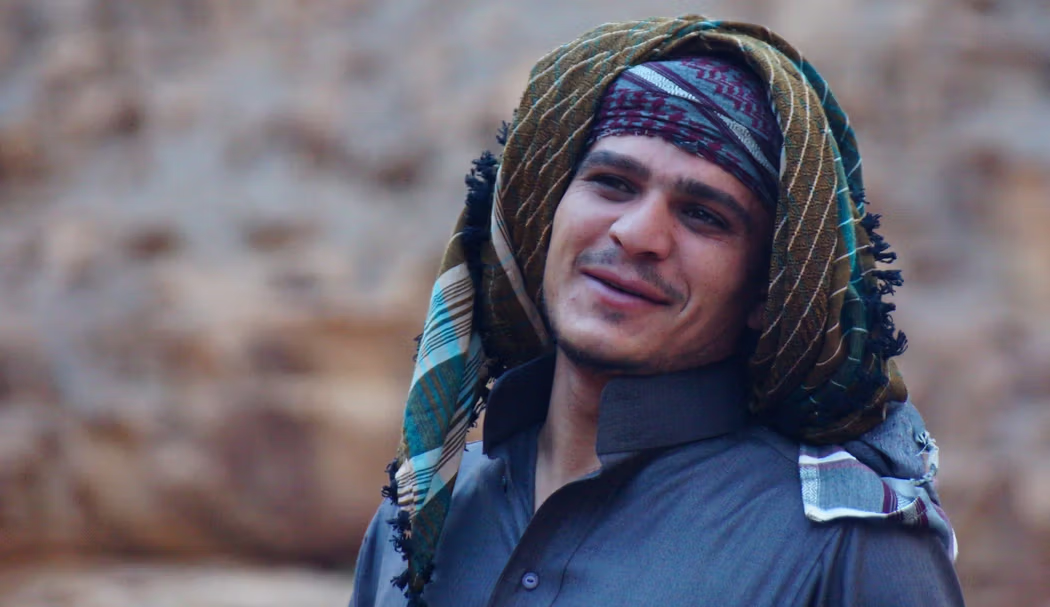
At the heart of Wadi Rum’s enchantment is the enduring presence of the Bedouin people, the desert’s indigenous inhabitants who have called this harsh landscape home for centuries. The Bedouins are a nomadic Arab tribe whose history in the region is steeped in tradition and survival.
Their profound connection to the land is evident in their deep understanding of the desert’s rhythms, weather patterns, and the secrets that allow life to flourish in such an unforgiving environment.
The Bedouins are renowned for their hospitality, a cornerstone of their culture and traditions. In a land where resources are scarce, the practice of welcoming strangers and offering shelter, food, and protection is not just a social nicety. It’s a way of life ingrained in their very identity.
Guests are treated with the utmost respect. Sharing stories over a cup of traditional sweet mint tea or cardamom-spiced coffee is a cherished ritual. This hospitality extends to sharing meals, often featuring traditional dishes cooked over open fires, providing an authentic taste of Bedouin life.
Their history is rich with tales of:
- Nomadic life
- Camel caravans that once traversed vast distances for trade
- A profound appreciation for the simplicity and beauty of desert living
Bedouin traditions are passed down through generations, often through storytelling, poetry, and music, which play significant roles in preserving their cultural heritage. The haunting melodies of the rebab, a traditional string instrument, and the rhythmic beats of drums echo under the starlit skies. They invite visitors to partake in a cultural journey like no other.
Staying in a Bedouin camp provides a unique opportunity to immerse oneself in this ancient culture. It allows travelers to gain insights into their way of life, customs, and the timeless rhythms of desert living.
From learning about traditional handicrafts and camel herding to understanding their sustainable practices and deep respect for nature, engaging with the Bedouin people enriches the journey through Wadi Rum. It leaves lasting memories and newfound appreciations.
Exploring the Wadi Rum Desert
Geography and Landscape
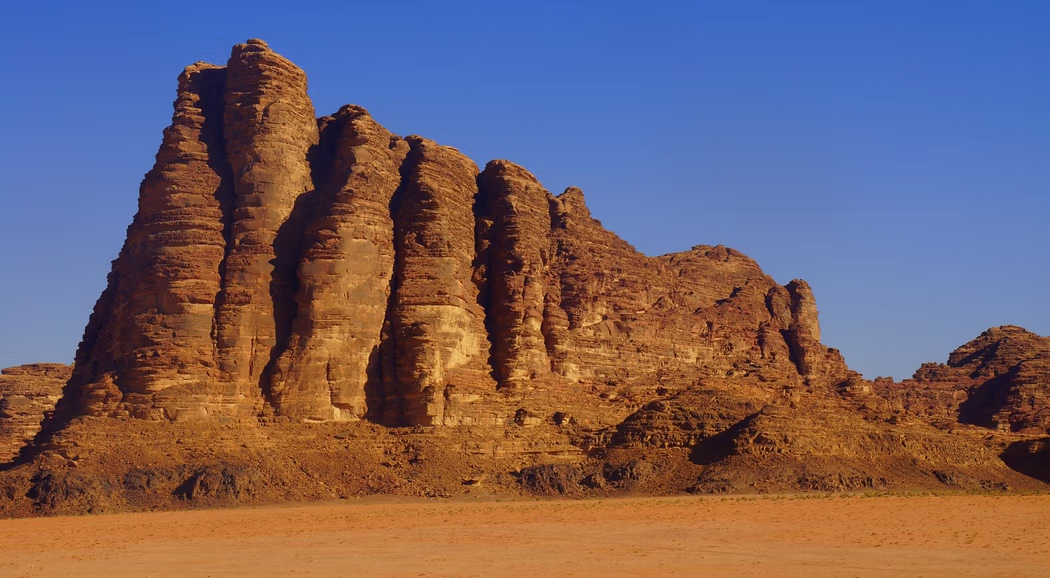
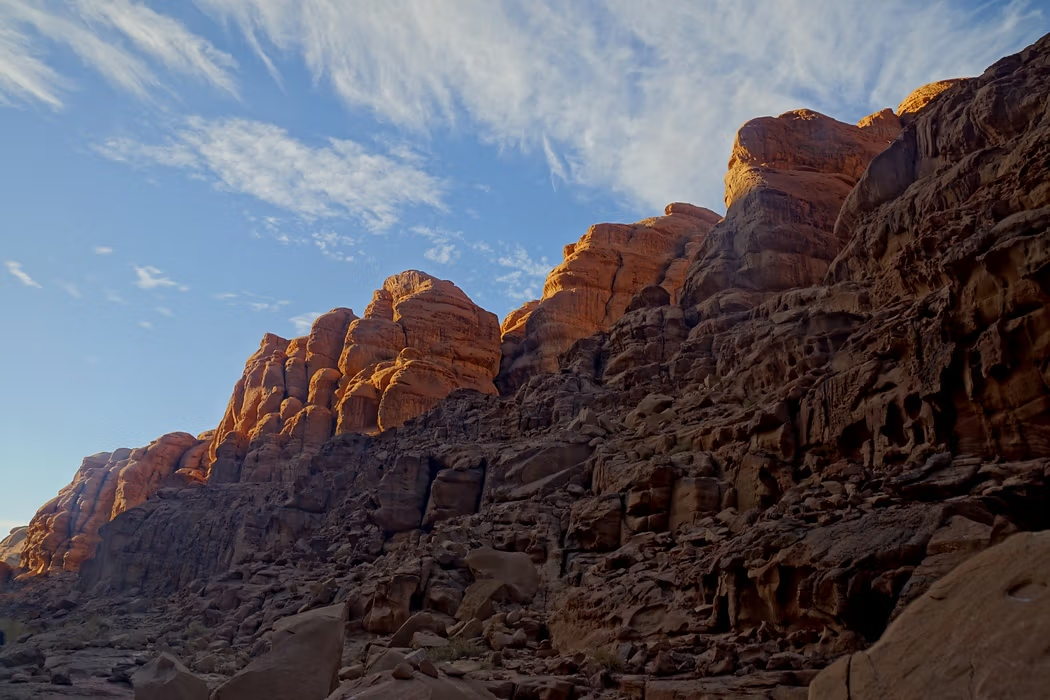
Venturing into Wadi Rum is like stepping onto another planet. The desert’s geography is a mesmerizing blend of unique rock formations, vast sand dunes, and expansive valleys. Towering sandstone and granite mountains rise abruptly from the sandy floor, creating a dramatic and rugged landscape that has been sculpted by millennia of erosion.
One of the most iconic features is the Seven Pillars of Wisdom, a majestic rock formation named after T.E. Lawrence’s famous book. These towering columns stand as sentinels over the desert, their striated layers revealing the passage of time. Another notable site is Khazali Canyon, a narrow fissure in the mountainside adorned with ancient petroglyphs and inscriptions. Walking through the canyon, you can see carvings of humans and animals, offering a glimpse into the lives of the people who traversed these sands thousands of years ago.
The sand dunes themselves are a sight to behold. Ranging in color from deep reds to golden yellows, they shift and change with the winds, creating ever-changing patterns and textures. The interplay of light and shadow throughout the day paints the desert in a spectrum of hues, making it a paradise for photographers and nature enthusiasts alike.
Activities in Wadi Rum
Wadi Rum offers a plethora of activities that allow visitors to fully immerse themselves in this extraordinary environment.
Jeep Safaris and Guided Tours
One of the most popular ways to explore the desert is through jeep safaris. Guided tours in 4×4 vehicles take you deep into the heart of Wadi Rum, covering more ground than would be possible on foot. Experienced local guides share their knowledge of the area’s history, geology, and Bedouin culture. You’ll visit key landmarks, hidden valleys, and panoramic viewpoints that showcase the desert’s stunning beauty.
Hiking and Rock Climbing Opportunities
For the more adventurous, hiking and rock climbing offer exhilarating ways to experience the landscape up close. Trails range from easy walks suitable for most fitness levels to challenging climbs up sheer rock faces. The mountains of Wadi Rum are a climber’s dream, with routes that cater to both beginners and seasoned climbers. Ascending to the peaks rewards you with breathtaking vistas that stretch across the horizon.
Stargazing and Night Photography
When the sun sets, Wadi Rum transforms into one of the world’s premier stargazing locations. The absence of light pollution reveals a night sky brimming with stars, planets, and the Milky Way’s glowing band. Stargazing tours often include telescopes and expert guides who can point out constellations and celestial events. For photographers, the desert provides an ideal setting for night photography, capturing the stars above the silhouetted landscape.
Environmental Conservation
While exploring Wadi Rum, it’s essential to recognize and support efforts to preserve this unique natural habitat.
Efforts to Preserve the Natural Habitat
Wadi Rum is designated as a protected area, managed by the Aqaba Special Economic Zone Authority (ASEZA) in collaboration with local communities. Conservation initiatives focus on protecting the delicate ecosystems, archaeological sites, and the traditional way of life of the Bedouin people. Sustainable tourism practices are encouraged to minimize the impact on the environment.
Responsible Tourism Practices
As visitors, we play a crucial role in preserving Wadi Rum for future generations. Here are some ways to practice responsible tourism:
- Stay on Designated Paths: Avoid disturbing wildlife and vegetation by sticking to established trails and tracks.
- Respect Cultural Sites: Refrain from touching or defacing rock carvings and archaeological sites.
- Minimize Waste: Carry out all trash and dispose of it properly. Consider using reusable water bottles and containers.
- Support Local Communities: Choose tours and accommodations run by local Bedouin families to contribute to the local economy.
- Conserve Water and Resources: Be mindful of resource usage, especially water, which is scarce in the desert.
Immersing in Bedouin Culture
Staying in a Bedouin Tent
One of the most enriching experiences in Wadi Rum is spending the night in a Bedouin tent. This offers a unique opportunity to immerse yourself in the traditional lifestyle of the desert’s indigenous people.
Types of Accommodations Available
There are various types of Bedouin camps scattered throughout Wadi Rum, catering to different preferences and budgets. Some camps are authentic and rustic, providing a true nomadic experience with basic facilities. Others are luxury camps, often referred to as “glamping,” offering more comfort while still embracing Bedouin traditions.
Common types of accommodations include:
- Traditional Tents: Made from goat hair and woven fabrics, these tents offer a genuine Bedouin living experience.
- Modern Tents with Amenities: These come equipped with beds, electricity, and sometimes private bathrooms.
- Luxury Camps: Featuring amenities like air conditioning, en-suite bathrooms, and even Wi-Fi, for those seeking comfort.
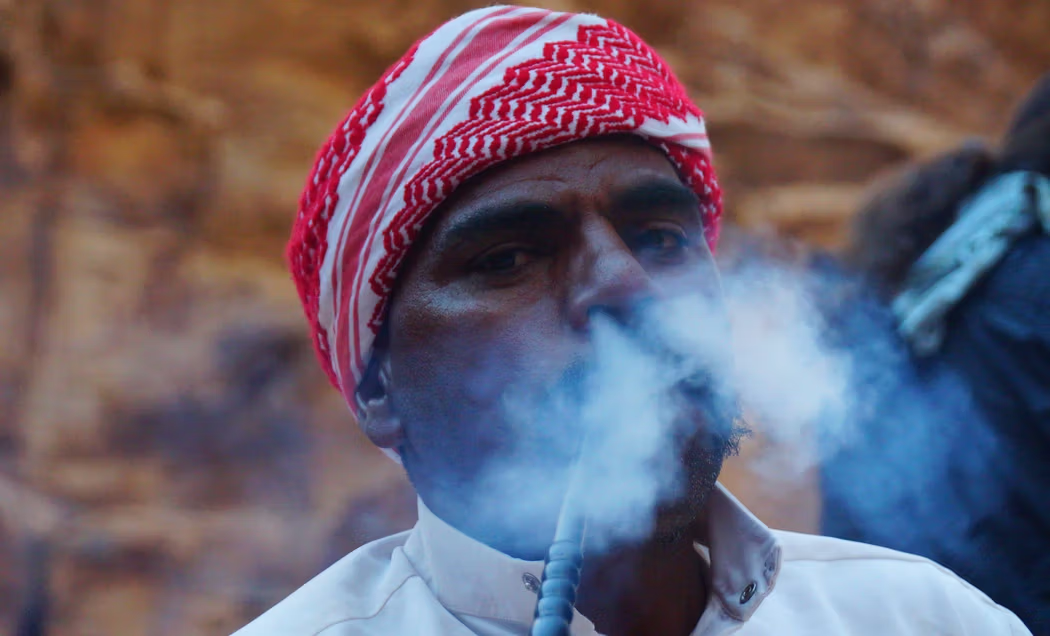
Amenities and What to Expect
While staying in a Bedouin camp, you can expect varying levels of amenities depending on the type of camp you choose.
In general, you can expect:
- Communal Areas: Central tents or spaces where guests gather for meals and socializing.
- Basic Bedding: Comfortable mattresses and blankets to keep you warm during the chilly desert nights.
- Shared Bathrooms: Many camps have shared toilet and shower facilities, though some offer private ones.
- Traditional Décor: Interiors adorned with colorful rugs, cushions, and lanterns, reflecting Bedouin aesthetics.
Remember, the emphasis is on simplicity and connecting with nature. The absence of modern distractions allows you to fully appreciate the serene environment and the star-filled skies above.
Bedouin Hospitality and Cuisine
The Bedouin people are renowned for their hospitality. As a guest in their camp, you will be treated with warmth and generosity, making your stay truly memorable.
Traditional Meals like Zarb (Bedouin Barbecue)
Food is an integral part of Bedouin culture. You will have the chance to savor traditional dishes prepared using age-old methods.
Highlights include:
- Zarb: A Bedouin barbecue where meat and vegetables are cooked underground in a sand oven. The slow-cooking method infuses the food with rich, smoky flavors.
- Mansaf: Jordan’s national dish, consisting of lamb cooked in a fermented dried yogurt sauce and served with rice.
- Fresh Flatbread: Baked over open fires, perfect for scooping up dips and accompanying meals.
Meals are typically enjoyed family-style, with guests gathering around large platters. This communal dining fosters a sense of togetherness and provides an opportunity to engage with fellow travelers and hosts.
Social Customs and Etiquette
Understanding and respecting Bedouin customs will enhance your experience.
Key etiquette tips:
- Greetings: A warm handshake and a smile go a long way. Use phrases like “Marhaba” (hello) and “Shukran” (thank you).
- Dress Modestly: While the Bedouins are welcoming, modest attire shows respect for their cultural norms.
- Accepting Offers: It’s polite to accept food and drink when offered. Refusing hospitality can be considered impolite.
- Right Hand Use: Use your right hand when eating or passing items, as the left hand is considered unclean.
Engaging with your hosts, asking questions, and showing interest in their way of life will deepen your connection and understanding of their rich cultural heritage.
Cultural Activities
Immersing yourself in Bedouin culture extends beyond sleeping in a tent and sharing meals. Participating in traditional activities enriches your experience.
Music and Storytelling Around the Campfire
Evenings in Wadi Rum are magical. After dinner, guests often gather around the campfire under a canopy of stars.
Activities include:
- Traditional Music: Listen to melodies played on instruments like the rebab and the oud. The music reflects the rhythms of desert life.
- Storytelling: Bedouin hosts may share tales passed down through generations, including legends, folklore, and personal anecdotes.
- Poetry Recitals: Poetry is highly valued in Bedouin culture. Recitations often express love, bravery, and the beauty of the desert.
These intimate gatherings offer insight into the Bedouins’ connection to their land and traditions.
Camel Herding and Traditional Crafts
Engage in daytime activities that showcase Bedouin skills and craftsmanship.
Opportunities may include:
- Camel Herding: Learn about the importance of camels in Bedouin life. You might assist in herding or feeding, gaining hands-on experience.
- Weaving and Handicrafts: Discover traditional methods of weaving rugs, tents, and other items using goat hair and wool.
- Desert Navigation: Understand how the Bedouins read the stars and landscape to navigate the vast desert without modern tools.
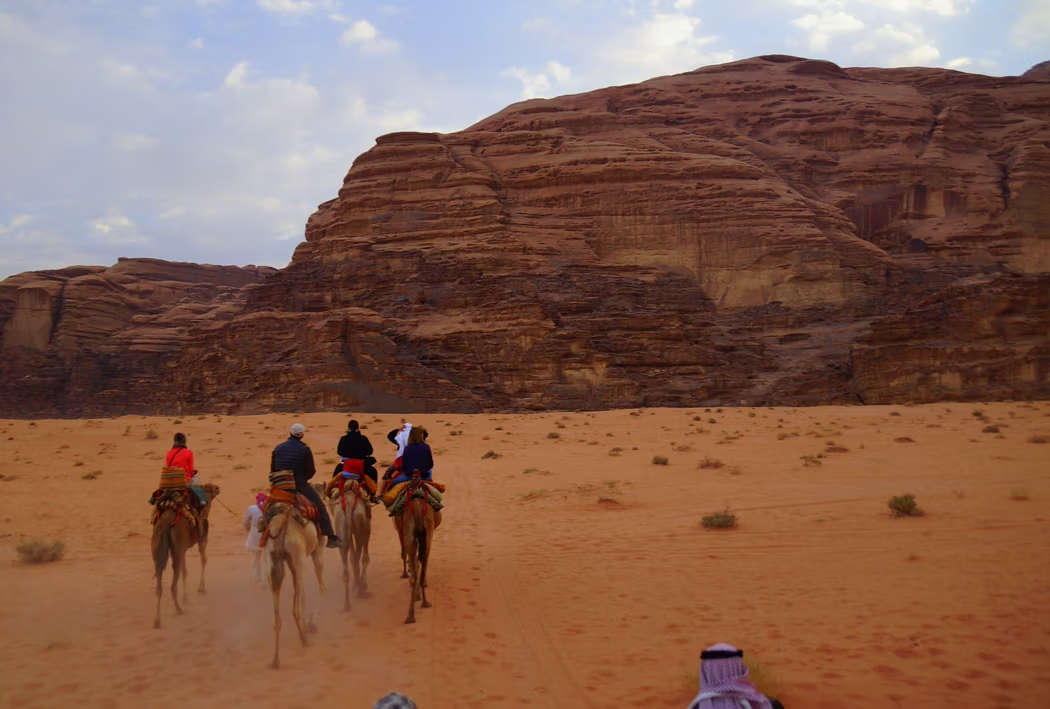
Camel Riding Experience
The Significance of Camels in Bedouin Life
Camels are more than mere animals in the desert; they are an integral part of Bedouin culture and heritage. For centuries, these resilient creatures have been the backbone of Bedouin life, serving as essential companions in transportation, trade, and daily survival. The Bedouins, nomadic by nature, relied heavily on camels to navigate the vast expanses of the desert. These “ships of the desert” could carry heavy loads over long distances without water, making them indispensable for moving goods and people across arid landscapes.
The historical reliance on camels for transportation and trade cannot be overstated. Camels enabled the Bedouins to establish and maintain trade routes across the Middle East, facilitating the exchange of spices, textiles, and other valuable commodities. They also played a crucial role in communication between distant tribes and settlements, fostering connections that were vital for survival in the harsh desert environment.
Beyond their practical uses, camels hold deep cultural symbolism within Bedouin society. They represent wealth, status, and a profound connection to ancestral traditions. Ownership of camels was a sign of prosperity, and they often featured prominently in dowries and tribal negotiations. Camels are celebrated in Bedouin poetry, songs, and folklore, embodying qualities such as endurance, patience, and resilience. This cultural reverence highlights the unique bond between the Bedouins and their camels, a relationship built on mutual dependence and respect.
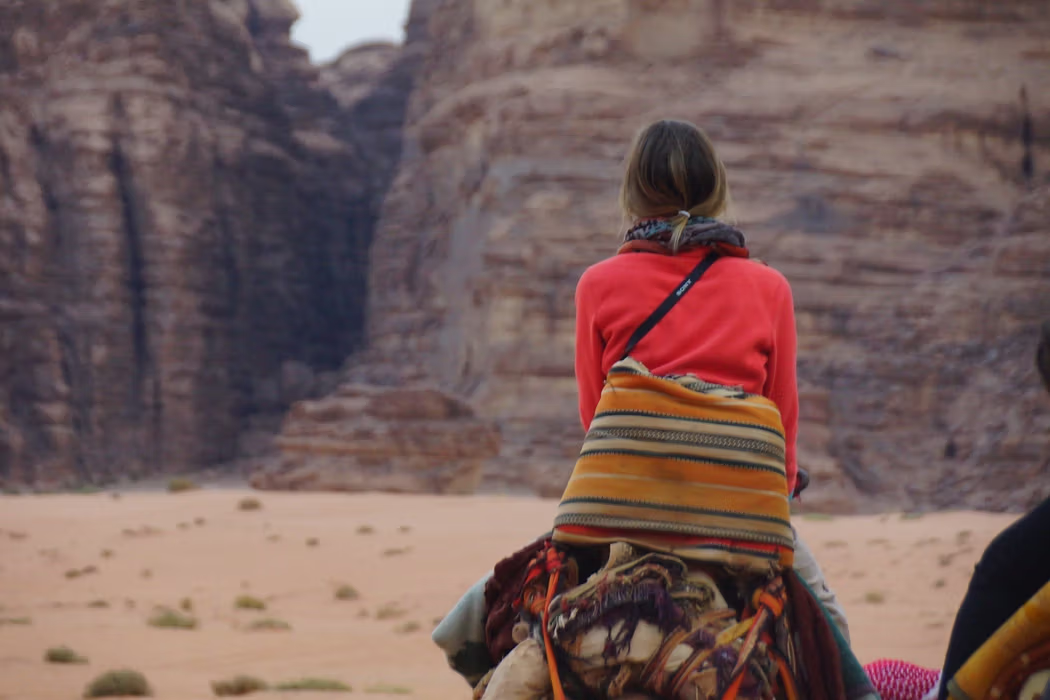
Planning Your Camel Ride
When considering booking options, you have several choices. Many Bedouin camps offer camel rides as part of their accommodation packages, providing convenience and a seamless integration into your stay. Alternatively, you can arrange rides through local tour operators who specialize in desert excursions. It’s advisable to research and choose reputable operators with positive reviews to ensure a safe and enjoyable experience. Booking in advance, especially during peak tourist seasons, can help secure your preferred date and time.
The duration and route choices for your camel ride depend on your interests and schedule. Short rides, typically lasting one to two hours, are ideal for those who wish to experience camel riding while exploring nearby attractions. These excursions often include visits to notable sites such as Lawrence’s Spring or the Red Sand Dunes. For a more immersive experience, half-day or full-day treks take you deeper into the desert, offering breathtaking views and opportunities to witness the raw beauty of Wadi Rum. If you’re up for an unforgettable adventure, consider an overnight camel trek. Spending the night under the stars, much like the Bedouins have for generations, provides a unique perspective on desert life.
Getting to Wadi Rum
Transportation Options
Reaching Wadi Rum is relatively straightforward, with several transportation methods available from major cities in Jordan. Whether you’re coming from the bustling capital of Amman or the coastal city of Aqaba, you have choices that cater to different preferences and budgets.
From Amman or Aqaba by Car or Bus
By Car:
- From Amman: The drive to Wadi Rum takes approximately 4 hours. The route is well-marked, and renting a car gives you the freedom to explore at your own pace. You’ll travel south on the Desert Highway (Highway 15), passing through scenic landscapes that offer glimpses of Jordan’s diverse terrain.
- From Aqaba: A shorter journey, the drive from Aqaba to Wadi Rum is about 1 hour. This proximity makes Aqaba an excellent starting point, especially if you’re arriving via the King Hussein International Airport.
By Bus:
- Public Buses: From Amman’s South Bus Station, you can catch a bus to Aqaba and request to be dropped off at the turnoff to Wadi Rum. From there, local taxis can take you to the Visitor Center.
- Jett Buses: A more comfortable option, Jett operates daily buses between Amman and Aqaba. However, services directly to Wadi Rum are limited, so additional transportation from Aqaba may be necessary.
Guided Tours vs. Independent Travel
Choosing between a guided tour and traveling independently depends on your desired experience.
Guided Tours:
- Convenience: Guided tours handle all logistics, including transportation, accommodation, and activities.
- Expert Insight: Professional guides offer valuable information about the area’s history, geology, and culture.
- Social Experience: Joining a group tour provides opportunities to meet fellow travelers.
Independent Travel:
- Flexibility: Travel at your own pace, spend more time at sites that interest you, and adjust your itinerary as you wish.
- Cost-Effective: Potentially lower costs by arranging your transportation and accommodations directly.
- Authentic Encounters: Opportunities to interact directly with locals and tailor your experiences.
Both options have their merits. If you prefer a structured schedule with less planning on your part, a guided tour might be ideal. On the other hand, independent travel offers a sense of adventure and personalization.
Best Time to Visit
Timing your visit to Wadi Rum is crucial to fully enjoy what the desert has to offer. The region’s climate and seasonal events can significantly impact your experience.
Climate Considerations
Wadi Rum experiences a desert climate, characterized by hot summers and cool winters.
- Spring (March to May): One of the best times to visit. Temperatures are moderate, ranging from 15°C to 25°C (59°F to 77°F). The desert blooms with wildflowers, adding splashes of color to the landscape.
- Summer (June to August): Temperatures can soar above 38°C (100°F). The intense heat makes daytime activities challenging, but nights are warm and pleasant. If you visit during summer, plan outdoor excursions early in the morning or late in the afternoon.
- Autumn (September to November): Similar to spring, autumn offers comfortable temperatures and clear skies, ideal for stargazing and exploring.
- Winter (December to February): Days are cool, averaging 10°C to 15°C (50°F to 59°F), but nights can be cold, dropping close to 0°C (32°F). Warm clothing is essential if traveling during this period.
Seasonal Events and Festivals
While Wadi Rum is known for its timeless tranquility, certain events can enhance your visit.
- Jordan Independence Day (May 25th): Nationwide celebrations may include events in nearby towns, offering a glimpse into local patriotism and culture.
- Aqaba Traditional Arts Festival: Held annually in Aqaba, this festival showcases Jordanian arts, crafts, music, and dance. Its proximity to Wadi Rum makes it a worthwhile addition to your itinerary.
- Ramadan: During the holy month, the daily rhythm changes. While services remain available, be mindful of fasting practices, and expect adjusted opening hours.
Planning your trip around these events can provide enriching cultural experiences, but also consider potential impacts on accommodation availability and transportation.
Entry Fees and Permits
Before you can explore the wonders of Wadi Rum, there are administrative details to address regarding entry fees and regulations.
Wadi Rum Protected Area Regulations
Wadi Rum is a designated Protected Area, managed to preserve its natural beauty and cultural heritage. To enter, all visitors must pass through the Wadi Rum Visitor Center, where regulations are enforced to minimize environmental impact.
- Entry Fee: The standard entry fee is 5 Jordanian Dinars (JD) per person (approximately $7 USD). Children under 12 often enter for free.
- Jordan Pass Holders: If you’ve purchased the Jordan Pass, which combines visa fees with entry to multiple attractions, your entrance to Wadi Rum is included. Present your pass at the Visitor Center.
Purchasing Tickets and Hiring Local Guides
At the Visitor Center, you can handle necessary formalities and make arrangements for your visit.
Purchasing Tickets:
- Payment Methods: Fees can typically be paid in cash (Jordanian Dinars). Some centers may accept credit cards, but it’s advisable to carry cash.
- Information Materials: Pick up maps and brochures that provide valuable information about the area.
Hiring Local Guides:
- Mandatory Guides: To preserve the environment and ensure safety, exploring certain areas requires a licensed local guide. This policy supports the Bedouin community economically and culturally.
- Tour Options: Guides offer various tours, from jeep safaris to camel treks and hiking excursions. Discuss your interests to tailor the experience.
- Negotiating Prices: While there are standard rates, there’s room for negotiation, especially if booking multiple activities or group tours.
By complying with these regulations and supporting local guides, you contribute to the sustainable tourism efforts that keep Wadi Rum pristine.
How Wadi Rum Fits Into Your Jordan Itinerary
Wadi Rum looks remote on the map. But it slides into a Jordan itinerary surprisingly easily. The big question isn’t can you fit it in. It’s how long you give it.
Spoiler: one rushed afternoon doesn’t do it justice.
Where Wadi Rum Sits on the Map of Your Trip
Most travelers are bouncing between four main hubs in Jordan:
- Amman
- Petra
- Wadi Rum
- Aqaba / Red Sea
A very workable loop looks like this:
- Amman → Petra (1–3 nights)
- Petra → Wadi Rum (1–2 nights)
- Wadi Rum → Aqaba (1–3 nights) or back to Amman
Driving times (rough ballpark):
- Petra → Wadi Rum: about 1.5–2 hours
- Aqaba → Wadi Rum: about 1 hour
- Amman → Wadi Rum: about 4 hours
So Wadi Rum is the natural “desert chapter” in between Petra and the sea.
Day Trip vs Overnight vs Two Nights
You can visit Wadi Rum on a day trip. You’ll see the scenery. You’ll get the photos. But you’ll miss the best part: the desert at night.
Here’s a quick decision matrix to help you choose:
| Option | Time in Wadi Rum | Best for | Major Pros | Main Cons |
|---|---|---|---|---|
| Day trip from Petra/Aqaba | 4–6 hours in the desert | Super tight itineraries | Easy to slot in, no packing for overnight | No sunset stars, rushed at viewpoints |
| 1 night in a Bedouin camp | 24 hours (afternoon → next morning) | Most travelers, first-timers | Sunset, campfire, sunrise, stargazing | You’ll want more time for hiking/exploring |
| 2 nights in the desert | 36–48 hours | Slow travelers, photographers, families | One “busy” day + one slower, flexible day | Slightly higher budget and more planning needed |
If you’re on the fence, go for one night minimum.
If you love landscapes, slow travel, or photography, two nights feel just right.
Choosing Your Wadi Rum Camp
There are now a lot of camps in and around Wadi Rum, from humble goat-hair tents to sci-fi “Martian domes” with glass ceilings. It’s exciting… and a little overwhelming when you’re trying to pick one.
Camp Location: Inside vs Outside the Protected Area
You’ll see camps marketed in a few different ways:
Inside the Protected Area
- Closest to the big rock formations and dunes
- Darker skies, less light pollution
- Feels more remote and “desert-y”
- Often reachable only by 4×4 from the Visitor Centre
Great if you want to step out of your tent and immediately feel that Mars-like silence.
Near the Village / Edge of the Reserve
- Easier access if you’re anxious about long 4×4 transfers
- Slightly more infrastructure, sometimes better Wi-Fi/electricity
- Good if you’re arriving late or leaving early
Perfect for people who like a desert taste but prefer slightly easier logistics.
Camp Style: Basic, Comfort, or Bubble-Lux
Here’s a simple comparison table so you can match your camp to your travel style:
| Camp Style | What It Feels Like | Typical Inclusions | Approx. Per-Person Night (full board) | Best For |
|---|---|---|---|---|
| Basic Bedouin | Rustic, authentic, simple | Mattress in tent, shared bathroom, simple meals | Lower budget | Backpackers, minimalists, culture-first |
| Comfort Camp | Cosy, a bit more polished | Proper beds, better linens, hot showers | Mid-range | Couples, most first-time visitors |
| Bubble / “Martian” | Instagram-ready, hotel-like in the desert | Private en-suite, big windows, often AC | Higher budget | Honeymoons, splurge nights, stargazers |
Prices shift with season and demand, but that’s the rough hierarchy.
If you’re unsure:
- Pick Comfort if you want a good sleep and hot shower without killing your budget.
- Pick Basic if you care more about the campfire than the mattress.
- Pick Bubble if you’re turning Wadi Rum into “that one special night” of the trip.
What You Want to Ask Before Booking
Quick questions to send your camp or tour operator:
- “Is 4×4 transport from the Visitor Centre included?”
- “Which activities are included in the rate, and which are extra?”
- “Do you offer vegetarian/vegan meals?”
- “Are bathrooms private or shared?”
- “Roughly how many guests are in camp when you’re full?”
Those five questions alone will tell you a lot about whether the camp matches your travel style.
Sample Wadi Rum Itineraries
To make planning easier, here are concrete, plug-and-play ideas you can drop into your Jordan route.
1 Day & 1 Night: Classic “Taste of Wadi Rum”
Perfect if you’re coming from Petra and heading to Aqaba the next day.
Day 1
- Morning
- Check out of Petra accommodation, drive to Wadi Rum Visitor Centre
- Park your car or get dropped off, meet your Bedouin guide
- Late Morning / Early Afternoon
- 4×4 tour to major viewpoints (Seven Pillars, red dunes, canyons)
- Short walks and plenty of photo stops
- Late Afternoon
- Sand dune climbing and watching the light change over the rock formations
- Sunset tea stop: your guide boils tea over a small fire while the desert turns orange
- Evening
- Arrive at camp, drop your bag in the tent
- Dinner (often Zarb from the underground oven)
- Campfire, music, stories, and a staggeringly bright night sky
Day 2
- Sunrise
- Optional early wake-up to watch the sun come up from a nearby ridge
- Morning
- Breakfast at camp
- Short camel ride back towards the village or a viewpoint if you’d like the full “ship of the desert” experience
- Late Morning
- Return to Visitor Centre and continue to Aqaba or back to Petra/Amman
Short. Packed. Memorable.
2 Days & 2 Nights: Slow Desert Immersion
If you can spare an extra night, things become much more relaxed.
Day 1
- Arrive from Petra or Aqaba by late morning
- Half-day 4×4 tour to the main highlights
- Sunset at a viewpoint, dinner, campfire, stargazing
Day 2
- Easy hike or scramble up a rock bridge or viewpoint
- Long lunch and siesta back at camp (avoid the harsh midday sun)
- Late-afternoon camel ride through quieter parts of the desert
- Second sunset from a different spot (different color, different mood)
- Another night under the stars, maybe a bit of night photography if you’re into it
Day 3
- Lazy breakfast, slow pack-up, and exit towards your next destination
This pace is especially nice if you’re traveling with kids, parents, or if you simply don’t want to sprint through Jordan.
3 Days: Adventure Focused
For trekkers, climbers, or people who really like rock and sand.
- Mix one classic jeep day + one long hiking day + one day that’s either mostly climbing or mostly chilling in camp, reading and wandering small canyons near your tent.
- Ask about summiting a peak or doing a proper scramble with a local guide who knows the routes.
Three days let you stop feeling like a visitor and start feeling like a temporary desert resident.
What It Really Costs to Visit Wadi Rum
Budgets obviously vary, but here’s a realistic, no-fluff snapshot so you can plan without surprises.
Ballpark Per-Person Costs (Per Night in the Desert)
Assuming full board (dinner, breakfast, sometimes lunch) + a basic tour:
| Style | Approx. Nightly Cost (incl. meals & simple tour) | What That Usually Includes |
|---|---|---|
| Shoestring | Low range | Shared tent, shared bathroom, jeep tour with small group |
| Mid-range | Moderate | Private or twin tent, proper bed, 4×4 tour, full meals |
| Splurge | High range | Bubble tent, en-suite, private tours, extra comforts |
On top of that, factor in:
- Getting there (fuel, bus, or private transfer)
- Entry fee at the Visitor Centre (if not covered by a pass)
- Extra activities: longer camel rides, climbing, additional 4×4 tours
- Tips for your guide and camp staff
Hidden Costs People Forget
- Drinks: Bottled water is sometimes included, sometimes not. Soft drinks are usually extra.
- Snacks: Once you’re in the desert, there’s no shop next door. Pack a few nuts/chocolate bars.
- Warm clothing: If you arrive in winter without proper layers, you may need to buy or rent extra blankets or gear in Jordan.
- SIM card / eSIM: Some camps have Wi-Fi, many don’t. If staying connected matters, sort your data before heading in.
Getting Around Once You’re There
You don’t really “drive yourself around” inside Wadi Rum. Once you’re past the Visitor Centre, you’re in the hands of the Bedouin guides, and honestly, that’s a good thing.
Jeep vs Camel vs Hiking
Each way of moving through the desert gives you a different feel.
| Mode | Comfort Level | How Much You See in a Day | Ideal For | Good to Know |
|---|---|---|---|---|
| 4×4 | High (bumpy but shaded) | A lot | First visit, families, short stays | You’ll cover big distances, bring something warm |
| Camel | Medium (slow sway) | Less | Romantic rides, sunrise/sunset | Great for short segments, not a race |
| Hiking | Depends on fitness & heat | Varies | Scenic viewpoints, slower travel | Best mornings/late afternoons, carry lots of water |
A nice combo: jeep in the heat of the day, short hike to a viewpoint, camel ride as the light softens.
Timing Your Desert Light
If you want your photos to pop:
- Early morning: soft light, fewer people, cooler temps
- Midday: harsh sun, strong contrast, good for deep blue skies on rock formations
- Late afternoon to sunset: warm golden tones, dramatic shadows
- Night: Milky Way and long exposures if the sky is clear
Desert days are long. Give yourself permission to do very little in the middle of the day.
Wadi Rum for Different Types of Travelers
Everyone experiences Wadi Rum differently. A couple on a romantic trip won’t move at the same pace as a family with toddlers or a pair of keen climbers.
Couples and Solo Travelers
- Go for a smaller camp if you want quieter evenings and more meaningful conversations.
- Consider a private jeep tour for at least half a day so you can linger where the light is best.
- Don’t be shy about chatting with your hosts; Bedouin guides have incredible stories if you show real interest.
Families with Kids
Wadi Rum is a brilliant classroom disguised as a playground.
- Ask for a shorter first camel ride so kids can test how they feel about the motion.
- Choose a camp with big open spaces around it so they can run, climb small rocks, and play safely.
- Bring:
- Simple card games or a small notebook for drawing the landscape
- Layers (kids get cold at night faster than adults)
- A small headlamp they can “own” – they love it, and it’s genuinely useful
Older Travelers or Those With Limited Mobility
You can absolutely enjoy Wadi Rum without scrambling up cliffs.
- Prioritize camps with easy access from the jeep and fewer steps.
- Opt for shorter jeep tours with more time relaxing at panoramic spots.
- Let your hosts know if you have mobility issues; they’re usually very accommodating about helping in and out of the vehicle, choosing flatter stops, and pacing activities.
Extra Practicalities for Desert Life
You’ve already got the basics covered (clothing, respect, safety), so here are a few deeper, slightly nerdy tips that make life easier out there.
Packing Extras That Make a Big Difference
- Buff or light scarf: Keeps dust out of your face in windy moments and doubles as sun protection.
- Dry bags / zip pouches: Sand gets everywhere. Keep your camera batteries, memory cards, and phone protected.
- Power bank: Camps often have limited electricity windows; charge when you can, but bring your own backup.
- Earplugs: The desert is quiet, but tents flap, people snore, and generators hum. Earplugs = better sleep.
- Small notebook: There’s something about deserts that makes you reflective. It’s a nice place to jot thoughts down.
Common Mistakes to Avoid
- Arriving too late in the day: You’ll feel rushed and may miss sunset. Aim to be at the Visitor Centre by late morning or early afternoon.
- Underestimating the cold: Desert nights in winter feel sharp. Better to overpack layers than shiver through the campfire.
- Overstuffing your schedule: You don’t need to check off every rock bridge and canyon. A few places enjoyed slowly beats a dozen rushed stops.
- Ignoring hydration because it “doesn’t feel that hot”: The dry air tricks you. Sip water constantly.
- Treating camels like a theme park ride: Ask how the animals are treated, how long they work, and choose shorter, more respectful rides if you’re unsure.
Wadi Rum Bedouin Desert Questions Answered: Practical Tips, Local Insight & Real-World Advice
How many nights should I spend in Wadi Rum on my first trip?
One night is the sweet spot for most travelers, but two nights are even better if you can spare them. With a single night you get the classic combo of afternoon jeep tour, desert sunset, campfire, and sunrise before you move on. A second night gives you breathing room for a slower hike, a longer camel ride, or simply time to sit with tea and watch the light change on the rock formations without feeling rushed.
Is Wadi Rum safe to visit, including for solo travelers?
Generally, yes. Wadi Rum is one of the more relaxed, low-crime parts of Jordan and the Bedouin community is very used to hosting visitors. The main risks are environmental rather than human: heat, sun, dehydration and the occasional clumsy scramble on rocks. Stick with reputable camps and guides, drink plenty of water, avoid wandering off alone at night, and you’ll likely feel very safe, even if you’re traveling solo.
Do I need to book my Wadi Rum camp in advance or can I just show up?
It depends. Outside of peak seasons you can sometimes wing it and arrange a camp on arrival at the Visitor Centre or through local drivers in the village. In spring and autumn, on holiday weekends, and if you have your heart set on a particular bubble or comfort camp, it’s much smarter to book ahead. Pre-booking also means your hosts know exactly when to pick you up and which tours you’re interested in, so your arrival feels a lot smoother.
What’s the best time of year to visit Wadi Rum for comfortable weather?
Honestly, spring (March to May) and autumn (September to November) win. Daytime temperatures are usually comfortable for hiking and jeep tours, and nights are cool enough for cosy campfires and good sleep. Summer can be brutally hot in the middle of the day, so you need to lean into early mornings, long siestas and late-afternoon outings. Winter brings crisp blue-sky days and very cold nights, which are magical for stargazing but require serious layers if you want to be comfortable.
How do I actually get to Wadi Rum from Amman, Petra, or Aqaba without a tour?
The simplest plan is to travel independently to the Wadi Rum Visitor Centre and let your Bedouin camp handle things from there. Many travellers rent a car and drive themselves: roughly four hours from Amman, around two hours from Petra and about one hour from Aqaba on good roads. If you’re not driving, public buses and tourist coaches link Amman, Petra and Aqaba, and from those hubs you can grab a taxi or pre-arranged transfer to Wadi Rum. Your camp can usually suggest the most reliable option once they know where you’re starting from.
Do I need a 4×4 rental car to visit Wadi Rum?
Nope. You only drive as far as the Wadi Rum Visitor Centre or the nearby village, where there’s parking for regular cars. From that point on, you’re in Bedouin 4×4 territory and your camp or guide will take you into the desert in their own vehicle. Renting a 4×4 just for Wadi Rum usually isn’t necessary unless you want one for a wider Jordan road trip; inside the protected area, local drivers know the tracks and sand conditions far better than any rental contract ever will.
What should I pack and wear for a night in a Bedouin camp?
Layers, always. Pack lightweight, breathable clothing for the daytime sun, plus a warm fleece or down jacket, hat and cosy socks for chilly evenings and early mornings. Closed-toe shoes or trainers are better than sandals for scrambling over rocks and walking on hot sand. Add sunglasses, high-SPF sunscreen, a reusable water bottle, a small headlamp and maybe a buff or scarf to keep dust and wind at bay. Most camps provide plenty of blankets, but in winter I like having a thermal top and leggings to sleep in as well.
Are the bubble or “Martian” camps in Wadi Rum worth the extra cost?
Sometimes. If you love quirky stays, are celebrating something special or really want that glass-dome view of the stars from bed, a bubble camp can feel like a once-in-a-trip splurge. The trade-off is that some bubble camps feel more like desert hotels than traditional Bedouin camps, so you may get less of that relaxed, communal campfire atmosphere. For many travellers, a good mid-range comfort camp with a friendly host, solid food and a dark sky feels just as magical at a gentler price point.
Is Wadi Rum suitable for children and older travelers?
Absolutely. Wadi Rum is basically a giant natural playground, and kids usually love the open space, sand dunes and short camel rides. Older travellers and anyone with limited mobility can focus on scenic 4×4 tours with plenty of photo stops and minimal climbing. The key is to be honest with your camp about ages, fitness levels and any health issues so they can choose gentler routes, help with getting in and out of vehicles and time activities for cooler parts of the day.
What are toilets, showers, and electricity like in Bedouin camps?
Think simple but decent. Traditional and mid-range camps usually have shared toilet and shower blocks with running water and set times when hot water is available. Bubble and higher-end camps tend to offer private bathrooms with more hotel-like comforts. Electricity is often solar-based, with certain hours for charging cameras and phones, and Wi-Fi, if it exists at all, is usually limited to communal areas. If you go in expecting a rustic desert lodge rather than a city hotel, you’ll probably be pleasantly surprised.
Can I visit Wadi Rum as a day trip from Petra or Aqaba, or is that too rushed?
You can, but you’ll only get half the story. A day trip from Petra or Aqaba lets you tick off the main viewpoints and enjoy the scenery, but you’ll miss the sunset-to-starlight-to-sunrise magic that makes Wadi Rum really stay with you. If your schedule is brutally tight, a day trip is better than skipping it altogether. If you can shuffle things around to fit in at least one night, though, it’s absolutely worth the extra time.
Do I really need a guide, or can I explore Wadi Rum on my own?
In practice, yes. Inside the protected area you’ll almost always be with a guide or Bedouin driver, and that’s a good thing. The desert is huge, tracks are unmarked, and distances between sights are greater than they look on a map. Going with a licensed local guide keeps you safe, supports the community and helps you actually understand what you’re seeing instead of just bouncing between pretty rocks. Independent travel works best up to the Visitor Centre and village; after that, let the experts take over.
How expensive is Wadi Rum compared to the rest of Jordan?
Overall, it’s mid-range. The protected area entry fee is modest, and most of your costs are bundled into your camp package, which usually includes dinner, breakfast and at least one jeep tour. Shoestring Bedouin camps can work out cheaper than a night in Amman or Petra, while bubble camps can easily be one of your biggest splurges in Jordan. Where prices really creep up is in private tours, longer camel rides and private transfers, so it’s worth asking for a clear breakdown of what’s included before you book.
What’s the etiquette around photographing Bedouin people and camels?
Respect first, photos second. Always ask before taking a close-up photo of a person, especially women and children, and accept it gracefully if the answer is no. A smile, a few words of Arabic and showing them the image on your camera or phone goes a long way. With camels, it’s usually fine to take photos from a distance, but avoid grabbing reins, pulling animals into position or getting in the way while they’re being handled or loaded.
Are camel rides in Wadi Rum ethical, and how can I choose a responsible operator?
Not all camel experiences are equal. Look for small-scale operators or Bedouin camps where the animals look well-fed, move without obvious wounds or limps and aren’t working non-stop in the midday heat. Short sunrise or sunset rides are usually kinder than long, punishing treks at the hottest time of day. If something feels off, trust your gut and skip the ride; you can still enjoy watching camels at rest and supporting that camp in other ways.
Will I have phone signal or Wi-Fi while staying in Wadi Rum?
Sometimes. Mobile coverage around the village and main access roads can be decent, but it gets patchier as you head deeper into the desert. Some camps offer basic Wi-Fi in communal areas, usually strong enough for messages and the odd photo but not for heavy streaming or video calls. If staying connected really matters, pick up a local SIM before you arrive, download offline maps and let friends or family know you might go semi-offline while you’re in Wadi Rum.
Wadi Rum Final Thoughts
From the moment you first set eyes on the vast expanse of the desert, you’re greeted by a panorama that defies imagination. The towering sandstone cliffs, sculpted by wind and time, stand like silent guardians over the endless sea of sand. Each sunrise paints the sky with hues of pink and gold, while sunsets drape the landscape in deep reds and purples. The natural beauty of Wadi Rum is unparalleled. It offers countless opportunities to pause and marvel at the wonders of the Earth.
A Connection with History
Walking through the ancient valleys and canyons, you tread the same paths once taken by Nabatean traders, Bedouin nomads, and adventurers like T.E. Lawrence. The whispers of the past echo in the petroglyphs etched into the rocks, telling stories of civilizations long gone yet preserved in the very stones of the desert. This connection to history adds a profound depth to your travels, transforming a simple journey into a pilgrimage through time.
Embracing Bedouin Hospitality
Perhaps one of the most enduring memories you’ll carry with you is the warmth and generosity of the Bedouin people. Their hospitality is not just a cultural practice but a way of life that welcomes strangers as friends. Sharing stories around the campfire, listening to the haunting melodies of traditional music, and savoring the rich flavors of Bedouin cuisine create bonds that transcend language and cultural barriers. It’s in these moments that you discover the true essence of community and human connection.
The Adventure of a Lifetime
Wadi Rum is a playground for the adventurous spirit. Whether you’re scaling the rugged cliffs, navigating the desert on a camel, or exploring hidden canyons, every activity challenges and exhilarates. The thrill of adventure is complemented by the serenity of the desert, where moments of quiet reflection are as abundant as opportunities for excitement. This balance allows you to push your limits while also finding peace within yourself.
Reflections Under the Stars
As night falls, the desert unveils one of its most breathtaking spectacles: a sky ablaze with stars. Free from the glow of city lights, the Milky Way stretches overhead in all its glory. Lying beneath this celestial canopy, you can’t help but feel a profound sense of wonder and humility. The vastness of the universe becomes tangible, offering a chance to contemplate your place within it. These nights spent stargazing become cherished memories, moments of introspection that linger long after you’ve returned home.
Lessons from the Desert
Wadi Rum teaches invaluable lessons about simplicity, resilience, and respect for nature. The Bedouin way of life, adapted perfectly to the harsh desert environment, demonstrates how living in harmony with nature leads to sustainability and fulfillment. Observing their customs and traditions, you gain insights into alternative ways of living that prioritize community, resourcefulness, and a deep connection to the land.
An Invitation to Return
Wadi Rum is a place that calls you back. Its ever-changing landscapes and timeless beauty ensure that no two visits are the same. Whether it’s to explore new corners of the desert, reconnect with friends made along the way, or simply to rediscover the peace found beneath its starry skies, the Valley of the Moon always welcomes you with open arms.
Bedouin Adventures: Exploring Wadi Rum
Travel Videos:
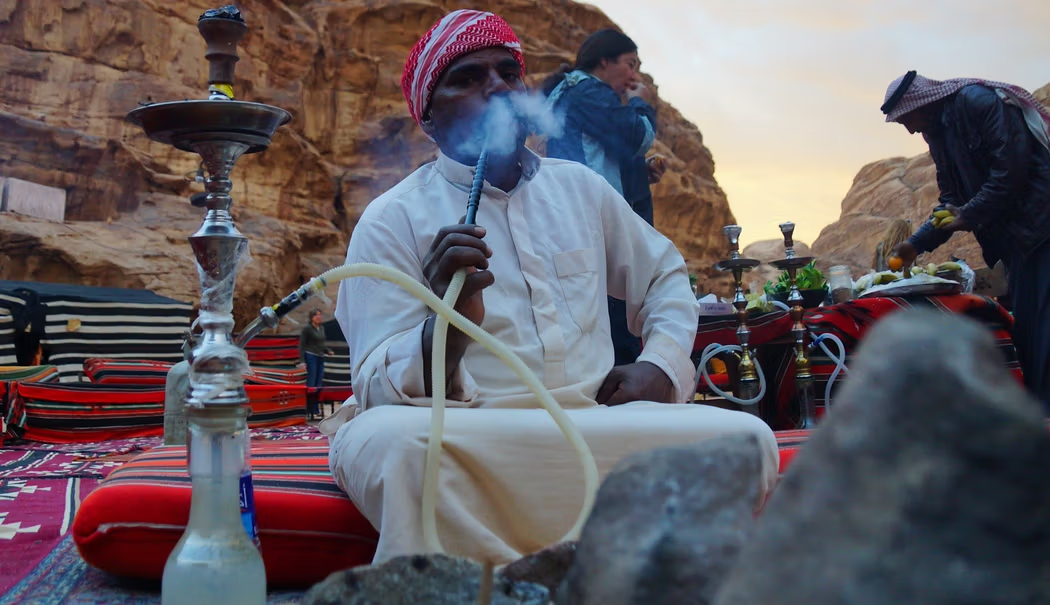
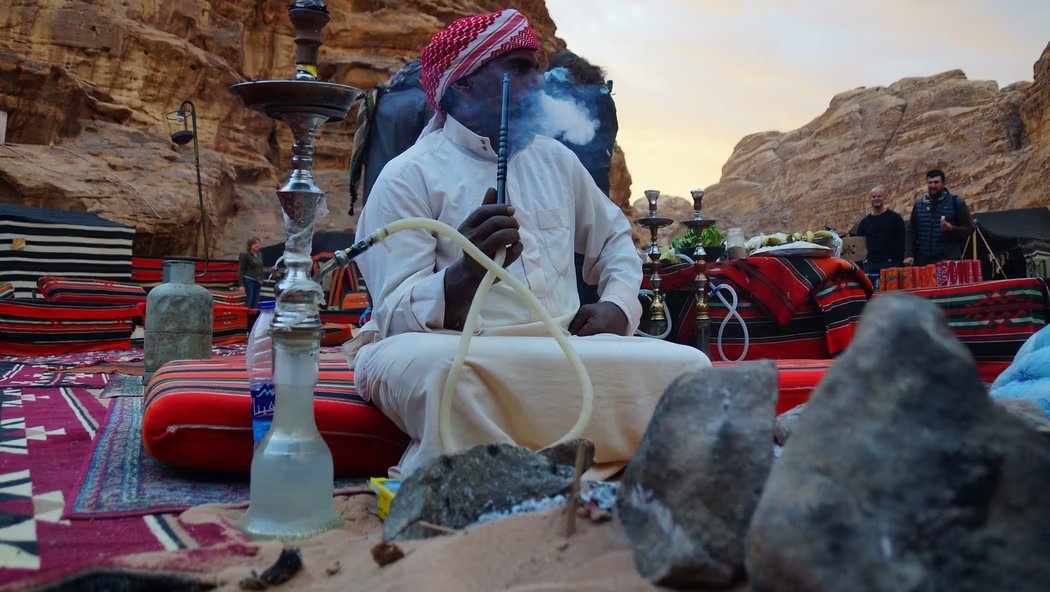
Sleeping in a Bedouin tent, dancing, singing, smoking hookah and riding camels in Wadi Rum, Jordan
Visiting Wadi Rum, Jordan (وادي رم ): The Valley Of The Moon وادي القمر
For this trip we partnered with My Jordan Journey.
I really enjoyed the photography in this article – especially the hookah. Really makes me want to go back to Morocco. 🙂
hmmmm this photogenic man convinced me to try smoking hookah when we get the chance… I don’t smoke but I’d like to try hehehehe.
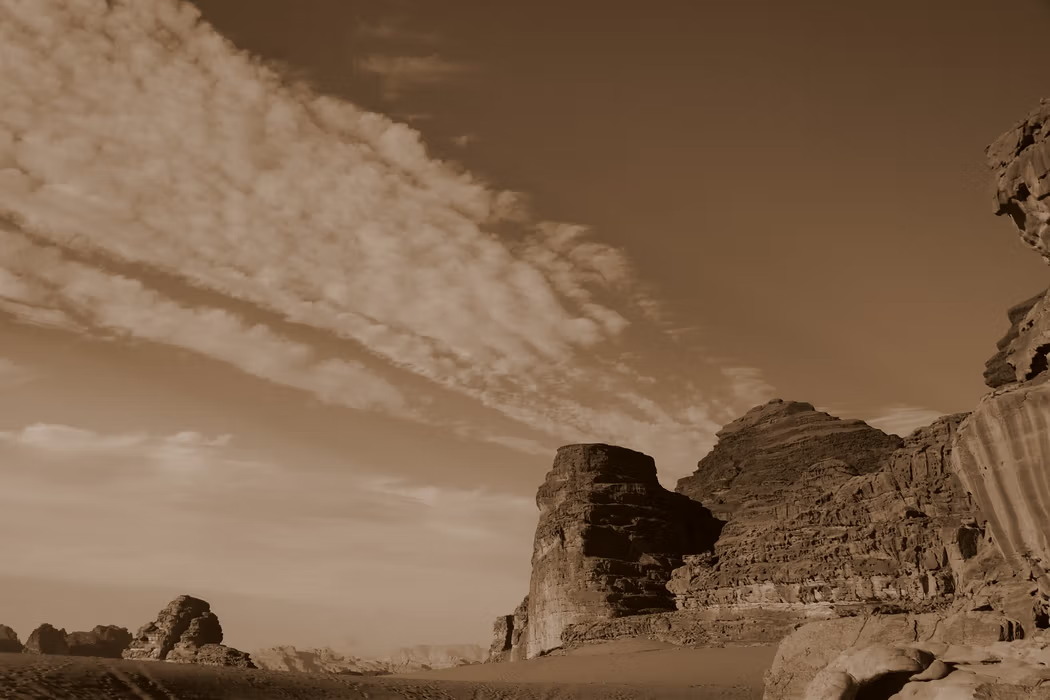
Love the clouds in the photos, spectacular shots.
Oh, it’s a lot of fun apol!
I had many puffs during my time in Jordan and Turkey…haha
i love to write on travel blog and i appreciate your your post for it’s unique photos around the world.
You’re welcome!
Lovely pics mate! The food and cooking method looked awesome, but I don’t envy you on those camels! Pure pain 🙂
Hahaha, pure pain indeed. Whenever I ride a camel it’s always the same score: Camel 1, Sam 0.
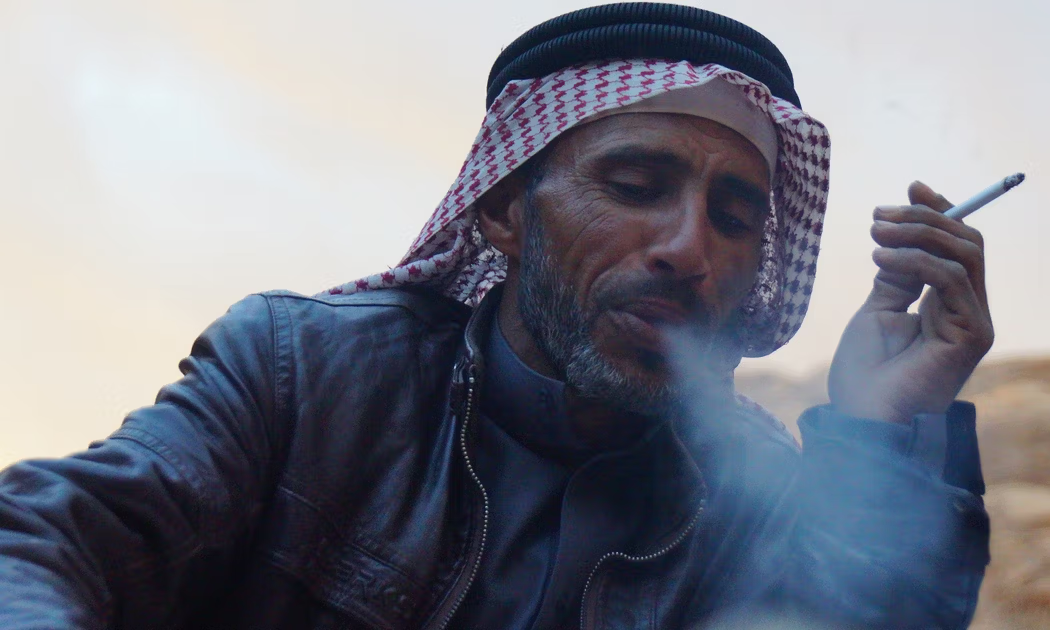
Wow, Samuel, I’m brand new to your blog and just finished looking at some older posts of your’s. Just came back to this and I can see why your’s is one of themost popular travel sites out there! Your pictures are absolutely amazing! I’ve been learning more and more on photography (a long ways to go) and to be better with description in my writing and “letting go” vs apprehension. I will stick around for at least a while and check back with you! I just Subscribed and followed you on Twitter. The picture of the gentleman with the smoke coming out of his nostrils made my jaw drop! Score there! Thank you for the insight I’m looking forward to your next post 🙂
Thanks Mike!
Great to discover your blog recently as well. Photography is something that can be learned at any age. I didn’t really start getting into it seriously until 4-5 years ago.
Amazing shots. Anyone else wondering when Indiana Jones was going to pop out?
Thanks Steve! I was certainly hoping for an IJ appearance 😉
Wow! Amazing photos!
Thank you Luke!
Wonderful shots! Brings back a lot of great memories from my visit. Incredible locals in an incredible part of the world.
Thanks Neil,
I completely agree with you. As amazing as the attractions were in Jordan it’s the people I’ll remember the most.
Simply stunning !!!!!
Thank you Bill!
Awesome stuff! The landscape looks incredible.
Thanks Dan!
It truly is an incredible landscape!
Great photos and the videos give a sense of being there. Nice!
Thank you!
We’re sure missing being there these days.
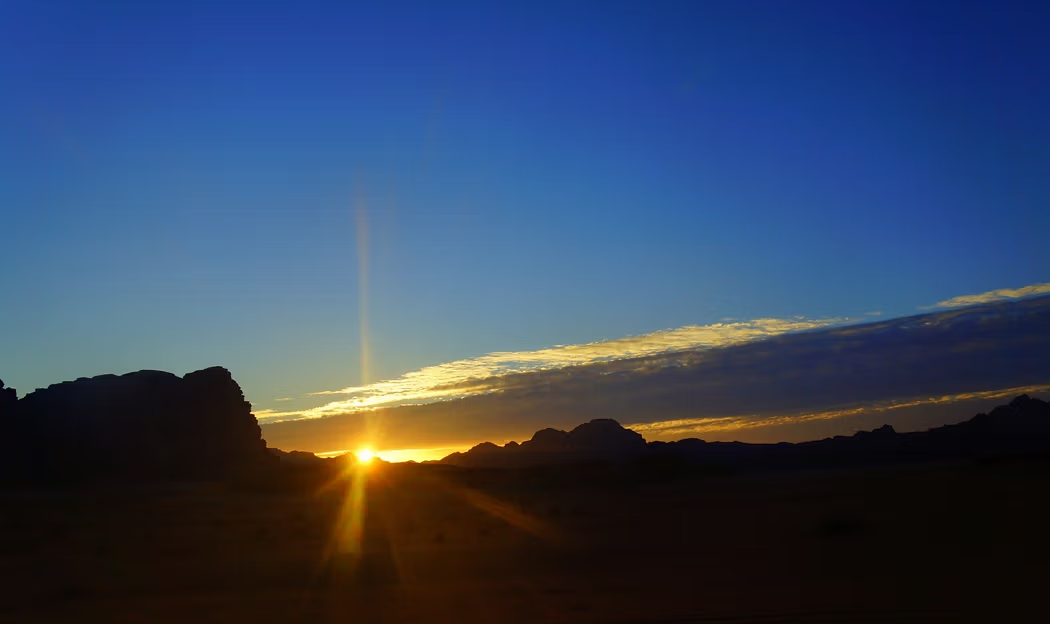
That looks like an incredible experience. Jordan has such a rich history. I love the sunset picture!
Thanks Steve!
That’s my favorite shot as well 🙂
What an experience and stunning photos guys. I have heard there is good rock climbing in the Wadi Rum – the pics of those crags have me itching to get there!
Thanks Natasha!
There is definitely good rocking climbing there and at the Dana nature reserve 🙂
Great article and amazing photos, I visited Wadi Rum and Jordan a month ago and it brings all the memories back… Unbelievable place, rock formations, red sand, out of this world…
Thanks Tom,
Glad this post brings back the memories. I’m really itching to get back there myself.
lol reading this brought back a lot of memories of my own Camel trip….what a pain between the legs eh?! haha
Unbelievable place though, loving the pictures you got of the Bedouin with their Shisha!
Hahaha…it sure is. Walking is a chore afterwards 😉
Amazing photos…
Thank you! 🙂
Wonderful photos! Wadi Rum is truly photogenic!
Thank you Maria!
It’s one of the most photogenic places I’ve ever visited 🙂
Those rock formations are just something else!! And wonderful captures in the post, superb human emotions as well as beauty of nature!! Thanks for sharing Sam 🙂
Thanks Arti! I felt lucky to have a chance to visit there 🙂
WOW!! fantastic landscape!
Now on my list to do!!
Thanks Sam!
A nice addition I must say 😉
Hi! I really like every shot you got and the place is just so stunning. Do you think it is safe to travel in Wadi Rum,Bedouin for a group of women? Or maybe 2 or 3? I’m thinking of visiting there but kinda hesitant. Really appreciate your answer. Thanks
Hey Jorja,
I certainly think it’s safe for women to travel to Wadi Rum. If you stay in a camp you’ll be surrounded with other travelers and the Bedouins are very kind and generous hosts!
Some nice shots there. I never actually heard of this place, but it seems amazingly photogenic, both the landscapes and the people. I’d love to spend a few days there chasing some light! I’ll put it on the list! thanks for sharing
Thanks Francis,
It’s a country that I hope to revisit as soon as possible!
Those rock formations are amazing! I’ve never gotten to spend much time in a desert, but I would love to check out a place that beautiful. Getting to spend the night in a bedouin tent seems like a great way to experience the culture.
Thanks Jess,
I had a great time in Jordan doing all kinds of things but staying in the Bedouin tent was definitely the highlight 🙂
Wow, always blowing my mind with some powerful photography. Still working on my fear of photographing people and offending them. I’ve gotta’ get over that or not be shy to ask. Great stuff as always Samuel.
Thanks Ryan,
I felt the same way as you do now. I’ll be honest that sometimes I do get caught taking a shot and it is a bit awkward but that doesn’t happen very often now with practice.
What a truly mysterious place! Love the photos and definitely love the blog entry!
Thanks Hannah!
Hey Samuel,
Great pictures! I’ve only visited Jordan for a few hours because it was on a stopover on one of my flights. These pictures really make me want to go back to Jordan and discover the rest of the country. Thanks for inspiring me!
Cheers Bastiaan
Thank you! I hope you’ll get a chance to soon properly explore the country more 🙂
Awesome pics! I slept with the Bedouins too when I went on birthright. Only problem was they ran out of space with our big group so I ended up sleeping right on the dirt in my sleeping bag. Oh well, I actually slept better than I had in months!
Thanks Jeremy!
Yeah, I slept like a baby that night as well. I feel very comfortable camping. Several shots of rum and a toasty campfire didn’t hurt either 😉
Jordan is way up there on my “to visit list”. Looks amazing. Great pics Sam.
Thanks Dean!
It’s a country I’d love to revisit again. I definitely recommend going when you get a chance 🙂
I absolutely loved this post and your gorgeous images! You do a brilliant job of capturing people looking luminous, alive and engaged as well as in sharing the experience through your phoyos as well as your ever amazing videos!
Thanks Mary!
I enjoyed the Jordan posts you and Bret did a while back 🙂
Loved the photographs, Sam. But the videos are even better. They give one the real “feel” of the experience. We were in Wadi Rum in 2010, and loved how majestic the whole area was. Would love to go back now with the blogging hat on 🙂
Cheers
Thanks Vid!
I hear you about wanting to revisit great places.
Great post, Wadi Rum was the one place we didn’t visit when we went to Jordan….maybe next time !!
Thanks Rob! Definitely worth a visit next time 🙂
Luv the Bedouin photos! Though don’t think we could sleep in the tent :-). Need our hot shower! We stayed at the Kempinski in Aqaba – but admittedly it was a one-hour drive to Wadi Rum (so much more convenient to stay in the desert).
We stayed in the Kempinski the following night in Aqaba as well. We needed the showers 😉
WOW– Amazing photos and adventure!
Thanks Lillie! It certainly was 🙂
Riding a Camel in Jordan seems to be a very interesting activity.
Raymond,
It’s a lot of fun but you need to be prepared to feel a little sore afterwards 😉
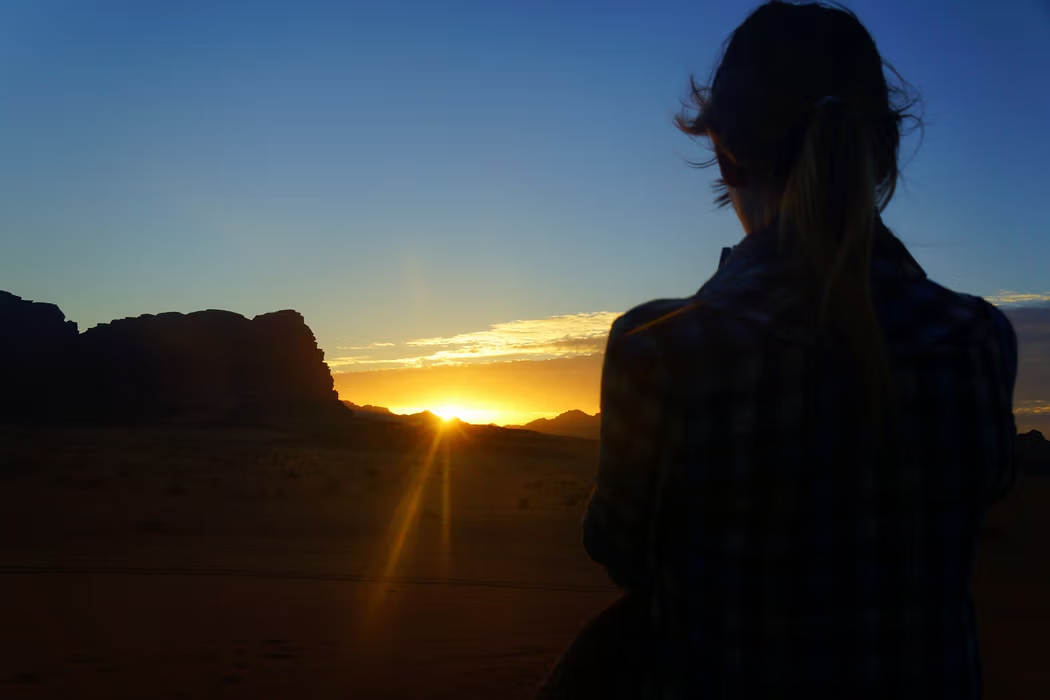
Here we go again, you’ve sparked my imagination and creativity with your photos and video but my favorite is of Audrey watching the sunset. Wow!
Thanks Maria!
It’s my favorite shot as well. I hope we can witness many more sunsets like that in the future.
Excellent photography as always Samuel!
Thank you! 🙂
Love the portraits. I found the people in Jordan to be some of the friendliest on the planet. Loved Wadi Rum.
Thanks Corinne,
I agree with you about the people there 🙂
Gorgeous photos and video! We’ve skipped Jordan quite a few times, but this post is making me question my priorities. Good luck!
Thank you! I hope it’ll inspire you to go sooner rather than later 🙂
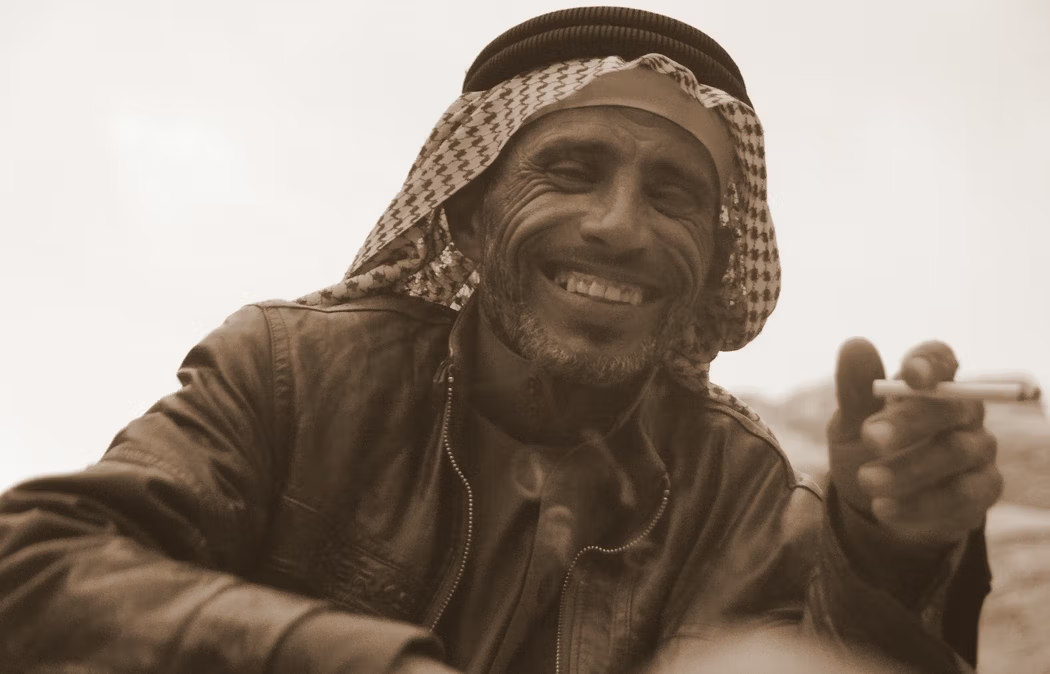
Some truly fantastic shots! That guy w/ the cig has such an awesomely genuine smile.
Thanks Devlin,
Those are my favorite photos to take 🙂
Wow. I HAVE to get to Jordan some day. What a beautiful place.
Thanks Carmen! I sure hope you can go soon. I’m already thinking about when I’ll be able to head back again.