
If you stare at a tree long enough in El Chaltén, you start to feel bad for it.
In most parts of the world, trees grow up. They reach for the sun, they provide shade for picnics, and they generally look quite relaxed. In Patagonia, trees look like they are fleeing a crime scene in slow motion.
When Audrey and I arrived in El Chaltén, we were full of what I like to call “unearned hiking confidence.” We had spent weeks eating our way through Argentina—consuming enough asado and vino tinto to have significantly expanded our waistlines —and we assumed we were ready for the trekking capital of the world.
Spoiler: We weren’t.
After our “Boss Fight” on the Mount Fitz Roy trail—a hike that ended with me fantasizing about being airlifted out in a sedan chair while my legs felt destroyed beyond belief —we needed a recovery day. We needed a hike that wouldn’t make us cry, but would still deliver those epic “Chill Patagonia” views.
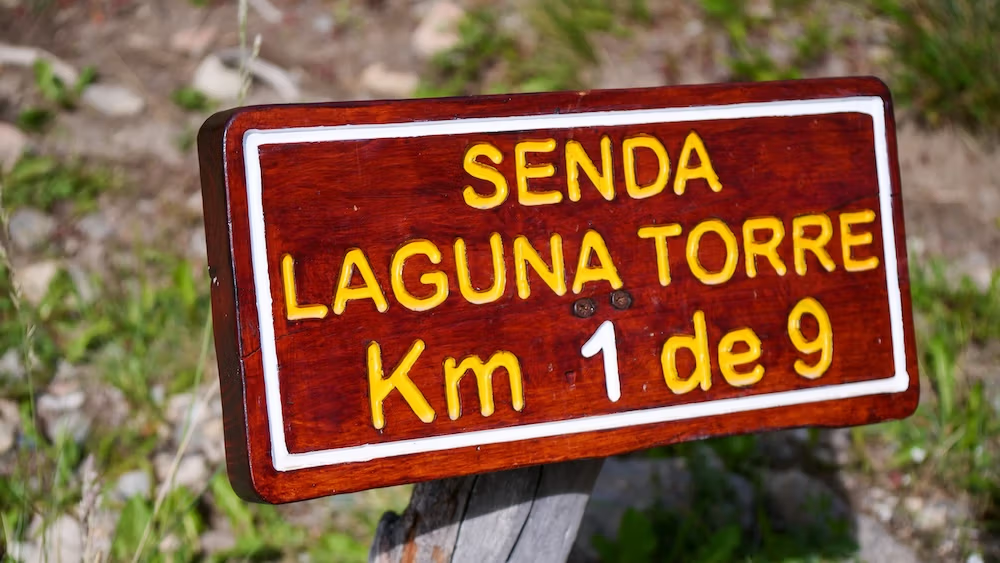
Enter the Laguna Torre trail.
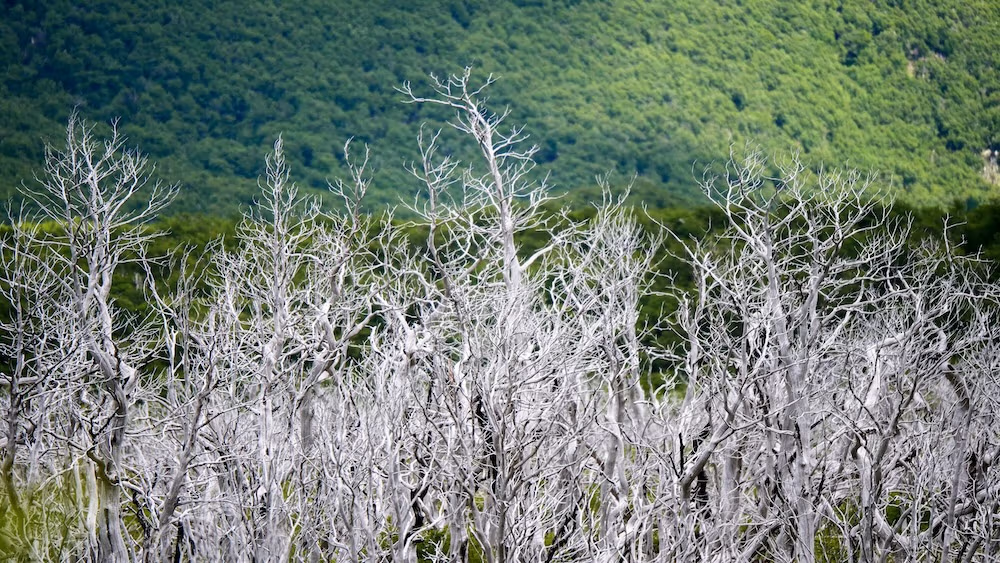
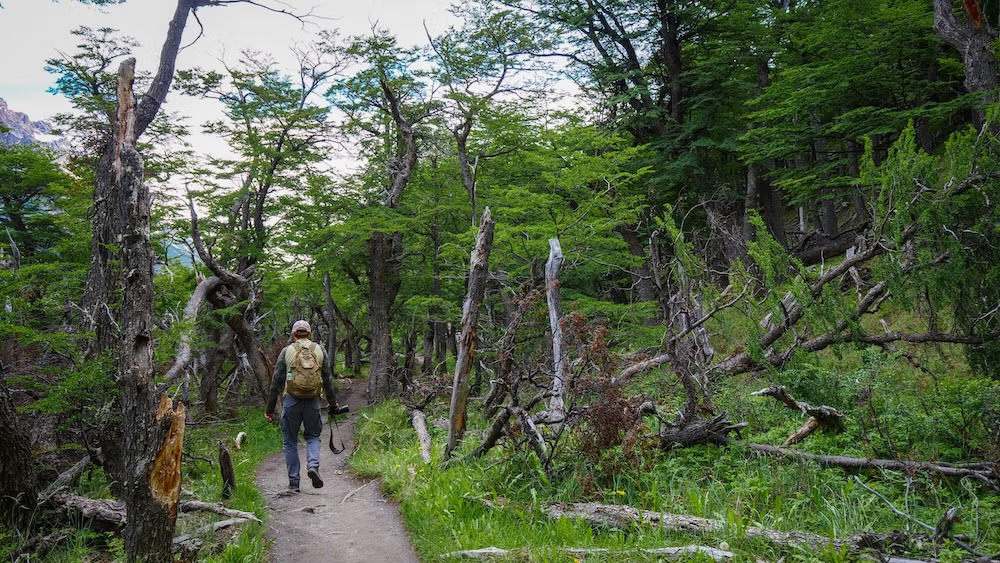
This 18-kilometer trek is famous not just for the granite spire at the end, but for the journey to get there. It takes you through a “haunted” forest of Lenga trees that have been twisted, bent, and tortured by the wind until they look like frozen sculptures of agony. It is beautiful, it is bizarre, and best of all, it is mostly flat.
Welcome to the sideways world of Laguna Torre.
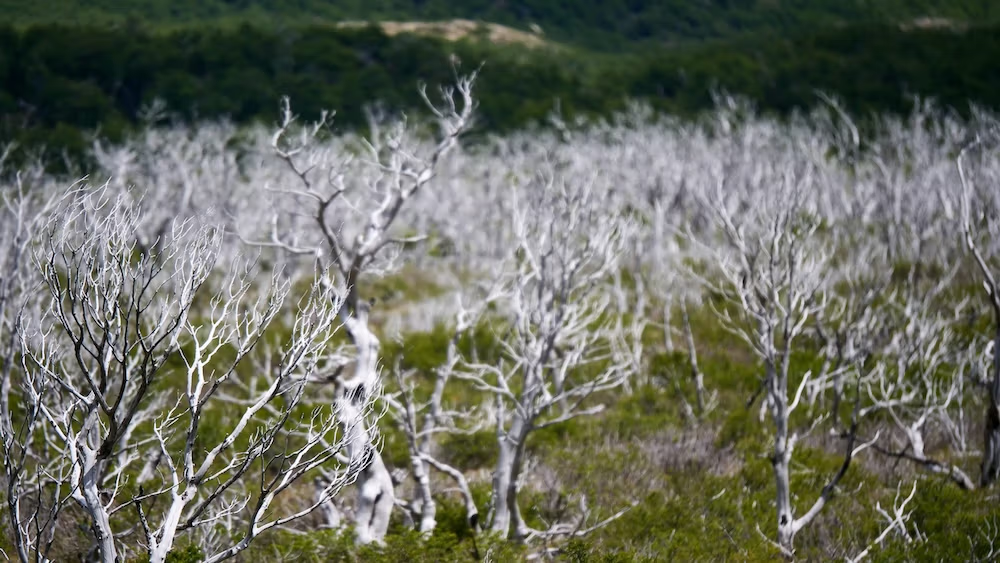
The “Haunted Forest” of the Laguna Torre trail: Where the Patagonian wind sculpts the Lenga trees into permanent, twisted bows.
Why This Hike is the Perfect “Recovery” Day
Let’s be real for a second. If you are a “foodie hiker” like us—meaning you hike primarily to justify eating three desserts at dinner—you cannot do massive vertical climbs every single day. You will burn out. You need a “bridge” hike.
We chose Laguna Torre for our third day of trekking (Day 5 of our trip) because our legs were still stiff from the Fitz Roy marathon. We wanted high reward for low(er) effort.
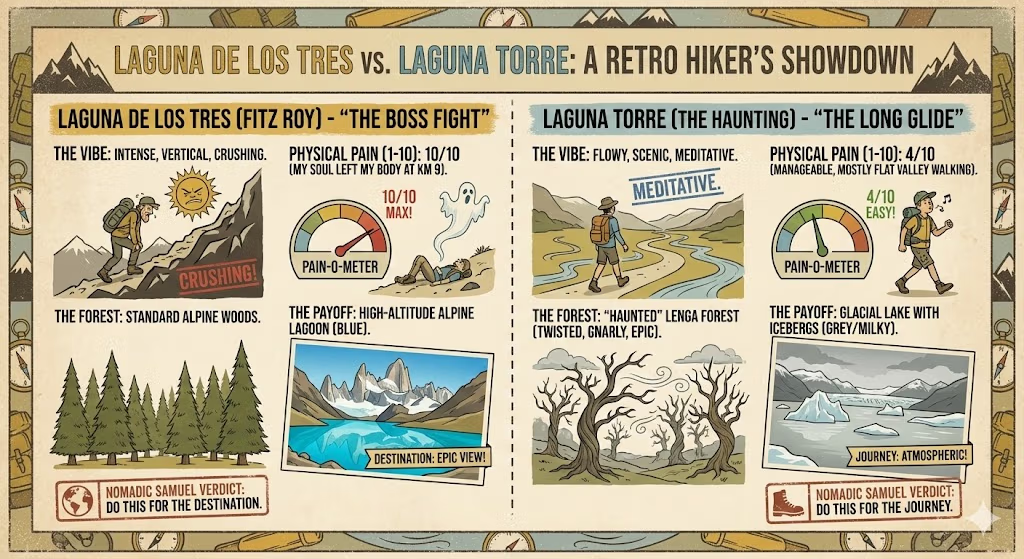
Laguna de los Tres vs. Laguna Torre Comparison
| Feature | Laguna de los Tres (Fitz Roy) | Laguna Torre (The Haunting) |
| The Vibe | “The Boss Fight.” intense, vertical, crushing. | “The Long Glide.” Flowy, scenic, meditative. |
| Physical Pain (1-10) | 10/10 (My soul left my body at Km 9). | 4/10 (Manageable, mostly flat valley walking). |
| The Forest | Standard alpine woods. | “Haunted” Lenga Forest (Twisted, gnarly, epic). |
| The Payoff | High-altitude alpine lagoon (Blue). | Glacial lake with icebergs (Grey/Milky). |
| Nomadic Samuel Verdict | Do this for the destination. | Do this for the journey. |
The “Haunted” Botany: Why Do the Trees Grow Sideways?
Before you even see the granite peak of Cerro Torre, the real star of this show is the Lenga tree (Nothofagus pumilio). Walking through these forests feels like walking through a Tim Burton movie set.
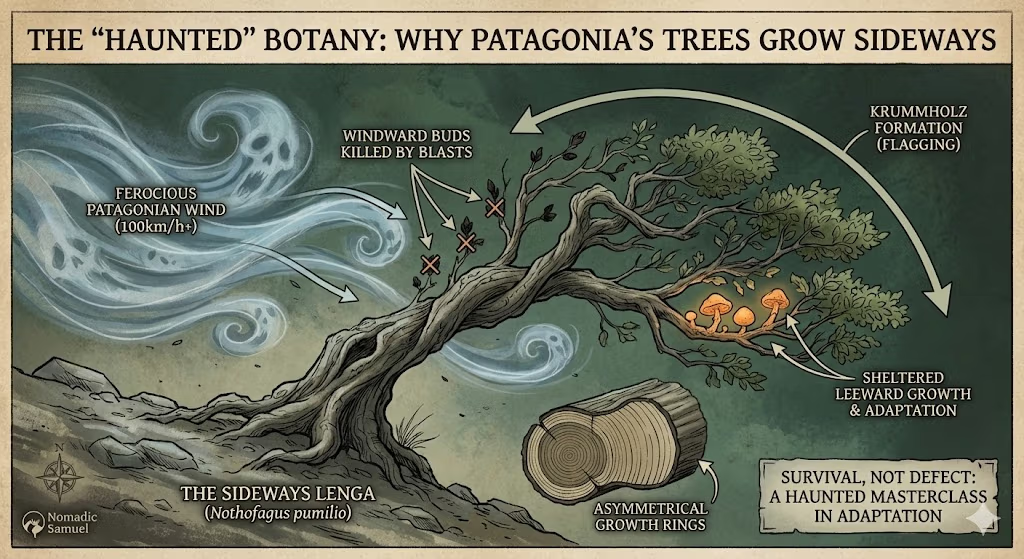
The trees here don’t just lean; they are permanently bent at 90-degree angles parallel to the ground. This phenomenon is called “Flagging” (or Krummholz formation). The wind in this valley is so ferocious and consistent—often screaming down from the Southern Patagonian Ice Field at 100km/h—that the trees literally cannot grow upward. If they stick their heads up, the wind shears off their buds. So, they learn to crawl.
Nomadic Samuel Reality Check:
Walking through these sections felt strangely quiet. I don’t mean silent—the wind was definitely howling above us—but the way the wind moves through Lenga leaves creates this high-pitched “soughing” sound that creates a serious mood. It’s no wonder people call it the “Haunted Forest”. It felt like the trees were watching us, judging our “unearned athletic confidence.”
The Hike: A Play-by-Play of the 18km Journey
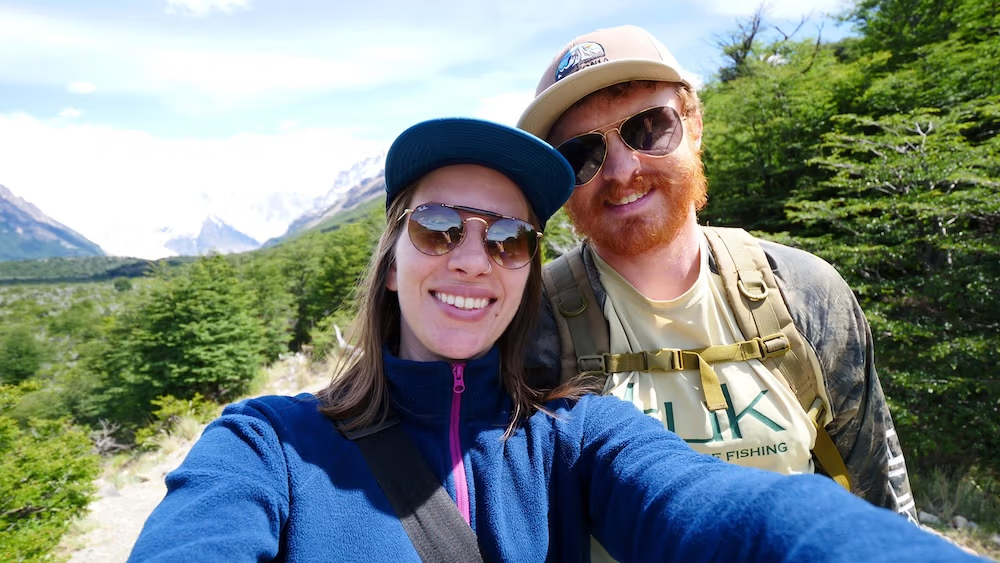
Part 1: The “Turtle Pace” Start (Km 0 to 3)
The hike starts with a bit of a lie. The first three kilometers are where 90% of the elevation gain happens. You climb up out of the river valley, leaving the town of El Chaltén behind.
We were moving “slower than a turtle” that morning. Partially because our legs were still throbbing from two days prior, but mostly because we kept stopping to take photos. The Cascada Margarita waterfall appears almost immediately (around Km 1), crashing down into the river canyon with such force that you can hear it before you see it.
If you are struggling here, don’t worry. This is the “entrance fee” you pay in sweat. Once you get past the Mirador del Torre (around Km 3), the trail flattens out into one of the most pleasant walks in all of Patagonia.
Part 2: The Valley Glide (Km 4 to 8)
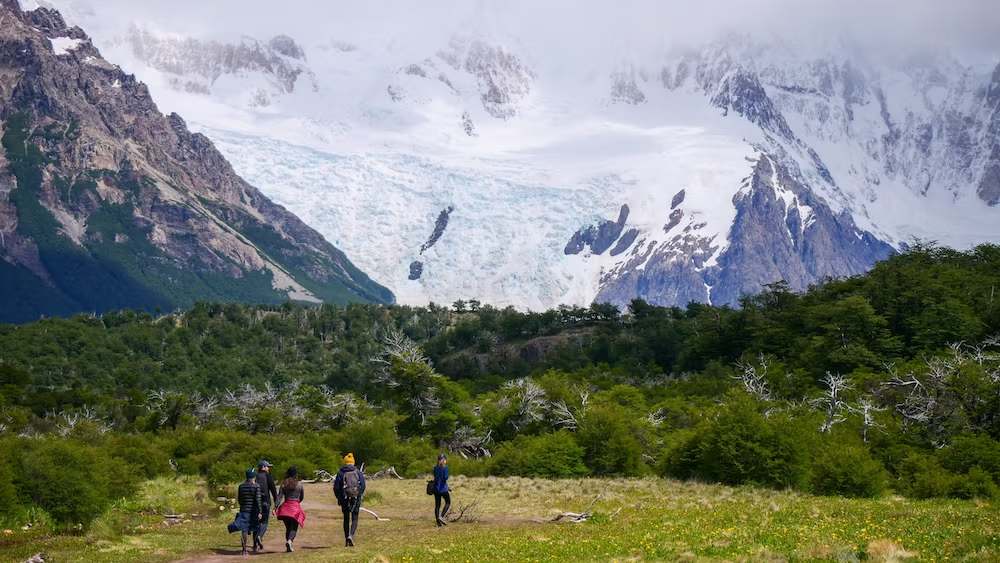
This was my favorite part of the day. The trail drops you into a wide, U-shaped glacial valley. To your left, the Fitz Roy massif peeks out; straight ahead, the jagged needle of Cerro Torre (if you’re lucky with clouds) pierces the sky.
It was here that we found a “pond that revealed itself out of nowhere”. It wasn’t on our map, but it was a perfect mirror reflection of the sky. We were practically skipping (okay, waddling) at this point because the terrain was so forgiving. Unlike the Fitz Roy trail, where you are constantly watching your feet to avoid tripping on roots, here you can actually look up and enjoy the view.
The “Lunchbox Reality” Intermission
At Kilometer 4, hunger struck. And when hunger strikes Nomadic Samuel, we stop.
We need to talk about the El Chaltén Lunchbox Economy . Because there is “basically no internet” in town and grocery supplies are “limited beyond belief” (I’m talking $1 USD per apple, people), almost every hiker relies on the packed lunches sold by their hotel.
We paid about $10 USD per box. Was it gourmet? No. Was it necessary? Absolutely.
Contents of the “Survival Box”:
- The “Sad” Salad: Rice, corn, egg, and tomato. (Pro tip: My plastic bowl cracked in my backpack, so I had to eat it very carefully before it disintegrated into my camera gear) .
- The “Muffin of Life”: A small, dense muffin that tastes like victory.
- The “Turrón”: That classic Argentine peanut nougat bar that threatens to pull your teeth out but provides instant sugar energy.
- An Apple: Valued at $1 on the local black market.
Part 3: The Glacial Reveal (Km 9)
The final kilometer takes you up a loose moraine ridge. It’s windy. It’s exposed. But when you crest that hill, the world changes color.
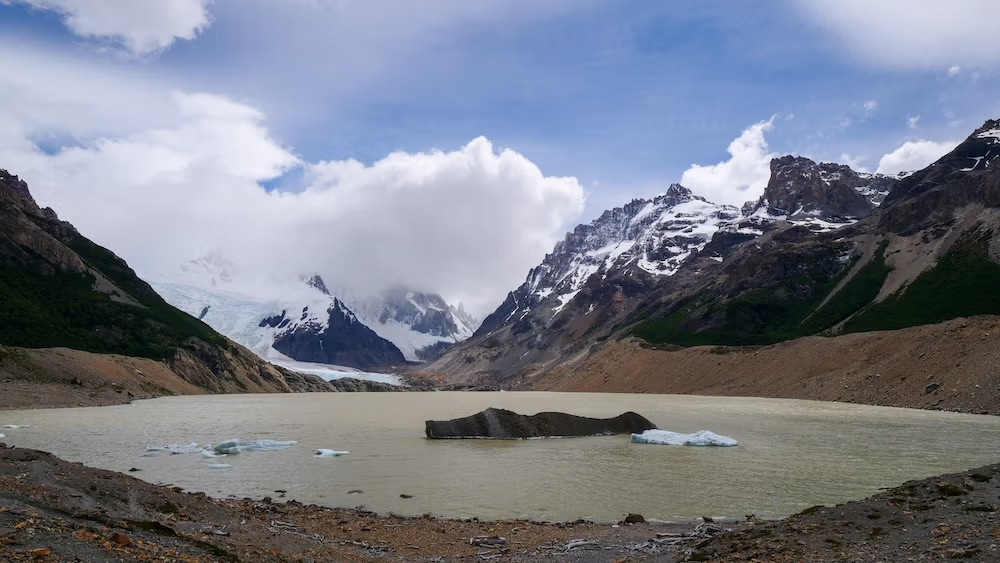
You leave the green, “haunted” forest behind and enter a world of grey, white, and milky blue. This is Laguna Torre.
When Audrey and I arrived, the weather had turned a bit “moody.” The lake wasn’t the brilliant turquoise of Laguna de los Tres; it was more of a “café au lait” or murky grey. The famous spire of Cerro Torre was playing hide-and-seek with the clouds.
But here is the cool part: Icebergs. Because the Glaciar Grande calves directly into this lake, you can walk right down to the shoreline and touch chunks of ice that are thousands of years old. It creates a stark, prehistoric feeling that is totally different from anything else in the park.
No turquoise water here—just raw, glacial power. The “café au lait” waters of Laguna Torre are filled with icebergs that have calved off the glacier in the distance.
The “Foodie Recovery” Protocol
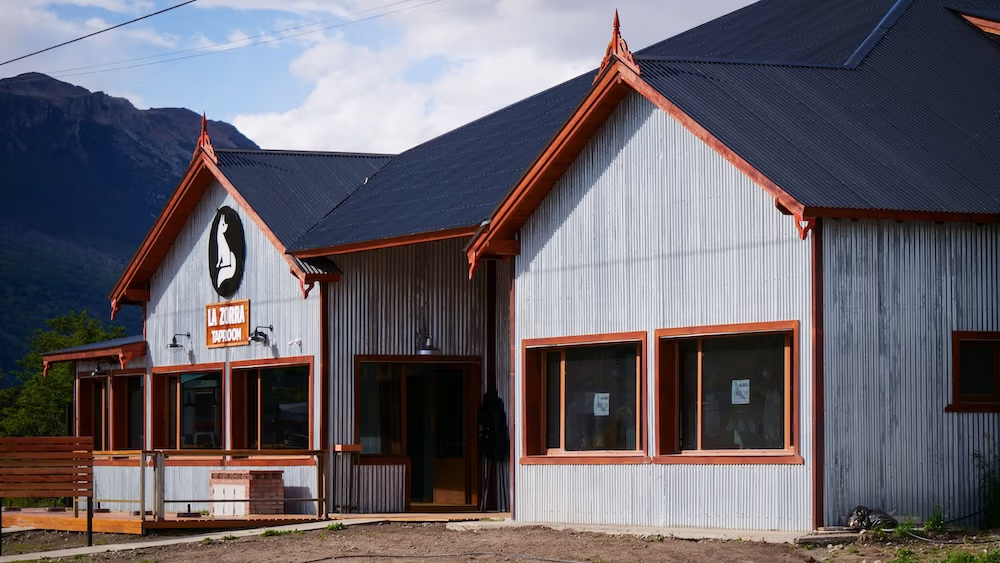
We didn’t linger too long at the lake. Why? Because we remembered that La Zorra exists.
The walk back was a blur of mostly menu planning and pre-planned indulgence. We covered the return leg nearly twice as fast as the hike in, fueled entirely by the promise of carbohydrates.
If you hike 18 kilometers, the calories don’t count. That is a scientific fact I just made up. Here is my Nomadic Samuel-approved recovery meal plan:
The El Chaltén “Foodie Recovery” Matrix
Where to eat based on how much your legs hurt.

| Restaurant | The Vibe | The “Must Order” Dish | Best For… |
| La Zorra Taproom | Loud, fun, craft beer hall. | Spicy Jalapeño Burger & Loaded Fries. | When you want to eat your feelings with grease and hops. |
| Senderos | Classy, boutique, quiet. | Blue Cheese Risotto with Walnuts. | When you want to feel fancy despite wearing dusty hiking boots. |
| La Waflería | Cozy cabin energy. | Dulce de Leche or Ice Cream/Gelato Waffles . | “Second Lunch” or avoiding the wind. |
| Patagonicus | Rustic pizza joint. | Napolitana Pizza (Garlicky & huge). | Carb-loading before the next big hike. |
We opted for La Zorra that night. Audrey and I devoured a burger with guacamole, and then crushed a bacon burger with cheesy fries. Then, because we have zero self-control, we went for artisanal ice cream afterwards. I got the “Super Dulce de Leche.” No regrets.
Practical Logistics for the Laguna Torre Hike
Trail Stats & Facts
- Trailhead: Starts near the “bottom” of town (near the river), opposite from the Fitz Roy trailhead. Look for the “Laguna Torre” signs.
- Entry Fee: You generally need to register for the National Park (check current regulations at the Visitor Center upon arrival).
- Water: You can drink directly from the streams in the forest (the water comes straight from the glacier), but bring a bottle to fill up.
- Wind Warning: The valley is a wind tunnel. Even if it’s calm in town, pack a hard-shell windbreaker. The “flag trees” didn’t get that way by accident.
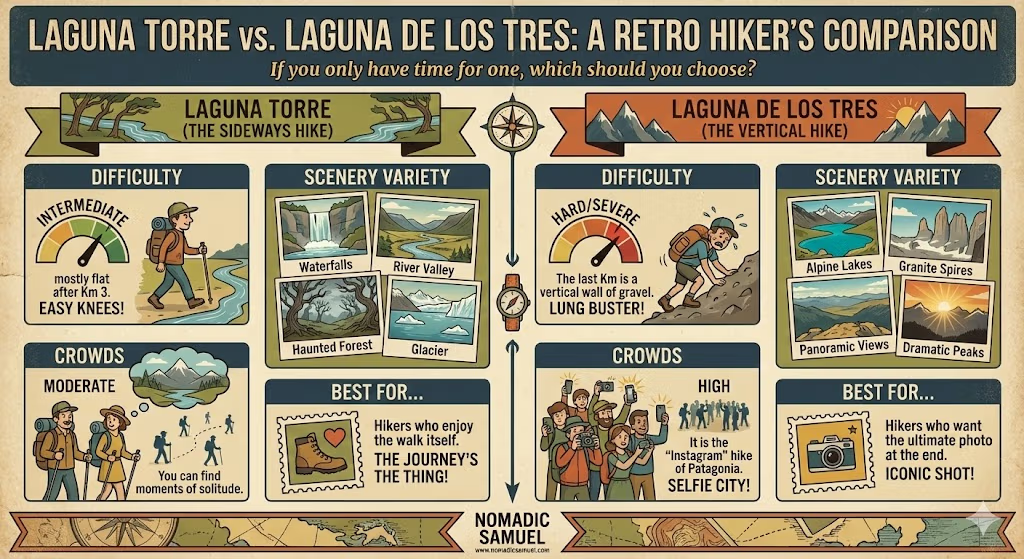
Comparison: Laguna Torre vs. Laguna de los Tres
If you only have time for one, which should you choose?
| Criteria | Laguna Torre (The Sideways Hike) | Laguna de los Tres (The Vertical Hike) |
| Difficulty | Intermediate. mostly flat after Km 3. | Hard/Severe. The last Km is a vertical wall of gravel. |
| Scenery Variety | High. Waterfalls, river valley, haunted forest, glacier. | High. Alpine lakes, granite spires, panoramic views. |
| Crowds | Moderate. You can find moments of solitude. | High. It is the “Instagram” hike of Patagonia. |
| Best For… | Hikers who enjoy the walk itself. | Hikers who want the ultimate photo at the end. |
Final Thoughts: Embrace the “Sideways”
Laguna Torre might be the “second most famous” hike in El Chaltén, but for us, it was the most enjoyable. There was no pressure. There was no “Boss Fight” vertical climb that made me question my life choices. There was just a beautiful, strange, haunted valley where the trees grow sideways and the icebergs float in silence.
It’s the perfect hike for the “rest day” when you still want to move your skeleton but aren’t ready to destroy it.
Just remember to bring your windbreaker, your $10 lunchbox (guard that salad bowl with your life), and a healthy appetite for the burger waiting for you at the finish line.
Have you hiked the “Haunted Forest” of Laguna Torre? Did the trees look as tortured to you as they did to me? Let us know in the comments below!
FAQ: Hiking Laguna Torre & The Lenga Forests
Is the Laguna Torre hike difficult?
It is generally considered an intermediate hike. While it is 18km long (round trip), the elevation gain is mostly concentrated in the first 3km. After that, it is a relatively flat walk through the valley, making it much easier on the knees than the steep Fitz Roy trek.
Why do the trees in Patagonia grow sideways?
This is a phenomenon called “flagging” or Krummholz formation. The prevailing westerly winds are so strong and constant that they kill the buds on the windward side of the Lenga trees, forcing all growth to occur on the sheltered (leeward) side. It’s a survival adaptation, not a defect!
Do I need trekking poles for Laguna Torre?
They aren’t strictly mandatory like they are for Laguna de los Tres, but they are helpful. The wind in the open valley sections can be strong enough to knock you off balance, and poles provide stability. They also save your knees on the descent back to town.
Can I drink the water in the forest?
Yes, most hikers drink directly from the flowing streams in Los Glaciares National Park, as the water comes directly from glaciers and snowmelt. However, always check with park rangers for the latest safety advisories before you go.
How long does the hike take?
Plan for 6 to 7 hours. This includes plenty of time for photos in the “haunted forest,” a lunch break at the lagoon, and a relaxed pace on the return leg.
Are there bathrooms on the trail?
Yes, there are basic facilities located at the De Agostini Campground (Campamento De Agostini), which is roughly at the 8-kilometer mark. This is a good spot to use the restroom and take a final break before hiking the last kilometer to the lagoon.
Can I bring a dog on the trail?
No. While the stray dogs in El Chaltén are very friendly, the National Park rangers explicitly warn hikers not to let them follow you onto the trails. This is strictly enforced to protect the Huemul, an endangered species of deer that lives in the park.
Will I definitely see the Cerro Torre spire?
Not necessarily. Patagonian weather is unpredictable; we hiked on a cloudy day and the iconic spire was completely hidden, leaving the lagoon looking “moody” and grey. However, the hike is still worth it for the forest views, the glacier, and the icebergs floating in the lake.
Is the trail easy to follow without a guide?
Yes, El Chaltén is very much a “do-it-yourself” trekking destination. The Laguna Torre trail is well-defined, and there are markers every kilometer that help you track your progress and pace.
What should I do for lunch?
We highly recommend ordering a packed lunchbox from your accommodation the night before. Grocery selection in town can be “limited beyond belief” (and expensive), so the ~$10 USD hotel lunchboxes—usually containing a sandwich, fruit, and snacks—are the most convenient fuel for the day.
Is there cell phone service on the hike?
No. You will likely lose signal immediately upon leaving town. In fact, mobile data is often non-existent even within the town of El Chaltén itself, and Wi-Fi is a “rare commodity. Be sure to download any maps or music you need before you leave your hotel.
Can I camp overnight on this trail?
Yes, you can camp at the De Agostini Campground at kilometer 8. It is a popular spot for hikers who want to wake up next to the lagoon for sunrise photography, though you will need to bring all your own gear and food.
Project 23 Argentina: This guide is also available in Spanish. [Lea la versión en castellano: Árboles de lenga torcidos de Laguna Torre: el bosque embrujado de la Patagonia]