
I have a slightly odd history with Alberta’s two big cities. Edmonton was once home. I went to university there, lived downtown and have a lot of memories tied to the city. Calgary was almost the opposite. For years, Audrey and I mostly knew it as the place where you landed before carrying on to somewhere else.
Then we went back and properly explored both.
Edmonton reminded me why I had enjoyed living there in the first place. Calgary surprised me by being far more interesting, walkable and enjoyable than the airport-gateway label I had lazily given it. I would happily spend several days in either city.
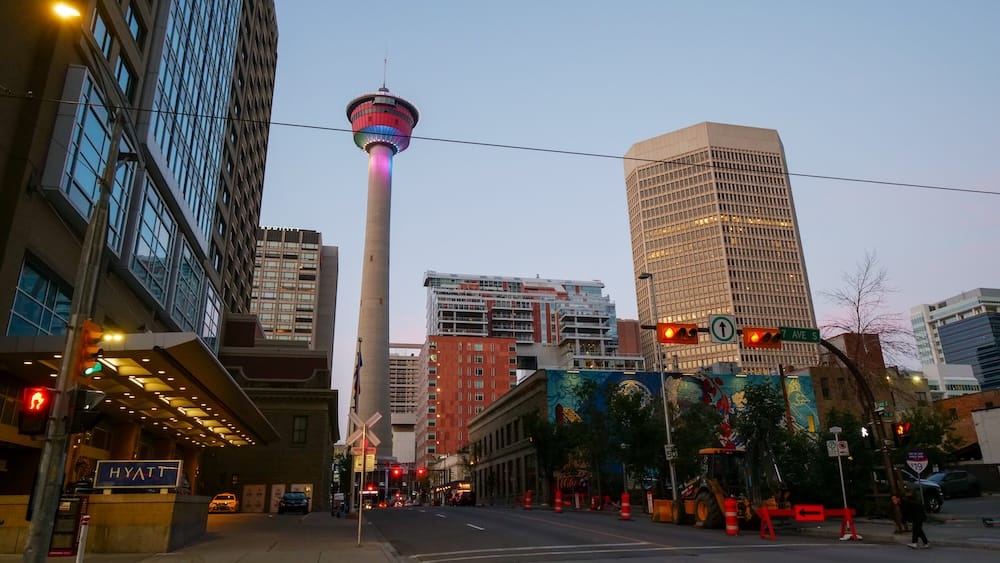
But if you ask me a different question—which one would I choose as a base for an Alberta trip?—I land pretty firmly on Calgary.
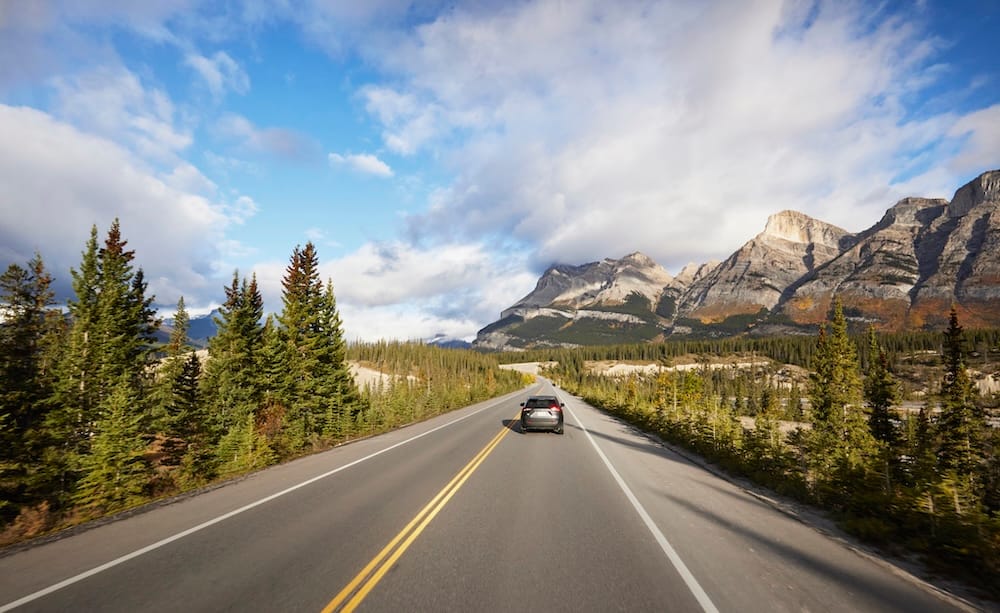
The reason has much less to do with which city I prefer and a lot more to do with what happens when you get in a car and start driving west. Banff is roughly 1.5 hours from Calgary. Canmore is even closer. Lake Louise, Moraine Lake and Kananaskis push the day farther, but they are still realistic targets.
Edmonton has its own ace card: Jasper is closer. The problem is that “closer” still means roughly four hours each way.
That is the distinction that matters. A place can be closer on a map without being close enough to function well as a day trip.
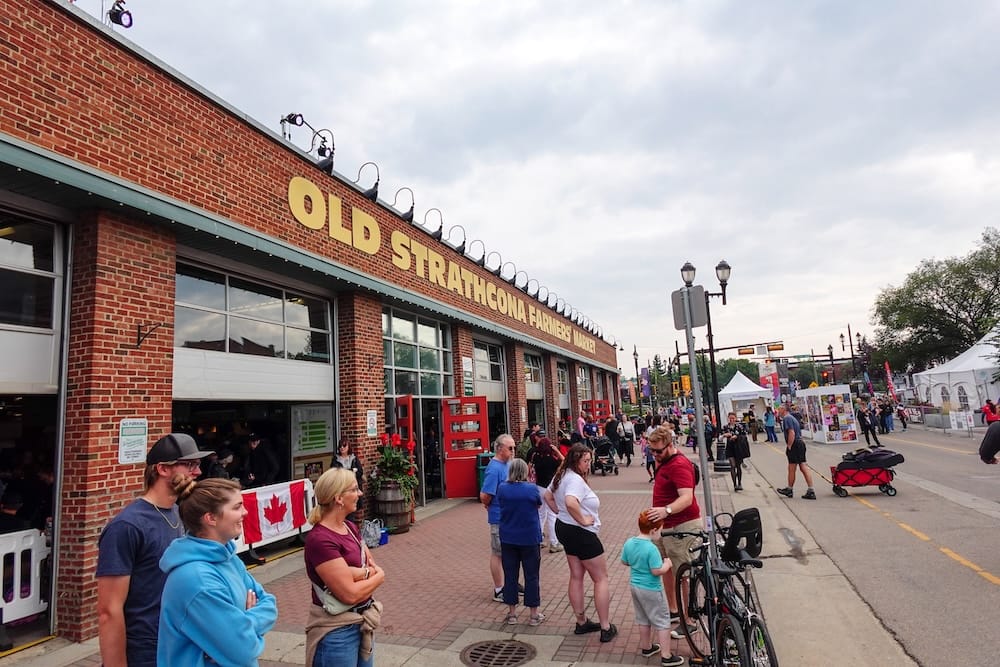
Calgary vs Edmonton as an Alberta Base at a Glance
| Base | Main regional target | Approx. one-way travel | Does it work as a day trip? | Main catch |
|---|---|---|---|---|
| Calgary | Banff | About 1.5 hours | Yes | Traffic, parking and busy periods |
| Calgary | Lake Louise / Moraine Lake | Longer than Banff | Yes, with planning | Shuttle and parking restrictions |
| Calgary | Canmore / Kananaskis | Roughly 1–1.5 hours depending on destination | Yes | Trailhead access, parking and passes |
| Edmonton | Jasper | About 4 hours | Possible, but I would not recommend it | Roughly 8 hours of return driving |
| Edmonton | Elk Island National Park | About 48 km from central Edmonton | Yes | Check current park and trail conditions |
If your Alberta trip is primarily about Banff and the southern Canadian Rockies, Calgary wins this comparison comfortably. If that is already sounding like your itinerary, you can compare current Calgary accommodation before deciding how many mountain days you want to build around the city.
If Edmonton itself is one of your main destinations, or you are exploring nearby central Alberta, Edmonton can make excellent sense.
And if Jasper is the real goal, my answer is different again: travel from Edmonton to Jasper if that route suits your itinerary, but then stay in Jasper .
What Matters Is How Much of Your Day Survives the Drive
Travel planning gets strange when we become too obsessed with distance.
Four hours away sounds considerably better than five hours away. And it is. But the question changes once you are deciding whether to sleep in the same city again that night.
A Calgary–Banff return starts at roughly three hours of total driving before traffic, stops or delays. That still leaves a large chunk of the day to walk, hike, eat, stare at mountains and generally enjoy the reason you drove there.
An Edmonton–Jasper return starts at roughly eight hours behind the wheel.
Before lunch. Before hiking. Before wildlife stops. Before you get out of the car and do anything remotely resembling a holiday.
I have done enough sprawling road trips to know that a day can look perfectly reasonable while you are planning it on Google Maps and considerably less reasonable when you are living it. Once you add bathroom breaks, food, parking, slower mountain roads, photography stops and the basic human desire not to spend your entire waking existence strapped into a seat, the arithmetic gets ugly.
That is why I think usable time is a better measure of a base than distance.
Calgary Works Because the Mountains Are Genuinely Within Reach
My enthusiasm for Calgary as a base is not based on the idea that Banff is a nice photograph somewhere west of the city. Audrey and I have travelled through the Canadian Rockies several times and in very different ways.
On an older family road trip, we drove extensively around the region ourselves, visiting Banff, Canmore, Lake Minnewanka, Lake Louise, Moraine Lake, Kananaskis and places farther into British Columbia. Having a vehicle gave us enormous freedom to keep moving, stop where we wanted and build days around several different landscapes.
More recently, we stayed in Harvie Heights, just outside Canmore, on a multigenerational trip with Audrey’s dad and Aurelia. Being close to the mountains completely changed what we could fit into a day. On one ambitious private tour, we left in the morning and visited Lake Louise and Moraine Lake before continuing into Yoho National Park for the Spiral Tunnels, Takakkaw Falls, Emerald Lake and Natural Bridge.
We were out exploring from around 9 in the morning until 7 at night. It was a big day, especially with a toddler and grandparent along for the ride, but it worked because we were already positioned near the Rockies.
That experience reinforced something fairly obvious once you have actually travelled this region: where you sleep has a huge effect on how much you can do without turning the trip into a driving marathon.
Calgary is not as close as Canmore, Harvie Heights or Banff itself. Of course it isn’t. But among the two cities in this comparison, it puts you dramatically closer to the mountain experiences that dominate many first-time Alberta itineraries.
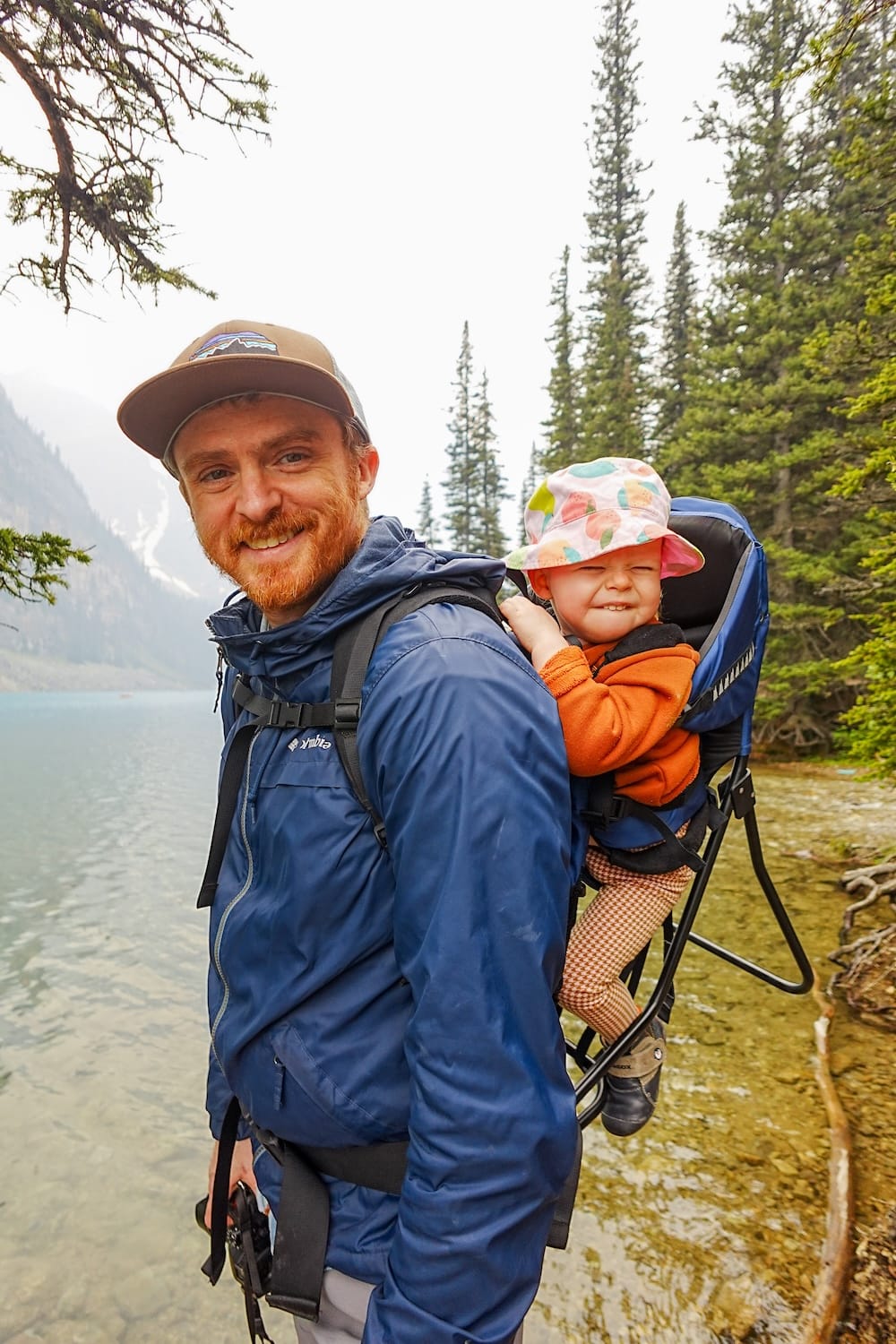
Banff Is Close Enough for a Proper Day Trip
Banff is about 1.5 hours from Calgary under normal conditions.
That is long enough that I would leave reasonably early, but short enough that the drive does not own the day. You could spend hours around Banff National Park and still return to Calgary that evening without feeling as though you had embarked on a minor expedition just to get home.
There are also scheduled transportation and guided options between Calgary and the Rockies, so this advantage is not exclusive to travellers renting a car. If you would rather let somebody else handle the driving, parking and route planning, one current option is this full-day Banff National Park tour from Calgary or Canmore, which currently includes Calgary pickup options and visits Lake Louise, with Moraine Lake dependent on season and park conditions.
A rental car gives you considerably more independence once you begin stringing together trailheads and dispersed mountain destinations, but a car-free Calgary trip can still include the Rockies. That is a meaningful advantage over Edmonton.
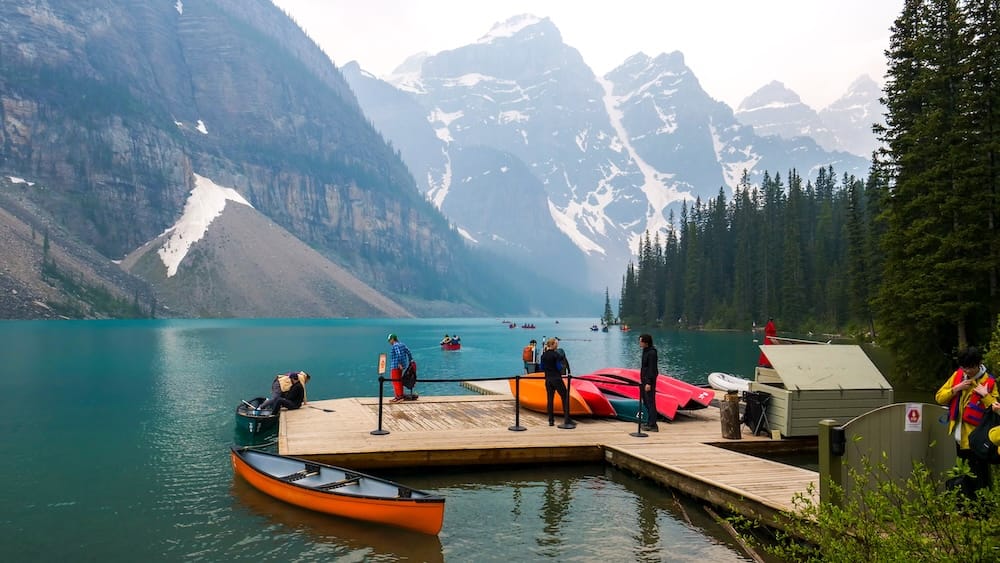
Lake Louise and Moraine Lake Are Feasible, but They Are Not Casual Detours
This is where I would rein in the cheerful travel-blog language about everything being an “easy day trip.”
Audrey and I have visited Lake Louise and Moraine Lake on multiple trips, and the logistics have changed substantially over time.
Years ago, we travelled around the Rockies independently and could drive ourselves up to Moraine Lake. Even then, I remember the parking situation being crowded.
That system is gone.
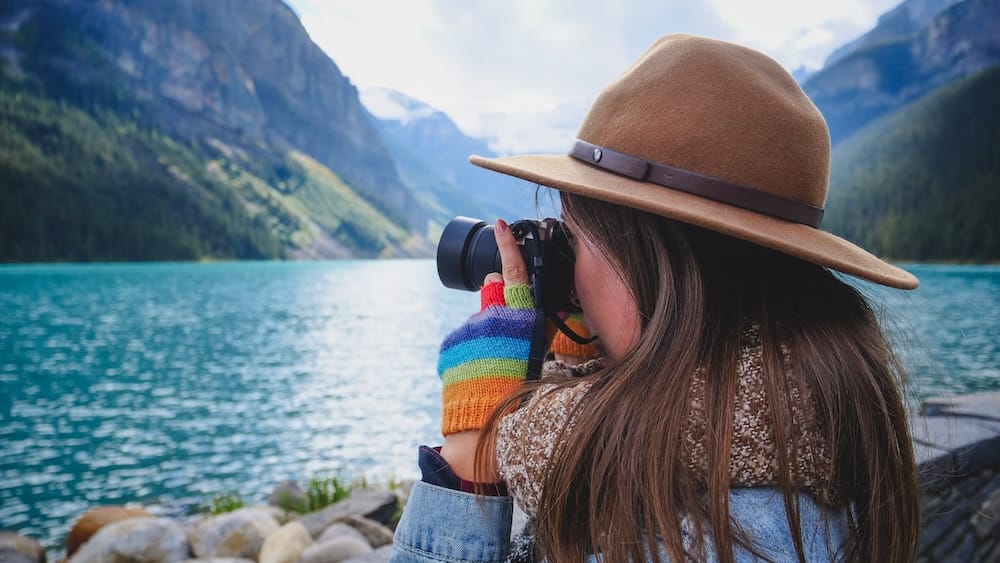
Personal vehicles are no longer permitted on Moraine Lake Road, so you need to build your visit around approved transportation such as Parks Canada shuttles or licensed operators. Lake Louise also has major parking pressure, and advance planning matters. Because these arrangements change, I would check the current Parks Canada Lake Louise and Moraine Lake transportation information before locking in the day.
On our more recent trip, we visited both lakes as part of a private tour. The convenience was obvious. We did not have to spend our day trying to solve parking or transport puzzles, and we could focus on the places themselves.
At Lake Louise I hiked up to Fairview Lookout carrying Aurelia on my back, which turned a fairly short trail into rather more of a workout than the distance suggested. At Moraine Lake I walked up the Rockpile for the classic elevated view. Both stops reinforced why these places are so popular, but also why you cannot plan them as if you are pulling into an empty roadside viewpoint.
Calgary gives you the proximity.
It does not make the crowds disappear.
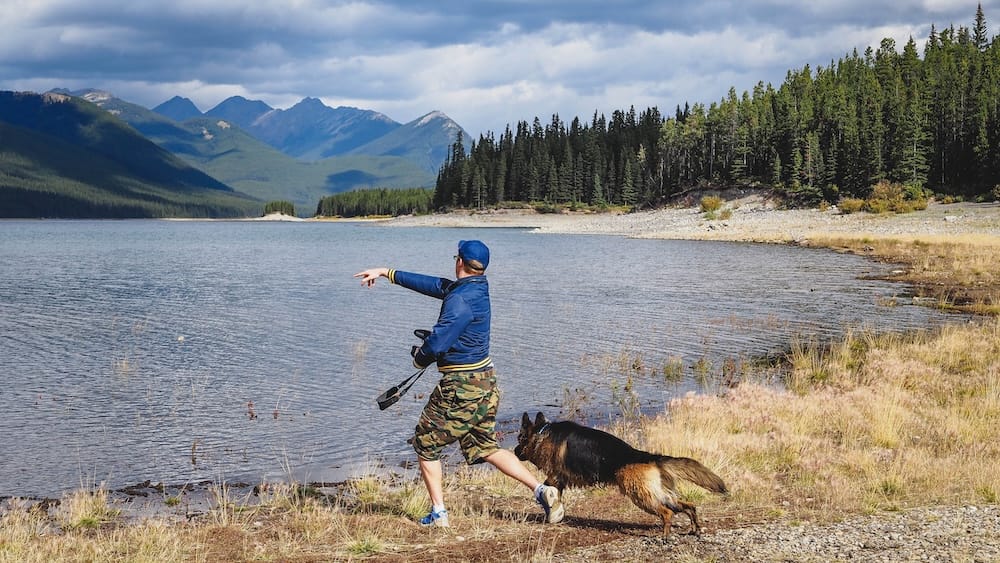
Canmore and Kananaskis Make Calgary an Even Stronger Mountain Base
Banff gets most of the attention, but Calgary’s geography gives you other options.
Canmore is just over an hour away, and Kananaskis opens another huge area of mountain scenery and hiking. Audrey and I have road-tripped through Kananaskis before, including Upper and Lower Kananaskis Lakes, so I would not treat it merely as the overflow option for people who failed to book Banff correctly.
It is a destination in its own right.
This matters even more if hiking is a major part of your trip. Reaching a town is one thing; reaching a trailhead, hiking for several hours and then safely driving back is another.
A couple of hours of total road time can work around a substantial hike.
Eight hours cannot, unless your idea of recovery is developing a close personal relationship with your steering wheel.
If your version of Alberta involves trailheads, Kananaskis, multiple mountain bases or spontaneous stops rather than one organized excursion, a car becomes much more useful. Travellers arriving through YYC can compare current car rentals at Calgary International Airport before deciding whether to keep the vehicle for the entire trip or only the regional portion.
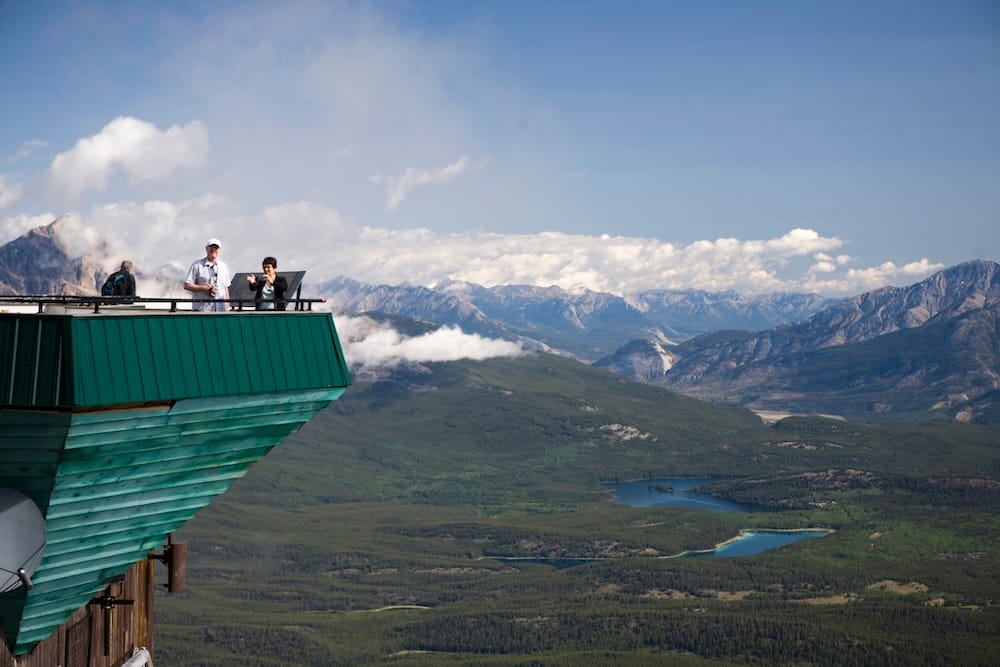
Edmonton Is Closer to Jasper, but the Advantage Is Easy to Misread
Edmonton absolutely has the better geographical relationship with Jasper.
Jasper lies roughly 370 kilometres west of Edmonton, and the drive is approximately four hours. Calgary is farther away, at around five hours by road.
If you are deciding whether to travel to Jasper from Calgary or Edmonton, I would choose Edmonton.
That part is easy.
Where I disagree with some of the shorthand around Alberta travel is the next leap: Edmonton is closer to Jasper, therefore Edmonton is a good base for Jasper.
Four hours each way is still four hours each way.
If you left Edmonton, drove to Jasper and returned the same night, you would begin with roughly eight hours of driving before adding anything you travelled there to experience. And Jasper is not somewhere I would want to visit with a stopwatch running in the background.
Could it be done? Sure.
So could eating an entire wheel of cheese before boarding a long-haul flight. The more useful question is whether you should.
For me, Jasper from Edmonton crosses the line from day trip into onward journey.
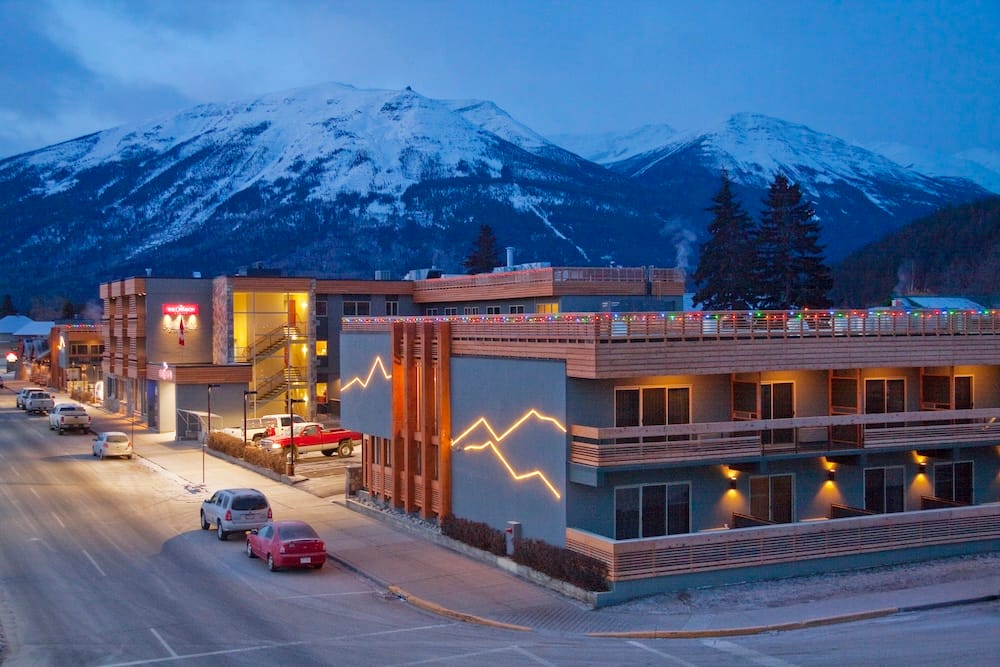
If Jasper Is Important, I Would Sleep in Jasper
If Jasper National Park is one of the main reasons for your Alberta trip, I would use Edmonton as a gateway if it suits your route and then move your accommodation to Jasper.
That converts the four-hour journey into a transfer day instead of half of an exhausting commute. It also gives you mornings and evenings in the destination, which are exactly the hours you lose when you insist on returning to Edmonton every night.
If that is the trip you are building, compare current places to stay in Jasper and treat the Edmonton–Jasper drive as a relocation rather than a boomerang.
This is why I do not think the phrases “Calgary is the gateway to Banff” and “Edmonton is the gateway to Jasper” mean quite the same thing.
Calgary is close enough to Banff that the city can genuinely function as your bed at the end of repeated mountain days.
Edmonton is close enough to Jasper to be a logical place to start the journey, but not close enough that I would happily bounce between the two day after day.
That one difference changes my entire answer to this article.
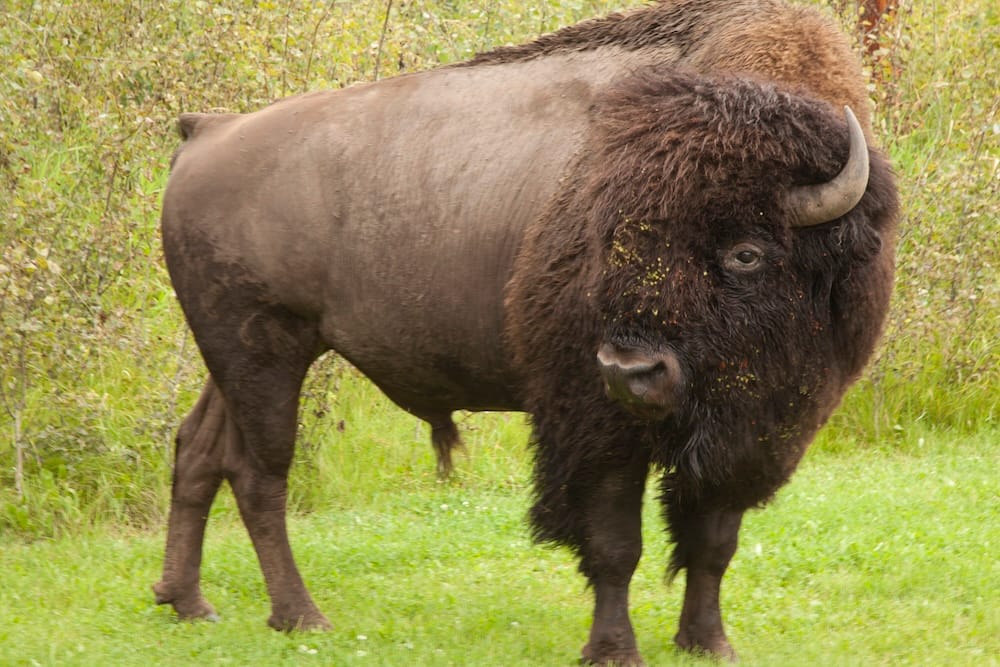
Edmonton Has Its Own Regional Trips That Make Far More Sense
Edmonton does not need Jasper to justify itself as a base.
Elk Island National Park is the much cleaner example. Its main entrance is roughly 48 kilometres from central Edmonton, which puts it firmly into normal day-trip territory.
You can spend meaningful time there without starting before dawn, arriving back near midnight and wondering whether you have accidentally taken a job as a long-distance trucker.
There has also been selected Parkbus service between downtown Edmonton and Elk Island, which creates an option for some travellers without cars, although schedules and current park conditions need to be checked before relying on them.
More importantly, Edmonton works when Edmonton itself forms a large part of your trip.
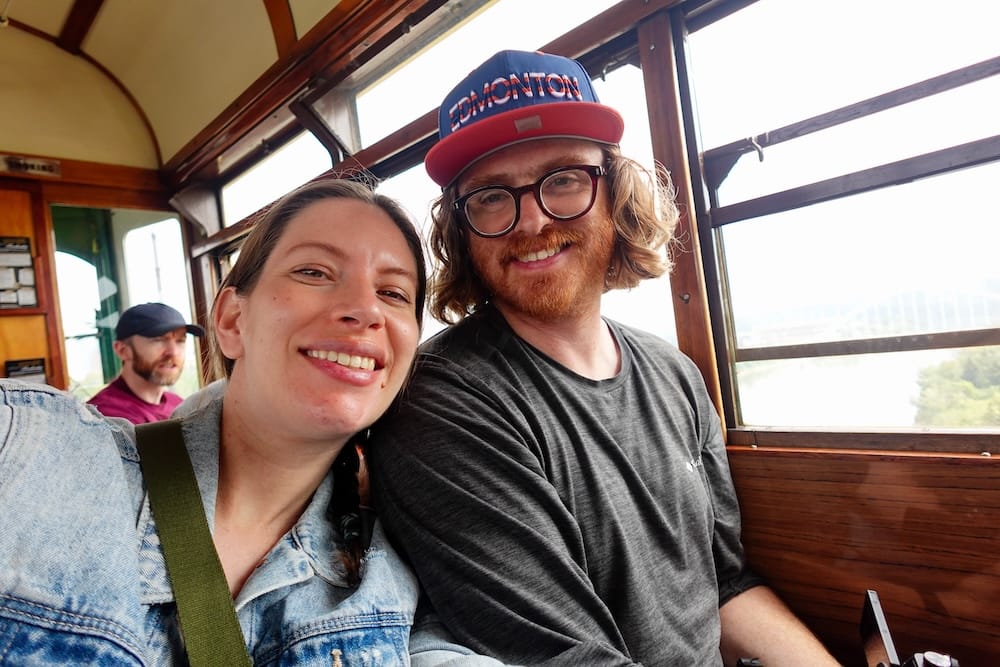
Our most recent visit was deliberately built that way. Audrey booked us into the Fairmont Hotel Macdonald for a babymoon stop during a broader Alberta journey, partly because I had gone to university in Edmonton and had not been back in years.
That trip was never Edmonton pretending to be somewhere else.
We were there for Edmonton.
I revisited Whyte Avenue, which brought back a ridiculous number of university memories. We explored the river valley, museums, neighbourhoods, downtown and West Edmonton Mall. Audrey was seeing much of it fresh while I was constantly tripping over my own past.
I still think somebody who stays entirely downtown and never gets over to areas such as Whyte Avenue misses a big chunk of Edmonton’s personality.
So if Edmonton is one of the destinations you actually want to experience, give it proper time and build a few nearby excursions around it. You can compare current Edmonton accommodation based on whether you want downtown convenience, access toward Whyte Avenue or a different part of the city.
Just do not make Jasper commute back and forth to justify the hotel booking.
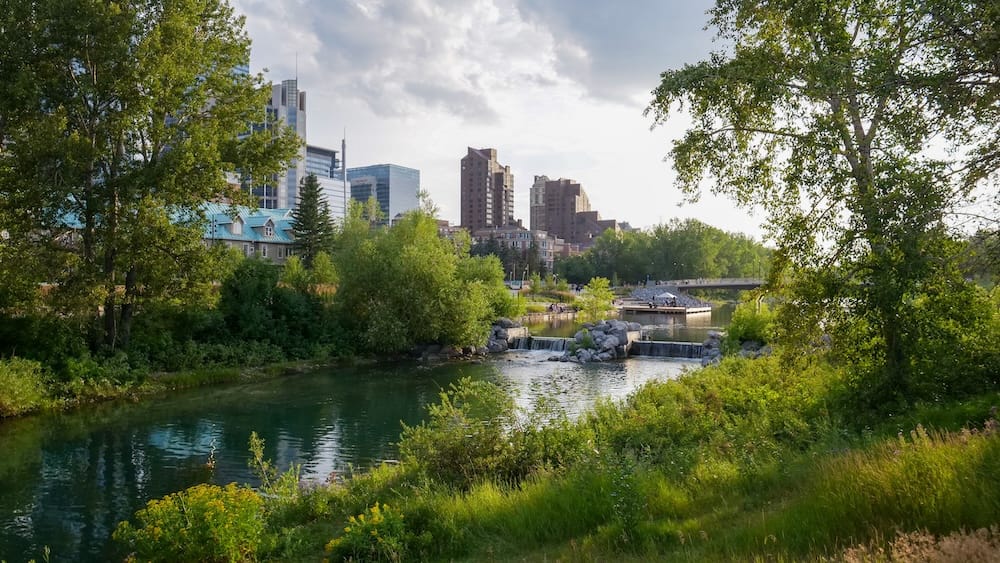
I Would Not Treat Either City as an Airport With Beds
For years, that was more or less how I treated Calgary.
Fly in. Get out.
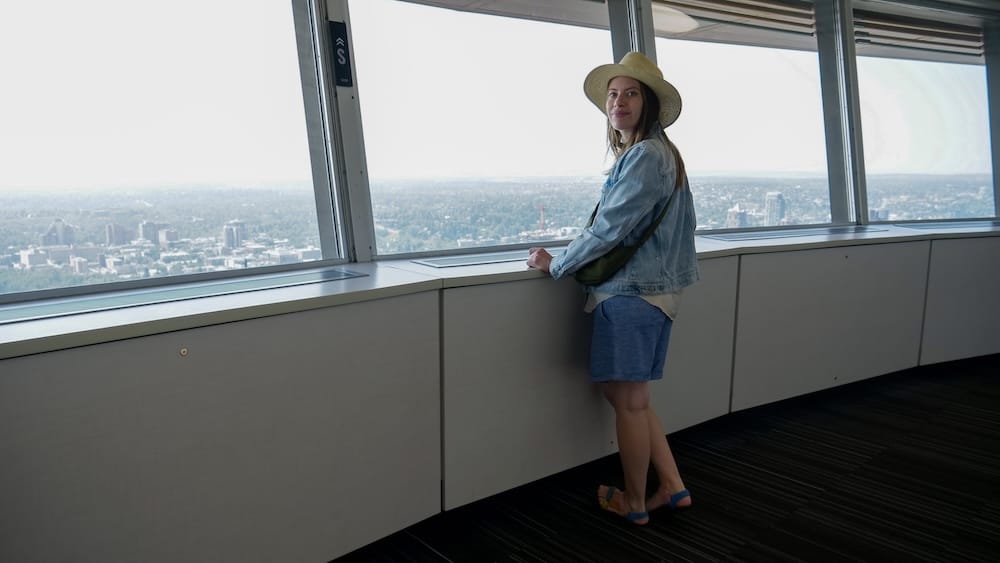
Then Audrey and I finally spent proper time there and I realized how much we had ignored. We walked extensively through downtown and Chinatown, explored the Bow River area, visited the Central Library and Calgary Tower, found the +15 network and Devonian Gardens, ate our way through several excellent meals and eventually took public transport out to Heritage Park.
Calgary felt spacious, surprisingly relaxing and considerably easier to explore than I expected from a large city.
That discovery matters to this particular comparison because you are not choosing between “Edmonton, a proper city” and “Calgary, the airport before Banff.”
Calgary can give you worthwhile city days and put the southern Rockies within reasonable striking distance.
Edmonton does the city part equally well in its own way. I have more personal affection tied up in Edmonton than Calgary because I lived there during an important stage of my life. But nostalgia is not going to shave three hours off the road to the mountains.
The base question is logistical.
Calgary wins it.
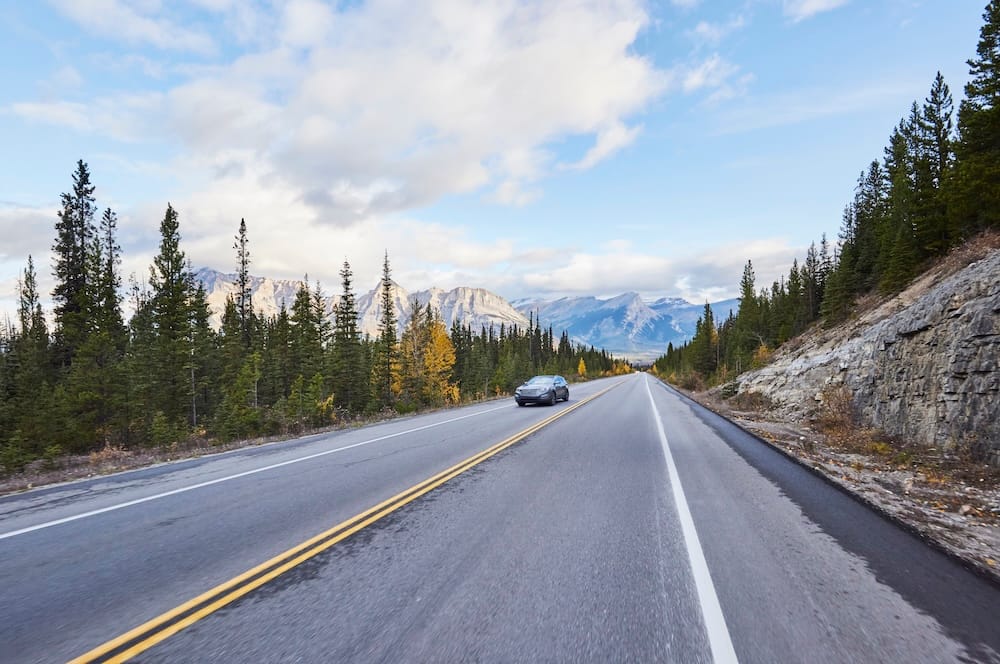
Do You Need a Car?
For a larger Alberta trip, I would lean toward renting one.
Our older Canadian Rockies road trip showed me just how useful that independence can be. We could move between Banff, Canmore, Kananaskis and destinations farther west without building every day around somebody else’s timetable.
But the car does not solve everything anymore.
Moraine Lake is the obvious example because you cannot simply drive your own vehicle there. Lake Louise has its own parking pressure. Banff encourages transit use, and some mountain areas have permit or parking requirements.
In other words, having a rental car increases your regional flexibility, but you may still find yourself parking it and getting onto a shuttle.
Calgary is particularly useful because you have both choices. You can rent a car and build a wider road trip, or use scheduled transportation and guided trips for some of the major Rockies destinations. If you are still deciding which approach fits your itinerary, check current YYC rental-car options alongside the cost and convenience of the mountain days you would rather do without driving.
Edmonton also has scheduled transportation toward Jasper. I would just use that service to relocate to Jasper rather than trying to manufacture a same-day return trip.
For Elk Island, car-free options have existed on selected dates, but this is one of those cases where I would check the current schedule before constructing an entire day around it.
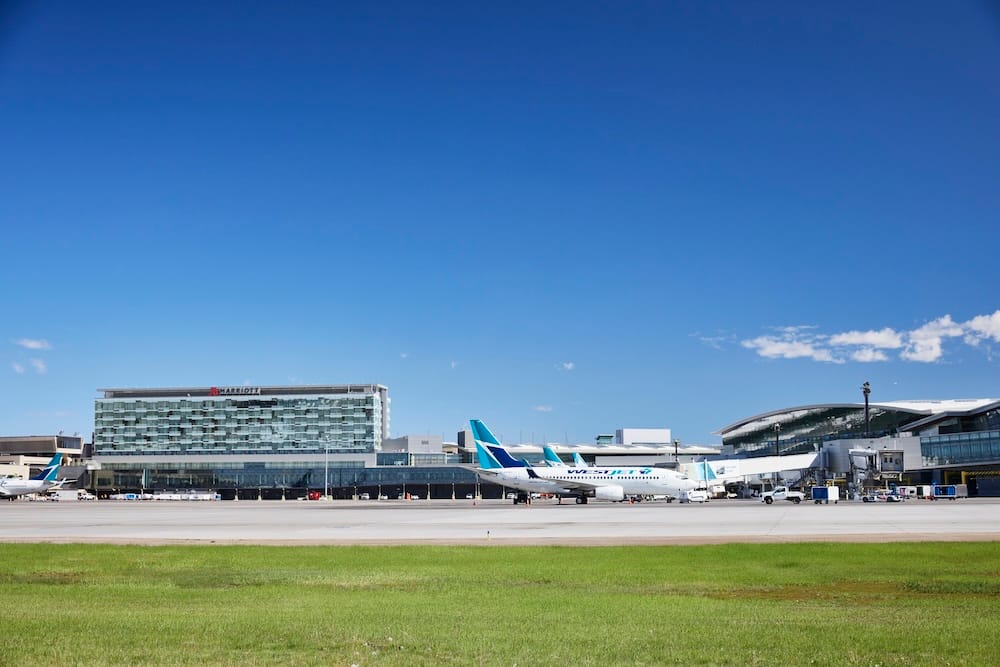
Calgary Also Has the Stronger Air Gateway
There is another practical advantage before you even reach the highway.
Calgary International Airport handled about 19.4 million passengers in 2025 and finished the year with 108 nonstop destinations. Edmonton International handled about 8.14 million passengers, with a network of more than 50 nonstop destinations.
Those numbers do not prove that every Rockies traveller flies through Calgary, and I would not pretend they do.
They do tell you something useful: Calgary currently has the larger air network, and it is also the closest major international gateway to Banff.
If you are flying into Alberta, renting a car and trying to make one city perform double duty as both an urban stop and the launch pad for mountain excursions, Calgary starts with the stronger hand.
So Who Should Choose Calgary and Who Should Choose Edmonton?
I would make the decision this way:
- Choose Calgary if Banff, Canmore, Kananaskis, Lake Louise, Moraine Lake or several days of southern-Rockies hiking dominate your plans.
- Choose Calgary if you want one city hotel while making repeated mountain day trips.
- Choose Calgary if broad flight connectivity and quick access toward Banff are important.
- Choose Edmonton if Edmonton itself is a major part of the trip and your regional excursions are closer, such as Elk Island.
- Choose Edmonton as your starting point for Jasper if the route makes sense, but once you reach Jasper, stay there.
- Use multiple bases if you genuinely want Calgary, Banff, Lake Louise, Jasper and Edmonton rather than asking one hotel room to conquer half of Alberta.
That last option is probably the most important.
Alberta is enormous. You do not receive a medal for refusing to move hotels.
On our recent Rockies trip, staying near Canmore made our mountain days far easier. On an older road trip, moving through the region gave us the freedom to experience Banff, Kananaskis and destinations farther west without constantly retracing hundreds of kilometres.
Sometimes the best travel decision is to stop searching for one perfect base.
My Verdict: Calgary Wins, but Only for the Job It Is Better At
If I had to pick Calgary or Edmonton as one base for a first Alberta trip, I would choose Calgary.
Banff being roughly 1.5 hours away is the decisive advantage. Canmore and Kananaskis widen the options, while Lake Louise and Moraine Lake remain realistic long days once you account for their current transportation logistics.
Edmonton being roughly four hours from Jasper is useful when you are heading to Jasper. It just does not create the same kind of base.
Once a return trip begins with around eight hours of driving, I stop thinking of it as regional exploration and start thinking I should probably move my suitcase.
That is really the whole decision for me.
Calgary is the better base for a Rockies-heavy Alberta trip. Edmonton is worth visiting because Edmonton itself has plenty to offer. And if Jasper matters enough to drive four hours to reach it, do yourself a favour and stay there.
Frequently Asked Questions
Is Calgary or Edmonton the better base for Banff and the southern Canadian Rockies?
For a Rockies-heavy first trip, I would choose Calgary. Banff is about 1.5 hours away, while Canmore, Kananaskis, Lake Louise and Moraine Lake are also within a far more useful regional radius than they are from Edmonton.
Is Edmonton a good base for visiting Jasper?
Edmonton is the better of the two cities for starting a trip to Jasper, but I would not use it for repeated day trips. The drive is about four hours each way, so I would travel to Jasper and stay there instead.
Can you visit Lake Louise and Moraine Lake from Calgary in one day?
Yes, but the day needs planning. Lake Louise is farther than Banff, parking is under heavy pressure, and personal vehicles cannot use Moraine Lake Road, so shuttle or licensed-operator arrangements matter.
Do you need a rental car for an Alberta trip based in Calgary?
Not necessarily. Calgary has scheduled transportation and guided options toward the Rockies, but I would lean toward a rental car if you want more freedom for trailheads, Kananaskis, multiple mountain bases and spontaneous stops.
When does Edmonton make more sense as an Alberta base?
Edmonton makes more sense when the city itself is a major part of your trip and your regional outings are closer, such as Elk Island National Park. It also works well as the starting point for an onward move to Jasper.
Should you use one base for Calgary, Banff, Jasper and Edmonton?
I would not. Alberta is enormous, and trying to force one hotel to serve Calgary, Banff, Lake Louise, Jasper and Edmonton creates unnecessary backtracking. For a broader trip, multiple bases are usually the more practical choice.
This article is also available in Spanish. [Leé la versión en castellano: ¿Calgary o Edmonton como base para un viaje por Alberta?]
This article contains affiliate links. If you book through one of these links, I may earn a commission at no extra cost to you.