
Three days in Banff is where the trip finally starts to loosen up.
With one day, you are making brutal choices. With two days, you can divide the major sights into something resembling a sensible plan. Give yourself three full days and something more interesting happens: you can cover the classics without making every hour serve two or three competing purposes.
Audrey and I have visited Banff on several very different trips. We have wandered around town and along the Bow River, ridden the Gondola, visited Lake Louise and Moraine Lake, spent time at Lake Minnewanka and travelled much farther up the Icefields Parkway. We did not follow this exact itinerary as one continuous three-day trip, so I am not going to pretend otherwise, but those separate visits have made one thing obvious to me. Trying to “finish” Banff is a terrible goal. We once spent four action-packed days here and still left feeling like we had barely scratched the surface.
If I were planning a first three-day visit now, I would use that extra time differently. I would give Banff town and the Gondola one day, protect an entire day for Lake Louise and Moraine Lake, and then treat Day 3 as the first genuinely flexible part of the trip. You can stay close and slow down, choose a more substantial hike, or get in the car and see more of the mountains.
That decision is what makes a three-day Banff itinerary meaningfully different from a two-day one.
One important limitation before we start: this exact version works best from early summer into early fall, when regular transportation to Moraine Lake is operating. In 2026, regular Moraine Lake shuttle service runs from June 1 through October 12, weather permitting. Lake Louise service begins earlier, but Moraine Lake Road remains closed to ordinary personal vehicles year-round. Outside that window, the general structure still works, but Day 2 needs to change.
Banff town is also the simplest base for this particular itinerary because Day 1 starts there, Banff-based lake transportation can leave from town, and two of the Day 3 options keep you relatively close. We have not stayed in a Banff town hotel on the trips behind this article, so I am not going to manufacture a favourite property, but if you still need a base you can compare current Banff accommodation options.
How I would divide three days in Banff
My basic plan would be:
Day 1: Banff town, the Bow River, Bow Falls and the Banff Gondola.
Day 2: Lake Louise and Moraine Lake, with Fairview Lookout if your energy and transportation schedule allow it.
Day 3: Choose what you want more of. Stay local around Lake Minnewanka and Cascade Ponds, go deeper with Johnston Canyon and the Bow Valley Parkway, or travel farther up the Icefields Parkway toward Bow Lake and Peyto Lake.
I would not become too attached to the numerical order. If your lake day has awful visibility and the town day looks glorious, there is nothing sacred about starting in Banff. Reservations limit how freely you can move things around, especially once Lake Louise, Moraine Lake and the Gondola enter the picture, but it is more useful to think of these as three different travel systems than three commandments carved into a tablet.
The important part is the separation. Banff town should not have to fight Lake Louise for your attention. Lake Louise and Moraine Lake should not have to share their day with half the Icefields Parkway. Most importantly, Day 3 should not become the dumping ground for every attraction that lost the argument during Days 1 and 2.
Day 1: Banff town, the Bow River and the Gondola
I like starting in Banff itself because it gives you some orientation before the trip gets more logistically complicated.
There is a temptation to arrive in the Rockies and immediately flee the town in search of bigger scenery. I understand it. Mountains are sitting right there looking smug, and Lake Louise has been appearing in Canadian tourism photos since approximately the dawn of time. But Banff town has been one of the parts of our trips that I have consistently enjoyed, especially once we stopped treating it as merely the place where we happened to eat and sleep.
Give Banff town a real morning
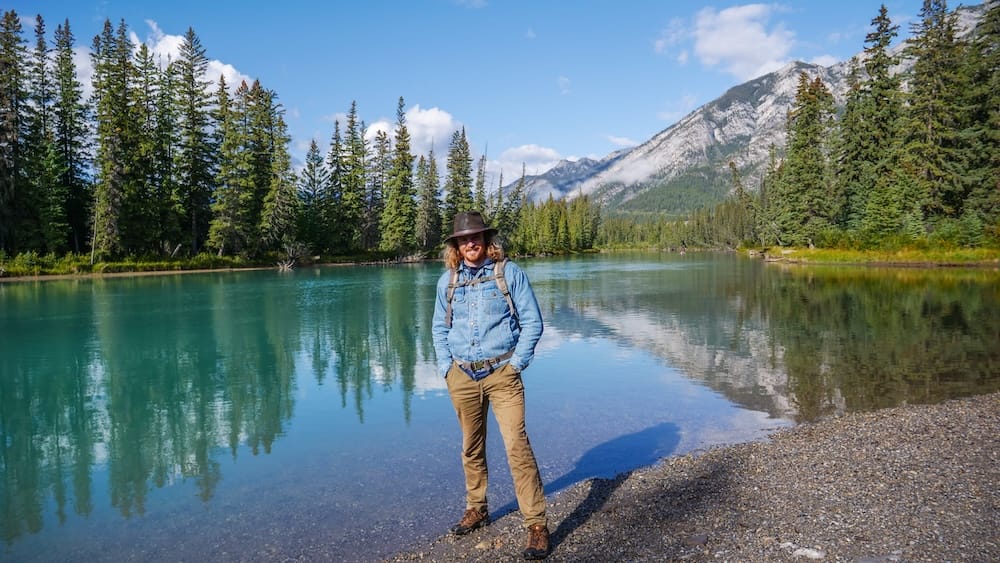
One morning Audrey and I wandered along the Bow River without much of a plan. We crossed a pedestrian bridge, followed the river, looked at the mountains and let the morning unfold. I remember us talking about how we had started the day without many preconceived plans and how sometimes those mornings end up being the most fun.
That is the tone I would give the first few hours of a three-day trip. Walk Banff Avenue, get breakfast or coffee, head toward Central Park and the river, and follow the Bow for as long as it still feels enjoyable rather than turning every bend into another scheduled objective.
The river trails make that easy. From Central Park, the stretch toward Fenland Trail is only about 0.9 kilometres and roughly 10 to 15 minutes. In the other direction, the walk toward Surprise Corner is about 1.4 kilometres and around 25 to 30 minutes. Those numbers matter mainly because they show how little commitment is required. You do not need to announce that you are now embarking upon The Great Bow River Expedition. Walk for twenty minutes, cross a bridge, sit on a bench, turn around or keep going because the morning has turned out better than expected.
Three days finally gives you enough time for that kind of indecision.
Continue toward Bow Falls if you want the walk to have a destination
If you would rather walk toward something specific, Bow Falls fits naturally into the same morning.
We followed the Bow River to the falls during an earlier family road trip and then continued toward the Banff Springs Hotel, which we admired from the outside rather than staying there. From the Bow River Bridge, the official Bow Falls Trail is about 1.2 kilometres and roughly 20 to 25 minutes on foot, so it feels like a proper extension without taking over half the day.
I would keep this whole part loose. If everybody is enjoying the river, continue to the falls. If somebody is hungry, eat. If the weather starts moving in and you would rather spend some time indoors, Banff gives you that option too.
This is exactly why I would not cram Lake Minnewanka into the morning simply because it is geographically possible. Day 1 already has one significant scheduled attraction later, and I prefer leaving everything before it relatively forgiving.
Use a clear-weather window for the Banff Gondola
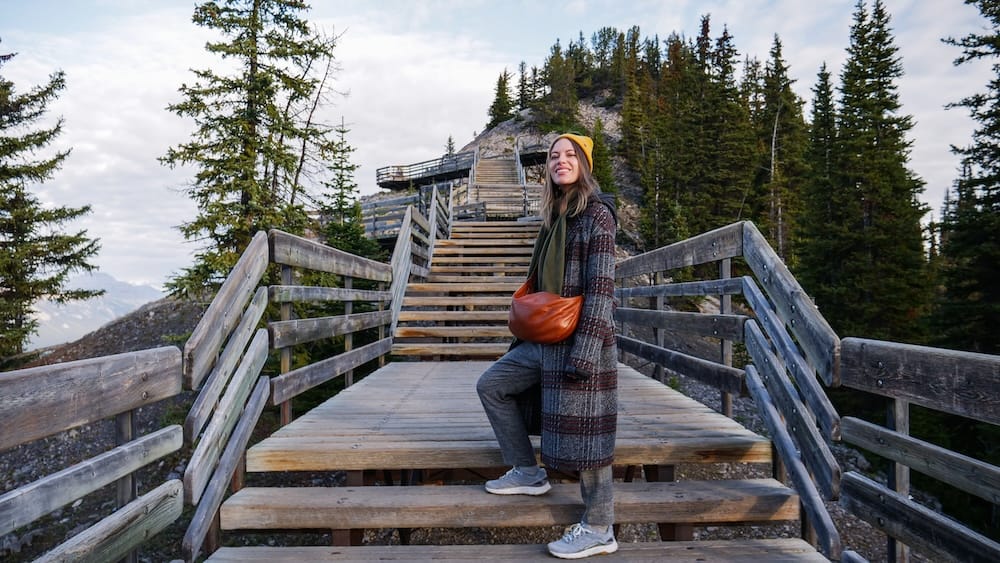
The Banff Gondola turned out to be more interesting than I expected. Obviously, you ride it for the mountain views, but I enjoyed the summit area itself and the changing perspective as we climbed higher up Sulphur Mountain. I remember thinking that the views simply kept improving the farther up we went.
That makes the Gondola a useful counterpoint to Day 2. Lake Louise and Moraine Lake put you down among the mountains and water; Sulphur Mountain gives you the larger elevated perspective over the surrounding ranges and valley.
The Gondola ride itself takes about eight minutes, and I would allow roughly an hour and a half for the core ride-and-summit experience. You can spend longer if you walk slowly, eat, photograph everything or simply enjoy being up there.
The summit boardwalk is also a different physical commitment from stepping out of the Gondola and enjoying the immediate viewpoints. It currently involves 368 shallow stairs in each direction and ends at a natural viewpoint between the Cosmic Ray Station and the historic Weather Observatory. The summit buildings are considerably easier to access than the boardwalk, so do not assume everyone in your group needs to complete the same amount of walking.
I would try to book the Gondola for a window when visibility looks reasonably promising, but there is a practical limit to how clever you can be. Tickets are timed, popular periods can sell out and current tickets are non-refundable. Changes are easiest more than 48 hours beforehand; inside that window, flexibility depends on availability. If the Gondola is definitely part of your first day, you can check current Banff Gondola tickets and availability before building the rest of the day around it.
In other words, this is not a magical system where you wake up, inspect the clouds over breakfast and rearrange Banff at will. Mountains have not signed that agreement.
During the summer operating period, there are also transport options from Banff that can save you from dealing with Sulphur Mountain parking. If you already have a valid same-day Gondola ticket, check the current shuttle and Roam arrangements before automatically driving up.
Once you come back down, I would keep the evening simple. Have dinner in Banff, wander along the river again if the light is good or do absolutely nothing productive. The most logistically annoying day of the trip is coming next.
Day 2: Give Lake Louise and Moraine Lake the whole day
This is the day I would protect most aggressively.
Lake Louise and Moraine Lake are not complicated because they are wildly distant from each other. They are complicated because they are extremely popular, access is controlled, and the time between “we arrived” and “we are ready to leave” is rarely as neat as an itinerary makes it look.
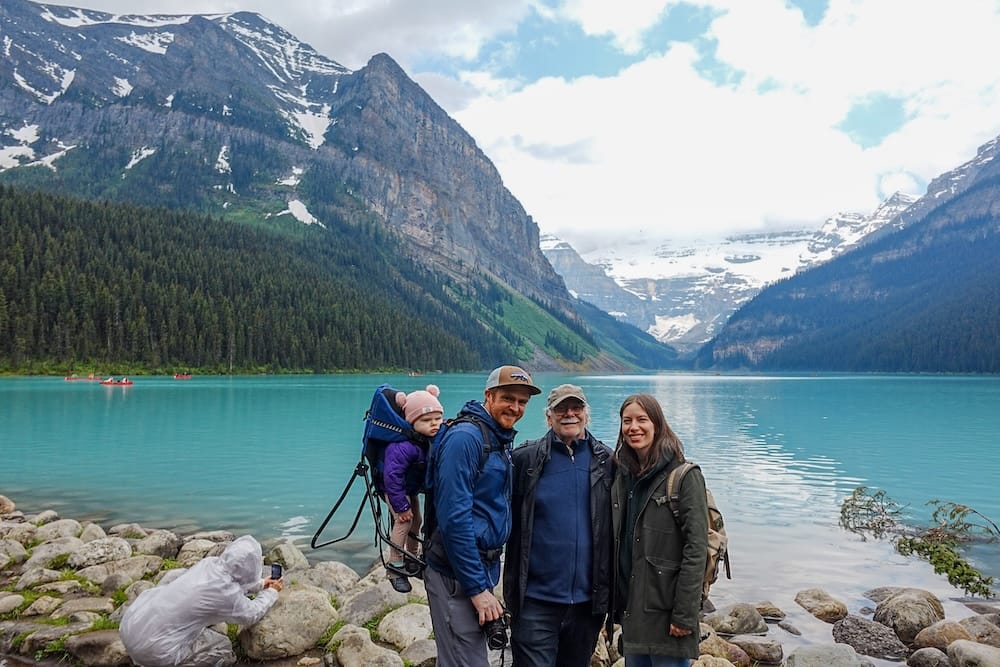
On our most recent visit, we did both lakes as part of a longer private family day. Audrey’s dad was with us, Aurelia was still little enough that I carried her on my back for some of the walking, and ordinary family travel kept inserting itself into the schedule: food, bathroom stops, different walking speeds and a toddler who occasionally had her own ideas about how the day should operate.
All thoroughly unreasonable behaviour according to a spreadsheet.
That experience is one reason I would no longer look at Lake Louise and Moraine Lake and immediately ask what else can be squeezed in. With three days, I would concentrate on making the two lakes better.
Sort out transportation before you build the rest of the lake day
This is the part of the itinerary where planning matters most.
Ordinary personal vehicles cannot drive Moraine Lake Road, so you need confirmed shuttle, public transit or licensed commercial transportation. Work that out before you construct a beautiful sequence of viewpoints and hikes that collapses because the transportation does not fit it.
For 2026, Parks Canada releases 40 percent of its seasonal shuttle inventory in April and the remaining 60 percent at 8:00 a.m. Mountain Time two days before departure. A Parks Canada shuttle reservation includes the initial Park & Ride journey, the Lake Connector between Lake Louise and Moraine Lake, and your return.
Visitors staying in Banff can also use Roam’s reservable Super Pass during the Moraine Lake operating season, combining reserved Banff-to-Lake-Louise transportation with access to the Lake Connector. The practical issue is not which system sounds nicer on paper; it is that both require planning and capacity is finite.
If the public systems do not fit your dates or you would rather solve both lakes with one booking, there is also a current commercial shuttle from Banff that allocates about 75 minutes at Lake Louise and another 75 minutes at Moraine Lake. We have not used this specific shuttle, so I would treat it as a convenience option rather than a personal recommendation. You can check the current Lake Louise and Moraine Lake shuttle from Banff. The trade-off is worth noticing: it simplifies access, but 75 minutes at Lake Louise becomes fairly tight if you also want to spend roughly 45 minutes hiking to Fairview Lookout.
Parks Canada advises allowing at least 30 minutes of waiting for shuttles, with waits of up to an hour during busy periods. The Lake Connector is first-come, first-served and runs on a schedule rather than appearing at the precise moment you finish taking photos.
That invisible time is exactly what causes overstuffed Banff itineraries to unravel. A map may show two attractions sitting relatively close together, but the map does not account for several hundred other people wanting to move between them at the same time.
Sort out transportation first. Build the day around it second.
Start with Lake Louise, but give yourself time to leave the shoreline
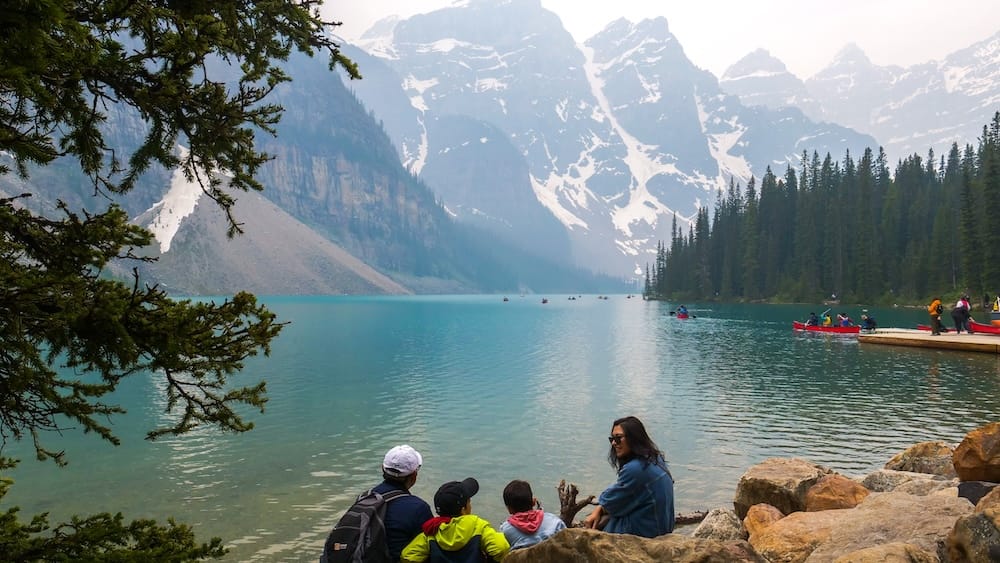
Lake Louise is one of those places where my opinion became more positive the longer we stayed.
The classic shoreline was extremely crowded during our visit. I called it the selfie capital of Canada, and based on what we experienced that day I still stand by it. But Lake Louise itself was not the problem. The problem was that the busiest few metres beside the water initially felt like the whole experience.
We changed that by hiking to Fairview Lookout.
The route is about 1.2 kilometres each way and takes roughly 45 minutes return. It is short, but it climbs enough to feel properly uphill, especially if you happen to be carrying a toddler on your back. Aurelia added a little extra resistance training to my version of the hike.
Once we reached the lookout, the whole character of Lake Louise changed. The shoreline crowds were far below us, the view opened across the water and I remember thinking it was probably the best perspective we had found at the lake.
For me, those extra 45 minutes were worth far more than using the same time to rush to another attraction.
That does not make Fairview mandatory. If somebody in your group has limited mobility, the climb does not appeal to you or your transport timing is tight, skip it without guilt. But if you are reasonably active and want more than the standard shoreline photo, this is exactly the sort of depth that becomes possible once Lake Louise no longer has to share its day with four other major sights.
Continue to Moraine Lake and make the Rockpile your priority
From Lake Louise, use the connection included with your chosen transportation system to continue to Moraine Lake.
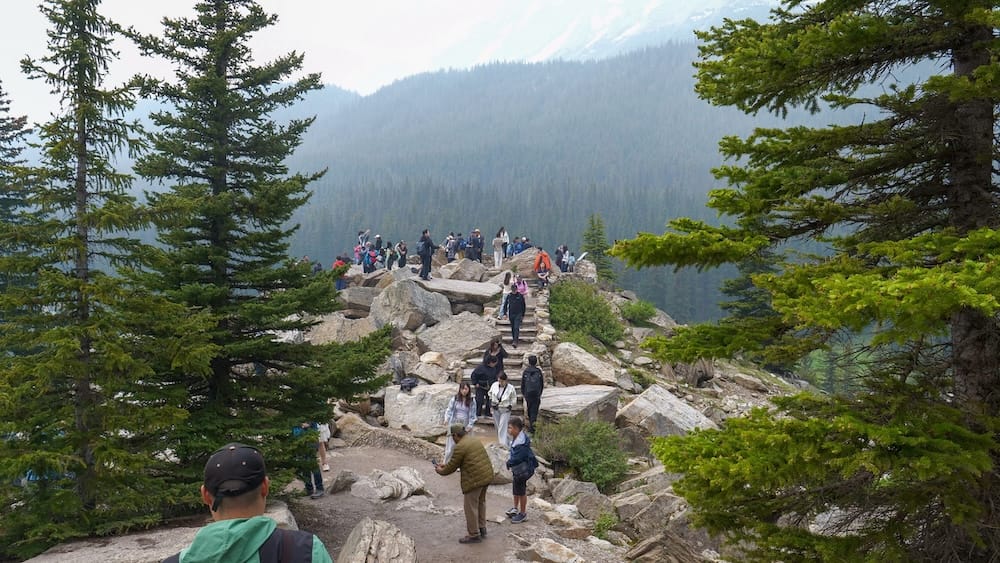
The first thing I would prioritize is the Rockpile. The loop is only about 0.7 kilometres and takes roughly half an hour, so it is not a major hike, but the elevated view is the one most people associate with Moraine Lake.
Our experience there could barely have been more different from Fairview. The Lake Louise lookout had felt surprisingly calm; the Rockpile felt like half the population of Alberta had received the same memo. I joked that it was ten times busier and then corrected myself to a hundred.
I still thought it was worth doing.
That distinction matters because crowds can change the feel of a place without automatically ruining it. In this case, the view was strong enough that I would happily deal with the traffic again.
Afterward, spend some time closer to the lake rather than immediately sprinting back toward transportation. Moraine Lake has limited services, with no cell service or Wi-Fi, and you should not depend on running water being available. Pit toilets are available, but I would bring your own food and water rather than expecting the lake to solve lunch for you.
Let the lake day finish when the lakes are finished
This is where restraint becomes difficult. You finish Moraine Lake, the light is still decent, Bow Lake suddenly looks suspiciously achievable, somebody mentions Johnston Canyon and a map makes everything appear close and cooperative.
This is how perfectly good Banff itineraries become stupid.
By this point, your day has already included controlled transportation, waiting, walking, two of the busiest visitor systems in the park and two places that genuinely deserve your attention. There is no prize for arriving back in Banff having successfully prevented yourself from sitting down.
Have dinner. Walk around town. Return to the Bow River if you still have energy, or put your feet up and inspect the frankly unnecessary number of photographs you took of turquoise water.
The reason you booked three days instead of two is that you no longer need to steal from tomorrow.
Day 3: Choose what kind of Banff trip you want
This is where three days becomes much more interesting than two.
By now you have spent time in Banff town, walked beside the Bow River, seen the mountains from Sulphur Mountain and visited Lake Louise and Moraine Lake. You have covered enough first-visit classics that the third day no longer needs to prove that you came to Banff.
So I would stop pretending there is one objectively correct Day 3 and choose based on what you actually want more of.
| Day 3 style | Driving | Walking | Booking pressure | Best if you want |
|---|---|---|---|---|
| Slow down | Low | Flexible | Low | Lake Minnewanka, Cascade Ponds and more breathing room |
| Go deeper | Moderate | Moderate | Low to moderate | Johnston Canyon and Bow Valley Parkway scenery |
| Go farther | Highest | Low to moderate | Low, but car-dependent | Bow Lake, Peyto Lake and a taste of the Icefields Parkway |
The important thing is that these are alternatives, not three separate morning activities waiting for an ambitious traveller to combine them.
Option 1: Slow down at Lake Minnewanka and Cascade Ponds
This is the version I would choose if the first two days had already felt full.
We visited Lake Minnewanka and Cascade Ponds on an earlier family road trip through the Rockies, and they gave us something genuinely different from Lake Louise and Moraine Lake. Cascade Ponds was especially peaceful during our visit, with still water, mountains behind it and practically nobody around. I would not promise that same emptiness now—popular Banff day-use areas can get busy and parking can fill—but I still like the role it can play.
It does not demand very much from you.
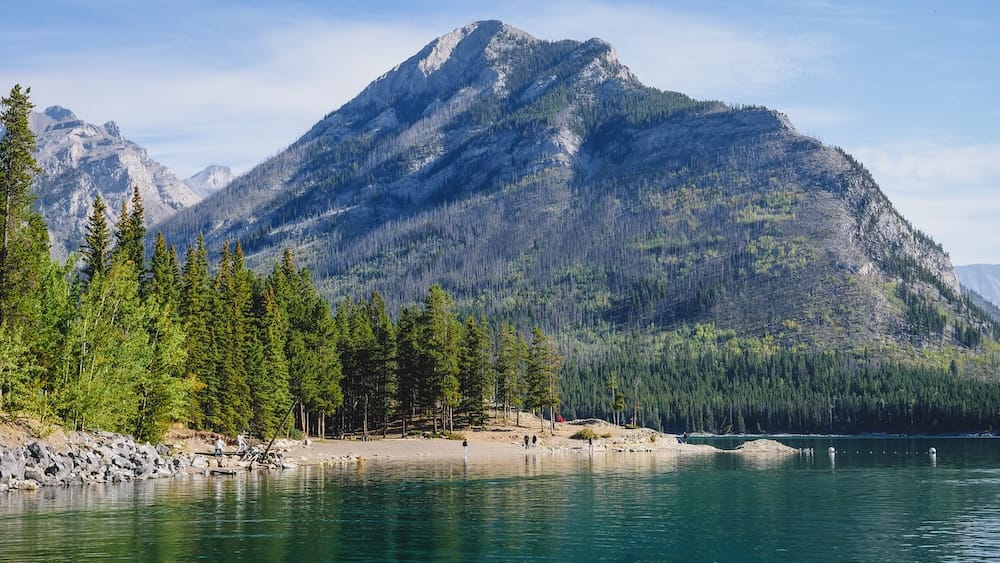
Lake Minnewanka gives the day a stronger anchor. The lake looks different from the milky turquoise scenery around Lake Louise and Moraine, and you can decide for yourself how much of the day you want it to consume. Spend time along the shore, take a walk or simply enjoy the setting and move on.
If you want to turn Minnewanka into a booked activity rather than keeping it as a shoreline stop, a current guided cruise lasts about an hour. We did not take this particular cruise, so I would not present it as part of our own experience, but you can check current Lake Minnewanka cruise availability. The shoreline visit works perfectly well without it; the cruise is simply a way to make the lake the centrepiece of this version of Day 3.
Seasonal transit from Banff also connects the Lake Minnewanka area with nearby stops including Cascade Ponds and Two Jack locations, so this does not necessarily need to become another driving-heavy day.
The appeal of this option is the margin it creates. If Minnewanka takes longer because you are enjoying it, fine. If you want lunch back in Banff, go back. If you missed Bow Falls on Day 1, you have room to add it. You could visit a museum, take a longer meal or simply spend another hour wandering town without feeling that a major attraction is waiting somewhere tapping its watch.
After two structured days, that might be exactly what you need.
Option 2: Go deeper with Johnston Canyon and the Bow Valley Parkway
If you want something more active, Johnston Canyon sits nicely in the middle.
I have not personally visited Johnston Canyon on the Banff trips behind this article, so I would treat it as a researched option rather than pretending it belongs to our own experience. What makes it useful here is its scale.
Johnston Canyon is about 25 kilometres northwest of Banff. The Lower Falls are roughly 1.1 kilometres one way, with around an hour needed for the return outing. Continuing to the Upper Falls stretches that to about 2.4 kilometres one way and roughly two hours return.
That gives you some control over how ambitious the day becomes without committing to hours and hours in the car.
The canyon can be busy, and parts of the route use narrow walkways where passing is awkward. Strollers are not recommended. Seasonal transit from Banff can remove the parking headache, although naturally you are trading parking flexibility for timetable flexibility.
The Bow Valley Parkway also has seasonal vehicle restrictions on sections of the road, so check the current Parks Canada rules before assuming you can drive every segment whenever you like. Johnston Canyon remains reachable when those restrictions are operating, but your approach may change.
If you like the idea of making the Bow Valley Parkway part of the activity rather than merely the road to the trailhead, there is also a current four-hour guided e-bike and walking option from Banff that combines cycling with a Lower Falls walk and a return shuttle. I have not done this tour, but it is a genuinely different way to build this version of Day 3. You can see the current Johnston Canyon e-bike and walking tour if that format suits you better than travelling there independently.
I think of this option as going deeper because you are not dramatically expanding the geographical footprint of the trip. You are simply choosing a more substantial outdoor objective and letting that carry the day.
Option 3: Go farther toward Bow Lake and Peyto Lake
Then there is the scenery-first option.
Audrey and I travelled the Icefields Parkway during our Columbia Icefield excursion, and the scale of that road genuinely impressed us. Mountains kept appearing in layers, the weather changed dramatically over the course of the day, and stretches that were barely visible through cloud in one direction looked completely different when the sun returned later.
For a three-day trip, however, I would not automatically send you all the way to the Columbia Icefield.
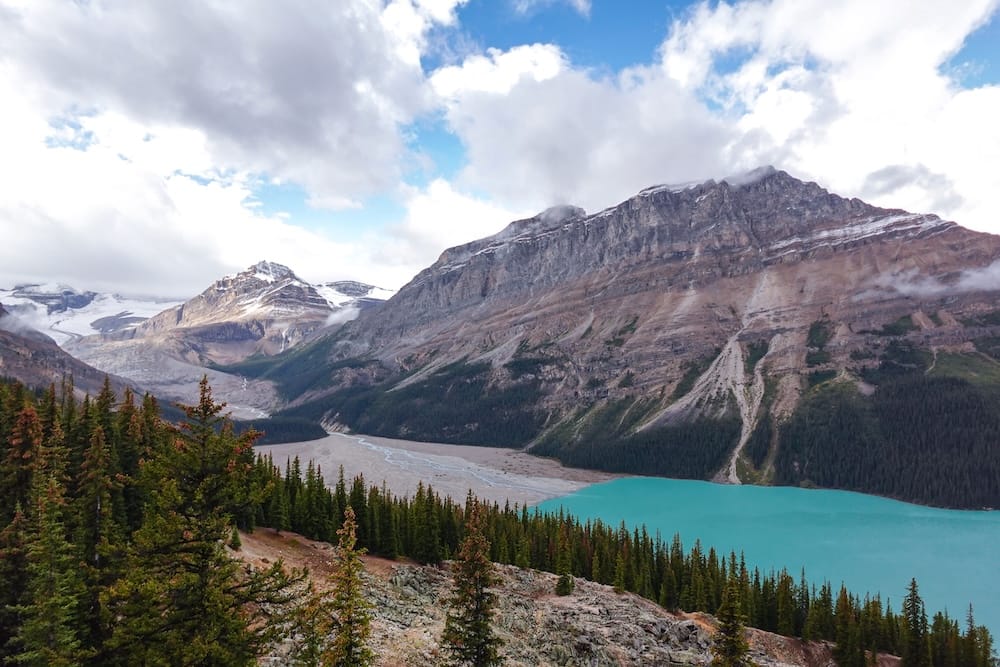
Bow Lake and Peyto Lake territory lets you sample the Icefields Parkway without committing to the same amount of road time as travelling all the way to the glacier. Bow Lake is roughly 34 kilometres north of the Lake Louise area, while Peyto Lake is around 40 kilometres north. The Columbia Icefield is much farther away, roughly 127 kilometres north of Lake Louise.
That difference is enormous in itinerary terms.
At Peyto Lake, the basic viewpoint can also be a fairly compact stop, with the main lookout taking roughly 30 minutes return. Continuing farther toward Bow Summit turns it into a much more substantial outing, with several kilometres of walking and considerably more elevation gain.
For this particular three-day itinerary, I would treat Bow Lake and Peyto Lake as a sensible turnaround zone. You still get the larger road-trip scale of the Icefields Parkway, but you avoid turning Day 3 into a full Columbia Icefield expedition.
The trade-off is simple. You gain distance and mountain scenery, while giving up some of the flexibility that comes from staying near Banff. If scenic driving is one of the main reasons you came to the Canadian Rockies, that is a perfectly reasonable exchange. If another few hours in a vehicle sounds miserable, it is not.
Neither traveller is doing Banff incorrectly.
Which day should get the best weather?
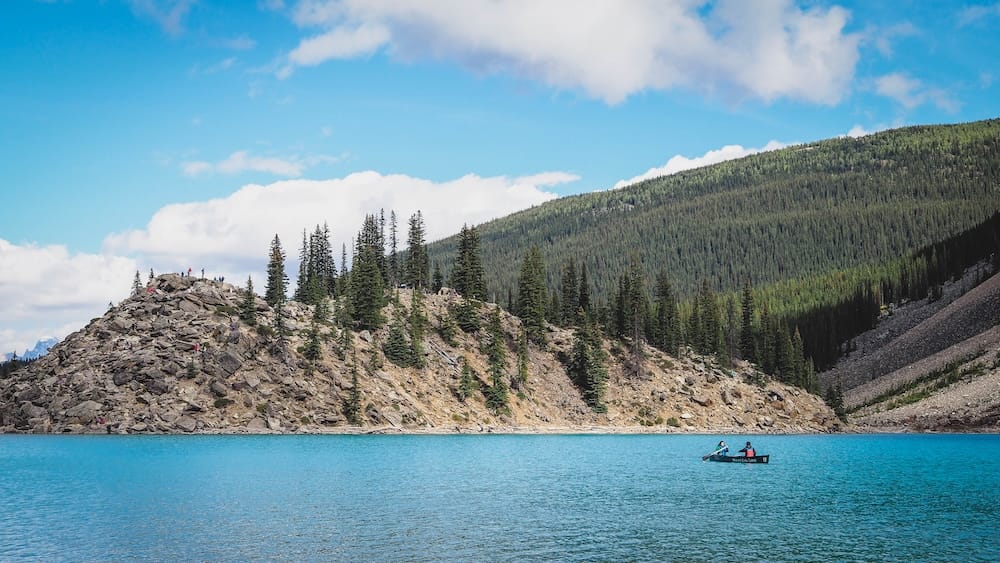
If I had complete control, I would give the strongest full day of mountain visibility to Lake Louise and Moraine Lake.
The Gondola also benefits enormously from clear conditions, but it occupies a smaller part of Day 1. Banff town, the Bow River and even part of the Lake Minnewanka option can tolerate cloud better than an entire day built around looking at mountain scenery from two famous alpine lakes.
The problem is that booking systems do not care about my elegant weather theory.
Lake transportation is date-specific, popular departures can sell out and Roam reservations can become unavailable. Gondola tickets introduce another fixed booking, so although three days gives you more breathing room, it does not mean the three days are freely interchangeable.
Our own Columbia Icefield trip was a good reminder of why mountain weather complicates everything. We experienced cloud, rain, ice pellets and snow before sunshine later revealed mountain views we could barely see earlier in the day. That does not mean every Banff day behaves that dramatically, but it does mean I would avoid treating the forecast as a contract.
Use the forecast when you can, protect your most visually important day where reservations allow it, and leave enough flexibility that imperfect weather does not destroy the trip.
What I would leave out with only three days
Having done more around Banff actually makes me more comfortable leaving things out.
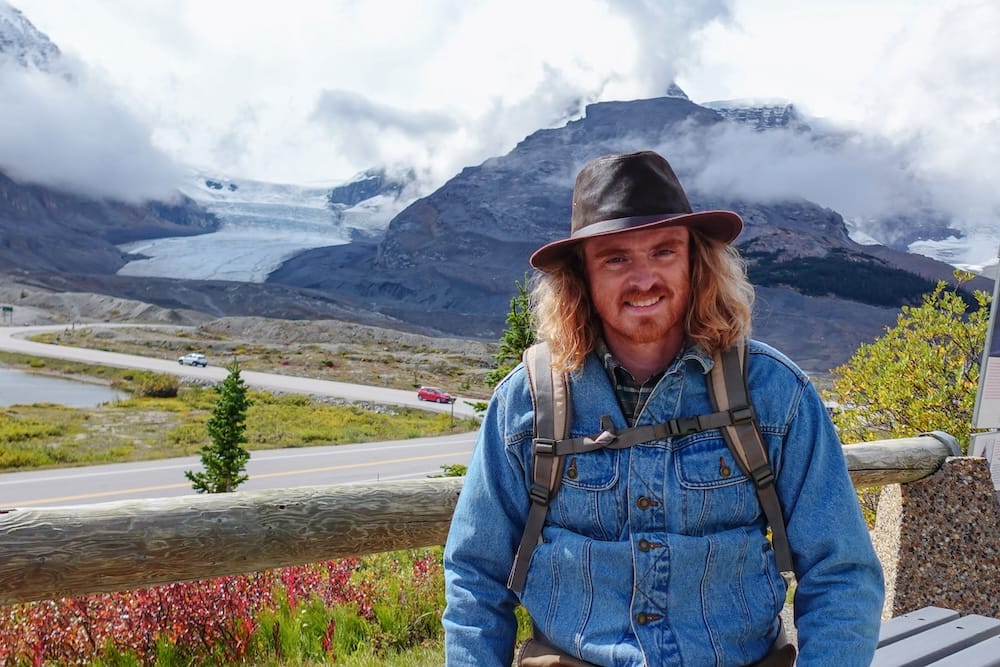
We have visited the Columbia Icefield and loved it. We have also done a long private Banff–Yoho day that combined Lake Louise and Moraine Lake with major stops in Yoho National Park, and I have spent six days travelling through the Banff backcountry on horseback. Those were all worthwhile experiences.
None automatically belongs in this particular three-day itinerary.
A full Columbia Icefield day is a major commitment. The Icefields Parkway runs roughly 232 kilometres between Lake Louise and Jasper, and travelling all the way to the glacier changes Day 3 from “more mountain scenery” into a proper excursion.
That may still be exactly what you want. If stepping onto a glacier is one of the main reasons you came to the Rockies, use Day 3 for Columbia Icefield and forget my Minnewanka, Johnston Canyon and Bow/Peyto suggestions. A current Banff-based guided option is an approximately 11-hour Athabasca Glacier and Columbia Icefield day trip, so this really does consume the day rather than slotting neatly around other plans. We did the Columbia Icefield experience ourselves on an earlier trip, but not through this exact current booking. If you decide the glacier deserves your third day, you can check the current Athabasca Glacier and Columbia Icefield day trip from Banff.
Just be clear about what happened: you replaced the third day rather than adding another activity to it.
The same logic applies to Yoho. Emerald Lake, Takakkaw Falls and the other major sights there deserve real time, and Yoho is in British Columbia, not a bonus corner of Banff National Park that somehow does not count toward your schedule.
Museums, canoeing, Western activities and horseback riding work the same way. If one of those matters more to you than my proposed structure, swap it in. Three days is long enough for personal priorities to start winning, but it is not long enough for all of them to win simultaneously.
Is three days in Banff enough for a first visit?
Yes. I think three days can make an excellent first visit.
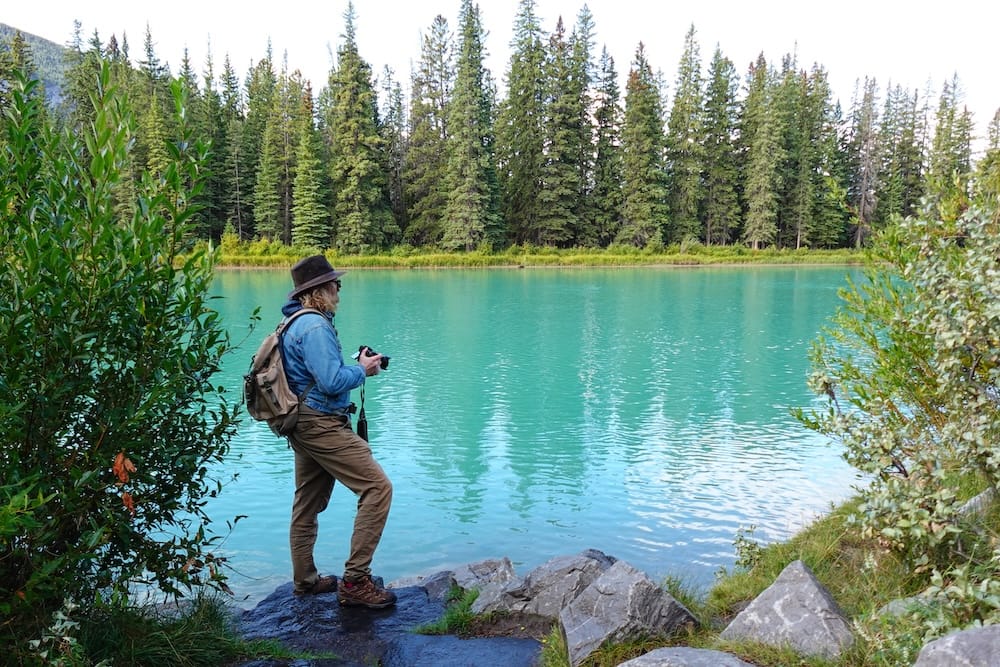
Not because three days lets you see everything; it absolutely does not. Audrey and I once spent four action-packed days in Banff and still left talking about how much more there was to do. I no longer see that as a problem. Banff gets better when you stop treating completion as the objective.
What three days gives you is enough separation to make the trip feel intentional. Banff town can have a morning without you checking the time every twelve minutes. Lake Louise and Moraine Lake can have their own day instead of becoming two compulsory photographs squeezed between other attractions. Then Day 3 is still sitting there waiting for you to decide what kind of trip you actually want.
Stay close and slow down. Walk farther and go deeper. Get in the car and see more of the mountains.
That choice is the luxury you gain on Day 3, and I would use it deliberately rather than filling it.
Frequently Asked Questions
Is three days enough for a first visit to Banff?
Yes. Three days are enough for an excellent first visit if you stop trying to see everything. I would give Banff town and the Gondola one day, Lake Louise and Moraine Lake another, then use Day 3 for the kind of mountain experience you want most.
How would I split three days in Banff?
I would use Day 1 for Banff town, the Bow River, Bow Falls and the Gondola; Day 2 for Lake Louise and Moraine Lake; and Day 3 as a choice between Lake Minnewanka and Cascade Ponds, Johnston Canyon, or a farther Icefields Parkway drive toward Bow Lake and Peyto Lake.
Can I drive my own car to Moraine Lake?
No. Moraine Lake Road is closed to ordinary personal vehicles, so the lake day needs confirmed shuttle, public transit or licensed commercial transportation. Sort that out before building the rest of your Lake Louise and Moraine Lake schedule.
How much time should I allow for Fairview Lookout at Lake Louise?
The route is about 1.2 kilometres each way and takes roughly 45 minutes return. I found the elevated view much more rewarding than staying only at the crowded shoreline, but the climb is optional if mobility, energy or transport timing makes it a poor fit.
What is the best way to use Day 3 in Banff?
There is no single best version. Stay local with Lake Minnewanka and Cascade Ponds if you want a slower day, choose Johnston Canyon if you want a more active outing, or drive toward Bow Lake and Peyto Lake if mountain-road scenery matters more than flexibility.
Should I visit the Columbia Icefield during a three-day Banff trip?
You can, but I would treat it as a full Day 3 replacement rather than another stop to squeeze in. Travelling all the way to the Columbia Icefield turns the day into a major excursion, so it should replace the Minnewanka, Johnston Canyon or Bow Lake and Peyto Lake options.
Which day should get the best weather in this itinerary?
If I had the choice, I would give the strongest full day of mountain visibility to Lake Louise and Moraine Lake. The Gondola also benefits from clear conditions, but date-specific lake transport and timed bookings mean the three days are not always freely interchangeable.
This guide is also available in Spanish. [Leé la versión en castellano: Itinerario de 3 días en Banff: pueblo, lagos y paisajes de montaña para una primera visita]
This article contains affiliate links. If you book through one of these links, I may earn a commission at no extra cost to you.