
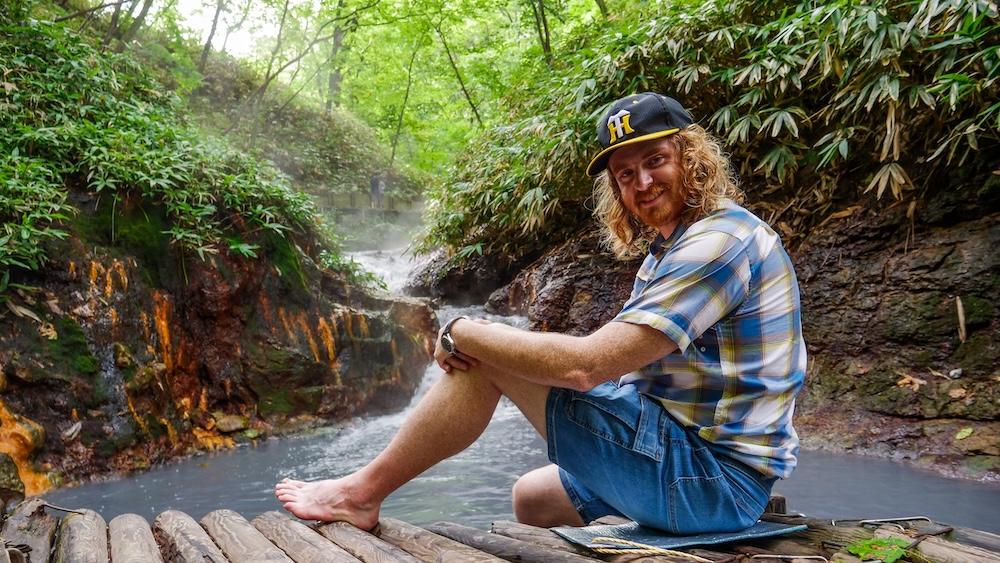
One of my favourite experiences in Noboribetsu Onsen involved walking into a forest, taking off my shoes and sitting with my feet in a steaming river. It sounds ridiculously simple, but Audrey and I absolutely loved the Oyunuma River Natural Footbath. Between the milky-blue geothermal water, lush greenery and sound of the river, I could have spent half the day doing very little. Noboribetsu has no shortage of dramatic volcanic attractions, yet this quiet spot made just as strong an impression on us as some of the bigger sights.
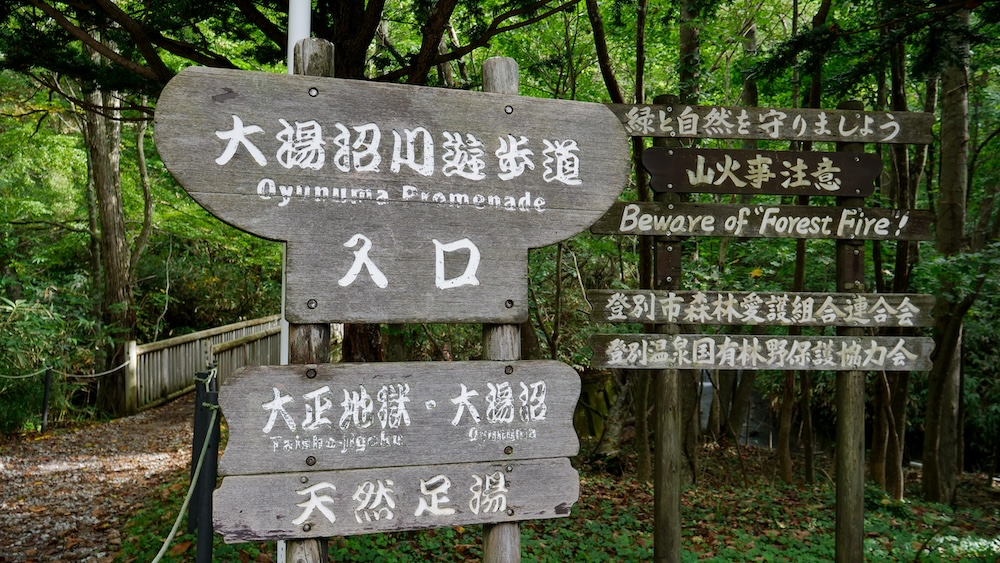
We walked uphill from Park Hotel Miyabitei, followed a sign toward the footbath and arrived early enough to enjoy a stretch with the place to ourselves. Our jet lag had us waking at unreasonable hours, which for once worked in our favour. Visiting does require some planning, though: you’ll need to choose an approach, account for forest paths and stairs, and decide whether to combine it with Hell Valley. We visited the footbath first, although I’d generally recommend reversing that order.
What Is the Oyunuma River Natural Footbath?
The Oyunuma River Natural Footbath sits in the forest above Noboribetsu Onsen, Hokkaido. Naturally heated water flows from the Oyunuma geothermal area into the river, where visitors can sit beside the bank and soak their feet among trees and volcanic scenery.
Unlike the elaborate onsen facilities at many Noboribetsu hotels, this experience is free. There’s no changing into a yukata, elaborate bathing routine or need to strip down. Remove your shoes and socks, sit at the designated bathing area and enjoy the water. Its Japanese name is 大湯沼川天然足湯; you may also see it called Oyunumagawa Natural Footbath.
One distinction matters: Oyunuma Pond and Oyunuma River Natural Footbath are separate attractions. Oyunuma Pond is the large geothermal pond surrounded by exposed volcanic terrain. The footbath is farther downstream, where the river passes through the forest. The pond’s hot water isn’t somewhere to try soaking your feet; keep going until you reach the actual riverside bathing area.
For me, the setting makes it special. I’ve enjoyed plenty of hotel onsen in Japan, including the baths at our Noboribetsu accommodation, but sitting beside a steaming river beneath the trees feels entirely different. You’re hearing water run past rather than sitting in a still pool, and there’s something satisfying about putting your feet in a river that’s already naturally hot.
How to Get to Oyunuma River Natural Footbath
You can approach directly from Noboribetsu Onsen town or come through the forest trails around Hell Valley. Which makes more sense depends on your starting point and whether you’re planning a quick soak or a longer geothermal walk.
Walking from Noboribetsu Onsen town
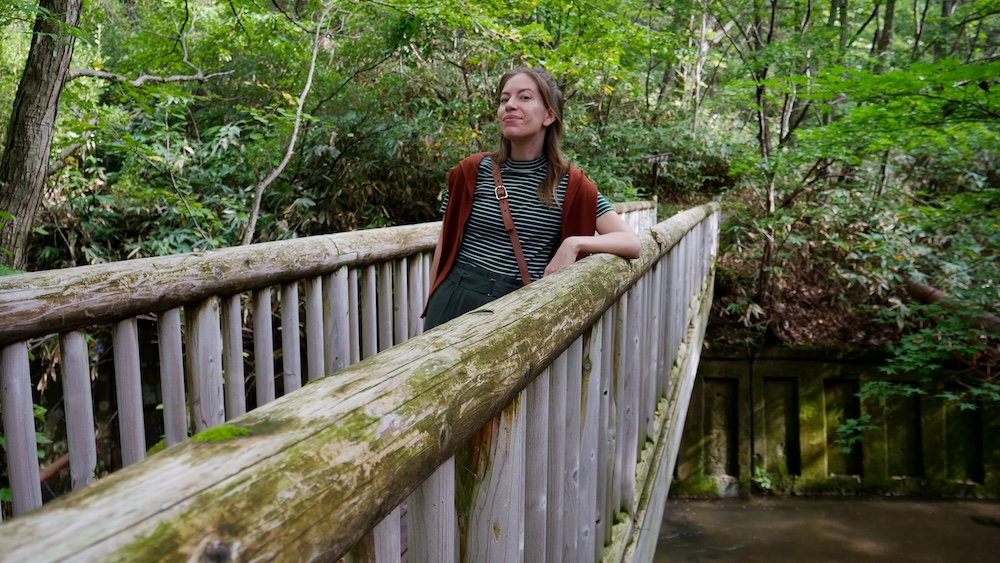
This is how Audrey and I got there. We were staying at Park Hotel Miyabitei and simply walked uphill until a sign directed us toward the river. I remember it being straightforward and not particularly far, although there was some climbing. Having a couple of nights in town meant we could set off without watching the clock for a train or tour departure. We could follow the signs at our own pace, enjoy the footbath and then decide how much of the surrounding geothermal landscape we wanted to explore. That’s a genuine advantage of staying in the onsen district rather than treating Noboribetsu as a rushed stop.
If you’re considering a similar stay, you can check current room options at Park Hotel Miyabitei. We appreciated being able to walk to the natural attractions, although you certainly don’t have to stay at our hotel to enjoy the footbath.
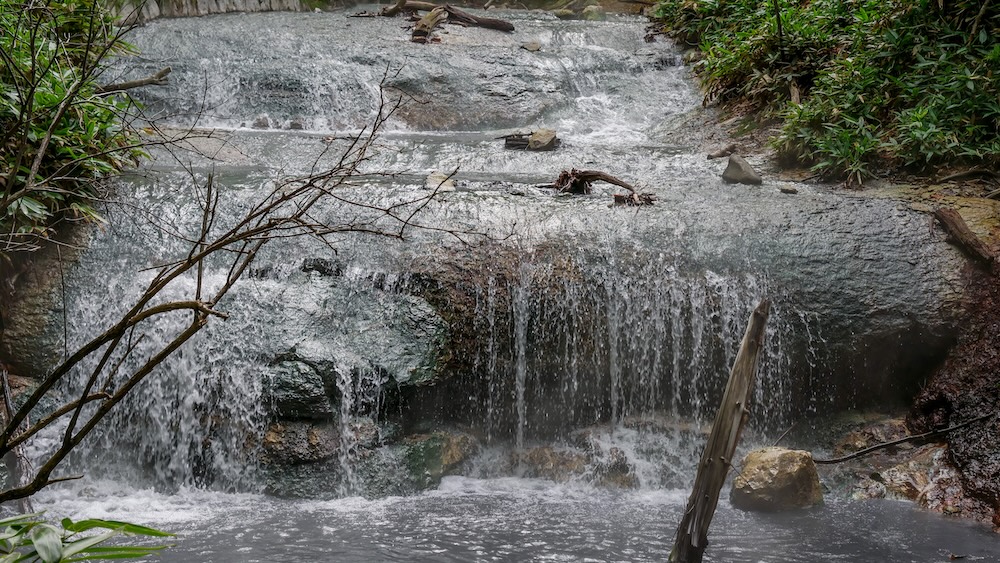
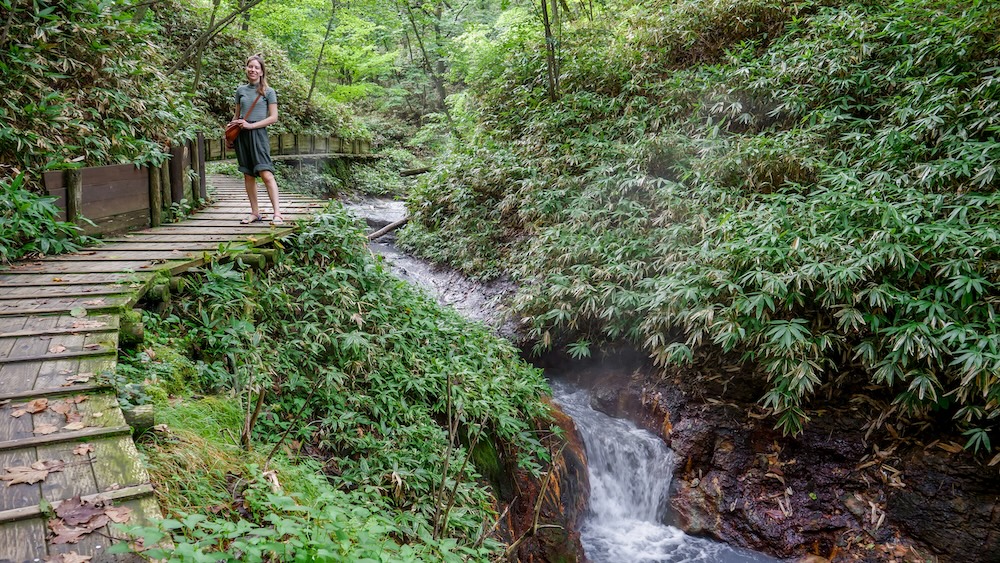
From the onsen district, allow approximately 15–20 minutes, depending on where you’re staying and your pace. The approach isn’t completely paved or level: a narrower forest path with steps leads down toward the bathing area. The final section from the trail entrance takes approximately seven minutes, included within that overall estimate rather than added on top.
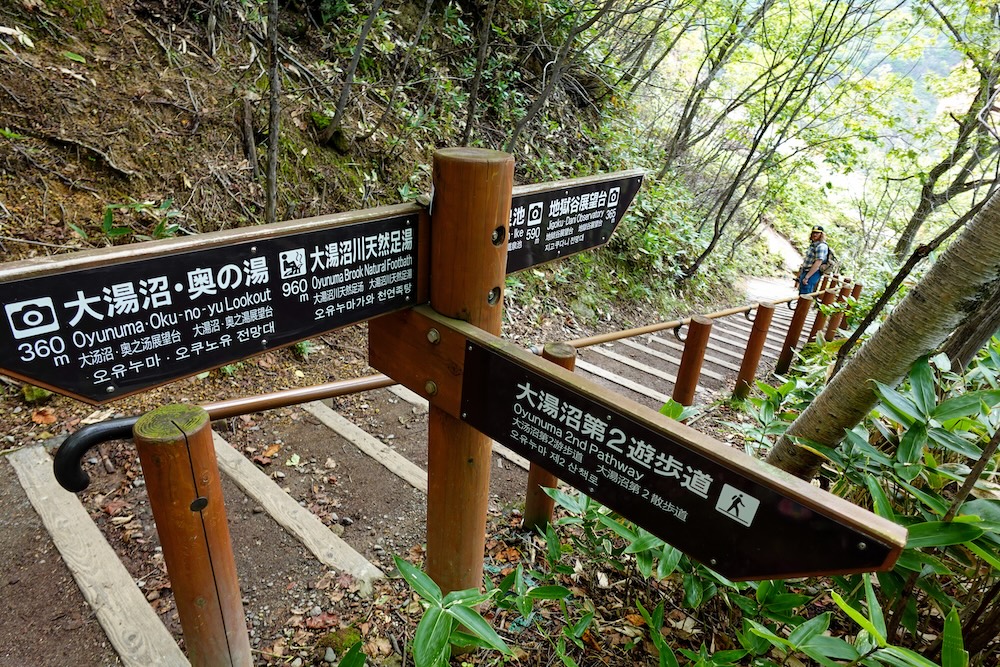
I’d keep the official Noboribetsu walking map on your phone. We found the signs helpful, but the map makes it easier to distinguish the footbath from Oyunuma Pond and plan a different return route.
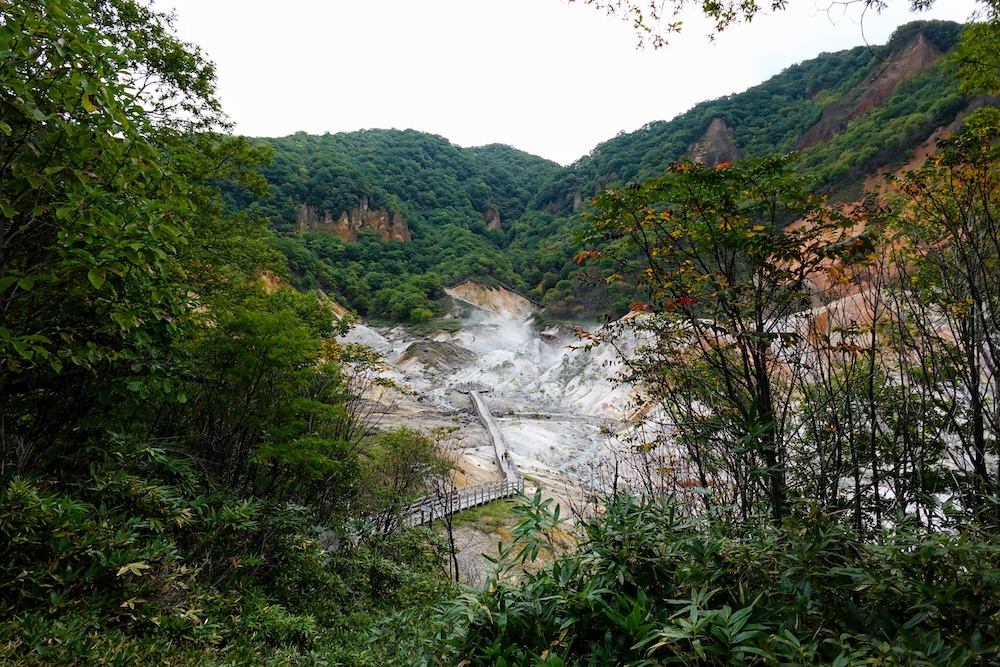
Walking from Hell Valley or Oyunuma Pond
Visiting from Jigokudani Hell Valley turns the footbath into part of a longer outing. Forest paths, staircases and junctions connect the geothermal attractions, with other routes branching toward Oyunuma Pond and viewpoints. The Oyunuma Scenic Pathway serves the footbath area, but read the signs rather than assuming every path leads to the river. Oyunuma Pond is worth distinguishing on the map, since adding the pond and nearby viewpoints changes both the walking distance and the amount of time you’ll spend stopping to look around. Those extra stops can easily make a simple footbath visit feel like a morning outing.
From the Oyunuma parking area, allow approximately 15 minutes on foot. There’s no dedicated parking at the footbath, so driving doesn’t eliminate the walk. Think about your return as well: if your car is near Hell Valley or Oyunuma, heading toward the onsen town won’t magically reunite you with it.
My Hell Valley to Oyunuma Natural Footbath Walking Guide covers the longer connection, junctions and walking difficulty. For this visit, the question is whether you’re coming specifically to soak your feet or making it a stop during a morning of hiking.
If you’re based in Sapporo and prefer an organized day, this guided Hell Valley, Oyunuma footbath and Dai-ichi Takimotokan tour lists the footbath in its itinerary. It offers a more structured option with transport from Sapporo, so check the current schedule and seasonal trail access before booking. We didn’t take the tour ourselves, and I’d check how much time is allocated to the footbath rather than assuming a stop on the itinerary means a leisurely half-hour soak. If that unhurried experience is the reason you’re visiting, independent travel may suit you better.
What It’s Actually Like to Soak Your Feet in the River
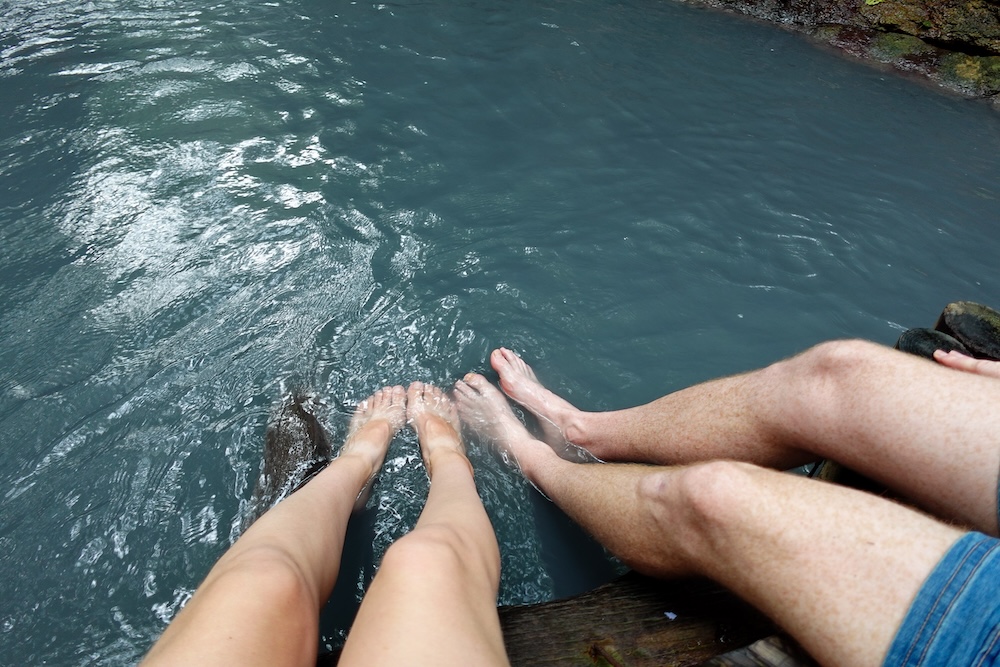
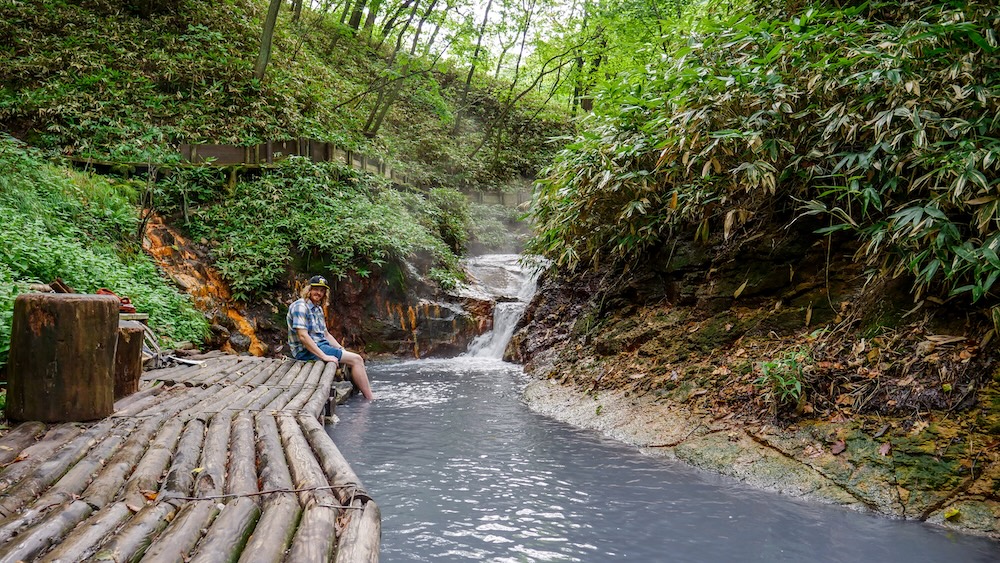
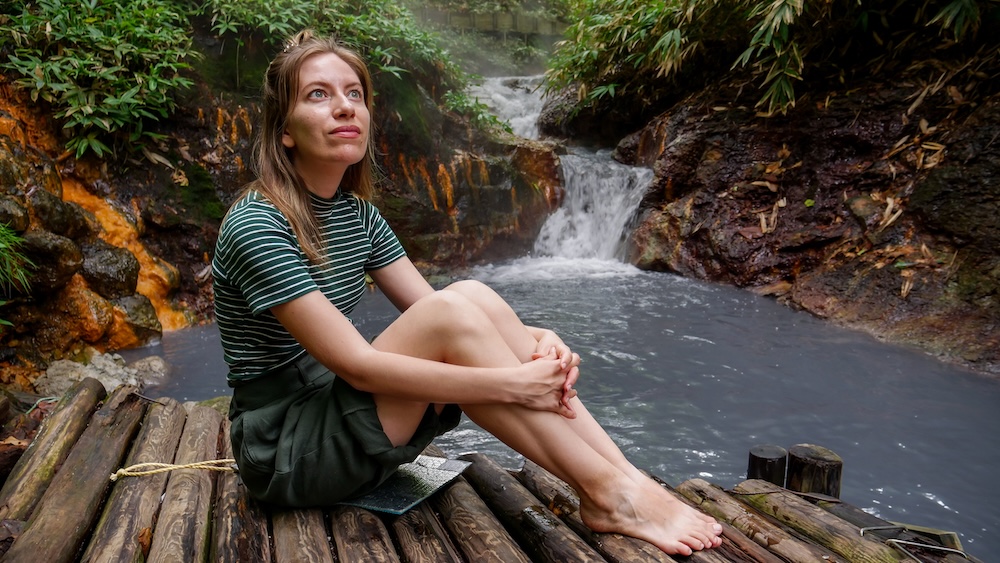
The water immediately caught my attention. It had an unusual milky, bluish-grey colour, with steam rising as it flowed through the trees. There was that unmistakable sulfur smell in the air, too, something you’ll encounter elsewhere around Noboribetsu. Even before sitting down, we could tell this wouldn’t feel like an ordinary footbath.
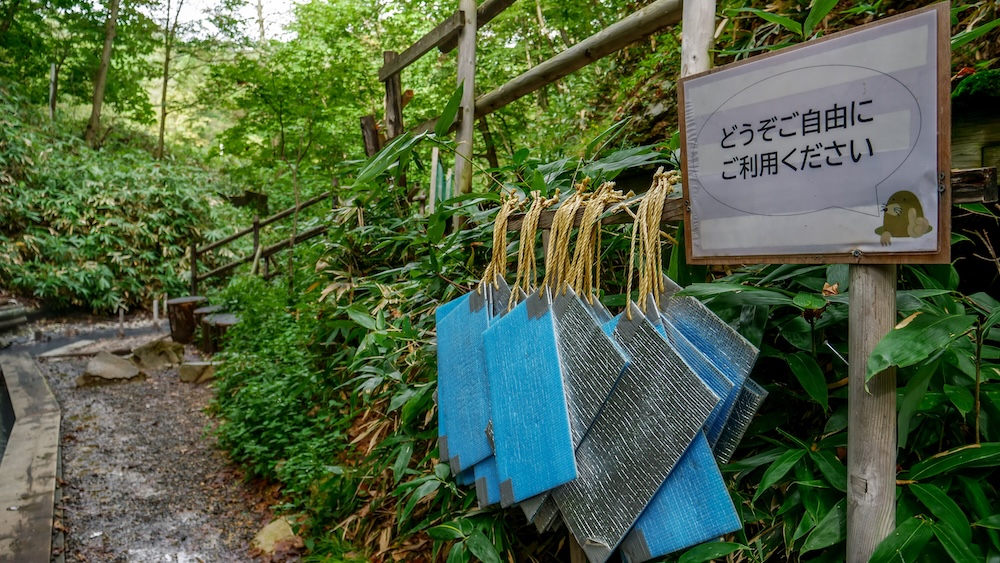
A short path led to the designated bathing area, where we found bamboo seating and little padded mats that visitors could borrow at the time. I wouldn’t count on those mats always being available, but the seating made it easy to settle beside the water. We removed our footwear and lowered our feet into the river.
It was surprisingly hot at first, and both of us needed a moment to adjust. Once we did, it felt fantastic. Fine black volcanic sand lay beneath the surface, and I loved digging my toes into it while watching steam drift through the forest. Between the warm water, unusual sand and sound of the river, I was thoroughly enjoying myself without doing anything remotely strenuous. I particularly liked the way the sand felt around my feet, something you don’t get from a tiled hot-spring pool. The trees, rocks and wisps of steam gave us plenty to look at while we sat there doing absolutely nothing productive.
That simplicity is part of the appeal, but this is a natural geothermal river, not a temperature-controlled swimming pool. Stay within the designated bathing area, test the water carefully and don’t assume every steaming section is suitable for soaking.
What to Bring to the Oyunuma Natural Footbath
We brought very little, although our footwear choices turned out to be an excellent lesson in planning for the whole outing rather than just the footbath.
I wore Keen shoes while Audrey had flip-flops. At the river, she had the more convenient option: they came off and went back on without fuss. Once we continued hiking toward Hell Valley, however, the stairs, uneven ground and steeper stretches made flip-flops less appealing. My Keen shoes were much better suited to that part of the day.
For the wider trails, prioritize comfortable walking shoes with decent grip. Being able to remove them easily is handy, but you’ll spend more time walking than soaking. Even the shorter town approach has steps, so footwear should suit the route rather than just the water.
Bring a small towel to dry your feet before putting socks and shoes back on. Drinking water and the walking map are sensible if you’re continuing through the forest. You don’t need a mountain of gear; you’re visiting a footbath, not setting off on a multi-day expedition.
How Long Should You Spend at the Footbath?
Audrey and I stayed about 30 minutes, and I could easily have lingered longer. We weren’t rushing, and sitting beside the steaming river was one of my favourite parts of Noboribetsu. A shorter soak is perfectly reasonable if you’re fitting it into a busy sightseeing day, while staying overnight gives you more freedom to take your time.
Just separate the time to reach the footbath, the time spent soaking and the full sightseeing outing. Our feet were in the water for roughly half an hour, but the subsequent forest walking and Hell Valley visit occupied the rest of our morning. A published walking estimate doesn’t include all of that. Even for a straightforward visit from town, you have to allow for the walk in, taking off your shoes, soaking, drying your feet and getting back. For a full geothermal circuit, add the time you’ll spend at viewpoints rather than relying on a single trail-segment number.
We arrived early because jet lag had us awake at ridiculous hours, and we were remarkably lucky. A couple of visitors were finishing when we got there, others arrived later, and for a while we had the area to ourselves. I’d love to claim we’d discovered a guaranteed way to beat the crowds, but Noboribetsu is a popular hot-spring town. We happened to get lucky.
Published guidance lists an 8 a.m. to 5 p.m. window, although access information isn’t entirely consistent and trail conditions can change. I’d plan within that daytime window rather than assume the footbath is always accessible. Check the latest Noboribetsu access notices and onsite signs, especially during colder months or maintenance work.
Is the Oyunuma Natural Footbath Suitable for Everyone?
I’d recommend it to visitors who enjoy nature and can comfortably manage uphill walking, narrow forest paths and steps. The distance from town isn’t intimidating, and we found the approach manageable, but that doesn’t make it universally accessible. If you have limited mobility, the terrain deserves more attention than the short walking estimate suggests. I wouldn’t assume the bathing platforms can be reached with a wheelchair or stroller without confirming the current route, because the documented approach includes steps. A short distance on a map is only part of the accessibility question.
Weather matters, too. Rain may leave the paths slippery, while snow, ice and temporary maintenance can affect access. The Oyunuma trails have closed before, so check current conditions rather than assuming every approach will be available.
My other recommendation concerns the order. Audrey and I visited the footbath first, then hiked toward Hell Valley, and we loved that morning. But if you’re tackling the forest trails and main geothermal sights, I’d generally save the footbath for afterward. Enjoy the scenery, tackle the stairs and finish by giving your feet a proper rest. That sounds much better than settling into the warm water and then remembering how much walking you still have ahead.
If time is tight, soak for whatever time you can comfortably spare without compromising the journey back. The footbath was a highlight of our Noboribetsu stay, and I’d happily return. Having it almost to ourselves helped, of course, but the combination of warm river water, forest and an excuse to sit down makes it special even without that bit of luck.
Frequently Asked Questions
Is the Oyunuma River Natural Footbath free?
Yes. There is no admission charge to use the designated natural footbath near Noboribetsu Onsen. You can sit beside the geothermal river and soak your feet without booking a paid onsen experience.
How do you get to Oyunuma River Natural Footbath from Noboribetsu Onsen?
Allow approximately 15–20 minutes on foot from the onsen district, depending on where you’re staying and your walking pace. Audrey and I walked uphill from Park Hotel Miyabitei and followed the signs. The approach includes a narrower forest path and steps, so wear comfortable walking shoes.
How long should you spend at Oyunuma River Natural Footbath?
We spent approximately 30 minutes soaking our feet, although a shorter visit can still be enjoyable. Remember to allow additional time for the walk there and back, especially if you’re combining the footbath with Hell Valley or Oyunuma Pond.
Can you drive directly to the Oyunuma River Natural Footbath?
No. There is no dedicated parking at the footbath itself. Visitors using the Oyunuma parking area still need to walk approximately 15 minutes to reach the bathing area, and should plan how they’ll return to their vehicle.
What should you bring to the Oyunuma Natural Footbath?
I’d bring a small towel to dry your feet, comfortable shoes with good grip and some drinking water if you’re continuing through the trails. Audrey wore flip-flops, which were convenient beside the water but less practical for the forest stairs and uneven ground afterward.
Should you visit the Oyunuma footbath before or after Hell Valley?
Audrey and I visited the footbath first and then continued toward Hell Valley. We loved that outing, but I’d generally recommend doing the main hiking and geothermal sightseeing first, then finishing with a relaxing soak if your route and return arrangements allow it.
Can you visit the Oyunuma footbath in winter?
Access depends on current trail conditions. Snow, ice and seasonal closures can affect the approaches, and temporary maintenance restrictions are also possible. Check current Noboribetsu access notices and onsite signs rather than assuming the same walking route is available throughout the year.
This guide is also available in Spanish. [Leé la versión en castellano: Baño de pies natural del río Oyunuma: cómo visitarlo]
This article contains affiliate links. If you book through one of these links, I may earn a commission at no extra cost to you.