
I spent a year road tripping around Australia, and the thing that got me the most about this country, other than its sheer vastness, was the variety of scenery and sights on offer.
From desert-like sand dunes to tropical rainforest, from incredible beaches to splendid mountains, from natural gorges to man made artworks, Australia kept me enthralled. And I barely even made it to Queensland!
Though I run the risk of sounding like a clichéd brochure – Australia really does have something for everyone. Let me take you through some of the diverse sights I found whilst travelling in Oz, and let me know if you agree!
This is a guest post from Laurence of Finding The Universe. His site is one of my favourite travel blogs as I’m often blown away by his incredible photography:
Australia: Land of Contrast in Photos
#1) Uluru Rock at Sunset

“I thought I’d start with a classic. This is Uluru at sunset. It’s a bloody long way from anywhere, and it’s “just a rock”… but wow. What a rock!”
Uluru, also known as Ayers Rock, is Australia’s most iconic natural landmark. Situated in the heart of the Northern Territory, this massive sandstone monolith holds not just geological significance but also deep cultural and spiritual meaning for the Anangu people, the traditional owners of the land. While Uluru is spectacular at any time of day, experiencing it at sunset is something truly special. There’s a sense of magic that comes alive as the fading sunlight transforms the rock’s surface through an incredible palette of colors.
- Golden glow: Uluru shines in vibrant yellows and oranges as the sun sets.
- Deep red phase: The rock turns into a glowing crimson just before twilight.
- Final fade: As night approaches, soft purples and browns take over the rock’s surface.
Tip: Take time to learn about the Anangu people and their connection to Uluru before your visit. It will add depth to your experience.
#2) Great Ocean Road In The State Of Victoria
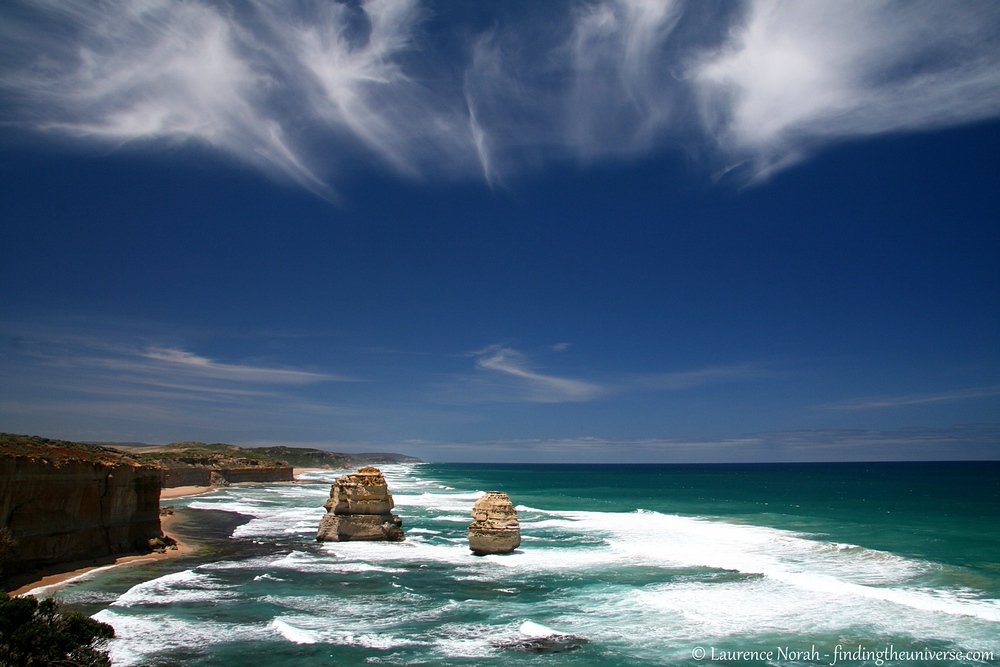
“Australia is home to one of the worlds greatest road trips, along the Great Ocean Road in the state of Victoria. These rock outcrops are part of the Twelve Apostles, which is arguably the highlight of the road trip.”
The Great Ocean Road, stretching along the southern coast of Victoria, Australia, is often considered one of the most scenic drives in the world. With its dramatic cliffs, turquoise waters, lush rainforests, and iconic landmarks, the Great Ocean Road offers endless opportunities to capture stunning landscapes. Along the 243-kilometer stretch you’ll find distinct vantage points and breathtaking views that inspire both amateur and professional photographers alike.
The Twelve Apostles are, without a doubt, the crown jewel of the route. These towering limestone stacks rise majestically from the Southern Ocean, and the best time to photograph them is during sunrise or sunset, when the light adds warm tones to the rock formations.
- Twelve Apostles: Iconic limestone stacks best photographed at sunrise or sunset.
- Loch Ard Gorge: Capture the interplay of water, cliffs, and sandy beach.
- Great Otway National Park: Perfect for long-exposure waterfall photography.
Tip: Don’t just focus on the major landmarks—some of the smaller, lesser-known beaches along the Great Ocean Road offer incredible photographic opportunities
#3) Coastal Rainforest in the Otways
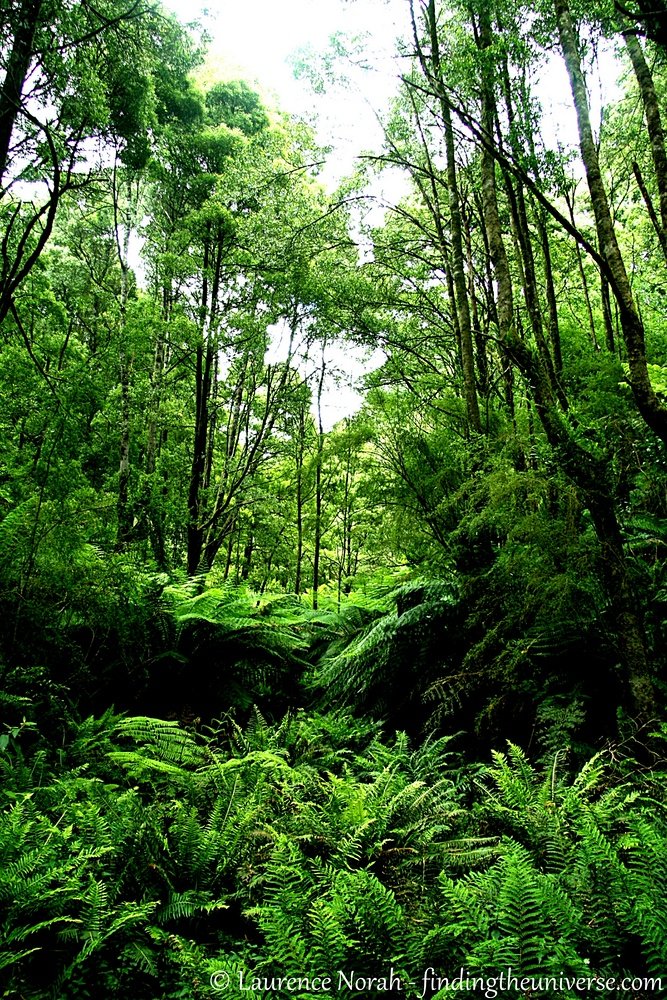
“When I thought of Australia before I visited, lush verdant forest was not the first thing that sprang to mind. I was, it turns out, entirely wrong. Forests like this coastal rainforest in the Otways are spectacularly green and eminently explorable. Hurrah!”
Tucked away along the southern coast of Victoria, Australia, the Otway Ranges (also known as the Otways) offer a unique experience for traveler photographers seeking natural beauty. The coastal rainforest within the Great Otway National Park is one of the most enchanting landscapes in the region, filled with towering trees, flowing waterfalls, and lush plant life.
The Otways are an ever-changing environment, where soft light filters through dense canopies and moss-covered rocks seem to glow with life. From macro photography of intricate ferns to wide-angle shots of cascading waterfalls, the rainforest offers endless opportunities to create unforgettable images.
The light in the Otways is magical, especially in the early morning or late afternoon. Sunbeams pierce through the canopy, creating patterns of light and shadow that dance along the forest floor. Even on overcast days, the soft, diffused light gives the forest a moody, ethereal atmosphere, perfect for capturing the deep greens of moss-covered trees and ferns. Rain, too, can enhance the scene. A light drizzle makes the leaves glisten, adding a reflective quality that makes your photos look alive with texture. It’s the kind of environment where you don’t need perfect weather to take beautiful photos—the forest works with whatever the sky gives you.
- Morning light: Capture the forest awakening as sunlight filters through the canopy.
- Overcast days: Use the soft light to highlight details in the foliage.
- Rainy moments: Embrace the wet conditions to create reflective, atmospheric photos.
Tip: Bring a lens hood or microfiber cloth to keep your gear dry if you’re shooting in misty or rainy conditions.
#4 Painted Desert near underground mining towm of Coober Pedy
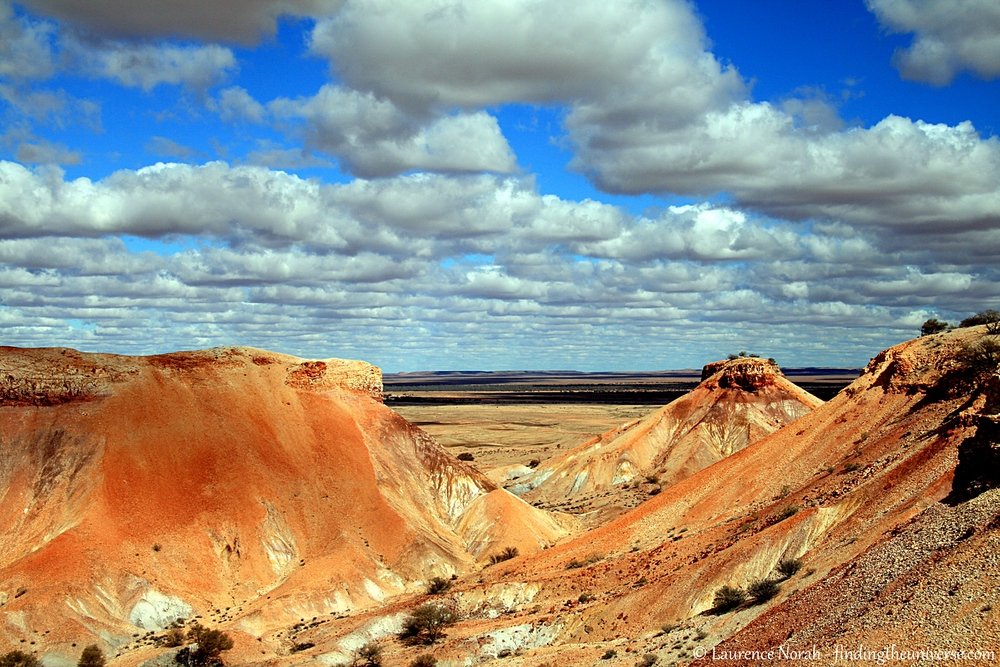
“Now this is more the Australia that I imagined, although I never thought that the outback could be quite so weirdly colourful. This is the Painted Desert, just outside the underground mining town of Coober Pedy. It’s not hard to see where the name came from!”
The Painted Desert, located near the quirky underground mining town of Coober Pedy in South Australia, is one of the most surreal landscapes in the Outback. Known for its vibrant, multi-colored hills and ancient geological formations, this remote desert offers photographers unmatched opportunities to capture the rugged beauty of the Australian Outback.
The Painted Desert’s striking colors are the result of millions of years of erosion and weathering, revealing layers of ochre, red, orange, and white sediment. The hills appear as though they’ve been brushed by an artist’s hand. It’s this variety of hues and textures that makes the desert so captivating to photograph.
The rock formations and rolling hills stretch out endlessly, creating compositions that look like they belong on another planet. You can experiment with different focal lengths—wide-angle lenses capture the vastness of the desert, while telephoto lenses highlight the intricate layers of the hills.
- Rich layers of color: Capture reds, oranges, and ochres that shift throughout the day.
- Endless horizons: Use wide-angle lenses to emphasize the vastness of the desert.
- Detailed rock formations: Zoom in on the textures and patterns in eroded hills.
Tip: Plan your visit during early morning or late afternoon to make the most of the golden hour light, which enhances the vibrant colors of the desert.
#5) Antony Gormley’s “Inside Australia” piece, in Western Australia
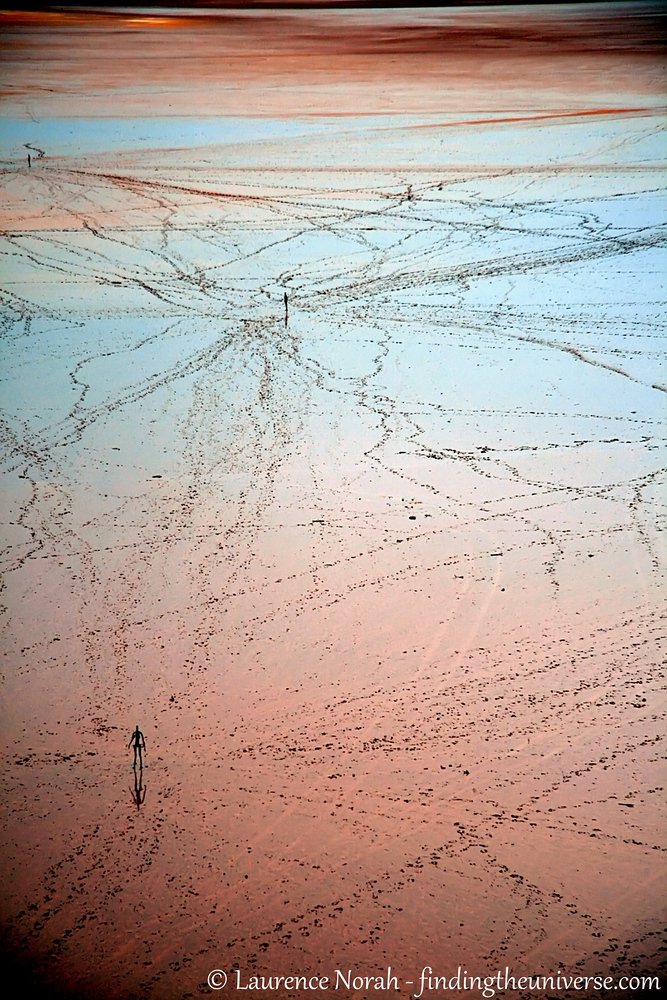
“The massive scale of the Australian outback means that there is plenty of room for plopping a bit of art here and there without bothering anyone. This is Antony Gormley’s “Inside Australia” piece, which spans ten square kilometers on a dry salt lake in Western Australia. It is, as with many attractions in Australia, a long way from anywhere. Still worth the visit though!”
This awe-inspiring piece stretches across ten square kilometers, featuring 51 life-sized sculptures that seem to rise out of the cracked salt bed, blending with the arid landscape. For photographers it’s an opportunity to capture the interaction between art, landscape, and light in one of the most remote locations on the planet.
Antony Gormley’s “Inside Australia” installation was designed to reflect the landscape and people of Lake Ballard. Each of the 51 sculptures is based on a 3D scan of a resident from the nearby town of Menzies, but with the figures elongated and abstracted, giving them an otherworldly appearance. These sculptures are positioned across the salt lake, spaced apart so that visitors must walk from figure to figure, experiencing both the artwork and the landscape together.
This installation encourages photographers to think creatively about composition. The sculptures stand starkly against the flat, cracked salt surface, providing striking contrasts that are perfect for minimalist photography. At the same time, the sheer size of the installation—spread over ten square kilometers—invites photographers to play with perspective and scale, making each sculpture appear both tiny and monumental depending on how it’s framed.
- Abstract forms: Capture the surreal shapes of the sculptures.
- Vast spaces: Use wide angles to convey the enormity of the landscape.
- Interaction with the land: Frame sculptures with elements of the salt lake’s terrain.
Tip: Arrive an hour before sunrise or sunset to find the best spots to frame your photos. The changing light can transform the mood of the entire installation in just a few minutes.
#6) Top of the “Castle” in Morten National Park across to the New South Wales coastline
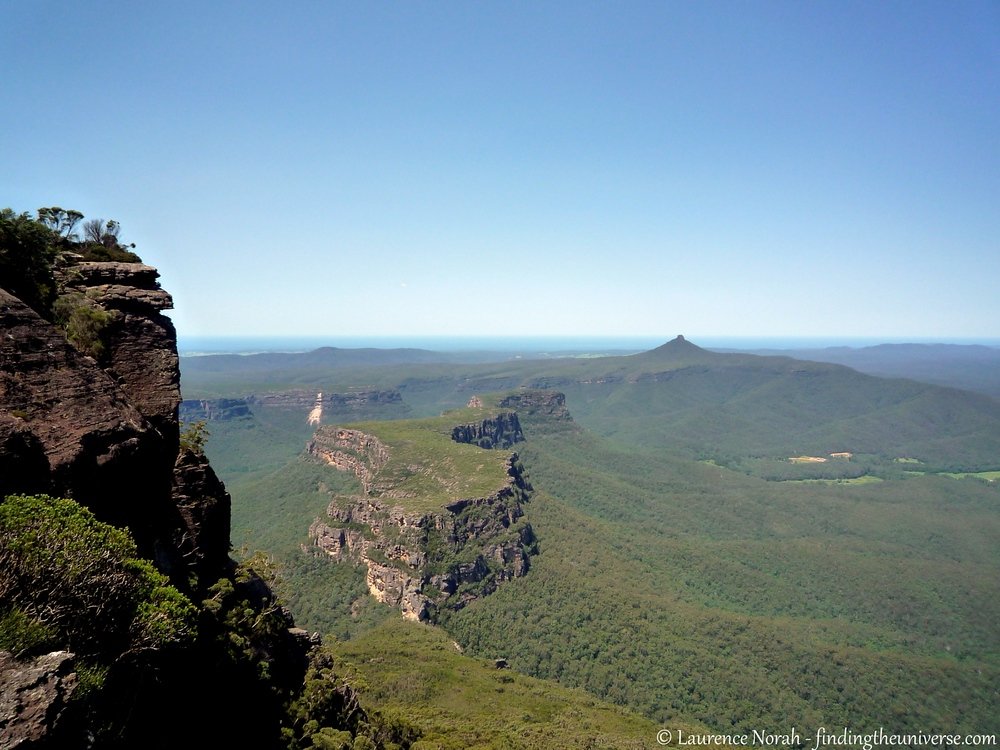
“I mentioned mountains I believe. This is the view from the top of the “Castle” in Morten National Park across to the New South Wales coastline. This walk was probably one of the toughest day hikes I’ve ever done, and was my favourite day hike in Australia.“
Perched within Morton National Park in New South Wales, The Castle is one of the most challenging hiking destinations along the NSW coastline. However, this imposing rock formation offers more than just a tough hike—it’s an ideal location for photographers. With rugged cliffs, lush valleys, and panoramic views stretching all the way to the coast, The Castle provides a range of opportunities to capture stunning landscapes and dramatic skies.
The Castle’s rugged rock formations and steep cliffs make it an ideal subject for wide-angle photography. The contrast between rocky outcrops, dense forests, and open skies creates natural compositions that feel grand and cinematic. From the summit, photographers can capture sweeping views of Morton National Park’s valleys, rivers, and distant coastline. It’s a landscape that invites creative framing and experimentation.
The challenge of the hike adds a layer of adventure to the photography experience. Reaching the summit involves climbing, scrambling, and traversing exposed sections. But the reward at the top is worth every step. Golden hour light on the cliffs transforms the landscape into a palette of warm hues, while cloudy days lend a moody, mysterious atmosphere to the scene.
- Wide vistas: Capture the expansive views stretching toward the coastline.
- Rock formations: Use the natural cliffs to frame your shots creatively.
- Dramatic skies: Enhance your compositions with clouds and changing light.
Tip: Arrive early to scout your vantage points—the best light doesn’t last long, and preparation ensures you capture the perfect shot.
#7) Outback Storms!
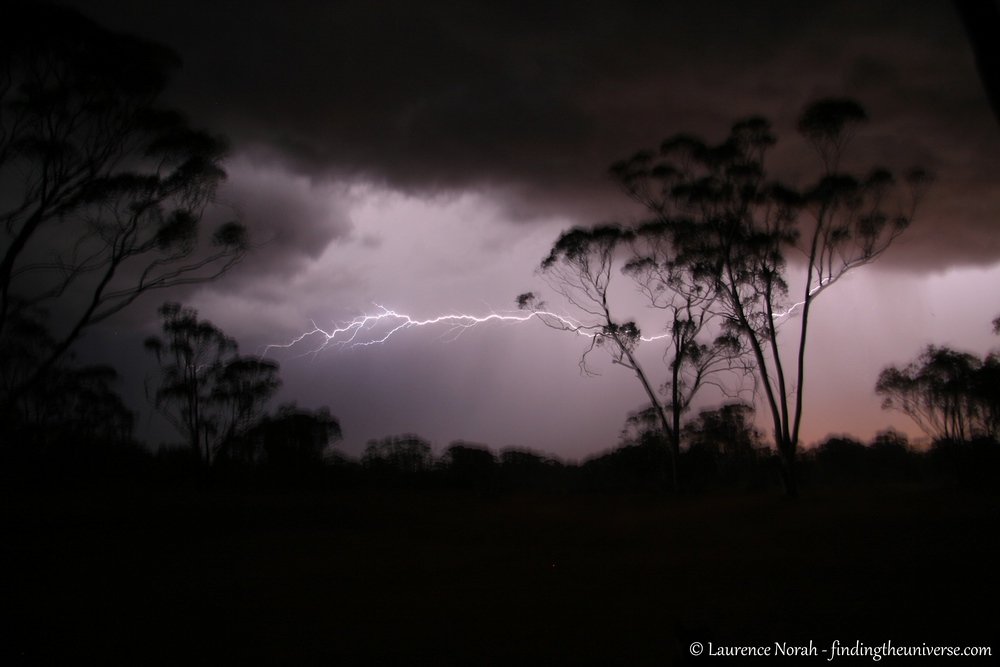
“Being British, it would be remiss of me to talk about a place without mentioning the weather. Outback storms can be fierce and seriously dramatic – as this one was! The brunt of it hit camp seconds after I got this shot, and washed my tent away. I slept in the car.”
Outback storms are known for their dramatic skies, towering cumulonimbus clouds, and powerful lightning displays, creating an ideal setting for photographers who seek bold, atmospheric shots. Capturing these weather events is not just about taking photos; it’s an adventure in itself. Hence, it requires patience, planning, and a sense of awe for unpredictable nature.
Whether you love landscape photography, lightning captures, or time-lapse sequences, there’s something truly exhilarating about chasing a storm across the endless horizons of the Outback. The Outback’s wide, open landscapes provide an ideal canvas for storm photography.
Without the clutter of urban structures or dense forests, storms are fully visible from miles away. Photographers can watch as massive thunderclouds form, swirling and growing in size until they release rain, lightning, and thunder in an awe-inspiring display. Storm chasers often describe the sight as nothing short of nature’s art in motion.
What makes photographing storms so rewarding is the unpredictability. One moment, the sky can be filled with ominous clouds; the next, a streak of lightning slices through the darkness. The changing light and weather conditions offer endless ways to experiment with your shots.
- Cumulonimbus clouds: Capture the towering structures forming on the horizon.
- Lightning strikes: Freeze the moment with high-speed photography.
- Changing conditions: Embrace unpredictability for dynamic shots.
Tip: Use a remote shutter release for lightning photography—it helps you capture the moment without camera shake.
#8) Red Sand of The Outback meets the sea in Francois Perron National Park – Western Australian coastline
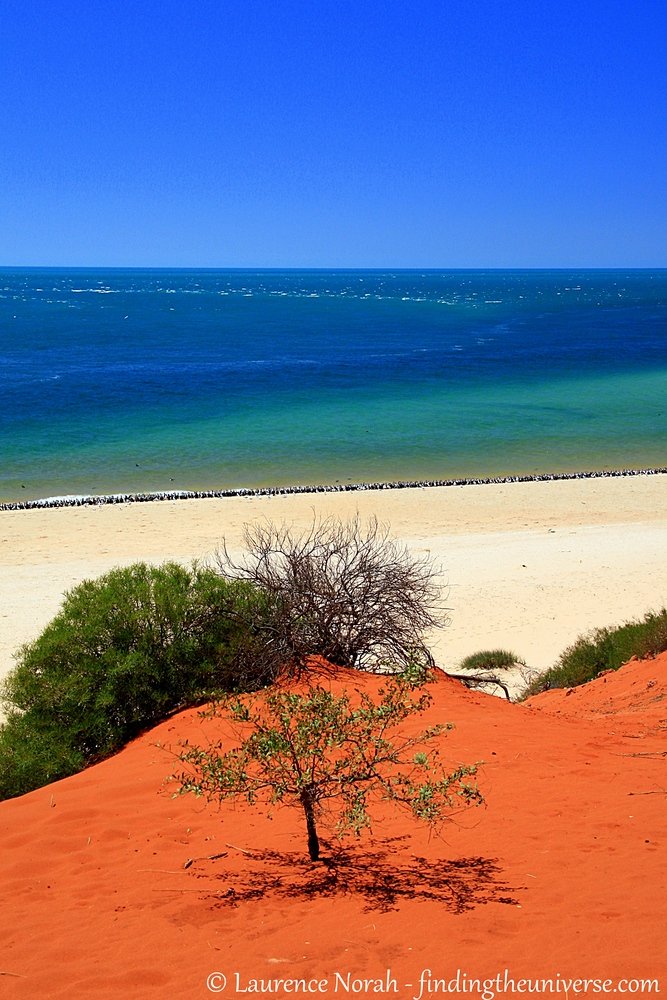
“The outback is a red place. Really really red. In this shot the red sand of the outback meets the sea in Francois Perron National Park, on the Western Australian coastline. The black line along the coastline is a flock of comorants. WA is the less popular coastline in Australia for travellers, but it really deserves some serious attention.”
Where else in the world can you witness the red sands of the Outback colliding with the turquoise waters of the ocean? Located on the Shark Bay World Heritage Coast in Western Australia, Francois Peron National Park offers one of the most visually striking landscapes you’ll ever encounter. The vivid contrast between the rich, ochre-colored dunes and the sparkling blue sea creates an ideal scene for photographer’s.
The deep, rusty reds of the desert blend seamlessly with the brilliant blues and greens of the Indian Ocean, creating a palette that feels almost unreal. This contrast is especially striking under the intense Australian sunlight.
The best times to shoot are during the early morning and late afternoon, when the soft, golden light enhances the vibrancy of the sand and water. Midday, although harsh, also offers unique photographic opportunities. Shadows are minimal, and the direct light brings out every fine detail in the dunes and shoreline, making them appear almost three-dimensional.
- Red dunes meet turquoise seas: Capture the vibrant clash of colors at the shoreline.
- Golden hour magic: Soft, warm light enhances the natural hues of the landscape.
- Midday light: Highlight textures and patterns in the sand and sea.
Tip: Bring a polarizing filter to reduce glare from the water and emphasize the richness of the colors in your shots.
#9) Impressive Beaches at Hellfire Bay in the Cape Le Grand National Park in Western Australia
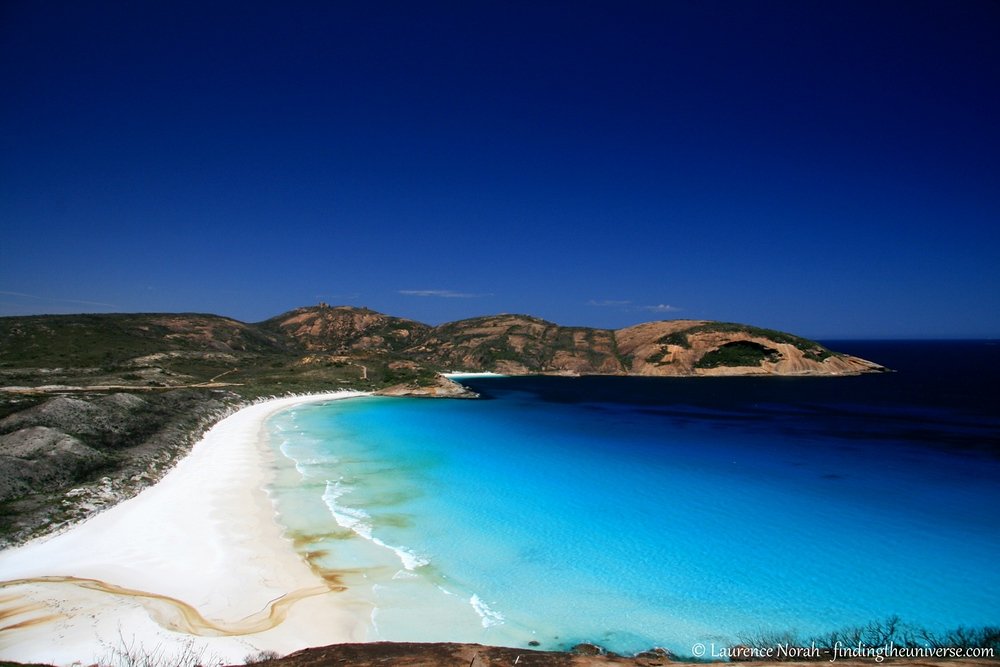
“Speaking of beaches, Australia has no shortage of these, with some seriously impressive beaches to be found all around its coastline. This is Hellfire Bay in the Cape Le Grand National Park in Western Australia.”
Nestled along the rugged southern coast of Western Australia, Hellfire Bay in Cape Le Grand National Park offers photographers an exceptional mix of white sand, turquoise waters, and granite headlands. Known for its untouched beauty and serene atmosphere, this beach is a must-visit for anyone seeking to capture the raw magic of Australia’s coastline.
The moment you arrive at Hellfire Bay, you’re greeted by soft white sand that squeaks underfoot and water so clear it looks like glass. The contrast between the bright sand, turquoise sea, and the dark, weathered rocks makes shots especially pop.
The changing tides also offer exciting opportunities to experiment with different compositions. At low tide, photographers can capture mirrored reflections on the wet sand. Meanwhile, high tide brings waves crashing against the rocks, creating dynamic, action-packed shots. Every angle offers something unique—whether you’re shooting wide vistas of the entire bay or zooming in on the interplay of rocks and water.
- Granite headlands: Frame the landscape using the rugged cliffs for a dramatic effect.
- Tide variations: Experiment with reflections on wet sand and waves against the rocks.
- Color contrast: Capture the vivid blues and whites under the Australian sun.
Tip: Bring a polarizing filter to enhance the colors and reduce reflections from the water and sand.
#10) Aboriginal Rock Art
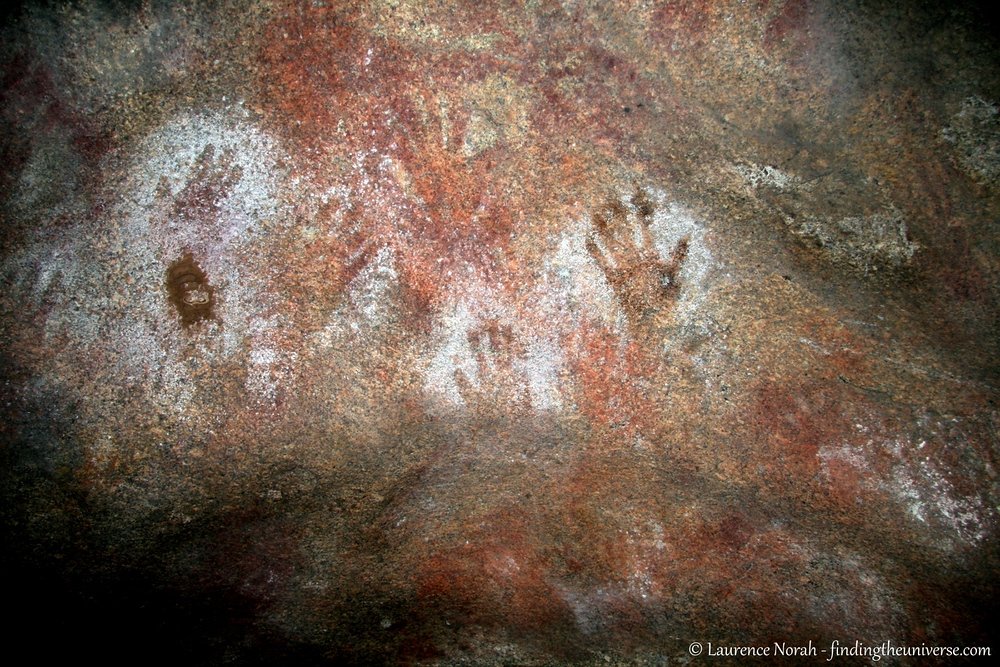
“Australia is a place with an incredible cultural history, having been populated by the Aboriginal people for over 40,000 years before the white man rocked up and, well. History does not paint a pretty picture. Rock art like this can be found in all sorts of places, and it is truly fascinating stuff.”
Australia’s ancient Aboriginal rock art sites are more than just historical treasures—they are windows into the oldest continuous culture on earth. For photographers, these sites offer a rare opportunity to capture meaningful connections between art, history, and landscape.
Found in remote gorges, rock shelters, and rugged cliffs, these artworks reflect the spiritual beliefs and cultural practices of Aboriginal peoples. Visiting these sites is more than a photography trip—it’s an immersive cultural experience that encourages photographers to approach their craft with respect, patience, and curiosity.
One of the most compelling aspects of Aboriginal rock art is how it blends seamlessly with the natural environment. These artworks are often painted, engraved, or etched onto rock surfaces in places that hold deep cultural significance. As a photographer, you have the unique opportunity to capture art and landscape together, revealing the connection between the people, the land, and their stories.
Some of the most famous sites, such as Kakadu National Park in the Northern Territory and the Burrup Peninsula in Western Australia, feature intricate paintings and carvings that depict animals, ancestral beings, and ceremonial practices.
- Rock art in Kakadu: Frame paintings within the larger escarpments for dramatic shots.
- Burrup Peninsula petroglyphs: Capture carvings against the backdrop of rugged cliffs.
- Natural elements: Include plants, rocks, and sky to tell a more complete story.
Tip: Use a wide-angle lens to capture both the rock art and the surrounding landscape, emphasizing the connection between the two.
#11 Planehenge Outback Sculpture – Oodnadatta Track in South Australia
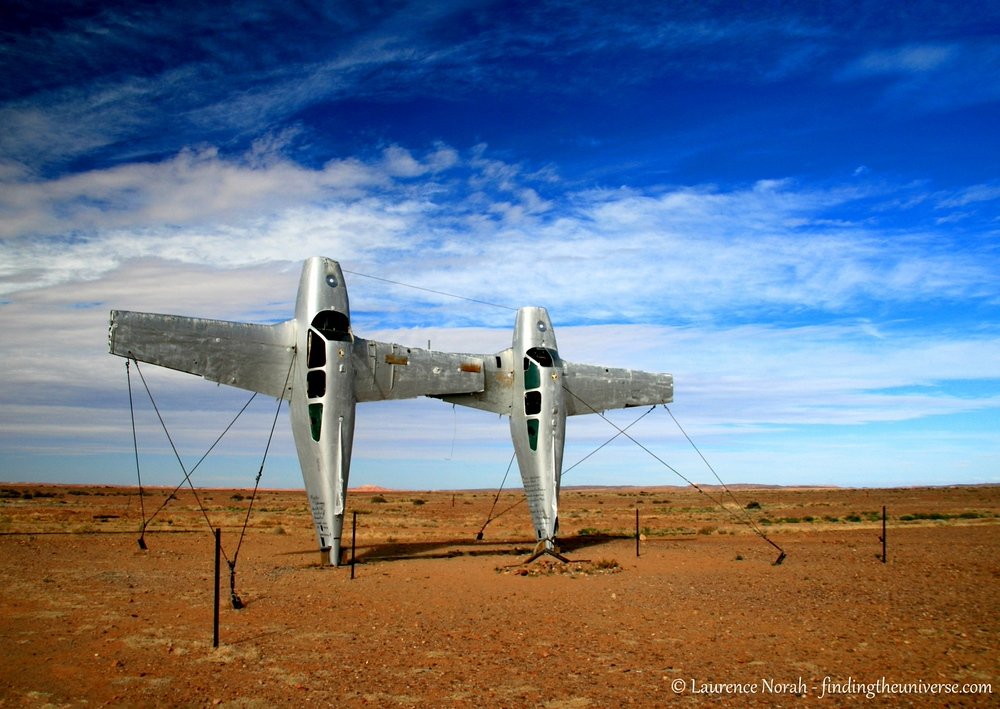
“Speaking of art, here’s another wacky bit of outback sculpture, found out on the Oodnadatta Track in South Australia. This one is called Planehenge.”
Hidden in the heart of South Australia’s Outback, along the legendary Oodnadatta Track, lies Planehenge—a quirky, surreal sculpture installation that’s all kinds of bizarre. Officially known as Mutonia Sculpture Park, Planehenge is a collection of recycled planes, old machinery, and abstract art installations created by artist Robin “Mutoid” Cooke.
Planehenge isn’t your typical tourist attraction. It’s an eclectic mix of large-scale sculptures. The centerpiece is a pair of light aircraft, tilted upright and buried nose-first in the desert like a twisted homage to Stonehenge. Surrounding them are rusted metal sculptures, giant bicycles, and abstract structures—all created from discarded materials salvaged from the Outback.
Photographers have endless opportunities to experiment with composition, angles, and framing. The contrast between the surreal sculptures and the vast desert landscape creates a sense of both immensity and absurdity. Thus, making it an ideal place for wide-angle shots and creative storytelling.
- Wide-angle shots: Capture the sculptures against the sprawling desert landscape.
- Close-up details: Focus on rusted textures and abstract patterns.
- Unusual perspectives: Experiment with angles to create surreal compositions.
Tip: Bring plenty of water, fuel, and supplies—the remote location means you’ll need to be self-sufficient during your visit.
#12 Waterfall Photography Down Under
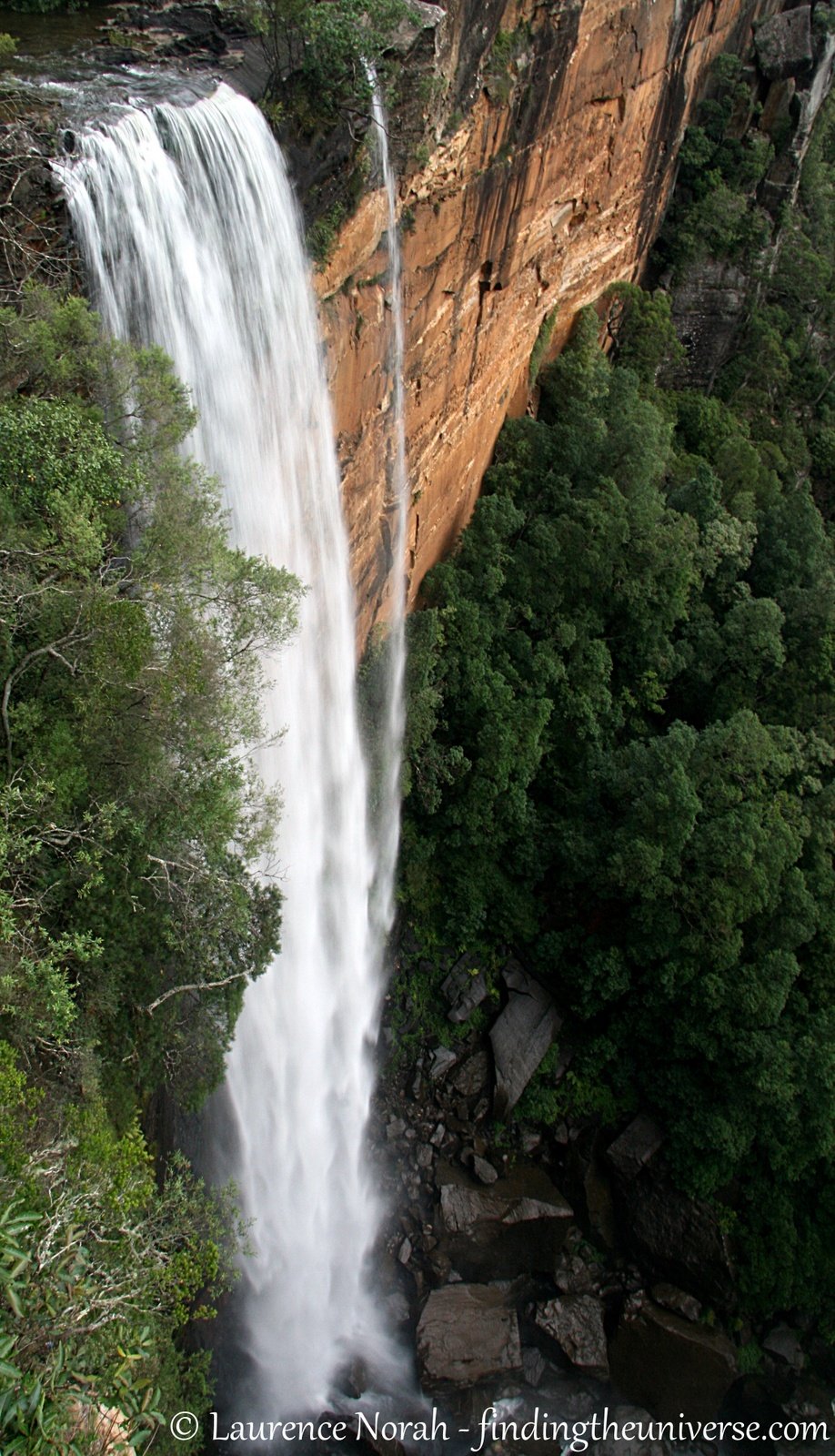
“Sure, Australia can’t compete with other countries when it comes to waterfall scale, but what it lacks in size, it more than makes up for in availability. If you like a good waterfall, then you’ll find plenty to get your waterfall on down under!”
Australia is known for its diverse landscapes, from red deserts to lush rainforests. But tucked within these wild places are distinct waterfalls. From powerful cascades tumbling down rocky cliffs to gentle streams trickling through dense rainforests, no two waterfalls are the same. This diversity allows photographers to explore a variety of moods and compositions, creating images that reflect both the dynamic and peaceful elements of water in motion.
- Tropical waterfalls: Visit Queensland’s Daintree Rainforest for lush backdrops and hidden falls.
- Mountain cascades: Explore Tasmania’s Cradle Mountain to capture waterfalls framed by rugged cliffs.
- Coastal waterfalls: Photograph waterfalls that flow straight into the ocean along New South Wales’ coast.
Tip: Research seasonal changes—some waterfalls are more vibrant after rainfall, while others offer calmer flows during the dry season, ideal for close-up photography.
#13 Outback Wave Rock – a giant rock formation that looks like a frozen wave
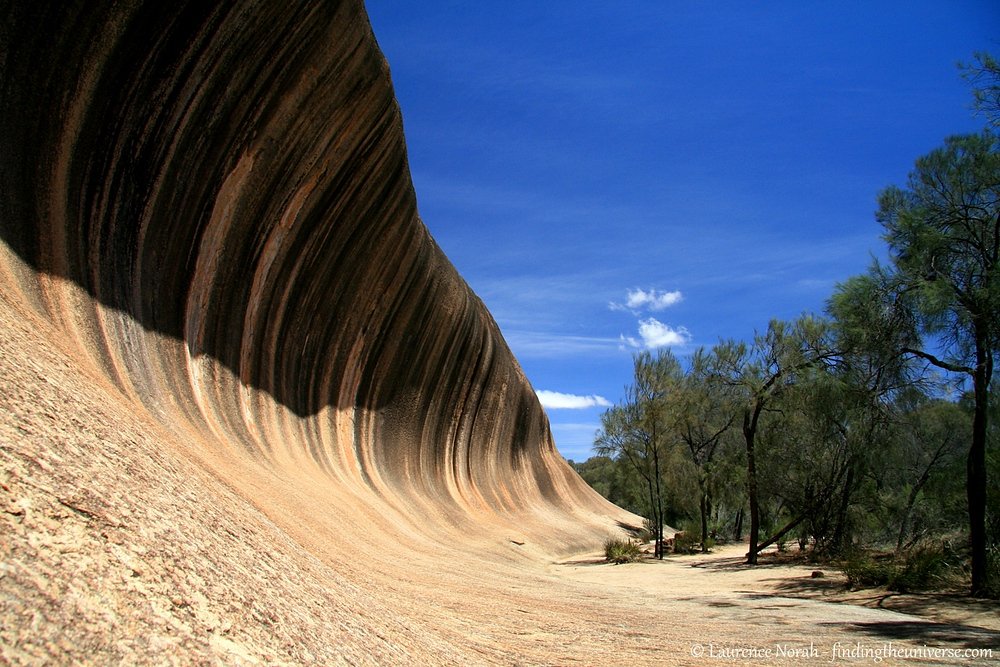
“I have to admit, I was a bit of a fan of the outback. This is the wave rock, a giant rock formation that looks like a frozen wave. There is all sorts of science behind its formation, but really, what you’ll want to do when you visit is pretend you’re surfing it. Far more fun than reading about geology.”
Towering at 15 meters (49 feet) high and stretching for 110 meters (360 feet) long, this natural wonder near the town of Hyden offers a unique experience for photographers. However, Wave Rock is not just about size—it’s about the patterns, light, and abstract compositions you can create as you photograph this natural marvel. It’s a place that encourages photographers to experiment with angles and lighting, creating images that convey both the grandeur and artistry of nature.
Wave Rock’s beauty lies in its unique shape and layered textures. Formed over 2.7 billion years, this rock formation features a curved granite wall, sculpted by erosion and weathering over millennia. The striations on the rock surface—bands of red, brown, yellow, and grey—give photographers ta canvas to play with contrast and composition.
The smooth, undulating shape of the rock makes it look like it’s flowing forward in perpetual motion, despite being frozen in place. For photographers, these natural curves create opportunities for dynamic, abstract compositions. You can focus on the play of shadows across the rock face, or zoom in to capture the fine details of the weathered surface.
- Layered colors: Use the natural striations to create high-contrast images.
- Flowing shapes: Frame the curves of the rock to mimic the movement of a wave.
- Textured close-ups: Capture weathered details that tell the story of erosion over billions of years.
Tip: Visit early in the morning or late in the afternoon—the light at these times enhances the colors and textures of the rock surface.
#14) Sunset at Lagoon Beach in Tazmania
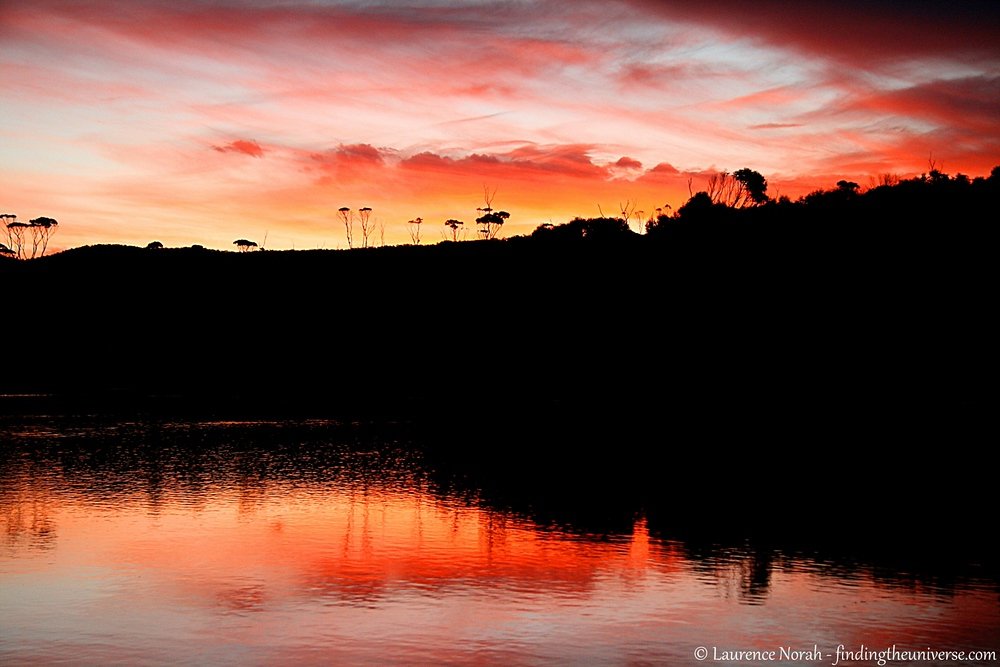
“And really, I couldn’t finish without sharing a sunset photo. Here is a sunset at lagoon beach in Tasmania.”
Located on the northeast coast of Tasmania, Lagoon Beach offers an idyllic setting for photographers seeking sunset moments. This stretch of coastline, with its soft sand, gentle waves, and lagoon, transforms under the fading light of day. Photographing the sunset at Lagoon Beach is about more than just getting beautiful pictures. It’s about experiencing a sense of calm while witnessing the natural world shift from day to night.
The magic of sunset photography lies in the soft, warm light. At Lagoon Beach, the golden hour light creates a gentle glow over the water, highlighting the subtle movements of the waves and casting long shadows across the sand. Photographers have the chance to capture layers of warm tones—from golds and oranges to soft purples and blues.
The sky changes rapidly during sunset, offering new compositions with every passing minute. The reflections on the calm lagoon waters mirror the vibrant colors of the sky, doubling the impact of the scene and adding depth and symmetry to your images. It’s an ideal moment to experiment with different angles and play with the dynamic relationship between sky and water.
- Golden light: Capture the beach bathed in soft, glowing tones.
- Reflections in the lagoon: Use mirrored water to create symmetrical compositions.
- Rapid sky changes: Take advantage of evolving colors for multiple shots.
Tip: Set up before the sun begins to set—this gives you time to compose your shots and adjust settings as the light changes.
Turning Australia’s Contrasts Into a Real Trip
If those photos made you want to chuck your laptop, grab a camera, and disappear into the Outback, you’re not alone.
Australia is huge, remote in parts, and absolutely worth the effort – but it’s not the kind of place where you just “wing it” and hope for the best. Distances are long, weather swings from brutal sun to biblical storms, and some of the most photogenic spots are a long way from the nearest flat white.
The good news? With a bit of planning, you can stitch together a trip that hits red deserts, bright-white beaches, rainforest, waterfalls, and bizarre Outback art without losing your mind (or your tent in a storm).
Let’s turn those contrasts into actual itineraries and practical steps you can follow.
Choosing Your Route: Where Those Photo Spots Fit
You probably won’t see all of Australia in one trip (unless you’ve got months), so it helps to think in “contrast clusters” – areas where you can combine several of those landscapes in one loop.
Here’s a quick snapshot:
| Route / Region | Time Needed | Signature Contrast | Start / Finish | Driving Intensity* |
|---|---|---|---|---|
| Red Centre & Outback Art (Uluru, Coober Pedy, Painted Desert, Planehenge) | 10–14 days | Red desert, lunar hills, weird sculptures | Adelaide or Alice Springs | 🔥🔥🔥 |
| South-East Wilds (Great Ocean Road, Otways, The Castle) | 7–10 days | Coastal cliffs, rainforest, mountain views | Melbourne / Sydney | 🔥🔥 |
| Wild West Coast (Francois Peron, Hellfire Bay, Wave Rock, Lake Ballard) | 10–14 days | Red dunes vs turquoise sea, salt lakes, granite | Perth / Esperance loop | 🔥🔥🔥 |
| Tasmanian Coasts & Forests (Lagoon Beach + falls) | 3–7 days | Empty beaches, moody forests, soft sunsets | Hobart / Launceston | 🔥 |
*Driving intensity = how big the days are, how remote it feels, and how much planning you’ll need.
Pick one “core” region for this trip, maybe add a mini-extension, and accept that you’ll come back for the rest.
Itinerary Idea 1: Red Centre & Outback Oddities (10–14 Days)
Think Uluru at sunset, rainbow hills in the Painted Desert, underground Coober Pedy, and a random airplane Stonehenge in the middle of nowhere. This is your big-sky, dust-in-your-socks, “wow, we really are in the middle of Australia” route.
Suggested Route
- Start in Adelaide or Alice Springs
- Loop via Coober Pedy, Painted Desert, Oodnadatta Track (Planehenge / Mutonia), Uluru + Kata Tjuta
- Return the same way or fly out from the opposite end if you find a good one-way deal.
Rough Day-by-Day (Flexible)
- Days 1–2 – Adelaide → Coober Pedy
Long drive days. Break in small roadhouses, get used to Outback distances.
Stay: Underground motel or caravan park in Coober Pedy. - Days 3–4 – Coober Pedy & Painted Desert
Visit opal mines, underground churches, and quirky town viewpoints.
Take a day (preferably with a local tour or in a high-clearance vehicle) to reach the Painted Desert for late afternoon/ sunset light. - Days 5–6 – Oodnadatta Track & Planehenge / Mutonia Sculpture Park
Follow sections of the Oodnadatta Track if conditions allow (check road reports).
Stop at Planehenge and other sculptures – incredible at golden hour or under the stars.
This is remote country: carry extra water, fuel, and let someone know your plans. - Days 7–10 – Uluru & Kata Tjuta
Base yourself at Yulara (the resort area) or campground.
Mix your days between:- Uluru sunrise and sunset viewpoints
- Walking the base track
- Exploring Kata Tjuta (Valley of the Winds and Walpa Gorge walks)
- Cultural centre to understand Anangu stories and significance
If you’ve got 14 days, add:
- Kings Canyon for another huge-rim hike
- A slower return with extra nights in small Outback towns
Getting Around
- Vehicle: A regular 2WD can do lots of this in good weather on sealed roads, but gravel and remote tracks are best tackled with a high-clearance vehicle, ideally 4WD.
- Fuel: Fill up whenever you see a servo, not when the gauge hits half.
- Supplies: Stock up on water, snacks, and a paper map – phone signal can vanish quickly.
Where to Stay (Vibe, Not Specific Hotels)
- Coober Pedy: Underground motels (cool in every sense), caravan parks for van life.
- Uluru / Yulara: Mix of campground, cabins, resort hotels – book ahead in peak season.
- Roadhouses: Basic but invaluable for breaking drives (rooms vary from very simple to surprisingly comfy).
Itinerary Idea 2: Coastal Cliffs, Rainforest & Rock Scrambles (7–10 Days)
This one strings together the Great Ocean Road, Otways rainforest, and the brutal-but-beautiful hike up to The Castle in Morton National Park. You get seascapes, waterfalls, and big views in one go.
Suggested Route
- Start / finish: Melbourne & Sydney (either direction)
- Core stops: Great Ocean Road → Otways → back via inland → Morton National Park → Sydney
Rough Flow
- Days 1–3 – Great Ocean Road & Twelve Apostles
Base yourself around Torquay / Lorne / Apollo Bay / Port Campbell.
Prioritise:- Twelve Apostles at sunrise or sunset
- Loch Ard Gorge, London Bridge, Gibson Steps
- Short coastal walks and lookouts away from the biggest crowds
- Days 3–4 – Great Otway National Park
Shift your focus inland to the coastal rainforest.
Chase:- Waterfalls and fern gullies
- Short rainforest loops near Beech Forest or Lavers Hill
- Moody forest shots on overcast or drizzly days
- Days 5–7 – Drive North to Morton National Park (The Castle)
Work your way towards the NSW South Coast, then inland to Morton.
The Castle hike is big: steep, exposed in places, and absolutely not one to attempt in bad weather.
If you tackle it:- Start early, take plenty of water, food, and layers
- Expect scrambling and some sections with ropes/ chains
- The payoff: huge views towards the coastline and endless ridges
If you prefer something gentler, swap The Castle for shorter walks in the same park or along the NSW South Coast.
Transport & Roads
- Vehicle: Standard 2WD is fine; most roads are sealed with some well-graded gravel.
- Driving style: Lots of curves along the Great Ocean Road – factor in extra time and avoid fatigue.
Where to Base Yourself
- Great Ocean Road:
- Torquay – surf town, easy first night from Melbourne
- Lorne / Apollo Bay – good mix of cafes, beach, and access to the Otways
- Port Campbell – ideal for sunrise/ sunset at the Apostles
- Morton National Park area:
- Simple cabins, farm stays, basic motels and campgrounds in nearby towns
- Bring groceries – services can be limited compared to the big cities
Itinerary Idea 3: Wild West Colour Palette (10–14 Days)
Western Australia is where the red sand hits turquoise water, cliffs meet empty beaches, and random art installations appear on salt lakes. This loop focuses on Francois Peron National Park, Hellfire Bay / Cape Le Grand, Wave Rock, and remote salt-lake art like Lake Ballard.
Suggested Route
- Start / finish: Perth
- Core loop: Perth → Wave Rock → Lake Ballard → Francois Peron / Shark Bay → back south or fly onward → Esperance & Cape Le Grand → Perth
You probably won’t fit everything comfortably in 10 days unless you like long days behind the wheel; 14+ makes it more relaxed.
Highlights & How They Fit
- Wave Rock (Hyden area)
- Easy half-day exploring the rock and nearby formations
- Best light early or late; midday is harsh but great for textures
- Lake Ballard (Inside Australia installation)
- Remote salt lake with Antony Gormley’s sculptures
- Magical in low light or under a starry sky
- Come prepared: limited facilities, lots of space
- Francois Peron National Park (Shark Bay region)
- Red dunes meeting bright blue Indian Ocean
- Requires high-clearance (and often 4WD) to access the best sections
- Expect soft sand, corrugated tracks, and big rewards when you reach the lookouts
- Hellfire Bay & Cape Le Grand National Park (near Esperance)
- Some of the whitest sand and clearest water you’ll see anywhere
- Combine Hellfire Bay with other beaches in the park for a full day of wandering, swimming, and shooting different angles.
Driving & Safety
- This is a serious road trip:
- Distances between towns can be long
- Fuel stops are further apart than on the east coast
- Heat, wind, and sudden storms are all possible
- Build in:
- Buffer days for weather
- Early starts to avoid driving at dusk when wildlife is most active
- Plenty of water and snacks in the car at all times
Tasmanian Bonus: A Few Days Around Lagoon Beach
If you’re already in Australia and craving softer light and cooler air, Tasmania is a lovely add-on.
- Lagoon Beach:
- Think long stretches of sand, gentle surf, and those pastel sunsets from the photo.
- Great for slow evening walks and tripod time as colours deepen.
- Combine with:
- A forested hike or waterfall inland
- Another coastal spot like the Bay of Fires or Freycinet if you’ve got extra days
- Access:
- Fly into Hobart or Launceston, rent a car, give yourself 3–5 days to breathe and wander.
Where to Sleep: From Red Dust to Squeaky Sand
Instead of chasing specific hotel names, it helps to think in types of stays that match each landscape.
Outback & Red Centre
- Campgrounds & holiday parks:
- Best if you’ve got a van, tent, or roof-top setup
- Often basic but sociable, with hot showers and camp kitchens
- Underground rooms (Coober Pedy):
- Keeps the heat at bay and makes for a great story
- Book ahead in peak periods
- Resort-style complexes (Uluru / Yulara):
- Everything from campsites to higher-end hotels in one hub
- Shops, fuel, and tour departures all close together
Coast & Rainforest
- Holiday parks & cabins:
- Great Ocean Road, Esperance, Shark Bay all have these
- Ideal if you want a kitchen plus a bit of comfort after sandy days
- Simple motels & guesthouses:
- Good for one-night stopovers between big sights
- Less romantic, very practical
- National park campgrounds:
- Close to the best views and starry skies
- Often limited facilities – book ahead and bring what you need
Budgeting for a Contrast-Filled Trip
Everyone travels differently, but here’s a ballpark daily budget per person (in AUD), excluding international flights:
| Style | Daily Budget (Approx.) | What That Looks Like |
|---|---|---|
| Shoestring | 80–120 | Camping/hostels, self-catering, fuel split, few tours |
| Comfortable | 150–250 | Mix of cabins/motels, eating out once a day, key tours |
| Splashing Out | 300+ | Hotels, frequent restaurant meals, scenic flights/tours |
Big ticket items to plan for:
- Vehicle hire: Car vs campervan vs 4WD can dramatically change costs.
- Fuel: Outback fuel is more expensive; budget extra.
- Park passes & permits: National park entry fees and camping permits add up.
- One or two “wow” experiences: Scenic flights over Uluru, boat trips in Shark Bay, or guided Aboriginal cultural tours are worth building into the budget.
Best Time to Go: Chasing Good Light and Bearable Weather
Australia can be scorching, soggy, or absolutely perfect depending on when and where you go.
| Region / Theme | Better Months | Why It Works | Watch Out For |
|---|---|---|---|
| Red Centre & Outback (Uluru, Coober Pedy, Painted Desert) | Apr–Sep | Cooler temps, clearer skies | Cold nights in winter, busy periods |
| Great Ocean Road & Otways | Oct–Apr | Warmer days, long evenings, greener forests | Summer crowds around holidays |
| WA Coast (Francois Peron, Hellfire, Wave Rock) | Apr–Oct | Milder heat, good road conditions | Some roads can close after heavy rain |
| Tasmania (Lagoon Beach + forests) | Nov–Mar | Long days, more stable weather | Pack for four seasons in one day |
If you’re heat-sensitive, avoid mid-summer in the deep Outback. If you’re storm-obsessed and prepared, shoulder seasons can deliver dramatic skies.
Getting Around: Car, Campervan, or Tours?
A quick comparison to help you choose:
| Option | Pros | Cons | Best For |
|---|---|---|---|
| Car + Stays | Flexible, easier in cities, cheaper fuel usage | Pay separately for accommodation, less “camp vibe” | First-timers, shorter trips |
| Campervan | Your bed travels with you, campsite culture | Higher hire cost, more fuel, trickier parking | Couples/friends on longer routes |
| 4WD | Access to remote tracks and parks | More expensive, requires confident driving | Off-the-beaten-track exploration |
| Organised Tours (for sections) | Stress-free, local insight, no driving fatigue | Fixed schedule, less freedom | Solo travellers, tight on time |
Many people mix approaches: maybe a regular car for cities and coastal roads, plus a short 4WD tour for remote national parks.
Staying Safe: Outback Storms, Heat, and Big Distances
Some of the most dramatic photos in the original piece came with a price – like a tent being washed away in an Outback storm. Amazing memories, less amazing when your gear floats off.
A few simple habits go a long way:
- Check weather and road reports daily in Outback areas.
- Avoid driving at dawn/dusk where kangaroos and other wildlife are most active.
- Never camp in dry creek beds – flash floods are a real thing.
- Tell someone your route if you’re heading onto long remote tracks.
- Carry more water than you think you’ll need (and then add a bit more).
For storm photography:
- Shoot from a safe distance; stay well clear of high ground and lone trees.
- Use your car as shelter between shots rather than standing out in the open.
- If conditions feel sketchy, they probably are – get your shot, then get moving.
Respecting Country and Rock Art Sites
Those Aboriginal rock art locations aren’t just “cool photo spots” – they’re living cultural sites with deep significance.
When you visit:
- Stick to marked paths and viewing areas.
- Never touch the rock art, even lightly.
- Avoid using flash if you’re photographing paintings.
- Read the interpretive signs and, where possible, join an Indigenous-led tour – it will change the way you see the landscape.
Australia photo road trip questions: practical answers, itinerary tips & real-world advice
How long do I realistically need to see most of these Australia photo locations?
It depends. If you want to lean into one of the big “contrast clusters” from the article, you can build a photogenic trip in about ten to fourteen days by focusing on just one region, like the Red Centre and Outback art loop, the Great Ocean Road plus the Otways, or Western Australia’s coast and deserts. If you start trying to stitch together Uluru, Coober Pedy, Wave Rock, Lake Ballard, Francois Peron, Cape Le Grand and Tasmania in one go, you are really looking at three to six weeks minimum, and even then you will have some long driving days. My honest suggestion for a first trip is to pick one hero region and one smaller add on, accept that you will come back, and give yourself relaxed time in each place instead of racing from icon to icon.
When is the best time of year for an Australia trip that mixes Outback, beaches and rainforest?
For most photographers, the sweet spots are the shoulder seasons when the extremes calm down a bit. In the Red Centre and South Australian Outback, cooler and clearer conditions usually run from autumn through early spring, so it is much more pleasant to be out for sunrise, sunset and long hikes. Along the southern coasts, like the Great Ocean Road, Tasmania and Western Australia around Esperance, late spring through early autumn brings warmer days, longer evenings and good beach weather. The trick is to avoid baking yourself in the deep desert in midsummer and being surprised by chilly, wet conditions in the south in winter, so always check typical temperatures for the specific regions you are stringing together and plan around the most extreme heat or cold.
Do I really need a 4WD for these routes or will a regular rental car be enough?
Mostly, no. A regular two wheel drive car will get you to Uluru, the Great Ocean Road, the Otways, Wave Rock, Lagoon Beach in Tasmania and plenty of coastal viewpoints on sealed highways and well maintained secondary roads. Where a high clearance vehicle or proper four wheel drive starts to make a big difference is on remote Outback tracks like the Oodnadatta Track, deeper sections of the Painted Desert, sandy routes inside Francois Peron National Park and some of the rougher approaches to salt lakes and remote viewpoints. If you only plan to dip your toes into the Outback, a normal car plus the odd guided tour is fine, but if your dream is chasing red dirt, backroad sculptures and remote headlands, upgrading your vehicle and watching road reports becomes part of the adventure.
Is it actually safe to road trip and camp in the Australian Outback for photography?
Yes, if you respect it. The Outback is more about distance, exposure and isolation than crime, so your main risks are things like heat, dehydration, hitting wildlife at dawn or dusk and getting stuck on a remote track with no plan. You stay safe by topping up fuel whenever you can, carrying more water than you think you will need, letting someone know your route, checking road and weather reports, avoiding driving in the dark and never camping in dry creek beds that can become flash flood channels. If you stick to main highways, recognised campgrounds and simple side trips, an Outback photography loop feels adventurous but manageable, and you will likely find the roadhouse staff and fellow travellers are part of the safety net as well.
Where should I start and finish if I want to follow the Red Centre and Outback oddities itinerary?
Usually, Adelaide or Alice Springs. Adelaide makes a great starting point if you want to drive up through South Australia, visiting small towns, Coober Pedy, the Painted Desert and Outback sculpture stops before looping towards the Red Centre. Alice Springs or the airport near Uluru work well if you would rather fly closer to the action, hire a vehicle there and focus more of your time on Uluru, Kata Tjuta and nearby canyon walks with a shorter dip into the South Australian side. One way hires between Adelaide and Alice Springs can sometimes be found but often cost more, so many people either do a loop out and back from one city or combine a domestic flight with a simpler there and back drive.
Can I do these Australia photography trips with kids or is it better saved for adults only?
Absolutely. Families do versions of these routes all the time, you just need to be more realistic about driving days and how much hiking your crew actually enjoys. Long Outback hauls and big climbs like The Castle in Morton National Park are better with older kids or teenagers, while younger children often love the mix of beaches, short walks to waterfalls, wildlife spotting and camping in well equipped holiday parks. Build in more playground stops and shorter legs between overnight stays, travel in cooler months so little ones are not roasting in the back seat and choose a mix of cabins and campgrounds so everyone sleeps and eats properly. With a bit of planning, the contrasts that make it exciting for photographers are also the pieces that keep kids engaged.
What kind of budget should I plan for an Australia photo road trip like this?
Pricey, yes. Australia is not a cheap destination, especially once you start adding car or campervan hire, fuel, national park passes and the odd big ticket experience like a scenic flight, boat trip or guided cultural tour. As a rough guide, a very bare bones road trip with camping or hostels, self catering and shared fuel might come in somewhere between a modest daily range per person, while a more comfortable style with cabins or motels, one meal out a day and a couple of special tours pushes you into the mid range. If you prefer private rooms, regular restaurant meals and lots of organised activities, your daily spend rises quickly. Whatever your style, remember that fuel and groceries in remote areas often cost noticeably more than in the cities, so give yourself a buffer rather than budgeting to the exact dollar.
How do I avoid big crowds at spots like Uluru and the Twelve Apostles?
Two words: timing and persistence. At classic viewpoints like the Twelve Apostles or the main Uluru lookouts, tour buses tend to appear and disappear in waves, so simply arriving early, lingering after sunset or returning at sunrise can thin things out dramatically. Shoulder seasons outside major school holidays and long weekends are usually calmer, and basing yourself nearby means you can dip in and out at odd hours instead of only seeing the busiest time slots. On the ground, look for alternative angles and short side walks rather than stopping only at the first, most obvious platform. Even at very popular places there are often lesser used paths, nearby lookouts or foreground details that let you create images that feel more personal than the postcard.
Are drones allowed at these Australian landscapes and art sites?
Mostly not. Many of the places in the article, especially national parks, cultural sites and areas with significant wildlife, either heavily restrict or completely ban recreational drone use, and well known spots like Uluru and key rock art locations are absolutely off limits without special permission. On top of local rules, there are national aviation regulations that govern how high you can fly, how close you can get to people and how you behave near airports or towns. If flying a drone is important to you, treat it as a research project for each region and assume the answer is no unless you can clearly confirm otherwise on official park and aviation channels. Even when it is technically allowed, using good judgment around other visitors and being respectful of the quiet and the sky often matters more than getting one more aerial shot.
What should I pack to handle desert heat, coastal wind, rainforest rain and chilly mountain air in one trip?
Layers first, fashion second. Australia’s southern states and interior can swing from hot and dusty during the day to surprisingly cold once the sun drops, and if you chase waterfalls and forests you will end up in damp, shady microclimates as well. A good basic kit is a light breathable base layer, a warm mid layer like a fleece, a windproof and waterproof shell, quick drying trousers or shorts, and a sun smart hat that actually stays on in coastal gusts. Add sturdy closed shoes for hikes, simple sandals or thongs for beach days, and a small dry bag or pack cover so your gear does not get soaked in sudden showers. Sunscreen, sunglasses, insect repellent and a reusable water bottle are non negotiables, and I always throw in a buff or light scarf that doubles as sun protection, wind shield or makeshift pillow.
Do I need a guided tour to visit Aboriginal rock art and cultural sites?
You do not have to, but I highly recommend it at least once or twice. Some rock art sites are set up for self guided visits with clear paths, viewing areas and interpretive signs, and you can move at your own pace while respecting the basic rules of not touching the art, not wandering off track and avoiding flash on delicate paintings. Others, particularly places of deeper cultural or spiritual significance, are only accessible with a guide or as part of an organised experience, and that is where you get context you simply cannot piece together on your own. Walking with an Indigenous guide, hearing the stories that belong to that landscape and understanding what should and should not be photographed changes the way you see every other site you visit afterwards, so I would build that into your plans as an essential part of the trip rather than an optional extra.
Is Tasmania worth adding if I am mainly chasing red desert and Outback contrasts?
If you have the time, yes. Tasmania will not give you the same red dirt, salt lake sculpture and vast horizon feeling you get in the mainland Outback, but it balances all of that with softer light, cooler temperatures and a very different coastal and forest mood. A few days around Lagoon Beach, plus either a waterfall walk or another stretch of coastline, make a lovely way to decompress after big drives and harsh sun. If your total trip is only two weeks, I would focus on one main region instead and leave Tasmania for a separate journey, but once you get into three or four week territory it becomes a beautiful contrast in its own right.
Can I do a trip like this using only public transport and tours, without renting a car?
Technically, yes, but it is limiting. Between big cities and some coastal hubs you can string together long distance buses, trains and day tours to reach places like the Great Ocean Road, Blue Mountains or a few national parks that are popular with short term visitors. Where this falls apart is in the remote parts of South Australia, the Red Centre loops that go beyond the main resort area and the more isolated corners of Western Australia, where public transport is sparse or non existent. Multi day guided tours from cities like Alice Springs, Darwin and Perth can get you out to some of those headline spots without you doing any driving, but you will be on someone else’s schedule and shooting only at the times they stop. If slow, flexible photography is your priority, some form of self drive still makes the most sense for most of these routes.
How can I protect my camera gear from dust, heat and storms in Australia?
Gently. Treat your camera like a living creature that does not love dust, salt or sudden temperature swings, and it will thank you later. In the Outback, try to change lenses inside the car with the windows closed rather than out in the wind, and keep a simple rain cover or even a lightweight shower cap handy for surprise showers and sea spray at the coast. A padded camera bag or backpack that actually closes properly is worth its weight in gold on rough tracks, and a small microfiber cloth will become your best friend for wiping grit and salt off lenses without scratching them. Avoid leaving gear baking on the back seat in full sun, keep batteries and memory cards somewhere cool and dry, and remember that sometimes the safest place for your camera in a wild storm is back in the car while you ride out the worst of it.
If I only have two weeks in Australia, what is a realistic itinerary inspired by these photos?
Go narrow, not everywhere. With fourteen days door to door you will enjoy your trip far more if you choose one main contrast rich region and do it well rather than trying to touch every single place mentioned in the article. For example, you could fly into Melbourne, spend several days on the Great Ocean Road and in the Otways, then drive or fly up towards the New South Wales south coast for a taste of cliffs and inland hikes. Another option is to base your whole trip around Adelaide and the Red Centre, linking Coober Pedy, a taste of the Painted Desert and several days at Uluru and Kata Tjuta, or to fly in and out of Perth and focus on a loop that includes Wave Rock, Lake Ballard and either Shark Bay or Cape Le Grand. The key is leaving buffer days for weather, long drives and the kind of unplanned stops that often lead to your favourite photos.
Turning Inspiration Into Booked Dates
Australia really is a land of contrast, but it doesn’t need to be overwhelming to plan.
Pick one core region (Red Centre, South-East cliffs and forests, Wild West coast, or Tassie), map out your 2–3 non-negotiable shots or experiences, and then plug in the vehicle, budget, and season that match your travel style.
Give yourself a bit of slack in the schedule, chase good light, respect the distances, and you’ll come home with memory cards full of the same kind of wild contrasts that Laurence captured – plus a few stories of your own.
Distinct Travel Photos From Australia
And that’s it! I hope you enjoyed the photo essay – I’d love to hear your thoughts on the photos or Australia in the comments below!
Laurence. I’m a traveller, writer and photographer, slowly exploring the world on a trip I started in June 2009 after quitting the corporate life.
Laurence is a talented traveller, writer and photographer. Follow along with all of his adventures on his travel blog Finding The Universe, like his facebook fan page & follow him twitter.
Hats off to the author of this post and the wonderful photos, really great shots! I loved the one with outback sculptures, truly aussie! 🙂
From our home country! Great photos. I remember as a kid trying to get as high up on wave rock as I could. Always had to beat my brother and sister!
Incredible photography indeed!
Waw, all photos are wonderful. I visit your site first time but I made fan for yours. You shared beautiful photos. I love also Shannon Hartigan photography also.
Waw, all photos are wonderful. I visit your site first time but I made fan for yours. You shared beautiful photos. I love also Shannon Hartigan photography.Shannon Hartigan is one of the best international award winning fine art landscape photographer based in Newcastle, Australia. Shannon Hartigan provide International award winning fine art landscape photography of Newcastle and Australia Wide at shannonhartigan.com.au.
You were right! INCREDIBLE photography – just beautiful, has really caught Australia in the most beautiful light!
Stunning imagery of such dramatic landscapes!
We were relatively close to Australia last winter and contemplated hopping over from Bali, but finally concluded that it’s deserving of its own dedicated trip.
Fantastic photos and excellent composition, colour and…well everything! Must check out his blog now!
Wow, these photos are great! I love the one of the forest in particular, I’m in England so forests always remind me of home and running around when I was a kid. The blues in the sea and sky photos are pretty intense, too! Thanks for sharing.
Awesome pics Loz, especially impressed that you got that lightning shot! And glad to hear you managed to have a dry night after all!
So beautiful and so diverse.
Some inviting scenery and I have to admit, that wave rock has me tempted to visit. Thanks for sharing !
Just Awesome photography!! Everything looks out of the world. A beautiful photo essay!!
Thanks Arti! 🙂 Laurence is one talented guy 🙂
What an amazing, diverse, beautiful place. We’ve never been to Australia, but based on looking at these photos I know we would just love it!
I haven’t been either Mary! This photo essay from Laurence has inspired me to go sooner rather than later 🙂
What fabulous photos. breathtaking in fact. Thanks for sharing.
these photos are captivating if not outrageous! I would want to imagine myself seeing Australia through which these photos provided a sneak peak!
I just love these photos! 🙂
These photos make me so homesick! (And make me wonder why I haven’t done more travel in Australia!)
Great images….
But I like most is the waterfall image!!
Australia is one of the best country that I have ever known. The beaches there are very beautiful, the mountains and the falls as well. You really did a great job to take this photos and share it with us, I appreciate it very much.
You have done Australia proud with this collection. Breathtaking shots. I love the diversity that Australia has on offer – it does have something for everyone! Sadly, I did not make it to the outback – but it is high on the list of reasons to return! Mind you – a return to the lush tropics, reef, cosmopolitan cities and the Great Ocean Road…..no wonder it is such a great destination! Can’t get enough.
Australia is a beautiful country (and continent), looks like a delightful place to travel to. I so love these amazing photos!
Oh god. I feel I need to take some photography lessons from you, and then restart my own Australia road trip
I never tire of looking at Laurence’s photos. So amazing!
Thanks Amanda 😉 Loved your Yosemite pics!
This photos have left me speechless. What a blessing to have visited all those amazing places.
Thanks Ruth, Laurence sure has me itching to go there now 🙂
Wow, Awesome photos! They really do show the great diversity of Australia. It just moved up on my long list of places to see.
Hey Chad,
My thoughts exactly. Australia may not have been such a high priority before but it sure is now 🙂
I love that photo of the storm as well as the Planehenge. The first is really powerful, you can really feel too little compared to the power of nature and the latter is simply cute and a very good parody of the Stonehedge.
Hey Kate, I agree with you about sometimes feeling too little compared to the power of nature 🙂
INCREDIBLE! I feel like I just walked into Australia. Thanks for that!
Thanks Barbara, I felt the same way as well. I like how he’s chosen such a diverse collection for this photo essay.
Seriously, Australia is so ridiculous gorgeous!!!!! Ahhhhh these pics are amazing!
Thanks Andi, if seeing Laurence’s photos I’d have to agree with you 🙂
Truly inspiring stuff! This photos are amazing!
Thanks Gaby 🙂
Wow! Why are these photos so nice?! All the while I thought Australia is boring lol
I should consider my cousin’s invitation then. Hmmm..
Definitely not boring if you get a chance to explore 🙂
Incredible photos…I loved every second of my time in Australia and dream of going back…total cliche but I left my heart there 🙂 the photos you have chosen sum it up wonderfully.
Hey Kerri,
That’s great to hear you enjoyed your time there 🙂 I’m anxious just to ‘get there’ at some point.
Deep vibrant colours, and a great sense of the dramatic landscape – looking forward to visiting the country again in a few months’ time.
Thanks for your post, Laurence, and thanks for hosting, Samuel.
Thanks Henry for checking it out 🙂 The landscapes sure do look dramatic.
Breathtaking photography – you really know how to make readers want to visit Australia, Laurence!
I totally agree with you! I’m sold 😛
Great photos Laurence. Reminded me of some of the places I’ve been to in Australia, and inspired me to visit many I haven’t.
Thanks Sam,
I’m inspired to finally go there soon 😛
Gorgeous photos. I have a lot to learn!
Thanks Cal
Love the vibrancy, contrast and composition of these photos. You’ve done a splendid job inspiring people to visit Australia.
Thanks Leigh, I think he sure has! 🙂
The big photos are great and make Australia more inviting.
The near-horizontal lightning strike and the long line of cormorants really get to me.
It’s not that Australia isn’t inviting – it’s just that is seems so far away and not on the way to anywhere.
I wonder, do Australians feel that way too?
– reminding me that Australia has a lot of wildlife
Thanks David 🙂 I know that the locals are aware that their country is absolutely massive – many of them remarked that I had seen far more of it than they had. It’s a place that many leave to explore until later on – they all shoot over to Europe first to see what that is like before exploring their own back yard. I decided to give it a year because of the sheer scale, which is just mind boggling. You really can’t see it quickly!
What really sticks out in my mind to illustrate the size was that when first flying there, the plane crossed the Australian coastline, and there was still five hours of flying time before we reached Sydney. Staggering stuff!
whoa!!! those photos are fantastic!!! the Francois Perron National Park photo is my favorite!
It’s an amazing place. We camped on the beach, and saw all kinds of incredible sea life, from rays to sharks to the elusive and rare dugong 😀
I’m definitely more of a social photographer but this is really breathtaking stuff. It would ahve been nice to see some people also just to capture the amazing scale.
Even some shots of the process of taking these photos as I almost feel like they were snapped by predator drones or RC helicopters consdiering some of the angles.
Some of those photos were taken from somewhat daring positions I must admit.. I’d get in terrible trouble with my better half if I posted photos of me taking them 🙂 (and I waited ages to get the picture of the wave rock with no people pretending to surf! Most of the other shots have no people in them because there were no other people – Australia is full of a lot of empty space – one of the things I really enjoyed about it :D)
Thanks so much for giving me the opportunity to guest post Samuel 😀
Thanks for sharing such awesome photos Laurence! I think you’ve inspired a lot of people to visit Australia with this post. I know you’ve certainly convinced me.
Wow! All the colours of Australia. Gorgeous!
Thanks Sophie, it sure is colourful. I can’t wait to go there someday.
Stunning photography, Australian landscape offers very powerful chromatic differences.
Thanks Angela, I agree with you. I never realized how stunningly beautiful Australia was until I saw these photos.
Great photos of my home country. Australia certainly is a land of contrast and you’ve captured it nicely. The only photo you’re missing is snow. Yep it snows in Australia too 🙂
Hey Dean 🙂 My first night camping in Australia, just after we arrived, was spent up in the Blue Mountains in June. I can definitely confirm that you get snow in Australia as a result of that experience 😉 We headed north quickly!
Beautiful photos, as always, Laurence. I know Uluru is “just a rock,” but wow. Wow. What a beautiful country. I hope to make it there one day. You represented it well here.
Thanks very much Ellen 🙂
Stunning photos! Laurence always delivers!! 🙂
Thanks Ray 😀
WOWowowowow. Simply breathtaking!!
Thanks Roy, I agree with you – incredible shots by Laurence
Great shots as always Samuel!
Thanks, but the credit is all Laurence’s here 🙂
Beautiful photos! I’ve only spent three weeks in the country but there’s so much more for me to explore. I’d love to see the wave rock someday.
Don’t forget your surfboard 😉
Those photos are jaw-dropping. I spent a year in Australia and loved every second. Couldn’t put my camera down. You really captured the country well. Nicely done.
Thanks so much Jeremy 🙂
Amazing photos. Australia is definitely a country I want to visit.
I’ve certainly become more inspired to visit Australia after seeing Laurence’s photos 🙂