
Japan, an island nation in the Pacific, is often recognized by its bustling metropolises, cutting-edge technology, and rich history. But, one aspect that’s frequently overshadowed is its extensive coastline stretching over 29,000 kilometers. Nestled within this vast stretch of the coast are numerous hidden gems – tranquil seaside towns that offer a retreat from the hustle and bustle of urban life.
These coastal enclaves, juxtaposed against the sprawling urban cityscapes, are a testament to Japan’s diverse range of experiences. As you move away from the neon-lit streets of Tokyo and the historical lanes of Kyoto, you’re embraced by the calming aura of the sea, the smell of saltwater in the air, and the sound of waves crashing against the shores. It’s an entirely different Japan – one that’s waiting to tell a tale of its own.
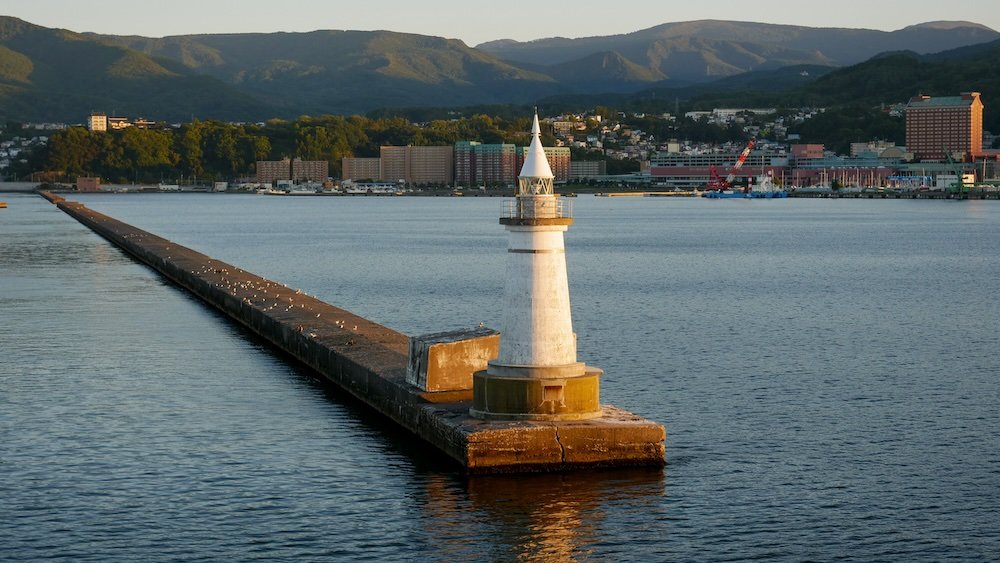
Japan’s Extensive Coastline and its Hidden Gems
source: Our Travel Channel Samuel and Audrey on YouTube
In the metropolitan areas, life pulsates with an electric vigor. People weave in and out of crowded subway cars, streets buzz with activity, and buildings stretch as far as the eyes can see. But beyond these cities lies the serene beauty of Japan’s seaside towns, where time seems to flow at its own pace. Here, traditions remain intact, and life revolves around the rhythm of the sea. Fishermen set out at the break of dawn, locals tend to their gardens, and the narrow lanes are filled with stories passed down through generations.
The charm of these towns is ineffable. It’s not just about their stunning landscapes or pristine beaches, but the harmonious blend of the past and present. These coastal towns preserve their historic architectures, with wooden houses lining the shores and lantern-lit pathways guiding visitors through the town. Simultaneously, they embrace modernity with trendy cafes, art galleries, and boutique hotels that cater to the discerning traveler.

Unique Charm of Seaside Towns
Additionally, the contrast they offer from city life is palpable. Here, instead of skyscrapers, you find towering cliffs and verdant mountains. Instead of blaring city noises, there’s the rhythmic lull of the sea. The bustling marketplaces of the cities are replaced by quaint local shops selling crafts, fresh produce, and often, some of the freshest seafood you’ll ever taste.
Japan’s cozy seaside towns are not merely destinations; they are experiences. They beckon with a promise of tranquility, of a time that’s unhurried, and a glimpse into a side of Japan that many tourists often overlook. In the subsequent sections, we will delve deeper into these hidden retreats along the coast, exploring their history, culture, and the myriad attractions they offer. So, let the ocean’s call guide you as you embark on this journey of discovery and wonder.
source: Tokyo Lens on YouTube
Geography and Climate
The intricate tapestry of Japan’s coastal topography provides a fascinating study in contrasts, largely defined by its positioning between two major bodies of water: the vast Pacific Ocean and the more enclosed Sea of Japan. This dual coastline presents distinct landscapes, climates, and cultural facets, each worth exploring in its own right.

The General Topography of Japan’s Coastlines
Pacific Ocean Side: The Pacific coastline, stretching from the icy reaches of Hokkaido in the north to the subtropical climate of Okinawa in the south, is marked by its dynamic and varied landscapes. This side of Japan is exposed to the raw power of the Pacific Ocean, resulting in rugged coastlines with dramatic cliffs, deep bays, and expansive beaches. The Izu Peninsula, with its stunning rocky coastlines and azure waters, is a prime example of the Pacific’s influence on the region. Moreover, this eastern coast bears the brunt of the Pacific Plate subducting beneath the Philippine Sea Plate, leading to a string of mountains and volcanic activity, evident in areas like the Pacific Ring of Fire.
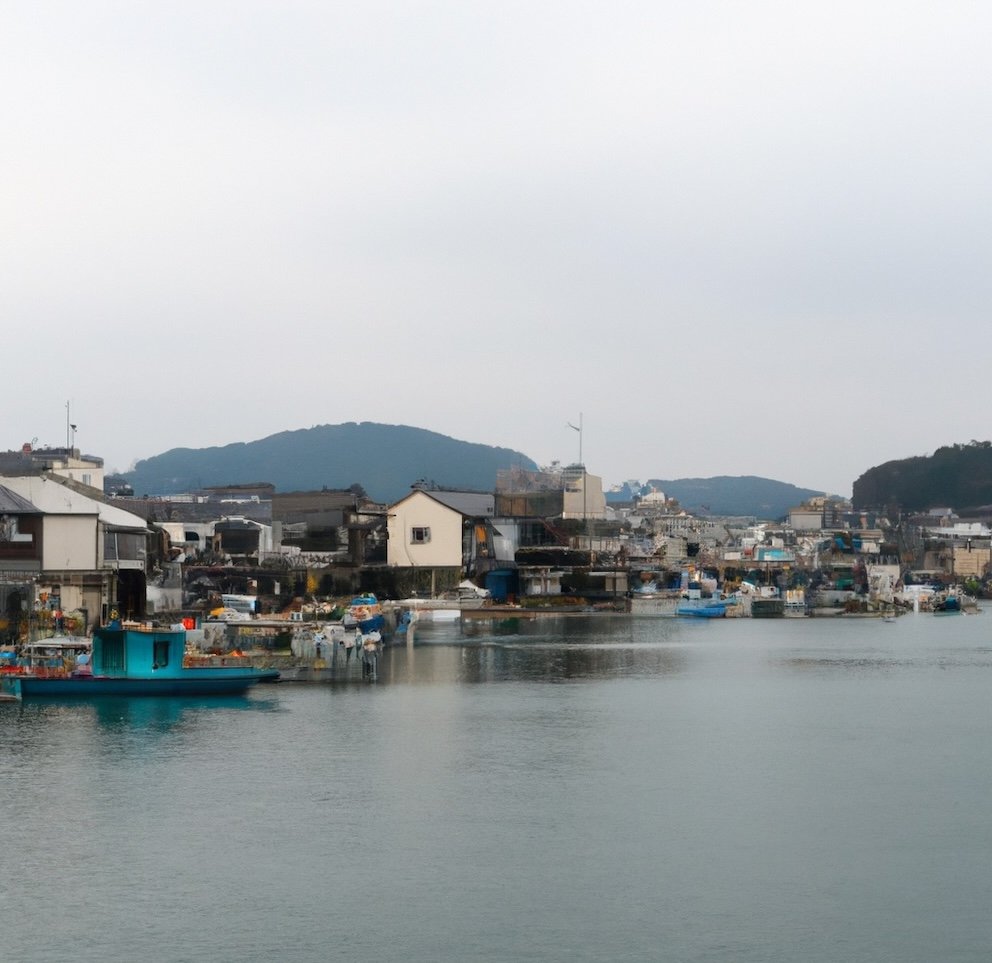
Sea of Japan Side: On the western side, the Sea of Japan presents a more serene picture. The coast here is characterized by calmer waters, sandy beaches, and picturesque dunes, such as the Tottori Sand Dunes, Japan’s only large dune system. This coast has seen the rise of several historical port towns and fishing villages due to its sheltered bays and rich marine resources. The landscape is gentler, with terraced rice fields and traditional homes dotting the coast, offering a nostalgic glimpse into Japan’s past.
Climate and the Best Times to Visit
Japan’s diverse topography leads to a wide climatic range, further influenced by its dual coastlines. As a result, the best time to visit these seaside towns can vary based on the specific region and what kind of experience one seeks.
Pacific Ocean Side: The Pacific coast experiences a humid subtropical climate in its southern regions, transitioning to a humid continental climate as one moves north. This means milder winters and hot, humid summers in the south, with the northern areas getting colder, snowier winters. For beach enthusiasts, the summer months (June to August) are ideal, especially for places like Okinawa. However, those looking to avoid the rainy season and the potential typhoons should consider visiting in spring (March to May) or autumn (September to November), when the weather is more temperate, and the foliage, especially in areas like Miyazaki, is breathtaking.
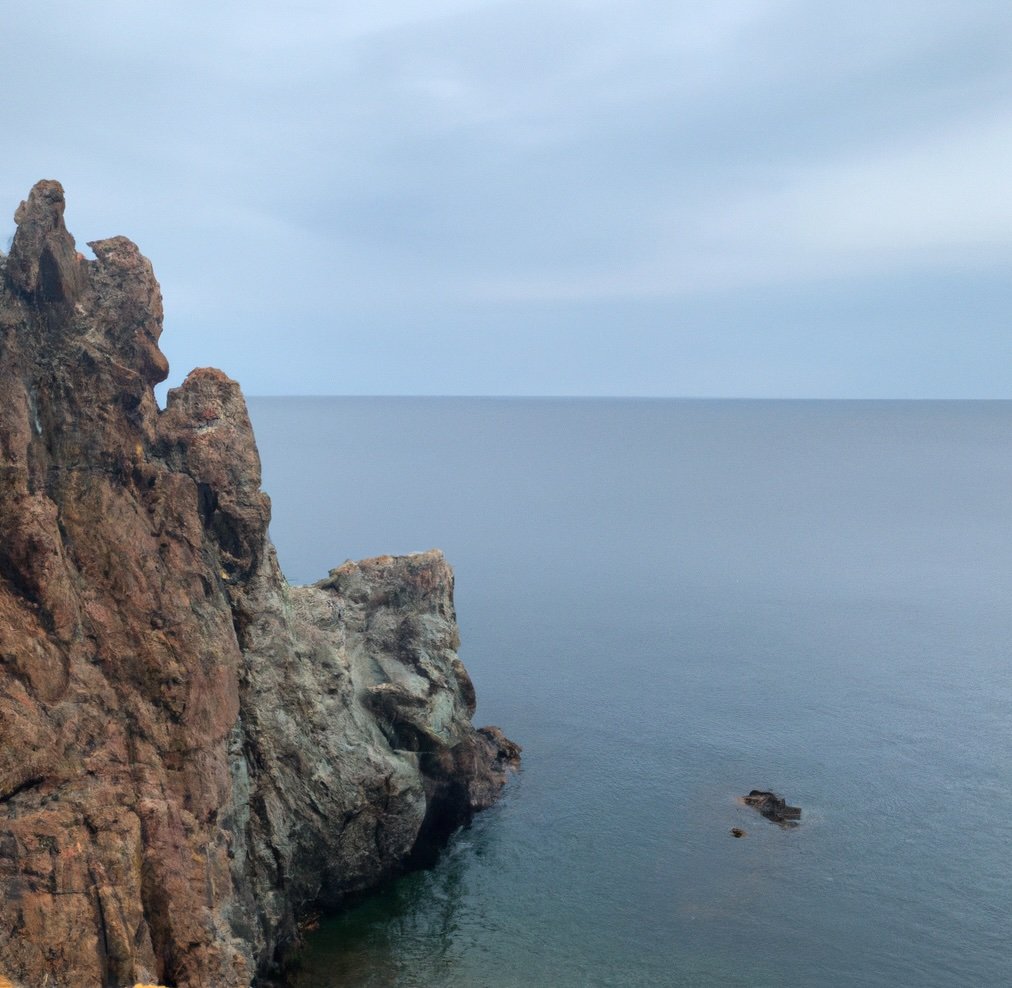
Sea of Japan Side: The climate along the Sea of Japan is generally colder in comparison. Winters here can be quite severe, with significant snowfall, especially in regions like the San’in coast. Summers, on the other hand, are milder and less humid than on the Pacific side. For visitors keen on winter sports or experiencing the “yukiguni” (snow country) phenomena, the winter months (December to February) are perfect. Those looking for a milder experience can aim for spring or autumn when the coastal towns come alive with festivals and the beauty of changing seasons.
The coastlines of Japan, shaped by the dance between the Pacific Ocean and the Sea of Japan, offer not just diverse landscapes but also varied climatic conditions. This provides visitors with a plethora of options, ensuring that each trip to these cozy seaside towns can be a unique experience, whether it’s basking under the Pacific sun or wandering through a snow-laden village by the Sea of Japan.
source: ONLY in JAPAN * GO on YouTube
Historical Significance
Japan’s coastal towns, while serene and picturesque today, hold within their boundaries stories of fervent activity, commerce, and tradition that date back centuries. Their historical significance can be seen through their roles as fishing villages, bustling trade ports, and centers of maritime culture. The vestiges of this rich past are still evident in the streets, structures, and daily life of these towns, making them intriguing destinations for any history enthusiast.
A Glimpse into the Past
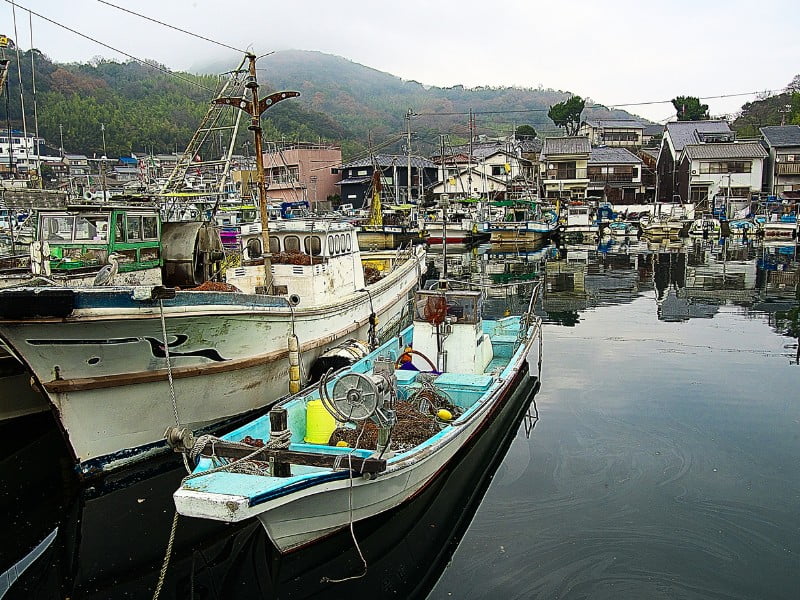
Fishing Villages:
Many of Japan’s coastal towns owe their origin and growth to the bountiful waters surrounding the archipelago. Fishing villages thrived along both the Pacific Ocean and the Sea of Japan. For generations, these communities have relied on the rhythm of the tides, the changing seasons, and the bounty of the sea. Places like Ine in Kyoto, with its boathouses called “funaya”, highlight the harmonious relationship between these fishing communities and the sea. These settlements are not just about catching fish; they’re about age-old techniques, traditional boat-making skills, and festivals celebrating the ocean’s generosity.
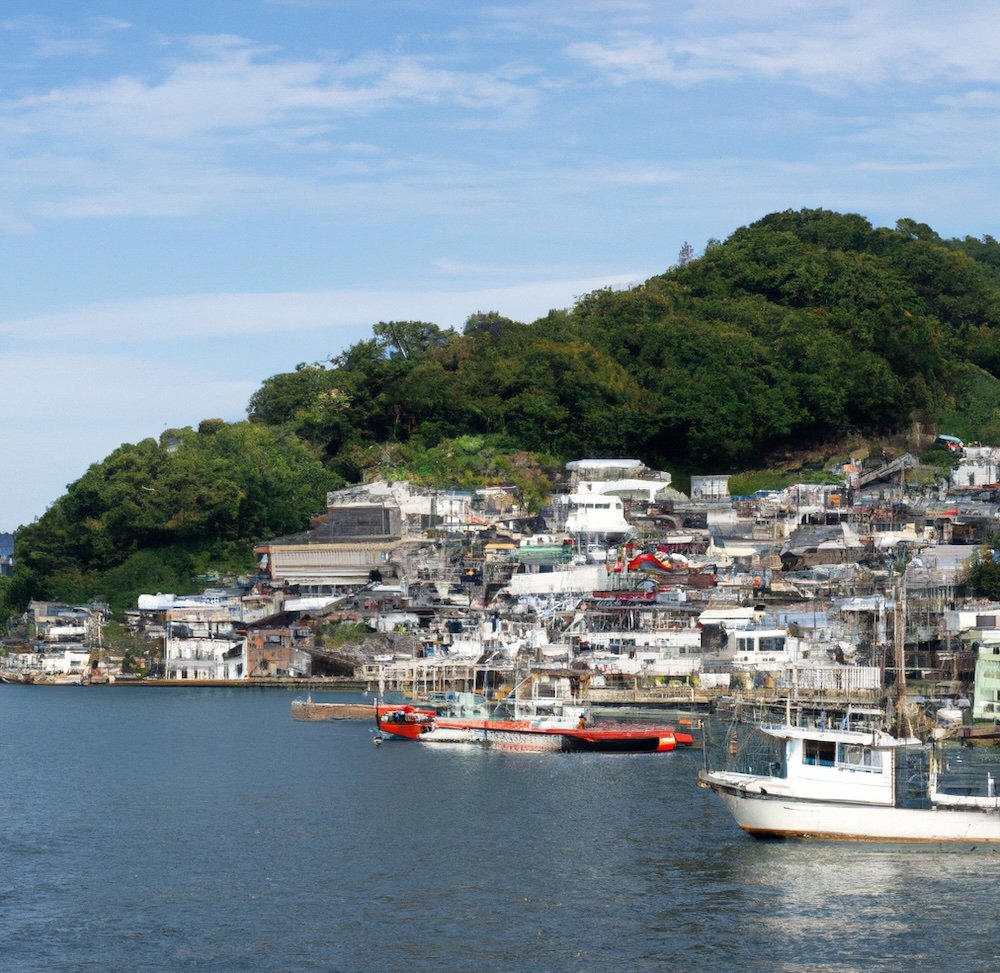
Trade Ports:
Trade has always been the lifeblood of many coastal towns. During various periods in Japanese history, especially during the Edo period, several ports became vital connectors with the outside world. Towns like Dejima in Nagasaki served as exclusive international trading points during Japan’s Sakoku (closed country) policy, linking Japan to the Dutch and Chinese traders. Similarly, Shimoda in Shizuoka played a pivotal role during the late Edo period when Japan started opening up to the West. These ports were not only gateways for goods but also ideas, cultures, and innovations, and they facilitated Japan’s eventual modernization.
Preservation of Historical Structures
Japan places immense value on its heritage, and this ethos is evident in its approach towards historical preservation. The coastal towns, with their centuries-old structures, are no exception.
Traditional Buildings and Streets:
Walking through towns like Kanazawa or Kurashiki is like stepping back in time. Streets are lined with wooden machiya townhouses, samurai residences, and traditional storehouses called kura with their distinctive white walls and black tiles. These structures have withstood the test of time and elements, mainly due to meticulous care and age-old building techniques that prioritize sustainability and harmony with nature.
Temples and Shrines:
Coastal towns are often home to historic temples and shrines. These spiritual landmarks, such as the Seiganto-ji Temple near the Nachi Waterfall in Wakayama, blend seamlessly with their natural surroundings, signifying the profound connection between spirituality and nature in Japanese culture.
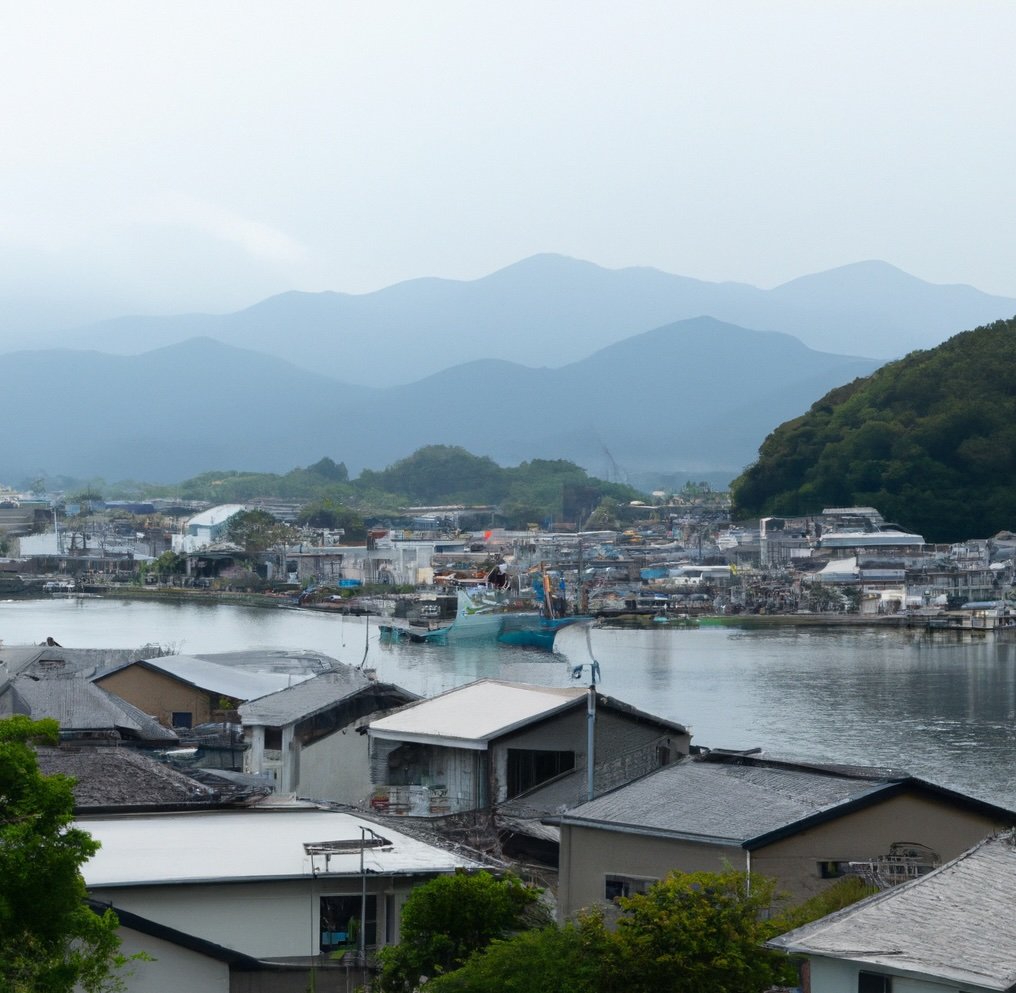
Efforts to Maintain the Original Feel
While modernization is inevitable, many seaside towns have undertaken conscious efforts to ensure that progress doesn’t overshadow tradition.
Zoning and Building Regulations:
Certain areas enforce strict zoning laws to ensure that new constructions do not disrupt the historical skyline or the traditional aesthetic. This means modern amenities are often housed in traditional-looking exteriors.
Community Efforts:
The residents of these towns often play an active role in preservation. Community-driven initiatives include organizing festivals that celebrate traditional arts, crafts, and performances. Such endeavors not only keep the town’s heritage alive but also foster a sense of unity and pride among its inhabitants.
Government Initiatives:
The Japanese government recognizes the value of these historical towns as cultural assets. Various grants and schemes support the maintenance of traditional structures, ensuring they remain for future generations to cherish.
The coastal towns of Japan are more than just scenic getaways; they are living museums echoing tales of the past. Their history, interwoven with traditions, commerce, and an unyielding spirit, makes them uniquely enchanting. And, as modernity beckons, the collective efforts of communities and authorities ensure that the legacy of these towns remains undiluted, offering timeless experiences to every visitor.
List of Noteworthy Seaside Towns:
source: japan-guide.com on YouTube
Kamakura (Kanagawa)
Overview and Historical Significance:
Nestled by the Sagami Bay in Kanagawa Prefecture, Kamakura is a town replete with historical, cultural, and natural riches. Once the political heart of medieval Japan, Kamakura served as the de facto capital during the Kamakura Shogunate (1185-1333). This period witnessed a rise in the warrior class, reshaping Japanese culture, governance, and society. As the seat of the first shogunate, Kamakura evolved into a sophisticated urban center, adorned with impressive temples, shrines, and arts influenced heavily by Zen Buddhism.
Kamakura’s historical tapestry is vivid and varied. Its fall as a political center didn’t lead to obscurity. Instead, the town transformed into a cultural hub, preserving the legacies of its heydays and combining them with an intrinsic coastal charm.
Key Attractions:
Temples:
- Tsurugaoka Hachimangū: Kamakura’s most important shrine, it’s not only a spiritual landmark but also a symbol of the town’s history. The approach to the shrine, with its long walkway flanked by cherry trees, is particularly striking during the cherry blossom season.
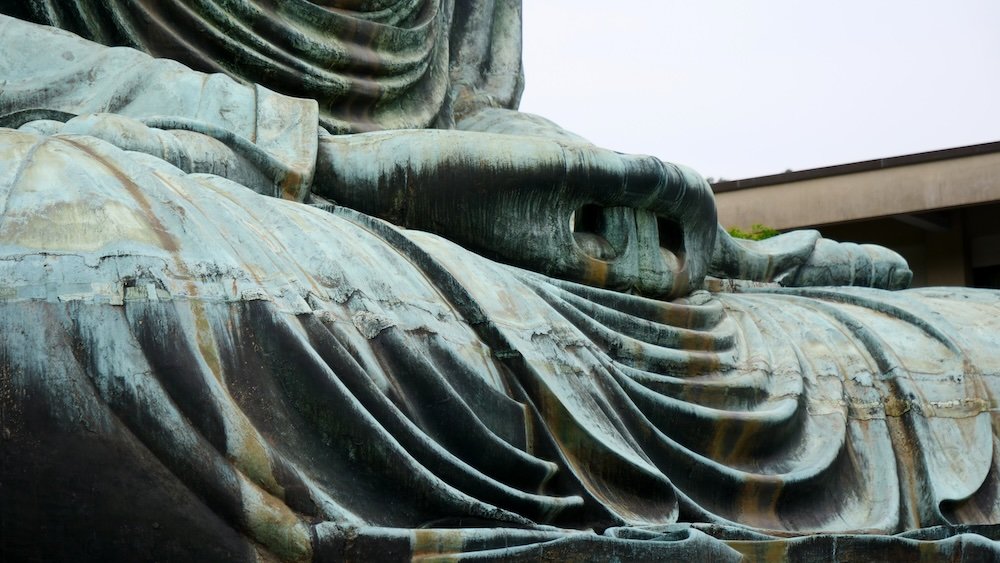
- Kōtoku-in: Home to the iconic Great Buddha of Kamakura, a colossal bronze statue of Amida Buddha, which stands at over 13 meters tall. Despite its grandeur, there’s a profound serenity to the statue, especially when it’s framed against the backdrop of the coastal sky.
- Hasedera Temple: Renowned for its eleven-headed statue of Kannon, the goddess of mercy. The temple grounds also offer panoramic views of the town and the ocean, especially during the hydrangea season when the temple blooms in hues of blue, purple, and pink.
Beaches:
- Yuigahama Beach: A popular spot not just for swimming but also for beachfront cafes and surfing. It’s a delightful place to relax, with views of the iconic Enoshima Island in the distance.
- Zaimokuza Beach: A bit quieter than Yuigahama, this beach is perfect for those seeking a serene shoreline experience. Traditional sailing boats, known as hoby boats, can often be seen here.
Hiking Trails: Kamakura is surrounded by hills and forests, offering numerous hiking opportunities. The Daibutsu Hiking Course connects the Great Buddha with some of Kamakura’s northern temples, passing through forests and providing glimpses of the ocean.

Local Delicacies and Dining Options:
Kamakura, with its coastal position, promises a gastronomic journey as rich as its history.
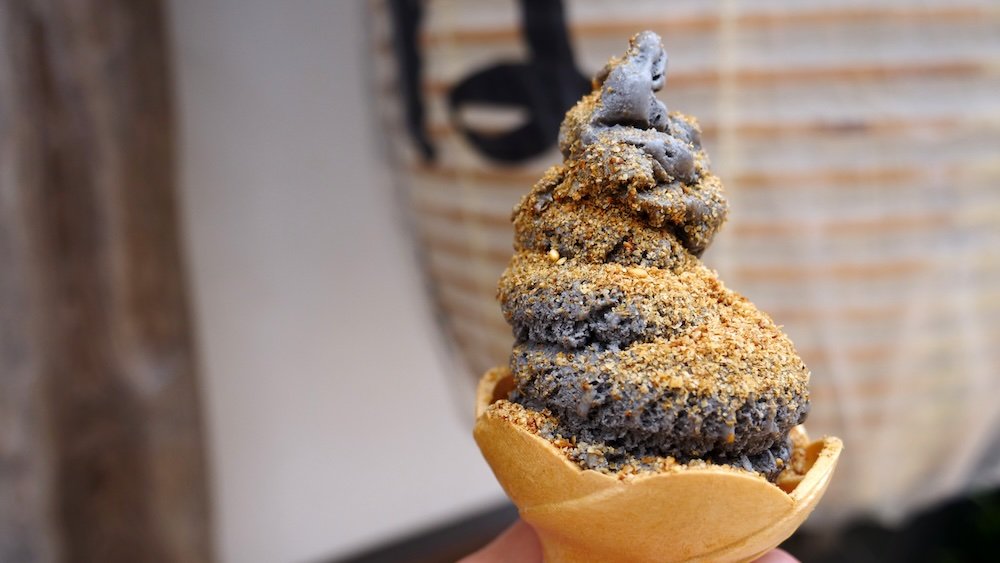
- Shirasu: One cannot talk about Kamakura cuisine without mentioning shirasu, or whitebait. These tiny fish can be enjoyed raw, boiled, or even dried, and they are often served on top of rice or as a topping for pasta.
- Matcha: While not a dish, Kamakura’s teahouses are famous for their matcha or powdered green tea, often accompanied by traditional Japanese sweets.
- Bistros and Cafes: The town has seen a rise in modern bistros, cafes, and bakeries that seamlessly blend Japanese flavors with global influences. Streets like Komachi-dori are lined with eateries, each offering a unique dining experience.
- Traditional Dining: For a more immersive experience, some old homes in Kamakura have been transformed into traditional restaurants, serving dishes that tell tales of the town’s rich past.
In essence, Kamakura is a harmonious blend of the old and the new. While its temples narrate tales of its grand past, its beaches and eateries offer more contemporary experiences. It’s a town where every corner, be it a centuries-old shrine or a modern cafe, promises a unique story and a lasting memory.
source: Cakes with Faces on YouTube
Shimoda (Shizuoka)
Historical Context: Arrival of Commodore Perry
Situated at the southern tip of the Izu Peninsula, Shimoda holds a unique and transformative place in Japan’s history. In 1853, this once tranquil coastal town became the stage for a monumental event: the arrival of Commodore Matthew Perry and his ‘Black Ships’ from the United States. This event was a catalyst for the end of Japan’s two centuries-long policy of Sakoku (self-imposed isolation) and heralded the nation’s subsequent modernization.
Commodore Perry’s mission was to establish trade relations and ensure the well-being of American sailors in Japanese waters. The culmination of his efforts was the Treaty of Kanagawa in 1854, which was signed in nearby Yokohama but had its roots in Perry’s initial landing in Shimoda. Today, Shimoda serves as a testament to the meeting of two worlds, where centuries-old Japanese traditions collided and then coalesced with Western influences.
Key Attractions:
Hot Springs:
- Shirahama Onsen: Located near the famous Shirahama Beach, this hot spring offers therapeutic baths with the added pleasure of a sea view. Known for its healing properties, the waters here are a balm for both body and soul.
Perry Road:
- A quaint, stone-paved lane, Perry Road is reminiscent of the era of Commodore Perry. Lined with willow trees, traditional Japanese residences, and teahouses, the road evokes a bygone era. Modern cafes and boutiques have now seamlessly blended with the historic surroundings, offering visitors a taste of the old and the new.
Beautiful Beaches:
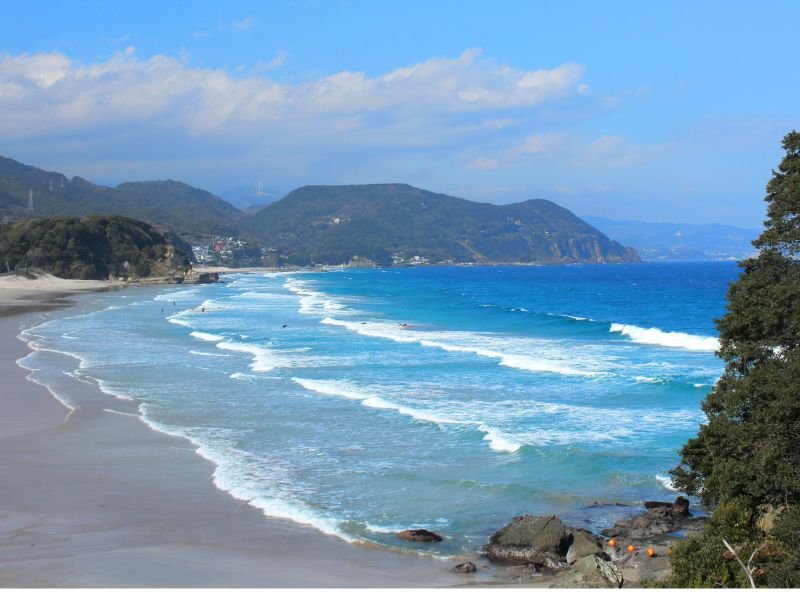
- Shirahama Beach: Arguably the most famous beach in Shimoda, its white sands and azure waters attract both locals and tourists. While it’s great for swimming and sunbathing during the summer, its beauty is undeniable year-round.
- Tatadohama Beach: A surfer’s paradise, this beach is known for its consistent waves and expansive shoreline. Whether you’re a seasoned surfer or a spectator, the energy here is palpable.
- Sotoura Beach: Nestled in a bay and surrounded by rocky landscapes, Sotoura is calmer and more family-friendly. Its clear waters make it perfect for snorkeling.
Local Food and Beverages:
Shimoda, with its oceanic bounty and historical influences, boasts a rich culinary tapestry.
- Kinmedai (Golden Eye Snapper): A regional delicacy, this fish is prized for its delicate flavor and can be enjoyed in various preparations, from sashimi to grilled.
- Wasabi Cuisine: Shizuoka is famous for its wasabi, and in Shimoda, one can find dishes that innovatively incorporate this pungent green root, from wasabi ice cream to wasabi-infused sakes.
- Shizuoka Green Tea: While not exclusive to Shimoda, the entire prefecture of Shizuoka is renowned for its premium-quality green tea. A visit to Shimoda would be incomplete without sipping on this aromatic brew.
- Local Sakes: Shimoda’s breweries, with their centuries-old techniques, produce sakes that reflect the town’s unique terroir. Rich, nuanced, and diverse, these beverages tell tales of Shimoda’s past and present.
Shimoda stands as a beacon of historical evolution, where waves of change, both literal and metaphorical, have shaped its landscape, culture, and ethos. It’s a place where history is felt with every step on Perry Road, every dip in its hot springs, and every bite of its ocean-fresh produce. The spirit of Shimoda lies in its harmonious blend of tradition and transformation, making it an unmissable chapter in Japan’s coastal narrative.
source: Yemima Lim on YouTube
Naoshima (Kagawa)
The Unique Blend of Art and Nature:
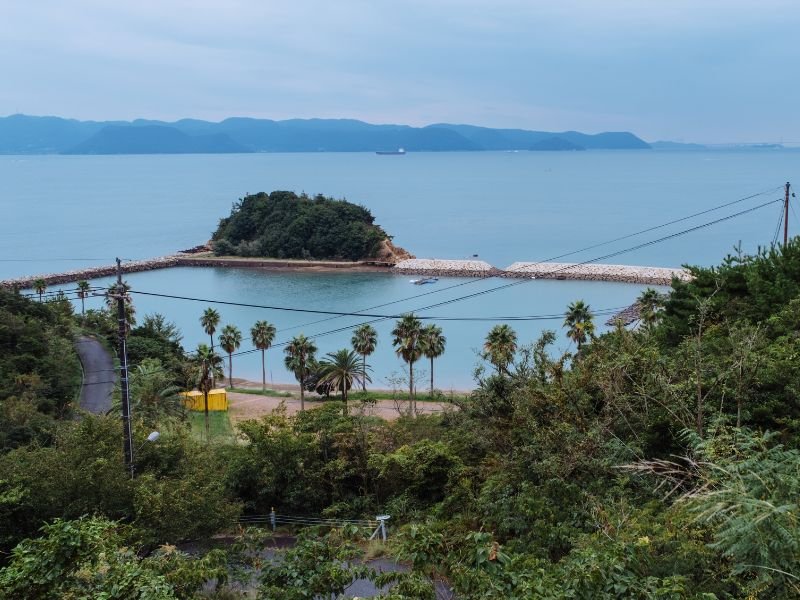
Naoshima, often referred to as “Art Island”, is a testament to the beautiful symphony that can be orchestrated between nature and human creativity. Situated in the Seto Inland Sea, this small island is an unlikely but mesmerizing mecca for contemporary art lovers from around the world. While its natural beauty – with its sandy beaches, azure waters, and tranquil landscapes – is undeniably captivating, it is the integration of groundbreaking art installations within this environment that has put Naoshima on the global map.
The journey of Naoshima as an art island began in the late 1980s, a vision spearheaded by the Benesse Corporation. The idea was not merely to create art spaces but to rejuvenate the island, which was facing decline, and instill new life and purpose into it. And so, as you traverse Naoshima, it’s not just about witnessing art, but experiencing how art coexists, dialogues, and sometimes even melds with the natural surroundings.
Key Attractions:
Modern Art Museums:
- Chichu Art Museum: Designed by the renowned architect Tadao Ando, this museum is largely underground to avoid disrupting the island’s natural landscape. Yet, ingenious use of natural light illuminates the works of artists such as Claude Monet, James Turrell, and Walter De Maria in a transformative manner.
- Lee Ufan Museum: A collaboration between artist Lee Ufan and architect Tadao Ando, this museum is a space where nature, architecture, and art intersect. The minimalist designs juxtapose against the rugged island landscape, producing a meditative aura.
Installations: Across Naoshima, one can stumble upon various art installations, both indoors and outdoors.
- Yayoi Kusama’s Yellow Pumpkin: Perhaps one of the most iconic symbols of Naoshima, this vibrant, dotted pumpkin sits at the end of a pier, seamlessly blending the surreal with the real.
- Art House Project: Old village homes, shrines, and workshops in Naoshima have been transformed into art spaces. Artists from across the world have reimagined these spaces, keeping in mind their history and the island’s context. The result? A unique amalgamation of the traditional with the avant-garde.
Benesse House: A hotel-cum-museum, the Benesse House encapsulates the ethos of Naoshima. Here, guests can not only view art but live with it. Spread across various zones – Museum, Oval, Beach, and Park – the Benesse House, designed by Tadao Ando, embodies the philosophy that art can become a part of everyday life.
Seafood and Island Cuisine:
Being an island, Naoshima boasts of fresh seafood that’s as much a feast for the palate as the art is for the eyes.
- Fresh Fish: Whether it’s served as sashimi, grilled, or in a hearty broth, the fish in Naoshima promises unparalleled freshness. Popular catches include sea bream, mackerel, and octopus.
- Local Vegetables: The Seto Inland Sea’s mild climate allows for the cultivation of various vegetables. Dishes prepared with local eggplants, radishes, and citrus fruits have a distinct flavor profile.
- Udon: Kagawa Prefecture, where Naoshima is located, is famous for its Sanuki Udon. This thick, chewy noodle is a must-try when on the island.
- Setouchi Citrus Desserts: The Seto Inland Sea region is known for its citrus varieties like yuzu, sudachi, and lemons. These are often incorporated into refreshing desserts, perfect for wrapping up a meal.
In essence, Naoshima is more than just an island; it’s a philosophy, a testament to the transformative power of art. Here, boundaries between nature, art, and everyday life blur, urging visitors to perceive the world through a more contemplative and holistic lens. Every aspect of Naoshima, from its modern museums to its traditional island cuisine, sings a harmonious song of balance, beauty, and belonging.
source: Shinichi’s World on YouTube
Ine (Kyoto)
The Venice of Japan: Boathouses and Fishing Traditions:
Ine, a picturesque fishing village in the northern part of Kyoto Prefecture, boasts a serene ambiance quite unlike the more globally recognized temples and shrines of urban Kyoto. With its iconic “funaya” (boathouses) lining the coast, Ine has earned the moniker “The Venice of Japan.” These unique boathouses, which have stood for centuries, feature living quarters on the upper floor and a workspace or garage for boats on the ground floor. This ingenious architecture is not just a testament to Japan’s adaptability but also a symbol of Ine’s deep-rooted fishing culture. With the tranquil waters of Ine Bay as a backdrop, these boathouses present an idyllic tableau of Japan’s coastal heritage.

Key Attractions:
Boat Tours:
- Ine Bay Sightseeing Boat: One of the best ways to appreciate Ine’s beauty is from the water. The sightseeing boat tours offer visitors panoramic views of the funaya, the lush green hills, and the clear blue waters of the bay. As you glide through the calm waters, the tour provides insights into the village’s history and fishing traditions.
Traditional Houses:
- Funaya Houses: While many of these boathouses are private residences, some funaya have been converted into guesthouses or “minshuku”, allowing tourists to experience life in a traditional fishing village. Staying in a funaya, waking up to the sound of lapping waves, and witnessing the daily activities of the local fishermen is an immersive cultural experience.
- Ine Community House: An old schoolhouse transformed into a community space, it offers insights into the daily life, history, and traditions of Ine. It also hosts various events, workshops, and displays related to local culture.
Marine Activities:
- Kayaking and Paddleboarding: The calm waters of Ine Bay are ideal for kayaking and paddleboarding. These activities provide a unique perspective of the funaya and the surrounding landscapes.
- Fishing: True to its heritage, Ine offers fishing experiences for visitors. Whether you’re an experienced angler or a novice, local fishermen are often keen to share their techniques and tales.
Fresh Seafood Dishes and Local Specialties:
The bounty of the sea deeply influences Ine’s culinary landscape.
- Fresh Fish: The daily catch, which includes fish like mackerel, sardines, and flounder, is often served as sashimi, grilled, or in traditional stews.
- Shellfish and Seaweed: The nutrient-rich waters of Ine Bay are home to a variety of shellfish and seaweeds. Clams, oysters, and local seaweeds like “wakame” and “nori” are staples in the local diet.
- Ago-dashi Tofu: A specialty of the region, this dish features tofu deep-fried and served in a rich broth made from flying fish. It’s a delightful blend of textures and flavors, representing the union of land and sea.
- Local Sakes: With Kyoto’s legacy of sake brewing, Ine too has its local breweries. The sake here, often made with fresh spring water, pairs beautifully with the seafood, enhancing the flavors.
Ine is a poetic retreat, a place where time seems to flow at its own pace. Away from the neon lights and the skyscrapers, it’s a reflection of Japan’s enduring bond with nature and traditions. The funaya stand as silent sentinels, narrating tales of the past, while the village hums with daily activities, reminding visitors of the continuum of life. Whether you’re savoring the fresh seafood, paddling across the bay, or simply watching the sun dip below the horizon, Ine offers a slice of Japan that’s both timeless and soul-stirring.
source: Our YouTube Channel Samuel and Audrey
Otaru (Hokkaido)
The Historic Canal Town in the North:

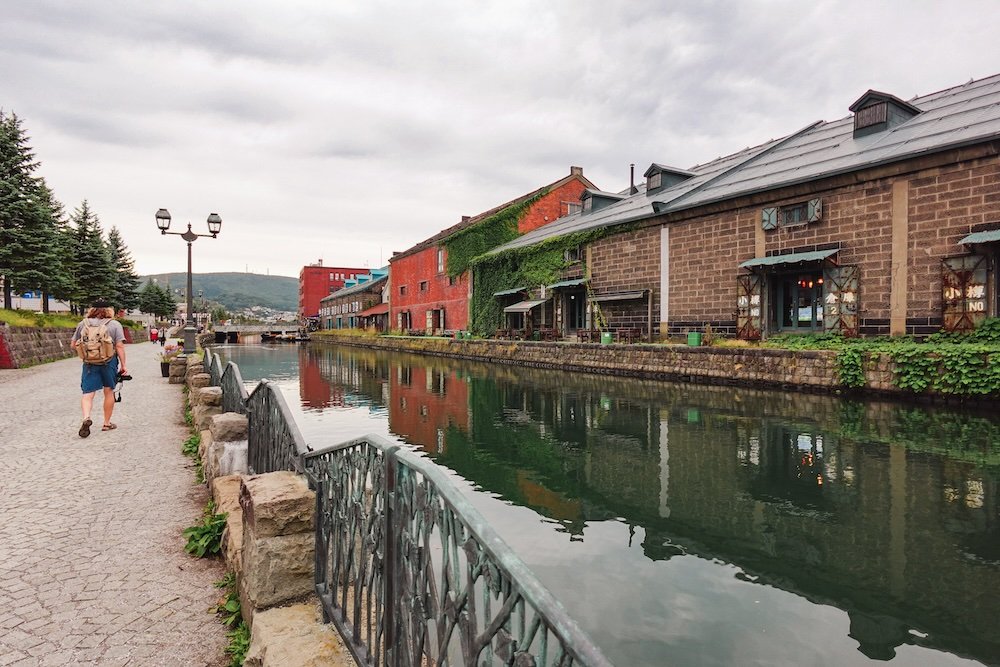
Located on Hokkaido’s western coastline, the port city of Otaru is often likened to a living historical museum. With its beautifully preserved buildings, old warehouses, and the iconic canal, Otaru offers a journey back to a time when it was the primary financial and trade hub of Hokkaido. The stone-built warehouses lining the canal, once buzzing with merchants and filled with goods, now serve as atmospheric shops, restaurants, and museums. The cobbled pathways, gas lamps, and the serene reflections of these historic structures in the canal waters, especially when lit up at night, make Otaru a romantic and nostalgic destination.
Key Attractions:
Otaru Canal:
- A vestige of Otaru’s flourishing mercantile past, the canal played a significant role in the transportation of goods to and from the warehouses. Today, while cargo boats have long since departed, the canal is frequented by tourist boats, offering peaceful cruises. The juxtaposition of the old warehouses against the shimmering water makes for a picturesque scene, especially during winter when the area is blanketed in snow.
Glassworks:
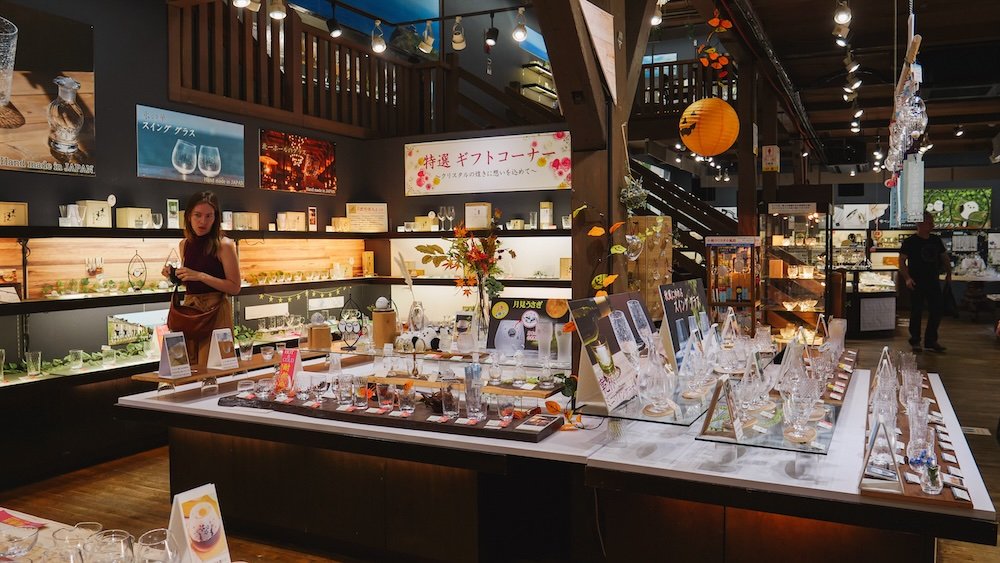
- Otaru Glass: Known as the city of glass, Otaru’s rich history with glassmaking dates back to the late 19th century. Numerous glass workshops and boutiques dot the city. Visitors can not only purchase intricate glassware, ranging from ornaments to tableware, but can also experience hands-on workshops, creating their glass art.
- Kitachi Glass: One of the most renowned glassworks in Otaru, Kitachi offers a vast collection of beautifully crafted glass items. Their glass blowing demonstrations are a treat, allowing visitors to witness the artistry and skill involved in shaping molten glass into elegant forms.
Music Box Museum:
- Otaru Orgel Doh: This enchanting museum is a melody lover’s paradise. With thousands of music boxes on display, ranging from vintage pieces to modern designs, the museum encapsulates the city’s rich musical heritage. The gentle tunes emanating from these boxes fill the air, creating a whimsical ambiance. Visitors can even craft their music boxes, selecting their tunes and designs.

Fresh Seafood Markets and Hokkaido Specialties:
Given its coastal location, Otaru is a haven for seafood enthusiasts.
- Sankaku Market: Located near Otaru Station, this bustling market offers a plethora of fresh seafood, from enormous king crabs to delectable uni (sea urchin). It’s an excellent place to savor raw delights or take home some freshly packed seafood.
- Otaru Beer: While seafood is a primary draw, Otaru is also known for its beer. Inspired by German brewing techniques, Otaru Beer offers a range of brews that perfectly complement the city’s seafood. Their beer hall, resembling a German tavern, is a nod to this influence.
- Hokkaido Specialties: Otaru provides the perfect stage to enjoy Hokkaido’s culinary offerings. Dairy products like ice cream and cheese, given Hokkaido’s reputation for high-quality milk, are a must-try. Another specialty is the “Yaki Curry”, a baked curry dish topped with cheese, reflecting a blend of Japanese and Western flavors.

Otaru, with its rich history, artistry, and culinary delights, stands as a testament to Hokkaido’s multifaceted charm. It’s a place where traditions are not just preserved but are very much alive, resonating in the melodies of the music boxes, the glow of the glassworks, and the flavors of the sea. Each visit promises a tapestry of experiences, making Otaru not just a destination, but a journey through time, art, and taste.

Activities to Enjoy in Seaside Towns
Nestled along the extensive coastline of Japan, the country’s seaside towns offer a diverse range of activities for visitors. From the tranquil lull of waves and golden sands to the richness of cultural traditions and gastronomic delights, there’s no dearth of experiences awaiting travelers. Here’s an exploration of the myriad activities that these coastal paradises offer:
Beach Activities:
- Swimming: The pristine waters of Japan’s coasts offer an inviting allure. Whether it’s the calm bays or the expansive beaches, swimming is a refreshing way to connect with the natural beauty of the region. The crystal-clear waters in places like Okinawa are especially inviting, providing both warmth and clarity.
- Sunbathing: For those looking to relax and rejuvenate, the beaches offer the perfect spot to lay back and soak in the sun. The soft sands, complemented by the gentle sound of waves and the occasional sea breeze, provide a therapeutic atmosphere. It’s not just about getting a tan but about letting the environment work its magic on your senses.
- Surfing: Japan might not be the first destination that comes to mind when thinking of surfing, but places like Shonan in Kanagawa and Miyazaki in Kyushu offer fantastic waves for both beginners and experienced surfers. The country’s diverse coastline ensures there’s a wave for every surfing enthusiast.
Cultural Experiences:
- Local Festivals: Coastal towns in Japan are brimming with festivals that celebrate the sea, seasons, and local deities. One notable festival is the Aomori Nebuta Festival where massive illuminated floats parade through the streets. These festivals are a riot of colors, music, dance, and local traditions, offering an unparalleled glimpse into the community’s soul.
- Craft Workshops: Many seaside towns are home to unique arts and crafts. In towns like Otaru, visitors can delve into glass-making, while in others, they might find pottery or traditional fabric dyeing. These workshops are more than just a learning experience; they’re a bridge to understanding the town’s heritage and the painstaking efforts behind each craft.
- Traditional Performances: From the hauntingly beautiful melodies of the shamisen to the rhythmic beats of taiko drumming, coastal towns often host performances that echo Japan’s profound cultural legacy. These performances, set against the backdrop of the sea, make for a truly ethereal experience.

Culinary Journeys:
- Seafood Markets: The proximity to the ocean means an abundance of fresh seafood. Markets buzz with activity as vendors display a myriad of marine produce, from glistening fish to various shellfish. These markets are not just a treat for the palate but also the eyes, with their vibrant colors and bustling energy.
- Sake Tasting: While sake is enjoyed across Japan, coastal towns often have their breweries, with sake often crafted to complement local seafood. The experience of savoring this traditional Japanese drink, especially in a scenic coastal setting, adds depth to its flavor profile.
- Local Specialties: Each seaside town boasts its culinary treasures. Whether it’s the “Ago-dashi Tofu” of Ine or the dairy delights of Hokkaido, every dish tells a story. Exploring these specialties, often in traditional eateries overlooking the sea, is akin to a culinary journey through the town’s history, traditions, and local produce.
Japan’s seaside towns are more than just picturesque destinations; they are a confluence of nature, history, culture, and gastronomy. Whether you’re riding the waves, immersing yourself in a local festival, or savoring a dish that has been perfected over centuries, these towns offer a tapestry of experiences that resonate deeply, ensuring that every visit leaves an indelible mark on your heart and soul.
source: Samuel and Audrey on YouTube
Accommodations
As travelers venture into the picturesque seaside towns of Japan, they are met with a plethora of accommodation options that provide not just a place to rest, but an experience in itself. Each type of lodging, be it the age-old ryokan or a homely stay, has its unique essence, catering to different kinds of travelers and ensuring a deeper connection to the locale.
source: Samuel and Audrey on YouTube
Traditional Japanese Inns (Ryokan) and Their Significance:
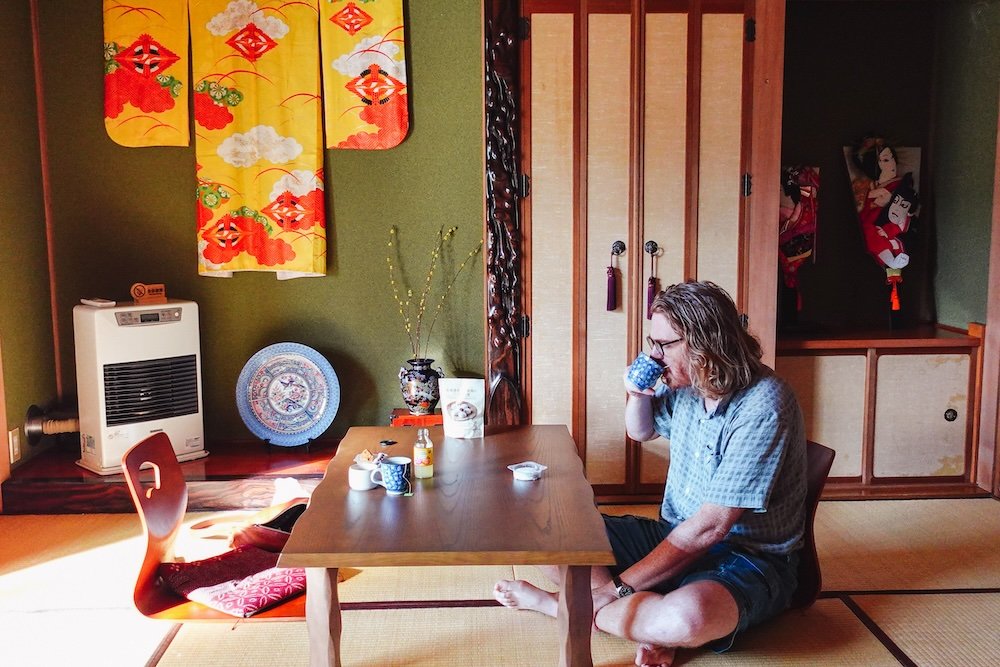
- The Essence of Ryokan: A ryokan is more than just an accommodation; it’s a cultural immersion. These traditional Japanese inns have been welcoming guests for centuries, offering them a glimpse into Japan’s rich history and hospitality traditions. Typically constructed using wood and featuring tatami-matted rooms, sliding doors, and communal baths (onsen), they exude an aura of timeless elegance.
- Significance: The significance of a ryokan goes beyond its architectural beauty. It embodies the Japanese philosophy of ‘omotenashi’ – a deep-rooted sense of hospitality. Here, every detail, from the welcome tea to the meticulously laid out futons, is carefully curated to ensure guests feel at home.
- Meals at Ryokan: An integral part of the ryokan experience is the kaiseki meal – a multi-course traditional dinner that celebrates the seasons and local produce. Presented with artistic flair, each dish is not just a treat to the palate but also a visual delight, epitomizing the Japanese art of presentation.
source: Samuel and Audrey on YouTube
Modern Hotels with Ocean Views:
- Modern Comforts: While the seaside towns of Japan are steeped in tradition, they also embrace modernity, evident in the contemporary hotels that dot their landscapes. These establishments combine modern comforts, such as western-style beds, contemporary amenities, and cutting-edge design, with stunning views of the ocean.
- Spa and Wellness: Many modern hotels are equipped with spa facilities, often incorporating the therapeutic benefits of the local seawater and marine minerals. These spas offer a rejuvenating experience, perfect after a day of exploration.
- Dining with a View: Most of these hotels house restaurants that not only serve delectable cuisine but also offer panoramic views of the ocean. Dining as the sun sets over the vast expanse of water, casting a golden hue, is an experience to cherish.
Homestays: Experience the Local Life:
- Living the Local Life: Homestays, or ‘minshuku’ as they are locally known, are a golden opportunity for travelers to live like a local. These are typically family-run establishments, offering guests a chance to stay in a local home, often in a private room, and experience daily life in a seaside town.
- Gastronomic Adventures: Meals at a homestay are a culinary adventure. Prepared by the host, they provide an authentic taste of local dishes, often made with ingredients sourced from the nearby markets or even the family’s garden.
- Cultural Exchange: The beauty of a homestay lies in the interactions. Conversations over tea, learning about the town’s anecdotes, or perhaps even joining the family in their daily chores or festivals – it’s these moments of exchange that make the stay memorable and provide deeper insights into the town’s culture and traditions.
Accommodations in Japan’s seaside towns are not merely places to sleep; they’re an integral part of the journey. Whether it’s the elegance of a ryokan, the comforts of a modern hotel, or the warmth of a homestay, each offers its narrative, enhancing the traveler’s connection to the place and its people. Through these varied lodging experiences, one doesn’t just visit a town; they live it, cherish it, and carry a piece of it in their heart.
source: Sorekara Travel on YouTube
Getting There
Japan’s intricate transportation system is a marvel in itself. Efficient, punctual, and extensive, it ensures that even the most secluded seaside towns are accessible. Whether you’re a solo traveler navigating the rail routes, a family opting for the convenience of a car, or someone seeking a local experience via buses, Japan’s transport infrastructure caters to all. Let’s delve into the most common transportation options and the intricacies of reaching these coastal havens.
Transportation Options:

Trains:
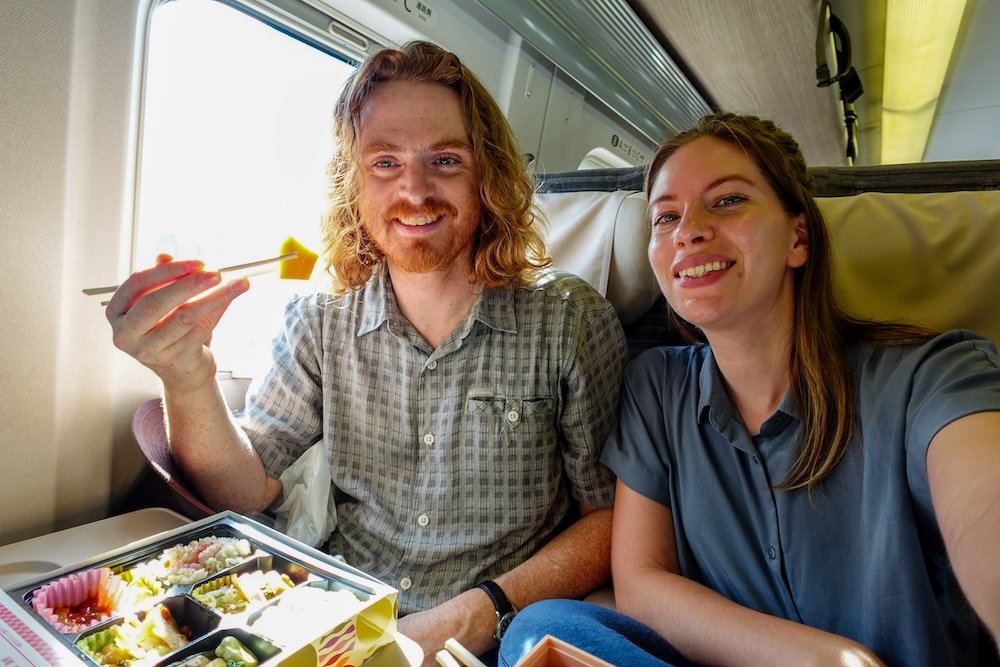
- The Jewel – Shinkansen: Japan’s famed bullet trains, the Shinkansen, connect major cities at breathtaking speeds, ensuring that travelers can access far-off coastal towns in just a few hours. While these high-speed trains might not take you directly to every seaside town, they drastically reduce the journey to the nearest major station.
- Local and Express Trains: From the major stations, local and express trains traverse the scenic landscapes to reach the coastal destinations. These rides, often through undulating terrains, offer picturesque views of the countryside and the coastline.
- Rail Passes: For tourists, the Japan Rail Pass can be a cost-effective way to traverse the country. Covering most Shinkansen, local trains, and even some buses, it offers flexibility and savings.
Buses:
- Long-Distance Buses: For destinations not directly accessible by train, long-distance buses are a viable option. These are especially handy for travelers on a budget. The buses are comfortable, punctual, and offer night services, which can save on a night’s accommodation.
- Local Buses: Once in the vicinity of the coastal town, local buses help in navigating within the town and reaching specific attractions. They provide a closer look at the local life and are often the only public transport option in more secluded areas.
Car Rentals:
- Freedom on Wheels: Renting a car offers the freedom to explore at one’s pace. The coastal roads, with their panoramic ocean views, make for a delightful drive.
- Navigation and Parking: Modern car rentals come equipped with GPS systems, often with English language options, ensuring easy navigation. However, it’s essential to research parking options in advance, especially during peak seasons when seaside towns can get crowded.
Accessibility and Best Routes from Major Cities:
- From Tokyo: The capital serves as a hub, with Shinkansen lines like the Tokaido connecting to towns in the south and the Tohoku line heading north. For example, a trip to Kamakura is a straightforward train ride from Tokyo, while Shimoda might involve a combination of Shinkansen and local trains.
- From Osaka: Osaka, another major city, provides easy access to the coastal towns along the Seto Inland Sea. Towns in western Honshu and Shikoku are particularly accessible. The train journey to places like Naoshima involves transiting through Okayama and then a ferry ride.
- From Sapporo: For those exploring Hokkaido, Sapporo serves as the primary gateway. Otaru, for instance, is just a short train ride away, making it an easy day trip.
The journey to Japan’s coastal towns is not just about reaching a destination but about experiencing the efficiency and precision of Japanese transportation. The diverse options cater to varied preferences, budgets, and paces. Each mode of transport, be it the sleek Shinkansen piercing through the landscapes or a leisurely car drive along the coast, offers its unique perspective, making the journey as memorable as the destination.
Etiquette and Tips
While Japan’s seaside towns offer a warm embrace to visitors, it is incumbent upon travelers to reciprocate with respect, understanding, and mindfulness. As is true when visiting any foreign land, understanding and adhering to local customs and etiquette fosters mutual respect and ensures a harmonious experience. Here’s a detailed guide to help you navigate the intricate fabric of Japanese customs, ensuring your visit leaves a positive imprint both on you and the communities you touch.
Respecting Local Customs and Traditions:
- Greetings: Bowing is an integral part of Japanese culture, symbolizing respect and gratitude. While locals don’t expect tourists to know the nuanced gradations of bowing, a simple bow as a sign of acknowledgment or thanks is always appreciated.
- Temples and Shrines: When visiting temples or shrines, it’s crucial to observe the rituals. This might involve purifying oneself at the entrance using water, following a specific route around the premises, or avoiding certain sacred areas. Remember to dress modestly.
- Footwear Etiquette: Be prepared to remove your shoes frequently, whether you’re entering someone’s home, certain accommodations, or even some traditional eateries. It’s a sign of respect and cleanliness. Some places provide indoor slippers, but it’s good practice to wear socks without holes!
Best Practices for Sustainable Tourism:
- Limit Environmental Impact: As seaside towns are often fragile ecosystems, it’s vital to limit your environmental footprint. This can be as simple as avoiding single-use plastics, not littering, and staying on designated paths during hikes or beach visits.
- Support Local Businesses: Opt for locally owned accommodations, eateries, and shops. Not only does this give you a genuine experience, but it also ensures your money benefits the local community directly.
- Mindful Photography: While capturing memories is a travel staple, always ask for permission before photographing locals, especially in their everyday life or during ceremonies. Some temples or historical sites may also have restrictions on photography.
Communication: Key Phrases to Know:
While English is understood in tourist areas, knowing a few Japanese phrases can go a long way in bridging the communication gap and showing respect.
Basic Politeness:
- “Arigatou gozaimasu” (Thank you very much)
- “Sumimasen” (Excuse me / I’m sorry)
Navigational Help:
- “Doko desu ka?” (Where is …?)
- “Toire wa doko desu ka?” (Where is the bathroom?)
Dining:
- “Oishii” (Delicious)
- “Onegaishimasu” (Please, often used when ordering)
Understanding and Clarification:
- “Wakarimasen” (I don’t understand)
- “Eigo o hanasemasu ka?” (Do you speak English?)
As with all journeys, traveling to Japan’s seaside towns is as much about the experiences as it is about the connections made along the way. By immersing oneself in local customs, practicing sustainable tourism, and attempting to communicate in the local language, you not only enrich your travel experience but also contribute positively to the communities you visit. Your journey then becomes a harmonious dance of giving and receiving, creating memories that resonate with mutual respect and understanding.
source: Flip Japan Guide on YouTube
Conclusions: Japanese Seaside Towns
Japan, often celebrated for its vibrant urban sprawls, high-tech marvels, and bustling city life, possesses an understated beauty along its extensive coastline – the tranquil seaside towns. These towns, nestled between the vast expanses of the Pacific and the rugged terrain of the Japanese archipelago, are windows to a Japan less explored, yet deeply rooted in tradition, history, and natural beauty. As we conclude this journey, it’s essential to reiterate the magic encapsulated in these coastal retreats and the profound experiences they offer.
Serene Beauty and Unique Charm:
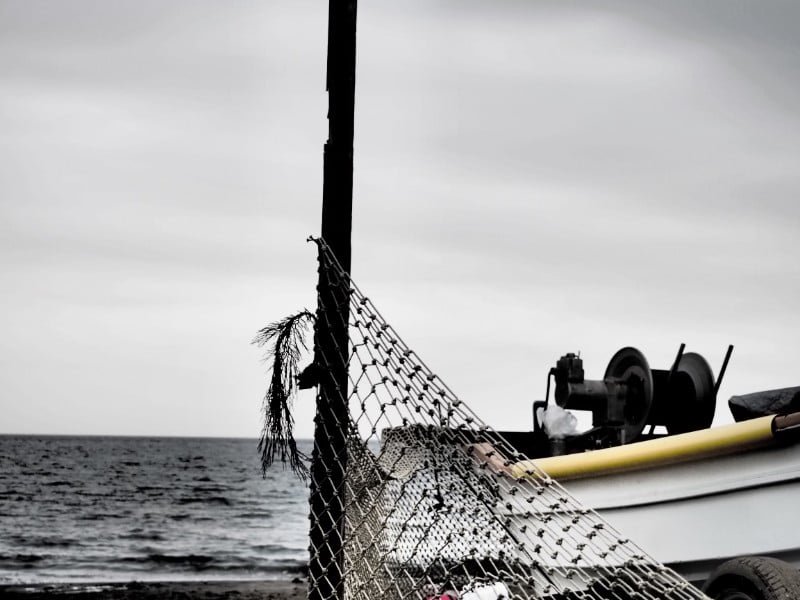
Beyond the high rises of Tokyo and the cultural hustle of Kyoto lies a different rhythm of life. The seaside towns encapsulate a serenity often lost in our fast-paced lives. Here, the rhythmic lapping of waves becomes the day’s soundtrack, and the horizon painted with fishing boats and shimmering waters becomes the daily vista.
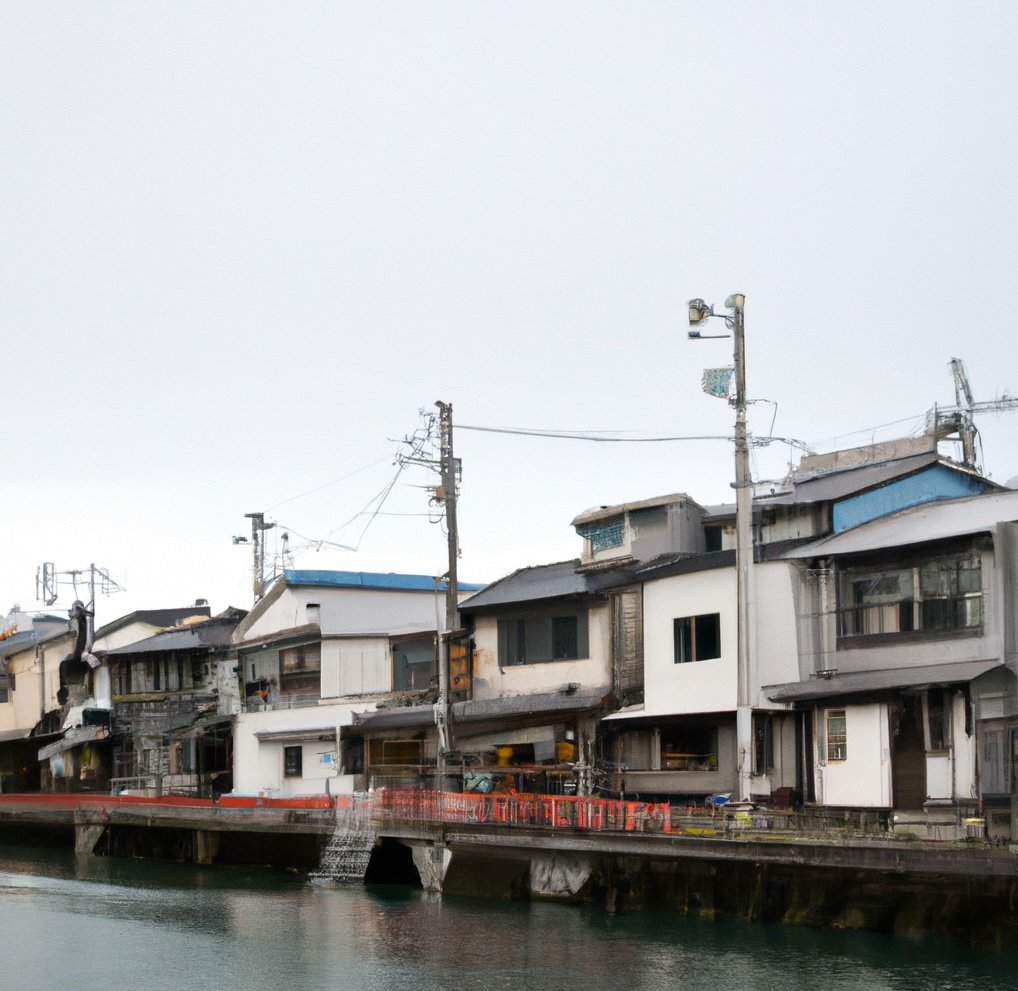
The charm is not just in the natural beauty but also in the harmonious blend of tradition and modernity. Ancient temples stand juxtaposed against contemporary art installations. Traditional inns, with their tatami mats and communal baths, coexist with modern cafes offering ocean views. The rich tapestry of history, from the era of samurais to the time of foreign trade, is not just preserved in museums but is lived daily in the streets, festivals, and stories of the locals.
Beyond the Urban, Into the Authentic:
While Japan’s cities offer a whirlwind of experiences, it’s in these coastal towns that one finds a more authentic, grounded connection to the land and its people. The bustling fish markets at dawn, the intricate craftsmanship in the local shops, the festivals that reverberate with age-old traditions, and the simplicity of a seaside sunset – these are not just tourist attractions but a way of life that has sustained for centuries.
The towns also invite visitors to participate, learn, and grow. Whether it’s mastering a local craft, savoring a family recipe at a local eatery, or understanding the intricacies of a temple ritual, the experiences are immersive. Each town, with its unique history, culture, and flavors, promises stories waiting to be discovered.

How To Choose Your Japanese Seaside Base
Japan’s coastline is huge, so narrowing down where to go is half the battle. A quick way to start is to decide what kind of trip you want: easy city side-trip, lazy beach escape, artsy island, or tiny fishing village with almost nothing on the schedule except sea, food, and sleep.
Use this comparison grid to match a town to your travel style:
| Town / Area | Region & Nearest City | Travel Time From City | Vibe | Best For | Ideal Stay |
|---|---|---|---|---|---|
| Kamakura | Kanagawa – near Tokyo | ~1 hr by local train | Temple town + casual surf beaches | First-time visitors, day trips, culture + sea combo | 1–2 nights |
| Shimoda | Izu Peninsula – from Tokyo | ~3 hrs (train + local line) | Wide beaches, hot springs, relaxed port | Swims, onsen, low-key summer holiday | 2–3 nights |
| Naoshima | Seto Inland Sea – from Okayama | ~2–3 hrs (train + ferry) | Art island, design hotels, calm coves | Art lovers, architecture nerds, slow travelers | 2–3 nights |
| Ine | Kyoto Prefecture – from Kyoto | ~3–4 hrs (train + bus) | Tiny fishing village with boathouses | People who love quiet, photography, seafood | 1–2 nights |
| Otaru | Hokkaido – from Sapporo | ~35–45 mins by train | Canal town, glass shops, winter charm | Foodies, winter trips, couples | 1–2 nights |
| Okinawa beaches (main island or nearby islands) | Far south – flights from Tokyo/Osaka | 2–3 hrs flight + local bus/car | Subtropical, white sand, snorkelling | Beach holidays, families, island hopping | 3–7+ nights |
A simple way to decide:
- Short Japan trip (7–10 days) with Tokyo or Kyoto as your base?
Kamakura or Ine fit nicely and don’t eat too much time. - Classic “Japan first-timer” route (Tokyo–Kyoto–Osaka)?
Add Kamakura from Tokyo and Naoshima or Ine from Osaka/Kyoto. - Winter Hokkaido loop?
Pair Otaru with Sapporo and maybe a ski area like Niseko or Furano. - Looking for a pure beach fix?
Fly straight to Okinawa or tack it onto the end of your mainland itinerary.
Sample Itineraries: Plug-and-Play Coastal Combos
Sometimes it’s easier to see how places fit together in real days. Here are a few ready-made combos you can plug into a bigger Japan plan.
3 Days: Tokyo + Kamakura Coast Escape
Day 1 – Tokyo to Kamakura
- Leave Tokyo after breakfast and ride the train to Kamakura.
- Drop bags at your accommodation near the station or beach.
- Visit one or two key sights (for example, the Big Buddha and Hase temple).
- Late afternoon walk along Yuigahama Beach, bare feet in the sand if the weather allows.
- Casual dinner on Komachi-dori or in a side-street izakaya.
Day 2 – Temples, Hills, and the Sea
- Follow one of the short hiking routes through the hills above town.
- Coffee break at a café overlooking the coast.
- Beach time in the afternoon: paddle, read, or just people-watch.
- Sunset from the sand, then drinks and small plates before bed.
Day 3 – Enoshima and Back to Tokyo
- Head slowly towards Enoshima on the cute Enoden train line.
- Explore the island’s viewpoints, caves, and shrines.
- Late lunch with sea views.
- Evening return to Tokyo, ready to dive back into city life.
4 Days: Kyoto to the Coast – Ine & Amanohashidate
This combo works well if you’re based in Kyoto and want a short coastal break without flying.
Day 1 – Kyoto to Amanohashidate
- Morning train north to Amanohashidate.
- Ride the chairlift or cable car for the classic “bridge to heaven” view.
- Stroll or cycle across the sandbar itself.
- Overnight locally in a ryokan with a big dinner.
Day 2 – Amanohashidate to Ine
- Short bus ride along the coast to Ine.
- Check into a funaya guesthouse if you can snag a booking.
- Boat tour of the bay to see the boathouses from the water.
- Slow evening: fresh seafood dinner, early night with the sound of the sea.
Day 3 – Ine and Surroundings
- Sleep in, then wander through the village lanes.
- Optional kayaking or stand-up paddle session if available.
- Afternoon café stop in a nearby small town.
- Second night in Ine or back in Amanohashidate depending on connections.
Day 4 – Return to Kyoto
- Head back in the morning.
- Extra time in Kyoto in the afternoon for a temple, neighbourhood walk, or laundry and ramen.
5 Days: Seto Inland Sea Art & Islands (Naoshima Focus)
Day 1 – Osaka/Okayama to Naoshima
- Travel to Uno Port and ferry across to Naoshima.
- Check into your accommodation (Benesse House or a local guesthouse).
- Short wander around the nearest beach and village lanes.
Day 2 – Museum Day
- Pre-book museum entry times where necessary.
- Chichu Art Museum in the morning, Lee Ufan or other galleries later.
- Take your time; the buildings and light are part of the experience.
- Sunset by the famous pumpkin on the pier if it’s in place and accessible.
Day 3 – Art House Projects & Slow Island Life
- Explore the Art House Projects in the old village streets.
- Breaks for coffee, snacks, and corners with sea views.
- Late afternoon ferry to a nearby island (for example, Teshima) if your timing allows, or just a second slow evening on Naoshima.
Day 4 – Optional Extra Island / Back To Mainland
- Either day trip to another art or garden island in the Seto Inland Sea,
or head back to the mainland and overnight in Okayama or Takamatsu.
Day 5 – Continue Onward
- Connect to Hiroshima, Shikoku, or return to Osaka/Kyoto by train.
Budgeting for Japan’s Seaside Towns
Costs shift a lot depending on where you go and how much hotel comfort you want, but rough ranges are enough to plan.
Typical Daily Costs (Per Person, Excluding Long-Distance Transport)
| Travel Style | Night in Town | Food (3 meals) | Local Transport & Small Sights | Total Rough Range |
|---|---|---|---|---|
| Shoestring | Dorm / basic minshuku | Convenience-store breakfasts, simple lunches, 1 cheap sit-down meal | Local trains/buses only, a few small entry fees | Low to mid range |
| Mid-Range | Business hotel / simple ryokan | Mix of cafés, local specials, one nicer dinner | Local trains/buses, occasional taxi | Medium range |
| Comfort / Splurge | Ryokan with dinner & breakfast or stylish hotel | Extra snacks, cocktails, speciality restaurants | Taxis when needed, guided tours, boat trips | Higher range |
To keep spending under control:
- Prioritize one or two splurge nights in special spots (like a ryokan in a fishing village) and balance them with simpler business hotels elsewhere.
- Eat big lunches at casual places and keep dinners lighter, or reverse it if your hotel includes breakfast.
- Stick to regional specialties instead of imported western food; they often cost less and taste better.
Practical Logistics on the Coast
Once you leave the big cities, little details start to matter more: bus times, cash, closing days, and weather.
Transport Quirks
- In very small towns, buses may run only once or twice an hour (or less in the evening). Screenshots of timetables are your friend.
- Taxis can be limited; once you arrive, it’s worth asking your guesthouse what to do if you need one at night.
- Coin lockers at the nearest big station make day trips easier if you’re between accommodations.
Food & Opening Hours
Seaside towns often follow local rhythms:
- Some restaurants close one or two days a week, often mid-week.
- Lunch tends to be the main hot meal in very small places, with early closing times for kitchens.
- Markets for seafood usually peak in the early morning, then quiet down.
Keeping a few backups in mind (convenience stores, bakeries, station bento) saves you from going to bed hungry.
Packing and Gear for Coastal Japan
Packing well for coastal stretches is less about fashion and more about being ready for wind, sun, and sudden rain.
Clothing Basics
- One lightweight windproof layer for ferries and headlands, even in summer.
- Shoes you’re happy to walk in all day on pavements, paths, and the occasional muddy slope.
- A small folding umbrella or compact rain jacket; coastal weather can flip quickly.
- Swimwear and quick-dry towel for beach-focused trips or onsen-with-sea-view stays.
Small Extras That Make Life Easier
- Dry bag or zip pouch for your phone and wallet if you’re going on boats or standing near splash zones.
- Portable battery pack; small-town cafés and stations may not always have outlets.
- Refillable water bottle to cut down on plastic and stay hydrated in the sun.
- Thin scarf or buff that can double as sun protection, makeshift pillow, or extra warmth on breezy evenings.
Coastal Safety and Seasonal Considerations
Japanese seaside towns are generally very safe, but the sea itself and the weather deserve respect.
Sea Safety
- Pay attention to flag systems and lifeguard instructions on busy beaches.
- Outside of summer season, some beaches may technically be “closed” even if the weather looks nice; there may be no lifeguards or rescue services.
- Currents and waves can be stronger than they appear, especially on the Pacific side. If locals aren’t swimming, pause and reassess.
Seasonal Gotchas
- Typhoon season can disrupt ferries, trains, and flights, especially late summer and early autumn. Build a little buffer into your schedule.
- In winter, the Sea of Japan side can get serious snow and wind; it’s atmospheric, but trains and buses may be delayed.
- Jellyfish sometimes appear later in summer; locals will usually know if a certain beach is having a bad run.
Common Mistakes To Avoid in Japan’s Seaside Towns
A few pitfalls catch visitors again and again. Dodging them makes everything smoother.
Overloading the Itinerary
Trying to cram too many coastal spots into a short trip often means you spend most of your time on transport. Two or three seaside bases is usually plenty for a first coastal-focused journey.
Ignoring Local Pace
Big-city habits don’t translate perfectly to small towns:
- Restaurants may close early.
- Shops might shut for a random weekday.
- Midday quiet spells are normal.
Building in flexible time instead of a tight hour-by-hour schedule makes these quirks feel charming instead of frustrating.
Underestimating Sun and Wind
Even on cloudy days, coastal UV can be strong. A bit of sunscreen, sunglasses, and a hat go a long way, especially on ferries or open promontories where there’s no shade.
Not Booking Key Places in Advance
Popular ryokan, funaya stays in Ine, Benesse House on Naoshima, and certain small guesthouses in summer or holidays can sell out far ahead. Once you know the dates of your trip, locking in those “dream stay” nights first and building around them works well.
Japan’s Seaside Towns FAQ: Real-World Questions, Practical Answers & Local Tips
How many days should I spend in Japan’s seaside towns on my first trip?
It depends. If you’re doing a classic first-timer route (Tokyo–Kyoto–Osaka) over 10–14 days, I’d aim for 2–4 nights on the coast, ideally split between one or two bases rather than hopping every night. For example, you might add 2 nights in Kamakura or Otaru as a soft coastal intro, or 3 nights if you’re doing somewhere slightly farther like Naoshima or Shimoda. The key is to leave yourself at least one full, slow day where you’re not in transit at all and can just wander, nap, eat, and sit by the sea.
Which Japanese seaside town works best as a base if I don’t want to rent a car?
Absolutely, you’ve got options. For pure convenience, Kamakura (near Tokyo) and Otaru (near Sapporo) are the easiest coastal bases without a car because they’re directly connected by frequent trains, and once you arrive you can reach most sights on foot or by short local rides. Naoshima also works well without a car if you’re happy to combine trains, a ferry, and local buses or rental bikes. If you prefer something tiny and slow like Ine, you can still manage by train and bus, but I’d treat it as a short side trip from a bigger base such as Kyoto or Amanohashidate rather than your only coastal hub.
Is it worth doing towns like Kamakura or Otaru as a day trip, or should I stay overnight?
Yes. Day trips to places like Kamakura from Tokyo or Otaru from Sapporo are easy, fun, and totally worth it if that’s all your schedule allows. That said, staying overnight changes the mood completely: the day-tripper crowds thin out, locals reclaim the streets, and you get those blue-hour moments along a canal or beach that most visitors miss. My rule of thumb is: if the journey is under an hour each way, a day trip is fine; if it’s longer than that, at least one night on the coast usually feels a lot more relaxed and rewarding.
When is the best time of year to visit Japan’s seaside towns, and what should I know about typhoons and jellyfish?
For most travelers, spring (late March to May) and autumn (late September to November) are the sweet spots: temperatures are comfortable, humidity is lower on the Pacific side, and you often get either flowers or foliage as a bonus. Summer brings proper beach weather, especially in places like Shimoda or Okinawa, but it also means more humidity, potential typhoons from roughly August into early autumn, and busier trains and accommodation during school holidays. If you plan to swim, jellyfish can show up later in summer, so I’d lean toward earlier in the season or stick to officially supervised beaches where conditions are monitored and flagged.
Are Japan’s seaside towns safe for solo travelers, including at night?
Yes. Japan in general is one of the safer countries to wander around, and that applies to most seaside towns as well, including after dark. You’ll still want to use common sense—stick to lit streets, keep an eye on your belongings, and be extra cautious near the water at night—but crime rates are low and people are generally helpful if you look lost. The main “risks” along the coast tend to be nature-related (slippery rocks, rough waves, winter ice, or strong sun) rather than people-related, so respecting the sea and the weather goes a lot further than worrying about pickpockets.
Do I need to rent a car to explore Japan’s coastal areas, or can I rely on trains and buses?
Not really. You can see a lot of the big-name coastal spots—Kamakura, Otaru, Naoshima, Shimoda, many Okinawa beaches—using a mix of trains, ferries, and local buses. For a first trip, I’d actually recommend leaning on public transport because it’s efficient, it saves you the stress of driving on the left, and it forces you into a more relaxed pace. Renting a car starts to make sense if you’re visiting very rural stretches, traveling in a group who wants maximum flexibility, or exploring in winter on the Sea-of-Japan side where some sights are awkward without your own wheels.
How expensive are Japan’s seaside towns compared to staying in Tokyo or Kyoto?
It depends, but they’re often similar overall, just with the money flowing into different things. A business hotel in a coastal town might be a bit cheaper than a comparable room in central Tokyo, but traditional ryokan with dinners and breakfasts by the sea can climb quickly into splurge territory. Eating out can actually be great value if you focus on local seafood, set lunches, and simple cafés rather than fancy “view” restaurants every night. If you’re watching your budget, aim for one or two “big” coastal meals and one special ryokan night, then balance the rest with convenience-store snacks, casual izakaya dinners, and more basic hotels or minshuku.
Are Japan’s seaside towns good for families with kids or trips with older parents or grandparents?
Absolutely. Many coastal towns are fantastic for multi-generational trips because there’s a natural mix of low-key activities: beaches and boats for kids, scenic walks and hot springs for adults, cafés and viewpoints for everyone. The trade-off is that some older areas have steep hills, cobblestones, and lots of stairs, so you’ll want to look carefully at accommodation location and accessibility if you’re traveling with strollers or anyone with mobility issues. My go-to approach is to choose one very easy, flat base (like Otaru or a beach town with a promenade) and then treat hillier, more “vertical” places as short visits rather than home bases.
What should I pack specifically for a coastal Japan itinerary?
Layers. Coastal weather can change fast, so I’d bring a light windproof jacket, something you’re happy to wear on ferries or headlands even in summer, plus a compact umbrella or rain shell year-round. Add comfortable walking shoes that can handle a mix of pavement, temple steps, and the odd muddy path, and pack swimwear and a quick-dry towel if you’re visiting in summer or heading to onsen with sea views. A small daypack, sun protection (hat, sunglasses, sunscreen), and a dry bag or zip pouch for your phone and wallet on boats or near splash zones round out a very practical coastal kit.
How far in advance should I book ryokan, funaya boathouses, or Naoshima stays?
It depends, but earlier is better for the really special places. Standard business hotels near the coast often have availability a few weeks out, but classic ryokan with dinners, funaya boathouses in Ine, and design-focused stays on Naoshima can book up months ahead, especially during cherry blossom, Golden Week, summer holidays, and autumn foliage. If your trip falls in one of those busy windows and you have your heart set on a particular property, I’d be happiest booking 3–6 months in advance and then building the rest of the itinerary around those anchor nights.
Are there any cultural mistakes visitors often make in Japanese seaside towns?
Yes, a few small ones pop up again and again. The big ones are ignoring footwear rules (walking into ryokan or homes with shoes still on), being too loud on quiet trains or in shared baths, and pointing cameras straight into people’s faces in small fishing villages without asking. Another classic is treating the sea and shrines like props rather than shared spaces—climbing where signs say not to, or leaving trash after a beach picnic. If you slow down, watch what locals do, and assume that someone’s everyday life is happening around your “holiday,” you’ll naturally avoid most faux pas.
Can I swim anywhere along the Japanese coast, or are there specific rules and seasons?
Nope, you can’t just jump in anywhere and assume it’s okay or safe. Japan has officially designated bathing beaches with lifeguards, facilities, and clear signage, and those are the best places to swim, especially in unfamiliar areas. There’s also a defined “beach season” that varies by region but roughly runs through summer, and outside those dates there may be no lifeguards, flagged zones, or rescue services, even if the water looks inviting. Currents, waves, and sudden drops can be stronger than they appear, so following local guidance and sticking to supervised beaches is the smart play.
How do I fit seaside towns into a classic Tokyo–Kyoto–Osaka itinerary without overdoing it?
The trick is to choose one region rather than trying to “collect” every coastline in a single trip. From Tokyo, adding Kamakura and nearby beaches as one or two nights works beautifully. From Kyoto and Osaka, a short coastal loop to places like Amanohashidate and Ine or an art-focused detour to Naoshima makes a nice contrast to temples and city life. If you’re heading north to Hokkaido, dropping in Otaru as a night or two from Sapporo is easy. Two coastal bases at most, with at least one full non-travel day in each, keeps things relaxed instead of turning your holiday into a train marathon.
Are vegetarian or vegan travelers going to struggle in Japan’s seaside towns?
It’s getting better, but it still takes a bit of effort. Larger coastal cities and popular spots like Kamakura and Otaru tend to have at least a few cafés or restaurants with veggie-friendly options, especially around tourist streets. In smaller fishing villages, traditional set meals lean heavily on fish and dashi made with bonito, so strict vegans in particular may need to rely more on simple rice dishes, vegetable sides, plain tofu, and convenience-store backups. Having a short explanation card in Japanese about what you do and don’t eat can help you negotiate set menus or ask for small tweaks without any awkwardness.
What’s the best way to handle luggage when hopping between small coastal towns?
Lightly. I like to treat big suitcases as “city luggage” and move between coastal spots with a smaller overnight bag whenever possible. In practice that means using coin lockers at major stations or sending your main bags ahead with a luggage-forwarding service, then traveling to places like Ine, Naoshima, or Shimoda with just a backpack or small roller. It keeps narrow streets, bus rides, and guesthouse staircases much less stressful, and it also gives you more flexibility if you decide on a spontaneous stop along the way.
Do I need to speak Japanese to enjoy smaller seaside towns, or will English and a phone be enough?
For most trips, a mix of basic phrases, gestures, and your phone is enough. Staff at hotels, popular attractions, and tourist information desks often have at least some English, and translation apps fill in a lot of gaps when you’re staring at a bus timetable or restaurant menu. Where Japanese really helps is in breaking the ice and showing respect, so even a handful of phrases for greetings, “thank you,” and “excuse me” goes a long way. If you embrace the occasional misunderstanding and treat it as part of the adventure, the language barrier usually turns into a fun story rather than a real obstacle.
Making the Coast a Highlight, Not Just a Side Note
Japan’s seaside towns can easily be an afterthought tacked onto a big-city itinerary, but they reward proper attention. A couple of carefully chosen bases, a realistic pace, one or two big splurges, and room to wander between the sea and the backstreets are usually enough to turn a trip into something people talk about years later.
Give yourself time to watch fishermen working the harbour at dawn, stroll a canal at blue hour, or sit on a quiet seawall with a convenience-store coffee and nothing urgent to do. That’s often when the best Japan travel memories show up.