
Embarking on the Shin Nihonkai Ferry from Otaru to Niigata is an adventure that combines convenience with breathtaking maritime scenery. This ferry route serves as a vital link between the northern island of Hokkaido and the mainland of Honshu, offering travelers a seamless way to traverse the Sea of Japan. Unlike other transportation options, the ferry provides a unique and leisurely travel experience, allowing you to soak in the stunning coastal views as you glide across the waters. The journey typically takes around 17 hours, making it an overnight trip that can be both relaxing and memorable. Whether you’re traveling for business, leisure, or a bit of both, the Shin Nihonkai Ferry stands out as a reliable and enjoyable alternative to flying or driving.
Overview of the Journey
- Highlights:
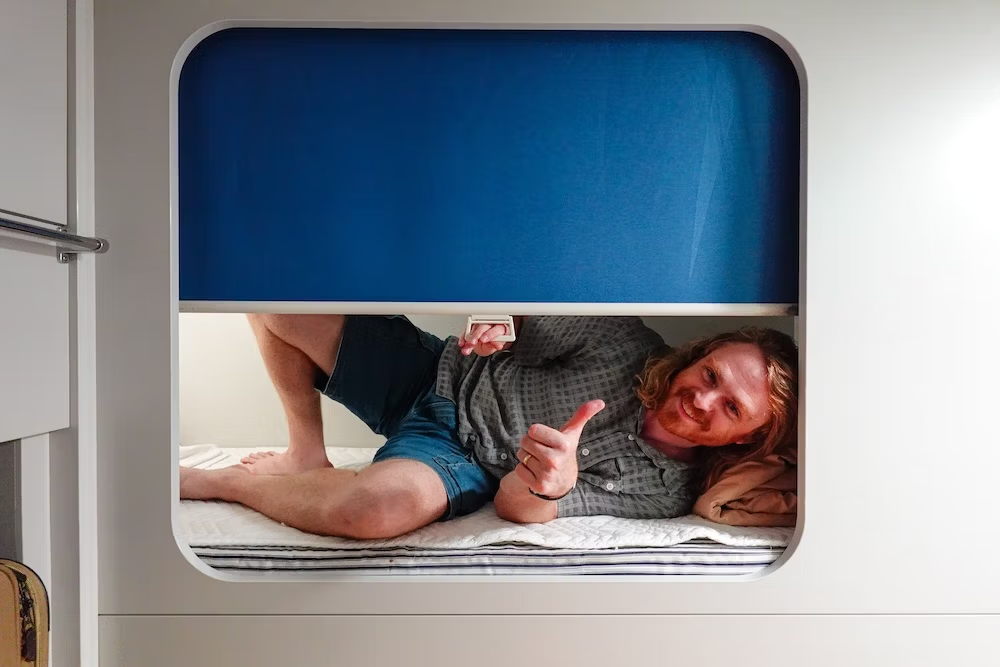
- Don’t Miss: Booking a cabin for a more private and restful journey
Tip: Book your tickets in advance, especially during peak seasons, to secure the best cabins and departure times.
source: Samuel and Audrey YouTube Channel: Nomadic Samuel + That Backpacker hosting
Benefits of Taking the Ferry
Opting for the Shin Nihonkai Ferry offers numerous advantages that make it an attractive choice for travelers. One of the standout benefits is the scenic views of the Sea of Japan, where you can witness the serene beauty of the ocean, dramatic sunsets, and perhaps even marine wildlife along the way. Unlike the rush and restrictions of air travel, the ferry provides a comfortable and relaxed travel experience, allowing you to move freely, stretch your legs, and enjoy onboard amenities at your own pace. The spacious decks and lounges offer ample opportunities to socialize with fellow travelers or simply unwind with a good book and a cup of coffee. Additionally, the ferry accommodates a variety of passenger needs, from families with children to solo adventurers, ensuring a pleasant journey for everyone.
- Highlights:
- Panoramic views of the Sea of Japan
- Relaxed and spacious onboard environment
- Opportunities to socialize and enjoy onboard amenities
- Don’t Miss: Enjoying a meal at one of the onboard restaurants while taking in the views
Tip: Bring a light jacket—even during warmer months, the sea breeze can make the ferry pleasantly cool.
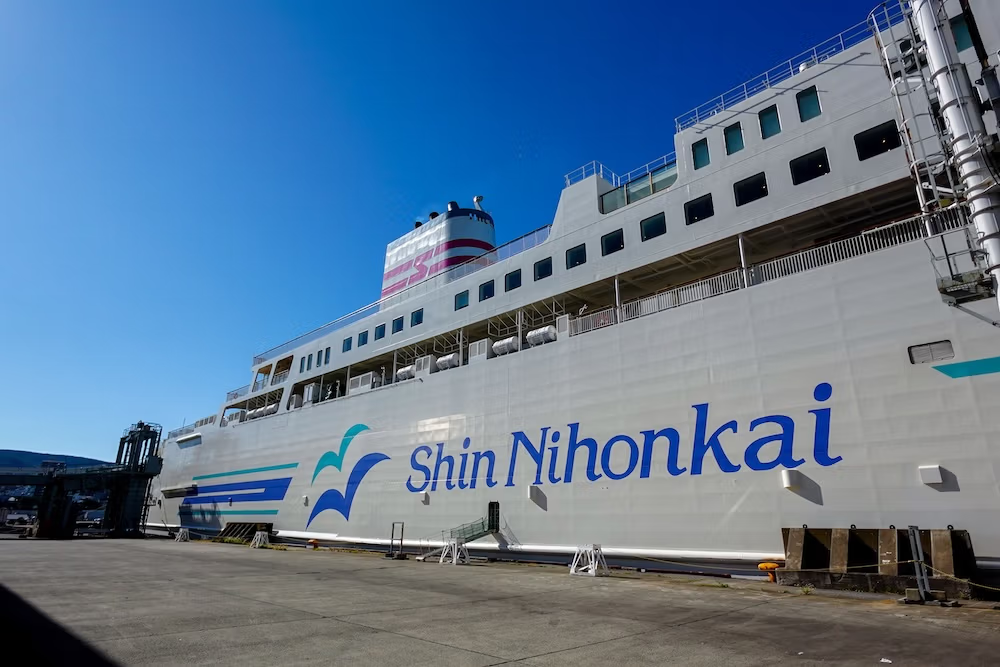
Overview of Shin Nihonkai Ferry Service
History and Background
The Shin Nihonkai Ferry has been a cornerstone of maritime transportation in Japan since its establishment in the late 20th century. Founded to bridge the gap between Hokkaido and the mainland, the ferry service quickly became an essential link for both passengers and freight. Over the years, Shin Nihonkai Ferry has expanded its fleet and routes, adapting to the evolving needs of travelers and businesses alike. The company prides itself on maintaining high standards of safety, comfort, and reliability, making it a trusted choice for crossing the Sea of Japan. Beyond its practical role, the ferry service has also become a beloved part of regional culture, offering scenic journeys that highlight Japan’s stunning coastal landscapes. Today, Shin Nihonkai Ferry stands as a testament to Japan’s commitment to efficient and enjoyable transportation solutions, continuing to connect people and places with seamless ease.
- Highlights:
- Established as a vital link between Hokkaido and the mainland
- Expanded fleet and routes to meet growing demand
- Renowned for safety, comfort, and reliability
- Don’t Miss: Exploring the history section on the Shin Nihonkai Ferry website to learn more about its evolution
Tip: Research the company’s history to appreciate the legacy and dedication behind Shin Nihonkai Ferry’s exceptional service.

Route Details
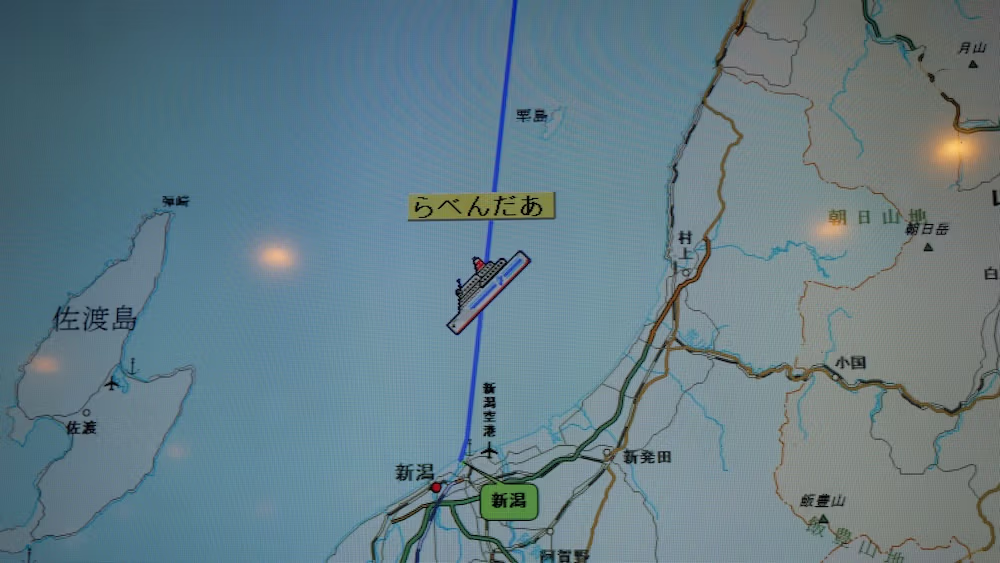
The Otaru to Niigata route offered by Shin Nihonkai Ferry is one of the most scenic and efficient ways to travel between Hokkaido and Honshu. Covering a distance of approximately 570 kilometers, the journey takes around 17 hours, making it an overnight trip that allows passengers to rest and enjoy the voyage. The ferry departs from Otaru Port, a charming gateway with easy access from the city center, and arrives at Niigata Port, where travelers can seamlessly continue their journey into the vibrant city of Niigata. Along the way, passengers are treated to breathtaking views of the Sea of Japan, including picturesque sunsets, rugged coastlines, and occasionally glimpses of marine wildlife. The route is designed to offer both comfort and convenience, with multiple departure times to suit different schedules and travel preferences. Whether you choose a standard seat or a private cabin, the ferry provides ample space and amenities to ensure a pleasant and memorable trip.
- Highlights:
- Scenic 570 km route across the Sea of Japan
- Overnight journey with comfortable accommodations
- Stunning coastal and marine views throughout the trip
- Don’t Miss: Taking advantage of the observation deck for the best panoramic views during the journey
Tip: Choose a cabin with a window to fully enjoy the scenic beauty of the Sea of Japan as you travel from Otaru to Niigata.
source: Samuel and Audrey YT Channel: Nomadic Samuel & That Backpacker as hosts
Schedule and Frequency
Shin Nihonkai Ferry operates a reliable and frequent schedule, ensuring that travelers have plenty of options to suit their itineraries. The ferry departs daily from Otaru Port, with multiple departure times throughout the day and night, accommodating both daytime travelers and those who prefer overnight voyages. Seasonal variations may affect the schedule, with additional departures during peak travel periods such as holidays and summer months to handle the increased demand. The frequency of trips allows passengers to plan their connections seamlessly, whether they are arriving from or departing to other parts of Japan. Additionally, the ferry service adapts to weather conditions, maintaining its schedule as much as possible while prioritizing safety and passenger comfort. During peak seasons, it’s advisable to book tickets in advance to secure your preferred departure time and cabin type. Shin Nihonkai Ferry’s consistent and adaptable scheduling makes it a dependable choice for both spontaneous trips and meticulously planned journeys.
- Highlights:
- Daily departures with multiple times available
- Additional trips during peak seasons to accommodate higher demand
- Flexible scheduling that adapts to weather and passenger needs
- Don’t Miss: Checking the ferry schedule ahead of time to align your travel plans and avoid last-minute hassles
Tip: Monitor the ferry’s schedule online and subscribe to updates to stay informed about any changes or seasonal adjustments.

Booking and Ticketing
How to Book Your Ferry Ticket
Booking your Shin Nihonkai Ferry ticket from Otaru to Niigata is straightforward and convenient, whether you prefer online or in-person options. Online booking is highly recommended for its ease and flexibility, allowing you to secure your seat from the comfort of your home. Visit the Shin Nihonkai Ferry website, where you can browse schedules, select your preferred departure time, and choose your class of service with just a few clicks. For those who enjoy a more personal touch, in-person booking is available at ferry terminals and authorized travel agencies, where friendly staff can assist you with reservations and answer any questions. Additionally, some third-party travel websites and apps offer ferry bookings, often bundling them with other travel services for added convenience. Ensuring you have your ticket sorted in advance, especially during peak seasons, can save you time and guarantee your preferred travel slot. Whether you opt for the digital route or prefer face-to-face interactions, Shin Nihonkai Ferry makes securing your journey hassle-free.
- Highlights:
- Convenient online booking through the official website
- Personalized assistance at ferry terminals and travel agencies
- Availability of third-party booking platforms for bundled services
- Don’t Miss: Booking early during peak travel times to ensure availability and the best seating options
Tip: Create an account on the Shin Nihonkai Ferry website to streamline future bookings and easily manage your reservations.

Ticket Classes and Pricing
The Shin Nihonkai Ferry offers a variety of ticket classes to cater to different preferences and budgets, ensuring a comfortable journey for every traveler. The main classes include Standard, Premium, and Cabin options, each providing a distinct level of comfort and amenities. Standard Class offers economical seating with comfortable bench seats and access to shared facilities, ideal for budget-conscious travelers. Premium Class upgrades your experience with more spacious seating, additional legroom, and complimentary beverages, perfect for those seeking extra comfort without breaking the bank. For ultimate relaxation, the Cabin Class provides private cabins equipped with beds, storage space, and personal amenities, allowing you to rest peacefully during the overnight journey. Pricing tiers vary based on the class chosen, with Standard being the most affordable and Cabin the most luxurious, each inclusive of different services and conveniences. Understanding the differences between these classes helps you select the best option to suit your travel needs and budget, making your ferry trip as enjoyable as possible.
- Highlights:
- Multiple classes: Standard, Premium, and Cabin
- Range of amenities from economical seating to private cabins
- Flexible pricing to accommodate different budgets
- Don’t Miss: Comparing the benefits of each class to choose the one that best fits your comfort and budget preferences
Tip: Consider upgrading to Premium or Cabin Class for a more comfortable and memorable overnight journey, especially if traveling with family or for extended periods.
Preparing for Your Ferry Trip
Required Documents and Visa Information
Before embarking on your Shin Nihonkai Ferry journey from Otaru to Niigata, it’s crucial to ensure you have all the necessary identification and travel documents. For domestic travelers within Japan, a valid government-issued ID, such as a passport or driver’s license, is typically sufficient. International travelers must carry a valid passport and, depending on their nationality, may require a visa to enter Japan. It’s essential to check the latest visa requirements well in advance of your trip, as regulations can change and processing times vary. Additionally, keep copies of all important documents in a separate place in case of loss or theft. Being well-prepared with the right documents not only smooths your boarding process but also helps avoid any last-minute hassles. Remember, having everything in order allows you to focus on enjoying the scenic journey ahead without unnecessary stress.
- Highlights:
- Valid government-issued ID for domestic travelers
- Passport and visa requirements for international visitors
- Importance of checking updated visa regulations before travel
- Don’t Miss: Verifying your visa status and ensuring your passport is valid for at least six months beyond your travel dates
Tip: Double-check all your documents a few days before departure to ensure everything is up-to-date and easily accessible during your trip.

Packing Essentials
Packing smartly can make your ferry trip from Otaru to Niigata much more comfortable and enjoyable. Start with essential items that ensure your comfort, such as a cozy sweater or jacket, especially since ferry temperatures can vary. Don’t forget to bring snacks and beverages, as while there are dining options onboard, having your favorites on hand can enhance your experience. Entertainment is also important for the overnight journey; consider bringing a book, tablet, or headphones to keep yourself entertained. Additionally, be mindful of the ferry’s baggage restrictions—typically, there are limits on the size and weight of your luggage, and certain items like sharp objects or flammable materials are prohibited. Packing efficiently by using packing cubes or organizers can help maximize space and keep your belongings neat. Finally, include a small first aid kit with any necessary medications to ensure you’re prepared for minor health needs during your trip.
- Highlights:
- Comfortable clothing layers for varying temperatures
- Snacks, beverages, and personal entertainment options
- Awareness of baggage restrictions and prohibited items
- Don’t Miss: Bringing a power bank to keep your devices charged throughout the journey
Tip: Pack light and prioritize essentials to make navigating the ferry and handling your luggage easier and more convenient.
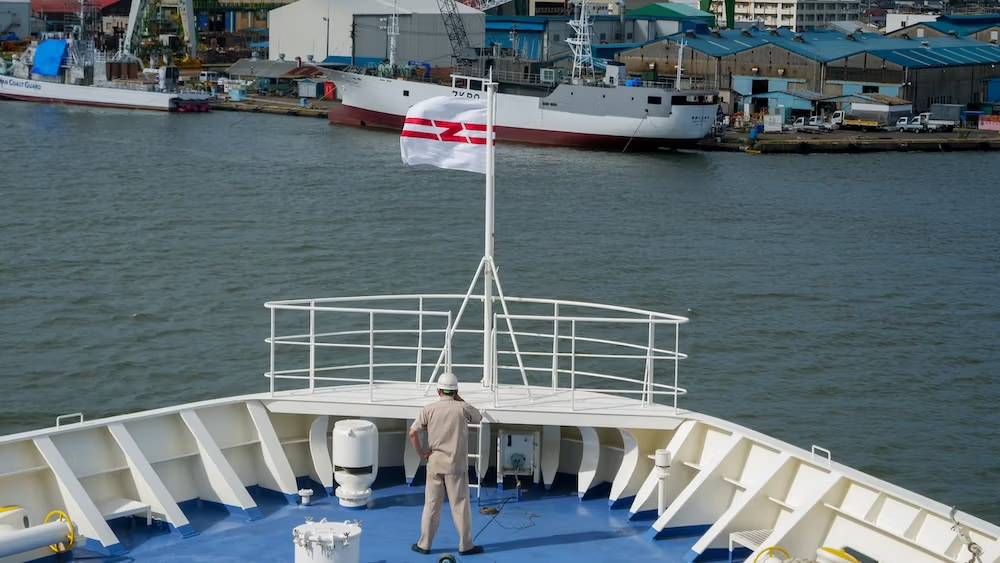
Transportation to and from the Ferry Terminals
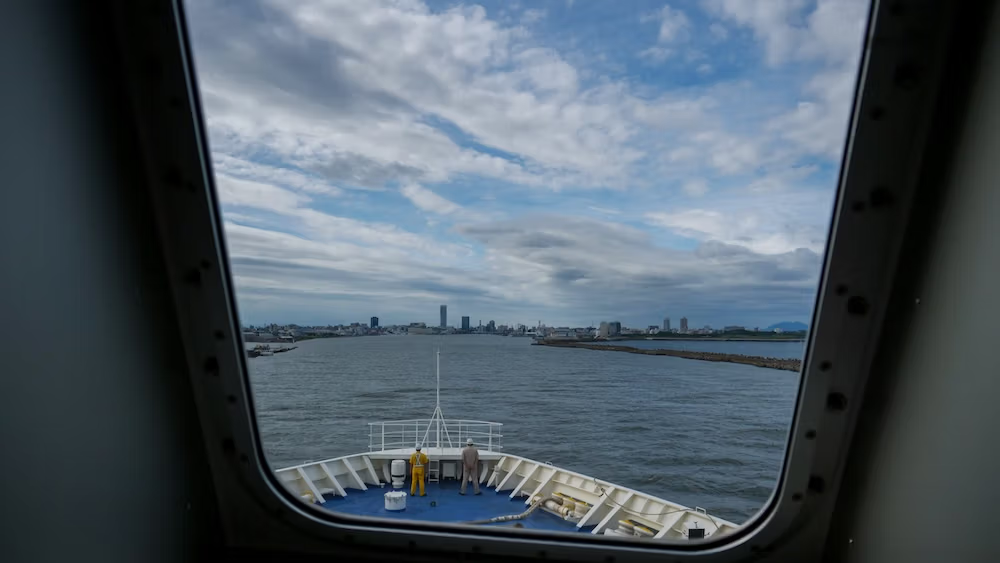
Getting to and from the Otaru Port and Niigata Port is a straightforward process, thanks to Yamanouchi’s well-organized local transportation options. To reach Otaru Port, you can take a local train from Sapporo to Otaru Station, followed by a short taxi or bus ride to the ferry terminal. If you’re driving, there are ample parking facilities near the port, though it’s advisable to arrive early during peak travel times to secure a spot. Upon arrival at Niigata Port, you’ll find various local transportation options such as trains, buses, and taxis that can take you directly to the city center or other destinations within Niigata. For added convenience, consider renting a car upon arrival if you plan to explore the region extensively. Additionally, some travel agencies offer shuttle services that can pick you up and drop you off at both terminals, providing a seamless travel experience. Planning your transportation in advance ensures a smooth transition from ferry to your next destination, minimizing travel time and maximizing your enjoyment.
- Highlights:
- Easy access to Otaru Port via local trains and buses
- Ample parking facilities for drivers
- Various transportation options at Niigata Port, including trains, buses, and taxis
- Don’t Miss: Taking a local bus from Niigata Port to explore the city’s attractions without the hassle of driving
Tip: Plan your transportation ahead of time, especially during peak seasons, to ensure timely arrivals and departures from the ferry terminals.

Onboard Experience
Facilities and Amenities
Stepping aboard the Shin Nihonkai Ferry, you’ll find a range of facilities and amenities designed to enhance your journey from Otaru to Niigata. The ferry is equipped with spacious lounges where you can relax, read a book, or simply watch the waves go by. Restrooms are clean and conveniently located throughout the vessel, ensuring comfort during your trip. Additionally, there are various shops offering souvenirs, snacks, and travel essentials, perfect for last-minute needs or leisurely browsing. The ferry also provides designated areas for families and pet owners, making it a welcoming environment for all types of travelers. Whether you’re traveling solo, with family, or as a group, the onboard amenities cater to diverse needs, ensuring a pleasant and comfortable voyage. The thoughtful layout and variety of facilities make your time on the ferry both enjoyable and convenient.
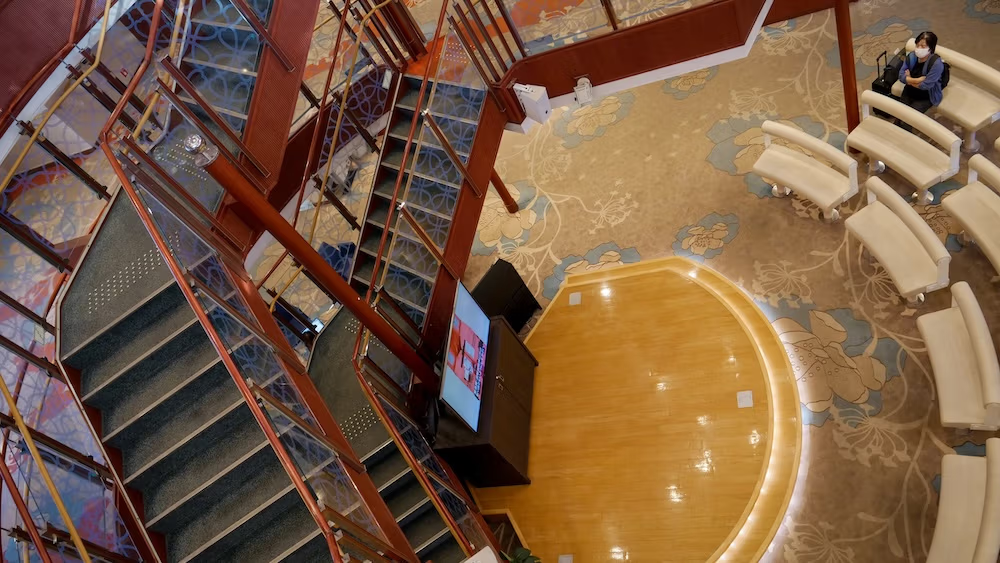
- Highlights:
- Spacious lounges for relaxation and socializing
- Clean and accessible restrooms throughout the ferry
- Shops offering a variety of souvenirs and snacks
- Don’t Miss: Exploring the onboard shops for unique souvenirs and local treats to enjoy during your trip
Tip: Familiarize yourself with the ferry layout upon boarding to easily locate lounges, restrooms, and shops for a hassle-free experience.

Dining Options
The dining options aboard the Shin Nihonkai Ferry are both diverse and delicious, catering to a wide range of tastes and preferences. You can indulge in a variety of food and beverages, from traditional Japanese dishes to international cuisine, ensuring there’s something for everyone. The ferry features specialty restaurants and cafes, where you can enjoy freshly prepared meals made with high-quality ingredients. Whether you prefer a hearty breakfast to start your day or a gourmet dinner to end your journey, the onboard dining facilities have you covered. Additionally, there are snack bars and vending machines available for quick bites and refreshments at any time. The inviting ambiance of the dining areas makes mealtime a delightful part of your ferry experience, allowing you to savor both the food and the scenic views. With attentive service and a range of culinary options, dining onboard is a highlight of your trip.
- Highlights:
- Wide variety of food and beverage options, including Japanese and international cuisine
- Specialty restaurants and cafes offering gourmet meals
- Snack bars and vending machines for quick refreshments
- Don’t Miss: Trying the onboard specialty dishes that showcase local flavors and ingredients
Tip: Plan your meals ahead by checking the dining menus online to make the most of the diverse culinary offerings during your journey.
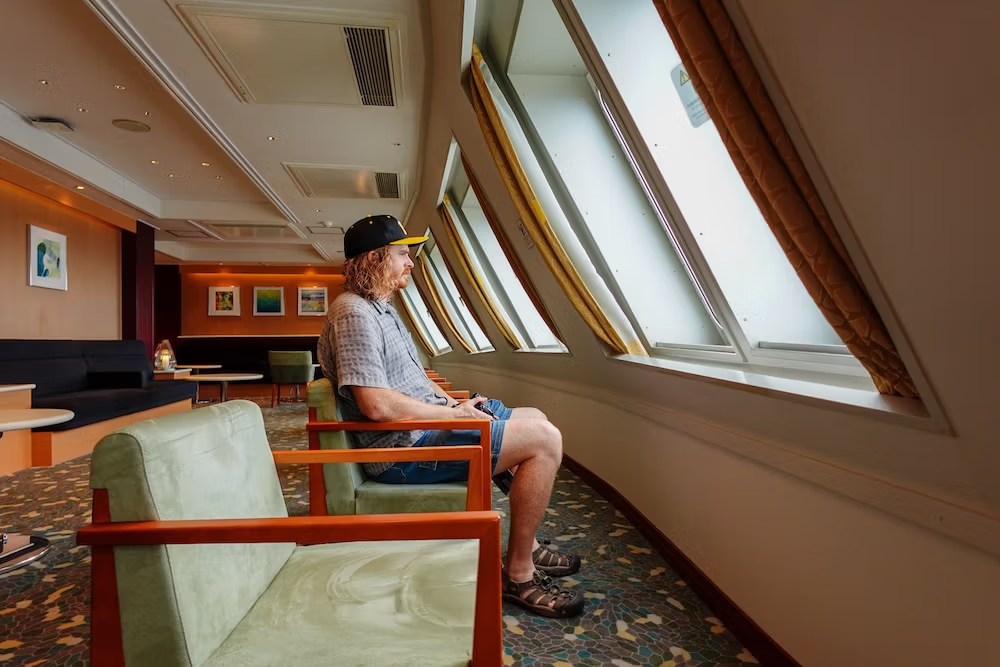
Seating and Cabin Accommodations
Choosing the right seating or cabin accommodation can significantly enhance your ferry experience, providing comfort and convenience throughout the journey. The ferry offers deck seating for those who love to enjoy the fresh sea breeze and panoramic views of the Sea of Japan. These open-air areas are perfect for taking photos, watching sunsets, or simply soaking in the natural beauty surrounding you. For a more private and comfortable experience, indoor seating is available with plush chairs, ample legroom, and access to climate-controlled environments. Additionally, cabin accommodations are ideal for overnight trips, offering cozy private spaces equipped with beds, storage, and personal amenities. Cabins range from single to family-sized options, ensuring that every traveler can find a suitable and comfortable place to rest. Booking a cabin not only provides a peaceful retreat but also adds an extra layer of luxury to your ferry journey, making your trip from Otaru to Niigata truly memorable.
- Highlights:
- Open deck seating with stunning sea views
- Comfortable indoor seating with climate control
- Private cabins for a restful overnight journey
- Don’t Miss: Reserving a cabin for added comfort and privacy, especially during peak travel times
Tip: Book your cabin in advance, particularly during busy seasons, to secure the best accommodations and ensure a comfortable stay overnight.
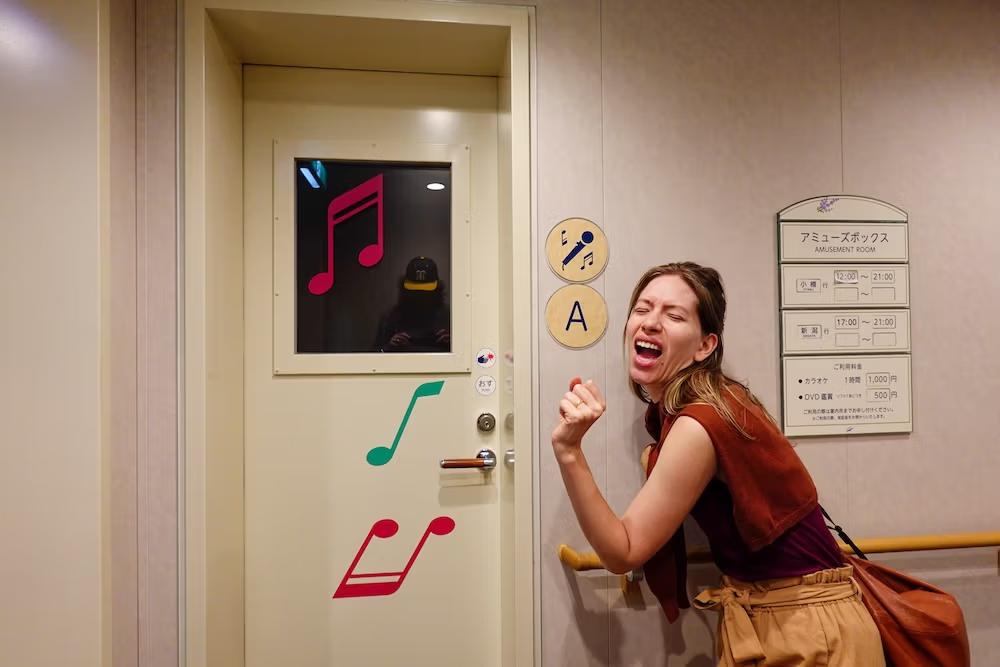
Entertainment and Activities
Keeping entertained during your ferry trip is easy with the wide array of entertainment and activities available onboard the Shin Nihonkai Ferry. The ferry offers onboard entertainment options such as movies, games, and live performances, ensuring that there’s always something to keep you engaged. For those who love photography, the scenic viewing decks provide endless opportunities to capture breathtaking shots of the ocean and coastline. Additionally, there are designated areas for quiet activities like reading or journaling, allowing you to relax and enjoy some personal time. The ferry also features interactive games and activities for families traveling with children, making the journey enjoyable for all ages. Whether you’re looking to unwind with a good movie, snap some memorable photos, or engage in fun activities, the onboard entertainment options cater to a variety of interests and preferences. The vibrant atmosphere and diverse activities make your time on the ferry both fun and fulfilling.
- Highlights:
- Movie screenings and game areas for all ages
- Scenic viewing decks ideal for photography enthusiasts
- Interactive activities and live performances for added fun
- Don’t Miss: Visiting the scenic viewing decks during daylight hours for the best photo opportunities
Tip: Bring your own entertainment options, such as a tablet or book, in case the onboard activities don’t align with your interests or schedule.
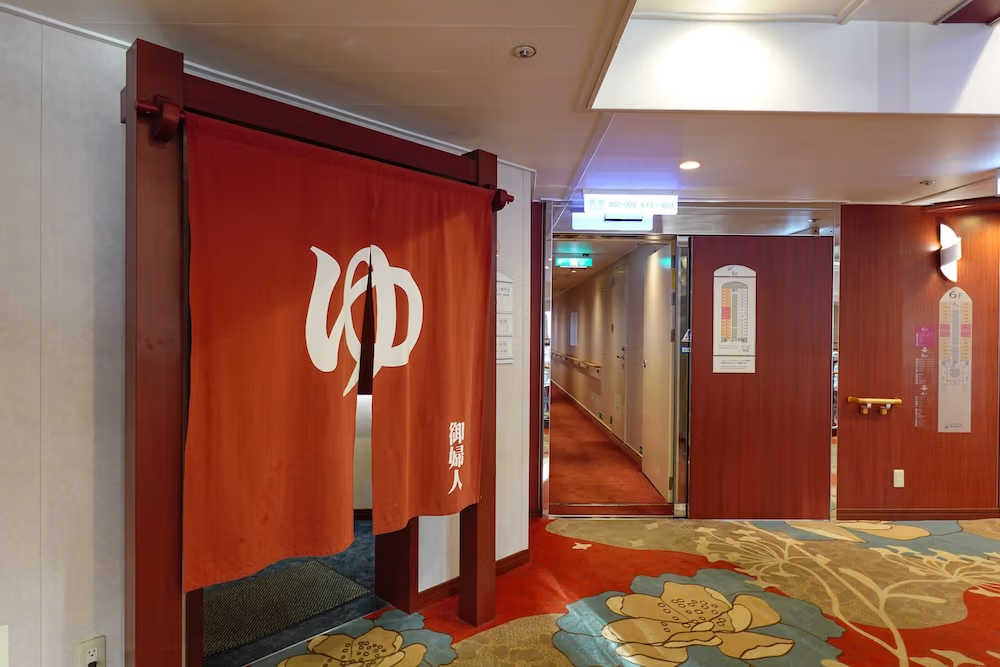
Onsen: Relaxing in the Onsen During the Ferry Ride
One of the standout features of the Shin Nihonkai Ferry is the availability of onsen (hot springs) onboard, providing a unique way to relax and rejuvenate during your journey. The onboard onsen facilities offer mineral-rich waters that soothe tired muscles and promote overall well-being, making your trip from Otaru to Niigata even more enjoyable. These hot springs are designed with privacy and comfort in mind, featuring both communal baths and private soaking areas for those who prefer a more secluded experience. The serene ambiance of the onsen, combined with the calming sound of water, creates a peaceful retreat where you can unwind and take in the surrounding maritime views. Additionally, the onsen areas are impeccably maintained, ensuring a clean and hygienic environment for all passengers. Whether you’re seeking relaxation after a long day of travel or simply want to enhance your ferry experience with a traditional Japanese bath, the onboard onsen provides a perfect blend of luxury and cultural authenticity. Embrace this opportunity to indulge in a soothing soak while enjoying the scenic beauty of the Sea of Japan.
- Highlights:
- Mineral-rich hot springs for relaxation and rejuvenation
- Both communal baths and private soaking areas available
- Serene and well-maintained onsen facilities
- Don’t Miss: Enjoying a soak in the onsen during twilight hours for a magical and tranquil experience
Tip: Follow onsen etiquette, such as washing thoroughly before entering the baths and respecting others’ privacy, to fully enjoy the relaxing experience.
Arrival in Niigata and Travel Tips
Disembarking and Navigating Niigata Port
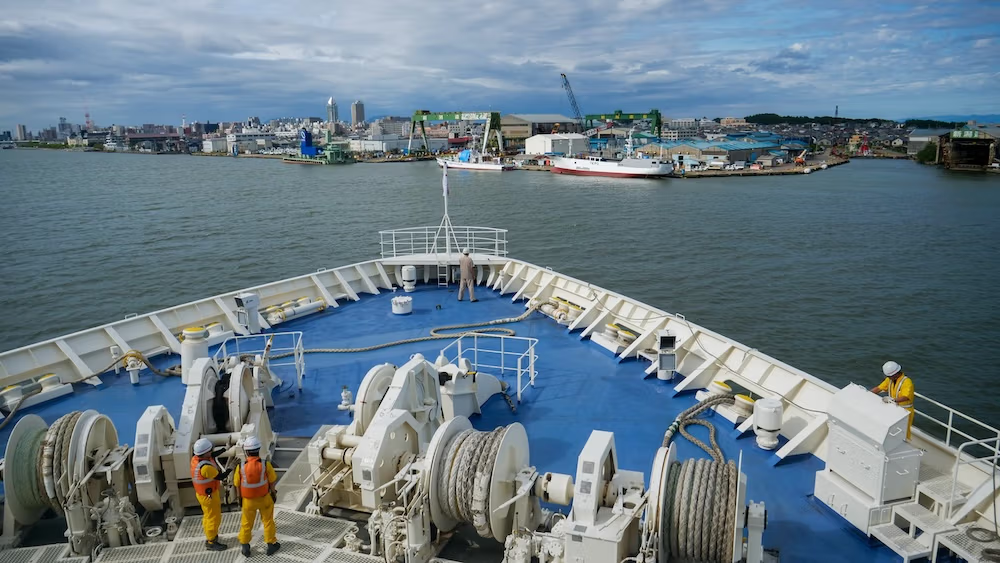
Arriving at Niigata Port after your journey on the Shin Nihonkai Ferry is the beginning of your adventure in this vibrant city. Once you disembark, the first step is to collect any checked luggage from the designated baggage areas, ensuring you have all your belongings before moving forward. Next, make your way to the information desks located within the port; these are invaluable for getting maps, schedules, and local tips to help you navigate Niigata effortlessly. If you need assistance with your luggage, luggage services are available to help transport your bags to your next destination, allowing you to travel light and stress-free. The port itself is well-organized, with clear signage in both Japanese and English, making it easy to find your way around even if you’re unfamiliar with the area. Take a moment to familiarize yourself with the layout of the port to streamline your transition from ferry to onward travel. Navigating Niigata Port is straightforward, thanks to the efficient design and helpful staff, ensuring your arrival is smooth and pleasant.
- Highlights:
- Clear signage in multiple languages for easy navigation
- Information desks offering maps and local tips
- Convenient luggage services to assist with your bags
- Don’t Miss: Asking at the information desk for recommendations on local attractions and transportation options
Tip: Take a few minutes to explore the port area upon arrival to familiarize yourself with the facilities and locate key services like information desks and luggage storage.
Transportation Options from Niigata Port
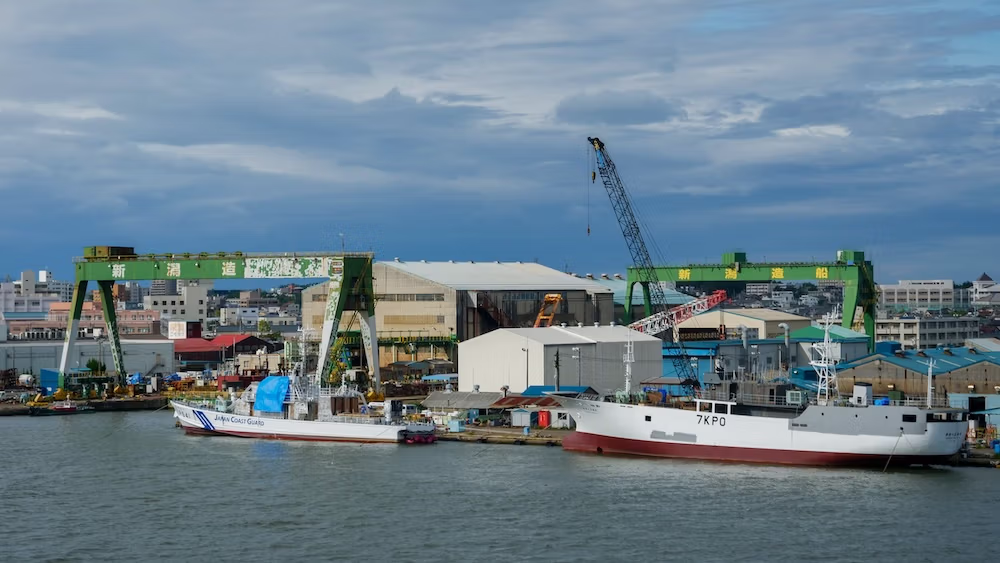
Once you’ve settled in Niigata Port, you have a variety of transportation options to choose from, ensuring you can reach your desired destination with ease. Local trains are a popular choice, with the JR Echigo Line providing quick and efficient connections to Niigata city center and other nearby areas. If you prefer buses, several bus routes operate from the port, offering direct services to major attractions, hotels, and neighborhoods. For more personalized travel, taxis are readily available outside the port, providing door-to-door service that’s perfect for those with heavy luggage or tight schedules. Additionally, if you plan to explore the region extensively, consider renting a car from one of the nearby rental agencies, giving you the freedom to travel at your own pace and visit off-the-beaten-path destinations. Ride-sharing services are also an option, though availability may vary, making taxis and rental cars the more reliable choices. By selecting the transportation method that best fits your itinerary and preferences, you can seamlessly transition from the port to your next adventure in Niigata.
- Highlights:
- Efficient local train services connecting to city center
- Multiple bus routes for direct access to attractions
- Convenient taxi services for door-to-door transportation
- Don’t Miss: Exploring rental car options if you plan to venture outside Niigata city and enjoy greater flexibility
Tip: Plan your transportation in advance by researching routes and schedules online to save time and ensure a smooth journey from Niigata Port to your destination.
source: Samuel and Audrey on YouTube: Nomadic Samuel + That Backpacker presenting
Exploring Niigata
Niigata is a city rich in culture, history, and natural beauty, offering a wide array of attractions and activities to suit every interest. Start your exploration with a visit to the Niigata City Aquarium Marinepia Nihonkai, where you can marvel at diverse marine life and enjoy interactive exhibits. For history enthusiasts, the Northern Culture Museum provides a glimpse into the region’s past with its beautifully preserved buildings and informative displays. Nature lovers will appreciate a stroll through Hakusan Park, especially during cherry blossom season when the park transforms into a stunning floral haven. Don’t forget to experience Niigata’s renowned sake breweries, where you can tour facilities, learn about the sake-making process, and sample some of the finest local brews. Additionally, Niigata’s vibrant shopping districts and local markets offer everything from traditional crafts to modern fashion, perfect for finding unique souvenirs and enjoying delicious street food. By immersing yourself in these diverse experiences, you’ll make the most of your time in Niigata and create unforgettable memories.
- Highlights:
- Niigata City Aquarium Marinepia Nihonkai with diverse marine exhibits
- Northern Culture Museum showcasing regional history and architecture
- Hakusan Park, a perfect spot for nature walks and cherry blossoms
- Don’t Miss: Touring a sake brewery to taste some of Niigata’s finest sake and learn about its production
Tip: Allocate enough time to explore Niigata’s key attractions, ensuring you don’t miss out on the city’s unique blend of culture, history, and natural beauty.

Tips and Recommendations
Best Times to Travel
Choosing the best time to travel on the Shin Nihonkai Ferry can greatly enhance your overall experience. Spring and autumn are particularly ideal, offering mild weather and stunning scenic views with cherry blossoms or vibrant fall foliage. These seasons also provide favorable sailing conditions, ensuring a smooth and comfortable journey across the Sea of Japan. Additionally, traveling during shoulder seasons—early spring or late autumn—can help you avoid the crowds and enjoy a more relaxed ferry experience. If you’re a photography enthusiast, timing your trip around sunrise or sunset can provide magical lighting and breathtaking vistas that you won’t want to miss.
- Highlights:
- Spring for cherry blossoms and mild weather
- Autumn for vibrant fall foliage and comfortable temperatures
- Shoulder seasons for fewer crowds and peaceful travel
- Don’t Miss: Planning your trip around local festivals to enjoy additional cultural experiences and scenic beauty
Tip: Check the seasonal weather forecasts and plan your travel during periods with historically stable conditions to maximize your enjoyment and safety on the ferry.

Handling Delays and Cancellations
Even the best-laid plans can sometimes be disrupted by unexpected delays and cancellations. In the event of a schedule change, the first step is to remain calm and contact the ferry’s customer support services for assistance. Shin Nihonkai Ferry provides a dedicated helpline and online support to help you navigate rebooking or finding alternative transportation options. It’s also wise to have a backup plan, such as knowing nearby hotels or attractions where you can spend extra time if necessary. Additionally, keeping all your booking confirmations and important documents handy can streamline the process of resolving any issues that arise.
- Highlights:
- Staying informed through the ferry’s official communication channels
- Utilizing customer support for timely assistance
- Having a backup plan to manage unexpected schedule changes
- Don’t Miss: Checking the ferry’s real-time updates via their website or app before departure to stay ahead of any potential delays
Tip: Purchase travel insurance that covers ferry delays and cancellations, providing peace of mind and financial protection against unforeseen disruptions.

Cultural Etiquette and Local Customs
Understanding and respecting Japanese ferry etiquette and local customs is essential for a respectful and enjoyable journey. Always queue patiently and follow the crew’s instructions for boarding and disembarking to ensure a smooth process for everyone. When using the onsen or footbath facilities, adhere to the traditional bathing etiquette, such as washing thoroughly before entering and keeping noise levels low to maintain a peaceful environment. Politeness and respect are highly valued in Japanese culture, so simple gestures like saying “arigatou” (thank you) to staff and fellow passengers can go a long way in creating a positive atmosphere. Additionally, be mindful of personal space and cleanliness, keeping your area tidy and disposing of trash properly to show consideration for others.
- Highlights:
- Patiently queuing and following crew instructions
- Respecting traditional onsen and footbath etiquette
- Demonstrating politeness and respect through simple gestures
- Don’t Miss: Learning a few basic Japanese phrases to enhance your interactions and show respect for the local culture
Tip: Observe and follow the lead of locals when it comes to etiquette and customs, ensuring you blend in smoothly and respect the cultural norms during your ferry journey.

Maximizing Your Ferry Experience
To truly maximize your ferry experience, engage actively with the opportunities presented onboard. Strike up conversations with fellow travelers in the lounges or common areas; you might make new friends or gain valuable travel tips. Take full advantage of the onboard amenities such as lounges, shops, and entertainment options to keep yourself entertained and comfortable during the trip. Participate in any scheduled activities or events, such as cultural performances or interactive sessions, to enrich your journey. Don’t forget to explore the viewing decks for stunning photos and to appreciate the scenic beauty surrounding you.
- Highlights:
- Socializing with fellow passengers for a more enjoyable journey
- Utilizing onboard amenities like lounges and shops for added comfort
- Engaging in onboard activities and entertainment options
- Don’t Miss: Exploring the onboard shops for unique souvenirs and enjoying meals at specialty restaurants to savor local flavors
Tip: Arrive early and explore the ferry’s facilities before departure to easily locate lounges, restrooms, and shops for a hassle-free experience.
Essential questions about taking the Shin Nihonkai Ferry from Otaru to Niigata: practical answers, local tips & trip-planning advice
How long does the Otaru to Niigata ferry actually take and is it really overnight?
It depends slightly on the ship and schedule, but you’re generally looking at roughly 16–18 hours dock to dock, and it’s treated as an overnight crossing. Most departures leave Otaru in the late afternoon or evening and get you into Niigata the following morning, which is why booking some kind of sleeping space (carpet area, bunk, or private cabin) is worth it.
Is it worth paying extra for a cabin or is the cheapest option fine?
Usually. If you’re a deep sleeper, the basic “carpet” or open-sleep areas are the cheapest way to go and perfectly workable for one night. That said, I’d seriously consider a bunk or private cabin if you’re a light sleeper, traveling as a couple or family, or boarding after a long day of sightseeing. A door you can close, your own light and power outlet, and a quiet space to lie flat make a big difference on a 16-plus-hour crossing, and the price jump feels reasonable when you divide it by the length of the journey.
Roughly how much does the Shin Nihonkai Ferry cost compared to flying or taking the train?
Ballpark: think in ranges rather than exact numbers because fares vary by season, day of week, class, and whether you’re bringing a vehicle. As a foot passenger, the cheapest shared spaces typically start around the mid-thousands of yen and can move up into the low-tens of thousands for more comfortable berths, with private cabins costing more again. If you’re bringing a car, you’ll pay a separate vehicle fee that can easily exceed the passenger fare.
Compared with flying Sapporo–Niigata or riding limited express trains plus a Shinkansen via Honshu, the ferry can be similar in total price once you factor in a night of accommodation you no longer need on land. Where the ferry really shines is when you’re moving with a car, lots of luggage, or you just like the idea of a “mini-cruise” instead of another airport dash.
How far in advance should I book, and does the ferry sell out in peak season?
Absolutely. For shoulder seasons and weekdays, you can sometimes book closer to departure, but I still like to reserve at least a week or two ahead. For Golden Week (late April–early May), Obon (mid-August), New Year, and big holiday weekends, think in terms of booking as early as you can—especially for private cabins and vehicle spaces, which are limited and can sell out well in advance. The official booking engine will show when categories are close to full, so treat that as your warning light.
Can I take a car, motorbike, or bicycle on the Shin Nihonkai Ferry?
Yes. The Otaru–Niigata route is set up for vehicle transport—cars, motorbikes, campervans, and bicycles all have their own fare categories. You’ll usually drive or push your vehicle onto the car deck at an assigned time before foot passengers board, and the crew will guide you where to park. Bicycles can sometimes be treated as “hand luggage” or as a separate vehicle, depending on size and rules at the time, so check the latest terms when you book. Just remember you won’t have access to your car during the crossing, so pack a small overnight bag with everything you need.
What’s the best way to get to Otaru Ferry Terminal from Sapporo or Otaru Station?
Easy. From Sapporo, you first hop on a JR train to Otaru Station (typically around 35–45 minutes depending on the service). From Otaru Station, local buses and taxis run to the ferry terminal; the ride is short, but give yourself a buffer because ferries don’t wait for late passengers. If you’re traveling with luggage and don’t want to wrangle bus routes, a taxi from Otaru Station is the most stress-free option and not too painful split between two or three people.
How do I get from Niigata Port into the city and onward trains after arriving?
Once you roll into Niigata in the morning, you’ve got a few options. Local buses connect Niigata Port to Niigata Station, where you can jump on JR lines or the Joetsu Shinkansen toward Tokyo and other parts of Honshu. Taxis are usually lined up around arrival time and are handy if you’ve just come off the overnight crossing with luggage and want door-to-door service to your hotel. If you’re continuing by rental car, keep an eye out for nearby rental offices and arrange pickup timing to match the scheduled arrival of your ferry.
Is the ferry a good option if I get seasick easily?
It depends. The Shin Nihonkai ships on this route are large car ferries, which means they’re more stable than little coastal boats, but you’re still crossing the Sea of Japan, which can be choppy—especially in winter when low-pressure systems and snowstorms roll through. Spring and autumn shoulder seasons tend to feel milder overall. If you’re prone to motion sickness, travel in calmer months, book a cabin mid-ship and lower on the vessel, avoid heavy meals and alcohol, and bring motion-sickness tablets or ginger candies. If the forecast looks particularly rough, it may be worth shifting your sailing date if your schedule allows.
Does the Shin Nihonkai Ferry really have an onsen onboard, and how does it work?
Yes. One of the coolest perks is the public bath area—some ships on this route even have open-air baths or large communal tubs where you can soak while watching the sea roll by. You’ll find separate areas for men and women, showers for washing before you get in, and usually coin lockers for your valuables. Bring your own small towel if you want to avoid rental fees, follow standard Japanese bathing etiquette, and check opening hours because the baths are typically closed during docking or rough conditions.
Is Wi-Fi available on board, and can I charge my devices easily?
Mostly. Many long-distance ferries in Japan now offer some form of Wi-Fi, but expect it to be slower and less reliable than what you’re used to on land, especially once you’re far offshore. I’d treat it as “good enough for messages and light browsing” rather than streaming. Power outlets are more common in lounges, newer seating areas, and of course inside cabins; older common areas may be more limited. Bring a fully charged power bank and your own multi-USB charger and you’ll be in good shape, even if the most popular seats with outlets get snapped up early.
Is the Otaru–Niigata ferry family-friendly and suitable for older travelers?
Absolutely. One of the reasons I like ferries in Japan is how multi-generational they are—kids running around the play areas, couples camping out in lounge corners, and grandparents slowly shuffling between bath, cafeteria, and a window seat. Families get the benefit of being able to move around instead of being strapped into seats for hours, and older travelers appreciate the chance to stretch, nap properly, and use elevators instead of stairs if needed. If you’re traveling with very young kids or someone with mobility issues, a private cabin makes life much easier because you’ve got your own base camp to retreat to.
Do I need to worry about language barriers if I don’t speak Japanese?
Not really. Most staff on big routes like Otaru–Niigata are used to dealing with international passengers, and you’ll see a mix of Japanese and English on signs for key areas like reception, restaurants, baths, and emergency exits. Announcements may be mostly in Japanese, but they’re often supplemented with basic English or clear pictograms. Have your booking details printed or ready on your phone, and don’t be shy about using simple English, gestures, or a translation app—staff are usually patient and helpful as long as you’re polite and give them time to understand.
Are there any safety concerns, scams, or things I should watch out for on this route?
Overall, this is a very safe journey. The bigger “risks” are weather-related rather than security-related. In strong winds, heavy snow, or typhoon-influenced conditions, sailings can be delayed or cancelled outright—Japan tends to err on the side of safety. When that happens, the company will either rebook you or refund according to their policy, so it’s smart to keep accommodation plans flexible and avoid non-refundable next-day flights. Theft and scams on board are rare; still, use lockers for valuables, keep your phone and wallet close when sleeping in shared spaces, and mark your luggage clearly so it doesn’t walk off by mistake with someone who owns a similar bag.
What should I specifically pack for an overnight ferry ride like this?
Layers. Temperatures can swing between warm indoor areas and breezy decks, so a light fleece or hoodie over a T-shirt works well. I’d also pack a small toiletry kit, quick-dry towel (handy for the onsen or showers), flip-flops, comfy clothes you don’t mind sleeping in, a power bank, and basic entertainment like a book, downloaded shows, or a journal. Snacks and drinks are nice to have even though there’s food on board, and if you’re sensitive to noise or light, bring earplugs and an eye mask—shared spaces are never perfectly quiet.
Can I use a Japan Rail Pass or other rail passes to ride the ferry for free?
Nope. The Shin Nihonkai Ferry is a separate company and isn’t covered by the Japan Rail Pass or regional JR passes. You’ll pay for the ferry on its own, either online or at the terminal, and then use your pass before and after the sailing for trains to and from Otaru and Niigata. If you’re trying to keep costs down, the trick is to pair the cheapest acceptable ferry class with rail segments where your pass gives you the most value, like Shinkansen legs between Niigata and Tokyo.
What’s the best season and time of day to take the Otaru–Niigata ferry for views?
Spring and autumn give you that sweet spot of decent weather, fewer extreme storms, and great scenery—think lingering snow on Hokkaido’s peaks in spring or fiery foliage in the hills as you approach Honshu in autumn. Summer sailings can be beautiful too, with long evenings on deck, but they’re also busier and more humid. For pure views, pick a departure that gives you daylight both leaving Otaru and arriving into Niigata—sunset over the Sea of Japan from deck level is pretty special, and dawn rolling into port with your first coffee in hand is a nice way to start the day.