
Listen, few places in Europe punch you in the face with sheer scale quite like Malbork. You’ve likely stumbled upon this travel guide because you’re trying to lock down the actual things to do around the largest brick fortress on the planet. I’ll save you the suspense right now: buy the full Historical Castle Route ticket online in advance, arrive at 9:00 a.m. sharp, and wear the thickest-soled boots you own because the jagged cobblestones will absolutely destroy your feet. Situated along the Nogat River, Malbork isn’t just a heavy photo backdrop. It’s a highly functional Polish town with dense regional food and tricky transit logistics that you need to get right to maximize your ground time.
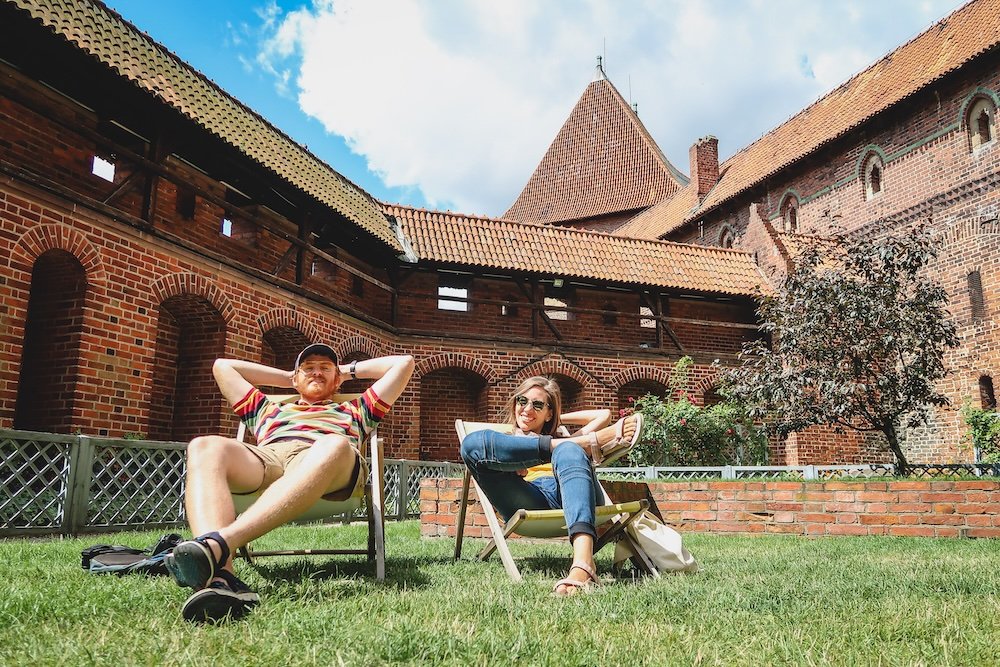
You’re here to discover exactly how Malbork operates on the ground: maybe you’ve mapped out the Teutonic Knights’ stronghold, or you’re figuring out the pacing for a day trip from Gdańsk. How do you manage your energy levels effectively? Which sections of the castle are actually worth the climb? And what about the practicalities—like the fact that the official castle parking lot machines notoriously reject foreign credit cards? Relax. In our experience, it’s highly manageable once you have the right blueprint.
Planning a route through a smaller Polish town always raises a few practical questions. Is the castle enough to justify the train ride? How do you handle ticketing during the brutal mid-July rush? Can people who don’t care about 14th-century politics still get value out of this place? Honestly, yes. We’ll break down these realities. No fluff—just hard, actionable intelligence based on current conditions.
Medieval Charm?
Everyone insists you need a massive interest in medieval history to care about this place. Honestly, you don’t. The sheer architectural mass does the heavy lifting. Families can easily burn hours walking the vast defensive walls, while couples can tackle the river paths when the crowds thin out in the late afternoon. History buffs will undoubtedly lose themselves in the volume of the heavily restored halls. Even budget backpackers can find cheap beds and execute a highly efficient day trip from the coast. The second you step through the main gates, you’re hit with the damp, earthy smell of ancient red brick and river mist. It demands proper pacing, but the payoff is massive.
Malbork dominates the map for a very practical reason. Its towering red-brick walls were built to intimidate and control river trade, and navigating its vast courtyards, narrow choke points, and scenic perimeters requires a solid plan. Ahead, we’ll guide you through the Top 10 Things To Do, point you toward the heaviest local meals, review the guided options, break down where you should sleep, and clarify the transit maps. We found that currently, the biggest mistake travelers make is underestimating the sheer physical toll of getting around here. Let’s fix that.
Top 10 Things To Do in Malbork, Poland For Visitors
Malbork is defined by its colossal brickwork, but there’s a huge logistical difference between staring at a wall and actually understanding how this complex operated. From navigating the confusing interior layouts to finding the quietest stretches of the river, here are ten highly actionable things to do to ensure you don’t burn out your legs on the first tower climb.
1) Marvel at Malbork Castle’s Grand Exterior
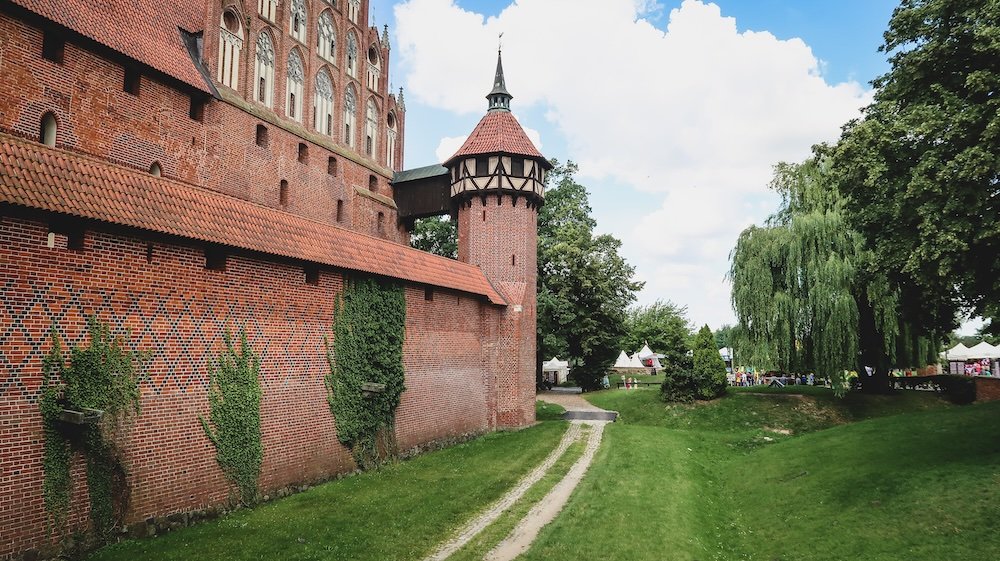
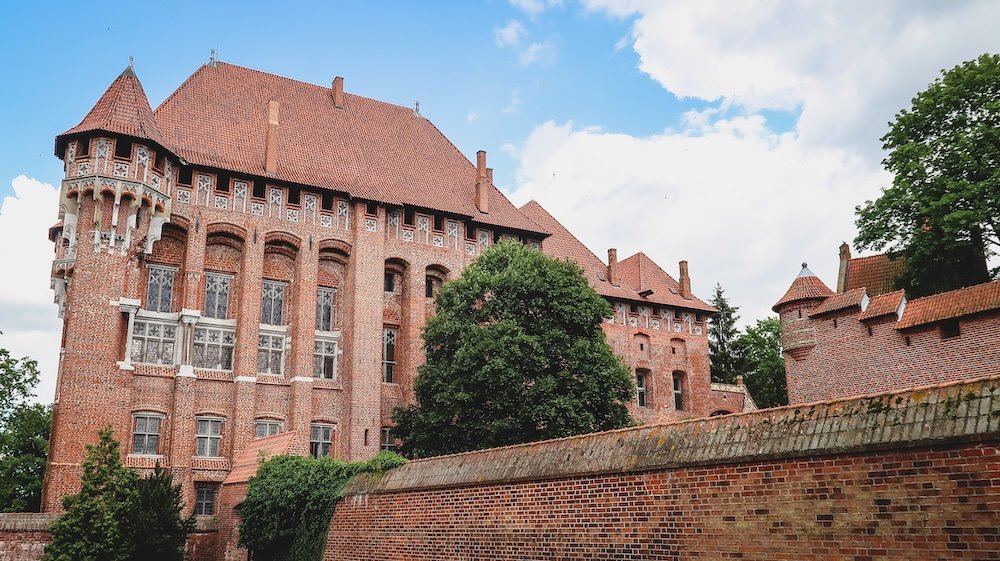
Before you even scan your ticket at Malbork Castle, you need to comprehend the sheer mass of the exterior. Constructed from millions of red bricks, it holds the record for the largest castle by surface area globally. Walk the outer defensive perimeter first. The wind coming off the Nogat River carries a sharp, biting chill that immediately grounds you in the harsh reality of medieval guard duty. Spend the time mapping the gatehouses visually before you go inside. Photographers constantly bottleneck near the footbridge at dusk, trying to capture the massive reflection in the water. Just a warning: current ground reports note the wooden planks on that bridge get incredibly slick after a rainstorm, so watch your footing.
- Architecture: Massive Gothic arches, thick structural buttresses, and multiple layers of defensive walls.
- Best Photo Angles: Cross the river via the footbridge—it’s the only way to fit the entire complex into a standard wide lens.
- Crowd Tip: Between 11:00 a.m. and 2:00 p.m., the tour buses hit hard. Go early or wait out the surge.
Tip: Skip the horse-drawn carriages idling near the main gate. It’s an aggressive tourist trap that wastes time you should be spending inside the walls.
2) Delve into the Castle’s High, Middle, and Lower Complexes
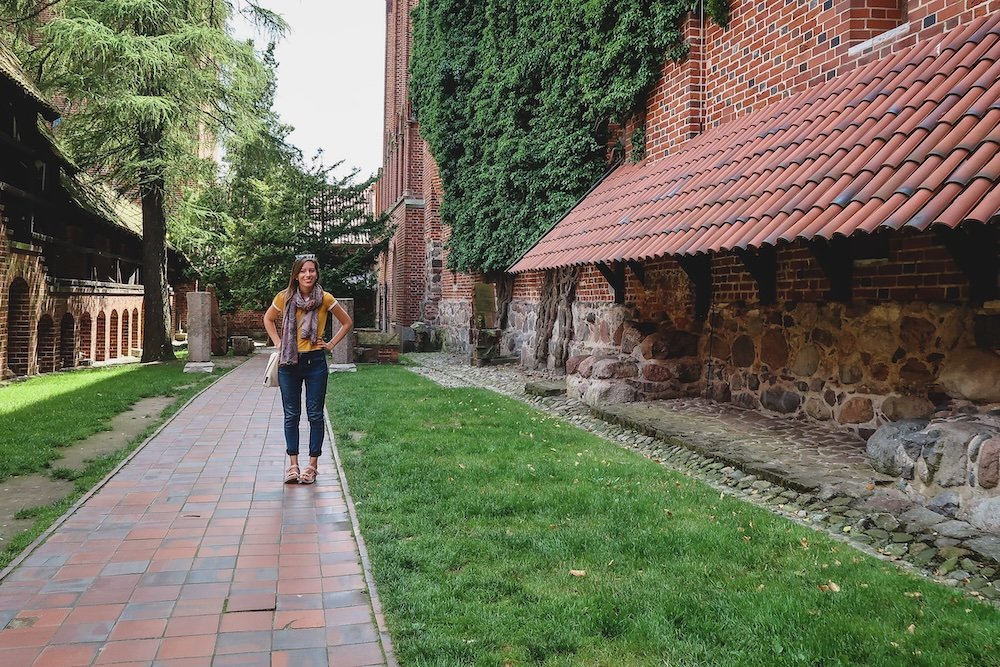
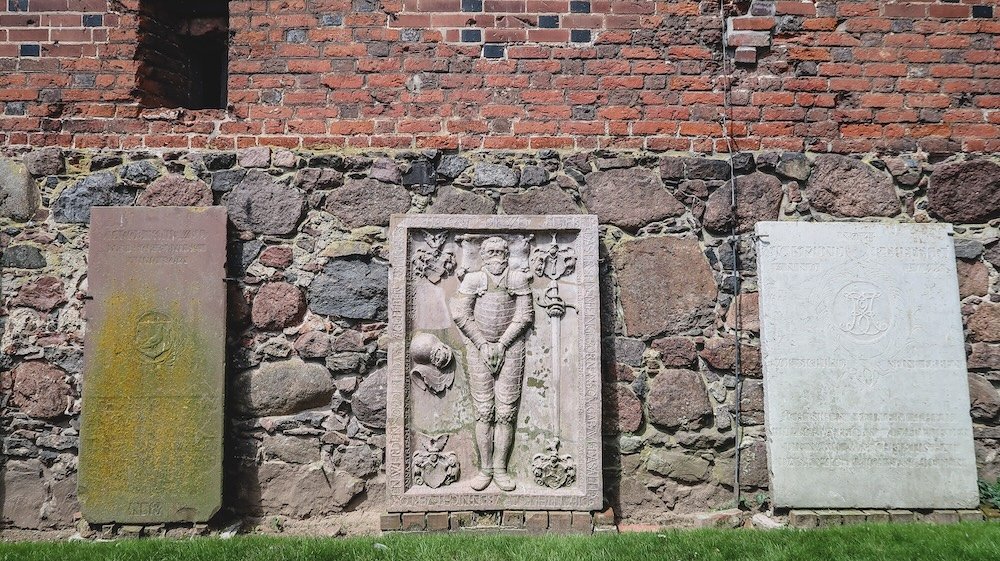
The interior of Malbork Castle is split into three distinct zones: High, Middle, and Lower. The High Castle is where the heavy religious and administrative work happened, featuring massive corridors and the Grand Refectory. As you cross into the High Castle, there is a sudden, heavy drop in temperature, and the echo of your boots on the stone floors becomes incredibly pronounced. The Middle Castle housed the knights and guest quarters, while the Lower Castle functioned as the utilitarian engine—stables, armories, and workshops. If you’re pressed for time, skip the deep stables in the Lower Castle and focus entirely on the Middle and High sections where the real narrative sits.
- Time Estimate: Budget a strict 3 hours. Any less and you’ll be sprinting.
- Audio Guides: Highly functional and absolutely necessary to figure out which quadrant you’ve stumbled into.
- Accessibility: Many staircases are severely worn down. You need grippy footwear, full stop.
Tip: Begin at the High Castle while your legs are fresh. Save the flatter, less demanding Lower Castle for when fatigue sets in.
3) Book a Guided Tour (Or Grab the Audio)
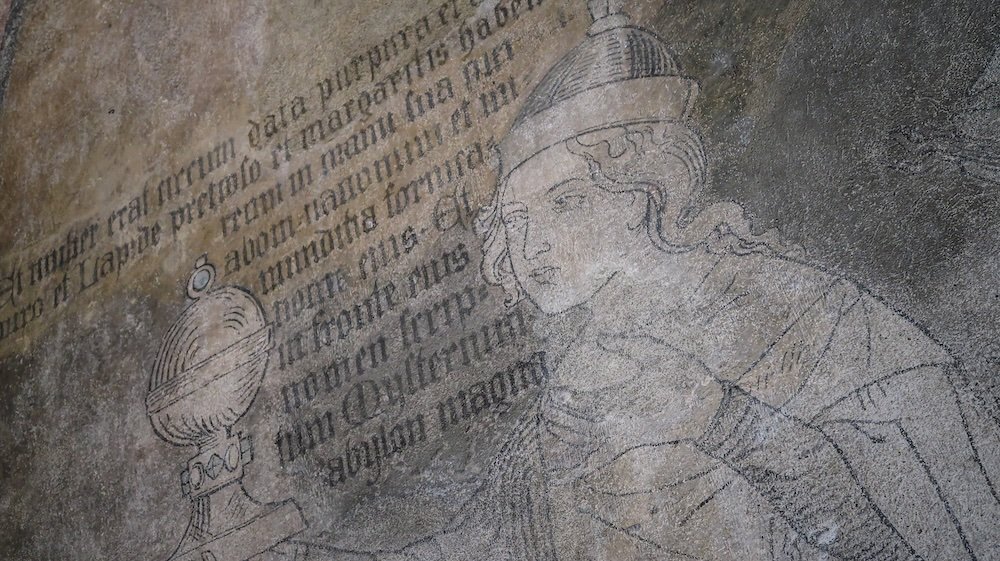
Consensus advice always screams at you to book a live guide to get the “real” story. Honestly? I skip them now. The live tours herd you through the best rooms so fast you can barely snap a photo, let alone absorb the scale. Grab the official audio unit instead. It lets you dictate the pace and linger where it actually matters. You still get the grim realities of the Teutonic Knights and the brutal underfloor heating systems piped directly into your ear, but without standing elbow-to-elbow with twenty strangers. The real friction here is the audio guide pickup queue—it bottlenecks aggressively in the morning. Bypass this by booking your slot online ahead of time via the official castle portal.
- Language Options: English runs reliably, but check the battery level on your unit before leaving the desk.
- Group Size: If you do go live, expect to be clustered tight in narrow halls.
- Scheduling: Summer slots evaporate. Book online unless you enjoy standing in line for an hour.
Tip: Ask about night tours—they occasionally run after-hours circuits that cut the crowds down to zero.
4) Discover the Castle’s Art and Museum Exhibits
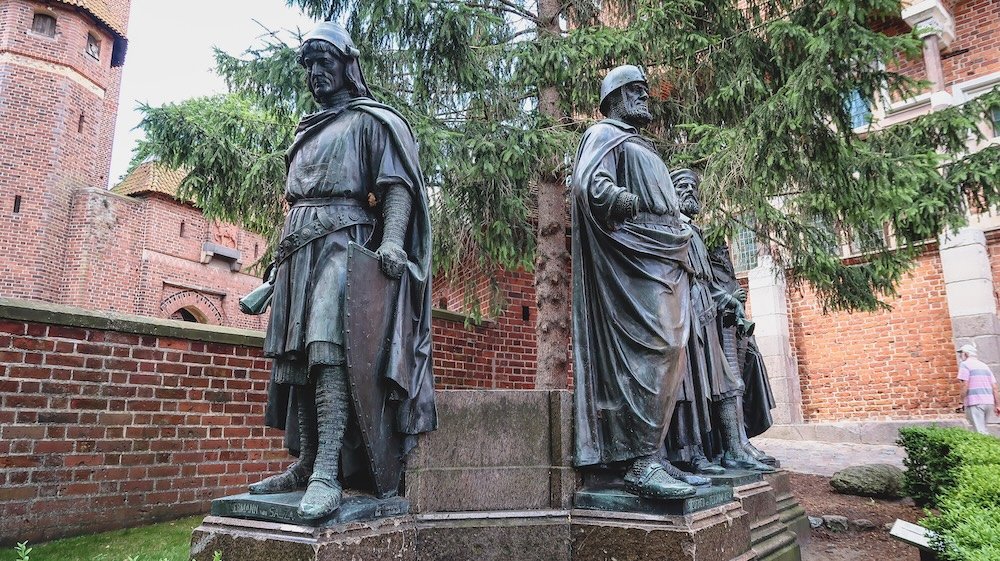
The fortress interior acts as a massive vault for museum exhibits, housing heavy weaponry, amber collections, and religious iconography. As you walk the armory floors, there’s a distinct, metallic smell of oiled iron and old leather lingering in the air. The glass cases display the brutal tools of medieval combat right alongside delicate ceramic plates used in the refectories. You’ll find extensive documentation on the intense architectural restoration required after the fortress was severely damaged in 1945. It’s a dense collection of physical artifacts that grounds the massive empty rooms in functional reality.
- Entry: Bundled into the main ticket, but you have to actively seek out some of the side rooms.
- Photography: Allowed, but strictly no flash. Pay attention to the restricted zones where staff will actively yell at you.
- Interpretation: Signage is consistently bilingual, which is a massive help.
Tip: Don’t rush the amber exhibition—it’s widely considered one of the most comprehensive collections in the country.
5) Attend Medieval Festivals or Re-Enactments
If you hit the calendar right, Malbork Castle flips from a static museum into an active staging ground for historical re-enactments. These aren’t cheap tourist traps; they are large-scale, loud, and incredibly dense with participants. The heavy, acrid smoke from the blacksmiths’ woodfires drifts across the outer courtyards, stinging your eyes as you watch the heavy armor combat. Food vendors set up massive grills cooking thick cuts of pork. It gets incredibly crowded, but it fundamentally changes how you view the empty courtyards once you see them packed with a thousand people. Parking during these events is a certified nightmare; do not attempt to drive into Malbork on festival weekends. Take the train.
- When: The “Siege of Malbork” event in July is the heavyweight weekend to aim for.
- Check Schedules: Dates shift annually. Lock down the exact weekend via the official Polish tourism portals.
- Crowd Factor: Arrive by train if you are attending a festival day to avoid the gridlock.
Tip: Carry cash—most of the outdoor food and craft vendors running stalls in the fields will not take cards.
6) Stroll the Nogat Riverbanks
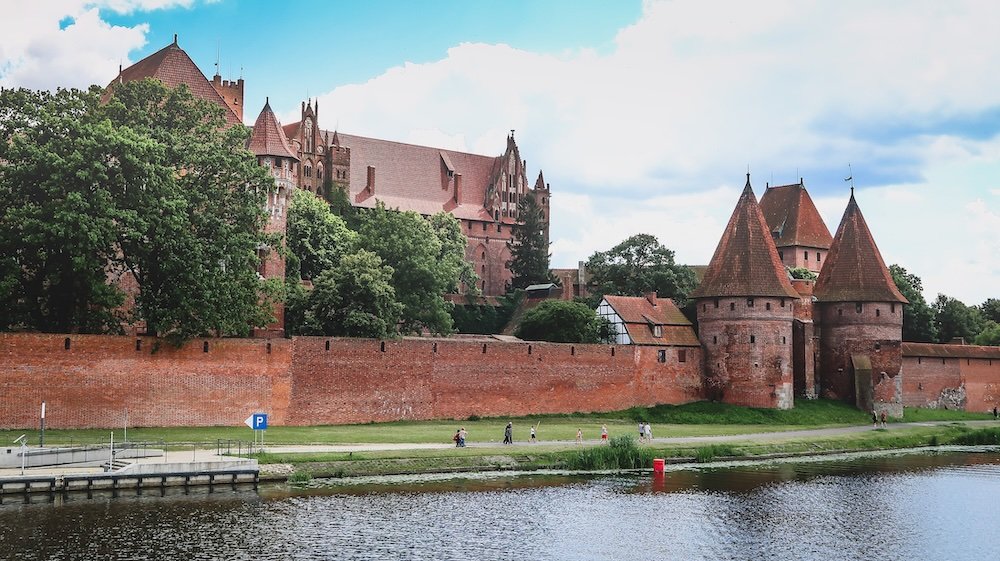
Getting outside the walls and hitting the Nogat River path is mandatory for decompression. The pedestrian walkway runs parallel to the fortress, giving you the best uninterrupted view of the complex. Stepping off the paved path, the soft squelch of the muddy riverbank underfoot reminds you how this natural barrier functioned as a major defensive line. It’s incredibly quiet out here compared to the interior courtyards. You can hire a small boat to run you up and down the current, which provides a clean, unobstructed angle of the high towers without fighting for elbow room.
- Boat Tours: Operators run fast 30-minute loops. Negotiate the price before getting in.
- Wildlife: It’s mostly dense reeds, waterfowl, and local fishermen holding their ground.
- Tip: The riverside path is the only place to set up a proper tripod if you are shooting long exposures at dusk.
Tip: Cross the pedestrian bridge completely to the opposite bank. The wide shot from there is the definitive postcard view.
7) Explore Malbork Town Center & Amber Shops
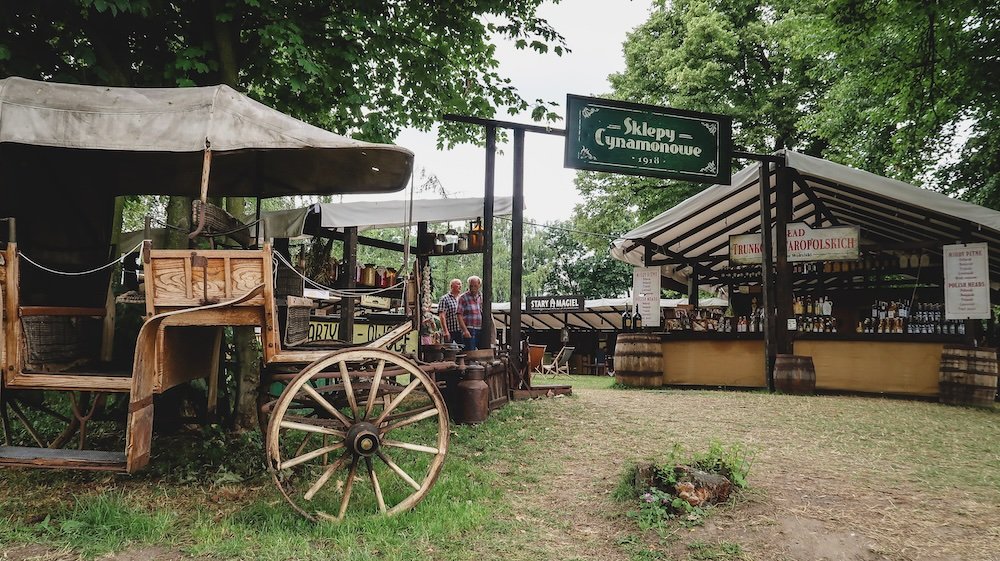
Malbork isn’t just a museum. The town center operates independently of the massive brick shadow next door. The streets are functional and straightforward, packed with practical bakeries, small markets, and serious local restaurants. Walking past the storefronts, the rich, buttery aroma of frying dough regularly spills out into the street. You will find heavy concentrations of amber jewelry shops, leaning hard into the Baltic coast supply chain. If you’re hunting for souvenirs, stick to the specialized woodcarving shops. Be warned: the souvenir stalls immediately facing the moat operate on a massive tourist markup. Walk five blocks into town to cut prices by 30%.
- Market Days: Locals set up fresh produce stalls early in the morning. Good for grabbing cheap fruit.
- Historic Landmarks: The old town hall architecture is a pleasant surprise if you venture off the main drag.
- Tip: Sit at a café that actually faces away from the castle. The prices drop immediately.
Tip: Buy your water and snacks in the town center before walking to the castle complex. You’ll avoid the massive markups.
8) Check Out the Castle’s Nighttime Illumination
When the sun drops, Malbork Castle turns on an aggressive, high-powered illumination system. The intense floodlights throw massive, heavy shadows across the red brick walls, completely altering the visual scale of the place. Standing by the moat, the biting evening chill sinks through your jacket as the halogen lights hum to life across the ramparts. It’s a completely different atmosphere from the chaotic daytime rush. If you stay the night, walking the perimeter at 10:00 p.m. when the tour buses are long gone is honestly one of the strongest experiences you can have here.
- Viewing Spots: The opposite bank of the Nogat river provides the sharpest reflection in the water.
- Timing: The system usually fires up shortly after sunset, but winter hours shift dramatically.
- Tip: You need a steady hand or a solid wall to rest your camera on to avoid blurry low-light shots.
Tip: Walk the bridge at night—the lack of crowds makes the immense size of the fortress feel much more isolating.
9) Visit the Malbork Castle Museum Events & Exhibits
The Castle Museum utilizes its massive floor plan to run rotating technical exhibits and lectures throughout the year. You might encounter deep dives into medieval architectural engineering, specialized weaponry breakdowns, or modern art installations juxtaposed against the brick. Stepping inside, you often notice the harsh, clinical glare of modern exhibit lighting cutting through the gloom of rooms originally lit by torches. Local sources confirm these events draw a heavy local crowd of students and academics, shifting the vibe away from standard tourism. It proves the building is still utilized as an active cultural hub, not just a preserved relic.
- Language: Heavy reliance on Polish. Ask the desk if they have an English printout before paying extra.
- Admission: Specialized exhibits often require scanning a separate barcode on your ticket.
- Tip: If they are running an architectural workshop, check it out—the structural engineering of this place is wild.
Tip: Read the flyers at the main ticket gate. They rarely advertise the niche academic events online.

10) Savor Riverside Restaurants & Local Beers
After you burn thousands of calories walking the perimeter, you need to hit the riverside restaurants immediately. You want heavy, calorically dense Polish food right now. We’re talking massive, thick pork cutlets and bowls of bigos. Sitting at a heavy wooden table on the terrace, you can hear the sharp thud of thick glass beer mugs hitting the wood as waiters navigate the crowds. The local lagers cut right through the heavy grease of the meals. Eating beside the river gives you a constant visual of the castle, letting you rest your legs while still soaking in the location.
- Outdoor Seating: Prime real estate in July. You’ll likely have to wait for a table to open up.
- Desserts: Order the heavy, dense cheesecake (sernik) if you still have room.
- Tip: The restaurants closest to the main gate will overcharge you. Walk five minutes down the path for better quality.
Tip: Pace your beer intake if you still have to walk back to the train station. It’s a longer trek than you remember.
What To Eat and Drink in Malbork, Poland
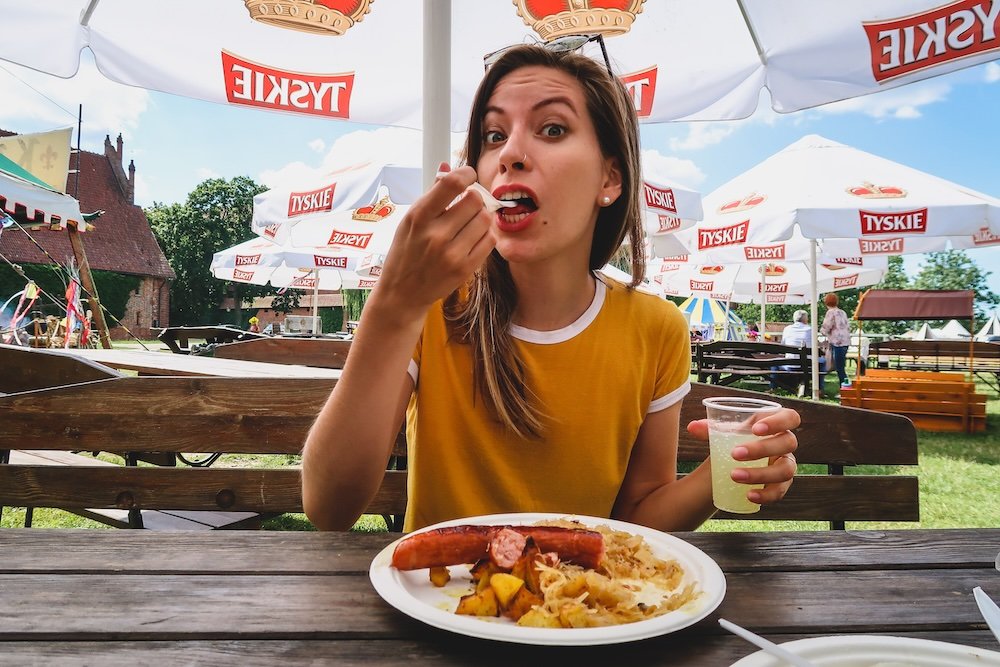
Walking the stone steps of Malbork will completely drain your energy reserves. To refuel, you need the heavy, unapologetic calorie load of traditional Polish cuisine. Prioritize these things to do when you sit down with a menu.
Polish Comfort Classics
- Pierogi: Thick, boiled dough stuffed with heavy potato and cheese (ruskie), or dense ground meat. Always ask for them smothered in hot, greasy fried onions.
- Bigos: A hunter’s stew packed with chopped sausage. The sharp, fermented bite of the hot sauerkraut hits the back of your throat instantly.
- Gołąbki: Cabbage leaves wrapped around tightly packed, spiced ground meat and rice, drowning in a thick, sweet tomato puree.
These aren’t light, breezy summer dishes. This is heavy, utilitarian food designed to keep farmers and soldiers warm during brutal winters. It is exactly what you need after four hours of climbing freezing brick staircases. Stick to the taverns located slightly off the main tourist drag for the most authentic portions. Recent travelers note that retreating to ul. Kościuszki will yield much better food at local prices.
Tip: Order the mixed pierogi platter. It lets you test the meat, cheese, and cabbage variants in a single hit.

Baltic & River-Inspired Fare
Because the Nogat River runs right through town and the Baltic is just up the road, freshwater and saltwater fish dominate the upper half of most menus. You’ll frequently see pan-fried zander (sandacz) served with a heavy crust of herbs. If you want a sharper, adventurous starter, the pickled herring delivers a pungent, oily tang that wakes up your palate immediately. The fish soups here are dense and brothy, relying on heavy peppercorn and root vegetables rather than delicate cream bases. It’s functional, high-protein food sourced directly from the local waterways.
Tip: Ask the waiter what fish came in today—if the zander has been sitting in a freezer, skip it and order the pork.
Soups & Street Snacks
Polish soup is not a light appetizer; it is a full meal. Żurek is a sour rye soup packed with chunks of smoked sausage, and the sour, fermented aroma steaming off the bowl is distinct and incredibly rich. Barszcz offers a stark, vibrant red beetroot broth, usually floating a few meat-filled uszka dumplings. If you are eating on the move, track down a zapiekanka window—it’s a halved baguette toasted with mushrooms and cheap, stringy cheese. We found that the zapiekanka stands directly abutting the castle gates charge almost double; walk a few blocks into the town grid for the real deal.
Tip: Order the Żurek inside the bread bowl. Eating the soup-soaked bread at the end is the best part.
Desserts & Sweet Treats
You cannot leave without hitting a local bakery. The Sernik is a massive slab of Polish cheesecake, much denser and less sweet than what you find in North America. Szarlotka (apple pie) comes out thick and heavy, usually dusted aggressively with powdered sugar. However, the ultimate prize is the Pączki. It is a deep-fried doughnut packed with rose jam, and the sheer, sticky weight of the dough in your hand tells you exactly how many calories you are about to consume. Grab one with a black coffee to offset the sugar crash.
Tip: Buy your Pączki before 10:00 a.m. The good bakeries sell out of the fresh batches by noon.
Drinks & Refreshments
- Beer: Stick to the half-liter drafts of Tyskie or Żywiec. They are cold, cheap, and reliable.
- Vodka: You have to try Żubrówka. The sharp, botanical burn of the bison grass slipping down your throat is an essential Polish experience.
- Compote: A murky, super-sweet fruit juice boiled down from seasonal berries. It’s served in heavy glass cups at most cheap eateries.
Tip: If you order straight vodka, it will arrive chilled. Do not sip it; knock it back in one go like the locals.
Dining Tips & Ambiance
The restaurants directly abutting the castle lean hard into the medieval aesthetic—heavy iron chandeliers, fake swords on the walls, and the loud scrape of thick wooden chairs on stone floors. If you walk ten minutes into the main town grids, you’ll find the utilitarian milk bars (bar mleczny) where the lighting is harsh, the menus are purely in Polish, and the food is incredibly cheap and authentic. Reservations are only critical on weekend nights in the dead of summer. Otherwise, just walk in, find an open table, and sit down.
Tip: Download a translation app for the menus. The best local joints won’t have English translations, and guessing can lead to some aggressive organ-meat surprises.
Tours For Visitors To Malbork, Poland
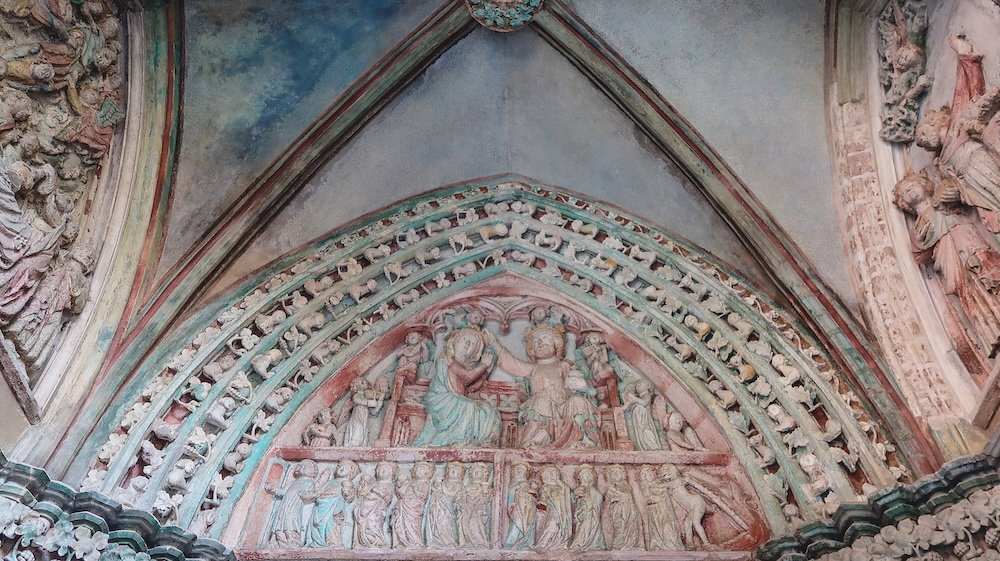
You can wander Malbork Castle blindly, but you will miss the structural logic of how this massive compound operated. Booking a dedicated guide adds necessary context to the endless brick walls. Here are the most practical things to do for travelers looking to actually understand what they are looking at.
1) Full-Day Castle Immersion Tour
This is not a casual stroll; a full-day immersion tour is a physical commitment. The guides will march you through every major courtyard, down into the claustrophobic basements, and up narrow stairwells that most tourists skip. You will feel a dull ache in your calves by hour four as you navigate the uneven masonry. They explain the brutal logistics of moving supplies from the river into the secure zones during an attack. You’ll stop for a heavy lunch mid-tour to refuel. By the time they release you, you will have a comprehensive, boots-on-the-ground understanding of how the Teutonic Knights locked down the region.
- Booking: You must secure these in advance online. Walk-ups for full-day English tours rarely work.
- Time: Upwards of 5 to 6 hours on your feet. Bring water.
- Tip: These tours often move fast—if you lag behind to take photos, you will lose the group in the maze of corridors.
Tip: Wear your most trusted boots—the sheer volume of uneven cobblestones and steep stairs is relentless.
2) Night Tour & Light Show
The evening castle tour completely strips away the chaotic daytime crowds and replaces them with stark shadows. Guides navigate the outer courtyards using minimal lighting, and the faint, acrid smell of burning pitch from the torches creates a genuinely tense atmosphere. Your footsteps echo loudly against the towering brick walls, emphasizing just how isolating the fortress gets after dark. The orchestrated light shows flash aggressive colors across the ramparts, paired with heavy audio tracks explaining the sieges. It’s highly theatrical, but it effectively communicates the imposing dread this fortress projected onto the surrounding lands.
- Seasonality: Check the official castle portal (zamek.malbork.pl) directly, as the night tour schedule changes constantly and third-party sites are often wrong.
- Atmosphere: Dark, quiet, and dramatically lit. You get a much better sense of scale without 5,000 tourists in the way.
- Tip: If the tour includes the falconry demo, get to the front row early to see the birds up close.
Tip: Zip your jacket tight—the wind ripping through the open courtyards at night drops the temperature rapidly.
3) Audio Guide with Flexible Pace
If you hate being herded in a pack of twenty people, grab the official audio guide. You feel the heavy, rigid plastic of the receiver swinging around your neck as you punch in numbers for each room. The narration is dense with dates, architectural facts, and explanations of the internal supply lines. The biggest advantage is pacing; you can bypass the crowded armory rooms and spend twenty minutes in the quiet chapels if you choose. It delivers high-signal historical data without forcing you to match the walking speed of a tour group. When you get tired, you just pause the track and sit down.
- Availability: Stacked by the hundreds at the ticket gate. English tracks are standard.
- Device: Standard push-button units. Make sure the screen isn’t shattered before you walk away.
- Tip: Keep the lanyard tight—if you drop the unit on the stone floors, it will shatter.
Tip: Test the audio jack before you leave the counter. Half of them have static issues in the earpiece.
4) Malbork & Gdańsk Combo Tour
For high-efficiency travel, companies run a dual Malbork and Gdańsk circuit. You execute a rapid, aggressive morning strike on the fortress, skip the slow museum sections, and immediately board a transport van. You’ll feel the vibrating hum of the highway tires as you burn down the road back to the coast. Once in Gdańsk, you hit the Long Market, St. Mary’s Basilica, and the historic crane. It is a grueling, fast-paced day designed to cram two major historical hubs into ten hours. It’s perfect if your schedule is incredibly tight, but you have to accept you won’t see 100% of either location.
- Transit: You are locked into the operator’s van schedule. No lingering allowed.
- Lunch: They usually force a quick meal near Gdańsk’s city center.
- Tip: Confirm if the upfront price actually covers the castle ticket, or if they shake you down for extra cash at the gate.
Tip: Do not bring a heavy backpack. Dragging extra gear in and out of a crowded van all day is miserable.
5) Local Culinary & Market Excursion
If you want to understand regional food systems, book a localized culinary tour. You bypass the tourist traps near the moat and walk straight into the working-class town markets. You will experience the sharp, salty crunch of a dill pickle pulled straight from a wooden barrel by a local vendor. Guides explain how the river access dictates the local fish menus, and you usually end up in a back-alley kitchen watching cooks fold hundreds of pierogi at rapid speed. It’s an incredibly grounded way to see Malbork beyond the red bricks, focusing heavily on calorie acquisition and regional sourcing.
- Duration: Expect 3 hours of walking and eating constantly.
- Vegetarian Options: Polish food is meat-heavy. Email the guide beforehand or you will just be eating bread.
- Tip: The tour usually ends at a local pub. Pace your eating so you can handle the final beer.
Tip: Skip breakfast entirely. These tours load you up with heavy sausages and cheese within the first thirty minutes.
Malbork Accommodations Guide: Hotels, Guesthouses and Hostels
Locking down where to stay in Malbork comes down to a simple choice: pay a premium to stare at the castle from your window, or save cash by staying in the utilitarian town grid. Here is the raw breakdown of your lodging options—from standard hotels to tight dorms—to establish your base for your things to do without overpaying.
Hotels
The hotels closest to the river charge purely for the proximity to the fortress. You get standard European amenities, but the real draw is walking out the front doors and being at the ticket gate in two minutes. Inside, you immediately notice the crisp, heavily laundered scent of fresh hotel linens—a welcome relief after a gritty day of travel. Breakfast buffets here are heavy on cold cuts, strong coffee, and thick breads designed to fuel you up for the walking tours. If you wait until July to book a room with a direct castle view, you will either pay triple or be forced into a windowless room facing an alleyway.
- Budget Range: Base rooms hit around €60, but anything with a view easily clears €120+ in peak season.
- Parking: Confirm parking specs. The lots near the riverside hotels are medievally tight, and local reports note they often charge a premium of around 40-50 PLN per day just to wedge your rental car in.
- Tip: Ask reception if they sell queue-jump tickets—some hotels have priority access deals with the museum.
Tip: Double-check the AC. Polish summers get surprisingly hot, and older riverside hotels sometimes rely on open windows.
Guesthouses & B&Bs
For a quieter, more grounded stay, book a guesthouse or local B&B located a few streets back from the main drag. These are usually converted homes, meaning you will hear the distinct creak of settling wooden floorboards as you walk to your room. The owners handle the breakfasts themselves, often cooking up fresh eggs and serving jams made locally. It is a much slower pace than the chain hotels, and the hosts will happily draw circles on a paper map pointing out the cheap, authentic restaurants that the tourists miss. It feels less transactional and much more like renting a spare room in a functioning neighborhood.
- Average Rates: Highly reasonable, hovering around €40–€60 depending on the bathroom setup.
- Children-Friendly: Better for families who need a bit of yard space or flexible host rules.
- Tip: If you need to do laundry, ask the host directly. They will usually run a load for you for a few extra zloty.
Tip: Respect the quiet hours. Sound travels easily through these older residential houses.
Hostels & Budget Lodging
If you are burning through Poland on a strict daily budget, the limited hostels in Malbork are your primary target. You know the drill: communal kitchens, shared bathrooms, and the inevitable metallic squeak of a top bunk bed every time your dormmate rolls over. The air in a six-bed dorm gets thick fast, but the trade-off is meeting other backpackers to split taxi fares or share a table at the pub. Because Malbork is primarily a day-trip destination, the hostel scene is small, so beds vanish quickly during the summer festival weeks. This route requires earplugs and a padlock, but it keeps your costs rock bottom.
- Price: You can score a dorm bed for under €20 if you book early enough.
- Facilities: Kitchen access is crucial for cooking cheap pasta instead of eating out.
- Tip: Lock up your gear. Do not leave your passport out on the bed while you go shower.
Tip: Check the distance to the train station—some budget spots require a hefty walk with your backpack.
Apartments & Vacation Rentals
Renting a local apartment gives you total independence and a working kitchen. These units are embedded in normal residential blocks. As you enter, you’ll hear the heavy, metallic clank of turning an old key in a thick security door. It gives you space to spread out your gear, run the washing machine, and stock the fridge with cheap local beers from the corner store (Żabka). This is the best play if you are traveling with a group of three or four, as splitting the cost of a two-bedroom apartment almost always beats paying for multiple hotel rooms. You are completely on your own for meals and cleaning, which is exactly how some of us prefer it.
- Platforms: Standard booking apps cover the inventory. Look closely at the user reviews regarding wifi speed.
- Duration: Perfect if you want to use Malbork as a multi-day hub to explore the surrounding region.
- Tip: Read the fine print on key collection. Some require you to hunt down a lockbox on a dark street at midnight.
Tip: Confirm if the building has an elevator. Hauling heavy luggage up five flights of Polish stairs is miserable.
Seasonal Booking Tips
The reality of Malbork is that it gets absolutely hammered by tourism from July through August. Walking into a crowded reception lobby mid-summer, the air is thick, humid, and chaotic with tour groups demanding room keys. If you want a specific hotel during the “Siege of Malbork” event, you need to lock it down three months in advance. Conversely, if you arrive in November, the town is dead quiet, rates drop significantly, but you have to accept that half the local restaurants will close early. Map your tolerance for crowds against your budget before you pick your dates.
- Deals: May and September offer the best ratio of decent weather to lower room rates.
- Events: Festival weekends obliterate the lodging inventory. Book or avoid.
- Tip: Book a rate with free cancellation. Travel logistics in this region can shift rapidly.
Tip: Email small guesthouses directly. You can often negotiate 10% off the app price by offering to pay in cash.
Day Trips From Malbork, Poland
If you use Malbork as a hub, you have immediate access to serious regional transit lines. You don’t need to spend four days staring at the same bricks. Here are five hard-hitting things to do on day trips that require minimal transit time and deliver high value.
1) Gdańsk: Medieval Marvels & Seaside Charm
Jumping on a train for 30 minutes north drops you right into Gdańsk, a massive Hanseatic port city that requires heavy walking. Pushing through the Long Market, the sharp, salty tang of the Baltic sea breeze whips down the alleys between the towering, narrow merchant houses. You have to physically crane your neck to take in St. Mary’s Basilica, a colossal brick structure that dominates the skyline. The waterfront is packed with heavy cranes and seafood restaurants serving fried herring and cold beer. The European Solidarity Centre is a mandatory stop—its rusted steel exterior houses the raw, modern history of the shipyard strikes. Gdańsk is loud, busy, and the perfect counter-punch to Malbork’s static museum vibe.
- Transport: Trains run constantly. Local sources remind travelers that the fast PKP Intercity train costs roughly 20 PLN and takes 30 minutes, while the PolRegio takes nearly an hour to save you just a few zloty. Take the Intercity.
- Activity: Walk the Motława riverfront and find a pub that isn’t swarming with cruise ship passengers.
- Tip: Get off the main tourist drag immediately. The backstreets hold all the cheap milk bars.
Tip: Take the local ferry to Westerplatte if you want to see exactly where WWII kicked off. It’s sobering and highly educational.
2) Elbląg & Its Canal Wonder
Elbląg is a fast 40-minute train ride east, and you go here for one primary reason: heavy engineering. The Elbląg Canal is a bizarre, fascinating system where boats are literally hauled out of the water and dragged across dry land on rails. Standing near the slipways, you hear the loud, grinding screech of massive metal cables pulling the ships up the grass hills. It is a brilliant piece of 19th-century problem-solving. The Old Town itself is heavily reconstructed and much smaller than Gdańsk, making it easy to cover on foot in an hour. It’s a quiet, highly specific day trip focused purely on industrial history.
- Time: The canal boat trips take hours. Only commit to a short section unless you love sitting on boats.
- Photography: Get right up to the grass tracks to shoot the boats emerging from the water.
- Tip: The canal shuts down completely in the winter. Do not attempt this trip in November.
Tip: Pack heavy layers. Even if the sun is out, sitting still on the open deck of a canal boat gets freezing fast.
3) Sztum for a Quaint Castle Experience
If you want a fortress without the overwhelming anxiety of massive crowds, take a 30-minute drive south to Sztum. This is a much smaller Teutonic outpost built on a narrow strip of land between two lakes. Walking the muddy perimeter, the only sound is the quiet rustling of tall reeds and the water lapping against the shore. The inner courtyard is modest; you can walk the walls and check out the small museum without bumping elbows with a single tour group. It serves as a necessary contrast to Malbork, showing you what a standard, utilitarian knight’s garrison actually looked like without all the grand refectory fluff.
- Public Transport: Bus schedules here are erratic. You really need a rental car or a cheap local taxi.
- Admission: Dirt cheap compared to Malbork, and you can walk through the gates instantly.
- Tip: Eat lunch at a local tavern in town. The prices are strictly local, with zero tourist markup.
Tip: Walk down to the lake shore. The view looking back up at the brick walls is the best angle you’ll get.
4) Tczew’s Bridges & Vistula Museum
Tczew is a rapid 25-minute train ride, and its main draw is raw infrastructure. You come here to see the massive 19th-century iron bridge spanning the Vistula River. Walking near the supports, you feel the deep, structural vibration of the heavy trains crossing the modern span next to it, accompanied by the distinct smell of rusted iron and river water. The Vistula Museum breaks down the heavy logistics of river trade that kept this entire region functioning for centuries. It’s a gritty, functional transit hub that offers a sharp, unpolished look at the area’s industrial backbone.
- Cuisine: Hit the bistros near the train station for cheap, massive portions of fried pork.
- Bridge Access: Sections of the old iron bridge are permanently blocked off due to structural decay. Do not climb the fences.
- Tip: The museum is highly specific. If you aren’t interested in riverboats and trade routes, skip it.
Tip: Shoot the bridge from the riverbank below to capture the massive scale of the iron trusses against the sky.
5) Kashubian Lake District Retreat
If you have a rental car and need to escape the concrete and brick entirely, drive an hour west into the Kashubian Lake District. This is rural Poland—deep pine forests, rolling hills, and endless cold-water lakes. Stepping out of the car, the sharp, resinous smell of dense pine needles clears your lungs instantly. You can rent a kayak, hike the dirt trails, or just eat smoked sausage at a roadside stand. The locals here have their own distinct culture, language, and heavy embroidery styles. It is a mandatory palate cleanser if you are burned out on cathedrals, museums, and heavy urban walking.
- Transport: Do not attempt this via bus. You need a rental car to access the deep woods.
- Activities: Rent a boat, hike, or just drive the narrow, winding backroads.
- Tip: Watch out for heavy logging trucks on the secondary roads—they do not slow down for tourists.
Tip: Carry small denomination Zloty. The rural fruit stands and small lakeside bars will aggressively reject your credit card.

Malbork Transportation Guide
Figuring out the transit lines around Malbork is the difference between a smooth trip and standing on a cold platform for two hours. The rail and road networks here are highly functional if you understand the hierarchy of the operators. We’ve broken down exactly how to route your things to do itinerary without getting stranded in the suburbs.
Trains
The train station (Malbork Główny) is your primary lifeline. PKP Intercity operates the fast trains that burn straight to Warsaw or Gdańsk. You will hear the sudden, high-pitched squeal of the steel brakes as the massive locomotives pull into the station. For cheap, short runs to local towns, you rely on the slower PolRegio trains. You must pay attention to the digital boards—platform changes happen with zero warning, and the announcements are rapid-fire Polish. Do not assume every train passing through stops here; verify the route number on your ticket against the board before boarding.
- Fare Range: Regional trains cost pennies; Intercity runs command a premium and require a specific seat assignment.
- Peak Times: Friday afternoons are a chaotic nightmare of students and commuters. Book ahead.
- Tip: Crucially, the PKP Intercity requires a mandatory seat reservation; board without one and you’ll get slapped with a massive penalty fee (often upwards of 150 PLN) by the conductor.
Tip: Buy tickets on your phone via the PKP app. It saves you from arguing with the ticket window staff through a thick glass partition.
Buses
You only use buses when the rail lines fail you or don’t exist. They connect Malbork to the deeper rural villages that trains bypass. Standing at the central bus depot, the heavy, suffocating smell of diesel exhaust baking on the asphalt is inescapable. The schedules posted on the poles are often confusing, distinguishing between school days, weekends, and national holidays with tiny symbols. You buy your ticket straight from the driver, and you need exact change. It is a slow, bumpy method of transit, but it is entirely necessary if you want to reach the isolated castles or lake districts down south.
- Duration: Buses are at the mercy of local traffic and agricultural vehicles blocking the two-lane roads.
- Luggage: You drag your own bags into the undercarriage. Do not expect the driver to help you.
- Tip: Double-check the return schedule immediately upon arriving at your destination. The last bus back to Malbork often leaves at 4:00 p.m.
Tip: Sit near the front. The suspension over the back wheels on older Polish coaches will brutally punish your spine.
Car Rental & Driving
Grabbing a rental car gives you total tactical control over your schedule. The A1 motorway is fast and efficient, but once you hit the secondary roads, you will feel the stiff resistance of the manual gear shift as you navigate tight corners and farm equipment. Parking friction here is intense. If you’re driving, local sources suggest avoiding the official lot on ul. Starościńska—it’s a chaotic trap that charges around 40-50 PLN for the day, and the payment machines routinely reject international credit cards. You are much better off parking across the river near the Kałdowo station and walking the pedestrian bridge to the gates.
- Fuel: Gas is heavily taxed and expensive. Factor this into your daily budget.
- Speed Limits: Speed cameras are everywhere. Stick strictly to the 50 km/h limit in town zones.
- Tip: Polish drivers pass aggressively on two-lane roads. Keep your nerves steady and stay to the right.
Tip: Download offline maps. Cell reception drops to zero the second you drive into the dense pine forests outside town.
Taxis & Rideshare
You’ll find a cluster of taxis idling outside the train station, but do not expect a massive fleet. Climbing into the back seat, you usually catch the lingering scent of cheap pine air freshener and stale cigarette smoke. You must explicitly ask the driver to turn the meter on, or agree on a flat rate to the castle before you shut the door. Ride-hailing apps like Uber or Bolt are basically useless here; the driver pool is too small. If you are dining late on the opposite side of the river, have the bartender call a local dispatch number for you to ensure you get picked up.
- Cost: A run from the station to the far side of town should only cost a few euros.
- Language: Drivers are blunt and fast. Have your destination pulled up on Google Maps to show them the screen.
- Tip: Taxis here rarely accept large bills. Break your 100 PLN notes at a bakery first.
Tip: Look for the official taxi sign on the roof. Unlicensed drivers occasionally circle the station looking for confused tourists.
Walking & Cycling in Town
Malbork is highly walkable, assuming your footwear is up to the task. The brutal reality is that the jarring impact of thin-soled shoes on the uneven, historical cobblestones will ruin your knees within hours. It takes roughly 15 minutes to hike from the train platforms straight to the castle gates. If you rent a bike, stick to the modern paved paths near the river; hitting a wet cobblestone patch on thin bike tires will throw you over the handlebars instantly. It’s a compact grid, meaning you rely on your legs to get almost everywhere within the town limits.
- Footwear: Thick rubber soles only. Leave the canvas shoes in your luggage.
- Bike Paths: You share the road with cars. Ride aggressively and hold your line.
- Tip: Walk with purpose at crosswalks. Traffic will stop for you, but you need to assert your right of way.
Tip: Carry a rugged daypack. You need your hands free to navigate the steep, narrow stairwells inside the towers.
Malbork travel questions answered: castle tips, logistics, seasons & local-style advice
How many days do you really need in Malbork, and is a day trip from Gdańsk enough?
Honestly, yes. If you’re burning daylight, a highly aggressive day trip from Gdańsk gets the job done. The fast train drops you there in 30 minutes, allowing you to execute a 4-hour castle assault, crush a heavy Polish meal, and get back to the coast before dark. You just have to manage your fatigue.
If you hate sprinting through history, book one night. That gives you the critical window to view the fortress fully illuminated at night when the chaotic tour buses have fled. We found that two nights is overkill unless you are actively using the town as a hard base camp to strike out at Elbląg or Tczew.
When is the best time of year and time of day to visit Malbork Castle?
The operational window for perfect lighting is late May to September. You get long, bright evenings, but you pay for it by fighting massive crowds in July. In winter, the stark, freezing wind rips across the courtyard, dropping the temperature instantly and providing a brutally authentic, moody experience.
Timing is everything. Be at the ticket gate at 8:45 a.m. to beat the bus surges, or arrive at 3:00 p.m. when the massive groups are retreating to the restaurants. In the winter, the sun drops like a stone by 4:00 p.m., drastically compressing your viable sightseeing hours.
What is the easiest way to get from Gdańsk to Malbork Castle without renting a car?
Rely purely on the rail network. The heavy, steel-on-steel clatter of the PKP Intercity train gets you there in 30 minutes, while the cheaper PolRegio locals drag it out to an hour. It’s a straight 15-minute hike from the Malbork station platform to the ticket gates.
Financially, it’s a cheap ticket—roughly the price of a local pint of beer. If you despise managing timetables, you can book a bundled van tour out of Gdańsk, but executing the train route yourself is fundamentally straightforward and gives you total schedule control.
How much do Malbork Castle tickets cost, and which route should I choose?
Currently, standard main tickets hover around 80 to 90 PLN depending on the exact season for the full-scale Historical Castle Route. This is the heavy-duty ticket that pulls you through all three main sectors and takes nearly four hours of grinding stair-climbing. The Castle Grounds Route is roughly half the price, keeping you entirely outdoors and restricting your access to the deep interiors.
In our experience, if you made the trip, you buy the Historical Route. The sheer volume of the interior rooms is the whole point. Take the shorter Grounds Route only if you have a tight train to catch or if your knees simply cannot handle 400 irregular stone steps.
Do I need to book Malbork Castle tickets or tours in advance?
Absolutely. If you roll up on a Saturday in July without a digital barcode on your phone, you will stand in a hot, static line in the baking sun for over an hour. The guided English tour slots cap out rapidly, and they will mercilessly turn you away once the capacity limit hits.
If you arrive in November, you can walk straight to the glass window and buy a ticket in two minutes. Regardless of the month, always pull up the official site the night before to ensure they haven’t suddenly locked down a wing for emergency masonry repairs.
How long does it actually take to visit Malbork Castle properly?
Block out four grueling hours for the interior. You have to physically cover the High, Middle, and Lower Castle zones, and the sheer footprint of the building ensures you cannot sprint through it. You will inevitably get bottlenecked behind a slow-moving school group in a narrow corridor.
Add another hard hour to walk the external moat, cross the pedestrian bridge for wide photos, and locate a coffee. It is a massive physical commitment, so clear your schedule for the entire middle of the day.
Is Malbork Castle good for kids and families, or will younger children be bored?
Teenagers handle the heavy weaponry exhibits and massive scale perfectly fine. It triggers an immediate, tangible connection to the history. If you time the trip with a summer medieval festival, the loud clashes of armor and thick smoke from the camps will keep everyone highly engaged.
For toddlers, it’s a tactical nightmare. The audio guides are dry, the stone stairs are treacherous, and the “do not touch” museum rules are strictly enforced by the guards. You have to aggressively manage their fatigue levels and be fully prepared to abandon the tour halfway through.
How accessible is Malbork Castle for wheelchair users or travelers with limited mobility?
It is fundamentally hostile to wheels. While the modern ticket offices and some flat ground-floor courtyards have been smoothed out, the core architecture relies on steep, deeply worn stone staircases and heavily rutted cobblestones that will instantly trap a wheelchair caster. The limited elevator systems only cover a fraction of the necessary vertical climbs.
If mobility is severely compromised, you are restricted to the outer perimeters and a fraction of the interior rooms. The sheer physical resistance of navigating a 14th-century military installation cannot be fully modernized. Check the official site for the exact map of ramp-accessible zones before committing.
Is Malbork a safe place to visit, and are there any common scams or hassles to watch out for?
It is a highly secure town. The baseline threat level is essentially zero for violent crime. Your only real vulnerability is pickpockets working the dense crowd bottlenecks at the train station or right in front of the main ticket gate. You just need basic situational awareness.
The only scam you will face is an unmetered taxi driver trying to charge you triple for the 3-minute ride from the station to the moat. Zip your wallet into an internal pocket, agree on cab fares upfront, and you will have zero issues on the ground.
What should I wear and pack for a full day exploring Malbork Castle and town?
Function dictates everything. You need thick, aggressively treaded boots to absorb the shock of thousands of uneven cobblestone impacts. The interior corridors act like stone refrigerators; even in July, you need a light jacket to handle the temperature drop when you enter the High Castle.
Strap on a tight daypack. Load it with heavy water bottles and high-calorie snacks, because once you are deep in the tour route, exiting to find food is a massive logistical headache. If you bring a camera, pack the widest lens you own—the courtyards are incredibly tight.
Can I visit Malbork Castle on my own, or is a guided tour or audio guide worth it?
You can walk it solo, but you won’t understand what you are looking at. The heavy plastic audio guide hanging around your neck is entirely necessary to decipher the purpose of the massive empty rooms. It injects the required historical data directly into your ears while letting you dictate the walking pace.
Live guides are highly effective if you want aggressive storytelling and structural breakdowns, but you sacrifice your freedom of movement. If you hate standing in a tight circle of tourists straining to hear a guide, grab the audio unit and execute the route on your own timeline.
Should I stay overnight in Malbork or base myself in Gdańsk instead?
Booking a room in Malbork secures you the tactical advantage of seeing the fortress at 10:00 p.m. when the floodlights kick on and the grounds are dead quiet. You get to walk the river paths without fighting for space, and the town operates at a much slower, grounded pace.
However, Gdańsk is a massive operational hub with vastly superior food and nightlife options. If you want high-density things to do after 8:00 p.m., sleep in Gdańsk. We found the most efficient play is using the fast trains to base out of the coast and treating Malbork strictly as a heavy day-mission.
Are there vegetarian or picky-eater-friendly food options in and around Malbork Castle?
Polish menus are notoriously heavy on pork and sausage, but vegetarians can survive easily. You simply order massive plates of ruskie pierogi (cheese and potato) or thick, hot bowls of mushroom soup. You just have to explicitly verify that the soup broth wasn’t boiled with pork bones first.
If you are traveling with someone who refuses to eat regional food, the taverns serve basic grilled chicken, heavy fries, and standard pasta. The bakeries offer universal safety—a dense slice of szarlotka (apple pie) requires no adventurous palate to appreciate.
Are there luggage storage options in Malbork if I’m traveling with bags?
Yes, and you must use them. The train station operates a bank of steel lockers, allowing you to dump your heavy transit bags the second you step off the train. It is the smartest logistical move you can make.
The castle ticket office also runs a cloakroom because the guards will aggressively stop you from dragging a 40-liter backpack through the tight museum corridors. Strip your gear down to a tiny daypack for your passport and camera, and lock the rest away.
Are there special events, festivals, or night shows at Malbork Castle worth planning around?
The “Siege of Malbork” in July is the undisputed heavyweight event. The fields surrounding the castle fill with hundreds of re-enactors, and the noise of the simulated armor combat echoes across the river. It completely alters the sterile museum atmosphere into something chaotic and loud.
During the warmer months, they fire up the night-time illumination sequences. Standing in the freezing courtyard while massive spotlights sweep the walls and heavy audio tracks narrate the fortress’s history is incredibly effective. Lock down the exact dates directly on the castle’s official portal before you book your flights, as third-party sites frequently list outdated schedules.
| Activity / Route | Current Cost / Time | The Reality Check | Pro-Tip |
|---|---|---|---|
| Historical Castle Route | 80-90 PLN / 3.5 hrs | Worth it. This is the main event. Don’t cheap out on the grounds-only ticket unless you physically cannot climb stairs. | Buy online in advance. The walk-up queue will eat an hour of your morning in July. |
| PKP Intercity from Gdańsk | ~20 PLN / 30 mins | The absolute best way to arrive. Fast, cheap, and dumps you 15 minutes from the gates. | You MUST secure a seat reservation. Boarding without one results in a harsh conductor fine (150+ PLN). |
| Riverside Tourist Restaurants | Premium Pricing / 1 hr | Skip if you want authentic flavor. The view is great, but you are paying a massive markup for the moat proximity. | Walk 5 blocks into the town grid to ul. Kościuszki for heavy, cheap milk bar (bar mleczny) portions. |
| Official Castle Parking | 40-50 PLN / Daily | A chaotic trap. The payment machines frequently reject foreign credit cards and the lots bottleneck fast. | Park across the river near Kałdowo station and use the pedestrian bridge to walk in. |
| Live Guided Tour | Included in ticket / 2.5 hrs | Skip it. They herd you through the best rooms too quickly for decent photography. | Grab the audio guide unit instead. You control the pace and can linger in the quiet chapels. |
Malbork Travel Guide: Final Thoughts
Malbork delivers exactly what it promises: an imposing, historically dense fortress that requires serious stamina to conquer. But if you ignore the town operating in its shadow, you miss the reality of the location. Push past the ticket lines, hit the backstreet bakeries, and sit down for a heavy, garlic-laden meal where the locals actually eat. The town balances the massive tourist influx with functional, everyday Polish grit.
By now, you have the operational blueprint for the things to do: you know to buy the full Historical ticket, you know to rent the audio guide, and you know exactly how to handle the heavy transit lines without getting fined by a conductor. You won’t get stuck paying premium prices for bad food by the moat, and you know how to avoid the predatory parking machines. Whether you stay in a crisp chain hotel or secure a bed in a guesthouse run by friendly locals, your logistics are locked in.
Executing a day trip from the coast is highly efficient, but if you secure a room for the night, you gain access to the empty, floodlit perimeters that the rushed crowds completely miss. It all comes down to how much physical energy you are willing to burn.
The fortress stands exactly as it was designed—massive and intimidating—but the surrounding infrastructure makes it highly accessible if you navigate it correctly. You pack the right boots, you time the trains, and you embrace the sheer scale. Hearing the final, heavy thud of your boots hitting the train platform on your way out, you’ll know you executed the trip perfectly.