
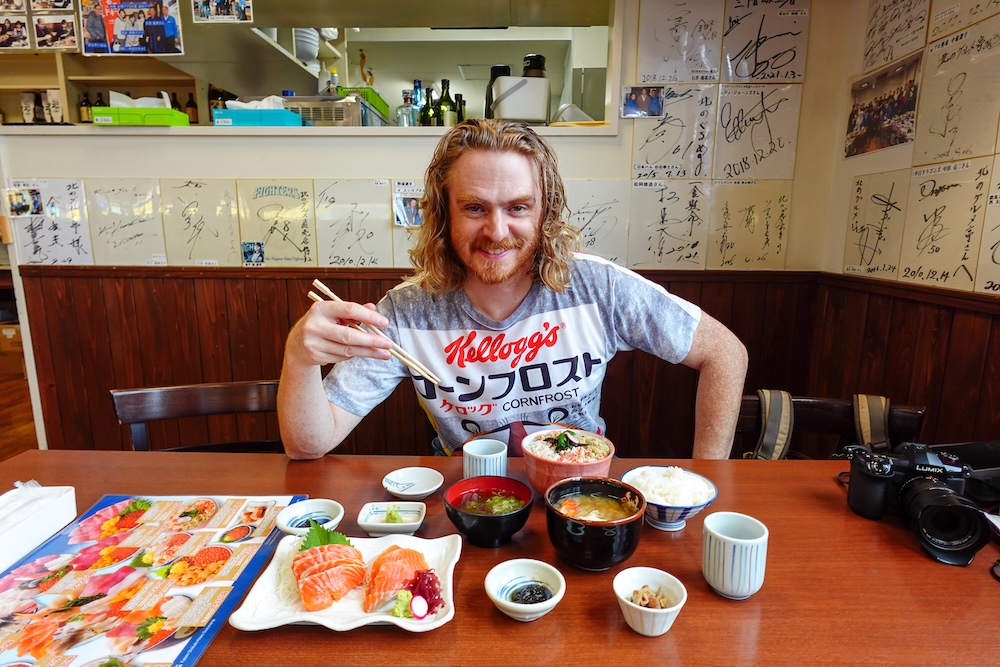
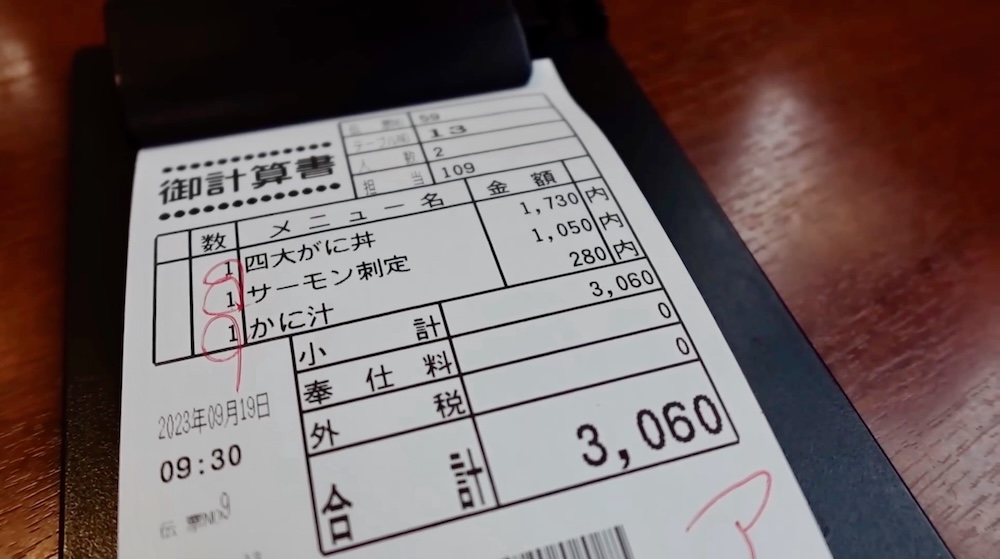
The receipt says 9:30 a.m., 19 September 2023, table 13, two people, ¥3,060. For that, Audrey got a bowl of rice buried under four kinds of crab, I got a salmon sashimi set with a crab miso soup on the side, and we both left the Sapporo Curb Market more stuffed than breakfast usually leaves anyone. It was also our first trip out of central Sapporo. After days of sticking to the middle of the city, we rode out to the edge of it with the same plan we’d had at the fish market in Hakodate: a late, fresh seafood breakfast. We smelled the market well before we saw it. Following our noses turned out to be a perfectly reliable navigation method.
If you’re weighing the same trip, the questions are fairly predictable. Is the “Crab Market” everyone mentions the same place as the Curb Market, and how does either relate to the wholesale market next door? What actually comes in a crab bowl, when a single menu can run from a few hundred yen to nearly nine thousand? And is it worth leaving the city centre for breakfast at all? Here’s how our morning went, what every item cost, and what the same meal costs now, which, in the case of Audrey’s bowl, is a fair bit more.
One Market, Four Names: What the Curb Market Actually Is
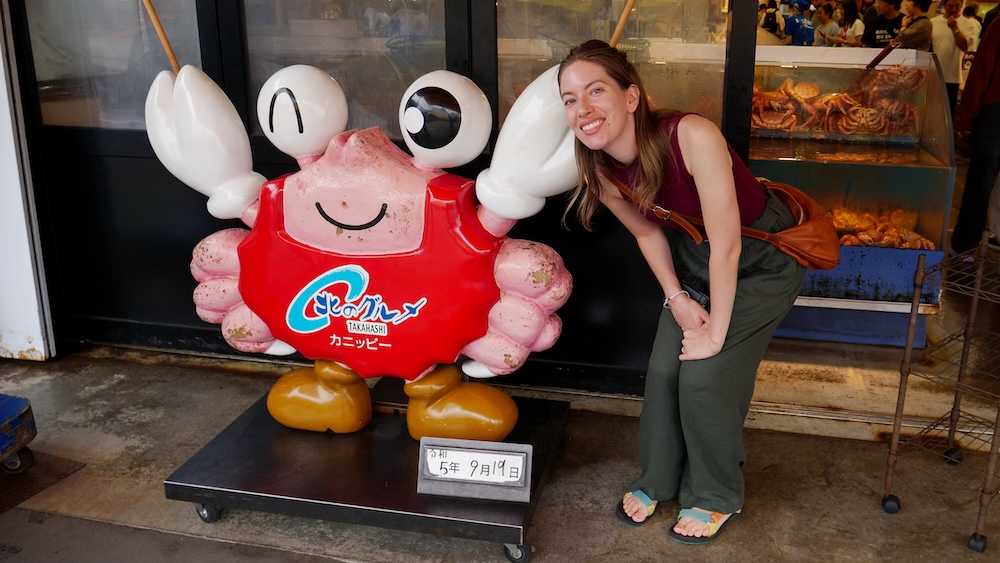
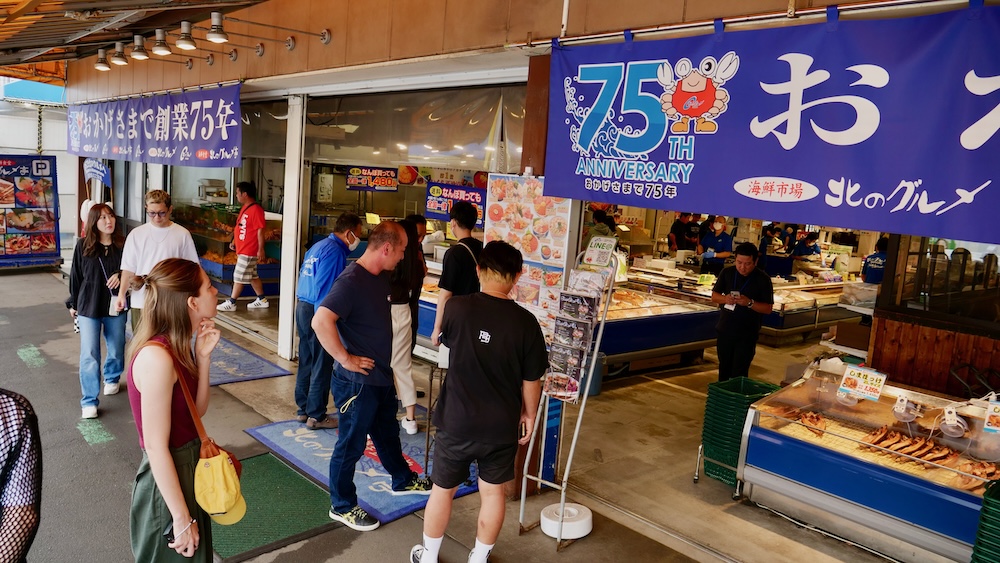
Part of the confusion is that the place answers to at least four names. In Japanese it’s the Jōgai Ichiba, literally the market outside the market. Officially in English it’s the Sapporo Central Wholesale Market Curb Market, which is a mouthful nobody actually says out loud. Guidebooks also call it the Outer Market, and plenty of visitors, us included, just call it the Sapporo Crab Market. That last one isn’t only tourist shorthand: the market’s own English page uses “crab market” in its web address.
All four names point to the same cluster of around 60 shops and restaurants beside the Sapporo Central Wholesale Market, at Kita 11-jo Nishi 21-chome, northwest of downtown. The wholesale market is where the trade happens, and the public can’t wander in. The Curb Market is the public side of the operation. Seafood, produce and dried goods reach its shops as soon as the morning bidding next door finishes. The market opens around 6 a.m., most restaurants start serving from 7 a.m., and it has no fixed closing days.
The other seafood market you’ll hear about is Nijo Market, right in downtown Sapporo near Bus Center-mae Station, with roots going back to the early Meiji period. We didn’t go there, so I can’t compare the two from a seat at the counter. The practical difference is location. Nijo slots into a day of sightseeing in the centre, while the Curb Market asks for a short trip out of the core. If you’d rather have someone walk you through a market than pick your way through one alone, the guided options I came across focus on Nijo, not the Curb Market. One current choice is a small-group seafood brunch tour through Nijo Market, which runs about two and a half hours with tastings along the way and a sushi brunch.
Getting There From Central Sapporo
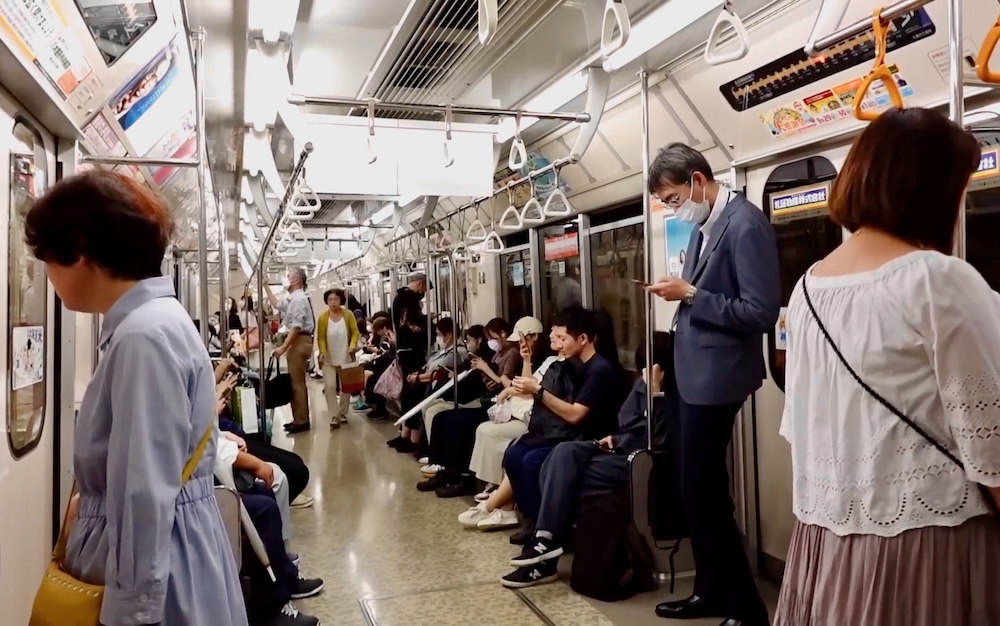
We took the subway and walked the rest of the way, which is the simplest route for most people. The nearest station is Nijuyonken on the Tozai Line, about ten minutes from Odori, and from there it’s a seven- to ten-minute walk to the market entrance, depending on your exit and how quickly the smell reaches you. The other option is JR Soen Station, a few minutes by train from Sapporo Station and about a ten-minute walk away.
That Tozai Line connection is a good reason to think about where you’re sleeping. Staying near Odori Station puts the Curb Market a single subway ride away for an early start, and keeps the rest of central Sapporo on your doorstep for the remainder of the day. If you’re still choosing a base, you can compare hotels near Odori Station.
Kita no Gurume, the business behind the restaurant we ate at, also runs a free shuttle bus for customers, which has to be reserved in advance. We didn’t use it, but it’s worth knowing about if you’re travelling with luggage or kids. There’s free parking too.
Our Seafood Breakfast at Kita no Gurume-tei
Choosing a Restaurant (and Reading the Prices)
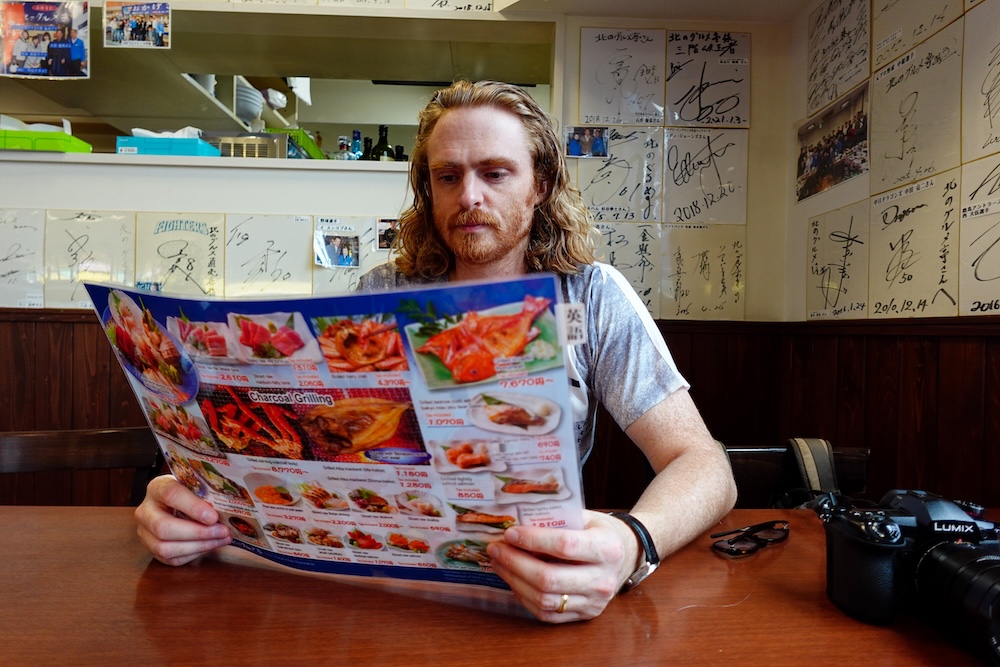
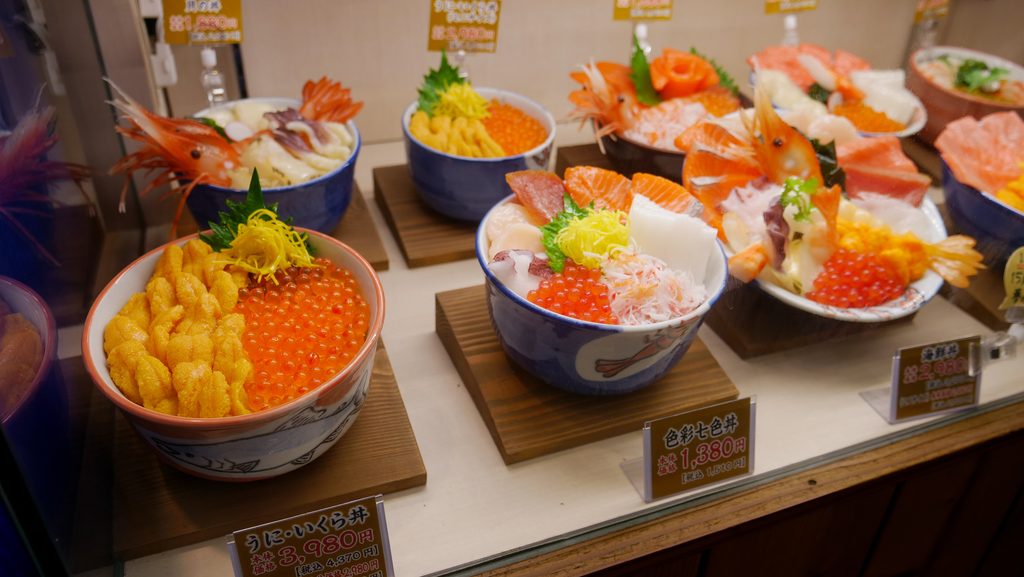
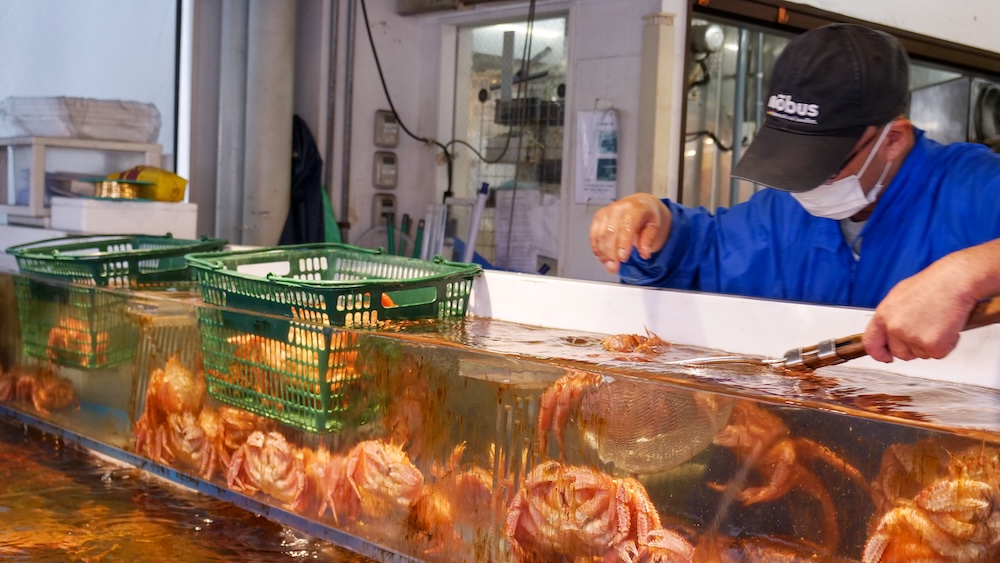
On camera I described the options as endless, and that’s about right. Shopfronts are stacked with crab, and display windows are crammed with plastic bowls of salmon roe, sea urchin, tuna and shrimp. Show up without a plan and choosing can take longer than eating. We didn’t have to wing it, because Audrey had done her research and picked Kaisen Shokudo Kita no Gurume-tei. It’s the restaurant attached to Kita no Gurume, one of the market’s oldest seafood businesses, and its shop sits on the right as you enter the market, with crabs lined up out front.
The dining room is up a floor from the shop and much bigger than the entrance suggests: 320 seats, an elevator, wooden tables, and walls papered with signed boards, a few of them from Hokkaido Nippon-Ham Fighters players. There’s an English menu with photos and English descriptions, which made ordering far easier than I’d expected at a working market at half past nine in the morning. It keeps breakfast-and-lunch hours, 7 a.m. to 3 p.m. with last orders at 2:30, so a crab dinner here isn’t an option.
One thing to sort out before you start pricing bowls: the plastic-food displays and the menu don’t always show the same kind of number. Japan requires prices to include tax, but it’s perfectly legal to print the pre-tax price in big type with the tax-included price beside it in smaller type. Outside Kita no Gurume-tei, an uni and salmon roe bowl was labelled ¥3,980 in large print, with ¥4,370 tax included underneath. The smaller number is what you pay. The English menu inside listed tax-included prices only, which is a mercy when you’re doing arithmetic before coffee.
A Sashimi Set and a ¥280 Crab Soup
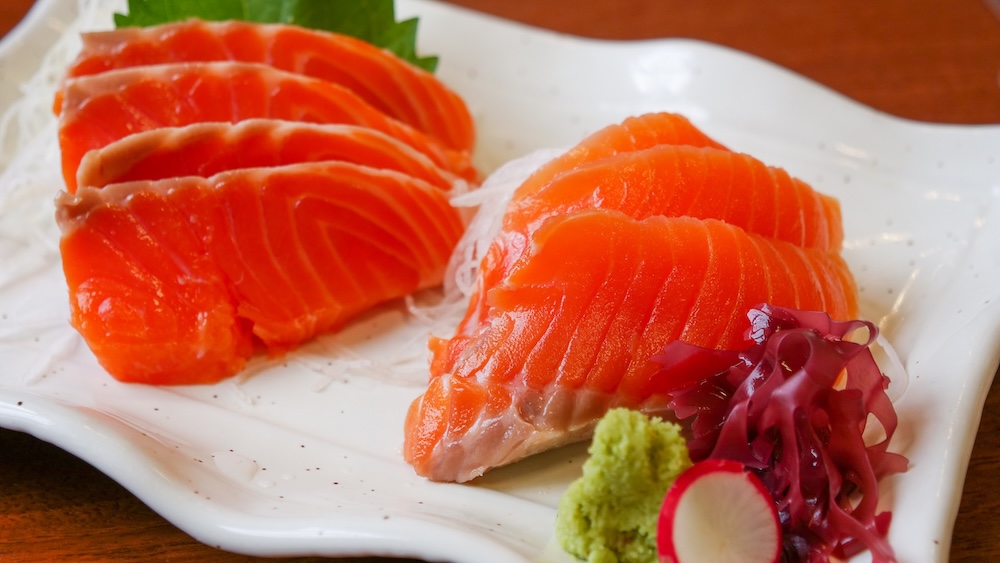
My side of the table was the budget route into crab. I ordered a salmon sashimi set for ¥1,050 and added a crab soup for ¥280. The set was more generous than the price suggested. It came with thick slices of salmon, fresh wasabi and a tangle of red seaweed on the plate, a bowl of rice, a small bowl of seaweed soup, and a couple of side dishes. I love wasabi, so more of it went onto the salmon, and then a bit more again. Everything tasted as fresh as it should at a market supplied by the auction next door.
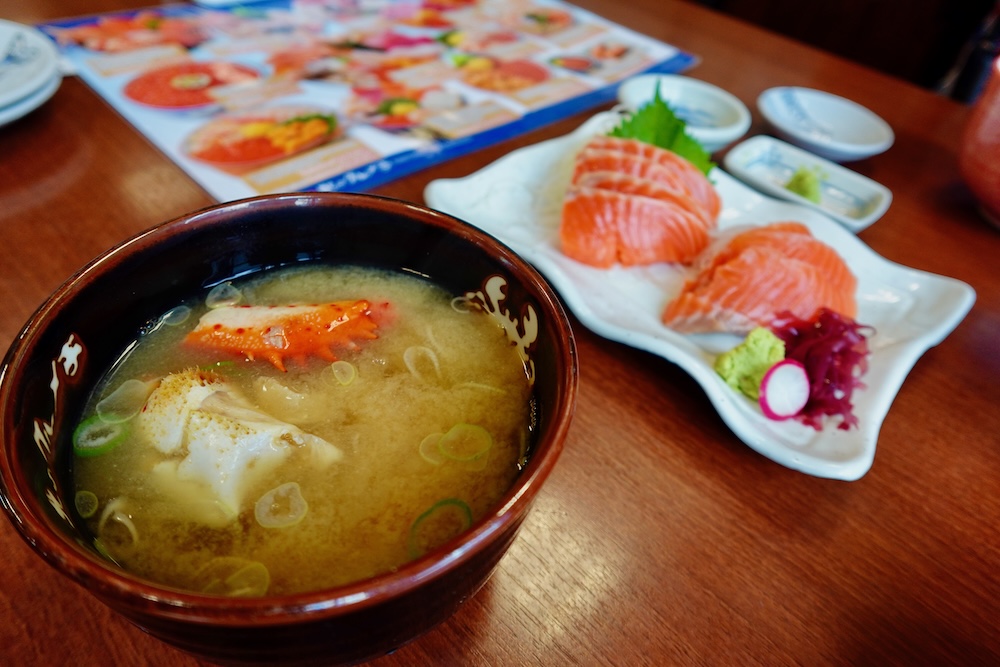
The crab soup is the cheapest way to get real crab into a market breakfast: a miso soup with a piece of crab leg floating in it. The catch is getting the crab out of the shell. We had no scissors, and I had nothing to dig with, so it came down to squeezing and prodding until the meat gave up. It does give up eventually, in chunky flakes, and it’s worth the wrestling match. I liked that soup so much that by the end of the meal I’d decided we needed to start making our own miso soup at home once we were back in Canada. There was also a small dish of dark sauce for the rice that tasted seafoody, seaweedy and slightly sweet. We never did work out what it was.
The current menu lists salmon sashimi at ¥850, a rice set with soup and small sides at ¥300, and crab soup at ¥300. Something close to my plate would now come to roughly ¥1,450, against ¥1,330 in 2023. The menu has been reshuffled since our visit, so treat that as a ballpark.
The Four-Crab Donburi We Tried
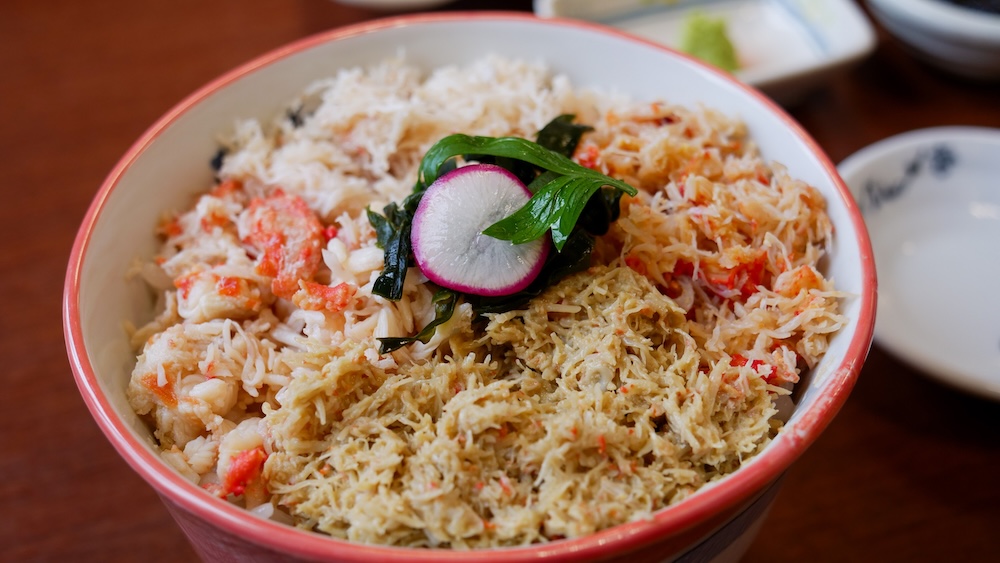
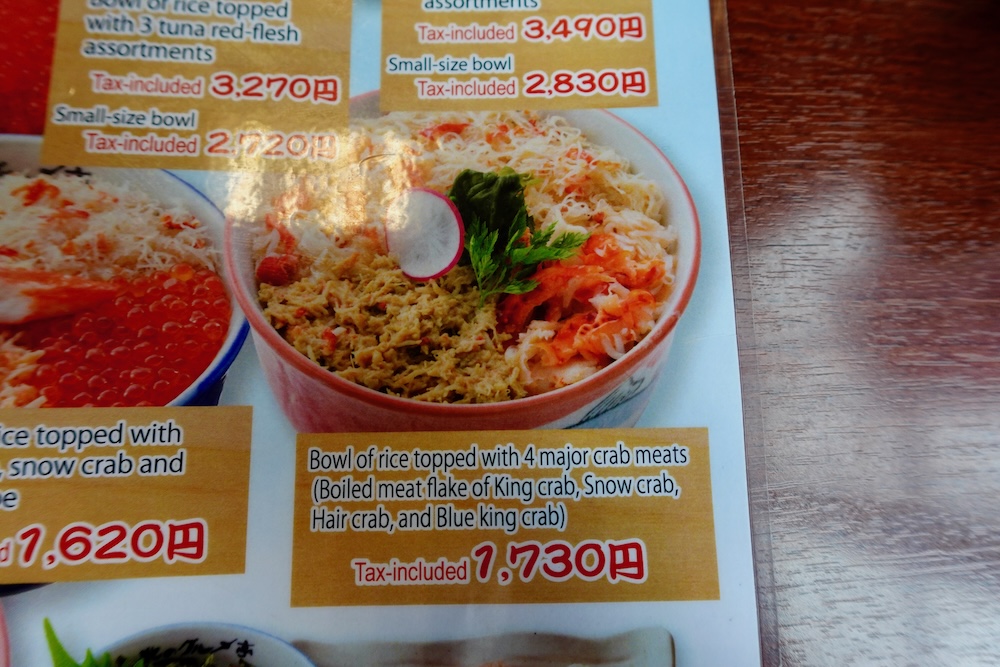
Audrey’s bowl was the reason we’d come. The English menu called it a bowl of rice topped with four major crab meats: king crab, snow crab, hair crab and “blue king crab,” all as boiled flakes. It arrived as a mound of pale, shredded crab in four distinct sections over rice. Audrey read the four names out, then cheerfully admitted she’s not a crab expert and had no idea which section was which. Her plan was to taste her way through all four and pick a favourite anyway, which is the correct approach to any bowl of crab.
The first section was soft and tender, enough to prompt a declaration that she loves the texture of crab, full stop. Another was stringy and a little saltier, with a texture that earned a comparison to canned tuna, more accurate than appetizing. The third had a noticeably stronger flavour, and Audrey thought she might like that one best. The last, the lightest in colour, was really good too. Her verdict was that they were all good, but the third was her personal favourite. I can’t tell you which crab that was, and neither could she.
King, Snow, Hair and Hanasaki: What Each Crab Brings
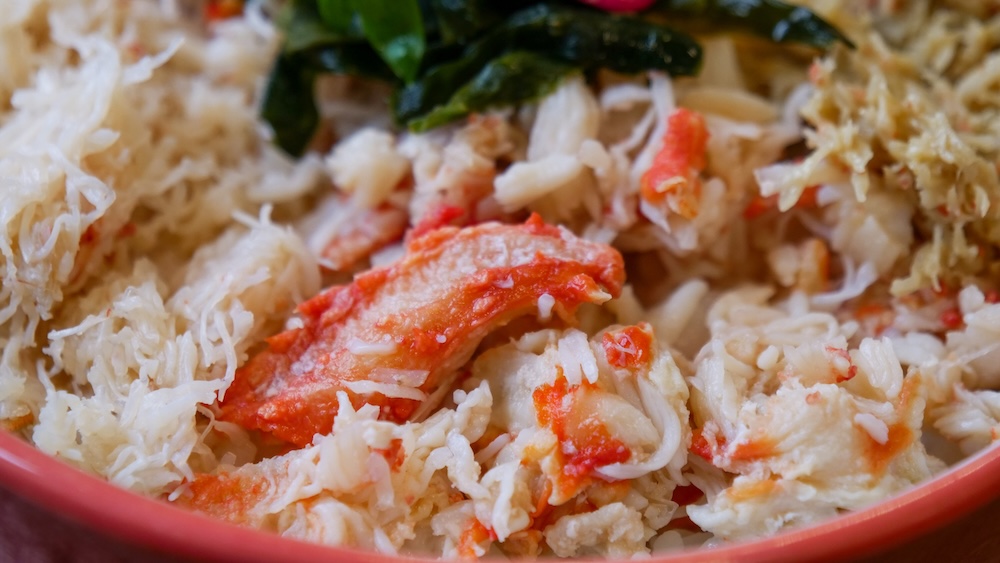
I can tell you what the four crabs are, because the English menu doesn’t quite tell the whole story. The restaurant’s Japanese menu lists the bowl as king crab, snow crab, hair crab and hanasaki crab, with the snow crab mixed with crab miso. “Blue king crab” is how hanasaki often gets translated on Sapporo menus. It isn’t a precise match, but it’s the label you’ll see.
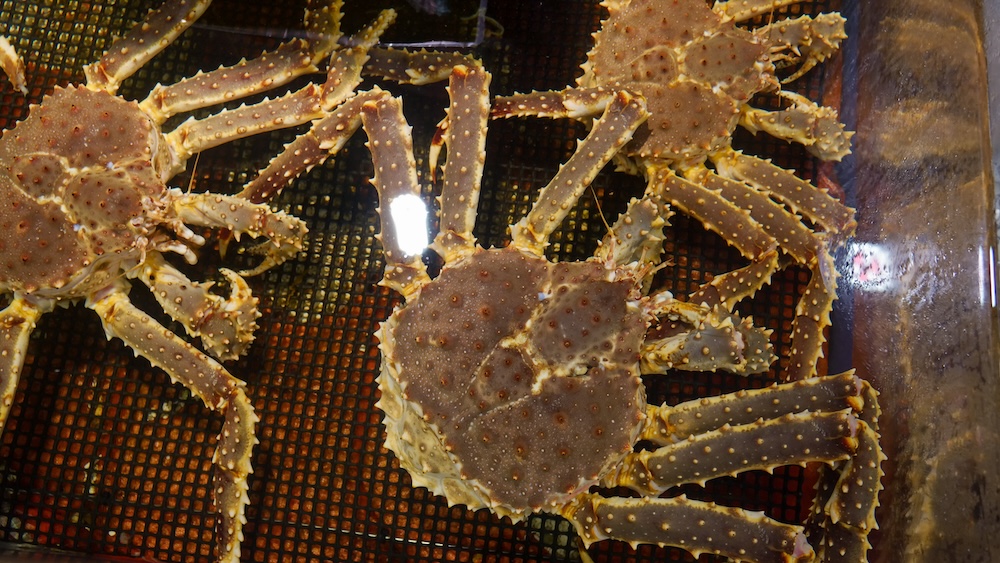
King crab is the giant of the group, with a shell that can reach about 25 centimetres across and legs approaching a metre. Technically it isn’t a true crab: like hanasaki, it has eight legs including its claws and is more closely related to hermit crabs than to the ten-legged true crabs. Hanasaki is king crab’s smaller relative, named after Hanasaki on the Nemuro Peninsula in eastern Hokkaido. Hair crab is a true crab, named for the soft, hair-like spines covering its shell. It’s the smallest of the four and the one Hokkaido locals tend to know best. Snow crab, the one with long, slender legs and sweet meat, came dressed in crab miso in this bowl, which gives that section a richer edge than plain flakes.
Is a Flaked-Crab Bowl Worth It?
Yes, as long as you know what you’re ordering. A flaked-crab bowl is a tasting of several crabs for a fraction of what whole crab costs. You won’t be cracking legs. The menu says “boiled meat flake,” and that’s exactly what arrived. For Audrey, it meant trying four crabs in one sitting, which no single whole crab could have given her. For the two of us, the whole breakfast came to ¥3,060, and with soup, rice, a pile of seafood and side dishes each, we thought that was very reasonable.
The bowl has changed since then, though, and this matters if you’re budgeting. In 2023 the four-crab bowl came in a single size at ¥1,730. Kita no Gurume-tei now charges ¥2,720 for it, and ¥1,730 buys the new mini size. In other words, the price Audrey paid now gets you the smaller bowl.
The menu doesn’t say where its crab is caught, and origin varies with species and season. Plenty of the king crab sold in Japan comes from Russian or Alaskan waters, while Hokkaido’s own catch swings sharply from year to year; Nemuro has had an exceptional king crab haul in 2026. If origin matters to you, ask before you order rather than assuming everything on a Sapporo menu came out of Hokkaido waters that morning.
What Crab Costs at the Curb Market, Then and Now
Here’s what crab cost at Kita no Gurume-tei on our 2023 menu and on its current official menu. These are one restaurant’s tax-included prices, not market-wide figures, but they show the brackets you’ll be choosing between.
| Order | What you get | 2023 | Now |
|---|---|---|---|
| Crab soup | Miso soup with a piece of crab | ¥280 | ¥300 |
| King crab, snow crab and salmon roe bowl | Crab flakes and salmon roe over rice | ¥1,620 | ¥2,170 |
| Four-crab bowl | Flakes of king, snow, hair and hanasaki crab over rice | ¥1,730 | ¥2,720 (mini ¥1,730) |
| Seafood bowl | The full mixed-seafood bowl | ¥3,270 | ¥3,600 (mini ¥2,940) |
| Boiled hair crab | A whole crab | from ¥4,370 | from ¥4,370 |
| Grilled king crab | Half a crab, grilled in the shell | from ¥8,770 | from ¥8,770 |
What stands out to me is how the brackets have shifted. The bowls have crept up, some of them substantially, while whole crab hasn’t budged. A crab soup or a mini flaked bowl is still the cheapest real taste of crab, and whole crab remains the splurge. Prices move, so check the restaurant’s official menu page before you go.
Timing a Curb Market Breakfast (and Arriving Hungry)
Our 9:30 a.m. arrival turned out to be good timing. The market is busiest between about 8 and 11 a.m., when the morning stock is at its best, and products start thinning out after that. The restaurants fill up again at lunchtime with Sapporo locals. A late breakfast lands neatly between the early rush and the lunch crowd. Many shops hand out samples and will help with choosing and shipping crab if you’re shopping as well as eating. We came for breakfast and didn’t browse the stalls, so I can’t vouch for the bargaining side of things.
The other piece of advice is the one I’d underline. Come on an empty stomach. We’re not used to eating that much food for breakfast, and we weren’t complaining, but between the rice, the soups, the sides and the seafood, the table was covered by the time it all arrived.
Is the Curb Market Worth the Trip for Breakfast?
If crab is the point of your morning, yes. The short subway ride buys you a working market and restaurants where breakfast is the main event rather than an afterthought. How you order depends on how much crab you want:
- For a taste: add a crab soup to a set meal, or get a mini flaked-crab bowl.
- For a proper crab breakfast: order the full four-crab bowl and taste your way through it the way Audrey did. No expertise required.
- For legs to crack: budget from about ¥4,400 and order a whole crab instead.
Whichever you choose, pay attention to the tax-included price, get there before lunch, and don’t eat anything on the way. And if you’d like a guide for the rest of your eating in Sapporo, you can browse the city’s current food tours. Most of the market-focused ones head to Nijo, so for the Curb Market itself, a subway ride and an empty stomach remain the best plan.
Frequently Asked Questions
Is the Sapporo Crab Market the same as the Curb Market?
Yes. The Sapporo Crab Market, the Curb Market, the Outer Market and the Jōgai Ichiba are all names for the same cluster of around 60 shops and restaurants beside the Sapporo Central Wholesale Market. The wholesale market itself isn’t open to the public, but the Curb Market is.
How do you get to the Sapporo Curb Market from central Sapporo?
Take the Tozai subway line from Odori to Nijuyonken, a ride of about ten minutes, then walk seven to ten minutes to the market entrance. JR Soen Station is the alternative, about a ten-minute walk away.
What is in the four-crab donburi?
It’s a bowl of rice topped with boiled flakes of king crab, snow crab, hair crab and hanasaki crab, with the snow crab dressed in crab miso. The English menu labels hanasaki as “blue king crab.” Expect shredded crab meat, not legs to crack.
How much does a seafood breakfast at the Curb Market cost?
Our breakfast for two at Kita no Gurume-tei in 2023 came to ¥3,060, covering a four-crab bowl, a salmon sashimi set and a crab soup. Prices have risen since: the four-crab bowl that cost ¥1,730 then is now ¥2,720, with ¥1,730 buying the mini size.
What time should you go to the Curb Market for breakfast?
A late breakfast works well. We ate at 9:30 a.m., between the market’s busiest stretch of roughly 8 to 11 a.m. and the lunchtime rush of Sapporo locals. Kita no Gurume-tei serves from 7 a.m. to 3 p.m., so it isn’t a dinner option.
What is the cheapest way to eat crab at the Curb Market?
At Kita no Gurume-tei, a crab soup (¥280 in 2023, ¥300 now) added to a set meal is the cheapest real taste of crab, followed by a mini flaked-crab bowl. Whole crab is the splurge, starting at ¥4,370 for a boiled hair crab.
Why do some market display prices look lower than what you pay?
Display cases can legally show the pre-tax price in large type with the tax-included price beside it in smaller type. The smaller tax-included number is what you actually pay, so read that one before choosing a bowl.
This guide is also available in Spanish. [Leé la versión en castellano: Guía del Mercado Externo de Sapporo (Mercado del Cangrejo): desayuno de mariscos, boles de cangrejo y el donburi de cuatro cangrejos que probamos]
This article contains affiliate links. If you book through one of these links, I may earn a commission at no extra cost to you.