
“How many days do you need in Patagonia?” is the wrong question, and I know that because I’ve spent years accidentally answering it wrong.
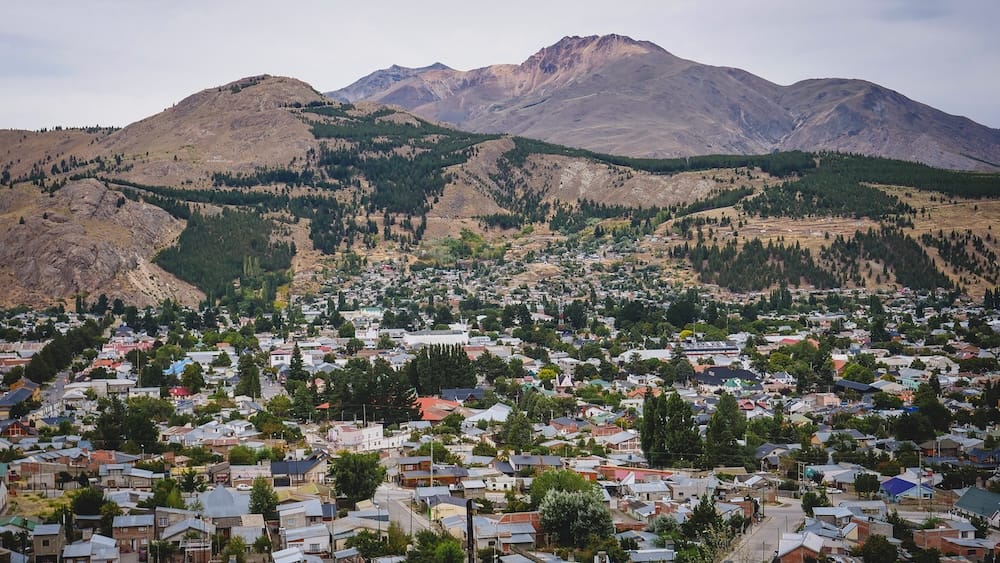
I’ve made four separate trips across Argentine Patagonia now, over roughly seven years, and on the very first one I planned it like a single destination — a long, ambitious loop where each stop got whatever days were left over after the last one ran long. It didn’t work. By the time Audrey and I reached Villa La Angostura, a lake-district town we’d normally give a full week, we had exactly one short stay left in the budget. I said as much on camera, on our last morning there — something like, this was a short stay, we usually spend about a week in a place like this, but we were running out of time in Patagonia and there was still so much we wanted to see, so we had to pick up the pace. That’s not a planning failure unique to us. It’s what happens when you treat “Patagonia” as a place instead of what it actually is: several very different regions, thousands of kilometers apart, connected by travel days most people don’t budget for.
So instead of the single number most trip-planning pages hand you — which is exactly the kind of advice that got us into that apartment doorway with too little time left — here’s the formula I actually use now: a firm minimum per destination, plus the real cost of getting between them, times however many of Patagonia’s regions you’re actually trying to see. Once you have that, the number builds itself.
Why “How Many Days” Doesn’t Have One Answer
Patagonia isn’t one place with one answer. It runs roughly 2,500 kilometers north to south and 800 kilometers at its widest point, spanning two countries. That’s not a number you feel on a map. You feel it after your third overnight bus.
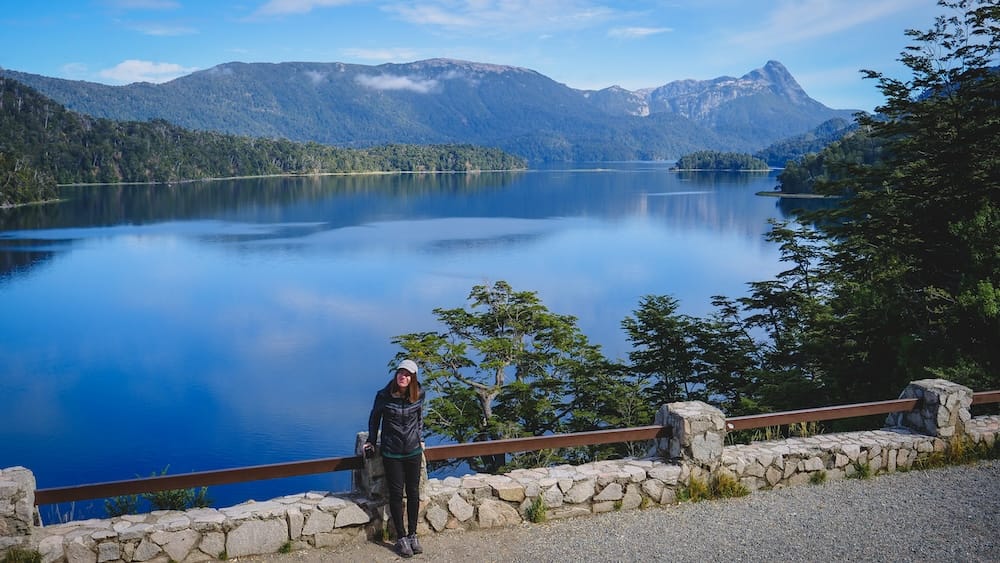
The way I’ve come to think about Argentine Patagonia — the way that actually helps with planning, rather than just being geographically correct — is as three distinct regions, and treating any one of them as representative of “Patagonia” is the first mistake most itineraries make. There’s the northern lake district: Bariloche, Villa La Angostura, San Martín de los Andes, El Bolsón, Esquel — mountain towns built around lakes and forest trails, with a slower, chocolate-shop-and-brewery pace. There’s the glacier-trekking south: El Calafate and El Chaltén, where the postcard version of Patagonia actually lives, all granite spires and advancing ice. And there’s the Atlantic coast — Puerto Madryn, Peninsula Valdés, and a scattering of oddly specific Welsh towns settled by 19th-century immigrants, which most people forget is even part of Patagonia until they’re already looking at penguin photos.
Each of these could be its own trip. Squeezing all three into one without adjusting your day count is where most itineraries go wrong before they’ve left the airport.
The 3-Day Minimum (and When It’s Not Enough)
Here’s the rule I plan around now: every destination gets a minimum of three days, and anything less is a mistake you’re making on purpose.
The logic is arithmetic, not sentiment. Your first day anywhere new is mostly gone before it starts — arriving, checking into the hotel, getting oriented, maybe one meal and a nearby attraction if you’re lucky. That leaves two full days to actually do the thing you came for. Three days isn’t leisurely. It’s the floor.
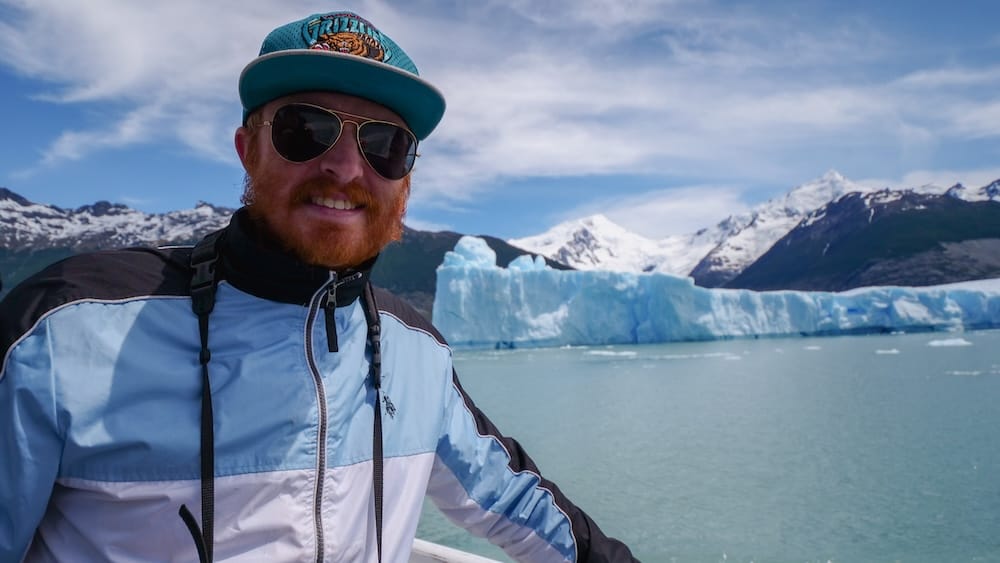
Some places need more than the floor, and I’d rather tell you which than pretend the rule is universal. El Calafate is the clearest example. Across our visits there, no two days looked alike: one was entirely the glacier boat cruise, a genuine splurge that ate the whole afternoon and evening — you can compare current Perito Moreno boat and boardwalk tours on GetYourGuide to get a sense of what that day actually involves; a separate day went to walking the Perito Moreno boardwalks, which on its own can fill a day if you actually want to sit with the glacier instead of photographing it and leaving; a third went to a countryside estancia visit; and at least one we deliberately kept slow — a museum, a wander around the bird reserve, a long lunch — because after several full-throttle days, we needed one that wasn’t. Four distinct shapes, none of them padding.
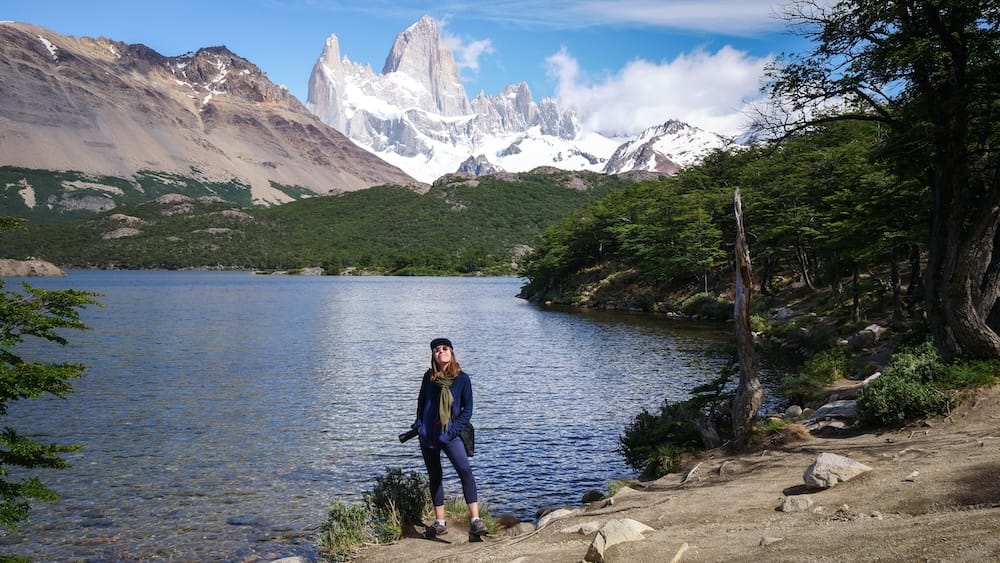
El Chaltén runs on a different logic: weather. The two marquee hikes — Laguna Capri, a shorter half-day out and back, or the full push to Laguna de los Tres for the Fitz Roy view, an eight-to-ten-hour round trip — are what almost everyone with only a few days there ends up chasing. Patagonian weather doesn’t book itself around your calendar, so if you want the clear-sky version of that photo, you need a spare day or two built in specifically so one cloudy morning doesn’t cost you the hike entirely. That’s the actual mechanism, not caution for its own sake: under-budget a hiking town and you don’t just get a rushed visit, you can miss the thing you came for outright.
The Real Cost of Getting Between Places
This is the part almost every itinerary I’ve read gets wrong, and it’s the part that actually decides your total day count: how you move between regions costs wildly different amounts of time depending on how you choose to do it, and most planning advice only ever gives you one of those numbers.
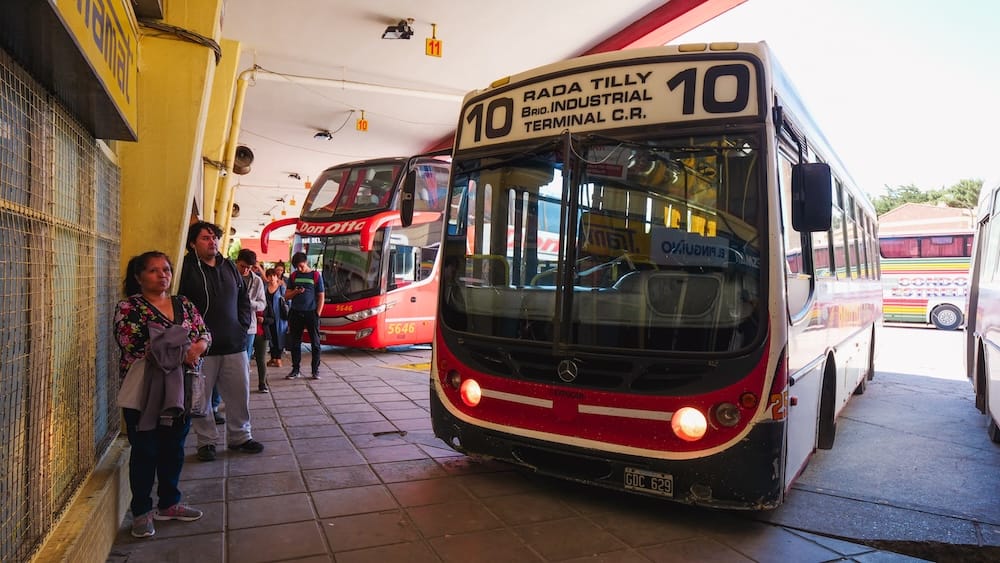
Take Bariloche to El Calafate. Driving it yourself, non-stop, runs around 18 hours — that’s the figure I usually reach for from memory, and it’s accurate, for driving. Almost nobody drives that leg, though. Take the scheduled public bus, which is how most travelers without a rental car actually cover it, and you’re closer to a full day and a half — routinely 27 to 28 hours, because it’s not a straight overnight drive, it’s a scheduled service with stops, occasionally longer if a stretch of Route 40 is flooded. Fly it on a direct seasonal route and the same trip takes under two hours.
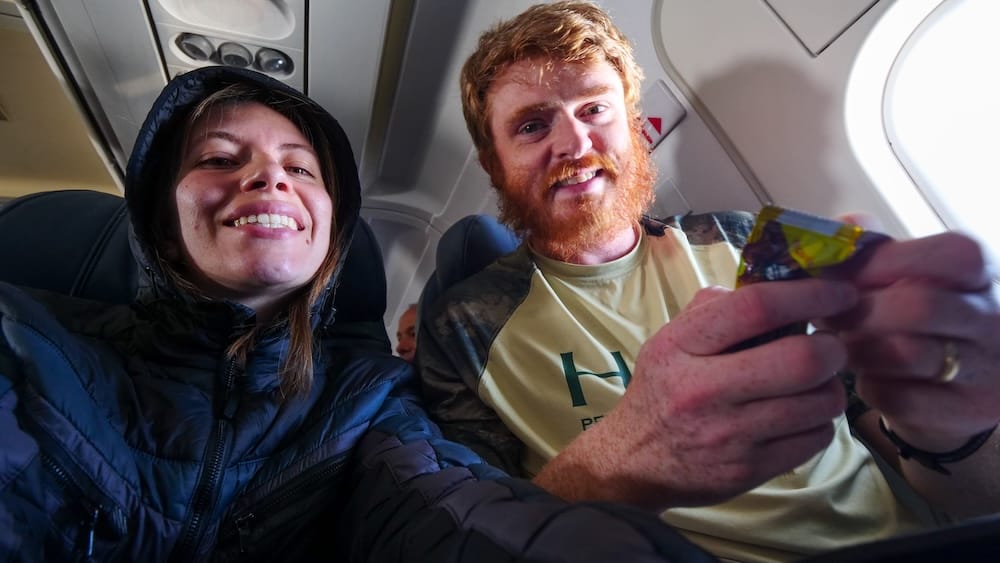
The same gap opens up again heading south. El Calafate to Ushuaia runs roughly 11 to 13 hours if you’re driving, including a ferry crossing and a double border transit through Chile — there’s no all-Argentina road connecting the two. The scheduled bus, routed through a transfer in Río Gallegos, typically lands somewhere between 17 and 24 hours depending on your connection, which makes it one of the longer overland hauls in the region. Fly it and you’re under two and a half hours — worth it to check current flight prices between El Calafate and Ushuaia before you commit to a multi-day bus schedule.
I’m not steering you toward one option over the other. What I want you to walk away with is that “how long does it take to get there” is actually three different questions, and the number you plan your trip around should match how you’re actually traveling — not whichever figure happens to be lodged in your head from a video or a blog post. Budget a long jump like it’s a flight when you’re actually booking bus tickets, and you’ll lose a day you didn’t account for.
Shorter, in-region hops don’t have this problem. El Calafate to El Chaltén, for instance, is a straightforward direct bus of two and a half to three hours — there’s no meaningful drive-versus-fly decision to make at that distance. It’s the long jumps between regions where your transport choice is really a choice about how many days the trip needs.
Three Ways to Budget Your Trip, by Region
Once you’ve got the floor and the real transit cost, your total trip length falls out of how many of Patagonia’s three regions you’re covering.
One region alone runs roughly seven to ten days — enough to give two or three towns their full three-day minimum with a manageable buffer, without the trip becoming mostly transit. That’s the shape of the tour Audrey and I eventually built and sold ourselves, covering just El Calafate and El Chaltén over eight days: room for the marquee glacier and trekking excursions, a couple of easier alternative hikes for anyone not up for a full trekking day, and genuine free time in both towns rather than a forced march through them.
Two regions pushes you into twelve to sixteen days, and this is where the transit decision above actually changes your total count. Fly between the lake district and the glacier-trekking south and you stay near the low end of that range; bus it and you’ve added the better part of two days in transit that you should budget for honestly rather than discover mid-trip. When we spent five nights in San Martín de los Andes, we mapped out four real, distinct days as we went — a self-guided walk around town, the full-day Seven Lakes route (compare current Seven Lakes tours departing from San Martín on GetYourGuide if you’d rather not self-drive it), a boat tour on the lake, a local hike — which is roughly the shape a well-used stop in a two-region trip should take.
All three regions in one trip means three weeks or more, and I say that with some confidence because we’ve actually done it: one continuous trip took us from the lake district down through the coast, into the glacier-trekking south, across into Chile for a stretch, and finally to Ushuaia at the bottom of the continent before heading back north. It’s a real itinerary, and it worked, but only because each region got its own days instead of being compressed into one rushed loop.
| Region | Minimum floor | What that actually buys you | Transit to the next region (drive / bus / fly) |
|---|---|---|---|
| Lake District (Bariloche, San Martín, Villa La Angostura, El Bolsón) | 3 days per town, often closer to a week for one you want to properly settle into | A city day, a full-day scenic tour, a boat trip, a local hike | ~18h / ~27–28h / ~1h45m to El Calafate |
| Glacier-Trekking South (El Calafate, El Chaltén) | 3 days minimum each, more with a weather buffer | El Calafate alone supports four distinct day-shapes | El Calafate ↔ El Chaltén: ~2.5–3h direct, no real drive/fly split |
| Atlantic Coast (Puerto Madryn, Valdés, the Welsh towns) | 3 days minimum — this region rewards flexibility more than precision | Wildlife day trips, a Welsh-town detour, a slower pace | ~14h / ~18–20h / ~2.5–3.5h to Buenos Aires |
| Ushuaia / Tierra del Fuego | 3 days minimum, plus a day or two for a Tolhuin side trip | End-of-the-world sights, a national park day trip | ~11–13h / ~17–24h / ~1h20m–2h40m to El Calafate |
Picking a Base in Each Region
I haven’t personally tested hotels in every town on that table, so take this as regional know-how rather than a review — but here’s where I’d start looking once you’ve settled on a region.
In El Calafate, stay close enough to the bus terminal that an early Perito Moreno pickup doesn’t mean a taxi at 6 a.m. — browse current El Calafate hotel options on Booking.com and filter by that. El Chaltén is small enough that almost anywhere puts you within walking distance of the trailheads, so the real question is how much of a splurge you want after a long trekking day — compare El Chaltén accommodation on Booking.com to see the range. San Martín de los Andes rewards staying centrally near the lake, since you’ll be circling back into town between activities — check current San Martín de los Andes hotels on Booking.com. Puerto Madryn is more forgiving on location, since Peninsula Valdés is a drive either way — look at Puerto Madryn accommodation on Booking.com if the coast is part of your plan. And in Ushuaia, I’d weight location toward the harbor end of town over the hillside hotels with the view, purely for how often you’ll be walking back in after dinner — see current Ushuaia hotel options on Booking.com.
Why Padding Matters More Here Than Most Places
Under-budgeting here doesn’t just mean a rushed trip — it can mean missing things outright, because two forces work against you at once: booking lead times and the season.
The clearest example from our own trip is the glacier ice-trek at Perito Moreno. We showed up in El Calafate wanting to walk out onto the ice itself and were told there was no availability for three more days — days we didn’t have. That wasn’t bad luck. Hielo y Aventura is the only outfit licensed to run it, capacity is genuinely limited, and in peak season the standard walk needs booking roughly a week to ten days out, with the longer, more demanding version needing closer to two to three weeks. Skip that runway and you’re not choosing whether to do the glacier walk. You’re choosing not to — check current availability for Perito Moreno ice-trekking tours before you lock in your El Calafate dates, not after.
Season cuts the other way, too. We learned this arriving in Las Grutas right at the tail end of the season, watching hotels, restaurants, and shops shut their doors around us with almost no warning. El Chaltén runs on the same logic in reverse: from roughly late May into September, the town goes quiet — a lot of businesses close outright, bus service between El Calafate and El Chaltén thins to a couple of runs a day, and much of what draws people there isn’t realistically doable without proper winter gear. None of that means skip the off-season. It means the numbers above assume you’re traveling when things are actually open, and if you’re not, your day count needs to account for it.
It’s the same lesson as Villa La Angostura, really: a trip planned right up to the edge of its available days has no room left when reality doesn’t cooperate, and in Patagonia, it rarely does on schedule.
So, How Many Days Do You Actually Need?
Here’s the short version: take the number of Patagonia regions you’re actually trying to see, give each one roughly a week if you want to do it properly, and add extra days for however you’re getting between them — more for buses, less for flights.
For most first-time visitors, that lands somewhere around ten to fourteen days for two regions done well, or a tight but genuine week for one region done right. Trying to fit the lake district, the glacier-trekking south, the coast, and Ushuaia into a single trip? Give it three weeks and don’t apologize for the number — that’s not indulgent, that’s what the geography actually costs.
What I wouldn’t do is what we did on that first trip: build an itinerary where every stop gets whatever’s left over after the last one ran long, and hope the transit sorts itself out. It won’t. Pick your regions first, give each one its three-day floor, price in the real road between them, and let the total be whatever that adds up to — not the other way around.
Frequently Asked Questions
How many days do I need in Patagonia?
It depends on how many of Patagonia’s regions you’re covering, not on a single fixed number. Give each destination a three-day minimum, add the real transit time between regions, and multiply by how many regions you’re visiting. For most first-time visitors that lands around ten to fourteen days for two regions, a tight week for one region, or three weeks or more to cover the lake district, the glacier-trekking south, the coast, and Ushuaia together.
Is seven days enough for Patagonia?
Seven to ten days works well if you stick to a single region — enough to give two or three towns their full three-day minimum without the trip becoming mostly transit. Trying to stretch seven days across multiple regions means eating most of that time in travel instead of at your destinations.
How long does it take to get from Bariloche to El Calafate?
Driving it yourself runs around 18 hours. The scheduled public bus is longer, typically 27 to 28 hours, since it’s a service with stops rather than a straight overnight drive. A direct seasonal flight covers the same route in under two hours.
How long is the trip from El Calafate to Ushuaia?
By car, plan on roughly 11 to 13 hours, including a ferry crossing and a border transit through Chile. The scheduled bus, routed through a transfer in Río Gallegos, typically takes 17 to 24 hours depending on the connection. Flying covers the same route in under two and a half hours.
How many days should I spend in El Calafate?
Three days is the floor, but El Calafate rewards more. Across multiple visits, distinct days went to the glacier boat cruise, the Perito Moreno boardwalks, a countryside estancia trip, and one deliberately slow day — four different shapes in one town.
Do I need to book the Perito Moreno glacier trek ahead of time?
Yes. Capacity is genuinely limited since a single outfit runs it, and in peak season the standard ice walk needs booking roughly a week to ten days out, with the longer version needing closer to two to three weeks. Arriving without a booking risks missing it entirely.
Is El Chaltén open during the winter?
Not fully. From roughly late May into September, many businesses close, bus service between El Calafate and El Chaltén thins to a couple of runs a day, and much of what draws people there isn’t realistically doable without proper winter gear.
Can I see all of Argentine Patagonia in one trip?
Yes, but it takes three weeks or more. Covering the lake district, the coast, the glacier-trekking south, and Ushuaia in a single continuous trip is realistic — it’s been done — but only by giving each region its own days rather than compressing all of them into one rushed loop.
Project 23 Argentina: This guide is also available in Spanish. [Leé la versión en castellano: Cuántos días necesitás en la Patagonia]
This article contains affiliate links. If you book through one of these links, I may earn a commission at no extra cost to you.